Biyografisini yazan Nick Johnstone, 1990 yapımı ünlü filmi “The King of New York”a ve filmlerinin yarıdan fazlasının doğup büyüdüğü bu kentin sokaklarında geçmesine atfen kitabına “Abel Ferrara: New York’un Kralı” adını vermişti. Her krallık gibi Ferrara’nınki de kolay korunmuyor… Ne Amerika’da geniş kitleye hitap edebiliyor ne başka bağımsız yönetmenler misali dünya festivallerinde baştacı ediliyor. O yüzden yaşamını Paris’te sürdüren İranlı yönetmen Raffi Pitts’in 2003’te yaptığı belgesele verdiği “Abel Ferrara: Not Guilty / Suçsuz” adını daha esprili ve manidar buluyorum!
Alin Taşçıyan
Haziran 2014, star.com.tr
***
Daha bir ay önce Ferrara, Cannes’da ‘paralel etkinlik’ yaptı! Eski IMF Başkanı Dominique Strauss-Kahn’ın New York’ta bir otel görevlisine tecavüz ettiği iddiasıyla patlayan skandalı ve 2012 yılında her iki tarafın anlaşmasıyla düşen davadan yola çıkan “Welcome to New York”, Cannes Film Festivali’ne seçilmedi. Bunun üzerine yapımcıları, festival zamanı, Cannes’da bir sinema kiralayıp alternatif bir gösterimle basın lansmanı yoluna gitti. Kahn, kendisini ima eden şehvet düşkünü, benmerkezci finansçıyı Fransız yıldız Gerard Depardieu’nün canlandırdığı bu filme karşı dava açmıştı… Ferrara ise filmin başında yazdığı gibi bu skandaldan esinlenmediğini, olayın adeta üzerine atladığını söylüyor!
2014’te Ferrara’nın ikinci iddialı yapımı olan “Pasolini”nin çekimleri birkaç ay önce tamamlandı. Ferrara, İtalyan sinemasının büyük ustalarından Pier Paolo Pasolini’nin 54 yaşındayken kurban gittiği, bugüne dek hala çözülememiş olan gizemli cinayete odaklanıyor.
Pasolini’yi ise muhteşem Willem Dafoe canlandırıyor. Kariyerine ve biçemine bakılacak olursa her iki film de tam Ferrara’ya göre!
Pasolini’ye tutkusu bambaşka ama…
Şehre ve sokaklara tutkusu ise okul yıllarına uzanıyor. 8mm kamerasıyla New York’ta çekimler yaptığı döneme… Ki o zaman da yanıbaşında olan arkadaşı Nicholas St. John daimi senaristi oldu. B filmlerinin özelliklerini, janr elemanlarını ustaca değerlendirmesinin, her daim politik bir boyut eklemesinin yanı sıra ilk döneminin ikonik filmlerinde yer yer New York sokakları belgeseli havası vardır.
Ferrara, New York sokaklarının yanı sıra insan ruhunun karanlık yanlarını, şiddeti sergilemekten sakınmadan aktaran bir yönetmen olarak tanınır. Abel Ferrara sineması deyince suç dünyasının, kendi kanunlarına ve ahlaklarına göre toplum içinde yaşamaya azimli suçluların, çetelerin, seri cinayet işleyen katillerin, onlarla mücadele eden polislerin öykülerinin stilize edilerek beyazperdeye yansıtıldığı filmler gelir. “The King of New York”, “Kötü Dedektif / Bad Lieutenant”, “Cenaze / The Funeral” filmleriyle “Miami Vice” ve “Crime Story” dizilerinin birçok bölümü onun sinemasını en iyi temsil eden yapıtlar olarak kabul edilir. Bu filmlerden Christopher Walken ve Harvey Keitel’in imgelerinin öne çıktığını da eklersek, bugüne dek hiç Abel Ferrara filmi izlememiş olanların bile sırtlarından bir ürperti geçecektir! Daha da ürpermek isteyenler vampir öyküsü “The Addiction”ı tercih edebilir!
Abel Ferrara & Alin Tasciyan İstanbul Festival 2014
“Kendimi kötü mü hissediyorum? Hayır. Keşke filmi anlasalardı. İntihar mı edeceğim? Asla. Sadece kiralamak zorunda kaldığım bir smokin ve yürümek zorunda olduğum bir kırmızı halıdan kurtuldum.”
Ferrara,‘9 Lives of a Wet Pussy’den bu yana kırk yıldır ne yapıyorsa, aynısını yapıyor. Abel Ferrara’nın son filmi Cannes’deki gösterime seçilmedi ama bu filmin gösterilmeyeceği anlamına da gelmiyor. “Onlar bu şehrin sahibi değiller; bir sinema kiralarız ve filmi gösteririz ve insanlar gelir. Film kimsenin umrunda değilse kimse de gelmez…”
Fakat geldiler; “Welcome to New York” filmi kumsalda bir çadırda, katranlı bir muşambanın üzerinde hafif bir meltemin esintisiyle sahnelendi ve bu yılın en havalı etkinliğiydi. Film, festivalin bir parçası olmamasına rağmen aynı gün içinde online gösterime girdi. “Welcome to New York”un cazibesi çok açık: Cannes’deki çoğu diğer filmin aksine, o gerçekçi ve insanın yakasına yapışıp tokatlayan cinsten bir film.
Yönetmeni, IST. Festival’de yakaladım ve ona New York’u sordum:
Dostum! Sana dürüst konuşacağım. Bronx’ta doğdum ve büyüdüm. Dedem, New York’a yirmi yaşında gelmiş, babam da doğma büyüme NY’ludur; 70’lerde şehir bok gibiydi ve ben de NY’la ilgili bir şeyler göstermek istiyordum; birçok film yaptım fakat bugün New York benim için bayat, uyuşturucu ve alkol ile geçmişimi hatırlatmaktan başka bir işe yaramıyor. Artık, beni çeken yer burası doğu, bu yüzden şu anda İstanbul’dayım.
İstanbul’dan beklentilerin?
Tabii ki, gerçek olan şeyler. Gerçek istanbul’u görmek istiyorum, büyüleyici caddeleri ve yaşanmış hikayeleri. Hayatım boyunca hep İstanbul’a gelmek istemiştim; doğu ve Batı, burada İstanbul’da buluşuyor ve bunu her sokakta hissedebilirsiniz. Yapılar, insanlar ve kültürel diyalog muhteşem.
“Bad Lieutenant” hakkında biraz konuşsak?
Birçok film yaptım. ‘Bad Lieutenant’ 25 yıl önceydi dostum ve hiçbir şey hatırlamıyorum. O filmi çekerken amatör bir yönetmendim ve şimdi maden suyum ve İtalyan Espresso’mla burdayım, daha yeni işlerden konuşsak!?
O halde, Gerard Depardieu gibi bir aktör ile çalışmanın en sorunlu yanı neydi?
Sorun onun enerjisiydi, aramızda kalsın boktan bir enerjisi vardı.
Bad Lieutenant, Welcome to New York ve Pasolini filmlerinde insanların bağımlılıklarına karşı zaaflarını gösteriyorsunuz..?
Saydığın filmlerden en sevdiğim sonuncu filmdir, çünkü zihnimde bu insanları bir noktadan farklı bir noktaya sürüklüyorum. Bu insanların kurtarılmasına ilişkin, özellikle “Welcome to New York” filminde kurtarılacak bir şey göremiyorum. O, Tanrıya, annesine, her şeye sayıp sövüyor… Adam kendinden sakınıyor, asla aynaya bakmıyor. Bu eğlenceli, çünkü bu filmlerde hiç ayna yok. Onlar vampir filmleri gibi. Bu insanların yansımaları yok çünkü kendilerine bile bakmıyorlar, kendilerini önemsemiyorlar, bu adamlar asla köşeyi dönemezler.
“Hikayelerdeki asıl kahraman seyircinin kendisidir”.
IFC Film, “Welcome to New York”u Amerika’da gösterime sokmayı planlıyor, geniş bir sinema gösterimi olacak mı?
Kimin umrunda! Onlardan sadece filmi dağıtmalarını ve saygı duymalarını bekledim, internet’te, veya farklı bir formatta, bir şekilde filmi temin edin ve izleyin, insanlar filmi sinemada görmek istiyorlar, evinde veya banyoda telefonda izlemek istiyorlar. Pasolini bir zamanlar güzel söylemiş: “Hikayelerdeki asıl kahraman seyircinin kendisidir”. Bir filmi izlerken de oradaki sanatçı sensin. Telefonda, yatağında, nerede olursan ol, 300 kişiyle birlikte izlemek istiyorsan, git ve 300 kişiyle izle, sadece git ve izle şu lanet filmi dostum!
Johan Kugelberg sergiden ve eserlerden bahsederken. (Neşe, Suhan Sürmeli ve Alphan Eşeli)
Rastlantısal Orman ‘Bir Okuma Odası’ Sergisi Ziyarete Açıldı
ISTANBUL’74’ün, Amerikalı sanatçı ikilisi Jonah Freeman ve Justin Lowe’un, Boo-Hooray küratörlüğündeki mekana özgü tasarlanan Rastlantısal Orman (Bir Okuma Odası) sergisi açıldı. 17. İstanbul Bienali‘ne paralel olarak açılan sergi, Kasım ayına kadar Nef Bebeköy’de ziyaret edilebilecek. Sanatçılar Freeman ve Lowe, küratör Johan Kugelberg’in de katıldığı açılış gecesinde, New York merkezli Escape-Ism ve Michelle Mae’nin canlı müzik performansı gerçekleşti.
Johan Kugelberg sergiden ve eserlerden bahsederken. (Suhan Sürmeli ve Alphan Eşeli)
ISTANBUL’74 kurucu ortağı, yönetmen Alphan Eşeli sergi ile ilgili görüşlerini “Freeman ve Lowe, objeler ve mekanlar üzerinden çarpıcı hikayeler yaratmayı başaran nadir sanatçılardan. Bir Okuma Odası etrafında şekillenen bu sergide, Freeman ve Lowe’a ait duvar kağıdı eseri; sanatçıların ve Boo-Hooray’in arşivinden nadir yayınlar, Türkiye’den ve dünyadan önemli arşivler ve sanatçı kitapları ile bir araya geliyor. Serginin en heyecan verici tarafı ise interaktif bir düzende kurgulanmış olması. Ziyaretçiler, çeşitli karşıt-kültür yayınlarından kült kitapların ilk baskılarına kadar çok geniş bir seçkiyi sanatçılar tarafından tasarlanmış bir enstalasyonda inceleyebilecek” diyerek açıklıyor.
William S. Burroughs’un “Elektronik Devrim” makalesinden esinlenen New Yorklu sanatçı ikilisi Freeman & Lowe’un İstanbul’da Nef Bebeköy’e ait 19. yüzyıldan kalma tarihi bir yapıyı, bir okuma odasına dönüştürdüğü sergi; Türkiye’den ve dünyadan önemli sanatçı, yazar, yönetmen ve müzisyenler tarafından üretilen text art, sanatçı kitapları, çeşitli arşivler, albümler, kataloglar, antolojiler, denemeler, günlükler, raporlar, belgeler, grafik yapıtlar, resimli kitaplar, dergiler ve her türlü efemerayı bir araya getiriyor.
Gündelik olanın benzersiz sanat nesnesi ile iç içe şekilde düzenlendiği sergide, ziyaretçiler yapıtları nadir kitap kütüphanelerinde olduğu gibi okuma odasında inceleme şansına sahip oluyor.
Arşivleri ile sergiye katkıda bulunanlar arasında J.G. Ballard, Do Not Research, John Waters, Issey Miyake, Anicka Yi, Harmony Korine, Jonas Mekas, New Models, Bruce Davidson, Juergen Teller, Nobuyoshi Araki, Chase Hall, Marc Caro, Dash Snow, Erman Akçay, Alphan Eşeli, Sakıp Sabancı Müzesi ve daha birçok isim yer alıyor.
Jonah Freeman ve Justin Lowe’un Random Forest (Rastlantısal Orman) adlı duvar kağıdı eseri, sergi tasarımının temelini oluşturuyor. Sanatçıların kendi görsel arşivinden 20.000’den fazla görüntünün renge göre otomatik şekilde kategorilere ayrılarak düzenlenmesiyle ortaya çıkan sonuç, imgelerden oluşan görünüşte sonsuz bir matrise işaret ediyor.
Yaratıcı disiplinlerden önde gelen isimlerin katkısıyla kürasyonu üstlenen Freeman ve Lowe, bu sergi için İsveç doğumlu müzik tarihçisi ve alt kültür eserleri koleksiyoneri Johan Kugelberg önderliğindeki Boo-Hooray ile birlikte çalıştı. Ayrıca, yönetmen Alphan Eşeli’nin özel arşivinden sınırlı sayıda plağın yer aldığı bir Müzik Odası da sergiye eşlik ediyor.
Kasım ayına kadar Salı-Pazar günleri saat 11:00-19:00 arası ziyaret edilebilecek Rastlantısal Orman sergisi esnasında, Gem Alf tarafından nadir vintage parçalarla tasarlanan ‘74 Lounge’da bir dizi söyleşi ve etkinlik gerçekleştirilecek. Ziyaretçiler aynı zamanda, Assouline Pop-Up’ta yer alan özel seçkiyi de inceleme fırsatı bulacaklar.
Johan Kugelberg with his ‘God Save Sex-Pistols’ book
BOO-HOORAY HAKKINDA
Boo-Hooray 20. ve 21. yüzyıla ait punk, hip hop ve karşı kültür alanlarındaki basılı eserler, efemera, fotoğraf ve kitapların arşivlenmesi ve korunmasını sağlayan New York merkezli arşiv ve proje alanıdır. 2010 yılında Johan Kugelberg tarafından kurulan Boo-Hooray, çeşitli sanatçı ve kuruluşların arşivlerini üniversiteler ve müzelerle buluştururken nadir kitaplar, fotoğraf, efemera ve sanat yayımlayıp satmaktadır ve dünyanın her yerinde sergiler düzenlemektedir.
Kaynak: cumhuriyet.com.tr, 18 Eylül 2022 Pazar
Jonah Freeman, Justin Lowe ve Boo–Hooray
Küratörlüğündeki Sergi
15 Eylül’de Sanatseverlerle Buluşuyor
ISTANBUL’74’ün mekana özgü sergisi Rastlantısal Orman (Okuma Odası); 15 Eylül 2022’de Nef Bebeköy’de açılacak. Amerikalı sanatçılar Jonah Freeman ve Justin Lowe ile Boo-Hooray’in küratörlüğündeki sergi, 17. İstanbul Bienali paralel sergiler kapsamında ziyaretçisiyle buluşacak.
Rastlantısal Orman (Okuma Odası) sergisi; Türkiye’den ve dünyadan önemli sanatçı, yazar, yönetmen ve müzisyenler tarafından üretilen text art, sanatçı kitapları, çeşitli arşivler, albümler, kataloglar, antolojiler, denemeler, günlükler, raporlar, belgeler, grafik yapıtlar, resimli kitaplar, dergiler ve her türlü efemerayı bir araya getirecek.
William S. Burroughs’un Elektronik Devrim makalesinden esinlenen New Yorklu sanatçı ikilisi Freeman & Lowe, sergi için İstanbul’da Nef Bebeköy’e ait 19. yüzyıldan kalma tarihi yapıyı okuma odasına dönüştürecek. Gündelik olanın benzersiz sanat nesnesi ile iç içe şekilde düzenleneceği sergide, ziyaretçiler yapıtları nadir kitap kütüphanelerinde olduğu gibi okuma odasında inceleme şansına sahip olacak.
Random Forest ‘Reading Room’ Istanbul, 2022
Jonah Freeman ve Justin Lowe’un Random Forest (Rastlantısal Orman) adlı duvar kağıdı eseri, sergi tasarımının temelini oluşturuyor. Sanatçıların kendi görsel arşivinden 20.000’den fazla görüntünün renge göre otomatik şekilde kategorilere ayrılarak düzenlenmesiyle ortaya çıkan sonuç, imgelerden oluşan görünüşte sonsuz bir matrise işaret ediyor.
Yaratıcı disiplinlerden önde gelen isimlerin katkısıyla kürasyonu üstlenen Freeman ve Lowe, bu sergi için İsveç doğumlu müzik tarihçisi ve alt kültür eserleri koleksiyoneri Johan Kugelberg önderliğindeki Boo-Hooray ile birlikte çalıştı. Her biri Freeman ve Lowe’un özel kolaj tasarımına sahip sınırlı sayıda plağın yer aldığı bir Müzik Odası da sergiye eşlik ediyor.
Rastlantısal Orman (Okuma Odası) sergisi boyunca, New York merkezli Escape-ism ve Michelle Mae’nin gerçekleştireceği müzik performansının yanı sıra Jonah Freeman, Justin Lowe, Johan Kugelberg, Ian F. Svenonius ve Alphan Eşeli ile söyleşiler de dahil olmak üzere bir dizi etkinlik düzenlenecek. 15 Eylül’de kapılarını açacak sergi, Kasım ayına kadar Nef Bebeköy’de ücretsiz olarak ziyaret edilebilecek.
ISTANBUL’74 is presents Random Forest (A Reading Room), a site-specific exhibition by Jonah Freeman & Justin Lowe with Boo-Hooray opening 15 September 2022, running parallel to the 17th Istanbul Biennial.
Inspired by William S. Burroughs’ The Electronic Revolution, the New York artist duo Freeman & Lowe take over a 19th century French orphanage in Istanbul and transform the space into a reading room. Conceived as an anachronistic vessel, the exhibition frames a group of artists, writers and musicians who have taken the language, the word and the book as a basis for broad methods for cut-up, collage and disruption.
The exhibit is organized in such a way as to have the ephemeral co-mingle with the unique art object. Functioning like a rare book room in a library, the exhibition will feature a collection of text art, book works, archives, albums, writings, diaries, statements, scores, zines, graphic works, page art, illustrated books, magazine works, and all manner of ephemera. Visitors can request a work in which they can peruse in the reading lounge.
The exhibition design will have the foundation of Jonah Freeman & Justin Lowe’s wallpaper work Random Forest. In this work, the artists have developed a pseudo-random design generator that makes color-fade grid patterns from their studio picture archive. Over 20,000 images are organized into categories according to subjects. The result is a seemingly endless matrix of imagery.
With the contribution of leading names from the creative disciplines, the artist duo undertook the curation, with Boo-Hooray led by Swedish-born music historian and collector of counter-culture artifacts Johan Kugelberg. Accompanying the Reading Room, the exhibition also features an Audio Room that showcases limited edition records, each featuring an individual collage design by Freeman & Lowe.
During the Random Forest exhibition, a series of events will take place, including a music performance by New York-based band Escape-ism with Michelle Mae and talks with Jonah Freeman, Justin Lowe, Johan Kugelberg, Ian Svenonius, and Alphan Eşeli.
Freeman & Lowe ile RASTLANTISAL ORMAN: Bir Okuma Odası Üzerine
Random Forest (A Reading Room)
Jonah Freeman
In his essay The Electronic Revolution, William S. Burroughs cites the work of German Doktor Kurt Unruh von Steinplatz who posited a theory that language originated in humans through a biological mutation of the nervous system caused by viral infection. Once the human body was infected with the language virus it would replicate and mutate exponentially.
The word begins as a viral code that mutates into a sound and then an image. The expansion continues: the alphabet is formed as coded sequences. Language evolves into the written word allowing for intergenerational communication. The Gutenberg press is invented for mass dissemination of these coded sequences. This prosthesis of the human mind expands and transforms into the electronic age. And here we are: broadened, atomized, scattered: in the kitchen with a telepathic toaster not sure who’s controlling who.
Taken from Randon Forest zine (2022)
Mr. Burroughs, in the second part of The Electronic Revolution, advocates for a subversion of the control of language and all its technological extensions through the cut-up method in which all manner of media could be repurposed into false news and informational chaos. Collage as an anarchistic prank. This prophetic call to arms can be seen explicitly embodied in Memes, the language virus du jour, which spreads, mutates and evolves with pernicious fluidity. Burroughs advocated for mediated subterfuge in the era of Watergate when tape recorders were taking down a government and the lines were clearly drawn. The present is, among other things, more slippery.
It is through this lens that we propose an exhibition that takes the form of the reading room. This anachronistic vessel will frame a group of artists, writers and musicians who have taken language, the word and the book as a basis for broad methods for cut-up, collage and disruption. The exhibit will be organized in such a way as to have the ephemeral co-mingle with the unique art object. A collection of text art, book works, archives, albums, inventories, anthologies, writings, diaries, statements, scores, documentations, graphic works, page art, illustrated books, magazine works, and all manner of ephemera.
The exhibition will function like a rare book room in a library where a visitor will be able to request a work which they can then peruse in the reading lounge.
The exhibition design will have the foundation of Jonah Freeman & Justin Lowe’s wallpaper work Random Forest. In this work, Freeman & Lowe have developed a pseudorandom design generator that makes color-fade grid patterns from their studio picture archive. Over 20,000 images are organized into categories such as Food, Riot, Aztec, Sex Jokes and so on. These subject folders are processed through a computer-automated algorithm that composes the images into a grid pattern of randomized order. Each resulting subject cluster is assigned a distinct yet random color fade code. The subject clusters can then be tiled in any random, scalable order based on the character of the architectural site. The result is a seemingly endless matrix of imagery.
Artwork, custom shelving, and casework are arranged on top of the wallpaper. In the center of the room will be desks, tables and chairs for the ease and comfort of the visitors.
Dayanışma sözcüğünün en kirli olduğu alan hangisi deseler, edebiyat deriz. Dayanışma, kolektif mücadele/müdahale pratikleri çıkar ilişkisi, reklam ve iktidar dışında gelişen, birlikte paylaşarak büyüyen bir süreçtir. Edebiyatçıların dayanışmadan anladıkları nedir peki? Hangi kitap eki’nde arkadaşın var?Şu edebiyat sitesinde tanıdığın editör var mı?Senin twitter takipçin çokmuş, şu benim kitaba da mı bir el atsan?Çok güzel şiir okuruz biz fotoğrafları. Bakın biz hem şiir okur hem şarap içeriz fotoğrafları. Bizim dayanışmadan anladığımız nedir? Melih Cevdet Anday‘ın dediği gibi “suçumuz edebiyat”tır. Biz her yerde görünmeyen isimlerle ortak bir alan yaratarak büyük bir suç işliyoruz. Her şeyin bireyselleştiği, hayatlarımızın her anının politikaya döndüğü noktada politikadan kaçanlara inat hayatın politikasını savunuyoruz. Duyar kasmak konusunda özel bir yeteneğe sahip olan edebiyat ortamı Hikmet Sami Türk vakası karşısında dil kilitlenmesi yaşadı. Biz buna hayat kilitlenmesi de diyebiliriz. Hayata bu kadar kör kalanın gözü neden görsün ki? Ha bir de aydın budalalığını entelektüel şurupla karıştıranlar var. Normalde aydının topluma şifa olması gerekirken geriye dönüp baktığımızda hastalarla karşılaşıyoruz. Haliyle budala budala olarak kalıyor. Dayanışma sahte bir fotoğraf karesine dönüşüyor ve bu fotoğrafta en silik, en iki yüzlü renk edebiyatçılara ait. Fotoğrafın sahteliğine inat sormak istedik: Hayal Gerçek Ya sen?Barbarları Beklerken’in 12. sayısı sizlerle…
“suçumuz edebiyat”
Yayına Hazırlayan:Dolunay Aker
Yayın Ekibi: Ferit Sürmeli, Dilay Kababıyık, Ömer Burçin Özkişi, Hakan Kaya, Dolunay Aker
Biz Burada Yokken Sanat ve Politika #1: Avangart Sanat
Sosyalist kültür ve siyaset platformu Laborans ve Barbarları Beklerken Sanat Kolektifi’nin ortaklaşa hazırlayıp sunduğu “Biz Burada Yokken Sanat ve Politika” adlı programın ilk bölümünde Avangart sanat konuşuldu.
Laborans- Biz Burada Yokken Sanat ve Politika: Dadacılar, Sürrealistler ve Sanatın Özerkliğii
Sosyalist kültür ve siyaset platformu Laborans’ın Barbarları Beklerken Sanat Kolektifi ile ortaklaşa yaptığı “Biz Burada Yokken Sanat ve Politika” isimli programın ikinci bölümünde “Dadacılar, Sürrealistler ve Sanatın Özerkliği”ni konuşuluyor.
Şevket Kağan Şimşekalp x Erman Akçay ‘visual poem’ 2017
Now, angry young men publish revolutionary poems in xeroxed magazines.
Sometimes, when politics gets too chaotic, you need poetry to make sense of it.
Like the time when millions of Turks took to the streets and almost brought down the authoritarian regime but in the end they only rushed the descent into dictatorship.
“We felt powerful. We would change something. We thought we could win.” says Volkan, a young Turk who jumped in over his head in the Gezi Park protest of 2013. It was the happiest moment of my life. He lived in that park for a week. He built a free library for protesters and he carried away the wounded. Too many were injured, too many people died, too many lost their eyes. They screamed.
Poetry of Dictatorship
by Vlad Ursulean / casajurnalistului.ro
The government waited for a rainy day and then it attacked. It was early in the morning. We could only hold them back for a couple of hours. And then we ran. Hundreds of people killed. Hundreds of thousands of purges. Hundreds of newspapers crushed.
Silence. Now, angry young men publish revolutionary poems in xeroxed magazines. Don’t think that poetry is only a thing for fiery young men. Erdogan himself, before being supreme leader, went to jail for reciting a verse. This one:
The mosques are our barracks, the domes our helmets, the minarets our bayonets, and the believers our soldiers.
Volkan Yalçın: Poet, film director and a zinester
Volkan is a big fan of Tristan Tzara and you can see it in his hairstyle, in his room, in his life, in the magazine he’s editing. He pours into it the hopes of his generation. It’s calledVOID Zine.
He went to his first protest when he was three years old. His mother took him, she was a teacher in Adana. It was a demonstration for a journalist who was killed. For some time he wanted to be a journalist himself, but he chose life. He went to Istanbul to study film. He lived on Taksim, he worked in a bar there, that’s where he met his friends and that’s where he tried to make a revolution.
Hard to live in Istanbul after this. Police everywhere. The islamic society puts pressure on you. My mind always tried to hide. People don’t even want to go back there so they won’t remember. says James Hakan Dedeoğlu, a friend of Volkan, who edited a proper cultural magazine BANT Mag. for the last 15 years.
After the ‘80s, marked by a military coup, Turkish culture opened up in the ’90s to the West. Its core was Taksim. It was rough, chaotic. Everybody had a voice. When Erdogan came to power, he triggered an economic boom and an era of islamic capitalism. Everywhere they built malls and mosques. That’s how the Taksim revolution began, with protests against the demolition of a historic cinema. The police attacked film directors, sprayed them with tear gas.
Uyumsuzlar Fraksiyonu, Afiş 2014
Ağaçkakan, İskeletor, Rad Dar, “Umulmadık Topraklar” ARTİST 2016
Poetry made a jump!
Gezi was so strong, so powerful, but it ended in a bad way. It was a defeat. People retreated to their neighbourhoods. They started doing things locally.
Şevket Kağan Şimşekalp x Erman Akçay ‘visual poem’ 2017
Şevket Kağan Şimşekalp, photo. by Vlad U.
“Poetry made a jump!”
shouts poet Şevket Kağan Şimşekalp while listening to Metallica at full volume. In the underground there’s a very strong reaction to this dictatorship. He thinks the whole society suffers from some kind of mental illness and this is its chance to wake up. In the ‘80s, an apolitical generation was born. Sleeping people were created. They did not wake up until Gezi. The poet gets filled with enthusiasm, he claims the rebirth of poetry as computer programming, then falls into himself: Avant-garde poets in the East are either put in prison or hanged…
Efe Duyan, photo. by Vlad U.
“I try to resist. I write poetry. revolutions too like grand plans can’t be plotted in great detail.”
Political poetry is a local tradition. says Efe Duyan, poet and professor at the University of Arts. Poetry is political since the 19th Century. The elites were poets. They saw the French Revolution and came back with ideas of nationalism and modernism and futurism. Also a local tradition: sending poets to prison. Nâzım Hikmet, the most important poet, was sentenced to 28 years. Everything he was writing was a shock. In the ‘60s and ’70s, every demonstration had poets reading. Efe Duyan was himself arrested while attending demonstrations. 10 years ago I spent 10 days in prison. They took me in, beat me like crazy. That’s when you see what they really are. They don’t believe in this democracy bullshit.
Taksim changed Erdogan. He was so affraid of the revolution he quit the role of democrat. He became a proper dictator. I’m openly opposed, but I try to say it in a careful way. Even students could go to the police after the course. These things happen. Trying to stay hopeful trying to live drinking out wearing a skirt asking for some basic justice maybe less corruption… I always had this feeling that I have to change the world. I try to resist. I write poetry. revolutions too like grand plans can’t be plotted in great detail.
Sometimes, you don’t even have to write it yourself to get in trouble.
Doctor Altay Öktem was forced to resign from his hospital in Istanbul because he owned a collection of illegal magazines.
My colleagues saw I was collecting fanzines and asked me: Are you satanist?
“In those times they were on a satanist hunt. Police made list of rockers. They picked them up on the street if they had long hair or black shirts. He got away by resigning and ended up writing books about underground culture. When he was little, he didn’t like football. He liked to read. His father was an officer, so he sent him to a military highschool. I didn’t like militarism! I was depressed. When I had a bit of time, I read poetry. Poems helped me. Turkey was very chaotic. Lots of people were killed that year, In 1980 there was a military coup. They fired me because I was a socialist. I was 16 years old! I didn’t even know what socialism means. There was chaos. How could I earn money? I went to medicine, because I like to help people. My job was very bloody. Lots of dead people.”
Altay Öktem x Mert Kamiller ‘Duvar / the Wall” Music-poem
In the meantime, he read Ginsberg and Edgar Allan Poe.
He started to collect fanzines, informal xeroxed magazines passed around peer-to-peer. They had interesting ideas, but couldn’t write them in legal magazines. They had famlies, you know… The protest in Taksim was the moment when his passion took over his life. He went into the street with his family. In Turkey nobody felt freedom like this before. Only in Gezi park I feel myself free. They think we are terrorists Actually, we are the best side of Turkey. We live like Europeans. We drink beer, we have sex… We lost our utopia. We have lots of dystopias, but no utopia anymore. We have to fight with the government. The pencil is a weapon.
The Day that Erdogan won, 2019 Summer
Turkish songs about fighting eternal enemies.
I wake up late in the morning. OMG, it’s election day! While I was sleeping, millions of people already voted. My head is roaring with all the people I’ve been talking to. I don’t understand how they can live like this, between terror and exaltation. Last days I’ve been to an opposition march and I saw millions of Turks fluttering like flags and shouting like loudspeakers amplifying the contender, a mustached physics teacher who once wrote erotic poems. Did you ever hear millions of people shouting together one word at a time? The hills are trembling. The Marmara sea resounds. And it still resounds in my head, through last night’s beers and Turkish songs about fighting eternal enemies.
I go out into the streets, automatic rifles everywhere, like it was in the marches for Erdogan, who toured the country in a bus featuring his huge face, surrounded by a personal army, with helicopters buzzing around and snipers mumbling on rooftops. Armed soldiers were throwing toys to children hanging on fences. People animated by the thought that all the other places are not safe. This can’t go on, Volkan tells me. He used to think that all the parties are the same crap, but this time you just can’t stay on the side. It’s all or nothing. We go to a voting place filled with portraits of sultans and security cameras. Then we go to a funeral. I go out into the streets, automatic rifles everywhere, like it was in the marches for Erdogan, who toured the country in a bus featuring his huge face, surrounded by a personal army, with helicopters buzzing around and snipers mumbling on rooftops. Armed soldiers were throwing toys to children hanging on fences. People animated by the thought that all the other places are not safe. This can’t go on, Volkan tells me. He used to think that all the parties are the same crap, but this time you just can’t stay on the side. It’s all or nothing. We go to a voting place filled with portraits of sultans and security cameras. Then we go to a funeral.
A friend of his, an artist died in shady circumstances and is now covered in a green blanket with a verse from the Holy Quran “Every creature will taste death”. Young people with leather jackets and spikes are hugging each other while the imam is shouting: Allāhu akbar
then they shove him into a van, fasten him with a belt and leave, almost running over a cat missing the tip of its ear.
Photo by Vlad U.
Photo by Vlad U.
Good
Night
Turkey
Photo by Vlad U.
In the evening we hear gunshots. They’re celebrating. Others are protesting. People are running around chanting. Young men cheering for Erdogan and islamist girls from the allied party are snaking around the streets. Here and there a brawl. They brought water cannons in our neighbourhood.
Good
Night
The morning after. I wake up at noon, on the floor, with a swollen head – can’t even remember why. Ashes everywhere, chants of a muezzin creeping in through a broken window, waking up the others. They look at one another, confused, remember what happened and shrug in disbelief. They gather around a table, open a notebook and brainstorm: what now?
The paper stays blank.
Erman Akçay: Original Zinesta from 1982
Epilogue
Vlad Ursulean
I went to Turkey last year (2019 Summer) for the elections that democratically enshrined the authoritarian regime. All the people I knew there left the country when things got nasty.
Where could I go? Who should I talk to? I told my dilemma to a hardcore German photographer who I was hosting in The House of Journalists. He put me in touch with a guy named Erman who told me everything is fine in Istanbul then sent me his fanzine, which said ‘people not protest anymore, but commit suicide.’
Bucharest looked like a neighbourhood of Istanbul when I left in a bus full of thieves and smugglers thinking that I have the best chance of getting arrested. Erman picked me up in the Kadıköy harbour and put me in contacts with loads of people from the underground scene, then he vanished just like that.
He liked Emil Cioran and was depressed like many of the people I met in those horrible days for the free spirit. I was horrified myself because there was a similarity to the situation in Romania and other countries seduced by illiberalism. I took me a year to write this poem as a tribute fanzine.
Meanwhile, Romania cut the head of its ruling party Turkey voted against Erdogan for the first time and Volkan published a dystopian SF novel very popular on insta stories.
Ten years after, skateboarders, photographers and an architect return to Mongolia to marvel at its landscapes, cities, and drainage ditches. With skateboarding as an uncanny reading grid, the disorientated transplants experienced the creeping westernization of a once powerful Empire.
Skateboarding the urban revolution in Mongolia
THREE SPOTS UNDER THE SCOPE
GINGGIS SQUARE
TENGIS CINEMA
5TH SCHOOL
IDEAS AND PROCEDURE
By Nicola Delon, Tsolmon Sergelen
and the Mongolian University Science and Technology students
Does the City make the skateboarder, or does the skateboarder make the City? Through the protocol of a collective exploration in Ulaanbaatar, we tried to decode the relationship between public/urban space and its inhabitants, through the prism of skateboarding.
In order to draw “sensible portraits” of the three main places of skateboarding’s appropriation in town, we decided to lay on paper both space and time. By “space,” we mean the cartographic/aerial representation of a terrain—a fascination we had developed from 2009 on, when we flew to Ulaanbaatar compare reality to what Google Maps seemed to clue us to. By “time,” we mean a drawing of paths, usages, fluxes coexisting on the same given spot over one July afternoon in the Mongolian capital.
Lead by a group of students from the MUST architecture school (Ulaanbaatar University), this analysis is a tool that helps understanding what we had vaguely seen, but that we had perhaps failed to look at, so far.
To look at the act of skateboarding, from an architect’s point of view, gives an angled pretext to discuss ground, its resistance, its grit, its potential of minimal friction. It’s a way to corner a specific space of action and analyze, in one sitting, movements, stairs, inclines, curves and formal accidents that all can turn into a potential encounter.
As a fisherman would do, the skateboarder reads his own river, its currents, its shaded patches, feeding off any available hint to achieve his fish-catching goal. Public space is the skateboarder’s river, the lieu de vie where he knows, familiar paths, favorite places.
To pin it all down, we picked three emblematic public spaces used by skateboarders in Ulaanbaatar, drawing their buildings (existing, or under construction), their street furniture (lights, benches, shrubs, trash cans, etc.), as well as the paths taken by vehicles, pedestrians, bicycle users, skateboarders. Revealing differential densities and representing territorial occupations, these drawings ultimately offer an unique look at the unfolding mutation of Mongolia’s capital, a City re-inventing itself through its discoveries, influences and cohabitations.
All of the three places chosen for our study each tell the tale, in their own way, of a City changing so fast that it’s barely recognizable from a stay to the next—even if they are only six months apart. These places also inform us about what’s happening on their grounds, what’s at stake, and what these few pioneers on their wooden boards, by creating their own collective and free playground, have to say about Ulaanbaatar.
Gingiss Square, Ulaanbaatar
GINGGIS SQUARE
Ginggis Square is symbolically and literally the City’s central plaza, the hub for power, festivities, not to forget any folkloric, commercial and political gathering.
Bordered by Peace Avenue and the Parliament, as well as a symbolic garden on its south end, Ginggis Square is Ulaanbaatar’s focal point. Initially named Sükhbaatar Square, it took in 2013 the moniker of the illustrious Mongolian Empire founder, as did dozens of beer companies, vodkas, cigarette brands and real estate complexes.
Covering over 7 hectares, this square hosts, at its center, a gigantic statue of one of the leaders of the 1921 revolution, Damdin Sükhbaatar.
Ginggis Square’ surface is made of smooth stone, with a giant grid drawing the four cardinal points. Skateboarders typically meet on its North-East end, at the bottom of the Parliament. A relatively unpractical gathering point (sitting on the official building’s steps is forbidden, and armed guards make sure to enforce this law), this specific area is favored by skateboarders because of the tiny stone curb it hosts, where one can discreetly sit down on.
The lack of obstacles make Ginggis Square a monotonous space for skateboarders, who limit their movements to East-West oscillations, and use it more as a meeting point than a “spot”. Not a true skateboarding hub per se, it would be comparable to a forest clearing from which skateboarders scope future summits to climb.
The portrait of this space sheds a light on Ulaanbaatar’s strong sense of centrality: forced out of their steppes, nomads gather to a capital that’s growing at an unimaginable speed. In turn, the capital itself converges to Ginggis Square’s central statue— a metpahor of the city as a magnet, of its vertiginous economic growth and its attraction power that keeps creating inequity.
On the fringes of this symbolic black hole, young people gather to ride wooden boards, as the visible emergence of some sort of sense to imagine for the next steps of the Mongolian adventure. “Riding,” here, is the perfect word to synthetize the past and the present of the country: the word is shared by Genghis Khan on his horse, and the local crew’s sessions.
Tengis Cinema, Ulaanbaatar
TENGIS CINEMA
The Tengis Cinema spot lies between Ginggis Square and the hill of Gandan Temple, where Ulaanbaatar was founded. Over the years, this plaza has become the symbol of the post-Soviet mutation of the City.
Besides the Tengis Cinema giving it its name, it is bordered by a building celebrating Stalin (it hosts a giant bust of the Russian leader), currently in the process of becoming a museum dedicated to the T-Rex dinosaur.
A gathering place for families, a meeting point and a place for various festivities and games, Tengis is the quintessential skateboard spot. The plinth of its central statue constitutes the main influence zone of skateboarders, whose circular moves concentrate on the plaza’s upper deck, separated from its lower deck by a six-stair staircase.
As everywhere else in the City nowadays, cars’ presence is undeniable here—a mixture of neo-millionaires’ dark Hummers, 1960s’ Russian UAV vans and Japanese cars with the steering wheel on the right-hand side.
An interesting fact from analyzing Tengis reveals a seasonal appropriation of the space: it changes according to the current weather and the time of the day. For instance, the shadow cast by a 25-fioor building (under construction for a few years) on its West end has modified how the public uses the place: in the Spring and in the Winter, the public escapes it, while seeking it during the hot summer days.
In fine, drawing a shadow amounts to drawing the vertical element that generated it, the same way an arrow symbolizes the axis of a movement, a gesture, a sound. A rapport to time and space that skateboarders jealously treasure as its unbeknownst sentinels.
5th School, Ulaanbaatar
Located at the North end of the circular Maga Toiruu boulevard, 5th School is more confidential of a spot than Tengis Cinema and Ginggis Square. Another specific: unlike both the other places, its public space is largely unused, save for North West-South West crossings. Yet, it still is local skateboarders’ favorite spot, because of the perfection of its smooth stone ground and its recently installed obstacles. Namely, contemporarily designed wooden benches, ending by an incline—the perfect “natural” spot, as exhibited by our drawings.
Another peripheral bench space, shadowed by pergolas, also offers a privileged space for rest and observation. Incidentally, this analysis reveals that a third parameter (besides the ground’s quality and the “urban accident” constituted by the skateboarder), is pivotal to generate -a good skateboard spot’s genetics: the relationship between action and inaction—effort vs. rest.
The distance between these two influence zones seems crucial, as skateboarding also exists because of who is watching it happen. In skateboarding, the actor perpetually becomes the spectator, and vice versa, creating a never-ending ballet where time disappears and even the wait is lived as an intense experience.
Resource: From dirt to dust / Skateboarding the urban revolution in Mongolia, 1980 Editions
Interview by Sergio Franco, Portrait and Photos by Choque Photos
I BECAME ACQUAINTED WITH PIXAÇAO DURING ADOLESCENCE DUE TO THE MANY PIXADORES IN MY NEIGHBORHOOD. I USED TO LIVE ON THE NORTH SIDE OF SAO PAULO, AND WHEN I STARTED GETTING CLOSE TO IT AROUND 2001 AND 2002 THE PIXAÇAO SCENE WAS PARTICULARLY STRONG THERE. I WAS ALWAYS IMPRESSED BY THEIR ORGANIZATION AND THEIR DARING ATTITUDE.
Choque Photos
INTERVIEW BY SERGIO FRANCO PORTRAIT AND PHOTOS BY CHOQUE PHOTOS
Photography came long after that, by about 2006. I first came close to pixação by collecting the folhinhas (“leaflets,” the signatures they exchange among themselves) and ended up owning a whole collection of them. From the moment I got involved with photography I had an instant interest in capturing their actions and began studying this theme, because practically no material existed on the subject. Pixação in São Paulo isn’t new; it has been around for about 30 years but it hasn’t been studied thoroughly so I aim to pioneer material in the field of photography, because no one has ever photographed the pixadores in action. Society knows pixação on the walls, but the act itself, the backstage, no one has knowledge of because access is very restricted. It’s a tittle complicated being accepted among these guys. —Choque Photos
Sergio Franco: What elements do you consider make up pixação? How does pixação differ from graffiti, and what makes pixação different from other forms of intervention in the city?
Choque Photos: The aesthetical attitude, which broke away from the New York tag and graffiti sensibilities. São Paulo has created its own modality. For those who live outside São Paulo, it’s known as tag reto, “straight tag.” Pixação has also established a more strict relationship with the city’s architecture; it occupies the verticality of the urban landscape due to the great preponderance of buildings. For that matter, pixação occupies the space a lot more efficiently than any other form of street language. It has veiticalized itself as writing.
What I find impressive in pixacao is that it occupies every abandoned space, and not just the subway and trains as has occurred in NYC. You’re able to find pixação that has been there for 20 years through these abandoned spaces. Thus, they utilize space more efficiently, from the ground to the top. They’ll climb buildings and do the pixos on rappel. São Paulo is a giant calligraphy book: the pixadores will fill it in so nothing will be left blank. I believe that the spaces left blank in the city awaken in the pixadores the same feeling as a blank canvas to an artist. When the pixadores see these spaces, they’ll project in their minds how that place will look with their imprint on it.
Choque Photos, juxtapoz mag. 2009-07 pg.97
Choque Photos, juxtapoz mag. 2009-07 pg.98, 99
How is this search done for taking over the entire city with pixo interventions? What are the principles that move it? How do the pixadores mobilize themselves so that they will have an amplified circulation throughout the city?
There are three basic things that lead the guys to pixação; first is the social recognition; second is the entertainment and adrenaline; and third is the protest.
The vast majority of the kids are from the periphery and what are their options for entertainment where they come from? A small soccer field, a bar in every corner, and a crack house. Those guys don’t have a lot of options; there isn’t a public policy of recreation aimed at this public. For this reason, pixação became a way of recreation for the periphery, or the outsiders; it’s the greatest option for these kids. Relating this to social knowledge, I would say that these guys, in their majority, have problems with their families. Parents are absent from their upbringing so they look for a second family in the streets. They refer to their pixo group as family. Since the guys don’t have recognition at home, they look for it in the street, and it’s the alternative they find.
But such social acknowledgement is internal, because they are the only ones that understand the letters; the writings are so sophisticated that they are the only ones who can read them. To society it’s an indirect recognition, once it sees pixo as an aesthetic aggression against their bourgeoisie standards of beauty. They say that through their actions the bourgeoisie won’t be able to have the spotless white buildings as they wish. The guys are questioning the concept of private property with the act of pixação; they take the space symbolically, then. They are symbolically appropriating when they paint on the top of the building, making the building their own space.
Choque Photos, juxtapoz mag. 2009-07 pg.100
But what is the degree of protest in the manifestation?
It’s an indirect protest, not as it occurred during the dictatorship years. The pixação works as a symptom of a much larger social problem in São Paulo. It isn’t meant to be read or understood directly. It’s an aggression, not a form of communication for the society.
Pixação is a closed community and form of communication for the members of the manifestation, but it pops in the city as if it were a disease. When the guys are doing the pixo, destroying the city, they are digging out the insides of the city, all of its pressure cooker problems: drug traffic, criminality—everything helps create pixação. Each year the letters become more and more aggressive. From the beginnings of Pixação to today the letters became more illegible. There are letters that even the pixadores can’t read.
What’s your relationship with the people held responsible for the attacks to the University of Fine Arts, the Choque Cultural Gallery, and the Biennial of São Paulo?
I learned about it only a few hours beforehand; I don’t participate in the debates or confabulations to elaborate such attacks. I want to stand as an observer without interfering with their decisions, registering what I find relevant.
The matter of the Biennial is delicate because when the rumors about the attack were passed, Ana Paula Cohen, the curator, made a very polemical declaration, which was, “Those people from the periphery don’t know what they’ll find here.” Therefore it was seen as a comment charged with prejudice; it provoked the pixadores. Actually, the Biennial wanted the event to be occupied under the theme “in live contact” since they were searching for a public intervention and participation. But when the pixação came about—seen as the number one public enemy of this city—the Biennial couldn’t not react. If they let pixação be part of the Biennial they would be legitimizing the manifestation as art. But society isn’t prepared to receive pixação as legitimate art.
Choque Photos, juxtapoz mag. 2009-07 pg.102,103
Do you see the relevance of your work as construction of knowledge?
To speak of pixo as something unique is one of the key factors making pixação so interesting. It’s a marginalized form of urban language. Historically, it came out of people who didn’t possess a vast repertoire of knowledge.
The pressure cooker has exploded, and it’s the marginalized screaming, making themselves present in the entire city. You won’t see a single street of São Paulo that doesn’t have any pixação. It’s the entire city, and a city the size of a country; it’s 20 million people. It’s their city, but society hasn’t taken that into account yet. The pixadores already do the walls, roofs, and windows of the buildings; next thing you know they will be having breakfast with the property owners. Sometimes they will invade the apartments, do pixos everywhere and not steal a thing, only terrorize the psychology of the bourgeoisie.
PIXO: a film by João Wainer and Roberto T. Oliveira
THERE’S NO USE PUTTING A WALL UP;
THEY’LL DO AS THE RATS AND ENTER THROUGH THE CRACKS.
Knowing the procedures for subverting security systems in a society is valuable, isn’t it?
Certainly. The guys see each action as military tactic. They study, plan, and go for the action. It’s a matter of subverting the entire security system. In pixação, as in graffiti, it’s a matter of vandalism. They face it as a military mission because there’s a life at risk in the action. You have a goal and you may die on the way. Many guys have died. A kid falls and dies every month. I even stopped accompanying them.
Here in São Paulo, who reports this?
Last year I learned about five guys falling and dying. Many guys fall and no one even knows about it. Several have died, many permanently injured. I’m sure that each month one will fall. I’ve seen some data from the mayor’s office stating there are five thousand active pixadores in the city. Five thousand young people is a whole generation that’s abandoned on the streets. The guys are screaming out their existence every moment. They climb on top of buildings and no one gives them attention. It will come to a point where they will no longer be able to remain ignored.
Choque Photos, juxtapoz mag. 2009-07 pg.104,105
What does this knowledge of the procedures for subverting security systems show? What’s its utility?
It shows that everything is fragile. It reveals how we live under a false sense of security inside luxury condos. People pay exorbitant sums of money so they will have security guards, vigilance cameras, and sophisticated locks. Along comes a kid, a bum, madness, and that kid can subvert everything with a screwdriver. Even if you try to stay behind the wall, they know how to break it. You aren’t completely safe in a city like São Paulo. So long as there are absurd social contrasts there will be no way of remaining safe. There’s no use putting a wall up; they’ll do as the rats and enter through the cracks.
When we discuss the graphic composition of pixação, we find plenty of sophistication. The runes are the fruit of the first European alphabet; it’s very old calligraphy, probably over 12,000 years old. What’s interesting is that something so ancient came to surface in São Paulo, within a marginalized culture of people who didn’t possess any access to quality education that would offer such a reference. Society sees it as scribble, but it’s actually something quite sophisticated. And each pixação is unique. When the guys create their letters they seek originality, and still go head to head with other outdoor advertisements and graffiti, thus having to create something dramatically different. They need to stand out on the walls.
What have you got to say about graffiti photography today?
It’s much more like an aesthetical jerk off, which doesn’t contextualize with the city; it’s just a reproduction of the work. But there are photographers who stand out in the middle of it. The work of Martha Cooper and Henry Chalfant in the 1980s is also good, and they held the role of dispersing graffiti around the world. The history of any expression only reaches the world after it has official documentation.
Pixação in São Paulo grew independently and without any external reference because they didn’t have access to such material. There was no Internet, books didn’t arrive, and the films didn’t arrive, either. That’s why it grew apart from NYC. Only rock bands’ logos arrived. São Paulo has developed itself as if it were an island.
In Francois Chastenet’s book, Pixação: São Paulo Signature, I read that pixação is a translation from the word “tag” in Portuguese. But it isn’t. It’s a movement that’s grown apart from all this. The term is Brazilian. And it’s the latest trend in the art world.
Choque Photos, juxtapoz mag. 2009-07 pg.106
My essay about the action of pixo took me two years. It was two years in the street, overnighting and being in several critical situations, risking my life, running from bullets, and all the mishaps faced by pixadores. There were nights I couldn’t imagine coming back home.
Street art is the division in art history, because for the first time an entire generation of adolescents who have been forgotten and treated as outsiders have appropriated the city illegally to realize their work. On a global scale this has never happened before. The importance of pixação to São Paulo is equal to the importance of graffiti in NYC, and in my opinion, a much larger and more important phenomenon than anyone has yet to witness.
For more information about Choque Photos, contact Flickr.com/choquephotos.
Hätte Marc Caro im 19. Jahrhundert gelebt, er wäre ein bombenwerfender russischer Nihilist geworden. Erfreulicherweise ist Marc Caro ein zeitgenössischer französischer Comiczeichner, wobei wir die Gegenwart aus gegebenem Anlaß 1976 beginnen lassen. Was sich 1976 andernorts in der Rockszene manifestierte, veränderte in Frankreich das Aussehen der Comickunst nachhaltig.
1975 gründeten Olivia Clavel, Christian Chapiron, Loulou Picasso, Lulu Larsen und Bernard Vidal — größtenteils ehemalige Studenten der Kunstakademie — die Gruppe Bazooka. In einer Mischung aus teilweise gewolltem Dilettantismus und hochgradiger Perfektion zertrümmert Bazooka voll anarchistischer Freude die Selbstverständlichkeiten des klassischen Comic. Ihren ausgeprägten Gefallen am Schockierenden, Abseitigen teilen sie mit vielen der gleichzeitig oder nach ihnen erscheinenden Comicschaffenden, die neben nervöser Grafik auch Fotos verwenden (Polizistenfotos, Leichenfotos, etc.).
“(Diese Richtung) ist gekennzeichnet durch einen schmutzigen, rohen, unfertigen Strich und durch die gewollte Obszönität einer morbiden und/oder sexuellen Thematik.” Aus der nachfolgenden Generation seien genannt: Matt Kon-ture, der gelegentlich an den frühen Caro erinnert, La Casinie-re, Mokeit, J.C. Menu, der auch das hervorragende LE LYNX (nach 7 Nummern leider eingegangen) herausgegeben hat, Jocelin, der vor allem im eigenen AMTRAMDRAM seine kubo-expressionistischen Bilderserien abdruckt. Hingewiesen sei noch auf SEDUCTION, hervorragende Fanzine-Zeitschrift, die in Troyes herauskommt. Hier, wie in den zahllosen Graphzines und 30-Exemplare-Produkten trifft man immer wieder auch Bruno Richard, Placid, Muzo, Marc Caro, gelegentlich auch Gotting und Loustal. Viele der Genannten arbeiten zugleich auch in der Malerei, in der Musik (was man halt so nennt) und im Trickfilm.
Nach ersten Veröffentlichungen in Fanzines kam Marc Caro 1976 aus Avignon nach Paris und begann recht bald, einzelne Arbeiten und kurze Comics (eine Geschichte von Caro ist lang, wenn sie 4 bis 6 Seiten umfaßt) in Comiczeitschriften zu veröffentlichen. 1981 erschien TOT, eine Sammlung bis dahin veröffentlichter Comics. Mit Jean-Pierre Jeunet, für dessen Animationsfilme er bereits früher Trickfiguren gebaut hatte, drehte er 1981 den Kurzfilm Le Bunker de la derniere rafale. Er beginnt, die Möglichkeiten der Computergrafik zu benutzen, interessiert sich für das Video. Er produzierte Musikvideos für Jean-Michel Jarre (Trickfiguren für Zoolook) und die erfolgreiche, aber nicht weiter bemerkenswerte Popgruppe Indochine (Les Tsars). 1987 erschien mit IN VITRO eine Sammlung seiner späteren, holzschnittartigen Comics. Heute zeichnet er fast gar nicht mehr, produziert gelegentlich Musikvideos. Die frühen Sachen, in Fanzines wie FALATOFF, Keimzelle des Kleinverlags Artefact, und ab 1976 auch in Metal Hurlant, Charlie, BD-Hebdo erschienen, erzählen von Selbstverstümmlern, Elektroschock-Rollkommandos, Kannibalismus im Bunker, von Rockmusikern, welche sich auf der Bühne Gliedmaßen abschneiden. Es ist bereits die Zeit der Indu-strial-Tendenz, mit der Caro die Faszination für Gewaltsysteme, das Verstümmeln und sonstige Pathologien teilt.
Marc Caro and Jean-Pierre Jeunet “Bunker of the Last Gunshots” (1981)
Marc Caro sagt, seine früheren Sachen seien realistischer. Die Bildflächen sind mit verschiedenartigen Schraffuren und darüber hinaus mit dunkleren oder helleren Rastern fast vollständig bedeckt.
Die menschlichen Figuren sehen ungefähr menschlich aus, meist etwas deformiert. Etwa an George Grosz erinnernd, nur mit den Mitteln der realistischen Illusion dargestellt, die Zeichnung ist körperlicher. Ich kenne 27 Geschichten von Marc Caro, nur in dreien sind Sprechblasen mit erzähltechnischer Bedeutung, in den übrigen gibt es einen Text über dem Bild. Man dächte, daß der Text unter solchen Bedingungen eine doppelt große Erzähllast tragen muß, in der Tat erzählt uns der Text aber oft etwas anderes als das Bild. In TOT ist eine Geschichte, worin der Text die Briefe eines US-Soldaten aus Vietnam an seine ‘liebe Louisa” wiedergibt, er berichtet von der zweifelhaften Kampfmoral seines Mitsoldaten. Die Bilder sagen, daß er “verrückt” wird und vietnamesiche Leichen schändet. Vielleicht ist dies auch eine der “anthropologischen” Geschichten, die Caro im Gespräch meint.
Die späteren Comicgeschichten, gesammelt in IN VITRO, verwenden häufig den Holz- oder Linolschnitt. Ein Übergang, der gröbere, eckige Linien, aber auch eine größere Klarheit des Bildes bringt. Diese Geschichten sind vierfar big, gelegentlich sogar ziemlich bunt, und vom Inhalt auch fröhlicher: eine Sommer-Sonnen-Strand-Geschichte mit lustigen (der junge Mann klebt sich Toastbrot auf die Ohren um der jungen Frau zu gefallen) und kaf-kaesken Elementen (2 Meter große Fliege).
In diesen späteren Geschichten wird fast ausschließlich die Halbtotale benutzt, die filmischen Mittel der Bilddramaturgie nur wenig verwendet. Die Geschichten sind daher weniger eindringlich, weniger “realistisch”. In den früheren Geschichten gibt es oft den acteur-narra-teur- einen, der erzählt oder sonstwie den Text liefert und zugleich die Hauptfigur ist. Diese Figur besitzt selten ein entwickeltes Innenleben, dafür sind die Geschichten auch zu kurz. Oft ist die Hauptfigur, am Ende der Handlung tot, denn er kann so ja eigentlich nicht mehr die Geschichte erzählen.
Ich glaube, es wäre falsch, das Schockierende in den Geschichten Caros übermäßig zu betonen. Er betreibt kein epater le bourgois, seine “Geschmak-klosigkeiten” sind nicht dazu da, moralisch empfindenden Menschen Alp-träu- me zu bereiten. Auch geben seine Geschichten, trotz düsterer Bunkerwelten, nur wenig zu einer emphatischen Apokalyp-sensentimentaliät her. Es ist geschrieben worden, Marc Caro betreibe Schwarzen Humor. Vermutlich sind seine Comics humoristisch, schwarz sind sie sicher. Das Interview mit Marc Caro fand am 8. Mai 1989 in Paris statt, wir danken Thierry Groensteen für eine freundliche Hilfeleistung.
Heinrich Raatschen
JP Dionnet interviews Eberoni, Max, Caro and Placid & Muzo
Wann hast du angefangen zu zeichen?
Als Junge, aber angefangen… ich mag das Wort Professioneller nicht, aber angefangen, in Zeitungen zu publizieren, 1976, 1977. Kleine Arbeiten, Zeichnungen…
Für die Zeit fällt mir als erstes Bazooka ein…
Das waren schon ein wenig die Vorreiter, aber eigentlich gab es eine ganze Bewegung, eine ganze neue Generation von Zeichnern. Neben Bazooka gab es “Elles sont de sortie”, mit denen ich mehr zu tun hatte… Das war eine ganze Strömung, die ein wenig vom Punk [sprich: pönk] herkam. Es gab viele neue Leute, die in der Zeit herausgekommen sind.
Am Anfang eines Comic, steht da ein Bild, oder gibt es erst die Geschichte, den Text?
Nun, zuerst gab es diese kleinen Texte, die ich geschrieben und dann illustriert habe. Die Geschichte mit Zeichnungen erzählen. Wie kann man eine Geschichte mit möglichst wenig Bildern erzählen. Für die späteren Geschichten in IN VITRO ist es die Geschichte, die dominiert. Die Bilder sind wichtig, und die Geschichte ist auch wichtig, es sind ja keine Gemälde.
Du gebrauchst, wie z.B. im chinesischen Comic, fast nie Sprechblasen.
Nein, ich habe nie Sprechblasen verwendet. Der Text ist immer oben drüber. Man kann das vergleichen mit dem, was im Film die Off-Stimme ist, so eine Erzählweise… Da sind diese kurzen Texte, Textfragmente und dann, tad, ein Schnappschuß. Was mich interessiert, ist so eine kleine Verschiebung, eine Differenz zwischen dem Bild und dem Text. Die ist aber nicht unbedingt absichtlich hergestellt. Ich mag es, wenn das Bild etwas unbestimmt ist, damit ich hineinlegen kann, was ich Lust habe, darin zu sehen. Was ich den Leuten gebe, was die Leute sehen, wenn sie meine
Sachen anschauen, weiss ich nicht genau. Aber Comics, das ist für mich eigentlich ziemlich alt, das ist eine abgeschlossene Periode. Den größten Teil der Comics aus der Zeit habe ich irgendwann zerrissen, die gibt es nicht mehr.
Das war wichtig für die Zeit damals, aber heute interessieren mich andere Sachen. Wieviel hast du publiziert?
So viele Comics habe ich gar nicht gemacht, und fast alle sind in den beiden Alben. Da fehlen vielleicht 4,5 Geschichten die nirgendwo veröffentlicht worden sind. Ich habe viele Zeichnungen gemacht, kleine Illustrationen, aber nie eine 60-Seiten Geschichte.
War es für dich einfach, deine Sachen in Zeitschriften unterzubringen?
Ich glaube, im Comic ist das ziemlich einfach. Na ja, jetzt gibt es nicht mehr soviele Zeitschriften, wie vor 5,6 Jahren… Ich hatte Glück, eines Tages bin ich zu Metal gegangen und habe ihnen Zeichnungen gezeigt. Sie mochten es, dann wollten sie noch eine haben und später auch Comics-Geschichten.
Hast du auf Bestellung gearbeitet ?
Ja, sicher. Für die Sondernummern. Das meiste in TOT war für METAL Special Rock, METAL Special Guerre, METALSpecial Irgendwas. Ich mußte die dann, innerhalb eines Monats abliefern. Das hat mich ganz schön ins Schwitzen gebracht. Ich bin ein ziemlicher Faulenzer, eigentlich, he he…Nachdem Metal 36000 Mal den Besitzer gewechselt hatte, habe ich das irgendwann fallen lassen, weil ich mich mehr zum Video etc. oriehtiert habe. Die Zeitschriften sind normaler geworden, das ist wirklich eine Rückkehr zum alten Comic.
Diese Katholiken, die jetzt all die Comicverlage aufkaufen, findest du das beunruhigend?
Ach, das möchte ich so nicht sagen: Seit ich angefangen habe, selbst zu zeichnen, hat mich das alles nicht mehr so interessiert. Ich weiß nicht…
Hast du viel in Fanzines veröffentlicht?
Nein, nein, ich habe überall veröffentlicht. Ich finde es gut, in Sachen wie Telerama zu arbeiten, Marie-Claire sogar, jetzt erscheine ich gerade in einem deutschen Blatt [Boxer no. 1 ], in Italien (FRIGIDAIRE)… Da erreiche ich ganz verschiedene Leute. Wenn du immer in den selben Graphzines erscheinst, dann erreichst du immer nur die selben Leute. Ich zeige das lieber Leuten, die darauf nicht gefaßt sind, die das noch nicht kennen.
Dann denkst du also an das Publikum?
Wenn ich an etwas arbeite, geht es mir nicht um das Publikum, sondern mehr um mich, daß ich sagen kann: Ah, da ist mir etwas gelungen, das mir gut gefällt, wofür ich mich nicht schämen muß.
Hinterher mögen es die Leute oder sie mögen es nicht, es erscheint oder es erscheint nicht. Findest du, daß man sich beim Comicmachen Beschränkungen auferlegen muss, weil man ja z. B. verständlich bleiben will?
Ich versuche natürlich, den Zusammenhang zu wahren. Aber man kann nicht unbedingt sagen, daß die Geschichten tatsächlich immer ganz verständlich sind, hebe… Das sind keine Schulaufsätze. Diese ganzen späteren Sachen in IN VITRO, das sind für mich eher so eine Art Aphorismen, so kleine Blödheiten. Viele kleine Bilder, und am Ende steht eine kleine Moral von der Geschichte.
Die früheren Geschichten sind da, glaube ich, anders. Die sind meist ziemlich grausam und bizarr…
Sicher, ich zeige ekelhafte Sachen, ich muß den Leuten aber nicht sagen: Schaut, wenn man dies oder das tut, das ist böse. Das ist mehr ein Art Anthropologie… Ich sage: Seht her, das existiert. Es gibt nichts in TOT, was es nicht wirklich gäbe. Gut, es ist ein wenig wahnhaft und phantastisch, es ist nicht dokumentarisch. Aber das alles gibt es ja, es ist nur in den Vordergrund gestellt. Trotzdem, glaube ich, gibt es da keine Faszination für das Morbide. Ich sage ja nicht: Schaut mal, wie lustig! Schaut, die schneiden sich in Stücke, wie lustig! Und nun gut, die netten kleinen Geschichten, wo alle glücklich und zufrieden sind, ich meine, ich habe nichts dagegen, daß es das auch gibt.Den Vorwurf, den man mir vielleicht machen kann, ist, daß das ein wenig pessimistisch ist. Das ist keine sehr angenehme Beurteilung des menschlichen Wesens.
Machst du noch Musik?
Nein, ich mache keine mehr, nicht in der Gruppe. Was mich eigentlich interessiert, ist nicht die Musik allein, sondern eher eine Verbindung. Im Comic ist es eine Verbindung von Text und Bild, im Video ist es eine Verbindung der Wörter, des Textes mit dem Ton und dem Bild. Immer so eine Art Ganzes. Du mußt etwas herstellen, wo man weder die Musik, noch die Wörter, noch das Bild entfernen kann.
Glaubst du, du wirst irgendwann wieder Comics zeichnen?
Es interessiert mich, Sachen zu machen, die ich noch nicht gemacht habe. Eine Serigraphie? okay. Eine Serigraphie in Plexiglas mit einem Wecker drin? Oh ja, das wäre lustig. Oder ein Flaschenetikett für die Leute von Papiers Gras? Ist okay, obwohl ich eigentlich keinen Wein mag.
Ein Medium, eine Technik, die mir noch nicht vertraut sind, das interessiert mich. Auch als ich noch Comics gemacht habe, hat mich Animation schon sehr interessiert, ich habe Trickfiguren für Kurzfilme gebaut… Es ist eher so: Du schaust dich um, findest gute Ideen. Ob das Zeichnungen sind, oder etwas Filmisches… Für mich ist es ungefähr das gleiche, ob ich einen Film mache oder einen Comic. Aber beim Comiczeichnen fehlte mir immer etwas. Du sitzt da ein wenig allein in deiner Ecke, es fehlen die Eindrücke, die Bewegung. Beim Video bist du ausgefüllter, du mußt ein Story-board machen, du mußt zeichnen… Es gibt da viele unterschiedliche Aufgaben, das gefällt mir. Ich arbeite auch gerne mit Leuten zusammen. Und außerdem, mit Papier als Träger, wen erreichst du… Wenn du eine kleine Videosache machst, erreichst du 10 mal mehr Leute, als wenn du ein Album machst, das gut läuft.
Weißt du, wieviel Exemplare von deinen Alben gedruckt und verkauft wurden?
Gedruckt, weiß ich, aber verkauft, das war immer etwas matt, hebe… Also ich glaube, jedes Album ist in ungefähr 5 000 Exemplaren gedruckt worden. Das ist nicht viel. Es verkauft sich nicht besonders gut. Ich glaube, eine Zeitlang wurde ein Exemplar im Monat verkauft. Ah nein, eins pro Tag, immerhin, eins pro Tag, hebe… Das ist trotzdem nicht gerade viel. Aber, wenn es noch in 50 Jahren verkauft wird – das wäre doch nicht schlecht?
Strapazin No. 1, June 1984, Art work by Pierre Thomé
Strapazin is in Munich founded and today in Zurich sedentary comic – magazine . The quarterly magazine offers a platform primarily to independent artists.
In 1984, employees of the city newspaper Blatt founded the Strapazin in Munich. According to co-founders Herbert Meiler and Pierre Thomé, one of the role models was Art Spiegelman’s magazine RAW. Strapazin was “intended as a podium in a comics scene from the start”. The first number with contributions from, among others, Poussin , Muñoz – Sampayo and Ralf König appeared at the first comic parlor in Erlangen and was subtitled “Magazine for Durable”. After that there was nobody in Munich who could guarantee regular publication of the magazine, which is why the Swiss comic publisher and aficionado David Basler began to publish Strapazin from Zurich. In Zurich, illustrators from the so-called “Zurich School” such as Thomas Ott , Ursula Fürst, Andrea Caprez and Peter Bäder were associated with the magazine. From the 1990s onwards, many artists from the former GDR were there in Germany.
In 2010 the 100th edition appeared, with contributions from Chinese comic artists. At the same time, the Chinese publisher Special Comix published a strapazin special with contributions from many well-known Swiss illustrators and a cover photo by Kati Rickenbach . In the same year, according to David Basler, “almost half of the audience […] was female.”
In 2018, the City of Zurich awarded the Strapazin a cultural award in the field of literature : “Founded in 1984 by Swiss and German publishers, it has since had the wonderful variety of picture-narrative formats in large, lush, colorful, wild, and sometimes explosive formats demonstrated and pioneered the establishment of the ‘comic’ as the ‘ninth art’. “
In 2019 the Strapazin celebrated its 35th anniversary with the June issue. The edition is 2000 copies (also as of 2019). The offices in Zurich and Munich still exist today.
Strapazin No. 2, September 1984
The Strapazin prints comics by, in some cases, little-known and often avant-garde comic artists. The aesthetics of the Strapazin comics are shaped by punk and Dadaism, among other things, the draftsmen have often studied at art schools. Ralf König , ATAK and Thomas Ott published here before their breakthrough.
From number 37 ( L’ASSOCIATION ) onwards, the editions were increasingly, later continuously, under a certain topic appearing in the title with a geographical allocation (e.g. Scandinavian comic world , comics from Tel Aviv ) or a common content (e.g. instructions for use , Comics without protagonists ). A number can also be dedicated to outstanding illustrators such as George Herriman (2002). Every time there are “interesting texts on the meta level” for the comics.
İstanbul’un en turistik yerlerinden biri olan Galata Kulesi ve çevresindeki eğlence mekânları, özellikle yaz aylarında cıvıl cıvıldır. İstanbul’a gelip de Galata’da eğlenmeyen yoktur herhalde. En azından arkasına Galata Kulesi’ni alıp fotoğraf çektirmeyen yoktur.
Galata’ya yolu düşenlerin son günlerde uğrak bir mekânı var. Çünkü yaklaşık iki aydır Galata’daki Barnathan Oteli’nin lobisinden çok özel bir sesin şarkıları, Beyoğlu’nun ışıkları arasından müzikseverlerin kalbine işliyor.
İşte o sesin sahibi, 9 yaşından beri solist olarak sahneye çıkan ve müzik deneyimini Sorbonne Paris 3 Tiyatro Bölümü’ne kadar taşıyan, ardından da lisans ve yüksek lisans programından yazar ve yönetmen olarak mezun olan Ezgi İrem Mutlu.
2007 yılından beri kendi bestelerini de seslendirmeye başlayan ve ses tasarımında kendi melodilerini yaratırken vokallerde synthesizer, akustik piyano ve yarı dijital ve analog enstrümanlara ses kaydı yapan Ezgi İrem, Sorbonne’daki eğitimini tamamladıktan sonra 2016 yılında davet aldığı İstanbul Devlet Tiyatrosu’nda yeteneklerini sergilemeye başlamış. İki yıl boyunca “Çehov Makinesi” ve “Narnia Günlükleri”nde oyunculuk, Tiyatro 9 tarafından sahneye konulan “Eksiği Var Fazlası Yok” oyununun ise solistliğini yapmış. Çeşitli dizi, film ve reklam filmlerinde oyunculuğunu sergileyen Ezgi İrem, halen birçok farklı projede şarkıcı, söz yazarı, oyuncu ve dansçı olarak çalışıyor.
Ezgi İrem Mutlu ‘Darağacında Eldivenler’ One woman project
Haziran ayında Fête de la Musique’in 40. yıl dönümü Edith Piaf, France Gall, Gainsbourg, Boris Vian, Charles Aznavour ve Enrico Macias’ın Fransızca şarkılarını seslendiren Ezgi İrem Mutlu, salgın döneminde de boş durmamış. Pandemi nedeniyle çevrimiçi olarak yapılan Akbank Kısa Film Yarışması’nda jüri, “Birbirinden farklı sinemasal anlatıların gücünü başarıyla harmanlayarak sadece ama sadece bugüne ait bir film ortaya koyması sebebiyle” değerlendirmesini yaparak 429 eser arasından Ezgi İrem Mutlu’nun “Darağacında Eldivenler” adlı kısa film çalışmasını ödüle layık bulmuş.
Global Chillers (küresel üşütenler/bir sanat ve sanatçı eleştirisi)
Saint Joseph’e giderken tiyatro kulübünde Antigone sahneleyip aynı zamanda dans ederken, yarı zamanlı müzikal eğitimine başlayan Ezgi İrem Mutlu, Haldun (Dormen) ustanın “Amphitryon” oyunu ile profesyonel olarak sahneye adım atmış. Fransa’da tiyatro yazarlık ve yönetmenlik okurken, le Trac Café de “Cabaret Barré” isimli bir oyun ile kabare de yapan genç sanatçı, aynı oyunu Sorbonne’daki sınıf arkadaşlarıyla birlikte yazıp sahnelemiş. Oyunculuğun yanı sıra canlı müzik ve çeşitli elektronik müzik performanslarında sahne alan Ezgi İrem, 2019 senesinde elektronik müzik üzerine mod synth çalıp ve üstüne söz yazıp şarkı da söylemiş.
Genç sanatçının o kadar anlatılası yeteneği var ki, hani gerçek anlamda “10 parmağında 10 marifet” derler ya, işte öyle. Tiyatro, resim, fotoğraf, sinema filmleri, sosyoloji ve tıpla ilgilenen ve bu alanlarda kendini geliştirmeyi hayat felsefesi haline getiren Ezgi İrem, Barnathan Oteli’nin lobisinde müzikseverlere muhteşem bir müzik şöleni sunuyor.
Fransızca, Türkçe, İspanyolca ve Yunanca şarkılar seslendirirken aldığı tiyatro ve oyunculuk eğitimiyle de kendisini dinlemeye gelenlerle müthiş bir bağ kuruyor. Müziğin ritmiyle dansçılığını da birleştiren genç sanatçı, Galata Kulesi görüntüsüyle süslenen sahnesini müzikal bir kabareye çeviriyor. Sahne aldığı iki saat boyunca izleyicilerine bir yaz gecesi rüyası yaşatıp Galata’dan Dünya turuna çıkarıyor.
Ezgi İrem Mutlu ‘Hey Woman!’ 2011
Şu sıralar da “Baraka” adlı yabancı bir filmde savaş muhabiri rolünü canlandırıyor Ezgi İrem.
Böylesi eşsiz bir sesi ve yeteneği izleme fırsatını kaçırmayın derim.
Bizon Murat, Devrim Ck. ile beraber 1995 ilkbaharında bir proje olarak Siya Siyabend’i kurmuş, sonraları Murat, Ahmet, Memduh, Okan, Pascal, Garbis, Orçun, Ferhat, Hakan ve diğer pek çok müzik adamıyla çalışmışlardır.
Siyasiyabend 90’larda başlayan, çeşitli enstrumanlardan ses çıkarmayı seven ve bunu birlikte yapmaktan hoşlanan bir grup insanın uzun, derin ve badireli bir yol arkadaşlığının; temelde köklü bir müzik sevgisine ve insanlığın bilgi-kültür mirasını özümseme ve yaşama arzusuna dayalı bir yolculuğun ürünü olarak ortaya çıktı.
Birçok farklı stüdyoda farklı sound denemelerine girişip değişik tarzlarda ürünler verdiler. Bunun yanında kısa filmler için müzik yaptılar. Fatih Akın’ın yönetmenliğini yaptığı Sound of İstanbul / Crossing The Bridge, köprüyü geçmek adlı belgeselde yer aldılar.
SSB ayrıca sokağı da önemli bir sahne olarak gördü. Türkiye’de sokaktaki müziğinin öncülerinden oldu. Bu konuda şu söylemleri ilgi çekicidir: “Sokak müziği yoktur, müzik sokakta olmalıdır”
SSB 2008’den beridir Erdem Göymen, Hakan Özboz, Murat Toktaş ve Devrim Ck, 2010’da Cansun Küçüktürk’ün katılımıyla oluşan çekirdek kadrosuyla, diğer müzisyenler ve görsel sanatçılarla ortaklaşarak, kayıtlar yapmaya konserler vermeye devam ediyorlar.
Yaşamın İzinde programı: Bizon Murat (Nûve Medya) 2021
“There is no street music,
the music should be on the street”
Bizon Murat, Devrim Ck. together with Siya Siyabend as a project in the spring of 1995, they later worked with Murat, Ahmet, Memduh, Okan, Pascal, Garbis, Orçun, Ferhat, Hakan and many other musicians.
Political friendship of a group of people who started in the 90’s, likes to make sounds from various instruments and likes to do it together; basically emerged as the product of a journey based on a deep-rooted love of music and the desire to absorb and live the knowledge-cultural heritage of humanity.
They experimented with different sounds in many different studios and produced products in different styles. Besides, they made music for short films. They took part in the documentary Sound of Istanbul / Crossing The Bridge, directed by Fatih Akın.
Recorded in Kadikoy Sahne, Murat Bizon With wonderful band.
The SSB also saw the street as an important stage. Murat Serhaşi Toktaş became one of the pioneers of street music in Turkey. The following statements on this subject are interesting: “There is no street music, music should be on the street”
Since 2008, SSB has been continuing to record and give concerts in partnership with other musicians and visual artists, with its core staff formed with the participation of Erdem Göymen, Hakan Özboz, Murat Toktaş and Devrim Ck, and Cansun Küçüktürk in 2010.
Varolan çerçeve, teknolojinin karşı konulamayan gelişimi ve bunun toplumsal yaşamımızdaki anlamsız olası kullanımlarının [yarattığı] hoşnutsuzlukla birlikte, gün be gün artan yeni beşerî kuvveti boyunduruk altına alamaz. Bu toplumdaki yabancılaşma ve tahakküm, bir kısım değişkenler arasında dağıtılamaz; lakin yine aynı toplumun kendi içinde, hep birlikte reddedilebilir yalnızca. Bugünkü çok-biçimli krizin devrimci çözümüne kadar tüm gerçek ilerleme açıkça askıya alınmıştır.
Gerçekten de [özgün bir şekilde] “üretimi, üreticilerin özgür ve eşit birliği temelinde yeniden örgütleyen” bir toplumdaki yaşamın örgütsel perspektifleri nelerdir? Çalışma, bireye nihayetinde tam bir özgürlük veren yaşamsal maddelerin sosyalizasyonu ve üretimin otomasyonu aracılığıyla dış bir ihtiyaca indirgenebilir. Böylelikle, tüm ekonomik sorumluluklardan, öteki insanlara ve geçmişteki dair tüm sorumluluklarından ve borçlarından azat edilerek insanlık, borçlu iş ölçüsüne indirgenmesi imkânsız olduğu için parayla ölçülemez yeni bir artı-değer çıkaracaktır. Herkesin ve her bir kimsenin özgürlüğünün garantisi, özgürce inşa edilen yaşamın, oyunun değerinde bulunmaktadır. Bu oyunsal (karnavaleks) zeminin yeniden yaratımının uygulaması, insanın insan tarafından sömürülmesinin son bulmasıyla güvence altına alınan yegâne eşitlik çerçevesidir. Oyunun özgürleşmesi, yaratıcı özerkliği, dayatılan çalışma ve zevk arasındaki eski (ancient) işbölümünün yerini alacaktır. Kilise zaten popüler şenliklerde ihtiva edilen ilkel gülünç yönelimleri baskı altında tutmak için sözde cadıları yakmıştı. Katılımı olmayan, yalancı, berbat oyunlar üreten, hâlihazırdaki egemen toplumda gerçek sanatsal bir etkinlik, bir suç olarak sınıflandırılır. Bu, yarı gizli bir durumdur. Skandal şekline bürünerek ortaya çıkar.
Peki, durum ne kadar gerçektir?
Daha çok insan varlığınca kışkırtılan daha iyi bir oyunun gerçekliğidir. Bütün ülkelerin devrimci oyuncuları, gündelik hayatın tarih öncesinden ortaya çıkışını başlatmak üzere Sitüasyonist Enternasyonalce birleşebilirler. Bu nedenle, şu anda var olan sendikal, politik örgütlenmelerden bağımsız, yeni kültürün üreticilerinin özerk bir organizasyonunu tavsiye etmekteyiz, ilk halk hareketi, öncü deneysel aşamasını bu organizasyona bıraktığı anda, bizim atfettiğimiz en acil hedef UNESCO’nun ele geçirilmesidir. Bu durum dünya çapında birleştirilince, sanatın ve tüm kültürün bürokratizasyonu, geçmişin yeniden üretimi ve eklektik konuşma temelinde dünyada var olan sosyal-sistemlerin derin ilişkilerarasılığını açığa vuran yeni bir olgudur. Bu yeni koşullara, devrimci sanatçıların müdahalesi, yeni bir eylem türü olmalıdır. Tek bir yapı içerisinden yönlendirilen kültürün bu yönetimsel yoğunlaşması, komplocu ele geçirmeyi tercih ettiği için, onun tam kendi varlığı da darbe yoluyla ele geçirilebilir. Ve kurum, bizim yıkıcı perspektifimiz dışında herhangi bir anlamlı kullanımdan yoksun olduğu için, bu aygıtın ele geçirilmesini çağdaşlarımız önünde meşru görüyoruz. Ve onu ele geçireceğiz. Art arda gelen taleplerin açığa kavuşturulmasında en önemli olduğunu kanıtlayan işi çabucak yürüteceğimizden emin olduğumuz için, UNESCO’yu kısa bir süreliğine de olsa ele geçirmemiz gerekli.
Yeni kültürün ilkesel karakteristiği ne olabilir? Ve eski sanat ile nasıl karşılaştırabilir?
Belirli bir zamana hapsedilmiş sanata karşıt olarak, doğrudan yaşanılan anın örgütlenmesini içerir.
Özelleş(tiril)en sanata karşıt olarak, her an bütün bir halde kullanılabilir eylemleri içinde taşıyan küresel bir uygulamayı içerir.
Doğal olarak bu, şüphesiz ki anonim olan kolektif üretime meyilli olacaktır (en azından emeğin artık metalaşmaması ölçüsünde, bu kültür arkasında izler bırakma gereğinin hâkimiyetinde olmayacaktır). Bu deneyimin asgari önerileri bütün yaşanılabilir gezegenlere genişletilebilir olan ve bütün gezegeni kaplayabilecek ölçüde birleşik, dinamik bir kentleşme ve davranışta bir devrim olacak. Tek yanlı sanatın aksine, sitüasyonist kültür bir diyalog, bir etkileşim sanatı olacak. Bugün görülebilen bütün kültürlerin sanatçıları toplumdan tamamıyla kopmuşlardır. Tıpkı rekabet dolayısıyla birbirlerinden ayrıldıkları gibi. Fakat kapitalizmin bu kör düğümüyle yüz yüze kalınınca, sanat da esas olarak bunun karşılığında tek yanlı kalmıştır, ilkelliğin (primitizm) bu kapalı alanı, tamamlanmış bütünlüklü bir iletişimle alt edilmeli ve yerine konmalıdır.
İleri bir aşamada herkes, -mesela, ayrılmaz bir biçimde total kültür yaratımının üreticileri/tüketicileri olarak- yeniliğin çizgisel kriterinin hızlı bir şekilde çözülmesine yardımcı olacak olanlar birer sanatçı olacak. Herkes yönelimlerin, deneyimlerin çok yönlü patlamasıyla ya da radikal olarak farklı ‘okullarla’ art arda olmayan, fakat anında olan durumlarla birlikte, konuşmak üzere bir sitüasyonist olacak.
Biz zanaatların tarihsel olarak sonuncusu olacak olanı takdim edeceğiz. Amatör-profesyonel sitüasyonist’in rolü -uzmanlık karşıtı olarak- yine, herkes kendi yaşamlarının inşasına iliştirilmeyen sanatçılar anlamında bir sanatçı olduğu zaman, ekonomik ve zihinsel bolluk noktasına değin uzmanlaşmadır. Fakat tarihin son zanaatı, yani SİTÜASYONİST ENTERNASYONEL arasında göründüğü ve zanaat olarak statüsü genelde inkâr edildiği zaman, kalıcı bir iş bölümü olmayan topluma çok yakındır.
Bizi doğru anlamayanlara, indirgenemez bir küçümsemeyle sesleniriz ki, sizin kendilerinizin yargıç olduğuna inandığınız sitüasyonistler, bir gün sizi yargılayacaklar. Bütün biçimleriyle dünyanın özelleş(tiril)mesinin kaçınılmaz tasfiyesi olan dönüm noktasını beklemekteyiz. Bunlar bizim hedeflerimizdir ve bunlar insanlığın gelecekteki hedefleri olacaktır.
ali rıza t. , ayça a. / tesmeralsekdiz için çevirildi. şubat 2006
FeminAmfi, Yeldeğirmeni,, 2022
FeminAmfi, Yeldeğirmeni,, 2022
Kırkyama FeminAmfi, Yeldeğirmeni,, 2022
Önce toplumsal çoğunluk patriyarkal, homofobik değerlerinden kurtulmaya çalışsın, AVM lere, kent mekanlarının ticarileştirilmesine karşı çıksın, üniversitelerin bilimsel özerkliğine sahip çıksın. Toplumsal çoğunluk muhafazakar ve konformist; onu “aydınlatmak” isteyenlere seçimlerde darbe üstüne darbe indiriyor.
-Yaşar Çabuklu, 2014
Evrenselliğe inanmıyorum. Evrensellik denilen şey genellikle batının evrenselliğidir. 18. ve 19.yy batı evrenselliği ötekileştirmeye dayanıyordu. Kadınlar, siyahlar, sakatlar, eşcinseller, etnik azınlıklar vb. ayrımcılığa uğruyordu.
Geçmişte Yunus Emre, Karacaoğlan, Pir Sultan Abdal gibi büyük şairler yetiştirmiş bir toplumuz, şu an böylesi gönül erlerine rastlayamıyoruz, geçmişle övünüyoruz; bu durumu nasıl değerlendirirsiniz?
Bugünün toplumu geçmiştekinden farklı. Halk kültürü denen şey zayıflıyor, ana akım medyanın, televizyonun biçimlendirdiği ticari bir pop kültür öne çıkıyor ve halk bu yeni kültürü tüketiyor. Tasavvufun sosyal-kültürel koşulları giderek ortadan kalkıyor. Halk kültürü denilen şey batıda folklorik bir öğedir artık, yerel bir çeşnidir.
Bugün bilimin, teknolojinin nimetlerinden başta parası olanlar olmak üzere birçok toplumsal kesim farklı ölçülerde yararlanıyor. Dünyada görece daha demokratik kültürler de var daha otoriter kültürler de. Patriyarkayı sadece devlet yaratmadı, toplum gündelik hayatı içinde patriyarkal ilişkileri bizzat üretiyor. Önce toplumsal çoğunluk patriyarkal, homofobik değerlerinden kurtulmaya çalışsın, AVM lere, kent mekanlarının ticarileştirilmesine karşı çıksın, üniversitelerin bilimsel özerkliğine sahip çıksın. Toplumsal çoğunluk muhafazakar ve konformist; onu “aydınlatmak” isteyenlere seçimlerde darbe üstüne darbe indiriyor. Cioran’ın şu minvalde sevdiğim bir cümlesi var: “halk için üzülmeyi bırakın: meselesi çözümsüzdür”
Hayata karşı hep mesafeli bir tavrınız oldu, her zaman böyle miydiniz, karamsar biri misiniz?
Mesafeli olmak eleştirel olabilmenin önemli koşullarından biri. Yakınlığı dışlayan bir şey değil bu hatta yakınlığı daha değerli kılan bir şey.
Kötümserlik/iyimserlik gibi karşıtlıklar sorunlu ve göreceli. Karamsarlık genellikle topluma ilişkin bir umuda bağlı olarak düşünülüyor ki bence bu yanlış. Toplumsal çoğunluk genellikle egemen söylemin farklı biçimlerini içselleştirir. Eleştirel birinin zaten topluma ilişkin fazla bir umut beslememesi gerekir.
Toplumsal durum şöyle ya da böyle olabilir, iç karartıcı olabilir. Ulus denilen şey devletin yukarıdan aşağıya kurduğu, sınırlarını, yasalarını, ulusal bayramlarını, resmi dilini belirlediği, farklı etnik, dinsel vb. topluluklar arasında bir hiyerarşi ilişkisi kurduğu, homojenleştirmeye çalıştığı bir yığındır. Birey bu yığınla bir kader ortaklığı içine girmek zorunda değildir. O , imkanları çerçevesinde kendi istediği gibi yaşamaya çalışır, kendi çevresi içinde kurar mutluluğunu ya da mutsuzluğunu.
Yaşar Çabuklu 1955’te İstanbul’da doğdu. Boğaziçi Üniversitesi’nden siyaset bilimi yüksek lisans derecesi aldı (1983). Türk ve Dünya Ünlüleri Ansiklopedisi’nde metin yazarlığı yaptı.
Kitapları: Kovulanın İzi (2001), Özgürlükçü Düşüncenin Peşinde (2003), Postmodern Toplumda Kriz ve Siyaset (2004), Toplumsalın Sınırındaki Beden (2004), Uzam ve Kötülük (2005), Bedenin Farklı Halleri (2006), Toplumsal Kurgular ve Cinsiyetçilik (2007), Toplumsal Performanslar (2009), Postmodern Toplumdan Kesitler (2010), Kültürün Karanlığı (2012)
Rakunart, Yeldeğirmeni,, 2022
Yaşar Usta Emek Portalı, Kadıköy, 2022
Antisilence ‘Kesme Sesini!’ 1999
2021, Kadıköy, İstanbul
Alakır Nehri Kardeşliği
Sivil İtaatsizlik Alanları Bildirgesi
15 Mayıs 2014
Bizler için, insanlığın ve onu besleyen doğa’nın katili olan bu kapitalist sisteme, her ne bahaneyle olursa olsun, kıyısından köşesinden, gönüllü ya da gönülsüz içinde yer alarak ona hizmet etmenin, artık ne ahlaki, ne ideolojik, ne felsefi, ne fiziksel ne ruhsal ne de vicdani anlamda katlanılabilir bir hali kalmıştır.
Elimizin değdiği, gözümüzün gördüğü, yaşamımızın her alanında ve an’ında yer alan ‘şeylerin’ üretim ve tüketim aşamalarında, köle gibi, sağlıksız ve adaletsiz koşullarda çalıştırılan insanların ve doğa’da katledilen milyonlarca masum canlının vebaline daha fazla ortaklık edebilecek halimiz de kalmamıştır.
Karşı durduğumuz her şeyi, heran, devamlılığını besler halde davranmayı isteyebilecek bir yaşam düşümüz de yok bizim.
Artık bu kirli oyunu oynamıyoruz.
Tüm ürünlerinizi, sunduğunuz, dayattığınız her şeyi, her kullanımında kan, vahşet ve zulüm kokan tüm bu yarattıklarınızı istemiyoruz artık.
Almıyoruz. Kullanmıyoruz.
Toprağımıza ve doğamıza çekilip tamamen, sadece onun bizlere emeğimiz karşısında sunduklarıyla yaşıyoruz.
Sivil itaatsizlik alanları yaratıyoruz.
Toprağa gireceksek elbet birgün hepimiz, bizler, bu topraklarda, bu şekilde yaşayıp gitmek istiyoruz.

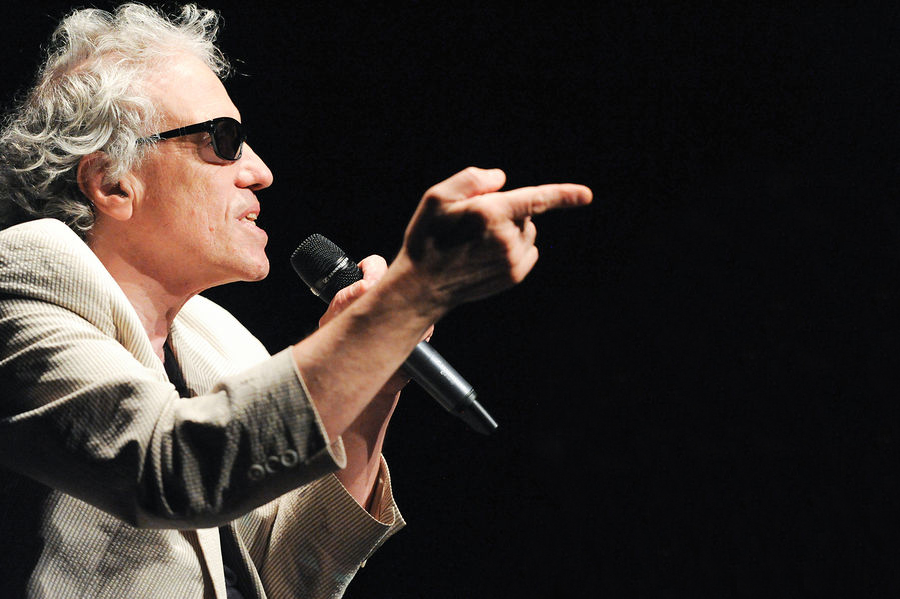

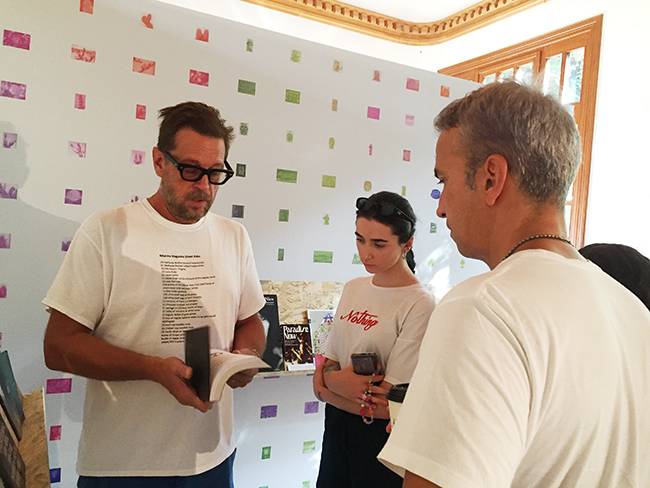
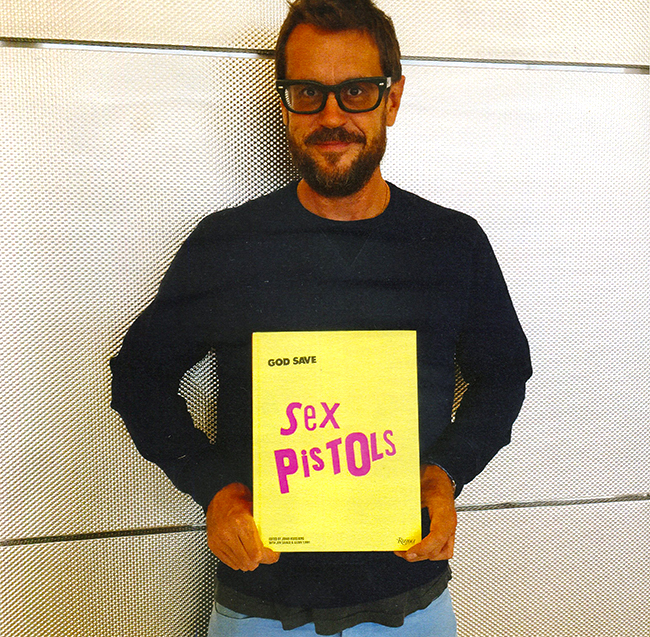
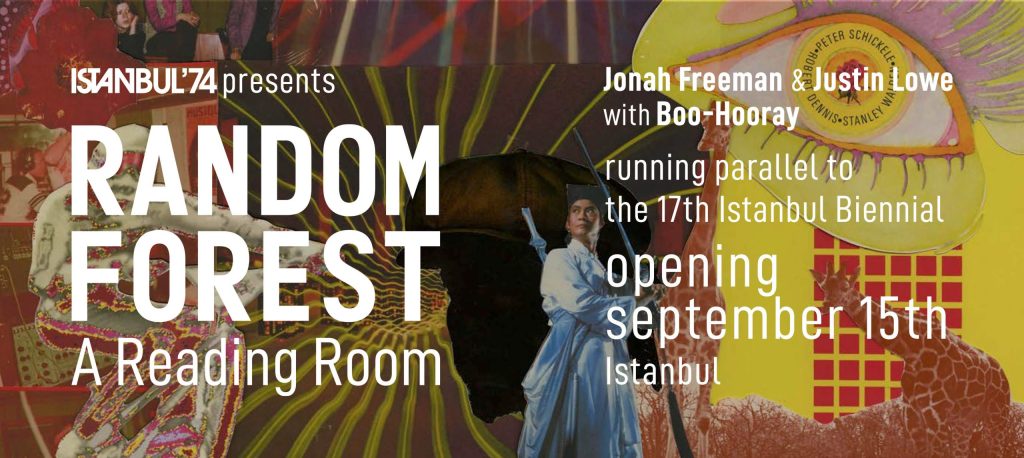


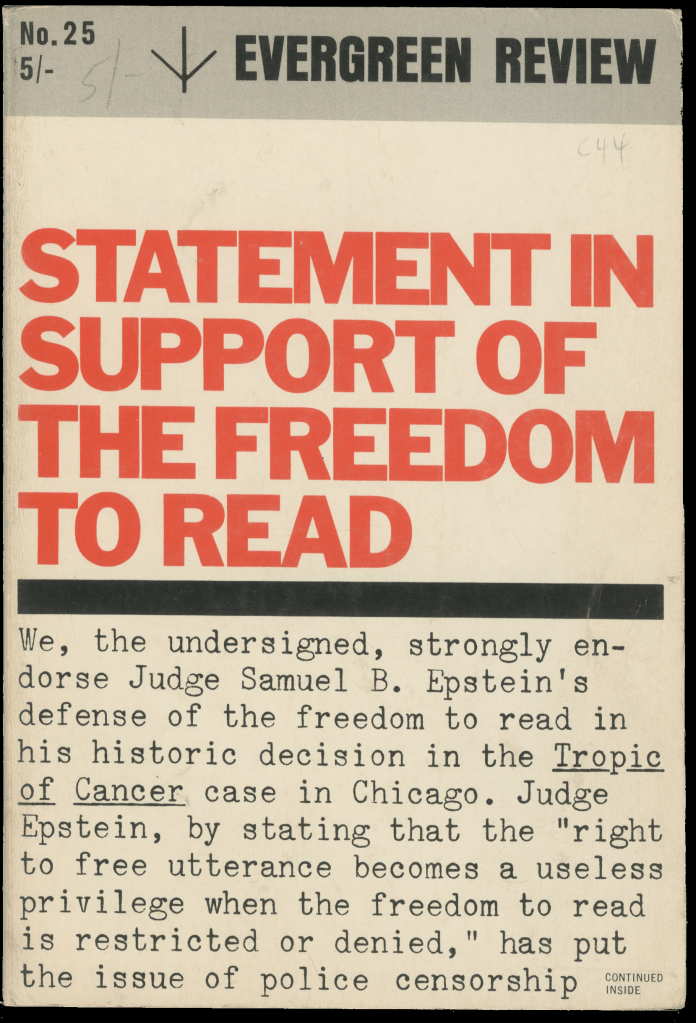


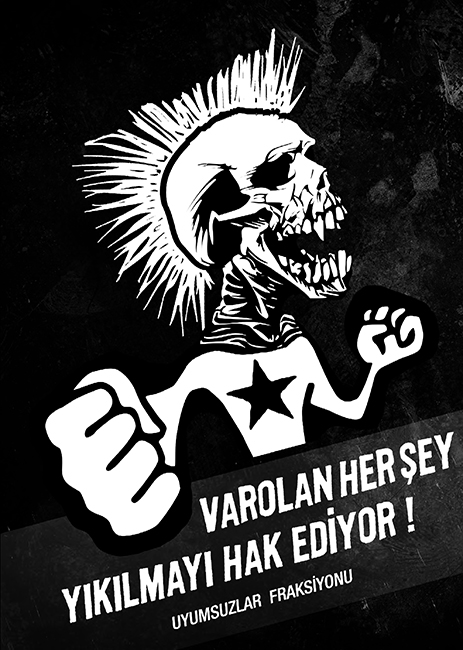

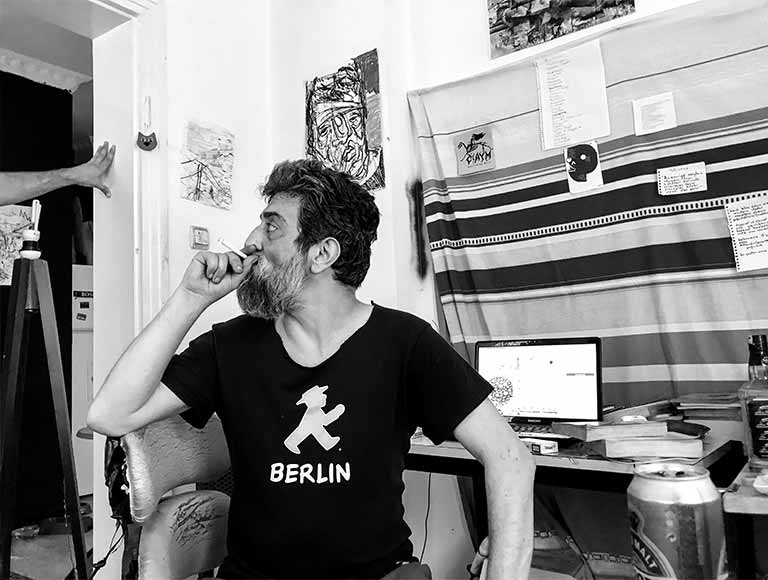

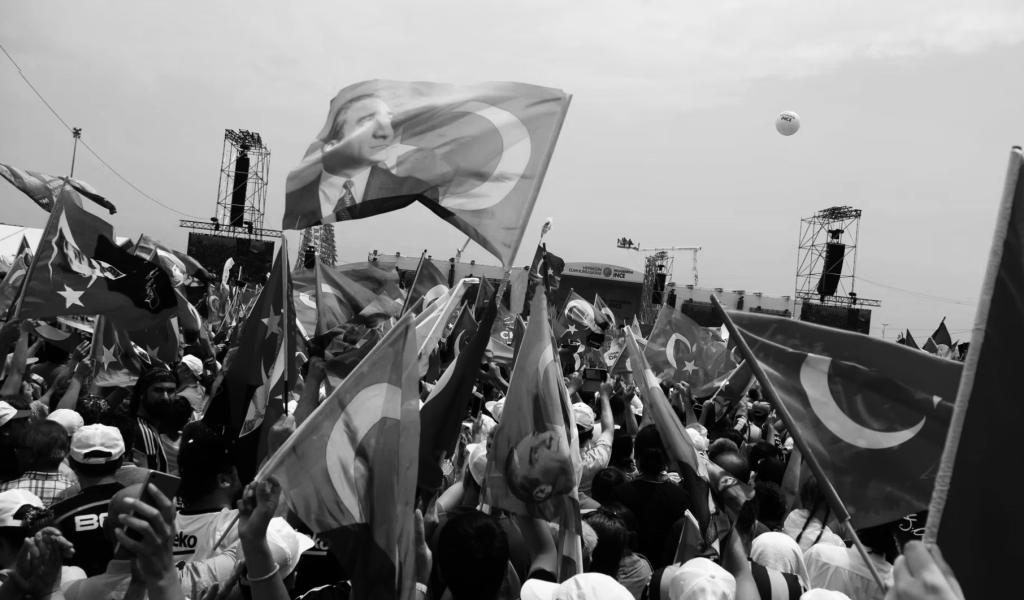
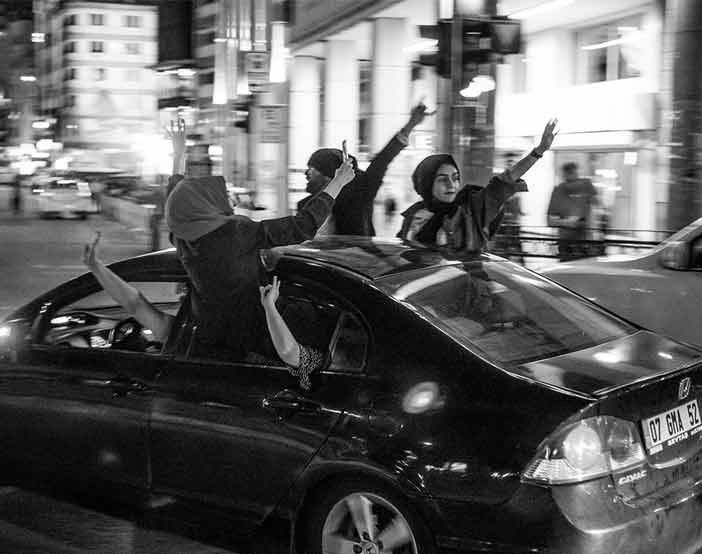


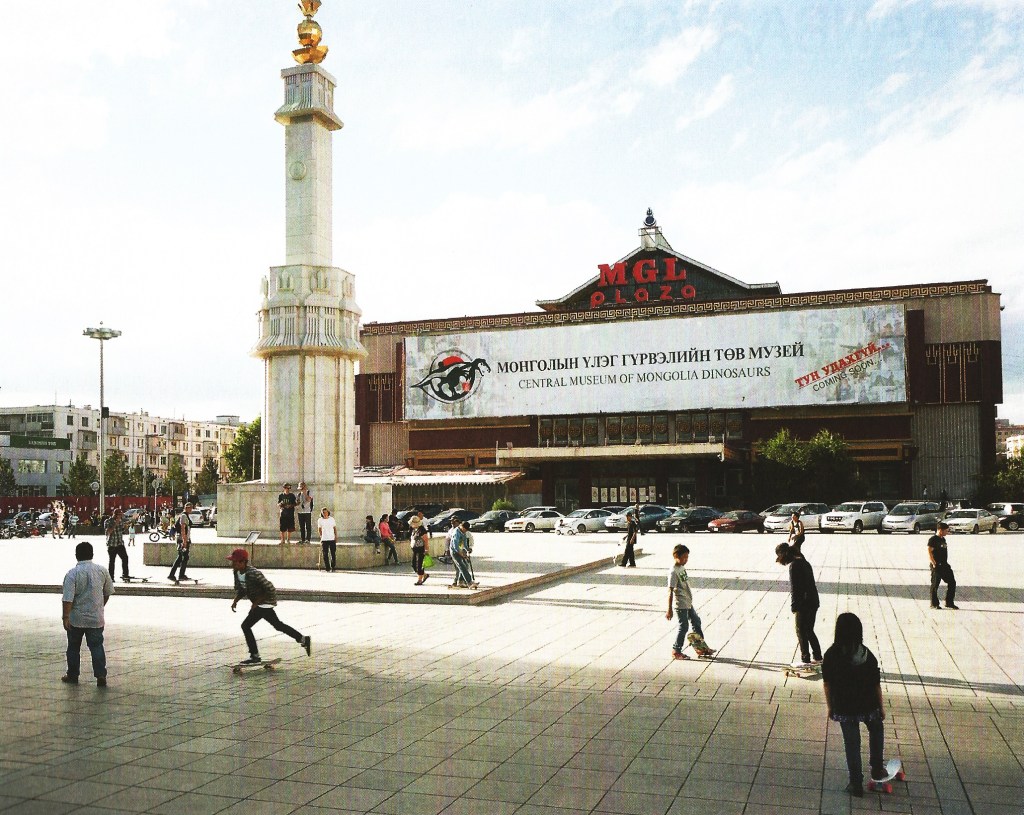
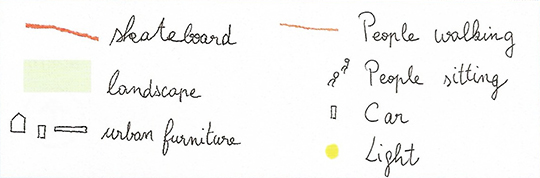
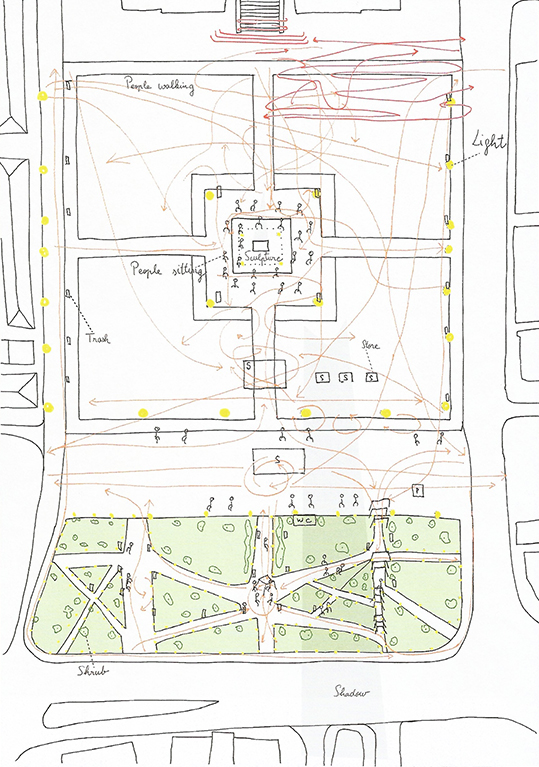

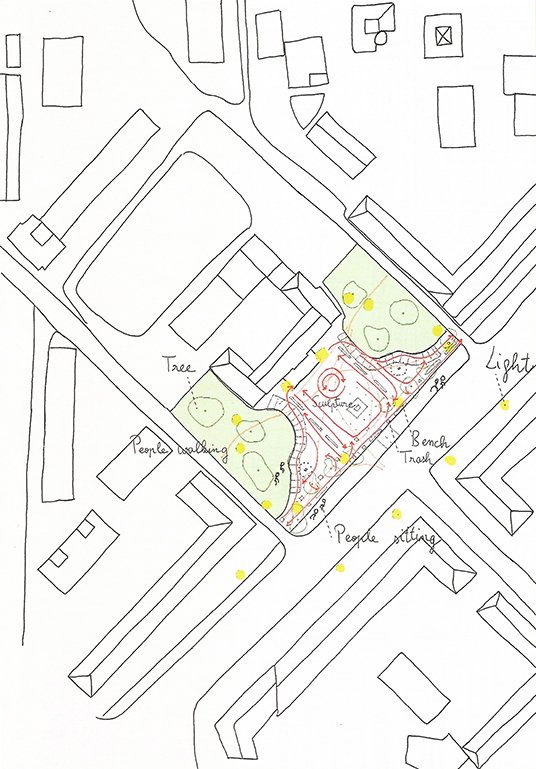


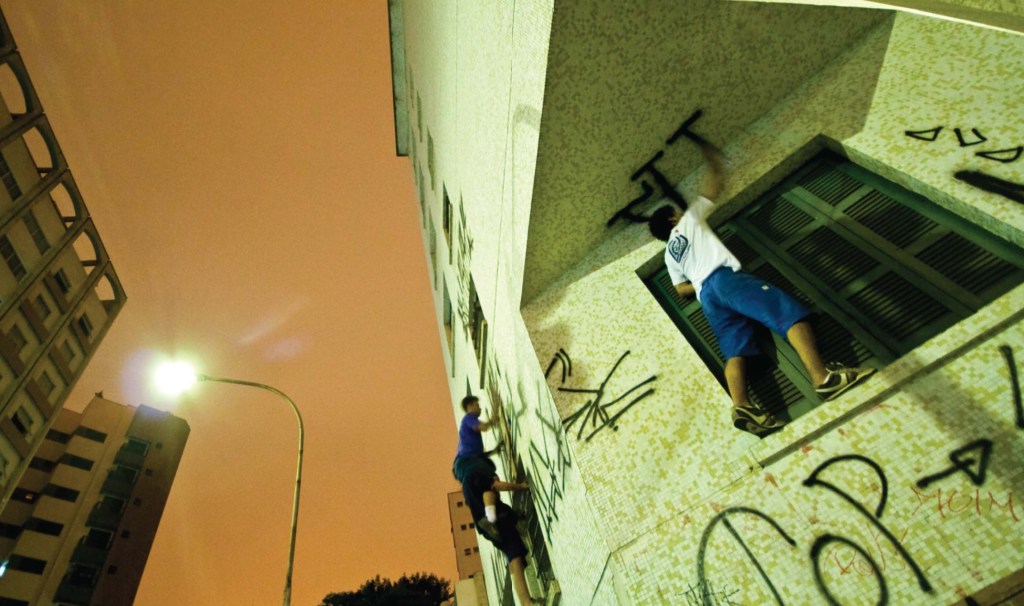
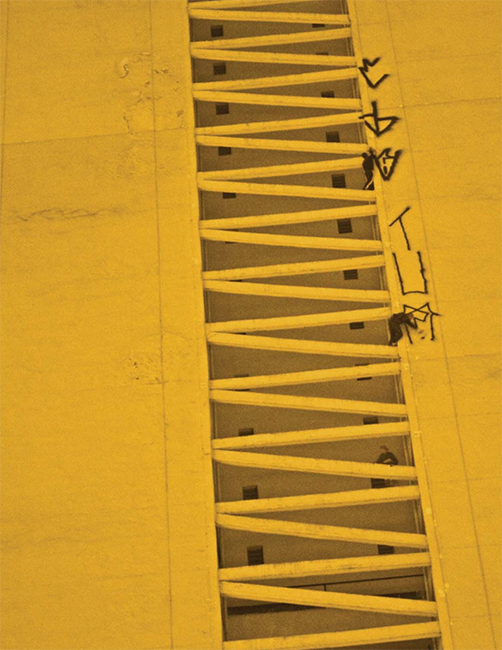
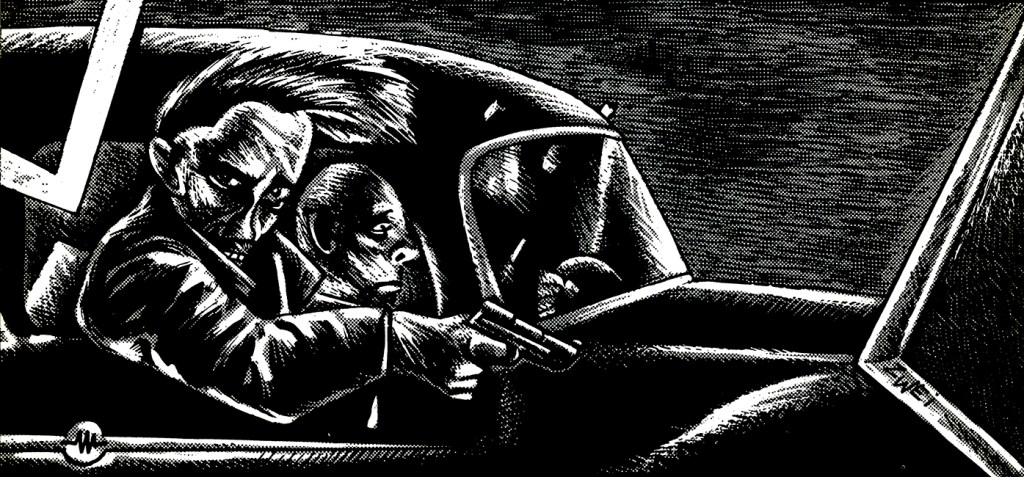
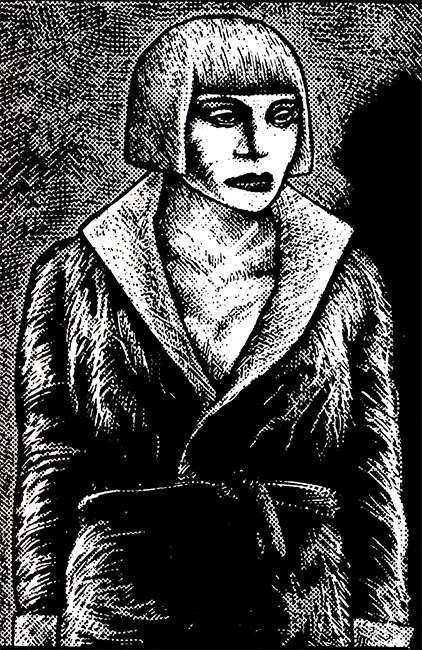



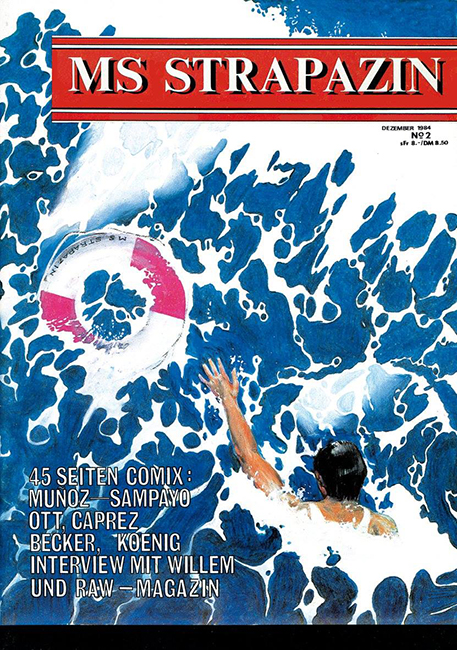


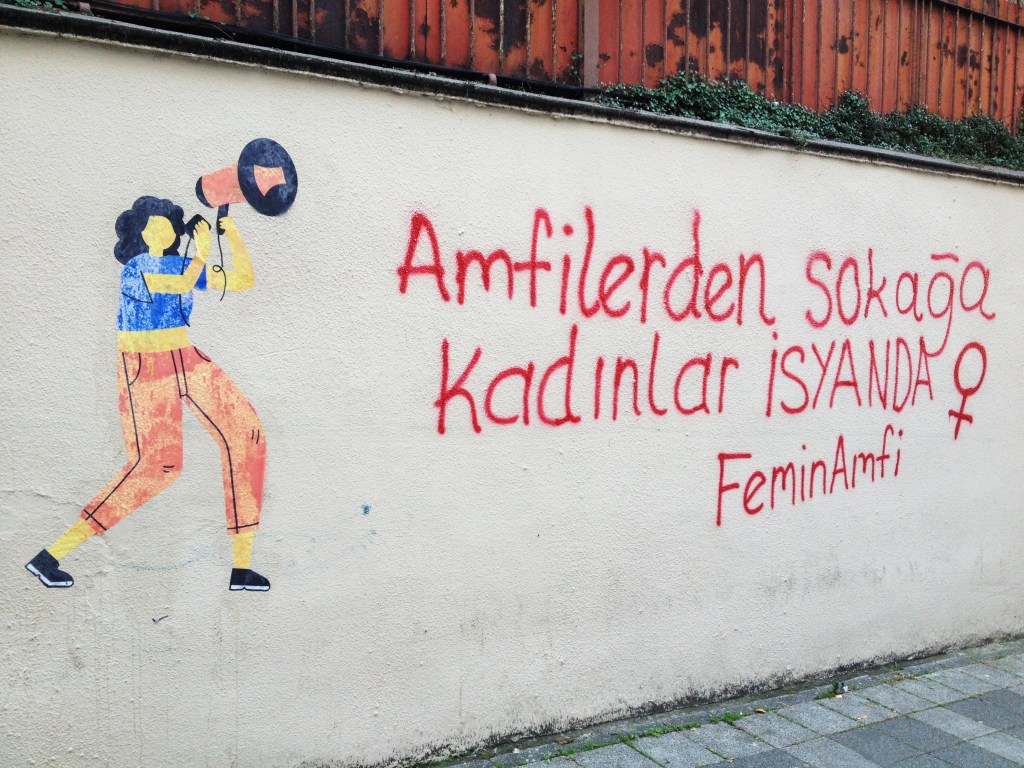

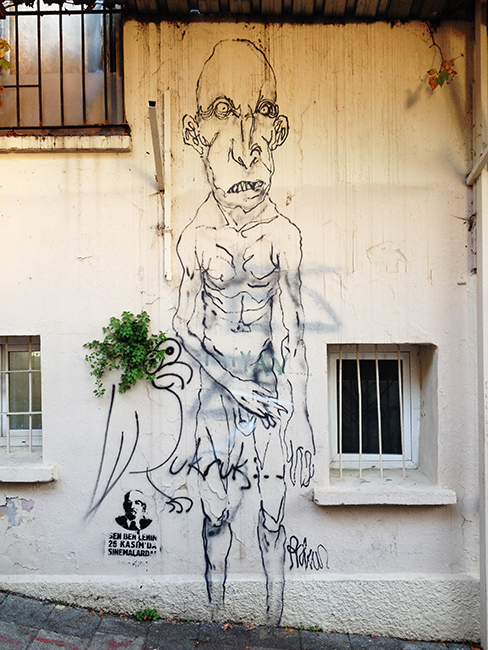


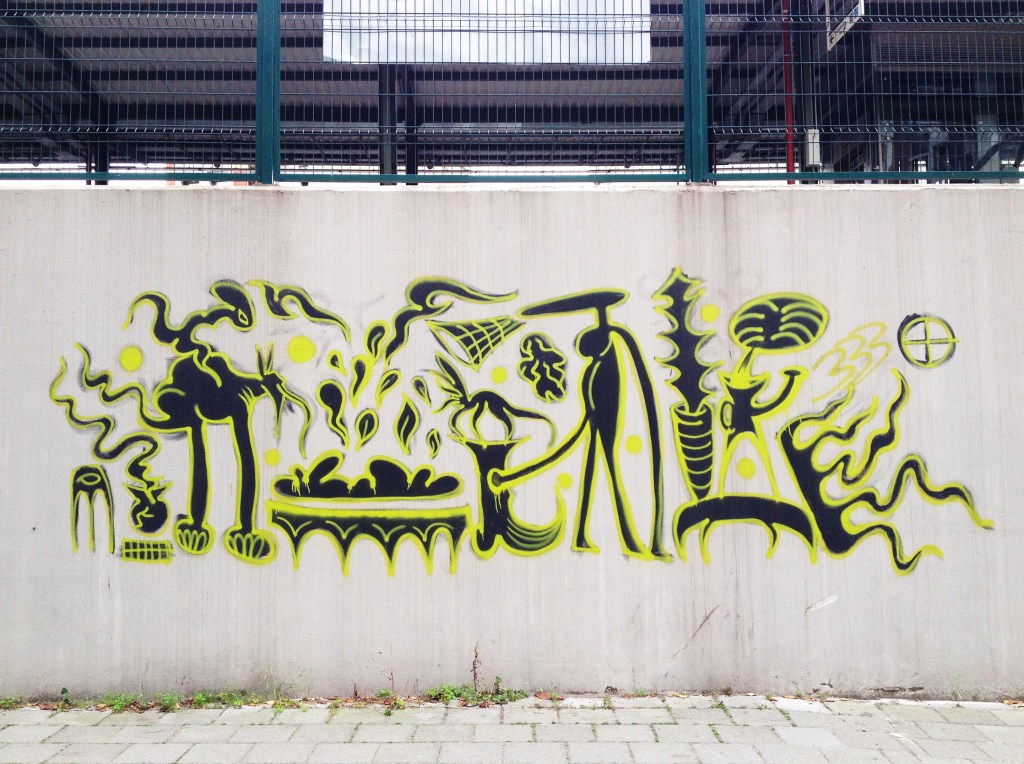


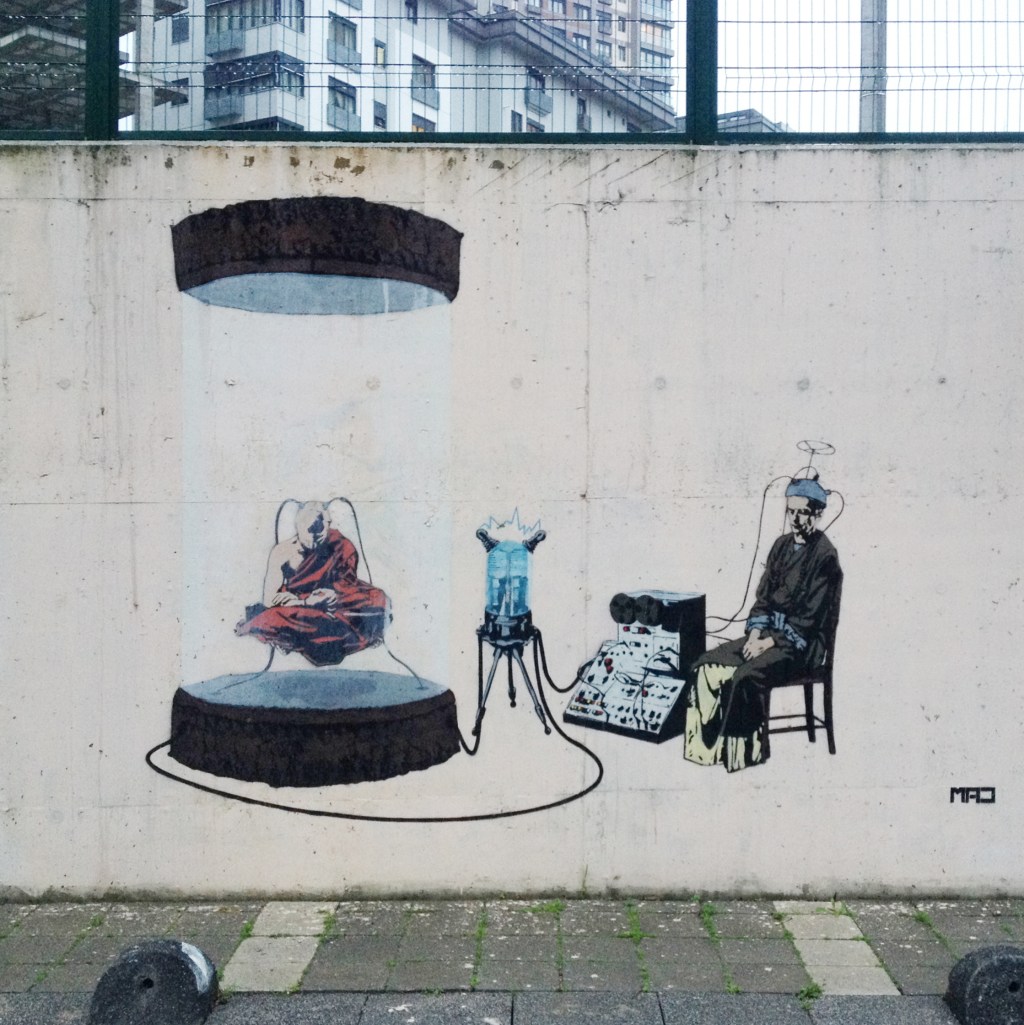
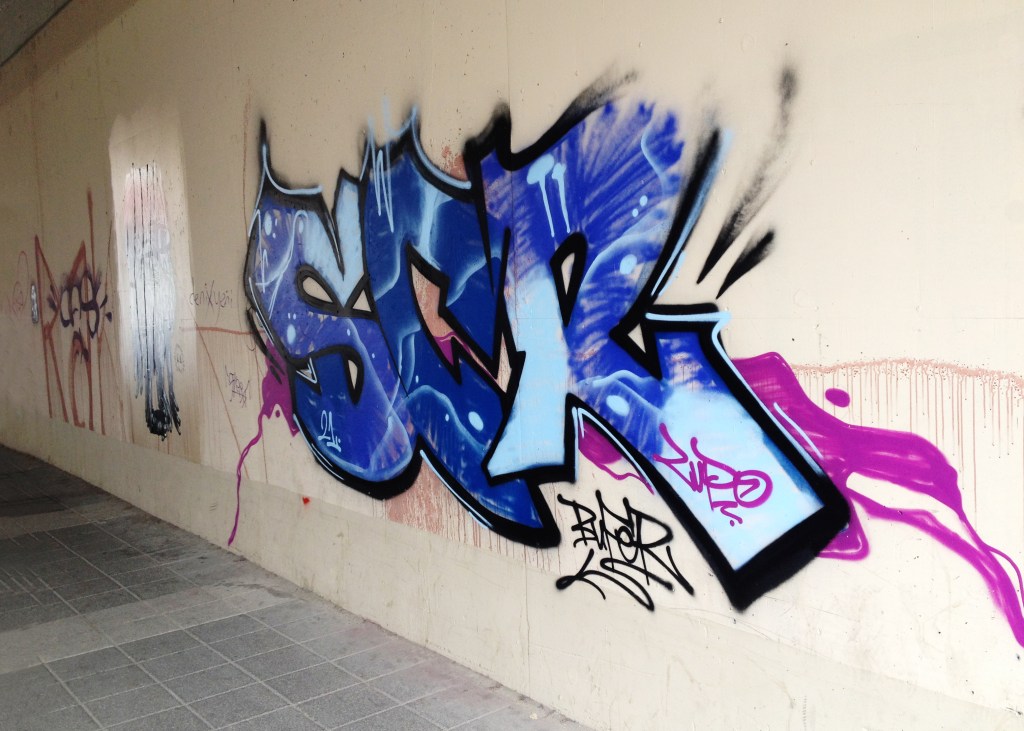





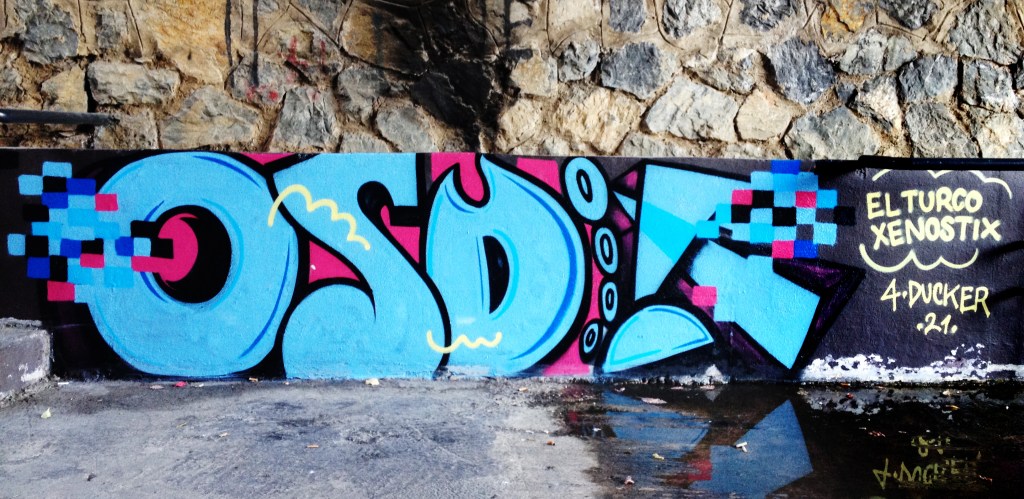
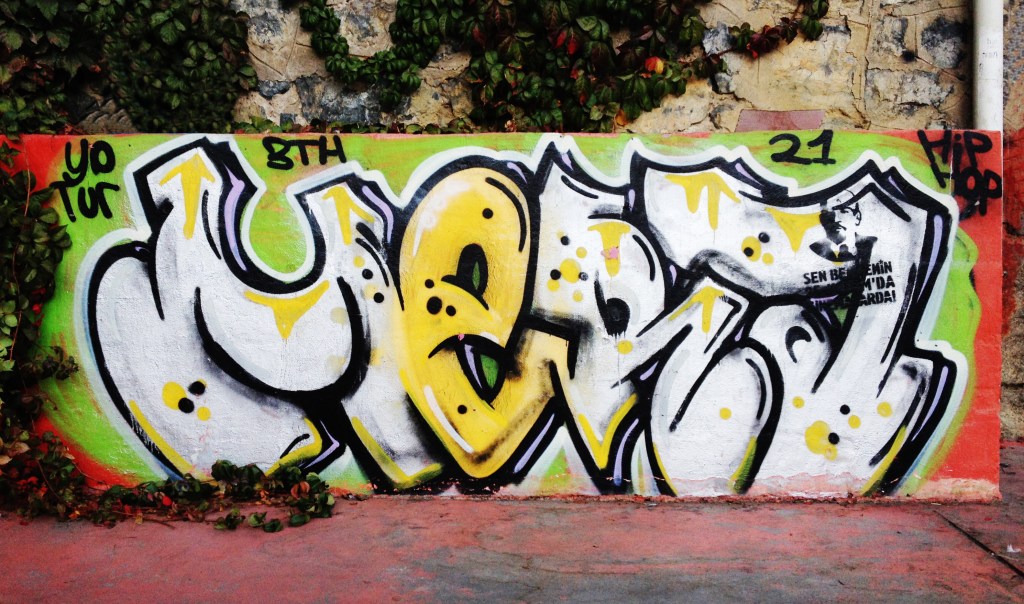
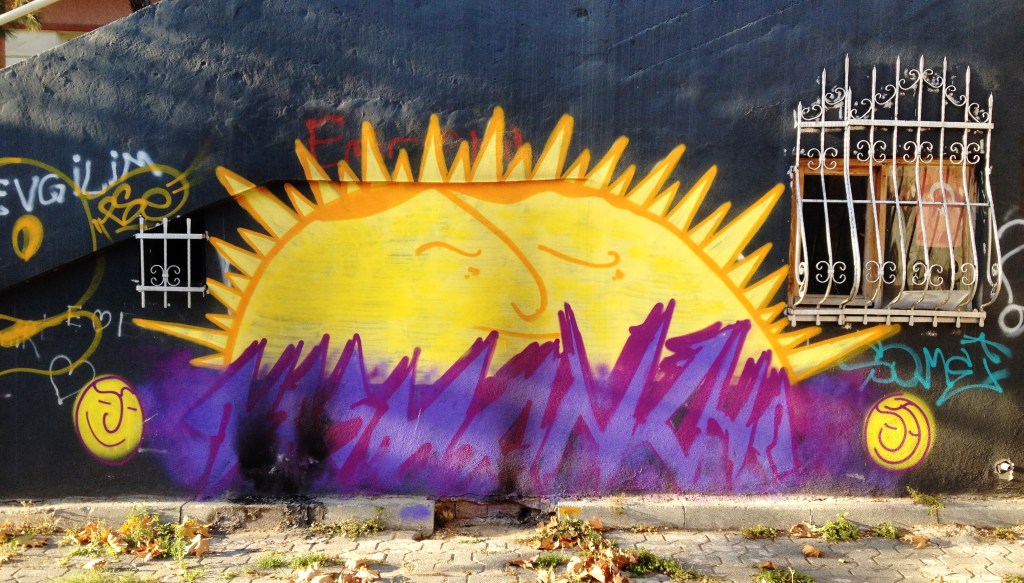
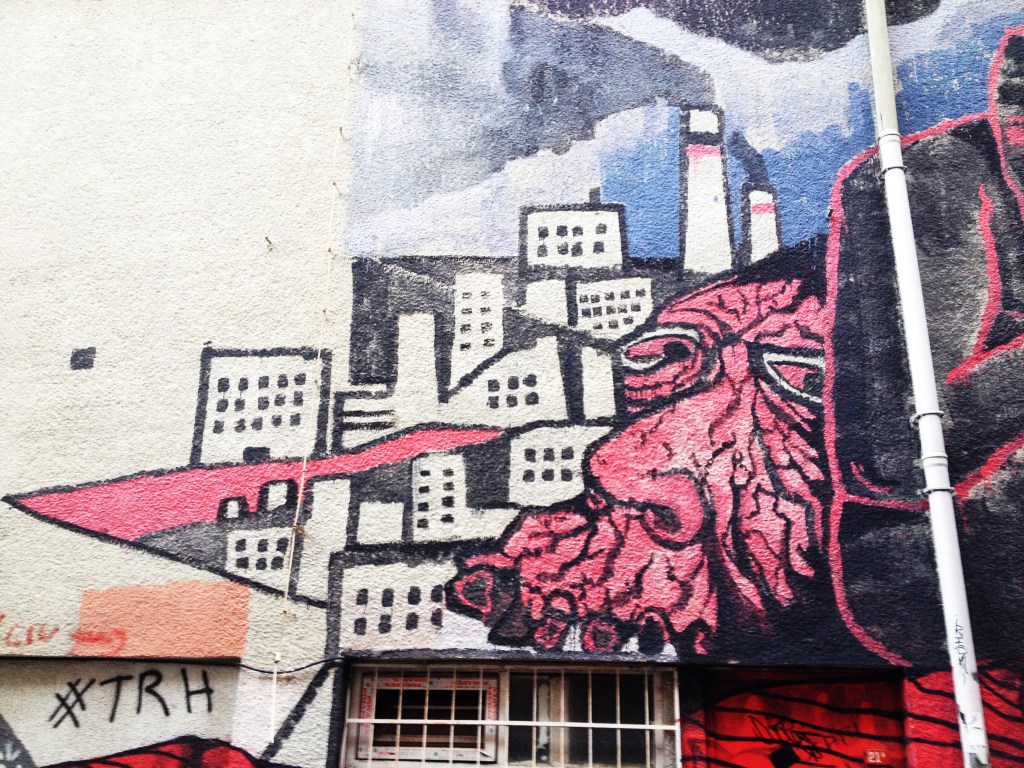

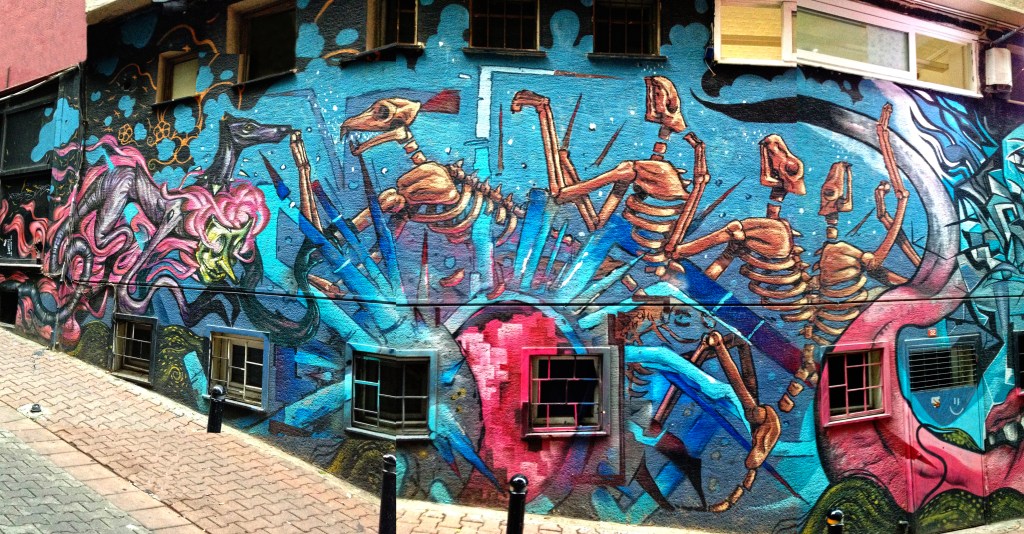


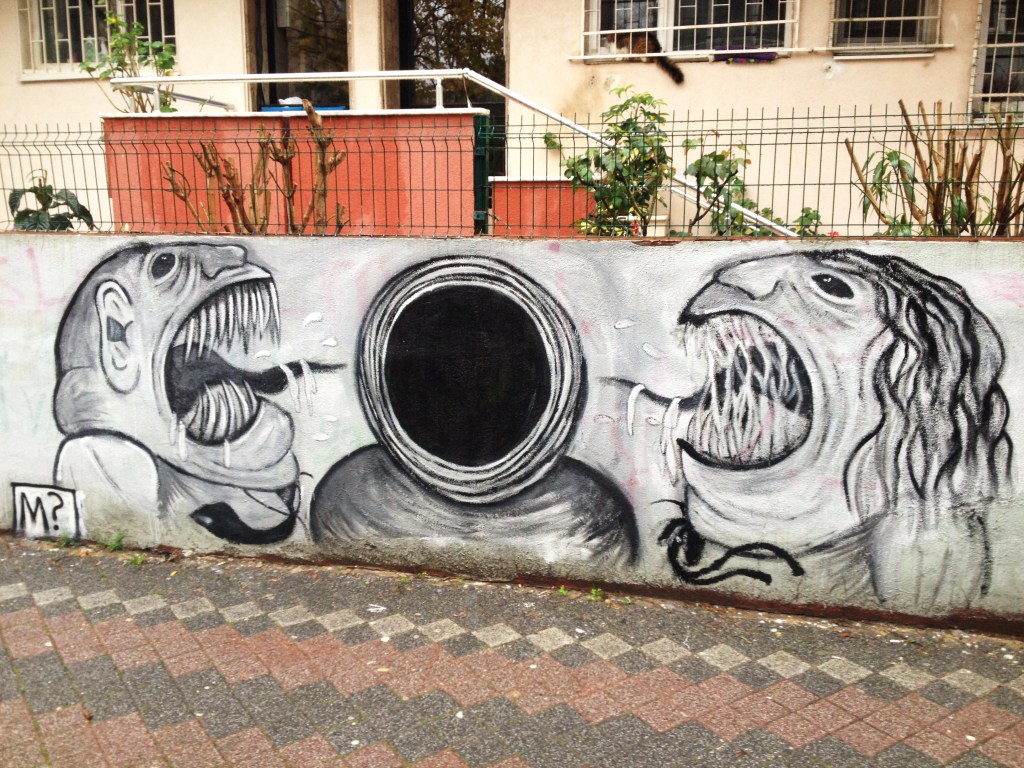

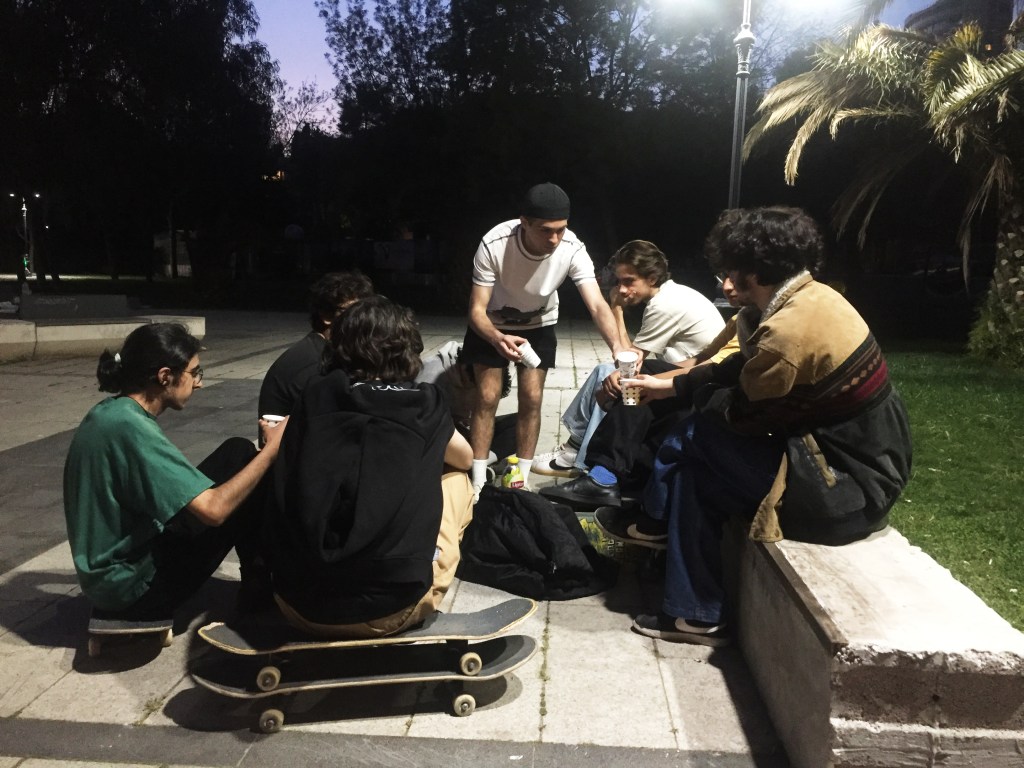


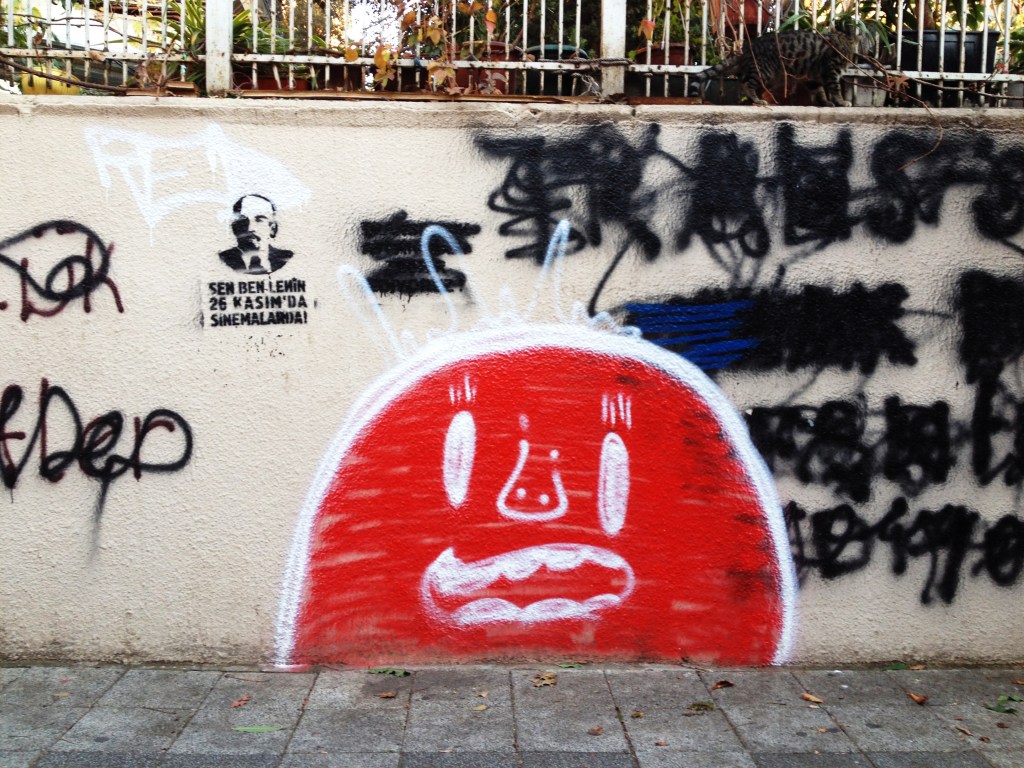
 LÖPÇÜK