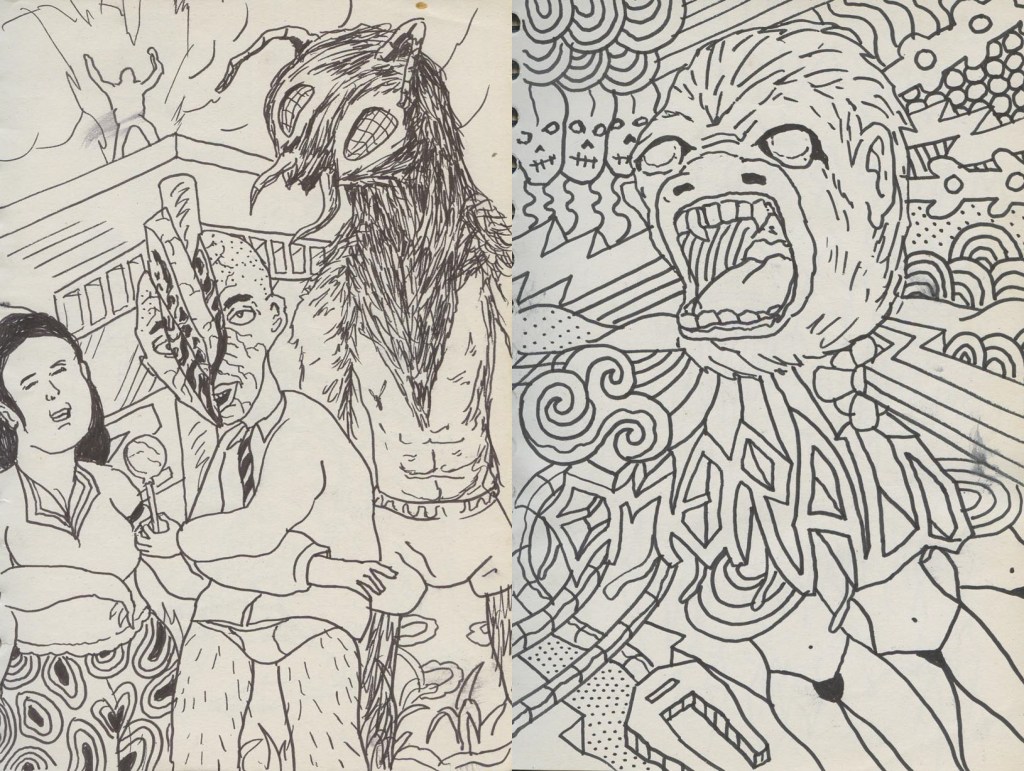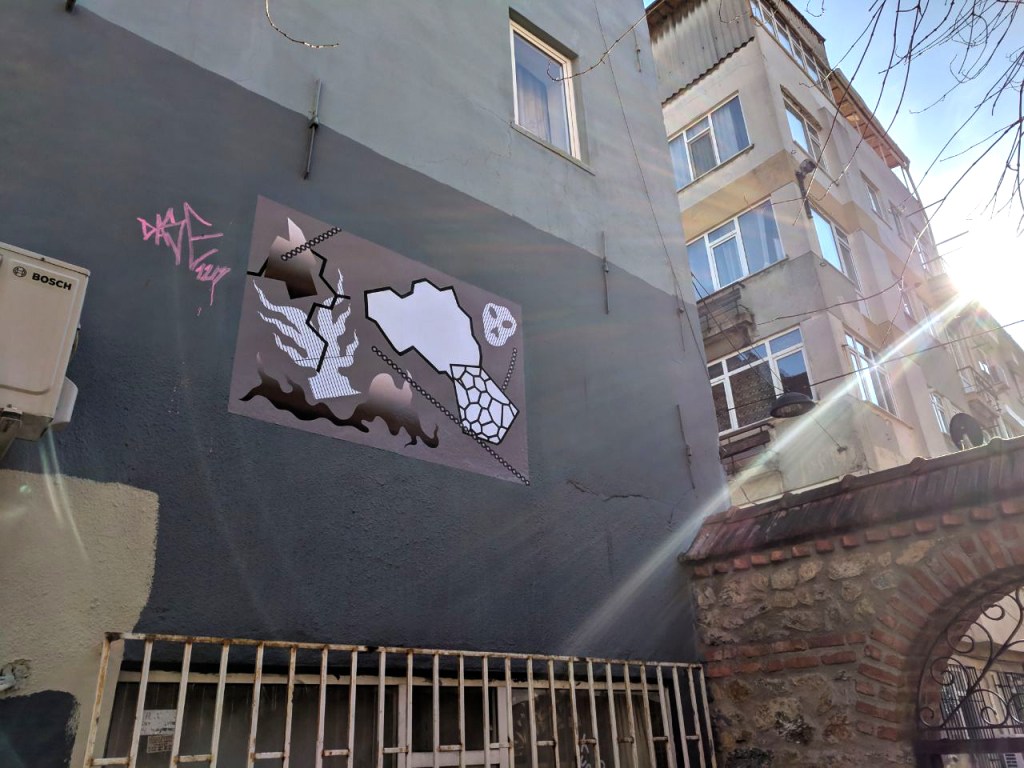
Dasetattoo: Abstrakte Grafik

istanbul_03
Dase Graphics, İstanbul (2019)

Beni dövme sanatçısı olmaya teşvik eden, punk rock ve grafiti kültürüne olan ilgimdir. Ortaya çıkardığım işler deriye mürekkep uygulamanın ince detaylarını çalışmış olmanın doğrudan bir sonucu olarak ortaya çıktılar.

Türkçesi: Işıl Karaçalı

dase 07
Dasetatoo

Gerçek ismim Roman Shcherbakov fakat çalışmalarımın altına çoğunlukla Dase veya Dasetattoo imzasını atıyorum. Dase mahlası 2003 senesinde şehirde attığım ilk tag‘lerle beraber ortaya çıkmış bir isim.

Dövme sanatçısı olmadan önce marangozluk yaptığımdan dolayı sıklıkla ahşap malzemeyle çalışıyordum. Marangozluk dışında vaktimi grafiti ve resim yaparak geçiriyordum.

Beni dövme sanatçısı olmaya teşvik eden punk rock ve grafiti kültürüne olan ilgimdir. Ortaya çıkardığım işler deriye mürekkep uygulamanın ince detaylarını çalışmış olmanın doğrudan bir sonucu olarak ortaya çıktılar. Dövme yapmaya 2009 senesinde başladım ve o zamandan beri tutkum.

Bu benim için verilmesi kolay bir karardı. Geleneksel dövmelere kendi dokunuşumu katarak modern çağ ile bağlantı kurmak ve geleneksel dövmeye yeni bir perspektif getirmek istedim. Kişisel tarzımı geliştirirken belirli renk şemalarını da içeren soyut ve deneysel unsurları birleştirmeye başladım. Bunun sonucu olarak da bugün yaptığım özgün dövme tarzı ortaya çıktı

Eski hapishane dövmelerini ve geleneksel tarzda yapılmış dövmeleri çok beğeniyorum. Bu tarzda yapılmış dövmeler senelerdir ilham kaynağımdır. Kendime yakın bulduğum diğer bir tarz da oldschool ve grafik dövmelerdir (siyah- beyaz dövmelerden bahsediyorum). Deneyselliğe olan cesaretim kendi tarzımı geliştirmemde yardımcı oldu ve bu tarzı kendime özgü soyut dünyam ve çizgilerimle harmanlamaktan hoşlanıyorum.

Çizimlerimi soyut gerçeküstücülük olarak adlandırmayı tercih ediyorum fakat belli bir noktada realizm olarak da adlandırıyorum. Gerçek obje ve formlarla çalışırken bir süre sonra onları iki boyutlu akışkan imgelere ve uzayın dengesiz formlarına dönüştürdüm, çünkü içinde yaşadığım zamanın ruhunu ve etrafımda olan bitenleri de yansıtabilmek istiyorum. Ben sadece yaratıyorum. Tuval üzerinde sprey boya ve akrilik boyayı yüzeye uygularken de çeşitli yöntemler kullanıyorum.

dase 03

Kendime kalan bütün boş zamanımı vizyonumu geliştirmek için harcıyorum. Şu anda da çoğunlukla bu alanda gelişen dokular ve renk şemaları ile deneyler yapıyorum. Kiev‘de çok güzel anılarım var, beni ve yaptığım işi destekleyen arkadaşlarım burada yaşıyorlar ve bu da bana kendimi geliştirmek için güç veriyor. Bu şehri gerçekten seviyorum. Vize alma zorluğu ve sınırlar nedeniyle Kiev‘de yaşayan insanların dünyayı görmek için seyahat etmeleri çok zor. Yurdumdaki politik durumlar nedeniyle sanatımı burada Ukrayna‘da tanıtmaya çalışıyorum. Sonuçta Ukrayna‘da eski hapishane tarzı dövmelerden farklı bir dövme tarzı benimsenmediği için benim stilimi de burada herkesin alıp bağrına basmasını pek beklemiyorum.

Resimde elimde tuttuğum kitap, 2012 senesinde Berlin‘de Re:Surgo! tarafından basılmış olan soyut grafik deneylerimi içeren MONOCHROME isimli ilk kişisel fanzinim. Christian Feller ve Anna Hellsgaard‘a, çalışmalarımı gurur duyabileceğim bir kitaba dönüştürdükleri için her zaman minnettar olacağım. Ayrıca geçen yıl sevgili eşim Olga Breka ile birlikte ‘Dasetattoo Dijital Sanat Kitabı‘ başlıklı farklı bir kitaba da başladık. Bu kitapta kariyerimin son iki senesinde yapmış olduğum soyut grafik çalışmalarımı ve en iyi dövmelerimi topladık; kitabın bütün düzenlemesini Olga üstlendi. Bu kitap sayesinde dövme yapmaya başladığımdan bu yana işlerimin ve stilimin nasıl geliştiğini görebilirsiniz.
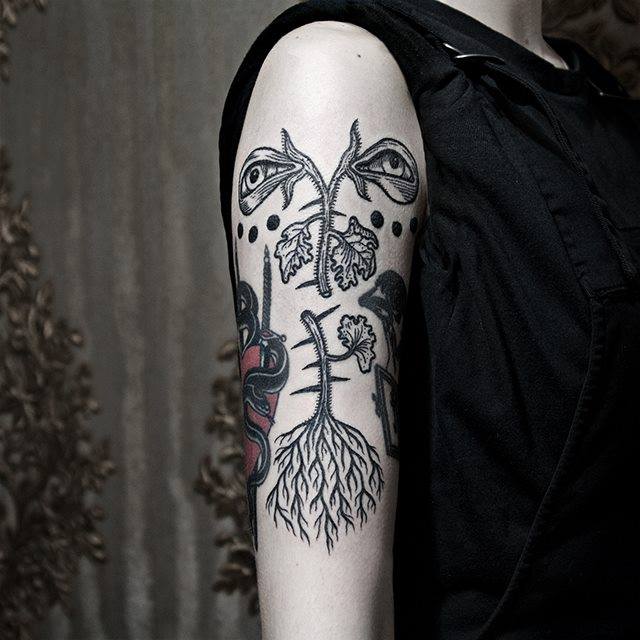

dase 05
Dasetattoo

 – ENGLISH –

It was my love for the punk rock culture and graffiti that evidently inspired me to become a tattoo artist. The majority of the work I’ve done myself is a direct consequence of studying the subtle details of applying ink to skin.

Roman Shcherbakov is my real name. However, many of my works go by the signature of Dase, or Dasetattoo. Dase was my street handle which emerged in 2003 along with the first tags I made in the city. Last year marked my 28th birthday.

Prior to becoming a tattoo artist I spent a lot of time working with wood, making furniture as a cabinet maker. When I didn’t work I spent my time painting graffiti and paintings.

It was my love for the punk rock culture and graffiti that evidently inspired me to become a tattoo artist. The majority of the work I’ve done myself is a direct consequence of studying the subtle details of applying ink to skin. I began tattooing in 2009 and since then it has been my passion.

It was an easy call for me. I wanted to bring a fresh perspective to the traditional tattoos and at the same time apply my own touch, which also relates to these modern times of ours. While developing my personal style, I began to incorporate elements of my abstract and experimental works featuring specific colors schemes. That evidently led to my unique tattoos.

I really like the traditional style tattoos and the looks of local prison tattoos. This is really what inspired me for many years. Other styles close to heart has always been old school and graphical (which is to say, black and white tattoos.) My connection to the experimental led me to develop my own style, in which I am happy to combine my trademark abstract vision of the world but also the classic linear graphic.

When it comes to my artwork and how I would describe it, I would rather call it abstract surrealism. However, at some point it could also be described as just realism. Working with real objects and forms I gradually transform them into two-dimensional measurements of distorted norms of space and fluid images. I do it because I want to capture the time I live in. And a vision of what’s going around. I am merely the creator. On canvas I utilize spray paint and acrylics, using various methods as I apply the paint to the surface.

I use all my spare time to develop new visions. Right now I’m mostly into experimenting with textures and color schemes, developing and improving in this field.

I’ve experienced a lot of good moments in Kyiv. After all, here are all my friends who supports me and what I do. They give me the strength to develop on so many levels. I really love this city.

Our people have a really hard time traveling, to see the world, due to the difficulties of acquiring a visa and our closed borders. The whole political situation in our country. And that is a reason I try to introduce my new style here in Ukraine.

Obviously, it [my style] isn’t always embraced with open arms by everyone here in Ukraine, but only because we never had a tradition of tattooing except for what is known as prison tattoos. Only now people start to develop a sense for it and I hope that more and more will start to consider my style unique.
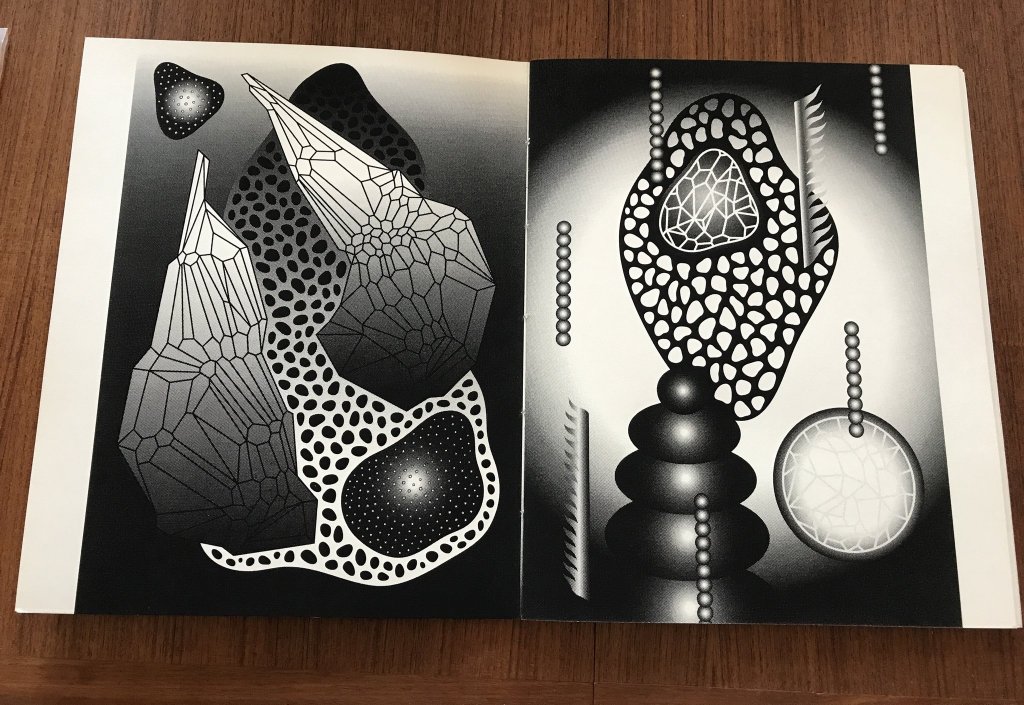
monochrome 03
Dasetatoo ‘MONOCHROME’ Re:Surgo!

The book which rests in my arms on this picture is my very first personal zine featuring experiments with abstract graphics. “MONOCHROME” was printed by Re:Surgo in Berlin in 2012. I am forever grateful to Christian Feller and Anna Hellsgaard for the fact that they incorporated my works into something bigger, something I can be proud of.

In addition, last year we worked on another book under the name of “Dasetattoo Digital Art Book” together with my girlfriend Olga Breka. In this book we gathered my best tattoos and abstract graphical works for the last two years of my career. Olga did the whole layout of the book. Basically, by reading this book you can follow the evolvements and styles of my works since I began tattooing.


intei
interview : Dasetattoo

Fliessende Realitäten

Abstrakte Grafiken von

Dase Roman Sherbakov

Interview: Fabienne Anthes

Wie hast du den für dich typischen, flächigen lllustrationsstil entwickelt?
Je länger Ich mich mit Kunstgeschichte und Zeichentechniken beschäftigt habe, umso wichtiger wurde es für mich, die neuzeitlichen und modernen Einflüsse bewusst hinter mir zu lassen und zu ursprünglicheren Darstel-­lungformen zurückzukehren. Die primitiven, zweidmen-sionalen Zeichnungen aus der Antike und dem Mittelalter sprechen mich aufgrund ihrer Direktheit und Einfachkelt wesentlich mehr an – gerade wel I die Dimensionen nicht stimmen und keine korrekte Perspektive existi ert. Auch die erfrischende Einfachheit und de Formreduktion von Folk Art und Naiver Kunst haben mich inspiriert, Impulsiv und direkt zu zeichnen. Für mich entsteht die besondere Spannung natürlich auch aus der Kombination dieses Zeichenstils mit den Motiven und Geschichten: Die Dar­stellung von Gewalt mit einer naiven Linie Ist besonders kraftvoll.

Wie kommt es, dass Comic dir als Medium so viel bedeutet?
Ich möchte mit meinen Illustrationen Geschichten erzäh­len – Ich denke, das sieht man auch an meinen Tattoos. Mein Freund und viele Leute aus meinem Freundeskrels sind zudem Comiczeichner – ihre Arbelten beeinflussen und Inspirieren mich daher ebenso B., Sergio Toppi und Carson BilIs, stellung von Gewalt mit einer naiven Linie Ist besonders kraftvoll.

dase 02
Dasetattoo (2018)

Wie kommt es, dasa Comic dir als Medium so viel bedeutet?
Ich möchte mit meinen Illustrationen Geschichten erzäh­len – Ich denke, das sleht man auch an meinen Tattoos. Mein Freund und viele Leute aus meinem Freundeskreis sind zudem Comiczeichomi czeichner – Ihre Arbeiten beeinflussen und inspirieren mich daher ebenso wie die von berühmten Zeichnern wie wie die von berühmten Zeichnern wie Mike Mignola, David wie die von berühmten Zeichnern wie Mike Mignola, David Mike Mignolaner – Ihre Arbeiten beeinflussen und inspirieren mich daher ebenso wie die von berühmten Zeichnern wie Mike Mignola, David B., Sergio Toppi und Carson Ellis.

dase-dase.tumblr.com

dasetattoo


Pas un Artiste, un Ninja: Dave 2000

die_by_the_sword - small
Dave De Mille ‘Die by the Sword’ 2018

“Nous sommes en permanence bombardés de pseudo-réalités fabriquées par des gens extrêmement doués utilisant des outils électroniques extrêmement pointus. Je ne me méfie pas de leurs motivations, mais de leur pouvoir. Car ils en ont beaucoup. Et c’est un pouvoir ahurissant : c’est le pouvoir de créer des univers entiers, des univers mentaux.” Philip K. Dick

DAVE merhaba, söyleşi için teşekkürler. Protopronx ve Sazalamuth etiketleriyle uzun zamandır grafik tasarımdan animasyon filmlere birçok farklı disiplinde işler üretiyorsun. Seni tanımayan okurlar için biraz kendinden bahseder misin?

O zevk bana ait. Çizim yapmaya bütün çocuklar gibi erken yaşta başladım, hoşuma gitti ve devam ettim, şu an neredeyse 42 yaşındayım. İlk yağlı boya resmimi yaptığımda sekiz yaşındaydım. Bir sandalye çizmiştim. Van Gogh’tan intihal yapmaya çalışmıyordum, çünkü henüz onu tanımıyordum bile! Les Vosges’da büyüdüm ve infografinin (3 boyutlu bilgisayar grafikleri) engin sularında yıkanmaya MSX 8 bit bilgisayarla başladım. Görüntü yaratmak için basit dilde programlar yazıyordum. Eğri koordinatlarından yola çıkarak Hulk çizmeye sardım, çok uzun sürmedi çünkü çok sıkıcıydı. İlk gençlik yıllarımda bir Amiga 500 satın aldım ve Deluxe Paint (320 x 200 pixel bitmap grafik yaratmak için gerçek bir yazılım) ve demo-scene sayesinde tipografi ve dizgi konusunda çok şey öğrendim. On sekiz yaşında plastik sanatlar fakültesine başladım, resme tutkum hep vardı ama bölüm hakkında pek bir şey bilmiyordum. Vosges ormanlarının kapalı ufkundan sonra çok daha genişlerini keşfediyordum. Fakültede 5 yıl okudum ve Softimage 3D üzerine bir eğitimle okulu bitirdim. Dönemin güçlü bir 3D sentez yazılımıydı. Eğitim aldığım tek yazılım budur, geri kalan her şeyi el kitaplarını okuyarak ve kursları takip ederek öğrendim. 28 yaşında güneye, Marsilya’ya taşındım. Burada bir tiyatro salonu olan Embobineuse ekibiyle tanıştım. Burası için 200’den fazla afiş yaptım – Onların kadrolu afişçisi oldum! Ayrıca hala birlikte çalıştığım Le Dernier Cri (2015 yılında burda bir resim sergisi açtım) var ve grafik konusunda onlarla aynı kafadayız. Bu işlere paralel olarak şirketlere serbest grafik işleri de yaptım. Kendimi bir sanatçıdan ziyade bir Ninja olarak tanımlıyorum. Sol elle torture-porn görüntüleri üretiyorum, Le Dernier Cri’den yayın yapıyorum ve sağ elimle Elf-Total-Fina grubunun kampanyası için bir maskot tasarlıyorum.

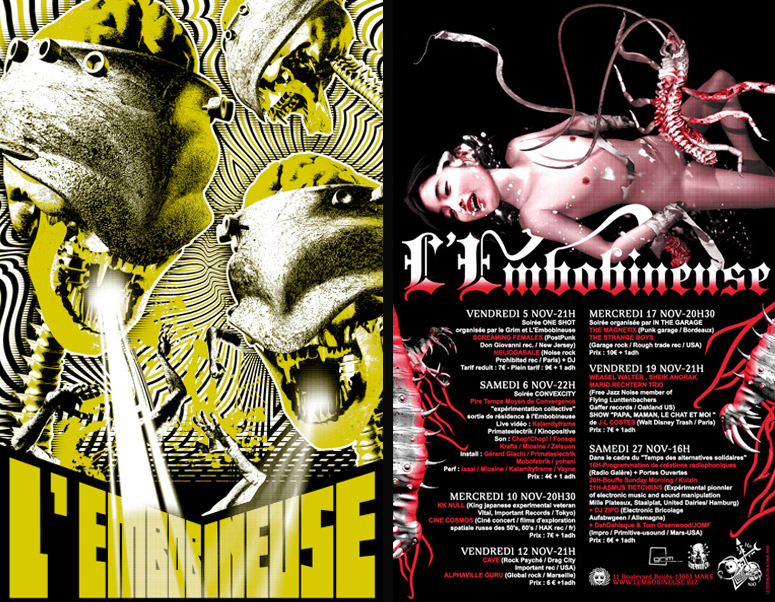
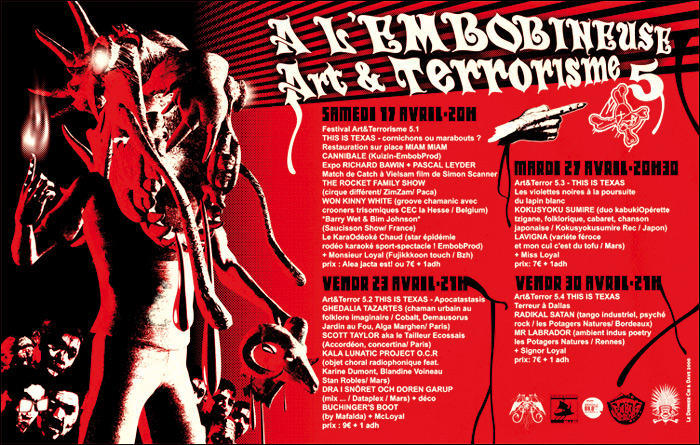
poster (16)
Dave De Mille, affiche pour Embobineuse

– FRANÇAIS –

Dave, bonjour, je te remercie encore une fois pour avoir accepté de donner cette interview. Sous le label de Protopronx et Sazalamuth, tu produis dans un large eventail de discipline, de design graphique à des films animés. Puis-je te demander de t’introduire pour les lecteurs qui ne te connaissent pas. Depuis quand tu es dans cet entourage?

Mais tout le plaisir est pour moi. J’ ai commencé à dessiner très jeune comme tous les enfants et comme ça me plaisait j’ ai continué, j’ ai maintenant presque quarante-deux ans. Je me souviens avoir fait ma première peinture à l’ huile à l’ âge de huit ans, j’ ai peint une chaise, c’ était sans volonté de plagier Vincent Van Gogh que je ne connaissais pas encore ! J’ ai grandi dans les Vosges et j’ ai commencé à mettre les pieds dans la grande mare de l’ infographie avec un ordinateur MSX 8 bits. J’ écrivais des programmes en langage basic afin de générer des images. Je me suis acharné à dessiner Hulk en rentrant des coordonnées de courbes, j’ ai vite laissé tomber car c’ était trop fastidieux. A l’ adolescence j’ achetais un Amiga 500, découvrais Deluxe Paint (un VRAI logiciel pour générer des images bitmap en 320 × 200 pixels) et intégrais des groupes de demo making – Dmacon – The dreamdealers …- J’ ai beaucoup appris en matière de typographie et de lettrage grâce à la demo-scene. A dix-huit ans j’ entrais en faculté d’ arts plastiques, je peignais toujours mais ne connaissais que très peu de choses en la matière. Je découvrais d’ autres horizons bien plus riches que ceux trop fermés de la forêt vosgienne. J’ étudiais cinq ans à la fac et finis par une année de formation sur Softimage 3D, un puissant logiciel de synthèse 3D pour l’ époque. C’ est le seul logiciel pour lequel j’ ai suivi une formation, pour le reste j’ ai lu des manuels et suivis des tutoriels.A vingt-huit ans je descendais vers le sud, Marseille, où je rencontrais l’ équipe de l’ Embobineuse, une salle de spectacle complètement barrée pour laquelle j’ ai aligné plus de deux-cent affiches – j’ étais devenu leur affichiste attitré ! Je rencontrais aussi Le Dernier Cri avec qui je continue à travailler (j’ y ai fait une exposition de peintures en janvier 2015) et partage toujours avec eux un goût prononcé pour la saturation graphique. Je travaillais parallèlement en tant que graphiste indépendant pour des entreprises. Je ne me définis pas comme un artiste mais plutôt comme un ninja ! De la main gauche je fabrique des images de torture-porn que j’ édite au Dernier Cri et de la main droite je modélise une mascotte pour une campagne du groupe Elf-Total-Fina.

test2.indd
Dave De Mille, ‘Sketch Book Holocaust’

Çocukların ne üslupla ne de sanatsal tutarlılıkla işleri olur, ellerindeki neyse onunla eğlenirler ve benim yaptığım da tamamen bundan ibaret.

‘Sketch Book Holocaust’ vesilesiyle seni tanıma şansını yakaladım ve sıradışı bir desinatör olduğunu düşünmüştüm; fakat yaptığın işleri inceleyince üçboyutlu grafik animasyona da ağırlık verdiğini farkettim, bu animasyonlar gerçekten büyüleyici.

Aslında hep 3D, numerik ve analojik kolaj, desen ve resmi paralel olarak çalıştım. Sanatsal tutarlılık kaygısı taşımıyorum, çünkü daha önce de söylediğim gibi ben bir sanatçı değilim. Ben kılık değiştiren, oyun hamurundan yaratıklar üreten, kartondan dekor kesen, olasılık dışı senaryolar yazan ve bütün bunları coşkulu bir tiyatro oyunu yaratmak üzere karıştıran bir oğlan çocuğuyum. Çocukların ne üslupla ne de sanatsal tutarlılıkla işi olur, ellerindeki neyse onunla eğlenirler ve benim yaptığım da tamamen bundan ibaret. Sanatçıların kendi benzersiz eserleri olduğunu düşündükleri bir şeye tutulmalarından rahatsızım. Hani “aaah! hayatım boyunca beyaz fon üzerine beyaz kareler yapacağım ve beni böyle tanıyacaklar” demek gibi. Ne acı, ne üzücü! Animasyonlara gelince onlara buradan ulaşabilirsiniz: pitpool.free.fr

poster (15) small
Dave De Mille, affiche pour Embobineuse

En tant qu’une personne qui a eu l’occasion de te connaitre par “Sketch Book Holocaust” imprimé les éditions A MORT j’avais pensé que tu etais un dessinateur extraordinaire. Mais apres avoir observé tes ouvrages, je me suis aperçu que tu te focalise à 3D graphique animation. Ces animations sont vraiment ravissantes. Est-ce qu’elles sont presentées quelque part?

En fait j’ ai toujours pratiqué la 3D, le collage numérique et analogique, le dessin et la peinture de manière parallèle. Je ne me soucie pas de cohérence artistique car comme dit plus haut je ne suis pas un artiste. Je suis un enfant qui se déguise, un gamin qui fabrique des bestioles en pâte à modeler, découpe un décor en carton, invente un scénario improbable et mélange tout ça pour en faire une pièce de théâtre délirante … Les enfants ne s’ occupent pas de style ou de cohérence artistique, il s’ amusent avec ce qu’ ils ont sous la main et c’ est exactement ce que je fais. Je plains les artistes qui se cantonnent à un truc qu’ ils pensent leur être singulier, genre “aaaaah ! je vais faire des carrés blancs sur fonds blancs toute ma vie comme ça on me reconnaitra”. Quelle pauvreté, quelle tristesse !

Quant aux animations on peut les retrouver ici: pitpool.free.fr

Elles ont été récemment présentées à Denver aux Etats unis par Adam Stone lors de l’ exposition inaugurant la sortie du très beau livre collectif en anaglyphe (lunettes rouges et bleues !) intitulé Mutiny 3D (jetez vous dessus c’ est de la bombe).

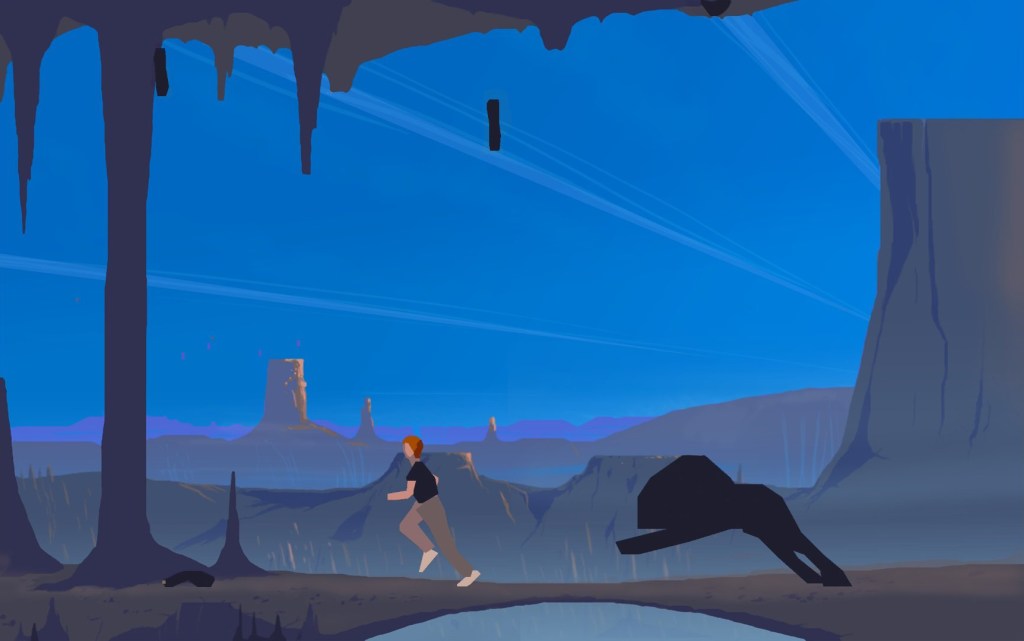
anotherworld1
Éric Chahi’s Another World, Delphine Software (1991)

Çocukken hepimizin heyecanla oynadığı Another World’ün sende bir yeri var mı? 

Bu oyunu çok iyi hatırlıyorum, ambiyansı mükemmeldi ve animasyonlar kusursuzdu! Bu oyunu çok oynadım ve bir noktada, ben de evde bir tane yaparak kendimi şımarttım. Bunu yapmak için ID Software arenası Quake III’e daldım. Oyunun prensibi ve 3D motoru kusursuzdu fakat grafiklerden ve seslerden nefret ediyordum ve oyunu daha ilginç kılacak birkaç opsiyon düşündüm. Yeni sesler, yeni karakterler, yeni oyun seviyeleri ürettim ve opsiyon eklemek için de biraz anladığım kod satırlarını kurcaladım. Bunları online yayınladım ve çok geçmeden ID Software’den beni kanuni takibat başlatmakla tehdit eden bir mektup aldım. Pes ettim, onlar da işin peşini bıraktılar. Oyunun üçüncü ve son versiyonuna hala buradan ulaşılabilir: acidarenaweb.free.fr

Bizlere biraz Fransız Bilim Kurgusu’ndan bahseder misin? 

Bu konuda uzman sayılmam! Hala büyük klasikleri okuyorum: Philip K. Dick, Frank Herbert… Yakın zamanda Laurent Genefort’un “Point chaud” adlı kitabını okudum. Ne sebeple olduğu bilinmemekle birlikte gezegenin her yerinde ortaya çıkan farklı türlerden uzaylılardan bahseden bir hikaye. Çok hoş bir roman.

Piyasaya da çalışan birisin sanırım. Daha çok ne tip işler alıyorsun? 

Ücretli bir Ninja olarak her şeyi alıyorum, yok artık dedirtenleri bile (L’Oreal, Kenzo, Microsoft, Electronic arts, Lesieur vs…) Sorun şu ki artık piyasada alınacak çok fazla bir iş kalmadı.  Şirketler grafik işlerini stajyerlere saçma sapan paralar ödeyerek içeride yaptırıyorlar ve bağımsız çalışan grafikerlere ihtiyaç duymamaya başladılar. Fransa’da bir paradoks mevcut, yeraltı grafik sanatı çok gelişmiş ve genelde oldukça kaliteli ancak reklam için yapılan grafikler ya da ilan verenlere yönelik grafik çalışmaları inanılmaz derecede zayıfladı; çok yazık!

Japonya’nın tam tersine Fransa’da ana akımın neredeyse grafik kültürü yok, olay şu ki photoshop kullanmayı bilen 16 yaşındaki bir çocuk bile bir reklam kampanyasını A’dan Z’ye yürütebilir ve herkes  sütyenli bir hatunun üzerine iliştirilmiş Arial  tipografisinden memnun kalır. Fransa’da grafik hayal gücü ve yaratıcılık açısından bir engele takıldı. Reklam verenler veya sanat yönetmenleri nötr şeyler istiyorlar, o kadar nötr şeyler ki işler karaktersizleşiyor.


“Another World”, a-t-il laissé une trace emotiononelle en toi? C’était un jeu que nous tous avions fébrilement joué pendant notre enfance? 

Je me souviens très bien de ce jeu, l’ ambiance était excellente et les animations parfaites ! J’ ai beaucoup joué au jeux video et à un moment je me suis payé le luxe d’ en bricoler un. Pour se faire je suis tombé sur Quake III arena de ID Software. Je trouvais le principe de jeu et le moteur 3D tout deux excellents mais je détestais les graphismes et les sons et pensais à quelques options qui aurait rendu le jeu plus intéressant. Je fabriquais donc de nouveaux sons, personnages, niveaux de jeu et trifouillais des lignes de code que je comprenais à peine pour ajouter des options. Je mis tout ça en ligne et reçu très rapidement un courrier de la part de ID Software qui me menaçait de poursuites judiciaires. J’ ai fait le mort et ils n’ ont pas donné suite. La troisième et dernière version du jeu est toujours disponible ici: acidarenaweb.free.fr
Est-ce que tu peux nous informer sur la sci-fi française?

Je ne suis vraiment pas calé en la matière ! Je relis toujours les grands classiques – Philip K. DIck, Frank Herbert … J’ ai récemment lu “Point chaud” de Laurent Genefort, une histoire d’ extra-terrestres de différentes espèces qui apparaissent un peu partout sur la planète sans qu’ on sache pourquoi. Très chouette roman.

Je crois que tu travailles professionellement pour le marché aussi. Quelle sorte d’ouvrages tu acceptes? 

En tant que ninja-mercenaire je prends TOUT, même l’ imprenable (L’ oréal, Kenzo, Microsoft, Electronic arts, Lesieur etc … etc …). Le problème c’ est qu’ il n’ y a plus grand chose à prendre. Les entreprises font faire leur graphisme en interne en payant des stagiaires à coups de pied au cul et ne font plus beaucoup appel à des indépendants. Il y a un paradoxe en France, le graphisme underground s’ est beaucoup développé et se trouve être souvent de qualité tandis-que le graphisme publicitaire ou destiné au annonceurs est devenu incroyablement pauvre, c’ est pitoyable. La France mainstream n’ a quasiment pas de culture graphique (contrairement au Japon par exemple) ce qui fait que n’ importe quel adolescent de seize ans équipé de photoshop pourra tout à fait réaliser une campagne publicitaire de A à Z et tout le monde sera content avec une typographie arial claquée sur une photo de nana en soutien-gorge. En France l’ imagination et l’ inventivité graphique sont souvent un handicap. Les annonceurs ou les directeurs artistiques veulent des choses neutres, tellement neutres qu’ elles en deviennent nulles.


Marsilya’da yaşıyorsun, geçtiğimiz aylarda Le Dernier Cri tarafından VENDETTA isimli büyük bir festival düzenlendi. Bizlere biraz neler olup bittiğinden, gözlemlerinden bahsedebilir misin? 

Elbette. Vendetta, Dernier Cri tarafından organize edilen uluslarası bir micro-edition/ mikro-yayıncılık fuarı. Onlarca kolektifi (serigrafi, yayıncı, sanatçı kolektiflerini) Marsilya Friche Belle de Mai’de  bir araya getirdi. Grafiğin underground’ına mensup olanların buluşması, karşılaşması için bir ortam oluştu. Başka türlü mümkün olmayacak bir şey, çünkü bu insanların hayatlarının çoğu ya atölyelerinde ya da bir mağarada geçiyor! Festival sergilenen işler, kitaplar ve sunduğu buluşma ortamı açısından oldukça zengindi. Bana sorarsınız Fransa’nın en büyük reklam şirketinin sanat yönetmeni gelip standları dolaşsa, mesleğinden o kadar utanırdı ki gider bir yeraltı otoparkında kafasını keserdi!

Şu an neler üzerinde çalışıyorsun, DAVE 2000’den yakında neler göreceğiz?

Kaizer Satan III’ü bitiriyorum, kitap Le Dernier Cri’den yayınlanacak; neşeli bir ortaya karışık olacak: resim, desen, infografi, kolaj, 3D… Ayrıca bir bölüm de anaglif (kırmızı-mavi gözlüklerle) olacak.

zombz small
Dave De Mille ‘Zombiez’ 2018

Tu vis en Marseille. Récemment un festival intitulé VENDETTA a été organisé. C’est une activité organisé par le Dernier Cri, si je ne me trompe pas . Est-ce que tu peux en parler et partager tes impressions?

Tout à fait, Vendetta est un festival international de micro-édition organisé par le Dernier Cri. Il fait converger des dizaines de collectifs de sérigraphes, d’ éditeurs, de dessinateurs à la Friche Belle de Mai à Marseille. C’ est l’ occasion de rencontrer des acteurs de l’ underground graphique qu’ il serait impossible d’ apercevoir autrement tellement le plus gros de leur vie se déroule dans un atelier ou une cave ! C’ est aussi le moment de venir en prendre plein la vue et de découvrir des tonnes de choses super qui sont parfaitement confidentielles. C’ est un festival extrêmement riche en images, livres et rencontres. Je pense qui si on y emmenait un directeur artistique de Euro RSCG (une grosse entreprise de publicité française) pour faire le tour des stands il aurait soudainement tellement honte de son métier qu’ il irait se couper la tête tout seul dans un parking sous-terrain.

Et sur quoi tu travailles maintenant? Qu’est que DAVE 2000 va nous disposer prochainement? Peux-tu nous informer?

Je suis en train de finir Kaizer Satan III, le livre sera édité au dernier cri. Un joyeux bordel de peinture, dessin, infographie, collage, 3D etc … Il y aura aussi une partie en anaglyphe – avec les lunettes cyan et rouge. Il sera peut-être sous-titré “tempête de tronçonneuses” haha !

protopronx.free.fr


Both Sides of the Alchemy: Aglaja Ray

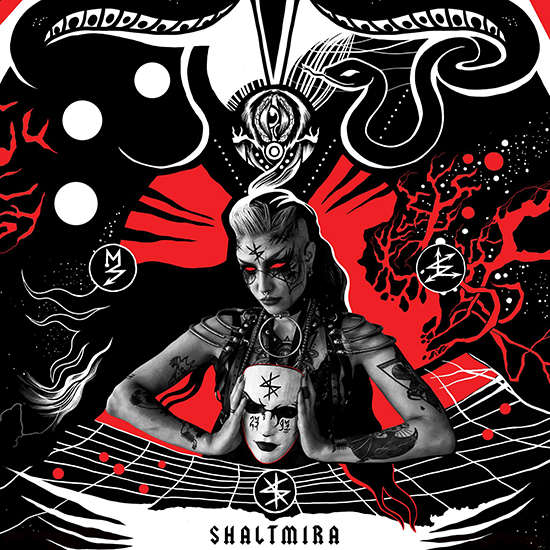
Aglaja Ray aka Shaltmira ‘Self-portrait’ 2018

“Oluş diye bir şey yok, ne de devrim, mücadele ya da yol; hâlihazırda sen kendi teninin şahısın– çiğnenmesi mümkün olmayan özgürlüğün tamamlanmak için yalnızca diğer şahların sevgisini bekliyor: bir rüya politikası, göğün maviliği kadar ivedi.”

Litvanyalı genç sanatçı Shaltmira, göçebe bir oyuncu, aynı zamanda kendine münhasır bir kaos büyücüsüdür. Provokatif ve cesur bir estetiğe sahip olan sanatçı, eski uygarlıkların spiritüel çalışmalarından, black metal ve simya illüstrasyonlarından esinlenmiştir. Diskordiyanizm onun için doğaldır; otoriteyi, toplum kurallarını ve normları sorgular. Sergilediği aktivizmin, günümüz dünyası ve insan haklarıyla ciddi bağlantıları vardır. Düalistik olmayan düşünceyi harekete geçirmek amacıyla radikal performanslar sergilemiştir. Kullandığı mecralar, magick dövmeleri için seçtiği kendi bedeninden filme alınmış ritüellere kadar genişleyen koca bir evreni kapsar; sanal uzay onun evidir. Shaltmira yeraltı ve ‘kendin yap’ kültüründe büyümesine rağmen akademik bir birikime de sahiptir.  Şu anda Vilnius Sanat Akademisi’nde (Vilnius Art Academy) Grafik alanında yüksek lisansını tamamlamakta ve sonrasında doktorasını yapmayı hedeflemektedir. Sanatçının yaratıcı alanı geniş olup, iç dünyasını ve fikirlerini sergilemek amacıyla farklı araçları, akıllıca kullanmaktadır. Shaltmira, yakın zamanda yaratıcı alanını genişletmiş ve Michael Cashmore ile birlikte Berlin Psychic TV konseri esnasında TRANSFORMATION RITUAL (DÖNÜŞÜMSEL RİTÜEL) ismini verdiği bazı ses mühürleri yapmaya başlamıştır. Duvar resimlerinden post-belgeselciliğe, pentür resminden topluluk önünde yaptığı konuşmalara kadar her eyleminin, derin düşünsel tonları bulunmaktadır. Kaos’un bir yolu yöntemi vardır ve o, bu yolu iyi bilmektedir. Shaltmira, mucizelere fırsat tanımamız için ve rasyonel düşünceyi sarsmak amacıyla bir metropol şamanı rolünü üstlenir. Absürtlükten, karışıklık ve kompleksiteden, rastgelelikten, iddialılıktan ve mizahtan yararlanır ve hayatını, sanat eserinin kendisi oymuş gibi yaşar. Kimine göre melek kimine göre ise bir şeytan olan sanatçı, buna müsaade ederseniz kalp çakranızı açacak ve göz açıp kapayıncaya kadar zihninizi yeniden programlayacaktır. Onun sanatını, boşluğu kucaklar gibi kucaklayın. Her şey Bir’dir, Bir ise hiçbir şeydir! Köprü olun, Shaltmira için Sevgi ve Birlik haline ulaşmaktan daha kıymetli bir şey yoktur. O sakinliğin rahatını kaçırır, rahatsızlığı ise sakinleştirir. Korkmayın, Evren zihinseldir ve oyun oynamak ister. 23.93.666.


Shaltmira ‘I’m a the bridge’ a short post-documentary by dr. Smith, 2019

“There is no becoming, no revolution, no struggle, no path; already you’re the monarch of your own skin– your inviolable freedom waits to be completed only by the love of other monarchs: a politics of dream, urgent as the blueness of sky”

Shaltmira is Lithuanian artist chaote. occultist shapeshifter. nomad and enigma. Provocative, botd and has recognisable aesthetics, inspired by black metal and alchemical illustrations, as well as spiritual studies of ancient civilizations. Discordianism is natural for her, she is always questioning the authority, society’s rules and norms. Her art has connections with human rights activism, radical performances are constructed to provoke the non-dualistic way of thought, the tools she uses involves a wide field of medias, starting with her own body as canvas for magick tattoos and expanding towards the rituals filmed in VR. Virtual space is her home. Shaltmira has risen from the underground and di.y. culture and simultaneously kept one foot in the academic space, at the moment finishing her MA in Graphics in Vilnius Art Academy and aiming for Doctor of Arts degree. Shaltmira’s creative field in wide and she is using different medias wisely to prove her point which is inner monarchy. Recently Shaltmira expanded her creative field and started making sonic sigils with Michael Cashmore, culminating in TRANSFORMATION RITUAL, during the Psychic TV concert in Berlin. From murals to post-documentaries, from canvases to public speaking -everything she does has deep philosophical undertones. There is method to the chaos, and she knows it Shaltmira is functioning as urban shaman, shaking up the rational mind in order to create the space for the miracle. She utilizes absurdity, mess and complexity, randomness, high brow & low brow, and discordian humor and lives her life as if it would be the the piece of art itself. Angel to some, demons to others, she will open your heart chakra if you let her and reprogram your mind in a blink of the eye. Embrace her art as you embrace the Void. All is one and one is none! Be the bridge, there’s nothing more important to Shaltmira. than reaching the state of Love and Unity. She is disturbing the calm, and calming the disturbed one. Dont be afraid, Universe is mental and it wants to play. 23.93.666.


Aglaja Ray performansas “TECHNOTEOLOGIJA”tarptautiniame Klaipėdos teatro festivalyje “The ATRIUM”

Technotheology is an algorithm required to understand the role of humanity in a technological era through the matrix of Imago Dei. Invoking humanity’s ability to ponder, its retribalism in creating and keeping the relationships as the main subroutine, technotheology explores new technologies together with what it means to be a human being in the century of technological progress, revealing new insights and raising theological, social, and ethical questions.


Shaltmira ‘İfrit’ Print for Basel

AGLAJA RAY

BEWARE !!


俵谷 哲典 Tetsunori Tawaraya: Age of Mutants

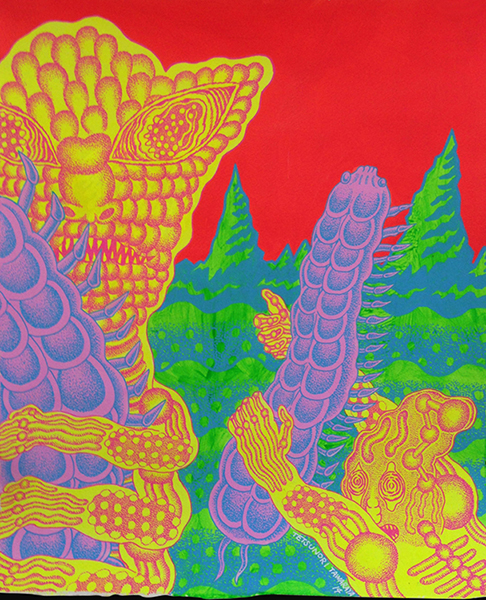
Tetsunori Tawaraya ‘First encounter in the planet of Transkam’ (2018)

俵谷 哲典はノイズパンクバンド2up(アップアップ)のギターリスト、ヴォーカリストとしても知られる日本人ミュージシャン、アーティストである。宮城県に生まれ、現在は東京都を拠点としている。90年代後半にカリフォルニア州サンディエゴにて人々やミュージシャンのポートレートを描き始め、意欲的にSF/実験的なグラフィックノベルを制作した。2upと並行して、2007年までサンディエゴを拠点としてバンドDmonstrations(デモンストレーションズ)の活動を行う。グロテスクかつ色彩豊かな世界観が世代を超えて評価されている。Colour Code、Hollow Press、Le Dernier Criからシルクスクリーンやリソグラフを用いて、アートブックが出版されている。その他、Brain Dead、Element、NTS Radio、RVCA、Volcomとのコラボレーションを発表するなど、多分野において活動している。

TETSUNORI TAWARAYA is a Japanese musician and artist, known as the guitarist and vocalist for the noise rock band 2up and for his graphic art. Tawaraya is originally from Miyagi, currently based in Tokyo, Japan. He started drawing portraits of people and musicians in San Diego, CA in 1999, and prolifically created sci-fi/ experimental graphic novels. His San Diego-based band Dmonstrations was active and toured until 2007 besides 2up. His grotesque and vibrant perspective has been appreciated over generations. Art books and graphic novels have been published on Hollow Press, Le Dernier Cri and Colour Code with using the techniques of screen printing, risograph and offset printing. Braindead, Volcom, NTS Radio, Medicom Toy respectively collaborated, and his works have being active in multiple platforms.

tetsunori - double page 02
Tetsunori Tawaraya ‘Art for Tetsunorictus’ – ‘One Eye Space Alien’ (2015)

Japonya’dan her zaman iyi sanatçılar ve iyi işler çıkmıştır. Akira Kurosawa, Godzilla, Hayao Miyazaki… Bu topraklardan çıkan sanat, bazen hemen, bazen ise bir süre sonra, fakat eninde sonunda batı sanatını da tetikler ve hayalgücümüzü harekete geçirir.

Japonya, Tetsuori Tawaraya’nın yaşadığı yer ve Lucca Comics & Games’te bu yetenekli illüstratörün çalışmalarını gördükten sonra onunla röportaj yapmaya karar verdim.

MUTANTLAR ÇAĞI

Röportaj: Marco Taddei, D.A.T.E. HUB web magazine
Türkçesi: Özgür Kayım

Tetsunori merhaba, öncelikle İtalya tecrübene değinmek istiyorum, Michele Nitri ile tanıştıktan sonra, işlerin UDWFG Magazine’de yayınlandı; İtalya ve İtalyan çizgi romanı hakkında neler düşünüyorsun?

Ben bir film canavarıyım ve Dario Argento hayranıyım. Amerikan Sineması sadece tüyler ürpertici filmler yapmayı beceriyor. Argento ise ölüm konusunda korkutucu olmanın ötesinde, eşine az rastlanır bir gerçeklik duygusu yaratıyor. Bu olağanüstü bir durum, onun filmlerini izlerken bir çok sahneyi dondurup, yaratılan muhteşem kompozisyonları tekrar tekrar gözlemliyorum. Ardından ise Sergio Leone filmleri geliyor; O, sessizliği nasıl kontrol edeceğini çok iyi bilen bir yönetmen. Onun filmlerinde kullanılan müziğin etkileyiciliğini başka bir yönetmenin başarabileceğini sanmıyorum. Evet, Morricone müziği muhteşem kullanıyordu ama Leone, doğru sahne için doğru müzik seçme ustası. Tekrar soruna gelirsem, ne yazık ki bir çok İtalyan çizgi romanı Japonca’ya çevrilmiyor, keşke çevrilse.


Tetsunori Tawaraya | RVCA Shibuya Art Gallery

Yakın zamanda orjinal işlerini Lucca Comics fuarında gördüm; minimal ve obsesif tekniğinle ilgili ne söylemek istersin?

alışmalarımda çok katmanlı bir yapı kullanıyorum; kimi zaman fazla dinamizm yanıltıcı olabiliyor ya da çok fazla detay eklemek bütünü bozabiliyor. Genelde çizimlerim çok sıkışıktır ve bunu arka plana da yansıtırsam, bu her şeyin iç içe geçmiş görünmesine yol açar, bu yüzden kontrastlarda çok dikkatli davranıyorum.

tetsunori - double page
Tetsunori Tawaraya ‘Intestinal outer space / 腸、それは宇宙’ (2015)

Peki ya ucubeler ve deformasyonlar? Burada zengin ve karmaşık Japon kültüründen etkiler görüyoruz, aynı zamanda batı kültüründen de etkilendiğini söyleyebilir miyiz?

Japon Kültürü beni farkında olmadan etkilemiştir. Bizim kültüre ait çok tuhaf gelenekler, korku masalları ve hikayeler mevcut: Kimi zaman ruhlar diyarına dönmüş hastaneler, mezarlıklar, kazalara yol açan tüneller gibi tüyler ürpertici mekanları kullanıyorum.. Bir bataklık canavarı olan KAPPA, Japon Kültürü’nün bir parçası olan karda yürüyen canavar NAMAHARGE gibi figürler %100 mutant’tırlar. Benim büyüdüğüm Tohoku Bölgesi’nde bu yaratıklar çoğu kişi tarafından bilinir. Öte yandan batı kültürünü de seviyorum; yaratıcı düşüncenin önünü açmak için yerelliğe bağlanmıyor, kendime sınır koymadan her yerden ilham alarak çalışıyorum.

mutants_ocean
Tetsunori Tawaraya ‘Mutans Ocean’ ink on paper (2015)

Gençken etkilendiğin mangalar hangileriydi?

O kadar çok ki, çizdiğim ilk karakter mesela ana okulundayken Gegege no Kitarou’daki Kitarou karakteridir, bunun dışında Coro Coro Comic, BonBon Comic, Weekly Shonen Jump’tan Osamu Tezuka’nın mangalarına kadar herşeyi takip ederdim.

Japon sanatçılar arasında sevdiklerini öğrenebilir miyiz?

Osamu Tezuka. Olağanüstü bir hikaye anlatma becerisi ve doğuştan gelen bir illüstrasyon yeteneğine sahip, ayrıca tuhaf detayları ve yarattığı mutantlar harika.

Son olarak hayalgücünüzle ilgili bir şey sormak istiyorum. Kafanızın içindekileri merak ediyorum: Bu fantastik dünyayı, gördüğünüz rüyalarla mı canlı tutuyorsunuz?

Yanılıyorsun, çünkü neredeyse hiç rüya görmem; görsem bile çoğu zaman hatırlamam. Fakat çocukken yaşadığım bölgede, bizim okul evden bir hayli uzaktı ve okul yolu da oldukça uzundu ve bu yolu arşınlarken ilginç hayaller kurduğumu hatırlıyorum; belki de bu yüzdendir, kim bilir!

Tetsunori Tawaraya ‘Centipede Hunting’ (2015)

don’t forget to check for more at

tetsunoritawaraya.com


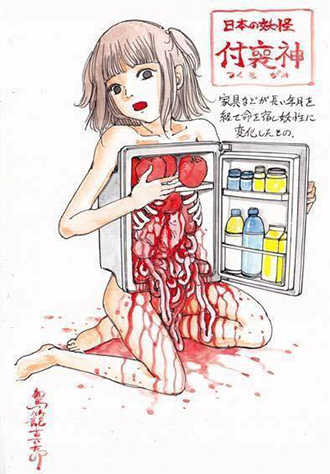
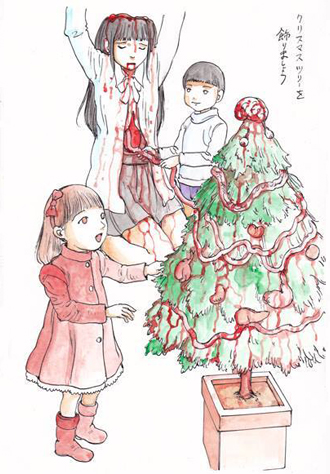
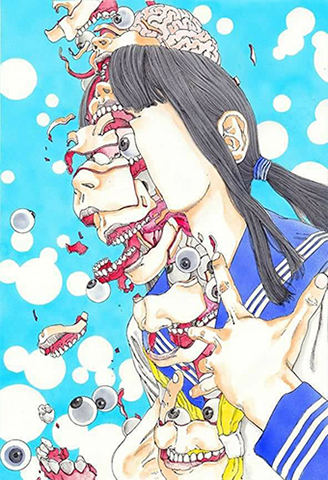
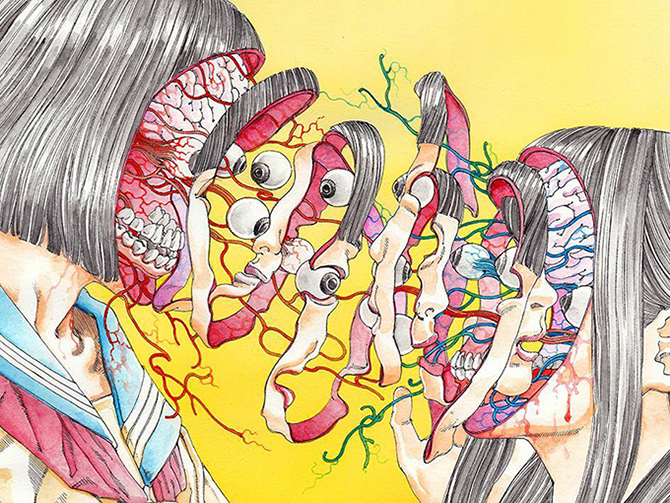
Shintaro Kago Bokun Tarihini Yazıyor

kago-shintaro- b
Shintaro Kago

Japonya’da her gün, her çeşit ve renkte milyonlarca manga etrafta uçuşuyor, peki bir zamanlar bizi heyecanlandıran bu durumdan artık sıkıldık mı?! 

Hentai’den, hani şu manga’nın yasadışı -dışkılı, öldürmeli, kusmalı- pornografik tarzından bile mi… İster inanın, ister inanmayın ama neredeyse. Bu alt tür, birkaç senedir canlandırılmayı bekliyor ve bize göre bu ihtiyacı giderecek olan sanatçı Shintaro Kago. Kago, manga’yı kendine özgü tribal deneylere sokuyor. Kendisini kisou mangaka “acayip manga sanatçısı” olarak tanımlıyor ve bir çok alandaki çalışmaları, çizgi romanın yanı sıra bağımsız film yapımcılığı ve oyuncakçılığı da kapsıyor. 


kago small
Industrial Revolution and World War, Hollow Press, 2015

Ancak Kago’nun manga eserleri, yaptığı diğer şeylerden çok daha sapkın ve biz de tam bu konuda onunla konuşmak istedik. Tokyo’daki stüdyosunda yaptığımız bu söyleşi yeni çizgi romanı üzerine.

Vice: Eserlerinde çok fazla pislik kullanıyorsun. Çizgi romanlarında ve oyuncaklarında her yerde var bu.
Shintaro Kago: Pislik, hikayelerimde nakarat niyetine kullandığım bir öğe. Bunu işlemeye başladığımda manga dünyasında henüz bunu yapan biri olmadığını farkedip bu temaya eğilmiştim. Ayrıca çizgi romancılar, çalıştıkları dergilerin formatına da uymaya gayret ederler ve o dönem çizdiğim dergilerin çoğu kendine özgü yayınlardı. Pisliğe yönelik şeyler, bok temalı bir manga dergisi için çizmeye başladığımda aklıma geldi. Fakat, dürüst konuşmak gerekirse sürekli bokla ilgili hikayeler bulmak hiç kolay değil, özellikle de aynı zamanda bunları erotikleştirmek.


kago_14 b
Shintaro Kago
kago_13 b
Shintaro Kago
kago_31 b
Shintaro Kago
Shintaro Kago (6) a
Shintaro Kago

Dikkat ettiğin herhangi bir asgari koşulun var mı? Mesela çizgi roman başına karşılaman gereken bir bok kotası?

Hayır, sadece bok… Temelde, bu bok ve seks çevresinde gelişen kaç hikaye varyasyonu çıkarabileceğin sorunsalı. Aşırı zor. Aslında ilk iki veya üçüncü çizimden sonra bırakmayı düşündüm. Bok ve seks sadece başlangıç noktaları ve bunları halletmedikçe hikayenin kendisi üzerine düşünmeye bile başlayamıyorsun. Ve ben, ana karakter olarak tatlı genç kızları ön plana çıkarmaya çalışıyorum. Sorun bu, fakat yine de Manga’mın yaygın bir okur kitlesi olduğunu düşünüyorum.

Peki ya senin bu tip şeylere cinsel bir eğilimin var mı?

Hayır, bu tür aktivitelerde bulunmuyorum, fantezim bile değil, sanatımda kullandığım bir tema sadece ama splatter mizahın hastasıyım.

Seks sahneleri çizerken tahrik olmuyor musun? Robert Crumb’ın kendi çizimlerine bakıp otuz bir çektiğini herkes bilir.

Doğrusu seks sahneleri çizmekten pek de tat almıyorum, imkanım olsa uğraşmazdım bile. Ama erotik bir dergi için çalışıyorsanız pek de bir şansın yok. Eğildiğim temalar biraz uç, bu yüzden insanlar özel hayatımda tuhaf şeyler yaptığımı düşünüyorlar oysaki sadece bana sunulan temalar ve ilkeler çerçevesinde sanatını icra etmeye çalışan bir çizgi-romancıyım.

Shintaro Kago (14) b
Shintaro Kago
Shintaro Kago (17) b
Shintaro Kago
Shintaro Kago (18) b
Shintaro Kago

Kendini ‘kisau mangaka’ olarak tanımlamaya ne zaman başladın, nerden çıktı bu?

Birgün öylesine aklıma esti ve kullanmaya başladım, her halde başka biri kullanmıyordur diye düşündüm. Son zamanlarda unvanımı sadece ‘çizgi romancı’dan ‘çizgi romancı artı bir şey’ olarak değiştirip değiştirmeme konusundan düşünüyorum. Çünkü kendinizi sadece çizgi romancı olarak adlandırdığınızda insanlar, sizi sadece bir çizgi romancı zannediyor, bu yüzden farklı bir şey yapmaya başladığınızda ‘Ama sen çizgi romancı değil miydin, nerden çıktı şimdi bu!?’ gibi şeyler düşünüyorlar. Bu yüzden de unvanımda biraz değişiklik yapmam gerekti.

Ama kendini ‘sanatçı’ ilan etmek de istemiyorsun sanırım.

Evet, bir işin sanat eseri, yaratıcısının da sanatçı olup olmadığına izleyicinin karar vermesi gerektiğine inanıyorum. Ayrıca Manga geleneklerinin ötesine nasıl geçebilirim, çizim veya gerçek fotoğraflarla kolaj yaparak manganın gelişmesine nasıl katkıda bulunabilirim diye uzun zamandır düşünüyorum.

Şimdi yaptığın anlamda manga çizmeye ne zaman başladın?

Lise döneminde muhtemelen, Manga kulübündeydim, o zamanlar çizdiğim çoğu şey neredeyse tamamen kara mizahtı ve çok da ciddi şeyler değildi. Fakat aynı sınıfta ciddi vanilla gag çizgi romanları çizen bir çocuk vardı; belki de buna tepki gösterdiğim için tam tersi bir yola girdim.

Bizim için yaptığın çizimlerde sürekli sabit bir boyut ve çerçeve kullanıyorsun, diğer çalışmaların için de bu geçerli, niçin? Günümüzde çoğu manga, çeşitli boyut ve çerçeve şekllerine izin veriyor.

Çünkü her sahneye eşit düzeyde çalışıyorum ve belli bir çerçeveye bilinçsiz bir şekilde ağırlık vermiyorum. Bazen gag’larda kullanabileceğim çerçevelerin sayısını sınırlandırmak en iyisi oluyor, mesela tek çerçeveler veya geleneksel dört çerçeveli çizgi roman stripleri gibi. Sanırım çok ortada olmayı da sevmiyorum ve o şişirilmiş çerçevelerin pazarlamaya yönelik olduğunu düşünüyorum.

kago-shintaro- a
Shintaro Kago

Yeni konular bulmakta zorlandığın oluyor mu?

Evet, eğer yapılan iş bir diziyse, bazen tıkanma yaşanıyor, kaldı ki ben, çoğunlukla sonu olan kısa öyküler çizmekten yanayım. Bu bile bazen zorluyor, eskiden daha kolaydı ama bugünlerde maalesef aklıma hiçbir şey gelmiyor. Geçmişte bir kenara koyduğum şeyleri bile kullandığım oluyor, ayrıca istediğim her şeyi çizmeme izin verecek çok da dergi yok maalesef. Yayın presipleri olan ciddi dergiler için çizdiğim zaman iş daha da zorlaşıyor. Cotton Comic isimli bir erotik manga dergisi benim vahşi hikayelerimle sayfalarında dolaşmama izin verdiklerinde yaşanan bazı tatsızlıklar, gerçekten canımı sıkmıştı. Ama bence bu tür dergilerin nesli tükenmek üzere. Tuhaf erotik dergi Flamingo gibi soft-porn manga dergilerin bile önümüzdeki süreçte çok tutacağını düşünmüyorum. Benim gibi manga sanatçıları için işler daha da zorlaşacak.

Peki ya birisi sana ‘ne istiyorsan çiz’ derse ne yapardın?

Aslında bu daha zor olurdu, çünkü bir yayın için belirli kural ve temalara uymak durumunda olduğunda az çok işin ne yöne doğru gideceğini kestirebiliyorsun. Tamamen özgür olduğunda ise yaratıcılığına garip bir şekilde ket vurulduğunu hissediyorsun. Belli sınır veya kısıtlamalar olduğunda ise ifade alanın zenginleşiyor. Seks sahneleri geniş alan kapladığı için fikirler azaldığında çok işe yarıyor. Sayfaları doldurmam gerektiğinde ve aklıma bir şey gelmediğinde hikayenin orasına burasına sık sık acayip seks sahneleri sokuyorum.

Söyleşi ve fotoğraf: Tomokazu Kosuga / 2 Şubat 2008 vice magazine

Türkçesi: Erman Akçay

for Shintaro Kago books:

Hollow Press


The Realms of the Unreal: Henry Darger

darger4

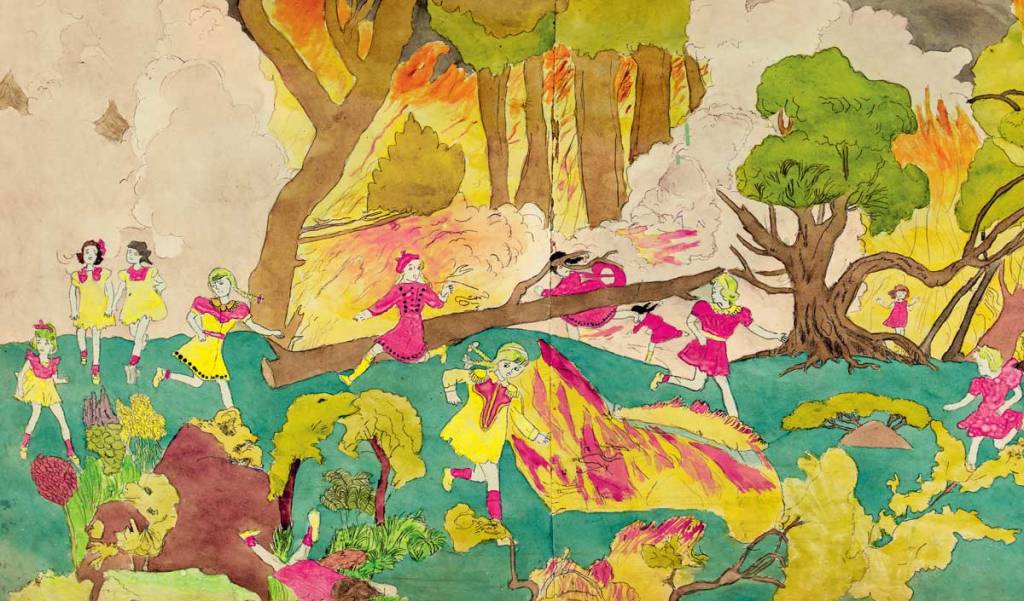
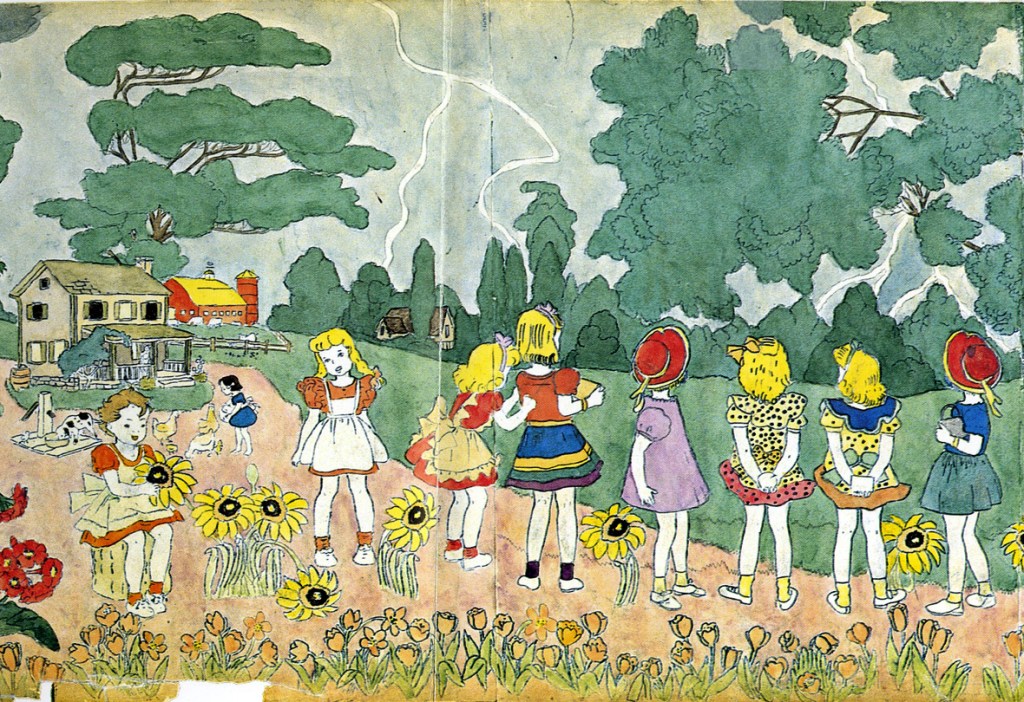
Henry Darger (1892 – 1973) Chicago, İllinois’da bir hastanede bekçi olarak çalışan, toplumdan izole bir hayat yaşayan Amerikalı yazar ve ressam. İçinde yüzlerce eskiz ve suluboya resimlerin bulunduğu 15 adet 145 sayfalık (Realms of the Unreal olarak da bilinen Story of the Vivian Girls) el yazması kitapların ölümünden sonra keşfedilmesiyle ünlü olmuştur. Kolaj ve karışık teknikle yaptığı çalışmaları çiçekli doğa manzaralarından doğaüstü yaratıkların ve çocukların yer aldığı Kral Edward dönemine ait pastoral sahnelere, küçük çocukların işkence ve katliamlara maruz kaldığı korkunç resimlere kadar değişkenlik gösterir. Darger’ın eserleri zamanla naif sanatın en bilinen örnekleri haline gelmiştir.

darger7
Henry Darger

Anne Van Der Linden: Problèmes d’intérieur…

Anne Van Der Linden ‘Au-delà gothique’ 2015 – 38 x 46 cm – acrylic on canvas – private collection

Bu arsız ölüm, ola ki dehşete varan bir keyifsizlik damıtmasaydı, Anne Van Der Linden’in sanatı en işlevselinden en hor görülenine, hayatın tüm yönleriyle sınırsız ve düşsel bir uzlaşmaya varabilirdi.

Tıpkı büyük ustalarda olduğu gibi, Van Der Linden’in resmi de muazzam bir anlamsal zenginlik taşır. Tensellikten hiçbir surette kaçınmayan insanlarla dolu, bizleri pozisyonumuzu tamamen gözden geçirmeye davet eden sembolizmiyle, muazzam bir hayvanat bahçesi; üstelik burada içeri ile dışarı, yenen ile dışkılanan, nüfuz edilen ile boşaltılan, tüm bu meseleleri tek bir ana rahminde uzlaştıran büyük bir parousia’da birbirine giriyor. Benzersiz özgünlükteki bu düşlem, deliklerle özgü ne varsa “tasavvur edilebilir resim” çerçevesine işleniyor.

İşte sonunda buradalar, bu iğrenç delikler taşıyabilecekleri kadar yoğun bir görsel şiirle donatılmış vaziyetteler. Hatta bunun da ötesinde, otantik bir Alvin Kozmogonisine doğru çekiliyoruz. Güneş anüslerimiz, şafağın ilk ışıklarıyla birlikte güneşi yumurtlayan Tanrıça Nut edasıyla kötü günlerin kara bulutlarını boşaltmazsa, bu bulutlar göksel pisliklere dönüşüyorlar. Ve Nut’un zaman zaman bir inek formunda temsil edildiğini göz önünde tutarsak, bu yeni ve istisnai diziye duyulan muhabbetin de bu şekilde adlandırılmış olması şaşırtıcı değildir. Son olarak, sabırla birbirini keşfetmekle meşgul olan bedenlerimizin etrafında dolaşan bu arsız ölüm, ola ki dehşete varan bir keyifsizlik damıtmasaydı, Anne Van Der Linden’in sanatı en işlevselinden en hor görülenine, hayatın tüm yönleriyle sınırsız ve düşsel bir uzlaşmaya varabilirdi.

D. Kelvin, 2022 / Türkçeleştiren: Gökçe Mine Olgun


‘Dark Chamber’ A film by Francis H. Powell featuring painter Anne Van der Linden (2009)

1959 doğumlu Fransız ressam Anne van der Linden, Paris banliyölerinden biri olan Saint-Denis’te yaşıyor. Edebiyat eğitimi gören sanatçı, desen çalışmalarından sonra yağlı boyaya geçmiş, kısa bir süre soyut işler üretmiş, doksanlardan bu yana ise figüratif tarzını geliştirmiştir. Resimlerinde Alman ekspresyonizminden ortaçağ gravürlerine, Robert Crumb’dan erotik çizgi romanlara kadar uzanan geniş bir yelpazeden etkiler taşır; ilkel içgüdülerimiz ve toplumsal normlar arasındaki ilişkileri, gerilimi ifade etmenin yollarını arayan sanatçının ebebiyatla olan ilişkisi de resimlerinde dile geliyor ve pek tabii eserleri Fransa başta olmak üzere bir çok farklı ülkede sergilenmiş. Karanlığa dalmaktan çekinmeyenlere.


Van Der Linden ‘Partouze sur chaîne de montage’ 2019 – 100x100cm – acrylic on canvas- private collection

“Ne venait distiller un malaise qui confine à l’effroi, l’oeuvre d’Anne van der Linden pourrait être considérée comme une onirique réconciliation avec tous les aspects, même les plus fonctionnels et méprisés, de la vie.”

Telle celle des grands maîtres, la peinture d’Anne van der Linden est d’une richesse sémantique prodigieuse. Prodigieuse comme l’est sa ménagerie hu­maine dont la symbolique n’escamote jamais la nature charnelle. Prodigieuse comme l’est la révision complète de nos repères à laquelle elle nous invite, et où le dedans et le dehors, le mangé et le déféqué, le pénétré et l’excrété, se mêlent en une grande parousie qui réconcilie les matières en une seule et même matrice maternelle. Originalité singulière, cette oeuvre inscrit l’orificiel dans le cadre du « concevable pictural ».

Les voilà enfin, ces dégoûtants orifi­ces, investis de la poésie visuelle à laquelle ils peuvent décemment prétendre. Au-delà même, c’est à une authentique cosmogonie alvine à laquelle nous sommes conviés. Les nuages deviennent étrons célestes à moins que, telle la déesse Nout ovulant le soleil au jour naissant, nos anus solaires expulsent les nuages noirs de nos sombres journées. Et Nout étant parfois représentée sous la forme d’une vache, rien d’étonnant donc à ce que l’amour de cette nouvelle et exceptionnelle série, soit ainsi nommé. Finalement, si cette mort ricanante qui rôde continuellement autour des corps patiemment occupés à s’explorer, ne venait distiller un malaise qui confine à l’effroi, l’oeuvre d’Anne van der Linden pourrait être considérée comme une onirique réconciliation avec tous les aspects, même les plus fonctionnels et méprisés, de la vie.

– D Kelvin


‘As Gardens Need Walls’ a short documentary by Sara Di Pancrazio, 2022

Anne van der Linden, born 1959, She is a French painter and drawer who lives in Saint-Denis, suburb of Paris. Brought up In a literary education, she came early to drawing and then to oil painting late. After an abstract period, she developed her figurative style from the 90’s. Her art draws from a vein of German expressionism, middle-age engravings, and the work of American cartoonist Robert Crumb along with others. Her attachment to literature is naturally brought to life through her work.Her works aim is in searching for expression through the visual arts in finding the interaction between inner wild life and social standardization. Her work has been widely exhibited and published in France and other countries.

‘As Gardens Need Walls’ poster (2022)

Sara Di Pancrazio

Sara Di Pancrazio is an Italian photographer and video maker who lives in Rome. She studied at IED (Rome and Milan) and from that moment she started working as assistant for filmmakers/photographers. Her cinematic style influence’s starts from her cinema’s studies, in particular from Dario Argento and David Lynch. She was born as photographer and she started publishing on some magazines like ‘Nakid Magazine’, ‘Assure Magazine’, ‘To Be Magazine’. Her first short film “AS GARDENS NEED WALLS” has been released in June, 2022.

> saradipancrazio


Van Der Linden ‘Amour Siamois’ 2013, 73x92cm – acrylic on canvas – private collection

> Van Der Linden


Interview avec un Radical Libre: Daniel Azélie

Daniel Azélie, 2018

“J’ai aimé (et aime toujours) cette fin des 70’s parce que je découvrais la pop le rock en même temps que la révolution des punks, et j’ai plongé dans cette frénésie qui m’a accompagné longtemps. J’ai eu beaucoup d’émotions avec ces musiques, ces groupes, la presse rock, et j’ai découvert ces drôles de petits livres, ces revues bizarres d’images. Et surtout : moi aussi, je pouvais faire des dessins dans ce qui ressemblait à des livres.”

Comment nous expliquerais-tu le début de ton aventure de l’art? Comment cela a-t-il commencé? 

Bonjour, Erman, j’ai commencé à dessiner quand j’étais petit, faisant des bandes dessinées de Tarzan, des dessins d’humour, sur du papier jaune que mon père rapportait de son bureau. Je n’ai jamais arrêté. Je lisais des bandes dessinées, des livres de contes, et des romans, plus tard : ça m’a nourri pour dessiner.

Tu as étudié à l’Académie ou bien tu as tout appris toi-même?

Aucune académie pour ça : j’ai eu des dessinateurs-fétiches (Serge Clerc, à travers Métal Hurlant, Bazooka Productions, Mark Beyer plus tard, Daniel Clowes bien plus tard, Kerozen, Colas Meulien, Raymond Pettibon, Loustal, Pyon, les gens de Krapaud Baveux, Pigassou, Y5P5, Caro, Swarte, Ever Meulen, Koechlin, Charlie Schlingo, il y en a trop, Munoz & SAmpayo, Placid & Muzo, Captain Cavern, Windsor Mac Kay pour les plus mainstream, hohoho…). Je n’ai jamais « appris » à dessiner, je n’apprends pas comme ça. Dans ma vie (ma tête), les dessinateurs en question sont des rockers, des postiers, des bibliothécaires, sans style vestimentaire, souvent : leur intérêt est dans leurs dessins, mais ils pourraient être musiciens (dans le genre de ceux qui pullulaient dans les 70’s/ 80’s, à travers le rock et ses dérivés, hybrides, ses mutations) et leur vie est banale ET fantasque. J’ai intégré une fac d’arts en 83-84, où j’ai absorbé beaucoup de choses nouvelles et excitantes pour moi, mais peu travaillé : on s’amusait beaucoup, les retombées du punk n’en finissaient pas, le rock était partout, de pleins de couleurs bizarres. On écoutait plein de rock 60’s, 70’s, Punk, tout, du Blues, Throbbing Gristle, Donovan… Scott Walker… Radio Birdman…

Une illustration de Daniel Azélie

“Mais aujourd’hui, il est difficile de travailler pour la presse (bien que j’aie travaillé pour le quotidien Le Monde pendant 6 ans, par exemple, illustrant des articles sur des musiques, des questions de société, cinéma, littérature… entre 1995 et 2001 : ça, c’était intéressant !! Je recevais un fax avec l’article du journaliste, j’écoutais les musiques en question, et dessinais, sans brouillon comme toujours, et je gagnais, à l’époque, la valeur de mon loyer mensuel avec 2 dessins par mois !), me semble-t-il.”

Comment tu travailles en général? Comment est ton style ? Est-ce que tu distingues tes oeuvres comme « des dessins de style libre » et « des illustrations professionnelles »?

Je dessine « à volonté », mais aussi par entrainement à dessiner. Je ne fais les choses que je fais que par instinct. Je travaille comme ça. Je dessine ce que j’ai en tête, ce que j’ai envie de dessiner : des situations ou des objets, des collisions de choses, d’idées, de mots, des associations, des prétextes à dessiner. Des pseudo-histoires. Ce qui m’importe, c’est dessiner > j’invente des prétextes.

Mon style ? Je ne sais pas du tout répondre, là. Mes dessins sont libres, et j’ai aussi dessiné pour des magazines, des journaux, des agences de communication, des éditions. Mais aujourd’hui, il est difficile de travailler pour la presse (bien que j’aie travaillé pour le quotidien Le Monde pendant 6 ans, par exemple, illustrant des articles sur des musiques, des questions de société, cinéma, littérature… entre 1995 et 2001 : ça, c’était intéressant !! Je recevais un fax avec l’article du journaliste, j’écoutais les musiques en question, et dessinais, sans brouillon comme toujours, et je gagnais, à l’époque, la valeur de mon loyer mensuel avec 2 dessins par mois !), me semble-t-il.

Une illustration de Daniel Azélie

“Internet permet la circulation instantanée des créations, partout, tout le temps, mais/et beaucoup d’apathie se crée via les réseaux sociaux (par une surabondance de livres, musiques, arts, textes, informations, produits à vendre, états d’âmes : tout est mis au même niveau, le désir s’émousse). L’absence de désir, c’est ça, le problème : on regarde et commente plutôt que faire des choses. Personnellement, je préfère m’amuser, monter sur les toits, faire le mur la nuit, courir dans les rues.”

Ainsi tu es dedans la musique, peux-tu nous parler de tes travaux dans des autres matières comme la musique et le théâtre?

Oui : j’ai depuis longtemps aimé avoir des instruments, j’en joue comme je dessine : pour jouer ! J’adore les instruments, vraiment. Mon rêve est de former une fanfare d’amateurs, des débutants enthousiastes qui composent et jouent des choses inventées comme des dessins, pour le plaisir de jouer. Des musiques joyeuses, intriguantes, mystérieuses, épiques ou minuscules. Le théâtre, je n’ai jamais été formé pour ça non plus : avec ma sœur d’adoption, nous avons une compagnie de théâtre « documentaire », où j’a appris à travailler « sur le tas » : faire des images sur scène avec des systèmes bricolés ou numériques, des caméras, imaginer les scénographie, les réaliser, travailler avec des comédiens, circassiens, acrobates, danseurs, conteurs. On met en scène des spectacles après des « enquêtes de terrain », interviews, prises de vues, sur des questions humaines, sociales. Voilà, pour faire court. J’adore cette activité et l’élaboration de langages scéniques, visuels, sonores. Les sons m’accompagnent depuis longtemps, les machines, l’électricité, la puissance sonore.

Ortie Fanzine, couverture par Alexios Tjoyas
Petit diaporama sonore d’une série de dessins du recueil “Parmi Les Noirs.© 2008, Daniel Azélie.

“…mais je ne suis pas au courant de tout, bien sûr, et tant mieux : j’aime pouvoir ignorer les choses nouvelles, je rattraperai peut-être plus tard.”

Tu m’as introduit des publications très interessantes comme ORTIE et tu parles de la culture souterraine an France et tu penses qu’elle plus vivante et active pendant les années quatre-vingt dix ? Quelle est la raison selon toi?

Non, je ne pense pas en terme de « plus active », ou moins active : j’apprends lentement parfois, des choses existent sans moi. Question de circonstances : j’ai souvent traversé (par chance, par « hasard ») des situations curieuses, excitantes pour l’imagination, depuis l’adolescence. Dans les 90’s, j’ai « creusé » des choses qui m’intéressaient déjà, et découvert d’autres, plus récentes, avec du retard sur l’actualité aussi. Alors qu’à l’âge du lycée, sortaient plein de 45 rpm de PIL, Clash, BAsement 5, etc. Dans les 90’s, des gens plus jeunes me faisaient découvrir des choses plus « radicales » du moment, à travers la techno hardcore, la noise, et d’autres musiques, baroques, improvisées, funk, dub, free, speedcore, japanoise… Aujourd’hui ça continue, mais je ne suis pas au courant de tout, bien sûr, et tant mieux : j’aime pouvoir ignorer les choses nouvelles, je rattraperai peut-être plus tard. J’ai des livres de Beckett que je lirai plus tard, si je veux.

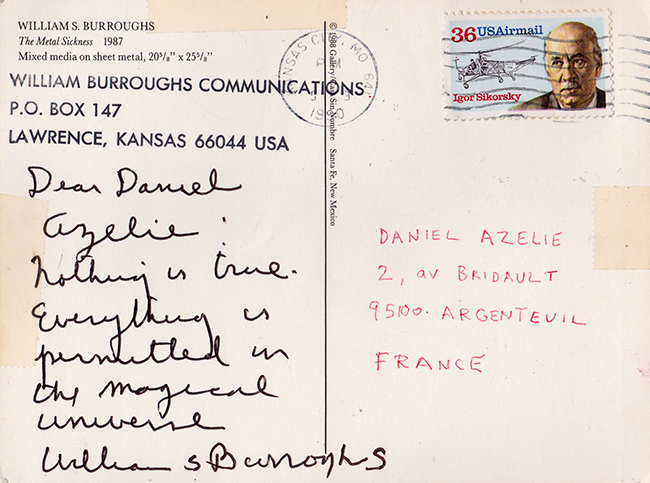
Une lettre mystérieuse de William S. Burroughs à Daniel Azélie

“J’ai toujours aimé ce que raconte Jello Biafra (dans un N° de RE/SEARCH) à propos de la spécificité des Dead Kennedys, musicalement : ils écoutaient beaucoup de choses curieuses, comme des « interprétations » de heavy metal par des brésiliens, des versions chinoises du punk rock, des folklores d’Europe Centrale, et cette nourriture leur a permis d’introduire des clarinettes dans leur punk des formes de chansons étranges, saugrenues.”

Est-ce que c’est comme ça seulement en Europe ou dirais-tu la même chose pour le monde entier?

J’ai toujours aimé ce que raconte Jello Biafra (dans un N° de RE/SEARCH) à propos de la spécificité des Dead Kennedys, musicalement : ils écoutaient beaucoup de choses curieuses, comme des « interprétations » de heavy metal par des brésiliens, des versions chinoises du punk rock, des folklores d’Europe Centrale, et cette nourriture leur a permis d’introduire des clarinettes dans leur punk des formes de chansons étranges, saugrenues. Aujourd’hui, j’ai un ami berlinois voyageur, qui fait connaître (par son label et son site, ainsi que la réalisation de compilations) les diverses musiques NOISE d’Asie du Sud-Est, il y a des punks en Afrique de l’Ouest et du Sud, des touaregs électriques, le Wild Classical Music Ensemble (check them out !), DJ SPOOKY qui traite les enregistrements comme de la mémoire virale… Internet permet la circulation instantanée des créations, partout, tout le temps, mais/et beaucoup d’apathie se crée via les réseaux sociaux (par une surabondance de livres, musiques, arts, textes, informations, produits à vendre, états d’âmes : tout est mis au même niveau, le désir s’émousse). L’absence de désir, c’est ça, le problème : on regarde et commente plutôt que faire des choses. Personnellement, je préfère m’amuser, monter sur les toits, faire le mur la nuit, courir dans les rues. Je dîne rarement chez des amis, parce que si j’ai le choix, je préfère aller me balader dehors. J’affectionne aussi les drogues, j’essaie des choses pour voir comment ça marche, comment on peut s’en servir « au mieux ».

La malédiction continue…

“Burroughs était, par sa stature anti-establishment et criminel, junkie, lié au rock, à la « contreculture » des 60’s/70’s. Il a défendu le 45 rpm « God Save The Queen » des Sex Pistols attaqué en justice, censuré : pour moi ça disait tout (il aimait les garçons très sauvages, et n’aimait pas qu’on empêche ces jeunes de s’exprimer, surtout s’ils gueulaient contre la monarchie en prenant du speed.”

Est-ce qu’on s’est ennuyé des possibilités permises par les ordis et la technologie? 

Sûrement, parce qu’internet a permis aux humains de paraître plutôt que faire des choses, et de collectionner plein de choses de leur jeunesse (ou du passé, en tous cas), de s’occuper sans but. Mais c’est comme ça avec chaque media nouveau, peut-être. J’aime bien l’entropie, le chaos total, c’est excitant; mais aussi le sens qu’on donne à des actes.

Lorsqu’il s’agit de littérature et d’édition indépendante, la France est au premier plan ; de nombreux artistes y installent leurs ateliers. Quelle est, selon vous, la raison de cette tradition et de ce potentiel ?

Il y a une, des histoires de l’image « imprimée » en France, et beaucoup d’artistes d’hier et d’aujourd’hui se tournent à un moment vers d’anciennes techniques de reproduction d’image (divers types de gravure, sur tous supports, risographie, litho). Ces formes d’arts par la publication, l’image imprimée, la traduction d’un trait, sont très populaires, signe vivant de l’expression et de la confrontation passé/ présent, aussi : Blanquet réalise de splendides lithographies, tel un ogre). J’aime les images imprimées. Loulou Picasso disait que certaines images de Bazooka ne tenaient que pour le moment de l’impression (et pouvaient se désintégrer après, ne tenant que par du scotch). J’aime ça. Le chaos, l’émiettement (l’atomisation) sont des terrains de jeu.


« Est-ce que vous avez un avenir ? Ouais, il est derrière moi ! »

“J’ai aimé les Sex Pistols parce qu’ils voulaient vraiment détruire la crédibilité du jeu des rockstars et de tous ses parasites bien au chaud, confortables.”

Est-ce que tu peux nous parler de ton amitié avec William S. Burroughs? Qaund et sous quel pretexte vous avez commencé à correspondre ? de quoi vous parliez? Nous serions très contents d’écouter… 

Amitié, c’est exagéré : Burroughs aimait de toutes façon connaitre de jeunes hommes (pas trop jeunes), et nous avons échangé des cartes postales à un moment, parce que je réalisais qui il était, ce qu’il portait d’histoireS, d’histoirE, sa vie et le récit de sa vie se confondaient, j’adore ces menteurs/artistes, voleurs, escrocs, intoxiqués, dealers. Il a ouvert mon imaginaire dès que j’ai rencontré « the wild boys » : j’ai ri, beaucoup, en le lisant, dans le métro, partout. On s’en lisait mutuellement des passages, avec un ami rocker. Burroughs était, par sa stature anti-establishment et criminel, junkie, lié au rock, à la « contreculture » des 60’s/70’s. Il a défendu le 45 rpm « God Save The Queen » des Sex Pistols attaqué en justice, censuré : pour moi ça disait tout (il aimait les garçons très sauvages, et n’aimait pas qu’on empêche ces jeunes de s’exprimer, surtout s’ils gueulaient contre la monarchie en prenant du speed. Ballard aussi disait que le PUNK a été le dernier grand vent culturel de révolte puissant et intéressant, créatif, en Angleterre. Le chaos m’a toujours donné la chair de poule. J’ai aimé les Sex Pistols parce qu’ils voulaient vraiment détruire la crédibilité du jeu des rockstars et de tous ses parasites bien au chaud, confortables. Burroughs : un écrivain unique, une vraie vie de fiction, il jouait des rôles, sans prétention, mais quel comique ! À un moment, avec un ami, on s’est dit que ces personnages qu’on admirait étaient juste des gens : j’ai ainsi communiqué avec Monte Cazzazza, Vale (de Re/Search books & graphics), COIL (John Balance), et donc William Burroughs. J’étais un « fan », il était un « écrivain » de la contre-culture, un outlaw avec ses chats. J’ai écrit à propos de ses livres, ses idées (pour l’université), j’ai beaucoup lu ses divers écrits (entretiens, romans, essais, articles, préfaces), vu des films. Quand il est mort, ce fut pour moi un détachement, je n’étais pas plus triste. Comme Fellini, il manque à l’imaginaire du monde. Comme plein d’autres. Mais il continue de vivre à travers ceux qui le portent en eux. William Burroughs était un clown, aussi. Je suis heureux d’avoir connu son œuvre de son vivant, je suis heureux d’avoir connu la Terre depuis les 60’s. Jusqu’aujourd’hui.

Passionnants jours !

Merci beaucoup pour l’interview, n’hésite pas si tu veux ajouter quelque chose?

Merci pour ces questions, qui me permettent de tracer des lignes entre les choses qui me touchent. J’aime cette vie depuis le début, cette Terre. On disparaîtra, mais on aura pu faire connaissance, lire des livres, écouter des chansons, toutes ces choses. I love being alive in this world (it’s revolving, stimulating, it’s awful and wonderful). I love people, I hate people. I hate love, I need love. I’m out of it, anyway.

Bye, Erman

Une affiche de rock provenant des archives de Daniel Azélie

N’hésitez pas à vous joindre aux actions de cet extraordinaire anarchiste français !

> daniel-azelie.com

> compagnie-ssi.net

> azelie daniel (insta)

Céline Guichard’ın Grotesk Doğası

celine guichard

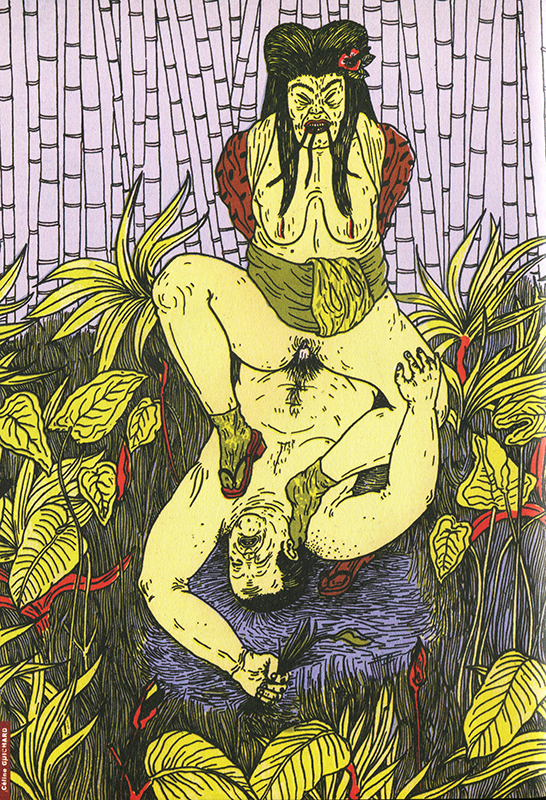
Bir Fransız kadını ve akrep burcu olan Céline Guichard bizlere gerçeklik, şehvetli oyunlar ve anormal anatomilere olan saplantısından bahsetti. Çizimleri her zaman tükenmez kalem veya mürekkeple kağıt üzerinde hayat buluyor, sonrasında photoshop’a geçerek çeşitli filtrelerle deneyler yapıyor. Bizlere, zihninde imgeler ve formlardan oluşan bir bankası olduğunu ve bunları kendi eserlerine dönüştürürken ilgisini çeken şeylerin de bu bankadan çıkan deformasyonlar olduğunu söyledi. Tıpkı asimetri, dengesizlik, çirkinlik ve grotesk gibi.

Toshio Saeki, Lucien Freud gibi ressamlardan, Thomas Gainsboroug’un “Mr and Mrs Andrews”ı veya Goya’nın “Caprichos” u gibi resimlerden hoşlanıyor ancak bunların kendi dünya görüşü ile alakası olmadığını da ekliyor. Daha çok edebiyat, sinema ve kendi tecrübelerinden esinleniyor. Taşrada geçirdiği çocukluk anıları ile insan ve hayvan biyolojisine olan saplantıları, anormallikler, düş dünyası ve sınırları aşanlardan aldığı ilhamla onlara ithafen çiziyor.

celine guichard 02

Céline Guichard is an artist creating strange, surrealist, fantastic and grotesque images inspired by her childhood memories, her obsessions for human biology, abnormality, dream and transgression.

She paints and shows her work on a regular basis until 1996. After 1996, she dedicates her time to free drawing. From march 1999, she is strongly involved in the web development by hosting the group websites bonobo.net, leportillon.com, bonobocomix.com. She opens her own publications spaces around 2005, time when the need for magazines was increasing. Since then, she is actively working in the contemporary drawing field through exhibitions, publications and collaborations.

celine guichard 03

celineguichard.name


Uzak Diyarlardan: 早川モトヒロ Motohiro Hayakawa

早川モトヒロ

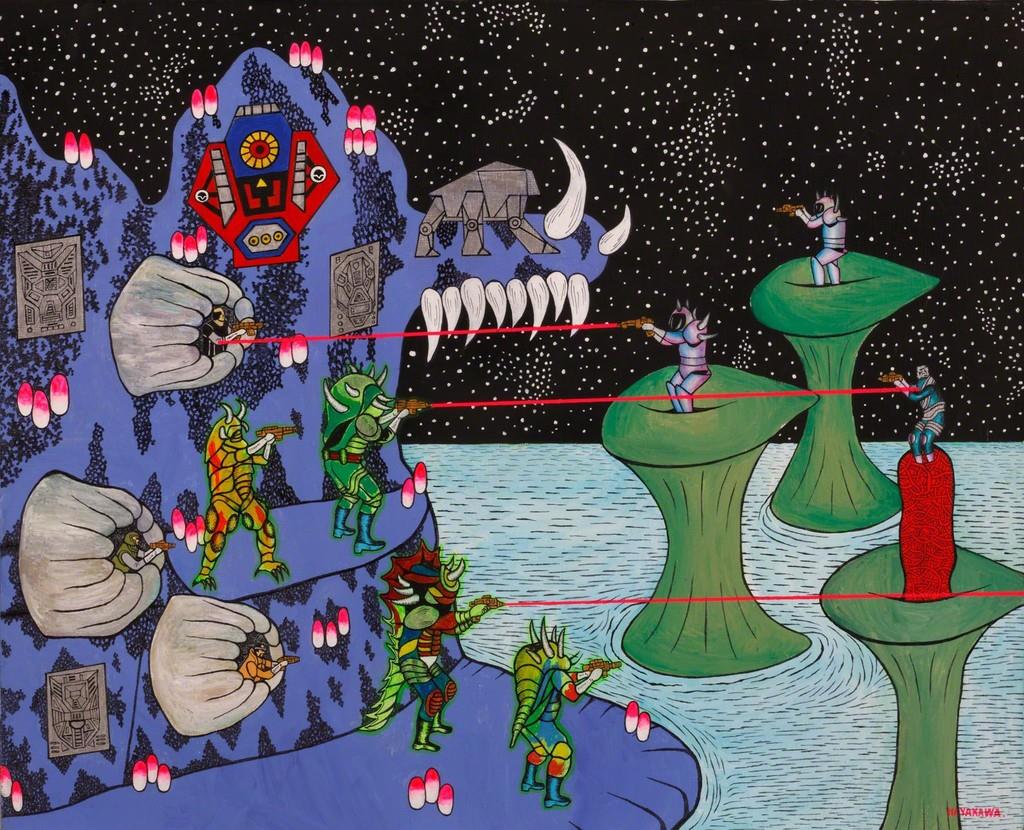
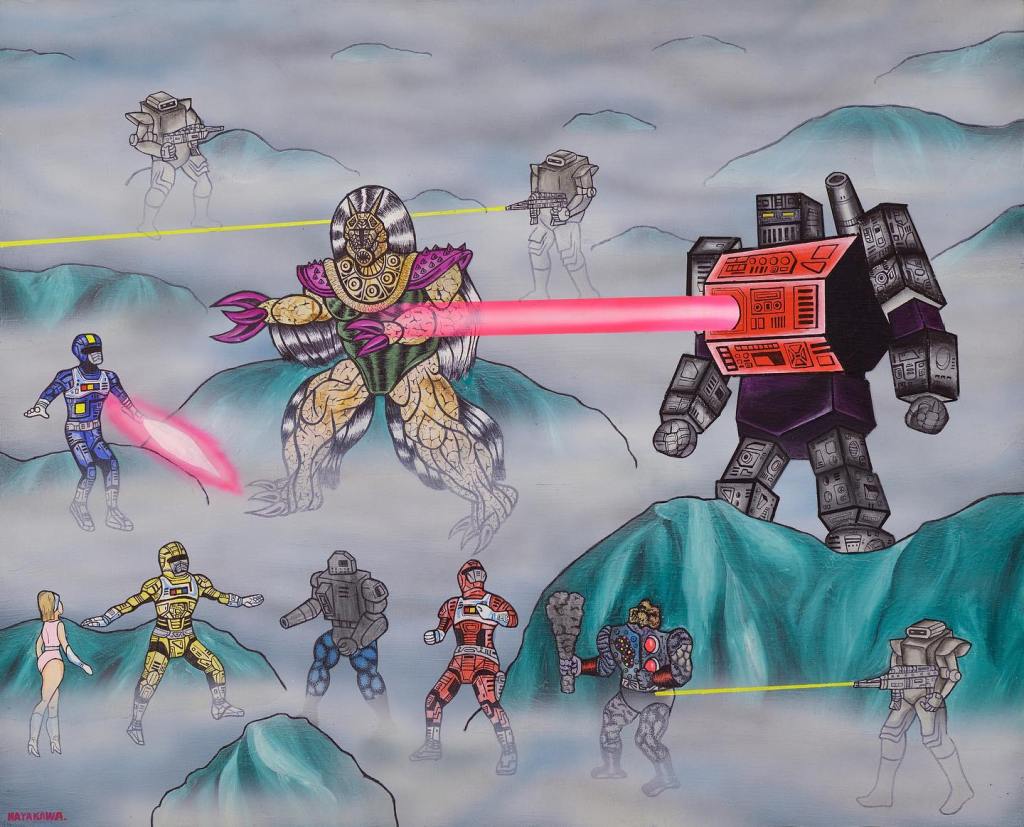
Hayakawa’nın resimlerinde uzak bir galakside yaşanan sıradışı muharebelere tanıklık ederiz. Hayatta kalmak için ölümüne savaşan yaratıklar ve robotlar izleyici açısından pek bir tehlike arz etmiyor olabilir, ama o resimleriyle birlikte, bizlere kimsenin kolay kolay ayak basamayacağı bu diyarlara yolculuk ettiğini açıkça ispatlıyor.

Kaynak: Soraia Martins, Tunica Magazine No.3, 2014
Resource: tunicastudio.com/motohiro-hayakawa

Türkçesi: Erman Akçay

1974’te, Japonya Yamaguchi Bölgesinde dünyaya gelen Motohiro Hayakawa, sanat ve çizgi-roman alanında kendisini saygın bir noktaya getirecek olan birçok grafik etkileşimin içinde büyümüştür. Bilim-kurgu ve çizgi romanlar yaşamının önemli kısmını oluştururken; çizme ve boyama, sanatında büyük rol oynar. 70’ler ve 80’lerin televizyon programları da bu çerçeveye yabancı değildir; en iyi bilinen eserlerinden bazıları, 70’lerin çok sevilen televizyon programı ‘Space Sheriff’den esinlenmiştir. Karmaşanın içinde detaylara ne derece önem verdiğini çizgilerinden görebilirsiniz. Bu eserlerin her birinde bir anlam doğar ve yavaş yavaş emekleyip gözümüzün önünde canlanan fantazileri deneyimleme imkanı sunarlar. Savaşçılar, prensesler, uzay giysileri içindeki yeşil adamlar ve tamamen farklı yaratıklar, düş dünyamıza gerçek gibi yansıyan karakterler.

Sergilediği eserler arasında özellikle ‘Space Sheriff’i kapsayan psikedelik bilim-kurgu serileri belki de Motohiro Hayakawa’nın bütün bu düşsellik içinde bizim yakaladığımız tek gerçekliktir: Bu televizyon programı ve onun Hayakawa üzerindeki etkisini canavarlar, savaşçılar, uzaylılar ve muazzam savaş meydanlarında hayatta kalma mücadelesi veren çeşit çeşit yaratıkların ileriki çalışmalarına yansımasından anlayabiliriz.


Motohiro Hayakawa ‘LaserBeam’ 2013

Funny story: whenever the time to write about something that is essentially visual arises, the lack of words grows bigger and undoubtedly shames the perpetrator of such a task. Time runs out and—still–nothing. This kind of struggle happens mainly due to a number of different factors, starting with the complexity of the work at hand and ending with our own personal opinion, which can easily end up screwing the article and turn it into a mushy, oversentimental statement. My role here is to bring you none of these to the table and still make you enjoy the subject, to mesmerize and charm your interest, and mostly to show you why you should definitely be checking out this Japanese wonder artist, sci-fi aficionado, Motohiro Hayakawa.


FKS_02
Motohiro Hayakawa ‘Laser Beam’ 2013

Asıl büyüleyici olan Motohiro Hayakawa’nın aklından geçeni bunca ayrıntı içinde sergilemekten yorulmamış olması. Her biri ayrı bir amaç taşıyan küçücük detaylarla tıka basa dolu, hayranlık uyandıran senaryolarla karşımıza çıkıyor ve modern dünyayı nasıl da birebir tasvir ediyor, insan şaşıyor. Kartlar dağıtıldı, kavga, dövüş gürültü, iyiliğin ve kötülüğün karakterleri onun hayal edilmiş evrenlerinin olduğu kadar içinde yaşadığımız dünyanın da parçaları değil mi?

Motohiro Hayakawa sanat alanında bir zirve sayılan Tokyo Illustrators Society üyesidir aynı zamanda. Tokyo Illustrators Society, ya da TIS, 1988’de kurulmuştur ve şu anda 200’den fazla üyesi mevcuttur. Sıradışı yetenekleri ortaya çıkarmayı amaçlayan bu topluluk, tanıtma ve takdir etme hizmeti de vermektedir. TIS Tokyo’da düzenlediği birçok sergi, konferans ve çeşitli kültür etkinlikleriyle de tanınır. Ayrıca 1995’ten bu yana topluluğun ünü, Marunouchi Bölgesine dahil Ginza’daki Creation Gallery G8’de düzenlediği sergilerle piramidin en tepelerine kadar yükselmiştir. Buna ek olarak TIS açıkça ‘alanında uzman olmak’ isteyen yeni sanatçı ve illüstratörlere de her zaman açıktır.


早川モトヒロ

Born in the Yamaguchi Prefecture, Japan, in 1974, Motohiro Hayakawa was raised under several graphic influences that would later bring him to the place he is now regarded in art, illustration, and comics. Science fiction and cartoons were a massive part of his life, playing a paramount role in the way he draws and paints. TV shows of the 70s and the 80s were no strangers to his household: one of his most well-known works is a tribute to “Space Sheriff,” a TV show from the 70s, and you cannot really get enough of it: the intricacy, the attention to detail, the clear convolutedness of the traces. A narrative is born in each of his works and you can almost sense the fantasy crawling out and being brought into life right in front of you. Warriors, princesses, green men in space suits, and a whole lot of different creatures are a few of the characters you can count on.

Actually, this tribute I just mentioned, the one encompassing psychedelic sci-fi TV shows, specifically “Space Sheriff,” is perhaps the most renowned fact about Motohiro Hayakawa in all its glory: the TV show and the subsequent influence it had on him were the trigger for a much bigger side of his art, the background that prompted his vast battlefields filled with monsters, warriors, aliens, and a multitude of creatures fighting for survival.


Motohiro Hayakawa ‘Laser Beam’ 2013

2012 yılında Madrid Watdafac galerisinde Aralık’tan Ocak’a kadar süren bir Motohiro Hayakawa sergisi düzenlendi. ‘MAKUU KUUKAN’ hem sanatçı hem de galerici olan Manuel Donada’nın gösterimine karar verdiği sade okur ve izleyiciler olarak bizim de bildiğimiz şekilde Donada da illüstrasyon işine dört yıl önce girmiştir. Düzenlenen bu sergiyle Hayakawa’nın son zamanlarda gördüğü en büyük yeteneklerden biri olduğunu dile getirmiştir. ‘MAKUU KUUKAN’ ayrıca Hayakawa’nın birçok eserini bir araya getiren sınırlı sayıda basılmış kitabın adıdır.

‘MAKUU KUUKAN’dan önce Motohiro Hayakawa’nın eserleri için Tokyo’da özellikle Billiken Gallery’de ‘HEROES AND VILLAINS’ (2012) ve ‘Dai/U/Chu/Jin/Ten’ (2012) sergilerine göz atılabilir. ‘Shigeru Sugiura’s Toto?’ (2012) de Tokyo Morishita Culture Centre’da düzenlenmiş bir sergidir ‘LASERBEAM’ ise Fransız yayımcı Le Dernier Cri tarafından yayımlanmış bir eseridir ki 2009 da 9. Tokyo Illustrators Society Contest gümüş ödülüne layık görülmüştür.


Hayakawa

What truly is hypnotic is the fact that Motohiro Hayakawa does not seem to get tired of showing us what goes through his mind, although leaving it free to interpretation. How can he come up with such enthralling scenarios, jam-packed with small details, each and every one of them holding a purpose? He just does. To what extent is he depicting our global society, one can only imagine, but it would not be hard to believe. The cards are set. The portraits of fighting, debating, and discussing evil and harm are as much a part of the world we live in as they are matters of fantasized universes.

Motohiro Hayakawa is a member of the Tokyo Illustrators Society, which is somewhat a victory as far as the arts are concerned. The Tokyo Illustrators Society–or TIS–was established in 1988 and has now well over 200 members. This society, although not a secret one, intends to bring out the amazing talents behind the subject and serve as a platform for promotion and praise. TIS is well-known for being hands-on in the art scene in Tokyo, hosting a number of exhibitions, conferences, and much more. Better yet, since 1995, the name of the organization went higher up in the food chain by setting up exhibitions at the Creation Gallery G8, in Ginza, in the Marunouchi area, a high-roller specialist in fine arts and graphic design. In addition to this, TIS is ever more open to receive new artists and illustrators who desire to become “professionals in the field,” so to speak. The people behind this amazing initiative are administrative director Mizumaru Anzai, vice presidents Hiroyuki Izutsu, Jun Tsuzuki and Shinbo Minami, and acting director Sugio Yamazaki.

Motohiro Hayakawa ‘Laser Beam’ 2013

In December, falling through January, Motohiro Hayakawa held an exhibition in Madrid at the Watdafac gallery, an up-and-coming exhibit space open since 2012 in the 6th floor of a building located in the heart of the Spanish city. “MAKUU KUUKAN” was the reunion of a number of prints that both the artist and the gallery owner, Manuel Donada, agreed on including in the solo showcase. They almost did not get to the destination, but Donada was keen on making it happen no matter what, as he considers Hayakawa a genius. So, as we, mere readers and observers, Donada knew he was dealing with a person who just got into illustration four years prior and was already showing much more talent than he had recently seen. “MAKUU KUUKAN” is also the name of his limited edition publication, which gathers a variety of his artwork.

Before “MAKUU KUUKAN,” one could take a look at Motohiro Hayakawa’s work at several exhibitions around Tokyo, specifically in Billiken Gallery with “HEROES AND VILLAINS” (2012) and “Dai/U/Chu/Jin/Ten” (2012). “Shigeru Sugiura’s Toto?” (2012) was held at the Morishita Culture Centre, also in Tokyo. “LASERBEAM” is the title of his latest release through Le Dernier Cri, a French publisher dedicated to screen-printed books produced in limited editions. Although he started only in 2009, he was already bestowed with an award, the Silver Award from the 9th Tokyo Illustrators Society Contest Society Contest.

We are certainly witnesses to a scene taken from a distant war in a well-hidden place no one can put his eyes on. Creatures battling for life and, of course, to death, carrying no danger for us, far-distanced viewers. Manuel Donada furthers states he believes Motohiro Hayakawa has been where no one has ever been. I could not agree more.

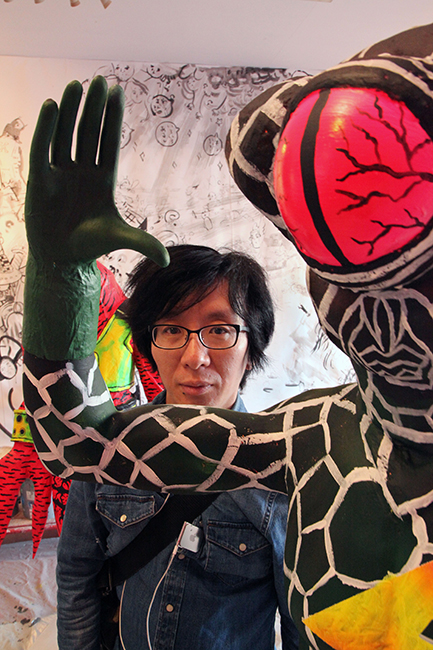
Hayakawa with his sculpture installation, 2015

For more info and contact:

早川モトヒロ

> MOTOHIRO HAYAKAWA

> LASERBEAM