What do you know about the Czech Republic? Probably not too much, so here are few geopolitical facts: it is situated in the middle of Europe, with 10 million inhabitants; it originated in 1993 (before, it was part of Czechoslovakia, which split into 2 separate states). There is 1 city with a population over 1 million (Prague), and a few cities with a population of several hundred thousand people (Brno, Ostrava, Plzeň)…). From 1948 ’til 1989, the nation lived under the iron fist of a socalled “Communist” regime that turned the state into one big concentration camp. After some years of a rightwing “economy at any cost” government recently came an equally arrogant social democratic (left) government. The country is currently suffering a recession caused in part by widespread corruption in government and business. Enough for a beginning? I hope so.
Filip / Insane Society Recs. 1999
Czech Scene Report, Insane Society Recs. 1999
Although there were some alternative activities before 1989 as well, they were only marginal and weak, because of the ruling regime’s repression. From November 1989 onwards, we can speak of the rise of anarchist, ecological, animalrights and similar movements and of course also of hardcore and punk music.
The anarchist movement’s activities began mainly in Prague, but they slowly reached other towns as well. C.A.S. (the Czech Anarchist Association), which was formed shortly before the November “revolution”, has organised several demonstrations in Prague, mostly against racism (after 1989, there was a boom of the naziskinheads movement over here), but also against the National Exposition, which cost a lot of money and was surrounded with financial machinations. Some of these demonstrations led to violent conflicts with Nazis and the police, who were of course on their side. The Nazi skinheads started to be a real threat directly after 1989; their popularity was constantly rising; in line with the nation’s general hidden racism and intolerant mentality (especially against the biggest ethnic minority here Gypsies). Also, the most popular skinhead band, “Orlik”, hit the music charts and they easily managed to sell more than 100.000 records. Lately they were replaced by more outspoken and more “hardcore” types of nazi bands, who weren’t so wellknown, but still had an influence on young Nazis. In spring ’90, there was a flood of racist attacks on Gypsies, blacks, etc., in Prague and in the northwestern part of the country. These were the first victims of the new Czech fascism, and the number of such attacks is higher every year. Anarchists were the first ones who took a stand against Nazis, back in these times, when police, the media, and politicians absolutely ignored the problem. It took them 7 years and more than 25 murders to make them realise it and do something about it (the turning point was the murder of a Sudanese student in Prague in autumn ’97, though the passivity of the police towards Nazis’ actions is still relatively high in some areas).
Back at the beginning of the 90’s, the anarchist movement was based mostly around the magazine A-KONTRA, which was issued more or less regularly, with a print run of several thousand copies, and was distributed throughout the country. It stopped publishing after several disputes in the editorial collective in ’95, but there are now some hopes of resurrecting it. A-KONTRA faced several state repressions and one of their editors was even charged for attempted murder of the leader of the Czech Communist Party the police lied that he had confessed to it, but later he was found innocent and the police had to apologize to him and to pay damages. AUTONOMIE was another magazine, founded in’93, and later the people around it formed the A.F. (Anarchist Federation), which had several branches, but didn’t last very long. AUTONOMIE stopped publishing in 96.
Czech Scene Report, Insane Society Recs. 1999
In 1995, the C.S.A.F. (CzechSlovak Anarchist Federation) was founded, and began publishing SVOBODNA MYSL (“Free Mind”) magazine. After a dispute in ’97, the C.S.A.F. continued under this name, but some of the former members left it and formed the Federation Of Social Anarchists (F.S.A.), with their own magazine called SVOBODNA PRACE (“Free Labour”). SVOBODNA MYSL changed its name to EXISTENCE, which is now the new magazine of C.S.A.F. The reason for the dispute was the typical conflict in anarchist movements everywhere the conflict between the “true anarchist”, promoting class war and anarchosyndicalist approach, here represented by F.S.A., versus the approach of the more “autonomous” anarchists, less ideological, more open to other alternative movements (mostly squatting and ecological activities), represented by C.S.A.F. Both organisations are based in Prague, but they have several branches around the country. Besides publishing their quarterly magazines, they organise different actions and demonstrations F.S.A., who is a member of the International Workers Association, has organized demonstrations against unemployment and syndicalist propagation work among workers, while C.S.A.F. has set up solidarity demos/street theatres for the Zapatistas, and antifascist demonstrations and has participated in some squatting activities.
KONFONTACE is a new magazine in newspaper format published by former editors of AUTONOMIE. It comes out every 2 months and manages to get the attention of “normal” people outside the anarchist ghetto. It’s quite radical and in it you can find wellwritten articles on police repression, the media, elections, etc.
Besides C.S.A.F. and F.S.A., there is another active anarchist group, called AKTIVITA CABARET VOLTAIRE, an informal anarchopunk group, based in the northwestern part of the Republic. They publish ‘zines, do distribution, organise and participate in different actions, and do a lot of support activities for the anarchist movement (such as money collections, etc.). You can get more precise information on all of these anarchist organisations directly from them contact information is at the end of this scene report.
Czech Scene Report, Insane Society Recs. 1999
Squatting:
Although the first squatting attempts took place already at the very beginning of the 90’s, the first relatively longterm and successful squat started in March 1992 the SOCHORKA squat in Prague on pplk. Sochora street 28. It was a typical apartment house, squatted by the anarchists around A-KONTRA magazine.
Despite an attack of cca 150 Nazi skinheads in December ’92 and a subsequent police eviction, it was resquatted shortly after eviction and managed to exist until September 97. The inhabitants left it after an agreement with the local council that they will get a new place for their activities (they got the new place in the end, but it’s in very bad condition now; there are plans to do something like a “Free University” there). The SOCHORKA squat was the centre of anarchist activities for a long time; it was the home of the A-KONTRA editorial staff and printing press and also contained a small gig place in the basement.
Czech Scene Report, Insane Society Recs. 1999
LADRONKA: the most famous Czech squat last year it celebrated 5 years of existence. This old fortress from the 17th century, situated in the Prague suburbs, was squatted in August ’93 by people related to AUTONOMIE. LADRONKA faced eviction several times, but after massive protests and demonstrations, the city gave up the idea of selling it to real estate speculators, and now there haven’t been any eviction threats for a long time. The squat has hosted a large number of gigs, exhibitions, rave parties etc. and is a very important place for the Czech autonomous movement. The adress is Tomanova street 1, in the Brevnov quarter, and the building is situated in the middle of a park. Some of the recent gigs included Varukers, Detestation, Cripple Bastards, Hellkrusher etc.
Squatting is not very widespread over here, particularly because of the very tough sentences that you can face if you try it (a large fine or up to 2 years of imprisonment), but also because there doesn’t seem to be enough active people willing to gather together to do it, with the exception of the bigger cities. In summer ’97 a group of people in Prague squatted a new house ZENKLOVKA on Zenklova street. They made agreements with the owner that they could use it until its demolition, but after pressure from the police (their antiextremist branch), the owner changed his mind and agreed to let the police to evict the squatters. After some nonviolent resistance (ocupation of the roof), the squat was evicted in the beginning of ’98. The same group of people later found a new building, and so on May 1st ’98 the MILADA squat was founded, in the Holesovice quarter near a railway station and student campuses. It’s old villa, scheduled for demolition. Squatters have made some minor repairs and opened the bar. There were several police and security agency attempts to evict them in October (again, after their agreement with the owner, police pressured him, convincing him that they found hard drugs in the squat). When the same nonviolent tactic was used to defend the house, the cops finally gave up, and MILADA is still going strong. You can get more information about its current situation from the C.S.A.F. contact adress. There was a squat in Brno from August ’til November ’97, when the house was violently attacked by police. Squatters were beaten down and had guns pulled on them, and in the end cops locked them all in one room and then threw a tear gas projectile inside. Meanwhile, they managed to destroy/steal most of the furnishings. The second day, the squat was definitively evicted.
Czech Scene Report, Insane Society Recs. 1999
There are several other places in Prague for punk and alternative activities the PROPAST punk pub (Lipanska 3, quarter Zizkov) there is also small record shop near from here BASS RIOT STORE (Chvalova 8), the UTOPIE autonomous cafe (Wenzigova/Lublanska street corner, Nove Mesto quarter) and the 007 CLUB (Strahov Hill, among the university campuses). There used to be a socialcultural centre called BLACK HAND, which was quite wellknown worldwide, but from the beginning of its existence in ’93, it had lot of problems with the local authorities, and it never attracted the wider attention of the people. The centre closed down in ’97 and later was demolished, there’s now a very nice concreteparking lot in its place…
Animal rights and ecological activities, over here are mostly official and mainstreamoriented they aren’t very radical at all. They do some useful activities, but most of them have clearly distanced themself from any autonomous or anarchist activities, because they fear for their public reputation. They have chosen instead to cooperate with politicians; they give advice on which party to vote for in the elections, and so on. Summer blockades of the construction site for the Temelin nuclear power plant were one of the few examples of good cooperation between anarchists and ecological activists. These went for several years, but have now stopped. The general “step backwards” in the strategy of these organisations has also something to do with the policy of their funding most of their income comes from foundations established by the European Union or other official sources, who don’t like to see very radical activities. You can find more honest and more “grassroots” groups; the problem is that they are too small and they lack finacial resources. In the animal rights field, the most active are probably SVOBODA ZVIRAT (“Freedom for Animals”) and ANIMAL S.O.S., who both organise info stands, demonstrations, petitions, exhibitions, etc. against several forms of animal abuse. Brno is home to NESEHNUTI (“The Unmoved”, more officially the “Independent Social Ecological Movement”), which works in the human and animal rights fields, and is also active against a planned motorway, which will spoil an important recreation area in Brno. The Czech chapter of EARTH FIRST! was established some months ago in Prague. They put out an Action Update newsletter and also plan to have an internet site. There are some other smaller groups working on these issues spread all across the country, often working on local problems.
Czech Scene Report, Insane Society Recs. 1999
Last year saw 2 street parties, which were among to the Czech autonomous movement’s biggest actions ever. The GLOBAL STREET PARTY took place 16.5.98 in Prague, organised by EARTH FIRST!, C.S.A.F., and other groups as a protest against world globalisation and against the city’s unsustainable traffic situation it is plagued by cars and pollution. The action was attented by cca 3.000 people and started peacefully, until the demonstration went onto Prague’s most important traffic artery and blocked it. Cops tried to stop the demonstration, but they were fought back and had to escape. A cop car was turned over, and some other were smashed with bricks. Then part of the march headed to the city centre, where the McDonalds’ and Kentucky Fried Chicken restaurants were attacked, causing big damage to their property. The police, who at first weren’t able to handle the situation at all and let the people riot, then arrived in big numbers and went absolutely mad. They beat up lot of people, including innocent passersby. In their obvious “nobrain style”, they couldn’t pick up the actual rioters, but arrested mostly those demonstrators who didn’t manage to escape. The arrested people went through several punishments and beatings and were thrown to jail for about 2 weeks, but in the end they were released, because the cops couldn’t charge them with anything. The GLOBAL STREET PARTY made headlines in the mass media for many days and caused public discussions about globalisation, police brutality, the problems of young people, etc. Also, a special antidemonstration police squad was formed.
A LOCAL STREET PARTY was organised 3 months later,-this time with cca 4.000 participants. It started in a park, with a rave party, info booths with alternative press materials, etc., and the march was shorter this time, with a route avoiding the possible conflict points, such as the abovementioned restaurants. It must be said that this time police showed up in all force, with thousand of cops readied and several dozen plainclothes cops among the demonstraters themselves, some of them dressed as punx. These “masked” cops tried to provoke some action that would give a reason to attack, but they weren’t successful. The demonstration went OK, without large conflicts, the only exception being the march of cca 100 people on a McDonalds’ restaurant after the official end of the demonstration finally the plainclothes pigs managed to provoke a few confused punx who were immediately arrested after their first attempt to break the police line. If you are interested in seeing pictures from both parties, check out the lidskaprava.cz site on the internet.
No need to say that no action was taken against the cops who beat up and humimilated the people after the GLOBAL STREET PARTY. Police brutality against anarchists and punx is already something common over here, after several wellknown cases such as the beatings of protestors against the Velka Pardubicka Steeplechase in ’92, the raid on the Propast punk pub in ’96, and the attack on the demonstration against police brutality in ’97 (which, ironically, was supposed to commemorate the Propast raid). The “antiextremist branch” of the Czech police is investigating not only the anarchist and autonomous movement, but also the official ecological organisations like GREENPEACE, which led to an international scandal a few years back. Cops and nazis are surely the biggest threat to punx like everywhere. As a reaction on widespread naziskinheads movement, the Czech version of Antifascist Action ANTIFASISTICKA AKCE (A.F.A.)was formed some time ago, they do newsletter called “Akce” (previously “Antifa News”), but otherwise aren’t very active.
Czech Scene Report, Insane Society Recs. 1999
Hardcore Punk Scene:
OK, OK, so now definitely something about the music. Now, at the beginning of 1999, there is really a good and strong hardcore/punk scene, but first let’s look a bit into the history of the Czech punk/HC scene. The first punk bands started over here in the beginning of the 80’s (A 64, ENERGIE G, ZIKKURAT, etc.) and slowly the scene started to grow. During the 80’s and especially at the end of 80’s, when the opression by the regime wasn’t as strong as before, there were more and more punk bands, such as F.P.B., VISACÍ ZÁMEK, PLEXIS, H.N.F., Z.N.C. etc. and later also first hardcore bands (TELEX, P.S., SUCIDAL COMMANDO, S.R.K., MICHAEL’S UNCLE, KRITICKA SITUACE, etc.). In these times, punk was in the deep underground, gigs were illegal, bands had problems with the authorities and it was absolutely impossible to release a record (the first official Czech punk record was a 7″ by VISACÍ ZÁMEK in ’88!). Punx always used to have problems with cops, in school and at work, because of their appearance. Some of them were sentenced for “crimes” such as “having a negative stance towards socialist system” or even “propagation of fascism”, etc. Society and especially the media looked on punk as a tool of Western imperialism, smuggled into our country to spoil the young people. Since 1989, all this has changed, and punk has reached a wider range of young people, official media, and record labels, and these old bands have started to release their first records (mostly on new commercial labels, but there was hardly anyone thinking about that back in 1990 here). Luckily, some new and fresh DIY labels, zines, bands, gigs, etc. also emerged soon, and the scene became more political and DIYoriented. Thanx to people like KRITICKA SITUACE singer Robert, Martin (MALARIE RECORDS) or Bergamo (and his Black Hand agency), the foreign punk/HC bands (Nausea, Murphys Law, Inferno, Chaos U.K., No Means No, Concrete Sox, Gorilla Biscuits etc. in the first years, and then tons more) started playing gigs here, and a relatively strong and independent scene was built.
Kritická Situace 9. 10. 1992 Praha Strahov 007
So, who is who in current Czech HC/ Punk?
Let’s start with grindcore, which recently is quite popular over here. The trio MALIGNANT TUMOUR is playing a mix of grind/mincecore in the vein of Agathocles and Regurgitate, now with political lyrics. They have about 5 split EP’s and one split CD + tons of tapes out and have also played on festivals in Belgium and Germany. Future plans include a full CD and some more split EP’s. From the same city (Ostrava) as M.T. come CEREBRAL TURBULENCY (they have progressed from death metal to pure grindcore), P.T.A.O. (exSOCIAL DEFORMITY, heavy megabassed grind/noise, a split EP with Japanese Final Exit is out) and PURULENT SPERMCANAL (gore grind in the vein of Gut/Impetigo). It seems that this town is the capital of grind! Other grinders TWISTED TRUTH, influenced by old N.D., who just recently released a split EP with ROT on Fudgeworthy Records and plan 2 more split EP’s with MALIGNANT TUMOUR and WARSORE. INGROWING (exPLASTIC GRAVE, who released a split 7″ with Agathocles), one of the most popular bands in death metal/grind territory, have a split CD and a split EP out, some new releases out soon. NEGLIGENT COLLATERAL COLLAPSE do weird grind/industrial mixes, sometimes with the help of a computer, some tapes out, their drummer did a Czech grind core encyclopedia on the internet! GRIDE, from the southwestern part of the Czech Republic, do a killer mix of extreme hardcore and grind with great sociopolitical lyrics, they call their music “power gride core” and so far have done 1 split EP w/LIES AND DISTRUST and a split LP with M.B.. They have also played some gigs abroad. Besides the split EP, GRIDE also share a drummer with LIES & DISTRUST, who play classical scandiinfluenced crust core with growling vocals. L&D also plan a split EP (w/ EXEKUCE) and a split LP in Brazil later in ’99. Two other cool crust bands are located near the Polish border HOW LONG? (a split EP out, another planned) and R.A.F., both play dual voc crust butchery, R.A.F.even include a trumpet! This area is also home to HIBAKUSHA, DISNEY and ZRADCE RASY, all playing the crusty shit too. Another raw crustpunx EXEKUCE (based around the “Propast” punk pub) are one of the few bands currently playing in our capital Prague, with a split EP due out sooner or later. Brno is home to MRTVA BUDOUCNOST, fastasfuck dualvoc extreme core with 3 split EP’s. They have a split LP w/LEFT IN RUINS (on Six Weeks Rec.) and another one w/GRIDE (collaboration of Insane Society, View Beyond and other labels), future plans include an 8″ flexi in the U.S. and huge pile of compilations. M.B. did some touring abroad too. Also continuing the tradition of the extreme HC style (Hellnation fans take note!) are PANGS OF REMORSE from the Western part of the country, they did a split EP and a German tour with M.B. back in’96, but haven’t been very active since this time. Some new vinyl (probably with S.O.K. a mix of thrash/grind/HC + whatever… with 100% crazy lyrics) may come out sooner or later. Crust/grind/extreme HC is already wellestablished here with most bands of this style already going strong for long years. One of the brandnew additions to the family are MINDLOCK, producing some cruel sounds in the Sore Throat vein.
Düz duvara tırmananların dergisiKütük Fanzin,dördüncü sayısı için yola çıktı, Arno Suna tarafından hazırlanan yayın, Kadir Küçük, Orhan Kiraz, Tollie Tolga, Tessa Fox gibi İstanbul sokaklarının en tehlikeli kaykaycılarından fotoğraf ve hikayelere yer veriyor, ayrıca KK‘den çizimler ve Arno‘dan editöryal espiriler de fanzine farklı bir hava katmış. İlk üç sayısı A5 renkli formatta hazırlanan derginin eski-yeni sayıları için erişim adresi : Arno Suna, kutukfanzin@gmail.com
Istanbul based skate punk ‘zine Kütük‘s new issue is out now! Editing by Arno Suna w/ cool artworx and photos by Kadir Kiraz. Dont forget to ask 4 yer copy: kutukfanzin@gmail.com
How do you evaluate current comics culture as an oldschool artist?
Things are not looking good from where I stand. Obviously, I realize it’s mainly a generation gap thing. My formative years as a comic book fan were the 70’s – early 80’s so that style wil always be nearest to my heart. I also read a lot of 60’s Marvel reprints as well as reprints of the old EC Horror stuff at that time.There are a few decent comics around these days but as far as the overall quality, I don’t think it can compare to that great old stuff.
Are there any comic series you follow?
I don’t follow any monthly comics regularly but there are a few things that I buy sporadically whenever I happen to see them. The Walking Dead is the best thing I’ve read in recent years. Unfortunately, it seems the publishing schedule is fairly unstable so I just get the collections as they come out. Richard Sala’s Evil Eye is a favorite as well. And I like to follow the work of a few favorite artists such as Mike Mignola, Jaime Hernandez and Steve Rude.
I presume that horror comics have a special place for you?
Yeah, I was raised on superhero comics and I love all the old Marvel stuff but these days superhero comics don’t do much for me. I really can’t get enough of the old Horror stuff though. I have a pretty large collection of EC Comics and other pre-code Horror comics as well as a lot of the 70’s black and white magazines (Eerie Publications, Skywald, Warren) from which I draw immeasurable inspiration.
Tony Ferro ‘Splattertown’ 2014
What would you like to say about todays horror culture?
There will always be a lot of old-school Horror freaks out there to keep the flame burning but I’m not really too fond of a lot of the stuff I see. There seems to be a bit too much focus on crappy horror junk like Freddy and Jason and all the serial killer worship that gets mixed up in the horror scene. I’m much more fond of the creepy atmosphere of early horror and the cheesy, over-the-top 50’s-60’s stuff than the grim, reality-based stuff that’s been going on since the 70’s.
Is there any publication continuing the Eerie spirit over there?
Nothing that I’m aware of unfortunately. Like I said earlier, there are some good Horror comics being produced but I haven’t seen anything that really captures the spirit of that great old stuff.
What did you lately seen or what should you recommend us?
If you’re asking about new Horror movies, I really dug Land of the Dead. It didn’t really live up to my expectations but to be fair, my expectations were unreasonably high. As far as non-Horror movies go, Batman Begins and Revenge of the Sith were both excellent.
What do you think about current Asian horror cinema?
I’ve been a fan of Japanese and Chinese cinema for many years so I always keep an eye on the movies coming from that part of the world. There have definitely been a lot of great Horror movies coming from them recently. I think the Horror Movie business in the US had gotten pretty stagnant at the time, focusing on boring slasher movies and the Asian movies gave people a different kind of Horror that they hadn’t seen before. Unfortunately, Hollywood has a habit of trying to suck every ounce of money they can out of a popular concept and proceeded to rape the genre until it’s now on the verge of becoming just as boring and cliched as the stuff that preceded it. I have faith in the Asian filmmakers to keep coming up with fresh ideas for us to enjoy and I have equal faith in Hollywood to continue to give us watered down Hollywood-ized versions of them.
Hi Enzo, can you tell us a little bit about yourself?
Hello. I go by the name Enzo Garza, I create and destroy many things in life. Right now, I’m working on a handful of projects that will manifest in 2016. My main bag is monsters, ghouls and trouble etcetera.
How long have you been active in the comic strips area?
I’ve been working on and off for years now, with only a handful of works currently out there.
What kind of works have you pursued until now?
Honestly, anything I can dig.
You mostly seem to produce independent diy books. Can you tell us about your Sensation BOOM and Mik-Viktor characters?
I love the independent and DIY comics and get a real kick out of seeing people produce them.
As for Sensation BOOM, it’s a mini comic I started in 2010 when I ushered at a local movie theatre. I would always carry scratch paper and sketch. Then one day I folded a paper in half and created a 2 page mini comic called Sensation BOOM. The main idea being on page 1 a monster or ghoul would show up only to be blown apart by Sensation BOOM on page 2. It all carried on and I ended up producing 10 issues of a four page mini comic. 2016 will see Sensation BOOM return with a run of larger mini comics and will flesh out more about the main character. One thing I really like about him is he’s just this homeless drifter with the ability to explode and regenerate. He’s got a short temper and dresses in found clothing. The whole monster and creature brawling is just a small part of it.
Enzo Garza ‘Mik-Viktor’ character illustration (2015)
Mik-Viktor, a warrior leech from the earth’s core, came to be after my wanting to join in Simone Angelini’s Intergalactic Tournament of MAZZATE* (a comic book fight club). Mazzate being a place were creators come together to have their characters fight each other to the death via animation. It was a blast to design such a horrid creature like Mik-Viktor and all the more rewarding seeing the entire fight unfold.”
Are the comic strips of Mik-Viktor going to be published or is it only a character design?
Mik-Viktor is definitely a comic I want to now make, he’s a mean motherfucker and I dig him greatly. I’ll have a Mik-Viktor comic out in early 2016.
As foreign readers, we got to know American comic strips as super heroes except for some examples like CREEPY and EERIE. However, in time, an alternative scene which includes illustrators like Robert Crumb and the visibility of underground comics surfaced. Can you tell us briefly about American underground comic strips?
My introduction to comics outside of Marvel and DC came at an early age from my father’s copies of Creepy and Eerie magazine. I loved all the chaos and horror within the pages and those covers were incredible. Richard Corben was definitely a favorite of mine. Most of my copies had water damage due to my father’s comics being in a flood. Beyond the water damage I would also find these pages all penned up by his ex-wife. Something my father would later tell me was because she didn’t like comics and thought they were stupid. It wasn’t until later in life I discovered the works of Robert Crumb and those in the pages of Zap Comix. I had never seen such freedom, lust, rage, fear and doubt portrayed in such a way. Add to that the copious amounts of sex and perversion, it was all so incredible to behold.
Your favourite artists or favourite comic books?
Right now I’m really enjoying the works of Matthew Allison (Cankor), Ofloda Monstro, Benjamin Marra (Terror Assaulter: O.M.W.O.T.), Pedro Mancini (Alien Triste), Jason (You Can’t Get There From Here), Chuck Forsman (Revenger), Simone Angelini (Anubi), Alexis Ziritt (Space Riders) and Michel Fiffe (Copra) to name a very few.
On what year did you get involved in this movement?
I suppose my beginnings in the movement occurred the moment I created my own comics and photocopied them for distribution. Honestly, I don’t feel I’m bringing anything to the table right now. At least enough to commentate on the medium as a whole. We’ll see how it all goes once I actually put something of worth out there.
I guess you’re into horror and monster movies. I was very surprised when I read and found out that Godzilla which we know from Japanese cinema was actually inspired by a much older American movie “Phantom from 10.000 Leagues”. What do you think? Which one is more successful in monster movies?
Godzilla’s an old friend of the family, I’d say no one really stands a chance against the real King of the Monsters.
Can you tell us your favourite movies in the genre of B-movies and horror movies?
Growing up I have such fond memories of Horror movies and the B-movie as a whole. VHS was big during my youth and I spent lots of time growing my collection. Much in thanks to the ability to record the movies we would rent from our local video store. I’ll always have a special place in my heart for the original Texas Chainsaw Massacre, Evil Dead, Night of the Living Dead (1990), Re-Animator and Child’s Play. I have an early memory as a child being terribly scared of Pet Cemetery.
Enzo Garza,’Sensation Boom’ skecth (2015)
What are you working on now. Are there any books you’re planning to publish in the near future?
I’m currently working on Sensation BOOM with plans to release the first issue in early 2016. As for the near future, that belongs to Mik-Viktor and a comic I’m very pleased with called Kelp. I’m very anxious for that one, it’s certainly something I’ve poured my self into and can’t wait to share with everyone.
Merhaba Enzo, bizlere biraz kendinden bahseder misin?
Merhaba. İsmimle başlamak gerekirse, ben Enzo Garza, hayatta birçok şeyi yıkar ve yaratırım. Şu anda 2016’da ortaya çıkacak bazı projeler üzerinde çalışıyorum. Dosyamda her zaman canavarlar, hortlaklar ve belalı şeyler bulunur.
Ne zamandan beri çizgi roman dünyasındasın, bugüne kadar ne tip çalışmalar yaptın?
Şu sıralar elimin altında olan bir avuç iş üzerinde yıllardır uğraşmaktayım ve dürüstçe söyleyebilirim ki sevdiğim, ilgimi çeken ne varsa yaptım.
Sanırım daha çok bağımsız kitaplar yayımlıyorsun, bizlere biraz Sensation BOOM ve Mik-Viktor karakterlerinden bahseder misin?
Bağımsız ve kendin yap (Do it yourself) formatındaki çizgi romanlara bayılıyorum ve insanların ürettikleri bu işleri görmekten gerçekten zevk alıyorum.
Sensation BOOM’a gelince, 2010 yılında yerel bir sinema salonunda yer göstericiyken başladığım kısa bir çizgi roman. Ben her zaman yanımda karalayabileceğim ve çizim yapabileceğim malzemeler taşırım. Derken bir gün, kağıdın tekini katlayıp adı Sensation BOOM olan iki sayfalık bir kısa çizgi roman yarattım. Ana fikir, birinci sayfadaki canavar ya da yaratığın ikinci sayfadaki Sensation BOOM tarafından yerle bir edilmesi. Tüm bunları bu şekilde süren, on nüshadan oluşan dört sayfalık kısa çizgi romanlar olarak tamamladım. 2016’da Sensation Boom genişletilerek ve ana karakter hakkında ayrıntıları da içerecek şekilde yeniden geri dönecek. Ana karakter hakkında gerçekten sevdiğim şeylerden biri, o yersiz yurtsuz bir serseri ve patlayıp yeniden oluşabilme yeteneğine sahip. Asabi biri ve ne bulursa onu giyiyor. Tüm canavar ve yaratıklarla olan kavgası ise bu durumun sadece ufak bir parçası.
Mik-Viktor, magma tabakasından gelen savaşçı bir sülük, tanınması MAZZATE* Simone Angelini’nin Galaksiler Arası Turnuva’sına (bir çizgi roman dövüş kulübü) katılmak istememden sonra gelişti. Mazzate, yaratıcıların karakterlerini animasyon yoluyla ölümüne dövüştürmek için biraraya geldikleri bir yer. Mik-Viktor gibi feci bir yaratık tasarımı ortalığı kasıp kavurdu ve tüm dövüş boyunca artan bir şekilde ortaya çıkarak kendini gösterdi.
Mik-Viktor’un hikayeleri yayınlanacak mı yoksa sadece bir karakter tasarımı mı?
Mik-Victor kesinlikle şu an yapmak istediğim bir çizgi roman, o aşağılık bir puşt ve onu fazlasıyla geliştirmek istiyorum. Ve sanırım 2016’nın başlarında bir Mik-Viktor çizgi romanı çıkartacağım.
Enzo Garza ‘Mik-Viktor’ character illustrations (2015)
Yabancı okurlar olarak Amerikan çizgiromanlarını CREEPY, EERIE (Süper Korku) gibi örneklerin dışında hep süper kahramanlarla birlikte tanıdık, fakat zamanla Robert Crumb gibi çizerlerin de olduğu alternatif bir sahnenin, yeraltı çizgiromanlarının varlığı su üstüne çıktı. Bizleri biraz Amerikan yeraltı çizgiromanlarından bahsedebilir misin?
Marvel ve DC dışındaki çizgi romanlara başlamam erken yaşta babamın Creppy ve Eerie dergileriyle gerçekleşti. Sayfalardaki kaos ve korkuya bayılırdım ayrıca kapakları inanılmazdı. Richard Corben kesinlikle favorimdir. Elimdeki birçok kopya babamın çizgi romanlarını sel bastığı için hasarlı. Hasarın haricinde bulabildiğim sayfalar da babamın eski eşi tarafından karalanmış durumda. Bunu yapmasının nedeni, sonraları babamın bana anlattığına göre eski eşinin çizgi romanlardan hoşlanmadığı ve aptalca bulduğu içinmiş. Robert Crumb’ın işlerini Zap Comix’te keşfetmemle birlikte, daha önce hiç karşılaşmadığım bir özgürlük dürtüsü, şehvet, korku, şüphe ve öfkenin tasvirleriyle karşılaştım. Tabii ki buna bolca sapkınlık ve seks de eklenmeli, tüm bunları gözlemlemek inanılmazdı.
Favori çizerler veya sevdiğin dergiler?
Bu aralar işlerinden keyif aldığım Matthew Allison (Cankor), Ofloda Monstro, Benjamin Marra (Terror Assaulter: O.M.W.O.T.), Pedro Mancini (Alien Triste), Jason (You Can’t Get There From Here), Chuck Forsman (Revenger), Simone Angelini (Anubi), Alexis Ziritt (Space Riders) ve Michel Fiffe (Copra) gibi bir kaç isim var.
Sen harekete kaç yılında katıldın, şu anki bağımsız çizgi romancılığı nasıl değerlendiriyorsun?
Sanırım kendi çizgi romanlarımı yarattığım ve onları fotokopiyle çoğaltarak dağıttığımda bu harekete girişim gerçekleşmiş oldu. Dürüstçe diyebilirim ki ortaya çok da birşeyler koyabildiğimi hissetmiyorum şu an. En azından yorum yapabilmek için genel beğeniyi yakalayan ortalama bir şeyler gerek. Ben değeceğini düşündüğüm birşeyleri ortaya koydum ve bundan sonra nasıl gidecek göreceğiz.
Godzilla’nın, Amerikan yapımı daha eski bir film olan “Phantom from 10.000 Leagues”den esinlenerek çekildiğini okuduğumda şaşırmıştım. Sen ne düşünüyorsun; Canavar filmlerinde hangi taraf daha başarılı?
Godzilla ailenin en eski dostudur ve ona, Canavarların Kralına karşı kimsenin şansı olmadığını söyleyebilirim.
B-Movie veya korku filmlerini sever misin?
İlk gençliğimde düşkünü olduğum korku filmleri ve B-movie‘lere dair bir kaç anım var. VHS benim gençliğimde gerçekten yaygındı ve zamanımın çoğunu bunların koleksiyonuna harcadım. Yerel video dükkanları sayesinde kiraladığımız filmleri kayıt edebilme durumu vardı. Gönlümde özel yeri her zaman olacak olanlar “Original Texas Chainsaw Massacre”, “Evil Dead”, “Night of the Living Dead” (1990’daki yeniden uyarlaması), “Re-Animator” ve “Child’s Play”’dir. Erken çocukluk anılarımda müthiş korktuğum film ise “Pet Cemetery”.
Şu an üzerinde çalıştığın bir şeyler var mı, yakın zamanda yayınlamayı düşündüğün bir şeyler?
2016’nın başlarında ilk sayısını yayımlamayı planladığım Sensation BOOM üzerinde çalışıyorum. Sonrasında Mik-Viktor ve “Kelp” ismini verdiğim yeni bir çizgi romana geçeceğim. Bunları ortaya çıkarmak için can atıyorum, kesinlikle içimi dökeceğim bir şey bu ve bunu herkesle paylaşmak için sabırsızlanıyorum.
I’ve been making art since 2007 but in 2013 a friend of mine published this independent comic called Pure İnsanity that I and a few other artist contributed too, that was the first publication that showed my work although I guess I’m still relatively new still.
You produce bizarre animations, too and the amateur spirit surrounding your works has rapidly started to gain a powerful style recently. Considering the works you’ve created this far, where within your field of art do you position yourself?
I guess I’d be more of a animator who does art on the side. I personally would not have thought my drawings would get as big as they did, you see originally animation was and still is something that I wanted to do for a living. I had a fascination with cartoons ever since I was little but it was animated films from Bill Plympton, Bruce Bickford and Ralph Bakshi and many other animators that made me realize the great things that animation can do and it really motivated me to make the crazy cartoons I’ve done.
Robert David Elwood ‘Untitled’ drawing (2016)
You enjoy pushing the limits of sarcasm, irony and absurdity to create bizarre worlds; considering the comics market, isn’t the obscenity of the works you create risky in terms of bringing the works to a more professional level?
No, I don’t believe so, I think as art goes it’s just a series of lines on paper, if you are not physically harming anyone, offended people can either learn to laugh at them selves, or continue to complain, and that’s fine. I don’t wish to take anything away from the artist who wishes to draw the clean family friendly cartoons.
What’s going on in the world of American Underground Comics recently; can you inform us a little bit ? What about the artists you follow the most as well as your favorites ? Taking into account also the developments in Europe, which echol do you find your style closer to?
I think that would be a better question for a current person who makes underground comix, from what I’ve seen it boils down to selling yourself and getting your art out there by going to conventions and networking. My favorite artists, where do I start, I really like the early 70’s Zap artist like R. Crumb, S. Clay Wilson, and Spain Rodriguez, and Rory Hayes. outside that there is Mike Diana, Johnny Ryan (who’s art I guess I find my work closer to) and Manga artist from Japan like Junji Ito, Suehiro Maruo, and Hideshi Hino.
“Acid Shark” by Acid Shark (music video) sfw version
Robert David Elwood ‘Untitled’ drawing (2016)
How do you like music ? What do you enjoy listening to?
I listen to mostly Sludge Metal, Black Metal, Death Metal, Grindcore, and Hardcore Punk.
What do you think about GG Allin? He’s one of the craziest guys ever taking place in the rock’n’roll stage that recorded great albums in the 80s but then (I though) flipped because of all the drugs he used. What do you think makes GG so legendary?
I’m a fan, you know I think what made GG Allin legendary was not so much his music but his life style, when we see the crazy things he did on stage I think there is a primal part of us that want’s to do the same, but wouldn’t out of fear of going to prison.
How do you like Antiseen?
There great, they got some awesome songs, and the played with GG Allin which must have been crazy!
Are there any projects you’re working on right now? Like a book you’re planning to publish or something for the S&T Studios that will take place in the future?
I’m trying to finish another cartoon, a little book featuring my art would be ideal in the future, although I don’t have any plans for that now.
Dont forget to visit S&T Studiosfor recent news !!
Robert David Elwood ‘Untitled’ drawing (2016)
Robert David Elwood
Ocak 2016
Robert, Minneapolis’den genç bir çizer, aynı zamanda bir çizgi filmci. Ona, yaptığı tuhaf işler hakkında bazı sorular sorduk.
Robert merhaba, ne zamandan beri çizgi roman dünyasındasın?
2007’den beri sanatla uğraşıyorum. 2013 yılında birkaç farklı sanatçıyla birlikte bağımsız bir çizgiroman dergisi olan “Pure Insanity” için birşeyler çizdim; böylece çalışmalarımı yayınlama şansını yakaladım. Sanatımı sergilediğim ilk yayın bu oldu, bunun dışında yeni olduğumu söyleyebilirim..
Aynı zamanda çizgi filmler de üretiyorsun ve çalışmalarındaki amatör ruh, son zamanlarda gittikçe güçlü bir stil kazanmaya başladı.
Sanırım, ben bir sanatçıdan daha çok animatörüm. Çizimlerimin bu düzeyde ilgi göreceğini hiç düşünmemiştim açıkçası. Hayatımı animasyonla kazanmak istiyordum ve halen de bunda kararlıyım. Çocukluğumdan beri çizgi filmler beni büyülemiştir, aynı zamanda Bill Plympton, Bruce Bickford, Ralph Bakshi ve daha pek çok animatörün filmleri beni çizgi filmlerin muhteşem şeyler yapabileceğine ikna etti ve ben de çılgın animasyonlar yapma motivasyonu uyandırdı.
Hassas bir çizgiyle sarkazm, ironi ve absürdlüğü son raddesine kadar ileri götürerek tuhaf dünyalar kuruyorsun. Çizgiroman piyasasını göz önüne alırsak yaptığın işin müstehcenliğinin riskli olduğunu düşünüyor musun?
Açıkçası pek böyle düşünmüyorum. Yaptıklarımız sadece sayfanın üzerindeki çizimlerden ibaret ve fiziksel olarak kimseye zarar vermiyorsanız rahatsız olan insanlar, ya kendilerine gülmeyi öğrenecekler ya da şikayet etmeye devam edecekler ki bu benim için sorun değil. İyi aile çizgi filmleri yapmak isteyenler istediğini yapabilirler.
Amerikan Yeraltı Çizgiroman dünyasında son zamanlarda neler oluyor, bizleri biraz bilgilendirebilir misin?
Sanırım bu yeraltı çizgiromancıları için daha uygun bir soru olurdu. Kaldı ki, gördüğüm kadarıyla olay tamamen işini ortaya koyup kendini pazarlamaktan ve toplantılara katılıp bağlantılar kurmaktan geçiyor. En sevdiğim sanatçılar, nereden başlasam, 70’lerin Zap Comix sanatçılarını gerçekten severim : R. Crumb, S. Clay Wilson, Spain Rodriguez ve Rory Hayes gibi, bunlara Mike Diana ve sanatını kendime yakın bulduğum Johnny Ryan‘ı ve Japon manga sanatçıları Junji Ito, Suehiro Mauro ve Hideshi Hino da ekleyebilirim.
Müzikle aran nasıl? Neler dinlersin?
Çoğunlukla sludge metal, black metal, grindcore ve hardcore punk dinliyorum.
GG Allin hakkında ne düşünüyorsun, GG’yi bu derece efsane kılan sence nedir?
Hayranı olduğumu biliyorsun. Bence onu efsane yapan müziğinden çok yaşam tarzıydı ve sahnede yaptığı manyak şeyleri gördüğümüzde, ilkel bir yanımız bunlara eşlik etmek istiyor ama kodesi boylama korkusuyla maalesef çekiniyoruz.
Antiseen’i nasıl buluyorsun?
Harika! Muhteşem şarkıları var ve GG Allin ile çaldılar ki bu gerçekten çılgınca!
Şu an üzerinde çalıştığın bir proje var mı?
Şu an üzerinde çalıştığım bir çizgi filmim var; bunun dışında yakın gelecekte işlerimi bir araya getiren ufak bir kitap da hiç fena olmaz.
Longtime publisher Ron Turner of Last Gasp lets the red wine spill and herds some very wild cats
Interview by Eric Reynolds Portrait by Joe Brook
Juxtapoz magazine March 2015
This winter saw the culmination of one of the great bodies of work of the past half-century: a deluxe, boxed-set collection from Fantagraphics Books of all seventeen issues of the legendary underground comic book series, Zap Comix, founded by Robert Crumb in 1968.
Zap Comix, which Crumb eventually expanded into an artist collective that included his peers Robert Williams, Gilbert Shelton, Victor Moscoso, Rick Griffin, Spain Rodriguez and Paul Mavrides, can legitimately claim a greater influence over the art form of comics than virtually any other, short of possibly MAD magazine. Though it has had a variety of publishers over the years, no one published the title for longer than San Francisco legend Ron Turner, whose Last Gasp Eco-Funnies remains a focal point for the underground comics movement, the San Francisco countercultural scene, and the West Coast lowbrow art movement, some 45 years after its founding.
Turner’s larger-than-life personality and Zelig-like relationship to his beloved hometown warrants a biography of its own. He can tell stories about people as diverse as Charles Manson, Norman Schwarzkopf, the Reverend Jim Jones and Lee Harvey Oswald. Many credit/blame him with a Bambino-like curse that has kept his city’s beloved Forty-Niners from winning a Super Bowl over the past two decades. But, on the occasion of The Complete Zap Comix, Fantagraphics Books Associate Publisher Eric Reynolds spoke to Turner specifically about his relationship with the influential comix anthology and his history of publishing underground comics.
Eric Reynolds: You were a graduate student at San Francisco State University when you founded Last Gasp Eco-Funnies in 1970. Can you tell us more about that period?
Ron Turner: I was studying allergies and emotions at Kaiser Hospital. I was finishing up my master’s degree in experimental psychology. The only problem was. we were in the midst of the longest student strike in U.S. history at SF State.
My roommate, Roger Alvarado, was head of the Third World Liberation Front, and every day we were out on the picket line being attacked by members of the police force on our little 19-acre campus. Roger looked a lot like Che. Myself and my then-girlfriend Fran Ryan were very political.
We were also involved in the first ecology center. To help fund it, I came up with an idea to make an underground comic with ecology themes and have them sell it to pay for the printing and artists. I strong-armed a bunch of dealers in Berkeley to loan the money for printing and royalties. It worked, and within three months we had a book, Slow Death Funnies #1. Crumb agreed to do what turned out to be a two pager. Also, I got Gilbert Shelton to do a page. I was, by that, time living in Berkeley and had all the Slow Death guys over. I learned to ban drinks in the room where the original artwork was. Some were careless (or jealous) of the others and would almost intentionally spill red wine on a page.
Zap Comix covers by Robert Crumb & Robert Williams
How did you get connected with the comics community?
Don Donohue and noted beatnik poet Charles Plymel printed the first Zap. and then Crumb moved it to Print Mint, which was run by two couples. Bob and Peggy worked at the poster store on Haight, and Don and his wife, Alice, were at the frame shop on Telegraph in Berkeley.
We knew Bob and Peggy Rita (of the Print Mint, publisher of Zap #0 and #1) because of our common connection to the Farm Workers Union. Fran had headed up the lettuce boycott and worked as Cesar Chavez’s secretary. We were members of a group called the Committee of Returned Volunteers. You had to have spent at least two years in a volunteer capacity in a foreign country (Peace Corps, American Friends Service Committee, etc.) We became the translators of cultural imperialism to the anti-Vietnam War movement.
Book excerpts from The Complete Zap Comix Courtesy of Fantagraphics
You must have been familiar with Zap by this point?
I first read Zap at a New Year’s party around the end of ’68. I was completely stoned and the comic brought back my childhood fascination with that art form. I reread it for hours. I discovered Gary Arlington was a source [for this underground material] and went to his store in the Mission. It was a place that never changed over 40 years—stacked to the ceiling with comic books and artwork, although in the early days, seven or eight people could move around in there. Gary seemed to be a “true believer,” although later he became more delusional and thought he was Christ on a mission. That didn’t stop us from becoming friends. In early ’70, when I was putting together Slow Death #1, I had paid Don Donahue (who printed the first Zap) and Arlington the princely sum of $25 each to put them on retainer. They liked the sound of that.
I first met Crumb at Gary Arlington’s store. I let Crumb know that my dad had given me a lot of 78 records and he was over in a flash to look through them. I think I just gave him the records. My dad had been a country and western disk jockey in Bakersfield back in the late ’50s and ’60s and was involved in that business till his death in the ’80s.
Soon thereafter. I got Crumb interviewed on KPFA, the Pacifica station in Berkeley. He drew a pic of himself by a radio mike, sweating so profusely that the liquid was up to his calves. I took him to lunch and all he wanted was a hamburger. He was already a superstar in the counterculture and I felt honored to be in his presence. I visited him up in Potter Valley with his first wife, Dana. She passed last year. Crumb would retire after dinner to a little shack and was drawing Eggs Ackly and the Vulture Demoness. I was blown away on how fast he could fill in the panels: he obviously had the script down in his head.
At what point did Last Gasp stop being a side project to fund the ecology center and/or other social movements, and become your primary vocation or passion?
The first Slow Death appeared in time for a dozen friends and myself to get to college campuses around the Bay Area and hawk them on the lawns during the first Earth Day in 1970. In order to get rid of the garage-busting amount of boxes containing 20,000 comix, I had to contemplate distribution. I had beaten the draft and was fervently anti-war, and felt that I had been given a two year pass to do something. I always wondered about the concept of distribution. It seemed so mysterious. Also. I had some drug dealers to repay.
I was moving in more comic book circles and my radical college friends were not embracing the kinds of comix I was beginning to leave on their kitchen tables. The ecology center would only take ten copies at a time and not call when they ran out. Comix were not what a lot of people at the time felt were a proper item in a bookstore.
Our Committee of Returned Volunteers was continuing to be involved in various social justice issues. Trina Robbins asked me to visit to see a comic she was putting together called It Ain’t Me, Babe. It was the same name as a woman’s radical newspaper published in Berkeley by a collective. Trina did a cartoon strip called Belinda Berkeley in that paper. Women’s liberation was big at the time. The comic seemed a natural. So I said yes and paid Trina for it. Our third publication was Skull Comics #2. Jaxon [a.k.a. the cartoonist Jack Jackson], who was a partner at Rip Off Press, brought it to me. It had a great Gilbert Shelton cover and fantastic horror stories. The horror genre always seemed to have enough social activism in the form of morality tales and the unmasking of human foibles to interest me, so I gladly said yes. I still don’t know why Rip Off didn’t publish it themselves.
Before the end of the year, we had Slow Death #2 ready to go. We did the first front-to-back, wrap-around cover. After the first printing, it needed color, and so the second was done, and 100 copies were done on silver paper. I signed and numbered them and gave most of them away to the various artists. The next year. I had paid back the “investors,” and then was asked to be in a partnership by one of the investers. This is when it became a vocation.
Zap Comix covers, Courtesy of Fantagraphics
The first two issues of Zap were published by the Print Mint, and you came in soon thereafter, I believe. How did that come about?
By 1970, Zap #1-4 had been printed, and having found the xerox copies of Crumb’s first Zap, it was added as #0 to keep artistic continuity. Posters were the big art movement of the social order of the ’60s and ’70s. Comix hitchhiked with the posters to head shops. At one time, there were over 40,000 head shops nationwide. Comic stores began, and another source of sales opened up.
Somewhere around ’75, Crumb confided in me his unhappiness with Print Mint. He was complaining about them not paying him all he was owed. I offered to print up Zap #0 and #1. He took the first two issues of Zap away and I began publishing them. The Print Mint was having a hard time, perhaps it was a decline in the [rock] poster business, I don’t know. But I needed the comix, so I proposed that one of us pay the printer and one of us pay the artists. They agreed, but the deal fell apart and Zap became a Last Gasp title in full by ’76-’77. There was no bad blood [between Last Gasp and Print Mint], although I’m sure Print Mint wasn’t happy. I think the contract stipulated 12% of the retail price for royalty. When a new issue came out, the guys got all their money up front.
By 1980, there were over 30 national distributors. Head shops, comic shops and a few alternative book stores were buying comix. As I sold more and more copies of Zap, it was apparent that it had become the premiere [underground] comic book, with [Gilbert Shelton’s] Freak Bros, a close second. Had Zap come out regularly, I’m sure it would have been no time before an issue could have gone close to a million-copy release, but as Crumb once said, one of the differences between undergrounds and above-grounds was that undergrounds were never on a regular schedule.
How does it feel to see it collected now, after all of this time?
I’m glad the book got done. After publishing it for almost 40 years, it’s great to see it in such a lush, robust presentation. I just wish that Spain Rodriguez and Rick Griffin would have lived to see this fine compendium of their work. I am humbled to have had a small part in the Zap artists’ careers. These guys were and are amazing.
His artistic universe is nourished by contemporary comics, independent comics, free figuration, pop art, popular arts and brute art. Born in 1966 in Porrentruy, Switzerland, a graduate of the Bienne School of Visual Arts and a member of the Swiss Association of Visual Artists Visarte, he is an illustrator, painter, graphic artist and organizer of cultural events. Passionate about travel, he love to travel the world with his feet and carnets, as for example during a tour of the world in 2015. His work is the subject of exhibitions in Switzerland, France, Belgium, USA and Madagascar and has been published by several Swiss and French publishers. I reside and work in Porrentruy.
Yves Hänggi (2020)
Né en 1966, Yves Hanggi est peintre et illustrateur, diplômé de l’Ecole cantonale d’arts visuels de Bienne en Suisse. Son univers artistique se nourrit de comics underground, de bande dessinée indépendante, de figuration libre, de street art, d’art brut, d’art singulier et d’arts populaires, influences qu’il mêle à travers des formats, des supports et des techniques variés (peinture acrylique, encre, craie, collage). Son travail a été exposé en Suisse, France, Belgique, Allemagne, Pays-Bas, Etats-Unis et Madagascar, et publié chez plusieurs éditeurs suisses et français.
À travers cette série d’illustrations de grands formats mêlant encre, peinture et collage d’éléments récupérés dans la rue, Yves Hànggi poursuit un processus d’exploration débuté en fin d’année 2020 à l’occasion d’une résidence artistique à Berlin, qu’il poursuit actuellement à Paris : l’intégration à ses techniques picturales habituelles d’éléments tels que des lambeaux d’affiches, des signes typographiques ou des images déchirées issues de magazines. Par cette technique, Yves Hanggi amène une nouvelle dimension dans ses illustrations, en jouant avec les déchirures, les textures et les superpositions, ainsi qu’avec le hasard et la spontanéité. L’artiste explore également les liens qu’il peut tisser entre la rue, source d’influence et de ressources, et le travail en atelier, lieu dans lequel les œuvres se façonnent et se recomposent.
Interview with resident artist Yves Hänggi, Winter 2021, GlogauAIR
His artistic world finds inspiration in underground comix and independent comic books, free figuration, street art, different movements that can be described as outsider art (including art singulier) and folk art. These different influences are combined and expressed in a variety of mediums (acrylic, ink, chalk, collage) and formats. His work has been exhibited in Switzerland, France, Belgium, Germany the Netherlands, the USA and Madagascar and published in Switzerland and France.
With this series of large format illustrations combining ink, paint and a collage of found objects, Yves Hanggi continues to explore in Paris a practice that began at the end of 2020 during a residency in Berlin: integrating elements such as pieces of posters, typographic symbols and images torn from magazines into his usual pictorial techniques. By playing with tears, textures, superimpositions, chance and spontaneity, Yves Hanggi adds a new dimension to his illustrations and explores the connections he makes between the street (a source both of inspiration and raw materials) and the studio, where his creations are fashioned and composed.
Yves Hänggi (2018)
Yves Hänggi (2019)
As a cultural organizer, he manage several associations and cultural centers, showrooms, artist tours, contemporary art exhibitions, artistic events and festivals in Switzerland and Belgium, in the fields of current music, theater, and comic strip and the cinema. He also worked in communication, journalism and the humanitarian. He was awarded the 2019 Culture Prize of the City of Porrentruy. He is available for illustration and graphic design projects and for any exciting exhibition and publication proposal.
“We wanted to create something as strong as the Dada movement…” –Kiki Picasso
‘Graphzine Graphzone’ is the first in-depth study to be devoted to graphzines, the alternative to both comics and so-called contemporary institutional art that emerged in the wake of punk. While the world of the graphzine may indeed seem close to that of independent comics publishing, it takes a radical step further: graphzine producers, as good Do it yourself practitioners, favour self-production and limited print runs, experiment with different printing processes and free themselves from the constraints of traditional narrative. What unites them is undoubtedly an obsession with images (from the most conventional to the most astonishing and shocking) and a craft often carried out in a network. To retrace the history and grasp the conceptual issues of this production, the author relies heavily on the words of the men of art, a choral approach that responds to the polymorphous nature of graphzine. Starting with the pioneers (Bazooka and Elles Sont De Sortie), X.-G. Néret explores in detail this phenomenon, which was to flourish outside institutions from the 1980s onwards. A new territory was opening up, breaking with the narrative conventions of comics through the ambiguous combination of images and text. By analysing the variety of influences and forms of graphzine, including the heta-uma, the Japanese graphic art movement invented by Teruhiko Yumura, an important if subterranean source, the author draws out the essence of this practice. The graphzine reveals itself to be an art of living, the affirmation of a creative power that implies a reversal of values favouring the expression of singularities; a freedom that manifests itself as much in the experimental form as in the content, subject to no censorship other than that which the artists inflict on themselves – at the risk, for some, of seeing themselves intimidated or condemned. Sometimes with a disarming ‘insatiable innocence’, they explore territories that normalising authorities reject, particularly those relating to sexuality and death. X.-G. Néret also sees them as a powerful graphic avant-garde, in the wake of Dada, Lettrism and Situationism, helping to extend and renew ‘a secret history of the twentieth century’.
‘To make a newspaper like a work of art… To use printing, drawing, text, typographic composition and page layout as material for artistic expression.’ -Loulou Picasso
’We wanted to create something as strong as the Dada movement… -Loulou Picasso
‘We wanted to create something as strong as the Dada movement… We didn’t like traditional graphic design or galleries… We formed a micro society… We mimicked the terrorist commando… Graphic dictatorship meant doing things without asking permission.’ -Kiki Picasso
‘Of course it’s art, and far more powerful than all the impostures you see in galleries. These apparently statusless productions constantly call everything into question through the richness and quantity of the images they offer… Perhaps we’ll be criticised for lacking a bourgeois strategy. But one day our work will be seen and it will have the effectiveness of having spoken for the times.’ -Bruno Richard
‘Radical publications produced outside any editorial structure by enthusiasts’ -Pierre La Police
‘It’s like a small art exhibition in the form of a printed booklet.’ -DeePee
‘It’s an object, an object you never tire of turning the pages of. You’ve never seen pages like these.’ -Delfeil de Ton
‘Afterwards, you’ll never buy the same packet of rubbish comics you used to read.’ -Willem
‘Definitely the opposite of the apology for the commercial that’s rampant everywhere… Since we’re telling you that what these people are doing is the best in contemporary art!’ -Jean-Christophe Menu
‘To deliberately not play the game of self-censorship…’ -Fredox
‘Do it yourself! (Fredox) ‘Do it yourself if you’re not happy.’ -Kerozen
Ezgi İrem Happy with her Grafzine book, what about you?
“Dada hareketi kadar güçlü bir şey yaratmak istedik…”-Kiki Picasso
‘Graphzine Graphzone’, punk’ın ardından ortaya çıkan ve hem çizgi romanlara hem de sözde çağdaş kurumsal sanata alternatif olan graphzine’lere adanmış ilk derinlemesine çalışmadır. Grafzin dünyası bağımsız çizgi roman yayıncılığına yakın görünse de, radikal bir şekilde çıtayı yükseltiyor: grafzin sanatçıları, iyi birer D.I.Y. ustası olarak sınırlı sayıda baskı yapmayı tercih ediyor, farklı baskı süreçlerini deniyor ve kendilerini geleneksel anlatının kısıtlamalarından kurtarıyorlar. Onları birleştiren şey ise hiç kuşkusuz (en gelenekselinden en şaşırtıcı ve şok edici olanına kadar) imgelere duydukları saplantı ve genellikle bir ağ (network) içinde yürüttükleri zanaattır. Yazar, bu üretimin tarihini izlemek ve kavramsal meselelerini kavramak için, grafzinin çokbiçimli doğasına yanıt veren koral bir yaklaşımla, büyük ölçüde bu sanat insanlarının sözlerine dayanıyor. Öncülerden başlayarak (Bazooka ve Elles Sont De Sortie), X.-G. Néret, 1980’lerden itibaren kurumların dışında gelişecek olan bu fenomeni ayrıntılı olarak inceliyor. Görüntü ve metnin muğlak birleşimi yoluyla çizgi romanın anlatı geleneklerini kıran yeni bir alan açılıyordu. Yazar, yeraltında da olsa önemli bir kaynak olan Teruhiko Yumura tarafından icat edilen Japon grafik sanatı akımı heta-uma da dahil olmak üzere grafzinin çeşitli etkilerini ve biçimlerini analiz ederek bu pratiğin özünü ortaya çıkarıyor. Grafzin, bir yaşam sanatı, tekilliklerin ifadesini destekleyen değerlerin tersine çevrilmesini ima eden yaratıcı bir gücün olumlanması; içerikte olduğu kadar deneysel biçimde de kendini gösteren, sanatçıların kendilerine uyguladıkları sansürden başka hiçbir sansüre tabi olmayan bir özgürlük – bazıları için kendilerini sindirilmiş ya da kınanmış görme riski altında. Bazen silahsızlandırıcı bir ‘doyumsuz masumiyetle’, normalleştirici otoritelerin reddettiği alanları, özellikle de cinsellik ve ölümle ilgili olanları keşfediyorlar. X.-G. Néret de onları Dada, Lettrizm ve Sitüasyonizm’in ardından gelen, ‘yirminci yüzyılın gizli tarihini’ genişletmeye ve yenilemeye yardımcı olan güçlü bir grafik avangard olarak görüyor.
“Nous souhaitions créer quelque chose d’aussi fort que le mouvement Dada…” -Kiki Picasso
Ezgi İrem Happy with her Grafzine book, 2025 Erenköy
Guillaume Zorgbibe w/ Kadir Çıtak’s graff. at Moda, İstanbul
Bazooka collective, Legerement Destroy episode of L’oeil du cyclone
“Nous souhaitions créer quelque chose d’aussi fort que le mouvement Dada… Nous n’aimions pas le graphisme traditionnel, ni les galeries… Nous formions une micro société… Nous mimions le commando terroriste… La dictature graphique, c’était de réaliser des choses sans en demander l’autorisation.” -Kiki Picasso
“Graphzine Graphzone” est la première étude approfondie consacrée aux graphzines, cette alternative, née dans le sillage du punk, tant à la bande dessinée qu’à l’art institutionnel dit contemporain. Si l’univers du graphzine peut en effet sembler proche de celui de l’édition de bande dessinée indépendante, un pas de plus est fait dans la radicalité : les producteurs de graphzines, en bons praticiens du Do it yourself, privilégient l’autoproduction et les tirages restreints, expérimentent différents procédés d’impression et s’affranchissent des contraintes de la narration traditionnelle. Ce qui les unit est sans doute l’obsession des images (des plus conventionnelles aux plus étonnantes et choquantes) et une réalisation artisanale souvent menée en réseau. Pour retracer l’histoire et appréhender les enjeux conceptuels de cette production, l’auteur s’appuie largement sur le propos des hommes de l’art, une approche chorale qui répond au caractère polymorphe du graphzine. Partant des pionniers (Bazooka et Elles Sont De Sortie), X.-G. Néret explore en détail ce phénomène qui allait foisonner en dehors des institutions à partir des années 1980. Un territoire neuf s’ouvrait, qui brisait les conventions narratives de la bande dessinée par le rapprochement ambigu d’images et de textes. En analysant la variété des influences et des formes du graphzine, parmi lesquelles le heta-uma, courant graphique japonais inventé par Teruhiko Yumura, source importante bien que souterraine, l’auteur dégage l’essence de cette pratique. Le graphzine se révèle être un art de vivre, l’affirmation d’une puissance créatrice qui implique un renversement de valeurs favorisant l’expression des singularités ; une liberté qui se manifeste tant au niveau de la forme, expérimentale, que du contenu, soumis à aucune censure autre que celle que les artistes s’infligent eux-mêmes – au risque, pour certains, de se voir intimidés ou condamnés. Ils explorent ainsi, parfois avec une désarmante “innocence insatiable”, des territoires que les instances normalisatrices réprouvent, notamment ceux qui ont trait à la sexualité et à la mort. X.-G. Néret y voit aussi une puissante avant-garde graphique, dans le sillage de Dada, du lettrisme et du situationnisme, contribuant à prolonger en la renouvelant “une histoire secrète du XXe siècle”.
“Faire un journal comme une œuvre d’art… Utiliser l’impression, le dessin, le texte, la composition typographique, la mise en page, comme matière pour une expression artistique.” -Loulou Picasso
“Nous souhaitions créer quelque chose d’aussi fort que le mouvement Dada… Nous n’aimions pas le graphisme traditionnel, ni les galeries… Nous formions une micro société… Nous mimions le commando terroriste… La dictature graphique, c’était de réaliser des choses sans en demander l’autorisation.” -Kiki Picasso
“Bien sûr que c’est de l’art, et autrement plus fort que toutes les impostures que l’on peut voir dans les galeries. Ces productions apparemment sans statut remettent tout en cause sans arrêt par la richesse et la quantité des images qu’elles proposent… Peut-être que l’on nous reprochera de manquer de stratégie bourgeoise. Mais un jour notre travail se verra et il aura l’efficacité d’avoir dit l’époque.” -Bruno Richard
“Des publications radicales produites en dehors de toute structure éditoriale par des passionnés.” (Pierre La Police)
“C’est comme une petite exposition d’art sous la forme d’un livret imprimé.” (DeePee)
“C’est un objet, un objet dont on ne se lasse pas de tourner les pages. Vous n’avez jamais vu des pages comme celles-ci.” (Delfeil de Ton)
“Après, vous n’achèterez jamais plus le paquet de bandes dessinées à la con que vous lisiez d’habitude.” (Willem)
“Résolument le contraire de l’apologie du commercial qui sévit partout… Puisqu’on vous dit que ce que font ces gens-là est ce qu’il se fait de mieux en matière d’Art Contemporain !” (Jean-Christophe Menu)
“Faire exprès de ne pas jouer le jeu de l’autocensure…” (Fredox)
Projet artistique associatif créé en 2013 et installé à Bruxelles dans un lieu dénommé le Sterput, l’asbl E² organise expositions, ateliers créatifs, focus sur la micro-édition, et autres manifestations culturelles tout au long de l’année. Espace de rencontre et de diffusion d’artistes émergents et confirmés venus de tous horizons, l’asbl E² promeut un art contemporain alternatif et hors normes, et propose une vision de l’art différente, brute et aiguisée, mais aussi populaire et accessible, en visant l’accès à la culture pour tous. Art figuratif non conforme et singulier, la galerie croit en la puissance émotionnelle des images.
‘E²/ Sterput gallery is located in the city of Brussels and, unlike other spaces dedicated to the exhibition oriented to the search for names or fashion trends, E²/ Sterput focuses on the elusive, complex but always stimulating underground or visionary art with the objective to give it a specific space for circulation and exhibition. Founded and directed by Emilie Ouvrard, the gallery began as a traveling project where different expressions were mixed : visual arts, music, publications etc. Aware of the need for a space, Emilie founded in 2013. E²/ Sterput develops the non-profit associative artistic space model, allowing various activities to take place in her space and for the community to get to know and actively participate of the project. In addition to the exhibitions that take place there, there are workshops given by different guest artists, talks and the edition of multiple originals and art publications. Many of the artists we love and admire have passed through E²/ Sterput: Pakito Bolino, Mavado Charon, Nils Bertho, Antoine Bernhart, Daisuke Ichiba and many more. We were able to talk to Emilie through email this past May, here we reproduce the conversation.’
– Leonardo Casas, Tinystar ‘zine
Emilie Ouvrard & Gonzine
When and how your involvement in art begins; were you always been working in Belgium?
Emilie Ouvrard: As a child, as many children, I spent a lot of time with my mum making drawings and creating art. My mum was working half time for her children and she enjoyed doing creative workshops with us. Maybe my love for art starts with this, I don’t really know. I was in high school and I got interested in children books. I found some really nice publications featuring beautiful artists. And I met some friends in art courses with parents involved in the arts. Which was not at all where I came from. All this was new and interesting for me. After I graduate from high school, I left my parents place in the west of France to go to live in Montpellier, in the south of France. I went to the university to study anthropology and other stuff. In this city where Mattt Konture is living who is really a great artist. Also, I used to go to a bookshop close from my apartment to buy some comix, and there I saw some fanzines Mattt Konture was made with some of his friends. I had never saw something like that. I found it really wonderful, so I bought it. And I bought many other of his fanzines, too. I became quite a fan of his works. Right after that, I discovered Le Dernier Cri and their beautiful handmade books full of colors in a book fair in Montpellier. I found some bookshops selling them in Paris and one in Montpellier. So I started making a collection of the books and posters of the artists I liked. And I discovered many other publishers and artists in the bookshops I used to go in Montpellier and in Paris (when I went there to see some friends). After university, we decided to move to Brussels, where I still live and where I created the project E²/ Sterput. I created this project in 2013 because I couldn’t find all the underground art publishers and artistic works I liked. I thought it was a lack for a city like Brussels. I was missing all the art I liked. I wanted to bring it there in my city Brussels. So I created the association with a friend because we had the opportunity to get a small room for six months in a cultural art center called Recyclart. So we organized one exhibition each month with a lot of concerts. I don’t know how I survived. It was very intense. Because all this work I do with the project E²/ Sterput is as a volunteer and I work at a regular job in an office in public administration four days a week. After the first six months at Recyclart, we were a traveller gallery organizing exhibitions in different places in Brussels : studio printer, underground cinema and cafe. And during this travelling period we also organized two big festivals with exhibitions, concerts, workshops… until we started looking for, and finally, found a place to stay for a not too expensive rent.
Behind The Masks : Boris Pramatarov & Sophie Ung
Every artist is a different universe…
Could you tell me something about the first art show ever you worked on?
The first show/ exhibition I worked on was in the room at Recyclart with the E2 / Sterput project (just called Gallery E² at that time). It was an exhibition of three artists: Elzo Durt, Mathieu Desjardins and FSTN. I didn’t know anything about organizing an exhibition. But I am a good organizer and I love art. Elzo Durt is a very famous artist in Brussels, so a lot of people attended for this first show and It was really fun.
Could you please explain us to the concept of ‘Gallery of art associative’?
The project is associative. I don’t really know if the meaning in English is the same as in French. Associative means that it is non lucrative and non professional. It is a project you do with passion as a volunteer. Professional gallerists work in art sells. Their goal is to make money selling art. They also decide which art is main and recognized art. Our goal is to show underground and non conventional art and share it with the people. But artists need money to eat and live. So we take in charge all the fees of the exhibition and the exhibited work can be sell. For the money, we take 20% on the sell and we also ask for grant/ subvention from the city/ region/ state. With that money, we can pay the rent, pay train ticket for the artists, organize creative workshops (on donation for the people and paid for the artist). The public money goes back to the people and to the artists through our art project.
Anne Van der Linden ‘Manucure’ & Antoine Bernhart
Were you, by that time, looking to display a specific art movement/ art style? Tell us about the E² curatorial activity and how were the artists started to display at the space.
For the curatorial work, I just display the artists I like. It is just my tastes. Tastes that have been built by all the publishers, books, artists I met in all the book shops and galleries I’ve attended to, and now, also, with internet. I don’t hide all my influences. For now it is just me organizing and deciding the gallery’s calendar of the exhibitions. But I will change the running of our project to go to something more collective. Because we are now twenty volunteers at E². Some of them are just happy to be here, to open the gallery to the public once a month or to spend a nice time with the friends, but others are great artists or great collectors and they want to get more involved in the gallery’s calendar design. And I want the project to live after and without me. I want the project to be able stand on its own.
Exposition : Gea & Stu Mead (March 2020)
Many people are afraid and not interested in buying a book or an artwork as the same price as they consume cell phones like crazies ?!
What kind of experience is to open artists like Daisuke Ichiba, Gea and Stu Mead to public ?
Daisuke Ichiba is quite general public; almost everybody likes his work and find it very beautiful. And Japan is on fashion in Europe. Gea also, her work please a lot of people and she is a girl, so she can treat subjects that some people won’t allow from men. Stu Mead it is more complicated. Because of the subject, and also because of the style (and because he is a man). The public is sometimes really closed and far from art. They are more in illustration and graphic design, which is not the same as art; and they mix them. And sometimes they don’t understand the complexity of the human being, its fears, its craziness, its our own demons… They think they know what is GOOD and BAD and if they see BAD in art, they don’t understand. They want to throw the artist in jail. But they don’t even try to understand or know the artist. They think they are the great avengers of the perfect moral philosophy of the world. Every artist is a different universe and art is not reality. And they are not perfect moral philosophy, life is complicated and human beings are very complex.
Éditions et distro
E² éditions
Le projet E² s’exprime également à travers l’édition de livres d’artistes imprimés et façonnés à la main à Bruxelles en série limitée. Un ouvrage est publié à l’occasion de chaque exposition. La distro E², zone de distribution de micro-édition, présente une fine sélection de créations artistiques variées : fanzines, livres, affiches, et autres productions issues du DIY et de ses acteurs.
For each art show the gallery publishes an edition, today is very rare for art galleries – at least around here to do so – what it means to you to use this printing language?
Yes, we do publish a book and some cards/ posters for each exhibition. We started at the end of the first six months at Recyclart because we had some money left and we love books and we met a nice screen-print printer. So we thought it was a nice souvenir to make a book of all those exhibitions. – The artist gets some copies, so he can sell them or do what he wants. It is a way to thanks the artist and to give him a souvenir and a retribution.
The people who can’t afford an unique artwork can buy a signed book. It is like an artwork. We love books as many people and this is a big pleasure to make a book and share it with other book lovers. It is like a souvenir of the exhibitions. In Brussels we’re working with some printers we know. We always work with the same printers. One of the volunteer at the gallery is a great graphic artist and he works on all the books. The printers print the books and we get at the print studio to make the final work (binding, cutting…). It is a local work with nice people we know. We also sell them in few bookshops and galleries in Belgium, France, USA and Japan.
Is there any art show displayed at E² that had raised some controversy / scandal?
Three times we got some messages telling us that this art is BAD, that we “should remove the paintings”, that is not “acceptable”. But is not something that happens very often and we can’t say it is a scandal. It just happened three times with Antoine Bernhart, Anne Van Der Linden and Stu Mead.
Panos : Art Carceral Chicano
Do you consider important the creation of a network of like-minded artist/ galleries today?
Yes I think so but i am not sure. It depends of the size of the network and how it is created? I enjoy meeting new artists and galleries and publishers. But most of the time, in our days, I meet them on facebook and instagram but I hate facebook and instagram.
In some realms of the art world, the future of an artwork depends on having a good agent. What is the reality for an artist working on a more underground level?
I think artists in underground level have many different ways to approach their works. Do they want/ need to make money with their art? Do they want to get famous or do they want to stay in the underground? I think it is sad that there is almost no galleries among the associative, non lucrative underground project like us (impossible to make money) and the very rich art dealer/ gallerist. I think this is a historical fact, sad but true : art is for the riches. We should think again about the place of art in the society and we have to change it at all levels, politics and people. Why many people are so afraid and not interested in buying a book or an artwork as the same price as they consume cell phones like crazies?! And why cultural politics don’t give more space to the art for the society?
TinyStar is a english version of chilean fanzine displaying the most exciting of today’s artistic expressions. Each issue is filled with original art, illustration, photography, interviews, pop music, poetry going on at the fringes of culture.
Since Estrellita Mía’s appearance, our first fanzine (in July 2016), our trip has been incredible, not only have we fulfilled the dream of publishing artists who had been doing tremendous graphic work, but we have also met great creators from different latitudes. One of our 2020 goals is to be able to offer our catalog in downloadable versions for our readers, although we love the magazine / book format, we are aware of how far we are sometimes from our readers and collaborators and how important is to offer in real time the delivering of our editorial project. In order to make it easier for our readers in other countries to approach our publications, we are happy to announce that TINYSTAR e-zine will be the Estrellita Mía International forum.
Tiny Star is Estrellita Mía and Estrellita Mía is Tiny Star. Symbolically and redolent with these times of change, we think it would be a way of energize our brand, integrate more readers and open up the possibility of new editorial projects. In this edition we include three interviews with three very interesting individuals, who display a strong desire to create an autonomous artistic world : In 2013, Feral House – one of the bravest publishers in the spreading of cutting-edge culture of the last 30 years – published “Ye Ye Girls”, a volume dedicated to the analysis and presentation of the wide and powerful world of French female vocalists from the 1960s. Its author JEAN-EMMANUEL DELUXE, has written for magazines such as Lui, Rock and Folk, among others, as well as he is responsible for take to the French public fruition’s artists like April March. In this interview he tells us about his latest work, this time as a composer and arranger, “Rouen Dreams”, a collaborative project that takes several steps ahead of our time. Along this same visionary and radical line, from another perspective, we have included the interview that Australian author Josh M. Griffiths conducted with the artist, filmmaker and cultural eso-terrorist, TOBY ZOATES. Toby spoke to Mr. Griffiths about his life, point of views, anecdotes, and future projects. Finally, we have something that many readers of Estrellita Mía have been asking us for: an extensive interview with the legendary IGOR RUZ, conducted by the journalist @adriano_queer. We have had published a few works by Igor Ruz in some past issues of Estrellita Mía, and for this interview we have included some unpublished drawings on our pages. We checked it out Igor’s “Inhumanities 2016 -19” a edition from Italy’s Peer Pressure Press, of which we also talk about in this edition. Another publication that we wanted to introduce to you is “Placenta” by Maryline from Paris. “Placenta” is a small anthology composed of self-portraits and snapshots that go beyond the bounds of intimacy, but made with a shrewd, poetic and an always attentive gaze.
During March of this year the E2 gallery –based in Belgium and directed by Emilie Ouvrand – has opened “Divine”, a bipersonal exhibition dedicated to the work of the artists GEA (Chile /USA) and Stu Mead (USA). “Divine” has been an excellent opportunity to know the work of two artists who, from their respective frames and references, develop an art where sex and innocence are always on the edge of good and evil. We think totally in the vibe of our times. We transcribe the presentation text written by the gallery to present the show. We have the great pleasure to present a photographic essay by Chilean based Andy Spark. Kitsch, the beauty of the inanimate and saturated colors appears as a constant in Andy’s work. We present you a very special “equine” series. Finally we want to offer you a preview of one of our upcoming editions, “Mike Kelley (Aproximately)”.
By far, Mike Kelley was a figure who ventured into multiples media and endeavours developing some subjects that are still as current as at their peak: everyday dynamics distorted by cultural traumas, adolescent culture on the verge, lost memory syndrome, footprint childhood, and a long etcetera of neglected and forbidden forms of domestic expressions. We present some of the highlights of the call for artworks we made during 2019 to put together the project: Catalina Schliebener (Chile), Ilaria Novelli (Italy), Jorge Who (Argentina), Yoresucker (Japan), Limón Camilo, Rodrigo Leufuman Alvaro Córdova and Gaz Fel (Chile). In this first issue we are happy: all the material featured here is brand new and in-edit. Besides, Tiny Star’s digital format has also allowed us to explore full color and include more content. We want send a big THANK YOU to all the artists and creators who liked our project and today are displayed in these pages!
Estrellita Mia zine (2016)
Opinions expressed herein are those of the authors and do not necessarily represent those of the publisher. The graphic content displayed is responsabillity of its respective creators. Editor:Leonardo Casas Art Director:Clem D’Cantel Advertising: Eliana García 2020. All rights retained by respective artists.
Sales, Submissions, subscription inquires and other Estrellita Mía editions contact: Estrellita Mía Editions Challacollo 107-A apt. 304 Ñuñoa – R.M. Santiago de Chile Printed & Edited in Santiago de Chile email: editorestrellitamia@gmail.com
Öncelikle Uyumsuzlar Fraksiyonu’nun formel bir örgütlenme olmadığının altını çizmek gerekiyor. Fraksiyon, farklı siyasal geleneklere mensup, hayatın içinde farklı pozisyonlarda yer tutmuş öznelerin pratik/ düşünsel evriminde bir basamağı simgeliyor. 2000’lerde biraraya gelen, sosyo-kültürel eğilimleri birbirine yakın, teoriye, eyleme, bir bütün olarak hayata benzer perspektiften bakan insanların kendilerine verdiği isim Uyumsuzlar Fraksiyonu. Sivil toplumculuk, neo-hippilik, pasifizm üzerinden kendini var eden anaakım anarşizmin her türlüsüyle arasına mesafe koyan, düşünce ve eylemde farkını açık seçik ilan eden isyankâr anarşistlerin acıyı ve bıkkınlığı dayatan, tinselliği paramparça eden sisteme karşı duyduğu öfkenin somut bir ürünü. Tekno-endüstriyel sistemin bireyi mengene misali sıkan ağsal iktidarına karşı, özgürlüğün ikameciliğe dayanan ortodoks ideolojilerin boyunduruğu altına girmeden kazanılacağını savunanların ittifakı. Uyumsuzlar Fraksiyonu; enformel, birey temelli yakınlıkları önemseyen, total yıkım taraftarı bir grup.
Nicel manada büyümeye, dergi, dernek vb. sosyal merkezler kurarak kurumsallaşmaya en baştan beri ilkesel olarak karşıydık, hâlâ da karşıyız. Yıllar önce iki elin parmaklarını geçmeyecek sayıda insanın biraraya gelmesiyle ortaya çıktı Uyumsuzlar Fraksiyonu ve bileşenlerinin hiçbirinin bildik anlamda “örgütlenme” türünden bir kaygısı olmadı. Varlığını dayatan her şeyle olan meselemizi vurgulaması için ismimizin “uyumsuzluk” iradesini doğrudan içermesi gerekiyordu. “Uyumsuzluk” sıfatını kullanırken asıl vurguladığımız gövdesiz, reklamsız bir red tavrı. Bu ruhu ve iradeyi sıkıştırılmış kalıplara, çerçevesi çizilmiş örgütlenmelere havale etmek istemiyoruz; anonim kalmak, yüzlerin ve bedenlerin olmadığı, genel geçer ‘birleşelim’ şiarlarının savrulmadığı, bilfiil ‘isyan olma hallerini’ çoğaltmak istiyoruz. Bireylerin küçük yakınlık grupları formunda yan yana gelişlerini, “aynıların aynı, ayrıların ayrı” yerde var olması gerektiğini savunduğumuz için, hiç kimseyi Fraksiyon’a davet etmiyoruz; herkesi ayağını bastığı alanı uyumsuzluğun enerjisiyle isyanın toprağı haline getirmeye çağırıyoruz. Zaten Fraksiyon bileşenleri de kendi ihtiyaçları temelinde zaman zaman birbirinden farklı gündemlere, farklı türden faaliyetlere yoğunlaşıyorlar. Ve en önemlisi, Uyumsuzlar Fraksiyonu ismi, blog sayfamız ve bildirilerimiz dışında kesinlikle kullanılmıyor. Fraksiyon bileşenleri, yürüttükleri faaliyetin niteliğine uygun isimleri seçiyor ve o isimlerle eyliyorlar. İsim ve imzadansa yapılan işin, eylemin değerli olduğuna kaniyiz hepimiz.
Coğrafyamızda kendine anarşist sıfatını layık gören, gerçekte ise teori ve pratiğiyle ortalama bir liberalden hiçbir farkı olmayan sosyal merkezcilerle herhangi bir ortak noktamız yok. Uyumsuzlar Fraksiyonu’nun araçsal akla yaslanan, insanın özüne dair naif bir iyimserliğe sahip geleneksel anarşizmle de; ufku kapitalizm karşıtlığından ötesine uzanmayan sendikalist, komünalist eğilimlerle de; toplumsal kurtuluşa dair boş hayallerle dolup taşan kolektivistlerle de ortak bir noktası yok. İdeolojilerin çeşitliliği iktidarın tarafında saf tutmanın yüzlerce yolu olduğunun göstergesidir.
Radikal olmanın ise tek bir yolu vardır: Kimin inşa ettiğine bakmaksızın her duvarı yıkmak! Her renkten muhalif akımın sık sık kullana geldiği klasik yıkma-yaratma diyalektiği klişesi iktidar bloğunu tehdit etmez. Var olan her şey, en küçük parçasına değin, topyekûn yıkılmadığı müddetçe, hakiki bir özgürlükten söz edilemez. Dolayısıyla, Debordcu manada Büyük Gösteri’nin tam manasıyla hâkimiyetini ilan etmiş olduğu günümüz sosyal ikliminde yadsımanın, yıkıcı iradenin sürşekli diri tutulması şart. Yani, bugün çubuğu son raddesine kadar koşulsuz yıkıma bükmeyen herkes bir yerinden sisteme eklemlenmeye, sistem tarafından massedilmeye mahkûm.
Biz pirüpak, steril bir anarşi anlayışından yana değiliz. Aydınlanmacı, pasifist, anaakım anarşizmin her türüne cepheden tavır alırken, onların karşısına başı ucu belirlenmiş, statik siyasal dogmalar koymamaya özen gösteriyoruz. Hatta, objektif olarak ifade etmek gerekirse, Uyumsuzlar Fraksiyonu bileşenlerinin yıllardır kendilerine özgü bir nihilist isyankârlığın sözcüleri olduklarını rahatlıkla söyleyebiliriz. Hiç kimsenin, hiçbir eğilimin şubesi, acentası olmadık; kendi sözümüzü kendimiz ürettik, kendi yolumuzu kendi argümanlarımız çerçevesinde çizdik. Ama ilginçtir, “anarşist” camiada bizi taklit etmekle iştigal eden, hatta yegâne uğraşı bizden öğrendiklerini sağa sola pazarlamak olan pek çok patolojik tipin türediğine şahit olduk. –miş gibi yapmanın, risk almadan atıp tutmanın genel kabul gördüğü, kavramların, kimliklerin, aidiyetlerin savurganca tüketildiği bir dönemde yaşıyoruz, maalesef. Gırtlağına kadar boka batanlar mutlu mesut yaşamaya devam ediyor. Asalaklığın her hali makbul karşılanıyor, “at iziyle it izi” birbirine karışıyor. Bize göre, gündelik hayatın en sıradan ritüellerinden sistemin karmaşık sosyal, kültürel labirentlerine kadar her şey isyankârlara söz ve eylem üretmek için uygun zemin sunuyor. Yeter ki, laf kalabalığıyla, kitle kuyrukçuluğuyla, taklitçilikle kimsenin bir şey kazanamayacağı unutulmasın.
İlham aldıklarımıza gelirsek; bazılarına tuhaf gelecek ama, biz klasik anarşist metinlerden ziyade Dada’dan Sitüasyonistlerden, karşı-kültür akımlarından, yeraltı edebiyatından, punk’tan besleniyoruz. Nietzsche, Guy Debord, George Bataille, E. M. Cioran, Deleuze, Foucault, Baudrillard kadar Chuck Palahniuk’a (Uyumsuzlar Fraksiyonu blog’a göz atanlar gözbebeğimiz, üstadımız Chuck’a duyduğumuz derin sevgiyi fark edecektir), Brett Easten Ellis’a, Irvine Welsh’e, Boris Vian’a, Albert Camus’ye, Marki de Sade’a da önem veriyoruz. Kültür endüstrisinin körüklediği kitle kültürüne başkaldırırken, öncelik-sonralık sıralamaları yapılmaması, hiyerarşik standartlar belirlenmemesi gerektiğine işaret ediyor, halihazırda popüler kültürün açık bir savaş alanı olduğunu vurguluyoruz. Modaya uyup sloganlaştıralım:
Pop kültüre angaje olmadan mitleri çalıp tersine çevirmek mümkün.
Sosyal medyada çoğu genci aktivist, anarşist bir tavır içinde görüyoruz, toplumsal bir direniş, aydınlanma sürecine girdiğimizi düşünüyor musun?
Ben aynı kanıda değilim. Sosyal medyanın, sanal platformların aktivizme kan taşıdığını, güçlendirdiğini sanmıyorum. Tam tersine sosyal medya, gerçeklikle bir bağlantısı olmayan alter egoların dolaşıma girmesine neden oluyor. Bugün bu mecralarda, sözünün arkasında durmayan, sanal âlemde bol keseden söz üretmeyi eylemcilikle karıştıran bir tipolojinin, kendi jargonu, kültürel kodları, alışkanlıklarıyla vücut bulduğunu gözlemliyoruz. Trajikomik bir durum… Yaşları 18’le 25 arasında salınan, öğrencilik çağındaki gençler, sosyal ilişkiler geliştirmek, birbirlerine büyüklük taslamak amacıyla akla hayale sığmayacak iddialar savuruyorlar. Kısa bir süre içinde de bu iddiaların altında ezilip sırra kadem basıyorlar. Mücadelenin, fedakârlığın sözlük anlamını dahi öğrenme fırsatı bulamadan kenara çekildiklerini beyan ediyorlar! Henüz yürümeye bile başlamadan, koşmaktan yorulduğunu iddia eden öyle çok insan var ki, gülsen mi, ağlasan mı bilemiyorsun. Daha yirmili yaşlarını doldurmadan “biz neler gördük, geçirdik” edebiyatına girişmekten de zerre imtina etmiyorlar. Bu tür büyüklenme hamlelerine prim veriyor sosyal medya. Hayatın içinde esamesi okunmayanlar aradıkları duygusal tatmine buralarda ulaşıyor. Nitekim, internet ortamında iki metre boyundaymış gibi klavyeye sarılan pek çok insanın aslında cüceden hallice olduklarını bizzat tecrübe ettik. Sanal âlem, had safhada seviyesizlik ve kokuşmuşluk salgılıyor.
Biz Facebook’u kültürel paylaşımlar veya müzik, metin alışverişi için kullanıyoruz. Facebook’un herhangi bir eylemliliğin geliştirilmesine hizmet edebilecek bir araç olabileceğine inanmıyoruz. Yüz yüze, dolayımsız ilişki kurulmasını doğru buluyoruz; herkesin iştahla teknoloji rüzgârına kapıldığı bu çağda biz hâlâ old-school yöntemlere, ilişki modellerine bağlıyız.
Toplumsal kurtuluşu gerçekçi bulmadığım için herhangi bir “toplumsal aydınlanma” tasavvuruna da sahip değilim. Bana kalırsa, toplumla kıyasıya savaşa girilmeden merkezi otoriteye, tekno-endüstriyel sisteme darbe vurulamaz. Sahici hayatın yoksullaştırıldığı, tüketicilikten, tüketim cemaatlerinden mürekkep yeni cemaatler aracılığıyla sosyal ilişkilerin yeni baştan yapılandırıldığı bir dünyada hakiki tutkuların evcilleştirilmesine müsaade etmemek gerekiyor. Hayal kırıklığı ve doyumsuzluğun pençesindeki bireyler, öfkelerini ifade etmek için asgari müşterekler aramak, geleneksel politik örgüt formlarına itibar etmek zorunda değil. Özerkliği kıskançlıkla sahiplenmeden gerçekliğe hükmeden imgelerle baş edilemez. Özgürlüğün kolektif boyutta hayata geçirilebileceği hususunda umutlu değilim; hatta ne dün, ne bugün ne de yarın var olmuş veya olabilecek dört başı mamur bir özgürlük kavramına da inanmıyorum. Tüketim diktatörlüğüne, niceliğin saltanatına, endüstriyel uygarlığa, hiyerarşinin her türlüsüne karşı mücadelenin kesintisizliğine inanıyorum sadece.
Sitüasyonist Enternasyonal’in toplumu dönüştürme fikrinin günümüz için çok iyimser bir çaba olacağından dem vuruluyor; sen ne söylemek istersin?
Biraz önce bahsettik aslında; toplumsal kurtuluş veya toplumu dönüştürme motivasyonuyla hareket etmek pek doğru gelmiyor bana. Herkes, her birey, doğrudan kendi sorumluluğunu üstlenerek kendi varoluşsal arzuları doğrultusunda kendini gerçekleştirme çabasında olmalı. Zafer ve yenilgi kavramlarını da yeni baştan belirlemeli, farklı değerleri referans almalıyız. Gösteri toplumunun hakikiyle sahte, imge ile gerçeklik arasındaki farkı silerek yarattığı modern tiranlığın simulakrların egemenliğinde varlığını sürdürdüğü düşünülürse, her şeyden şüphe etmekle işe başlamak gerek.
Gökhan Gençay ‘Benim Kanım’ 2021
Hınç poetiğini üretebilecek cürete sahip olmalıyız.
Uzlaşmaz bir kararlılıkla yıkıcı kültürel stratejiler geliştirmeliyiz. Bu amaç doğrultusunda Sitüasyonistlerin, Sitüasyonist Enternasyonal’in mirası fevkalade değerli; onların oyuncul ve yıkıcı geleneğinden feyz almak hayati önem taşıyor. Ama detournement’in fetişleştirilerek propaganda ve pop-art’a dönüştürülmesine de rıza göstermemek lazım. Velhasıl, gösteri toplumunun tuzaklarına karşı uyanık olunmalı. Sitüasyonistlerin bile gösteriye içkin kılındığı, sistem tarafından eğlence endüstrisinin parçası haline getirildiği, birtakım aklıevvellerce de sadece sanat başlığı altında gündeme taşındığı hatırlanırsa meselenin ciddiyeti daha iyi anlaşılır. Altını çizerek belirteyim:
Bugün Sitüasyonizm, tuzu kuru salon entelektüellerinin, sanat simsarlarının, şöhret peşinde koşan “çağdaş sanatçıların” ikbal kapısı olarak işlev görmekte.
Piyasa standartlarına uygun üretim yapamadıkları/ yapmayı beceremedikleri için anaakım sahnenin dışına atılanlar, kendilerini ayrıksı yöntemlerle pazarlamak için avangard akımların cephaneliğini yağmalıyorlar. Yaşadığımız topraklarda underground yayıncılığı, avangard sanatı, yeraltı kültürünü para ve üne tahvil etmeye çalışan bir dolu insan mevcut. Kazananların kendilerini kaybeden olarak kodlamak için can attıkları, kaybeden rolü yaparak kazanmaya çalışılan garip bir yer burası.
Hâkim Bey’i sevdiğini fakat hippilerle aranın iyi olmadığını dile getiriyorsun.
Valla, Hâkim Bey’i de o kadar sevdiğim söylenemez. Korsan ütopyalarına, hayal gücünün salınımıyla şahlanan şiirsel başkaldırıya sempati duymamak elde değil. Ama ben şahsen, saplantılı bir hedonist anlayışın özgürlük adına yüceltilmesini doğru bulmuyorum. Hazza vurgu yapan, hayattan zevk almayı salık veren her türlü dünya görüşü bir aşamada mevcut olanla uzlaşır. Hippilerin pasifizmlerinin, savurdukları naif sevgi, barış sloganlarının anlamlı olduğunu düşünmüyorum. Tekno-endüstriyel sistemin egemen güçleri tarafından yok edilircesine sömürülen yeryüzünün, üzerinde yaşayan tüm canlılarla birlikte özgürleşmesinin yolu vıcık vıcık şefkat ajitasyonundan geçmiyor.
Öfkenin sağaltıcı enerjisini hayata geçirebildiğimiz müddetçe kendimizi ve çevremizi kurtuluşa bir adım daha yaklaştırabiliriz.
Gerisi, süslü lafların arkasına saklanıp, gemisini kurtaran kaptan şiarıyla vur patlasın çal oynasın yaşamaya bahane bulmaktan ibaret. Punk’ın ortaya çıktığı dönemi hatırlamakta fayda var: Punklar Londra sokaklarında sisteme, anaakım kültüre sövüp sayarken bir yandan da hippilerin, hippi alt-kültürünün âtıllığına, yavşaklığına saydırmayı ihmal etmiyorlardı.
Karşı kültür senin için ne demek?
Herhalde kavramsal içeriği veya sözlük anlamı üzerinden konuşmayacağız. Zaten işin o kısmında da kafalar bir hayli karışık. Karşı-kültür ile alt-kültürü birbiriyle karıştıran, ikisi arasında seçim yaparken, eleştirel pozisyon alırken ortalığın altını üstüne getiren birçok eğilim ve grup var maşallah. Dolayısıyla, bu başlık altında uzun uzun konuşmak, fikir alışverişinde bulunmak gerekiyor. Şu anda bu hususta derine dalmayalım, alt-kültür akımlarının, alt-kültür aracılığıyla edinilen sosyal kimliklerin gettolaşmaya yol açacağının, karşı-kültürel birikimin ise yıkıcılığın ufkunu zenginleştirmeye muktedir olduğunun altını çizelim sadece.
John Zerzan ve anarko-primitivist hareket için ne söylemek istersin ?
John Zerzan’ın uygarlık karşıtlığı hippiliğin çağdaş bir yorumuna denk düşüyor. Uygarlığın her kötülüğün kaynağı olduğu doğru. Ancak Zerzan gibi neo-hippiler, medeniyet dışı bir altın çağ anlayışını vaaz ederek, doğaya özcü bir perspektiften yaklaşıyorlar. Bu yaklaşımı alternatif bir din olarak da okumak mümkün. Medeniyetin çirkinliklerinden kurtulanların doğanın bağrında kardeşçe yaşayacağını varsayıyorlar. Sevgi ve dayanışmanın temel değerler olduğu bir yaşamın kendiliğinden kurulabileceğini sanıyorlar. Biz, insanmerkezci uygarlığın ürünü olan tekno-endüstriyel sisteme karşı mücadeleyi herhangi bir altın çağ tarifine dayandırmıyoruz. Doğal yaşamın hakikatinin güç istenci barındırdığını biliyoruz çünkü. İnsan veya hayvan toplulukları arasında ortak çıkarlar düzleminde bir yakınlık kurulamayacağının da bilincindeyiz. Birbiriyle ortaklaşan insanlardan oluşan kabilelerin, başta diğer kabilelerle olmak üzere, doğanın bağrındaki pek çok canlıyla çatışmaya gireceği malûm. Aslolan, hayatta kalmak için güçlü olmanın şart olduğu bu realiteyi kabul etmek ve buna şimdiden hazırlanmak. Zerzan ve müritleri, makinenin kendiliğinden duracağına, makineden arındırılmış doğada sevgi ve kardeşlik çağına geçileceğine iman ediyorlar. Bu tür zırvalıklara en iyi cevabı Ted Kaczynski’nin (Unabomber) verdiğini düşünüyorum.
Ortaya çıkarılmayı bekleyen tonla malzeme varken neden belirli noktalar üzerinde saplanıp kalındığını cidden anlamakta güçlük çekiyorum.
UPXIV yayın yönetmeni Deniz Cansever ile söyleşi (2016)
2005 yılında Şenol Erdoğan tarafından projelendirilen ve bağımsız bir yayın hareketi olarak önceleri fanzin formatında okuyucuyla buluşan Underground Poetix’in yayın sürecini kısaca özetlemenizi istesek ?
Underground Poetix (UP), o dönem Şenol Erdoğan ve Kerem Kamil Koç tarafından projelendiriliyor ve çeşitli, hiç ummadığınız yerlerde karşınıza çıkabiliyor. Aslına bakarsınız sizin de belirttiğiniz yılların öncesine gitmemiz lazım.
UP açısından da düşündüğümüzde; ‘kültür erozyonu‘, ‘yozlaşma‘, ‘dilsel çözülme‘ gibi militer ve geçmişe atıfta bulunan sahiplenici –biraz da travmatik- olarak değerlendirebileceğimiz kalıplar, tuhaf gelebilir ama, kulağa oldukça ilgi çekici geliyor. Yaşadığınız yerdeki kültürel çatlamalar; kaçınılmaz olarak yeni bir takım ünitelerin, ifade/ iletişim biçimlerinin ve sonrasında çıkan temsillerin önünü açar. Elbette altı bomboş ve nefret ettiğiniz bir takım şeylerle karşılaşmak gibi kötü tecrübelere de dönüşebilir bu. Ama UP için söyleyebileceğimiz nokta tespitlerden birisi, bu ve buna benzer süreçlerin içerik ve yaratıcılık açısından oldukça işe yaradığı.
Rotayı ‘teorik‘ boyuttan, daha tarihsel bölümlere kıracak olursak… 12 Eylül darbesinin ardından irdelenmesi gereken ufak bir detay var: politik olarak sol anlayışın bir daha toparlanamamak üzere sindirilmesi bir yana, devrimsel bir sürece umut bağlayan kitlelerin de ümitsizliğe düştüğü ve havlu attığı bir dönem. Bunu elbette biliyoruz ancak bu süreç aynı zamanda şöyle bir kanalın açılmasına da yol açıyor: Ortodoks, SSCB & Çin ekolüne dayalı, çatışmacı ya da daha ulusal çizgiye yakın Marksist kanallardan kalan boş, umutsuz ve artık sürdürülebilir olmayan isyan dalgasının hakim olduğu bir ortamda; (daha hissedilir manada) 80’lerin ortalarından itibaren anti-otoriter, anarşist, feminist, lgbti vb. eylemlilikleri barındıran birçok -birey merkezli de sayabileceğimiz- oluşum filizlenmeye başlıyor.
Aynı dönem; metal, crust, hardcore, punk, noise ve diğer türlerinde yavaş yavaş geldiği yıllar.. Bu gidişat elbette kendi yayım kanallarını, mekanlarını ve fenomenlerini meydana getiriyor. Gorgor, Mr P., Laneth, Çalıntı, Stüdyo İmge’den tutunda Apolitika, Ateş Hırsızı gibi birçok zine ya da dergi var dolaşımda. UP projesini şekillendiren isimler, kendilerini, tam da bu –deyim yerindeyse- ‘ateş hattı‘nın ortasında buluyorlar.
2000’li yıllarda farklı bir tutuşma başlıyor, çoğu topluluk dağılıyor, o dönemki anlayıştan uzaklaşılıyor biraz. Ama büyük ya da daha minik birimler halinde devam edilmesi gereken, öyle ya da böyle yayıma hazırlanması lüzumlu görülen çok geniş bir ‘envanter‘ var. Amerikan karşı kültürü, eko-feminizm, yeni bilim kurgusal metinler ve sayabileceğimiz birçok başlıkla beraber Underground Poetix tam da bu noktada ortaya çıkıyor işte.
‘Otoritenin sizi suçladığı, hedef gösterdiği dille mizah -ve yayımcılık- yapmaya kalkışırsanız ve hele de geçmişi buna alet etmeye cüret ederseniz, ortaya ne olduğu belirsiz tonla şey çıkar.’
Ülkemizdeki dergi yayıncılığını hem sektör, hem içerik açısından nasıl değerlendiriyorsunuz ? Dergi yayıncılığı biraz önce de bahsettiğim üzere garip bir hal aldı. Mesela britpop sevmeyen biri olarak şu günlerde Blur kapaklı bir dergi çıksa gerçekten koşturarak gidip almasam da heyecanlanırım.
O dönemin arada tepki gösterdiğimiz popüler dergilerini dahi özledim diyebilirim. Bugün mesela bakıyorsunuz; sadece Anadolu frekansından (müzikal, görsel vb. materyaller) feyz alan kapaklar, derinlikten uzak edebi inceleme yazıları ve elbette ‘rock star‘ ilan edilen fenomen yazarların portre-illüstrasyonlarından oluşan kapaklar, politik olarak kafası oldukça karışık –ve tehlikeli- makaleler. Örnekleri çoğaltabiliriz.. Özetle farklı ve anlamadığım bir havuzdan besleniliyor. “Bunların hepsi kötü, işe yaramaz, bence almamalıyız” gibi üst perdeden bir değerlendirmeye girmeyeceğim şüphesiz ama taranacak koca bir literatür ve ortaya çıkarılmayı bekleyen tonla malzeme varken neden belirli noktalar üzerinde saplanıp kalındığını cidden anlamakta güçlük çekiyorum.
Saçma bir sahiplenme var, mesela Gezi Parkı üzerinde de bu çok yapıldı. ‘Gezi dili’ dendi buna, ‘Gezi mizahı‘ falan… Ve oradaki herkese ortak bir kimlik yüklenmeye çalışıldı. Elbette elinde saçma sapan silahlarla suratı asık milislere oranla, daha ferah ve otonom eylemleri tercih ederim ama muhalif söylem oluşturup, bunun üzerine yeni bir kültür inşa ederken biraz dikkatli olmalısınız.
Otoritenin sizi suçladığı, hedef gösterdiği dille mizah -ve yayımcılık- yapmaya kalkışırsanız ve hele de geçmişi buna alet etmeye cüret ederseniz, ortaya ne olduğu belirsiz tonla şey çıkar. Bugünün kültürel formları ve dergi yayımcılığı da biraz bu gidişatta aslına bakarsanız ve elbette hepimiz bunun içerisindeyiz, kimseyi ayrı tutmaya gerek yok.
Takip ettiğim/iz şeylere gelince, mesela Hortlak bu günlerde yapılabilecek en güzel aşı. Eski dostların yeniden dönmesi ve bir arada olması çok güzel. Ardından son zamanlarda Noizine Kolektif’in eski üretkilerini söyleyebilirim size, Depths of Byzantion olarak geçtiğimiz yıllarda iki-üç zine işine girildi, gayet güzel, toparlayıcı materyaller ortaya çıktı. Sağanak Beyin Terörü, crust ve hardcore için güzel bir seriydi, şimdi ne alemde bilmiyorum. Web üzerinden mesela bfilmleri, bilimkurgu, metal, grindcore üzerine 2008’den itibaren oldukça geniş bir kaynak haline gelen Haribo Extreme Culture adlı bir blog var. FRP, konsol oyunları ve fantastik birçok ögeye ev sahipliği yapan FRPNET.NET var ya da. Bunun dışında süreklilik taşıyan popüler bilim ve tarih yayınlarını sayabilirim, ancak yeni ve çok severek takip ettiğim/iz bir yayın ismi ne yazık ki veremeyeceğim.
Yurtdışından takip ettiğiniz, önemli bulduğunuz yayınlar var mı ?
Çoğu kaynağı zaten ‘yurtdışı‘ dediğimiz alandan çekiyoruz, derginin çeviri metin akışını belirleyen de yine o kaynaklar kaçınılmaz olarak. Cvltnation var mesela; okült öğreti ve görsel materyallerden tutunda birçok karanlık müziğe ev sahipliği yapıyor. Şimdilerde İstanbul ayağı da yapılandırılan Red Bull Music Academy var, bazılarına ilginç gelebilir ama gerçekten güzel müzik yazıları bulabilmeniz mümkün. Yine eski heyecanı vermemekle birlikte Terrorizer’ı web üzerinden takip ediyoruz. Daha kuramsal ve politik yazında da 3:AM Magazine, Jacobin Magazine, New Left Review, The Funambulist Pamphlates, Rolling Stone ve ekleyebileceğimiz birçok portalı takip etmeye çalışıyoruz.
Karşı kültür, alt kültür, Amerikan yazını, punk rock gibi farklı bir çok alanda ciddi Türkçe kaynak olarak okuduğumuz UP’un şu anki yayın politikasını öğrenebilir miyiz ?
UP XIV, yayın politikasından ziyade odaklandığı konularla işi çevirmeye çalışan bir oluşum. Mesela 2015 yılında tekrar toplanıp, süreli aylık yayına başladığımızda ilk birkaç ay Yugoslav-Sovyet mimarisi, müziği ve diğer üniteleri üzerinde yoğun olarak duruldu. Nedeni ise saatlerce süren dergi toplantıları, kararlaştırılmaya çalışılan başlıklar ve devamlılığı sağlamaktan ziyade o günlerde, gündelik olarak neyle uğraşıyorsak, neye kafa yorup, üzerinde duruyorsak onun sayfalara dahil edilmesiydi. Mesela bir ara yoğun olarak punk’ın köklerine inildi, çünkü İstanbul sahnesi her zamanki gibi – ve iyi ki- yoğun olduğu için biraz müzik kazısı yapmak güzel olacaktır diye düşündük. 2016 ekim ayında Deleuze ve Post Punk üzerinde bir konsept sayı hazırlandı, bir öncesinde Russ Meyer ve Amerikan esintileri dergiyi ele geçirdi.
Belirttiğim üzere, o gün, o ay, o yıl içerisinde ne izliyorsak, hangi mimari bülteni takip ediyorsak, hangi yönetmene kafayı takmışsak onun üzerine gidiyoruz. Bu nedenle ileride ne yapacağımızı da zamanı gelince, hep birlikte öğreneceğiz.
‘Yılmaz’dan sevgilerle… Şimdi Hayatı Bize Yasak Edenlerden Hesap Soracağız’
Derelerin Gücü Adına
Duymadık, görmedik demeyin! Türkiye’de bağımsız sanat pratiği var. Öyle bir avuç mutsuz, küskün insandan bahsetmiyoruz. Dış bükey koca bir galaksi. Müzik, fanzin, grafiti, performans, çizgi roman, desen, afiş, illüstrasyon, animasyon üretiyorlar. Zehir zemberek bir dille Al Gülüm Ver Gülüm Art’ı enkaz haline getiriyor. Bu cürmün faillerine bağlanıyoruz…
EZGİ BAKÇAY, Express dergisi, Şubat 2017
Şimdiye sıkıca tutunmuş, ama geleneği de olan, coğrafyalar ve zamanlar arasında gezerken tarihini sürekli yeniden yazan, pratik ve teoriyi eş zamanlı üreten bir bağımsız sanat dünyası var bu ülkede. Sanat kurumunun vaatlerine kayıtsız, şımarıklığa tahammülü olmayan, merkezsiz, esersiz bir cemaat belki. Sözleri, imgeleri ve bedenin kasılmalarını iç içe örerken, tutkulu bir aksak ritm yakalamış bir akış.
Bu akış zaman zaman belli bir ürün etrafında geçici olarak düğümleniyor, ama evcilleşmeyen bir yalnızlığı da hiç elden bırakmıyor. Bu sınır şebekesi inzivada, kenar mahallelerde, uzak şehirlerde, klavye başında, bitmeyen yolculuklarda, modası geçmiş diplerde mekân tutuyor. Müzik, fanzin, grafiti, performans, çizgi roman, desen, afiş, illüstrasyon, animasyon üretiyor.
Üzerine konuşmaya başlamak için memlekette bu cinnet atmosferinin oluşmasını mı beklemek gerekti, kim bilir? Nihayet güncel sanatçıların kaybedecek neyi kaldı ki, yarım pansiyon Artist Residency’lerden başka. Vakti geldi, Pandora’nın kutusu açıldı bir kez. Erman Akçay ve Elif Yıldız’la yola koyulduk. Gelecek sayılarda Esat Cavit Başak ve Serhat Köksal’la devam ediyoruz.
Erman Akçay üç yıldır Löpçük adlı bir fanzin çıkarıyor. İllüstrasyon, şiir, desen, söyleşi, kara mizah ve gürültü yüküyle, ana akım medyaya ve sanat kurumlarına hiç uğramadan kendi güzergâhında gidiyor. Löpçük nadiren ozalitçide basılıyor. Kadıköy’den çıkıp yayılırken artık pdf formatmda, uluslararası ağlara da takılıyor. Erman Löpçük’ün çıkışını şöyle anlatıyor: “Löpçük’ü 2014’te yayımlamaya başladım; kara mizah, eleştiri ve plastik sanatları bir araya getiren, sıradışı, tuhaf, bazı yönleriyle saçma sapan, fakat her şeye rağmen iyi kalpli, dürüst ve bağımsız bir medya olarak sahne aldı. Yerli, yabancı çeşitli sanatçılarla, düşünürlerle internet üzerinden yaptığım söyleşiler, ayrıca, yabancı kaynaklardan edindiğim çeşitli metinlerin Türkçe çevirileri ve şair arkadaşların şiirleriyle de içeriği destekliyorum. Şu an, basılı formatta yayında olmayan Löpçük’e erişimi lopcuk.org üzerinden sağlıyorum.
Arkeologların dikkatine !
İnternet sadece elektrikli daktilo değil elbette, fakat fotokopi dergicilikle sanal mecra arasında bir kopuş değil, süreklilik var. Bu anlamda Löpçük bir geleneğin parçası olarak değer kazanıyor. Erman‘ın örnek aldığı isimler bağımsız yayıncılık ve sanat alanında iz sürenler için yol haritası niteliğinde: Rafet Arslan, Kerem Kamil Koç, Şenol Erdoğan, Murat Arslan (Sub Press), Eski punk jenerasyonundan Esat Cavit Başak (Türkiye’nin ilk fanzini Mondo Trasho’yu çıkardı), Serhat Köksal (2/5 BZ, Güzel Mecmuası) yeni jenerasyondan Deniz Cansever, Emre Varışlı, Semih Yıldız ve Uluer Oksal Tiryaki (Kaburga megazine). Arkeologların dikkatine: Kadıköy yeraltı şiir hareketinin en sivri kalemlerinden Uluer Oksal Tiryaki‘nin yan projesi Takoz Recep, dünya futbolunun gizli tarihini eşeliyor. Avangard yayıncılık alanında Halil Duranay ve yoldaşı Kamil Savaş‘ın KÜLT Neşriyat‘ı özellikle ilgiyi hak ediyor.
Erman bu dünyanın yaşça en gençlerinden, fakat bu işlerde yeni değil: “Lisede, hatta ilkokul yıllarımda bile fotokopi dergicilik olayı hep vardı. Löpçük her ne kadar sınırlı sayıda insana erişmiş olsa da, Ali Şimşek, Cemal Akyüz gibi eleştirmenlerin dile getirmiş olduğu üzere, çağdaşı bir çok illüstrasyon ve müzik dergisine paralel okunabilecek bir yayın. Fanzin olmasının getirdiği birçok avantaj da cabası: ekstrem sanat, gay-art, art-brut gibi ötekileştirilmiş alanlara temas etmesi ve benzeri avangard eğilimler. Bunları gösteren çok sınırlı sayıda mekân ya da yayın var.“
Bu az sayıda yayından biri Löpçük‘ün galaksisinden A.I.D. ZINE. İstanbul menşeli müzik kolektifi A.I.D. (Art is Dead) için hazırlanan, Gökçe Mine Olgun‘un editörlüğünü yaptığı avangard müzik dergisi A.I.D. ZINE 2016 başından bu yana beş sayı çıktı, şu günlerde altıncı sayının hazırlıkları yapılıyor. A.I.D.‘in düzenlediği bağımsız müzik etkinlikleri kapsamında dolaşıma giren A.I.D. ZINE‘in yazar kadrosu gün geçtikçe çeşitlenerek büyüyor. Yaprak Melike Uyar, Şevket Akıncı, Çağrı Erdem, Görkem Arıkan, Ümit Üret, Şevket Kağan Şimşekalp gibi önemli müzisyen, şair ve eleştirmenler burada kalem oynatıyor. A.I.D. ZINE‘in şu âna kadar yayımlanmış tüm sayıların pdf edisyonlarına artisdead.in adresinden erişip okuyabilirsiniz.
Express dergisi, Şubat 2017, s: 15, 16, 17 (Negatif)
Sanat öldü, bohem yaşıyor !
Löpçük’ün ilk sayısında Miron Zownir şöyle diyordu: “Gerçek sanat her zaman yeraltındadır, rahatsız edicidir, tedirgindir, çelişkili ve eşsizdir ve asla bir kurumun arzusu doğrultusunda iş görmez.” Fanzinin sayfalarında Jeremy Profit, Marc Jenkins gibi sanatçılarla söyleşiler yer aldı. Ana akım sanat dergilerinde yer verilmeyen bu isimlerin işlerini de çok sayıda renkli görselle izledik. Erman’a sanata yaklaşımını soruyoruz: “Marmara Üniversitesi Güzel Sanatlar Fakültesi mezunuyum, ayrıca çizgi romanlar, bilgisayar oyunları gibi kendi jenerasyonuma ait güçlü bir görsel hafızam var, biraz da bunlar belirleyici oldu sanırım estetik zevkimde. Her ne kadar sanatsever, yaratıcı biri olsam da Munch‘un ‘Scream’ tablosuna dönüşmüş günümüzde ‘Sanat’ kavramını pek de ciddiye almamaya gayret ediyorum; hiç bir yaratıcı, oyuncu yönü olmayan bir yığın ruhsuz,donuk insanın kültür-sanat kisvesi altında bir araya gelerek çürümeleri de ayrı bir dert.
İçten yansımalı motor yazı stili
Bu dünyanın kendine özgü bir dili olduğu kesin. Görüntü ve sesi, siyaseti ve sanatı, en ilksel olan ile en ileri teknolojiyi birbirine eklemleyen bir dil ve elbette bolca şiir. Erman Akçay şöyle diyor: “Pikseller dostum, pikseller; pikseller kamu meselesidir…” Bu ifadeyi Alman asıllı şair, Dadaizm’in kurucularından Hugo Ball‘dan esinlendim, tam da onun mirasına sahip çıkmak amacıyla değiştirip gündeme getirdim. Cümlenin orijinali şöyle: “Kelimeler dostum, kelimeler, kelimeler bir kamu meselesidir.O dönemin entelektüelleri dijital teknoloji ve dolayısıyla sanal uzamlarından bihaberdi. Fütüristler bile kültürün şu anki durumunu çoğu açıdan tahayyül etmekte çaresiz kalmışlardır, ki bu gayet doğal.“
Şu an için ileri teknolojinin, internet medyasının dile kazandırdıkları, kaybettirdikleri ve şiire yansımalarını anlamak için Serkan Işın‘ın klavyesine kulak vermek gerek: “Şairin ‘muhatap’ aldığı şey Dil ve onun kümeleridir. Dilin teknolojisidir, öyle değil mi? Bir fikre / duyguya / mevcudiyete potansiyel ya da kinetik kazandıracak bir İş olarak şiir, aslında gayet physis’in kuralları ile iş görür. Ekonomi oradadır, momentum ve alt mikro evrenler de. İmdi ‘tüm bunlarla uğraşmaya çalışıp da, Rüya ya da Reklam Dili’nden arta kalanla -özel Şiir Dili denen bok- bir şey üretmeye çalışmak, son 150 yıldır dünyada olan bitenlerden çekinmek, uzak durmak demektir. Dil, görsel şiire gelir ve gelmiştir de. Son 8-9 yıldır yaptığımız bu. Kaldı ki ‘küsmek’ bir tavır da değildir. Üretmek zorunda değil kimse, bu pozitivist kafa, yanlış modernliği doğru yaşamaya çalışma hastalığı. Sonuçta Erman Akçay ile buluşabildi isek iş devam ediyor demektir. Türleri bize dayatan ne ise, görsel şiir gibi türler-arası yapıları da istemeyen o. Ve bu, dilimiz ve ülkemiz için oldukça olağan. Ne olacaktı? Fark edilip, baştacı mı edilecekti böyle bir yaban şiir anlayışı! Hayır, bunun yeri uzak ve çevre ve kenardır. Oradadır, ben oradayım. Örneğin Soma’da olan bitenler karşısındaki çaresizliğimizi hala Görsel Şiir ile anlatmaya çalışıyorsam… Dada Korkut, adı ile müsemma herhalde gören herkesi ürküttü, o kitabın içeriği şairleri ve okurları sanıyorum -aman bildiğimiz sularda kalalım, nasıl olsa madalya takmıyorlar!- fikrine doğru itti (pozitivist ve kapitalist olmak her şairin doğasında vardır bizde). Hani bir aralar serbest vezin vardı, o bile şimdi Hece Şiiri’nin bir alt kolu olmaya doğru gidiyor, eğer tarih bizi şaşırtmaz ise. Böyle bir ortamda ki bilgi birikimi Ortaçağ sonrası simge/sembol dünyası, metafizik dünyası bununla aynı koşumlara sahip bir üst evren ve fizik dünyası ise Newton öncesine ait bir zihinle kişilerin bu kadar dinamik bir mecraya ve bundan kaynaklanan şiire bakması kolay değil. İnternet’in sadece elektrikli daktilo (ama illa ahşap) olmadığını yeni idrak etti insanlar. Özetlemek gerekiyorsa, görsel şiir ile insanların şiir dediği şey arasında hiçbir fark yok, sadece bazen Şiir Tarihi’ne tutunmak, sürüklenmek, kişiyi harita içinde tutuyor. Hepimiz takdir ve başımızın okşanmasını istiyorsak, risk almaya gerek yok.”
Erman Löpçük sayfalarında zamanların ve dillerin montaj işçiliğini yaparken Elif Yıldız Ankara’da yazıyor, çiziyor, yontuyor, “noktalardan sonra boşluk bırakmıyor”. Elif‘in işlerini Löpçük‘te ve Karga‘da görmüştük. Son dönem çalışmalarında “gürültü” üzerine yoğunlaşmış; basılı ve görsel yayınları tarıyor, internette ciddi ciddi arkeolojik kazıya girişmiş. Bununla ilgili iki illüstrasyon kitabı üzerinde çalışıyor. İlk kitapta, 21. yüzyıl felsefesi ve popüler kültürü ekseninde gürültünün ses ve müzik üzerindeki yansımaları kâğıda dökülecek. İkinci kitap ise “çıkış nedenlerine” ve primitif olana yönelen çizimlerden oluşacak.
Elif’e ülkenin sertleşen ikliminde sanat alanının hal ve gidişatını nasıl gördüğünü sorduk: “İzole olmayı becerebilmiş biri için çok da farketmez aslında. Güncel politikaların her şeye çokça sirayet ettiği şu zamanlarda, kendini bilinçli olarak tüm bu yaşananlardan uzakta tutup kendi işleriyle ilgilenenlerin sayısı da çok azdır diye tahmin ediyorum. Gündem dışı yaşamak her ne kadar zor olsa da, bir şekilde bunu koruma taraftarıyım. Çünkü akıl sağlığımı korumam lâzım. Gerçi bu birçok şeye ilgisiz ve hatta korkak birisi gibi gösterebilir sizi. Üretim ve yaşam alanlarımızın korunması taraftarıyım. Bu da kendi başına bir mücadele alanı zaten. Ha bunu tek başınıza yapmışsınız, ha birlik-beraberlik ruhu içinde yapmışsınız, çok da önemli değil. Ama çok da umudum yok. Çünkü rekabet, hırs, statü gibi hastalıklar hiçbir zaman peşimizi bırakmıyor. Tam da tüm bunlarla ilgili Roll dergisinin 2001 Ocak sayısında John Zorn ile yapılmış çok güzel bir röportaj yayınlanmıştı. Zorn diyor ki: ‘Hayır, dünyayı tersine çevireceğimize inanacak kadar naif değilim. Eline ilk taşı alan mağara adamı bununla başkasının kafasına vurup ‘bu tepenin kralı benim’ dediğinden beri dünya böyle. Hırs insan oluşumunun temel parçalarından biri ve insanları yönetenler de genellikle muhteris insanlar’. Şöyle de devam ediyor: ‘Firavunlar zamanında bu şiddetle yapılıyordu. Bugünse çok daha sinsi yollarla yapılmakta: Beyin yıkama, beyin kontrolü kullanılıyor bugün.’ Doğru söze ne denir.“
“Deri Altı Kanalları”
İzole olmayı becerebilmek ya da yalnız kalmak yaratıcılığın koşulu mu? “Tekil bir durum yok. Böyle bir ortamda nasıl tekil olunur? Herkes de Marcel Proust değil ki. Daha iyi yazabilmek için, tam konsantrasyon sağlayıp yataktan çıkmayarak götün çürüyene kadar sayfalarca kitap yazmak. Yalnızlık kötü. Kendinizi gösterebileceğiniz mecra bulmanız çok zor bu durumda. Strateji geliştirmek gerekiyor, ki bu sözcük de askerî bir terim. Kendimizi gene, örgütlenmeler ve militer terminoloji üzerinden anlatmaya çalışıyoruz. Kelimeler ve anlamlarıyla da savaşmamız gerekiyor bir taraftan. Sizi başarıya götürecek olan yegâne şey sadece bir bandrol. Sizi önemseyebilecekleri, kayıt altında tutabilecekleri, ne yapmanız ya da yapmamanız gerektiğini rahatça söyleyebilecekleri, sizi maddi ve manevi anlamda tatmin edebilecekleri bir dünya yaratmaları. Onaylanma ve kabul görme hissi ekmek ve su gibi temel ihtiyaç. Bundan kaçış yok. Tabii hal böyle olunca, yaptığımız işi bırakmamız mı gerekir? Neyse ki hâlâ dürüst ve iyi insanlar var. Tüm bunların dışında bir nebze olsun kendini dışarıda tutabilmiş, kendi yapıp ettikleri konusunda inatçı insanlar var. Sadece yaşadıklarının bir trajedi olduğunu, hatta bağımsız olabilmek için topyekûn buna bulandıklarını falan düşünmesinler. Burada birazcık umut açığa çıktı gibi sanki. Gene de her şeye rağmen dirençli olmak lâzım.” Bu durumda, Elif‘in sözleriyle, “neşenin zekâyla parlatıldığı her ses ve melodiye kulak kabartalım!“
Deri Altı Kanalları Ankaralı bir müzik grubunun adı. Elif Yıldız bu isim altında Ankara’nın kendine sakladığı yazılmamış, konuşulmamış hayatları yazmak istiyor: “Nasıl bir yol izlenir, hiçbir fikrim yok. Yapabilirsek İstanbul’un o biricikliği ve ‘Ankara’da hiçbir şey yapılmıyor’ takıntısından da kurtulmuş oluruz.”
Bu bağımsız sanat dünyası, Paris Komünü’nün kahramanlarından Élisée Reclus‘nün Bir Derenin Tarihi kitabında sözünü ettiği, dağdaki dereyi hatırlatıyor. Derenin büyüklüğü ve coğrafyası yaşanabilir boyutlardadır, yüce falan değildir. Dere seyrinin öngörülemezliği nedeniyle nehirden üstündür. Dere kendi yolunu kendi açar, nehir gibi kendinden önce akan binlerce galon suyun açtığı yoldan ilerlemez. İşte bu yüzden dağdaki herhangi bir derenin gücü Amazon’dan fazladır.
Şubat 2017 Express dergisi, s: 15, 16, 17
novakozmikova #fantomrules (2015)
Esat Cavit Başak
“İnsan hiç de sanat yapıtı olmayan yapıtlar yaratabilir mi Diana?”
Hava kirli, insanlar güce tapıyor. Sanat gezegeni değişmez yasalara göre dönüp duruyor. Fakat birden, yörünge dışında beklenmedik bir şey oluyor. Fezada yüzen sözcükler ve görüntüler, fikirler ve fanteziler karşı konulmaz bir manyetik ağa yakalanıyor, burada coşkuyla çarpışıyorlar. Bir anda atmosfer dönüşmeye başlıyor. Kozmos yemişleri coşkuyla çatlıyor. Fanatik magazinlere binip gezen anonim şairler, robotlar, oyuncaklar, western çizgi roman kahramanları, canlılar ve cansızlar arasından sızan eriyikler, kimseye ait olmayan bir dili konuşan bedenler, hep sahipsiz kalan konuşma balonları, terlikle diktatör kovalayan Esat Cavit Başak’a bağlanıyoruz.
“The chief enemy of creativity is ‘good’ taste” demiş (Yaratıcılığın en büyük düşmanı iyi zevktir) Picasso. Yaratıcılığın düşmanı ne hakikaten? Deli kızın çeyizi gibi bir şehirde, sanat ortamı neden bu kadar ciddi ve sıkıcı görünüyor?
Esat Cavit Başak: Galiba ve öncelikle, bazı kurum ve kuruluşların -ki devlet ve kurumları ile ebeveyn kuruluşları bunların başını çekiyor- öğüt ya da nasihat kılıfı altında söylediği ve aslında yaratmaya çalıştığı oto-sansür ile öğrenmeye çalışan bir zihnin en görünmez engelleri olan kimi sözlerden uzak durmak gerekiyor; ‘Oynama, bozulur!‘, ‘başka işin mi yok!‘, ‘sana mı kaldı!‘ ve en acayibi ‘başkası ne der?‘ Öğrenci olma durumunun, sanılanın ve beklenenin aksine bir mezun olma durumu da içermediğinin, ‘ihtiyaçlarımız’ dediğimiz şeyler konusunda o kadar da net ve emin olamayabileceğimizin de aklımızın bir kenarında kalması yararlı olur düşünüyorum.
novakozmikova #fantomrules (2015)
1 Mayıs 1991’den 2002’ye kadar türlü aralıklarla 24 sayı çıkan, Türkiye’nin ilk fanzin dergisi, efsane Mondo Trasho’ya değinmeden olmaz. Mondo’ların hikayesi nedir?
Genellikle Deniz Pınar‘ın Narmanlı Han‘daki dükkanında toparlıyorduk; sayfaları ve muhabbeti. En azından aylık olarak düzenli çıktığı ilk senelerde. 1991-1992 arası aylık ve gayet düzenli çıktı mondotrasho, sonra da kafasına estiğince. Çok sıkı bir mektup iletişimi vardı. İstanbul içinden ve diğer şehirlerden pek çok insanla mektup aracılığı ile tanıştım, eski sayıları isteyenler, sayfa gönderenler. Gelen mektupların çoğu duruyor bende. Sadece Taylan ve Kerim‘in Regorge tayfasıyla olan yazışmalardan bir dergi çıkar. Regorge, sonraları bir fanzin olarak da çıktı zaten. Gelen tüm mektuplar hem içerik hem de görsel olarak öylesine doluydu ki! Zarftan bozuk para çıktığını bile hatırlarım. Birisi eski bir sayıyı istemiş mesela. Düzensiz çıktığı dönemlerde mondo‘su sabit kalıp, bir konu ya da bir kavram etrafında toplanılan sayılar da oldu: Mondo Atropo, Mondo Akinetono, Mondo Arkıno (sadece Cüneyt Arkın ve filmleri üzerine) Çöplük Dünya, Mondo Porno, Mondo Pyro ve Mondo Desparado. Bu sonuncusu, Mondo Desparado, tek sayfa, A3 olarak bir afişti. Hani western çizgi romanlarında bir kare olur, kahraman birinci kattan camı kırıp aşağıdaki atına atlar, o aradaki katları fotokopi ile çoğaltıp gökdelen yapmıştım. Kahraman yirminci kattan atlıyordu atına. 2002 ya da 2003 tarihli, yani en son mondo‘lardan biridir. Hatta ve galiba sonuncusudur. Madde kullanımı ve suistimali dönemimin zirve yaptığı zamanlardan, o ata atlayan da bendim.
Oldschool ryhme, alış buna home-boy !
Fanzini bir örgütlenme biçimi olarak düşünebilir miyiz?
Evet, fanzin bir örgütlenme biçimidir ve bu bir teori falan da değildir. Pratiğinin ve sonuçlarının gözler önünde olduğu, birbirinde farklı, bambaşka kolektifleri birleştiren, onları besleyen bir koca gerçekliktir. Bir metal fanzini olarak yola çıkıp kendi alt kültürünü oluşturan Laneth, Antalya tayfası anarşist arkadaşların çıkardığı Coelacanth, Serhat‘ın tek kişilik müthiş projesi 2/5BZ‘nin ‘yayın organı’ Gözel ve İzmir tayfasından Girdap‘ın farklı isimler altında, dişiyle, tırnağıyla on seneyi aşkındır sürdürdüğü fotokopi maceraları aklıma ilk gelenler.
novakozmikova #fantomrules (2015)
“aşkım, kelimelerin yumruklar gibi çeneleri kırdığı bir dil düşünüyorum.”
Söz, ses ve imgeyi, kuramı, fantastik kurguyu, fantezi müziği, sıradanlığı ve aşkınlığı, angajmanı, esrikliği, pornoyu ve popu…. her biri şuurunu yitirecek denli hızla birbiriyle çarpıştırıyorsun. Ortaya çıkan etkiyi nasıl değerlendirmeliyiz? Bir strateji olarak, göstermek ve görünür kılmak hakkında ne düşünüyorsun? Katilleri ifşa mı etmeli? Kurbanları ikna mı etmeli? Ağa-babaların ağzını burnunu mu kırmalı? Adaleti imgede yeniden mi kurmalı?
novakozmikova #fantomrules (2015)
Kültür endüstrilerinin aynalı üretim araçlarına pabuç bırakmayan görsel sanatın oyun arkadaşları kimler? Müzik, video, performans …. Gündelik yaşam, sokak ve sosyal medya üretme sürecine nasıl yardım-yataklık yapıyor?
Her iki sorunun da karşılığı Gündelik Yaşam‘dır. İlk sorunun cevabı, ikincinin öznesi olarak gündelik yaşam. ”Ben aramam, bulurum” diye pek aynalı gözüken bir laf vardır, Picasso‘ya ithaf edilir. Tam o hesap. Hiç de mistik olmayan, gayet rasyonel bir durumdur bu; özel bir ‘şey‘ aramıyorsan karşına çıkan ‘şey‘lerin hepsi zaten çok özeldir. Göz, eğitilebilen bir organ, aramadığını bulabildiğin gibi bir müddet sonra aradığını da bulabiliyorsun kolaylıkla. Kazanmak. Bu buyruğun tedavülde olmadığı bir hayat -kazanacak bir şey olmadığı çünkü insanlar arasında geçenlerin ve birbirinden istedikleri şeylerin bu şekilde ifade edilemeyeceği bir hayat- nasıl olurdu kurgulamamız gerek.
Gezi’de, kolektif ayaklanma ve coşku halinde sokağın fanzin gibi işlediğini görmüştük. Oradan aklında ne kaldı? Sen nasıl deneyimledin? Haziran günlerinin görsel kültürel dili seni nasıl etkiledi?
Sorunun içine cevabını da işlemişsin aslında ve tam olarak da katılıyorum; kısa devre ile ve kısa vade için de olsa sokağın fanzin gibi işlediğini gördük. Herkesin elinden geleni yaptığını -ki bu ‘herkes‘e, oradaki özgürlükçü ortama standart dikta şiddetiyle karşılık veren Tayyip Erdoğan ve yancıları da dahildir- mizahın, ironinin ve eylemin ‘ülke genelinde‘ sokağa ilk defa bu kadar uygulamalı ve içten döküldüğünü, bastırılanın tekmesinin ne kadar güçlü, yıllardır sistematik olarak uygulanan faşist şiddetin aslında ne kadar zavallı olduğunu, pasif olduğu varsayılan bir çoğunluğun nasıl harekete geçebileceğini, sosyal medya ve alternatif iletişim yollarının nasıl farklı amaçlar için kullanılabileceğini deneyimledik. En doyurucu hazların sürpriz olanlar, tasarlanamayacak olanlar olduğunu gördük. Deneyimden bir şeyler öğrenmek, ihtiyacımızı dünyada yaşamakla bağdaşır kılmanın yollarını bulmak anlamına gelir. Bunu ihtiyaçlarımızı gözden geçirerek, yaşadığımız dünyayı gözlemleyerek yaparız. Sadece kolektif ihtiyaçlarımızın bile ne kadar basit, ulaşılabilir olduğunu görmek, buna karşılık faşist-kapitalist her türlü uygulamanın ne denli pespaye olduğunu gözlemlemek çok güzeldi. Devletin ve baskı kurumlarının ne kadar kırılgan olduğu gördük.
Sanat alanda herkes muhalif, politik, eleştirel, anti-kapitalist. Buna karşın üretim ve iletişimde tek tip, egemen kurumsal tavırlara alternatif geliştirme riskini alan çok az. Sinizm mi bu? Yoksa yeni bir kavrama mı ihtiyacımız var açıklamak için?
”Değerini değil ama fiyatını biliyoruz her şeyin” Oscar Wilde‘ın sinizm üzerine söylediği bir söz bu. Gördüğün gibi yüz küsur sene öncesi söylemiş olması da hiç farketmiyor, hala güncel. Tıpkı, yazıldığı tarih not düşülmese geçen hafta yazılmış gibi duran bir Fransisken papazın 1500’lü yıllardaki günlüğü gibi; ”Hava kirli, insanlar güce tapıyorlar, herkes birbirinin kuyusu kazıyor..” Hepsinin özeti ve Ece Ayhancası ise şu galiba; ”..Sorun, eskidir kardeşler, yeni hiç değildir.” Kurumlar varlıklarını sürdürdüğü sürece kapılarında sıraya girecekler de olacaktır, bu kurumların ve kuyrukların varlığını değil ama işlevlerini, geçerliliklerini sorgulayanlar da. Muhalif, eleştirel, politik ya da anti kapitalist; adını sen koy, bu kurumlar dışında tutarlı iş üretilebileceğini, daima yeni bir iletişim yöntemi bulunabileceğini, sürekli olarak üretimde ve dolaşımda olarak gösterebilmeliyiz. Adorno elli yıl önce, bireyin, yüksek teknoloji ve bu teknolojinin eleştirel düşünce üzerinde yarattığı sonuçlar tarafından deforme edilerek önemsizleştirileceğini fark etmişti. Büyük sıkıntı dönemlerinin sonunda yeni kavramlar, yeni yöntemler kendiliğinden ortaya çıkıyor; ‘uygulamalı’ Kaczynski‘den pasifist-anarşist Zerzan‘a. ”Unabomber” Kaczynski‘nin yaklaşımı öylesine bastırılmıştır ki düşüncelerini ifade edebilmek için insanları öldürmek zorunda olduğunu düşünmüştür. Toplumsal ilişkilerin tahakküm üzerine şekillenmediği bir toplum deneyimleyemedik henüz.
“Acil bir hayat tasarımı” demişsin bir söyleşide, ülkenin ve kültür ortamının bu koşullarında yer değiştirmek, şehirden ya da ülkeden gitmek, bitirmek ya da başka bir kimlikle yeniden başlamak … ne düşünüyorsun?
İzmir ve çevresinde yaşıyorum. Çandarlı- Dikili, bu taraflara kaydım. Kişisel sebepler, ekonomik sebepler, başka sebepler, zaten bir yerden sonra hepsi iç içe giriyor tek bir sebep oluyor; hareket halinde olmak bana hep iyi geldi, geliyor. Posta adresim değişiyor ama elektronik posta adresim sabit. Hareket halinde olmak bana çocukluğumdan hatıra. Liseye kadar her sınıfı bir başka şehirde okumak bana babamın nefis bir hediyesidir. Bu vesile ile kendisine tekrar teşekkür ederim. Ulaşım aracı olarak bisiklet, posta olarak mail kullanmak fena fikirler değiller. Her ikisinin de hızı yeterli. ”Macera” kısmı ise en eğlenceli olanı; hem belirli bir sanatsal gelenekte yetkin olmanız hem de yeni bir şey söylemek için gelenekten kopma becerisini gösterebilmeniz gerekiyor. Bu konularda hiç de tembel olmadığımı düşünüyorum.
novakozmikova #fantomrules (2015)
“Ellerinde ‘Portakal orada kal’ ‘Faşist Hollanda’ yazılı dövizleri taşıyıp ‘Evet’ yazılı tişörtler giyen gençler yanlarında getirdikleri portakalları sıkarak suyunu içti. Grup Hollanda polisinin atom bombası attığını iddia etti! Şaka gibisin TC.” Bu tür haberleri okuyan, bazı gazeteci arkadaşların “Rus asıllı Türk sanatçı” olarak tanımladığı Nova Kozmikova ne düşünüyor? Bu ülkede saçma kavramının felsefi değerini, ironinin politik etkisini nasıl savunacağız?
Bir devlet, bir din ya da herhangi bir kurum mitine göre yaşamak, sokak ağzıyla söyleyeyim ‘çok sakat’. Devasa bir yalan hamuru içinde, ilerleme mitinin kaçınılmaz olduğu kabul ettirilmiş bir toplumla yoğruluyoruz. Bir yanda, yedeğinde yüzlerce kötülük saklayan, istediği gibi kesip biçebileceği, her duruma uyarlanabilen bir inanç sistemi ile donanmış devlet, diğer yanda, ”milli hassasiyetleri” jonglör ustalığıyla çeviren, yunanca ‘poli’ çok, ‘tika’ yüz anlamında kullanılan iki kelimenin yan yana getirilmesiyle oluşan politika ve bu kavramın has Türkçesini uygulayan bir ‘Reis’. Hatalı, eksik ve uydurma bir tarihe sarılıp, ‘refah’ düşleri kurmak!.. Devlet eliyle cinayetin, idamın propagandasını yapmak, inanç sömürmek, ataerkil, erkek egemen bir sistemi savunmak, sıraladıkça çoğalan bir acayip sıkıntılar kümesi. ”Hep ileriye ve geriye bakarız” diye yazmıştı Shelly, ”Var olmayan için iç çekip durarak”. Hakikatten de dev bir şakanın içinde gibi değil miyiz? Ancak tüm bu olumsuzlamalara karşın, içinde bulunduğumuz statükoyu sorgulamalıyız. Hangi şart altında olursa olsun yalnızca kendi dilimizce ‘saçma kavramına felsefi değerini’ ve ‘ironinin politik etkisini’ verebileceğimize inanıyorum.
Uluer Oksal Tiryaki (2016)
Kaburga fanzin’den Uluer Oksal Tiryaki: “Bu Ülkede Yazar Değil Okur Eksikliği Var”
Koray Sarıdoğan 14 Ekim 2017, kalemkahveklavye.com
Sadece fanzin yayıncılığıyla değil, özgün bir dile, bir ritme sahip şiirleriyle de dikkat çekiyor Uluer.
Memlekette fanzinciliğin en eski, en nitelikli ve uzun yeni sayı aralarına rağmen en sürekli örneklerinden biri olan Kaburga Megazine, içinde farklı emektarların adı geçmekle birlikte Uluer Oksal Tiryaki’nin kaptanlığında seyrediyor yıllardır. Sadece fanzin yayıncılığıyla değil, özgün bir dile, bir ritme sahip şiirleriyle de dikkat çekiyor Uluer. Geçtiğimiz yıllarda Oyun Yayınevi’nden çıkan Arabesk yahut Death Metal ile son dönem şairleri arasında yerini sağlamlaştıran, geçtiğimiz aylarda Sub Press’ten çıkan “Anadolu Ekspresi” adlı antolojiyi hazırlayan konuğumuzun, yeni kitap sürprizi de yolda.
Uluer Oksal Tiryaki ile fanzinden dergiciliğe, edebiyattan sektöre geniş ve sıkı bir sohbete imza attık. Yayımlanması biraz uzun sürdü, ama demlendi, güzelleşti. İyi okumalar… (Röp: Koray Sarıdoğan)
Fanzin aleminin eski ve bilinen isimlerinden biri Kaburga. Yine de bilmeyenler için şöyle bir özet alalım, geçmişinden bugüne nasıl seyretti? İşin mutfak kısmında Uluer Oksal Tiryaki’den başka isimler var mı?
Kaburga’yı hazırlamaya, bundan beş sene önce, Erman Akçay’la beraber başladık, bunu yapmak istememizin sebebi bir şeyler üretme isteği ve can sıkıntısı gibi şeylerdi. Zamanla art arda birkaç sayı çıkarınca, gelen tepkilerin de olumlu etkisiyle daha fazla gaza bastık ve derken iş bu noktalara geldi. İlk dört sayıyı Erman’la birlikte hazırladık, sonra o kendi işlerine ağırlık verince sayfa düzeni ve tasarım gibi işlerde Nihan Parmaksızoğlu’nin yardımları oldu. Ayrıyeten bu konuya ilgi duyan bazı arkadaşlarım da kendi istekleriyle çalışmalara dahil oldular, Kaburga’yı hazırlayan sunan her ne kadar ben olsam da bunu içeriğe katkıda bulunanlardan okuyucusuna, benimsenmiş bir birliktelik olarak düşünüyorum. Şimdilerde 9.sayıyı toparlıyoruz; neredeyse bitti ve bu sayıyı da Eser Yılmaz’la beraber hazırlıyoruz.
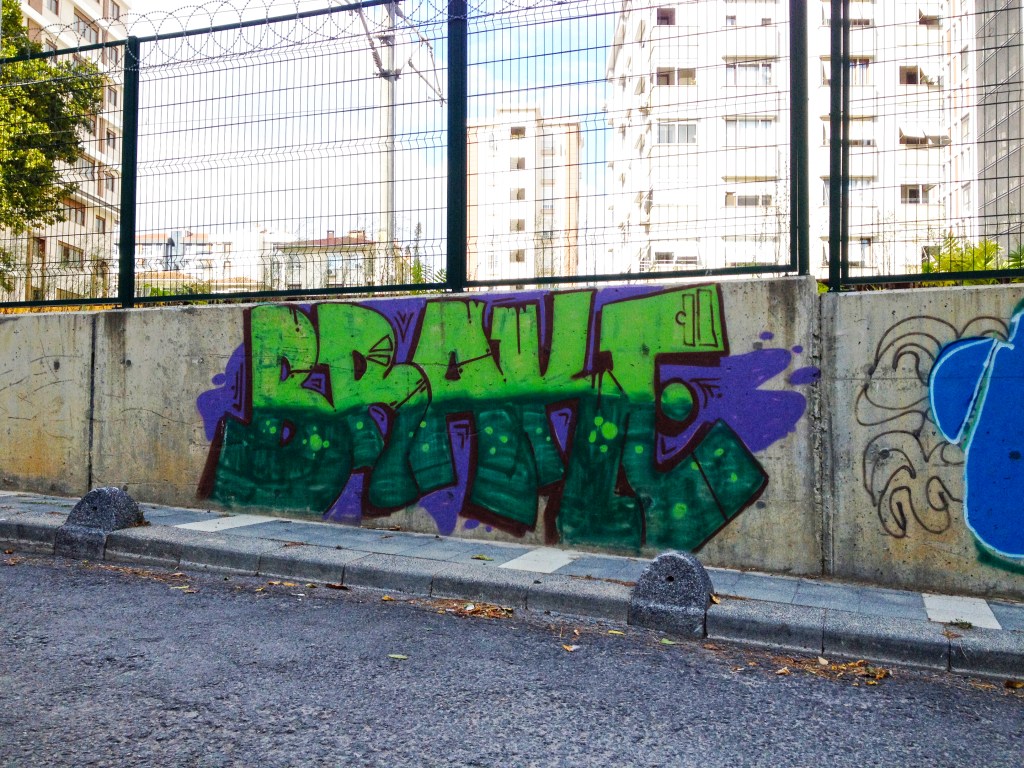
“Megazine” adı nereden geliyor? Yeni bir isimlendirme sanırım.
“Mega-Zine” aslında magazine ve fanzin kelimelerinin ortak kullanımından türemiş bir isim. Kaburga bir fanzin değil, megazine. Yurtdışındaki örneklerinden de görüleceği gibi Kaburga Megazine, ortalama bir fanzine göre çok daha kapsamlı bir çalışma. Örneğin; ilk sayılar daha çok şiir ve yazı ağırlıklıydı, şimdi neredeyse yarısından fazlasını görsel sanatlara ayırdım, takip ettiğim ve etkileşimde bulunduğum sanatçılar var. Özellikle Le Dernier Cri kolektifinden bir çok sanatçı bu konuda bize destek oldular. İsim konusuna dönecek olursak, daha önce “Kaburga Zine” olarak adlandırdım çünkü klasik anlamda Zine çizgisindeydik, Şimdiyse içeriğin çeşitlenmesi ve avangart tarafının ağır basmaya başlaması bu ismi seçmemde etkili oldu.
Sayıları belirli periyotlarda hazırlayabiliyor musun, yoksa zaman olup fırsat buldukça mı?
Son sayımızı geçen sene Ağustos ayında çıkardık, bir iki ay içinde yeni bir sayı basmayı planlıyorum. Sayıların çıkış tarihlerine baktığımızda yine üç- beş ay aralıklarla devam etti. Süre bakımından belli bir periyoda bağlı olduğum söylenemez, aslında açık konuşmak gerekirse ben tamamen kafama göre yapıyorum, sonuç olarak bu disiplin ve mesai isteyen bir iş, örneğin Kaburga ile ilgili neredeyse bir yıldır (KMZ tişört serisi ve içerik arşivi dışında) herhangi bir şey yapmadım çünkü kendi işlerime ağırlık vermek istedim. Dediğim gibi bu disiplin gerektiren bir iş ve sadece bir şey yapmak için yapmak da bana göre saçmalık, bugüne dek sekiz sayı hazırladık ve her biriyle gurur duyuyorum.
Kaburga megazine : complete discography
Çeşitli gelişmelere bağlı olarak fanzin sayısının çoğaldığı, hani deyim yerindeyse fanzinciliğin yeraltından üstüne çıkarılacak kadar popülerleşti popülerleşecek bir durumda olduğunu söylemek yanlış olmaz. Ama bir yandan da bu işin orijinlerindeki kes-yapıştır-kolajla-çoğalt mantığından ziyade dijitalde hazırlanıp baskıyla çoğaltılan fanzin örnekleri de hayli çok. Kaburga, tüm bu manzarayı nasıl yorumlar, kendisini nasıl konumlandırır?
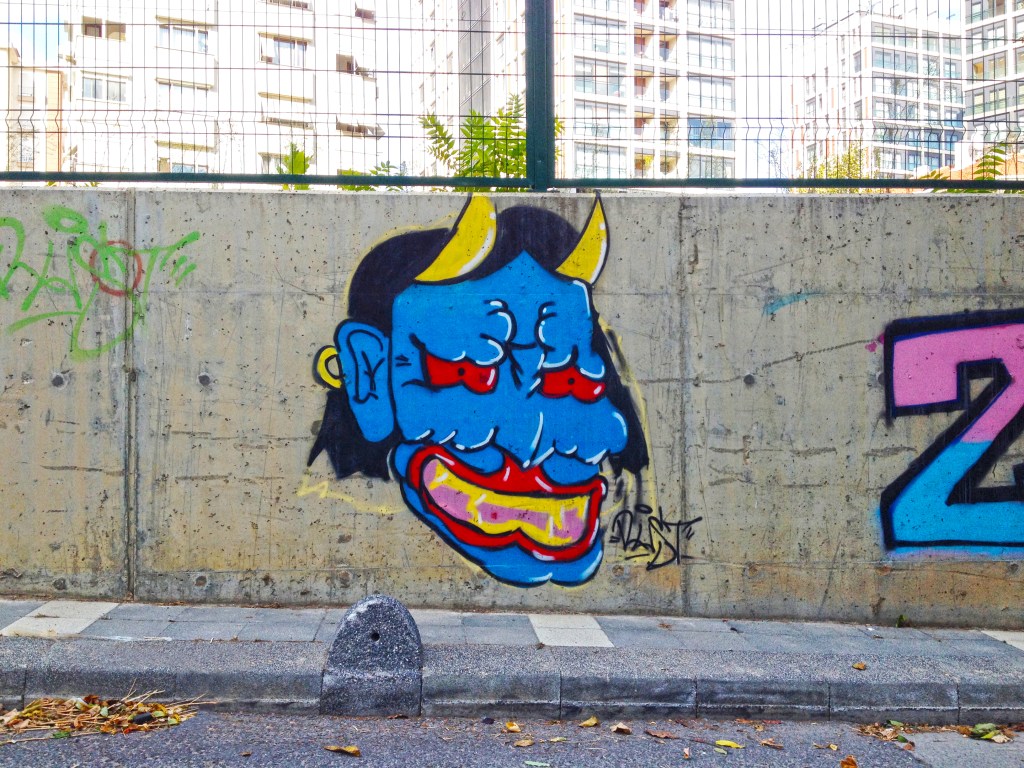
Aslında bunun gibi şeylere takılmıyorum. Fanzin elle yapılır ya da yapılmalıdır diye bir şey benim için söz konusu değil. İsteyen elle yapar isteyen bilgisayar kullanır, bana göre önemli olan daima içeriğin niteliğidir.
Fotokopiyle çoğaltılan fanzinlerden yana değilim çünkü fanzinin göze de hitap etmesi gerektiğini düşünüyorum. Örneğin; Cleon Peterson gibi sanatçılar sana çizimlerini gönderiyor ve sen bu resmi fotokopiyle çoğaltıyorsan, her şeyden önce o sanatçıya ayıp etmiş olursun, görsellik somut özelliği bakımdan sıfıra iner, bu fikir, görsel tarafı olmayan fanzinler için doğal olarak geçerli olmasa da manzara konusundaki yaklaşımım bu, bunun da nedeni sayfalardaki görselliğin zedelenmesi, diğer türlü -genellikle- fanzinler sadece içinde parti bildirileri gibi yazılar olan beş-on sayfalık beyaz kağıtlardan öteye gidemiyor ve gidemez de.
Yaygınlaşan fanzin üretimini, estetik ve görsel açıdan değerlendirdiğimde, buralarda bu işi icra edenleri pek ilgilendirmiyor gibi görünüyor, diğer taraftan bakıyorsun, Fransa’dan fanzin geliyor, heyecanla karıştırıyorsun, içinden üç boyutlu gözlük çıkıyor, görsellik muazzam, kağıdı ve baskı kalitesi tartışılmaz, burada ise daha çok “Abi biz de fanzin çıkarmak istiyoruz,” falan filan gibi şeyler duyuyorsun.
“Edebiyat, Dergicilik Oyunundan Sıkıldı”
Uluer Oksal Tiryaki’yi bilip tanıyanlar olarak kendisinin muhalif, tabiri caizse köşeli bir arkadaşımız olduğunu biliyoruz. Bu tavrı popüler kültüre bakışında da görmek mümkün. Bu minvalde Kaburga’nın barkod giymiş bir dergi olmasını hiç düşündün mü, bu konu ve dergilere dair fikirlerin nedir?
Hayır düşünmedim, bundan sonra da söz konusu olmaz, fakat belki bir gün bunu bir toplama dönüştürmeyi düşünürsem bu olabilir. Barkod konusuna herhangi bir takıntım yok, bu ticari bir değer değil, eğer barkoddan anladığımız şey kaba tabirle “sistem” ise (şayet yeterli donanımın, becerin ve bu yönde bir niyetin varsa) sistemi kendi silahıyla yaralayabilirsin, böyle düşünmekte fayda var.
Üç dört seneden beri hiçbir dergiye şiir-yazı göndermiyorum, çünkü tiyatro bitti ve kalabalık evlere dağıldı, bunun yerine fanzinleri takip etmeyi tercih ediyorum, bir çok fanzin hazırlanıyor ve birçoğu ‘dergiciliği’ tam anlamıyla rafa kaldırdı.
Kaliteli fanzinlerin yaygınlaşmasını destekliyorum, en azından ticari beklentileri ve bağlı oldukları bir firma yok. Edebiyat genel anlamda dergicilik oyunundan sıkıldı, nedenleri ortada: Birisi, dergisinde yayımladığı şiiri toplumun ahlak yapısına ters olduğu için, sırtını toplumun kafa okşayıcı yapısına yaslamak adına şairini satarak dergiyi kapatıp ortalıktan toz oluyor, sonra o şair sosyal medyada ölüm tehditleri alıyor, şair bir süre sosyal medya hesaplarını kapatıp sokağa çıkamayacak hale geliyor, aslında bakarsan şair zaten şair değil, popülerite kazanmak adına (şirketler tarafından desteklenen) dergilere saldıran ve bu işten zararlı çıkan kişilerden sadece biri.
Diğeri, photoshop’la Boğaziçi Köprüsü’ne Nazım Hikmet’ten bir dörtlük yerleştirip, asli kitlesine selam çakıyor. Çok daha önce Taylan Kara’nın da yazılarında bahsettiği gibi ünlü ve az ünlüleri, sol’dan alıp sağ’a satar, arkalarına baktığınızda yine sözde ahlak bekçilerini ve medya patroncuklarını görürsünüz.
Diğer bir çevre ise yeterli okur kitlesine bir türlü ulaşamadığı için altı ayda bir farklı konseptlerde dergi çıkarıyor, edebiyat ayağına, bir sayıda Ayşen Gruda’ya diğerinde ise Hayko Cepkin’e falan rastlarsınız, tek dertleri oligarkların yerini almak olan bu başarısız hareket, genellikle olamadığını eleştiriyor.
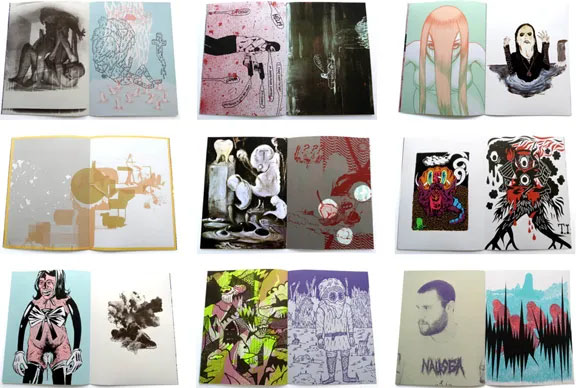
En üst ligde ise elit edebiyatçılar var; onlar genellikle aydın/entellektüel çizginin temsilcileridir, cukkaları sağlam olduğu için alt kesim edebiyatçılar ve elitist okur çevreleri tarafından yakından takip edilir ve daima övgüye değer bulunurlar, fular alışkanlığı bir alt zümreye bu kodamanlar tarafından kazandırılmıştır. Üçüncü ligde ise tüm bunların minimal tezahürü: Çay, kahve, kitap, edebiyat, vs. biraz önce de bahsettiğim gibi, dergilerle işi olan bir adam değilim ve günümüzde dergiciliğinin geldiği nokta hiç umurumda değil.
Popüler olana karşı durma konusu cepte. Ben soruyu tersinden sormak isterim: “Şu özelliklere, bu şartlara sahip olan popüler bir iş de bağra basılabilir” gibi bir ölçütün var mı?
Evet genel olarak popüler olana karşıyım ama bu sivri köşeleri olabilecek bir konu değil ve bunu bir parça irdeleyecek olursak bir sürü tezat ortaya çıkabilir. Örneğin bu; Radiohead’i seviyorum ama aynı zamanda popüler müziğe de karşıyım demek gibi bir şey olur. Buradaki ölçüt kendini nerede konumlandırdığınla alakalı. Bir ara Lautreamont okumak çok modaydı ancak Maldoror’un Şarkıları hâlâ efsane
Bu noktadan itibaren, bir nesneyi ya da kişiyi popüler kılan şey tam olarak nedir diye sormak gerekir, bir pop şarkıcısının sahip olduğu genel geçer popülerizm mi yoksa gerçekten güzel bir filmin, seyircisi tarafından hak ettiği değeri görmesi mi. Ben ikincisinden yanayım, iyi bir iş gerçekten iyi bir iş olduğu için popüler olabilir, bence bunda herhangi bir sakınca yok. Maksat popüler olmayı istemek ve bunun için mücadele etmekse orada yollarımız ayrılır. Kısaca, her şey birbirinin içine geçmiş birer halka gibi, kendini, bunun ne kadar dışında tutabiliyorsun bütün mesele bu.
Kaburga’nın dümenindeki Uluer’in bir de şiir kitabı yayımlandı geçen yıllarda, “Arabesk yahut Death Metal”. Tamamen fikirlerini anlatabilmek, bunu okuyanları düşünüp tartışmaya itmek için soruyorum: Butik bir yayınevinden de olsa barkod giyip rafa çıkan bir kitabın var. Bu senin için rahatsız edici bir durum oldu mu?
“Arabesk veyahut Death Metal”, bana göre son yıllarda yazılmış en iyi şiir kitabı. Sadece bir üretki olarak değerlendirecek olsan bile bu soruya başlı başına bir cevap. Kendimi politik bakımdan herhangi bir şekilde tanımlamaya karşıyım. Ancak çoğunun yaptığı gibi, muhalif olmak, karşıt olmak gibi -sadece söylemde kalmayan- şeylerden de bahsedebiliriz.
Kitabın arkasında bir bandrol var evet ama bu, içinde natürmort türde şiirler olan bir şiir kitabı değil, politik bir tavrı var, ancak politikayla ilgili bir kitap da değil, bu konudaki fikrimi özetlemem gerekirse; modern şiir -ana hatlarıyla- modern toplumu anlatamıyorsa kimse kusura bakmasın herhangi bir şiir kitabını açıp okumam. Bu açıdan düşünmeye devam edersem, biraz önce de belirttiğim gibi, üzerinde kültür bakanlığının bandrolü bulunan bir kitapla sistem karşıtı söylem de geliştirebilirsin, ben estetik ve duygudan bağımsız olarak bunu gerçekleştirdim, kısacası her şey senin elinde. Sadece karşıt olmak benim için tek başına bir anlam ifade etmiyor.
Sub Press çatısı altında “Anadolu Ekspresi: Yeni Türk Şiiri”ni hazırladın. Şenol’a da sorduk, bir de senden duymak isteriz: Nasıl çıktı bu fikir, kitabın yayına hazırlanma süreci nasıl oldu?
Şenol’un zaten eskiden beri böyle bir niyeti vardı, sadece hayata geçmesi biraz aksadı. Bir gün bu konu hakkında konuştuk, bana böyle bir şeyi yapıp yapamayacağımı sordu, ben de kabul edip elimden geleni yaptım.
Aslında bu isteğin nedeni yine Kaburga’ya dayanıyor. Şöyle ki; şiir yazan ve aynı zamanda basan biri olduğum için, çevremde kimin ne yazdığını üç aşağı beş yukarı biliyorum ya da potansiyeli tahmin edebiliyorum. Kitabı hazırlarken öncelikle içinde yer alacak isimleri ve şiirleri belirledim, daha sonra bir ekip oluşturup İngilizceye çevrilmesini bekledim. Başta çeviri konusunda kaygılarım vardı ama ekip, Kerem başta olmak üzere sıkı ve de özverili bir iş ortaya koydu, ardından son okumalar, mizanpaj derken tamamlandı. “Anadolu Ekspresi” nitelikli ve içimize sinen bir çalışma oldu, modern şiir diye tabir edebileceğimiz türde bir kült antoloji.
Bu işe girmemdeki nedenleri hesaba katarsak, bu şiirlerin bir antoloji olarak sadece burada dolaşımda olması fikrinden çok İngilizceye çevrilecek olması ve dolayısıyla yaşadığımız ve yazdığımız şeyin başka coğrafyalarda da okunabilecek olması düşüncesi olarak özetleyebilirim. Benimle birlikte birçok insan bu kitaba emek verdi, çevirilerden, kapağına gerçek bir kolektif işiydi. Kitap şu an, Türkiye dışında, Amerika başta olmak üzere Avrupa’da çeşitli ülkelerde satışta, son olarak, Princeton Üniversitesi bu kitabı kütüphanesine koydu, bu hepimiz adına gurur verici.
Bir sonraki şiir kitabının yolda olduğunu biliyorum, Sub Press’ten mi gelecek, ne aşamada kitap?
Bir sonraki kitap şiir değil, daha çok deneme ve düzyazı ekseninde deneysel bir çalışma. Benim için tanımlaması biraz güç çünkü örneklerine pek rastlanılır bir tür değil. Bu teorik olarak üçüncü kitabım olacak ve dosyayı SUB Press’e teslim ettim, okundu ve yayına alındı, şayet bir aksilik olmazsa ekim ayında çıkması planlanıyor.
Bugünün gerek popüler, gerek nispeten ana akım dışında kalmış edebiyat ve yayıncılık dünyasını nasıl görüyorsun? Dönemin bir dili, bir özgün kumaşı var mı sence? Piyasayı domine eden sığ oluşumların arasından nitelikli bir dönem edebiyatı çıkar mı dersin?
Bu ülkede her konuda her kafadan bir ses çıkıyor, bilen bilmeyen herkes sadece konuşuyor, iş icraata geldiğinde ise ortalıkta kimse kalmıyor. Dönemin özgün bir kumaşı tabi ki var, salt şiir anlamında “Anadolu Ekspresi”ni referans olarak gösterebilirim.
Senin de söylediğin gibi “Piyasa Edebiyatçılığı” diye bir tabir var ve yayıncısından yazarına, şairine gerçek anlamda birbirinden ayrık gibi duran ancak birbirine göbekten bağlı bütünlüklü bir kütleyi oluşturuyor. Bana göre bu ülkede yazar değil okur eksikliği var. Eğer birey olarak bestseller raflarından öteye gidemediysen, edindiğin okuma alışkanlığın haliyle dizi izlemek gibi bir şeye evriliyor, bu seni kültürel düzeyde bir okur profilinin olamamasına itiyor, yeterli altyapın olmadığı için hayatın boyunca gerçek bir okur olamıyorsun, gerçek bir okur olamadığın için sorgusuz sualsiz sana sunulanı satın alıyorsun, baloncuklardaki şiirimsilerin fotoğraflarını çekip Instagram’da paylaşıyorsun.
Edebiyat diye sorduklarında aklına Cemal Süreya’dan başkası gelmiyor. Bu sorunun yanıtı bana göre tamamen bu, nitelikli işi nitelikli okuyucu bulur ve okur, bu bir endüstri hareketine dönüştüğünde ise herkes kazanır, tüm bunlar gerçekleştiği takdirde; yayınevine para verip kitap bastıramazsın, jüriyi ayartıp edebiyat ödülü alamazsın, bir dergiye yazı ya da şiir gönderirken bir başkasının selamını iletmek zorunda kalmazsın… Eğer okur prototipiniz yoksa –tıpkı burada olduğu gibi- saçma sapan kitap ve dergilerin yayımlanmasına ve okunmasına neden olursun, biraz ilerisi zaten çöplük.
Son olarak, bu röportajı okuyup Kaburga’ya, tişörtlerine ulaşmak veya yazı göndermek isteyen arkadaşlarımız ne yapsınlar?
Tişörtler ve KMZ box-set için kaburgamegazine @ gmail.com adresinden irtibata geçebilirler, şiir göndermezlerse sevinirim.
Telekültür’de Ali Şimşek’in konukları, Grafik sanatçısı-fanzinci Erman Akçay ve yayıncı-çizgi romancı Servet İnandı ile bağımsız yayıncılık, fanzinler, karşı kültür ve yeraltı edebiyatı ile ilgili sohbet etti. Programda, Türkiye’de çizgiroman ve grafik romana ilgi de irdelendi.
“Blend in with them, embrace their customs and experience as they do! And I recommend you… behave properly, always!”
DIEGO LAZZARIN
Aminoacid Boy and the Chaos Order
Daniele Fermerò
Lazzarin ha compiuto un piccolo miracolo. Non pago di una visione scintillante e meditata, ricca, vitale e carica di suggestioni, è riuscito a metterla in atto con coerenza e concretezza. Facendo ricorso alle risorse del crowfunding, con sommo stile e serietà, l’autore ha avuto modo di stampare una “copia conforme” al suo ideale, celebrato a furia di inventiva e personalità. Già diviso fra animazione, video e pittura, Lazzarin in questo volume rilancia un’idea di intrattenimento che annulla alla sorgente le divisioni tra cultura “alta” e lowbrow. Aminoacid Boy… deve infatti la sua riuscita tanto all’apparentemente lineare, ma ricchissimo e peculiare, comparto grafico e visivo, quanto alle vere e proprie derive narrative e “linguistiche” che porta nel cuore. Cronaca dell’alieno, dell’altro, del diverso che s’affaccia sul nostro mondo, più che mostrare un percorso di formazione o iniziazione il volume assomiglia a un conte philosophique per immagini, dove (s)ragionare a dovere sull’essere umano e quanto lo definisce. Per farlo, l’autore sceglie di frullare Chagall a furia di acidi e DMT, infilandoci a viva forza Francis Bacon, E. Munch, H. Bosch, il pop surrealista, la felice e caotica spinta creativa di un autore controcorrente quale Tom Bunk, cover di dischi, le visioni di Ed Wood e chissà cos’altro. Al di fuori dell’azzardo di paragoni discutìbili, l’impronta visiva, fantastica nella resa dei colori e del risultato, si rivela funzionale al risultato: un pastiche bizzarro in grado di rimandare al lettore l’assurdità grottesca della civiltà umana. Che tutto questo sia il frutto di un’opera prima, con le singole tavole dipinte a mano in tecnica mista (acrilico, acquerelli, chine, colori ad olio), pare un invito spicciolo al piacere e all’attesa del prossimo parto. Da supportare con tutto il cuore, in omaggio alla libertà creativa e all’indipendenza editoriale.
Amino Acid Boy and the Chaos Order
Lazzarin performed a small miracle. Not satisfied with a sparkling and meditated vision, rich, vital and full of suggestions, he managed to implement it with coherence and concreteness. Using the resources of crowdfunding, with great style and seriousness, the author was able to print a “compliant copy” of his ideal, celebrated by dint of inventiveness and personality. Already divided between animation, video and painting, Lazzarin in this volume relaunches an idea of entertainment that cancels the divisions between “high” and lowbrow culture at its source. In fact, Aminoacid Boy… owes its success as much to the apparently linear, but very rich and peculiar, graphic and visual sector, as to the real narrative and “linguistic” drifts that it carries in its heart. Chronicle of the alien, of the other, of the different that faces our world, rather than showing a path of training or initiation, the volume resembles a conte philosophique for images, where (s)reason properly about the human being and what defines it. To do this, the author chooses to blend Chagall with acids and DMT, forcefully inserting Francis Bacon, E. Munch, H. Bosch, surrealist pop, the happy and chaotic creative drive of a counter-current author such as Tom Bunk, record covers, visions of Ed Wood and who knows what else. Apart from the risk of questionable comparisons, the visual imprint, fantastic in the rendering of the colors and the result, proves to be functional to the result: a bizarre pastiche able to remind the reader of the grotesque absurdity of human civilization. That all of this is the result of a first work, with the single panels painted by hand in mixed techniques (acrylic, watercolours, inks, oil colours), seems like a small invitation to pleasure and to wait for the next birth. To be supported wholeheartedly, in homage to creative freedom and editorial independence.
Article by Milica Ivic on Diego Lazzarin for the NOVO DOBA FESTIVAL catalog, 2022
DIEGO LAZZARIN MUNSTER INQUISITION Ultrabrutalmania Raidspacebattle
Milica Ivić
My life was miserable. A life of a shabby, second-grade monster. Same boring monster routine every day, same dirty taverns with toothless drunk monsters arguing and throwing glands at each other. No job. no girlfriend, no perspective. I was not meant to get out of that shiihole. Was I composed of distinctive disparate components? No. Were my muscles and bones and arteries exposed on the surface of my body? No. Was I frightening at first glance? No, not at all. Miserable creature.
I didn’t have an idea what to do with my life. Everything seemed pointless for my generation. The welfare state was gone, the big consumerist dream vanished, and endless drug and sex psychedelia worked no more. There was simply no solution. If anyone asked me back then where I would choose to be. I would just say: wherever. But then a new rumor came to town. Everyone was talking about it. It was the next big thing, the dream of every young monster who had any self-respect. No one really knew what it was about, but you could hear it everywhere: Ultrabrutalmania Raidspacebattle!
It started to burn my imagination. It was roasting my desires like a fine old acid on exposed membranes. Apparently, it was a monster heaven, placed in between volcanoes and deserts, where mutants could show oft and go into a real battle. That was my chance! I had no idea how to get there, but I was about to find out. I was obsessed, but focused! I was going mad, but determined to succeed. I was asking around and was listening to every conversation in the city just to get lo know who was behind this project.
And there it was. a legend, a myth, a shady figure of a guy called Diego.
Munster Inquisition – Exhibition in Belgrade. Photos by Jahvo Joža
Diego was good at hiding, but his activities were tracked. His movements appeared on the market. Information about him could be exchanged for some valuable goods. I paid a dozen of tzantzas for a chance to see him. I was given coordinates for his meeting with come Serbian “gallerists” who were willing to host Diego and the monster flock and use them for their dubious purposes.
Munster Inquisition – Exhibition in Belgrade. Photos by Jahvo Joža
He became known as the Monster Daddy. The monsters loved Diego and he loved them back. They became a loyal flock, well-trained, well-organized and ready to kill. But everyone knew that his monsters were so damn handsome. Well built, well dressed, with finest accessories, with a killing attitude. I was never meant to be a part of that good-looking crowd. I just did not have that appeal! The rumor went that he used knowledge of dental radiology and manipulation of x-rays to adapt the monsters he chose for the battle. He was picking ihem up at dirty bars, dark alleys and suburbs and transforming them into stars of Ultrabrutalmania! I was hoping I could get through his makeover treatment.
I knew I was The One for the Raidspacebattle. I was training myself to win any arcade battle with those ignorant fucks, splitting their asses on comfortable chairs while holding joysticks and pretending to kill monsters. Hold on you fart-catchers! I am about to show you the real battle! I was practicing levitation and shooting, appearing from the far right and lower left corner. I was multiplying my skills every day – improving side vision by avoiding vehicles on the highway while zigzagging in opposite directions, counting backwards while reciting the Catalog of ships from Homer’s Iliad and mixing highly saturated acids.
Preview of the game Ultrabrutalmania Raidspacebattle! Munster Inquisition – Exhibition in Belgrade. Photos by Jahvo Joža
I was strong and fit and I just had to find Diego first and get his attention. It was hard to get to him. No one knew him. He was not part of the comic publishing establishment, he could not be found in underground communities. He played by his own rules, surrounded by his monster friends.
Diego was good at hiding, but his activities were tracked. His movements appeared on the market. Information about him could be exchanged for some valuable goods. I paid a dozen of tzantzas for a chance to see him. I was given coordinates for his meeting with come Serbian “gallerists” who were willing to host Diego and the monster flock and use them for their dubious purposes.
Exhibition in Belgrade. Photos by Jahvo Joža
I really didn’t like that guy Diego at first glance. His face looked suspicious. He seemed kind, but everything I know about him was telling me I should be careful. He was not easily tricked.
I went to the designated location, disguised, hidden, listening into Diego talking:
Diego Lazzarin: Alien-Interview at LDC Ateliers (2019)
Person 1: Diego, it is too hard to survive. Couple of people tried and they could hardly get to the hippies.
Person 2: Yes. life just goes on shrinking and nothing is helping it out! Situation is desperate.
Person 1: Something like real life.
Person 2: We are all doomed! With larvae or without them.
Diego: Oooooh… OK. I will figure it out next week… maybe I will make it easier with less enemies
Person 2: Let us live longer!
Diego: OK… maybe I witl make the enemies cause less damage… I will think of a solution!
Person 1: How many places are there? Monsters, larvae, hippies, how many like this?
Diego: I think u more and then a final Boss. But you can recharge energy while you go.
Person 2: How?
Diego: There are some sort of pink meatballs. You shoot them and recharge.
Person 1: OK. let us know when you have some changes done!
SHOOT THE RED PLANET TO START
OK! The game has not still reached its final phase. It was still in the process! I could still get in! As I knew we were made for each other. I was determined to use the moment. I was waiting for Diego to start leaving the place and I threw mysell in from of him. Imitating ultracerebralmania to the point I was starting to really feel it. I was shaking and my body was decomposing like a boiled gum. Diego, weak as he was on monster suffering, ran to me to soothe the attack.
Diego said gently: Hey shorty, what’s up? This day is quite fine, isn’t it?
I screamed: I’m dead. I think I am dead!
Diego had a comforting look and I saw understanding in his eyes: What makes you think you are dead? Is it me?
I screamed even harder: Nooo! It’s not you! It is about my lungs. I am breathing backwards. The process is completely reversed! The air is being squeezed out of the alveoli when it should be there feeding the blood with oxygen. I am doomed!
Diego asked: Did it ever happen to you before? What can I do to help?
I was getting some ideas, but continued to scream loudly: No, this is the first time ever. Normally. I am fit and fixed. I am strong and in good shape. I can win a battle! (I partly calmed) There might be one thing that you can do to help?
Diego was curious: What would that be?
People that gathered around us were already continuing on their way, as it was clear that the attack I was having was over.
I whispered: You could take me with you and make me your monster! I can be part of your unbeatable squad in Ultrabrutalmania! I can fight them all.
Diego was smiling: OK, I have a proposition. I take you on a mission with me to see what you are made of? It would be a special mission. Hard, but exciting. We are going to Belgrade to fight the Old Wave that wants to take people to the New Era. Ewwww. Disgusting!
My eyes were radiating and my heart was beating in the rhythm of Tibetan drums: Carry me. lead me! The Old Wave has no chance against us. We will not be soaked in the retrograde shit soup of that wave.
Diego nodded: Promise!
And we were already on our way to 44.8125° N. 20.4612″ E.
Munster Inquisition – Exhibition in Belgrade, Matrijaršija, Remont Gallery (2022) Photo by Jahvo Joža
Diego Lazzarin is one of the artists I have grown familiar with recently. Clicking my way onto his website I was immediately struck by the raw application of paint’s that created images that looked like the harlequin child of a Marc Chagall painting for the illustrations in his debut Graphic Novel ‘Amino Acid Boy and The Chaos Order’. Lazzarin gives a brief outline of the book which follows Amino Acid Boy a creature sent to earth by his lord a Bio-Architectural-Metal-Meat-Machine that lives in a dark cave in outer space. Whilst on earth Amino Acid Boy’s aim is to understand individual human desires by assimilating in himself the DNA of humans in order to understand their way of thinking outside of basic biological survival instincts which the lord finds incredibly illogical. With this transition of understanding inAmino Acid Boy various interesting scenarios promise to unfold.
Stephen Morton
MicrowavewerewolveS – LA VIOLENZA E’ KATTIVA !
Digging further through the website I came across Lazzarin’s animated videos. The videos stuck firmly in my head as an odd sickly coloured dew biologically infused cyber reality reminiscent of early mid-90’s video game cutscenes but in no way pastiche of retro style graphics but more so a progressive affirmation of this kind of aesthetic that he occupies very well, a world seemingly steeped in a sticky energy drink formula. One of my favourite of his video pieces though is for Lazzarin’s electronic music project Microwavewerewolves, the video and song Hagiography of Porn infuses a hot and frantic piece of electro music with a warped out and rehashed 70’s porno flick watched with bangers and mash, the result is both equally disturbing and hilarious.
Another video for a song Voglio Amore is a short and sweet horror chase involving a young terrified woman being tracked through a forest by a giant flying insect creature that then persists to dismember the women with venomous flames before defecating maggots into her pulped out stubs.
Aminoacid Boy and the Chaos Order on Indiegogo
With the 160 page ‘Amino Acid Boy and The Chaos Order’ Graphic Novel almost complete after three years of work and the aim for a crowd funding in May it would be worth while subscribing for updates on Lazzarin’s website to get involved in the realisation of this project. Also while your there check out his videos, music and other work on instagram.com/diego__lazzarin