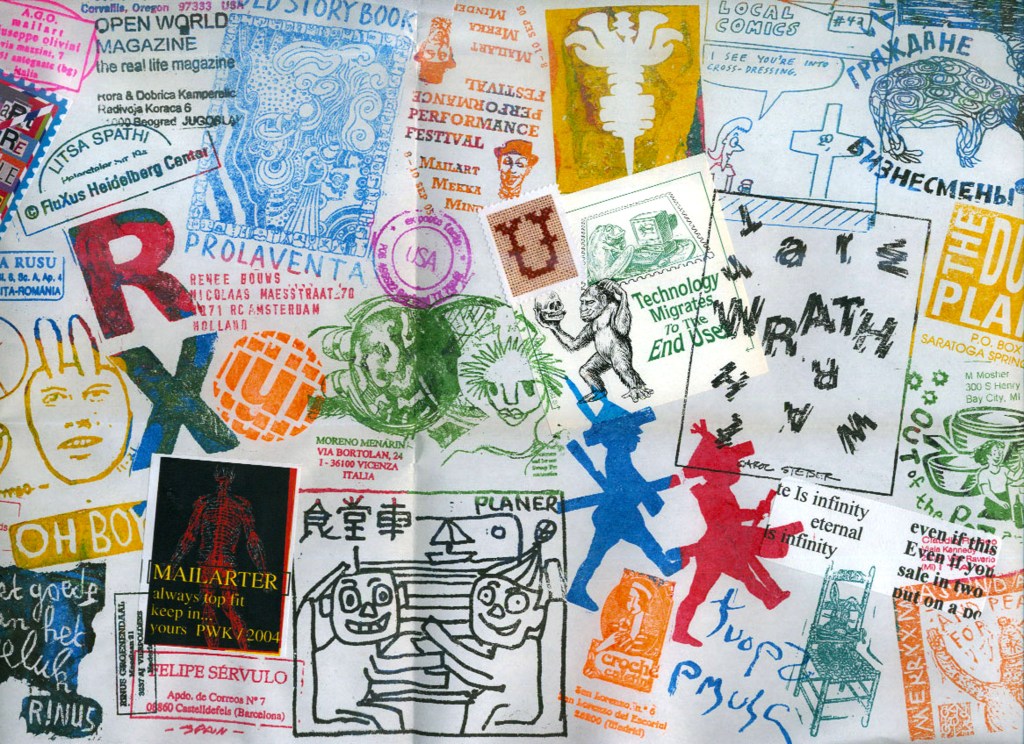
Posta sanatı, yaratıcı olan herkesin katılabileceği uluslararası bir ağdır. Posta sanatı bir deney, dışavurum, işbirliği, iletişim, özgürlük ve eğlence sanatıdır.
Şinasi Güneş
Mektup ile yollanabilen herhangi bir sanat objesi posta sanatının ilgi alanına giriyor. El yapımı kartpostallar, fotokopiler, bilgisayar baskıları, kolajlar, resimler, çizimler, çeşitli nesneler, kısaca istediğiniz her şey. Gönderilen her türlü posta sanatı objeleri elemeye tabi olmadan sergilenirler. Yapıtlar satılık değildir. Geri gönderilmezler. Fakat tüm katılımcılara, fotoğraf ve sanatçı listesi gibi dökümanlar yollanır. Posta sanatı, sanatı, tüketici zihniyetinden ve galeri monopolünden arındırmayı hedefleyen bir sanat hareketi olarak tanımlanır.
Posta Sanatı Tarihi
Posta sanatçıları sanat postasının başlangıcı için esprili bir iddiada bulunurlar. Bu iddia Kleopatra’nın kendisini, sarıldığı bir halıyla Julius Caesar’a sunmasıdır. Oysa bildik anlamda o dönemde bu ne bir posta ne de sanat ile ilişkilendirilebilir. Olay bugüne taşındığında güncel sanat mantığı dizgesinde performans sanatı ve posta sanatının bir türevi olarak değerlendirilebilir. Ki bu ekstrem bir örnektir ve nihayetinde bir pula ve adres bilgilerine ihtiyaç vardır.
1955 yılında Ray Jhonson “moticos”ları üzerine çalışmaya başladı.
1960’da Jhonson ilk “nothing/hiç” çalışmasını yaptı.
Johnson önemli bir post -sürrealizm ve pre – pop kolaj sanatçısıdır. Johnson aynı zamanda New York Correspondance (Posta) okulunun kurucusu ve Correspondance sanatının (Mail Art olarak da bilinir) orijinal başlatıcısıdır. Bu sanat, bir şekilde geleneksel posta servisi ıle yaygınlaşan uluslararası disiplinler formudur.
O kendi kolajlarını kompleks aktivite spektrumlarının bir parçası olarak gördü ki; bu aktiviteler çizimleri, mektupları, telefon görüşmelerini, performans sanatını, şiiri ve gerçek yaşamı içermekteydi. Bütün bunlar Zen ve Tao’nun bir dokunuşu ile noktalanmaktadır.
Johnson, Fluxus, Happenings, Neo-Dada, Judson Dance Church ve 1960, 70, 80’ lerdeki diğer intermedia aktivitelerine katılan bir çok sanatçının çağdaşı olduğundan, uluslararası avangardizmin değişimine faydalı olmuştur. Bunu yaparak ellinin üzerinde ülkedeki genç sanatçılar arasında istemeden bir kült kişilik haline gelmiştir.
Fluksus güzel sanatların dışında başladı. Ve bu hareket artistik geçmişi olmayan insanları içeriyordu. Fluksus posta sanatını etkiledi. Fluksus sadece teknik ve ideolojik yönüyle değil doğasıyla da posta sanatını etkiledi.
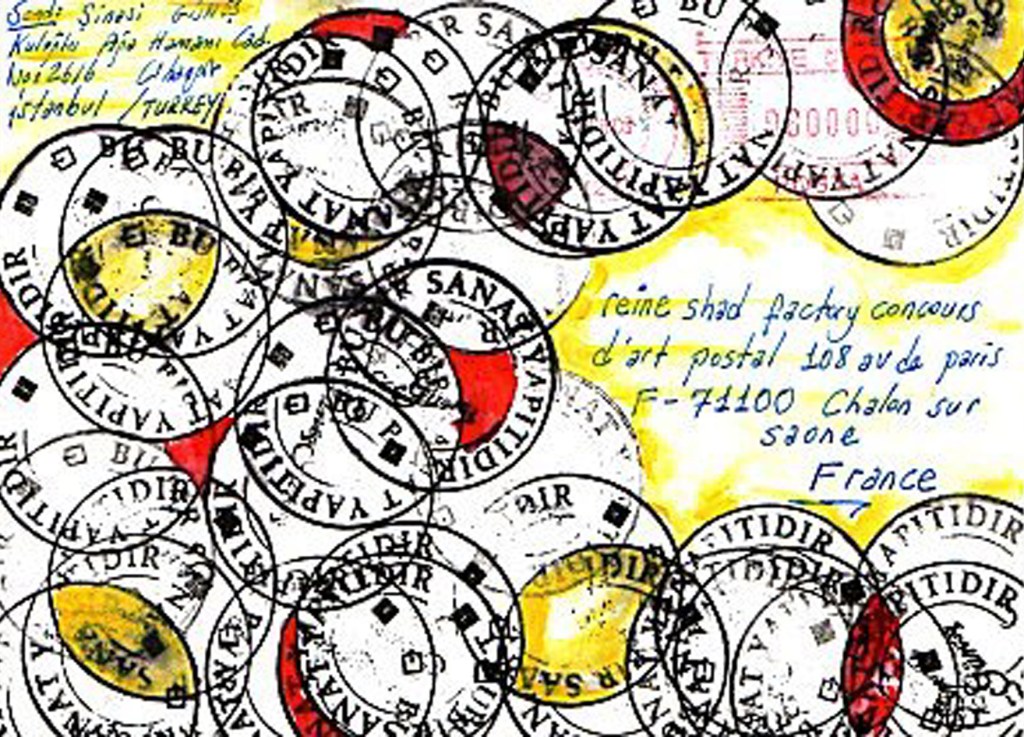
‘Damga’ by Şinasi Güneş
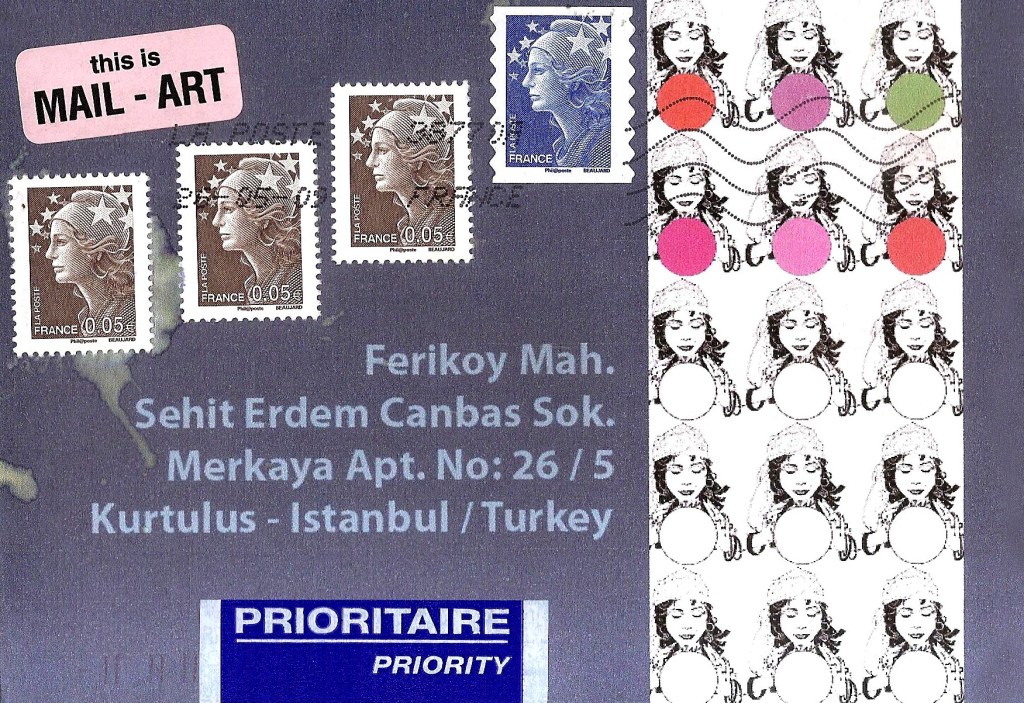
‘Çingeneler’ by Isabelle Vannobel, Fransa
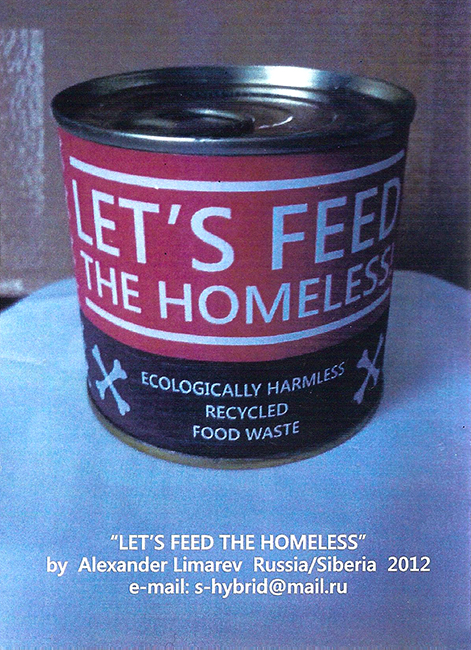
Alexander Limarev ‘Evsizler’ Rusya
Posta sanatı sosyo-kültürel ve politikdir. Cinsellik, ekoloji, teknoloji, feminizm gibi konularda karşı duruşuyla vardır. Kapitalizm karşıtı çalışmalar sık sık kullanılır. Mektuplaşma halkası giderek büyüdü. Posta sanatı 1970’lerin başında, performans, video gibi diğer medyalar ve yeryüzü sanatı ile birlikte çıktı ve uluslararası bir nitelik kazandı.
1986’da Bağımsız Dünya Posta Sanatı Kongresi düzenlendi, posta sanatçılarının bir birleriyle tanışmaları ve düşüncelerini paylaşmaları açısından teşvik edici oldu. 500’den fazla sanatçının katılımıyla 80’nin üstünde toplantı 35’e yakın ülkede düzenlendi. İnternetin gelişmesini beklemekle değil kültürler arası iletişimi yaygınlaştırmak, canlandırmak için posta sanatını arzulamak, onu görünür kıldı. Bu açık ilişki potansiyeli, heyecan barındırmakta fakat onun, kanıksanmış sonucu, bazı beklenilen yeni sanat akımlarından daha ziyade arkadaşlık ilişkilerini geliştirdiğinin görülmesidir.
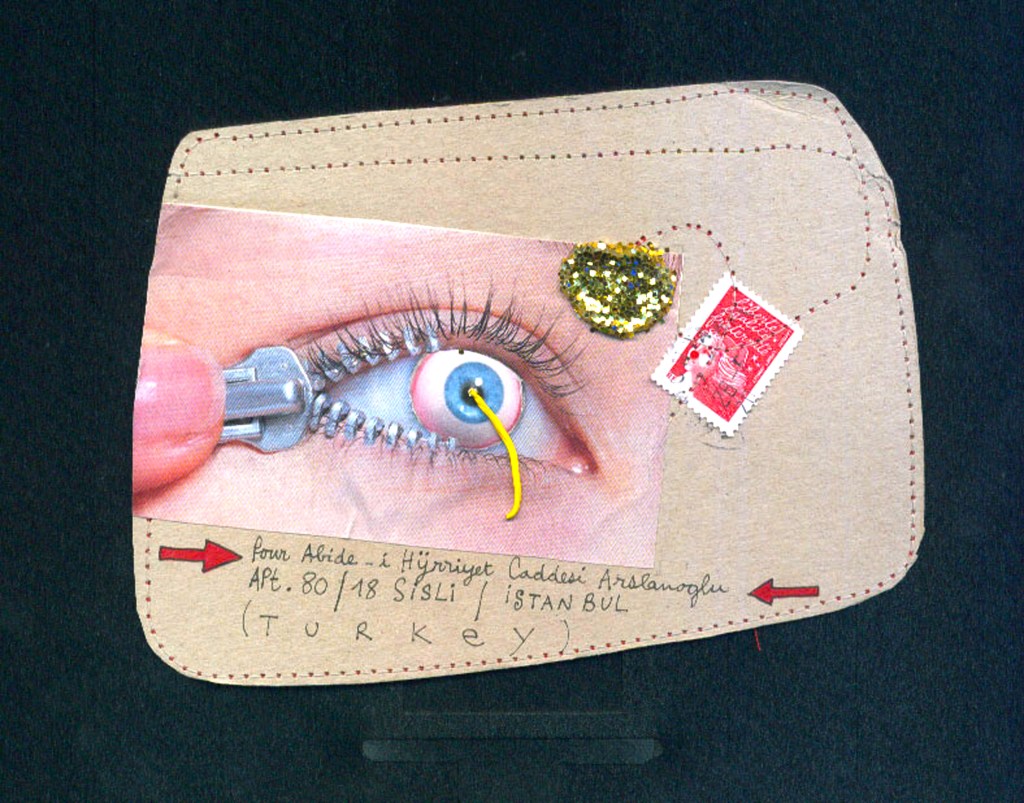
‘Gözetleme’ by Giorgio, Fransa
Gözetleme ‘Silvio de Gracia’ Arjantin
Posta sanatı gerçekten çağın ruhunu yakalamış oldu.
1988’de Uluslararası Posta Sanatçıları Birliği (IUOMA) kuruldu. Dünyanın birçok ülkesinde üyesi olan bir posta sanatçıları insiyatifidir. Bugün halen etkinliğini sürdürmektedir.
1990’ların başında internet ile birlikte geleneksel sanat postası sanatçıları “Sanat Postası Şebekesi” (Mail Art Network) hareketini oluşturdular. Bağımsız kavramsal bir ağ’dır.
40 yıldır, 50 ülke civarında Mail Art, hızla Johnson’un orijınalleriyle aynı doğrultuda yol almaya devam ediyor. Bununla beraber bire bir uyumlulukta devam etmektedir ve “ Uyumlu Bir Akşam Yemeği” gibi uyumlu diğer işler network yoluyla yayılmaya ve hedefinden sapmadan” kendin yap-ses kayıtlarıyla desteklenerek Punk Rock’ın gelişiminde de rol oynamış, buna ilham vermiştir. Aslında mail art bir hareket olarak farzedilebilir. Bir başka hareket asla bu kadar yayılmamış ve uzun sürmemiştir.
Ryosuke Cohen ‘Beyin Hücresi‘ Japonya
Bazı posta sanatı projeleri
Ryosuke Cohen’in Brain Cell-Beyin Hücresi Projesi 1985’te başladı. 1998 yılına gelindiğinde 400’den fazla yayına ulaşılmıştı. Robin Crozier’in Memo(random)/Memo(ry) projesi 1980’li yılların başında başladı, “ekle ve gönder” yönergesi üzerine kuruluydu.
Ryosuke Cohen’in Beyin Hücresi projesini tanıtacak olursak;
Beyin Hücresi
Ryosuke Cohen 1984’te posta sanatı yapmaya başlıyor. Şimdiye kadar kesintisiz devam eden bir proje gerçekleştirdi. Bu projenin adı “beyin hücresi” idi. Bu proje, en üstün global ağ ideallerinin bir göstergesidir.
Cohen Avrupa’da bilinmeyen bir teknikle, çok renkli A3 posterlerin baskısını alır. Bu yöntemin çalışmalarını plastik mühür (posta sanatçılarını heyecanlandıran önemli plastik mühürlerdir.) bir logo ya da bir imgeler fragmanı ile ona gönderir. O bunu alır ve parlak renkler dizgesi içinde 40 ya da 50 farklı imajla birlikte, sticker’lar ve plastik mühürlerle yeniden yapılandırır ve elde ettiği ne varsa ona geri gönderir. O, 84’ten bugüne bunu sürdürür, tümüyle “sonsuz ağ”ın olağanüstü imajlarından oluşan yüzlerce poster birikir. “Global Beynimizin” her bir “hücre”si her biri otonom, sanatçıların seçimi olan imajları gösterir.
‘Fundamentalizm’ by Clemente Padin, Uruguay
Posta sanatçıları
Ray Johnson
Guy Bleus
Mark Bloch
Hans Braumüller
Al Williams
Crackerjack Kid
Snowflake
John Held Jr.(not to be confused with illustrator John Held Jr.)
Not: Bu yazı “Posta Sanatı” kitabı’ndaki Posta Sanatı Tarihi, Bazı Posta Sanatı Projeleri ve “ebenzin.com” daki Mail Art, Ray Jhonson başlıklı yazılarımın harmanlanmasından oluşmuştur.
Ego gökyüzüne yükseldikçe kişilik ayağa düşer; mahalle piçlerinin ilgisini çekmeyerek ufalanırsın yarattığın atmosferden klakson seslerini işitmen zaman alır yüksektesindir. Rögar kapakları kabul etmez seni yüksektesindir. Şehir tozu yutamazsın, yüksektesindir. Şaraba alışman zaman alır
yüksektesindir…
Bizlerse lağımın dibini çoktan boyladık üzerimize binlerce kez sifon çekildi ellerimiz sıvı sabuna saygı duydu -neşeyle morardı kollarımız- yanlışlıktan çekilen ilk nefes, yeni bir yanlışlıkla bir çeşit izmarit olup ulandı küçük odalarımızdan ormana
İşte şurası her şeyin ortası özne ve yüklemde çatısızlık biraz hissizliği, uyku problemi günaydın töreni, iyi akşamlar söylemi
k a f a p r e s i !
Öldürmeyi düşündüklerin susmayı tercih ettiğin güzide anlar adına katlettiğin önemsiz cümleler… İşte şurası her şeyin sonrası koptu bir parça ten insanın derisinden karıştı ambulans sirenlerine sevinç gösterileri eşliğinde: Parti flamaları Sinema afişleri Banliyö trenleri İşçi kanı üzerinden yükselen kaçak gökdelenler Sürekli eli terleyenler Sürekli yemin edenler Göt yalamaktan suratı Göte dönüşenler Üçüncü sınıf barlarda efkarı için yeni bir neden icat etmeyi deneyenler Seks cinayetleri Erotizm Klitoris
Rektum.
pedofili, parafili, nekrofili pygmalionizm ve yakın akrabaları daima sinek konan suratlar gün boyu ucuz kimyasal tüketip bir gülme krizinden bir diğerine savrulanlar bira içmekten sidik torbası patlayanlar tüm zamanını intihar düşüncesi ile geçirip yine de yaşamaya devam edenler prova odaları, süpermarketler müşteri kavramı – silahsız soygunlar film kareleri ve her akşam evine metrobüsle dönerken arabeski hissedenler aletiyle oynayanlar iltihabıyla oynaşanlar
Eczane Anarşizm ve Numune Hastanesi üçgeni arasında anlık sıkışma yaşayıp soluğu Yoğurtçu Parkı’nda alanlar. İskele sokaklarında gündüz cilası Yeldeğirmeni pavyonları
Kadıköy konsomatrisleri !
Söğütlüçeşme caddesi, martı eti martı eti çöplükler, bodrum katları bodrum katlarında kafayı kıranlar izbe kafe tuvaletlerinde götünü garsonlara siktirenler pahalı deri giyen metalciler babasının cüzdanını her gün bir fare gibi kemiren punkçılar hamsterlar – hipsterler Allah’a uzak teras katlarında öğle güneşinin köpek öldüreni
Öğle güneşinin köpek öldüreni !
Köprüden atlamak üzere olanlar aynı yolda eriyip biten ayakkabılar sayısız sakinleştiricilerle büyümekte olan ev sayısız sakinleştiricilerle küçülen dünya… dev şirketler, köle pazarları silah endüstrisi ve onların tekel gazeteleri onların köşe yazarları, onlara ait olan her şey üçüncü dünya ülkeleri elektrik kesintileri iş makinaları iş cinayetleri yasa dışı örgütler ve hiç bir sikime yaramadan tıraş köpüğü gibi dağılıp giden fraksiyonlar.
Halüsinasyonlar… Halüsinasyonlar Halüsinasyonlar…
ve bir trajedinin arkasına sığınıp kendine olan saygısını geride bırakıp uzak doğuya yönelenler sonra; ambalajlı hayvan tüketin’ler.. boğazı kesilerek öldürülenler boğazına sarıldığın sigara paketinde bir yazı
Smokers die younger !
Atlamayı düşündüğün balkon parçalanmış vücudunu park halindeki bir otomobilin iskeletinden ucuz parke taşlı yani Avrupa taklidi kaldırımlardan ait olduğun belediyenin logosunu taşıyan şehir mazgalına doğru sürüklenirken tahayyül ettiğin zemin zemine tekamül edebilen nesneler
Sonra beni üzmeyin’ler ! beni delirtmeyin’ler !
İş arayanlar, evsizler ve her şeyini terk edip geri kalan hayatını Uzak’ı görerek geçirenler Baba evinde anarşizmi savunanlar Takım elbisesinden kan damlayanlar Bilinçli suikastlar Tüm mesaisini sisteme köpeklik ederek geçirenler Sivil polisler ve devlet A.Ş. Amatör ruh koleksiyonerleri Saman kağıtları -saman kağıtları-
Robot yetiştiren eğitim sistemini her gün düzenli olarak bir ilk okulun bahçesine işeyerek protesto edenler Liseyi terk edenler
İktidar eliyle bastırılan propaganda kitapları Muhalif yayın organları Militarizmin kayıp çocukları Sırf kuşe kağıt tüketmek uğruna ortalığa saçılan dergi müsveddeleri Et götürebilmek için şairi oynayanlar Her hangi bir köşeyi parsellemek adına yaşamını sonsuz bir rezilliğe çevirenler Gazete manşetleri Ana haber bültenleri
Sana hiç bir zaman doğruyu söylemedi.
Sen uyuşturucuya karşıydın fakat seni dizilerle uyuşturdular Sen otopsiye karşıydın fakat sabah seanslarında beynini aldılar Evet beynini aldılar! Sonra bıraktılar sana oral marifetlerini titizlikle sergileyebileceğin yatağı koparılmış deri parçalarıyla dolu ufak bir otel odası
Çünkü sen ağzına alacağın şeyi bilirsin
Kola gibi -kin gibi – sik gibi soluyan nesnelere adını verdik Cansız mankenlerine ilham olduk vitrinlerine suçluluk duygusu olduk matemlerine
Purquoi est-iel si difficile d’aborder la question du porno ? Tant de personnes concernées qu’il paraît absurde de taire ce sujet. Pourtant, beaucoup d’autres problématiques dans le registre des luttes sociales semblent plus faciles à aborder, à clamer, voire à dénoncer. Mais le porno fait rougir, il met mal à l’aise. Pourquoi cette gêne ? Viendrait-elle du simple fait qu’on culpabilise de prendre du plaisir ? Souvent seule, parfois à plusieurs, en contemplant ces images qui nous font frétiller comme peu d’autres le peuvent. D me paraît juste, alors, d’associer le porno à cette prise de plaisir en solitaire (ou accompagné.e).
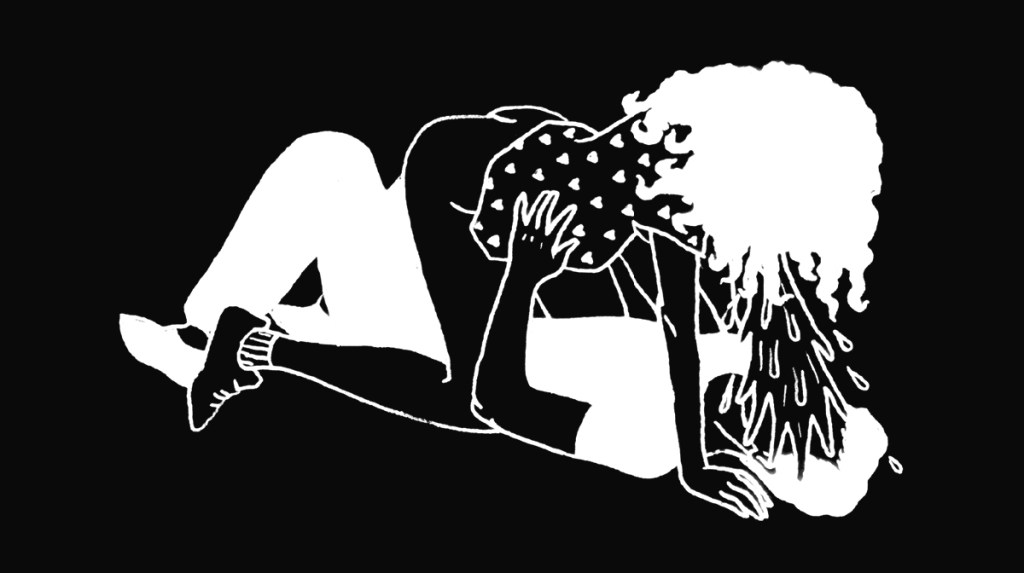
Dessin : Nils Bertho
La Masturbation
Masturbation évidente et revendiquée chez les hommes cis-genres. plus taboue voire complètement tue pour tou.x les autres.
Masturbation pour le plaisir, mais plaisir honteux.
Une question est alors centrale : comment est-il encore possible de pouvoir prendre du plaisir en se masturbant sur du contenu qui ne représente en rien qui nous sommes, ni même ce que nous véhiculons dans nos sphères publiques ? Et donc, d’une certaine manière, notre plaisir est-il encore abordable ?
Je repense à toutes les fois où, avant de connaître l’existence des pornos alternatifs, féministes et bienveillants, à l’âge où le porno se vêt du rôle de guide sexuel, j’ai été déçue, seule devant mon écran, à choisir des vidéos peu glorieuses par dépit. A tous ces visionnages qui ne m’ont pas ouverte sur le champ des possibles, qui ne m’ont pas montré des modèles de sexualités variés, d’orientations diverses auxquelles j’aurais pu m’identifier mais qui au contraire, de par leur monotonie et leurs stigmates, ont tenté de me formater aux pratiques consensuelles d’une culture hétéro-patriarcale blanche comme neige.
Par ailleurs, il est un phénomène de production d’images diminuant toujours plus la frontière entre érotisme et pornographie. Une projection/captation photographique de vulve ou de pénis n’est souvent plus pornographique, à la limite de l’érotisme, aux grands bienfaits de l’émancipation des corps et des représentations et expressions de genre, bien entendu.
Dafno Distraite ‘Dans ta gueule zine’ (2020)
Alors nous cherchons d’autres moyens, puisque la sexualisation des corps a aussi pris d’assaut toute notre culture de l’image. On tombe dans le trash, l’hyper violent, cette culture du viol perpétuelle qui fait en sorte que nos yeux y soient habitués et en redemandent toujours plus, errant d’images en images, de scènes en scènes d’une rudesse comparable à un Salô ou les 120 journées de Sodome sauce 2020 pour combler cette avarice de douceur et de romantisme.
Est-ce alors ça, une pornographie alternative ? La conséquence de tout ce ramassis de hardcore qui nous fait saigner la cornée rien que d’y penser ? Son enjeu principal serait-il de recouvrer une douceur initiale et redécouvrir les plaisirs d’un coït sans violence ? Ou est-ce justement de ramener de la réalité à ce que l’on a toujours considéré comme de la fiction pour se déculpabiliser, par exemple, d’un fantasme du viol couvé par cette culture ultra violente, mais d’une manière déjouée et peut-être plus subtile ?
En intégrant de l’art à la pornographie, nous entrons dans ce type de contenus que l’on devrait appeler post-pont, et c’est peut-être ainsi que ce texte aurait dû commencer, mais c’est là où nous en arrivons après ces cheminements de pensées balbutiants. Le post-porn, c’est très certainement Annie Sprinkle qui nous l’introduit en 1990 avec ses performances The public cervix announcment qui avaient pour but de « démystifier le corps féminin » et d’amorcer une scission entre sphère publique et sphère privée des sexualités, en invitant le public à venir ausculter l’intérieur du vagin de l’artiste à l’aide d’un spéculum (événement avec lesquels Rachele Borghi nous introduit son éminent article « Post-porn » en accès libre à la fin de ce fanzine, que je vous invite chaleureusement à dévorer).
Le post-porn nous permet de nous réapproprier nos corps et nos images, afin de transformer nos sexualités en des actions non plus privées mais publiques et politiques et d’en parler librement, sans tabou, sans honte ni gêne et surtout avec beaucoup de paillettes et d’amour.
Pour une pornographie émancipée, qui nous veut du bien et nous fait du bien !
Dans ta gueule est une publication collaborative rassemblant divers formes de participations autour des thème liés aux violences intégrées, organisant des évènements visant à créer du lien social .
Artık kültürel evrim, bilişim teknolojilerinin zehriyle baş döndürücü bir biçimde hızlanmış ve tüm insani değerlerden ve ihtiyaçlarımızdan açıkça kopmuş bir şekilde boşa dönmektedir. Sözün çürüdüğü, insanın (hayvanın ve canlılığın) metalaştığı, tüm ifade biçimlerinin gerçeklikle temaslarını yitirip, kendi kendisinin parodisine indirgendiği günümüzde, sosyal hayatın tüm alanlarında yapıcı bir altüst oluşa gereksinim var ve bu altüst oluş bizim sanatımızdır.
Hem boğulmakta olan bir gençliğin tepkisi hem de yeni bir çağın habercisi. Bizim sanatımız devrimci bir sanattır; geçmişin idealleriyle uyuşmaz, yeniliğin peşindedir. Aynı zamanda karşılaştığı direnç ölçüsünde güçlü bir yaşam iradesinin de ifadesidir ve yeni bir toplum kurma mücadelesinde öncü bir çığlıktır.
Burjuva pisliği, hayatın her alanına nüfuz etmiş durumda, hatta medyatik örgütlenmenin tiranları bizlere sanat sunma küstahlığında bile bulunuyorlar. Ama bu sanat artık hiç bir işe yaramayacak kadar bayat. Kaldırım taşları ve sokaklardaki grafitiler, insanın kendini ifade etmek için yeryüzüne geldiğini açıkça gösteriyor; artık bizleri pasif birer izleyici, ya da sosyal medya maymunu kalıbına sokarak bu ilk dirimsel gereksinimizi karşılamaktan alıkoyan medyatik iktidara karşı mücadelemiz başlamıştır.
Bizlere dayatılmış boğucu kültürün taraftarları ile karşıtları arasındaki antagonizmanın temeli işte burada sanatta yatar. Yerleşik anlamsızlık ve yalıtılmışlığı besleyen muhafazakâr toplumun (ve sanatın) krizi ancak alternatif yaşama biçimlerinin deneyimiyle, böyle bir deneyime yönelik girişimlerle aşılabilir. Bir resim, sadece renkler ve çizgilerden meydana gelen bir kompozisyon değil, aynı zamanda titreşen bir Canlılık, bir Gece Yarısı, bir İnsan, bir Şimşektir.
Devrimci sanatçılar, müdahale çağrısında bulunanlar ve gösteriyi bozmak, onu yok etmek için müdahele etmiş olanlardır. Sanat, hiçbir şey ifade etmediği körelmiş, boğucu bir atmosferin ardından, her şey demek olduğu yaşayan, canlı bir döneme adım atmak zorundadır.
Yaşasın Sokaklar ! Yaşasın Dekadans !
Erman Akçay, Eylül 2020 East Kadıköy Graphic Resistance
• • •
Zigendemonic : permanent marker on paper 31×42 cm (2020)
Evolution of Consciousness
The ways of seeing and perception in Art are various and imply vast imaginativeness and hallucination of humankind as well as reality. All opens its door to creativity, freedom, soul and mind etc. under society until Universe’s expansion become universal under minor and major entities and identities. Therefore I would say herein Retina Decadence Exhibition which is curated by Erman Akçay gathering international and Turkish artists all around world to take public attention differently on one of those vision of our times called Graphic Art. It is enigmatic, bizzare, sluggish, histeric and evilsake mixed in all and more under(upper)world which underlines/ minds/ pins the artificial being of human soul, its bizzare, absurd and discordant existance and sub-concious inbetween pain and passion meanwhile trying to find an exit through its striving illumination. This is what we should expect and except as well as include and tolarate and finally put into our mosaic of art-world in İstanbul or elsewhere in World to broaden our view of conciousness as implied by ist name Decadence is on continue in this World now and then Retina observes it by narrow and wide blinked mind and eye side from dark to light and from light to dark but in the end openness is everything in Contemporary World and its Art. Retina Decadence keeps this secret to whisper your perception by its sickness inside to be healed asif in effect of dark hole after Big-Bang occured out of scattered scene of existance.
Erkut Tokman, October 2020 Osmanağa, Kadıköy – İstanbul
• • •
Dave2000 Expo V-Flyer
R.E.T.I.N.A. D.E.C.A.D.E.N.C.E.
• • • Six Years of Löpçük Fanzine • • •
Viva la Graphic Revolution
20-25 OCTOBER
UNDERGROUND COMICS & GRAPHIC ARTS Group Exhibition +30 Contemporary Artists w/ zine release party + experimental cinema screening
Artists :
Valfret Aspératus • Daniel Azélie Bahadır Baruter • Nils Bertho Pakito Bolino • Daniel Cantrell Oktay Çakır • Uzay Çöpü Burak Dak • Robert D. Elwood Elif Varol Ergen • Rafaël Houée Daisuke Ichiba • Memo Kosemen Anne Van der Linden • Dave de Mille Miron Milic • Emre Orhun Boris Pramatarov • Luca Pravadelli James Quigley • Julien Raboteau Sam Rictus • Reinhard Scheibner Norihiro Sekitani • Roman Shcherbakov Caroline Sury • Burak Şentürk Tetsunori Tawaraya • Erkut Terliksiz Marco Toxico • Zavka Zavka Zigendemonic
• • •
Dave de Mille a.k.a. Sazalamuth ‘Les microns’ video-animation (2020)
Christian “Meeloo” Gfeller while showing the Truth of Life
“Being independent and able to decide to do whatever project we feel like is a crucial freedom. I guess it’s the most important for us. We would not want to be artists forced to produce for one or several gallerists in order to feed the market. We’ve seen that happen to people and it’s pretty sad. Our freedom is in our flexibility.”
Du langage.
La faculté du langage est la capacité de créer à l’infini des phrases et des pensées à partir d´un petit nombre d’éléments. Plus globalement, le langage est un système de communication.
Le langage, chez Gfeller+Hellsgård, a pour base sémantique le procédé d’impression sérigraphie. Ce médium que le duo s´applique à repenser, se construit et déconstruit au gré des expérimentations. Sa syntaxe se transforme lentement, elle se ramifie et se complexifie en intégrant des signes issue d´autres idiomes tels que la peinture, en toute évidence, mais aussi la reliure, le bricolage ou la poésie. Comme tout langage, il est fondamentalement arbitraire et pour survivre se doit de dépasser ses propres frontières.
Le cryptolecte graphique et plastique que pratiquent Gfeller+Hellsgård plante ses racines dans un environnement trans-national et à forte densité urbaine, Berlin en l’occurrence. C’est une langue vivante, contemporaine, qui se nourrit de minimalisme, d’abstractionisme et de culture underground.
Christian Gfeller talks about Re:Surgo! to Artzines video channel (antoine lefebvre editions) 2017
On Language.
The language faculty is the ability to create to the infinite, phrases and thoughts from of a small number of elements. More generally, the language is a communication system.
Gfeller+Hellsgård’s language founds it’s semantic basis in the silkscreen printing process. The duo commits to rethink, deconstruct and reconstruct the medium through experimentations. Its syntax is slowly changing, it branches out and becomes more complex by incorporating other languages such as painting, obviously, but also binding, DIY or poetry. Like any language, it is inherently arbitrary and to survive must go beyond its own borders. This graphic and plastic cryptolect that practices Gfeller+Hellsgård plants it’s roots in a trans-national environment of highly urban density, Berlin in this case. It is a contemporary living language, that feeds on minimalism, abstractionism and underground culture.
Another Language from Contemporary Art
to Underground Comics:
Re:Surgo!
Christian “Meeloo” Gfeller and Anna Hellsgård work as an artist duo under the Bongoût name to make prints, artist books and illustrations, often in collaboration with other notable artists. To date there are over 110 artist books printed in silkscreen under the name Bongoût. Bongoût is based in Berlin, Germany. Their artists books are in numerous prestigious museums and collections; after 17 years,Gfeller & Hellsgård closed the Bongoût chapter in 2012. And the publishing part of Bongoût was renamed Re:Surgo!, while the distribution Beuys On Sale.
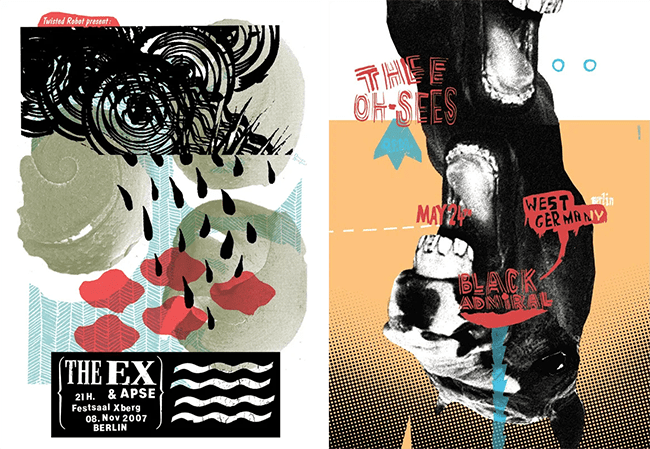
Band Posters by Re:surgo!
All of the selected work above is by Re:Surgo! which is Bongoût’s creative twin. It comprises the graphic design studio and the silkscreen atelier in which Anna Hellsgård & Christian Gfeller are creating artist books, prints and design works.
Did anyone have an impact on you and your career choice?
Christian: When I was a teenager, I had an art teacher, Isabelle, who was Antoine Bernhart’s girlfriend. She showed me a lot of artists silkscreen books and punk graphic zines. I instantly knew “this is what I want to do !”.
Anna:In terms of creativity, we try to keep our influences as open as possible. From contemporary art to underground comics, experimental films or outsider art. In the field of graphic design, we especially like Polish and Cuban posters from the 70’s – graphic designers such as like Roman Cieslewicz, Henryk Tomaszewski…
Christian: We also really like the young contemporary art scene, artists like Thomas Zipp, Sterling Ruby, Dan Colen, Urs Fisher, Andreas Hofer or Christopher Wool, to name but a few.
Did you have a specific goal to achieve in your career? Have you achieved it yet?
Being independent and able to decide to do whatever project we feel like is a crucial freedom. I guess it’s the most important for us. We would not want to be artists forced to produce for one or several gallerists in order to feed the market. We’ve seen that happen to people and it’s pretty sad. Our freedom is in our flexibility.
Band Posters by Re:surgo!
“We start off from a graphic thinking, and push the figurative elements to the edge of abstraction.”
Can you take us through the evolution of your work and style.
Christian: I started pretty punk. My first silkscreen atelier was in a huge alternative warehouse project that was hosting rehearsal spaces, recording studios and event spaces. I was publishing silkscreen hand-printed artist books in a very DIY matter. Some of my friends started a small garage punk & noise label, so I would design and print the record covers. Meanwhile we organised concerts, exhibitions, raves and parties. I was in charge of doing the design and print to advertise the events. When I met Anna in 2001, we started collaborating and eventually our work became more structured and sharp.
What is it about the process of screen print that you love? Tell us how you developed this love.
Christian: Well, each project has a different concept and we like to set up different rules. For some of the books we recycled film that was destined for the bin. We draw directly on the film with gouache or spray paint, use tape or stamps or whatever we can think of. I have even used some of my hair and glued it onto the film. For some colour layers, we partially remove the emulsion from the previous print with the high pressure water cleaner and then use it as the base for the next print.
Anna: For the improvised books, we print on leftover printed offset paper we collected at an offset print shop. Making these books is very physical work, and often we are in a trance-like creative state. We do use computers though. For example, we wouldn’t do any colour selection by hand if we could obtain the same result with a computer. We are not interested in crafty, laborious challenges for their own sake, but for some works it is crucial to do the colour separation by hand. Sharpie marks and X-acto knife traces are not simulated however, they are always real traces. Computers wouldn’t be able to render that hand-drawn feeling — they are just another tool. I believe you shouldn’t let the tool direct and dictate the process and results of your works. It is also very important for us to combine different media: hand-drawn fonts, photocopied drawings, patterns, stamps, etc.
Tell us about your workspace. Are you clean and tidy or do you like a creative mess?
It’s a tidy mess. Growing older we need a more ordered and a clean space to be creative, but it is still a working space.
Is this your first studio / shop space? How have you developed the area you work in?
The first Bongoût studio was in a warehouse in Kehl (Germany), across the Rhine. I was living in Strasbourg-France back then. On the other side of the border. When I met Anna we re-located in Bordeaux for a year and a half. We quickly moved to Berlin. In Berlin we’ve had three different locations, and we’ve been in the space on Torstrasse since early 2008.
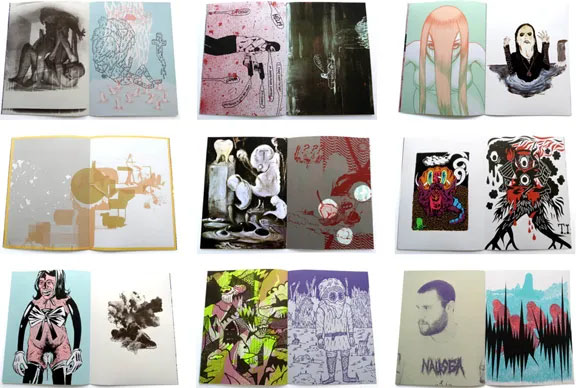
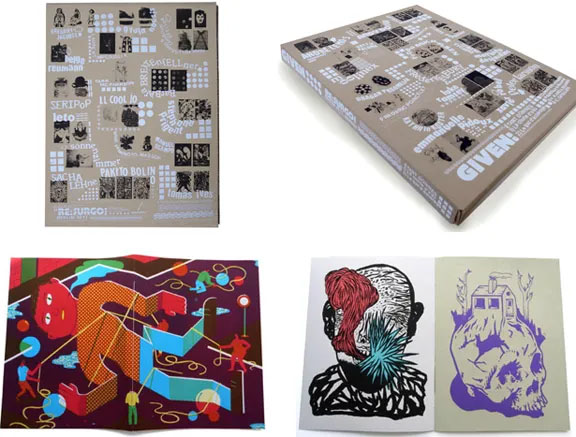
Given, 72 pages silkscreen book, 93 colours, 40 x 30 cm
How would you describe your style?
It’s not easy for us to describe, but I would we start off from a graphic thinking, and push the figurative elements to the edge of abstraction.
Have you done much collaborative work with other artists? Tell us about this process.
We have very often worked with other artists – in fact, collaborations are an essential part of our practice and inspiration. Each project defines a new set of rules and in general we have a very good chemistry with our project partners. It’s comparable to making music with different people. It creates a good balance and challenges between our different projects.
Given, 72 pages silkscreen book, 93 colours, 40 x 30 cm
What are you working on at the moment?
Christian: We just finished Given, a massive collective silkscreen book. It’s 30 x 40 cm, 72 pages, and comes in a cardboard box. We asked 35 artists (Seripop, Tara Mc Pherson, Pakito Bolino, Gregory Jacobsen, Manuel Ocampo….) to submit images and we printed the whole project this summer. We used 93 screens. Beside this, we just released 3 little silkscreen books (Helge Reumann, Leto & Franziska Schaum), are currently working on two big offset monographs: a painting book by ATAK and a photo book with Natacha Merritt.
Anna: And we just started a 7″ series in collaboration with Le Petit Mignon/Staalplaat (Berlin-based record shop and noise label). It will be a series of 7″ vinyls for which we do the artwork. For the first record, by Norwegian band MoHa!, we did a 12 -page silkscreen experimental booklet that comes with the record. We are now working on the second one, a 7″ compilation of 41 bands, with each song being 15 seconds at most. We are excited to continue working on that series!
Screen printing is having a massive resurgence since the 60’s, where do you see screen print in the next three years?
In the past five years there has been a huge resurgence of interest in hand-made things: things that cannot be duplicated or digitalised. When I started in 1995, you could really count on one hand the number of people doing hand-printed silkscreen books, especially in Europe. In the US there where just a few artist following the 60’s psychedelic rock poster path. Nowadays, I can’t even follow who is doing what. But in time, only the ones that are persevering and doing good work will stick around.
Rencontres de l’illustration : une interview de très Bongoût
A l’occasion de l’exposition “Bongoût / Re:Surgo!” et des Rencontres de l’illustration, nous avons rencontré Christian Gfeller et Anna Hellsgård, éditeurs de Bongoût (1995-2011) et Re:Surgo! (2011-…). « Bongoût / Re:Surgo! – De Strasbourg à Berlin, une histoire de l’underground graphique » marque l’entrée des archives éditoriales de fanzines et livres d’artistes édités entre 1995 et 2015 par Bongoût puis Re:Surgo!, dans la collection permanente du Centre de l’illustration de la médiathèque André Malraux de Strasbourg.
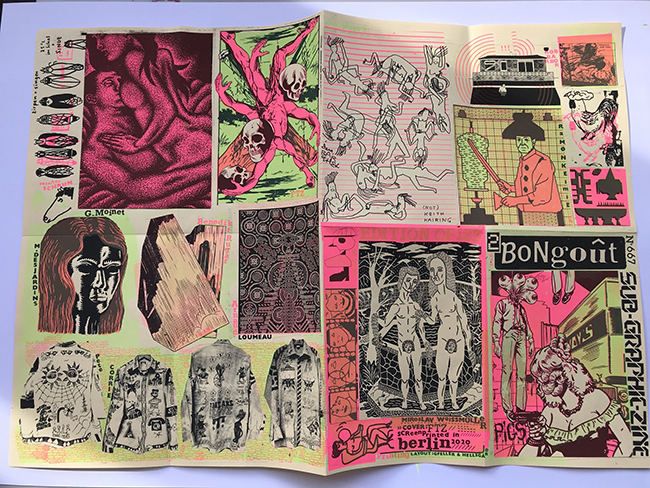
Gfeller & Hellsgård ‘Bongoût 667’ fold out poster zine (2020)
Re:Surgo! Strikes Back with a ‘Bongoût’ than Ever
Erman Akçay, İstanbul
Legendary print artists Re:Surgo! started to print some old style Bongoût grafzines again as we miss, if you want to join the adventure, you would get in contact with them via email: christian@resurgo-berlin.com. First experiment ‘Bongoût 667‘ is featuring Guillaume Moinet, Jana Barthel, Mathieu Desjardins, Arnaud Loumeau, Rob Barber, FTZ, Franziska Schaum, Raimon Keimig, Pete Corrie, Benedikt Rugar & Miroslav Weissmüller and it tastes Bongoût than ever !
Berlin-based duo Bongoût talks about applying their unique approach to screen printing to everything from wallpaper to album covers.
Latest graphic productions by Re:Surgo!
When new issues are on the way, don’t forget to visit Re:Surgo! web store for ‘Beuys on Sale’ collection also for possible screen-printed artist books, riso & graph’zines, gigposters and prints,
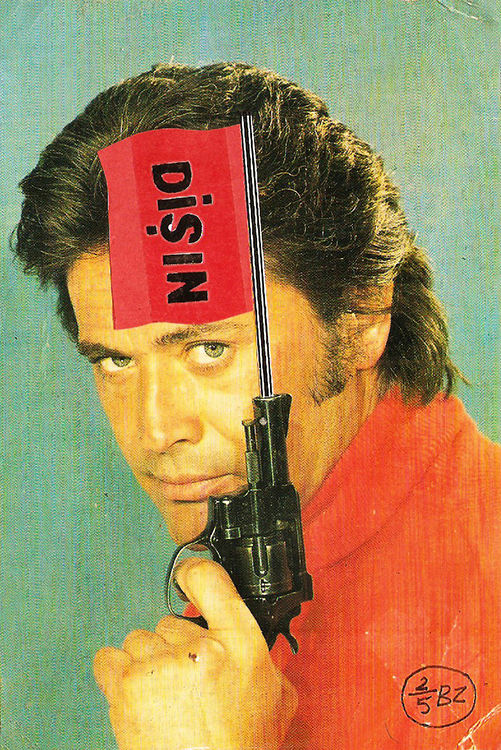
Yeşilçam’ın arka bahçesinde yürüttüğü faaliyetleri sebebiyle egzotiksiz büyüyen 2/5bz adlı gözelleştirme derneğinin, demoralize yöntemini kullanarak modern resme yansıttığı çalışması. ( 1991 – 2011 )
“ Yaptığı resmin tuvaline, yazdığı makalesine, fıkra ve şiirlerine, sanatına yansıtarak destek verenler de var. “
Bir resim yapacagiz birlikte… modern…
Saptırma yaparak, kendine göre gerekçeler uydurarak, makulleştirerek teröre destek veriyor.
Belki resim yaparak, tuvale yansıtıyor. Şiir yazarak şiirine yansıtıyor.
Doğrudan çalışmasına, yazısına, sanatına konu yaparak demoralize etmeye çalısıyor.
Terörün arkadan dolanarak, arka bahçede yürüttüğü faaliyetler – ki arka bahçe İstanbul’dur, İzmir’dir, Bursa’dır, Viyana’dır, Almanya’dır, Londra’dır, Washington’dur, her neyse…
Çağın gereği. Ne kadar sivil toplum kuruluşumuz varsa, o kadar demokratik bir ülkeyiz. vakaa bu.
Ama oraya da sızmak lazım terör açısından. sızılır, sızarsınız, sızmışlardır.
Masum dernektir, bakmışsınız güzelleştirme derneği, bakmışsınız kültür derneği, bakarsınız eğitim derneği, bakarsınız bir think tank kuruluşu.
Düşünce üretim merkezi. silahlı terör değil.
Bir başka ayağı daha var. Psikolojik terör var. Bilimsel terör var. Terörü besleyen arka bahçe var.
Bir başka ifadeyle sanatına konu yaparak… Belki resim yaparak tuvale yansıtıyor….
Bir resim yapacağız birlikte… modern…
Vicdani Cinnet Kurbanı REMAKE REMIX RIPOFF TURKISH REMAKES AND COPYCULTURE OF CINEMA
Interviewed 4.5.2013
‘hayatta muvaffak belinde oynak’
Serhat Köksal’la muhalif sanat üzerine
Osman Odabaş’ın 2012 senesinden hazırladığı “1990 Sonrası Türkiye’de Çağdaş Sanatta Politik Görüntü ve Eleştiri” başlıklı doktora tezinden alıntıdır :
Türkiye’de eleştirel/ muhalif bir kültür yapılanması var mı? Yoksa bu bir avuç insanın çabalamasından mı ibaret?
Serhat Köksal: Öncelikle, “eleştirelliğin biçimi ve boyutu bu kadar önemli midirden başlayayım. “Eleştirel/ muhalif kültür yapılanması” ile “bir avuç insanın çabalaması” birbirinin ikâmesi, önkoşulu yahut zıttı mıdır? Eğer “bir avuç insanın çabalaması”nın “eleştirel/ muhalif kültür yapılanması”nın önkoşulu yahut gerekliliği olduğu düşünülüyorsa, buna pek katılmadığımı söylemeliyim. Aynı şekilde, “yapılanma”nın sürdürülebilir olma gerekliliği bulunduğunu da düşünmüyorum -bu, süreksiz, pekâlâ bir avuç muhalif insanı oluşturabilecek bir “yapılanma” da olabilir. Mesela, 2010’da Berlin’de bir sirk çadırında gerçekleştirdiğimiz ve “Urban Jealousy / Kentsel Kıskançlık” başlıklı bağımsız Gezici Tahran Bienali’nin performans sanatçılarından bir kısmının katıldığı bir program olan “Urban Lousy / Kent Berbat”ın çağrı metninde de dediğimiz gibi, bu, zaman zaman birleşip, zaman zaman dağılan bir “yapılanma”dır. Kendiliğinden, zaman zaman birleşip zaman zaman dağılma hali, “yapılanma”nın dönüşebileceği kurumsallaşma ve dolayısıyla evcilleşme tehlikesinin de bertaraf edilmesine yarar. Fakat, elbette, bu kastettiğim muhalefet etmenin tek biçimi yahut kuralı da değildir. Bana kalırsa, muhalif kültür geleneği ve bunun nasıl manipüle edildiği / unutulduğu/ unutturulduğu, muhalif/ eleştirel tavrın nasıl bir biçimde olduğundan, nasıl bir biçim alacağından daha önemli bir nokta. Bu coğrafyada, halktan yana, kurulu düzene, muktedirlere karşı olmanın, bu muhalefeti mizah da dahil çeşitli araçlarla hayata geçirmenin bir izi var. Bu iz, yine muktedirler tarafından manipüle edilen, unutturulan bir iz. Mesela, karşımıza iktidarın maskotu, milliyetçi kahraman, köyün şaklabanı, hatta yoğurt markası olarak çıkabilen Nasreddin Hoca, aslında halktan yana, mizahı kullanarak iktidara karşı duran bir muhalif. Ayrıca, öyle görünüyor ki, bu coğrafyada çeşitli yerlerde, farklı zamanlarda, baskıya karşı ortaya çıkan ve Hoca’ya atıfla anlatılan fıkraların bahsettiğim “kendiliğinden toplanıp dağılan muhalefet etme biçimi” ile de ilişkisi var. Bu izi takip etmek, bu tecrübeyi bilmek ise, her şeyden önce, her şeyi yeniden deşifre etmekle, keşfetmekle vakit kaybetmenin ve muktedirlerin yemlerini yutmanın önüne geçiyor -ki, baskının arttığı ve dolayısıyla bu yemleri yutmamanın çok daha önemli olduğu bir dönemden geçiyoruz.
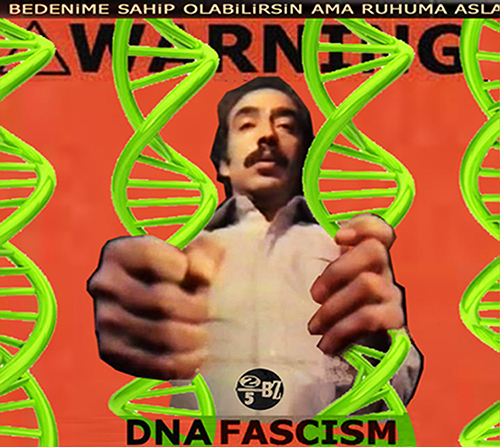
Serhat Köksal ‘DNA Fascism’ grafik müdahele
Başka bir kültür, dünya, sistem istemek ve iktidar odaklı, otoriter yaptırımlara muhalif durmak neyi gerektiriyor?
Muktedirlerin attığı yemlere karşı tetikte durmayı gerektiriyor ve elbette cesur olmayı… Muktedirlerin attığı yemlere karşı tetikte durmakta, yukarıda bahsettiğini muhalefet çabasından, bu izlerin bilgi ve tecrübesinden beslenmenin ve bu çabanın nasıl manipüle edildiği, unutturulduğu üzerine kafa yormanın önemli olduğunu düşünüyorum. Bu çabanın muktedirlerin çıkarlarına göre yeniden imâl edildiği, muhalefetin piyasaya ancak tehlikesizce yahut tehlike geçince verildiği bir ortamdayız. Üstüne üstlük, devamlı kabuk değiştiren baskı, giderek ağırlaşan bir şekilde, mesela, iyiliksever parıltılarla donatılmış gözyaşları, vicdan bombaları olarak üzerimize gelmeye devam ediyor. Bu da bir dönemeçtir. Bu dönemeçte. Aziz Nesin’in “Bu bir dönüm noktasıdır. Bir dönemeçten geçiyoruz. Bu dönemeçte kişilikler zayıflar ve kişiliksizleşirler” cümlesi de aklıma gelmiyor değil. Dikkatli olalım ve yemleri yutmayalım derken de, aslında neye ihtiyacımız olduğunu yeniden gözden geçirmek, hep “daha fazla’sını istemekten vazgeçmek, vazgeçerken de, yapıcı olma zorunluluğunu bir yana bırakıp yıkımı da göze alma cesaretini göstermek lâzım diye düşünüyorum.
Senin yaptıklarına, Foucault’nun parrhesia kavramı, yani sanat aracılığıyla iktidara, güç odaklarına doğrudan hakikati, görmek istemediklerini göstermek, gerçeği dile getirmek ve “toplumsal muhalefette bağımsız bir ses olmak” diyebilir miyiz?
Bunu bu kavramlarla değil de daha yalın kelimelerle yapsak daha iyi, Bu ağır akademik referanslarla süslü kavramsallaştırmaların insana hem vakit kaybettiren hem de insanın zihnini başka iktidar biçimlerine bağlayan bir tarafı var. Muhalefeti seçkin bir akademik dil, seçkin bir referans çerçevesi peşine düşmeden, basit bir dille yapmak daha doğru. Çoğu zaman bu akademik dil ve bu akademik dilin bir üst referans çerçevesi olarak üretilmesi, bahsettiğim muhalefet geleneğinin manipülasyonundan / unutturulmasından, bu muhalefet geleneğinin bıraktığı izin üstünün örtülmesinden çok da farklı değil. Meselenin özünü kaçırıp biçimin ve şık göndermelerin peşine düşen, bunu da muhalefet etme adına yapan, okulun rendesinden parası ve vakti çalınarak geçmiş, aklı karışık okumuş cahillerden olmamak lâzım.
Kendi İşlerini politika ve sanat ilişkisi üzerinden nasıl değerlendiriyorsun?
Politika ile sanat arasında ilişkiler tarif etmenin, iktidarı ve politikayı teorize et et bitmeyen bir şeye dönüştürmek, daha da fenası, bunun üzerinden en muhalif zeminlerde dahi, orada duymayı beklemeyeceğiniz bir iktidar dili üretmek ve bunun içinden, insanların zihinlerini ve eylemliliklerini kapatmaya çalışmak gibi bir riski var zannediyorum. Böyle olunca da, akademik boğuntunun demin bahsettiğim sorunları dışında, iktidarın dilinden, sanatı politikanın taşeronu yahut şık duran vitrinine dönüştürme gibi bir sorun ortaya çıkıyor. Nitekim, bu bir yanıyla, tam olarak neyi eleştirdiği belli olmayan bir dil yaratırken, diğer yanda da asıl eleştirilmesi gereken şeyi bir hokus-pokus ile gözden kaybediveriyor. Bol bol eleştiri yapılıyor da, mesela, bunun ekonomik zemini gözden kaybediliveriyor.
Bunu da görmek gerekiyor. Bu iki itirazın birbirini beslemesi bana çok daha doğru ve beklenmedik gelişmelere açık geliyor Bu çerçevede, itirazımı, kendi dilim içinde, çeşitli araçlar kullanarak söylemeye gayret ediyorum, içinde yaşadığımız, iktidarın baskısını çeşitli araçlarla artırdığı bu dönemde, iktidarın, akademik boğuntuların da dahil olduğu yemlerine karşı geliştirilecek itirazın bazen “kör gözüme parmak’’ açıklığında olması gerektiğini düşünüyorum. Bu türden bir muhalefet tehlikesiz bir iş değil, iktidar canını yakacak ve devşiremediği türden muhalefeti ortadan kaldırmaya yönelik olarak çok ağır bedeller ödetmek için elinden geleni yapıyor.
Yahut ekonomik zeminden kaynaklanan itiraz, kendine-sivil bir toplumculuk içinde eritiliyor. Muhalefet, kerameti kendinden menkul bir üst-dil içerisinde, iktidarın işine yarayacak şekilde sulandırılıyor. Mesela, 1 Mayıs için dahi, “keşke işveren örgütleri de burada olsa’’ yahut “Türkiye’nin bütün renkleri burada” dangalaklığının etkisi altında kalmak ve mesela, “seneye de tek konuşmayı eski bir işçi lideri olarak Başbakan yapsın” gibi bir hezeyan içine girmek mümkün. At izi, fena halde it izine karışıyor. Bu türden bir karışıklığa, en basit gerçeklerin dahi görülmemesine yahut çarpıtılmasına karşı da, Aziz Nesin’in büyük bir heyecanla “bunları görmemek için insanın toplumsal gözünün kör olması lâzım” deyişi aklıma geliyor. Zaman zaman cinnete de dönüşebilen bir itiraz / muhalefet / eleştiri hali, sadece yemleri, tuzakları bol zihinsel çerçevelerden beslenmiyor, bunun hayatta somut ve ağır koşullardan kaynaklanan bir karşılığı var
Sanat ve eleştiri üzerinden kendini tanımlarken, yakın hissettiğin bir ideolojiden bahsetmek mümkün mü? Sitüaşyonistler gibi sanat yapıtı fikrine de karşı mısın mesela? Yani, politikanın estetize edilip sanat yapıtı olarak öne sürülmesindense, sanatı alternatif bir politika üretmek için bir aracı, bir araç mı görüyorsun?
Sanat yapıtı bu kadar tanımlı, belirli bir şey olmamalıdır -yani, ne“politikanın estetize edilip sanat yapıtı olarak öne sürülmesi” ne de “sanatı alternatif bir politika üretmek için araç / aracı olarak kullanmak”gibi kesin ve keskin ayrımlar doğru. Sanat yapıtı denilen şey tamamen “tanımlanamazlık” etrafından inşa edilmelidir demek istemiyorum, ama bir o kadar da belirsiz, tanımlanamayan bir tarafı, duygusu vardır bence. Ayrıca, sanat yapıtını katı bir çerçevede tanımlayıp sanatçıyı bir sanat yahut düşünce akımına yamayarak yaptığımız işi, “reklam”ı teorisyenler, küratörler, sanat eleştirmenleri eliyle yapılan, “ambalaj değeri” belli, piyasada gideri olan “mal’a yahut halihazırda patenti alınmış bir “mal”ın Türkiye bayiliğine dönüştürme fikri çok rahatsız edici.
Sitüasyonizmle macerama gelince, seneler önce, Türkiye’de ilk defa Sitüasyonizm özel sayısı yapan bir sanat dergisi benden iki sayfa istemişti. Hazırlayıp teslim ettim, ama işi yeterince Sitüasyonist bulmamışlar olacak ki, sümenaltı ettiler. Ben de böylelikle Sitüasyonizme yamanmaktan son dakikada kurtuldum.
Güncel sanat kurumsallaşma altında zoraki bir politik tavır sergiliyor, eleştirinin hakikati değil de, kurumlar tarafından öne sürülen simülasyonuyla yüz yüzeyiz gibi. Senin yaptığın işler ve yer aldığın projeler bunun tam karşısında duruyor, bunu nasıl icra ediyorsun?
Bu işleri / projeleri yapmayı bilmek ve istemek, ısrarcı olmak ve yaptığın işe inanmak gerekiyor. Yine de, yaşama koşullarından dolayı istediğini hayata geçiremeyebiliyorsun. Şanslıydım ki, ‘90’larm başlarından beri ürettiklerimi birtakım kurumlara ait sergi salonu yahut onun türevi “al gülüm ver gülüm art camialarına” muhtaç olmadan insanlara ulaştırabildim. Üretilen demo kasetler, posterler, dergiler arkadaşlarımın dükkânları vasıtasıyla ve posta yoluyla insanlara ulaştı, Türkiye’deki ve dünyadaki meraklıları, bu işleri bu şekilde elde etti. Sözünü her şeye rağmen ve samimiyetle, bağımsız bir şekilde söylemek isteyen sanatçılarla yapılan grup projelerinin de önemli olduğunu düşünüyorum. Dünyadan 650 sanatçının katıldığı, İstanbul, Berlin ve Belgrad’da konaklayan ve o şehirlerdeki arkadaşlarımızın desteğiyle bağımsız ortamlarda gerçekleşen Gezici Tahran Bienali de böyle bir deneyimdi. Zübük dergisinde 1962’de yayınlanan bir reklamda dalga geçildiği gibi, “hayatta muvaffak, belinde oynak!” olmayan, gerçek, samimi, gözükara bir muhalefete ve bu türden muhalefeti dile getiren sanatçıya, bugünün ağırlaşan koşullarında çok ihtiyaç var. Dolayısıyla, yine aynı reklamda yazıldığı gibi, “Hocasız olarak iki ayda belinizi 120 derecelik demokratik biçime sokabilirsiniz” isteğinin yakınından geçmeden, çok büyük sonuçlar beklemeden, bireysel yahut kolektif olarak, herkesin gücü, sınırları, çapı dahilinde ve bunları zorlayarak, sözünü bağımsız bir şekilde söylemeye devam etmesi gerektiğini düşünüyorum.
Bugün bienaller Türkiye’de güncel/ çağdaş sanat piyasasının temel dinamiklerini oluşturuyor. “En politik bienal bu”, “en eleştirel sergi bizimki” gibi söylemler medyada sık sık yer alıyor. Dünyada yeniden yükselen politik, eleştirel, muhalif duruşlar, toplumsal değişimler üzerine yeni bir kültür endüstrisi inşa ediliyor. Eleştiri, merkezi bir otorite tarafından tanımlanarak piyasaya sürülüyor. Bu konu hakkında fikirlerin nedir?
Kültür ve sanat kurumları bu sürecin ve küreselleşen sanat piyasasının kapı bekçiliğini yapıyor. Yani, sanatçının samimi eleştirisini olumluyormuş gibi görünerek sistemin dilini başka bir noktadan yeniden üretiyor. Böylece, doğrudan sansür yerine, daha dolaylı bir mekanizma işletilmiş oluyor -sanatçının eleştirisi, kurumun bakış açısı içinde zararsızlaştırılıyor, sanatçının dili ehlileştiriliyor. Bunun içinde, sanatçının eleştirisinin normalleştirilmesi de var, sanatçının işinin küresel bir pazarda satışa uygun egzotik mal haline getirilmesi de.
“Direnistanbul” kapsamındaki, Siemens’teki ya da 2/5bz projelerindeki İşlerin kurumsal bir himaye sisteminin içine girmeden, onun dışında durarak geliştirilen eleştirel tutuma örnek. Yaptığın o işleri sen nasıl tanımlıyorsun?
Bu eleştirel tutumu sürdürmenin ve kurumların cevabının hayattaki karşılıkları üzerinde durmak gerekiyor. Demin söylediğim gibi, kültür ve sanat kuramlarının işi doğrudan sansüre vardırmadan içeriği ve dili normalleştirmek / ehlileştirmek gibi bir işlevi var. Fakat, gayet nötr bir dille, isim vermeden, teorik yapılabilecek bir eleştiriyi, sorunun asli olabilecek unsurlarını, can alıcı noktalarını “kör gözüme parmak” yaptığında, sistemin “demokratik” ve “çoksesli” kurumlarının gerçek yüzü ortaya çıkıyor. Mesela, 2009’daki Beğenal projesi için, birçok gazete ve televizyon röportaj istediğinde, demeçlerimiz yerine işlerimiz, örneğin, yaptığımız poster görünsün istemiştik. Röportaj için peşimizde koşanlar bu isteğimi önce onayladılar, sonra “başka bir anlam yüklü kurum logolarını, isimlerini gösteremiyoruz, çünkü üstlerimiz bizi işten atmakla tehdit etti” noktasına gelindi. Yahut, bir kurum hedef alındığında, o kurumun medyada köşe kapmış sözcülerinin saldırılarına maruz kalındı. Fakat, Beğenal’e ve 2009’a gelmeden de enerji boru hatlarının kültürel diyalog zorlamalarıyla ilişkisi, uluslararası sermayenin köprü kurmayla ilgisi ve büyük sanat etkinlikleriyle bağlantısı, şehirlerin markalaştırılma çabaları üzerine, uzun süredir çeşitli ülkelerde performanslar yapıyorum. İstanbul’da da, Direnistanbul’dan önce, Gözel Geceler kapsamında böyle etkinlikler düzenliyordum. Mesela, 2007’deki “Bugün Bienal ve 2010 için Ne Yaptın” böyle bir etkinlikti. “Bienalleri niye sadece Kültür Bakanlıkları, büyük sanat vakıfları veya modern çağdaş holdingler yapar” sorusuna cevapla 2008’de gerçekleştirilen Gezici Tahran Bienali de bu kapsamda sayılabilir. 2009‘daki IMF-Dünya Bankası toplantılarından önce de, neoliberal dönüşüme ve bu dönüşümün cici vitrini olarak aynı döneme denk gelen Bienal’e dikkat çekmek için Beğenal’i gerçekleştirdik. Hatırlanırsa, açılışı 12 Eylül’e denk getirilen 2009’daki Bienal ve etrafındaki tartışmalar, emek üzerindeki baskıyı bir tarafa bırakarak, “12 Eylül ile hesaplaşıyoruz” diyen ne idüğü belirsiz bir “demokratikleşme’yi yahut kendine-sivilliği her şeyin çaresi olarak gören bir zihniyetin de doğuşu gibiydi. Bu zihniyet 2010’da “Yetmez ama Evet” şiarıyla karşımıza geldi ve zihin bulandırmanın, zemin kaydırmanın neredeyse etiketi oldu. Buradan hareketle, asıl dokunulması gereken bir başka nokta da, sistemin ve sistemin kuramlarının ürettiği, henüz kurumsallaşmamış yapılar ve bu yapılar eliyle dolaşıma sokulan gayrı-aklî /gayrı-ahlâkî düşünme biçimleri. Bu düşünme biçimleri, tartışma götürmeyecek şekilde ahlâklı ve akılcı olarak sunuluyor ve insanların düşünme biçimlerini devşirerek, GDO’lu ürünler gibi mutasyona uğratıyor. En alternatif alandan anaakım medyaya kadar “sızan” / “sızdırılan” ve benim “libertür kafası” dediğim düşünme biçimi de bu.
Serhat Köksal ‘Siemens Savaş Aletleri’ afiş uygulama, 2005
Siemens Sanat Galerisindeki tank işini ve sergide olanları anlatabilir misin?
25 Ocak 2005’te Siemens Sanat Galerisi’nde sergi kapsamında bir sunuş yapmak için davet alıyorum, Ön konuşmada sergiye galerinin duvarlarına posterimi yapıştırarak katılacağımı beyan ediyorum. Sunuş bu posterle sınırlı değil, ayrıca bir saat boyunca çeşitli videolarım gösteriliyor ve sunuş günü, hazırladığım bu özel posterin sekiz- dokuz tanesini Simens Sanat Galerisinin duvarlarına yapıştırıyorum. Posterin başlığı “Siemens Savaş Aletleri Sergisi”, Leopard tanklarını ve ayrıca bunların elektronik düzeneğini üreten Siemens’ın dijital kültür içindeki yerini göstermeye çalışan posterde Leopar tankı Fındıklı Simens Sanat Galerisinin önünde duruyor. Bana göre, böyle bir sunuş Siemens’in kendisi tarafından bile gelecek vakitlerde yapılabilecektir, “bakın biz ne kadar açığız” mantığıyla. Oraya gelen kitleyle bir kaynaşmamız oluyor. Bu yaptığım posteri isteyenlerle, web sitemi alıp kontaktta kalmak isteyen yeni insanlarla tanışıyorum. Ama sunuş sonunda çok ilginç bir tepkiyle karşılaşıyorum. Küratör arkadaş diyor ki: “Galerinin müdürü yaptığın poster nedeniyle zor durumda. Posteri ve galerinin içinde bu posterle ilgili çektiğin videoyu hiçbir yerde yayınlayamazsın. Siemens’in adının kapatılması lâzım. Adam işten atılacak. Çok şeker bir adam, iki çocuğu var…” Acı ve komik bir tepki. Halbuki, serginin katoloğunda ve dvd’sinde yer alması için hazırlamıştım o posteri. Hatta, olayın ilk dakikalarında serginin yardımcı küratörü de posterleri video kamerasına çekmişti, kendi dvd katalogları için. Üzülüyorum, küratör benim işimi destekleyeceğine olayı kapatmaya çalışıyor. Ben de en sonunda rüşvet olarak Leopar tankı istiyorum onlardan…
Erkut Tokman ‘Biz Sokakta Mıyız?’ müdahale, Eylül 2020, Kadıköy İstanbul
Barbarları Beklerken Sanat Kolektifi’nden güncel müdahale pratiklerine katkı…
Biz Sokakta Mıyız, sanatın sokakla ilişkisine eleştirel bir bakıştır. Katılımcılar, sokakla birlikte kendi beden ve zihinlerine aynı soruyu soruyor: Biz Sokakta Mıyız?
“Biz Sokakta Mıyız?” içsel bir çağrışım. Sokağın içinden ayrılmış bir yol, patika, evrenin anında bir kilit. Sokağın temel normlarına ters politik bir noktadan bakmak istedik. Sokak konuşuluyor, sokak eleştiriliyor, sokak zihinde yaşıyor. Peki, biz hangi sokaktayız? Kavramlar yaşamın dinamikleridir. Yozlaşan dünyanın, sanal profil kredilerinin çapraz ateşe tutulduğu bir dünya istiyoruz. Zaman ve mekân algısının yerleşik düzeylerde seyrettiği bir panoramada sorular güncel ve etkindir. Sanat bu etkin anı yüceltmek yerine sorularla sorgulamalıdır. İnsanların konfor anını, sanatla ilgilenenlerin sözcüklerini konfor düzeyinden kurtarmak için sorduk, dünya ve sokak sadece zihinde kalmasın diye sorduk: Biz Sokakta Mıyız?
Barbarları Beklerken
Sanat Kolektifi
İletişim: barbarlaribeklerken@gmail.com
Erkut Tokman ‘Biz Sokakta Mıyız?’ müdahale, Eylül 2020, Kadıköy İstanbul
Katkı Sunanlar: Ferit Sürmeli Dolunay Aker Erkan Karakiraz Erkut Tokman Aykut Akgül Mehmet Çiçek Aydın Zeyfeoğlu Görkem Özçelik Mustafa Erden Kahveci Arif Kuzuluk Erman Akçay Dilay Kababıyık Soner İflazoğlu Ali Erdal Uğur Sözal
Sevda Kaçtı ‘Biz Sokakta Mıyız?’ müdahale, Eylül 2020
Not: “Biz Sokakta Mıyız?” sonsuz devam edecek bir müdahaledir. Başlangıç amacıyla koyduğumuz ileti tarihi artık ortadan kalkmıştır. Siz de “Biz Sokakta Mıyız?” pankartlarıyla çekilmiş fotoğraflarınızı bize iletebilir yahut kendi mecralarınızda #bizsokaktamıyız #barbarlarıbeklerkensanatkolektifi hashtangleriyle paylaşabilirsiniz.
“It wouldn’t take a bit of a jerk to realize that there are no large publishing projects in Bolivia that can allow authors to live off their publications, this speaking on the literary theme, imagine what is the situation in the graphic narrative realm”
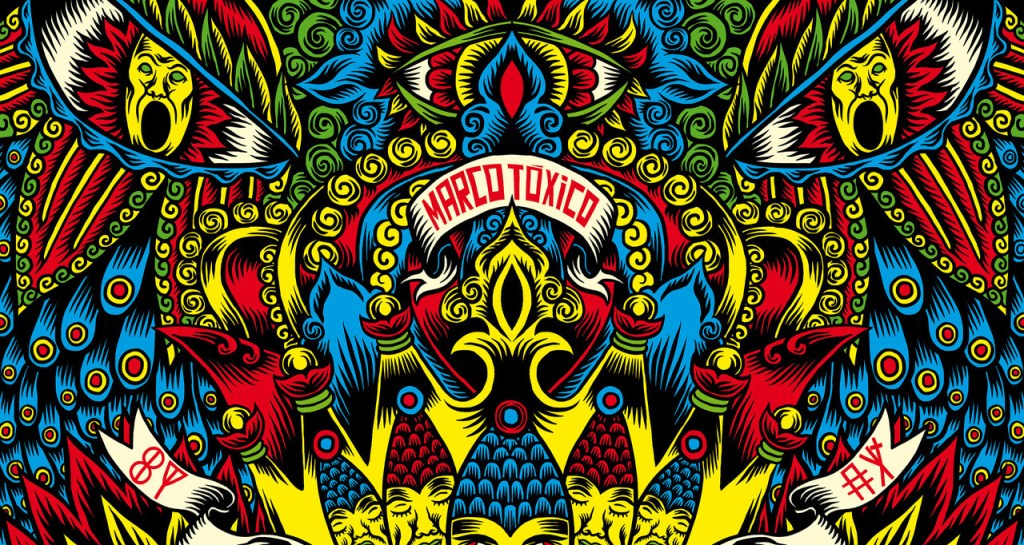
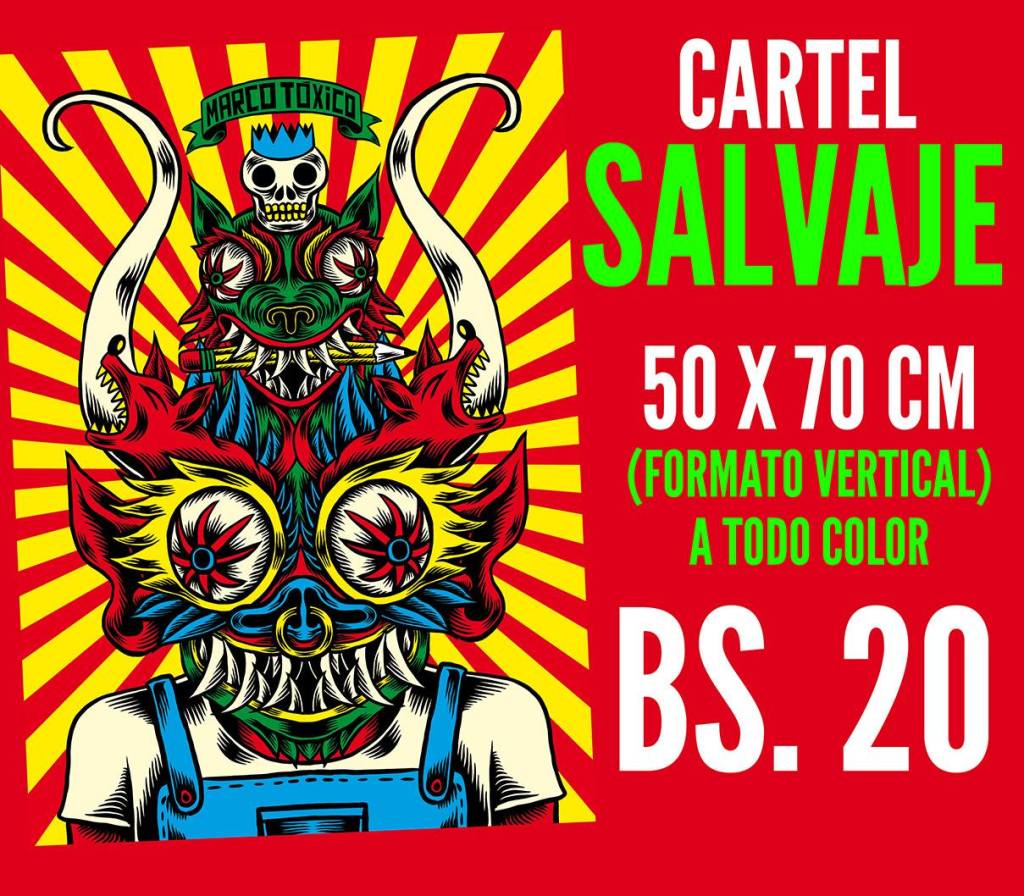
Engraver, cartoonist and illustrator Marco Toxico, born in the city of La Paz (Bolivia) in the early 1980s, studied graphic design and attended to the art department at the Universidad Mayor de San Andres. Feeling totally alien to the paradigms of Fine Arts, Marco frees himself from the weight in 2005. Together with Rafaela Rada, he begins to publish ‘Trazo Toxico’ and gets involved in different editorial projects, as well as developing illustration works and posters for different events around the world. Marco Toxico is convinced of the power of independent publishing. In areas with a low reading culture and almost no institutional support, self-production is the option to develop. Marco has affirmed, in different interviews, the need for a self-editing circuit is fundamental: it not only guarantees control of the material by the artist, but also creative freedom and distribution and an effective education process through printed material. “It wouldn’t take a bit of a jerk to realize that there are no large publishing projects in Bolivia that can allow authors to live off their publications, this speaking on the literary theme, imagine what is the situation in the graphic narrative realm” he declared for “The Duty” (May, 2017)
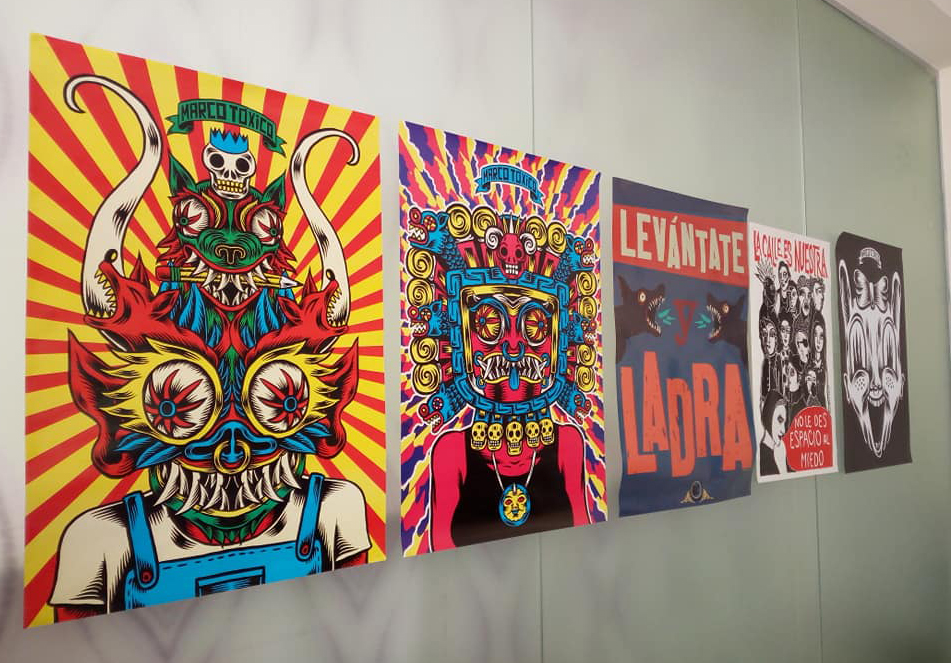
Marco Tóxico, poster series (2018)
Ilustrador Marco “Tóxico” Guzaman
Marco Tóxico
Contact for posters, stickers, t-shirts and fanzines
Marco Tóxico, Ilustración para la ultima Fierro, 2017
When we come to the psychedelic approach in Marco‘s work, many visual and historical references are significant. Marco Toxico‘s work is characterized by the presence of anthropomorphic figures that inhabit areas only accessible through either in a dream experience or an altered mind state. The cartoonists of the legendary American ‘Raw’ magazine or Roland Topor‘s irresistible visual allegories are close to the artist’s approach, as well as the infinite publication of superhero comics, TV cartoons and the off-set palettes of the legendary Novaro / Epucol magazines that educated all the kids of central and south America from the 60s through the 80s. Marco Toxico‘s work has been exhibited in Argentina, Brazil, Bolivia, Colombia, USA, France, Hong Kong, Iran, Mexico, among other countries. His work as editor and author has also participated in numerous festivals both in Latin America and in Europe. Through editions La Natita has published ‘Esteril’ (anthology) 2014, ‘Cobarde’, 2015, ‘Fragil’, 2016, and ‘Traidor’, (anthology), 2017.
What do you know about the Czech Republic? Probably not too much, so here are few geopolitical facts: it is situated in the middle of Europe, with 10 million inhabitants; it originated in 1993 (before, it was part of Czechoslovakia, which split into 2 separate states). There is 1 city with a population over 1 million (Prague), and a few cities with a population of several hundred thousand people (Brno, Ostrava, Plzeň)…). From 1948 ’til 1989, the nation lived under the iron fist of a socalled “Communist” regime that turned the state into one big concentration camp. After some years of a rightwing “economy at any cost” government recently came an equally arrogant social democratic (left) government. The country is currently suffering a recession caused in part by widespread corruption in government and business. Enough for a beginning? I hope so.
Filip / Insane Society Recs. 1999
Czech Scene Report, Insane Society Recs. 1999
Although there were some alternative activities before 1989 as well, they were only marginal and weak, because of the ruling regime’s repression. From November 1989 onwards, we can speak of the rise of anarchist, ecological, animalrights and similar movements and of course also of hardcore and punk music.
The anarchist movement’s activities began mainly in Prague, but they slowly reached other towns as well. C.A.S. (the Czech Anarchist Association), which was formed shortly before the November “revolution”, has organised several demonstrations in Prague, mostly against racism (after 1989, there was a boom of the naziskinheads movement over here), but also against the National Exposition, which cost a lot of money and was surrounded with financial machinations. Some of these demonstrations led to violent conflicts with Nazis and the police, who were of course on their side. The Nazi skinheads started to be a real threat directly after 1989; their popularity was constantly rising; in line with the nation’s general hidden racism and intolerant mentality (especially against the biggest ethnic minority here Gypsies). Also, the most popular skinhead band, “Orlik”, hit the music charts and they easily managed to sell more than 100.000 records. Lately they were replaced by more outspoken and more “hardcore” types of nazi bands, who weren’t so wellknown, but still had an influence on young Nazis. In spring ’90, there was a flood of racist attacks on Gypsies, blacks, etc., in Prague and in the northwestern part of the country. These were the first victims of the new Czech fascism, and the number of such attacks is higher every year. Anarchists were the first ones who took a stand against Nazis, back in these times, when police, the media, and politicians absolutely ignored the problem. It took them 7 years and more than 25 murders to make them realise it and do something about it (the turning point was the murder of a Sudanese student in Prague in autumn ’97, though the passivity of the police towards Nazis’ actions is still relatively high in some areas).
Back at the beginning of the 90’s, the anarchist movement was based mostly around the magazine A-KONTRA, which was issued more or less regularly, with a print run of several thousand copies, and was distributed throughout the country. It stopped publishing after several disputes in the editorial collective in ’95, but there are now some hopes of resurrecting it. A-KONTRA faced several state repressions and one of their editors was even charged for attempted murder of the leader of the Czech Communist Party the police lied that he had confessed to it, but later he was found innocent and the police had to apologize to him and to pay damages. AUTONOMIE was another magazine, founded in’93, and later the people around it formed the A.F. (Anarchist Federation), which had several branches, but didn’t last very long. AUTONOMIE stopped publishing in 96.
Czech Scene Report, Insane Society Recs. 1999
In 1995, the C.S.A.F. (CzechSlovak Anarchist Federation) was founded, and began publishing SVOBODNA MYSL (“Free Mind”) magazine. After a dispute in ’97, the C.S.A.F. continued under this name, but some of the former members left it and formed the Federation Of Social Anarchists (F.S.A.), with their own magazine called SVOBODNA PRACE (“Free Labour”). SVOBODNA MYSL changed its name to EXISTENCE, which is now the new magazine of C.S.A.F. The reason for the dispute was the typical conflict in anarchist movements everywhere the conflict between the “true anarchist”, promoting class war and anarchosyndicalist approach, here represented by F.S.A., versus the approach of the more “autonomous” anarchists, less ideological, more open to other alternative movements (mostly squatting and ecological activities), represented by C.S.A.F. Both organisations are based in Prague, but they have several branches around the country. Besides publishing their quarterly magazines, they organise different actions and demonstrations F.S.A., who is a member of the International Workers Association, has organized demonstrations against unemployment and syndicalist propagation work among workers, while C.S.A.F. has set up solidarity demos/street theatres for the Zapatistas, and antifascist demonstrations and has participated in some squatting activities.
KONFONTACE is a new magazine in newspaper format published by former editors of AUTONOMIE. It comes out every 2 months and manages to get the attention of “normal” people outside the anarchist ghetto. It’s quite radical and in it you can find wellwritten articles on police repression, the media, elections, etc.
Besides C.S.A.F. and F.S.A., there is another active anarchist group, called AKTIVITA CABARET VOLTAIRE, an informal anarchopunk group, based in the northwestern part of the Republic. They publish ‘zines, do distribution, organise and participate in different actions, and do a lot of support activities for the anarchist movement (such as money collections, etc.). You can get more precise information on all of these anarchist organisations directly from them contact information is at the end of this scene report.
Czech Scene Report, Insane Society Recs. 1999
Squatting:
Although the first squatting attempts took place already at the very beginning of the 90’s, the first relatively longterm and successful squat started in March 1992 the SOCHORKA squat in Prague on pplk. Sochora street 28. It was a typical apartment house, squatted by the anarchists around A-KONTRA magazine.
Despite an attack of cca 150 Nazi skinheads in December ’92 and a subsequent police eviction, it was resquatted shortly after eviction and managed to exist until September 97. The inhabitants left it after an agreement with the local council that they will get a new place for their activities (they got the new place in the end, but it’s in very bad condition now; there are plans to do something like a “Free University” there). The SOCHORKA squat was the centre of anarchist activities for a long time; it was the home of the A-KONTRA editorial staff and printing press and also contained a small gig place in the basement.
Czech Scene Report, Insane Society Recs. 1999
LADRONKA: the most famous Czech squat last year it celebrated 5 years of existence. This old fortress from the 17th century, situated in the Prague suburbs, was squatted in August ’93 by people related to AUTONOMIE. LADRONKA faced eviction several times, but after massive protests and demonstrations, the city gave up the idea of selling it to real estate speculators, and now there haven’t been any eviction threats for a long time. The squat has hosted a large number of gigs, exhibitions, rave parties etc. and is a very important place for the Czech autonomous movement. The adress is Tomanova street 1, in the Brevnov quarter, and the building is situated in the middle of a park. Some of the recent gigs included Varukers, Detestation, Cripple Bastards, Hellkrusher etc.
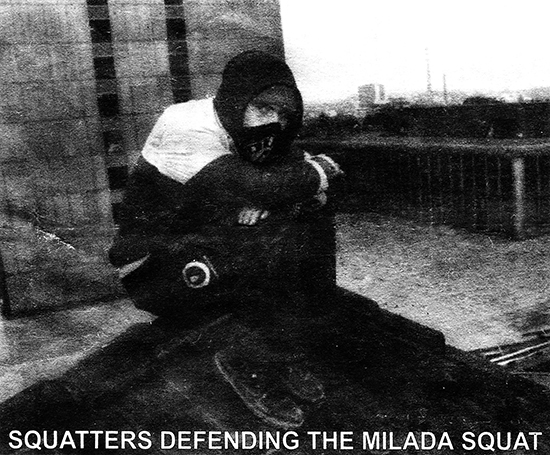
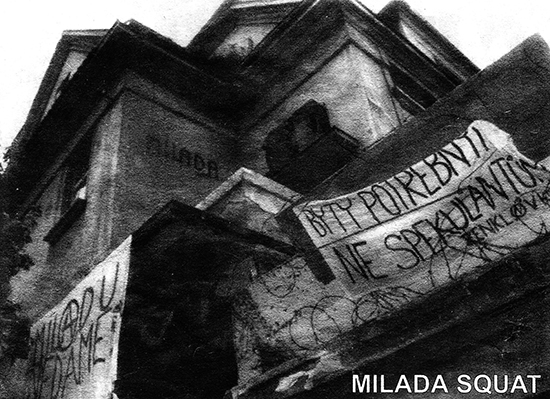
Squatting is not very widespread over here, particularly because of the very tough sentences that you can face if you try it (a large fine or up to 2 years of imprisonment), but also because there doesn’t seem to be enough active people willing to gather together to do it, with the exception of the bigger cities. In summer ’97 a group of people in Prague squatted a new house ZENKLOVKA on Zenklova street. They made agreements with the owner that they could use it until its demolition, but after pressure from the police (their antiextremist branch), the owner changed his mind and agreed to let the police to evict the squatters. After some nonviolent resistance (ocupation of the roof), the squat was evicted in the beginning of ’98. The same group of people later found a new building, and so on May 1st ’98 the MILADA squat was founded, in the Holesovice quarter near a railway station and student campuses. It’s old villa, scheduled for demolition. Squatters have made some minor repairs and opened the bar. There were several police and security agency attempts to evict them in October (again, after their agreement with the owner, police pressured him, convincing him that they found hard drugs in the squat). When the same nonviolent tactic was used to defend the house, the cops finally gave up, and MILADA is still going strong. You can get more information about its current situation from the C.S.A.F. contact adress. There was a squat in Brno from August ’til November ’97, when the house was violently attacked by police. Squatters were beaten down and had guns pulled on them, and in the end cops locked them all in one room and then threw a tear gas projectile inside. Meanwhile, they managed to destroy/steal most of the furnishings. The second day, the squat was definitively evicted.
Czech Scene Report, Insane Society Recs. 1999
There are several other places in Prague for punk and alternative activities the PROPAST punk pub (Lipanska 3, quarter Zizkov) there is also small record shop near from here BASS RIOT STORE (Chvalova 8), the UTOPIE autonomous cafe (Wenzigova/Lublanska street corner, Nove Mesto quarter) and the 007 CLUB (Strahov Hill, among the university campuses). There used to be a socialcultural centre called BLACK HAND, which was quite wellknown worldwide, but from the beginning of its existence in ’93, it had lot of problems with the local authorities, and it never attracted the wider attention of the people. The centre closed down in ’97 and later was demolished, there’s now a very nice concreteparking lot in its place…
Animal rights and ecological activities, over here are mostly official and mainstreamoriented they aren’t very radical at all. They do some useful activities, but most of them have clearly distanced themself from any autonomous or anarchist activities, because they fear for their public reputation. They have chosen instead to cooperate with politicians; they give advice on which party to vote for in the elections, and so on. Summer blockades of the construction site for the Temelin nuclear power plant were one of the few examples of good cooperation between anarchists and ecological activists. These went for several years, but have now stopped. The general “step backwards” in the strategy of these organisations has also something to do with the policy of their funding most of their income comes from foundations established by the European Union or other official sources, who don’t like to see very radical activities. You can find more honest and more “grassroots” groups; the problem is that they are too small and they lack finacial resources. In the animal rights field, the most active are probably SVOBODA ZVIRAT (“Freedom for Animals”) and ANIMAL S.O.S., who both organise info stands, demonstrations, petitions, exhibitions, etc. against several forms of animal abuse. Brno is home to NESEHNUTI (“The Unmoved”, more officially the “Independent Social Ecological Movement”), which works in the human and animal rights fields, and is also active against a planned motorway, which will spoil an important recreation area in Brno. The Czech chapter of EARTH FIRST! was established some months ago in Prague. They put out an Action Update newsletter and also plan to have an internet site. There are some other smaller groups working on these issues spread all across the country, often working on local problems.
Czech Scene Report, Insane Society Recs. 1999
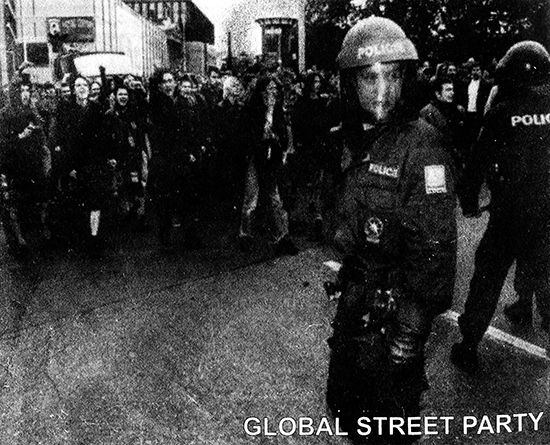
Last year saw 2 street parties, which were among to the Czech autonomous movement’s biggest actions ever. The GLOBAL STREET PARTY took place 16.5.98 in Prague, organised by EARTH FIRST!, C.S.A.F., and other groups as a protest against world globalisation and against the city’s unsustainable traffic situation it is plagued by cars and pollution. The action was attented by cca 3.000 people and started peacefully, until the demonstration went onto Prague’s most important traffic artery and blocked it. Cops tried to stop the demonstration, but they were fought back and had to escape. A cop car was turned over, and some other were smashed with bricks. Then part of the march headed to the city centre, where the McDonalds’ and Kentucky Fried Chicken restaurants were attacked, causing big damage to their property. The police, who at first weren’t able to handle the situation at all and let the people riot, then arrived in big numbers and went absolutely mad. They beat up lot of people, including innocent passersby. In their obvious “nobrain style”, they couldn’t pick up the actual rioters, but arrested mostly those demonstrators who didn’t manage to escape. The arrested people went through several punishments and beatings and were thrown to jail for about 2 weeks, but in the end they were released, because the cops couldn’t charge them with anything. The GLOBAL STREET PARTY made headlines in the mass media for many days and caused public discussions about globalisation, police brutality, the problems of young people, etc. Also, a special antidemonstration police squad was formed.
A LOCAL STREET PARTY was organised 3 months later,-this time with cca 4.000 participants. It started in a park, with a rave party, info booths with alternative press materials, etc., and the march was shorter this time, with a route avoiding the possible conflict points, such as the abovementioned restaurants. It must be said that this time police showed up in all force, with thousand of cops readied and several dozen plainclothes cops among the demonstraters themselves, some of them dressed as punx. These “masked” cops tried to provoke some action that would give a reason to attack, but they weren’t successful. The demonstration went OK, without large conflicts, the only exception being the march of cca 100 people on a McDonalds’ restaurant after the official end of the demonstration finally the plainclothes pigs managed to provoke a few confused punx who were immediately arrested after their first attempt to break the police line. If you are interested in seeing pictures from both parties, check out the lidskaprava.cz site on the internet.
No need to say that no action was taken against the cops who beat up and humimilated the people after the GLOBAL STREET PARTY. Police brutality against anarchists and punx is already something common over here, after several wellknown cases such as the beatings of protestors against the Velka Pardubicka Steeplechase in ’92, the raid on the Propast punk pub in ’96, and the attack on the demonstration against police brutality in ’97 (which, ironically, was supposed to commemorate the Propast raid). The “antiextremist branch” of the Czech police is investigating not only the anarchist and autonomous movement, but also the official ecological organisations like GREENPEACE, which led to an international scandal a few years back. Cops and nazis are surely the biggest threat to punx like everywhere. As a reaction on widespread naziskinheads movement, the Czech version of Antifascist Action ANTIFASISTICKA AKCE (A.F.A.)was formed some time ago, they do newsletter called “Akce” (previously “Antifa News”), but otherwise aren’t very active.
Czech Scene Report, Insane Society Recs. 1999
Hardcore Punk Scene:
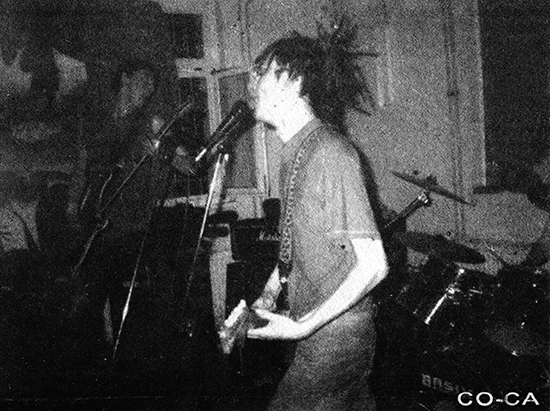
OK, OK, so now definitely something about the music. Now, at the beginning of 1999, there is really a good and strong hardcore/punk scene, but first let’s look a bit into the history of the Czech punk/HC scene. The first punk bands started over here in the beginning of the 80’s (A 64, ENERGIE G, ZIKKURAT, etc.) and slowly the scene started to grow. During the 80’s and especially at the end of 80’s, when the opression by the regime wasn’t as strong as before, there were more and more punk bands, such as F.P.B., VISACÍ ZÁMEK, PLEXIS, H.N.F., Z.N.C. etc. and later also first hardcore bands (TELEX, P.S., SUCIDAL COMMANDO, S.R.K., MICHAEL’S UNCLE, KRITICKA SITUACE, etc.). In these times, punk was in the deep underground, gigs were illegal, bands had problems with the authorities and it was absolutely impossible to release a record (the first official Czech punk record was a 7″ by VISACÍ ZÁMEK in ’88!). Punx always used to have problems with cops, in school and at work, because of their appearance. Some of them were sentenced for “crimes” such as “having a negative stance towards socialist system” or even “propagation of fascism”, etc. Society and especially the media looked on punk as a tool of Western imperialism, smuggled into our country to spoil the young people. Since 1989, all this has changed, and punk has reached a wider range of young people, official media, and record labels, and these old bands have started to release their first records (mostly on new commercial labels, but there was hardly anyone thinking about that back in 1990 here). Luckily, some new and fresh DIY labels, zines, bands, gigs, etc. also emerged soon, and the scene became more political and DIYoriented. Thanx to people like KRITICKA SITUACE singer Robert, Martin (MALARIE RECORDS) or Bergamo (and his Black Hand agency), the foreign punk/HC bands (Nausea, Murphys Law, Inferno, Chaos U.K., No Means No, Concrete Sox, Gorilla Biscuits etc. in the first years, and then tons more) started playing gigs here, and a relatively strong and independent scene was built.
Kritická Situace 9. 10. 1992 Praha Strahov 007
So, who is who in current Czech HC/ Punk?
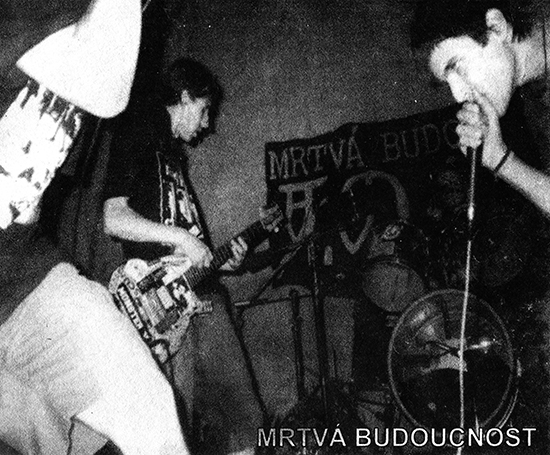
Let’s start with grindcore, which recently is quite popular over here. The trio MALIGNANT TUMOUR is playing a mix of grind/mincecore in the vein of Agathocles and Regurgitate, now with political lyrics. They have about 5 split EP’s and one split CD + tons of tapes out and have also played on festivals in Belgium and Germany. Future plans include a full CD and some more split EP’s. From the same city (Ostrava) as M.T. come CEREBRAL TURBULENCY (they have progressed from death metal to pure grindcore), P.T.A.O. (exSOCIAL DEFORMITY, heavy megabassed grind/noise, a split EP with Japanese Final Exit is out) and PURULENT SPERMCANAL (gore grind in the vein of Gut/Impetigo). It seems that this town is the capital of grind! Other grinders TWISTED TRUTH, influenced by old N.D., who just recently released a split EP with ROT on Fudgeworthy Records and plan 2 more split EP’s with MALIGNANT TUMOUR and WARSORE. INGROWING (exPLASTIC GRAVE, who released a split 7″ with Agathocles), one of the most popular bands in death metal/grind territory, have a split CD and a split EP out, some new releases out soon. NEGLIGENT COLLATERAL COLLAPSE do weird grind/industrial mixes, sometimes with the help of a computer, some tapes out, their drummer did a Czech grind core encyclopedia on the internet! GRIDE, from the southwestern part of the Czech Republic, do a killer mix of extreme hardcore and grind with great sociopolitical lyrics, they call their music “power gride core” and so far have done 1 split EP w/LIES AND DISTRUST and a split LP with M.B.. They have also played some gigs abroad. Besides the split EP, GRIDE also share a drummer with LIES & DISTRUST, who play classical scandiinfluenced crust core with growling vocals. L&D also plan a split EP (w/ EXEKUCE) and a split LP in Brazil later in ’99. Two other cool crust bands are located near the Polish border HOW LONG? (a split EP out, another planned) and R.A.F., both play dual voc crust butchery, R.A.F.even include a trumpet! This area is also home to HIBAKUSHA, DISNEY and ZRADCE RASY, all playing the crusty shit too. Another raw crustpunx EXEKUCE (based around the “Propast” punk pub) are one of the few bands currently playing in our capital Prague, with a split EP due out sooner or later. Brno is home to MRTVA BUDOUCNOST, fastasfuck dualvoc extreme core with 3 split EP’s. They have a split LP w/LEFT IN RUINS (on Six Weeks Rec.) and another one w/GRIDE (collaboration of Insane Society, View Beyond and other labels), future plans include an 8″ flexi in the U.S. and huge pile of compilations. M.B. did some touring abroad too. Also continuing the tradition of the extreme HC style (Hellnation fans take note!) are PANGS OF REMORSE from the Western part of the country, they did a split EP and a German tour with M.B. back in’96, but haven’t been very active since this time. Some new vinyl (probably with S.O.K. a mix of thrash/grind/HC + whatever… with 100% crazy lyrics) may come out sooner or later. Crust/grind/extreme HC is already wellestablished here with most bands of this style already going strong for long years. One of the brandnew additions to the family are MINDLOCK, producing some cruel sounds in the Sore Throat vein.
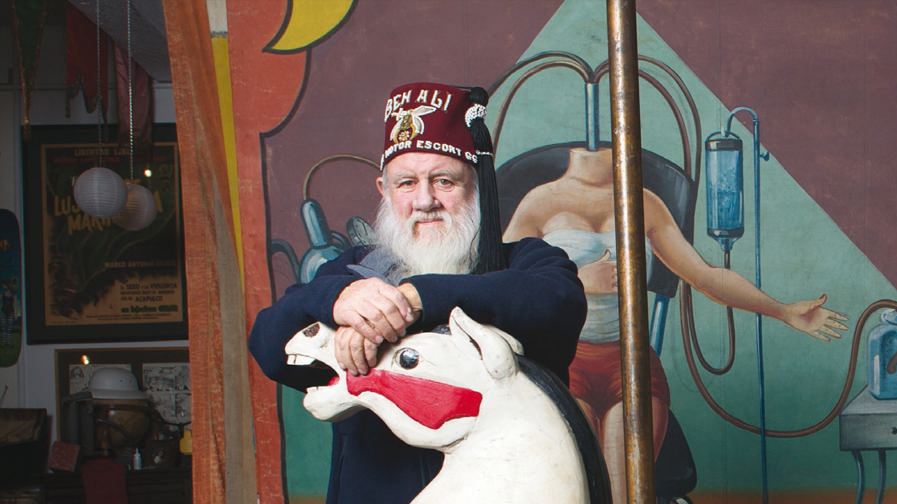
Longtime publisher Ron Turner of Last Gasp lets the red wine spill and herds some very wild cats
Interview by Eric Reynolds
Portrait by Joe Brook
Juxtapoz magazine, March 2015
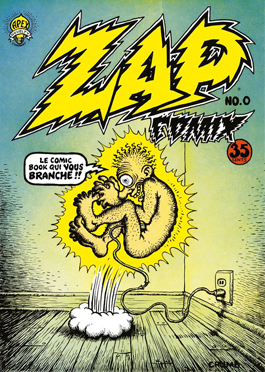
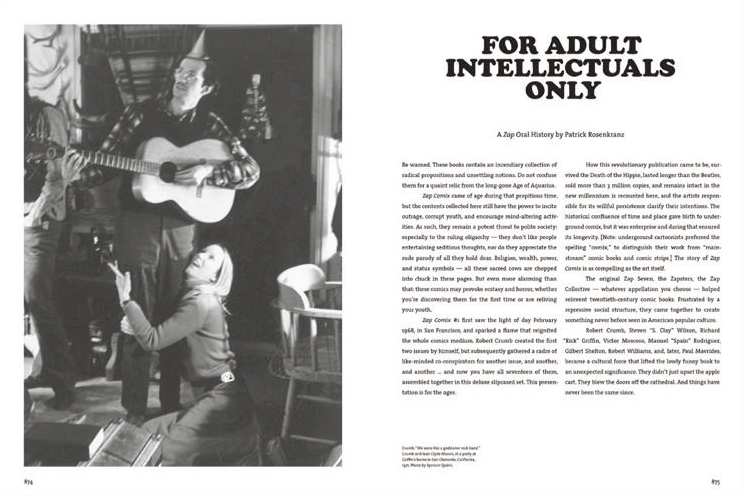
This winter saw the culmination of one of the great bodies of work of the past half-century: a deluxe, boxed-set collection from Fantagraphics Books of all seventeen issues of the legendary underground comic book series, Zap Comix, founded by Robert Crumb in 1968.
Zap Comix, which Crumb eventually expanded into an artist collective that included his peers Robert Williams, Gilbert Shelton, Victor Moscoso, Rick Griffin, Spain Rodriguez and Paul Mavrides, can legitimately claim a greater influence over the art form of comics than virtually any other, short of possibly MAD magazine. Though it has had a variety of publishers over the years, no one published the title for longer than San Francisco legend Ron Turner, whose Last Gasp Eco-Funnies remains a focal point for the underground comics movement, the San Francisco countercultural scene, and the West Coast lowbrow art movement, some 45 years after its founding.
Turner’s larger-than-life personality and Zelig-like relationship to his beloved hometown warrants a biography of its own. He can tell stories about people as diverse as Charles Manson, Norman Schwarzkopf, the Reverend Jim Jones and Lee Harvey Oswald. Many credit/blame him with a Bambino-like curse that has kept his city’s beloved Forty-Niners from winning a Super Bowl over the past two decades. But, on the occasion of The Complete Zap Comix, Fantagraphics Books Associate Publisher Eric Reynolds spoke to Turner specifically about his relationship with the influential comix anthology and his history of publishing underground comics.
Zap Comix
Eric Reynolds: You were a graduate student at San Francisco State University when you founded Last Gasp Eco-Funnies in 1970. Can you tell us more about that period?
Ron Turner: I was studying allergies and emotions at Kaiser Hospital. I was finishing up my master’s degree in experimental psychology. The only problem was. we were in the midst of the longest student strike in U.S. history at SF State.
My roommate, Roger Alvarado, was head of the Third World Liberation Front, and every day we were out on the picket line being attacked by members of the police force on our little 19-acre campus. Roger looked a lot like Che. Myself and my then-girlfriend Fran Ryan were very political.
We were also involved in the first ecology center. To help fund it, I came up with an idea to make an underground comic with ecology themes and have them sell it to pay for the printing and artists. I strong-armed a bunch of dealers in Berkeley to loan the money for printing and royalties. It worked, and within three months we had a book, Slow Death Funnies #1. Crumb agreed to do what turned out to be a two pager. Also, I got Gilbert Shelton to do a page. I was, by that, time living in Berkeley and had all the Slow Death guys over. I learned to ban drinks in the room where the original artwork was. Some were careless (or jealous) of the others and would almost intentionally spill red wine on a page.
Zap Comix covers by Robert Crumb & Robert Williams
How did you get connected with the comics community?
Don Donohue and noted beatnik poet Charles Plymel printed the first Zap. and then Crumb moved it to Print Mint, which was run by two couples. Bob and Peggy worked at the poster store on Haight, and Don and his wife, Alice, were at the frame shop on Telegraph in Berkeley.
We knew Bob and Peggy Rita (of the Print Mint, publisher of Zap #0 and #1) because of our common connection to the Farm Workers Union. Fran had headed up the lettuce boycott and worked as Cesar Chavez’s secretary. We were members of a group called the Committee of Returned Volunteers. You had to have spent at least two years in a volunteer capacity in a foreign country (Peace Corps, American Friends Service Committee, etc.) We became the translators of cultural imperialism to the anti-Vietnam War movement.
Book excerpts from The Complete Zap Comix Courtesy of Fantagraphics
You must have been familiar with Zap by this point?
I first read Zap at a New Year’s party around the end of ’68. I was completely stoned and the comic brought back my childhood fascination with that art form. I reread it for hours. I discovered Gary Arlington was a source [for this underground material] and went to his store in the Mission. It was a place that never changed over 40 years—stacked to the ceiling with comic books and artwork, although in the early days, seven or eight people could move around in there. Gary seemed to be a “true believer,” although later he became more delusional and thought he was Christ on a mission. That didn’t stop us from becoming friends. In early ’70, when I was putting together Slow Death #1, I had paid Don Donahue (who printed the first Zap) and Arlington the princely sum of $25 each to put them on retainer. They liked the sound of that.
I first met Crumb at Gary Arlington’s store. I let Crumb know that my dad had given me a lot of 78 records and he was over in a flash to look through them. I think I just gave him the records. My dad had been a country and western disk jockey in Bakersfield back in the late ’50s and ’60s and was involved in that business till his death in the ’80s.
Soon thereafter. I got Crumb interviewed on KPFA, the Pacifica station in Berkeley. He drew a pic of himself by a radio mike, sweating so profusely that the liquid was up to his calves. I took him to lunch and all he wanted was a hamburger. He was already a superstar in the counterculture and I felt honored to be in his presence. I visited him up in Potter Valley with his first wife, Dana. She passed last year. Crumb would retire after dinner to a little shack and was drawing Eggs Ackly and the Vulture Demoness. I was blown away on how fast he could fill in the panels: he obviously had the script down in his head.
At what point did Last Gasp stop being a side project to fund the ecology center and/or other social movements, and become your primary vocation or passion?
The first Slow Death appeared in time for a dozen friends and myself to get to college campuses around the Bay Area and hawk them on the lawns during the first Earth Day in 1970. In order to get rid of the garage-busting amount of boxes containing 20,000 comix, I had to contemplate distribution. I had beaten the draft and was fervently anti-war, and felt that I had been given a two year pass to do something. I always wondered about the concept of distribution. It seemed so mysterious. Also. I had some drug dealers to repay.
I was moving in more comic book circles and my radical college friends were not embracing the kinds of comix I was beginning to leave on their kitchen tables. The ecology center would only take ten copies at a time and not call when they ran out. Comix were not what a lot of people at the time felt were a proper item in a bookstore.
Our Committee of Returned Volunteers was continuing to be involved in various social justice issues. Trina Robbins asked me to visit to see a comic she was putting together called It Ain’t Me, Babe. It was the same name as a woman’s radical newspaper published in Berkeley by a collective. Trina did a cartoon strip called Belinda Berkeley in that paper. Women’s liberation was big at the time. The comic seemed a natural. So I said yes and paid Trina for it. Our third publication was Skull Comics #2. Jaxon [a.k.a. the cartoonist Jack Jackson], who was a partner at Rip Off Press, brought it to me. It had a great Gilbert Shelton cover and fantastic horror stories. The horror genre always seemed to have enough social activism in the form of morality tales and the unmasking of human foibles to interest me, so I gladly said yes. I still don’t know why Rip Off didn’t publish it themselves.
Before the end of the year, we had Slow Death #2 ready to go. We did the first front-to-back, wrap-around cover. After the first printing, it needed color, and so the second was done, and 100 copies were done on silver paper. I signed and numbered them and gave most of them away to the various artists. The next year. I had paid back the “investors,” and then was asked to be in a partnership by one of the investers. This is when it became a vocation.
Zap Comix covers, Courtesy of Fantagraphics
The first two issues of Zap were published by the Print Mint, and you came in soon thereafter, I believe. How did that come about?
By 1970, Zap #1-4 had been printed, and having found the xerox copies of Crumb’s first Zap, it was added as #0 to keep artistic continuity. Posters were the big art movement of the social order of the ’60s and ’70s. Comix hitchhiked with the posters to head shops. At one time, there were over 40,000 head shops nationwide. Comic stores began, and another source of sales opened up.
Somewhere around ’75, Crumb confided in me his unhappiness with Print Mint. He was complaining about them not paying him all he was owed. I offered to print up Zap #0 and #1. He took the first two issues of Zap away and I began publishing them. The Print Mint was having a hard time, perhaps it was a decline in the [rock] poster business, I don’t know. But I needed the comix, so I proposed that one of us pay the printer and one of us pay the artists. They agreed, but the deal fell apart and Zap became a Last Gasp title in full by ’76-’77. There was no bad blood [between Last Gasp and Print Mint], although I’m sure Print Mint wasn’t happy. I think the contract stipulated 12% of the retail price for royalty. When a new issue came out, the guys got all their money up front.
By 1980, there were over 30 national distributors. Head shops, comic shops and a few alternative book stores were buying comix. As I sold more and more copies of Zap, it was apparent that it had become the premiere [underground] comic book, with [Gilbert Shelton’s] Freak Bros, a close second. Had Zap come out regularly, I’m sure it would have been no time before an issue could have gone close to a million-copy release, but as Crumb once said, one of the differences between undergrounds and above-grounds was that undergrounds were never on a regular schedule.
How does it feel to see it collected now, after all of this time?
I’m glad the book got done. After publishing it for almost 40 years, it’s great to see it in such a lush, robust presentation. I just wish that Spain Rodriguez and Rick Griffin would have lived to see this fine compendium of their work. I am humbled to have had a small part in the Zap artists’ careers. These guys were and are amazing.