Maltepe Squad’ın tehlikeli simaları, o akşam üzeri şehrin geleceğine ilişkin önemli kararlar almak için biraraya gelmişlerdi
RİZOM VE ANARŞİ
Özgürlükçü Düşüncenin Peşinde
Yaşar Çabuklu
OTORİTEYLE İLİŞKİLİ her şey yıkılmalı; ilk başta merkez. Çünkü merkezin dili hâkim olanın dilidir, egemenin dilidir, anadildir. Çeşitli diyalektler, altdiller, argolar, azınlık dilleridir baskı altında olan; melez olan baskı altındadır. Anavatan, anayurt, anayasa iktidarın kavramlarıdır. Her şeyin indirgenebileceği, üzerinde temellendirilebileceği tek bir merkez yok. Tek bir kaynaktan çıkarak ayrışıp oluşan bir çokluk yok. Soyağacı, ortak köken, saf nesil arayışı otoriterdir. Karma olan, karışık olan, melez olandır dışlanmışların, azınlıkların alanı; köksüz, kökensiz, kaynaksız olandır.
Merkezi iktidar gibi, merkeze sahip olan muhalefet de otoriterdir. Evrensel bir hakikat, bir doğru yok; doğanın, tarihin yasaları yok, tarihin motoru yok. Çıkarının tüm toplumun çıkarıyla özdeş olduğu düşünülen proletarya fikri otoriterdir. Tarihin ereği yok, ereğe yönelik sınıf mücadelesi olarak kavranılan tarih fikri otoriterdir. Evrimci ve ilerlemeci bir çerçeve içinde tahayyül edilen tarihsel kulvarlar ve mecralar otoriterdir. Yapılar, pozisyonlar, noktalar yok, bunlar arasında kesin ayrımlar ve mesafeler yok, sadece bağlantılar, etkileşimler, geçişler, akışlar var. Belirli boyutlar yok, bağlantılara göre değişen, çoğalıp azalan boyutlar var.
Her türlü merkez dağılıp parçalanmalı. Merkezin ve hiyerarşinin olduğu yerde otorite de vardır. Merkezsiz, uçucu, hareket halinde oluşumlar ve bunların her an biçim değiştiren bir ağ görünümü sergileyen etkileşimi. Hiçbir sabitlenmeye izin vermeyen, formüle edilemeyen bir ağ oluşumu. Rizom ne midir? Kaos ve anarşidir.
Rizomun öznesi yok, nesnesi yok. Dikey, piramitsel bir yapının tersine yatay bir yayılmayı, açılımı temsil ediyor rizom. Ancak sımsıkı kenetlenmiş bir ağ değil söz konusu olan; kopmalar, kaçışlar, bir yerde sona erip başka bir yerde farklı bir biçimde ortaya çıkabilen yoğunluklar, çoklu girişler var.
Rizom tek’e karşı olduğu gibi ikili karşıtlıklara, düalitelere de karşı. İyi-kötü, iç-dış, öz-biçim, gerçeklik-görünüş, vb. ikiliklerin uzağındadır rizom. Çünkü dış iç, iç de dıştır. Kendini karşıtına, ötekine göre tanımlayan her şey otoriterdir, kendine saf ve korunaklı bir alan oluşturarak merkez olmaya yönelir. Rizom her an metamorfoza uğrayan, biri diğerine göre bir hiyerarşi ilişkisi içinde bulunmayan “tek olmayanlar”ın oluşturduğu akışkan bir çokluktur.
Rizom iç ve dış merkezin patlatılmasıdır. Öte yandan rizom egemen otoritenin “öteki”yi bir hiyerarşi ilişkisi içinde kendine tabi kılmasına karşıdır. Bu bağlamda rizom, eril merkezin kendinden kaynaklanan, kendinden dışarı çıkarak dişil alanda yine kendini arayan, bu alanda sömürgeleştirdiğini geri taşıyıp kendisine katarak güçlenen arzusunu yıkar. Rizom kadın-erkek karşıtlığını siler, “ara” cinsel kimliklerin oluşmasına, arzunun üreme ve ahlaktan kopmasına imkân verir. Eril öznenin kadın bedenini nesneleştiren, araçsallaştıran, parçalara ayıran tek katlı arzusunun yerine kadının çok katlı arzusunu öne çıkarır. Birbirlerinin her an değişen mecralarında kaybolan, kendine geri dönmek istemeyen, kendi merkezinin varlığını unutan arzulara, arzu akışlarına olanak sağlar.
Rizoma katılan birey, bir ünite, bir merkez olma niteliğini kaybeder. Dış dünyanın bütünlükleri gibi iç dünyanın bütünlükleri de özgürlüğü sınırlar. Rizom içinde birey, kendi iç dünyası üzerinde kurduğu baskıları ortadan kaldırmaya itilir. Dış dünyanın baskıları iç dünyanın baskılarıdır da. Bunun tersi de söylenebilir: Dış dünyanın azınlıkları bir anlamda içsel dünyanın da azınlıklarıdır. Bu bağlamda rizom içindeki bireyin özerkliği “yaralı” bir özerkliktir ve bu tür bireylerin oluşturduğu otonomlar da otoritenin tahrip ettiği bir dünyanın izlerini taşırlar. Otonomun kendini tabi kılmak zorunda kaldığı tek ereksellik otoritenin ortadan kaldırılmasıdır, bu da kendi kendini de ortadan kaldıran ya da kendi kendini affettiren bir erekselliktir. Bu nedenle otonomlar bir yapı oluşturmazlar, ortaya çıkar ve daha sonra başka biçimler altında yeniden belirmek üzere kaybolurlar. Otonomlar minör, göçebe oluşumlardır ve bu özellikleriyle rizomatik bir görüntü sergilerler. Sadece kendi dışlarındaki merkezlere karşı çıkmakla kalmazlar, kendileri merkezleşme eğilimine girdiklerinde bu kez kendilerini ortadan kaldırırlar. Otonomlarda hiyerarşi yoktur, seçim yoktur, yönetim yoktur, otoriteyle bağlantılı olabilecek hiçbir güç kullanımı yoktur. Toplumsal rizom ağının kopuşlarla malul hareketi içinde otonomlar her türlü programatik araçsallığı reddederler.
Rizom kaotik hareketi nedeniyle anarşik bir görünüm arz eder. Rizomun kalıcı bir yapısı ve formu yoktur, merkezkaç, merkezdışı, sınırdaki hareketliliklerle beslenir. Rizoma tek bir giriş yoktur, farklı boyutlarda çok sayıda giriş vardır ve her bir giriş hareketi rizomu yeni baştan kurar. Rizomdaki kaçış çizgilerinin çokluğu ise onu sürekli olarak bozar. Bu nedenle rizom iktidar ilişkilerinden sıyrılmanın sonsuz biçimler altında tekrarlandığı bir oluşumdur ve bu bağlamda negatif, olumsuzlayıcı bir olgu olarak görünür. Ama dışın iç olduğu, otoriteden arınmış saf ilişkilerin mümkün olmadığı bir dünyada rizom, dışlayıcı ve lekesiz bir oluşum olarak var olamaz.
Bu nedenle otoriteyle olan çatışmasında rizomun olumlayıcı boyutlar ve akışlar üretmesi gerekir. Rizom otorite ile otorite karşıtı eğilimler arasındaki çatışmanın sürmekte olduğu bir alan olmanın yanı sıra, alternatif ilişkilerin denendiği pozitif bir alandır da. Karşılıklılık, gönüllülük, özerklik ve yardımlaşma temelinde oluşan rizomsal ağ sıkı ilmikli, yırtık yeri bulunmayan, ezilenleri denetim altında tutmaya yarayan iktidar ağından farklı olarak gevşek, kopuşlar ve yeniden eklemlenmelerle sürekli biçim değiştiren bir ağdır. Anti-otoriter ilişkilerin kendilerini her an yeniden üretemediği yerlerde ağda yırtılmalar olur ve kaçış çizgileri oluşur. Bu nedenle rizomda mutlak ereklere yönelik, kalıcı, kendi varlık alanını koruyucu angajmanlar yoktur. Rizomsal ağın genişlemesi, ancak merkezi ve hiyerarşik eğilimlerin yok edilmesiyle mümkün olur.
Son olarak, rizomun postmodem otoriterliğin temeli olan ağsal iktidar yapılanmasıyla bir ilişkisi yoktur. Anti-merkezci, anti-otoriter eğilimlerin oluşturduğu rizomsal ağ, iktidarı merkezsizleşmeye zorlar. Devlet merkezli modern iktidardan, otoritenin ilaveten toplum içindeki çok sayıda kurumla paylaşıldığı bir tür ademi merkeziyetçi postmodem iktidara geçiş, yeni toplumsal direnişlerin tüketimin ağsal yapısıyla kuşatılması süreci içinde oluşmuştur. Postmodem toplumun tüketimsel-kurumsal ağı, hiyerarşi ve otorite ilişkilerini ortadan kaldırmaz; ancak, mikro merkezlerden kurulu, otoritenin yer yer esnek yapılanmalarla gizlendiği, merkezler arasındaki kulvarların güvenlik altına alındığı bir sistem oluşturur. Sadece yollara ve hipermarketlere bir göz atmak bile hıza ve tüketime ait “özgürlüğün” yüksek derecede bir denetimeve güvenliğe ihtiyaç duyduğunu gösterir. Bu nedenle postmodern toplumun merkezden vazgeçip yataylaştığını iddia etmek bir abartmadır. Söz konusu olan merkezi devletin yanı sıra toplum içinde çok sayıda iktidar merkezinin oluşması ve otorite ilişkilerinin, yeni tüketim ilişkilerini zorlaştırdığı görülen eski toplumun gereksiz sertliklerinden arındırılmasıdır. Postmodem tüketim ve otorite ağı her biri dikey olarak örgütlenmiş merkezler arasındaki, trafiğin hızla ve kesintisiz olarak ilerlediği bir düzenli yollar ağıdır. Rizomsal ağ ise postmodem hızı bloke eden tıkanmalardan, ayak izleriyle oluşturulan patikalardan beslenir. Postmodern çoğulculuk, çokkültürlülük, çokrenklilik otoritenin yaygın tüketimsel katılım çerçevesinde yeniden oluşturulmasına hizmet eder. Rizom ise tüketimin ve güvenliğin yeni kodlarının denetimi altına girmek istemeyen göçebe hareketlerden oluşur. Otonom oluşumların yersiz yurtsuzluğu buradan gelir. Rizom, postmodern toplumda anarşizmin aldığı yeni direniş biçimidir.
Mert Dalkabakoğlu a.k.a Ary, her zamanki gibi sodasını yudumluyordu
Maltepe Skate Park, 2022
Kerem Nizam x Emre Töre^Tepe Çocukları, Maltepe Skate Park 2022
Kaykaycı kızlar dinleniyorlar… Maltepe Skate Park 2022
Emre Töre ve o her zamanki eşsiz dengesi, Maltepe Skate Park 2022
Kerem Nizam, Maltepe Skate Park 2022
Kerem Nizam on action, Maltepe Skate Park 2022
Emre Yiğit ise tüm bu olanlara sinsice gülümsüyordu
istanbul nightlife project – Murat MRT Seçkin
Can Yavuzçetin, Maltepe Skate Park 2022
Black Cat on air, Maltepe Skate Park 2022
Can Yavuzçetin, Maltepe Skate Park 2022
Black Cat Alisa, Maltepe Skate Park 2022
Mad Stensils ‘The Passage’ İstanbul
Luc Sala with ‘Hakim Bey’ Peter Lamborn Wilson, sufi anarchist, TAZ author, in June 2001.
Kaosun Âlim DervişiHakim Bey
İnan Mayıs Aru
“Oluş diye bir şey yok, ne de devrim, mücadele ya da yol; hâlihazırda sen kendi teninin şahısın – çiğnenmesi mümkün olmayan özgürlüğün tamamlanmak için yalnızca diğer şahların sevgisini bekliyor: bir rüya politikası, göğün maviliği kadar ivedi.”
İzbe bir New York fakirhanesinde 130 kiloluk bir dev, saksafonuyla bir ilahinin son nağmelerini öttürür. Masada İmam Gazali’nin Kimya el Saadet’inden açık bir sayfa, tuvaletin karolarında bir serum hortumu ve bir iğne. Amerika Mağribi Ortodoks Kilisesi (Moorish Orthodox Churchof America – MOC) vaizi, canki cazcı Warren Tartaglia (a.k.a. Walid el Taha), New York beat sahnesinin Muhammedî meleklerini salâta çağırır.
Pek çoğunun adını bile asla bilmeyeceğimiz, pop ikonlarına dönüşmemiş, kimi Brooklyn köprüsü altında son vuruşunu çakan, kimiyse kitaplarına gömülmüş okuyan okuyan okuyan ve sonra tüm kitaplarını Nil’e boca edip, hakikatin peşinde yürüyen yürüyen yürüyen dervişler gibi imanlı serserilerden biridir Peter Lamborn Wilson (a.k.a. Hakim Bey). Doğrudur serserilerin ekseriyeti ümmî olur, kitapsızdırlar ve lâkin vecd denizinin sularına ilimle cezb olunanlar da yok değildir.
Mağribi Ortodoks Kilisesi, adının tüm çağrışımlarının aksine aslında ne ortodokstur ne de bir kilise. Kimilerinin bir ahir zaman peygamberi saydığı yarım kan Mağribi ve yarım kan Cherokee, Çingene seyyahların yoldaşı, demiryolu bekçisi, sirk sihirbazı, mistik Nobel Drew Ali’nin 1913’te Yeni Dünya’da Afrikalı Amerikalıların aslen Mağribi ve dolayısıyla Müslüman oldukları iddiasıyla kurduğu Amerika Mağribi İlim Mabedi’nin (Moorish Science Temple of America) bir uzantısı olan MOC, 1964’te Beatnikler ve Mağribi Sufiler tarafından kurulmuştur ve İsmaililik, Çiştiye ve Bektaşilik miraslarını sahiplenerek bunları Tantra ve Tao felsefesiyle bağdaştırır. Wilson, 60’larda vaiz Walid el Taha aracılığıyla Kilise’yle tanışır ve bugün kendisi de Mağribi Ortodoks Kilisesi’nin önemli vaizlerindendir. MOC geleneğine uyarak kendine yeni bir isim seçer, Hakim: ki bu isim mülhit Fatımi-Nizari halifesi Hakim Billah’a dayanır ve bugün yasama sürecinin hükmedicisi anlamına gelen yaygın kullanımının aksine “hüküm veren” değil “hikmet sahibi”, “bilge kişi” manasındadır ve gene MOC geleneğince adının sonuna çeşitli Orta Asya-Türk boylarında kabile lideri manasında kullanılan Bey sıfatını alarak kendi kendinin şahı, kendi varoluşunun ve arzularının biricik hükümdarı olduğunu ilan eder.
“Bizler Nizarî-İsmailî Bâtınileriz; yani manevi silsilemizi Alamut’un yedinci ve son Pir’i, ‘Kaçık’ III. Alâeddin Muhammed üzerinden (ve kesinlikle Ağa hanlar üzerinden değil) Hasan Sabbah’a dayandıran Şii mülhitler ve fanatikleriz. Radikal vahdetçiliği ve saf ahlak kuralları karşıtlığını benimsiyoruz ve tüm yasa ve otorite biçimlerine Kaos adına karşı çıkıyoruz.”
Kolombiya Üniversitesi’nden mezun olan Hakim Bey, 60’ların sonunda Türkiye, İran, Pakistan, Afganistan Hindistan ve Java’yı içine alan uzun bir seyahate çıkar. Batı Bengal’de Ganeş Baba’yla tanışır ve Kali müritlerini, mülhit Müslüman mistikleri, anarşistleri ve aşırı solcuları bir arada bünyesinde barındıran Bengal Terörist Partisi’nin eski bir üyesi olan Sri Kamanaransan Biswas’la Tantra öğretisi çalışır. Kanunsuz dervişlerin piri Lal Şahbaz Kalender de dahil olmak üzere söz konusu coğrafyadaki pek çok sufi türbesini ziyaret eder.
Java’da bulunduğu yıllarda henüz Vahabilerin katı sünnetçi geleneği İslam coğrafyasını büsbütün ele geçirmemiştir. Hakim Bey, Muhammedî Pasifik adalarının balta girmemiş ormanlarında davullarla yapılan namaz çağrısı da dahil olmak üzere – çünkü çıplak insan sesi çöl içindir, ormanda tam-tamlar daha makbul sayılır – İslam uygulamasının çok sesliliğine pek çok farklı örnekle şahit olur. Bugünse maalesef tüm dünyada minareler teknolojinin çirkin hoparlörleriyle süslenmiştir ve eski bir dostun bir mantar sabahında şaşkın bakışlarla ne diyeceğini bilemeyen bir ihvana söylediği gibi “o cızırtılı teçhizatın içerisinde hoca efendi değil, şeytan konuşuyor” ihtimali de hiç yabana atılır gibi değildir.
1974’ten Ayetullah Devrimi’ne dek İran’da bulunan Hakim Bey, Seyyid Hüseyin Nasr’ın kurucusu olduğu İran Kraliyet Felsefe Akademisi’nde dilbilim çalışmaları yürütür. Akademi’nin İngilizce yayın yönetmeni ve Sophia Perennis’in editörüdür. Seyyid Hüseyin Nasr, Toshiko Izutsu, Henri Corbin ve daha pek çok başka isimle beraber çalışır. 1980’de Şah devrilip de mollalar devrimin diğer güçlerini, sufileri, sosyalistleri, mücahidanı, Ali Şeriati yandaşlarını tasfiye etmeye başladığında o da İran’dan ayrılarak Amerika’ya döner.
1980’lerde Guenoncu neo-tradisyonalizmden uzaklaşarak anarşist ve sitüasyonist düşüncenin heterodoks İslam ve neo-paganizmle harmanlanmasından müteşekkil bir düşünce sistemine ulaşır: Ontolojik Anarşizm.
“Bir bakış açısına göre ontolojik anarşizm alabildiğine yalındır, tüm niteliklerden ve iyeliklerden arınmış, KAOS’un kendisi kadar fakir – ama başka bir açıdan bakacak olursak Katmandu’nun Sikiş- Mabetleri ya da bir simya alametler kitabı gibi şatafatlı bir biçimde filiz vermektedir.”
Ontolojik Anarşizm, anarşizmi bir ideoloji ya da ulaşılacak bir ideal olarak değil bir mevcudiyet olarak ele alma çabasıdır. Burası değilse neresi, şimdi değilse ne zamandır? Büyük iktidar yapıları ve söylemleri içinde boğulan gündelik hayatta, öz-iktidar yahut “muktedir nefs” yahut “hür kral” olarak anarşistin varlığına işaret eder: çocuk oyunlarında, bir ayaklanmada, bir partide, bir işgal evinde, bir yemek kolektifinde, şehrin sokaklarını avare dolaşırken ve neogöçebe cemaatlerin özgün buluşmalarında. Anarşi, doğrudan ve dolaysız bir hayatın tecellisidir; yol olmayan bir yol, geçitsiz bir geçit. Ve kimilerinin yaşam tarzı anarşizmi ithamlarına rağmen Bey’in çağrısı gayet açıktır: “Bir yaşam edinin, yaşam tarzı değil.”
80’lerin ortasında bir grup yazarçizer taifesiyle beraber Autonomedia yayın kolektifini kurarlar ve anarşizm, otonomcu Marksizm, siber-feminizm gibi konularda pek çok önemli kitap yayınlarlar. Bey, uzun bir süre New York’ta bir yandan yayın kolektifi faaliyetleriyle uğraşırken bir yandan da Central Park’ta Serbest Kürsü’de hafta sonları halka açık vaazlar vermeyi sürdürmüştür.
Nasır Hüsrev’den, Fahruddini Iraki’den, çeşitli Nimetullahi tarikatı ve Pers sufi şairlerinden yaptığı çevirilerin yanı sıra mülhit İslam geleneği, Kelt kültürü, korsan ütopyaları, sanrı uyandırıcı maddelerin kullanımı, gizemci kültler, Nietzsche ve Stirner, 19. yüzyıl anarşizmi, Fourier ve ütopyacı sosyalizm gibi çeşitli konularda kaleme aldığı makalelerinden oluşan yirmiyi aşkın kitap yazmış olmasına rağmen 90’lı yıllarda kaleme aldığı TAZ (Temporary Autonomus Zone – Geçici Otonom Bölge) Hakim Bey’in en çok bilinen ve en çok tartışılan çalışması olmuştur.
Hakim Bey, TAZ’da Ontolojik Anarşi kuramına dayanarak anarşinin çeşitli otonom bölgeler dahilinde hâlihazırda tezahür ettiğini öne sürer. Babil Kulesi çatlaklara doludur ve bu çatlakların, boşlukların içerisinde özgürlüğün ve anarşinin tecrübe edilebileceği sığınaklar yaratmak pekâlâ mümkündür ve hatta mümkün olmanın da ötesinde bunlar mevcuttur. Mesele bunların öz-farkındalık kazanarak kendi aralarında yeni bir ağ oluşturması ve yoğunlaşarak şiddetlenmesidir. Yeterli yoğunluğa ulaştığında taşın içerisine sıkışmış bir damla su koca bir kayayı boydan boya yarabilir. Bey, TAZ için model olarak Net (Şebeke) ve Web(Ağ)’i gösterir. 90’larda internet kültürü hayatımıza yeni yeni girerken Hakim Bey bunların özgürlükçü potansiyellerinin farkına varmış ve bunu sanal olmayan uzamda bir model olarak kullanmayı önerirken sanal uzamda da bu özgürlük adacıklarının ağ örüntüsünün nasıl oluşturulabileceği ve yoğunlaşma ve şiddetin nasıl tatbik edilebileceğini sorgulamıştır. Ancak, potansiyel risklerin de farkındadır ve TAZ bir yanıyla Şebeke’deki korsanlara düzülen bir methiyeyken bir yanıyla da onlara açık bir meydan okuma ve kışkırtmadır.
Mad Stencils ‘Collector’ 2021, İstanbul
ŞALGAMLARIM NERDE?
“Diyelim ki hem politik hem de kişisel gerekçelerle iyi yemek istiyorum, Kapitalizm’den alabileceğimden daha iyisini – halen daha güçlü ve doğal tatlarla kutsanmış temiz yemek. Oyunu biraz daha karmaşıklaştırmak için diyelim ki açlığını çektiğim yemek yasadışı olsun – belki çiğ süt ya da Küba’nın enfes meyvesi mamey, ki tohumları halisünojen olduğu için taze olarak A.B.D.’ye ithal edilemiyor (ya da ben öyle duydum). Bir çiftçi değilim. Diyelim ki ben nadir parfümler ve afrodizyaklar ithalatçısıyım ve stokumun çoğunu yasadışı malların oluşturduğunu varsayarak oyunu biraz daha zorlaştıralım. Ya da belki de sadece organik şalgam karşılığında kelime işlem hizmeti takas etmek istiyorum ama bu işlemi Ulusal Vergi Servisi’ne rapor etmeyi (ister inanın ister inanmayın yasada böyle yazıyor) reddediyorum. Ya da belki de başka insanlarla müşterek ama yasadışı karşılıklı haz için buluşmak istiyorum (bu aslında denendi ama tüm sert cinsellik BBSleri tevkif edildi – peki alçak güvenlikli bir yer altı neye yarar ki?). Kısacası, diyelim ki, sadece istihbarattan, makinenin içindeki hayaletten bıktım usandım. Dediklerinize bakacak olursak, bilgisayarlar zaten benim yemek, uyuşturucu, cinsellik, vergi kaçırma arzularıma da olanak sağlayacak yeterlilikte olmalı. Öyleyse sorun ne? Bu neden olmuyor?… Şimdi hackerların haklı olduğumu, sezgilerimin doğru olduğunu kanıtlamasını bekliyorum. Şalgamlarım nerde?”
TAZ’ın yayınlanmasından sonra Hakim Bey bir yandan gündelik hayatın içerisinde bu otonom bölgeleri yaratmaya çalışan pek çok grup tarafından (bilhassa Rave’ciler ve Reclaim The Streets oluşumları, Squatçılar ve Food Not Bombs gibi yemek kolektifleri) sahiplenilirken bir yandan da sanal uzamda karşı-Şebeke’nin, Ağ’ın yaratılması için mücadele eden internet kurtlarının Avrupa ve Amerika’da düzenlediği pek çok konferansa konuşmacı olarak davet edilmiştir. Tuhaftır ki bu toplantılardaki konuşmacılar arasında bir bilgisayar sahibi olmayan yegâne kişi belki de Bey’in kendisidir ve makalelerinin çoğuna internette ücretsiz ulaşmak mümkün olsa da Bey’e netten ulaşmayı umanlar bugün de hayal kırıklığına uğrayacaktır. Şalgamlarını asla alamamış olacak ki Hakim Bey, sanal uzam konusunda eleştirel yaklaşımını halen koruyor.
Zaten TAZ ve Ontolojik Anarşi kuramlarının en önemli ayaklarından birini de Immediatism (Dolaysızlık) yaklaşımı oluşturmakta ve Hakim Bey ikinci el, yabancılaşmış, soyutlanmış tüm ilişkilerin yerine doğrudan, dolaysız ilişkileri koymayı savunmaktadır.
The veil of secrecy behind covid-19 and wuhan laboratoire is finally being opened; yes! We got a DC virus on our hands, but don’t panic because it’s coming with its 3d vision glasses and 4 color protection layers to investigate it. 34 pages of virus research, drawings, all based on scientific observations presented to the reader as a genetic code waiting to be deciphered.
Le voile du secret derrière covid-19 et wuhan laboratoire est enfin ouvert ; oui! Nous avons un virus DC entre les mains, mais ne paniquez pas car il vient avec ses lunettes de vision 3D et ses 4 couches de protection de couleur pour l’enquêter. 34 pages de recherche de virus, de dessins, le tout basé sur des observations scientifiques présentées au lecteur comme un code génétique à déchiffrer.
“EYE CLIMAX”, l’exposition de Pakito Bolino & Pascal Leyder à la Galerie Réplique
“EYE CLIMAX”, l’exposition de Pakito Bolino & Pascal Leyder à la Galerie Réplique
“EYE CLIMAX”, l’exposition de Pakito Bolino & Pascal Leyder à la Galerie Réplique
Parole de Miam Pakito Bolino
Pakito Bolino 2021
’70s French Punk claims Debord’s legacy and shows No Mercy! Pakito Bolino is still working and producing like crazy as an artist approaching his maturity period. You really have to be a little crazy to be able to perceive his art and the language he uses. Undoubtedly, he is one of the rare artists in the art-world today who put forth his power against the imperialist digital-culture that strives to turn us into a meta-trash. In his art, you can easily come across the legacy of Jean Dubuffet and the dreams of Topor. In the 21st century hell, when modernist utopias are dying, he still continues to fight to the last drop of his blood as LDC with his artist friends in pursuit of his dreams. He honors French Surrealism with his investigative spirit, enthusiasm and humane use of new technologies.
Le punk français des années 70 revendique l’héritage de Debord et montre No Mercy! Pakito Bolino travaille et produit toujours comme un fou en tant qu’artiste approchant de sa maturité. Il faut vraiment être un peu fou pour pouvoir percevoir son art et le langage qu’il utilise. Sans aucun doute, il est l’un des rares artistes du monde de l’art d’aujourd’hui à faire valoir son pouvoir contre la culture numérique impérialiste qui s’efforce de nous transformer en méta-poubelle. Dans son art, on retrouve facilement l’héritage de Jean Dubuffet et les rêves de Topor. Dans l’enfer du XXIe siècle, alors que les utopies modernistes se meurent, il continue de se battre jusqu’à la dernière goutte de son sang en tant que LDC avec ses amis artistes à la poursuite de ses rêves. Il honore le surréalisme français par son esprit d’investigation, son enthousiasme et son utilisation humaine des nouvelles technologies.
PAKITO BOLINO – 3D HELL
PAKITO BOLINO – 3D HELL
This crazy dadasof really deserves praise who makes us re-look at history and ourselves in a 3D HELL, -with LDC books, each worth a manifesto- also gives a whole new dimension to the European and Asian comics tradition and graphic arts.
Ce fou dadasof mérite vraiment des éloges qui nous fait re-regarder l’histoire et nous-mêmes dans un 3D HELL, -avec des livres LDC, chacun valant un manifeste- donne aussi une toute nouvelle dimension à la tradition de la bande dessinée et des arts graphiques européens et asiatiques.
FIG. 2. Beth B et Scott B, Black Box, 1978, film 8 mm, couleur, sonore, 25 minutes. Photographie argentique, 20 x 25 cm, collection particulière
Comment contrôler une population… par la PEUR, toujours par la PEUR. La peur de l’augmentation des impôts, la peur de l’inconnu, du différent, de l’extérieur, des autres couleurs de peau, de la bizarrerie, de la provocation, de la sainteté, de la nature. Il y a toujours une menace cachée derrière la VIOLENCE, derrière l’intimidation pure. Tous les gouvernements maintiennent le statu quo avec la menace de la violence, de l’emprisonnement, du meurtre et de la torture. […] Nous devons à tout prix nous orienter vers la paix et la sécurité : nous devons nous rappeler de notre amour et de notre COMPASSION, avec passion1. Genesis Breyer P-Orridge
Évoluant en marge du monde de l’art contemporain des années 1970, une nouvelle génération d’artistes apparaît dès le milieu de cette même décennie pour établir les fondements d’un mouvement artistique expérimental, celui des musiques industrielles. C’est à partir de solutions multimédias (graphisme, film, performance, vidéo) que certaines formations européennes et nord-américaines génèrent une culture visuelle globale, plaçant le détournement des technologies au centre de leurs pratiques. L’élaboration de synthétiseurs et la manipulation de sons enregistrés issus de bandes audio, recyclées ou conçues par les groupes emblématiques de la première vague industrielle viennent enrichir un panel de productions visuelles puisant une partie de ses sources dans l’avant-garde artistique de la première partie du xxe siècle2. L’armature esthétique et théorique des musiques industrielles formulée par le collectif anglais Throbbing Gristle examine sous ce prisme les évolutions de la société postindustrielle, présentée à l’époque par Daniel Bell dans son ouvrage The Coming of the Post-Industrial Society3 comme une société de connaissance.
Ces artistes retiendront en particulier les incidences du contrôle de l’information des médias de masse sur la vie psychique et physique des individus. C’est pour marquer leur dissidence face à de telles évolutions que les membres de Throbbing Gristle invitent leur audience à prendre part au concept de control process, qui, comme a pu l’écrire Frédéric Claisse, entend « retourner sur elles-mêmes, en les exposant, les stratégies par lesquelles l’“industrie de la musique” [et autres médias de masse] fonctionnent comme instruments de contrôle4 », à savoir révéler et critiquer les « techniques ordinaires de contrôle subies au quotidien par les consommateurs de biens culturels5 ». La formation britannique met ainsi en évidence une nouvelle forme d’exercice du pouvoir développée dans les manipulations technologiques des images et du son, et où la déprogrammation psychique s’obtient par un effort individuel, une discipline intellectuelle qui engage l’évolution d’un processus biologique. L’intention des membres de Throbbing Gristle est de rendre l’auditeur sensible à son environnement par l’emploi d’un nouveau « langage subversif » et expérimental : pour Stephen Mallinder, l’un des membres de Cabaret Voltaire, « le bruit lançait un défi à l’ordre et au contrôle. C’était un tabou musical. Une belligérance sonique. Une force de déstabilisation6. » Ces attaques acoustiques s’accompagnent de visuels surprenants issus de protocoles scientifiques, médicaux et paramilitaires détournés.
Cet usage n’est cependant pas dépourvu de nombreux paradoxes puisque le désir d’enrayer toute forme de manipulation psychique par le détournement d’expériences cliniques réelles produit à terme une fascination pour la violence qui aura des incidences sur le public créé de toutes pièces par les figures tutélaires de la scène industrielle7. Fascination qui est loin d’être insignifiante lorsque certains groupes détournent l’iconographie nazie, présentant en retour l’inconvénient d’échapper au contrôle du mouvement lorsque des groupuscules d’extrême droite instrumentalisent ces repères visuels à leur profit8. Si les discours, graphismes et sons produits à partir du thème du conditionnement mental diffèrent de ce dernier point, l’attrait que portent ces artistes pour l’emprise comportementale interroge naturellement l’émergence d’un pouvoir coercitif en milieu alternatif qu’il s’agira d’analyser tout au long de ce chapitre.
Cabaret Voltaire’s Stephen Mallinder – Industrial Soundtrack For The Urban Decay
Protocoles scientifiques expérimentaux et torture
Les nombreux articles publiés par les membres de Throbbing Gristle dans leur bulletin d’information Industrial News révèlent un intérêt pour l’actualité des recherches scientifiques militaires dans le contexte de la guerre froide. Les pages du bulletin présentent, sous la forme de collages, une dystopie apocalyptique où les individus sont devenus « la proie d’investigations médicales et policières visant à contrôler leur vie psychique, leurs émotions et leurs pensées9 ». Les thèmes de manipulation des foules, de lavage de cerveau et autres techniques de torture sont légion tout au long de ces publications10 destinées à interroger le rapport de domination exercé par les mass media et les gouvernements sur la population, rappelant, comme a pu le faire récemment Catherine Perret, combien « la torture enseigne au bourreau une technique à laquelle les politiques modernes continuent d’avoir recours, jusque dans leur passion douteuse pour l’altérité11 ».
L’un des articles, intitulé « Neutron Monkeys12 », traite d’expérimentations sur des singes contraints de courir sur des tapis de course avant et après avoir été exposés à des radiations mortelles. L’objectif de ces tests est de déterminer la façon dont les soldats peuvent réagir après avoir été irradiés par une bombe à neutrons. La description de ces opérations expérimentales à base de décharges électriques, illustrée de collages conçus notamment à partir d’une oeuvre d’Eduardo Luigi Paolozzi (Hollywood Wax Museum, 1970), renvoie à un autre article du bulletin13 consacré aux implants cérébraux élaborés par le scientifique José Delgado14, inventeur du Stimoceiver, un système radio commandé qui agit sur les points stratégiques du cerveau pouvant transmettre des impulsions électriques15. Le scientifique affirmait pouvoir stimuler, en activant un simple bouton, toute une gamme d’émotions telles que l’excitation sexuelle, l’anxiété et l’agressivité, et par là conditionner le sujet par l’action automatique d’un clavier de fréquences électromagnétiques sur lesquelles venait s’accorder l’activité du cerveau. Dans cette emprise technologique de la psyché, les sons peuvent être transmis très facilement par l’utilisation d’implants [FIG. 1] – une technique, adoptée dans certains interrogatoires de la Central Intelligence Agency (CIA), qui sera dévoilée seulement à partir de 1997 avec la publication du manuel Kubark Counterintelligence Interrogation16, destiné au contre-espionnage pendant la guerre froide et qui avait été rédigé en 1963. Les expériences de la CIA portaient notamment sur des domaines tels que la stimulation électrique, l’hypnose, les micro-ondes, les ultrasons et la bio-électricité.
FIG. 1. Throbbing Gristle, Industrial News, 2, juin 1979, p. 13-14
Dans la foulée du scandale lié à l’institut psychiatrique Allan Memorial de Montréal, où les témoignages de certains patients dévoilèrent au grand jour ces traitements de déprogrammation du cerveau développés par le projet MKULTRA – un programme gouvernemental secret, visant à étudier, à grande échelle, les techniques de conditionnement psychique –, les groupes Throbbing Gristle, Nocturnal Emissions et SPK17 détournent ces pratiques dans de multiples supports (clips vidéo, collages, films expérimentaux, photomontages). Sont visées en particulier les expériences de privation sensorielle commentées dans l’un des passages du manuel Kubark, cité par Michel Terestchenko dans son livre Du bon usage de la torture, ou comment les démocraties justifient l’injustifiable : « Plus l’endroit de détention éliminera les stimuli sensoriels, plus rapidement et plus profondément le détenu en sera affecté. Les résultats qui ne sont obtenus qu’après des semaines ou des mois d’emprisonnement dans une cellule ordinaire peuvent être décuplés en heures ou en jours seulement dans une cellule sans lumière, à l’abri de tout son, dans laquelle les odeurs sont éliminées18. » Ce conditionnement extrême, provenant d’expérimentations cognitives radicales menées par la CIA à partir des années 1950 – que l’on retrouve plus tardivement dans le domaine du cinéma mainstream19 –, caractérise le principe même de la torture selon Catherine Perret : « [Cette privation] ampute l’individu de ce qui lui permet de percevoir l’origine, interne ou externe, du danger, et de s’en défendre en se fiant à telle capacité physique ou psychique. La torture neutralise la capacité à inhiber la douleur qui est la condition pour résister à cette douleur20. » Cette technique privative – qui pouvait être complétée par des séances de bombardement d’informations, pour mieux exercer un contrôle total sur l’individu par l’image et le son21 – vient enrichir l’imaginaire des artistes dans l’élaboration d’une esthétique qui se manifeste jusque dans le courtmétrage Black Box (1978) [FIG. 2 ci-contre et PL. 7, voir le cahier couleur en fin de volume]. Les cinéastes Beth B et Scott B proposent de mettre en scène Lydia Lunch qui maltraite un otage (Bob Mason), interrogé et enfermé dans une boîte de torture psychologique :
FIG. 2. Beth B et Scott B, Black Box, 1978, film 8 mm, couleur, sonore, 25 minutes. Photographie argentique, 20 x 25 cm, collection particulière
The Black Box (1978) exposait les tribulations d’un minet blond cueilli au saut du lit de sa petite amie par un gang de terroristes d’obédience inconnue. Après avoir été battu, insulté et pendu la tête en bas par la puissante et glapissante Lydia Lunch, il est soumis à la torture de la « boîte noire », telle que la décrivent les dossiers d’Amnesty International : une cellule où l’on expose la victime à des stimuli sensoriels (lumière, température, son) violemment opposés. Par un jeu de caméra subjective, le public prenait la place du blondin « dans la boîte » et subissait dans le noir un crescendo exacerbé de rock électronique et de lumière violente22.
Les sévices mentaux (et corporels) occasionnés sont renforcés par l’iconographie du conditionnement affichée par deux oeuvres visibles dans le film et conçues par John Ahearn. L’une de ces toiles reproduit l’image d’un homme nu cagoulé, les mains attachées dans le dos. Cette représentation – qui rappelle la théorie de l’enfermement formulée par Michel Foucault dans Surveiller et punir23 et qui est au centre de l’album Prehistoric Reject (1983) composé par le collectif français Déficit des années antérieures24 – apparaît également dans les performances de John Duncan lorsque ce dernier traite de privation sensorielle. Accompagné de sept autres performeurs, l’artiste américain se laisse enfermer nu dans une pièce vide et plongée dans l’obscurité lors de son intervention intitulée Maze et réalisée à Amsterdam en 1995. Son installation Stress Chamber envisageait deux ans plus tôt ce type de contrainte physique, dans le cadre du festival d’art contemporain Absolute Threshold Machine : « Chaque volontaire devait pénétrer dans un container industriel modifié, seul et nu, trois moteurs fixés sur les parois du caisson métallique amenant ce dernier à sa fréquence de résonance, donnant l’illusion d’un objet massif se déplaçant le long des parois, autour ou à travers le corps de la personne enfermée à l’intérieur (le sol sur lequel était posé le container quant à lui vibrait sur un rayon de 50 mètres)25. » Ce dispositif, qui exerce une contrainte physique sur les participants enfermés, détourne la façon dont de véritables séances de torture emploient le pouvoir oppressif du son pour confronter les victimes (réelles) de ces traitements à un environnement acoustique intolérable, ou à une répétition entêtante de messages suivant la technique du psychic driving.
Pilotée par le psychiatre Donald Ewen Cameron, et financée par le projet MKULTRA de la CIA, la procédure du psychic driving reprend en boucle des phrases suggestives afin d’étudier « les effets sur le comportement humain de la répétition de signaux verbaux26 ». Il s’agit ici de torture blanche, la « no-touch » torture, qui vise une « régression » de la personnalité afin de dissoudre toutes formes de résistance sans laisser de traces physiques. Tout comme le rappelle Suzanne Cusick, cet usage acoustique exerce un pouvoir totalisant, installant une « dystopie postfoucaldienne, où l’on est incapable de donner un nom, et encore moins de résister, au Pouvoir diffus et englobant qui est à l’extérieur de soi, mais également à l’intérieur de soi, et qui force la personne à obéir contre son gré, contre son intérêt, parce qu’il n’y a aucun moyen – pas même le retrait dans l’intériorité – d’échapper à la douleur27 ». Cet « instrument d’une domination totale du corps et de l’esprit28 » devient la cible privilégiée de performeurs industriels, soucieux de lutter contre les mécanismes de conditionnement contemporains qui s’appliquent jusque dans leur quotidien, quitte à exercer à leur tour une emprise physique sur leur propre corps et sur celui de leur audience.
« War of Nerves29 ».
Guerre acoustique et contrôle des foules
La réactivation des recherches scientifiques développées par la CIA via le prisme de la culture industrielle atteste aussi d’un phénomène d’infiltration du monde militaire au sein même des sociétés de consommation. L’« invasion » paramilitaire se manifeste notamment par le son, dans les armes employées par les forces policières jusque dans les foyers des individus. Le bulletin Industrial News offre un exemple de ce phénomène avec l’article « Sound-Lights Rays To Control Mobs30 », qui traite d’armes soniques convoquées dans une étude scientifique de l’époque. Les quelques lignes de l’article décrivent une arme utilisée par les forces de police pour disperser les groupes de manifestants. La Squawk Box (littéralement la « boîte à cris ») appartient à ce type d’armes : utilisée dès 1973 par l’armée britannique en Irlande du Nord, elle agit directement sur les masses en dispersant les foules31. Cet outil de contrôle est combiné au Photic Driver (« pilote photique »), décrit par Juliette Volcler comme « un stroboscope visant à produire des crises d’épilepsie, des nausées, des difficultés d’élocution ou des évanouissements au moyen de flashs lumineux intermittents32 ». L’auteur montre que ces armes se veulent « totalisantes », dans le sens où l’écoute est collective et vise à briser le groupe en renvoyant chacun à ses propres perceptions : l’individu est obligé de fuir. En considérant le son de la même manière que ces armes terrifiantes, sans pour autant chercher un traumatisme irréversible, l’équipe de Throbbing Gristle s’emploie à livrer une forme de guerre contre le contrôle des médias, comme si elle opérait sur un champ de bataille.
L’emploi de cet arsenal dans le monde civil trouve ses origines dans les expériences que les forces militaires avaient menées autour du son, profitant des avancées technologiques pour transformer les propriétés sonores en arme. L’armée allemande durant la Seconde Guerre mondiale, puis les forces américaines tout au long de la guerre du Vietnam ont investi le domaine de la recherche scientifique afin de créer des armes soniques létales, fonctionnant comme de puissants agents de contrôle33. C’est la raison pour laquelle de nombreux artistes industriels s’intéressent au conflit vietnamien et à la façon dont les troupes américaines conçoivent une guerre psychique par l’emploi de nouvelles armes soniques de contrôle. Les opérations psychologiques de l’armée américaine, ou PsyOps, mettent au point des « techniques de démoralisation et de harcèlement par le son34 » en équipant certains hélicoptères de haut parleurs qui diffusent de nuit des cassettes mélangeant des phrases en vietnamien à des effets visant à terrifier le peuple et les soldats ennemis. « The Wandering Soul » (« l’âme errante »), appelée aussi « Ghost Tape Number 10 », témoigne de cette méthode de persécution sonore : il s’agit d’une cassette audio sur laquelle un soldat mort revient hanter le pays en suppliant les Vietnamiens de rendre les armes, au risque de mourir loin de leur famille – la croyance populaire vietnamienne voulant qu’un corps doit être enterré sur sa terre natale et honoré par les siens pour que son âme puisse reposer en paix. Les PsyOps expérimentent également le People Repeller (« Le répulsif ») qui envoie un « sifflement extrêmement aigu à une très forte intensité35 ». Ces attaques sonores ne visent plus à tuer mais à neutraliser toute forme de dissidence par une mutation de la guerre qui investit le monde civil, notamment la sphère du divertissement.
Dans son ouvrage Grammophon, Film, Typewriter, le théoricien des médias Friedrich Kittler souligne que les recherches militaires affectent la culture populaire par contagion technologique, quand « l’industrie du divertissement abuse, dans tous les sens du terme, de matériel militaire36 ». De nombreux objets de consommation courante (cassettes audio, enceintes de salon, magnétophones portatifs) doivent leurs origines à l’armée et à la façon dont la sphère militaire a d’abord envisagé la musique pour son caractère coercitif. L’auteur James Kennaway rappelle ainsi combien « Kittler a fait valoir que toute technologie est essentiellement militaire, notant par exemple que la radio ne constituait qu’une extension des systèmes de communication militaires de la Première Guerre mondiale sans possibilité de prendre la parole37 ». L’archéologie des médias de l’auteur allemand met au jour un processus d’infiltration militaire qui a des incidences dans le monde civil. Tout comme « la musique rend la torture socialement plus acceptable38 », les armes soniques véhiculent une bonne image dans les médias, selon Juliette Volcler, et participent à aplanir le débat public concernant la maltraitance et le recours aux armes. L’emprise du son sur le corps est pourtant bien effective et largement étudiée à cette époque, comme a pu le montrer l’historien de l’art Branden W. Joseph dans son article consacré à la « Biomusic »39.
Les incidences du son sur « la surface du corps, les pores, les cellules et les vaisseaux sanguins40 » ouvrent la voie à des expériences sonores intenses conduites par les groupes de musique industrielle à partir d’un fantasme de déprogrammation ultime et dans le prolongement des problématiques soulevées par William Burroughs lorsqu’il évoque en 1975 une possible exploitation des basses fréquences par l’industrie culturelle41. L’auteur de la trilogie Nova42 représente en effet une influence majeure dans les modes opératoires adoptés par les artistes industriels, notamment lorsque ces derniers adaptent la technique du cut-up dans le champ du graphisme, de la musique expérimentale et de la performance en matérialisant les théories fictives de Burroughs dans leur propre réalité43. La Révolution électronique44 de l’écrivain incarne dès lors une solution alternative pour ces artistes qui engagent les limites biopolitiques du corps et du genre à travers des oeuvres jouant sur les seuils psychologiques et physiologiques du sujet, tout en étant tributaires des prescriptions radicales de Burroughs formulées initialement dans le domaine de la littérature expérimentale45.
« Neurological Engineering46 ».
Lavage de cerveau industriel
Les différents stades de conditionnement sonique déployés dans le domaine paramilitaire et le monde civil orientent les membres de Throbbing Gristle à mener de front une guerre totale sur l’ensemble des perceptions contemporaines de leurs auditeurs. Le titre « Nothing Short of a Total War47 » résume ce projet contestataire, prenant forme à partir de recherches scientifiques et d’expériences acoustiques militaires détournées. L’attrait pour les expérimentations gouvernementales atteste également d’une forme de paranoïa agissant au sein même du mouvement, notamment à travers la thématique du lavage de cerveau. Le brainwashing par bombardement d’informations mobilise ces artistes, et ce à partir d’une iconographie issue de la culture populaire : l’appareil à permanente présenté sur la pochette de l’album Permafrost (1988) de Brume renvoie ainsi de manière explicite à l’intérêt que ces groupes portent au conditionnement mental, de même que la pochette de Final Program (1991) éditée par Clock DVA [FIG. 3 ET 4].
Si les motifs populaires de l’époque avaient déjà été instrumentalisés par Richard Hamilton, Eduardo Luigi Paolozzi et Andy Warhol dès les années 1950 et 1960, les groupes de musique industrielle recyclent quant à eux des sources similaires dans leurs collages pour mieux aborder le thème du lavage de cerveau. Cette méthode apparaît jusque dans un genre cinématographique expérimental, lorsque Jean-Pierre Jeunet et Marc Caro consacrent Le bunker de la dernière rafale (1981) au thème de la paranoïa militaire. Dans ce court-métrage figure une séance de torture à partir d’implants cérébraux, parmi d’autres scènes avec Hervé Di Rosa, Bruno Richard et Zorïn [FIG. 5]. Le cinéma contemporain s’était déjà emparé de ces problématiques, avec l’adaptation du roman d’Anthony Burgess A Clockwork Orange (1962) par Stanley Kubrick en 1971, qui offre d’autres pistes visuelles au mouvement jusque dans l’inspiration du nom de la formation Clock DVA. Cette oeuvre fictionnelle met en scène un groupe ultraviolent dirigé par un individu qui sera la cible d’un lavage de cerveau radical sous couvert d’un traitement médical visant à tempérer ses excès de violence. Le cinéaste américain aborde l’emploi du bruit sonore et visuel dans des séances prolongées de contrainte psychologique, que l’on retrouve dans l’ensemble de l’histoire de la torture selon Darius Rejali : « Les hommes ont toujours eu recours au son pour se torturer. Les bourreaux utilisaient le son pour intimider et surprendre les prisonniers, pour compléter la privation de sommeil, pour étouffer les hurlements, et pour faire mal sans laisser de traces48. »
FIG. 5. Marc Caro et Jean-Pierre Jeunet, Le bunker de la dernière rafale, 1981, film 35 mm, couleur, sonore, 26 minutes
La grande différence serait ici l’emploi de compositions musicales et d’images pour transformer de manière intégrale les pensées du supplicié, une approche globalisante qui apparaît aussi dans une grande partie des collages conçus par Adi Newton, jusque dans l’un des premiers morceaux de son groupe Clock DVA, « Le Viol » (1978), lequel faisait l’objet d’un assemblage modifiant le portrait de Marilyn Monroe : « La première mouture de DVA était tellement dingue – came, violence et magnétos. Sexe et magie dans un cadre industriel… cette indécence était brillante49. » Dans Kinetic Engineering, composé de vidéos réalisées entre 1988 et 1993, Clock DVA reconduit la « guerre de l’information » des musiques industrielles, en particulier avec « The Hacker » (1989), dédié au hacker allemand Karl Koch. Les portraits des membres du groupe sont confrontés aux termes « brain », « c.i.a. », « control », « data », « terrorists », « erase » et « mathematic », dont l’apparition brutale et subliminale agit comme un bombardement d’informations propre aux techniques de brainwashing déjà évoquées [FIG. 6]. Adi Newton revient ici sur la façon dont l’individu n’a plus d’autre choix que d’assimiler l’information des mass media, le consommateur d’images ayant rejoint la « Troisième Vague » annoncée par les spéculations du futurologue Alvin Toffler dans son ouvrage éponyme : « Les gens de la Troisième Vague sont plus à l’aise sous un bombardement de spots – flash d’information de quatre-vingt dix secondes entrelardé de trente secondes de pub, extrait de chanson et de paroles, un générique, un dessin animé, un collage, un titre de journal, une sortie d’imprimante. Lecteurs insatiables de journaux jetables et de magazines spécialisés, ils ingurgitent un maximum d’informations en un minimum de temps50. »
FIG. 6. Clock DVA, The Hacker, 1989, vidéo, noir et blanc, sonore, 3,18 minutes
Si cette lecture du conditionnement peut faire sens au regard de certaines méthodes militaires, la façon dont les artistes industriels considèrent le sujet en fonction de leur propre réalité n’est pas épargnée du fantasme de conditionnement psychique. La comparaison entre l’expérience scientifique et les stratégies de consommation de masse ou de contrôle des foules paraît dès lors exagérée (mythe des infra et ultrasons) et relève bien souvent de la fiction, comparable au cinéma contemporain des années 1960-1980. La thématique du contrôle mental puise ainsi dans les imaginaires de certains films cultes de la guerre froide comme The Manchurian Candidate (1962) réalisé par John Frankenheimer à partir du roman de Richard Condon, ou The Terminal Man (1974) de Mike Hodges, qui adapte l’ouvrage de Michael Crichton, mais aussi Scanners (David Cronenberg, 1981) ou Brainstorm (Douglas Trumbull, 1983). Le long-métrage I… comme Icare (1979) du cinéaste français Henri Verneuil appartient à ce même corpus en mettant en scène des tests issus du champ de la psychologie expérimentale du début des années 1960, en l’occurrence l’expérience de Stanley Milgram, consistant à évaluer le degré d’obéissance d’un individu confronté à une autorité qu’il juge légitime. Ces recherches examinent le processus de soumission du patient à l’autorité et trouvent un écho dans l’intérêt que portent les musiciens industriels pour des effets de persuasion bien réels qu’ils testent en permanence par des solutions multimédias51.
« Persuasion52 ».
Limites d’un processus d’influence en marge
La propriété cathartique du choc en image, révélateur d’un art curatif, est ici convoquée par des artistes fascinés par le détournement de protocoles issus de la psychologie expérimentale et par le recyclage de documents cliniques53. La dissidence de ces groupes n’échappe cependant pas à une certaine binarité du propos, puisque l’effet de banalisation de la violence visuelle et sonore génère à terme de nouvelles normes propres à une communauté, certes en marge, mais fonctionnant selon des codes spécifiques. Les mécanismes du psychic driving semblent dès lors être au centre de la façon dont le genre industriel rassemble un public autour de la répétition de canons contre-culturels, et ce notamment par les uniformes et symboles utilisés par Throbbing Gristle à l’initiative de Genesis Breyer P-Orridge et de Laurence Dupré : « TG commençait à rassembler un certain nombre de fans, aussi intéressés par les idées que nous promulguions dans nos Nouvelles que par notre style “industriel” de musique. En tant que leader du groupe, mon style a rapidement pris de l’importance, nos fans ont commencé à porter des habits de surplus militaire, en les accessoirisant avec des insignes TG, des patches, des badges et autres variations qui rendaient l’uniformité non uniforme54. » Ces signes évidents d’affiliation révèlent l’une des limites du mouvement lorsque les groupes construisent des codes de reconnaissance pour lutter, de manière paradoxale, contre les standards de la culture mainstream.
Cet aspect interroge aussi la notion même d’autorité, réadaptée par des plasticiens qui perdent parfois le contrôle des images qu’ils diffusent auprès de leur public. La critique du conditionnement opéré par le système normatif des gouvernements est ici renversée par une nouvelle forme d’emprise générée cette fois-ci par les artistes : le détournement de recherches scientifiques dans le champ de l’art produit une esthétique reconnue et recherchée par les amateurs du genre industriel, qui accordent une autorité aux principaux acteurs du mouvement. En témoigne la façon dont Genesis Breyer P-Orridge se transforme de manière ironique en gourou électronique dès 1981 avec son second projet Psychic TV, accompagné de son versant ésotérique Thee Temple ov Psychick Youth (TOPY), à travers lequel il se transforme en véritable agent de contrôle. En s’appropriant les codes d’organisations sectaires sous la forme d’un groupe expérimental, Genesis Breyer P-Orridge déclenche, dans l’esprit de certains membres du TOPY, un désir de soumission à l’autorité. L’artiste Simon Norris rappelle en effet que « Genesis s’était mis lui-même en position de leader, mais tout autant que d’autres personnes l’avaient placé dans cette position. Ils souhaitaient et espéraient qu’il en soit ainsi et qu’il joue ce rôle, consciemment ou pas55 ». Les limites de l’expérience du Temple se manifestent par cette demande croissante d’autorité, identifiée par Joel Kramer et Diana Alstad dans leur ouvrage The Guru Papers : « Les exigences autoritaires du cadre classique de l’interaction entre gourou et disciple (soumission et obéissance totales) sont aussi absolues que toutes les autres contraintes autoritaires de la planète. Exhiber les mécanismes de contrôle et de la soumission sans la moindre ambiguïté permet de donner un exemple quintessentiel de l’autoritarisme mental dont le pouvoir consiste davantage à contrôler les esprits qu’à conduire à la coercition physique56. » La recherche d’un rapport de domination entre les membres du collectif et son leader obligera Genesis Breyer P-Orridge à prendre ses distances avec sa propre organisation dès 199157, en raison du modèle pyramidal qu’il avait luimême mis en place.
Certains artistes détiendraient ainsi un nouveau type de pouvoir dont la force provient de la réception même du public, témoin d’expériences comportementales et d’une surenchère de la transgression. L’affilié du genre industriel est dès lors pris dans un phénomène d’assujettissement, défini par Judith Butler dans son ouvrage La vie psychique du pouvoir à la fois comme « le processus par lequel on devient subordonné à un pouvoir et le processus par lequel on devient un sujet58 ». Cependant, si le pouvoir exercé par certains groupes sur leur audience participe à l’émergence de nouveaux « sujets », selon le terme employé par Judith Butler, l’intention première des artistes industriels vise avant tout à stimuler l’esprit de leurs auditeurs par des stratégies d’électrochoc, afin de lutter contre le pouvoir lobotomisant des technologies. Aspect qui anticipe très tôt les problématiques actuelles autour de l’emprise des nouveaux médias, tout en ayant des retombées directes sur l’innovation formelle et conceptuelle de récentes pratiques intermédiales59.
« How do you control a population, by FEAR, always by FEAR. Fear of higher taxes, fear of the unknown, thee different, thee outside, thee other race, thee weird, thee challenging, thee holy, thee natural. And by VIOLENCE, by sheer bullying always a veiled threat behing it all. No governmeant on this planet maintains its status quo without thee threat of violence, imprisonment, murder and torture. […] At all cost we must embrace and hold each other, guide ourselves to peace and safety, we must remember and love our COUMPASSION, with passion. » (Lettre de Genesis Breyer P-Orridge à Andrew Weatherall, 20 mai 1992, fonds d’archives Genesis Breyer P-Orridge, TGA 200825, Tate Britain, Londres) Sauf mention contraire, toutes les traductions sont de l’auteur.
Les noms de certaines formations renvoient de manière explicite à certains courants d’avant-garde et offrent en ce sens un véritable trésor de signifiants : Cabaret Voltaire en hommage au repaire dadaïste de Zurich, Die Form pour la revue éponyme du Bauhaus, Esplendor Geométrico en référence au texte « Lo splendore geometrico e meccanico e la sensibilità numerica » de Filippo Tommaso Marinetti, Étant Donnés pour l’installation de Marcel Duchamp, Merzbow qui réadapte le Merzbau de Kurt Schwitters et Prima Linea pour la notion même d’« avant-garde ».
Voir Daniel Bell, Vers la société post-industrielle, Paris, Robert Laffont, 1976 [1973].
Frédéric Claisse, « Contr(ôl)efiction : de l’Empire à l’Interzone », Multitudes, 48, printemps 2012, Contre-fictions, p. 106-117, ici p. 115.
Ibid.
« […] although most at the time were unaware of many of the readings into the inherent political and social power of noise, it was clearly a language of subversion. Noise defied order and control. It was a musical taboo. Sonic belligerence. It could destabilize. » (Stephen Mallinder, « Foreword » [2012], dans S. Alexander Reed [dir.], Assimilate: A Critical History of Industrial Music, New York, Oxford University Press, 2013, p. 11).
« C’est le fait d’avoir des intentions très claires qui nous a donné de la force. […] Nous savions avec certitude quelle était la fonction d’un groupe symbolique et ce que cette fonction avait de fédérateur vis-à-vis des gens. » (Genesis Breyer P-Orridge dans David Keenan, England’s Hidden Reverse. Coil, Current 93, Nurse With Wound, Rosières-en-Haye, Camion Blanc, 2016 [2003], p. 46).
L’extrême droite s’approprie dès la fin des années 1980 les provocations de certains artistes issus des musiques industrielles, dont les intentions initiales diffèrent de celles affichées par des projets identitaires constitués de véritables programmes politiques, à l’inverse du mouvement artistique abordé. Sur l’instrumentalisation politique de la scène industrielle, voir Nicolas Ballet, « Symphony for a Genocide. Musiques industrielles et totalitarisme », Marges, 26, 2018, p. 44-59
Éric Duboys, Industrial Music for Industrial People, Rosières-en-Haye, Camion Blanc, 2007, p. 87-88.
Ces thématiques se retrouvent autant dans les collages d’Industrial News, constitués d’images de soldats, de torture animale, d’actes de lobotomie et autres opérations chirurgicales portant les mentions « Control Agents Only » et « Terroristes Genetiques », que dans le contenu des articles publiés, aux titres évocateurs : « Riot Control: Materiel and Techniques », « A Chromosome Test for Speck – Results Secret », « Tailor-made to Survive a War », ou encore « Tales of Terror and Grisly Atrocities ».
Catherine Perret, L’enseignement de la torture. Réflexions sur Jean Améry, Paris, Seuil, 2013, p. 127.
Throbbing Gristle, « Neutron Monkeys », Industrial News, 2, juin 1979, p. 6-7.
Throbbing Gristle, Industrial News, 2, juin 1979, p. 13-14.
José Delgado est à l’époque impliqué dans le projet « Pandora », un programme développé à l’institut de recherche de l’armée américaine Walter-Reed à partir de 1973, visant à étudier les effets des ondes sur le corps.
Voir José M. R. Delgado, Le conditionnement du cerveau et la liberté de l’esprit, Bruxelles, Charles Dessart, 1972 [1969].
Voir Grégoire Chamayou (dir.), Kubark. Le manuel secret de manipulation mentale et de torture psychologique de la CIA, Paris, Zones, 2012.
La formation australienne SPK condamne, sans équivoque, les formes répressives des conditions de vie des patients en milieu psychiatrique par l’emploi du choc en image. Le sentiment de répulsion visuelle agit dès lors sur le mode d’un memento mori destiné à parer la façon dont les médias occultent toutes représentations mortuaires, pour ne privilégier que la promotion du corps en bonne santé. Voir Nicolas Ballet, « Musique industrielle et esthétisation de l’horreur. Les tactiques de choc du groupe SPK », L’Autre musique, 4, 2016, en ligne.
Michel Terestchenko, Du bon usage de la torture, ou comment les démocraties justifient l’injustifiable, Paris, La Découverte, 2008, p. 20.
Le film Altered States (1980) de Ken Russell met en scène des caissons d’isolation sensorielle, dans un contexte opposé à celui des interrogatoires évoqués, puisque le personnage principal, Edward Jessup (interprété par William Hurt), chercheur en anthropologie à l’université de Cornell, tente d’atteindre des niveaux de conscience supérieurs par privation sensorielle, sous l’influence d’hallucinogènes. Le cinéaste français François-Jacques Ossang aborde dans son film L’affaire des divisions Morituri (1984) la question de la privation sensorielle qu’il confronte aux termes d’« isolement social » et de « psychologie légale ».
Perret, L’enseignement de la torture, op. cit., p. 178.
James Kennaway précise que « music has been systematically used in order to “break” detainees psychologically and control their behaviour and ensure cooperation, particularly in the “enhanced interrogation” techniques in the course of the so-called War on Terror » (James Kennaway, Bad Vibrations: The History of the Idea of Music as a Cause of Disease, Farnham, Ashgate, 2012, p. 132).
Bérénice Reynaud, « Petit dictionnaire du cinéma indépendant new-yorkais », Les Cahiers du cinéma, 340, octobre 1982, p. 35-47.
Voir Michel Foucault, Surveiller et punir. Naissance de la prison, Paris, Gallimard, 1975. Selon Jean-François Revel, « Foucault y décrit les sociétés libérales comme fondées sur le principe d’un enfermement généralisé : enfermement de l’enfant à l’école, du soldat dans la caserne, du délinquant, ou prétendu tel, dans les prisons ; du fou ou du pseudo-fou à l’hôpital psychiatrique » (Jean-François Revel, La connaissance inutile, Paris, Grasset, 1988, p. 385).
La théorie de Foucault apparaît dans le travail de la formation qui entend « définir l’acte de plonger dans un trou pour chercher des strates : l’idée de s’enfermer dans des caves, dans un “souterrain scientifique” [nom du studio d’enregistrement du groupe] » (Jean-Luc André, entretien de l’auteur avec l’artiste, 3 août 2015, Paris).
« The intensive repetition (16 hours a day for 6-7 days) of the prearranged verbal signal. » (Alfred W. McCoy, A Question of Torture: CIA Interrogation, from the Cold War to the War on Terror, New York, Henry Holt, 2006, p. 43).
« Post-Foucauldian dystopia where one is unable quite to name, much less resist, the overwhelmingly diffuse Power that is outside one, but also is inside, and that operates by forcing one to comply against one’s will, against one’s interests, because there is no way – not even a retreat to interiority – to escape the pain. » (Suzanne G. Cusick, « Music As Torture / Music As Weapon », Trans. Revista Transcultural de Música, 10, décembre 2006, en ligne : http://www.sibetrans.com/trans/articulo/152/music-as-torturemusic-as-weapon (consulté le 16 juillet 2016).
Juliette Volcler, Le son comme arme. Les usages policiers et militaires du son, Paris, La Découverte, 2011, p. 142.
D’après le titre du morceau composé par Cabaret Voltaire en 1982 pour l’album 2×45. Le morceau « War of Nerves » documente l’histoire de Frank Terpil, un agent tortionnaire de la CIA, qui a révélé publiquement ses fonctions au sein de l’agence américaine – la voix de Turpel étant extraite d’un documentaire sur son parcours. Le recyclage du document d’archive sert à nouveau le propos engagé de la scène industrielle, constituant son propre mythe à travers celui d’un fait médiatisé, véhiculant des angoisses contemporainesautour de la torture et du contrôle.
Throbbing Gristle, « Sound-Lights Rays To Control Mobs », Industrial News, 2, juin 1979, p. 15.
Voir Robert Rodwell, « How Dangerous is the Army’s Squawk Box? », New Scientist, 59/865, 27 septembre 1973, p. 730.
Volcler, Le son comme arme, op. cit., p. 35.
Ce sujet est au centre du récent ouvrage de Juliette Volcler, Contrôle. Comment s’inventa l’art de la manipulation sonore, Paris, La Découverte, 2017.
« The entertainment industry is, in any conceivable sense of the word, an abuse of army equipment. » (Friedrich Kittler, Grammophon, Film, Typewriter, Berlin/Palo Alto, Brinkman & Bose/Stanford University Press, 1999 [1986], p. 96-97).
« Kittler argued that all technology is essentially military, noting for example that radio broadcasting was merely an extension of the military communication systems of the First World War without the ability to speak back. » (Kennaway, Bad Vibrations, op. cit., p. 144).
Volcler, « Le son comme arme », art. cité.
Voir Branden W. Joseph, « Biomusic », Grey Room, 45, 2011, On Brainwashing: Mind Control, Media, and Warfare, p. 128-150. Sur les réponses neurologiques du son et ses effets dans le champ de la culture populaire, voir Joost Meerloo, Mental Seduction and Menticide: The Psychology of Thought Control and Brainwashing, Londres, Jonathan Cape, 1957 ; id., Dance Craze and Sacred Dance, Londres, Peter Owen, 1961 ; William Sargant, The Battle of the Mind: A Physiology of Conversion and Brainwashing, Garden City, Doubleday, 1957 ; John Diamond, Your Body Doesn’t Lie, Sydney, Harper & Row, 1979 ; Linda Martin, Kerry Seagrave, Anti-Rock: The Opposition to Rock ‘n’ Roll, Hamden, Archon Books, 1988.
Genesis Breyer P-Orridge cité par Simon Reynolds, Rip It Up and Start Again. Post-punk 1978-1984, trad. de l’anglais par Aude De Hesdin et Étienne Menu, Paris, Éditions Allia, 2007 [2005], p. 294.
C’est à l’occasion d’un entretien mené par le guitariste Jimmy Page et publié dans le magazine musical Crawdaddy en 1975, que Burroughs évoque le « canon infrasonique » du scientifique français Vladimir Gavreau pour se demander « si une musique rythmée, poussée à la limite de l’infrason, pouvait être utilisée pour produire des rythmes dans le public – car, bien sûr, toute musique amplifiée provoquera ces vibrations » (« Well, what I was wondering was, whether rhythmical music at sort of the borderline of infrasound could be used to produce rhythms in the audience-because, of course, any music with volume will set up these vibrations. »), William S. Burroughs, « The Jimmy and Bill Show », Crawdaddy Magazine, juin 1975, cité dans Stuart Swezey (dir.), Amok Journal, Sensurround Edition. A Compendium of Psycho-Physiological Investigations, Los Angeles, Amok Books, 1995, p. 376.
The Soft Machine (1961), The Ticket That Exploded (1962) et Nova Express (1964) composent cette trilogie pensée par Burroughs, adoptant ici la méthode du cut-up.
Les groupes Throbbing Gristle, Coil, SPK ou encore Cabaret Voltaire croisent régulièrement le parcours de Burroughs dans les années 1970 et 1980. Les membres de Cabaret Voltaire jouent par exemple en première partie de la lecture que Burroughs donne avec Brion Gysin, le 16 octobre 1979, à partir de leur ouvrage The Third Mind. Cet événement multimédia – accompagné d’un concert de Joy Division – est organisé par la troupe de théâtre Plan K dans une ancienne raffinerie de sucre à Bruxelles. Genesis P-Orridge prolonge ce type d’initiative lorsqu’il convie Burroughs et Gysin à participer à l’événement « The Final Academy » en 1982 au Ritzy Cinema de Londres, dans le cadre d’une série de lectures et de concerts industriels.
William Burroughs, Révolution électronique, trad. par Jean Chopin, Paris, Éditions Allia, 2017 [1974].
Voir Nicolas Ballet, « Révolution bioélectronique. Les musiques industrielles sous influence burroughsienne », Les Cahiers du musée national d’art moderne, 140, été 2017, p. 74-95.
D’après le titre du morceau composé par T.A.G.C. pour l’album Iso-Erotic Calibrations (1994).
Le slogan prend une autre tournure avec la formation Psychic TV dès la fin des années 1980. Le groupe ajoute au terme « War », les notions de « Love » et « Riot », témoignant d’un désir de réenchantement du réel dans une tradition psychédélique héritée des contre-cultures des années 1960.
« As long as human beings have tortured each other, they have used noise. Torturers have used noise to intimidate and surprise prisoners, to supplement sleep deprivation, to mask screams, and to cause pain without leaving traces. » (Darius Rejali, Torture and Democracy, Princeton, Princeton University Press, 2007, p. 360) L’auteur aborde de nombreuses formes de torture par le bruit, et donne une description détaillée de chaque situation : « Intimidating noise », « surprising noise », « masking sound », « irritating noise », « emotive noise », « vibrating noise » et « loud noise ».
« The very first DVA was just so screwed up – junk and violence and tape recorders, big kicks. Sex and magic in an industrial setting, the whole incongruity was brillant. » (Adi Newton cité par Martin Lilleker, Beats Working for a Living: Sheffield Popular Music, 1973-1984, Sheffield, Juma, 2005, p. 125)
« Third Wave people, by contrast, are more at ease in the midst of this bombardment of blips – the ninety-second news-clip intercut with a thirty-second commercial, a fragment of song and lyric, a headline, a cartoon, a collage, a newsletter item, a computer printout. Insatiable readers of disposable paperbacks and special-interest magazines, they gulp huge amounts of information in short takes. » (Alvin Toffler, The Third Wave, New York, Bantam Books, 1980, p. 182)
Sur le contrôle mental, voir Stanley Milgram, Soumission à l’autorité. Un point de vue experimental, Paris, Calmann-Lévy, 1974, ainsi que les articles du numéro spécial de Grey Room, 45, 2011, On Brainwashing: Mind Control, Media, and Warfare : Timothy Melley, « Brain Warfare: The Covert Sphere, Terrorism, and the Legacy of the Cold War » (p. 19-41) ; Stefan Andriopoulos, « The Sleeper Effect: Hypnotism, Mind Control, Terrorism » (p. 88-105) ; Andreas Killen, « Homo pavlovius: Cinema, Conditioning, and the Cold War Subject » (p. 42-59) ; Alison Winter, « Manchurian Candidates: Forensic Hypnosis in the Cold War » (p. 106-127).
D’après le titre du morceau composé par Throbbing Gristle pour l’album 20 Jazz Funk Greats (1979).
Les membres de SPK, qui ne sont pas épargnés d’une certaine complaisance pour le morbide dans cet intérêt pour les sources cliniques, iront jusqu’à entrer par effraction dans une école de médecine pour mettre en scène des cadavres dans des situations inquiétantes.
Genesis Breyer P-Orridge, « Camouflage et espionnage », dans Laurence Dupré, Camouflage, Cugnaux, Timeless Éditions, 2018, p. 78-80, ici p. 79.
Simon Norris cité par David Keenan, England’s Hidden Reverse. Coil, Current 93, Nurse With Wound, trad. de l’anglais par Nathalie Vogl, Rosières-en-Haye, Camion Blanc, 2016 [2003], p. 401.
« The traditional framework between guru and disciple is as absolute in authoritarian demands (total surrender and obedience) as any on the planet. By unambiguously exhibiting the mechanisms of control and surrender, it offers a quintessential example of mental authorianism, whose power lies in controlling minds rather than in overt physical coercion. » (Diana Alstad, Joel Kramer, The Guru Papers: Masks of Authoritarian Power, Berkeley, Frog Books, 1993, p. xiii)
« While TOPY was founded at the same time as Psychic TV, as a parallel occult think-tank, it became both a fan community and an occult organization in its own right that has continued beyond P-Orridge’s departure in 1991. » (Christopher Partridge, « Esoterrorism and the Wrecking of Civilization: Genesis P-Orridge and the Rise of Industrial Paganism », dans Andy Bennett, Donna Weston [dir.], Pop Pagans: Paganism and Popular Music, New York, Routledge, 2014 [2013], p. 189-212, ici p. 202) Voir aussi Nicolas Ballet (dir.), Genesis Breyer P-Orridge: Nekrophile, vol. 1 : Archives and Documents, vol. 2 : Messages and Prophecies, Cugnaux, Timeless Éditions, 2018.
Judith Butler, La vie psychique du pouvoir. L’assujettissement en théories, Paris, Éditions Léo Scheer, 2002, p. 23.
C’est le cas de nombreuses formations bruitistes dont les oeuvres amplifient l’effet de fascination/répulsion pour la violence radicale : les projets Pharmakon (Margaret Chardiet), Puce Mary (Frederikke Hoffmeier), Prurient (Dominick Fernow) et Damien Dubrovnik (Christian Stadsgaard et Loke Rahbek) sont emblématiques de cette tendance.
Şevket Kağan Şimşekalp x Erman Akçay ‘visual poem’ 2017
Now, angry young men publish revolutionary poems in xeroxed magazines.
Sometimes, when politics gets too chaotic, you need poetry to make sense of it.
Like the time when millions of Turks took to the streets and almost brought down the authoritarian regime but in the end they only rushed the descent into dictatorship.
“We felt powerful. We would change something. We thought we could win.” says Volkan, a young Turk who jumped in over his head in the Gezi Park protest of 2013. It was the happiest moment of my life. He lived in that park for a week. He built a free library for protesters and he carried away the wounded. Too many were injured, too many people died, too many lost their eyes. They screamed.
Poetry of Dictatorship
by Vlad Ursulean / casajurnalistului.ro
The government waited for a rainy day and then it attacked. It was early in the morning. We could only hold them back for a couple of hours. And then we ran. Hundreds of people killed. Hundreds of thousands of purges. Hundreds of newspapers crushed.
Silence. Now, angry young men publish revolutionary poems in xeroxed magazines. Don’t think that poetry is only a thing for fiery young men. Erdogan himself, before being supreme leader, went to jail for reciting a verse. This one:
The mosques are our barracks, the domes our helmets, the minarets our bayonets, and the believers our soldiers.
Volkan Yalçın: Poet, film director and a zinester
Volkan is a big fan of Tristan Tzara and you can see it in his hairstyle, in his room, in his life, in the magazine he’s editing. He pours into it the hopes of his generation. It’s calledVOID Zine.
He went to his first protest when he was three years old. His mother took him, she was a teacher in Adana. It was a demonstration for a journalist who was killed. For some time he wanted to be a journalist himself, but he chose life. He went to Istanbul to study film. He lived on Taksim, he worked in a bar there, that’s where he met his friends and that’s where he tried to make a revolution.
Hard to live in Istanbul after this. Police everywhere. The islamic society puts pressure on you. My mind always tried to hide. People don’t even want to go back there so they won’t remember. says James Hakan Dedeoğlu, a friend of Volkan, who edited a proper cultural magazine BANT Mag. for the last 15 years.
After the ‘80s, marked by a military coup, Turkish culture opened up in the ’90s to the West. Its core was Taksim. It was rough, chaotic. Everybody had a voice. When Erdogan came to power, he triggered an economic boom and an era of islamic capitalism. Everywhere they built malls and mosques. That’s how the Taksim revolution began, with protests against the demolition of a historic cinema. The police attacked film directors, sprayed them with tear gas.
Uyumsuzlar Fraksiyonu, Afiş 2014
Ağaçkakan, İskeletor, Rad Dar, “Umulmadık Topraklar” ARTİST 2016
Poetry made a jump!
Gezi was so strong, so powerful, but it ended in a bad way. It was a defeat. People retreated to their neighbourhoods. They started doing things locally.
Şevket Kağan Şimşekalp x Erman Akçay ‘visual poem’ 2017
Şevket Kağan Şimşekalp, photo. by Vlad U.
“Poetry made a jump!”
shouts poet Şevket Kağan Şimşekalp while listening to Metallica at full volume. In the underground there’s a very strong reaction to this dictatorship. He thinks the whole society suffers from some kind of mental illness and this is its chance to wake up. In the ‘80s, an apolitical generation was born. Sleeping people were created. They did not wake up until Gezi. The poet gets filled with enthusiasm, he claims the rebirth of poetry as computer programming, then falls into himself: Avant-garde poets in the East are either put in prison or hanged…
Efe Duyan, photo. by Vlad U.
“I try to resist. I write poetry. revolutions too like grand plans can’t be plotted in great detail.”
Political poetry is a local tradition. says Efe Duyan, poet and professor at the University of Arts. Poetry is political since the 19th Century. The elites were poets. They saw the French Revolution and came back with ideas of nationalism and modernism and futurism. Also a local tradition: sending poets to prison. Nâzım Hikmet, the most important poet, was sentenced to 28 years. Everything he was writing was a shock. In the ‘60s and ’70s, every demonstration had poets reading. Efe Duyan was himself arrested while attending demonstrations. 10 years ago I spent 10 days in prison. They took me in, beat me like crazy. That’s when you see what they really are. They don’t believe in this democracy bullshit.
Taksim changed Erdogan. He was so affraid of the revolution he quit the role of democrat. He became a proper dictator. I’m openly opposed, but I try to say it in a careful way. Even students could go to the police after the course. These things happen. Trying to stay hopeful trying to live drinking out wearing a skirt asking for some basic justice maybe less corruption… I always had this feeling that I have to change the world. I try to resist. I write poetry. revolutions too like grand plans can’t be plotted in great detail.
Sometimes, you don’t even have to write it yourself to get in trouble.
Doctor Altay Öktem was forced to resign from his hospital in Istanbul because he owned a collection of illegal magazines.
My colleagues saw I was collecting fanzines and asked me: Are you satanist?
“In those times they were on a satanist hunt. Police made list of rockers. They picked them up on the street if they had long hair or black shirts. He got away by resigning and ended up writing books about underground culture. When he was little, he didn’t like football. He liked to read. His father was an officer, so he sent him to a military highschool. I didn’t like militarism! I was depressed. When I had a bit of time, I read poetry. Poems helped me. Turkey was very chaotic. Lots of people were killed that year, In 1980 there was a military coup. They fired me because I was a socialist. I was 16 years old! I didn’t even know what socialism means. There was chaos. How could I earn money? I went to medicine, because I like to help people. My job was very bloody. Lots of dead people.”
Altay Öktem x Mert Kamiller ‘Duvar / the Wall” Music-poem
In the meantime, he read Ginsberg and Edgar Allan Poe.
He started to collect fanzines, informal xeroxed magazines passed around peer-to-peer. They had interesting ideas, but couldn’t write them in legal magazines. They had famlies, you know… The protest in Taksim was the moment when his passion took over his life. He went into the street with his family. In Turkey nobody felt freedom like this before. Only in Gezi park I feel myself free. They think we are terrorists Actually, we are the best side of Turkey. We live like Europeans. We drink beer, we have sex… We lost our utopia. We have lots of dystopias, but no utopia anymore. We have to fight with the government. The pencil is a weapon.
The Day that Erdogan won, 2019 Summer
Turkish songs about fighting eternal enemies.
I wake up late in the morning. OMG, it’s election day! While I was sleeping, millions of people already voted. My head is roaring with all the people I’ve been talking to. I don’t understand how they can live like this, between terror and exaltation. Last days I’ve been to an opposition march and I saw millions of Turks fluttering like flags and shouting like loudspeakers amplifying the contender, a mustached physics teacher who once wrote erotic poems. Did you ever hear millions of people shouting together one word at a time? The hills are trembling. The Marmara sea resounds. And it still resounds in my head, through last night’s beers and Turkish songs about fighting eternal enemies.
I go out into the streets, automatic rifles everywhere, like it was in the marches for Erdogan, who toured the country in a bus featuring his huge face, surrounded by a personal army, with helicopters buzzing around and snipers mumbling on rooftops. Armed soldiers were throwing toys to children hanging on fences. People animated by the thought that all the other places are not safe. This can’t go on, Volkan tells me. He used to think that all the parties are the same crap, but this time you just can’t stay on the side. It’s all or nothing. We go to a voting place filled with portraits of sultans and security cameras. Then we go to a funeral. I go out into the streets, automatic rifles everywhere, like it was in the marches for Erdogan, who toured the country in a bus featuring his huge face, surrounded by a personal army, with helicopters buzzing around and snipers mumbling on rooftops. Armed soldiers were throwing toys to children hanging on fences. People animated by the thought that all the other places are not safe. This can’t go on, Volkan tells me. He used to think that all the parties are the same crap, but this time you just can’t stay on the side. It’s all or nothing. We go to a voting place filled with portraits of sultans and security cameras. Then we go to a funeral.
A friend of his, an artist died in shady circumstances and is now covered in a green blanket with a verse from the Holy Quran “Every creature will taste death”. Young people with leather jackets and spikes are hugging each other while the imam is shouting: Allāhu akbar
then they shove him into a van, fasten him with a belt and leave, almost running over a cat missing the tip of its ear.
Photo by Vlad U.
Photo by Vlad U.
Good
Night
Turkey
Photo by Vlad U.
In the evening we hear gunshots. They’re celebrating. Others are protesting. People are running around chanting. Young men cheering for Erdogan and islamist girls from the allied party are snaking around the streets. Here and there a brawl. They brought water cannons in our neighbourhood.
Good
Night
The morning after. I wake up at noon, on the floor, with a swollen head – can’t even remember why. Ashes everywhere, chants of a muezzin creeping in through a broken window, waking up the others. They look at one another, confused, remember what happened and shrug in disbelief. They gather around a table, open a notebook and brainstorm: what now?
The paper stays blank.
Erman Akçay: Original Zinesta from 1982
Epilogue
Vlad Ursulean
I went to Turkey last year (2019 Summer) for the elections that democratically enshrined the authoritarian regime. All the people I knew there left the country when things got nasty.
Where could I go? Who should I talk to? I told my dilemma to a hardcore German photographer who I was hosting in The House of Journalists. He put me in touch with a guy named Erman who told me everything is fine in Istanbul then sent me his fanzine, which said ‘people not protest anymore, but commit suicide.’
Bucharest looked like a neighbourhood of Istanbul when I left in a bus full of thieves and smugglers thinking that I have the best chance of getting arrested. Erman picked me up in the Kadıköy harbour and put me in contacts with loads of people from the underground scene, then he vanished just like that.
He liked Emil Cioran and was depressed like many of the people I met in those horrible days for the free spirit. I was horrified myself because there was a similarity to the situation in Romania and other countries seduced by illiberalism. I took me a year to write this poem as a tribute fanzine.
Meanwhile, Romania cut the head of its ruling party Turkey voted against Erdogan for the first time and Volkan published a dystopian SF novel very popular on insta stories.
Interview by Sergio Franco, Portrait and Photos by Choque Photos
I BECAME ACQUAINTED WITH PIXAÇAO DURING ADOLESCENCE DUE TO THE MANY PIXADORES IN MY NEIGHBORHOOD. I USED TO LIVE ON THE NORTH SIDE OF SAO PAULO, AND WHEN I STARTED GETTING CLOSE TO IT AROUND 2001 AND 2002 THE PIXAÇAO SCENE WAS PARTICULARLY STRONG THERE. I WAS ALWAYS IMPRESSED BY THEIR ORGANIZATION AND THEIR DARING ATTITUDE.
Choque Photos
INTERVIEW BY SERGIO FRANCO PORTRAIT AND PHOTOS BY CHOQUE PHOTOS
Photography came long after that, by about 2006. I first came close to pixação by collecting the folhinhas (“leaflets,” the signatures they exchange among themselves) and ended up owning a whole collection of them. From the moment I got involved with photography I had an instant interest in capturing their actions and began studying this theme, because practically no material existed on the subject. Pixação in São Paulo isn’t new; it has been around for about 30 years but it hasn’t been studied thoroughly so I aim to pioneer material in the field of photography, because no one has ever photographed the pixadores in action. Society knows pixação on the walls, but the act itself, the backstage, no one has knowledge of because access is very restricted. It’s a tittle complicated being accepted among these guys. —Choque Photos
Sergio Franco: What elements do you consider make up pixação? How does pixação differ from graffiti, and what makes pixação different from other forms of intervention in the city?
Choque Photos: The aesthetical attitude, which broke away from the New York tag and graffiti sensibilities. São Paulo has created its own modality. For those who live outside São Paulo, it’s known as tag reto, “straight tag.” Pixação has also established a more strict relationship with the city’s architecture; it occupies the verticality of the urban landscape due to the great preponderance of buildings. For that matter, pixação occupies the space a lot more efficiently than any other form of street language. It has veiticalized itself as writing.
What I find impressive in pixacao is that it occupies every abandoned space, and not just the subway and trains as has occurred in NYC. You’re able to find pixação that has been there for 20 years through these abandoned spaces. Thus, they utilize space more efficiently, from the ground to the top. They’ll climb buildings and do the pixos on rappel. São Paulo is a giant calligraphy book: the pixadores will fill it in so nothing will be left blank. I believe that the spaces left blank in the city awaken in the pixadores the same feeling as a blank canvas to an artist. When the pixadores see these spaces, they’ll project in their minds how that place will look with their imprint on it.
Choque Photos, juxtapoz mag. 2009-07 pg.97
Choque Photos, juxtapoz mag. 2009-07 pg.98, 99
How is this search done for taking over the entire city with pixo interventions? What are the principles that move it? How do the pixadores mobilize themselves so that they will have an amplified circulation throughout the city?
There are three basic things that lead the guys to pixação; first is the social recognition; second is the entertainment and adrenaline; and third is the protest.
The vast majority of the kids are from the periphery and what are their options for entertainment where they come from? A small soccer field, a bar in every corner, and a crack house. Those guys don’t have a lot of options; there isn’t a public policy of recreation aimed at this public. For this reason, pixação became a way of recreation for the periphery, or the outsiders; it’s the greatest option for these kids. Relating this to social knowledge, I would say that these guys, in their majority, have problems with their families. Parents are absent from their upbringing so they look for a second family in the streets. They refer to their pixo group as family. Since the guys don’t have recognition at home, they look for it in the street, and it’s the alternative they find.
But such social acknowledgement is internal, because they are the only ones that understand the letters; the writings are so sophisticated that they are the only ones who can read them. To society it’s an indirect recognition, once it sees pixo as an aesthetic aggression against their bourgeoisie standards of beauty. They say that through their actions the bourgeoisie won’t be able to have the spotless white buildings as they wish. The guys are questioning the concept of private property with the act of pixação; they take the space symbolically, then. They are symbolically appropriating when they paint on the top of the building, making the building their own space.
Choque Photos, juxtapoz mag. 2009-07 pg.100
But what is the degree of protest in the manifestation?
It’s an indirect protest, not as it occurred during the dictatorship years. The pixação works as a symptom of a much larger social problem in São Paulo. It isn’t meant to be read or understood directly. It’s an aggression, not a form of communication for the society.
Pixação is a closed community and form of communication for the members of the manifestation, but it pops in the city as if it were a disease. When the guys are doing the pixo, destroying the city, they are digging out the insides of the city, all of its pressure cooker problems: drug traffic, criminality—everything helps create pixação. Each year the letters become more and more aggressive. From the beginnings of Pixação to today the letters became more illegible. There are letters that even the pixadores can’t read.
What’s your relationship with the people held responsible for the attacks to the University of Fine Arts, the Choque Cultural Gallery, and the Biennial of São Paulo?
I learned about it only a few hours beforehand; I don’t participate in the debates or confabulations to elaborate such attacks. I want to stand as an observer without interfering with their decisions, registering what I find relevant.
The matter of the Biennial is delicate because when the rumors about the attack were passed, Ana Paula Cohen, the curator, made a very polemical declaration, which was, “Those people from the periphery don’t know what they’ll find here.” Therefore it was seen as a comment charged with prejudice; it provoked the pixadores. Actually, the Biennial wanted the event to be occupied under the theme “in live contact” since they were searching for a public intervention and participation. But when the pixação came about—seen as the number one public enemy of this city—the Biennial couldn’t not react. If they let pixação be part of the Biennial they would be legitimizing the manifestation as art. But society isn’t prepared to receive pixação as legitimate art.
Choque Photos, juxtapoz mag. 2009-07 pg.102,103
Do you see the relevance of your work as construction of knowledge?
To speak of pixo as something unique is one of the key factors making pixação so interesting. It’s a marginalized form of urban language. Historically, it came out of people who didn’t possess a vast repertoire of knowledge.
The pressure cooker has exploded, and it’s the marginalized screaming, making themselves present in the entire city. You won’t see a single street of São Paulo that doesn’t have any pixação. It’s the entire city, and a city the size of a country; it’s 20 million people. It’s their city, but society hasn’t taken that into account yet. The pixadores already do the walls, roofs, and windows of the buildings; next thing you know they will be having breakfast with the property owners. Sometimes they will invade the apartments, do pixos everywhere and not steal a thing, only terrorize the psychology of the bourgeoisie.
PIXO: a film by João Wainer and Roberto T. Oliveira
THERE’S NO USE PUTTING A WALL UP;
THEY’LL DO AS THE RATS AND ENTER THROUGH THE CRACKS.
Knowing the procedures for subverting security systems in a society is valuable, isn’t it?
Certainly. The guys see each action as military tactic. They study, plan, and go for the action. It’s a matter of subverting the entire security system. In pixação, as in graffiti, it’s a matter of vandalism. They face it as a military mission because there’s a life at risk in the action. You have a goal and you may die on the way. Many guys have died. A kid falls and dies every month. I even stopped accompanying them.
Here in São Paulo, who reports this?
Last year I learned about five guys falling and dying. Many guys fall and no one even knows about it. Several have died, many permanently injured. I’m sure that each month one will fall. I’ve seen some data from the mayor’s office stating there are five thousand active pixadores in the city. Five thousand young people is a whole generation that’s abandoned on the streets. The guys are screaming out their existence every moment. They climb on top of buildings and no one gives them attention. It will come to a point where they will no longer be able to remain ignored.
Choque Photos, juxtapoz mag. 2009-07 pg.104,105
What does this knowledge of the procedures for subverting security systems show? What’s its utility?
It shows that everything is fragile. It reveals how we live under a false sense of security inside luxury condos. People pay exorbitant sums of money so they will have security guards, vigilance cameras, and sophisticated locks. Along comes a kid, a bum, madness, and that kid can subvert everything with a screwdriver. Even if you try to stay behind the wall, they know how to break it. You aren’t completely safe in a city like São Paulo. So long as there are absurd social contrasts there will be no way of remaining safe. There’s no use putting a wall up; they’ll do as the rats and enter through the cracks.
When we discuss the graphic composition of pixação, we find plenty of sophistication. The runes are the fruit of the first European alphabet; it’s very old calligraphy, probably over 12,000 years old. What’s interesting is that something so ancient came to surface in São Paulo, within a marginalized culture of people who didn’t possess any access to quality education that would offer such a reference. Society sees it as scribble, but it’s actually something quite sophisticated. And each pixação is unique. When the guys create their letters they seek originality, and still go head to head with other outdoor advertisements and graffiti, thus having to create something dramatically different. They need to stand out on the walls.
What have you got to say about graffiti photography today?
It’s much more like an aesthetical jerk off, which doesn’t contextualize with the city; it’s just a reproduction of the work. But there are photographers who stand out in the middle of it. The work of Martha Cooper and Henry Chalfant in the 1980s is also good, and they held the role of dispersing graffiti around the world. The history of any expression only reaches the world after it has official documentation.
Pixação in São Paulo grew independently and without any external reference because they didn’t have access to such material. There was no Internet, books didn’t arrive, and the films didn’t arrive, either. That’s why it grew apart from NYC. Only rock bands’ logos arrived. São Paulo has developed itself as if it were an island.
In Francois Chastenet’s book, Pixação: São Paulo Signature, I read that pixação is a translation from the word “tag” in Portuguese. But it isn’t. It’s a movement that’s grown apart from all this. The term is Brazilian. And it’s the latest trend in the art world.
Choque Photos, juxtapoz mag. 2009-07 pg.106
My essay about the action of pixo took me two years. It was two years in the street, overnighting and being in several critical situations, risking my life, running from bullets, and all the mishaps faced by pixadores. There were nights I couldn’t imagine coming back home.
Street art is the division in art history, because for the first time an entire generation of adolescents who have been forgotten and treated as outsiders have appropriated the city illegally to realize their work. On a global scale this has never happened before. The importance of pixação to São Paulo is equal to the importance of graffiti in NYC, and in my opinion, a much larger and more important phenomenon than anyone has yet to witness.
For more information about Choque Photos, contact Flickr.com/choquephotos.
Bizon Murat, Devrim Ck. ile beraber 1995 ilkbaharında bir proje olarak Siya Siyabend’i kurmuş, sonraları Murat, Ahmet, Memduh, Okan, Pascal, Garbis, Orçun, Ferhat, Hakan ve diğer pek çok müzik adamıyla çalışmışlardır.
Siyasiyabend 90’larda başlayan, çeşitli enstrumanlardan ses çıkarmayı seven ve bunu birlikte yapmaktan hoşlanan bir grup insanın uzun, derin ve badireli bir yol arkadaşlığının; temelde köklü bir müzik sevgisine ve insanlığın bilgi-kültür mirasını özümseme ve yaşama arzusuna dayalı bir yolculuğun ürünü olarak ortaya çıktı.
Birçok farklı stüdyoda farklı sound denemelerine girişip değişik tarzlarda ürünler verdiler. Bunun yanında kısa filmler için müzik yaptılar. Fatih Akın’ın yönetmenliğini yaptığı Sound of İstanbul / Crossing The Bridge, köprüyü geçmek adlı belgeselde yer aldılar.
SSB ayrıca sokağı da önemli bir sahne olarak gördü. Türkiye’de sokaktaki müziğinin öncülerinden oldu. Bu konuda şu söylemleri ilgi çekicidir: “Sokak müziği yoktur, müzik sokakta olmalıdır”
SSB 2008’den beridir Erdem Göymen, Hakan Özboz, Murat Toktaş ve Devrim Ck, 2010’da Cansun Küçüktürk’ün katılımıyla oluşan çekirdek kadrosuyla, diğer müzisyenler ve görsel sanatçılarla ortaklaşarak, kayıtlar yapmaya konserler vermeye devam ediyorlar.
Yaşamın İzinde programı: Bizon Murat (Nûve Medya) 2021
“There is no street music,
the music should be on the street”
Bizon Murat, Devrim Ck. together with Siya Siyabend as a project in the spring of 1995, they later worked with Murat, Ahmet, Memduh, Okan, Pascal, Garbis, Orçun, Ferhat, Hakan and many other musicians.
Political friendship of a group of people who started in the 90’s, likes to make sounds from various instruments and likes to do it together; basically emerged as the product of a journey based on a deep-rooted love of music and the desire to absorb and live the knowledge-cultural heritage of humanity.
They experimented with different sounds in many different studios and produced products in different styles. Besides, they made music for short films. They took part in the documentary Sound of Istanbul / Crossing The Bridge, directed by Fatih Akın.
Recorded in Kadikoy Sahne, Murat Bizon With wonderful band.
The SSB also saw the street as an important stage. Murat Serhaşi Toktaş became one of the pioneers of street music in Turkey. The following statements on this subject are interesting: “There is no street music, music should be on the street”
Since 2008, SSB has been continuing to record and give concerts in partnership with other musicians and visual artists, with its core staff formed with the participation of Erdem Göymen, Hakan Özboz, Murat Toktaş and Devrim Ck, and Cansun Küçüktürk in 2010.
Varolan çerçeve, teknolojinin karşı konulamayan gelişimi ve bunun toplumsal yaşamımızdaki anlamsız olası kullanımlarının [yarattığı] hoşnutsuzlukla birlikte, gün be gün artan yeni beşerî kuvveti boyunduruk altına alamaz. Bu toplumdaki yabancılaşma ve tahakküm, bir kısım değişkenler arasında dağıtılamaz; lakin yine aynı toplumun kendi içinde, hep birlikte reddedilebilir yalnızca. Bugünkü çok-biçimli krizin devrimci çözümüne kadar tüm gerçek ilerleme açıkça askıya alınmıştır.
Gerçekten de [özgün bir şekilde] “üretimi, üreticilerin özgür ve eşit birliği temelinde yeniden örgütleyen” bir toplumdaki yaşamın örgütsel perspektifleri nelerdir? Çalışma, bireye nihayetinde tam bir özgürlük veren yaşamsal maddelerin sosyalizasyonu ve üretimin otomasyonu aracılığıyla dış bir ihtiyaca indirgenebilir. Böylelikle, tüm ekonomik sorumluluklardan, öteki insanlara ve geçmişteki dair tüm sorumluluklarından ve borçlarından azat edilerek insanlık, borçlu iş ölçüsüne indirgenmesi imkânsız olduğu için parayla ölçülemez yeni bir artı-değer çıkaracaktır. Herkesin ve her bir kimsenin özgürlüğünün garantisi, özgürce inşa edilen yaşamın, oyunun değerinde bulunmaktadır. Bu oyunsal (karnavaleks) zeminin yeniden yaratımının uygulaması, insanın insan tarafından sömürülmesinin son bulmasıyla güvence altına alınan yegâne eşitlik çerçevesidir. Oyunun özgürleşmesi, yaratıcı özerkliği, dayatılan çalışma ve zevk arasındaki eski (ancient) işbölümünün yerini alacaktır. Kilise zaten popüler şenliklerde ihtiva edilen ilkel gülünç yönelimleri baskı altında tutmak için sözde cadıları yakmıştı. Katılımı olmayan, yalancı, berbat oyunlar üreten, hâlihazırdaki egemen toplumda gerçek sanatsal bir etkinlik, bir suç olarak sınıflandırılır. Bu, yarı gizli bir durumdur. Skandal şekline bürünerek ortaya çıkar.
Peki, durum ne kadar gerçektir?
Daha çok insan varlığınca kışkırtılan daha iyi bir oyunun gerçekliğidir. Bütün ülkelerin devrimci oyuncuları, gündelik hayatın tarih öncesinden ortaya çıkışını başlatmak üzere Sitüasyonist Enternasyonalce birleşebilirler. Bu nedenle, şu anda var olan sendikal, politik örgütlenmelerden bağımsız, yeni kültürün üreticilerinin özerk bir organizasyonunu tavsiye etmekteyiz, ilk halk hareketi, öncü deneysel aşamasını bu organizasyona bıraktığı anda, bizim atfettiğimiz en acil hedef UNESCO’nun ele geçirilmesidir. Bu durum dünya çapında birleştirilince, sanatın ve tüm kültürün bürokratizasyonu, geçmişin yeniden üretimi ve eklektik konuşma temelinde dünyada var olan sosyal-sistemlerin derin ilişkilerarasılığını açığa vuran yeni bir olgudur. Bu yeni koşullara, devrimci sanatçıların müdahalesi, yeni bir eylem türü olmalıdır. Tek bir yapı içerisinden yönlendirilen kültürün bu yönetimsel yoğunlaşması, komplocu ele geçirmeyi tercih ettiği için, onun tam kendi varlığı da darbe yoluyla ele geçirilebilir. Ve kurum, bizim yıkıcı perspektifimiz dışında herhangi bir anlamlı kullanımdan yoksun olduğu için, bu aygıtın ele geçirilmesini çağdaşlarımız önünde meşru görüyoruz. Ve onu ele geçireceğiz. Art arda gelen taleplerin açığa kavuşturulmasında en önemli olduğunu kanıtlayan işi çabucak yürüteceğimizden emin olduğumuz için, UNESCO’yu kısa bir süreliğine de olsa ele geçirmemiz gerekli.
Yeni kültürün ilkesel karakteristiği ne olabilir? Ve eski sanat ile nasıl karşılaştırabilir?
Belirli bir zamana hapsedilmiş sanata karşıt olarak, doğrudan yaşanılan anın örgütlenmesini içerir.
Özelleş(tiril)en sanata karşıt olarak, her an bütün bir halde kullanılabilir eylemleri içinde taşıyan küresel bir uygulamayı içerir.
Doğal olarak bu, şüphesiz ki anonim olan kolektif üretime meyilli olacaktır (en azından emeğin artık metalaşmaması ölçüsünde, bu kültür arkasında izler bırakma gereğinin hâkimiyetinde olmayacaktır). Bu deneyimin asgari önerileri bütün yaşanılabilir gezegenlere genişletilebilir olan ve bütün gezegeni kaplayabilecek ölçüde birleşik, dinamik bir kentleşme ve davranışta bir devrim olacak. Tek yanlı sanatın aksine, sitüasyonist kültür bir diyalog, bir etkileşim sanatı olacak. Bugün görülebilen bütün kültürlerin sanatçıları toplumdan tamamıyla kopmuşlardır. Tıpkı rekabet dolayısıyla birbirlerinden ayrıldıkları gibi. Fakat kapitalizmin bu kör düğümüyle yüz yüze kalınınca, sanat da esas olarak bunun karşılığında tek yanlı kalmıştır, ilkelliğin (primitizm) bu kapalı alanı, tamamlanmış bütünlüklü bir iletişimle alt edilmeli ve yerine konmalıdır.
İleri bir aşamada herkes, -mesela, ayrılmaz bir biçimde total kültür yaratımının üreticileri/tüketicileri olarak- yeniliğin çizgisel kriterinin hızlı bir şekilde çözülmesine yardımcı olacak olanlar birer sanatçı olacak. Herkes yönelimlerin, deneyimlerin çok yönlü patlamasıyla ya da radikal olarak farklı ‘okullarla’ art arda olmayan, fakat anında olan durumlarla birlikte, konuşmak üzere bir sitüasyonist olacak.
Biz zanaatların tarihsel olarak sonuncusu olacak olanı takdim edeceğiz. Amatör-profesyonel sitüasyonist’in rolü -uzmanlık karşıtı olarak- yine, herkes kendi yaşamlarının inşasına iliştirilmeyen sanatçılar anlamında bir sanatçı olduğu zaman, ekonomik ve zihinsel bolluk noktasına değin uzmanlaşmadır. Fakat tarihin son zanaatı, yani SİTÜASYONİST ENTERNASYONEL arasında göründüğü ve zanaat olarak statüsü genelde inkâr edildiği zaman, kalıcı bir iş bölümü olmayan topluma çok yakındır.
Bizi doğru anlamayanlara, indirgenemez bir küçümsemeyle sesleniriz ki, sizin kendilerinizin yargıç olduğuna inandığınız sitüasyonistler, bir gün sizi yargılayacaklar. Bütün biçimleriyle dünyanın özelleş(tiril)mesinin kaçınılmaz tasfiyesi olan dönüm noktasını beklemekteyiz. Bunlar bizim hedeflerimizdir ve bunlar insanlığın gelecekteki hedefleri olacaktır.
ali rıza t. , ayça a. / tesmeralsekdiz için çevirildi. şubat 2006
FeminAmfi, Yeldeğirmeni,, 2022
FeminAmfi, Yeldeğirmeni,, 2022
Kırkyama FeminAmfi, Yeldeğirmeni,, 2022
Önce toplumsal çoğunluk patriyarkal, homofobik değerlerinden kurtulmaya çalışsın, AVM lere, kent mekanlarının ticarileştirilmesine karşı çıksın, üniversitelerin bilimsel özerkliğine sahip çıksın. Toplumsal çoğunluk muhafazakar ve konformist; onu “aydınlatmak” isteyenlere seçimlerde darbe üstüne darbe indiriyor.
-Yaşar Çabuklu, 2014
Evrenselliğe inanmıyorum. Evrensellik denilen şey genellikle batının evrenselliğidir. 18. ve 19.yy batı evrenselliği ötekileştirmeye dayanıyordu. Kadınlar, siyahlar, sakatlar, eşcinseller, etnik azınlıklar vb. ayrımcılığa uğruyordu.
Geçmişte Yunus Emre, Karacaoğlan, Pir Sultan Abdal gibi büyük şairler yetiştirmiş bir toplumuz, şu an böylesi gönül erlerine rastlayamıyoruz, geçmişle övünüyoruz; bu durumu nasıl değerlendirirsiniz?
Bugünün toplumu geçmiştekinden farklı. Halk kültürü denen şey zayıflıyor, ana akım medyanın, televizyonun biçimlendirdiği ticari bir pop kültür öne çıkıyor ve halk bu yeni kültürü tüketiyor. Tasavvufun sosyal-kültürel koşulları giderek ortadan kalkıyor. Halk kültürü denilen şey batıda folklorik bir öğedir artık, yerel bir çeşnidir.
Bugün bilimin, teknolojinin nimetlerinden başta parası olanlar olmak üzere birçok toplumsal kesim farklı ölçülerde yararlanıyor. Dünyada görece daha demokratik kültürler de var daha otoriter kültürler de. Patriyarkayı sadece devlet yaratmadı, toplum gündelik hayatı içinde patriyarkal ilişkileri bizzat üretiyor. Önce toplumsal çoğunluk patriyarkal, homofobik değerlerinden kurtulmaya çalışsın, AVM lere, kent mekanlarının ticarileştirilmesine karşı çıksın, üniversitelerin bilimsel özerkliğine sahip çıksın. Toplumsal çoğunluk muhafazakar ve konformist; onu “aydınlatmak” isteyenlere seçimlerde darbe üstüne darbe indiriyor. Cioran’ın şu minvalde sevdiğim bir cümlesi var: “halk için üzülmeyi bırakın: meselesi çözümsüzdür”
Hayata karşı hep mesafeli bir tavrınız oldu, her zaman böyle miydiniz, karamsar biri misiniz?
Mesafeli olmak eleştirel olabilmenin önemli koşullarından biri. Yakınlığı dışlayan bir şey değil bu hatta yakınlığı daha değerli kılan bir şey.
Kötümserlik/iyimserlik gibi karşıtlıklar sorunlu ve göreceli. Karamsarlık genellikle topluma ilişkin bir umuda bağlı olarak düşünülüyor ki bence bu yanlış. Toplumsal çoğunluk genellikle egemen söylemin farklı biçimlerini içselleştirir. Eleştirel birinin zaten topluma ilişkin fazla bir umut beslememesi gerekir.
Toplumsal durum şöyle ya da böyle olabilir, iç karartıcı olabilir. Ulus denilen şey devletin yukarıdan aşağıya kurduğu, sınırlarını, yasalarını, ulusal bayramlarını, resmi dilini belirlediği, farklı etnik, dinsel vb. topluluklar arasında bir hiyerarşi ilişkisi kurduğu, homojenleştirmeye çalıştığı bir yığındır. Birey bu yığınla bir kader ortaklığı içine girmek zorunda değildir. O , imkanları çerçevesinde kendi istediği gibi yaşamaya çalışır, kendi çevresi içinde kurar mutluluğunu ya da mutsuzluğunu.
Yaşar Çabuklu 1955’te İstanbul’da doğdu. Boğaziçi Üniversitesi’nden siyaset bilimi yüksek lisans derecesi aldı (1983). Türk ve Dünya Ünlüleri Ansiklopedisi’nde metin yazarlığı yaptı.
Kitapları: Kovulanın İzi (2001), Özgürlükçü Düşüncenin Peşinde (2003), Postmodern Toplumda Kriz ve Siyaset (2004), Toplumsalın Sınırındaki Beden (2004), Uzam ve Kötülük (2005), Bedenin Farklı Halleri (2006), Toplumsal Kurgular ve Cinsiyetçilik (2007), Toplumsal Performanslar (2009), Postmodern Toplumdan Kesitler (2010), Kültürün Karanlığı (2012)
Rakunart, Yeldeğirmeni,, 2022
Yaşar Usta Emek Portalı, Kadıköy, 2022
Antisilence ‘Kesme Sesini!’ 1999
2021, Kadıköy, İstanbul
Alakır Nehri Kardeşliği
Sivil İtaatsizlik Alanları Bildirgesi
15 Mayıs 2014
Bizler için, insanlığın ve onu besleyen doğa’nın katili olan bu kapitalist sisteme, her ne bahaneyle olursa olsun, kıyısından köşesinden, gönüllü ya da gönülsüz içinde yer alarak ona hizmet etmenin, artık ne ahlaki, ne ideolojik, ne felsefi, ne fiziksel ne ruhsal ne de vicdani anlamda katlanılabilir bir hali kalmıştır.
Elimizin değdiği, gözümüzün gördüğü, yaşamımızın her alanında ve an’ında yer alan ‘şeylerin’ üretim ve tüketim aşamalarında, köle gibi, sağlıksız ve adaletsiz koşullarda çalıştırılan insanların ve doğa’da katledilen milyonlarca masum canlının vebaline daha fazla ortaklık edebilecek halimiz de kalmamıştır.
Karşı durduğumuz her şeyi, heran, devamlılığını besler halde davranmayı isteyebilecek bir yaşam düşümüz de yok bizim.
Artık bu kirli oyunu oynamıyoruz.
Tüm ürünlerinizi, sunduğunuz, dayattığınız her şeyi, her kullanımında kan, vahşet ve zulüm kokan tüm bu yarattıklarınızı istemiyoruz artık.
Almıyoruz. Kullanmıyoruz.
Toprağımıza ve doğamıza çekilip tamamen, sadece onun bizlere emeğimiz karşısında sunduklarıyla yaşıyoruz.
Sivil itaatsizlik alanları yaratıyoruz.
Toprağa gireceksek elbet birgün hepimiz, bizler, bu topraklarda, bu şekilde yaşayıp gitmek istiyoruz.
No Contact is a 184-page publication focused on visual arts and the artists operating within the field of Black Metal and its satellites.
Each copy is stamped and sealed with human blood.
Exclusive and official distribution by Metastazis, Paris.
Originally the intention was to deliver a fanzine experience similar to the one editors produced in the ‘90s. However, the xeroxed DIY primitive roughness of clandestine print media was traded for high-end production means and a sharp design.
No Contact was printed in two tones (deep blue and gold) on 130g coated stock, with red thread visible on the exposed binding.
For those who need labels, the result could be described as ‘art-zine’.
Soaked in the analogue, xeroxed activist Black Metal madness of the ‘90s, No Contact is a timeless item in which a multitude of fragments emanating from the past and present come clashing together. In addition to countless moments of outrage, profanity, and provocation, accounting for the lion’s share of the publication, it features portfolios of active visual artists, exclusive interviews, rare and re-published ones, as well as a full dossier about psychoactive spirituality, and reviews of records and demos.
Üç yıllık bir iç tartışma, anlama, biriktirme sürecinin ardından Barbarları Beklerken Sanat Kolektifi olarak bu manifestoyla kolektifimizin ana düşüncelerini ifade ediyor ve kamuoyu ile paylaşıyoruz
23 Kasım 2021
Barbarları Beklerken Sanat Kolektifi sanatın özerkliğini savunur ve bu anlayışın mantıksal sonucu olarak kendini otonom bir vaziyet alma hali olarak tanımlar. Kolektif üyeleri tüzüksüz ve resmi olmayan, otonom bir düzeneğin içinde sanat çalışmalarını yürütürler.
Barbarları Beklerken Sanat Kolektifi devrimci sanat akımlarının tarihsel mirasını eleştirel bir perspektifle sahiplenir. Avangard sanatın tarihsel birikiminin izinde “yeni olanı yap!” sloganını her türlü sanatsal üretiminin temel çıkış noktası olarak görür. Gelenekle kurduğu ilişki, toptan bir reddiye ilişkisinden ziyade onu içerip aşmak çabası olarak ifade edilebilir.
Barbarları Beklerken Sanat Kolektifi yaşamı sanattan ve sanatı yaşamdan koparan tüm anlayışlarla arasına kalın bir set çeker. Sanatsal üretimlerini gerçekleştirirken bu ilkesel duruşunu muhafaza etmeye özen gösterir.
Barbarları Beklerken Sanat Kolektifi, Andre Breton’un “Dünyayı değiştirmek” dedi Marx;“Yaşamı değiştirmek” dedi Rimbaud; ‘Bu iki slogan bizim için tektir.’ anlayışına sahip çıkar.
Barbarları Beklerken Sanat Kolektifi toplumsal ve kültürel tüm ilişki biçimlerini sınıflar mücadelesinin perspektifinden yorumlamaya ve değiştirmeye gayret gösteren Marksist kuramı kendine referans alır. Tüm ezilenlerin ve sömürülenlerin mücadele pratiklerinin yanında kendini konumlandırır. Sınıfsız, sömürüsüz ve devletsiz bir dünya tasavvuru içinden hayatla ilişki kurar.
Barbarları Beklerken Sanat Kolektifi sanat ve politika arasındaki ilişkiyi indirgemeci bir şekilde ele alan anlayışları reddeder. Sanatın politikasını önemser fakat sanatı politikanın salt uzantısı olarak görmez. İki ayrı düzlemin eleştirisini kabaca tek bir potada eritmez. Sürrealistlerin “Devrim için Sanatın Bağımsızlığı, Sanatın Nihai Özgürleşimi için Devrim” sloganında cisimleşen tutumunu sahiplenir.
Barbarları Beklerken Sanat Kolektifi her türlü kanonlaşma girişimini reddeder. Ana akım kanonu eleştirdiği kadar “deneysel” kanonu da eleştirmekten geri durmaz.
Barbarları Beklerken Sanat Kolektifi rekabeti reddeder dayanışmayı ön plana çıkarır.
Barbarları Beklerken Sanat Kolektifi“Burjuvazi pisliktir !” demekten bir an olsun vazgeçmez. Burjuvazinin şu ya da bu kanadı fark etmeksizin onu ve onun çıkarlarının temsilcisi devleti karşısına almaktan geri durmaz.
Founded in 2009. Moot is the brainchild of our dear leader Magnus Orlando Ovaltine Tamakishi. He be queathed us the ways of the leftist mind and we have continued his glorious teachings in the form of a low’ budget, low-circulatıon zine.
While the people of Ireland sleep, the glorious. Soaring Moot Tower pulses with activity into the night disseminating pure leftest muck into the deep crevices of our undulating society.
Moot is located at the geographic centre of Ireland due to the beneficial natural amplification of our soothing Moot radiowaves. Let the waves pour into your ears and ooze out of your nose.
Our team of diligent comrades have brought forth an unwashed lump of pure content in this zine. In the process they exhausted every ounce of energy in their collectivised pod-brains. It may be a couple of months before we can whip them into shape to make a second zine. Contrary to prior reports. Moots contributors are in fact quite well treated and we have had less nervous breakdowns this year than our last.
Stephen Morton, moot post #01, 2017
Moot Headquarters, photo by Alan S.
Moot is truth,
Moot is true,
Moot is for me and for you:
If you would like to contribute to Moot, please email us at themootpost @ gmail.com
You can submit your art, essays, prose, poetry, comics, photography, video or any ideas to be included in our next zine.
Moot records : We are looking to release cassettes of electronic music. Email us your demos and we’ll get back to you.
Consider supporting moot on our patreon, or by helping us distribute our material both online and off.
Pdfs of our zines and various agitprop will be available on our website for free.


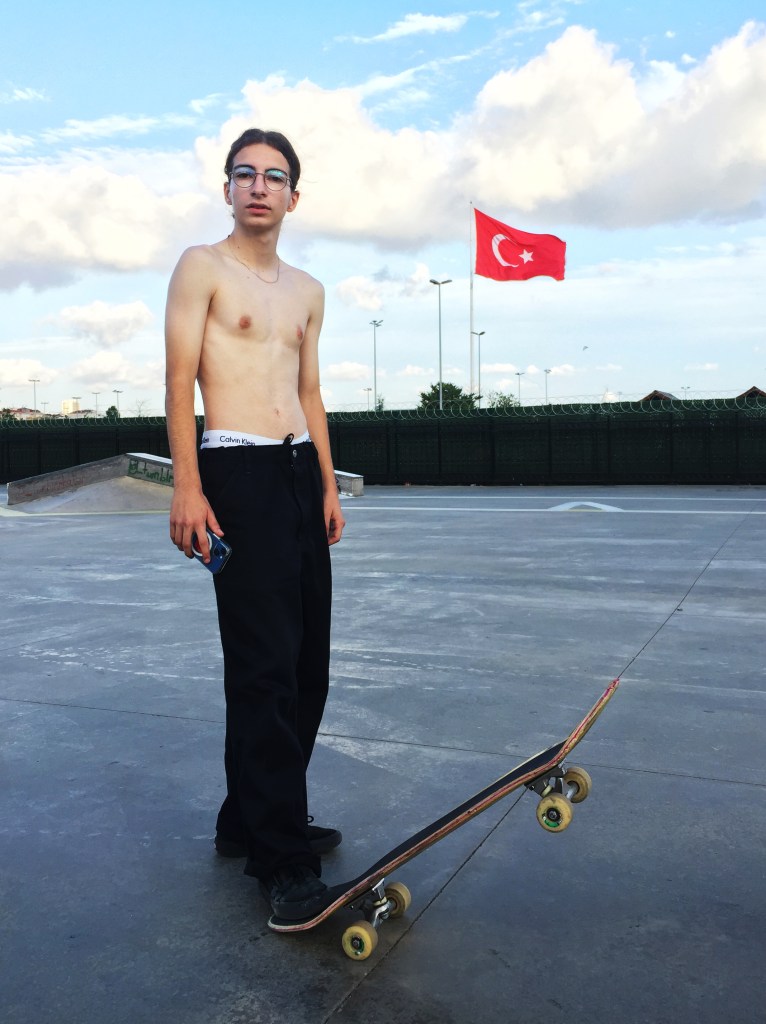
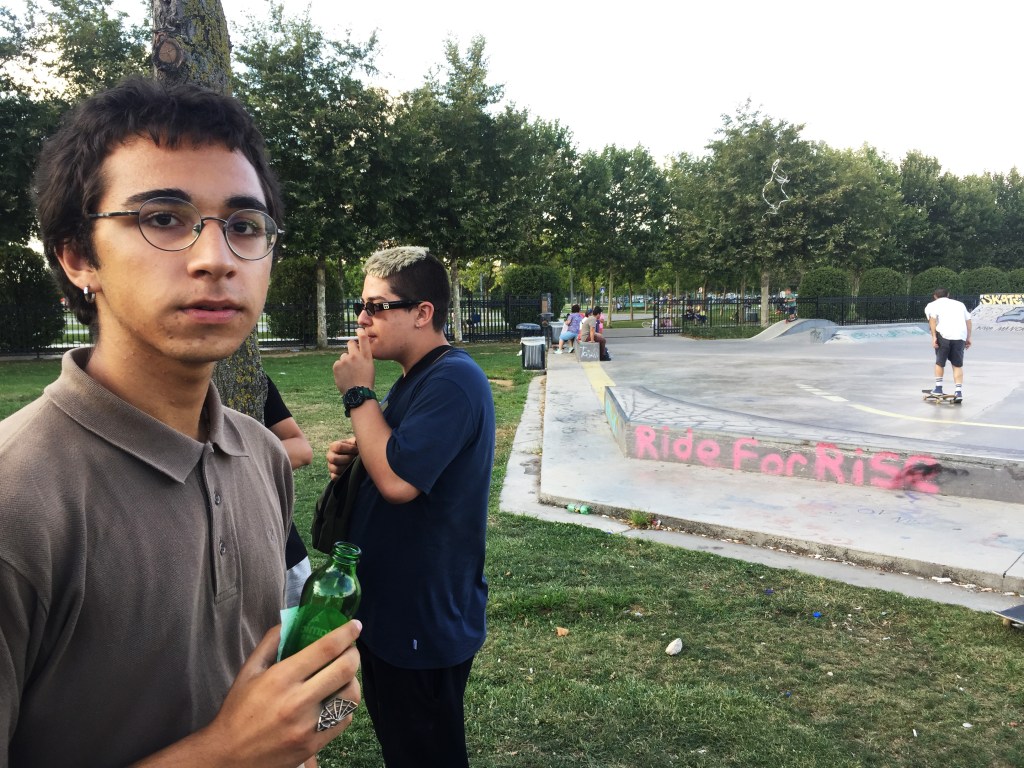



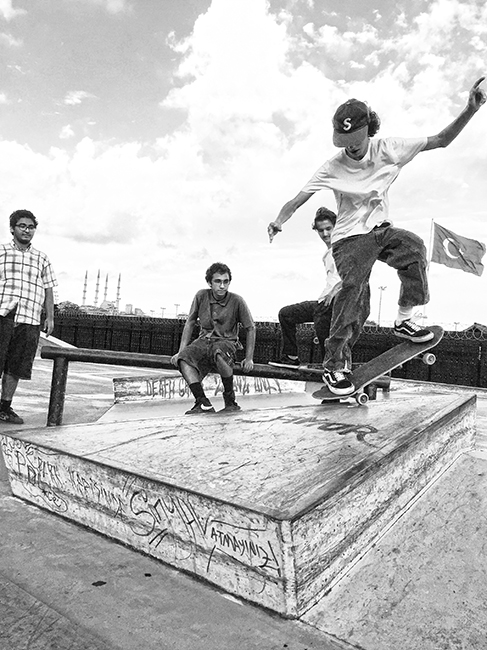






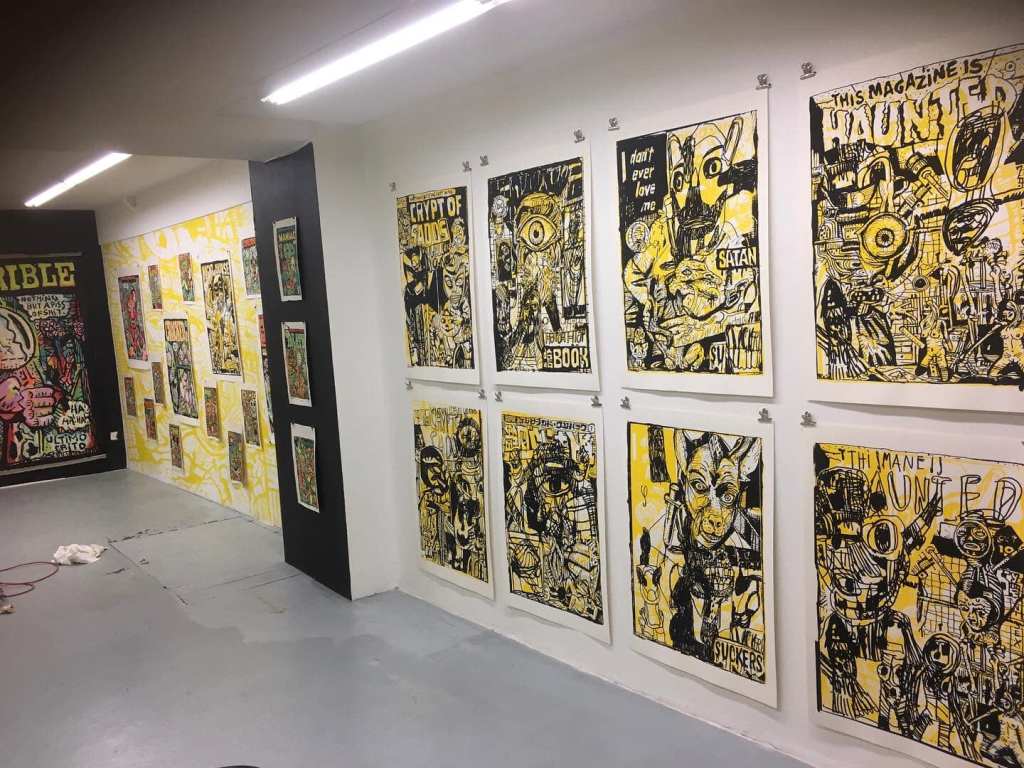


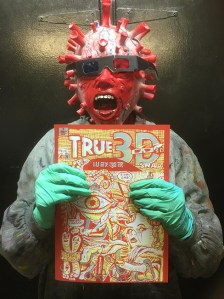


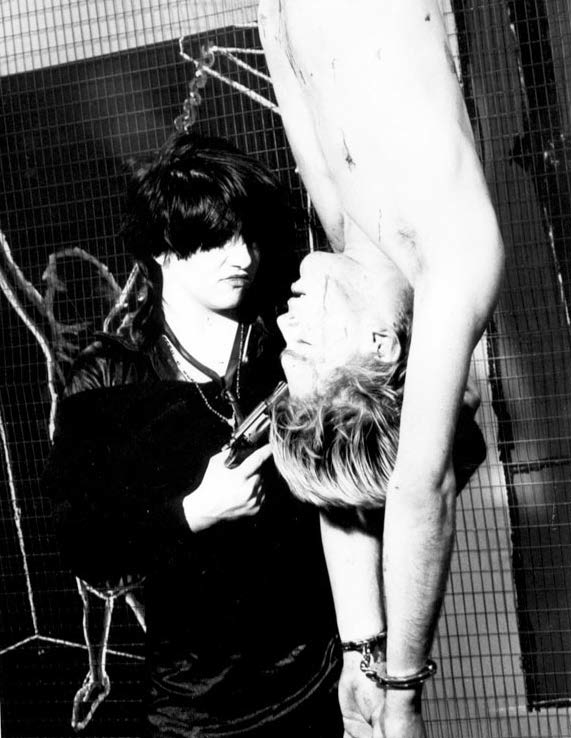

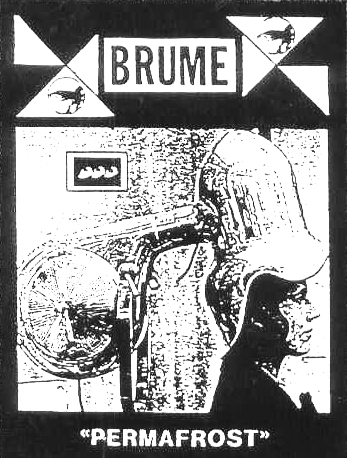
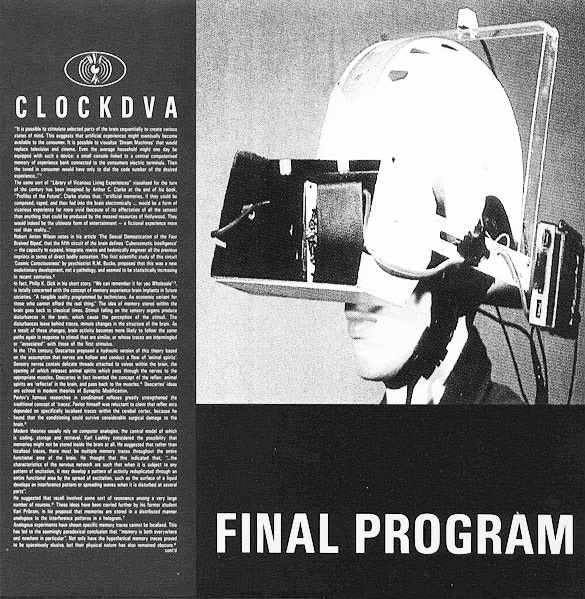
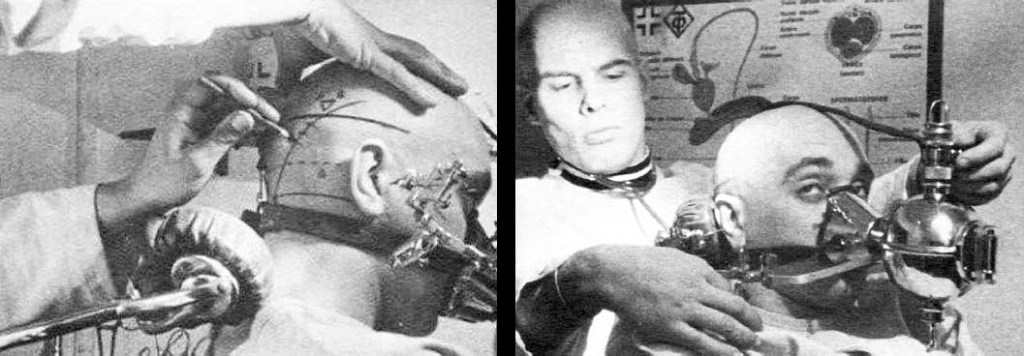
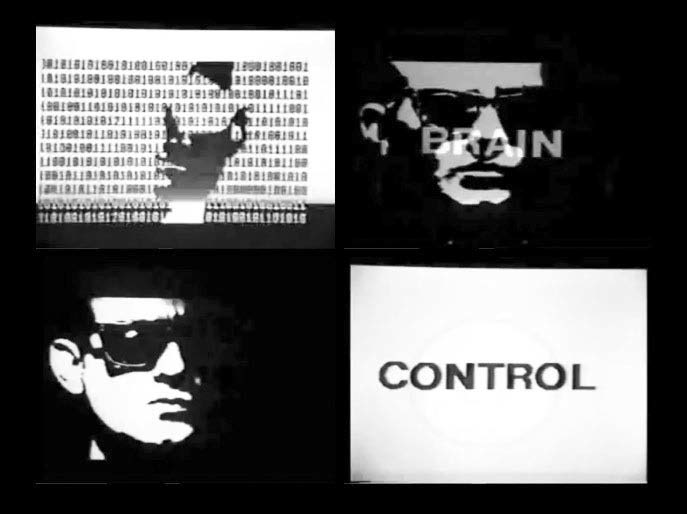


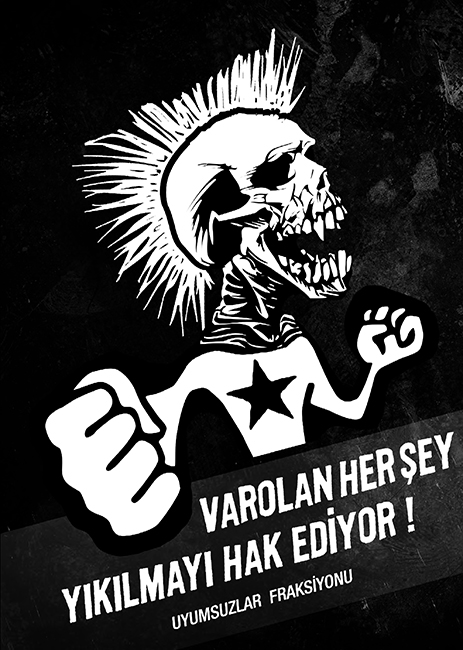

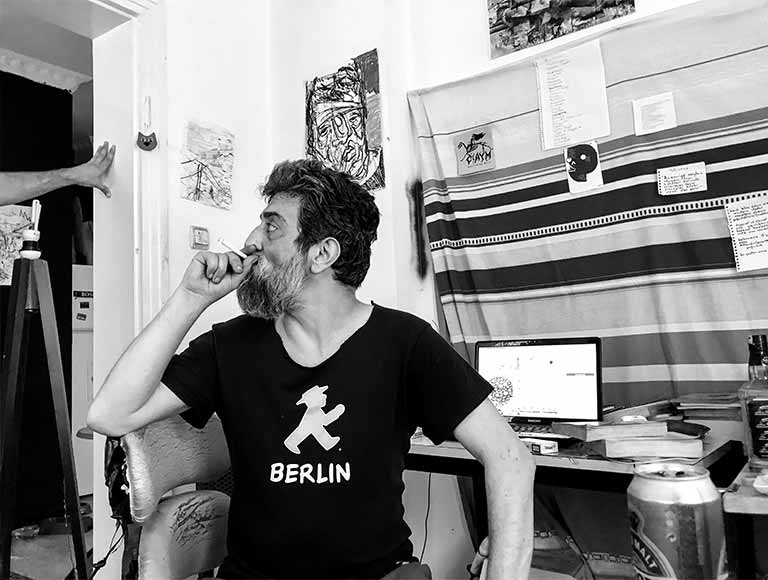

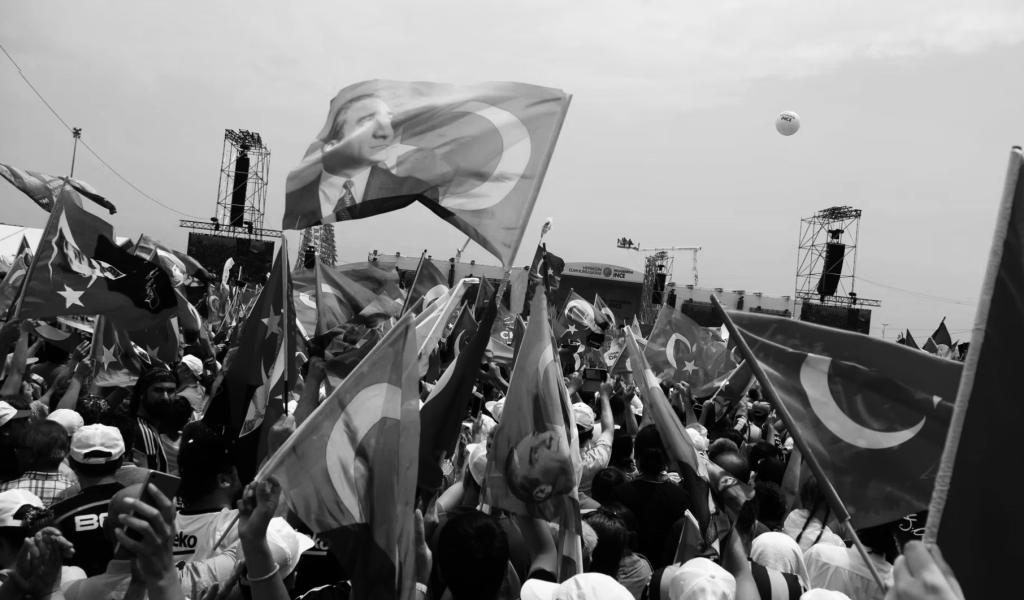
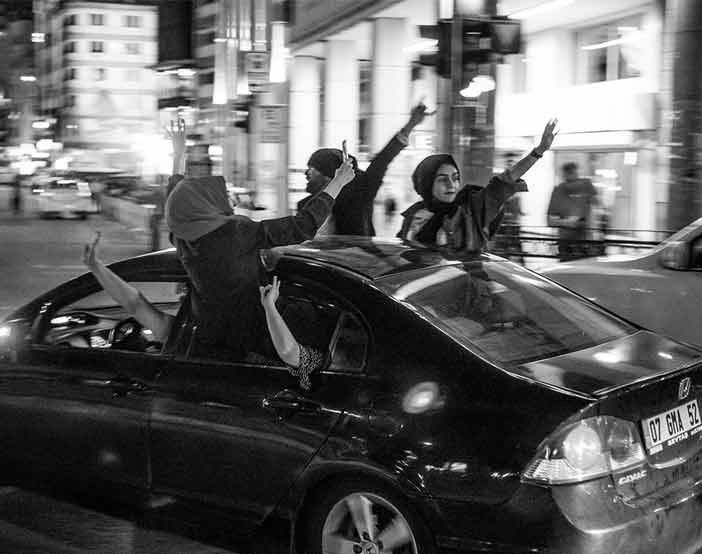


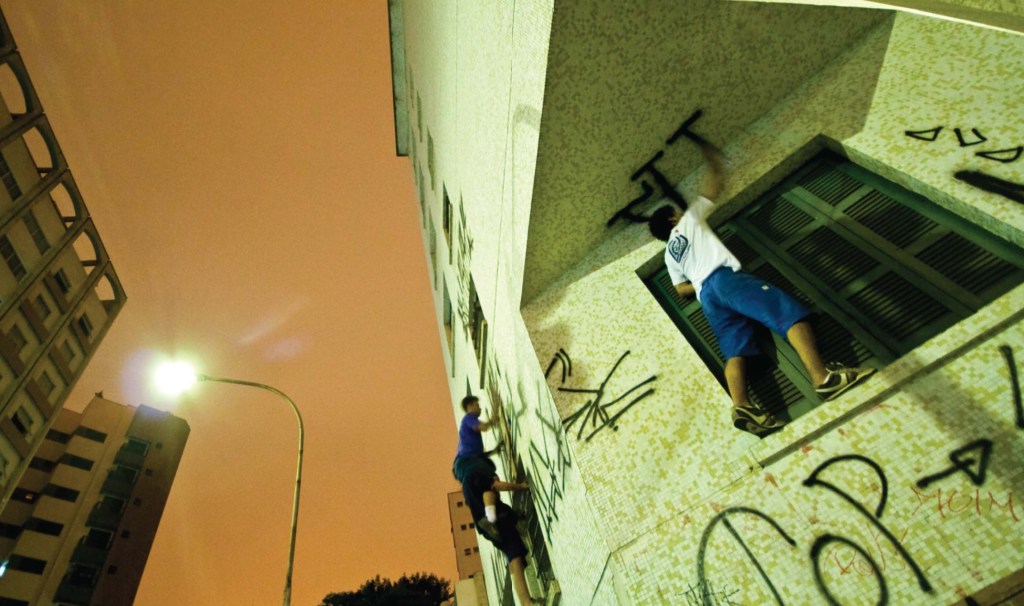
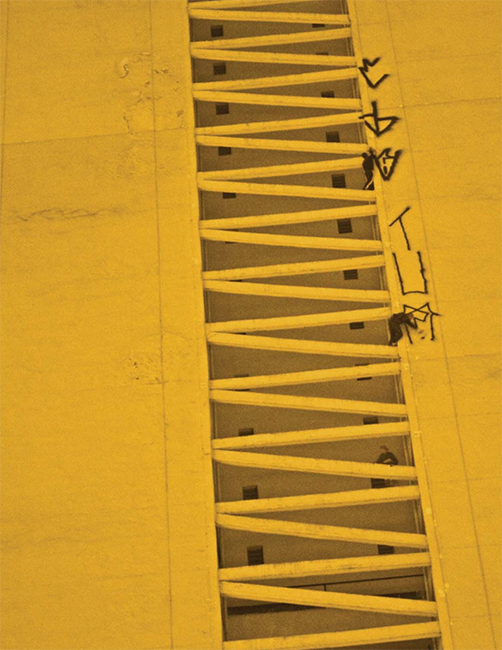


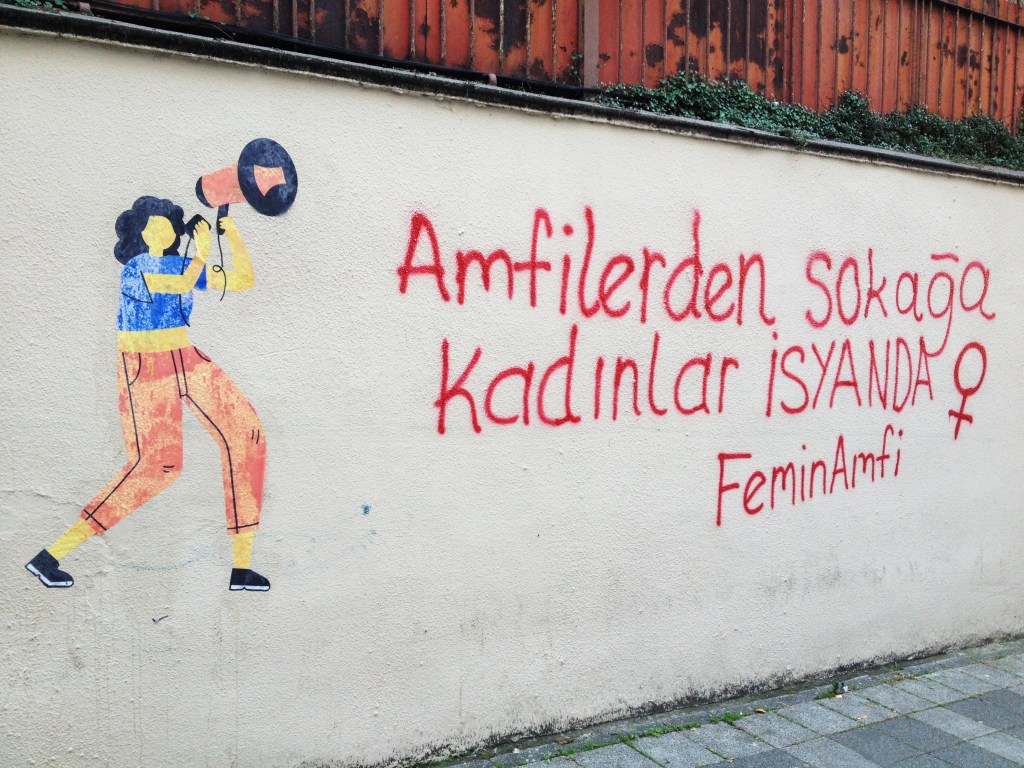

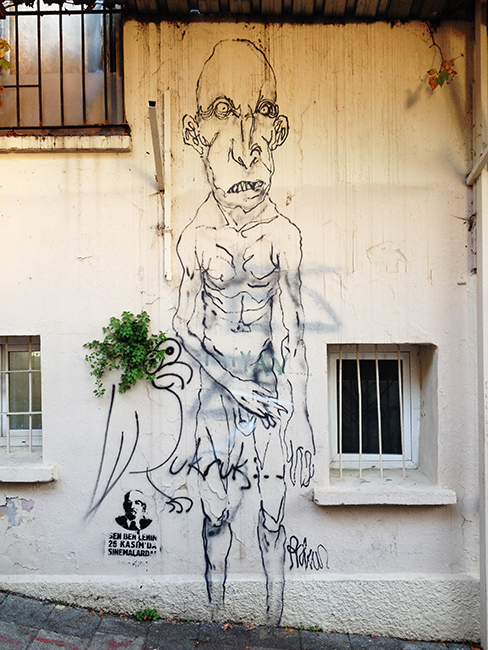


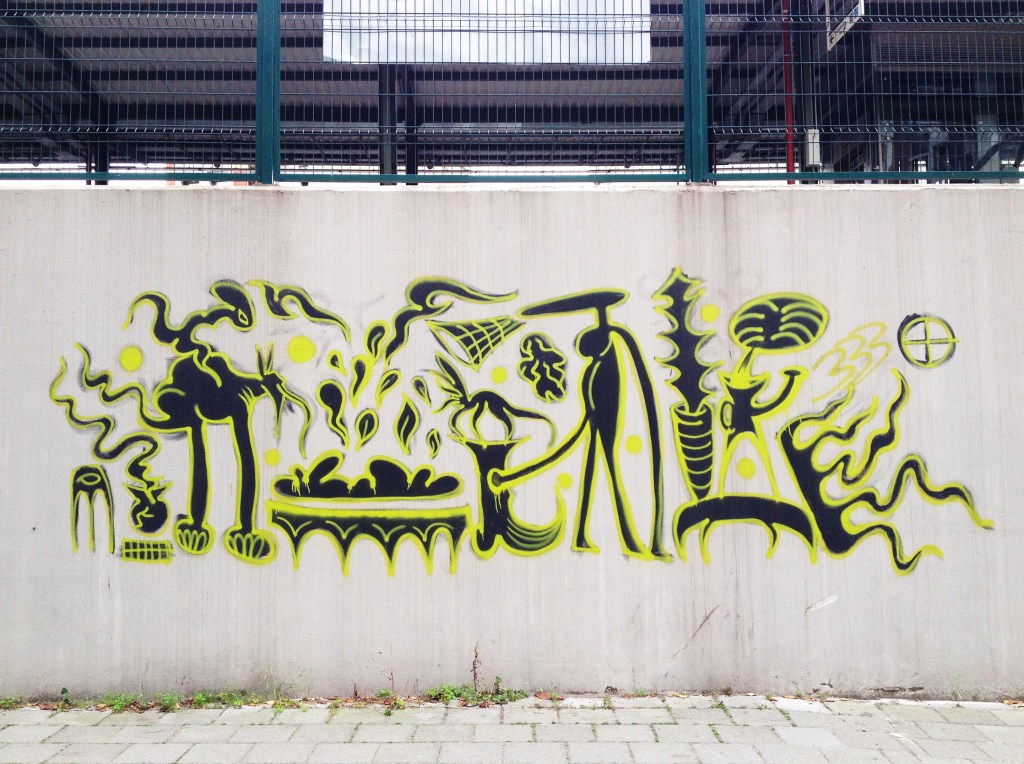


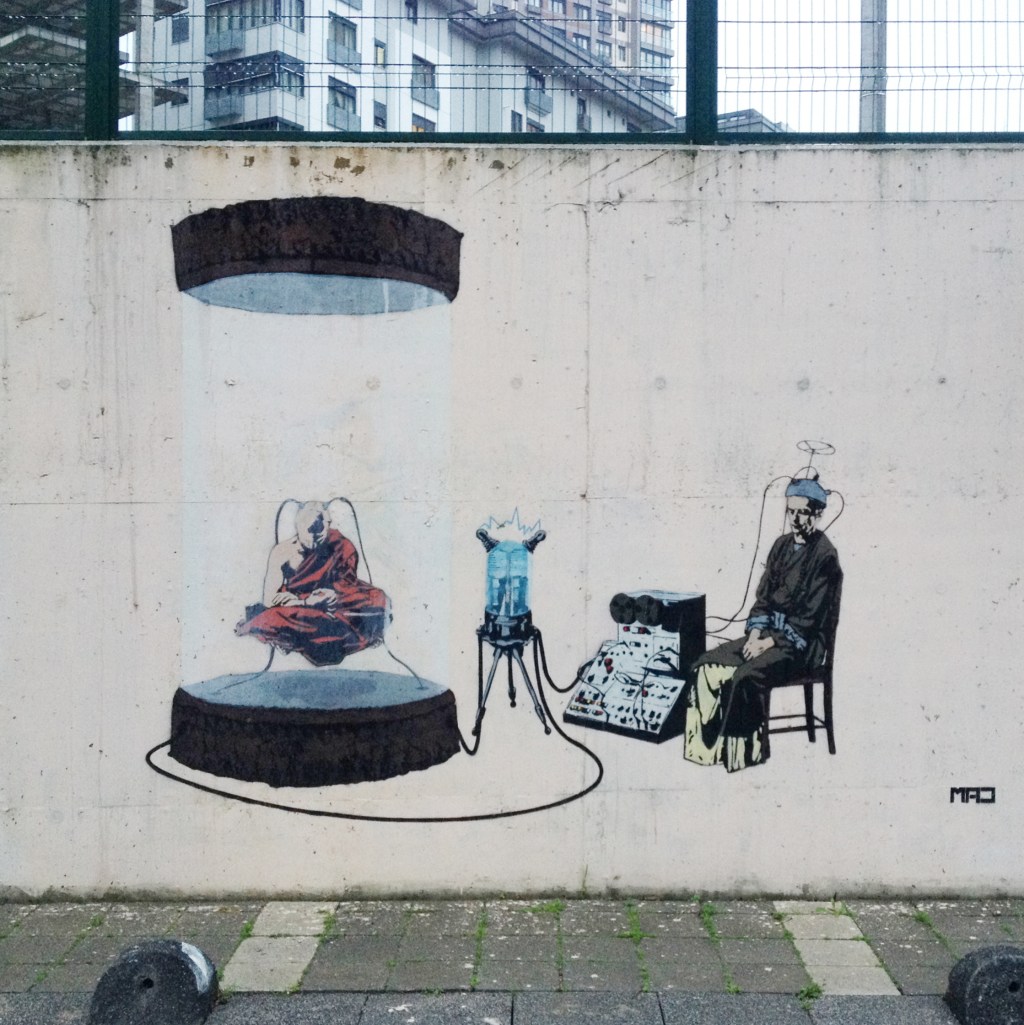
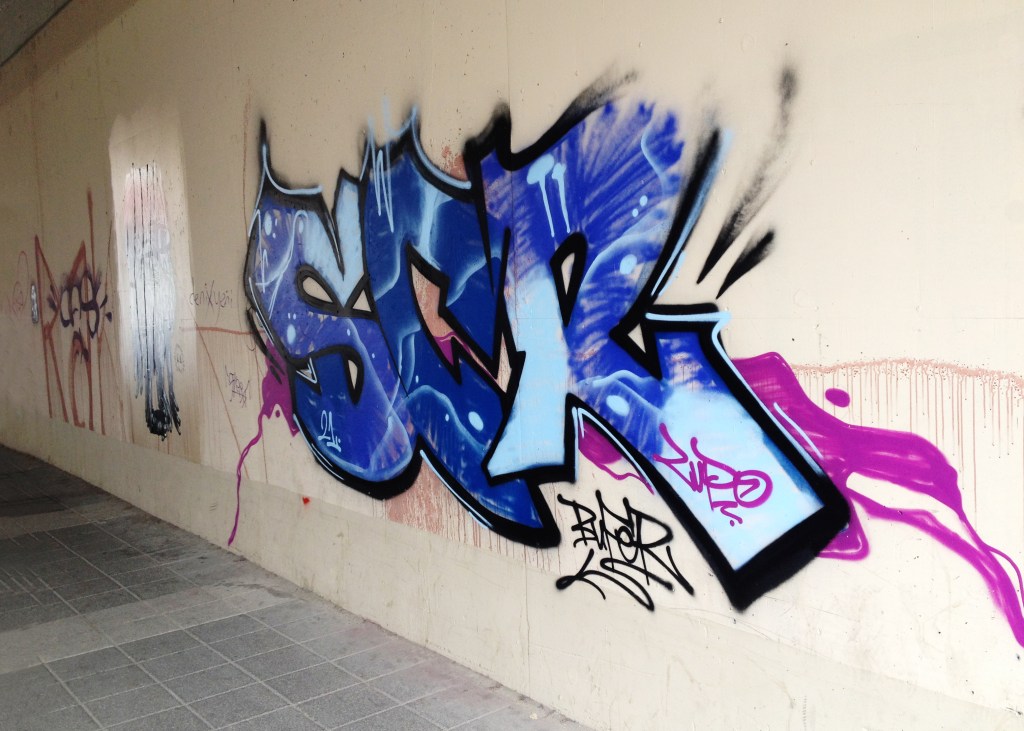

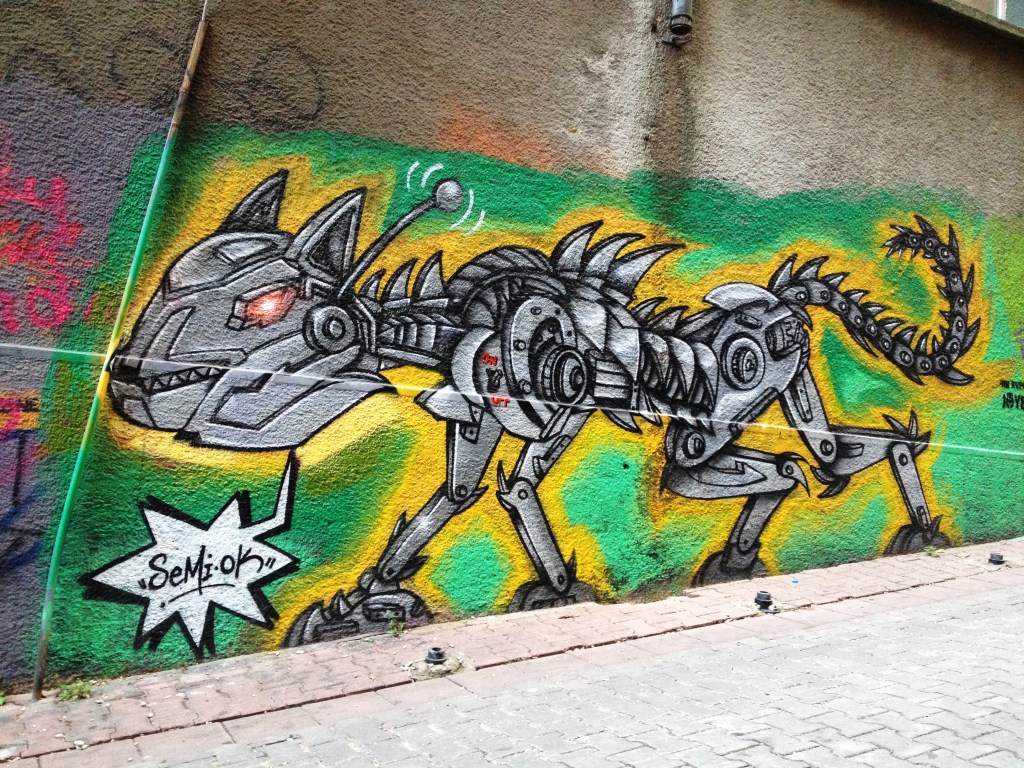

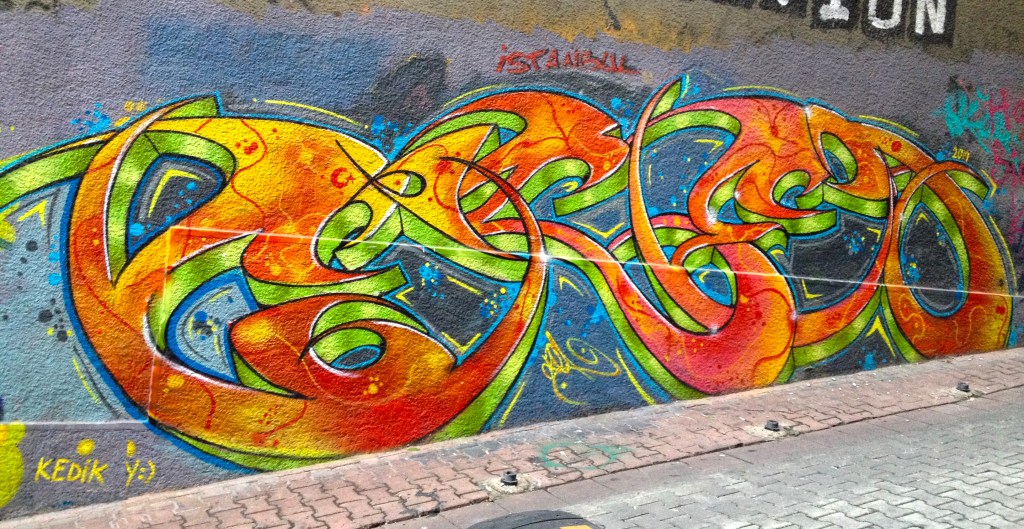


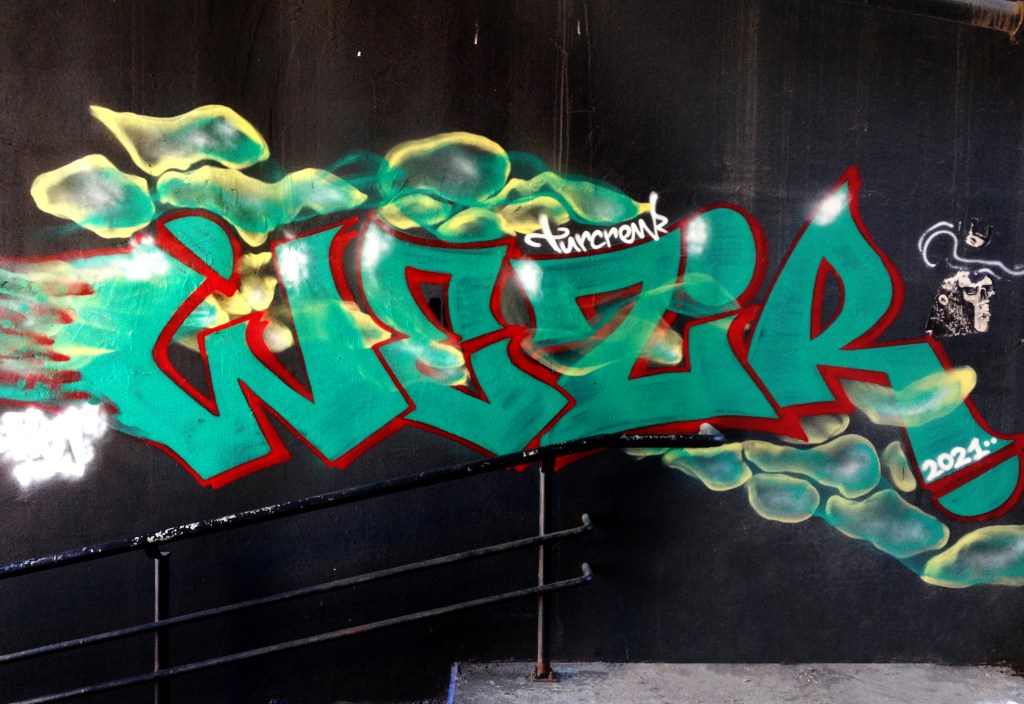
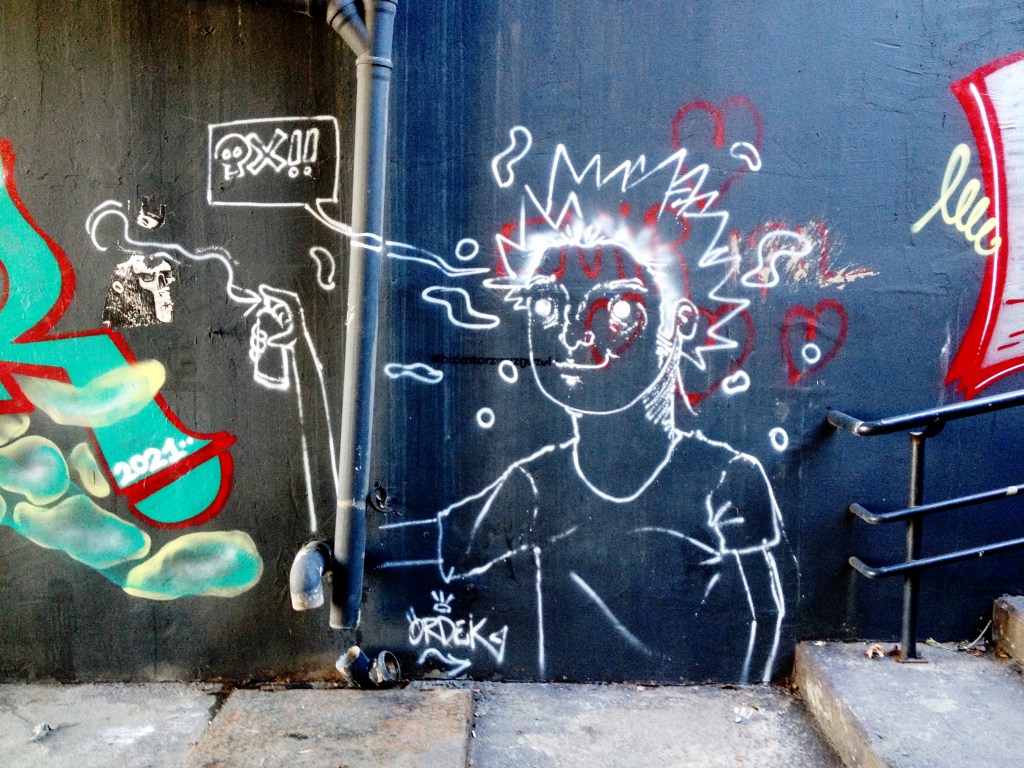

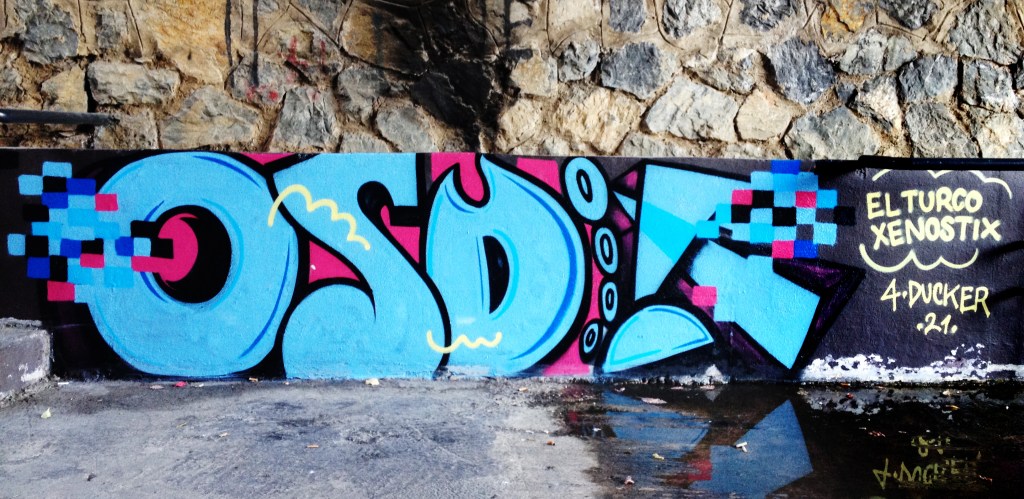
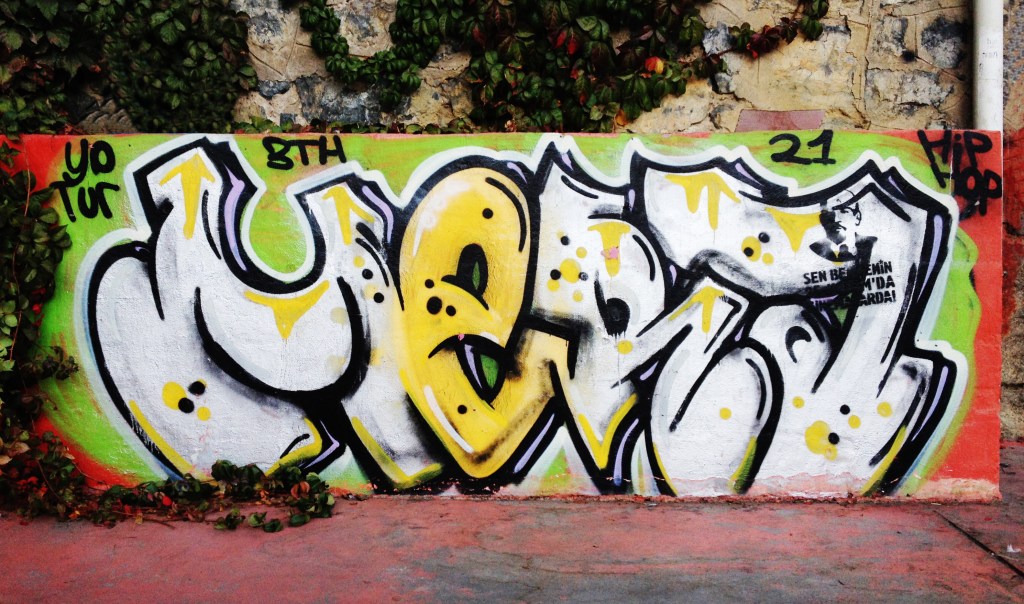
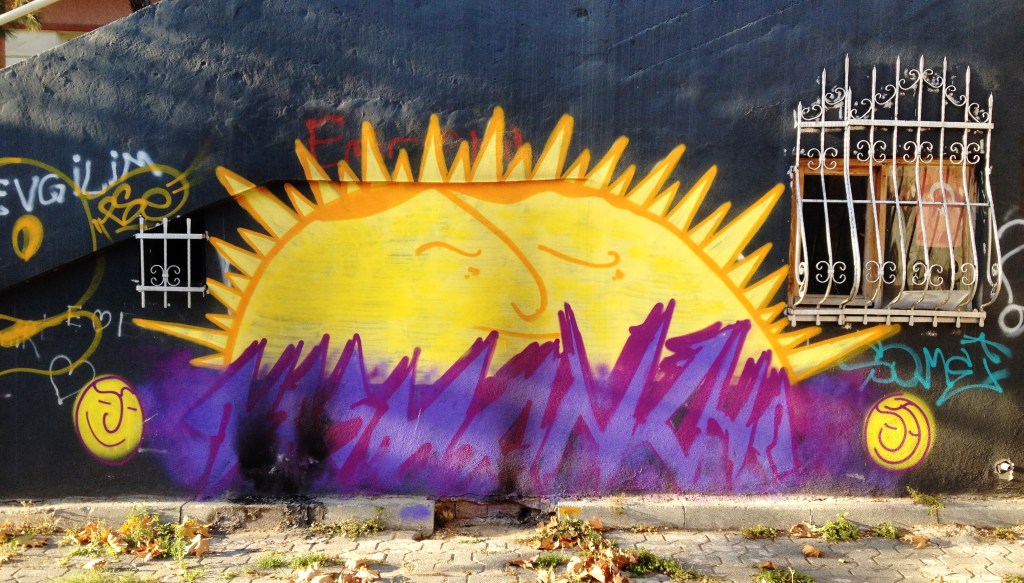
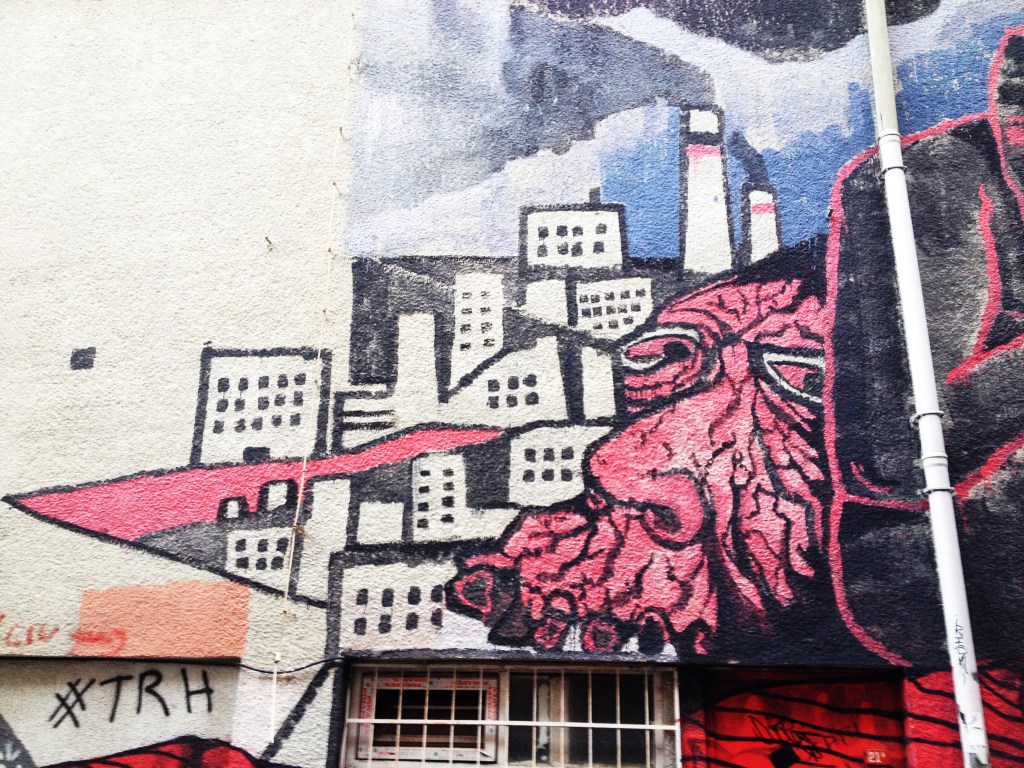

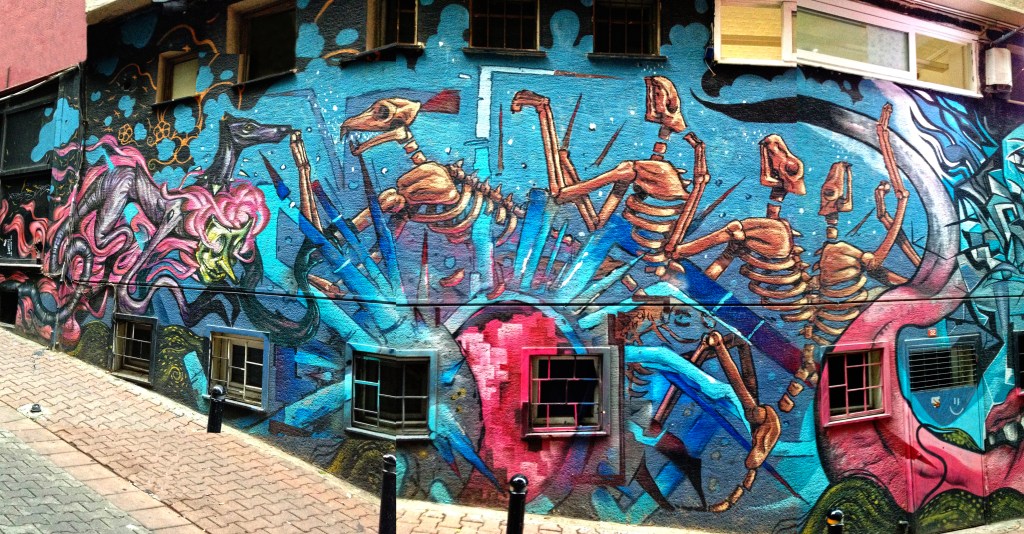


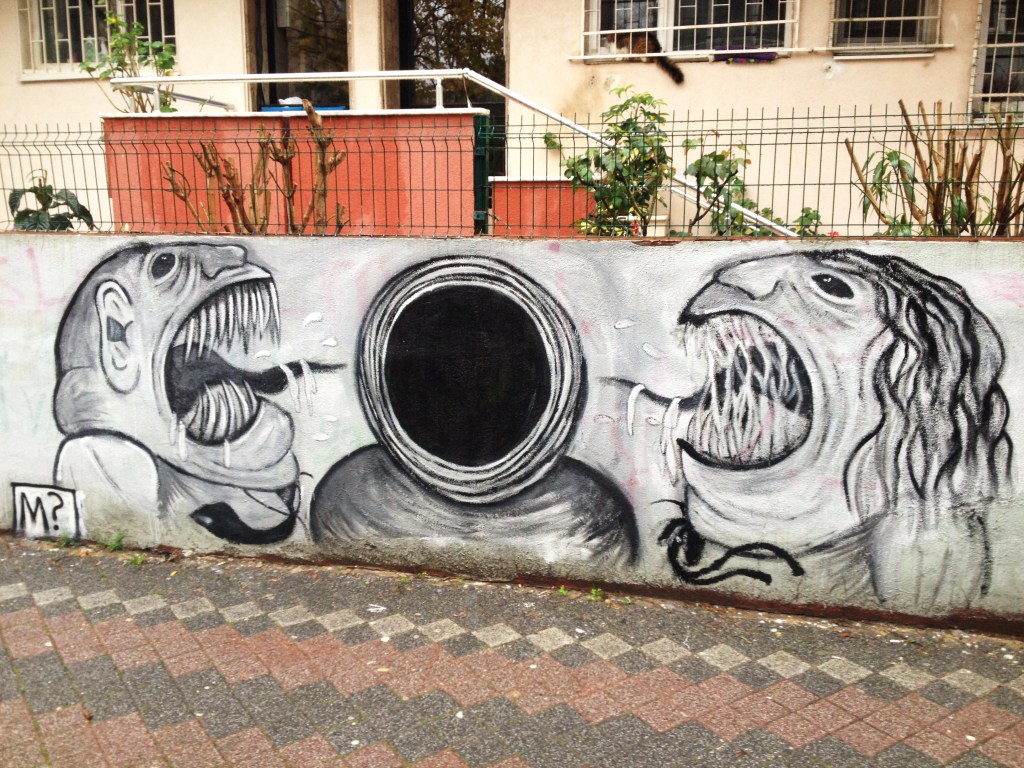

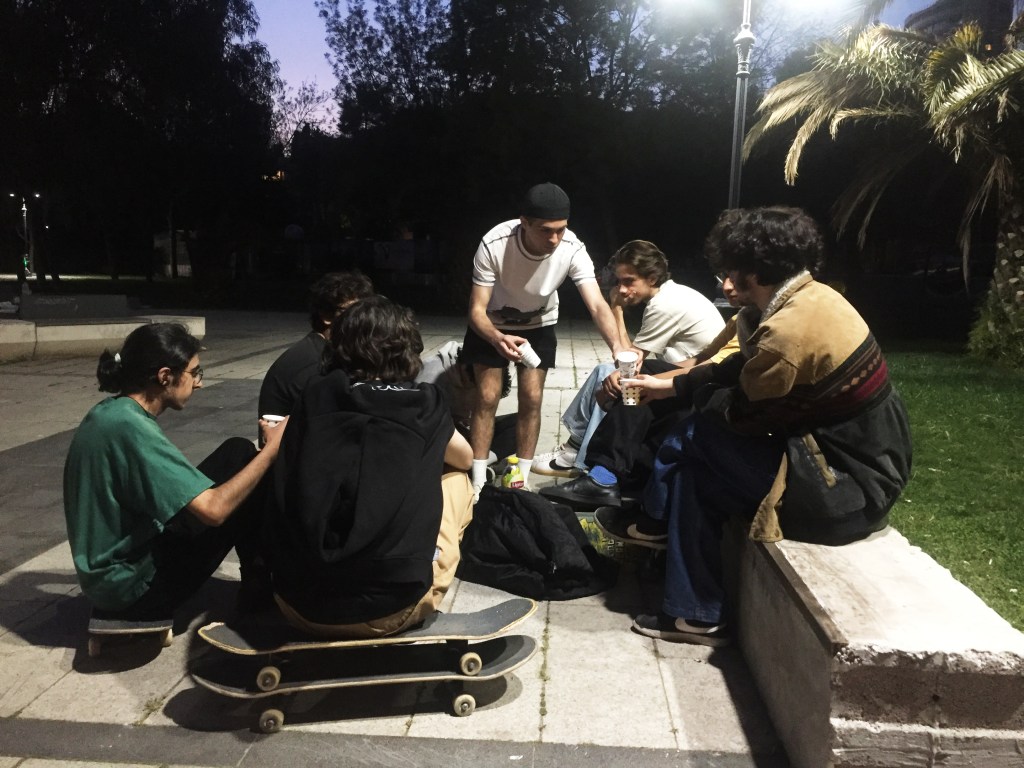


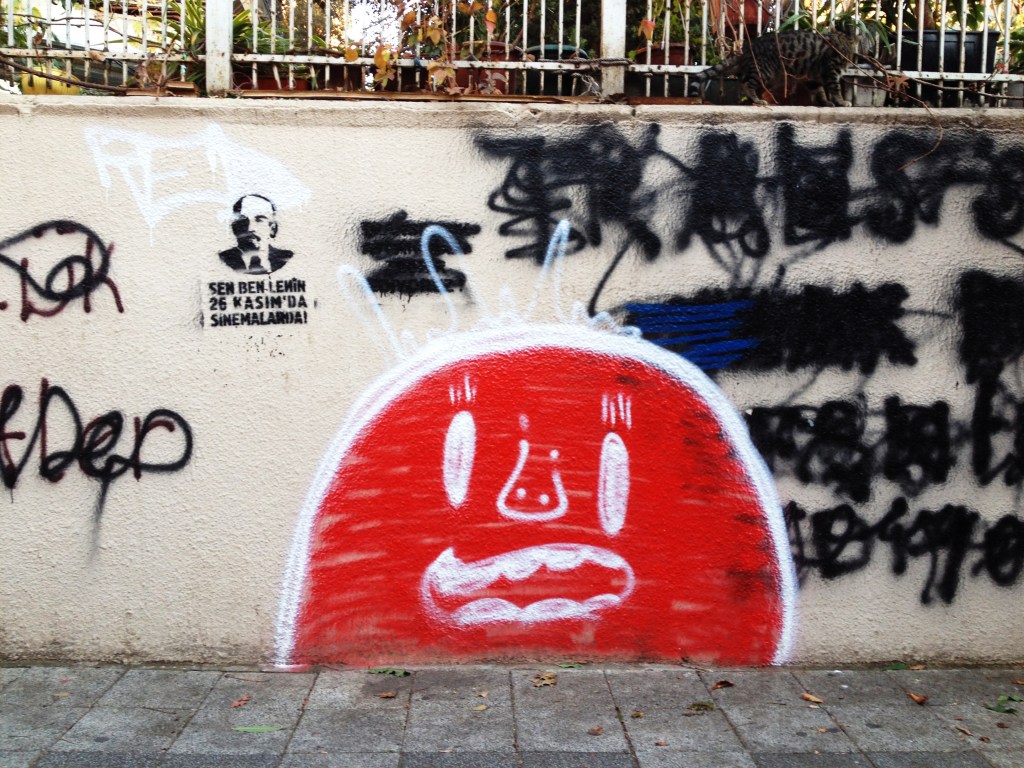


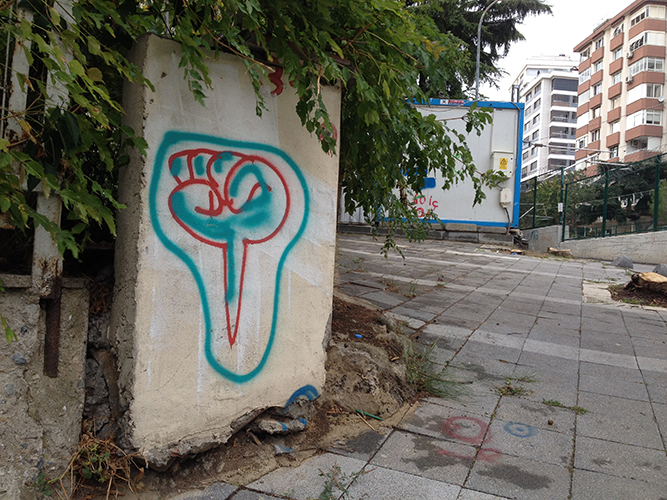



 LÖPÇÜK