a new documentary on jungle and drum & bass’ early days
“Drum n Bass hayatımın çok büyük bir parçası ve Doc’n Roll ile yeni nesil raverlar/junglistlere bu müziğin kökenini anlatma şansı yakaladığım için çok heyecanlıyım” -Costigan
Jungle ve drum & bass’ın sahneye çıkış yıllarını konu alan yeni bir belgesel, İngiltere’deki seçkin sinemalarda ve Doc’n Roll TV üzerinden yayınlandı. Belgesel, Liverpool, Birmingham ve Brighton dahil olmak üzere birçok şehirde gösterime girdi ve 90’ların başında İngiltere’deki rave kültüründen filizlenen bu müziğin doğuşunu anlatıyor.
a new documentary on jungle and drum & bass’ early days
“Covid nedeniyle uzun yıllar süren yapım aşaması ve aksiliklerin ardından, filmimin İngiltere ve İrlanda’da gösterime girmesini desteklemek için İngiltere’ye seyahat etmekten gerçekten heyecan duyuyorum. Drum n Bass hayatımın çok büyük bir parçası ve Doc’n Roll ile yeni nesil raverlar/junglistlere bu müziğin kökenini anlatma şansı yakaladığım için çok heyecanlıyım” -Costigan
Müzisyen, DJ ve yapımcı Stickbubbly olarak da bilinen Peter Costigan tarafından çekilen film, çoğu daha önce hiç görülmemiş arşiv görüntüleri ile bu müziğin gelişmesine katkıda bulunan öncü isimlerle yapılan röportajları bir araya getiriyor. Jumpin’ Jack Frost, Ray Keith, Dillinja, Lemon D, Ragga Twins, Micky Finn, Paul Ibiza ve G.Q. gibi isimler, müziğin kökenleri, korsan radyolar aracılığıyla geçirdiği kültürel evrim ve nihayetinde dünya çapında bir fenomen haline gelmesini anlatıyor.
Il est sans doute difficile de dire quand commence exactement le graphzine et quel est le premier objet à mériter cette appellation. Mais, même si rien ne naît de rien, avec Bazooka (principalement animé par Kiki et Loulou Picasso, Olivia Clavel, Lulu Larsen, Bernard Vidal, Ti5 Dur, Jean Rouzaud) et, peu de temps après, avec ESDS (Pascal Doury et Bruno Richard), quelque chose de nouveau a surgi, irréductible à la bande dessinée, à l’illustration, au dessin de presse, à la peinture, etc. Ils ont défriché un nouveau territoire, « une nouvelle conception de l’intervention plastique, questionnant à la fois l’histoire intime, le journalisme et le formalisme plastique de la page » (Alin Avila). Rétrospectivement, ils apparaissent comme les deux sources fondamentales de ce qui allait foisonner de manière polymorphe à partir des années 1980 sous le nom de graphzine.
Ce qui permet par exemple à Frédéric de Broutelles d’affirmer : « Je pense que [le graphzine] a toujours existé. Il y a longtemps que des artistes créent avec les moyens du bord. Il y a tellement de définitions du graphzine sur Internet. Selon moi, un graphzine peut contenir du texte. Il y a de telles différences dans les moyens mis en oeuvre, de la simple photocopie à la gravure. Parfois l’intérêt du contenu prédomine sur la forme. Par exemple, un tract en photocopie peut devenir un objet fabuleux. Certains graphzines étaient impressionnants par leur qualité. Tout procédé d’impression peut présenter un intérêt, qu’il soit noble ou non : linogravure, gravure sur bois, photocopie, sérigraphie, tampon, pochoir… »
Si le graphzine a d’une certaine manière toujours existé, il n’en reste pas moins que Broutelles a contribué parmi d’autres à faire émerger cette notion et ce mot par sa pratique d’éditeur, en créant l’APAAR en 1985 avec Louis Bothorel et Brigitte Lefèvre, en lien jusqu’en 1990 avec l’Atelier (de sérigraphie), lui-même fondé en 1974 par Jack Pesant et Éric Seydoux (un ancien de l’Atelier populaire de l’École des Beaux-Arts en mai 1968). L’APAAR (Association Pour Adultes Avec Réserves, clin d’oeil à l’appréciation de l’Office catholique sur certains programmes dans Télé 7 jours) a publié des affiches et ouvrages en sérigraphie ou en offset avec la crème internationale de l’underground et de jeunes artistes en devenir, notamment Robert Crumb, Gilbert Shelton, Willem, Gary Panter, Mark Beyer, Charles Burns, Savage Pencil, Marc Caro, Bruno Richard, Pascal Doury, Ti5 Dur, Olivia Clavel, Placid, Muzo, Pyon, Lagautrière, Pakito Bolino, Hervé di Rosa, Toffe, Gerbaud, Zorin, Mirka, Pierre La Police, Y5/P5, etc. L’ouvrage collectif Croquemitaine, Spécial Squelette (1985), tout en sérigraphie et à la qualité de fabrication remarquable, est une pièce emblématique de l’APAAR, et plus généralement du graphzine sérigraphié.
Aussi novateur soit-il, le groupe Bazooka s’est nourri d’influences diverses, ainsi que le souligne Kiki Picasso, défenseur du pillage radical : la culture des Beaux-Arts où ses membres étaient étudiants (allant de l’art conceptuel à Veličković, en passant par le constructivisme, le suprématisme ou Paul Klee…), celle de leurs pères respectifs (photographe pour lui-même, peintre pour Olivia Clavel, chauffeur de taxi pour Bernard Vidal, etc.) ; sans oublier les librairies spécialisées, le rock, la bande dessinée, Pilote, Métal Hurlant, Fluide Glacial, Tintin, Walt Disney, « la propagande chinoise et l’esthétique gauchiste fusionn[ant] tout à coup avec l’histoire de la peinture », la culture underground américaine, les premiers Zap Comix et les premiers Corben, les livres de science-fiction, les vieux journaux (Marie-Claire, Paris Match, Life, Stern), etc. « C’était une explosion sensorielle très forte », déclare-t-il.
L’obscur Office national des Inégalités a passé commande à Kiki et Loulou Picasso d’un travail d’investigation graphique sur les images et les messages diffusés par les médias occidentaux. Les deux artistes qui s’étaient volontairement fait oublier pendant quelques années, remettent leur génie à l’ouvrage. Un ouvrage pour la jeunesse, si tant est quelle existe dans notre vieux monde.
Willem, avec son oeil d’aigle, a tout de suite remarqué à l’époque, dans sa « Revue de presse » pour Charlie Hebdo, qu’il se passait quelque chose de nouveau. Les trois premiers numéros de Bazooka Production ne lui ont pas échappé. En janvier 1975, il signalait le numéro 1, Bazooka, comme « un nouveau journal de BD […] totalement différent des journaux connus », bien parti selon lui pour être le « meilleur » de l’année. En avril, il revenait à la charge : « Il y a trois mois j’écrivais qu’il serait étonnant si 1975 verrait [sic] des nouveaux journaux de BD meilleurs que Bazooka. Et voilà c’est fait. Le journal s’appelle LOUKHOUM BRETON […] [qui] est d’ailleurs le 2e n° de Bazooka, qui change de nom à chaque numéro, une façon de rester neuf. » Un an plus tard, pour le troisième, Activité sexuelle : Normale, Willem enfonçait le clou : « Connaître BAZOOKA c’est économiser : après, vous n’achèterez jamais plus le paquet de bandes dessinées à la con que vous lisiez d’habitude. » On ne saurait mieux dire… Et ce n’est pas tout, puisque Willem n’est pas non plus passé à côté du premier numéro d’ESDS, en janvier 1977 : « Le dessin le plus neuf de cette année se trouve dans le journal le plus neuf : ELLES SONT DE SORTIE […], journal entièrement fait à la main, mais il n’est pas marqué qui a fait quoi, donc je ne peux pas vous dire qui est ce dessinateur. Voyez vous-même. »
Bazooka collective, Legerement Destroy episode of L’oeil du cyclone
En schématisant, on peut avancer que Bazooka, dès 1974-1975, a le premier défriché le territoire sur lequel allaient éclore les graphzines, en brisant les conventions narratives de la bande dessinée par le rapprochement ambigu d’images et de textes. Et qu’ESDS en a sans doute inventé à partir de 1977 les formes qui allaient se révéler à la longue être les plus influentes pour de nombreux graphzineurs. « Si Bazooka – écrit Sylvie Philippon en 1986 – s’est donné comme mission d’exorciser l’art par voie de presse, la stratégie graphique d’Elles Sont De Sortie est tout autre. Le groupe travaille discrètement, les images sont plus intimes, mais pas moins subversives. Au réalisme de l’actualité parodiée, détournée de Bazooka s’opposent la démarche autobiographique, le contenu psychologique d’Elles Sont De Sortie. Leurs images parlent essentiellement de sexe, de violence des corps, de leur vie respective. Un plaisir arrogant, viscéral les inonde, une énergie et une facilité à dessiner les parcourent. » Là où Sylvie Philippon parle d’opposition, il serait en réalité plus exact d’évoquer une différence, n’empêchant aucunement la complémentarité, certains artistes des deux groupes ayant en effet souvent collaboré à des publications communes.
Les membres de Bazooka ont fait des ouvrages autoproduits à petit tirage et en marge du système éditorial dominant, notamment leurs premières publications remarquées par Willem, qui peuvent être considérées a posteriori comme des graphzines, le terme s’étant imposé après coup. Mais ce qui différencie les Bazooka d’Elles Sont De Sortie et de tout autre groupe ou individu faisant des graphzines après eux, c’est leur ambition proclamée et finalement réalisée avec un brio incomparable d’intervenir avec leurs images sur le plus de supports possibles, circulant à grande échelle, y compris ceux de la grande presse, afin de les parasiter de l’intérieur. Tel fut le cas, en particulier, dans Libération, à partir de 1977, d’abord en dynamitant la maquette du quotidien par leurs interventions qui firent souvent scandale au sein de la rédaction, avant de se voir offrir, l’année suivante, un supplément mensuel purement graphique, Un regard moderne, dont les six numéros (en comptant Un regard sur le monde) sont désormais cultes aux yeux des amateurs. Ce qui fait dire à Bruno Richard : « La force de Bazooka était médiatique… Putain ! Comment Libération donnait carte blanche à des gens comme ça ?!… Je ne sais pas qui a eu cette idée chez Libération, mais il est fort !… » La série Un regard moderne peut ainsi apparaître comme une manifestation remarquable du monde du graphzine en train de naître, ayant inspiré celui-ci de manière durable, sans pour autant constituer à proprement parler un graphzine, du moins selon la notion courante impliquant une démarche d’autoproduction à tirage plutôt restreint et en marge du système éditorial dominant.
En octobre 1983, Philippe Lemaire soulignait déjà dans le mensuel BàT (#58) la double influence de Bazooka et d’ESDS sur la nouvelle vague graphique qui émergeait alors. « Ce “territoire” a été défriché à la fin des années 70 par un groupe aujourd’hui éclaté dont on commence à mesurer l’impact : Bazooka Production. Ses peintres/ graphistes/dessinateurs ont apporté aux aspirations diffuses des créateurs d’images de leur génération un discours structuré empruntant abondamment à la “langue de bois” des idéologues pour provoquer plus efficacement. Sept ans après avoir expérimenté la “dictature graphique” dans les colonnes de Libération première formule, Kiki Picasso prône toujours “l’occupation des médias, la surveillance de l’art pour promouvoir les travaux de qualité, le renversement des littéraires essoufflés qui accaparent le pouvoir intellectuel”. Plastiquement, Bazooka a su également secouer les classicismes ambiants en utilisant systématiquement des procédés iconoclastes : la récupération d’images déjà diffusées (photos de presse), la combinaison de toutes les techniques disponibles, de la peinture à l’huile jusqu’à la photocopie, l’usage de couleurs décalées par rapport à la réalité, etc. » Quant à ESDS, « l’autre groupe/courant considéré comme novateur ces dernières années, le duo Bruno Richard-Pascal Doury», le journaliste précise, dans ce même article : « Leurs images sont marginalisées dans la mesure où ils refusent d’en vivre (l’un est directeur artistique dans une grande agence de pub, l’autre maquettiste à Libération et tous deux peignent à leurs heures de “loisir”). De plus, leurs thèmes favoris illustreraient difficilement un message commercial : ils dérivent entre la “relecture” d’images pornographiques et la construction de fresques visionnaires où abondent les souvenirs et les références à l’enfance. Parfois, leurs deux styles se mêlent dans de véritables compositions collectives. »
Placid (Jean-François Duval), qui participa avec Muzo (Jean-Philippe Masson) à l’effervescence du graphzine dès le début des années 1980, et qui est un éminent collectionneur et connaisseur de ces publications, a lui aussi été marqué par Bazooka et Elles Sont De Sortie. « J’ai rencontré Muzo – m’a-t-il confié – aux cours du soir des Beaux-Arts de Caen lorsque nous étions lycéens. Nous nous sommes parlés parce que nous aimions bien la bande dessinée, Charlie Mensuel, L’Écho des Savanes, Francis Masse et tout ça. C’était aussi le début de Métal Hurlant. J’allais à La Licorne, une librairie de Caen un peu contestataire avec un étage spécialisé en bande dessinée. On y voyait arriver tout ce qui sortait, même les choses assez pointues. Un jour, en allant voir si le dernier Métal Hurlant était arrivé, je suis tombé sur Activité sexuelle : Normale, le premier zine de Bazooka que j’ai lu. C’était en 1976, j’avais quinze ans et j’ai été très impressionné. Bazooka, c’était un style nouveau, inattendu. Ça m’a un peu choqué. Pas tant l’imagerie sexuelle ou pédophile que le traitement graphique. Par exemple, il y a une image de Kiki Picasso avec une jeune fille en uniforme qui joue de la flûte, et un fil va de sa flûte à ses yeux. Cela produisit immédiatement sur moi un étrange effet répulsif. Mais quelques semaines plus tard, ça ne me choquait plus, j’étais entré dedans. Très vite, j’ai vu leurs interventions dans Charlie Mensuel, dans Métal Hurlant, puis dans Libération. Je me suis même rendu aux archives de ce quotidien, bien avant de m’installer à Paris en 1981 en tant qu’étudiant aux Arts Déco, pour fouiller et acheter tous les numéros où il y avait du Bazooka, afin de les découper et de les conserver. Peu de temps après, j’ai vu aussi les premiers zines d’Elles Sont De Sortie dans cette même librairie, La Licorne. Je me suis un peu calmé maintenant, mais à l’époque je dépensais les sous que je n’avais pas pour acheter toutes ces choses imprimées… J’ai trouvé leur boulot, aux uns et aux autres, très fort. J’étais particulièrement impressionné par celui de Bruno Richard, qui a alors beaucoup influencé mon style graphique. D’ailleurs, nombreux sont ceux qui ont imité Bruno Richard dans leurs premiers graphzines !… Sans Bazooka et Elles Sont De Sortie, nous n’aurions 25sans doute pas pris les pseudonymes de Placid et Muzo pour créer à l’âge de vingt ans une publication modeste imprimée en photocopie que nous déposions en quelques exemplaires dans des lieux de vente parisiens. Aux Arts Déco où j’étais étudiant, j’ai pu faire des couvertures dans l’atelier de sérigraphie. Nous invitions d’autres dessinateurs et avons publié huit numéros, qui ont circulé dans ce réseau nommé un peu plus tard “graphzine”, le mot n’existant pas encore au tout début des années 1980. »
Je pourrais multiplier indéfiniment les témoignages des graphzineurs à propos de l’importance de Bazooka et d’ESDS. Finissons sur ce point avec Dominique Leblanc, qui a vécu le phénomène depuis Strasbourg (Peltex #1 date de décembre 1981) et apporte un éclairage intéressant. Tout en reconnaissant la puissance de rayonnement du premier groupe, il la relativise quelque peu au profit du second et d’une multitude de tentatives souvent passionnantes elles aussi, bien que davantage restées dans l’ombre : « L’invention du graphzine date d’avant Bazooka. Même dans les années 60, il y avait beaucoup de revues hippies/situationnistes. Bazooka, phénomène très parisien et néo-punk, a attiré la lumière. En outre, Bazooka avait certes la quintessence de l’esprit graphzine – c’est-à-dire un mélange dadaïste de dessins hétérogènes et de textes, des typographies percutantes, un discours arty, etc. –, mais ils avaient aussi la grosse artillerie des imprimeries du journal Libération derrière eux, ça aide ! Un regard moderne, c’est une fabrication industrielle, et leurs planches dans divers magazines aussi… Je ne dirais pas que c’est un produit marketing, mais certains l’ont vu et pensé comme tel, notamment ceux qui l’ont financé. Ce n’est pas une critique, je suis un fan absolu de Ti5 Dur. Plus généralement, autant j’apprécie Bazooka, autant je regrette que dans la plupart des livres traitant du sujet des revues graphiques ce groupe soit surreprésenté, et que l’histoire s’arrête à eux au détriment des autres revues. Alors que quand j’ai commencé, dans les années 80, Bazooka était déjà une histoire terminée… Emblématique, certes, mais ESDS a eu un rôle bien plus important dans le phénomène des graphzines, sans oublier les sérigraphes de ZUT Production (Bruno Charpentier & Bruno Bocahut : Dusex), et encore Y5/P5, Francis Desvois (0+0 = la Tête à Toto), Pakito Bolino, Jocelin (Amtramdram), Didier Moulinier (LPDA – La Poire d’Angoisse, Tuyau), Sébastien Morlighem (S2 L’art), El Rotringo (Sortez la chienne !), Krabs, j’en passe… Le repère, le phare, c’est toutefois Bruno Richard s’il en fallait un, et dieu sait que l’histoire de l’art le traite mal !!… » S’il est difficile de nier que Bazooka et ESDS inaugurent par diverses voies l’aventure du graphzine, il serait dommage que le premier groupe apparaisse, par l’entremise des historiens patentés de l’art et autres commissaires, comme l’arbre qui cache la luxuriante forêt des graphzines.
Précisément, qu’est-ce qui a émergé au milieu des années 1970, que l’on appelle désormais graphzine, et qui se perpétue aujourd’hui encore sous différentes formes ? D’où viennent le charme singulier et l’aura paradoxale de ces objets graphiques à fonds perdus, selon la formule de Toffe ? Pour esquisser une réponse à ces questions, il importe de saisir quelques enjeux, historiques et conceptuels, du graphzine. À cet effet, je me suis appuyé autant que possible sur des propos de ses praticiens, inédits ou peu accessibles. Seule une approche polyphonique conférant une dimension chorale à ce livre pouvait en atténuer le caractère nécessairement partiel.
Le Dernier Cri fête ses 25 ans- Formula Bula 2018. Quoi de mieux que de fêter Le Dernier Cri sans images! Juste un bon gros son un peu crade! Le casque est chaudement recommandé pour écouter cette interview de Pakito Bolino par Jean-Pierre Dionnet. Enregistré à la galerie Arts Factory le samedi 22 septembre 2018.
Ce texte est un court extrait du livre de Xavier-Gilles Néret : Graphzine Graphzone, coédité par Le Dernier Cri et les Éditions du Sandre en 2019. Ce livre, achevé pour l’essentiel en janvier 2016, était dédié à Jacques Noël (1946-2016), qui en fut le premier lecteur.
La Friche Belle de Mai, Marseille (Machine sérigraphique)
« Oui, graphzines et fanzines, il s’agit de deux mondes différents, même si, de près, ils se ressemblent, et même s’il y a eu quelques convergences, des graphistes illustrant dans des zines de musique (Hello Happy Taxpayers, au hasard) par exemple. Mais ce ne sont pas les mêmes acteurs ni les mêmes centres d’intérêt. » -Peltex
“Le graphzine n’est pas un genre de fanzine, c’est autre chose.” -Xavier-Gilles Néret
Voir par exemple Teal Triggs, Fanzines, La révolution du DIY, Pyramyd, 2010. Il est significatif que cet ouvrage consacré aux fanzines n’évoque à aucun moment la notion de graphzine, pas plus que les principaux artistes et collectifs liés à ce mouvement – à l’exception de Gary Panter, réduit cependant au statut de « dessinateur humoristique » ayant participé à des fanzines punks. Si Teal Triggs utilise parfois le terme d’artzine, c’est seulement au sens d’un simple genre de fanzine parmi d’autres (musiczines, comiczines, modzines, queerzines, perzines, e-zines, etc.) : « les artzines se sont développés au Royaume-Uni avec l’essor des YBA (Young British Artists) et analysent la scène artistique expérimentale tout en offrant une vitrine à des oeuvres DIY », écrit-elle avant de citer une poignée d’exemples issus pour la plupart des années 2000. L’un des enjeux du présent essai est de soutenir que la notion de graphzine telle qu’elle s’est explicitement formulée en France dès les années 1980 est bien plus riche que celle d’artzine, entendu comme fanzine portant sur telle ou telle scène artistique. Ainsi que le souligne Dominique Leblanc (Peltex), qui chroniqua une multitude de graphzines et de fanzines dans La Langouste en 1987-1989 : « Oui, graphzines et fanzines, il s’agit de deux mondes différents, même si, de près, ils se ressemblent, et même s’il y a eu quelques convergences, des graphistes illustrant dans des zines de musique (Hello Happy Taxpayers, au hasard) par exemple. Mais ce ne sont pas les mêmes acteurs ni les mêmes centres d’intérêt. » Le graphzine n’est pas un genre de fanzine, c’est autre chose.
« La différence est majeure – affirme par exemple Blex Bolex. Le fanzine s’inscrit dans une logique d’amateurisme éclairé d’un genre, le graphzine dans celui d’une maîtrise technique, en plus de prétendre être un événement (éditorial au moins) en soi. D’une certaine façon, le graphzine prétend (même si ce n’est qu’une prétention parfois peu avérée) être unique, même si et même grâce au fait qu’il existe en plusieurs exemplaires. […] Le graphzine est de l’ordre de la performance déclarée dans sa production, autant que le fanzine peut l’être dans la qualité (discutable ou non) de son propos. Le graphzine peut se passer de tout propos, le fanzine, non. Le fanzine est “fan” de quelque chose, le graphzine est “fan” de lui-même avant toute chose – théoriquement du moins. Le graphzine est un genre : on peut imaginer des fanzines qui parlent de graphzines (et il en existe), l’inverse n’existe pas. » (Chemin Papier, L’illustration et ses marges, Le Signe Éditions, 2018, sous la direction de Vincent Tuset-Anrès.) Ainsi, La Langouste, déjà évoquée, et Le Retour des Zôzos (18 numéros entre 1989 et 1996, édités par Franck Garcia) sont des fanzines qui traitent de fanzines et de graphzines.
Marie Bourgoin est documentaliste à la Fanzinothèque depuis sa création en 1989.
“Graphzine isn’t a kind of fanzine, it’s something else.”
GRAPHZINE IS UNCLASSIFIABLE
See, for example, Teal Triggs, Fanzines, La révolution du DIY, Pyramyd, 2010. Significantly, this book on fanzines never mentions the notion of graphzine, nor the main artists and collectives associated with this movement – with the exception of Gary Panter, who is reduced to the status of a “cartoonist” who participated in punk fanzines. If Teal Triggs sometimes uses the term artzine, it’s only in the sense of a simple fanzine genre among others (musiczines, comiczines, modzines, queerzines, perzines, e-zines, etc.). ): “artzines developed in the UK with the rise of the YBAs (Young British Artists), analyzing the experimental art scene while providing a showcase for DIY works”, she writes, before citing a handful of examples, mostly from the 2000s. One of the challenges of this essay is to argue that the notion of graphzine, as it was explicitly formulated in France in the 1980s, is far richer than that of artzine, understood as a fanzine focusing on a particular art scene. As Dominique Leblanc (Peltex), who reviewed a multitude of graphzines and fanzines in La Langouste in 1987-1989, points out: “Yes, graphzines and fanzines are two different worlds, even if they look very similar up close, and even if there have been a few convergences, with graphic designers illustrating music zines (Hello Happy Taxpayers, by chance), for example. But they’re not the same players, nor do they have the same interests.” Graphzine isn’t a kind of fanzine, it’s something else.
“Boo-Hooray is dedicated to the organization, stabilization, and preservation of 20th and 21st century cultural movements, specializing in ephemera, photography, and book arts.”
“There’s a major difference – says Blex Bolex, for example. The fanzine is part of a logic of enlightened amateurism of a genre, the graphzine of technical mastery, in addition to claiming to be an event (editorial at least) in itself. In a certain way, the graphzine claims (even if it’s only a claim that’s sometimes unproven) to be unique, even if and even thanks to the fact that it exists in several copies. […] The graphzine is of the order of a declared performance in its production, as much as the fanzine can be in the quality (debatable or not) of its content. The graphzine can dispense with any purpose, the fanzine cannot. The fanzine is a “fan” of something, the graphzine is a “fan” of itself above all else – theoretically, at least. The graphzine is a genre: you can imagine fanzines that talk about graphzines (and there are some), but the opposite doesn’t exist.” (Chemin Papier, L’illustration et ses marges, Le Signe Éditions, 2018, p. 61, edited by Vincent Tuset-Anrès.) Thus, La Langouste, already mentioned, and Le Retour des Zôzos (18 issues between 1989 and 1996, edited by Franck Garcia) are fanzines that deal with fanzines and graphzines.
catalogue Rumeur d’Images, Berlin, 1986…
LE GRAPHZINE EST INASSIGNABLE
« Les vieux fanzines étaient laids, grisous, mal fichus. Grâce aux nouvelles photocopieuses les graphzines sont noirs, durs et élégants. / Les années 80 se veulent vidéo, clips et électroniques, et pourtant les journaux envahissent les librairies spécialisées. […] Une boulimie de papier s’est emparée des jeunes graphistes. Objets luxueux ou petites feuilles anthracite, les graphzines sont beaux et peaufinés. Fini les fanzines militants chiants tirés sur une ronéo pourrie. Fini la bonne parole. Place à l’expression, vive les images sales. »
C’est ainsi qu’André Igwal introduisit en 1984 dans l’éphémère magazine Zoulou ce terme alors inédit dans les médias de masse, graphzine – ou grafzine, gravezine, selon les différentes orthographes de l’époque –, pour rendre compte avec enthousiasme de ce qu’il appelait la nouvelle vague graphzine et contribuer à sa diffusion.
Qu’est-ce qu’un graphzine ? Que désigne ce mot-valise, contraction de graphisme et de magazine, qui a commencé à être employé en France dans les années 1980 pour qualifier des objets hétéroclites apparus lors de la décennie précédente, et qui a fini par s’imposer non seulement chez ceux qui les font ou les collectionnent, mais aussi à un niveau institutionnel ? Lise Fauchereau, de la Bibliothèque nationale de France, institution qui tâche de les collecter depuis 1995 dans son département des Estampes et de la photographie et en conserve à ce jour près d’un millier, en propose la définition suivante : « Le graphzine est un livre graphique sans texte, réalisé le plus souvent en photocopie, en sérigraphie ou en offset. Il est façonné à la main, en atelier, dans le salon ou sur la table de cuisine, ce qui explique souvent son faible tirage et son prix peu élevé. » Étant de surcroît rarement paginé, régulièrement dépourvu de mention d’auteur et d’édition, et n’ayant en général pas d’ISBN, le graphzine se soustrait à l’obligation de dépôt légal et se révèle particulièrement atypique pour les bibliothécaires soucieux des nomenclatures permettant de cataloguer et de conserver les ouvrages.
Il est en réalité difficile de parler de graphzine au singulier, tant ce phénomène, du fait de sa vitalité, est polymorphe et échappe ainsi à toute tentative de définition stricte en vue d’une classification institutionnelle. Celle proposée par Lise Fauchereau a le mérite de la clarté et de la généralité, mais c’est aussi sa limite : trop générale, elle ne permet pas de penser la variété de la chose en question, et encore moins ses enjeux. Elle est en outre fort discutable, un graphzine n’étant pas nécessairement un livre graphique sans texte, sauf à vouloir en exclure, par exemple, la plupart des numéros d’Elles Sont De Sortie (ESDS), d’Amtramdram ou les premières livraisons d’Hôpital Brut, au Dernier Cri, et, en définitive, une multitude d’ouvrages aux expérimentations graphiques singulières, ce qui appauvrirait beaucoup cette notion et en diminuerait l’intérêt.
Le graphzine diffère du fanzine, zine de fan informant le lecteur sur un domaine de prédilection : la science-fiction – dès les années 1930 aux États-Unis –, la bande dessinée, le polar, un groupe de rock, le cinéma de genre, quelque cause que ce soit, etc. Comme son nom le laisse entendre, le graphzine est, quant à lui, principalement graphique. Raison pour laquelle il peut être sans texte, et il l’est souvent. Mais ce n’est qu’une possibilité, parce qu’un texte n’est pas seulement un instrument de communication de messages ou d’informations. Comme le savent bien les poètes, Stéphane Mallarmé en tête, un texte a une dimension sonore et visuelle. Dans un graphzine digne de ce nom, les textes éventuels, de différentes longueurs, sont graphiquement intégrés aux images, ou interagissent avec elles, au point de faire eux-mêmes image, par leur dimension calli/typographique. Il n’y a pas de règles préétablies en ce domaine. Chaque artiste peut inventer, à condition qu’il en ait la puissance, ses propres formes.
Lulu Larsen, Kiki et Loulou Picasso, Bernard Vidal
L’étrange rendez-vous: Jacques Noël, Un regard moderne (Documentary)
Parce que les graphzines échappent, par leur vitalité et leur caractère polymorphe, à toute classification institutionnelle, et plus généralement à toute tentative d’assignation à quelque place que ce soit, seule une caractérisation elle-même polymorphe peut en rendre compte avec pertinence. L’une des plus belles et suggestives est peut-être à cet égard celle que proposait Toffe dès 1986 dans un texte du catalogue Rumeur d’Images, Avant-gardes graphiques en France, publié à l’occasion d’une exposition collective à Berlin-Est. Ce texte, dû à un praticien historique du graphzine, co-éditeur à l’époque avec Philippe Gerbaud d’Au sec ! Suprême d’images, formule avec humour et dans une typographie déjantée qui fleure bon les années 1980 une caractérisation ouverte du graphzine (dont le texte n’est pas a priori exclu, puisqu’il écrit « Texte Peu »).
Avec le recul du temps, cette page, parodiant les manifestes des premières avant-gardes, en particulier Dada, sonne on ne peut plus juste. Par son ouverture d’esprit, elle est pertinente pour caractériser des publications très diverses, allant de celles de Bazooka et d’ESDS, dès la seconde moitié des années 1970, à celles de Nazi Knife, créé en 2006, en passant par une ribambelle d’ouvrages, comme ceux de l’APAAR ou du Dernier Cri.
Xavier-Gilles Néret ‘Graphzine-Graphzone’ 2019
Ce texte est un court extrait du livre de Xavier-Gilles Néret : Graphzine Graphzone, coédité par Le Dernier Cri et les Éditions du Sandre en 2019. Ce livre, achevé pour l’essentiel en janvier 2016, était dédié à Jacques Noël (1946-2016), qui en fut le premier lecteur.
Infection Graphique fondée par par Pakito Bolino en 1993, Le Dernier Cri est une institution de l’édition underground marseillaise. LDC vomit des livres sérigraphiés, spécialisé dans l’image, le graphisme, la bande dessinée, ainsi que des films, des périodiques, des expositions, et divers tirés-à-part de luxe.
D.I.Y. or Die: How to Survive as an Independent Artist is a low-budget documentary film released by Music Video Distributors in 2002. The film is a “celebration of the underdog” and deals with why artists do what they do, regardless of the lack of a continuous paycheck.
The film features some artists that define the DIY ethic and speaks to the overall DIY culture. It features interviews with Lydia Lunch, Ian MacKaye, J Mascis of Dinosaur Jr, Jim Rose, J. G. Thirlwell of Foetus, Mike Watt, Eric McFadden, Richard Kern (filmmaker), Ron Asheton of The Stooges, Madigan Shive of Bonfire Madigan, Lynn Breedlove of Tribe 8 and Dave Brockie of Gwar, among others. The 60-minute film explores the methods and motivations of independent American artists working in different genres and mediums. “DIY or Die” profiles a fascinating group of icons and unknowns working in various media including print, film, graphic art, performance art and music.
D.I.Y. or Die: How to Survive as an Independent Artist, 2002
Alicia Dattner appears in the credit sequence as a punk street artist stapling DIY flyers. Original artwork for the credits drawn by Attaboy, co-founder of Hi-Fructose Contemporary Art Magazine.
The DVD was released (under the title “D.I.Y. or Die: Burn This DVD”) with no region restrictions or copy protection. Director Michael W. Dean allowed and even encouraged people to make copies for non-commercial use. In an industry where filmmakers continue to play by the same tired rules, it’s always refreshing to see someone come along and mix things up like Michael W. Dean has done, making his documentary fully available to watch on YouTube and, consequentially, here as well. In a similar move to recording artists like Radiohead or Saul Williams, you can watch Michael’s documentary for free, and always purchase a DVD if you so feel like doing so. Either way, you will get to see it.
Derrida’nın sözmerkezci olarak eleştirdiği batı metafiziği, Darkthrone, fanzinler ve fanlar üzerinden (arke-yazı) metafiziksel olarak incelendiğinde büyük bir merkezi yapı oluşturduğu görülür. Ama Darkthrone’un filli eylemleri, her geçen gün değişen müzikal yapısı ve ortaya koydukları çeşitli kavramlar, Derrida’nın tam da ilgilendiği o eşik açısından büyük bir önem atfetmektedir.
Burak Bayülgen
Fenriz ve Nocturno Culto ikilisinin sunduğu ezgiler özellikle bir döneme (80’lere) ve bir yöne (Kuzey’e) atıfta bulunur. Bu 80’ler ve Kuzey merkezli düşünce biçimi değişen sisteme rağmen korunmak istenmiştir. Bundan ötürü “şu an” babında hep “öteki”yle olan ilişkisine bakılır. “You call your metal black? It’s plastic, lame and weak!!!” “Şu an”ın karşısındaki geçmiş mitsel olarak ele alınırsa Derrida’nın yapısökücülüğüne tezat oluşturan tam bir merkezci tuzağa düşer. Nasıl ki siyah ile beyaz birbirlerine bir iz bırakarak anlam kazanıyorlarsa, 80’ler (I am the Graves of the 80’s), 90’larda (plastic, lame and weak) bir iz bırakmıştır ama 80’ler 90’ların içinde anlam-dışıdır. Bu yüzden Batı metafiziği yerine Darkthrone metafiziği demek daha doğru olacaktır. Bu metafiziğin merkezinde neler var? Öncelikle “varlık” var (Şeytani bir Oluş), sonra bu Oluş’a atfedilen Doğa, 80’ler, heavy metal ve yeraltı… Hepsi de bu yapının “Merkez”idir. Tanrı’nın sözleri gibidir. Karşısına ancak bir boşluk koyulabilir. Bunlar Darkthrone metafiziğinde söz’e denk düşer. Fenriz ve Nocturno Culto’yu ele alan fanzinler ve fanlar bu maddelerin karşısına ancak büyük bir boşluk koyabilir. Bu sebeple de Derrida’nın “vahşi” bulduğu bu yapının içinde oldukça sözmerkezci kalırlar. Derrida tam da bu noktada karşısına bir şey koyulamayan Oluş’un yapısökümünün yapılmasını önerir.
Lakin Derrida’yı sevindirecek bir şey varsa o da Darkthrone’un algı-metafiziğiyle örtüşmeyen dönemsel gerçekliğidir. Derrida da Batı metafiziğini sözmerkezci oluşundan ötürü eleştiriyordu zaten. Yukarıda bahsedilen söz merkezci yapı, Fenriz’in öve öve bitiremediği fotokopi fanzinler venostalji düşkünü fanatikler tarafından kabul görmüş bir arke-yazı’dan ibarettir. Zaten bilinen, uygulanan ama yazıya dökülmeyen, dökülmesine de gerek kalmayan, aşkın dilin açıklayamadığı şeylerdir. Ama sözmerkezci metafizik ile dönemsel gerçeklik arasında Fenriz ve Nocturno Culto ikilisinin Oluş’u bakımından çok büyük bir zıtlık vardır. Bu Oluş Tanrısal maddeler karşısında bir hiçlik barındırmamalıdır.
Gylve Fenris Nagell (photo credit: Peter Beste)
Artık Darkthrone basitleştirerek, indirgeyerek yahut hiyerarşik bir düzeyde değil, aşkın bir şekilde Şeytani Oluş’u, yeraltını, 80’leri ve black metal’i anlamlandıracaktır.
Nedir bu dönemsel gerçeklik peki? Bu dönemsel gerçeklik de sözmerkezci midir? Neden Darkthrone’un dönemsel gerçekliği ile metafiziği arasında bir fark vardır? İlk olarak 80’lere eğinen Darkthrone’un dönemsel ve müzikal Oluş’una bakmak gerekir:
Öncelikle, Darkthrone müzik hayatına 90’larda başlamıştır ve tam da Derrida’nın yapısökücülüğünde önem atfettiği eşikte durmuştur. 80’ler ise Fenriz’in bilhassa hayranlık duyduğu müzikal ve kültürel bir dönemdir. Aslında Darkthrone ne 80’ler ne de 2000’lerdir. Bir taraftan da her ikisidir. 90’larda izledikleri müzikal yapı bugün “True Norwegian Black Metal” olarak mottolaşmış ikinci dalga black metal alt-türüne denk düşer. 2000’lerde ise 80’lerin crust-punk’ına yaklaşan, speed metal ile dinamikleşen, tüm kitleler için black metal fikrine karşı çıkan eşiktedir. Burada yeraltı/kitlesel gibi bir hiyerarşik karşıtlık sezilebilir. Ama tam da akabinde New Wave of Black Heavy Metal gelir… Buradaki “black” kelimesi, new wave’den de heavy metal’den de bağımsızdır. Fenriz’in söylemlerinde ne öncül bir müzik türünü ne de “ardıl olarak” resmileşecek bir formu kapsamaktadır. Fenriz ve Nocturno Culto tam da eşikte dururlar. Aksi taktirde ya öncül bir müziği (klişe) ya da form olarak bundan sonra aynen tekrarlanacak bir müziği icra etmek zorunda kalacaklardı. Bu yüzden Darkthrone için “yeraltı” artık bir merkez oluşturmamaktadır. Karşısında bir boşluk yoktur. Yeraltı/kitlesel karşıtlığındaki hiyerarşi, Fenriz’in “direniş” olarak adlandırdığı sınırda (The Underground Resistance), yerine ne koyulursa koyulsun, aynı eğinmeyi barındırmayacaktır. Darkthrone metafiziğinde fanzinler ve fanlar tarafından kabul görmüş olan “yeraltı,” tipik bir sözmerkezcilik idi. Fakat Fenriz yeraltı’na “direniş” kattıkça (yani eşikte durdukça) hem bir yeraltı müzisyeni olacak hem de kitlelere hitap edecektir. Aksi takdirde Fenriz ve Nocturno Culto ya yeraltında hapsolacaklar ya da bir hiç olacaklardı. Şimdi bunu somutlaştırmak gerekir:
Fenriz’in bir internet sitesi olarak başladığı “bandoftheweek” ile speed/heavy/thrash/black türlerinde müzik yapan hem yeni hem eski, hem ikisi hem de ikisi de olmayan grupları tanıtması merkezci yeraltı’nı yok sayar. (Those Treasures Will Never Befall You). Darkthrone metafiziğinde yeraltının ötekisi düşünülemez. Gerek fanzinlerin gerek fanların metafiziksel algısına göre yeraltının karşıtlığı hiçliktir. Halbuki “bandoftheweek” için seçilen gruplar ne yeraltıdır ne de kitleseldir. Aynı zamanda hem yeraltıdır hem de kitleseldir. Tıpkı Derrida’daki gibi farklı kavramlar oluşmaya başlamıştır. Fenriz bu yapıda “hayalet” kavramını benimser ve orada durmasını bilir. “Yeraltını” desteklerken “yeraltından” çıkarır. Bu, kitlesel olduğu anlamına da gelmez ama aslında hem ikisidir hem de hiçbiri…
Fenriz’in ve Nocturno Culto’nun fanzinler ve fanlar tarafından kabul gören metafiziğinde Oluş’un karşısına koyulacak olan şey bir boşluktur. ŞeytaniOluş’un karşısına Tanrı’yı koymak zordu. Doğa’nın, 80’lerin ve yeraltı’nın da karşısına bir “öteki” yerleştirmek mümkün değildi. Eğer konulsaydı, hiyerarşik düzeyde Darkthrone’un yerine başka bir grubun Oluş’undan söz etmek kolaylaşacaktı ve tüm buraya kadar söylenenlerle özdeşleşecekti. Ama Darkthrone’un benzersizliği, Oluş’un karşısına koyulan bir boşluktan kaynaklanmamaktadır. Aksine Darkthrone’un hayalet bir formunun olmasından kaynaklanmaktadır. Artık Darkthrone basitleştirerek, indirgeyerek yahut hiyerarşik bir düzeyde değil, aşkın bir şekilde Şeytani Oluş’u, yeraltını, 80’leri ve black metal’i anlamlandıracaktır.
An introduction to the Black Metal scene of Bergen, Norway.
Fenriz ve Nocturno Culto Doğa’ya aşıktır ama ne Doğa’nın içinde eriyip gitmiştir ne de Doğa’ya egemenlik kurmuştur.
Şimdi de bu eşiği Doğa üzerinden ele almak gerekir. İroni yapar gibi gelecek ama Doğa için de metafiziğe bağlı kalınmak zorunludur ama Fenriz’in fiili eylemleri doğa ile kültür arasında bir eşikte durduğunu kendiliğinden ortaya çıkaracaktır zaten. Doğa, Darkthrone’un hem ŞeytaniOluş’unda hem de liriklerinde aşkındı. Karşısına “kültür” konulamazdı. Yine de Darkthrone’un medeniyet ile olan çekingen ilişkisi hem doğaya olan aşkın hem de müziğe olan içkin bir eşikte durmayı gerektiriyordu (Hiking Metal Punks Forever, Norway in September, To Walk The Infernal Fields). Fenriz ve Nocturno Culto Doğa’ya aşıktır ama ne Doğa’nın içinde eriyip gitmiştir ne de Doğa’ya egemenlik kurmuştur. Doğa’nın aşkınlığı müzik ve liriklerinde ne kadar içkinse, Darkthrone’u çok daha tekil bir gruba dönüştürür. Derrida da hep farklı kavramlar ortaya koyuyordu çünkü aksi takdirde hiyerarşik yapının aynı işlevselliği tekrarlanacaktı. Darkthrone için de Doğa bu yeni kavramlar açısından önemlidir. Derrida’nın yapıbozuculuğunda tek bir Oluş yoktur. Bütün bunların dışına çıkar gibi görünür ama aslında eşiktedir. Darkthrone için de Doğa işte böyle bir yapıdır.
SONUÇ:
Derrida’nın sözmerkezci olarak eleştirdiği batı metafiziği, Darkthrone, fanzinler ve fanlar üzerinden (arke-yazı) metafiziksel olarak incelendiğinde büyük bir merkezi yapı oluşturduğu görülür. Ama Darkthrone’un filli eylemleri, her geçen gün değişen müzikal yapısı ve ortaya koydukları çeşitli kavramlar, Derrida’nın tam da ilgilendiği o eşik açısından büyük bir önem atfetmektedir.
Burak Bayülgen Ph.D at Cinema and Media Research at Bahçeşehir University
Sara Di Pancrazio is an Italian photographer and video maker who lives in Rome. She studied at IED (Rome and Milan) and from that moment she started working as assistant for filmmakers/photographers. Her cinematic style influence’s starts from her cinema’s studies, in particular from Dario Argento and David Lynch. She was born as photographer and she started publishing on some magazines like “Nakid Magazine”, “Assure Magazine”, “To Be Magazine”. Her first short film “AS GARDENS NEED WALLS” (June, 2022).”
‘As Gardens Need Walls’ by Sara Di Pancrazio, 2022
Roma’da yaşayan İtalyan fotoğrafçı ve film yapımcısı Sara Di Pancrazio, IED’de (Roma ve Milano) öğrenim gördükten sonra çeşitli sinema ve fotoğraf sanatçılarının asistanlığını yapmıştır. ‘Doğuştan fotoğrafçı’ olduğunu iddia eden genç yetenek ‘Nakid Magazine’, ‘Assure Magazine’, ‘To Be Magazine’ gibi bir çok farklı dergiye fotoğraflar çekmiştir. Sinema alanında Dario Argento ve David Lynch’ten ilham aldığını dile getiren sanatçının Fransız ressam Van Der Linden’i konu aldığı ilk kısa filmi “AS GARDENS NEED WALLS” 2022 yılında ilk kez gösterime girmiştir.
*In 1971, during president Richard Nixon rule, the monetary system was changed. According to this, the paper currency would not be backed by gold and silver; instead, it would be backed by the so-called power of U.S. government. It means that the “money” would be created in any amount arbitrary by the government and FED (Federal Reserve) partnership. This incident called Nixon Shock effected other countries and now all the governments in the world create pieces of papers with numbers on them, but no intrinsic value.
Excerpt from the book “Masters and Slaves” by Hamza Yardımcıoğlu
In fact, “money” which is in the center of all our lives is not money. We just believe so. Money has not being used in the world since 1971. We use something called “fiat currency” instead, pieces of papers with no intrinsic value. The money is gold and silver and it had been so during history. For thousands of years!
Let’s say you give your coat to a dry cleaner. And he gives you a piece of paper as delivery receipt. You will give it to him the next day and take your coat back. In fact that paper has no value unless it is backed by your coat. The valuable thing is the coat. And “paper money” is like this. It has to be backed by gold and silver. And it was like this in the past. But now the monetary system in the world is totally different.
The Latin word “fiat” means “let it be done”. Some people say “let it be money” and then the so called money is created. Then it is given to business man, to workers, to house buyers, etc. as debt. So they suddenly become slaves and work for the money creators, in order to pay back that imaginary stuff. This system is totally based on illusion. In fact, there is no money there. In this monetary system which is depended on its masters’ will, these pieces of paper are suitable to be manipulated, and the manipulation is literally what is being done. The value of the so called money melts down time by time. So the peoples lose their purchasing power in each money creation. But you never hear the news about this regular creation on tv or anywhere else, although it is so important for public. You lose your savings and get poorer even without noticing, each time they create extra “money”.
Actually, money is a great invention. It makes life easier. You can store your savings within money. For example, you produce 100 liters of milk. You cannot carry that milk in your pocket. Or you cannot keep it for one year, to use it. But you exchange it with money, then you can carry and keep it as long as you want.
Money is not only good for storing your savings but it also allows you to store your energy and time which you already spent to earn it. This means money is a tool that allows you to carry your freedom in your pocket. If they take it from you by force (as tax) or with systemic delusions (inflation, floating exchange rates, interest rates, etc.), they steal your freedom. By the way, governments and the global financial elite become your masters and you become their slaves. You work all the time but you cannot accumulate money as much as you really deserve. What you earn is only enough to survive. Maybe you do not even have a house. All you earn, all your freedom leak away through invisible cracks. But you do not even know that you are a slave of the system.
Jeremy Profit ‘Corps Qui Tombent’, ‘Open for Business as Usual’ 2004
That system continually promises you hope to keep you sleeping. It offers you easy amusements to stall you off. It is such a system that not only transforming every free born human into a slave for both visible and invisible masters; but it also make people become voluntary defenders working to keep the system alive. It makes beautiful look ugly, and makes evil look good. It motivates people to stone those who ignore dogmas, brain narcotizing ideologies and beliefs. Even if its brain washed slaves are about starve to death, they applaud for their dictators who live super luxury lives with what they steal from themselves. The voluntary slaves are jealous and hateful for the free minds that reject to obey. They want them to remain slaves just like themselves. Since the makers of the system know these psychological mechanisms very well, they like to use them.
In order to develop an alternative to the global slavery system, it is needed to recognize the present system and how it actually works. So let’s recognize…
***
The total amount of the annual goods and services production in the world is 60 trillion dollars. Whereas the papers sold in global stock markets annually are 1.2 quadrillion dollars. (AOL Media, Peter Peter Cohan article, 9 June 2010) 20 times more than the real production! So where does the 800 trillion dollar gap -this is a bubble to pop- come from and controlled by who?
Even this example alone, is a clear indicator that something is horribly wrong in the global financial system.
Fiat money is the only constant tie between states and peoples. Because those pieces of papers or digits in bank accounts, officially belong to the states indirectly. And you always have to use them. So the fiat money is like an invisible rope tying people to their states. It is not like gold and silver. Because precious metals have intrinsic value, independent from states. They are acceptable anywhere in the world without requiring an official legitimization. So a monetary system other than gold/silver standard, is a kind of centralization of power which is no good. So, if money is a rope in the hands of states, that tying their people; we can say that peoples are the puppets and the states are the puppeteers.
What is money and how does a financial system work?
***
Before the invention of money, there was barter. But it was a difficult method for trading. Because both parties should have demanded the product of the other party.
Let’s say:
Person A has a sheep and he wants to exchange it with a donkey.
Person B has grain and he wants to exchange it with a sheep.
Person C has a donkey and he wants to exchange it with grain.
In this case, any two of them cannot exchange their goods. Because one demands the other person’s good, but that other person does not demand his customer’s good. Only in the case that three of these people accidentally gather all together, and three of them makes a deal, then the goods can be exchanged.
Also the value of goods to be exchanged was not equal all the time and they were not able to give change to their customers.
So ancient people used pieces of gold and silver for trade in different periods of history. Because they had intrinsic value as precious metals since they were used as jewels. They played role as a mediatory unit. But gold and silver were not still money. Because they did not have standard weight. According to the recorded history, Lydians invented money in 7th century BC. They melted gold and silver together and molded them in a standard size and weight. Now gold and silver turned into money. And it helped the trade to grow faster.
This was how the monetary system started. It lasted for thousands of years. Money helped a lot to the societies on trade, development and getting civilized.
After centuries, in 1913, “FED” the central bank in the US, was founded and the seeds of the monetary system called “fiat” which the whole world uses today was planted. Prior to that, there was not a central bank in the US.
There was not even income tax in the US until that time. Simultaneously with FED, income tax law was issued. So the secret and indirect partnership between banks and governments over slaves was set up.
Before the establishment of FED, the US dollars used to represent gold and silver. It means that the dollars were gold and silver cheques. But after the establishment of FED, the ratio between the printed dollars and the gold in the treasury was reduced to 40% instead of 100%. This means if there were 100 units of gold in the treasury, then they could print dollars as if there were 160 units of gold.
In the later stages, this ratio would fall to zero and FED would be able to print unlimited amount of so called money. By this way, rising inflation could transfer the melted purchasing power of people to the creators of the system, in a magical way.
In 1944, one of the most important events of slavery history took place in New Hampshire in the US. Representatives of 44 ally countries of the World War II gathered in a conference and signed a paper called the Bretten Woods Agreement. According to it, the common foreign currency reserve unit for all these countries would be US dollars. And the exchange rate of dollar would be fixed as “1 ounce of gold is equal to 35 dollars”. So the US started to export dollars to the world countries in an indirect way. The world countries started to stock their foreign currencies in US dollars, in their treasuries. A currency backed by 40% of gold and 60% of the US willpower.
In 1971, the tie between dollars and gold was completely abolished during the rule of US president Richard Nixon. Now the US dollars were pieces of paper back by 100% of US willpower. So the Bretten Woods Agreement was abolished but the system was continued in practice, though. Even today almost all countries in the world keep their foreign currency reserves in US dollars. And also all the countries print fiat money just like the US. Their economy gets troubled each time they print new money, and give it to their people as debt via banks. Then the inflation comes up and the savings of peoples melt down.
For example: If there are 20 dollars in circulation in an economy; and if the total assets of that economy is 10 kilos of grain; then 1 kilo of grain will cost 2 dollars. If you print 20 dollars more and put them in circulation, although the grain production does not rise, than 1 kilo of grain will now cost 4 dollars. Although there are 20+20=40 dollars in that economy, it is not grown; the value of that economy is still 10 kilos of grain. Someone who has 2 dollars loses the half of his purchasing power; now he can buy only half kilo of grain instead of 1 kilo.
The global financial crisis of 2008 was an example showing the world that all the kings are naked. Just like in the story of “the emperor’s new clothes”. According to that story:
“Once upon a time, there was an emperor who was only interested in good clothes. He was so in love with it that he did not care much for anything else. One day a few conmen appeared and told him that they were excellent weavers and that they could make the most beautiful fabric in the world. It didn’t take long to get the Emperor’s attention. They told him they made fabrics of wonderful samples and colors with a specific feature. They were invisible to anyone who was stupid or incapable of doing his job.
The conmen ordered some of the finest materials and secretly they sold them to get the money. To fool the Emperor and his servants they started to weave but there was nothing. The Emperor sent him most loyal servants to check up on them. When they saw that they can’t see the alleged fabric, they were scared that they’ll get fired for being stupid or incompetent to do their jobs. That is the reason why they lied that they saw magical fabrics.
In the end, the Emperor decided together with many helpers to see the fabrics and see how the weavers work was going. Everyone who accompanied him was afraid to come off as a stupid person so they admired the fabric that wasn’t there and advised the Emperor to put that nothing on himself. The conmen showed him the cape, pants, and the coat but they were actually empty handed.
The Emperor took all the clothes off of himself and the conmen dressed him in the invisible clothes. The Emperor started a procession where his servants walked behind him with their hands raised to hold the cape. Everyone admired him and his new clothes until one boy yelled that ‘the Emperor had no clothes on!”
Who really controls the world? There are many theorist to who or what controls the world, in this shocking rare interview Rob & David debate who controls the world money, governments & the world.
The credits that FED recklessly released in the US -most of them were mortgage credits- were being sold in stock markets all around the world as receivable papers. This is unbelievable but true. Debts were being sold. They were in circulation among the broker companies each time adding profit margin on them. The so called value of these papers representing the receivables of imaginary money, eventually increased multiple times and turned into a huge bubble. When people realized that these debts were not actually receivable, it was too late. Then the bubble popped. Then they created more and more so called money to fix the problem. In the following four years, the US printed five times more amount of money (4 trillion dollars) than the amount it had printed during the whole US history (800 billion dollars). But in fact it didn’t fix anything; all they did was creating another bubble which is much bigger than the previous one. And they are still creating money out of nothing. Also the other big economies are doing the same thing.
Nothing in the universe becomes absent when it exists, or vice versa either; things transform, they change their state. The same mentality can be applied to the economies too. When you lose your money/freedom because of economic crisis and inflation, it goes to some other people. When you were able to buy 1 kilo of grain with your 2 dollars in that 10 kilos grain economy in the first place, then you get able to buy half kilo, and then 100 grams, and finally only 1 gram. This is what’s happening in the monetary system in the world today.
The operations of central banks, effect every person’s life on earth today. So we should understand these structures, to see what is actually happening.
Central banks are generally private corporations, which are not even belonged to the states, just like FED. The governments give bonds (debentures) to central banks. A bond is debt pledge of a government. In response to this, the central bank prints money with the amount of bonds, and release that money into circulation. The way they do it is giving that money as credit (debt) with an interest rate, to people. When this so called money is taken by people as debt, it saves a real value. Because now there are slaves working and producing real value for the bank and the government. The state and the bank pretend as if they have real money in their hand. They feed with the energy of slaves laboring for them. What they simply do is just trickily organizing slaves to labor.
The centralized control of money is centralization of power. But gold and silver which are real money in all around the world, are independent from central banks. Because they have intrinsic value.
Fiat monetary system is the invisible chains on the necks of slaves. They don’t see the chains tying them, so they think they are free. The longer your chains are, the further you can go. In other words the more money you have, the more free you become.
We have discussed the mechanism of the global shadow kingdom which turned into a great monster in the last century, as it had never managed to be so big and wild previously in history. The slavery system has been continuing for thousands of years but it is now the greatest of all times. Its huge size is also its weakest point. Its greed made it so inflated and it’s about to pop. Now the next thing is just masses to see that all the kings are naked.
The above mentioned finance bubble will pop in the near future, maybe in a few years. And the world will have to confront the greatest economic collapse ever. All the economies which experimented fiat monetary system in history, eventually collapsed with having a hyper-inflation. Yuan Dynasty in China in XI. Century; England in XII. Century; France in XVIII. Century, etc… They all experimented fiat system and shared the same destiny in the end.
Now the present system is about to expire and running towards a hyper-inflation which is the dead end. No government and no bank can create money out thin air forever. Because when the purchasing power of people, falls under the level of starvation, the system inevitably collapse with causing chaos.
The next collapse will probably happen in two stages. A global bond crisis will take place and the state will have to print much more money. Then people will think that everything is getting alright, but shortly after the dead end will suddenly appear with hyper-inflation.
Zeitgeist: Addendum (2008)
The slaves of world will have a chance for freedom when the day of collapse arrives and wakes people from their deep sleep unpleasantly. If they cannot use this chance, the masters this time, will be those who possess information. And the others will most probably be slaves who are implanted with micro-chips…
The previous fiat experiments were all on local scale. But this time it will be on global scale, since dollar is a common foreign currency reserve unit around the world, and the gears of the system are connected globally. Also the bubble is inflated in a crazy way. When it pops, the whole world will be in a great depression. Worldly renown economists like Mike Maloney, Jim Rickards and many more also write about the same inevitable scenario in their books with mentioning numbers, formulas and how destructive it will be. When the present system collapses, a new economy model will probably be imposed. And this will most probably be something called “informationism” which means that the production will be based on information instead of capital. Those who control the information technologies will organize the production in the age of information. The slaves of world will have a chance for freedom when the day of collapse arrives and wakes people from their deep sleep unpleasantly. If they cannot use this chance, the masters this time, will be those who possess information. And the others will most probably be slaves who are implanted with micro-chips…
Excerpt from Hamza Yardımcıoğlu ‘Masters and Slaves’ 2017
*1971 yılında A.B.D.’de, Richard Nixon döneminde alınan bir kararla, fiat para sistemine geçildi. Buna göre, basılan paralar artık altın veya gümüş gibi değer ifade eden madenleri temsil etmeyecek; onun yerine Amerikan Hükümetinin iradesini temsil edecekti. Yani keyfi olarak, istenilen miktarda basılabilecekti. Nixon Shock denilen bu olay, bütün dünya piyasalarını etkiledi ve zamanla dünyanın tamamında kullanılan para, hükümetlerin iradesine dayalı kağıt parçaları haline geldiler.
Hamza Yardımcıoğlu ‘Köleler ve Efendiler’ kitabından alıntıdır.
Sürekli hayatımızın içinde olan “para”, aslında para değildir. Sadece biz öyle sanıyoruz. 1971 yılından beri Dünya’da para kullanılmıyor.* Onun yerine fiat para sistemi denilen, -halbuki parayla hiçbir ilgisi olmayan- değersiz kağıt parçalarının dolaşımda olduğu bir düzene geçildi. Latince bir kelime olan “fiat”, “olsun” anlamına gelir. Birileri “para olsun” der ve kağıt parçaları sihirli bir şekilde “paraya” dönüşür. Yani anlayacağınız, bütün sistem bir illüzyondan ibarettir. Gerçekte, ortada para yoktur. Buna Türkçe’de “itibarî para sistemi” denir. İradeye dayalı olan bu “para” sisteminde, cebinizdeki kağıt parçaları manipüle edilmeye müsaittir ve edilir. Yani değeri sürekli dalgalanır. Böylece siz farkında bile olmadan, varlıklarınız elinizden akıp gider.
Para, gerçekte harika bir buluştur. İnsan hayatına çok şey katar. Onunla, sattığınız varlıklarınızın değerini depolayabilirsiniz. Mesela, ürettiğiniz 100 kilo sütü cebinizde taşıyamazsınız veya ileride kullanmak için 1 yıl bekletemezsiniz ama onu paraya çevirip istediğiniz zamana kadar cebinizde taşıyabilirsiniz.
Hamza Yardımcıoğlu ‘Köleler Köle Olduğunun Farkında Değil’ Podcast 2024
Ama parayla sadece varlıklarınızı değil, harcadığınız zamanın ve emeğin değerini de depolayabilirsiniz. Yani para, özgürlüğünüzü cebinizde taşımanızı sağlayan bir araçtır. Bu bakımdan para, özgürlüğünüzün depolandığı yerdir. Onu sizden zorla (vergi olarak) veya sistemsel aldatmacalarla (kur dalgalanmaları, enflasyon, faiz, vs.) elinizden alan kişiler, sizden özgürlüğünüzü almış olur. Böylece hükümetler ve küresel finans elitleri, sizin efendiniz, siz de onların kölesi olursunuz. Sürekli çalışırsınız fakat hak ettiğiniz birikimi asla yapamazsınız. Kazandıklarınız belki sadece hayatta kalmanız için yeterlidir. Belki bir eviniz bile yoktur. Bütün kazandığınız, özgürlüğünüz, görünmez kanallardan akıp gider. Fakat siz sistemin kölesi olduğunuzun farkında bile olmazsınız.
Uykuda kalmanız için sistem size hep umut vadeder, sizi oyalayacak basit eğlenceler sunar. Bu öyle bir sistemdir ki, insanları sadece görünür veya gizli efendilerinin kölesi yapmakla kalmaz; sistemin varlığını sürdürmesi için çalışan gönüllü birer nefer yapar. Çirkini güzel, güzeli çirkin gösterir. Sisteme, tabulara, beyin uyuşturan ideoloji ve inançlara karşı gelenleri hain ilan edip taşlaması için motive eder. Beyni uyuşmuş köleler, açlıktan ağızları bile koksa, kendilerinden gasp ettikleriyle saltanat süren diktatörlerini alkışlarlar.
Onlar, itaat etmeyi reddeden özgür zihinlere karşı kıskanç ve tahammülsüzdür. Onların da kendileri gibi köle kalmasını isterler. Sistemin kurgulayıcıları bunu iyi bildikleri için, bu psikolojik mekanizmaları kullanırlar. Küresel kölelik sistemine karşı bir alternatif kurgulamak için, önce mevcut sistemin mekanizmalarının nasıl işlediğini bilmek, yani onu tanımak gerekir. Öyleyse gelin tanıyalım…
Dünyadaki yıllık toplam mal ve hizmet üretiminin, yani reel üretimin değeri 60 trilyon dolarken, menkul kıymetler olarak işlem gören kağıtların toplam değeri yaklaşık 1.2 katrilyon dolardır. (AOL Media, Peter Cohan imzalı makale, 9 Haziran 2010) Yani gerçek üretimin değerinin 20 katı. Öyleyse aradaki 800 trilyon dolarlık fark -ki bu bir balondur ve sonunda patlayacaktır- nereden gelmişti? Ve kimler tarafından kontrol edilmektedir?
Bu örnek bile tek başına, küresel finans sisteminde bir şeylerin, korkunç bir şekilde yanlış olduğunun net göstergesidir.
Şimdi konuyu sıfırdan ele alalım…
Paranın icadından önce takas yapılıyordu. Ama bu zor bir yöntemdi. Çünkü takasta her iki tarafın da bir diğerinin malını talep etmesi gerekiyordu.
Diyelim ki:
A kişisinin koyunu var ve eşekle takas etmek istiyor.
B Kişisinin buğdayı var ve koyunla takas etmek istiyor.
C kişisinin eşeği var ve buğdayla takas etmek istiyor.
Bu durumda, bunlar arasından herhangi ikisi, bir araya gelerek asla takas yapamıyorlardı. Çünkü birisi diğerinin malını istiyor ama diğeri onun malını istemiyor. Ancak üçü tesadüfen bir araya gelirse ve üçlü bir anlaşma yaparlarsa mallar el değiştirebiliyordu. Ayrıca, her zaman takas edilecek malların değeri eşit de olmuyordu ve para üstü vermek gibi bir şansları da yoktu.
Altın ve gümüş parçaları, tarihin birçok döneminde ticarette takas ya da değişim için kullanıldı. Çünkü bunların kıymetli maden olarak takı gibi kullanımları da olduğu için değerleri vardı ve takas için de bir “ara birim” görevi görüyordu. Ama yine de altın ve gümüş parçaları tam anlamıyla para değildi. Çünkü bu parçaların standart bir ağırlığı yoktu. Kayıtlı tarihin bize söylediğine göre, M.Ö. 7. yüzyılda, Lidyalılar parayı icat etti. Lildalılar, altın ve gümüş parçalarını bir araya getirip erittiler ve kalıplardan geçirerek standart bir hale getirdiler. Altın ve gümüş artık paraya dönüşmüştü ve ticaret ivme kazanmaya başlamıştı.
O zamandan sonra binlerce yıl para olarak altın ve gümüş kullanıldı. 19. Yüzyılda endüstri devrimi ile Avrupa’da ticaret hacmi çok büyümüştü. Altın ve gümüş paralar yüksek miktarları bulunca hem dolaşımı hem de nakliyesi zor olabiliyordu; ayrıca bu işlemler güvenlik riskleri de taşıyordu. Bunun için bankalar kendilerine teslim edilen altın ve gümüşe karşılık, yazılı kağıtlar veriyorlardı. Bu kağıtlar istenildiği zaman tekrar altın ve gümüşe dönüştürülebiliyordu. İşte bunlar ilk kağıt paraydı ve böylece ticarette kağıt para kullanımı başlamış oluyordu.
1913 yılına gelindiğinde Amerikan Merkez Bankası olarak bildiğimiz FED kuruldu ve şu an kullandığımız fiat para sisteminin tohumları ekilmeye başlandı.
O yıla kadar ABD’de gelir vergisi diye bir şey yoktu. FED’in kuruluşuyla birlikte gelir vergisi yasası çıkarıldı ve bankalarla hükümetlerin, köleler üzerindeki gizli ve dolaylı ortaklığı kurulmaya başlandı. FED’in kuruluşundan önce Amerikan doları altını temsil ediyordu. Yani dolar, bir altın çekiydi. FED’in kuruluşundan sonra, bu yeni para sisteminin ilk zamanlarında, basılan paranın, hazinenin elindeki altına oranı %100 olması gerekirken, altın oranı yasayla %40’a düşürüldü. Yani hazinede 100 birim altın varsa, sanki 160 birim altın varmış gibi dolar basılabiliyordu. İlerleyen süreçte bu oran sıfıra indirilecek ve FED çılgınca para basacaktı. Böylece yaratılan enflasyonla, halkın eriyen alım gücü sihirli bir şekilde sistemi kurgulayanların eline geçecekti.
1944 yılında ABD’nin New Hampshire eyaletinde, kölelik tarihinin en önemli olaylarından biri yaşandı. II Dünya Savaşı müttefiki olan 44 ülkenin temsilcilerinin katılımıyla bir toplantı yapıldı ve Bretten Woods Anlaşması denilen bir metin imzalandı. Buna göre; bütün katılımcı ülkelerin döviz rezerv birimi dolar olacaktır. Doların kuru da “1 ons (31,1 gram) altın = 35 Dolar” olarak sabit kabul edilecekti. Böylece ABD, dünyaya dolaylı yoldan dolar ihraç etmeye başladı. Dünya ülkeleri, hazinelerindeki dövizlerini dolar olarak stokluyorlardı. Yani %40 oranda altına dayalı, %60 oranda ABD’nin iradesine dayalı olarak basılan bir para birimini.
1971’de ise ABD başkanı Richard Nixon idaresinde, doların altınla bağı tamamen koparıldı. Artık dolar %100 oranında ABD’nin iradesine dayalı basılan bir kağıt oldu. Bretten Woods anlaşması feshedildi ama sistem fiili olarak uygulanmaya devam etti. Bugün hala, neredeyse bütün dünya ülkeleri, döviz rezervlerini dolar olarak tutuyor. Ve bütün ülkeler ABD gibi fiat para basıyor. Ekonomileri daraldıkça piyasaya, krediyle borçlandırma yoluyla para sürüyorlar. Böylece enflasyon denilen durum ortaya çıkıyor ve halkların elindeki para eriyip gidiyor.
Örneğin; bir ekonomide, dolaşımda 20 lira varsa ve o ekonomin toplam varlığı 10 kilo buğdaysa, buğdayın kilosu 2 liradır. Bu ekonominin üretim kapasitesi artmadığı halde, siz 20 lira daha basıp piyasaya sürerseniz buğdayın kilosu 4 lira olur. Artık o ekonomide 20+20=40 lira olmasına rağmen, ekonomi büyümemiştir; hala 10 kiloluk buğday değerindedir. Cebinde 2 lirası olan kişinin parası, yarı yarıya düşer; o parayla bir kilo buğday alabiliyorken artık sadece yarım kilo alabilir.
Bu yüzden merkez bankaları, ekonomideki üretim artarsa, piyasaları dengelemek için para basar. Ama sadece ekonomi büyüdüğünde değil, bunu piyasaları hareketlendirmek için de yaparlar. Çünkü güvensizlik ortamı oluştuğunda insanlar para harcamak istemez ve piyasalar durgunlaşır. Fakat üretim artmadığı halde piyasaya iradi olarak sürülen fazladan her para, sizin cebininizden görünmez bir el tarafından çalınmış özgürlüğünüzü temsil eder. Ve bu dengesizlik, günümüzde devasa boyutlardadır.
2008’deki küresel ekonomik kriz, dünyada bütün kralların çıplak olduğunu gösteren bir örnekti. ABD’de FED’in pervasızca piyasaya dağıttığı krediler, -ki bunların çoğunu mortgage kredileri oluşturuyordu- borç kağıtları olarak dünya borsalarında satılıyordu. Yanlış okumadınız: “borç” satılıyordu.
Bu kağıtlar, dünya piyasalarında üzerlerine kâr koyularak elden ele geziyordu. Zaten olmayan bir paranın alacağını temsil eden kağıtların sözde değeri daha da şişmişti. Ve sonunda devasa bir balon oluştu. Bu kağıtlara harcanan paranın geri dönmeyeceği anlaşılınca, işler çoktan çığrından çıkmıştı ve balon patladı. Durumu kurtaralım derken daha fazla para bastılar. ABD, o güne kadar, tarihi boyunca bastığı paranın (800 trilyon doların) beş katı fazla parayı (4 katrilyon dolar) 2008 krizinden sonra birkaç yıl içinde bastı. Ama bu, aslında hiçbir şeyi düzeltmedi; yaptıkları şey, patlayan balona, çaktırmadan yama yapıp, içine daha fazla üflemek oldu. Ve şu an hala karşılıksız para basmaya devam ediyor. Üstelik bu işi diğer büyük ekonomiler de yapıyor.
Evrende hiçbir şey yoktan var olmaz veya vardan yok olmaz; dönüşür, bir halden diğer bir hale geçer. Bu, ekonomilerde de böyledir. Ekonomik krizler, hiper enflasyon, kur hareketleri ve bunun gibiler yüzünden kaybettiğiniz paranız/özgürlüğünüz başkalarının eline geçer. 2 liranız olduğu halde, 10 kilo buğdayın 1 kilosu sizinken, önce yarım kilo, sonra 100 gram, en sonunda 1 gram sizindir. Dünyadaki para sisteminde şu an yaşanan budur.
FED’in işleyişi bugün dünyadaki herkesin hayatını yakından ilgilendiriyor. O yüzden bu mekanizmayı anlamamız gerek.
Bu kuruluş, Amerikan devletine ait olmayan özel bir kuruluştur. Para basması için devlet FED’e tahvil verir. Tahvil ve bono, devletlerin borçlanma kağıtlarıdır. FED de bunun karşılığında tahvil miktarı kadar para basar ve dolaşıma sokar. Bunun yolu halka faizle verilen kredilerden geçer. İnsanların sırtına faizli borç yükü olarak binen hayali para, gerçeğe dönüşür.
Çünkü artık bankaya ve dolaylı yoldan devlete çalışan ve değer üreten köleler vardır. Devlet ve banka, elinde gerçek para varmış gibi yaparak çalıştırdığı kölelerden beslenir. Yaptıkları iş sadece onların çalışmalarını kurnazca organize etmekten ibarettir.
Bir çoğumuz, “FED’in faiz artırımı yüzünden, doların değerinin arttığını” televizyonda duymuştur. Sebebini merak ettiniz mi hiç? Aslında dolar artmaz, sizin paranızın değeri çalınır.
Who really controls the world? There are many theorist to who or what controls the world, in this shocking rare interview Rob & David debate who controls the world money, governments & the world.
Şöyle izah edelim:
Devletler, tasarruflarının bir kısmını bono olarak hazinelerinde saklar. Bonoların, devletlerin borçlanma senetleri olduğunu söylemiştik. Diyelim ki bir ülkenin hazinesinde 1 milyar dolarlık bono var. Yani ABD ona bir sene sonra bu parayı ödemeyi taahhüt ediyor. O esnada ABD’deki faiz oranı %2. FED faizi %3’e çıkarırsa, bu sefer piyasaya sürdüğü yeni bonolar daha değerli görülecek (ama aslında değeri değişmeyecek çünkü hala aynı para birimini temsil eden bonolardır) ve eski bono kağıtlarının piyasa değeri düşecek. Böylece %2’lik faiz döneminde 1 milyar dolar bonoyu hazinesine koyan ülke, kayba uğrayacak. Bu sefer kendi birikiminin değeri düşecek ve kendi para birimi dolar karşısında erimiş olacak. FED’in faiz artırımında dolar kurunun artmasının sebebi budur. Aslında dolar artmaz, sizin “paranızın” değeri düşer; daha doğrusu, bir yerden başka bir yere gider.
İşte sistem bunun gibi akıl dışı mekanizmaları kullanarak çalışır.
Fiat para sistemi, kölelerin boynundaki görünmez zincirlerdir. Bağlı oldukları zinciri göremeyenler, kendilerini serbest sanır. Bağlı olduğunuz zincir ne kadar uzunsa, ancak o kadar uzağa gidebilirsiniz. Diğer bir değişle ne kadar paranız varsa o kadar özgür olursunuz.
Son yüzyılda, tarihte hiç olmadığı kadar büyük bir canavara dönüşen ve dünya halklarını esir alan, küresel gölgeler krallığının işleyiş mekanizmasından bahsettik. Kölelik sistemi binlerce yıldır, devam ediyor ama daha önce hiç bu seferki kadar büyük olmamıştı. Onun bu büyüklüğü, aynı zamanda en zayıf noktası. Açgözlülüğü onu o kadar şişirdi ki, patlama noktasına getirdi. Artık gereken şey, sadece kralların çıplak olduğunu kitlelerin görmesi…
Az önce bahsettiğimiz finans balonu yakın bir zamanda, belki birkaç yıl içinde patlayacak ve dünya, insanlık tarihinin hiç görmediği kadar büyük bir ekonomik çöküş yaşayacak.
Fiat para sistemini tarihte deneyen bütün ekonomiler, kaçınılmaz bir şekilde hiper enflasyon yaşayarak çökmüştür. 11. Yüzyılda, Çin’de Yuan hanedanlığında; 12. Yüzyılda, İngiltere’de; 18. Yüzyıllarda, Fransa’da… Bugünkü sistem de miadını doldurdu ve hiper enflasyona doğru koşar adım ilerliyor. Nitekim hiçbir hükümet, sonsuza dek karşılıksız para basamaz, çünkü çalışan insanların alım gücü veya kölelik derecesi, kritik sınırın, yani hayatta kalma sınırının altına düştüğü zaman sistem kaçınılmaz olarak çöker; kaos meydana gelir.
Zeitgeist: Addendum (2008)
Küresel krizin patladığı o gün gelip, bütün kralların çırılçıplak olduğu görüldüğünde, dünya köleleri için bir özgürlük şansı doğacak. Eğer bu şansı kullanamazlarsa, bu sefer yeni efendiler bilgiyi elinde bulunduranlar olacak, diğerleri de muhtemelen çiplenmiş köleler…
Daha önceki fiat para sistemi deneyimlerinin hepsi yereldi. Ancak şimdiki dünya çapında ve özellikle doların ortak döviz rezerv birimi olması yüzünden çarkları iç içe geçmiş küresel bir sistem. Üstelik üflenen balon akıl almaz bir derecede büyük. Patladığı zaman bütün dünya bunun şokuyla birlikte büyük bir buhran yaşayacak. Ekonomi uzmanları, bu krizin nasıl ve ne boyutta gerçekleşeceğini, artık geri dönüşün olma-dığını, kitaplarında rakamlar ve formüller vererek is-patlıyorlar. Mevcut ekonomi modeli çöktüğünde, dünyada yeni bir model uygulanmaya başlanacak ve bu, büyük ihtimalle “enformasyonizm” olacak. Yani artık üretim, sermaye (kapital) üzerine değil, bilgi (enformasyon) üzerine kurgulanacak. Teknoloji çağında bilgi teknolojilerini yönetenler, üretimi organize edecekler. Küresel krizin patladığı o gün gelip, bütün kralların çırılçıplak olduğu görüldüğünde, dünya köleleri için bir özgürlük şansı doğacak. Eğer bu şansı kullanamazlarsa, bu sefer yeni efendiler bilgiyi elinde bulunduranlar olacak, diğerleri de muhtemelen çiplenmiş köleler…
Bugün bir sürü insan, içinde yaşadığımız toplumu reddediyor. Bu insanların sayısı her geçen gün artıyor. Kimileri bunun iyi bir şey olduğunu düşünebilir, ama bence bu, giderek büyüyen çevre krizine bir çözüm değil. Uygar toplumdan el etek çeken bu insanlar, medeniyet dediğimiz bu ölesiye yarışa katılanlardan bir gömlek yukarda olabilirler, ama çoğu, hepimizi öldürmekte olan bu makineyi parçalamak için hiçbir şey yapmıyor. Bence, tüketim toplumundan kaçan ama onunla savaşmayan insanlar, korkaklar. Savaşmak derken, tüketimcilikten uzak durmayı kastetmiyorum, bütün yaşam formlarını tehdit eden ve yok eden lanet olası şirketleri yerle bir etmeyi kastediyorum. Doğru, alternatif yaşam yollarını yeniden öğrenmemiz gerekiyor, ama doğayla iç içe yaşamayı yeniden öğrenmek bu denklemin sadece bir tarafı, çünkü doğayla istediğiniz kadar barışık yaşayın, her şey ölürse siz de ölürsünüz. İşte bu yüzden o şirketlere durmadan, acımadan saldırmanız gerekiyor, çünkü onlar ekosistemlerimize tam da bunu yapıyorlar. Havamız, suyumuz, toprağımız saf zehirden ibaret olduğunda o küçük eko-köylerimiz bir boka yaramaz. Tüketim zihniyetini yok etmeliyiz, ama daha da önemlisi, tüketimciliği yaratan ve sürdüren kurumları yok etmeliyiz. İnsanlar, uyanık oldukları saatlerin çoğunu çalışarak ve onlara zaman ve enerji kazandıran eşyaları satın alarak rahata ve güvenliğe kavuşacaklarına inandırılıyor. Bunun saçmalığını gören tek kişi ben miyim? Neyse ki hayır. Ama bu saçmalığı görenlerin, bu çalış/tüket/geber kültürüne katılmaktan vazgeçseler bile ona katılan başkalarının bizi zehirlemeye devam edeceğini görmeleri gerekiyor. En etkili taktik, bu kanserli toplumu var eden fabrikaları, enerji tesislerini ve laboratuvarları yıkarak tüketimi daha üretim noktasındayken yok etmektir. Sanayi toplumunu yıkmaya harcanmayan her saniye, kendimizle birlikte tüm diğer canlıların yok edilmesine göz yummak demektir.
Punk Rock Vegan Movie is a feature-length documentary written and directed (and shot and scored) by Moby. It looks at the surprising history of punk rock and animal rights activism, features interviews with dozens of punk rock legends, and also cameos from Bagel the dog, the devil, and a boardroom of demons.
İlk gösterimi 2017 yılında ‘Coğrafyalararası Anarşist Film Festivali’nde yapılan, orjinal adı “Ni Dieu ni maître, une histoire de l’anarchisme” olan Tancrède Ramonet’in yönettiği ‘Ne Tanrı Ne Efendi – Anarşizmin Tarihi’ belgeselinin Türkçe altyazılı ilk bölümü. Belgesel, Sinoplu Diyojen’den Pierre-Joseph Proudhon’un “Mülkiyet Nedir?”ine ve İspanya Devrimi sonunda Barselona’nın düşüşüne, Japonya’dan Amerika’ya ve bir çok coğrafyaya uzanan anarşizmin hikayesini iki bölüm halinde aktarıyor. Tarihsel-politik boşluklara rağmen, Anarşizmin ilk ortaya çıkışını zaman-dizin bakımından ele alması ve Anarşist hareketin tarihine, aktörlerine dair görsel ve informatif kaynaklar sağlaması açısından kusursuzluğunu koruyarak, izleyiciye önemli ve zengin bir bilgi kaynağı oluşturduğunu söyleyebiliriz.
Sosyal Savaş ve ‘MOACM’ın katkılarıyla
La Volupté de la destruction (1840-1914)
‘Né du capitalisme, frère ennemi du communisme d’état, l’anarchisme n’a eu de cesse de souffler son vent de justice et de liberté sur le monde. Et si certains libertaires purent se changer en criminels, jouant du revolver ou faisant parler la dynamite, on oublie qu’ils furent nombreux à proposer des alternatives et initier les grandes révolutions du XXe siècle.
À partir d’images d’archives inédites, de documents oubliés, d’entretiens exclusifs avec les plus grands spécialistes du mouvement ouvrier, ce film en deux parties raconte pour la première fois l’histoire de ce mouvement qui combat depuis plus de 150 ans tous les maîtres et les dieux et qui, de Paris à New York, de Tokyo à Buenos Aires, n’en finit pas de faire trembler le monde.’
1. “La Volupté de la destruction (1840 – 1914)” (87′)
2. “La Mémoire des vaincus (1911 – 1945)” (87′)
La Mémoire des vaincus (1911-1945)
Ni Dieu ni maître, une histoire de l’anarchisme est une série de documentaires réalisée par Tancrède Ramonet et diffusée depuis 2016. Deux premières parties sont parues, La Volupté de la destruction (1840-1914) et La Mémoire des vaincus (1911-1945). La suite, Des Fleurs et des pavés (1945-1969) et Les Réseaux de la colère (1965-2012) est achevée, sa sortie prévue initialement pour septembre 2021 a été repoussée à la fin du 1er trimestre 2022. Des projections publiques de l’intégrale ont été organisée dont une à Saint Etienne le 7 juin 2022.
NI DIEU NI MAITRE
Du manifeste fondateur de Pierre-Joseph Proudhon en 1840 (Qu’est-ce que la propriété ?) à la chute de Barcelone en 1939, Tancrède Ramonet retrace, en images, un siècle d’histoire mondiale du mouvement anarchiste, du collectivisme libertaire à l’anarcho-syndicalisme, en passant par la propagande par le fait.


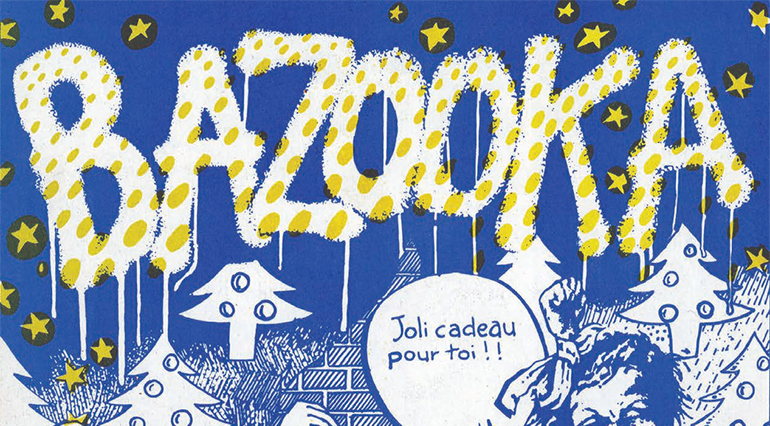

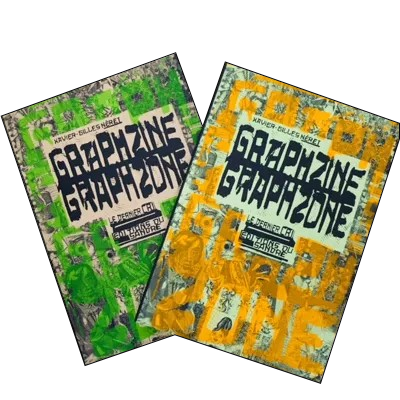
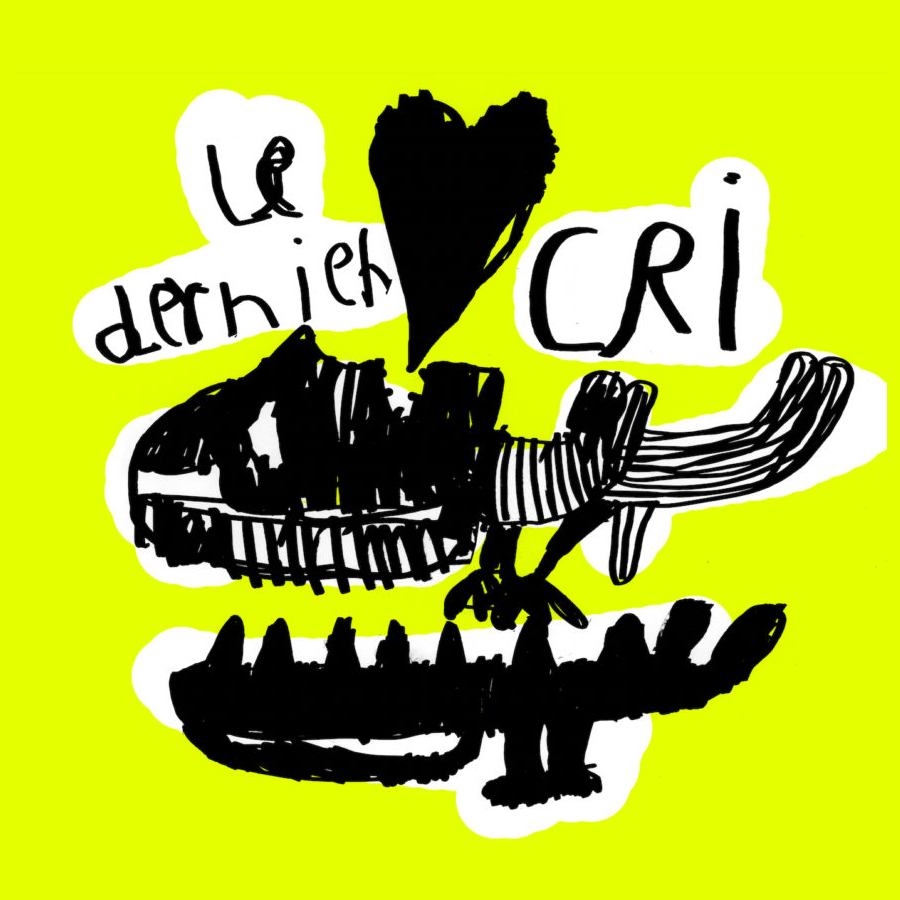
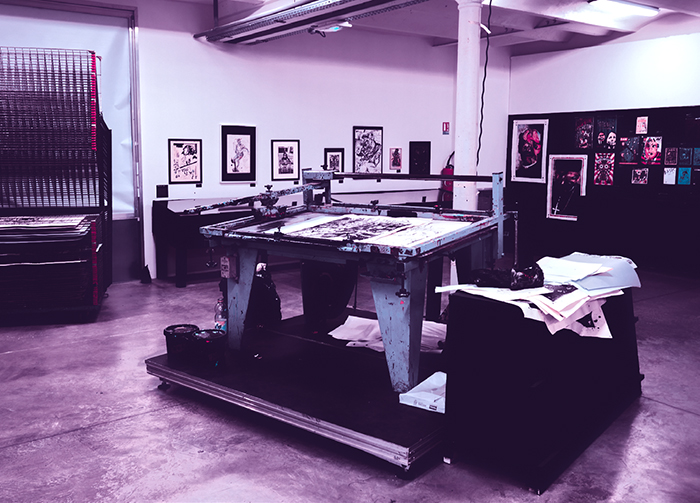
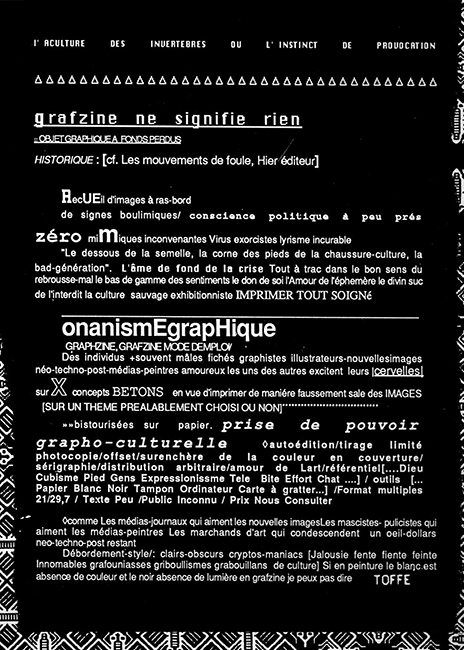
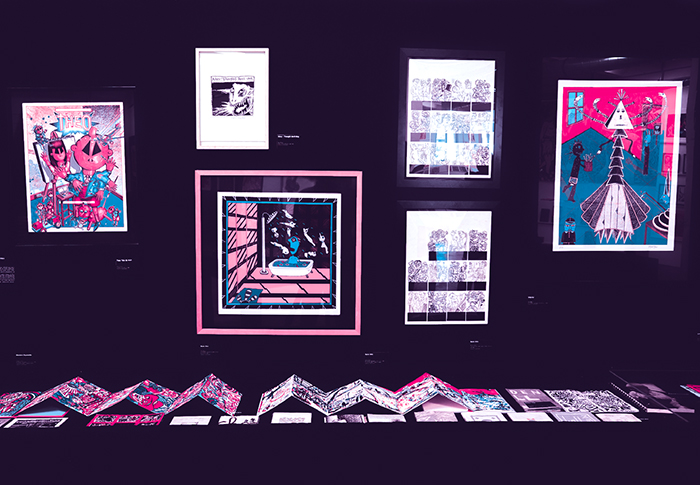
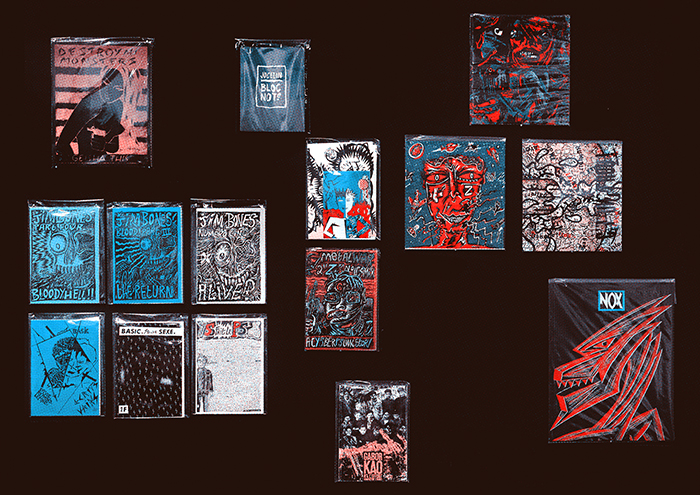
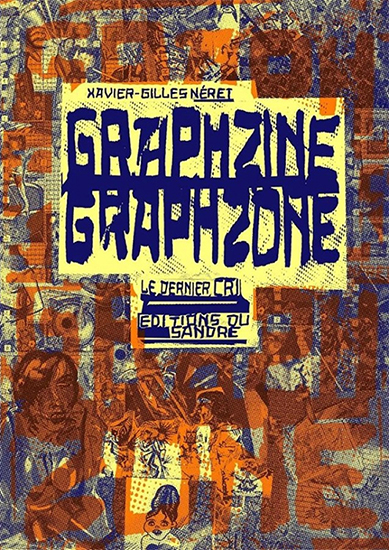


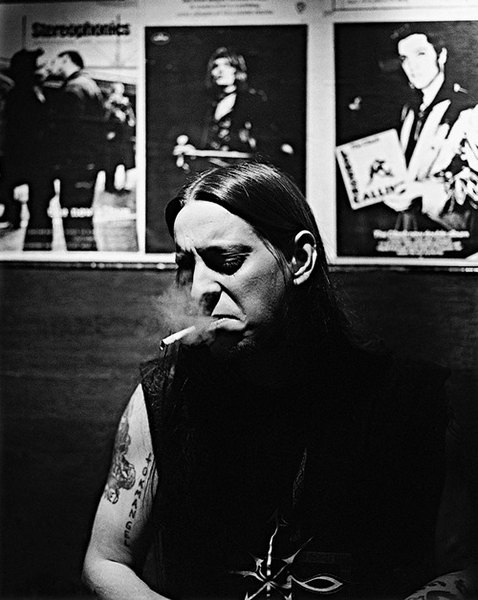

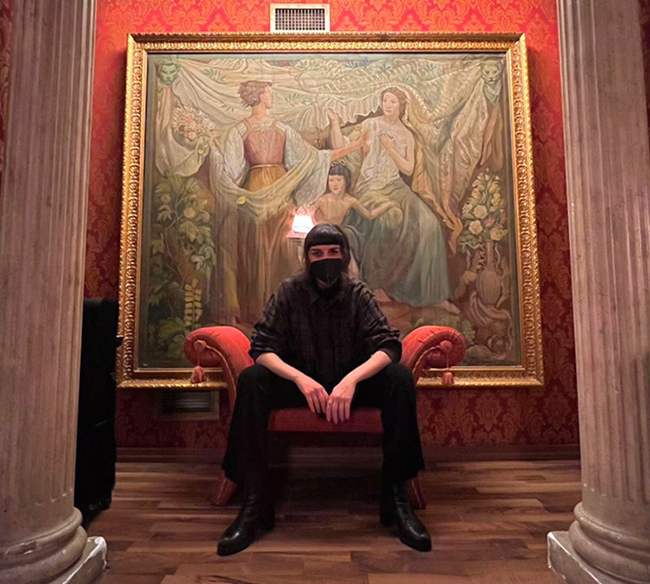


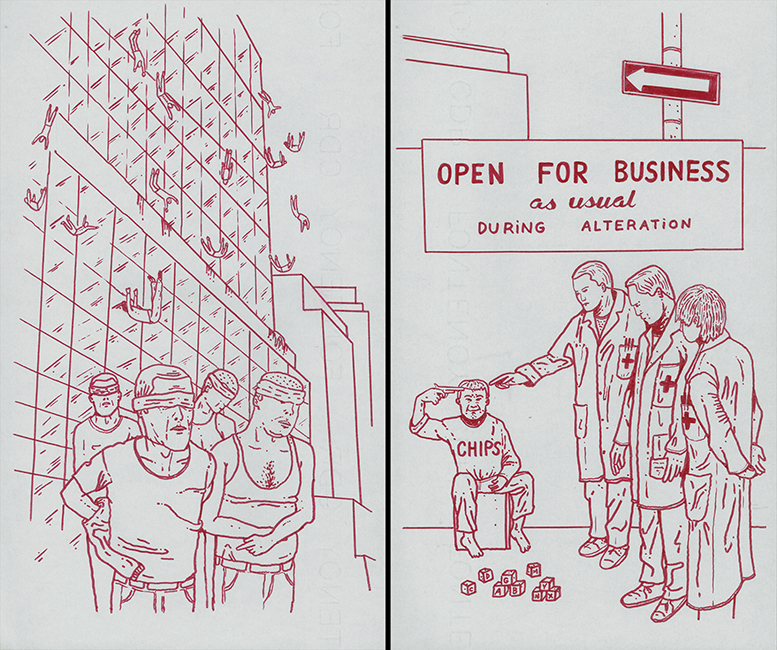



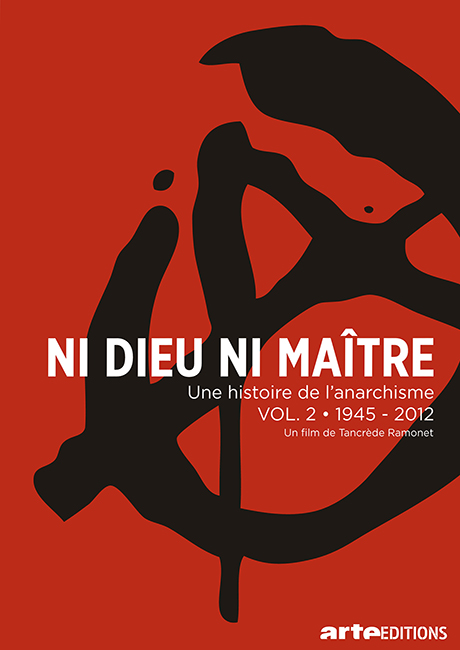
 LÖPÇÜK