“First of all, I’m both excited and horrified by the war that’s going on now. Almost every night I hear the sounds of air raids and explosions from Russian missiles being shot down on my city. It’s awful. Last year, not far from my city, on the outskirts of Kiev, there were military operations, explosions were heard day and night, and the whole city was covered in smoke. A couple of tens of kilometers from my city was the city of Irpen, completely bombed and destroyed by Russian soldiers. Today I woke up again from the air raid alarms… This nightmare continues, it is impossible for the inhabitants of Europe to understand and imagine…”
ANDRII STRAKHOV (b. 1973) is a Ukrainian artist who mostly works through the medium of collage. After a childhood spent in the Urals, at the age of 13 he moved to Boyarka, near Kiiv, where he still lives, just in time to be affected by the Chernobyl nuclear disaster. He has since been involved in music and in the Ukrainian underground culture.
Resources: Claudio Parentela, IYE Zine & The Philosophical Research Society
Can you describe your path to becoming an artist? When did you actually enter it?
I created my first visual works in 1989. They are made with the “application” technique (I don’t really like the word “Collage”, this word is too often used by artists). It was the time of the Soviet Union. I created figurative images full of black humor and mockery of Soviet ideology and way of life, using Soviet newspapers and magazines. A frequent element of the image were cuts from the headlines of newspaper articles. These names gave the picture a touch of absurdity and profanation of human ideals and optimism. From a series of paintings, I made art notebooks and then replicated them on a copier in the form of a zine. At the same time, I bought a portrait of the General Secretary of the Communist Party of the USSR Gorbachev and painted him, presenting him as a transvestite. For this portrait I could be arrested, it was a dangerous occupation and the police came to me – someone reported me. I didn’t feel like an artist, just doing what gave me pleasure and enjoyment. In general, my creative position has always been and will be antisocial.
Andrii Strakhov ‘Snow fairy tale “Pumps’ zine (1994)
Andrii Strakhov ‘Snow fairy tale “Pumps’ zine (1994)
Andrii Strakhov ‘Snow fairy tale “Pumps’ zine (1994)
Andrii Strakhov ‘Snow fairy tale “Pumps’ zine (1994)
Andrii Strakhov ‘Snow fairy tale “Pumps’ zine (1994)
Andrii Strakhov ‘Snow fairy tale “Pumps’ zine (1994)
Andrii Strakhov ‘Snow fairy tale “Pumps’ zine (1994)
Andrii Strakhov ‘Snow fairy tale “Pumps’ zine (1994)
Andrii Strakhov ‘Snow fairy tale “Pumps’ zine (1994)
Andrii Strakhov ‘Snow fairy tale “Pumps’ zine (1994)
Andrii Strakhov ‘Snow fairy tale “Pumps’ zine (1994)
Andrii Strakhov ‘Snow fairy tale “Pumps’ zine (1994)
Andrii Strakhov ‘Snow fairy tale “Pumps’ zine (1994)
Andrii Strakhov ‘Snow fairy tale “Pumps’ zine (1994)
Andrii Strakhov
Describe your ideals and how they manifest in your work.
For several years I have been developing my own mythology and demonology. I create thematic series of works dedicated to a single bestiary. These can be images of forest spirits, imaginary creatures, monsters. Everything that is alien to nature and human civilization. At the same time, I am making works dedicated to monstrous robot-human hybrids, giving these images the signs and characteristics of a catastrophic and impossible existence. Motives of decay, trauma, isolation often manifest themselves unconsciously in various art forms. I use old original medical photo archives, 19th century astronomical atlases or mid 20th century matte journals as material for these works.
Andrii Strakhov
I like working with old paper or fabrics. From fabrics, I create works in a style close to folk art with decorative elements. For them I use Ukrainian scarves and suit fabrics, as well as oriental shrouds. In my work there is a remarkable connection with European literary sources and mythological cultural heritage. I want to tell a story using visual methods and techniques and immerse the viewer in a fantasy world.
Andrii Strakhov ‘Textile, Collage’ 2015
Andrii Strakhov ‘Textile, Collage’ 2015
Andrii Strakhov ‘Stavok Press’ 2015
Is music part of your studio time? What are you listening to?
Music is part of my life. I graduated from a music school in the piano class and then continued my education at the Kiev Conservatory in the classical guitar class. Now I am a member of the collective “Svitlana Nianio Band”. In the process of creating visual works, I often listen to music. It can be classicism, baroque, revival or modern neo-folk, dark ambient, noise, drone. I like composers Scarlatti, Lully, Frescobaldi, the modern ones are: Cukor Bila Smert, Olexahdr Yurchenko, Death in June, Lustmord, Blood Axis, Les Joyaux De La Princesse, Current 93, Nurse With Wound, my literary activity is indirectly connected with music.
Stavok Press
Andrii Strakhov with his friends
Andrii Strakhov, 2018
Andrii Strakhov and the friends
Andrii Strakhov and the friends
Lovecraft
I wrote a novel about the musical subcultures of Kyiv in the late 80s and early 90s of the 20th century. This and other books and zines, I publish them in my independent publishing house “Stavok Press”. A group of like-minded people and our club hold regular literary readings which take place in a neo-pagan forest temple. Our training is called “Pamoroka”. At these events, we only read our literary texts.
Andrii Strakhov, 2016
Influences?
It seems to me that I have not been subjected to direct stylistic influences. I like these artists: Lawrence Stephen Lowry; Gustav Adolfo Mossa; Edward Burne Jones; Frank Bernard Dixie; Theodore Severin Kittelsen; Alfred Kubin; Touko Valio Laaksonen. The writers who influenced me the most were:Ernst Theodor Wilhelm Hoffmann, Gabrielle Wittkop (Ménardeau), Robert Walser, Gustav Meyrink, Arthur Machen, Isidore Ducasse. Mircea Eliade.
Graces, 2023
An online event celebrating the solo exhibition ‘Graces’ with Ukrainian artist ANDRII STRAKHOV, gallerist Giovanni Giusti of GalleryX Dublin, PRS Executive Director Dennis Bartok, and translator Olena Zots
“I created the Graces series between 2021 and 2022. It was made in a few days before the Russian full-scale invasion of Ukraine. The last works in the series contain features of disturbance and are filled with melancholy.
The Graces series is part of an archive of my works which was sent, after the beginning of the war, to Ireland to GalleryX and saved by Giovanni Giusti. The series “Graces” is an expression of my ideas associated with the horror of modern life and with the embodiment of mystical aspirations. I tried to transform my nightmares and dreams into weird images touched with visual poetics and sympathy for the grotesque. In this way, the image of the Greek Chimera is close to me. It was not aware of its own ugliness and suffered from the general hatred of others. For me, the image of the Chimera is not just a monstrous creature, but a living, gentle and wonderful being that has no place in this cruel reality.”
Andrii Strakhov, 2022
Describe your process for creating a new job.
The impetus to create new work can be a small sliver or fragment of an image. From this fragment, I gradually form a new image and build a texture. I give the image depth and detail, I create the effect of superimposing different spaces and times, making it voluminous. “I give the image the genre characteristics” as my friend put it well.
What advice do you have for artists who want to showcase their work?
I can advise artists to be very demanding of themselves, be honest with themselves and express what they want. But also following a momentary impulse, inspiration. It is necessary to destroy in oneself all social norms and principles that live in the mind of every person, to make a strategy out of them. In this practice, you get a new experience. The artist himself can create an artistic space where he announces it. The artist needs to get rid of his internal censorship. It may not be easy.
GalleryX
GalleryX is a new gallery in Dublin, Ireland specialising in figurative and surrealist art. Their focus is on the fantastical, the sensual and the macabre; on alternative desire and tormented bodies; on the bizarrely beautiful, the unsettling and the grotesque. Our intent is to facilitate, curate and showcase new alternative work from emerging Irish and international artists and to host visiting artists from the global community.
First of all, I’m both excited and horrified by the war that’s going on now. Almost every night I hear the sounds of air raids and explosions from Russian missiles being shot down on my city. It’s awful. Last year, not far from my city, on the outskirts of Kiev, there were military operations, explosions were heard day and night, and the whole city was covered in smoke. A couple of tens of kilometers from my city was the city of Irpen, completely bombed and destroyed by Russian soldiers. Today I woke up again from the air raid alarms… This nightmare continues, it is impossible for the inhabitants of Europe to understand and imagine…
What do you love most about the place where you live?
Where I live, I like my house and garden. I like walking the streets, looking at the old wooden houses built at the end of the 19th century. I feel good in the forest, where there are no people.
The best way to spend a day off?
For me, every day is a day off; it’s good to get together with friends and have a good glass of alcohol for a pleasant conversation.
Andrii Strakhov as Zeta Reticulan
Upcoming exhibitions/projects?
I don’t know my plans for the next exhibitions and exhibition projects yet. But the artistic process is ongoing. I am very grateful to my Irish friends and curators, from “Gallery X”, who have helped me maintain my art archive out of Ukraine. I am also grateful to the Philosophical Research Society of Los Angeles for organizing my solo exhibition.
Original Italian article by Claudio Parentela at iyezine
Gürültü ve Duman, 50’li yılların başında ortaya çıkan, dönemin estetik algısını merkeze almadan kendi estetiğini oluşturarak alevini, yangınının gürültüsünü ve bu sürecin gökyüzüne yayılan dumanını ele alan bir müzik programı. Özgür caz, özgür doğaçlama ve yeni müziği analitik, tarihsel ve toplumsal bakışla ele alıyor ve özellikle bootleg kayıtlarına veriyor.
Her Salı gecesi 23:00’da
Şevket Akıncı, Can Tutuğ ve Volkan Terzioğlu‘nun sunumuyla
1977 İstanbul doğumlu perküsyoncu Özün Usta, tek başına ve yakın dostlarıyla müzik yapmaktadır. Yurtiçinde ve dışında birçok albüm kaydetmiş, çeşitli müzik gruplarının prodüktörlüğünü yapmış olan sanatçı aynı zamanda festivaller düzenlemiştir.
Özün is an active musician, plays various instruments, alone or with fellow musicians. He gave many concerts in and out of Turkey, recorded several albums, produced bands and festivals. Özün is also a long time hemp lover and supporter. When he first hit the drums and cymbals with a hemp stick and heard the sound, he decided to work with hemp on musical instruments.
Mutumut: Özün Usta e Berke Can Özcan Live at Frasca Gressani – Tarcento 10-9-2015
I due musicisti turchi Özün Usta e Berke Can Özcan suonano insieme da diverso tempo (Özün Usta era contrabbassista dei Konstrukt, mentre Berke Can Özcan è l’attuale batterista della band); al Giardino Commestibile suoneranno due set incentrati su batteria e percussioni: il primo come duo, mentre nel secondo il pubblico è invitato ad unirsi ai due musicisti danzando, battendo le mani o suonando altre percussioni. Özün Usta e Berke Can Özcan sono ancora tra i pochi batteristi ad usare pelli naturali, tradizionalmente usate in Turchia, come quelle di capra e vitello.
Une proposition de Le Dernier Cri Du 23 mai au 21 août 2023
– Entrée libre –
Galerie Le Dernier Cri
Carambolage de deux créateurs hors-piste, entre art brut contemporain et graphisme punk underground.
Pakito Bolino, figure de l’édition underground, créateur du Dernier Cri et Pascal Leyder aka Boujiki, artiste résidant de la « S » Grand Atelier, centre d’art pour handicapés mentaux.
C’est l’accouchement au forceps de cette rencontre improbable et réussie où se croisent créatures dégoulinantes, typographies de séries Z et femmes à poil(s). Une oeuvre graphique spontanée rappelant les principes du cadavre exquis et du téléphone arabe réunis. Un 666ème degré bien palpable et une édition qui va ravir les amateurs de sensations graphiques.
Tout commence il y a une dizaine d’années à la Friche, bastion de l’underground graphique où Pakito Bolino a planté depuis déjà plus de vingt ans le drapeau noir de sa « structure éditoriale associative indépendante polymorphe, mutante, protéiforme et intrusive ».
‘I am The eye Climax’ Pascal Leyder et Pakito Bolino / Knock Outsider – Le Dernier Cri – E2
Pakito Bolino is a French artist, draftsman and publisher, born in 1964 in Nîmes. After studying at the School of Fine Arts in Angoulême, Pakito Bolino moved to Paris where he founded in 1993 the Le Dernier Cri editions in Ris-Orangis after having trained in the screen printing workshop. In 1995 the Éditions du Dernier Cri set up shop in Marseille, at the Friche la Belle de Mai.Pakito Bolino is the author of many works (graphics, sound, animations…) mainly published in Dernier Cri. He is also a musician, videographer and curator. To date, he has published more than 440 artist books, more than 200 posters, two magazines (Le Dernier Cri, Hôpital Brut), records and 5 animated films.
Paskalito Boleyder / I’m the Eye Climax
Pakito Bolino, 1964 Nîmes doğumlu Fransız sanatçı, ressam ve yayıncı. Angoulême Güzel Sanatlar Fakültesinden mezun olduktan sonra serigrafi alanında kendini geliştirir ve 1993 yılında Paris’e taşınarak Ris-Orangis’te atölyesini ve kendi markası olan Le Dernier Cri’yi kurar. 1995 yılında ise Marsilya’da Friche la Belle de Mai’de LDC için bir mağaza açar. Pakito Bolino, ağırlıklı olarak Dernier Cri’den yayımlanan birçok eserin (grafik, müzik, animasyon…) yaratıcısıdır. Aynı zamanda müzisyen, kameraman ve küratördür. Bugüne kadar 440’tan fazla sanatçı kitabı, 200’den fazla afiş, 2 adet antoloji (Le Dernier Cri, Hôpital Brut), bir çok plak ve 5 animasyon filmi yayınlamıştır.
Alors que leurs parcours respectifs ne les prédestinent pas vraiment à se croiser, Pascal aka Boujiki se retrouve parachuté, à l’occasion d’une collaboration de la « S » Grand Atelier avec Le Dernier Cri dans la capitale du Pastis. Pascal, jeune artiste trisomique, passe alors une très grande partie de son temps à dessiner frénétiquement tout en matant des films de De Funès et tout en se foutant pas mal de ce qui l’entoure. Pour Pakito, c’est tout de suite le coup de foudre graphique, et c’est réciproque. Les deux nouveaux compères se retrouvent complètement en dessinateurs compulsifs et stakhanovistes de la ligne crade. Le projet mûrit, Pakito et Boujiki se décident à collaborer sur une forme d’étrange et long ping pong, se retrouvant tous les ans et de plus en plus en phase, l’amitié naissant, pour bosser comme des dingues sur ce dialogue graphique.
L’édition “This is Eyes Climax! “ de 100 pages en format A3 présente le travail dans toutes les étapes de son processus mais dans le désordre puisque c’est le leitmotiv de cette rencontre ! Une déconstruction à la fois spontanée et progressive d’une imagerie déjà digérée et surtout la révélation d’un combo magique entre art brut contemporain et graphisme punk underground.
Le dernier cri joue une fois de plus le passeur de cultures et le briseur de barrières en mettant à l’honneur le talent désormais reconnu de Pascal Leyder (prix du dessin / fondation guerlain 2023 ).
Loin des discriminations positives, Knock Outsider révèle une fois de plus une oeuvre sincère, puissante et infiniment singulière. Un nouveau coup de pied dans l’art brut et dans une expression qui n’a rien à faire dans une boîte hermétique.
« Briser le mur de la mort. Pourquoi pas ! Incroyable que nous considérions la mort comme une fin inéluctable, alors que nous sommes incapables de comprendre ce qu’est la vie et la réalité.»
Si l’on devait réaliser un panorama du milieu underground parisien depuis les années 1980, il serait impossible de ne pas évoquer Captain Cavern, l’un des artistes les plus actifs et les plus polyvalents de ces dernières décennies.
Cet entretien est le fruit d’une rencontre, motivée par de nombreux témoignages d’autres artistes, eux-mêmes marqués par l’oeuvre de Captain Cavern. Depuis longtemps intriguée par l’univers de cet artiste hors normes, j’ai découvert ses multiples facettes lors de cette interview qui, comme tout son art, m’a fait voyager dans les profondeurs les plus enfouies de notre conscience. En naviguant entre sa musique et sa peinture, en passant par ses dessins, les graphzines et les journaux qu’il a créés au fil des années, ainsi que ses aventures des années punk, j’ai tenté de dresser le portrait d’un artiste surprenant, à la fois par son érudition et par le regard insolite qu’il porte sur le monde qui nous entoure.
Au travers de ses idées et de ses concepts étonnants, Captain Cavern nous fait explorer des dimensions qui appellent à notre imagination. Un univers dont l’accès se dissimule au coeur de ses images, dans un grand vertige kaléidoscopique.
*Cet article d’interview entre Alla Chernetska et Captain Cavern a été publié pour la première fois sur La Spirale.org. Comme nous aimons beaucoup l’artiste et trouvons la conversation très précieuse, nous voulions l’inclure dans nos pages en tant que webzine löpçük.
Captain Cavern ‘Peinture’
Tu prends le pseudonyme de « Captain Cavern » en 1985 dans le cadre de ta participation à l’affichage sauvage organisé par les Frères Ripoulin qui regroupait près de 45 artistes sur des panneaux publicitaires de 4×3 mètres dans le quartier de l’Opéra. Pourquoi « Captain Cavern » ?
Le chanteur de mon groupe Der Pim Pam Poum, dans lequel je jouais du saxophone, me dit un jour : « Tiens, il y a quelqu’un qui fait un fanzine, Blank, qui cherche des dessinateurs ». On est allés au rendez-vous et il nous prend, mon copain et moi, tous les deux, sous le nom Der Pim Pam Poum. C’était en 1983. Mais le groupe a splitté début 1984 et je me suis dit que je ne pouvais plus signer Der Pim Pam Poum. J’ai cherché un autre pseudo. Le premier était « Duck Sonic », le « Canard Sonique », qui est une allusion aux « canards » en musique. C’est à dire une fausse note, un couac, avec un saxophone, par exemple. Mais il y avait déjà un musicien qui s’appelait Dominique Sonic, je me suis dit que je ne pouvais pas le garder non plus. Après c’était « Pic, pic, pic », mais j’ai découvert très vite qu’il y avait des nommés Pic et Zou qui avaient fait un album chez Futuropolis. Ensuite j’ai décidé de signer « Le Grand Sympathique », qui est un nerf du système nerveux sympathique, mais personne n’a rien compris la plaisanterie, ça n’a fait rire personne.
À cette époque, Captain Cavern, un dessin animé américain de Hanna et Barbera, passait le samedi après-midi sur TF1 avant l’émission rock Megahertz animée par Alain Maneval (c’est lui qui a fait la première émission punk à la radio, qui s’appelait Pogo sur Europe 1, en 1977). Le pseudonyme « Captain Cavern » était un gag au départ, mais au-delà, ça me rappelait une vision que j’avais eue en improvisant au saxophone avec deux amis guitaristes, quelques années auparavant. J’avais l’impression de piloter un bateau sur une rivière souterraine. Si j’ai choisi ce pseudonyme, c’est sans doute à cause d’une réminiscence inconsciente de cet évènement. Le rapport avec Charon, le batelier du Styx qui conduit les morts aux Enfers dans la mythologie grecque, est venu après.
Captain Cavern
Entre le gag, la mort et le dessin animé, au-delà de la référence au batelier du Styx, que symbolise ce pseudo pour toi ?
C’est aussi une allusion à Orphée qui représente la quintessence du poète. Quand il chantait en s’accompagnant de sa lyre, Orphée exerçait une force si puissante qu’il enchantait le monde. Il charmait les hommes, les animaux, les arbres et les rochers, les dieux et les monstres. Même les poissons sortaient de l’eau pour l’écouter. Il suivra Eurydice dans le monde souterrain et, malgré la force de sa poésie, il ne pourra la sauver car il a imprudemment rompu la promesse de ne pas se retourner avant la sortie des Enfers. Le film Orphée de Jean Cocteau, sorti en 1950, fut le plus important vecteur de ce mythe pour moi. Il a une force divine. C’est la poésie incarnée.
Hermès est aussi une référence fondamentale. Outre qu’il est le dieu des voyageurs et des voleurs, c’est le psychopompe, conducteur des âmes des morts dans l’autre monde. L’hymne orphique consacré à l’Hermès souterrain, chthonien, le qualifie de « Maître des morts ». Je précise que, dans l’exposition L’Extraordinaire révélation de la mort hallucinante que j’ai faite avec Jacques Pyon en 1990, j’ai fait une toile qui s’appelait Les Maîtres de la mort sans savoir qu’Hermès était nommé ainsi.
Captain Cavern ‘Peinture’ 2020
Captain Cavern ‘Peinture’
Captain Cavern ‘Peinture’
« Les monstres du cerveau. L’idée de cette histoire était que tous les monstres que l’on imagine sont fictifs, que c’est une illusion générée par un vortex multicolore.»
Peux-tu nous raconter quand tu as fait tes premiers dessins ?
Je dessinais tout le temps, mais personne ne s’intéressait à ce que je faisais. Dès l’âge de dix-sept ans, j’ai commencé à montrer mes dessins, tout d’abord dans les conventions de bande dessinée, puis aux éditions Opta qui publiaient les revues Fiction et Galaxie. En 1976, j’ai fait une sorte d’album sur un cahier de dessins qui était un mélange de bandes dessinées et de dessins pleine page au stylo-bille, à l’encre de chine et aux crayons de couleurs. Quand, en 1977, je suis allé à Métal hurlant, Philippe Manœuvre, qui en était alors le rédacteur en chef, m’a reçu, et il semblait intéressé par cet album. Mais j’ai eu le malheur de lui montrer un autre projet en noir et blanc et là il m’a complètement démoli. À cette époque, j’ai téléphoné au groupe Bazooka – qui a eu une influence fondamentale pour moi – dont j’avais trouvé le numéro de téléphone dans une de leurs premières publications, mais ils ne recevaient personne.
En 1981, après une longue interruption, j’ai réalisé un nouveau projet, une série d’environ cent cinquante dessins, en couleur, au pastel et à l’encre de chine de 10×15 cm, que j’ai insérés dans des albums photos du même format. Le titre : Les monstres du cerveau. L’idée de cette histoire était que tous les monstres que l’on imagine sont fictifs, que c’est une illusion générée par un vortex multicolore. Et l’idée, c’était de faire un diaporama immersif qui serait projeté derrière des musiciens. Mais je n’ai jamais pu réaliser cette idée d’immersion totale dans l’image. Au départ, j’avais fait une bande-son tout seul, sur un mini K7 à une piste, au saxophone ou avec une guitare, instrument dont je ne sais pas jouer. C’était une musique brute. L’année suivante, j’ai trouvé des musiciens et un chanteur pour réaliser mon projet. Je ne voulais pas vraiment faire un groupe, mais pourtant c’est comme ça qu’est né « Der Pim Pam Poum ».
Comme je l’ai dit plus haut, c’est par l’intermédiaire de Pim Pam Poum que j’ai publié mes premiers dessins en 1983 dans le graphzine Blank qui réunissait principalement des élèves des Arts Déco. J’ai eu envie de les rejoindre parce que Placid et Muzo, dont j’avais entendu parler dans un article de Métal hurlant, y participaient. Il me semble qu’ils étaient présentés par Elles sont de sortie, le zine de Bruno Richard et Pascal Doury que je connaissais de longue date. Certains des artistes de Blank, comme Pierre Huyghe, Claude Closky, Xavier Veilhan, sont devenus des célébrités de l’art contemporain. Avant, je n’intéressais personne, mais eux, ils ont complètement flashé sur moi. Et quand j’ai rencontré Placid, en 1985, il m’a fait connaître Daniel Mallerin. Et Mallerin m’a pris en charge.
Captain Cavern ‘Peinture’
« L’image est mon véhicule, mes peintures sont des moyens de transport pour atteindre mon monde.»
À 19 ans, tu inventes le concept de « l’art inefficace », tu peux expliquer ce concept ?
C’était l’idée d’un art qui se débarrasserait de la séduction, de la notion de beauté, d’harmonie. Un art qui ne chercherait pas à attirer l’attention ni appâter. C’est comme une sorte de langage inutile qui ne chercherait pas à exprimer quelque chose. Il ne sert à rien. Il est sans but, sans sujet, sans objet. Rien à voir avec le savoir-faire et le faire-savoir. Il existe comme ça, sans rien demander à personne. S’il a un sens, ce sens ne sera pas recherché. Sa force apparaîtra d’elle-même sans justification. Le sens apparaîtra de lui-même s’il existe, un sens qui nous dépasse, qui appartient à une nécessité qui nous échappe et qui pourtant est en nous, mais que nous ne comprenons pas. Dans ce concept d’« art inefficace », il y avait aussi l’idée d’espaces interstitiels. C’était un avant-goût de l’exposition Chasse scientifique.
Captain Cavern ‘Peinture’
« Quand le sens a disparu, la forme et la couleur prennent un pouvoir tout autre. Les images vous donnent le vertige. »
Dans ton texte pour l’exposition Chasse scientifique qui date de 1991, tu dis que tu cherches des images cachées dans la réalité qui nous entoure : papier peint, motifs répétitifs ou bien dans un état de sommeil.
C’est très important. J’essayais de traquer les images dans l’image, qui nous échappent et l’envahissent à notre insu. C’était une chasse aux fantômes. C’est proche de l’expérience psychédélique où l’univers quotidien est soudain métamorphosé, habité par une « inquiétante étrangeté ». Ces espaces interstitiels qui peuplent les images me font penser aux dessins des tapis de style Persan qui représentent des formes hypnotiques colorées faisant divaguer l’imagination. Il y a aussi Jeu, une nouvelle de Roald Dahl qui raconte l’histoire d’un enfant qui joue sur un tapis. Il regarde le tapis et y voit des serpents, une jungle, une rivière noire. Et il se noie dans le tapis, il est englouti par le tapis, parce que les images sont vivantes.
Mais pourquoi Chasse scientifique ?
Scientifique, parce que c’est systématique et mathématique, c’est comme un processus, comme de construire une machine pour chasser les visions souterraines.
Pour les attraper ?
Oui, voilà. C’est ça, l’idée, c’est d’attraper les images cachées comme dans les devinettes de notre enfance.
Captain Cavern ‘Peinture’
Souvent tes dessins, peintures sont faits en vortex, les mouvements de lignes brouillent la conscience, mais aussi le titre de ton exposition, Vertige, évoque la perte des repères, comme si tu créais un univers transcendantal parallèle qui nous engloutit. Dans ton texte pour cette exposition, tu dis: « Quand le sens a disparu, la forme et la couleur prennent un pouvoir tout autre. Les images vous donnent le vertige. »
Mon premier souvenir de lecture, c’est Le Magicien d’Oz, dans la Bibliothèque Rose. Ce livre m’a tellement impressionné que je l’ai relu immédiatement après l’avoir terminé. Il raconte l’histoire de Dorothée, une petite fille dont la maison, prise dans le vortex d’un cyclone, est transportée au merveilleux pays d’Oz. Pour retourner dans son pays, elle doit trouver le magicien d’Oz qui gouverne la cité d’émeraude. Mais le magicien est un escroc. Tout était donc déjà là, le vortex, le merveilleux et l’escroquerie ! Mais surtout le vortex. Il s’est probablement ancré si profondément dans mon inconscient qu’il a resurgi avec toute sa force dévastatrice dans mon imaginaire au fil des années. Quand j’avais une dizaine d’années, j’ai fait une chute dans la cour de récréation de l’école en courant. D’un seul coup, la réalité s’est désintégrée.
Il m’est arrivé aussi, bien plus tard, d’être avec des amis et, sans avoir pris de substance particulière, d’un seul coup, ne plus les reconnaître, comme si leur identité s’était désintégrée. De ces expériences est né Vertige. Vertige, ça a été tout d’abord un livre, puis j’ai donné le même titre à une exposition et ensuite à un journal qui a eu sept numéros. Un titre répété jusqu’au vertige ! J’ai même fait un article sur le générique du film d’Hitchcock, Vertigo, dans un des numéros du journal. Il faut noter que ce journal a eu trois numéros un. Tout d’abord Vertige du numéro 1 au numéro 5, puis Nouveau Vertige pour le numéro 6 et enfin Vertige international pour le 7. C’était pure fantaisie de ma part, pour augmenter l’effet vertigineux, labyrinthique de l’ensemble.
Il y a aussi cette citation de Kandinsky dans L’Art fantastique, de Marcel Brion, qui a provoqué en moi un grand vertige. Comme tu me parles de cette explosion de la réalité, je peux dire que c’est venu de là :
« La désintégration de l’atome fut dans mon âme comparable à la désintégration du monde entier. Les murs les plus épais s’effondrèrent soudain. Tout devint incertain, vacillant et peu substantiel. Je n’aurais pas été surpris si une pierre s’était dissoute dans l’air, devant moi, et était devenue invisible ».
Captain Cavern (image de l’exposition)
Captain Cavern ‘Ox et Hélène surfil pour le centenaire de Stanislas Lem’ Pologne en 2021
Captain Cavern (image de l’exposition)
Captain Cavern (image de l’exposition)
Ce vortex qui revient régulièrement dans tes œuvres est-il un geste déclencheur, une technique de l’hypnose qui nous entraine dans les profondeurs de notre conscience, un passage obligatoire pour accéder à ton univers… ?
Bien sûr. J’ai fait une histoire, Les Monstres du Spasmocolor, en 1988, qui était une sorte de rappel et de prolongement des Monstres du cerveau que j’avais fait en 1981, où c’est un professeur qui invente un moyen de traverser des réalités diverses au moyen d’un vortex. Ce professeur s’appelle « Microbius », ce n’est pas un hasard, c’est une allusion au monde microbien, ce qu’on retrouve dans Les Troglodytes attaquent, publié peu de temps après. D’ailleurs « vortex » et « vertige » sont des mots proches qui évoquent un tourbillon qui fait perdre pied ou transporte dans un autre monde. Donc un vortex, c’est un passage dans une autre dimension et c’est ça qui m’intéresse dans la Chasse scientifique, à la base, parce qu’après j’ai évolué. C’est un fait d’arriver à capturer en une seule image une multiplicité d’univers parallèles en même temps afin que l’image ne meure jamais, c’est-à-dire qu’elle soit, tout le temps, génératrice de mouvement et de voyage. Mais ma conception récente est que maintenant j’ai l’impression de fabriquer des machines avec, comme outils, mes pinceaux et la couleur, des engins mécaniques qui permettent de voyager à travers les univers. L’image est mon véhicule, mes peintures sont des moyens de transport pour atteindre mon monde.
Donc, c’est toi, Captain Cavern, qui, au travers de ces espaces multidimensionnels, transporte des gens dans une autre dimension ?
« Briser le mur de la mort ». Pourquoi pas ! Incroyable que nous considérions la mort comme une fin inéluctable, alors que nous sommes incapables de comprendre ce qu’est la vie et la réalité.
Justement, avec Jacques Pyon vous avez fait un projet en 1990 sur le Livre des morts tibétain.
J’avais lu le Livre des morts tibétain pendant un voyage au Mexique et, au retour, j’ai eu l’idée de cette exposition qui s’appelle L’extraordinaire révélation de la Mort Hallucinante. C’est l’idée que la mort n’existerait pas, serait une hallucination.
Dans ton texte publié pour l’expo Vertige de 1994, tu dis : « à travers ses dessins, sa peinture, l’artiste exprime son IDÉAL » et aussi que, pour toi, « les images sacrées sont : mer, montagne, poussins, comme symbole de la pureté immaculée ». Est-ce que cette pureté enfantine symbolise le regard vrai, non corrompu de la réalité, un idéal que l’adulte a du mal à atteindre à cause de nombreux calques qui brouillent la perception ?
Vers l’âge de 16 ans, j’ai fait un cauchemar. Au réveil, j’ai pensé qu’il fallait que je dessine ce qui me faisait peur. Ce fut un tournant décisif. C’est là que j’ai commencé à ouvrir des portes vers l’inconnu. J’ai découvert un moyen de résister contre la peur et de lutter contre les forces qui voudraient nous faire oublier la puissance du monde primitif. C’est dans cet univers effrayant de l’enfance que se cache le merveilleux qui enchante la vie. Dans ma jeunesse, j’ai été très impressionné par l’affiche du film Freaks de Tod Browning, qui venait de ressortir. C’était en 1969, j’avais 13 ans. J’ai vu le film longtemps après mais ça a été un choc énorme et j’ai fait des cauchemars pendant des années. Mais voir le monde à travers le prisme de la peur et de la monstruosité, c’est affronter la réalité cachée. C’est là qu’on découvre que le merveilleux est au aussi dans l’horreur.
Donc, avoir un regard plus pur sur la réalité ?
Complètement. Pur, filtré, comme si j’étais complètement aliéné. Et d’ailleurs, ce qui m’a beaucoup plu quand j’ai voyagé, c’était de ne pas comprendre la langue.
La musique t’a pas mal influencé ?
Je n’écoutais pas du tout de musique avant l’âge de 17 ans. Mais quand le film Graine de Violence est passé à la télé, j’ai eu une révélation. Rock around the Clock de Bill Haley and the Comets était la chanson du générique. Après, j’ai découvert Kraftwerk et Neu !, le Velvet Underground et Gene Vincent, le rockabilly, Captain Beefheart, le Free Jazz. Puis, plus tard, le punk (surtout la deuxième vague en 1981), les Cramps et le hardcore américain… Hendrix, les Beatles, les Doors, les Rolling Stones, pour moi c’était zéro. Mais j’étais désormais mordu. Pendant des années, j’allais très souvent aux concerts. Je voulais jouer de la musique. En 1975, j’ai acheté un saxophone et j’ai joué comme ça. Sans aucune formation. J’ai joué avec des amis, puis des groupes. Sporadiquement avec Atom Cristal, un groupe de musique électronique avec qui j’ai fait quelques concerts, puis, en 1979, j’ai participé au tout début du groupe Ici-Paris. Je n’y suis pas resté longtemps et je n’ai jamais fait de concert avec eux. Puis, en 1982, est né le groupe Der Pim Pam Poum. Ce n’est pas moi qui ai trouvé le nom, c’est le bassiste du groupe. Il m’a dit : « Comme tu es un fan de rock allemand, on n’a qu’à mettre ‘’Der’’ devant ».
En 1984, j’ai rencontré l’association Paris Bar Rock qui deviendra plus tard Les Barrocks et qui existe encore aujourd’hui. Elle a été créée par Rascal et son complice Ronan. Rascal, fondateur de Creepy Crawly, le fan club du groupe anglais psychobilly The Meteors, était le manager des Wampas, alors débutants. La particularité de Paris Bar Rock était, comme son nom l’indique, de faire des concerts dans les bars, ce qui n’existait pas en France à l’époque et qui d’ailleurs posait de nombreux problèmes de voisinage, les obligeant à souvent changer de lieu. On peut dire que c’est là qu’est née la scène alternative. Pour chaque concert, il y avait un programme photocopié sur une feuille A4 pliée en deux pour présenter les groupes. J’y ai beaucoup participé au début. Et j’ai aussi fait quelques affiches ou des décors pour des concerts. J’ai arrêté à la fin des années 1980.
J’imagine, les bandes-dessinées t’ont aussi inspiré…
La musique a beaucoup compté pour moi mais aussi, bien avant, la bande dessinée et le cinéma. Avant même d’avoir appris à lire, on m’achetait des bandes dessinées. On peut même dire que j’ai appris à lire avec les bandes dessinées. Je tournais les pages en regardant les images. C’est aussi avec les BD que j’ai appris à dessiner. Les BD que je lisais à l’époque étaient surtout des petits formats. Mon plus lointain souvenir remonte à Blek Le Roc. Il y en avait de tous les genres : western, guerre, comique, aventures, science-fiction. Ça a duré des années. Sur les marchés à l’époque, il y avait des bouquinistes chez qui on pouvait acheter des BD d’occasion et les échanger à moitié prix quand on les avait lues. J’en ai lu des quantités jusqu’à l’âge de dix, douze ans. Bien sûr, il y avait aussi le Journal de Mickey, Tintin. Tintin, l’hebdomadaire, parce que les albums étaient trop chers. J’ai tout de même réussi à lire tous les albums parce qu’on me les prêtait.
Mais il ne faut pas oublier le cinéma. J’y suis allé très jeune tout seul. Et puis, très jeune aussi, je suis allé à la cinémathèque. À treize ans, en 1969, j’étais abonné à L’Écran fantastique, qui était un fanzine à l’époque. De plus, la télé passait des quantités de classiques, ce qui a construit une solide culture cinématographique pour ma génération. Mon souvenir le plus marquant, c’est Psychose que j’ai vu à douze ans en prime time à la télé, ce qui serait complètement inconcevable actuellement. Difficile de comprendre l’ampleur du choc ! En 1974, j’ai découvert le nouveau cinéma allemand qui a beaucoup compté pour moi. Notamment les films de Werner Schroeter, Hans Jürgen Syberberg, Daniel Schmid (Suisse) et Werner Herzog. Toujours la même année, j’ai vu Pink Flamingos de John Waters, grâce au critique Jean Louis Bory qui en a parlé dans l’émission Le Masque et la plume sur France Inter. Le film était présenté au Festival de Cannes en dehors de la sélection officielle. Quand il est sorti en salles, je me suis précipité. La claque ! surtout le passage de l’homme au trou du cul dansant en gros plan sur Surfin’Bird des Trashmen.
Comment l’époque punk a-t-elle commencé pour toi ?
Quand j’étais jeune, j’allais dans toutes les manifs. Je me rappelle la première où j’ai été, c’était en 1973. J’avais 17 ans, donc 5 ans après 1968. J’y étais allé avec des amies gauchistes et mon meilleur copain. Nous étions lycéens. Il y avait plein de militants casqués qui faisaient des chaînes partout, des trotskistes, des maoïstes. Mais moi, je voulais sortir de la manif organisée. Mon copain et moi on se sentait emprisonnés dans cette manif et notre but c’était de passer à travers les chaînes et se retrouver devant, alors que tous les anars étaient derrière. Et à un moment, on a réussi à passer à travers les chaînes, ce qui m’a valu un coup de poing dans la figure. Et on s’est retrouvés avec ce qu’on appelait à l’époque les « éléments incontrôlés », des groupes informels qui étaient complètement en dehors des concepts classiques de la politique. Parmi ces gens dont certains étaient plutôt louches, il y avait Titus, une figure proto punk, qui formera par la suite le groupe de figuration libre En Avant comme Avant. Par la suite, on n’arrêtait pas de voir Titus aux concerts. Plus tard, il traînait souvent avec Alain Pacadis. À cette époque, je croisais aussi la bande à Rodolphe, à la cinémathèque, c’étaient aussi des punks avant l’heure. On était déjà punks, mais on ne le savait pas. Déjà dans mon enfance, il y avait les hippies et avant, les beatniks, mais, à l’époque de mon adolescence, ça a complètement dégénéré, c’est devenu baba cool. Je n’ai jamais pu les supporter ! Dans mon lycée, il n’y avait que ça. La grande mode, c’était le folk. Quelle horreur !
Captain Cavern
«Mais il n’est jamais trop tard pour bien faire…»
Dans une interview, tu parles de « police des cerveaux », qu’on voit notamment dans Voyages somnambules dans les galaxies virtuelles. Est-ce que ces personnages sont en rapport avec la « police de la pensée » de George Orwell, dans 1984 ?
C’est exactement ça, mais ce n’est pas 1984 qui m’a inspiré, c’est Who Are the Brain Police ?, une chanson de Frank Zappa dans l’album Freak Out, qui vient, sûrement, directement, de la « police de la pensée » dans 1984. Le roman 1984 fait partie de ces livres, comme Sur la route, de Jack Kerouac, que je ne voulais pas lire. Pour moi, c’était la culture baba cool. Puis, j’ai enfin lu Sur la route et 1984 à plus de cinquante ans. J’ai eu tort de ne pas les lire avant, je m’étais gravement trompé. Mais il n’est jamais trop tard pour bien faire…
Pourquoi toi-même tu inventes ta propre « police des cerveaux » ?
C’est en rapport avec la société de contrôle, un concept très présent chez William Burroughs. C’est en dehors des concepts classiques de la politique, mais c’est très politique. La « police des cerveaux », vue sous l’angle de Burroughs, implique que – pour échapper au contrôle – il faut savoir se rendre invisible.
Est-ce que la « police des cerveaux » suppose le contrôle seulement extérieur ou le contrôle de soi-même aussi ?
Il faut savoir passer pour innocent pour pouvoir transmettre des idées qui sont complètement interdites. L’underground, c’est tout ce qui est interdit, c’est complètement clandestin, c’est ça l’idée… si on est invisible, on ne nous déchiffre pas. Ma réalité, c’est la réalité cryptée.
Dans tes œuvres, l’espace social, souvent violent, est représenté avec un langage proche de l’univers enfantin. Est-ce que cette manière de décrire la réalité violente par le langage enfantin, c’est le moyen d’échapper au contrôle ?
Oui, parce qu’il n’y a pas de filtres chez les enfants. Les enfants, pour moi, ce que j’appelle le « petit peuple » ou le « peuple jouet », c’est aussi bien maléfique que bénéfique, comme dans le monde des fées. Il y a une sorte de force tellurique chez les enfants. Le langage de l’enfance c’est un langage naturel, comme chez les animaux. D’ailleurs, on ne parle jamais de la pensée animale, et pourtant elle existe. C’est la pure nature et, chez les enfants, il y a encore ça. Mon idée, c’était de cacher et préserver cette force, c’est la raison pour laquelle je cherche à multiplier le sens de mes images. Il faut préserver l’ambiguïté pour arriver à passer à travers le langage coercitif.
En fait, c’est une façon de s’exprimer non verbale…
Oui, c’est ça, c’est inconscient et, en même temps, c’est vital de dépasser l’expression verbale.
Tu parlais de William S. Burroughs, peux-tu préciser quel impact il a eu sur ton travail ?
Burroughs est une de mes sources d’inspiration principales. Le cut-up, une invention de son ami Brion Gysin est l’un des principaux moteurs de l’œuvre de Burroughs. Avec le cut-up, il tente de reproduire les distorsions spatio-temporelles de la pensée. Les livres de Burroughs qui comptent le plus pour moi sont Nova Express, Le Ticket qui explosa et Le Festin nu. Leur forme est la seule possible pour exprimer la simultanéité des univers. Ces livres nous emmènent physiquement à travers l’infini de l’hyperespace. C’est de l’hyper science-fiction, un court-circuit de la réalité. C’est ça, l’essence du punk, l’électrocution des sens ! En connexion directe avec Burroughs, la machine à rêver (Dreamachine), un cylindre tournant lumineux qui génère des images hallucinogènes, également conçue par Brion Gysin, est tout aussi capitale pour moi.
Captain Cavern
Tu as dit dans une interview que Marcel Duchamp avait une importance cruciale pour toi, peux-tu expliquer quelles idées de Duchamp t’ont intéressé ?
Trois aspects de l’œuvre de Duchamp m’ont principalement intéressé. Tout d’abord, c’est la quatrième dimension et, plus précisément, la projection d’une quatrième dimension sur un espace à trois dimensions : ce que l’on voit dans l’image est la dimension visible d’un univers invisible comparable à la partie sous-marine d’un iceberg. Une image de ce type suggère un passage vers des univers parallèles. Je considère mon travail comme conceptuel, dans la mesure où ce ne sont des images rétiniennes figuratives qu’en apparence. Ensuite, les rotoreliefs conçus pour produire l’illusion du volume sont un des autres aspects fondamentaux de l’œuvre de Duchamp, qui préfigure l’art cinétique. Conçus pour produire l’illusion du volume, ces disques colorés aux motifs psychédéliques avant l’heure s’utilisent sur un phonographe, tournant comme la « dreamachine » de Gysin. Et enfin les ready-made, une nouvelle version du réalisme dans l’art en le poussant à l’extrême et qui sera repris par les Nouveaux Réalistes. Mais La roue de bicyclette est aussi une œuvre symboliste d’un nouveau genre. Ce n’est pas juste un simple objet mais une représentation du mouvement cosmique. Duchamp est l’inventeur de l’art conceptuel. Mais il faut, quand même, remonter à Léonard de Vinci qui qualifiait la peinture de cosa mentale : pour lui, le projet même de l’art est une « chose mentale », une « chose de l’esprit ». Ce qui importe, c’est ce qui se passe dans la pensée, avant l’exécution de l’œuvre elle-même.
Dans l’art conceptuel, le langage est fondamental. Mais moi, j’essaie de créer un nouveau langage à partir des images. Des images qui peuvent être des véhicules de l’indicible, de ce qui est au-delà de la compréhension, parce que leur signification primordiale, inaliénable est au-delà du langage fabriqué par la civilisation coercitive. C’est un monde visionnaire qui déborde de toutes les barrières du bon goût.
Captain Cavern ‘Psychic Murder Show‘
Dans ton univers, il y a plusieurs sources d’inspiration, un mélange des styles qui se succèdent, d’une publication à l’autre, d’une œuvre à l’autre. Mais il y a une sorte de continuité, par exemple, les personnages comme les organismes monocellulaires des Troglodytes attaquent apparaissent dans Psychic Murder Show.
J’aime reprendre des idées d’une œuvre à l’autre. Zappa appelait ça la « continuité conceptuelle ». Les Troglodytes apparaissent à plusieurs reprises. Tout d’abord, il y a deux zines intitulés Les Troglodytes attaquent, ensuite, ils reviennent dans le livre Psychic Murder Show et enfin dans La Troglosphère, une série de dessins publiée dans le journal de hackers, Hackademy Journal. Dans mes publications, les Troglodytes sont des espèces de microbes qui vivent dans des cavernes souterraines ou sous l’eau. Et d’ailleurs, on a découvert par la suite que des bactéries ont survécu plusieurs millénaires dans l’Antarctique. Ces formes de vie ont été trouvées sous 27 mètres de glace, dans un environnement dépourvu d’oxygène. Et moi-même, comme par hasard, j’ai subi récemment deux attaques de bactéries à trois mois d’intervalle.
Captain Cavern ‘Overdose’ Captain Cavern (image de l’exposition) by Didier Chaboche 2017
Et pourquoi ces bactéries ont tant retenu ton attention au départ ?
C’est lié au concept de « chasse scientifique » et aux « espaces interstitiels ». La recherche d’une vie cachée dans les images, qu’on pourrait assimiler à un univers microbien.
Les choses invisibles, mais qui existent pourtant, on peut les observer dans le microscope…
Mais complètement ! Nous sommes habités par les micro-organismes. Pascal parlait des mondes infiniment grand et infiniment petit… Lorsque j’ai contracté la une septicémie, j’étais comme possédé, comme si des forces étrangères pilotaient mon cerveau. Comme si le monde infiniment petit s’était emparé de moi.
Captain Cavern
Je pense que, quand on regarde une œuvre d’art, il faut toujours essayer de trouver un angle de perception par lequel on peut entrer dans l’univers de l’artiste.
Ce qui est intéressant, ce que finalement tous les peintres font, avec plus ou moins de réussite, c’est vraiment de capter le mystère, même involontairement. Les grands peintres ne font pas de simples images. La Dentellière de Vermeer, au Louvre, qui est un petit tableau (24,5×21 cm), pourrait presque passer inaperçu. Le sujet semble banal. Pourtant Vermeer a capturé la force indicible de la lumière. On est frappé par la modestie de cette œuvre qui pourtant dégage une puissance inouïe. Combien d’artistes ont une ambition démesurée. Ils ne pensent qu’à faire un chef-d’œuvre immortel, souvent d’un format monumental, c’est très courant dans l’art académique. Quant à moi, je tiens à rester modeste. J’ai toujours été bercé par la culture populaire : la bande dessinée, le cinéma, la fête foraine. Un de mes personnages favoris vient d’une comptine anglaise, There Was a Crooked Man (Il y avait un homme tordu). Un personnage drolatique dans un monde drolatique. Je m’en suis inspiré pour écrire une chanson pour Der Pim Pam Poum et je l’ai souvent dessiné. Cette comptine est à l’origine d’un roman d’Agatha Christie, La Maison biscornue (Crooked House) :
LE JOUEUR DE POKER
Refrain Je suis le joueur de poker Je suis un mec tordu J’ai des atouts en contreplaqué Et j’vous paye en guimauve Et j’vous paye en guimauve Et j’vous paye en guimauve
As de pique, As de cœur Circulent sous mon costume Et sortent toujours au bon moment Et quand j’abaisse mes atouts La table jette des éclairs verts
Refrain Je suis le joueur de poker…
Mon cœur bat sous mon smoking Et quand je joue ça met du swing Mes dents sont comme le clavier d’un piano Mes yeux sont des ampoules électriques
Refrain Je suis le joueur de poker…
Dans la baraque de tir Où défilent les cartes à jouer Ma carabine ne rate jamais la cible Roi de trèfle, As de pique, Dame de carreau Sont toujours touchés en plein cœur
Captain Cavern
J’ai aussi écrit une chanson sur un autre de mes personnages favoris, le Joker. Une créature guignolesque mais qui fait peur. Le Fou dans les tarots ou les échecs.
LE JOKER
Je suis le Joker Et je ricane. Vous ne pouvez pas Compter sur moi. Je suis enfermé Dans une boîte. Et je suis assis Sur un ressort. Quand je veux sortir Je bondis. Propulsé Par ce ressort. Parfois mes Plaisanteries Sont vraiment De mauvais goût. Je ne peux Jamais, jamais M’empêcher de ricaner. Quand une histoire N’est pas claire C’est encore un Coup du Joker.
Captain Cavern
Je suis fasciné par les charlatans, les marchands de rêve. Les prestidigitateurs, les escrocs, les charlatans. J’adore les univers forains, le cirque, ce monde de l’illusion où tout est faux-semblant, jeux de miroirs, chausse-trapes et double-fonds. Ce monde truqué où la vérité est dans les coulisses derrière les panneaux bariolés des façades. Où les bonimenteurs jouaient un rôle fondamental pour attirer les passants dans les cirques et les baraques d’attractions où se cachaient de vrais monstres ou des créatures d’illusion nées de jeux de miroirs.
Captain Cavern ‘Les Aventures De Gégé Sommeil’ 1991
«Oui, je veux montrer que ce qu’on pourrait penser comme la réalité, n’existe pas.»
Mais, en même temps, ils créent un univers où les gens ont envie de se plonger…
Oui, parce que ça touche la soif d’inconnu, de rêve et d’évasion qui nous habite, quitte à parfois nous faire perdre complètement le sens des réalités.
Dans mon monde, il y a beaucoup de références au carton-pâte et à l’illusion, aux décors en trompe-l’œil des théâtres et des fêtes foraines, au cinéma de Georges Méliès. Un monde peuplé de poupées, de marionnettes, de mannequins. Guignol et Grand-Guignol. Le Père Noël, le Croquemitaine, sont à la fois enfantins et inquiétants. Comme le fameux clown de Stephen King dans Ça, qui est un être diabolique, comme les poupées dans le film Dolls de Stuart Gordon ou Chucky. Ce sont des éléments fondamentaux de la culture enfantine, mais on bascule très vite dans l’ambiguïté quand on utilise l’imagerie enfantine. Et la forêt aussi, bien sûr, est à la fois un monde merveilleux et qui fait peur, comme dans les contes. On s’y perd facilement. Mais les enfants aiment avoir peur, et faire peur aussi, se cacher et puis surgir d’un seul coup.
Captain Cavern
«La plupart des gens acceptent de vivre dans un monde qu’ils croient réel alors qu’il suffit d’un peu de réflexion pour comprendre que rien n’est stable. L’histoire nous l’a tragiquement prouvé.»
Et le train fantôme dans tes œuvres, qui nous amène dans un univers complètement inconnu ?
Mais complètement ! Le train fantôme c’est, peut-être, l’image de la fête foraine qui m’a le plus marqué. Ce qui est fantastique dans le train fantôme, c’est sa structure. On s’installe dans des wagonnets et ça démarre. Le wagonnet avance à un rythme saccadé. Il pousse bruyamment les portes cloutées et tourne brusquement comme s’il manquait de percuter le décor macabre plein de squelettes enchaînés derrière des barreaux, de chauve-souris et de toiles d’araignées. Au milieu des hurlements et rires macabres, un type déguisé en monstre vient vous chatouiller en s’accrochant derrière le wagonnet. C’est le lieu de tous les fantasmes, sortira-t-on de cet enfer ? C’est la porte d’entrée dans la peur la plus primitive.
Captain Cavern
«Ce sont les valeurs auxquelles nous croyons qui nous sécurisent et nous empêchent de voir les choses telles qu’elles sont. Mais l’entropie est partout. Si on n’accepte pas l’ordre établi, on peut vite se rendre compte qu’il est bâti sur du vent. Si on essaie d’être soi-même, on comprendra très vite que notre intelligence, notre acquis dès la naissance, nous suffit pour comprendre le monde. Grâce à cet acquis, on pourra toujours s’en sortir, sans les leçons qui nous asservissent et qui souvent sont dépassées. On naît modernes et toute l’histoire est en nous. Mais notre aptitude à l’autodestruction est sans limites. »
Est-ce qu’il y a, derrière ce mélange de différentes références et univers, une volonté d’entrainer le spectateur dans une autre réalité où on peut vivre autrement, d’après une autre logique, comme si tu voulais montrer qu’on peut vivre autrement dans ce monde ?
Exactement ! Et d’ailleurs, je l’ai dit dans mes textes que mon univers c’est de me nourrir de tout. Tout sert à mon univers.
Oui, je veux montrer que ce qu’on pourrait penser comme la réalité, n’existe pas. La plupart des gens acceptent de vivre dans un monde qu’ils croient réel alors qu’il suffit d’un peu de réflexion pour comprendre que rien n’est stable. L’histoire nous l’a tragiquement prouvé. Ce sont les valeurs auxquelles nous croyons qui nous sécurisent et nous empêchent de voir les choses telles qu’elles sont. Mais l’entropie est partout. Si on n’accepte pas l’ordre établi, on peut vite se rendre compte qu’il est bâti sur du vent. Si on essaie d’être soi-même, on comprendra très vite que notre intelligence, notre acquis dès la naissance, nous suffit pour comprendre le monde. Grâce à cet acquis, on pourra toujours s’en sortir, sans les leçons qui nous asservissent et qui souvent sont dépassées. On naît modernes et toute l’histoire est en nous. Mais notre aptitude à l’autodestruction est sans limites.
En effet, il y a plusieurs logiques possibles, plusieurs façons possibles de voir la réalité.
Disons que si beaucoup de gens finissent mal, c’est parce qu’ils ont un univers trop étriqué, ils s’emprisonnent tous seuls. Et, par exemple, le pouvoir politique classique, c’est ça. C’est pour ça que je préfère me situer complètement en dehors de ces histoires. Pourtant, en 1973, j’étais super énervé parce que j’étais trop jeune pour 1968 et trop vieux pour les punks, ce qui était complètement faux, car Johnny Rotten a 10 jours de moins que moi.
On dit souvent que graphiquement tu es plus proche de la Figuration libre, tu en penses quoi ?
Finalement je n’ai découvert la Figuration libre à proprement parler que tardivement, en 1982, il me semble. Ce qui m’a vraiment influencé dans le genre, c’est une peinture du Groupe Normal (Milan Kunc, Jan Knap, Peter Angermann) à la biennale de Paris en 1980 au musée d’Art moderne de la ville de Paris, qui était exposée à l’extérieur du musée où la manifestation avait lieu. C’est surtout Milan Kunc, un des trois membres, qui a compté pour moi. Peu après, il a fait la pochette d’un disque du groupe allemand Der Plan que j’ai aussi énormément appréciée, ainsi que sa peinture en général. Bien sûr, j’ai beaucoup apprécié les frères Di Rosa mais j’ai été beaucoup plus influencé par Nina Childress et ses peintures moqueuses à l’époque. Ce côté moqueur et caricatural a été un déclencheur important dans mes débuts en peinture. Mais je dois préciser que c’est grâce à Jissé, l’éditeur du graphzine Blank, que j’ai commencé à faire de la peinture, en 1985. Avant je ne faisais que dessiner. Un jour, il m’a emmené chez sa mère et mis à ma disposition de quoi peindre. Et ça a marché.
Quand as-tu commencé à publier tes propres graphzines personnels ?
C’était en 1984, j’ai commencé par Vertèbres Comix, que j’ai fait avec l’aide technique d’Y5/P5, avec qui j’ai été très proche. Comme je l’ai dit plus haut, j’ai connu le milieu des graphzines à partir de 1983 via Der Pim Pam Poum, mon groupe de musique. C’est par la musique et pas par le dessin que j’ai pu rencontrer des gens dans ce milieu.
Vertebres Comics 1984
Peux-tu parler d’autres graphzines que tu as réalisés ?
Vertèbres Comics en 1984, était mon premier zine. Puis Mini Vertèbres et enfin Vertèbres en 1985. La même année, j’ai fait Cauchemar qui a été produit par Jissé chez Blank mais dans lequel j’ai une place prépondérante. Il contient une BD de trente pages qui devait paraître dans le magazine Zoulou mais celui-ci s’est arrêté juste avant. Ensuite j’ai fait Crimsex qui a eu cinq numéros. Pacôme Thiellement m’a publié trois zines. Deux étaient intitulés Les Troglodytes attaquent et le troisième, Peut-on être trop gentil ?
Vertige #01 (2002)
Pourquoi es-tu passé du format graphzine au format journal ?
Nous faisions des graphzines parce que nous n’avions pas d’éditeur. C’était peu coûteux à réaliser. Daniel Mallerin a édité Vertige, mon premier livre, en 1994, peu avant l’exposition du même nom. En 2001, une fille que j’avais connue pendant un stage de PAO en 1997 m’a contacté. Elle travaillait dans la presse pour un journal de hackers, Hackerz Voice. L’éditeur lui a demandé si elle ne connaissait pas des dessinateurs de BD underground. Elle m’a mis en contact avec lui et ça s’est super bien passé. Je suis resté cinq ans avec eux, jusqu’à ce que la maison coule. Au bout de quelque temps, je leur ai proposé d’éditer Cyberwar avec Y5/P5 et Max Perramon. Le journal n’a pas marché, il n’y a eu qu’un numéro. Et après, il y a eu Vertige. Au départ, mon idée c’était de proposer à l’éditeur de reprendre Strip, un journal créé par Placid et un ami à lui, mais il n’a pas été d’accord. Donc il nous a proposé de faire un nouveau journal. Voilà comment Vertige est né. Tout comme pour Cyberwar, nous étions payés. Cependant je me suis retrouvé tout seul à diriger le journal au deuxième numéro, avec Placid à la maquette, et, à partir du numéro 4 jusqu’au numéro 6, j’ai fait aussi la maquette. L’aventure a duré 7 numéros. J’écrivais beaucoup d’articles dans le journal et j’aurais souhaité avoir une vraie équipe rédactionnelle mais ça n’a pas marché et, moi-même, je ne me considère pas vraiment à la hauteur. Je trouve fondamental qu’un journal ait une équipe rédactionnelle solide. Comme Métal hurlant, par exemple, dont j’ai d’ailleurs toujours préféré les articles aux BD (haha !).
Mais ce qui compte, c’est qu’ils sont restés dans l’histoire, peu importe combien de temps ça a duré…
Oui, maintenant c’est devenu culte si on veut. Mais, quand on le faisait, on voulait que ça soit un vrai journal avec des textes sur l’actualité.
Interview Captain Cavern par Alla Chernetska
«Oui, c’est ça, c’est inconscient et, peut-être pour cette raison, c’est vital.»
Qu’est-ce que l’expression écrite représente pour toi ?
La parole est fondamentale pour moi. Elle est indissociable de l’image et de la musique. Il y a une interaction permanente entre ces trois éléments. Même si les moyens d’expression ne font pas appel aux mêmes zones du cerveau, elles peuvent être reliées entre elles pour établir un niveau supérieur d’expression. C’est ce qu’on appelle la synesthésie. L’art total, un rêve ultime !
Qu’est-ce que tu peux exprimer par le texte que tu ne peux pas exprimer par l’image ?
Je dirais plutôt que ce que je ne peux exprimer par le texte, j’essaie de l’exprimer par l’image. J’essaie de créer un nouveau langage à partir des images, en me servant de tout ce qui peut m’aider à exprimer des idées que le langage établi m’empêche de communiquer. C’est la création d’un nouveau langage par l’image. Et ce langage n’est pas dans les mots, j’essaie d’utiliser les images comme des mots, comme une écriture.
Dans tes textes sur tes œuvres et tes expositions, chaque ligne est pleine de sens, chaque phrase compte, c’est très dense et il n’y a rien de superflu…
C’est fondamental ! Le texte est un élément fondamental. Il n’est pas explicatif. Il a sa propre valeur, indépendamment des images. C’est l’égal de l’image.
Quand j’écris, il y a vraiment une recherche de style et j’élimine continuellement des mots, pour aller à l’essentiel, pour que les mots aient une force énorme. Mes textes, c’est une dimension complémentaire par rapport à l’image, ça me permet de donner de nouvelles perspectives. Tout ce que je fais s’interpénètre, il y a une interaction permanente. Comme je l’ai dit, les images que je fais, c’est aussi une façon de parler, un langage. Et tout, mis bout à bout, ça parle. Il y a un flux permanent entre paroles et images, c’est musical.
Est-ce que dans tes œuvres il y a une dimension autobiographique ?
Tout ce que je fais, c’est entièrement autobiographique. Ce n’est pas de l’auto-fiction, contrairement à ceux qui racontent leur vie en BD, mais ce que j’exprime, ce n’est que mon vécu, mais un vécu transcendant.
C’est autobiographique dans le sens émotionnel…
Oui, ce n’est que ça ! Oui. Tu as touché le sens profond de ce que j’essaie d’exprimer. Ce n’est que de l’émotion. Oui, c’est ça, c’est inconscient et, peut-être pour cette raison, c’est vital.
Mer et Montagnes, galerie Margot Virgil (1988) Le Monde Magique de Captain Cavern, galerie Margot Virgil (1990) L’Extraordinaire Révélation de la Mort Hallucinante, avec Jacques Pyon (1990) Chasse scientifique, boutique de l’Art modeste d’Hervé Di Rosa (1991) Maisons en tous genres, Galerie Michel Gillet (1992) Vertige, galerie Guy Cretté (1994) Vertige Vision, exposition collective chez Arts Factory (2005) Diverses expositions dans des bars (2009-2016) À travers le miroir sans le voir, galerie Corinne Bonnet (2018)
Polonya’dan Amerika’ya göçmüş bir ailenin çocuğu olan Ted. Kaczynski 1942’de Şikago’da doğdu. 16 yaşında bursla kazandığı Harvard’ı yirmi yaşında bitirdi. Doktorasını yapmak üzere 1962’de Michigan’a geçen Kaczynski, 1967’de “matematiğin sınır fonksiyonları” adlı doktora çalışmasıyla “yılın en iyi matematik tezi” ödülünü aldı; ardından da Berkeley Üniversitesi’ne asistan profesör olarak kabul edildi. 68 hareketinin önemli merkezlerinden olan Berkeley’de hippi akademisyenler, sütyenlerini yakan feministler, cinsel özgürlüğü savunan isyancı gruplar arasında kendi dünyasında yaşıyordu Ted Kaczynski. Öğrencisinden öğretim görevlisine herkesin rengârenk giysilerle dolaştığı Berkeley’de nerdeyse bir tek o takım elbiseliydi.
Kaczynski, 1969’da hiçbir gerekçe ileri sürmeden öğretim üyeliğini bıraktı. Ailesiyle geçirdiği iki yılın ardından 1971’de, orman içinde bir buçuk dönüm kadar arazi alarak alternatif yaşam arayanlarının akın ettiği Montana’ya yerleşti. On iki metrekarelik bir orman kulübesinde elektrik, su, radyo, televizyon, bilgisayar gibi şeylerden uzak, sâde ve dingin bir hayat sürmeye başladı. Kendi yetiştirdiği sebzelerin yanı sıra, küçük çaplı avcı-toplayıcı tarzla besleniyordu.
Montana ormanlarında gözlerden ırak bir hayat sürdürüyorken nihayet uygarlık gelip kapısına dayandı: Bir otoban yapımı nedeniyle yakın çevresindeki ağaçlar tek tek kesiliyordu. Yaşanacak başka bir yer arayışındansa tekno-sanayi sistemine karşı eyleme geçmeye karar verdi. Böylece 26 Mayıs 1978’de, Montana ormanlarındaki yaşamının yedinci yılında, ilkini Chicago Northwestern Üniversitesi’ne yolladığı bombalı paketler serisine başladı. 18 yıl boyunca FBI’yı peşinden koşturan Kaczynski, Nisan 1996’da kulubesine yapılan bir operasyonla tutuklanıp müebbet hapse mahkum edilmişti. Özgün fikirleriyle anarşizme farklı bakış açısı kazandıran Kaczynski, 27 yıldır hapis yatıyordu.
Theodore John Kaczynski was born the May 22 1942 in Chicago, Illinois. At the age of 6 months he had to be hospitalized due to a severe allergic reaction to medication. His mother was not allowed to visit him during that time, a standard hospital policy in 1943. In his early years Ted Kaczynski was extraordinarily shy. Despite his parent’s encouragements to go out and play with others, he remained aloof and a loner. Having an IQ of 170 (signifying genius intelligence) he skipped two grades going from the 5th directly to the 7th. In 1958 at the age of 16 he was entering Harvard University earning a bachelor’s degree in mathematics in 1962. He then earned a master and a Ph.D in mathematics from the University of Michigan. He had a successful research career here and taught undergraduate for three years though he continued to make few friends. He quit in the fall of 1967 and was hired as an assistant professor of mathematics at the University of California, Berkeley. He resigned without explanation on June 30 1969. In June 1971 Ted and his brother David purchased a 1.4-acre lot in Lincoln, Montana. He built his infamous 10-by-12 wood cabin on the site by hand. In the mid-70s Kaczynski live and work in Salt Lake City.
On May 26, 1978 Professor Buckley Crist of Northwestern University received a package whose return address was not his but he had no recollection of sending the parcel. He became suspicious and called the campus police. When the police officer opened the package it exploded. He received minor injuries. That was the first bomb placed by whom the FBI later called “The Unabomber”. Over the course of 18 years (1978-1995), the Unabomber, generally accepted to be Ted Kaczynski acting alone, placed or mailed 23 package bombs. These bombs killed 3 persons and wounded 16.
On September 19 1995, the New York Time editor received a letter. According to the text, the Unabomber suggest a “bargain”: if his lenghty manuscript was published, he would cease sending bombs. The Washington Post and New York Times split costs and published the Unabomber’s manuscript, known as the “Manifesto”.
In 1996, David Kaczynski, Ted’s brother, began to make connections between his brother’s earlier writings and the manifesto. He contacted the FBI saying that he might know who the Unabomber was. Ted was arrested at his Montana cabin. Bomb-making material was found and a fully-functionnal live bomb was also found under his bed. In 1997 he was diagnosed suffering paranoid schizophrenia. In 1998, during his trial, the defense and the prosecutor reached a plea bargain: Ted would plead guilty to all charge and get a life sentence without possibility of parole, escaping the death penalty he might have received. He is currently serving his sentence at the supermax federal penitentiary of Florence, Colorado.
The Cosmic War: A Study in Non-Catastrophist Interpretations of Ancient Legends by Joseph P. Farrell (2007)
The world was not ready when the Apollo 15 Astronaut Al Worden said in a live interview that humans are the ancient aliens who came down to Earth and started civilization here. He referenced Ancient Sumerian texts for it. More interestingly, according to Dr. Joseph P. Farrell, there have been some kind of intergalactic space battle involving super-advancedextraterrestrials that took place in our solar system millions of years ago.
Vicky Verma,2022 / howandwhys.com
The author of the book “The Cosmic War,” Dr. Joseph P. Farrell says there is ample evidence across our solar system of cataclysmic and catastrophic destruction events. He suggests that two cosmic wars took place, one 65 million years ago, and another 3.2 million years ago.
Joseph Farrell is an Oxford educated historian who specializes in alternative history, World War II, and secret technologies. After a lifelong interest in alternative history, science, and a fascination for ancient texts, Joseph started writing on these subjects in 2001.
Rejecting the naturalist and materialist assumptions of catastrophism forwarded by other researchers, Dr. Farrell says that it is time to take the ancient myths of a Cosmic War in the heavens seriously. Incorporating extraterrestrial artifacts, cutting-edge ideas in contemporary physics, and the texts of ancient myths into his argument, he maintains that ancient interplanetary war was fought in our own solar system with weapons of extraordinary power and sophistication.
Many ancient history scholars and authors have mentioned the so-called “Technology of the gods,” which includes not only the mystical flying machine “Vimana,” but also powerful weapons of the gods, for example, “Vajra,” an artifact of the Anunnaki gods which shoots lightning.
Sumerian god Ninurta wielding a “thunderbolt”
In the book, Dr. Farrell mentions the ancient Sumerian god Ninurta wielding a “thunderbolt” that is a dead-solid ringer for an electrical discharge produced in a modern lab that experiments with plasma physics.
Dr. Farrell asserted that the echoes of this cosmic war are reflected in the ancient texts of the Sumerians, Babylonians, Egyptians, Biblical texts, Vedic tradition, and also New World mythology, from the Maya and Aztecs to the myths of some native North American tribes.
But think about it: the oldest texts from the ancient Mideast are perhaps 4,000 to 5,000 years old. Vedic texts may go back as far as 5,000 or 6,000 years. Besides, purely oral traditions might possibly push the information back a few thousand more years. That’s a long time, but it’s nothing compared to 3.2 million years. It is ridiculous beyond belief to consider a connection between a 6,000-year-old ancient manuscript with events that happened 65 million years ago!
It sounds unacceptable that all of the civilizations, high and low such as the Egyptians, the Mongols, the various Chinese dynasties, the Roman Empire, the Inca, and the Aztecs have come and gone in just the past few thousand years. The Soviets’ period was only 75 years.
It is true that the traces of traditions and mythology have survived thousands of years. British psychologist and author Stan Gooch, who is probably best known as the proponent of a “hybrid-origin theory” of human evolution, makes a rather compelling case that much of our fundamental culture today is underpinned and actually derived from the extinct Neanderthal race, that last of which died out about 20,000 to 30,000 years ago.
Gooch said the modern man is unaware of and/or has forgotten the origins of its primary, fundamental cultural attributes (such as the development of the Zodiac and various god/theological concepts) and so much more.
But it does not help Dr. Farrell. As for him, even 20,000 to 30,000 years is nothing. The Neanderthals had an approximately 250,000 run as a successful species. But it’s nothing for Dr. Farrell.
According to mainstream scientists, the origin of Homo sapiens is about 200,000 years. Yet Dr. Farrell is making the case that legends were handed down by one civilization or another for 3.2 million years.
Though there are alternative archaeology proponents like Michael Cremo and Richard Thompson, who says the human species is actually billions of years old. Unfortunately, such statements are certainly on the fringe, to say the least.
But Dr. Farrell’s cosmic war scenario gets a tremendous shot in the arm from the work of physicist Dr. John Brandenburg (He is a brilliant and accomplished plasma physicist who earned his Ph.D. from the University of California at Davis in 1981).
Dr. John Brandenburg published two controversial books “Death on Mars” and “Life and Death on Mars” in which he makes a highly scientific and rigorously technical case that Mars was destroyed by nuclear weapons millions of years ago as part of some sort of interstellar cosmic conflict.
Brandenburg said Mars was wiped out when some advanced extraterrestrial race dropped two one-million-megaton bombs that exploded in strategic locations about 20 miles above the Martian surface.
If he is correct, that would be a benefit for Dr. Farrell’s theory about an ancient cosmic war, but there is a major problem.
According to Dr. Brandenburg, Mars was nuked 251 million years ago. That does not go along with Dr. Farrell’s timelines of 3.2 million and 65 million years ago. However, Dr. Farrell might be onto something in his book, “The Cosmic War.”
According to late Dr. Tom Van Flandern, an American Astronomer specializing in celestial mechanics for the U.S. Naval Observatory, a planet in between the orbits of Mars and Jupiter was exploded around 65 million years ago or as early as 3.2 million years ago. He finds some way to frame his cosmic war scenario within a time scenario of, say, 10,000 to 15,000 years.
“I suggest that Van Flandern’s Exploded Planet Hypothesis makes sense only if one is willing to entertain a nonnatural explanation. Of course, this is heretical on several levels, as the explanation must somehow encompass the presence of potential artifacts on Mars as well as a presumed high-tech culture on Mars’ erstwhile parent. “Strangely, the revelatory climax from Eando Binder’s Puzzle of the Space Pyramids comes to mind. In Binder’s novel, the asteroid belt was formed by a focused gravity assault that harnessed the energy of the entire solar system. The pyramids of the title were essentially gravity generators used to manipulate space-time,” Dr. Farrell wrote.
Dark Journalist X-93: Dr. Joseph Farrell Deep State X Space Wars!
It is the least to say about Dr. Farrell’s Cosmic War. But in doing so, he offers a solution to an enigma that has long mystified researchers, disclosing the cause of that ancient war, the means by which it was waged, and the real nature of the secret technology behind the ancient “Tablets of Destinies.”
Crippa Almqvist is Swedish artist who lives and works in Berlin since he moved in 1996, he says he is an ‘The Incredible Strange Creature Who Stopped Living And Became Mixed-Up…with weird comix.” and not unfair either; he is one of the most interesting profiles in europian modern comix movement with his splatter lines, laconic humor, collabrations with different artists, old school punk attitude and Garfield abstractions. Also he is an important part of the Berlin based underground comics festival Bilderberg Konferenz, a DIY comic feast that makes many talented artists have found their way to an international audience.
And now is the time to talk and get to know this festival’s creator artist Crippa Almqvist and let’s see what he will tell us!
A Garfield Rip-Off by Crippa (2023)
“And nowadays I fast get bored of having to write and post the same ol’ shit again and again all over the place on social media. It feels like I’m trying to shovel my own shit into people’s throats ’til they f**kin’ choke. It’s veeery annoying.”
Hello Crippa, we have been following your drawings and comics for a long time. For readers who don’t know you, would you like to tell a little about yourself?
I was born on the 6/7-67 in a small town called Finspång, just outside of Norrköping in Sweden, by two Finnish parents. There I lived my first 2 years before moving to Västerås. It was in Västerås I lived my important part in life called childhood and teenage ..and it was also there I discovered comix and punkrawk. In January 1996 i moved to Berlin, Germoney, where I’ve been living for over 27 years. I was a Finnish citizen until 1989, when I changed it into getting a Swedish citizenship. This just to get rid off having to do the mandatory Finnish army service. ‘Cuz there I would’ve been forced to cut my then very long hair to become really short. (Hmm, is this enough of “telling a little about myself?”)
When have you been started to interested in art? What drew you to this underground comics adventure?
I became interested in so called “comic art” at the early age of 4-5 years in 1971-72. It was then I discovered kids’ comic books like Pellefant, Bamse and Peo, which I loved even though I couldn’t read. Then after I learnt how to read, I moved on to classic Franco-Belgian comics such as the Smurfs, Spirou, Asterix, Lucky Luke, Gaston and of course Hergé’s Tintin. But my absolute fave was the great Swedish adventure comic “Felix” by Jan Lööf. And it still is, actually. Well, at least one of them. Felix is known as the Swedish Tintin, but has a more typical 1970s radical left wing political view that nearly all Swedish childrens culture had around that time. Especially most stuff made for kids on TV. Jan Lööf was also part of the great classic Swedish TV-series called “Tårtan” (=The Cake), plus he made an amazing stop-motion series called “Skrot-Nisse” (=Scrap metal-Nisse). But I wouldn’t say that “Felix” was an underground comic, even if Jan Lööf probably was quite inspired by some American underground comic artists, I guess. Felix is more an all-age adventure comic, just like Tintin, but drawn in a black and white really cool and somewhat naive style. It was first in 1979 that I discovered real underground comix. And like most other people it was by seeing iconic comic drawings such as “Keep on truckin’ “ by Robert Crumb.
Crippa Almqvist x Zeke Clough collabration drawing
“Cuz I know that when I see other people just using social media to always sell something, it then has a pretty negative effect on myself. That I then chose not really to follow and read what they post up.”
Was it punk rock scene or comics that drew you to the underground publishing? What types of fanzines have you published so far apart from comics?
Well, I started to draw comix before I even knew what punk was. As an 11 year young kid I dreamt of creating my own Tintin/Felix- character who would experience weird adventures full of thieves and monsters that then would be released in album format by Carlsen Comics. It never happened. In 1979 Semic started an amateur comic book called “Svenska Serier”, to which I was about to send in my comics. And even if I knew about Swedish comic zines after reading some issues of Thud! (now called Bild & Bubbla), I still never actually thought about doing my own comic zines.
Crippa’s cover version of a page that Jan Lööf made for his comic book “Felix och Varulven” (=Felix and the Werewolf). Crippa made this cover version as a homage to Jan Lööf for the absolute first Bilderberg publication in 2015.
Modernes PoP nummer 1 (1981)
Crippa Almqvist, Krister Dahlberg and Conny Kronholm from the punkband called “Syrebrist” 1982
It was more after I got into punk in 1981, and having bought my first ever punk zine called “Modernes PoP” (from my hometown Västerås), that I came up with the idea of making my own punk zine called “Muzik Zwett”. I made an interview with a punk band called Slobobans Undergång after they had played a gig in Bryggis 1982. I also made a letter interview with another punk band from Gothenburg called Sötlimpa, and of course an interview with my own band called Syrebrist. (I was singing and played a 2-stringed bass, while Krister Dahlberg played drums and Conny Kronholm was on guitar and vocals. We all then were 14-15 years young kiddie punx.) When it got time to print the zine, I noticed it wasn’t gonna be as easy as I thought. I had hoped that I could sneak into the schools photocopy room, and there use their copy machine for free. That didn’t work out. Around this time there wasn’t as many copy shops as there is now, and the only place I found with a Xerox was way too expensive for my poor economy. So I ended up doing just one lousy copy of the zine for myself. Sadly this only copy got thrown away by my dad, and is now long gone forever. The zines I’ve made afterwards has all been comic zines. Some I’ve done alone, and others has been made together with the people I’ve drawn the comix with. For example “Dollmatrix Rrrrawk” I released together with Zeke Clough and Marc van Elburg. And “Skinny Mummy” was released with Zven Balslev in 2 different versions.
Swedish Punk Compilation Tape dated in 1985 which Crippa Almqvist was playing tambourine and singing in the background with Panikbazill band at the songs 3, 4, 5 and 6 on the first side, side A..
A page taken from Cripps’s comic called “xXx-Files – You Can Do What You Want” (2016)
Bilderberg zine (2022)
“The whole process of doing a zine from drawing the comix to doing the actual layout, photocopying, folding and stapling is pretty fun. It’s more the actual part of selling and getting rid of those finished zines that is a pain in the ass. It then feels like I must turn myself and the zine into becoming some kind of marketable product.”
And nowadays I fast get bored of having to write and post the same ol’ shit again and again all over the place on social media. It feels like I’m trying to shovel my own shit into people’s throats ’til they f**kin’ choke. It’s veeery annoying. ‘Cuz I know that when I see other people just using social media to always sell something, it then has a pretty negative effect on myself. That I then chose not really to follow and read what they post up. Well, I know I could also trade my zines with other people and get their zines. I have also done that. And yeah, of course there’s many great zines being made, but let’s be honest here. There’s exist plenty of shitty zines. Really boring ones that is a sad excuse for cutting down trees in the rain forest just to produce shitty zines out of. And trust me, my flat is full of them. I absolutely prefer to send in contributions to different anthologies, and let those people take care of this boring part of selling them.
‘CRIPES! #2’. A 54-page zine (2022)
One of the panels Crippa made to “Skinny Mummy”. A comic that was drawn in collaboration with Zven Balslev in two different versions.
I’m pretty content nowadays being a part of Bilderberg, where I just can draw my comix ..help a bit with the layout ..and then having all those zines to be given away for free to all people attending our Konferenz. Easy peasy. Btw, the last years topic for our Bilderberg publication was actually “Underground comix/DIY punk/Zine culture”, so finally I’ve now been part of releasing a punk zine as well. And it was fun to do, and it also became a really good zine. It seems like many others also liked it very much, so I now might continue to do a spin-off to our Bilderberg publication. Well, of course we will continue to do the annual zine/book for the actual festival. Our annual publication which always will investigate different genres of comics. We already been having topics such as Garfield, Chick-tracts, cross-gender Tintin(a), autobiographical Tijuana Bibles etc. But hopefully we now will continue to do a punk zine with 1 or 2 issues per year. Zines with a good mix of underground comix and art ..and interviews, articles and record reviews etc. We still haven’t decide a name for it yet, but maybe it’ll be ..uh!, “Bilderburger”, or something.
Some exquisite corpses by Crippa AlmqvistColorful collaborations together with Daniele Murtas and Wolfie Wolf and my 11 year old Crippa AlmqvistColorful collaborations together with Daniele Murtas, Wolfie Wolf and my 11 year old Crippa Almqvist
Do you have an academic education or are you a self-taught artist?
Naah, I have absolutely no education at all. Autodidact. I started to draw in a very early age, and then just continued to draw in my own quite stiff style. Well, I sometimes did try to copy other comics when I was young. It was humor comics like Knasen/Beetle Bailey by Mort Walker, and Don Martin in Svenska MAD. Yeah, you know ..stuff like that.
Crippa x With Karla Paloma no.2 (2019)
I had the chance to get to know you with those symmetrical portrait drawings you produced with different artists, I love the flutter on these faces. Did you produce these for a specific project or were they purely arbitrary?
Well, I don’t know exactly which of all the exquisite corpses & -faces you now mean, but I guess it might be those that was included inside our Bilderberg adaption of “HansWursts Hochzeit” by Goethe. If so, then they were all drawn together with my fellow BK conspirators Al, Daniele, Mat, Fufu and Karla for that portrait gallery which you found in the middle of the story. Goethe wrote a list of nearly 200 wedding guests with funny names, so there was many portraits that had to be done under that summer. All these portraits should be drawn as homage to Basil Wolverton and his spaghetti and meatballs school of cartooning. I thought if some of those portraits would be drawn as exquisite corpses ..that it then would produce some really funny grotesque looking faces. And yeah, it sure did.
Then, when I started to browse through your comics, I realized that you had been dealing with these jobs for a long time. Would you describe yourself as an illustrator or a comic book artist?
Dunno. Probably as a cartoonist when I draw comix, and maybe illustrator when I just draw stuff. But I think I’ve actually never called myself an illustrator. Sounds pretty ..uhhm, “pretentious” to me. Same goes for the word artist. You know, like:
-“Hellö, I’m Crippa. And I am an aaawrtist!” Naaah, I just draw silly comix, so that makes me a cartoonist, I guess. But hmm, mostly I just say that I draw comix.
Two pages taken from the Bilderberg DIY Punk Underground Comix Zine in 2022. Left: Mat Pogo / Right: Crippa Almqvist & Wolfie Wolf
A page from Crippa’s Autobiographical Tijuana Bible called “Love Sucks …but Loves Suck”, which he did for the Bilderberg publication in 2021
How do you publish your works? Were there any magazines you drew regularly? Or are you more active in independent publishing and fanzine world?
I selfpublish my own comix under my own label called “DeepPressInk”. These zines has all been photocopied, since I have a genuine love for such cheap and great looking punk aesthetic. Otherwise most of my newer comix has been published by Bilderberg in different printing techniques. Everything from Xerox and laser print to risography and offset. I also have contributed with comix, drawings and collages to the great Dutch successful megazine called “Kutlul”, which is edited by fellow Bilderburger Dirk Verschure and Joost Halbertsmaa. I’ve never drawn regularly for any magazine, and I think I never will. This since I presume no-one will ever ask me for doing so. And I’m still happy doing independent D.I.Y. publishing in the fanzine world.
Bilderberg Konferenz 8 Poster (2022)
I want to talk a little bit about Bilderberg Konferenz. How long have you been organizing this Berlin-based comics festival?
Me and Oska Wald already started to talk loosely about doing our own festival in 2010, but never really came to it. Then in the springtime of 2015 we both felt that we had enough of all the existing comic festivals in Berlin. We thought they were just getting more and more lame. It felt like they tried so hard to be taken seriously, and were more directed to commercial graphic novels, than they really cared about the Berlin underground comix scene. Me and Oska had just been to the Millionaire’s Club in Leipzig, and thought that such cool underground zine festival was exactly what Berlin was missing. A festival that would show people how much both underground comix and punkrawk has in common with D.I.Y. attitude. Berlin also has a very much alive and thriving punkrock scene, and we both personally know many people playing in bands here. Especially Oska, since he himself plays in both Chuckamuck and Die Verlierer. And of course we also know most of the other underground comix artists living here in Berlin. So we asked them one by one if they wanted to join, and soon we were a loose group of over 10 people. Our first festival was on the 23rd of September in 2015. It turned out great, and we all had a real cool time, so we decided that this we had to continue doing. And that’s how it started.
EGG MAN on top of the World !! (2022) Bilderberg Konferenz
“…it’s exactly this somewhat anarchist approach with a slight chaotic feel to it, which also is what makes that certain charm of the whole Bilderberg Konferenz.”
You mentioned that you work as a group of near 20 people as Bilderberg-Konferenz, would you like to talk about how you act as a team and the division of labor?
Well, we’re a loose group of around 15-20 people, with no leader. Everyone has as much to say and decide what we will do in a most democratic way. The inner crew members who mostly attend our meetings are the following:
Me, Oska Wald, Al Burian, Hannes Niepold, Andrzej Wroblewski, Fufu Frauenwahl, Dirk Verschure, Caro Wedekind, Daniele Murtas, Shou, Harald Kuhn, Vinz Zurwesten, Tinet Elmgren, Mariana Acebal Rodriguez, Cristina Vivez Brozgol, Ernesto Lucas HO, Romig Le Ourle, Ricaletto, Charlie Ramsbrock and Christian Zomber.
Then we also have a couple of outer crew members who never attend our meetings. This since they have no time for it, or they don’t even live here in Berlin. There’s been some people coming and going as well. Being a loose group with no leader can sometimes lead to unnecessary misunderstandings. Still we’ve managed to now do 8 festivals, with as many publications. That’s 8 festivals with even more great concerts. On our meetings we try hard to become a more functional team that divides the things between us. It’s not that easy, since we all get older, and some also have other real jobs and families to support. Still I think we’re just getting better organized for each year that goes. I presume it’s exactly this somewhat anarchist approach with a slight chaotic feel to it, which also is what makes that certain charm of the whole Bilderberg Konferenz. Please also remember that when I now talk about Bilderberg, that I’m then just speaking for myself, and not for the entire group. ‘Cuz we sure are a group of very many different individuals.
Bilderberg Konferenz group photo in 2018
Johnny and the Rotten (2022) Bilderberg Konferenz
What kind of difficulties do you encounter when organizing a festival without sponsors?
I wouldn’t say that there’s any more difficulties as if we actually would have sponsors. Well, maybe with sponsors we then wouldn’t have to pay for the beer and drinks out of our own pockets. I mean, we probably could ask some local brewery to sponsor us with free beer, but that would then just mean having their shitty logo plastered all over. Maybe even having their logo printed in our publication. And how very un-R’n’R would that be on a scale from 1 to 10? I’d say 11. We’re quite OK with paying everything from our own pockets, just so we don’t have to see any such stupid logos in our publication or elsewhere. And as long as we get enough money from the Zwangsspende and selling beer to cover all the costs for rent, PA, paying the bands a little money and for the printing of the book/zine and hopefully also having spare money over for next years festival ..yeah, that’s good enough for us. We all do this for the fun of it, and not for earning money. We just want to create a fun festival for everyone with rawkin’ bands, and release a great zine/book that goes with it. This also to show others that it actually is possible to create an uncommercial event, if you just find a bunch of like-minded weirdos who all are willing to work for free.
A Garfield detournement by Crippa
Do you have any advice for young people who want to organize similar events?
Just do it. Find enough friendly weirdos with a similar interest, and then just do it. You don’t have much to lose really, and absolutely more to win. ‘Cuz it actually isn’t thaaaaat difficult to start an underground comix festival, if you just set your mind to it. Of course it’s good if you find a place with cheap rent to have it. And maybe knowing people who play in bands. A comic festival is mostly fun, but can become a bit boring after some hours if there’s nothing more for people to see there than just comix. Like having great bands playing. Or people doing amazing live animations. Or people doing some kind of vaudeville circus show. Or showing animated short films. The more fun different weird stuff going on ..the better.
How many times has the Bilderberg Konferenz been held so far?
As I already mentioned before, then our first Konferenz was on the 23rd of September in 2015, and we’ve done an annual festival ever since. This year will be our 9th festival. So yeah, next year in 2024 we will actually have our ..ta-daa!, 10th anniversary. Yay! ..time to celebrate!
Poster: Bilderberg Konferenz 6 (2020)
Crippa Almqvist
“We want every underground comic artist all around the World to become a part of our Bilderberg Konferenz.”
We know that there are many different comic book festivals organized throughout Europe, as Bilderberg Conference, are there any points that you think make your festival special in Germany and continental Europe?
Well, I don’t wanna come off as a used car salesman here by saying that our festival is sooo veeery special. I just honestly think it rawks. Yeah, much more compared to the others here in Berlin. This due to that we not just have tables full of great comic books and -zines, posters, t-shirts etc, but also a lineup of really great rawkin’ bands playing. And often having Shou doing her amazing live animation, and also Ernesto entertaining us all with his unique and most wonderful personality. Hopefully our festival shows people how much underground comix and good ol’ punkrawk has to do with the genuine D.I.Y. culture. This by seeing how things actually can be done just for the love of doing cool stuff for yourself and others, more than doing it for a profit. I think we share a similar D.I.Y attitude as other underground comic/print festivals such as Crack in Rome, Gutter Fest in Barcelona or F**k Off Angoloueme in France etc.
Is there an opportunity to participate from abroad, or are only local artists included?
We’re absolutely open for having other underground comic artists from all around the world to participate in our festival. Except that we can’t pay for the travel or hotel rooms for them to come and stay here. But there always will be free tables for people to come and sell their own zines, books and stuff. No charge, ‘cept that it would be nice if they would give a free copy of their comic book/zine to our comic collector Andrzej, which then would end up as a contribution to our Bilderberg archive in the back room.
Is there any fixed date for the next festival?
Yes, this year, like always, it’ll be on the same weekend as the Berlin Marathon, which will occur on Saturday and Sunday the 24th/25th of September 2023.
Thank you very much for informing us about this interesting festival, which is not mentioned much on the internet in terms of preserving its authenticity.
Well, we like to keep a somewhat low profile on social media, since this is part of our secret Bilderberg image. There is some of us who have a genuine disgust for social media. Well, you still can find us on FB. There’s also a blogspot, but I guess there’s no one who’s updating it. We had an Instagram account, but closed it since a very stupid and most unnecessary incident happened some years ago.
Is there a political side to dealing with printed media and fanzines in this age where digitalization, internet and social media surround us and push the limits in a totalitarian way? If there is, what is it, can we learn? I don’t think you chose the name Bilderberg Konferenz just for a joke.
Well, we didn’t chosed the name Bilderberg Konferenz just as an unfunny joke. The German word “Bilderberg” also means a “mountain of pictures” in English, which fits perfect. Plus most of us Bilderberg’ers do have a somewhat radical anarchist/autonom point of view, as opposed to that other Bilderberg Group. So yeah, if now that evil capitalist elites can have their own boring Conference with God knows what evil, corrupt plans they talk about there ..well, then also we can have our most elitist underground comix Konferenz to reach World Domination. The word “elitist” is tongue in cheek. Or ..is it? I forgot. Maybe it isn’t. Hmm, but are we not actually the very elit of the Berlin comic scene? ..no?
Q: Are we not men?
A: No, we are D-evolution.
We want every underground comic artist all around the World to become a part of our Bilderberg Konferenz.
Collabration drawing by Crippa Almqvist & Fufu Frauenwahl
“…we’re probably already doomed.”
I think and feel that we live in a century where value judgments are overturned in many respects, including in the field of culture and art, and societies are drugged.
-You mean that Television is the drug of a nation? ..like the revolution will not be televised? Or that Big Brother ain’t watching you mate. It’s you .. you’re watching him. Or do you mean that information wants to be free? Internet maybe started as some kind of real revolution there in the 90s, but the leeches in power very soon took care of that. Nowadays it’s more used to stupify people, and keep ’em busy with their egos.
I am trying to draw attention in my own publications and in the events I organize to the fact that a bondage has emerged especially with the digitalization that has developed since the 2000s. Even though you live in a relatively rich and democratic country like Germany, don’t you think something’s wrong?
Well, I will now just speak for myself, and not for all the others in Bilderberg.:
Yes, I am pretty sure that there’s something seriously wrong with the state of the World, and how it has been ruled these last couple of thousand years. I sometimes would even go so far to say that we’re probably already doomed. There was a time when I was afraid of the coming apocalypse. Not anymore. I’d say that the human race has sadly now become sooo very stupid that we actually deserve whatever apocalypse that is approaching us. We humans do all know better deep inside ourselves, and this since a very long time, but still we’re chosing to continue rape and kill our Planet. To really save the Earth would mean that we ALL have to start living in a complete new way from how we are used to. I think most people like to say that they are willing to do so, but when it comes to a real change of lifestyle they never will. Most humans has now sadly become so very used to their comfortable modern lazy lifestyle. A lifestyle of having Deliveroo to deliver their food; or taking an electro-scooter for buying a packet of cigarettes just around the corner etc. I should stop here before I come off as a negative ol’ geezer who has lost every bit of hope that the human race ever will wise up.
Chuckamuck ‘Men kiosken runt om hörnet där jag bor’ 2021
Crippa Almqvist (A photo taken just after they closed the Bilderberg Konferenz in 2016, and was all just about to go home.)
“Cuz most young people of today seem to be very self-absorbed having extreme ego problems. They just care more about what other people think of them and how they look, than they ever will care about the environment.”
If we consider that Germany where in the past serious radical left organizations sproud such as R.A.F., S.P.K. can we talk about a real counter-culture for Berlin (today) has a strong political ground like in the 60s and 70s?
Well, we can talk about it if you want, yes. Except that I was born and raised in Sweden, and not in West Germoney. But I sure grew up knowing the existence of R.A.F. in Sweden as well. One of their so called commandos took hostages in the West German embassy in Stockholm 1975. And then later another commando planned to kidnap the swedish foreign minister Anna Greta Leijon, in exchange for some R.A.F. members to be released in 1977. When I was a young naive teenager I kind of had strong sympathies for R.A.F., and also for Brigada Rosso, I.R.A. etc. ..but I can’t say I still have. I think Ulrike Meinhof had some very intelligent things to say, but can’t say the same about Andreas Baader. It seems like he more wanted to be some kind of terrorist rockstar. I presume he just wanted to get laid by as many radical left-wing hippie chicks as possible. Well, nothing wrong with that maybe.
Crippa Almqvist “Kein Mampf!” 2013
When it comes to if it exists a counter-culture with a strong political ground right now here in Berlin, then I think I am not the right person to ask. I do know that there is many young people who support Fridays For Future, Extinction Rebels and die Letzte Generation. In a way it makes me happy to see that there IS young people who DO care about the climate crisis, and who actually do wanna save our Planet. But I can’t really see their point of throwing instant mashed potatoes on artworks inside Museums to make people more aware of the seriousness of the climate change. I think the majority of that grey mass of people they want to reach with their actions ..mostly is people who follow shitty media such as Bild, RTL2, Berliner Zeitung, PRO 7 and their way on how to spread news. Meaning that the grey majority will think that die Letzte Generation just do imbecile and very annoying actions, instead of raising more concern about the climate change. And when I sometimes on a Friday evening go with the U-bahn, and there must hear what young people around me say, and see how they behave ..well, then I lose all my hope for the young generation pretty quick. ‘Cuz most young people of today seem to be very self-absorbed having extreme ego problems. They just care more about what other people think of them and how they look, than they ever will care about the environment. But maybe all young generations before has always been this very shallow? Naaah, I don’t think so. Never this amount of shallowness.
A message from Crippa
“Make comix NOT conflicts.”
What can be done to create a serious alternative to the current techno-industrial system, what would you recommend, beyond creating its own economy by making all this sub-culture and punk-rock adventure into a show?
I’m not really sure if I understand your question here, but I guess I’d say that more people should actually start to think even more about their own attitude to what they consume. I know many friends telling me that they’re sick’n’tired of consumerism, and the way how capitalism produce crap products that just rapes and kills our Planet. Still I sometimes see exactly the same people themselves buy completely unnecessary shit. Everything from new entertainment products, to cheap souvenirs as presents when they are tourists. But hmm well, to each their own, I guess. I don’t wanna come off as someone telling other people how to live their lives. This I did enough when I was young and thought I knew everything. But at least people could think a bit more about not consuming too much crap they don’t really need, or not even having the money for. “People buy things they don’t need for money they don’t have to impress people they don’t like”.
Crippa Almqvist
Well, just one last thing for people to think about: Maybe that all the money people actually would save from not buying unnecessary crap products, they instead could use to try making some of their dreams come true. Maybe buying a li’l cottage in the woods, and there live together with a bunch of friends and a couple of cute cats? Or perhaps releasing a nicely printed big fat book with all the best comics that they have drawn? Hmm, this maybe even I should do? F**k yeah. R’n’R.
As Bilderberg Konferenz, is there any Utopia you want to share with us, people?
Uff!, that sure is a question which I probably could continue to ramble on for hours and hours. But I better not. I just would like to say this: Make comix NOT conflicts.
DoN Toraneko ‘Mad Foxes Video Club’
Thank you very much Crippa for the interview, I tried to ask and learn as much as I could as Löpçük Fanzine, Thank you on behalf of all readers for informing us from such living city in Europe like Berlin, from the depths of the underground. If you have anything to add, please do.
Hmm. Buy my comi..more spaghetti. And don’t forget to eat your vegetables. Cheers.
*In 1971, during president Richard Nixon rule, the monetary system was changed. According to this, the paper currency would not be backed by gold and silver; instead, it would be backed by the so-called power of U.S. government. It means that the “money” would be created in any amount arbitrary by the government and FED (Federal Reserve) partnership. This incident called Nixon Shock effected other countries and now all the governments in the world create pieces of papers with numbers on them, but no intrinsic value.
Excerpt from the book “Masters and Slaves” by Hamza Yardımcıoğlu
In fact, “money” which is in the center of all our lives is not money. We just believe so. Money has not being used in the world since 1971. We use something called “fiat currency” instead, pieces of papers with no intrinsic value. The money is gold and silver and it had been so during history. For thousands of years!
Let’s say you give your coat to a dry cleaner. And he gives you a piece of paper as delivery receipt. You will give it to him the next day and take your coat back. In fact that paper has no value unless it is backed by your coat. The valuable thing is the coat. And “paper money” is like this. It has to be backed by gold and silver. And it was like this in the past. But now the monetary system in the world is totally different.
The Latin word “fiat” means “let it be done”. Some people say “let it be money” and then the so called money is created. Then it is given to business man, to workers, to house buyers, etc. as debt. So they suddenly become slaves and work for the money creators, in order to pay back that imaginary stuff. This system is totally based on illusion. In fact, there is no money there. In this monetary system which is depended on its masters’ will, these pieces of paper are suitable to be manipulated, and the manipulation is literally what is being done. The value of the so called money melts down time by time. So the peoples lose their purchasing power in each money creation. But you never hear the news about this regular creation on tv or anywhere else, although it is so important for public. You lose your savings and get poorer even without noticing, each time they create extra “money”.
Actually, money is a great invention. It makes life easier. You can store your savings within money. For example, you produce 100 liters of milk. You cannot carry that milk in your pocket. Or you cannot keep it for one year, to use it. But you exchange it with money, then you can carry and keep it as long as you want.
Money is not only good for storing your savings but it also allows you to store your energy and time which you already spent to earn it. This means money is a tool that allows you to carry your freedom in your pocket. If they take it from you by force (as tax) or with systemic delusions (inflation, floating exchange rates, interest rates, etc.), they steal your freedom. By the way, governments and the global financial elite become your masters and you become their slaves. You work all the time but you cannot accumulate money as much as you really deserve. What you earn is only enough to survive. Maybe you do not even have a house. All you earn, all your freedom leak away through invisible cracks. But you do not even know that you are a slave of the system.
Jeremy Profit ‘Corps Qui Tombent’, ‘Open for Business as Usual’ 2004
That system continually promises you hope to keep you sleeping. It offers you easy amusements to stall you off. It is such a system that not only transforming every free born human into a slave for both visible and invisible masters; but it also make people become voluntary defenders working to keep the system alive. It makes beautiful look ugly, and makes evil look good. It motivates people to stone those who ignore dogmas, brain narcotizing ideologies and beliefs. Even if its brain washed slaves are about starve to death, they applaud for their dictators who live super luxury lives with what they steal from themselves. The voluntary slaves are jealous and hateful for the free minds that reject to obey. They want them to remain slaves just like themselves. Since the makers of the system know these psychological mechanisms very well, they like to use them.
In order to develop an alternative to the global slavery system, it is needed to recognize the present system and how it actually works. So let’s recognize…
***
The total amount of the annual goods and services production in the world is 60 trillion dollars. Whereas the papers sold in global stock markets annually are 1.2 quadrillion dollars. (AOL Media, Peter Peter Cohan article, 9 June 2010) 20 times more than the real production! So where does the 800 trillion dollar gap -this is a bubble to pop- come from and controlled by who?
Even this example alone, is a clear indicator that something is horribly wrong in the global financial system.
Fiat money is the only constant tie between states and peoples. Because those pieces of papers or digits in bank accounts, officially belong to the states indirectly. And you always have to use them. So the fiat money is like an invisible rope tying people to their states. It is not like gold and silver. Because precious metals have intrinsic value, independent from states. They are acceptable anywhere in the world without requiring an official legitimization. So a monetary system other than gold/silver standard, is a kind of centralization of power which is no good. So, if money is a rope in the hands of states, that tying their people; we can say that peoples are the puppets and the states are the puppeteers.
What is money and how does a financial system work?
***
Before the invention of money, there was barter. But it was a difficult method for trading. Because both parties should have demanded the product of the other party.
Let’s say:
Person A has a sheep and he wants to exchange it with a donkey.
Person B has grain and he wants to exchange it with a sheep.
Person C has a donkey and he wants to exchange it with grain.
In this case, any two of them cannot exchange their goods. Because one demands the other person’s good, but that other person does not demand his customer’s good. Only in the case that three of these people accidentally gather all together, and three of them makes a deal, then the goods can be exchanged.
Also the value of goods to be exchanged was not equal all the time and they were not able to give change to their customers.
So ancient people used pieces of gold and silver for trade in different periods of history. Because they had intrinsic value as precious metals since they were used as jewels. They played role as a mediatory unit. But gold and silver were not still money. Because they did not have standard weight. According to the recorded history, Lydians invented money in 7th century BC. They melted gold and silver together and molded them in a standard size and weight. Now gold and silver turned into money. And it helped the trade to grow faster.
This was how the monetary system started. It lasted for thousands of years. Money helped a lot to the societies on trade, development and getting civilized.
After centuries, in 1913, “FED” the central bank in the US, was founded and the seeds of the monetary system called “fiat” which the whole world uses today was planted. Prior to that, there was not a central bank in the US.
There was not even income tax in the US until that time. Simultaneously with FED, income tax law was issued. So the secret and indirect partnership between banks and governments over slaves was set up.
Before the establishment of FED, the US dollars used to represent gold and silver. It means that the dollars were gold and silver cheques. But after the establishment of FED, the ratio between the printed dollars and the gold in the treasury was reduced to 40% instead of 100%. This means if there were 100 units of gold in the treasury, then they could print dollars as if there were 160 units of gold.
In the later stages, this ratio would fall to zero and FED would be able to print unlimited amount of so called money. By this way, rising inflation could transfer the melted purchasing power of people to the creators of the system, in a magical way.
In 1944, one of the most important events of slavery history took place in New Hampshire in the US. Representatives of 44 ally countries of the World War II gathered in a conference and signed a paper called the Bretten Woods Agreement. According to it, the common foreign currency reserve unit for all these countries would be US dollars. And the exchange rate of dollar would be fixed as “1 ounce of gold is equal to 35 dollars”. So the US started to export dollars to the world countries in an indirect way. The world countries started to stock their foreign currencies in US dollars, in their treasuries. A currency backed by 40% of gold and 60% of the US willpower.
In 1971, the tie between dollars and gold was completely abolished during the rule of US president Richard Nixon. Now the US dollars were pieces of paper back by 100% of US willpower. So the Bretten Woods Agreement was abolished but the system was continued in practice, though. Even today almost all countries in the world keep their foreign currency reserves in US dollars. And also all the countries print fiat money just like the US. Their economy gets troubled each time they print new money, and give it to their people as debt via banks. Then the inflation comes up and the savings of peoples melt down.
For example: If there are 20 dollars in circulation in an economy; and if the total assets of that economy is 10 kilos of grain; then 1 kilo of grain will cost 2 dollars. If you print 20 dollars more and put them in circulation, although the grain production does not rise, than 1 kilo of grain will now cost 4 dollars. Although there are 20+20=40 dollars in that economy, it is not grown; the value of that economy is still 10 kilos of grain. Someone who has 2 dollars loses the half of his purchasing power; now he can buy only half kilo of grain instead of 1 kilo.
The global financial crisis of 2008 was an example showing the world that all the kings are naked. Just like in the story of “the emperor’s new clothes”. According to that story:
“Once upon a time, there was an emperor who was only interested in good clothes. He was so in love with it that he did not care much for anything else. One day a few conmen appeared and told him that they were excellent weavers and that they could make the most beautiful fabric in the world. It didn’t take long to get the Emperor’s attention. They told him they made fabrics of wonderful samples and colors with a specific feature. They were invisible to anyone who was stupid or incapable of doing his job.
The conmen ordered some of the finest materials and secretly they sold them to get the money. To fool the Emperor and his servants they started to weave but there was nothing. The Emperor sent him most loyal servants to check up on them. When they saw that they can’t see the alleged fabric, they were scared that they’ll get fired for being stupid or incompetent to do their jobs. That is the reason why they lied that they saw magical fabrics.
In the end, the Emperor decided together with many helpers to see the fabrics and see how the weavers work was going. Everyone who accompanied him was afraid to come off as a stupid person so they admired the fabric that wasn’t there and advised the Emperor to put that nothing on himself. The conmen showed him the cape, pants, and the coat but they were actually empty handed.
The Emperor took all the clothes off of himself and the conmen dressed him in the invisible clothes. The Emperor started a procession where his servants walked behind him with their hands raised to hold the cape. Everyone admired him and his new clothes until one boy yelled that ‘the Emperor had no clothes on!”
Who really controls the world? There are many theorist to who or what controls the world, in this shocking rare interview Rob & David debate who controls the world money, governments & the world.
The credits that FED recklessly released in the US -most of them were mortgage credits- were being sold in stock markets all around the world as receivable papers. This is unbelievable but true. Debts were being sold. They were in circulation among the broker companies each time adding profit margin on them. The so called value of these papers representing the receivables of imaginary money, eventually increased multiple times and turned into a huge bubble. When people realized that these debts were not actually receivable, it was too late. Then the bubble popped. Then they created more and more so called money to fix the problem. In the following four years, the US printed five times more amount of money (4 trillion dollars) than the amount it had printed during the whole US history (800 billion dollars). But in fact it didn’t fix anything; all they did was creating another bubble which is much bigger than the previous one. And they are still creating money out of nothing. Also the other big economies are doing the same thing.
Nothing in the universe becomes absent when it exists, or vice versa either; things transform, they change their state. The same mentality can be applied to the economies too. When you lose your money/freedom because of economic crisis and inflation, it goes to some other people. When you were able to buy 1 kilo of grain with your 2 dollars in that 10 kilos grain economy in the first place, then you get able to buy half kilo, and then 100 grams, and finally only 1 gram. This is what’s happening in the monetary system in the world today.
The operations of central banks, effect every person’s life on earth today. So we should understand these structures, to see what is actually happening.
Central banks are generally private corporations, which are not even belonged to the states, just like FED. The governments give bonds (debentures) to central banks. A bond is debt pledge of a government. In response to this, the central bank prints money with the amount of bonds, and release that money into circulation. The way they do it is giving that money as credit (debt) with an interest rate, to people. When this so called money is taken by people as debt, it saves a real value. Because now there are slaves working and producing real value for the bank and the government. The state and the bank pretend as if they have real money in their hand. They feed with the energy of slaves laboring for them. What they simply do is just trickily organizing slaves to labor.
The centralized control of money is centralization of power. But gold and silver which are real money in all around the world, are independent from central banks. Because they have intrinsic value.
Fiat monetary system is the invisible chains on the necks of slaves. They don’t see the chains tying them, so they think they are free. The longer your chains are, the further you can go. In other words the more money you have, the more free you become.
We have discussed the mechanism of the global shadow kingdom which turned into a great monster in the last century, as it had never managed to be so big and wild previously in history. The slavery system has been continuing for thousands of years but it is now the greatest of all times. Its huge size is also its weakest point. Its greed made it so inflated and it’s about to pop. Now the next thing is just masses to see that all the kings are naked.
The above mentioned finance bubble will pop in the near future, maybe in a few years. And the world will have to confront the greatest economic collapse ever. All the economies which experimented fiat monetary system in history, eventually collapsed with having a hyper-inflation. Yuan Dynasty in China in XI. Century; England in XII. Century; France in XVIII. Century, etc… They all experimented fiat system and shared the same destiny in the end.
Now the present system is about to expire and running towards a hyper-inflation which is the dead end. No government and no bank can create money out thin air forever. Because when the purchasing power of people, falls under the level of starvation, the system inevitably collapse with causing chaos.
The next collapse will probably happen in two stages. A global bond crisis will take place and the state will have to print much more money. Then people will think that everything is getting alright, but shortly after the dead end will suddenly appear with hyper-inflation.
Zeitgeist: Addendum (2008)
The slaves of world will have a chance for freedom when the day of collapse arrives and wakes people from their deep sleep unpleasantly. If they cannot use this chance, the masters this time, will be those who possess information. And the others will most probably be slaves who are implanted with micro-chips…
The previous fiat experiments were all on local scale. But this time it will be on global scale, since dollar is a common foreign currency reserve unit around the world, and the gears of the system are connected globally. Also the bubble is inflated in a crazy way. When it pops, the whole world will be in a great depression. Worldly renown economists like Mike Maloney, Jim Rickards and many more also write about the same inevitable scenario in their books with mentioning numbers, formulas and how destructive it will be. When the present system collapses, a new economy model will probably be imposed. And this will most probably be something called “informationism” which means that the production will be based on information instead of capital. Those who control the information technologies will organize the production in the age of information. The slaves of world will have a chance for freedom when the day of collapse arrives and wakes people from their deep sleep unpleasantly. If they cannot use this chance, the masters this time, will be those who possess information. And the others will most probably be slaves who are implanted with micro-chips…
Excerpt from Hamza Yardımcıoğlu ‘Masters and Slaves’ 2017
*1971 yılında A.B.D.’de, Richard Nixon döneminde alınan bir kararla, fiat para sistemine geçildi. Buna göre, basılan paralar artık altın veya gümüş gibi değer ifade eden madenleri temsil etmeyecek; onun yerine Amerikan Hükümetinin iradesini temsil edecekti. Yani keyfi olarak, istenilen miktarda basılabilecekti. Nixon Shock denilen bu olay, bütün dünya piyasalarını etkiledi ve zamanla dünyanın tamamında kullanılan para, hükümetlerin iradesine dayalı kağıt parçaları haline geldiler.
Hamza Yardımcıoğlu ‘Köleler ve Efendiler’ kitabından alıntıdır.
Sürekli hayatımızın içinde olan “para”, aslında para değildir. Sadece biz öyle sanıyoruz. 1971 yılından beri Dünya’da para kullanılmıyor.* Onun yerine fiat para sistemi denilen, -halbuki parayla hiçbir ilgisi olmayan- değersiz kağıt parçalarının dolaşımda olduğu bir düzene geçildi. Latince bir kelime olan “fiat”, “olsun” anlamına gelir. Birileri “para olsun” der ve kağıt parçaları sihirli bir şekilde “paraya” dönüşür. Yani anlayacağınız, bütün sistem bir illüzyondan ibarettir. Gerçekte, ortada para yoktur. Buna Türkçe’de “itibarî para sistemi” denir. İradeye dayalı olan bu “para” sisteminde, cebinizdeki kağıt parçaları manipüle edilmeye müsaittir ve edilir. Yani değeri sürekli dalgalanır. Böylece siz farkında bile olmadan, varlıklarınız elinizden akıp gider.
Para, gerçekte harika bir buluştur. İnsan hayatına çok şey katar. Onunla, sattığınız varlıklarınızın değerini depolayabilirsiniz. Mesela, ürettiğiniz 100 kilo sütü cebinizde taşıyamazsınız veya ileride kullanmak için 1 yıl bekletemezsiniz ama onu paraya çevirip istediğiniz zamana kadar cebinizde taşıyabilirsiniz.
Hamza Yardımcıoğlu ‘Köleler Köle Olduğunun Farkında Değil’ Podcast 2024
Ama parayla sadece varlıklarınızı değil, harcadığınız zamanın ve emeğin değerini de depolayabilirsiniz. Yani para, özgürlüğünüzü cebinizde taşımanızı sağlayan bir araçtır. Bu bakımdan para, özgürlüğünüzün depolandığı yerdir. Onu sizden zorla (vergi olarak) veya sistemsel aldatmacalarla (kur dalgalanmaları, enflasyon, faiz, vs.) elinizden alan kişiler, sizden özgürlüğünüzü almış olur. Böylece hükümetler ve küresel finans elitleri, sizin efendiniz, siz de onların kölesi olursunuz. Sürekli çalışırsınız fakat hak ettiğiniz birikimi asla yapamazsınız. Kazandıklarınız belki sadece hayatta kalmanız için yeterlidir. Belki bir eviniz bile yoktur. Bütün kazandığınız, özgürlüğünüz, görünmez kanallardan akıp gider. Fakat siz sistemin kölesi olduğunuzun farkında bile olmazsınız.
Uykuda kalmanız için sistem size hep umut vadeder, sizi oyalayacak basit eğlenceler sunar. Bu öyle bir sistemdir ki, insanları sadece görünür veya gizli efendilerinin kölesi yapmakla kalmaz; sistemin varlığını sürdürmesi için çalışan gönüllü birer nefer yapar. Çirkini güzel, güzeli çirkin gösterir. Sisteme, tabulara, beyin uyuşturan ideoloji ve inançlara karşı gelenleri hain ilan edip taşlaması için motive eder. Beyni uyuşmuş köleler, açlıktan ağızları bile koksa, kendilerinden gasp ettikleriyle saltanat süren diktatörlerini alkışlarlar.
Onlar, itaat etmeyi reddeden özgür zihinlere karşı kıskanç ve tahammülsüzdür. Onların da kendileri gibi köle kalmasını isterler. Sistemin kurgulayıcıları bunu iyi bildikleri için, bu psikolojik mekanizmaları kullanırlar. Küresel kölelik sistemine karşı bir alternatif kurgulamak için, önce mevcut sistemin mekanizmalarının nasıl işlediğini bilmek, yani onu tanımak gerekir. Öyleyse gelin tanıyalım…
Dünyadaki yıllık toplam mal ve hizmet üretiminin, yani reel üretimin değeri 60 trilyon dolarken, menkul kıymetler olarak işlem gören kağıtların toplam değeri yaklaşık 1.2 katrilyon dolardır. (AOL Media, Peter Cohan imzalı makale, 9 Haziran 2010) Yani gerçek üretimin değerinin 20 katı. Öyleyse aradaki 800 trilyon dolarlık fark -ki bu bir balondur ve sonunda patlayacaktır- nereden gelmişti? Ve kimler tarafından kontrol edilmektedir?
Bu örnek bile tek başına, küresel finans sisteminde bir şeylerin, korkunç bir şekilde yanlış olduğunun net göstergesidir.
Şimdi konuyu sıfırdan ele alalım…
Paranın icadından önce takas yapılıyordu. Ama bu zor bir yöntemdi. Çünkü takasta her iki tarafın da bir diğerinin malını talep etmesi gerekiyordu.
Diyelim ki:
A kişisinin koyunu var ve eşekle takas etmek istiyor.
B Kişisinin buğdayı var ve koyunla takas etmek istiyor.
C kişisinin eşeği var ve buğdayla takas etmek istiyor.
Bu durumda, bunlar arasından herhangi ikisi, bir araya gelerek asla takas yapamıyorlardı. Çünkü birisi diğerinin malını istiyor ama diğeri onun malını istemiyor. Ancak üçü tesadüfen bir araya gelirse ve üçlü bir anlaşma yaparlarsa mallar el değiştirebiliyordu. Ayrıca, her zaman takas edilecek malların değeri eşit de olmuyordu ve para üstü vermek gibi bir şansları da yoktu.
Altın ve gümüş parçaları, tarihin birçok döneminde ticarette takas ya da değişim için kullanıldı. Çünkü bunların kıymetli maden olarak takı gibi kullanımları da olduğu için değerleri vardı ve takas için de bir “ara birim” görevi görüyordu. Ama yine de altın ve gümüş parçaları tam anlamıyla para değildi. Çünkü bu parçaların standart bir ağırlığı yoktu. Kayıtlı tarihin bize söylediğine göre, M.Ö. 7. yüzyılda, Lidyalılar parayı icat etti. Lildalılar, altın ve gümüş parçalarını bir araya getirip erittiler ve kalıplardan geçirerek standart bir hale getirdiler. Altın ve gümüş artık paraya dönüşmüştü ve ticaret ivme kazanmaya başlamıştı.
O zamandan sonra binlerce yıl para olarak altın ve gümüş kullanıldı. 19. Yüzyılda endüstri devrimi ile Avrupa’da ticaret hacmi çok büyümüştü. Altın ve gümüş paralar yüksek miktarları bulunca hem dolaşımı hem de nakliyesi zor olabiliyordu; ayrıca bu işlemler güvenlik riskleri de taşıyordu. Bunun için bankalar kendilerine teslim edilen altın ve gümüşe karşılık, yazılı kağıtlar veriyorlardı. Bu kağıtlar istenildiği zaman tekrar altın ve gümüşe dönüştürülebiliyordu. İşte bunlar ilk kağıt paraydı ve böylece ticarette kağıt para kullanımı başlamış oluyordu.
1913 yılına gelindiğinde Amerikan Merkez Bankası olarak bildiğimiz FED kuruldu ve şu an kullandığımız fiat para sisteminin tohumları ekilmeye başlandı.
O yıla kadar ABD’de gelir vergisi diye bir şey yoktu. FED’in kuruluşuyla birlikte gelir vergisi yasası çıkarıldı ve bankalarla hükümetlerin, köleler üzerindeki gizli ve dolaylı ortaklığı kurulmaya başlandı. FED’in kuruluşundan önce Amerikan doları altını temsil ediyordu. Yani dolar, bir altın çekiydi. FED’in kuruluşundan sonra, bu yeni para sisteminin ilk zamanlarında, basılan paranın, hazinenin elindeki altına oranı %100 olması gerekirken, altın oranı yasayla %40’a düşürüldü. Yani hazinede 100 birim altın varsa, sanki 160 birim altın varmış gibi dolar basılabiliyordu. İlerleyen süreçte bu oran sıfıra indirilecek ve FED çılgınca para basacaktı. Böylece yaratılan enflasyonla, halkın eriyen alım gücü sihirli bir şekilde sistemi kurgulayanların eline geçecekti.
1944 yılında ABD’nin New Hampshire eyaletinde, kölelik tarihinin en önemli olaylarından biri yaşandı. II Dünya Savaşı müttefiki olan 44 ülkenin temsilcilerinin katılımıyla bir toplantı yapıldı ve Bretten Woods Anlaşması denilen bir metin imzalandı. Buna göre; bütün katılımcı ülkelerin döviz rezerv birimi dolar olacaktır. Doların kuru da “1 ons (31,1 gram) altın = 35 Dolar” olarak sabit kabul edilecekti. Böylece ABD, dünyaya dolaylı yoldan dolar ihraç etmeye başladı. Dünya ülkeleri, hazinelerindeki dövizlerini dolar olarak stokluyorlardı. Yani %40 oranda altına dayalı, %60 oranda ABD’nin iradesine dayalı olarak basılan bir para birimini.
1971’de ise ABD başkanı Richard Nixon idaresinde, doların altınla bağı tamamen koparıldı. Artık dolar %100 oranında ABD’nin iradesine dayalı basılan bir kağıt oldu. Bretten Woods anlaşması feshedildi ama sistem fiili olarak uygulanmaya devam etti. Bugün hala, neredeyse bütün dünya ülkeleri, döviz rezervlerini dolar olarak tutuyor. Ve bütün ülkeler ABD gibi fiat para basıyor. Ekonomileri daraldıkça piyasaya, krediyle borçlandırma yoluyla para sürüyorlar. Böylece enflasyon denilen durum ortaya çıkıyor ve halkların elindeki para eriyip gidiyor.
Örneğin; bir ekonomide, dolaşımda 20 lira varsa ve o ekonomin toplam varlığı 10 kilo buğdaysa, buğdayın kilosu 2 liradır. Bu ekonominin üretim kapasitesi artmadığı halde, siz 20 lira daha basıp piyasaya sürerseniz buğdayın kilosu 4 lira olur. Artık o ekonomide 20+20=40 lira olmasına rağmen, ekonomi büyümemiştir; hala 10 kiloluk buğday değerindedir. Cebinde 2 lirası olan kişinin parası, yarı yarıya düşer; o parayla bir kilo buğday alabiliyorken artık sadece yarım kilo alabilir.
Bu yüzden merkez bankaları, ekonomideki üretim artarsa, piyasaları dengelemek için para basar. Ama sadece ekonomi büyüdüğünde değil, bunu piyasaları hareketlendirmek için de yaparlar. Çünkü güvensizlik ortamı oluştuğunda insanlar para harcamak istemez ve piyasalar durgunlaşır. Fakat üretim artmadığı halde piyasaya iradi olarak sürülen fazladan her para, sizin cebininizden görünmez bir el tarafından çalınmış özgürlüğünüzü temsil eder. Ve bu dengesizlik, günümüzde devasa boyutlardadır.
2008’deki küresel ekonomik kriz, dünyada bütün kralların çıplak olduğunu gösteren bir örnekti. ABD’de FED’in pervasızca piyasaya dağıttığı krediler, -ki bunların çoğunu mortgage kredileri oluşturuyordu- borç kağıtları olarak dünya borsalarında satılıyordu. Yanlış okumadınız: “borç” satılıyordu.
Bu kağıtlar, dünya piyasalarında üzerlerine kâr koyularak elden ele geziyordu. Zaten olmayan bir paranın alacağını temsil eden kağıtların sözde değeri daha da şişmişti. Ve sonunda devasa bir balon oluştu. Bu kağıtlara harcanan paranın geri dönmeyeceği anlaşılınca, işler çoktan çığrından çıkmıştı ve balon patladı. Durumu kurtaralım derken daha fazla para bastılar. ABD, o güne kadar, tarihi boyunca bastığı paranın (800 trilyon doların) beş katı fazla parayı (4 katrilyon dolar) 2008 krizinden sonra birkaç yıl içinde bastı. Ama bu, aslında hiçbir şeyi düzeltmedi; yaptıkları şey, patlayan balona, çaktırmadan yama yapıp, içine daha fazla üflemek oldu. Ve şu an hala karşılıksız para basmaya devam ediyor. Üstelik bu işi diğer büyük ekonomiler de yapıyor.
Evrende hiçbir şey yoktan var olmaz veya vardan yok olmaz; dönüşür, bir halden diğer bir hale geçer. Bu, ekonomilerde de böyledir. Ekonomik krizler, hiper enflasyon, kur hareketleri ve bunun gibiler yüzünden kaybettiğiniz paranız/özgürlüğünüz başkalarının eline geçer. 2 liranız olduğu halde, 10 kilo buğdayın 1 kilosu sizinken, önce yarım kilo, sonra 100 gram, en sonunda 1 gram sizindir. Dünyadaki para sisteminde şu an yaşanan budur.
FED’in işleyişi bugün dünyadaki herkesin hayatını yakından ilgilendiriyor. O yüzden bu mekanizmayı anlamamız gerek.
Bu kuruluş, Amerikan devletine ait olmayan özel bir kuruluştur. Para basması için devlet FED’e tahvil verir. Tahvil ve bono, devletlerin borçlanma kağıtlarıdır. FED de bunun karşılığında tahvil miktarı kadar para basar ve dolaşıma sokar. Bunun yolu halka faizle verilen kredilerden geçer. İnsanların sırtına faizli borç yükü olarak binen hayali para, gerçeğe dönüşür.
Çünkü artık bankaya ve dolaylı yoldan devlete çalışan ve değer üreten köleler vardır. Devlet ve banka, elinde gerçek para varmış gibi yaparak çalıştırdığı kölelerden beslenir. Yaptıkları iş sadece onların çalışmalarını kurnazca organize etmekten ibarettir.
Bir çoğumuz, “FED’in faiz artırımı yüzünden, doların değerinin arttığını” televizyonda duymuştur. Sebebini merak ettiniz mi hiç? Aslında dolar artmaz, sizin paranızın değeri çalınır.
Who really controls the world? There are many theorist to who or what controls the world, in this shocking rare interview Rob & David debate who controls the world money, governments & the world.
Şöyle izah edelim:
Devletler, tasarruflarının bir kısmını bono olarak hazinelerinde saklar. Bonoların, devletlerin borçlanma senetleri olduğunu söylemiştik. Diyelim ki bir ülkenin hazinesinde 1 milyar dolarlık bono var. Yani ABD ona bir sene sonra bu parayı ödemeyi taahhüt ediyor. O esnada ABD’deki faiz oranı %2. FED faizi %3’e çıkarırsa, bu sefer piyasaya sürdüğü yeni bonolar daha değerli görülecek (ama aslında değeri değişmeyecek çünkü hala aynı para birimini temsil eden bonolardır) ve eski bono kağıtlarının piyasa değeri düşecek. Böylece %2’lik faiz döneminde 1 milyar dolar bonoyu hazinesine koyan ülke, kayba uğrayacak. Bu sefer kendi birikiminin değeri düşecek ve kendi para birimi dolar karşısında erimiş olacak. FED’in faiz artırımında dolar kurunun artmasının sebebi budur. Aslında dolar artmaz, sizin “paranızın” değeri düşer; daha doğrusu, bir yerden başka bir yere gider.
İşte sistem bunun gibi akıl dışı mekanizmaları kullanarak çalışır.
Fiat para sistemi, kölelerin boynundaki görünmez zincirlerdir. Bağlı oldukları zinciri göremeyenler, kendilerini serbest sanır. Bağlı olduğunuz zincir ne kadar uzunsa, ancak o kadar uzağa gidebilirsiniz. Diğer bir değişle ne kadar paranız varsa o kadar özgür olursunuz.
Son yüzyılda, tarihte hiç olmadığı kadar büyük bir canavara dönüşen ve dünya halklarını esir alan, küresel gölgeler krallığının işleyiş mekanizmasından bahsettik. Kölelik sistemi binlerce yıldır, devam ediyor ama daha önce hiç bu seferki kadar büyük olmamıştı. Onun bu büyüklüğü, aynı zamanda en zayıf noktası. Açgözlülüğü onu o kadar şişirdi ki, patlama noktasına getirdi. Artık gereken şey, sadece kralların çıplak olduğunu kitlelerin görmesi…
Az önce bahsettiğimiz finans balonu yakın bir zamanda, belki birkaç yıl içinde patlayacak ve dünya, insanlık tarihinin hiç görmediği kadar büyük bir ekonomik çöküş yaşayacak.
Fiat para sistemini tarihte deneyen bütün ekonomiler, kaçınılmaz bir şekilde hiper enflasyon yaşayarak çökmüştür. 11. Yüzyılda, Çin’de Yuan hanedanlığında; 12. Yüzyılda, İngiltere’de; 18. Yüzyıllarda, Fransa’da… Bugünkü sistem de miadını doldurdu ve hiper enflasyona doğru koşar adım ilerliyor. Nitekim hiçbir hükümet, sonsuza dek karşılıksız para basamaz, çünkü çalışan insanların alım gücü veya kölelik derecesi, kritik sınırın, yani hayatta kalma sınırının altına düştüğü zaman sistem kaçınılmaz olarak çöker; kaos meydana gelir.
Zeitgeist: Addendum (2008)
Küresel krizin patladığı o gün gelip, bütün kralların çırılçıplak olduğu görüldüğünde, dünya köleleri için bir özgürlük şansı doğacak. Eğer bu şansı kullanamazlarsa, bu sefer yeni efendiler bilgiyi elinde bulunduranlar olacak, diğerleri de muhtemelen çiplenmiş köleler…
Daha önceki fiat para sistemi deneyimlerinin hepsi yereldi. Ancak şimdiki dünya çapında ve özellikle doların ortak döviz rezerv birimi olması yüzünden çarkları iç içe geçmiş küresel bir sistem. Üstelik üflenen balon akıl almaz bir derecede büyük. Patladığı zaman bütün dünya bunun şokuyla birlikte büyük bir buhran yaşayacak. Ekonomi uzmanları, bu krizin nasıl ve ne boyutta gerçekleşeceğini, artık geri dönüşün olma-dığını, kitaplarında rakamlar ve formüller vererek is-patlıyorlar. Mevcut ekonomi modeli çöktüğünde, dünyada yeni bir model uygulanmaya başlanacak ve bu, büyük ihtimalle “enformasyonizm” olacak. Yani artık üretim, sermaye (kapital) üzerine değil, bilgi (enformasyon) üzerine kurgulanacak. Teknoloji çağında bilgi teknolojilerini yönetenler, üretimi organize edecekler. Küresel krizin patladığı o gün gelip, bütün kralların çırılçıplak olduğu görüldüğünde, dünya köleleri için bir özgürlük şansı doğacak. Eğer bu şansı kullanamazlarsa, bu sefer yeni efendiler bilgiyi elinde bulunduranlar olacak, diğerleri de muhtemelen çiplenmiş köleler…
It should now be clearly understood that the fourth industrial revolution and the socio-economic bondage accompanying the mechanization process forced the Anti-Imperialist Struggle to jump in a new dimension. This Anglo-Saxon superior mind, which has been in cooperation with the Zionists who have turned the Middle East into hell for the last 50 years, has now declared a war against humanity from all fronts with the Ukraine-Russia war. The street protests and labor movements that emerged in many western countries are the visible small-scale reflections of the process.
Perceiving the spiritual wisdom and cultural diversity that traditional societies and peoples have developed in their own geographies and habitats for thousands of years as a serious threat to their own interests, this globalist gang intervenes in the evolutionary process with the social Darwinist theories and poison of information technologies and accelerates it in a diizying way, and seek to leave us more and more impotent and powerless by undermining the modernist process and openly detaching them from the essential values and basic needs inherent in human beings.
The academic literature and critical theory of the 20th century emphasized the need for activist units with solid theoretical ground against this tyranny, which does not hesitate to inject its own philosophy into our life veins in ever-increasing dosages through cybernetic and digital-information technologies at the service of the corporatocracies. The first target of this cyber-war against 21st century people is undoubtedly the human mind, and it is no coincidence that independent journalism, free press, underground-publications and fanzines, which are not afraid to speak the Truth, attract this level of attention. Likewise, acting responsibly, both at the individual level and in small collectives, is now more important than ever.
Greetings to all comrades who struggle in this way, provided that they are not racist and divisive!
“The revolution will come crawling!”
Erman Akçay April 2023, Istanbul
Multinational Corporations/Instinct of Survival – Napalm Death (1986)
Artık çok net bir şekilde idrak edilmesi gereken, dördüncü sanayi devrimi ve makineleşme sürecine eşlik eden sosyo-ekonomik esaretin, Anti-Emperyalist Mücadeleyi boyut atlamak zorunda bırakmış olduğu gerçeğidir. Son 50 senedir Ortadoğu’yu cehenneme çeviren Siyonistler ile işbirliği içinde olan bu Anglosakson üst akıl, şimdi de Ukrayna-Rusya savaşıyla her cepheden insanlığa karşı savaş açmış durumdadır. Bir çok batı ülkesinde baş gösteren sokak eylemleri ve işçi hareketleri sürecin görünür ufak çaplı yansımalarıdır.
Geleneksel toplumların ve yeryüzü halklarının binlerce yıldır kendi coğrafyalarında, habitatlarında geliştirdiği bilgeliği ve kültürel çeşitliliği hedefleri için ciddi birer tehdit olarak algılayan bu Kabalist program, evrimsel sürece sosyal darwinist teoriler ve bilişim teknolojilerinin zehriyle müdahele ederek baş döndürücü bir biçimde hızlandırıp, modernist süreci baltalamak, insana içkin esas değerlerden ve temel ihtiyaçlarımızdan açıkça kopartıp, bizleri gittikçe iktidarsız ve güçsüz bırakmak niyetindedir.
Kendi felsefelerini aktif olarak Şirketokrasilerin hizmetinde sibernetik ve interaktif dijital-bilişim teknolojileri vasıtasıyla her geçen gün artan dozajlarda hayat damarlarımıza enjekte etmekten çekinmeyen bu zorbalığa karşı 20.yüzyıl akademik yazını ve eleştirel kuramcıları, teorik zemini sağlam eylemci birliklere olan ihtiyacı vurgulamıştır. 21. yüzyıl insanına karşı açılan bu siber-savaşın ilk hedefi hiç şüphesiz ki insan zihnidir, ve Hakikati dillendirmekten korkmayan bağımsız gazetecilik, özgür basın ve yeraltı-yayınlarının bu düzeyde ilgi çekmesi tesadüf değildir. Aynı şekilde gerek bireysel, gerek ufak kolektifler şeklinde sorumluluk sahibi davranmak bugün için artık her zamankinden daha ciddi bir önem kazanmaktadır.
Irkçı ve bölücü olmamak şartıyla bu minvalde mücadele eden tüm yoldaşlara selam olsun!
Il faut maintenant bien comprendre que la quatrième révolution industrielle et l’asservissement socio-économique accompagnant le processus de mécanisation ont forcé la lutte anti-impérialiste à sauter dans une nouvelle dimension. Cet esprit supérieur anglo-saxon, qui a coopéré avec les sionistes qui ont transformé le Moyen-Orient en enfer depuis 50 ans, a maintenant déclaré une guerre contre l’humanité sur tous les fronts avec la guerre d’Ukraine-Russie. Les manifestations de rue et les mouvements ouvriers qui ont émergé dans de nombreux pays occidentaux sont les reflets visibles à petite échelle du processus.
Percevant la sagesse spirituelle et la diversité culturelle que les sociétés et les peuples traditionnels ont développés dans leurs propres géographies et habitats pendant des milliers d’années comme une menace sérieuse pour leurs propres intérêts, ce gang mondialiste intervient dans le processus évolutif avec les sociales darwinistes théories et le poison de l’information technologies et l’accélère de manière vertigineuse, et cherchent à nous rendre de plus en plus impuissants et impuissants en sapant le processus moderniste et en les détachant ouvertement des valeurs essentielles et des besoins fondamentaux inhérents à l’être humain.
La littérature académique et la théorie critique du XXe siècle ont souligné la nécessité d’unités militantes dotées d’un solide fondement théorique contre cette tyrannie, qui n’hésite pas à injecter ses propres philosophies dans nos veines de vie à des doses toujours croissantes grâce aux technologies cybernétiques et numériques de l’information à au service des corporatocraties. La première cible de cette cyber-guerre contre les gens du XXIe siècle est sans aucun doute l’esprit humain, et ce n’est pas un hasard si le journalisme indépendant, la presse libre, les publications clandestines et les fanzines, qui n’ont pas peur de dire la Vérité, attirent ce niveau d’attention. De même, agir de manière responsable, tant au niveau individuel qu’en petits collectifs, est aujourd’hui plus important que jamais.
Salutations à tous les camarades qui luttent de cette manière, à condition qu’ils ne soient pas racistes et diviseurs !

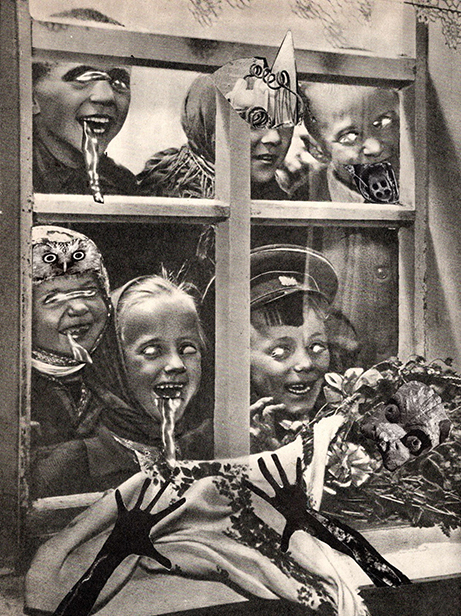


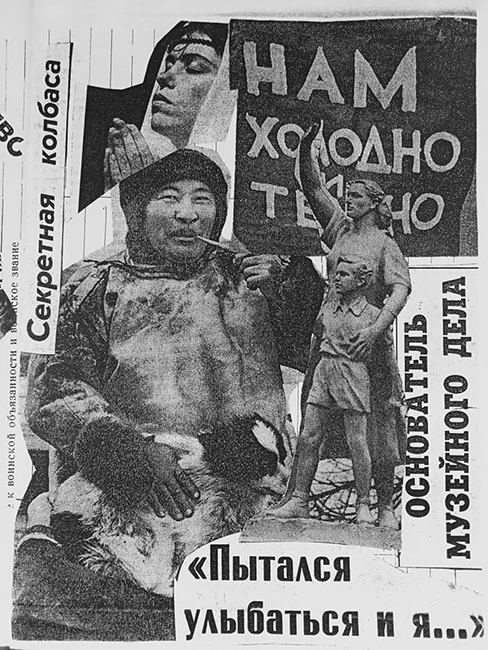
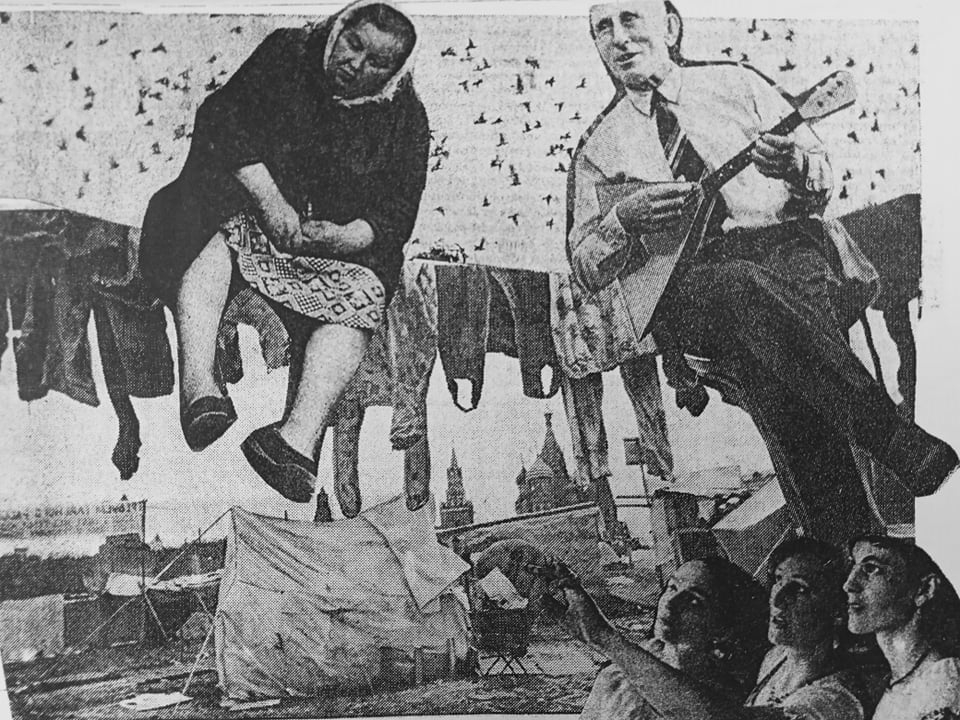
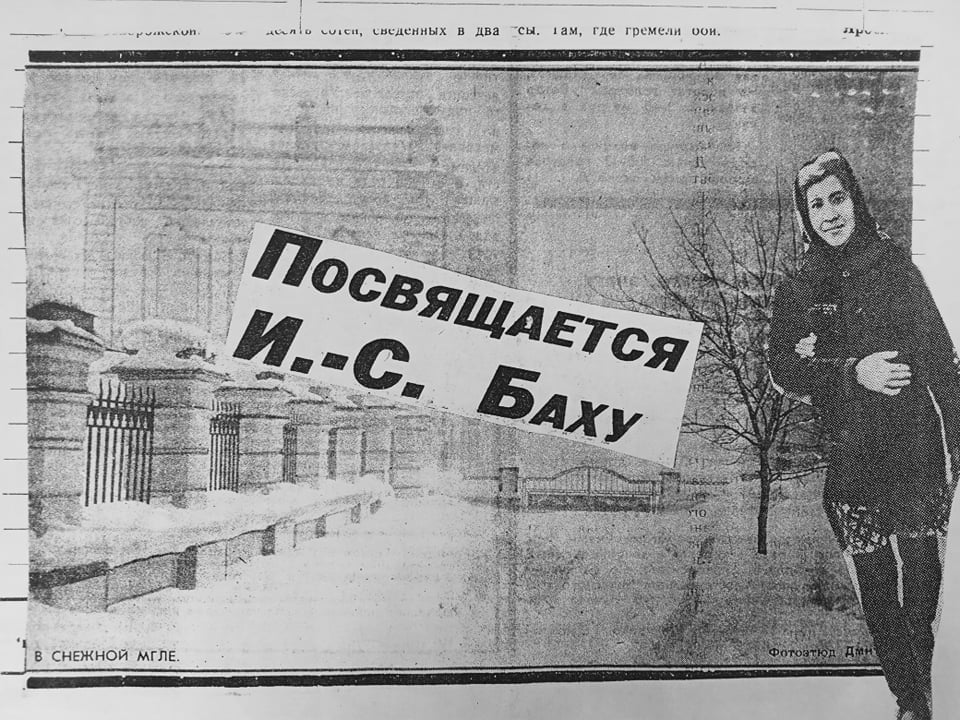
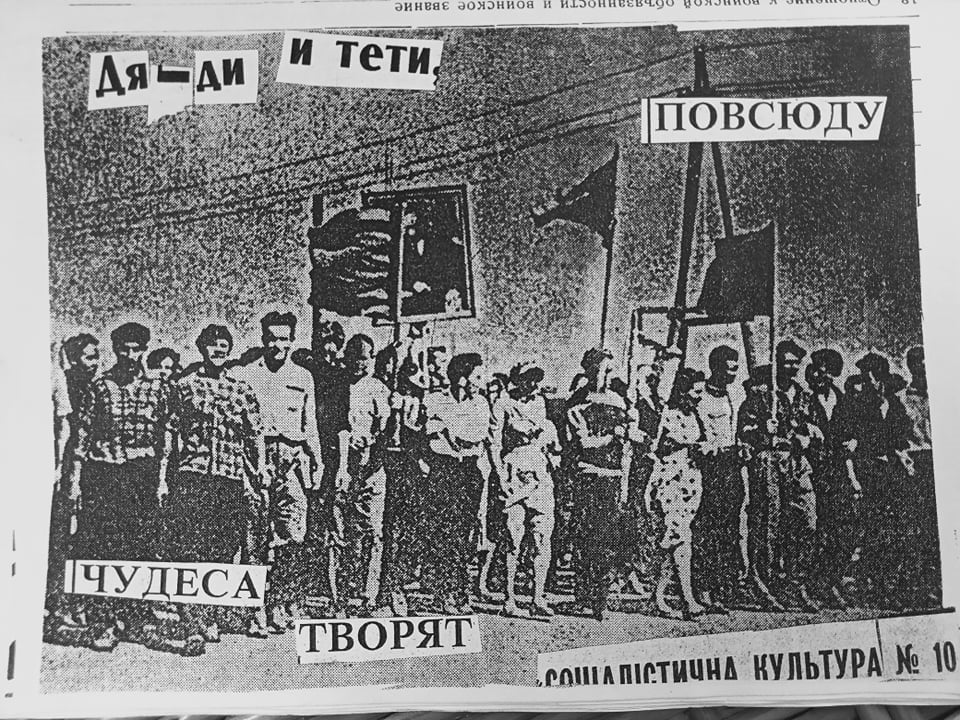


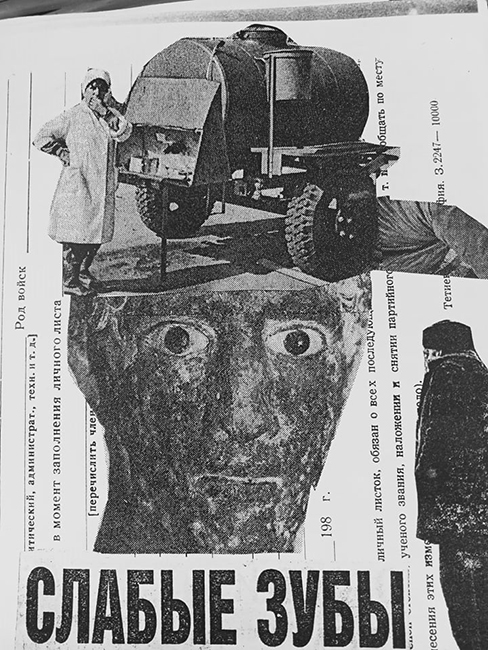
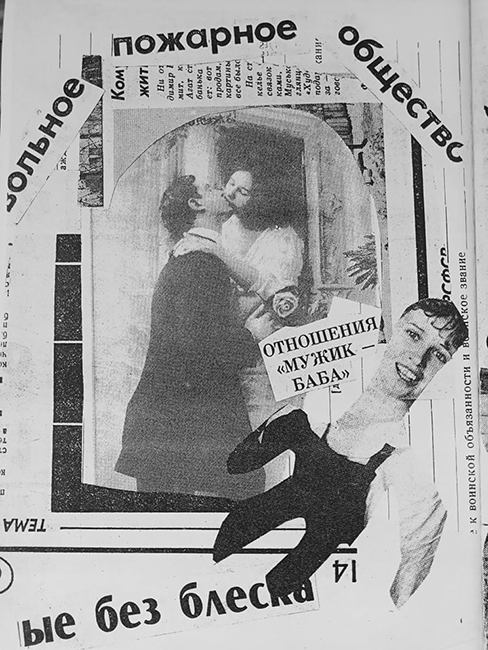


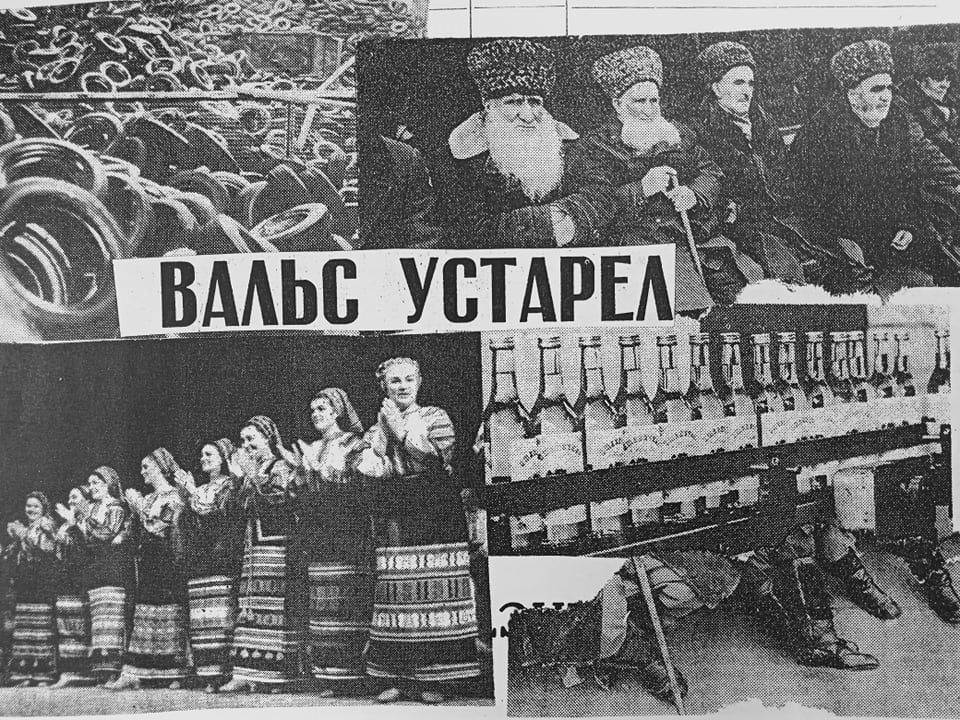


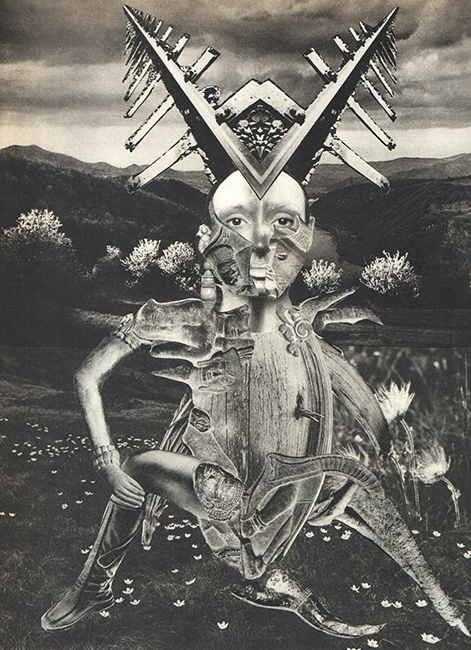
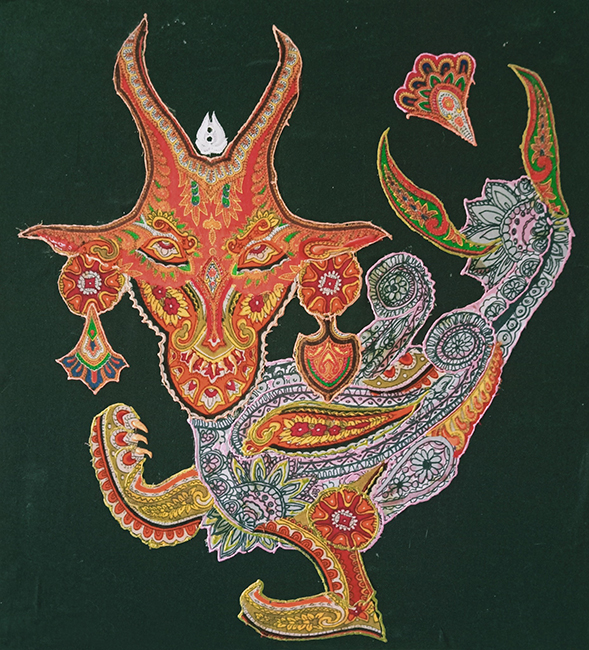
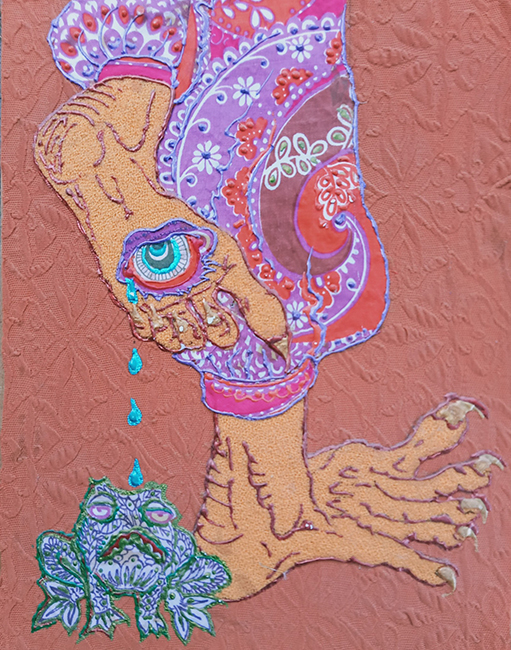
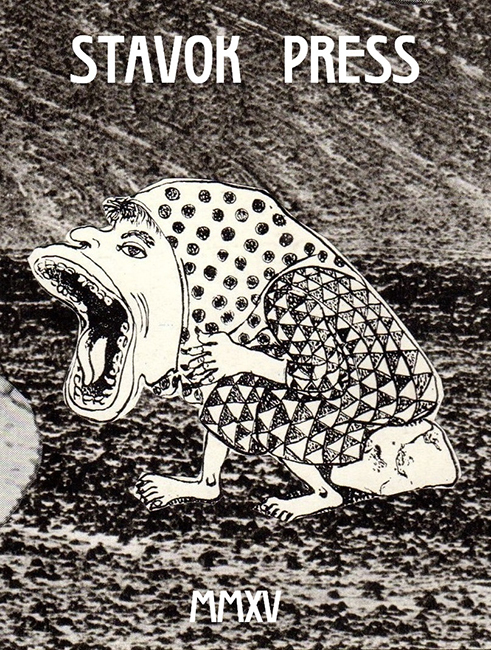


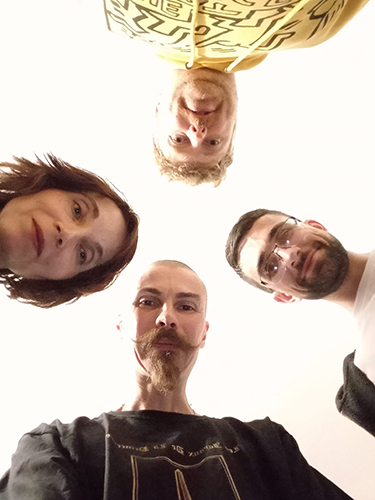
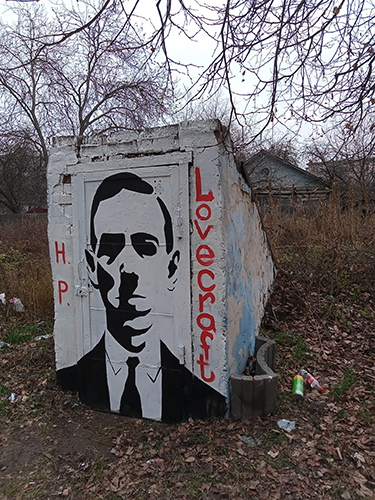


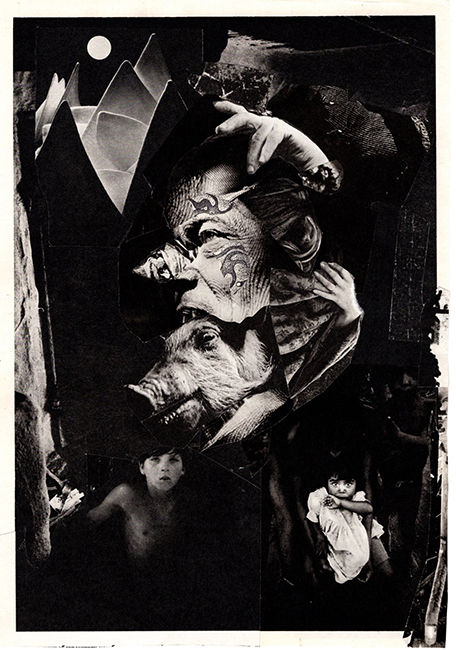


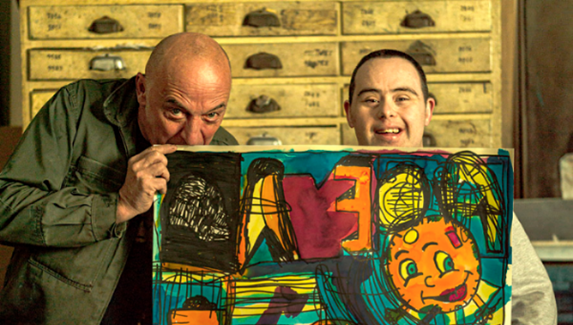

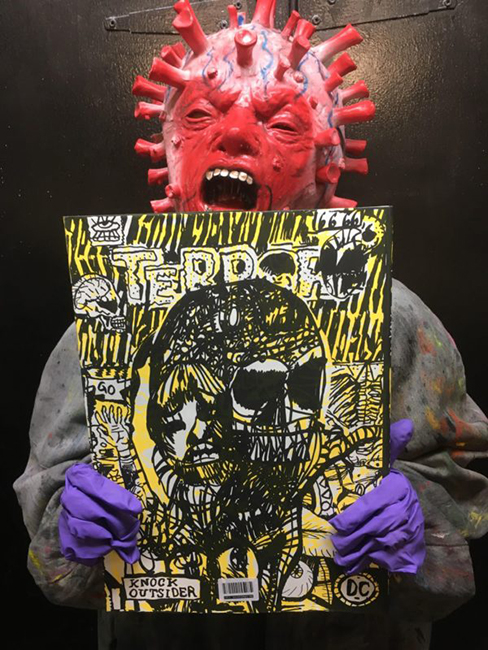
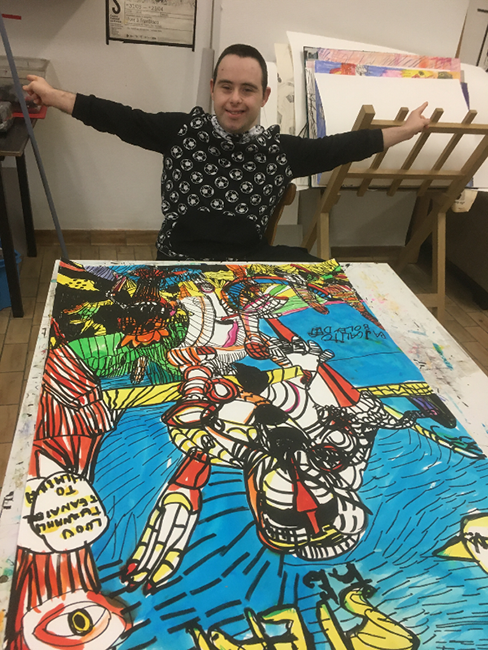

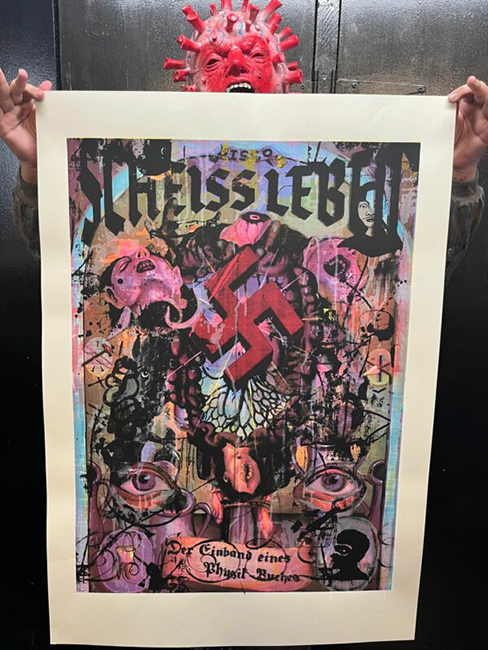
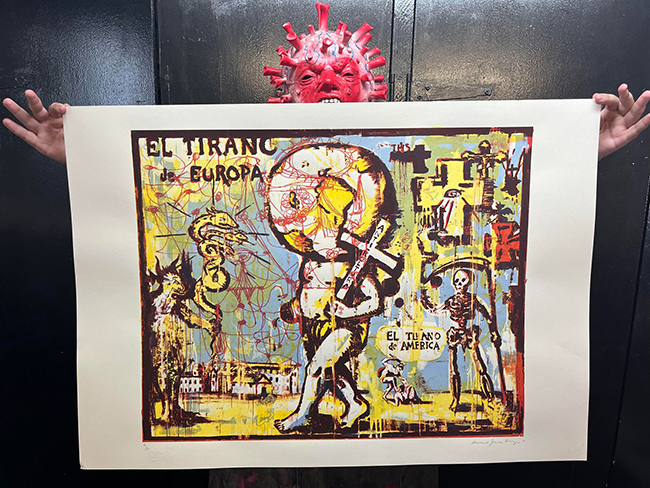
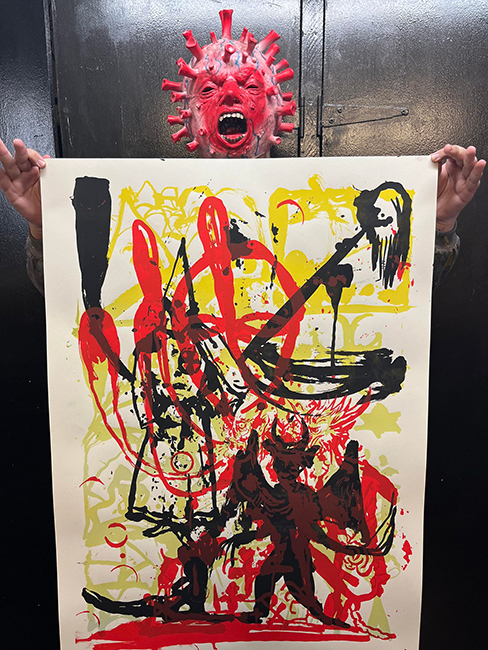
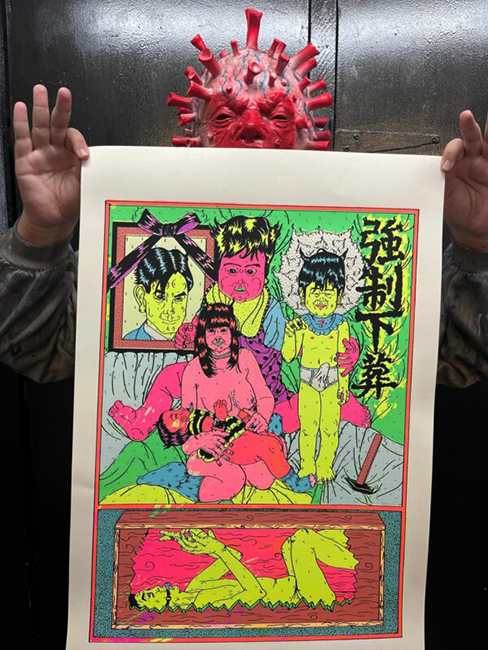

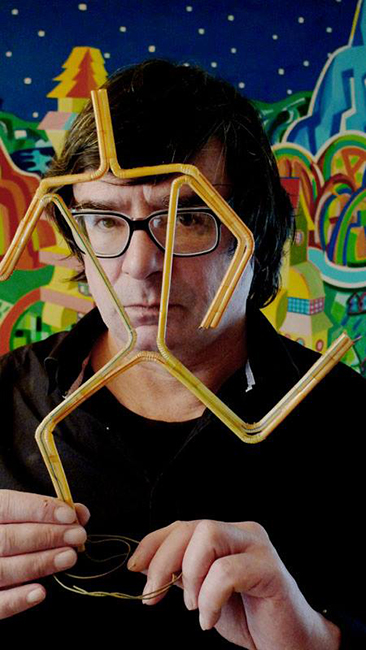
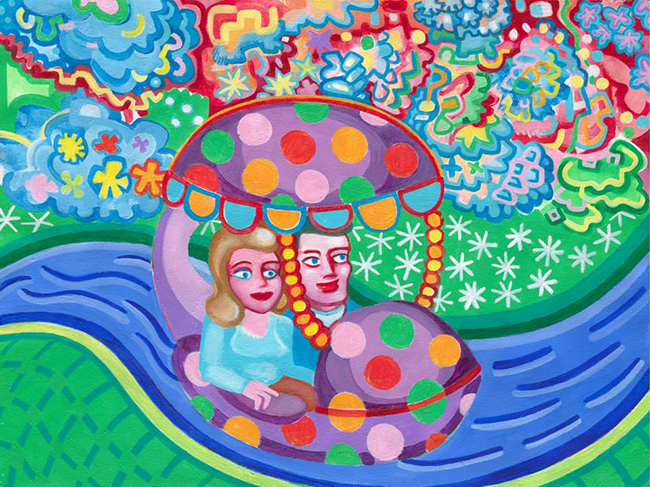

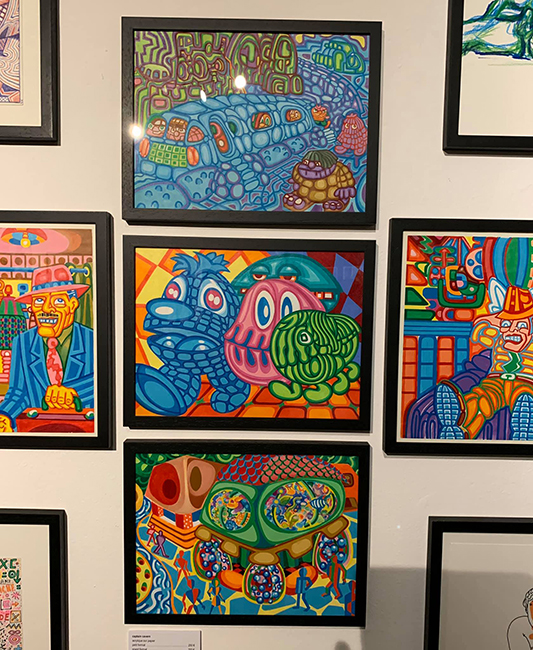

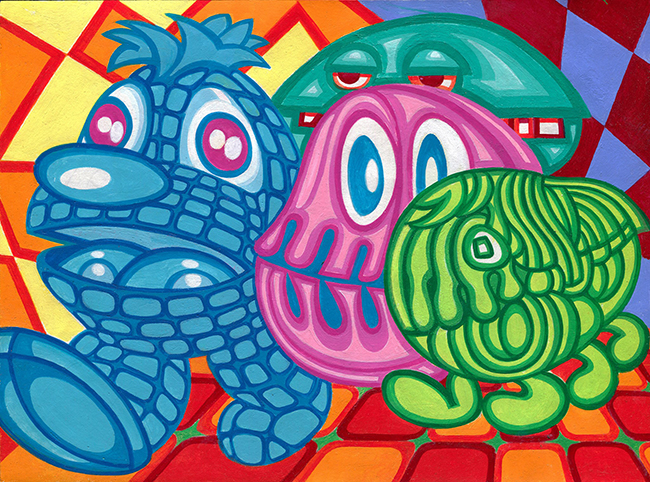
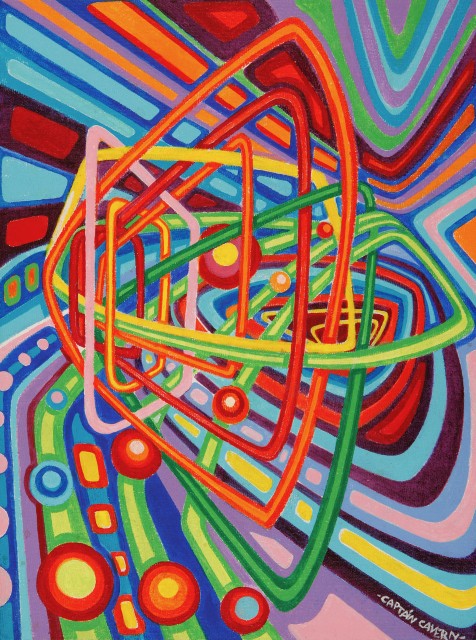
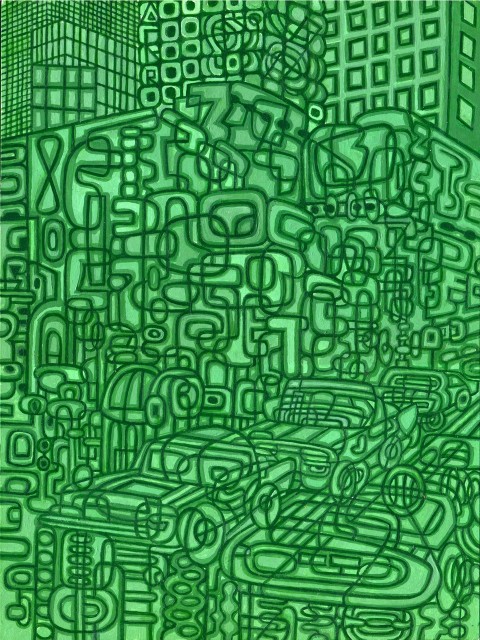


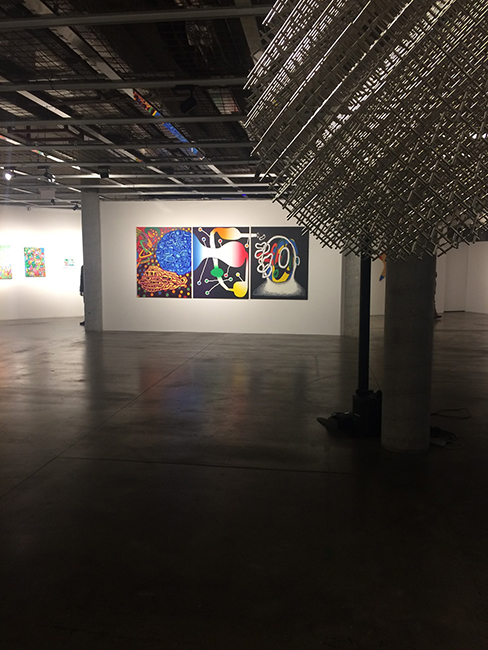

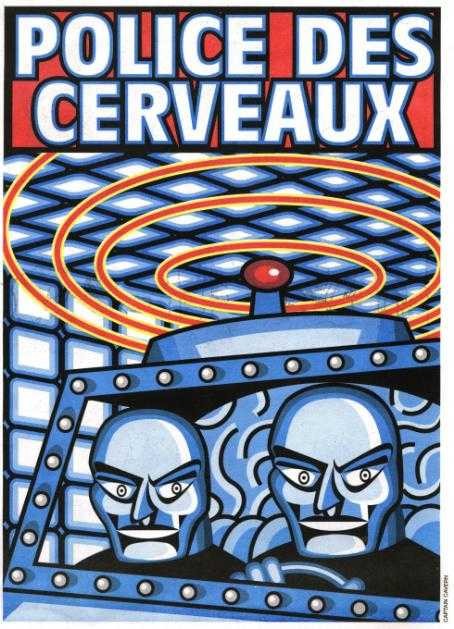
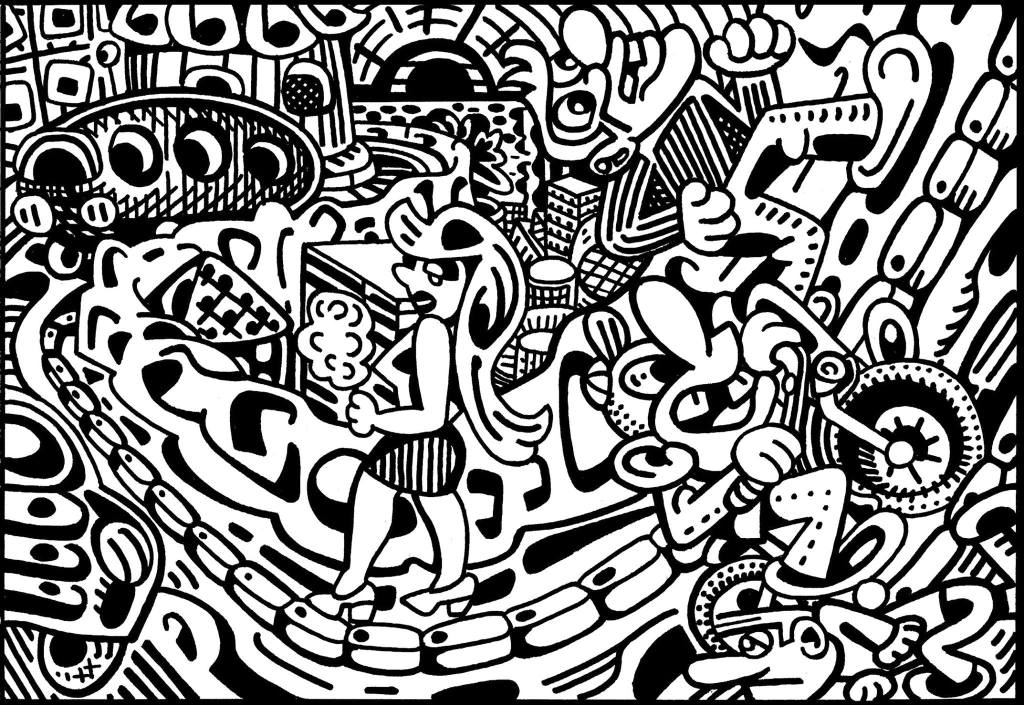
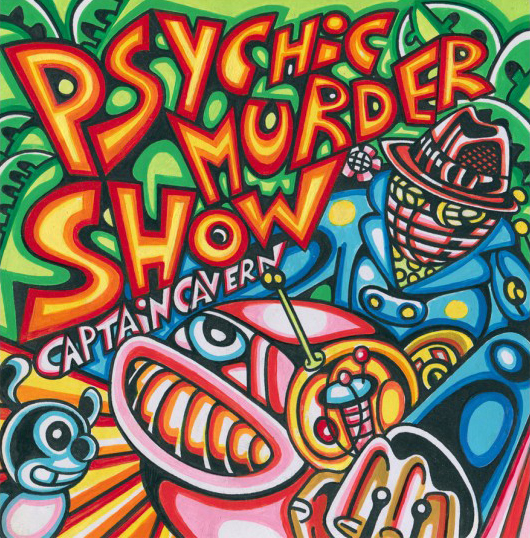

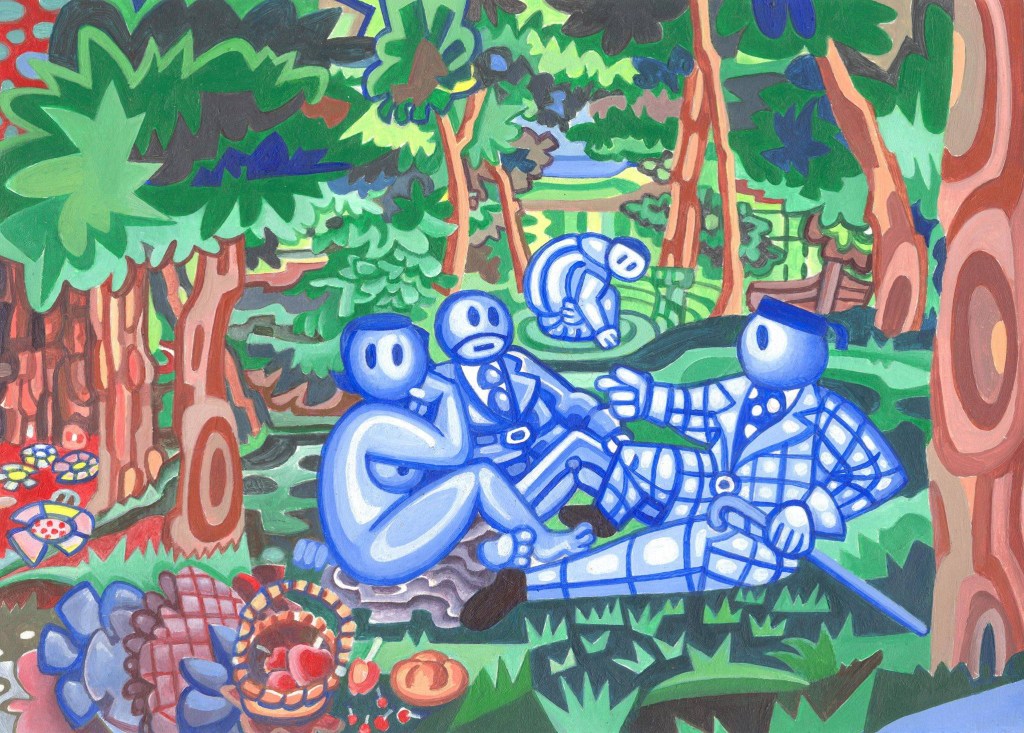
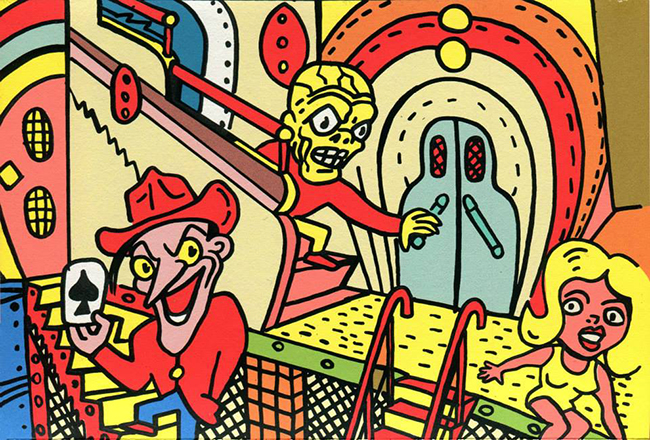
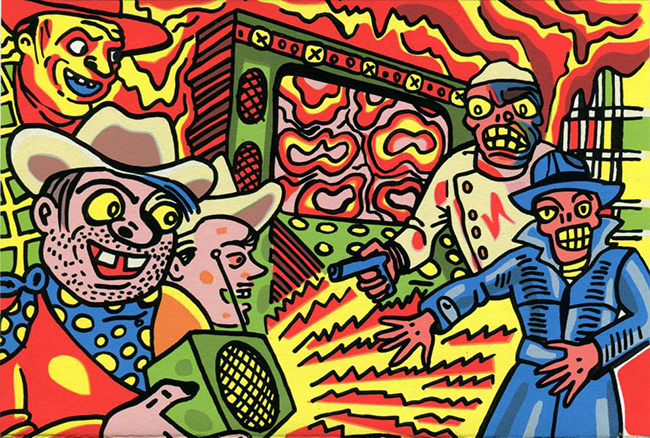

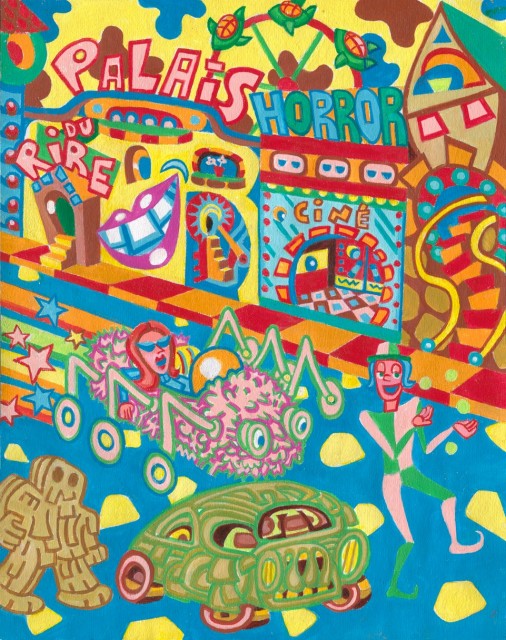





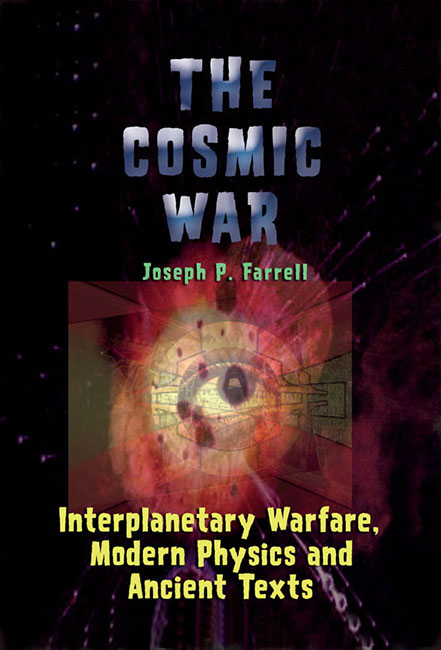


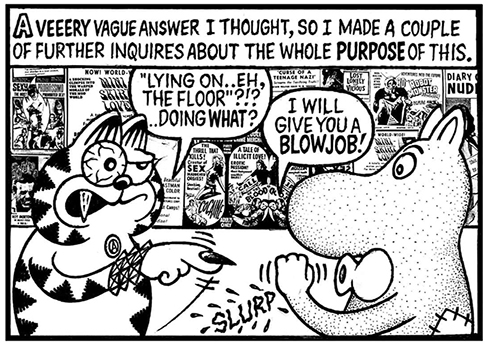


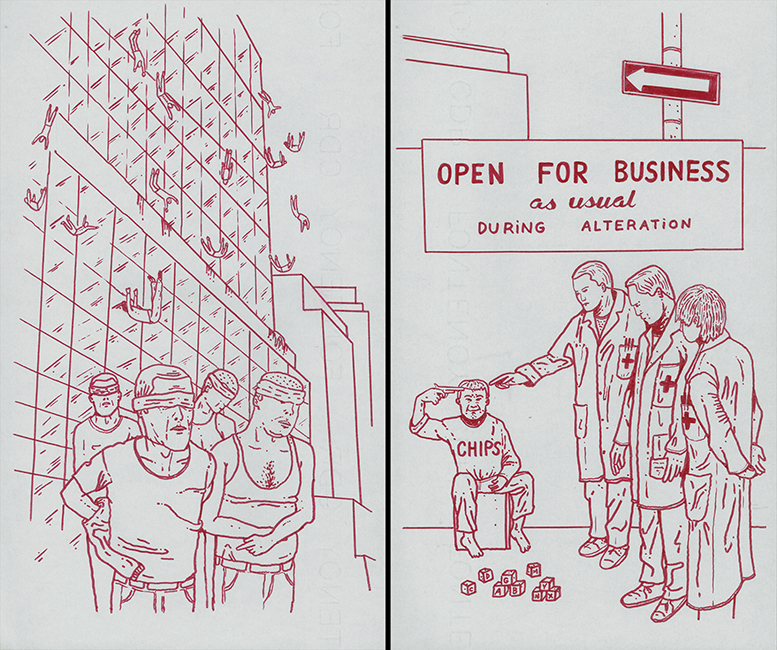

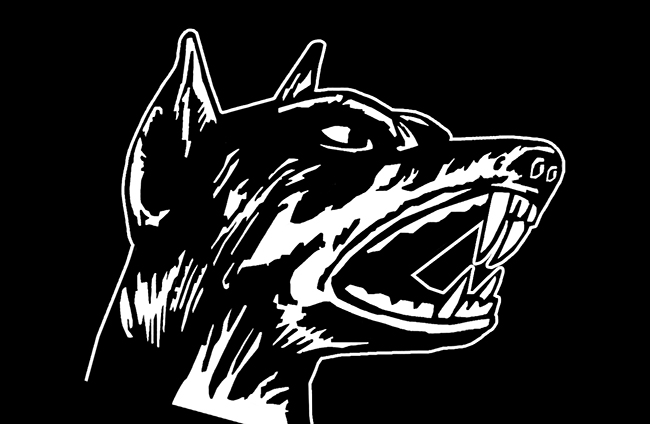

 LÖPÇÜK