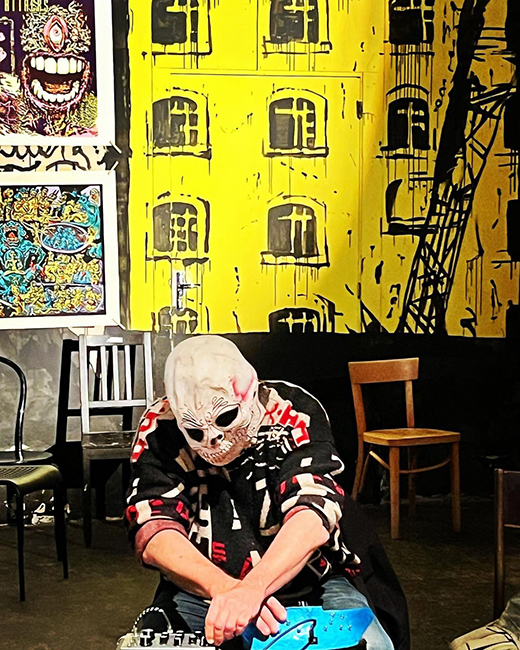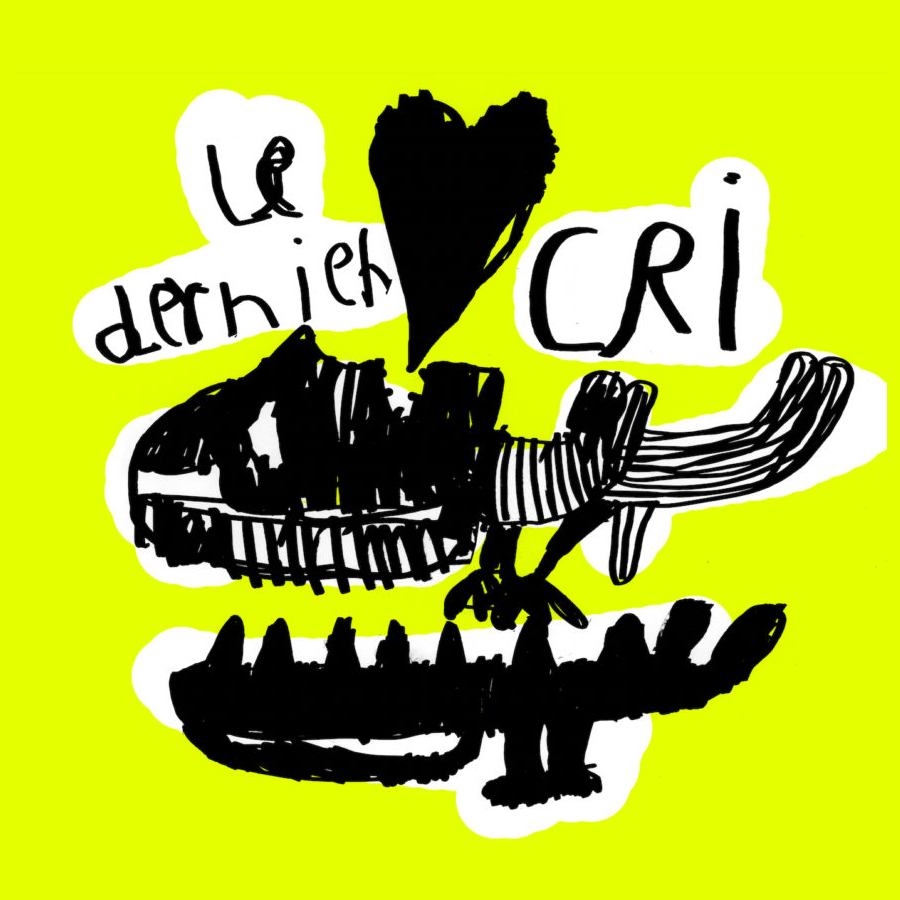
Psychopathy of a Razorgirl: Maria Oosterveen

Maria Oosterveen, Los Angeles, 2023

A new year, new technologies; surviving a pandemic that gripped the world for two years, followed by geopolitic wars and peoples ravaged by the struggle for territory between global powers. Where are we going, are we on the brink of an uncertain age?

To what extent and for what purpose are we using advanced technology in our lives, or is it using us? And where does woman stand in all this chaos? While these feverish debates continue, perhaps it is best to listen to Maria Oosterveen who capture the spirit of the time.

Maria Oosterveen is an artist based in the Hague, Netherlands. Currently she is using spinning, recycled yarn and a touch of technology to make tactile works, that could be touched, be immersed into by wearing or by looking. She is also a part of the iii-workspace, and works as a professional model for special projects.

Her works which are overall scenographic do touch our sense of compassion and conscience, but seen from the perspective of the body without of organs (explained by Deleuze and Guattari) also called the cyborg (Donna Harraway), and the power-plays between us and a structure or object (phenomenology) (Foucault).

Maria Oosterveen ‘Crrrshd 1.1’ 2022

‘When we navigate through life we often only see the hard parts of life. Leaving a trail of growth and beauty behind us. Since every step we make is a beautiful one. How hard it may seem, how exhausting it may seem.’


From Maria Oosterveen’s ‘Subject 0’ interactive performance

“As an artist I feel obliged to make people aware of their own habits in time and space.”

Yuval Noah Harari and similar thinkers argue that homo-sapiens as a species has come to the end of its evolutionary process and that the only way forward is from now on through by bio-engineering works, to what extent do you agree with this idea as a post-modern artist with a degree in chemistry?

Maria Oosterveen: I feel this is true.

Yet the application of bio-engineering is more a trans-humanist view to progress than a post-human. From a Post-humanist perspective changing habits and structures as a concept is more important. In that sense the body can change with the help of bio-engineering. Yet it is also valid to change the way we behave towards political systems. This is beautifully described by Judith Butler in her book “Undoing Gender”. Even if she specified this to the uncloaking of the group dynamics and (unwritten) laws around gender, she also mentions that her concept is also applicable to every political field. If you would do that in all systems.

Trans-humanism is more about the evolution of humans in a more practical sense, less conceptual. So if we want to evolve we have to find (scientific) solutions to our problem. It is more about how we want to evolve from a very human centric point of view. This could be the prolonging of our lives, to the way we added phones to our lives and have become integrated with them. Even the use of machines in a laboratory can be seen as an extension of our own body making things easier for us and therefor in integrates with our lives.

As an artist I feel obliged to make people aware of their own habits in time and space. Creating awareness and therefore change in itself. In a more Post-human way. So I try to work with the concept of consciousness. The way we perceive this is highly influenced by culture which is a system in itself, although some parts of it are instinctual. And this is what usually underlays all, the reasons why we create structures and systems. This is where we can really progress. If we are able to crack the way our instincts work, we would evolve as an entity. To recreate ourselves, or let ourselves be recreated by the (new) surroundings (as this is what evolution is). To accept we are just a product of our environment.

From this philosophical Post-Human perspective Anarchism also makes sense.


Maria Oosterveen ‘van KaNT’ series, 2022

‘My art is philosophical and political. It needs to be immersive and challenging your concept of what is right or wrong, this by the use and choices of my materials + titles but also execution. Not to be judged but to be made conscience.’


A body-art experiment by Maria Oosterveen ‘Nothing more than a Cyborg’

I have to admit that your ‘Nothing More than a Cyborg’ experiment really creeped me out.The most striking thing that struck me while reading your anecdotes is that you define the basic centre, the essence that you can access while peeling back the layers of human beings as ‘conscience’, not ‘soul’ (or spirit). Isn’t this where the whole handicap of positivism, of the (progressive) positivist perspective lies: It is based only on what can be observed. Seeing the soul and similar metaphysical fields as lyrical tales of antiquity; in terms of your artistic works, to which field do you see yourself as an artist?

Perhaps this brings us back to the most basic question “Do you believe in God or not?” Or I have to ask it like this: What is your understanding of the universe, your conception of the universe that you reflect in your art?

My answer to this will be short and long as I want to support my answer. I got no understanding of the universe.

I am only a byproduct of my surroundings. I am a product of how my mother met my father. I am a product of how some chemicals in the body said they were a good match. Which comes from an evolutionary process to prevent the mixing of too similar genes. Why that happened? If there was a reason that this happened? Did something else than a big bang caused our environment to create the right circumstances for us to be created by evolution? I got no clue.

If there is a God? No. I don’t feel like there exists one. We try to find ways to explain that which our consciousness is not able to connect together by itself. It is yet another system to make sense of that which doesn’t make sense for a lot of humans.

I believe humans are more connected than we believe we are. We share more than most think we do. We are already a big network of communal consciouses. It is something most of us experience the moment we use psychotropics. It is that same communal consciousness that finally opens up. Do we understand this communal consciousness? No. Neither do I. I follow where the system leads us as that is what we share. That is what I understand.

There is also one part of this concept of communal conscious that makes understanding the universe even more complex. It could also mean we are sharing a communal believe of reality. What if that communal consciousness breaks apart? Would what we imagined as a world still exist?

So no I got no clue. I take no stance either.
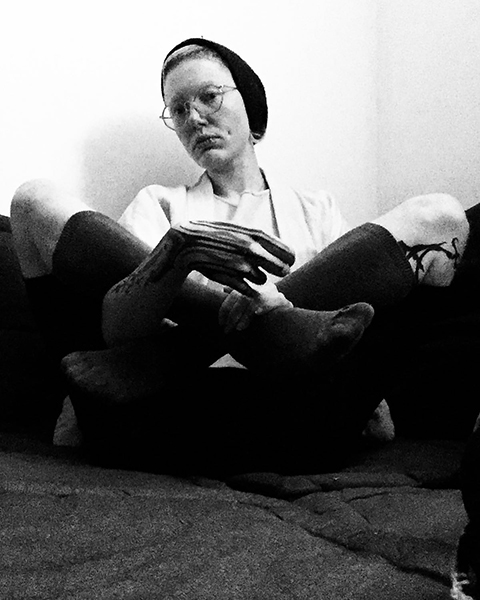
Maria and her usual natural seating style

*Cyberfeminism is a feminist approach which foregrounds the relationship between cyberspace, the Internet, and technology. It can be used to refer to a philosophy, methodology or community. The term was coined in the early 1990s to describe the work of feminists interested in theorizing, critiquing, exploring and re-making the Internet, cyberspace and new-media technologies in general. The foundational catalyst for the formation of cyberfeminist thought is attributed to Donna Haraway’s “A Cyborg Manifesto”, third wave feminism, post-structuralist feminism, riot grrrl culture and the feminist critique of the alleged erasure of women within discussions of technology.


Mariagoth Razor Mode !!
Some pages from Mariagoth’s sketchbook, 2023

“I don’t find it particularly scary for the children growing up. I find it scary for us all.”

If we take a look at the developments in the field of technology and science in the last 10 years, we witness that it has accelerated exponentially, not linearly, and has grown like an avalanche in the face of human beings. Now there is talk of the threat of an out-of-control artificial intelligence taking over the entire system. As a young woman and also modern artist, how do you see this situation, do you ever get worried, do you ever think that this is too much?

To be honest. I don’t find it particularly scary for the children growing up. I find it scary for us all. Our technology progresses faster than what we as communal conscious and human beings at this moment are capable of dealing with. Some of our systems within our bodies (the body without organs), at least the bodies we consciously imagine to exist, have not evolved enough to deal with the new developments. Like the amount of stimuli we get on a daily basis via screens and billboards. Some of us barely understand that we are the cause of climate change. A lot of humans are not capable of dealing with the stream of information that comes in. As most of what is being produced by technology now is not new physical systems, but rather systems created by information. We as human beings have not adapted fast enough, and this is why we get back to new technological adaptations to make us cope (transhumanism). Which is a trap by itself. As we aren’t evolving as a species. We are merely putting a small bandaid on a gaping wound.

Funny how these questions remind me of how Muad’dib (Paul Attreides) in Dune by Frank Herbert also sees the world or rather Leto II sees the world. Your comment about Mentat computation is rather well choosen.
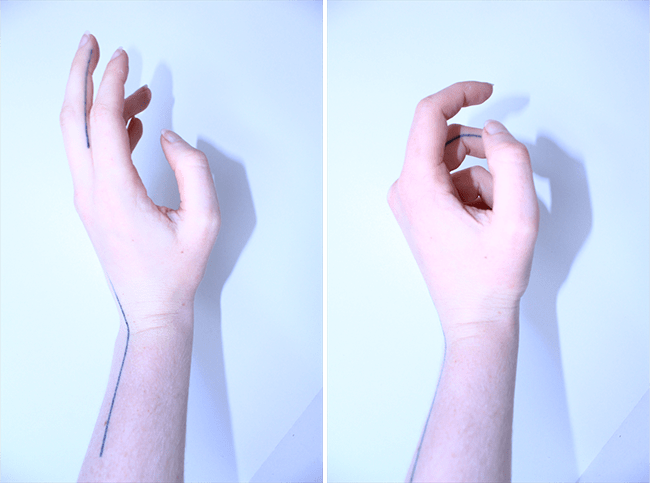
Maria Oosterveen ‘Nothing more than a Cyborg’

“We are in the way we move and behave utterly the same as what we were 1000 years ago.”

Or do you think humanity will somehow adapt to this new world order, for better or worse?

In ways I have already explained this above. We adapt by applying even more technology. While we as humans have not changed the way we work. We still follow the same structures and systems. In that sense we still stay human. Even if we would look like robots, or the cyborgs in cyberpunk movies. Which are a terrible example of what a cyborg truly is in the literary sense. I would rather call them Transborgs than Cyborgs… We are in the way we move and behave utterly the same as what we were 1000 years ago.

We have created something we’re barely able to grasp (as a shared consciousness) that actually shows us that everything is communal. That something like copyright is non-existent. It is one of the biggest mirrors we could have created. Most of us are not capable of accepting this fact. Most of us still try to explain the world and what happens by tarot cards and/or a God.

This issue with not being able to deal with the stream of information, and the disability to communally share the same reality, is also why there is a higher percentage of psychoses happening throughout our population. (I don’t see the concept of the psychosis as something negative, just different).

Maria, L.A. Session, 2023

“Both groups are counter culture as they exist opposing each other. Both are right in their own ways. We do communally need to deal with the problems at hand, respecting each other (without violence). Yet the way our system works now isn’t making us progress at all. However I don’t believe we are conscious of how right we all are in our own way.”

In Türkiye, since the 2000s, there has always been a small-scale oppositional voice against globalization. But what about the situation in Europe, in a relatively developed welfare country like the Netherlands, is there a group of people or intellectuals who are at least ideologically or philosophically opposed to the current course of events; what is going on in the field of counter-culture in Europe, what are your observations, we would appreciate it if you could inform us a little bit.

Well to inform you all: The Netherlands is no different. About 30% of the population voted for the PVV. Which lead by an half Indonesian half-Dutch man, named Geert Wilders, in an elite position being part of the Government. There is also the party led by Thierry Baudet: Forum voor Democratie. Baudet grew up pretty rich has been able to study philosophy, of all studies, and is an extreme right wing man who flirts with Nazism. His party won the provincial elections a while ago.

Most of these politicians barely have any knowledge of the issues at hand. Knowing that most of their followers have any knowledge at hand. Yet they do understand that it is too much for a lot to handle. So they try to deny that climate change exists. Having others agreeing with them and therefor voting on them. As it is a lot to grasp for a lot….

This same group often are conspiracy believers. They also see the government as something fundamentally bad (this is something different than believing our political system needs reforming and being critical). There is overlap with some who are connected to far left wing ideologies.

Yet there is also this group of people that do understand the issues at hand and share this communal reality. They also believe that the only way to deal with the issues at hand is by doing it together communally. Even if they might not see it all the same way. Together is the only way to get through this. About 70% of us all still follow this believe.

Both groups are counter culture as they exist opposing each other. Both are right in their own ways. We do communally need to deal with the problems at hand, respecting each other (without violence). Yet the way our system works now isn’t making us progress at all. However I don’t believe we are conscious of how right we all are in our own way.

*The performance in which Mariagoat participated at Museum of Now in Berlin, 2019

“This need for technological development is only a need to deal, via cognitive dissonance, with the mirror we created for ourselves.”

There are some conspiracy theorists, independent journalists and writers who believe that these global financial elites and this corporatocracy are serving the Satanic side, trying to enslave us for their new digital world order they have created by severing our essential connection with ourselves, and therefore with nature and God.Even tech giants like Elon Musk are saying that the human brain can be used as an interface through neurolink and similar technologies in the future, what do you think about these developments; are you optimistic or pessimistic?

I am neither. Will I individually agree with a world that changes towards a highly driven by religious believes? NO I won’t. I would detest the idea. Would I still follow the communal believe that God exists? Yes because even by using the word “God” I acknowledge its existence its presence in our culture and language. If the world communally believes one thing I am to follow (as we all haven’t evolved far enough to break this cycle).

Are they right that by believing we are individuals we loose connection with each other even our surroundings? Yes. Are they right that with the current individualistic mindset dealing with problems is harder to grasp communally? Yes. It would be chaos. It would be anarchy. It would be post-modernism. It would be a psychosis not shared by us all. That idea is scary as it is venturing into the unknown. Can I be optimistic or pessimistic about this…. I can’t know as we have not reached such a state yet.

To be more practical: Am I pessimistic about the technological developments like Neurolink? No. Positive? No. It’s the same as before. This need for technological development is only a need to deal, via cognitive dissonance, with the mirror we created for ourselves.

Maria Oosterveen ‘van KaNT’ 2022

“This is where the answer for change is also to be found. We are the only ones who can oppose a structure of extreme surveillance by corporatocraty. New technological developments itself have nothing to do with a system of oppression they are merely the tool.”

Of course, if we think of this neurolink technology as a development that will bring a paralyzed patient back to his feet and back to life, it is miraculous, but how can we be sure of the other side of the medallion? What if, over time, it turns into a centralized totalitarian form of government, just like the current social media applications? I want to draw attention to the philosophy behind these developments as much as the developments themselves, after all, none of us were born by Bill Gates or Elon Musk!? And if so, where is the devil hiding?

The Devil is a concept created by the communal believe there exists “one”, which is a paradox in itself. We all believe there is “one”. As you mention so beautifully: “None of us…”, the us in this sentence gives the answer back at you. We are the ones believing there is a devil/problem. We are also the ones who made it possible, by communally believing, that we got no control over a situation like this which explains the “none” within that sentence. So the “devil” is within ourselves, it is a communal issue. Not to blame one for it, but all.

This is where the answer for change is also to be found. We are the only ones who can oppose a structure of extreme surveillance by corporatocraty. New technological developments itself have nothing to do with a system of oppression they are merely the tool.

Going back to our original topic, How do you think all these scientific, digital and cybernetic developments mentioned above, (some of which I am skeptical about), will affect the art of this new century?

I can tell you are sceptic by the way you formulate your questions. Yet with scepticism is nothing wrong. It tells us that there is something wrong. It is an instinctual warning signal that tells us something isn’t clear drinkable water. To dispose of it all as bad (as it is still water) is what I would find difficult to deal with.

“The use of technology in art or even the lack of technology where there is plenty. Will create this awareness. Art has always been a great way to make this awareness happen.”

Will artists turn into technicians and art into bio-technologic works free from the romantic, instinctive senses?

No. Not as we are still humans. We are not the tools we use. We created them. They just do not change the fundamentals of the way we act. Art, as it is today, will always find ways to create awareness. The most easiest ways to be aware is via the senses. Via touch, smell, audio, visual and etc. The easiest to make people aware about themselves is via our communally shared instinctual senses. The moment we crack this… The moment we have evolved. Art in the concept we know it now will not exist.

The use of technology in art or even the lack of technology where there is plenty. Will create this awareness. Art has always been a great way to make this awareness happen.

To talk about the senses: I am currently organising/curating an art event around the senses named: Not to be Senseless which will be happening on the 30th of March 2024. As this art-event focusses on our instinctual senses. Trying to make sense of it all, while not forgetting this instinct is communal though different for everybody.

What do you think about the effects of Artificial Intelligence in the near future? Do you use it in your art works?

No, I do not use it in my works yet. I am not opposed to it. As I see it as a tool not the creator. We created AI as a mirror of us. Why not use the mirror to mirror it back at us? We can use this in a more awareness creating tool.

I would use an AI to help me create algorithms to create new knitting patterns. Make the AI calculate it for me. While also absolutely aware that the use of this (and mentioning it) will discard the process of others helping/being paid to help in creating these patterns. Thereby creating awareness what AI does to discard human workers in a field that is rather physical. I would only use AI in my projects if it indeed would be part of my concept to make others aware of those systems of industrialisation.

The art scene of the century we left behind is a colorful century that witnessed early avant-gardes like Nam Jum Paik, many post-60s art movements and vibrant developments, speaking for today, are there any names that interest you in the fields of video art and performance art that you can recommend?

Marco Donnarumma is an amazing performative artist that amazes me every-time I see his works.

Ludmilla Rodrigues focusses a lot on haptics in her work and creates awareness around this topic.

Jaime Del Val a Spanish performative artists that focusses on architectural believes and how this changes the way we move.

Dani Ploeger an artist who focusses on systems like surveillance, but also the less complex ones like sexuality and technology.

There are many more I would like to feature but to be honest the niche I find myself connected to as an artist is rather small. So I keep seeing the same faces over and over again.

Who are the iconic artists from the 60s to today, who are important to you?

I mean writers like Philip K. Dick and Frank Herbert are rather important to me. To be honest. I am terrible with art and remembering names. Especially connected to a specific time.

Do you have a special project you are working on these days? We know that apart from being an artist, you are also a model, and a photographer, isn’t all this tiring for you?

I just wish it all would be paid better and some would be communicative stronger so everything flows more fluently. You can’t have all. Luckily this is what life is about. So I am fine. It is actually really exciting. My life isn’t boring at all!

As mentioned before I am setting up a series of events around the senses called; Not to be Senseless. It is a political wink to how we treat others and how we are more together than we think. Yet it also binds us in something we fundamentally all understand. Our senses. Which is in collaboration with Journey Through the Sense (Journeythroughthesenses.org) and Intstruments Inventors Initiative (instrument inventors.org)

Maria Oosterveen’s installation named (uk) Un-/(nl) On-
Maria Oosterveen ‘Crrrrrrshd’ Performance, 2022
Prototypes of Alumn crystals growing

I am also, with the help and support of the TU Delft, researching a way to create a wearable and performative piece of art that combines handwork with crystal growth. The focus is that not all technology is electronic. While still have this tactile elements to my work as the crystals will break by wearing, can be gathered and regrown making it a piece that also changes over time by wearing.

And I am working on some new designs that people can knit themselves. Where inspiration comes from the body itself. From chemicals like oxytocin to the spine. In case of oxytocin the chemical structure is turned by a self-made algorithm into something that can be translated into a lacework stitch. Which is a wink to how knitting and weaving has been the basis for the binary language in computing and it is a wink to how (mostly) women have sent secret message in knitwear in wars.

> Atelier Oosterveen


When I was looking through your online portfolio, I noticed that you didn’t date any of your works, is there a special reason for this?

I’m an anarchist in ways. I believe that time is irrelevant. It goes about the quality and position of the art in time. Time changes always, so does some elements in culture. This also means my art changes because the time and mentality it is existing in has changed. I could give it a date. But why would I?
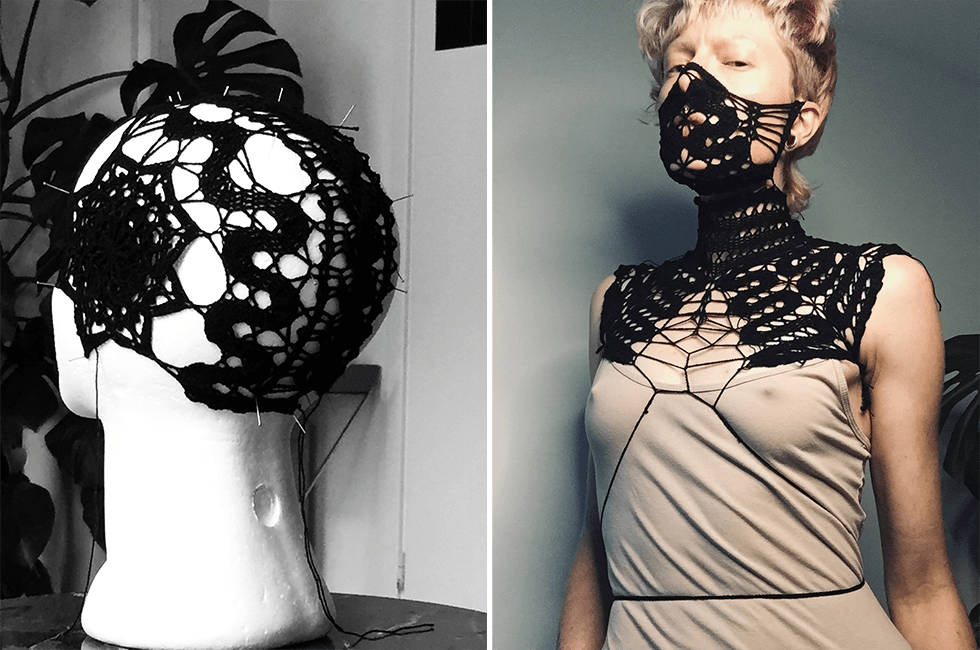
Mariagoth’s Secret Projects (WIP)

Creating lace patterns

Which we can wear on our sleeve

out of chemical structures existing in us all

What are your current pursuits and which topics do you plan to focus on more in the coming period?

See earlier comments. I am really busy with a few new projects. Of which one is curating a series of events which are called: Not to be Senseless. Where the focus is more on the senses.

I might actually think about trying to create more algorithms (but now by AI) to create lace patterns out of chemical structures existing in us all. Which we can wear on our sleeve (what a great title btw).

At new year I did a participative intervention performance on sexuality, war and feminism. As I come from a mixed background, which is both Eastern European Jewish (grandfather mothers side) and Dutch Jewish (grandmother mothers side). I am in the middle of 2 wars. One which is all about the former USSR and Putin trying to regain that autocracy back over those pieces of land by invading Ukraine first. The second war with the Palestinians and Zionitic Israelis. In both wars women are still often seen as the damsels in distress. Put in a lesser position, both by those that try to protect us and those who want to hurt the other party the most. At new year I gained my power as a woman back by whipping others. Material from this performance still needs to be added to my website as it is rather recent.

*To correct you I didn’t realise the performance in Berlin. I was merely an actor. A hired entity to play part in someones concept I was just a player. Nothing more.
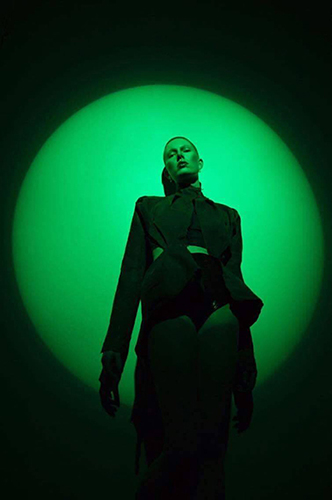
Mariagoth, 2017

Thank you so much for joining us Maria, it is an honor for us to have a futuristic artist like you on our pages, and I am sure it was equally inspiring and enjoyable for the readers and new-media artists. If you have something you want to share finally with your fans and followers here, please!

If you got the chance to attend my event on the 30th of March called “Not to be Senseless” do it.

Otherwise keep following me. As there will be more being produced the upcoming years.
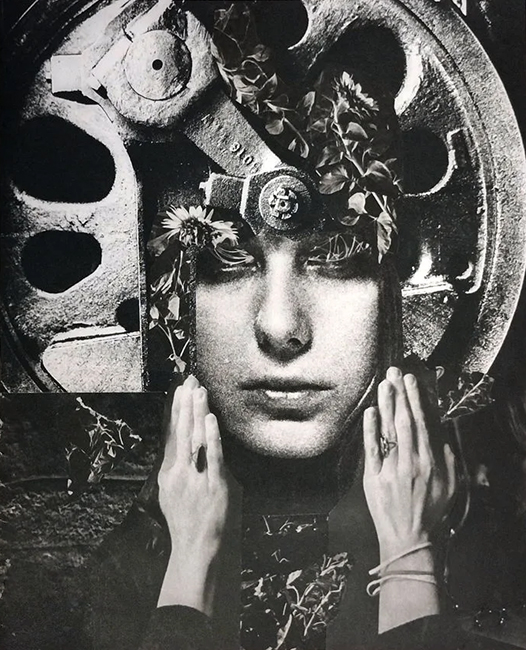
Maria Oosterveen Art Studio

Maria Catharina Model Portfolio

> atelieroosterveen

> Mariagoth


News from GalleryX Dublin: Andrii Strakhov

Andrii Strachov ‘Cleopatra’ 2023

Эта работа посвящена памяти моего покойного друга Александра Юрченко, – музыканта, художника и великого человека который давно всё послал на хуй


Олександр Юрченко • Лічи до ста • Симфонія №1 • [1994]

Dear friends!

Did you have a great Christmas day?

We are closed for the holidays but we’re not sleeping… And in our wakefulness we became aware of this great article about and interview with the wonderful Ukrainian artist Andrii Strachov (Strachovart) whose work we have the privilege of hosting and promoting.

Andrii Strakhov, 2023

‘A nightmare defending itself from an even bigger nightmare’

Find many of Andrii’s works currently in our care in our online shop – what better way to spend the cash you got from Santa?

Andrii Strachov collages

> ONLINE STORE


Bir Sır Taşıyıcısı: Selin Baycan

Selin Baycan (2021)

Selin Baycan, ‘Kaçışın Yok’ adlı yeni şarkısı Lâl Records etiketiyle yayınlandı. Söz, müzik ve düzenlemesi Selin Baycan’a ait olan şarkı dinleyicileri duygusal bir yolculuğa davet ediyor. Şarkının video klibi Lara Kamhi ve Barış Fert tarafından çekildi. 90’lar Türk sinemasından ilham alan klip, izleyicilere görsel bir şölen sunuyor.

Şarkılarını, cazdan singer-songwriter ekolüne uzanan geniş bir ilham dolabından beslenerek üreten Selin Baycan, kayıtlarını 2019’dan bu yana tekliler hâlinde yayımlamakta. Geçtiğimiz sene Şevket Akıncı’nın Meskûn Mahal albümündeki “Silk Mother”  parçasında da katkılarını duyduğumuz müzisyen, bu kez yaklaşmakta olan ilk albümüne dair merakları celbeden nefis bir parçayı önümüze usulca bıraktı. Fakat dikkat: Hazırlıklı olun, az sonra muhtemelen derin bir sızı yoklayacak kalbinizi.

İlayda Güler / Bant mag.


Selin Baycan ‘Kaçışın Yok’ 2023

Selin Baycan’s new song ‘Kaçışın Yok’ (No Escape) was released with Lâl Records label. The song, whose lyrics, music and arrangement belong to Selin Baycan, invites listeners to an emotional journey. The video clip of the song was shot by Lara Kamhi and Barış Fert. Inspired by 90s Turkish cinema, the clip offers a visual feast to the audience.


Bir Sır Taşıyıcısı

Bazen olmuyor, sevmek yetmiyor. Biriyle, onu içindeki fırtınada birlikte kaybolmaya mahkum etmeye çalışarak ilişki kuran, hep kaygan zeminlerde tutan kişilere veda edebilmek gerekiyor. Selin Baycan’ın deyimiyle “kendi gibi olmanın dayanılmaz hafifliği”ni seçmek, daima açık kalacak bir yara taşımayı reddetmek, şifayı özünde bulmak gücün ta kendisi. “Unutan mı iyileşirdi yoksa affeden mi?” sorusuyla vazgeçilmiş bir aşkın kıyısından seslenen “Kaybolan Ne Var”, anılarında benzer hikâyeler saklayanların yüzüne buruk bir gülümseme yerleştirecek, henüz “o adım”ı atamamışlara ise cesaret verebilecek bir şarkı. 

Büyüsünü müzisyenin duru vokalleri ve Alaca’nın yarısı Mehmet Mutlu’nun dokunuşlarıyla biçimlenmiş sade piyano eşliğinden alan parçanın ortaya çıkış öyküsünü Selin Baycan’dan dinleyelim: “Nakarat melodisi kalbimin düştüğü biriyle yıllar süren bir kopamama süreci boyunca aklımda dönüp durdu. Ve ne tuhaftır ki pandemi dönemi nedeniyle kendisiyle ayrılığımız telefonda olabildi. Son konuşmamız esnasında bu sözler âdeta bir anda içimden döküldü ve telefonu kapattığımda şarkı doğmuştu”

Selin Baycan ‘Kaybolan Ne Var’ 2023

Telefon detayı önemli zira parçanın klibine ilham vermiş. Yönetmenliğini Elif Tekneci’nin, sanat yönetmenliğini Nur Şevval Yılmaz’ın üstlendiği videoda ayrılık ânının ve henüz yanıtlanmamış soruların kederiyle baş başa kalıyoruz. Renkler kaybolmuş, sesler susmuş, bir devir kapanmış. Artık aynaya, kendimize bakıyoruz. “Kaybolan Ne Var”ı şimdiden loop’a aldık bile; özlemle beklediğimiz sonbaharımıza arkadaş olacak gibi görünüyor. Boğmadan, boğulmadan; özgürlükte, nefes aldıran sahici sevgilerde buluşalım.

NO TURN BACK !

Selin Baycan

> Youtube > Spotify


Hit Where It Hurts By Ted Kaczynski

FREDOX ‘Dossiers Noirs de l’histoire’ 2005

1. The Purpose Of This Article.

The purpose of this article is to point out a very simple principle of human conflict, a principle that opponents of the techno-industrial system seem to be overlooking. The principle is that in any form of conflict, if you want to win, you must hit your adversary where it hurts.

I have to explain that when I talk about “hitting where it hurts” I am not necessarily referring to physical blows or to any other form of physical violence. For example, in oral debate, “hitting where it hurts” would mean making the arguments to which your opponents position is most vulnerable. In a presidential election, “hitting where it hurts” would mean winning from your opponent the states that have the most electoral votes. Still, in discussing this principle I will use the analogy of physical combat, because it is vivid and clear.

If a man punches you, you can’t defend yourself by hitting back at his fist, because you can’t hurt the man that way. In order to win the fight, you have to hit him where it hurts. That means you have to go behind the fist and hit the sensitive and vulnerable parts of the man’s body. Suppose a bulldozer belonging to a logging company has been tearing up the woods near your home and you want to stop it. It is the blade of the bulldozer that rips the earth and knocks trees over, but it would be a waste of time to take a sledgehammer to the blade. if you spent a long, hard day working on the blade with the sledge, you might succeed in damaging it enough so that it became useless. But, in comparison with the rest of the bulldozer, the blade is relatively inexpensive and easy to replace. The blade is only the “fist” with which the bulldozer hits the earth. To defeat the machine you must go behind the “fist” and attack the bulldozers vital parts. The engine, for example, can be ruined with very little expenditure of time and effort by means well known to many radicals. At this point I must make clear that I am not recommending that anyone should damage a bulldozer (unless it is his own property). Nor should anything in this article be interpreted as recommending illegal activity of any kind. I am a prisoner, and if I were to encourage illegal activity this article would not even be allowed to leave the prison. I use the bulldozer analogy only because it it clear and vivid and will be appreciated by radicals.

2. Technology Is The Target.

It is widely recognized that “the basic variable which determines the contemporary historic process is provided by technological development” (Celso Furtado*). Technology, above all else, is
responsible for the current condition of the world and will control its future development. Thus, the “bulldozer” that we have to destroy is modern technology itself.

Many radicals are aware of this, and therefore realize that there task is to eliminate the entire techno-industrial system. But unfortunately they have paid little attention to the need to hit the system where it hurts.

Smashing up McDonald’s or Starbuck’s is pointless. Not that I give a damn about McDonald’s or Starbuck’s. I don’t care whether anyone smashes them up or not. But that is not a revolutionary activity. Even if every fast-food chain in the world were wiped out the techno-industrial system would suffer only minimal harm as a result, since it could easily survive without fast-food chains. When you attack McDonald’s or Starbuck’s, you are not hitting where it hurts.

Some months ago I received a letter from a young man in Denmark who believed that the techno-industrial system had to be eliminated because, as he put it, “What will happen if we go on this way?” Apparently, however, his form of “revolutionary” activity was raiding fur farms. As a means of eakening the technoindustrial system this activity is utterly useless. Even if animal liberationists succeed in eliminating the fur industry completely they would do no harm at all to the system, because the system can get along perfectly well without furs.

I agree that keeping wild animals in cages is intolerable, and that putting an end to such practices is a noble cause. But there are many other noble causes, such as preventing traffic accidents, providing shelter for the homeless, recycling, or helping old people cross the street. Yet no one if foolish enough to mistake these for revolutionary activities, or to imagine that they do anything to weaken the system.

3. The Timber Industry Is A Side Issue.

To take another example, no one in his right mind believes that anything like real wilderness can survive very long if the techno-industrial system continues to exist. Many environmental radicals agree that this is the case and hope for the collapse of the system. But in practice all they do is attack the timber industry.

I certainly have no objection to their attack on the timber industry. In fact, it’s an issue that is close to my heart and I’m delighted by any successes that radicals may have against the timber industry. In addition, for reasons that I need to explain here, I think that opposition to the timber industry should be one component of the efforts to overthrow the system.

But, by itself, attacking the timber industry is not an effective way of working against the system, for even in the unlikely event that radicals succeeded in stopping all logging everywhere in the world, that would not bring down the system. And it would not permanently save wilderness. Sooner or later the political climate would change and logging would resume. Even if logging never resumed, there would be other venues through which wilderness would be destroyed, or if not destroyed then tamed and domesticated. Mining and mineral exploration, acid rain, climate changes, and species extinction destroy wilderness; wilderness is tamed and domesticated through recreation, scientific study, and
resource management, including among other things electronic tracking of animals, stocking of streams with hatchery-bred fish, and planting of genetically-engineered trees.

Wilderness can be saved permanently only by eliminating the techno-industrial system, and you cannot eliminate the system by attacking the timber industry. The system would easily survive the death of the timber industry because wood products, though very useful to the system, can if necessary be replaced with other materials.

Consequently, when you attack the timber industry, you are not hitting the system where it hurts. The timber industry is only the “fist” (or one of the fists) with which the system destroys wilderness, and, just as in a fist-fight, you can’t win by hitting at the fist. You have to go behind the fist and strike at the most sensitive and vital organs of the system. By legal means, of course, such as peaceful protests.

4. Why The System Is Tough.

The techno-industrial system is exceptionally tough due to its so-called “democratic” structure and its resulting flexibility. Because dictatorial systems tend to be rigid, social tensions and resistance can be built up in them to the point where they damage and weaken the system and may lead to revolution. But in a “democratic” system, when social tension and resistance build up dangerously the system backs off enough, it compromises enough, to bring the tensions down to a safe level.

During the 1960s people first became aware that environmental pollution was a serious problem, the more so because the visible and smellable filth in the air over our major cities was beginning to make people physically uncomfortable. Enough protest arose so that an Environmental Protection Agency was established and other measures were taken to alleviate the problem. Of course, we all know that our pollution problems are a long, long way from being solved. But enough was done so that public complaints subsided and the pressure on the system was reduced for a number of years.

Thus, attacking the system is like hitting a piece of rubber. A blow with a hammer can shatter cast iron, because caste iron is rigid and brittle. But you can pound a piece of rubber without hurting it because it is flexible: It gives way before protest, just enough so that the protest loses its force and momentum. Then the system bounces back.

So, in order to hit the system where it hurts, you need to select issues on which the system will not back off, in which it will fight to the finish. For what you need is not compromise with the system but a life-and-death struggle.

5. It Is Useless To Attack The System In Terms Of Its Own Values.

It is absolutely essential to attack the system not in terms of its own technologically-oriented values, but in terms of values that are inconsistent with the values of the system. As long as you attack the system in terms of its own values, you do not hit the system where it hurts, and you allow the system to deflate protest by giving way, by backing off.

For example, if you attack the timber industry primarily on the basis that forests are needed to preserve water resources and recreational opportunities, then the system can give ground to defuse protest without compromising its own values: Water resources and recreation are fully consistent with the values of the system, and if the system backs off, if it restricts logging in the name of water resources and recreation, then it only makes a tactical retreat and does not suffer a strategic defeat for its code of values.

If you push victimization issues (such as racism, sexism, homophobia, or poverty) you are not challenging the system’s values and you are not even forcing the system to back off or compromise. You are directly helping the system. All of the wisest proponents of the system recognize that racism, sexism, homophobia, and poverty are harmful to the system, and this is why the system itself works to combat these and similar forms of victimization.

“Sweatshops,” with their low pay and wretched working conditions, may bring profit to certain corporations, but wise proponents of the system know very well that the system as a whole functions better when workers are treated decently. In making an issue of sweatshops, you are helping the system, not weakening it.

Many radicals fall into the temptation of focusing on non-essential issues like racism, sexism and sweatshops because it is easy. They pick an issue on which the system can afford a compromise and on which they will get support from people like Ralph Nader, Winona La Duke, the labor unions, and all the other pink reformers. Perhaps the system, under pressure, will back off a bit, the activists will see some visible result from their efforts, and they will have the satisfying illusion that they have accomplished something. But in reality they have accomplished nothing at all toward eliminating the techno-industrial system.

The globalization issue is not completely irrelevant to the technology problem. The package of economic and political measures termed “globalization” does promote economic growth and, consequently, technological progress. Still, globalization is an issue of marginal importance and not a wellchosen target of revolutionaries. The system can afford to give ground on the globalization issue. Without giving up globalization as such, the system can take steps to mitigate the negative environmental and economic consequences of globalization so as to defuse protest. At a pinch, the system could even afford to give up globalization altogether. Growth and progress would still continue, only at a slightly lower rate. And when you fight globalization you are not attacking the systems fundamental values. Opposition to globalization is motivated in terms of securing decent wages for workers and protecting the environment, both of which are completely consistent with the values of the system. (The system, for its own survival, can’t afford to let environmental degradation go too far.) Consequently, in fighting globalization you do not hit the system where it really hurts. Your efforts may promote reform, but they are useless for the purpose of overthrowing the technoindustrial system.

6. Radicals Must Attack The System At The Decisive Points.

To work effectively toward the elimination of the techno-industrial system, revolutionaries must attack the system at points at which it cannot afford to give ground. They must attack the vital organs of the system. Of course, when I use the word “attack,” I am not referring to physical attack but only to legal forms of protest and resistance.

Some examples of vital organs of the system are:

A. The electric-power industry. The system is utterly dependent on its electric-power grid.

B. The communications industry. Without rapid communications, as by telephone, radio, television, e-mail, and so forth, the system could not survive.

C. The computer industry. We all know that without computers the system would promptly collapse.

D. The propaganda industry. The propaganda industry includes the entertainment industry, the educational system, journalism, advertising, public relations, and much of politics and of the mental-health industry. The system can’t function unless people are sufficiently docile and conforming and have the attitudes that the system needs them to have. It is the function of the propaganda industry to teach people that kind of thought and behavior.

E. The biotechnology industry. The system is not yet (as far as I know) physically dependent on advanced biotechnology. Nevertheless, the system cannot afford to give way on the biotechnology issue, which is a critically important issue for the system, as I will argue in a moment.

Again: When you attack these vital organs of the system, it is essential not to attack them in terms of the system’s own values but in terms of values inconsistent with those of the system. For example, if you attack the electric-power industry on the basis that it pollutes the environment, the system can defuse protest by developing cleaner methods of generating electricity. If worse came to worse, the system could even switch entirely to wind and solar power. This might do a great deal to reduce environmental damage, but it would not put an end to the techno-industrial system. Nor would it represent a defeat for the system’s fundamental values. To accomplish anything against the system you have to attack all electric-power generation as a matter of principle, on the ground that dependence on electricity makes people dependent on the system. This is a ground incompatible with the system’s values.

7. Biotechnology May Be The Best Target For Political Attack.

Probably the most promising target for political attack is the biotechnology industry. Though revolutions are generally carried out by minorities, it is very useful to have some degree of support, sympathy, or at least acquiescence from the general population. To get that kind of support or acquiescence is one of the goals of political action. If you concentrated your political attack on, for example, the electric-power industry, it would be extremely difficult to get any support outside of a radical minority, because most people resist change to their way of living, especially any change that inconveniences them. For this reason, few would be willing to give up electricity.

But people do not yet feel themselves dependent on advanced biotechnology as they do on electricity. Eliminating biotechnology will not radically change their lives. On the contrary, it would be possible to show people that the continued development of biotechnology will transform their way of life and wipe out age-old human values. Thus, in challenging biotechnology, radicals should be able to mobilize in their own favor the natural human resistance to change.

And biotechnology is an issue on which the system cannot afford to lose. It is an issue on which the system will have to fight to the finish, which is exactly what we need. But – to repeat once more – it is essential to attack biotechnology not in terms of the system’s own values but in terms of values inconsistent with those of the system. For example, if you attack biotechnology, primarily on the basis that it may damage the environment, or that genetically-modified foods may be harmful to health, then the system can and will cushion your attack by giving ground or compromising – for instance, by introducing increased supervision of genetic research and more rigorous testing and regulation of genetically modified crops. People’s anxiety will then subside and protest with wither.

8. All Biotechnology Must Be Attacked As A Matter Of Principle.

So, instead of protesting one or another negative consequence of biotechnology, you have to attack all modern biotechnology on principle, on grounds such as (a) that it is an insult to all living things; (b) that it puts too much power in the hands of the system; (c) that it will radically transform fundamental human values that have existed for thousands of years; and similar grounds that are inconsistent with the values of the system.

In response to this kind of attack the system will have to stand and fight. It cannot afford to cushion your attack by backing off to any great extent, because biotechnology is too central to the whole enterprise of technological progress, and because in backing off the system would not be making only a tactical retreat, but would be taking a major strategic defeat to its code of values. Those values would be undermined and the door would be opened to further political attacks that would hack away at the foundations of the system.

Now it’s true that the U.S. House of Representatives recently voted to ban cloning of human beings, and at least some congressmen even gave the right kinds of reasons for doing so. The reasons I read about were framed in religious terms, but whatever you may think of the religious terms involved, these reasons were not technologically acceptable reasons. And that is what counts.

Thus, the congressmen’s vote on human cloning was a genuine defeat for the system. But it was only a very, very small defeat, because of the narrow scope of the ban – only one tiny part of biotechnology was affected – and because for the near future cloning of human beings would be of little practical use to the system anyway. But the House of Representatives’ action does suggest that this may be a point at which the system is vulnerable, and that a broader attack on all of biotechnology might inflict severe damage on the system and its values.

9. Radicals Are Not Yet Attacking Biotech Effectively.

Some radicals do attack the biotechnology, whether politically or physically, but as far as I know they explain their opposition to biotech in terms of the system’s own values. That is, their main complaints are the risks of environmental damage and of harm to health.

And they are not hitting the biotech industry where it hurts. To use an analogy of physical combat once again, suppose you had to defend yourself against a giant octopus. You would not be able to fight back effectively by hacking at the tips of its tentacles. You have to strike at its head. From what I’ve read of their activities, radicals who work against biotechnology still do no more than hack at the tips of the octopus’s tentacles. They try to persuade ordinary farmers, individually, to r e f r a i n from planting geneticallyengineered seed. But there are many thousands of farms in America, so that persuading farmers individually is an extremely inefficient way to combat genetic engineering. It would be much more effective to persuade research scientists engaged in biotechnological work, or executives of companies like Monsanto, to leave the biotech industry. Good research scientists are people who have special talents and extensive training, so they are difficult to replace. The same is true of top corporate executives. Persuading just a few of these people to get out of biotech would do more damage to the biotechnology industry than persuading a thousand farmers not to plant genetically-engineered seed.

10. Hit Where It Hurts.

It is open to argument whether I am right in thinking that biotechnology is the best issue on which to attack the system politically. But it is beyond argument that radicals today are wasting much of their energy on issues that have little or no relevance to the survival of the technological system. And even when they do address the right issues, radicals do not hit where it hurts. So instead of trotting off to the next world trade summit to have temper tantrums over globalization, radicals ought to put in some time thinking how to hit the system where it really hurts. By legal means, of course.

(Theodore Kaczynski retains copyright to this article)

PDF: Green Anarchy #8


Who is Ana Mendieta?

Illustrated by Caro Caron, 2011

Who is Ana Mendieta? brings the story of its eponymous central character into the public eye once again as a graphic novel detailing her career as an artist and her unsolved death.

John Reed / therumpus.net

In 1951, Theodore Adorno asserted that “every work of art is an uncommitted crime.” The claim is powerful, not just in its insight, but in its exclusion of creative works made in the service of normative values. Propaganda, pop culture, are omitted by Adorno’s criteria.

2010’s Girls to the Front: The True Story of the Riot Grrrl Revolution, by Sara Marcus, set the tone for the 2011 documentary !Women Art Revolution (a film by Lynn Hershman) and MOMA’s 2011 rescreening of The Heretics (directed by Joan Braderman). The two films reassert the influence of women artists, ’60s forward, rekindling a revolution—not just feminism but a wholesale social insurgency—that is remembered in the haze of whitewash. Given our own era, heavily dominated by corporation and consumerism, the reminder is life itself: the revolution was going down, it was underway.

The difficulty: bringing radical thinking and radical works of art to the mainstream. Mainstream distribution—the arts are no exception—requires a product that’s market and advertising friendly. If a work of art eludes market value, longevity falls to the discretion of historians, academics, and popular opinion; Sotheby’s has no vested interest.


Anima, Silueta de Cohetes (Firework Piece) Movie • 1976

Caro Caron, Who Is Ana Mendieta? (Blindspot Graphics) 2011

Caro Caron’s drawings do not only illustrate Christine Redfern’s controversial story: they construct a real system of annotations which allow us to feel the indignation that the suspicious death of Ana Mendieta can arouse. The figures of women illuminate the main story and form like footnotes which enrich the text with sensations rather than references and manage to make us take this less and less obvious side step which reveals to what extent paternalism and ordinary sexism are scandalous. Caro Caron’s style creates an atmosphere of carnival nightmare that is ultimately much more adequate to reality than reality itself, filtered by an ideology that we are most often incapable of pinning down.

MSVU Art Gallery, 2012
XIA is a responsive system in which visitor’s presence triggers different emotional stages of a projected virtual character. In a darkened gallery space, on a luscious, luminous carnation ground, a velvety black charcoal bloom is both the setting and the trace of a captive’s struggle.

Body Tracks foregrounds the life and art of Ana Mendieta (1948-1985), whose career exemplifies feminist art practices of the 1970s and the backlash against that movement in the mid 1980s. Curator Christine Redfern shows that issues raised in the 1970s by artists like Mendieta continue to preoccupy contemporary artists. Included are a video, Anima (1976) by Ana Mendieta, an interactive video performance by Philomene Longpre, Xia (2011), and the original drawings from the graphic novel Who is Ano Mendieta? written by Christine Redfern and illustrated by Caro Caron.

Caro Caron ‘Who Is Ana Mendieta?’ 2011

In Who is Ana Mendieta?, the Feminist Press seeks popular opinion through the graphic novel. The newly released title launches a series, Blind Spot, that will invoke (in the words of the press release) “the spirit of revolutions past.” The cleverness of the vehicle is twofold: the use of broadly appealing comic and true crime elements; the direct appeal to a youthful audience seeking alternatives in the limited category of graphic books. Hill & Wang (Macmillan Publishing), with recent graphic biographies of Malcolm X, Trotsky, Ernesto “Che” Guevara, and “The Beats,” paves the way for radicalism in graphic non-fiction. The Blind Spot series, if Who is Ana Mendieta? is representative, brings dynamism and creative kicks to the graphic biography, which is all too often academic and artistically lackluster.

Mendieta, a New York feminist artist native to Cuba, is an obvious standard-bearer. Her prescient “earth-body” works—live sculpture, performance and documentation—feature her own body and the natural world. (New York University hosted an exhibition of Mendieta’s projects, “Where is Ana Mendieta?” in October of 2010.) Mendieta’s concerns and interests—alternative creative modes, the mysticism and magic of close-to-the-soil religions, the biological essence of life—are firmament to today’s arts world; a major retrospective of Mendieta’s 70 films is inevitable.

Mendieta’s ranging, decaying, breathing projects are counterpoint to the works of Carl Andre, with whom she shared a tempestuous six-year relationship. If Mendieta’s maximal projects didn’t quite have a market solution (what to sell?), Andre’s minimalism offered the perfect entrepreneurial explanation: less costs more. In 1985, the couple on the brink of divorce, Mendieta mysteriously fell from the window of Andre’s 34th-floor apartment. While Andre was acquitted of her murder in 1988, Mendieta’s controversial death crystallizes the political position of the Blind Spot series. The question, the history untold—whatever the answer—is where we begin.

Illustrated by Caro Caron, and scripted by Christine Redfern, Who is Ana Mendieta? resists passing judgment on Andre. Rather, the book looks at the death and scandal in the larger context of an art world and culture not nearly self-aware enough. The infuriating failings of the police are indicative of an establishment simultaneously self-righteous and inept. Mendieta, as an artist, had made her own body, prostrate, the subject of her documentary investigations—film and photograph. In a nauseating irony, the performance artist’s scene of death wasn’t photographed by the forensic team.


In this video CamiiW is talking about body artist Ana Mendieta.

Providing salient interview fragments and facts, Who is Ana Mendieta? is unhindered by a reductive “story.” Even Harvey Pekar, in his Hill & Wang graphic treatment of The Beats: a Graphic History, was force-fit into the narrative assumptions of the A&E biography: artist suffers, artist redeemed through recognition, artists suffers, etc. The model is in itself an arm of conservative propaganda: creativity is unhappiness, a sin that must be punished, or relieved through broad cultural acceptance; the artist must conform. The subtle insurgence of Who is Ana Mendieta?, and presumably the Blind Spot series, is the co-option of the pulp journal, which allows for a dissemination of information without a preordained moral.

In last year’s Graphic Woman, Hillary Chute explores 21st century autobiographical comics by women. Chute traces a weave of aesthetics and politics, which, with the dissolution of the American Comics Code in 2010, will only increase in the graphic category. With its considered construction and vivid reportage, Who is Ana Mendieta? heralds a better possible future, for the graphic book, for the arts, for the record of history, and for the revolution.

Resource: therumpus.net / Blindspot Graphics: Who Is Ana Mendieta?


EXTRA:


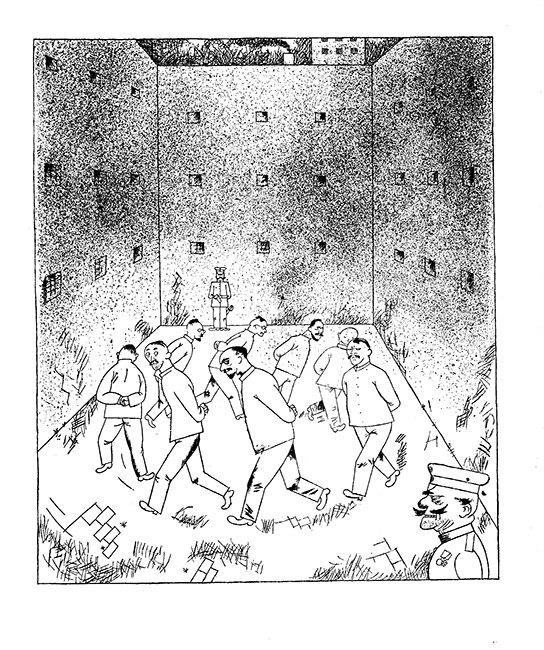
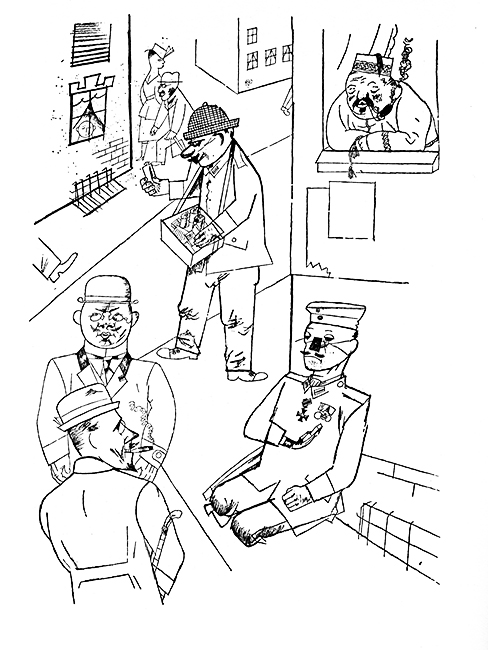
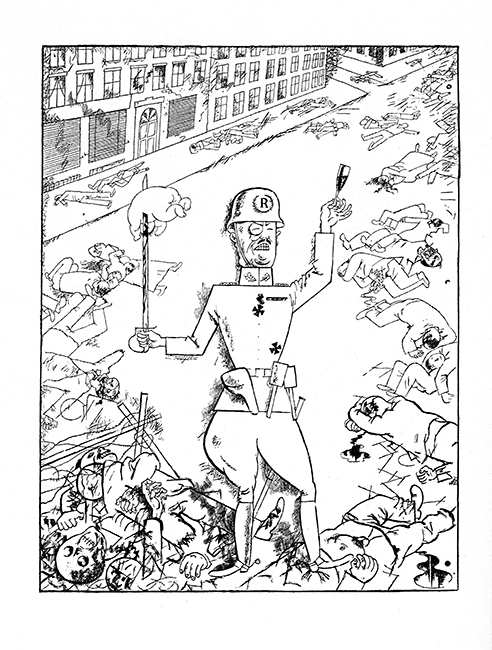
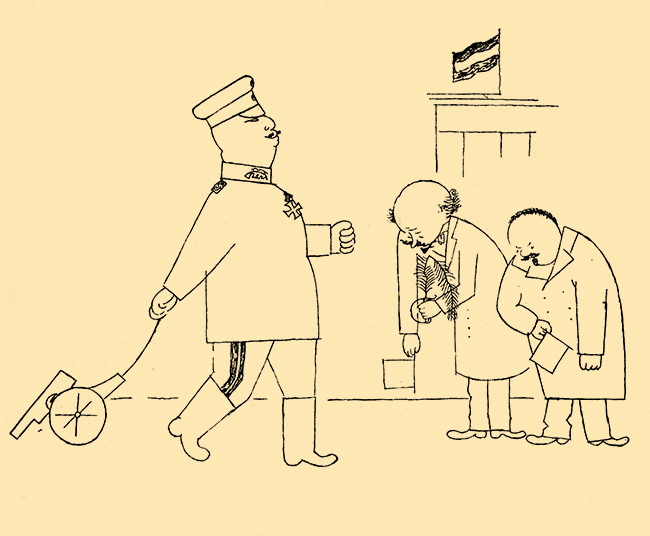
Vampires of Humanity: Groszesk Dünyanın Bir Türlü Gelmeyen Sonu

George Grosz (1893-1959)

Her şey hep tekrar mı ediyor yoksa hiç geçmeyen tek bir anın içinde miyiz?

Sokak başında savaştan kaçmış bir aile dileniyor. Önlerinden soğuk yüzleriyle şık beyefendi ve hanımefendiler geçmekte. Arkada evler var, daha arkası karanlık ve tekinsiz. Az ötede duvar dibine yatmış bir köpek. Afişlerde yılışık suratıyla politikacılar, mükemmel arabalar, mükemmel memeler ve bacaklar. Kardeşliğe çağıran ve o kardeşlerin kimler olamayacağını sıkı sıkıya tembih eden hiç kesilmeyen şu vaaz. Ellerini ovuşturup bir yandan suratını buruşturan patron. Makinenin kopartıp attığı olmayan bir bacak, olmayan bir kulak, olmayan bir kadın, gırtlaklanmışın ağızından hiç çıkmayan ses… Her şey tıpkı bir Grosz resmi gibi. Ya da bir Grosz resmi bugün tıpkı her şey gibi.

Nil Göksel, 2019 // Big thanks to Andro Malis for the illustrations*

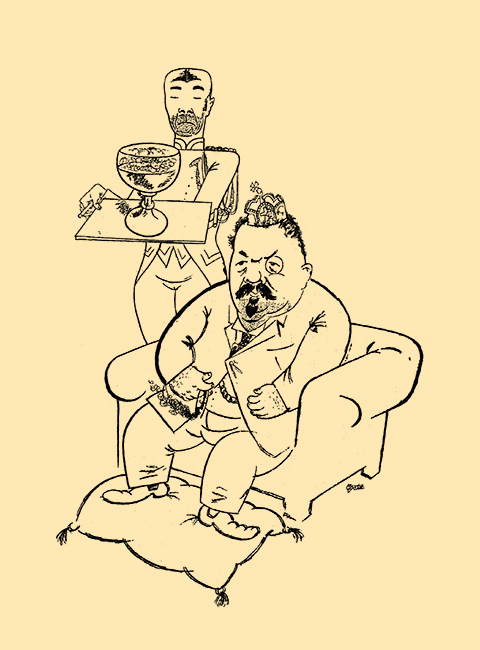
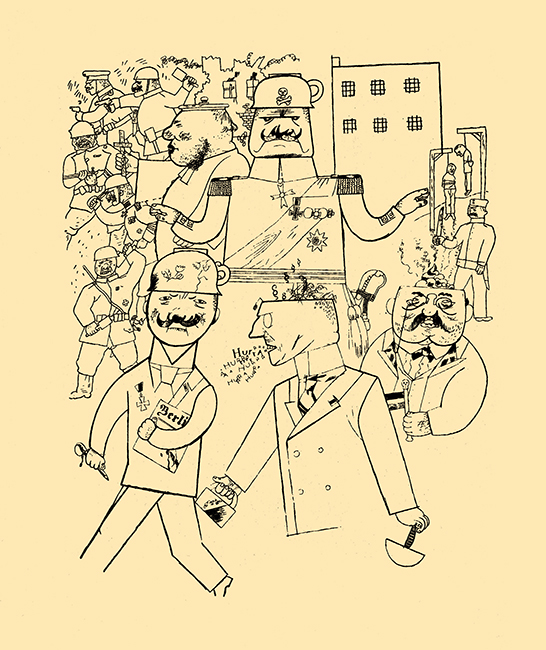
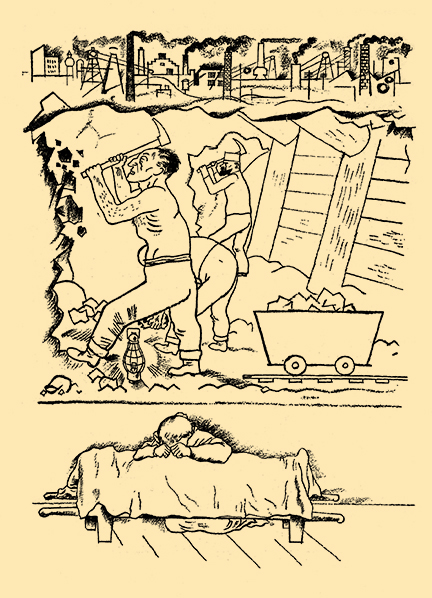
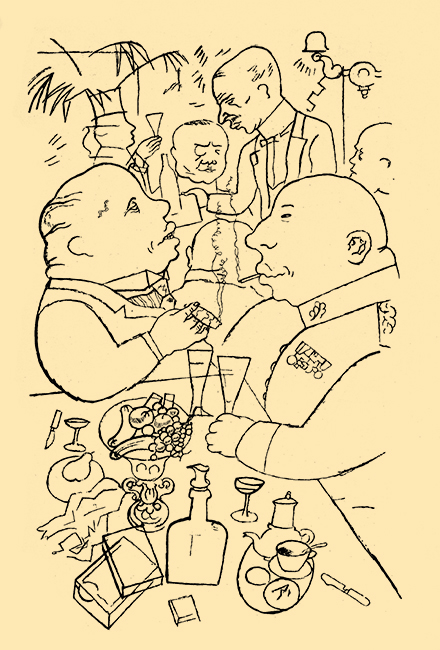
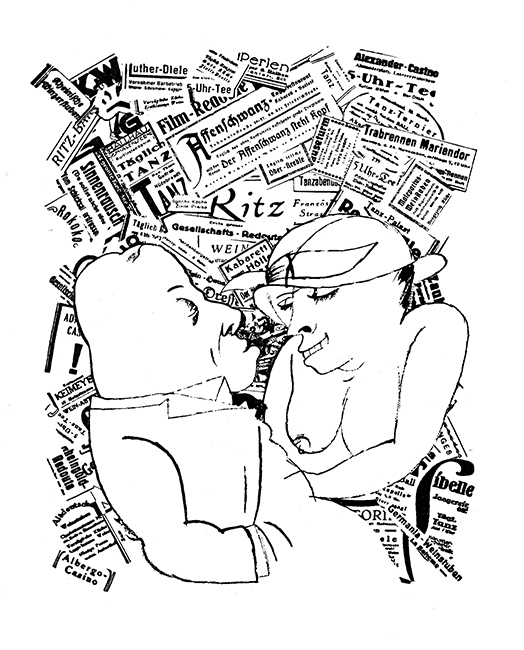
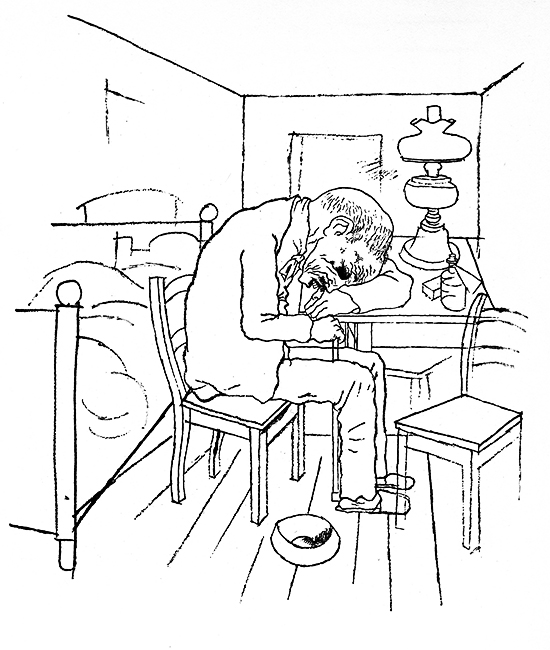
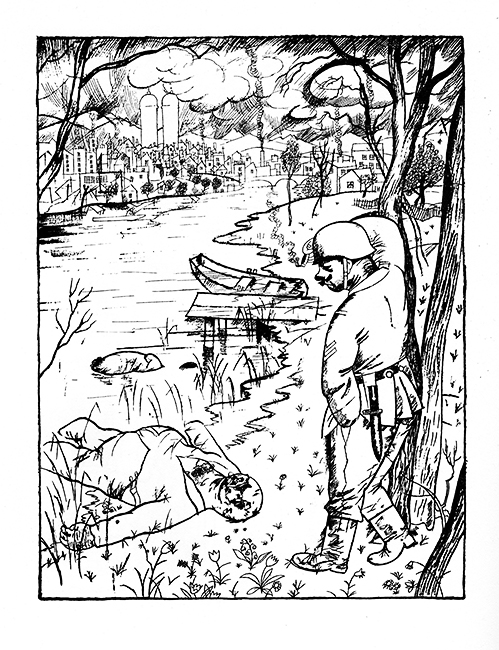
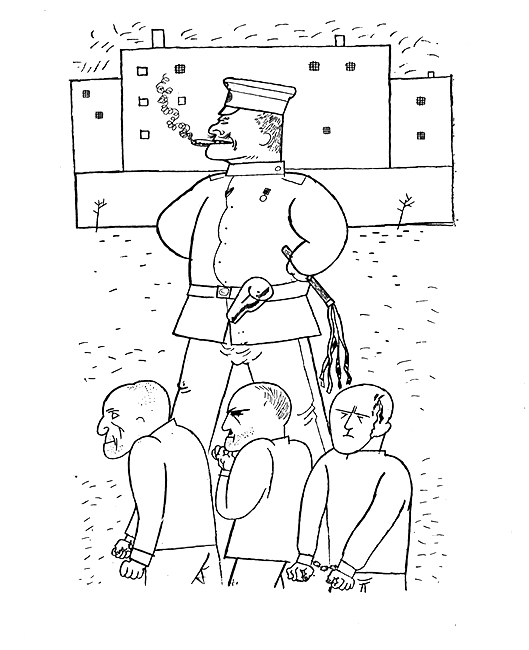
George Grosz ‘Addiction’ Drawing
George Grosz ‘Return to an Ordered State’ Drawing
George Grosz ‘F. Ebert, Moments of the Life of a Socialist’ Drawing
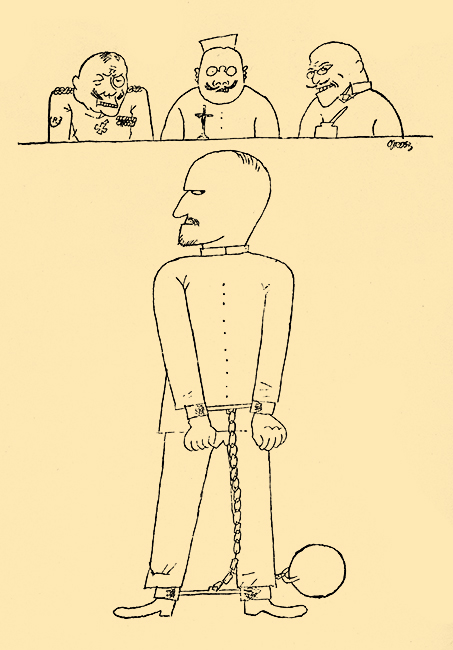
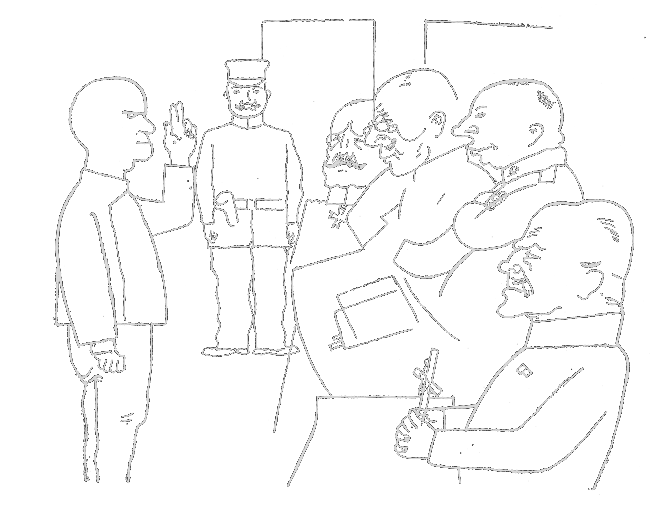
George Grosz ‘Those Who Continue Will be Shot’ Drawing
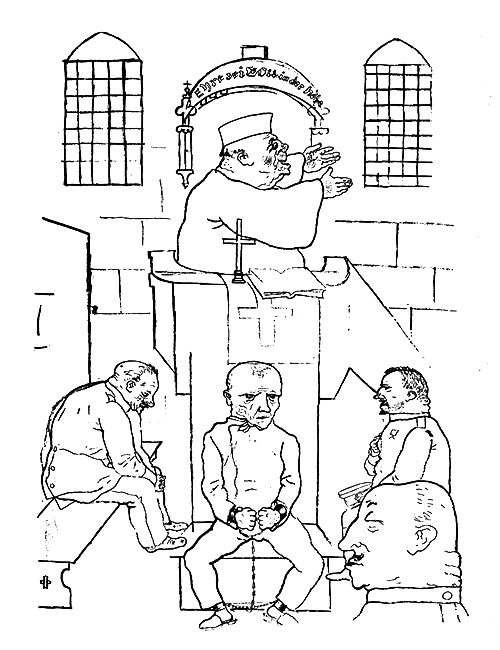
George Grosz ‘Let’s Go Pay the Righteous God’ Drawing
George Grosz ‘Fehrenbach, Very Christian Chancellor of the Reich’ Drawing

Grosz’un gözlerini alacağım. O gözlerle baktığı dünya nasılmış. Grosz’un gözlerini ve dünyanın o anki halini getirip bugün gördüğüm şeyin üstüne yerleştireceğim. Böylece çizgilerin titreştiği katman katman bir görüntü elde edeceğim. Bulanık bir görüntü. Bu toz duman çağına, bu karmaşaya başka nasıl bakılabilir? Anlama birbirine denkleşmeyen çizgiler boyunca gitmekle mümkün. Elbette Grosz’u, Grosz sanatını anlamak değil derdim. Bundan daha elzem şeyler var. Var mı?

Grosz’a soruyorum, var mı gerçekten anlamlı bir şeyler? Savaştan sonra hâlâ? “Hah işte, dada” diye cevabı yapıştırıyor dadacı Grosz. Develere yüklerini değil aslanlara anlamları neden sırtından attığını sor. Savaş ölüme, ölüm deliliğe yakın. Akıştaki olağanlığını kaybetmiş ve kültürün dehşet odağı haline getirilmiş ölüm savaşla kutsandığında bu sadece ölüp gitmek değil artık. Bir anlamla cepheye sürülmüş olmak, bir anlamdan ötürü öldürülmüş olmak ve aslında ne olup bittiğini hiç anlayamaz durumda olmak. İşte bu yüzden ölüm deliliğe yakın. Grosz’u askerlikten atmalarına neden olan belki bu türden bir delilikti. Sıkı bir delilik ile dada birbrine benzer ve şu özellikleri gösterir:

  • Dilsel dönüş

Felsefe tarihinde ortaya çıkan bu yaklaşım, aynı tarihlerde Dada olarak sanatta görünür. Ama Dada boğmak için sanatı dil okyanusuna sürükler. Gücü budur. Her şeyi tek başına dilbilgisi ayakta tutuyorsa her şey tam buradan yıkılmalıdır. Dada bu nedenle hazır malzeme olarak bisiklet tekerleri, askılar, gazeteler, fotoğraflar, pisuarlar değil dili kullanır. Dadacı yapıt dili yıkıma alan dilsel bir ifadedir. Nesneler dilsel göstergeleriyle çakışmazlar, başka adlar alır, başka bağlamlara, sentaksa konulurlar. Dilbilgisinin sökülmesiyle hazır düşünce ve kanılar tuzla buz edilir. Nesne, bağlamı ve dilsel göstergesi anlamın kurulabilmesi için izleyiciye iş yükler. Her izleyici bu işi başka başka yollardan yapacaktır. Dada şöyle der: Bir mektup bekleyip durmayın, Dada anlamı size postalamaz, onu bir zahmet sizin kurmanız gerekir.

  • Anlamların dağılışı

Dada dilbilgisine saldırır çünkü anlam oradan musallat olur. İnsan denilen şey olgular dünyasına anlamlar olmadan temas edemez ve o bir gezegen üstünde değil, ancak bir anlam dünyasının içinde var olabilir. Anlamlara zincirlidir: Belirli bir ahlâka, ekonomik ilişkilere, epistemeye, eyleme biçimlerine, hiyerarşiye, kutsallara, geçmişe, kimliklere, fikir örüntülerine.

  • Bir hayalkırıklığı olarak modernizm

Aklın zincirlerinden kurtulma çabasının doruk noktası modernizmdir. 20. yüzyıla kadar akıl dışının, deliliğin, bilmemenin yan ürünü olarak ortaya çıkan dogmatik otoritelerin beli kırılmıştır. Akıl her şeye yetendir artık. Böylece eski tanrısının, tanrılarının yerine geçer insan. Ancak tanrılık varoluşu biçer atar; kimi şeyi görünmez kimi şeyi düşman kimi şeyi kutsal kimi şeyi o kutsallar için kullanılacak basit araçlar haline getirir. Bu nedenle her zaman bir şiddet makamıdır. Birbiri ardına patlayan çatışmalar savaşlar, acımasız toplumsal koşullar, kültürel yapı, şiddet ve yıkımla insan tanrılığında kendi çirkin suratını görmüştür.

  • Otoritelerin yadsınması

Modernizmin yıkıcı yanıyla karşılaşınca insan bir yalan denizinde yüzdüğünü anlar. O çok parıltılı şeylere; ırk ulus din kimliklerinin yüceliğine, teknolojinin mutluluk getireceğine, sanatın kutsallığına, soyluluğuna ilişkin söylenen yalanlara artık bağlılığı kalmamıştır. Dada tüm bunlara hayır demektir.

  • Nihilizm

Dada nihilistir. Ama sadece belirli bir türde. Bunu Nietzsche ile anlamak yerinde olur. Nietzsche eleştirisinde modernizmin genetik kodlarını açığa çıkarır. Bu kodlar Sokrates ile birlikte yazılmaya başlanmıştır. Yüzyıllarca Batı düşüncesine egemen olmuş bu yapıya Nietzcshe Sokratik kültür der. İnsanı tek bir yanıyla, akıl yanıyla gören, ondaki her şeyi akıl ile terbiye etmeye, iyileştirmeye, dönüştürmeye, aklın himayesine sokmaya çalışan bir kültürdür bu. Yaşamdan kopmuş bu kültüre karşı nihilistten hayır diyen bir ses yükselir. Yeninin yaratılması için bir eşiktir bu yadsıma. Ne var ki o eşiği geçmek zordur. Hayır diyen varoluşu trajik biçimde kavrayabilen onun içinde ayakta durabilen, kendini ve değerlerini yeniden yaratabilen birine dönüşmelidir. Nietzsche iki tür nihilizm olduğunu söyler. Etkin nihilizm mevcut değerlerden kopuştur. Bir güç halidir ki bu hal kişiyi yeni bir dünya yaratmaya götürebilir. Daha iyi bir seçenek yoktur da. Çünkü bu yadsıma bu hiçlik halinde uzun süre kalmak mümkün olmaz, kimse bu kadar büyük ve yıkıcı gücü uzun süre kendisinde tutamaz. Eğer o güç yaratmak için kullanılamayacaksa dağılıp gider. O zaman nihilist soysuzlaşır, kitsch’leşir, yaşamayan ama toprağa karışıp bir türlü ortadan kalmayan çirkin bir cesede döner. Dada en fazla 10-12 yıl sürmüştür. Peki sonra ona ne olur? 50 sene sonrasında, 100 sene sonrasında?

George Grosz ‘Voice of People, Voice of God’ Drawing
George Grosz ‘Here There’s Smell of People!’ Drawing
George Grosz ‘Give to the Kaiser What is of the Kaiser’ Drawing
George Grosz ‘Vampires of humanity’ Drawing
George Grosz ‘The Appearance that Courts Should Have’ Drawing
George Grosz ‘Idyll of Postwar Period’ Drawing
George Grosz ‘Where Dividends are Initiated’ Drawing
George Grosz ‘And Where They End Up’ Drawing
George Grosz ‘The Nursing Home for the Workers’ Drawing
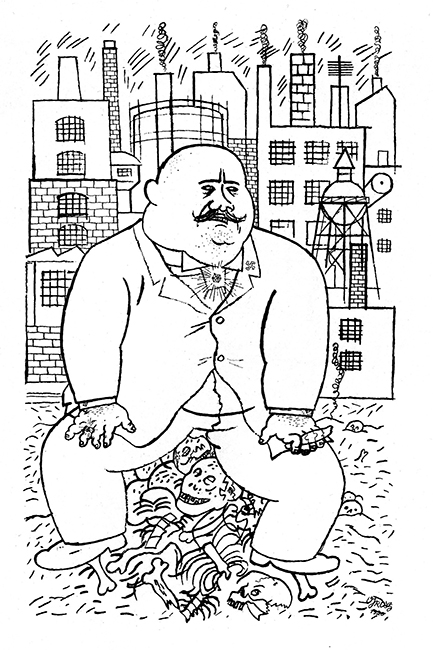
George Grosz ‘The Owners’ Drawing
George Grosz ‘For German Homeland and Morals’ Drawing
George Grosz ‘Gott Mit Uns’ Drawing
George Grosz ‘These People Could Work’ Drawing
George Grosz ‘German Discipline at the Front’ Drawing
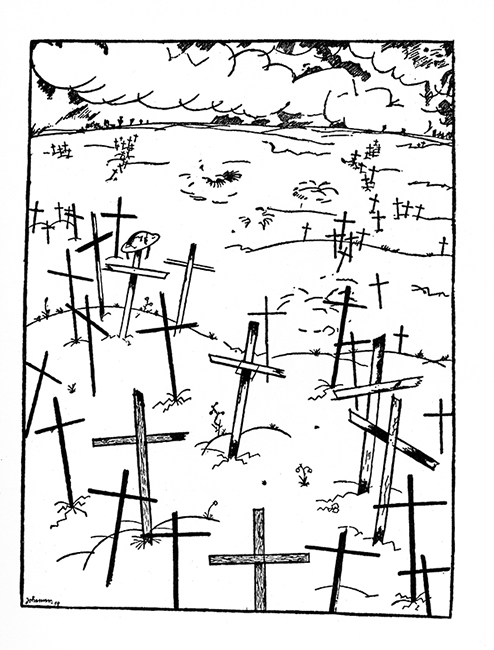
George Grosz ‘The Gratitude of the Homeland’ Drawing
George Grosz ‘The Ruffians of Death’ Drawing
George Grosz ‘Recruitable’ Drawing
George Grosz ‘Behind the Front Line’ Drawing
George Grosz ‘The Young Revolution is Dead’ Drawing
George Grosz ‘Inimitable’ Drawing
George Grosz
George Grosz

Şimdi Grosz resimlerini, çizimlerini önüme koyacak, onların içinden bugüne bakarak şunu soracağım: Groszesk dünya ortadan kalktı mı? Dada’nın ardından nihilizm eşiğini geçtik, yeni bir dünya yaratabildik mi?

Aynı sahnede olamamak

Grosz mekânı bölünmüştür, en az iki parçaya. Bu bölünmeyi bir masa, pencere, sokak yapar bazen. Bazense basitçe bir çizgi çekilmiştir ya da nesnelerin ayrıklığı zaten kendiliğinden ortadadır. Arkada kızılca kıyamet koparken önde masa başında tıkınanları görürüz. Önde fahişelerle yapılan eğlenceler varken çizginin öte yanında işçiler umutsuz ve keyifsiz fabrikalara gidip gelirler. Kapitalistlerin para yığını üzerindeki hırslı sohbetini sokakta kederli yüzleriyle savaşın ve yoksulluğun yıktığı insanlar çevreler. Elindeki içki ile yarı çıplak kadın pencerede dururken sokakta bir ölü yatar. Herkes kendi sahnesinde kalır ve aynı sahnede olamayanlar birbirlerini göremez.

Grosz’un kübizmi kimi yerde ise görüntüyü paramparça eder. O zaman kırık camların üzerinde yürüyormuşuz gibi hissederiz. Neler olduğunu görebilmek bir yana dökülmüş saçılmışların, birbirine denkleşmeyen şeylerin, farklı zamanların farklı bakışların içinde bir yer bulup durabilmek olur mesele. Bu kübik etki nesneyi yakalamak için değildir. Kübizmdeki o Nietzschevari perspektivizm belli ki kaybolup gitmiştir. Nesne bulunamaz artık. Neye bakılacak? Anlamsız bir dünyaya. Hiçliğe. Her parçalanma bir ilişkiyi keser. Her bölünme gürültüyü çoğaltır.

Bugün önümüzdeki dünya tam da budur. Başka açılar sandığımız şeyler büyük yadsımalardır. Her şey o kadar büyük bir onaya bağlanır ki sonunda her şey birbirini yadsır. Büyük onay kavramlardan değillemenin çıkartılmış olmasıdır. Oysa her şey demeye gelen zorunlu olarak hiçbir şey demez. Anlam silinmiştir. Birbiriyle ilişkilenmeyen milyonlarca ayrı sahne. Bağlantı ya da karşılaşmalar olmadığında egemen imge/egemen söylem/egemen yalan kendisini sonsuzca tekrarlar. Konuşabilmenin, tartışabilmenin, eleştirinin olanağı ortadan kalkmıştır. Her sahne birbirinden kopuk olduğundan bir direniş bir dönüşüm bir yaratım gerçekleşmez. Bu postmodern zihin durumda başkasını anlamak hayal olur. Herkesin öteki olarak, bir farkla ortaya çıkıyor oluşu, herkesin kendini bir farkla başka şeylere kapatıyor oluşu birbirine değmeyen sonsuz bir sahneler yığını oluşturur. Yeni bir söz yok. Yeni bir şey yok. İşte bu edilgen nihilizm, işte bu dekadandır.

George Grosz

Makineler

Grosz bilir ki insan makineleri değil, makineler insanı yapar. İnsan bir robota dönüşmüştür; düşünmede, görmede, bilmede hatta aşkta, merhamette, hazlarda, tutkularda, inançlarda nasıl programlandıysa öyle işler. Robot köle demektir. Pis, tehlikeli ve aşağılık işler ona havale edilir. Makine-insan bu işleri yapar. Askerlerin kölesidir, savaşta ölüme yollanır. Politikacıların kölesidir sefilleştirici, hiçleştirici bir iktidarın meşruiyet zemini sağlar, bu iktidarı tahkim eder ve patronların kölesidir, maddi değeri ve kaynakları onların bahçesine sırtında başının üstünde taşır. Köleliğine rağmen şöyle söylerler ona: Her şey devlet, toplumsal kurumlar hatta sanat bile olağanüstü bir verimlilik içinde. Mayın tarlalarında, savaşlarda kopan bacaklar için protezlerimiz var. Öldürücü çalışma saatlerinden sonra Pazar günlerimiz var. Mutluluk hissinin taklit edilebileceği eğlencelerimiz var. Çocukları itaakâr kullar olarak yetiştirdiğimiz okullarımız, çalışmanın kutsallığını gözeten fabrikalarımız, iş yerlerimiz var. Yoksulluklara, kendini değerli görememeye, yıkıma, ölüme, acıya katlanabilmek için güzel dinimiz var.

Makine oluş ağır bir metafordur. Çünkü insanın doğası sanılır. Bizim çağımızda ise her şey zaten temsil olarak ortaya çıktığından metafor olanaksızdır. Biz köleliğimizle barışığız. Köleden başka bir şey olmadığımızdan eminiz. Metafor, ironi, mizah, hiciv gibi söyleme biçimleri; temaşa, usavurma, tefekkür gibi düşünme biçimleri bizim zamanımızda düzgün çalışmaz. Çünkü her şey bir gösteren olarak ortaya çıkar, hiçbir şeye işaret etmeyen boş bir gösteren. Dada çağında makine metaforu insanın suratına iyi bir tokat aşk edebilirken bizim için artık anlamsızdır. Makine-insan hatta birer sayborg olarak bizler oluş evreniyle temas edemediğimizden köleliğimizi kendimizden ayırt edemez onu düşünce nesnesi yapamayız. Bu yüzden sanki asıl köleler biz değilmişiz gibi makineler bizi köleleştirecek mi diye sorarız. Makineler bizi ele geçirecek mi? Makineler bizi işsiz mi bırakacak? Çağdaş insan kendi varoluşunu, içine tıkıldığı düzeni sorgulamak şöyle dursun onu düşünemez bile. Onun derdi elindeki tek şeyi kölelik mertebesini kaybetmemek, daha iyi bir köle olmaya çalışmaktır.

George Grosz ‘The return of Ludendorff’ Drawing

Dada yırtıcı bir aslandı. Oysa şimdi nihilizmin rezil tarafına düştük. Her şey Groszesk, dadadan bozma kiç.

Toplumun direkleri

Toplum kendini beslediğinden çok vampirlerini besler. Bu vampirler Grosz resimlerinde mutlaka görünürler: Politikacılar, din adamları, kapitalistler, askerler, iktidara çalışan gazeteciler… Beslenme düzenleri basit bir ilkeye dayanır: İnsan kendisini ancak korkusunda görür. Başka türlü var olmak henüz becerebildiği bir şey değildir. Her şey var olmak, varlığını sürdürmek isteyeceğine göre insan korkusuna bağlanacaktır. Öyleyse ona her zaman korkacağı şeyler icat et: Düşmanlar, şeytanlar… Onu tecrit, işsizlik, yoksunluk, yoksulluk, hastalık, ölüm ile tehdit et. Sürü böyle güdülür.

Biz bunlara şimdi bir de entelektüeli eklemeliyiz. Kendini evrensel akıl sanan belirli bir türden aklı safça aklın kendisi sanmıştır entelektüel. Aklın kalesinin artık düşmüş olmasından memnundur ama yine de orada burada akıl başını gösteriyor diye canı sıkılır. Eleştiri artık mümkün olmadığından sözcükleri karıp karıp tekrar dağıtır. Kavramların zemini kaymıştır, her şey bir biçimde meşru kılınabilir. Bu eğilimi çoğulculuktan çok tuhaf biçimde mevcut bir söylemin diktasına yarar. Kendi nesline gelmeden zaten düşünme alışkanlığı kaybolmuştur. Müthiş bir dilsel üslûpla konuşur yazar ama herkesin ancak becerebildiği kadar düşünmeyi becerir. Çünkü zihin işlerindeki tehlikeleri artık fark edemez. Fikirlerin önceki fikirlere ve yaşantılara bağlı olduğunu, titizlikle ve kuşkuyla yaklaşmak yerine bu kördüğümü dört başı mamur bir fikir sanmamak gerektiğini idrak edemez.

George Grosz ‘Spartacus in Court’ Drawing
George Grosz ‘Marburg’ Drawing
George Grosz ‘The Court of the Ruling Class’ Drawing

R A K K A

George Grosz ‘Killed While Trying to Escape’ Drawing
George Grosz ‘He Asked for Work’ Drawing
George Grosz ‘Peace on the inner front’ Drawing
George Grosz ‘Work and Not Despair’ Drawing

Fahişeler

Grosz kadınları, fahişeleri olmayan kadınlardır, kendileri olarak orada değillerdir. Erkeğin zamanın ağırlığını üstünden kaldırmak, kendinden kurtulabilmek, oyalanmak, savaş gürültülerini duymamak için kullanabileceği, cinsellikleriyle ya da evlilikle erkeği bir makineye çeviren kösnül nesnelerdir bunlar. Eğlence nesneleri.

Bu çağın insanı mutluluk sorusunu kendine asla sormaz. Bu soru onun kendi var oluşuna ilişkin başka soruları ortaya dökecektir çünkü. Her şeyden önce oluyor olması, kendi oluşuna bakabilmesi gerekir. Oysa o taş kesilmiştir. Nasıl mutlu olunur bilemediğine ve mutlu olamayacağına göre eğlenmelidir. Varlığını başka türlü yakalayamaz. Yalnızca oturup televizyon izlemek değil, onun yaptığı, yöneldiği hemen hemen her şey eğlenme arzusunun bir sonucudur: Hırsları, dedikoduları, hırsızlıkları, cinayetleri, çiftleşmeleri, tutkuları, kıskançlıkları, kariyer merakı, bilgi arşivciliği, yardımseverliği, uzmanlığı, üremesi, saldırıları, ibadetleri, meşguliyetleri… İnsan kendini kendinde değil korku ile eğlence arasındaki o korkunç salınımda kurar.

George Grosz ‘The Soldiers Go to the People’ Drawing
George Grosz ‘Post Mortem Unemployment Benefit’ Drawing
George Grosz ‘Reconstruction’ Drawing
George Grosz ‘For Patriotic Reasons’ Drawing
George Grosz ‘The Evening of the Holiday Day’ Drawing
George Grosz ‘Come to Me’ Drawing
George Grosz ‘Entrepreneurial Initiative’ Drawing
George Grosz ‘At Five in the Morning’ Drawing
George Grosz ‘Bavarian Penalty Cell’ Drawing
George Grosz ‘As the Masters So the Servants’ Drawings
George Grosz ‘Peace Assured’ Drawing
George Grosz ‘Swamp Flowers of Capitalism’ Drawing
George Grosz ‘the Pillars of Society’ Drawing
George Grosz ‘Perfect Democracy’ Drawing
George Grosz ‘German Philosophy in the World’ Drawing
George Grosz – Sonniges Land (Sunny Land – Sunlit Uplands), Germany, 1920

Hayvanlar

Grosz’un sokaklarında mutlaka köpekler olur. Bunun dışında Grosz resimlerinde bolca hayvanlaşmış insan ve sembol olarak ortaya çıkan hayvanlar görünür. Sokaktaki köpekler tasmalı süslü olduklarında aynı sahnede ve sınıfta olmayan insanlarının uçurumuna işaret ederler. Bu durumda köpek dilenciye, işçiye, savaşta yaralanmış askere bulunduğu sefil yeri, kendisine verilen değeri gösterir. Sahipsiz sokak köpekleri ise ıssız sokaklarda bir intihar, ölüm yıkım halinde ortaya çıkar. Kurbanın bir görünümüdürler, onun yerini işaretlerler böylelikle. Hayvanlaşmış insanlar para babalarının, politikacıların insanlıktan çıkıp nasıl korkunç bir yaratığa dönüşmüş oldukları gösterir. Anlarız ki Grosz’un resimlerinde neredeyse hiç insan yoktur, ya makineleşmiş köleler ya da kan emici canavarlardır hep gördüklerimiz. Bir iki sokak köpeği dışında neredeyse hiç canlı barındırmaz bu resimler. Temsiller, semboller olarak çıkan hayvanlar sadece retorik meselesidirler. Zaman zaman bir domuz kasabı belirir. Bu belirme Grosz için hemen görülmeyen, fark bile edilmeyen ama dünyanın en tepesinde mekanizmanın kilit taşını sanki ifşa eder. Dünya denilen tüm bu kanlı sahne bir domuz kasabının işgüzarlığıdır. Tam da bu nedenle her şey akıl almaz derecede saçmadır.

İnsan türü canlı mı? Çünkü ondan hiç ses gelmemektedir ve neredeyse hiç kıpırdamaz. Muhtemelen gözleri yoktur, bu yüzden bir yön duygusu geliştirebilmiş değildir. Ağacın kuruyuşunu duymaz, karıncanın yol alışını görmez. Zayıflığını güce taparak telafi eder. Hep bir şeyin uzantısı hep bir şeyin görüntüsü, hep bir şeyin temsilidir. İyi yurttaşın, belirli bir ahlâkın, dinin, milletin, falanca kimliğin bir örneği. Yaşamayan şeyler başka şeylerin nasıl farkında olacak? Adaleti, sükûneti, neşeyi, özgürlüğü nereden bilecek?

Dada yırtıcı bir aslandı. Oysa şimdi nihilizmin rezil tarafına düştük. Her şey Groszesk, dadadan bozma kiç.

George Grosz ‘What a Pity, Goodbye’ Drawing

*Illustrations are taken from book ‘Il volto della classe dirigente’ introduced by Giorgio Bocca, Published by Rizzoli, Milano, 1974


XTRA:


NEON NEXUS Raflarda!

Neon Nexus #02

‘Türkiye’nin ilk ve tek Cyberpunk dergisi’ ibaresiyle yayın hayatına atılan NEON NEXUS dergisi, geçtiğimiz aylarda çıkardıkları deneme sayısının ardından dopdolu bir ikinci sayıyla Ocak ayında kitapçılarda olacak.

Derginin yazar kadrosu bayağı geniş. Kapaktan kimlerin yer aldığını okuyabilirsiniz. Yeni sayının giriş öyküsü olan “Tik Tak!”ı bendenizin kaleme aldığını da belirtir, NEON NEXUS’a kayıtsız kalmamanızı hatırlatırım. William Gibson’a selam olsun! –Gökhan Gençay


İnternet Çağında Dergicilik: Roket, Neon Nexus ve Orm Fantastik Buluşması 2024

‘Antares, X- Bilinmeyen, Atılgan, Nostromo, Davetsiz Misafir… Türkiye, zamanında pek çok bilimkurgu dergiciliği girişimine sahne oldu. Ancak bu topraklarda bilimkurgu dergiciliği, bir nevi rüzgâra karşı koşmak demekti. Kimi birkaç adım atıp pes etti, kimi ise gücünün son damlasına kadar direndi. İnternetin hayatlarımıza girişiyle birlikte dergiciliğin bittiğini söyleyen de var, çok masraflı ve zahmetli bir iş olduğu için pek cesaret edenin çıkmadığını ileri süren de…Şartlar ne olursa olsun, bu uğurda çabalayanlar hep vardı, bundan sonra da var olmaya devam edecek.’


NEON NEXUS

Ve bir an geldi, şimdiki zaman onarılmaz bir şekilde ruhunu sakatladı.

Daha sonra tüm hızımızla geleceği beklemeye başladık. Tahayyüllerimizde geleceği kurgularken, gerçek sıra dışı bir mekanizmaya bağlandı. Medeniyet onarılmaz bir şekilde uçurumun kenarına geldi, Artık geleceği bekleme sporuna katkı sağlamamız gerekti. Geleceğin karanlık sokaklarına ışık tutmak gerekti. Şimdi sizlerin ellerinde bir harita gibi duruyor.. Bir şişenin içine bırakılmış kehanet gibi. Hala aynı dilin konuşulduğunu umarak olasılıklar okyanusunda sallana sallana yol alıyor. Karanlık kurgular ile geleceğin gerçeğini değiştirmeyi umuyoruz. Felaket tebliğimizin esas sebebi budur. Cyberpunk türde ülkenin tek yayını olmamızı işte bu sebebe bağlıyoruz. Umudumuzu yitirdik. Bu sebeple kolları sıvadık. Bu yayın tüm zaman dilimlerinde “Yalnız Değilsin” yayınıdır. Keyifli okumalar dileriz. Gelecekte bol şanslar.

Neon Nexus #02

Türkiye’nin ilk ve tek Cyberpunk dergisi!

NEON NEXUS SAYI 2

> NEON NEXUS


Dots from an 01dsch001: SKATE

Skate with his demon

“Bir şeyler yaptım ve boşa gitti. Bu tür şeylerden dolayı motivasyon eksikliğim zaten vardı. Bir şeyler yapıyordum, release olmuyordu. Sonra da birden cörk diye grup bitti. Ulan, birden grup yok oldu, uçtu! Çünkü Can PC aldı, sebep de bu yani! Ben de, “Bu muymuş?” dedim. Ben scene’i çok daha, kardeşlik, dostluk falan olarak algıladığım için, bir anda adam PC alıp grubu nasıl dağıttı, anlamadım.”SKATE

Ben Commodore’umu 80’li yılların sonlarına doğru aldım. 2008’deyiz, Commodore’dan kopmadım, hâlâ devam ediyorum. Anlattılar ya, “Aldık, kaldırdık makineyi,” diye, bende hiç olmadı o. 1994’te Commodore’la paralel olarak PC girdi hayatıma ve o da bir tarafta duran bir makineydi benim için, ki halen öyledir (gülüyor). Benim için PC bir tarafta duran bir makinedir. Onunla iş yapıyorum, eğlencem Commodore’la. Benim başıma gelen olay şu: Bizim Ascreaus diye bir grubumuz vardı. Ben Ascreaus’ta gayet mutluydum; şu anda hâlâ Ascreaus’taydım, ayrılmazdım yani. Benim çocukluk arkadaşım Can (Caisson) ile birlikte aynı apartmanda oturuyorduk. Her şeyiyle süper, dört dörtlük bir gruptu. Ben 1994 yılında PC aldım. Hiçbir şey olmadı benim için, PC duruyor kenarda, bazen oyun oynuyorum falan… 1997-98 gibi Can, PC aldı. (O, bizim grubun lideriydi. Organizasyon işinden o sorumluydu. Swap‘i en çok o yapardı. Derginin editing‘ini o yapardı. Birçok proje ondan çıkardı. O zorlardı millleti.)

Can, PC’yi aldığı gün Commodore’u attı kenara! Öncelikle kenara koydu gerçekten. Yani Commodore’un olduğu yere PC’yi koyup, Commodore’u arkaya küçük bir masaya koydu. Ben gittiğimde kabloları bağlanmamıştı. Şaşırdım, ben bağladım, kurcalamaya başladım. Bir süre sonra da kaldırdı. Adam Beşiktaş Bilgisayar’ın bütün oyun arşivini satın almıştı. Commodore’u bırakınca binlerce disket, hardware, şunlar bunlar, bilmemne hepsini bana hediye etti, “Ben artık bunlarla uğraşmam,” diye ve bir anda grup bitti abi! Ascreaus bitti! Ben, “Hassiktir!” oldum. O zaman ben de aynı hisse kapıldım. Dedim, “Scene bitti! Scene diye bir şey kalmadı!” Daha doğrusu benim çevremde scene ile uğraşan adam kalmadı. Yani herkes dağıldı. Herkes dağıldıktan sonra da ben bir nefes aldım. Şu yüzden: Bana bazı adilikler de yapılmıştı. Mesela bizim coder‘ımız ayrıldı. O sırada disk dergisini o çıkarıyordu. O ayrılınca Can, “Abi derginin kodunu sen yaz,” dedi. “Tamam,” dedim, bodoslama bir şekilde derginin arayüzünü ve editörünü kodladım. Sonra coder geri geldi, “Gerek kalmadı,” dedi bana. Böyle canımı sıkan şeyler oldu. Bir şeyler yaptım ve boşa gitti. Bu tür şeylerden dolayı motivasyon eksikliğim zaten vardı. Bir şeyler yapıyordum, release olmuyordu. Sonra da birden cörk diye grup bitti. Ulan, birden grup yok oldu, uçtu! Çünkü Can, PC aldı; sebep de bu yani! Ben de, “Bu muymuş?” dedim. Ben scene‘i çok daha, kardeşlik, dostluk falan olarak algıladığım için, bir anda adam PC alıp grubu nasıl dağıttı, anlamadım.

Sonra İstanbul Üniversitesi’ne girdim, Astronomi ve Uzay Bilimleri’ne. Şemseddin ve Kürşad da (Endo’yla Hydrogen) orada – biri matematikte, biri de astronomide benden iki sınıf yukarıdaydı. Onlarla basket sahasında karşılaştık. Daha önce de Vigo’nun evinde karşılaşmıştık. Bunlar dedi, “Aaa abi tanıdın mı bizi?” Ben ilk başta tanımadım. Sonra, “Aaa tamam tamam, hatırladım,” oldu. Onların Phobia diye bir grupları vardı, ama grup dediğim, kendi başlarına evde bir şeyler yapmışlar, scene‘den bağımsız olarak bir scene yaratmışlar üç kişi arasında (gülüyor)! Hiçbir release‘leri yok. Tam birer scener‘lar aslında, ama scene‘in içinde değiller gibi bir durum söz konusu. Artık, “Bir grup kuralım, bir şeyler yapalım,” denildiği zaman, başta Vigo destek oldu onlara. Sonra da dedi ki, “Phobia olacağına, siz Bronx olun, Bronx olarak devam edin.” Onlar ilk başta başladılar, ben sonra katıldım. Bana basket sahasında dediler ki, “Biz Bronx’u tekrar kurduk. Sen de gel, hep beraber takılalım.” Şimdi, Ascreaus bitmiş, açıkta kalmışım zaten. Hatta şöyle söyleyeyim: Aradan altı ay mı ne zaman geçti, çok da geçmedi ama ben kod yazmayı unuttum! Bu neydi, şu neydi hatırlayamadım. Beynim switch‘i indirmiş altı ay içinde. 1998 yılında switch tekrar kalktı ve biz 2000-2001 gibi güzel release‘ler yapmaya başladık. 1999 yılında Bronxy diye bir dentro yayınladık. 2000’de magazine çıktı (64 Times). Üzerine bir sürü stuff yaptık. 2002 yılında 7DX parti serisine başladık. ilk başta ‘Bronx Party’ diye geçiyordu. Sonra 2004 yılında oluşum değişti, vesaire… Ama sonuç olarak çok ilginç bir şekilde PC döneminde bırakan adamlar, dağılan gruplar yüzünden kendimi Bronx’ta buldum!

Kaynak: sadecebirmuze.com


Glance ‘Snapshot’ C64 Demo. Released at Breakpoint 2010 – Ranked:1st

“I always believed that if the scene dies as we know it, some other “unknown” people will start making demos “somewhere else” (maybe calling demos “real-time calculated graphics” or using some other terminology). They will start sharing what they do with each other. In time they’ll want to meet with each other. They are going to organise meetings. When they got together, some of them will like each other and boozing will start. Also competitive souls will push them to make competitions. Result is the scene again just like we know it. Scene is a part of human evolution, you can’t get rid of it.”

Interview with Skate

Published in Vandalism News #53
Performed by Jazzcat, 2010

Resource: atlantis-prophecy.org

In this edition of World of Demos we examine the profile of one of the creators of Snapshot. Introducing one of the fresh personalities in the world of scene demos, he is the main man behind the winning demo from Breakpoint 2010 and has recently joined Plush. He hails from Türkiye and is one of the main organisers of the 7DX event-series.

We take a look at the person behind the handle and uncover some interesting facts…

Please welcome SKATE…

Jazzcat: What do you like to do in real life?

Skate: I was working too hard lately almost doing nothing except programming some commercial stuff but luckily it’s about to change in a few months and I’ll find more free time, lose some weight, spend some time with my family. In short, I’m planning to get back to life.

My favourite thing to do is skateboarding (well, sex doesn’t count right?). My handle comes from skateboarding which is quite obvious I guess. I’m also an electro guitarist. Recently I bought an Ibanez RG3550MZ Prestige and nowadays I’m practicing to gain my guitar control back.

My other favourite things are playing basketball, watching DVDs with my wife, playing with my kid, teaching him skateboarding and other dangerous stuff for his age.

Jazzcat: Who or what was your first encounter with the scene?

Skate: I had already met with Atari 800XL and Commodore 64 and I’d had a beginning level basic programming knowledge before I first met with the world of scene. I was too young, not even 10. My brother started writing game solutions for a local game magazine called “64’ler” (don’t mix with 64’er, “ler” indicates plural form in Turkish, like 64’s) and thanks to my brother, I found a chance to meet with some guys from the crack scene in Türkiye who were writers of that magazine or visiting ‘Beşiktaş Bilgisayar’ which was a computer store belongs to the wife of the magazine’s boss.

64’ler Dergisi, #51, 1992

Summer Assembly ’99, 1999 yılında İzmir’de Analog grubu tarafından düzenlenen Türkiye’nin ilk scene partisidir.

Bubba ‘n’ Stix, Core Design, 1994

Türk Demoscene Tarihçesi. Konuk : Endo/Glance

‘Future Wars’ Delphine Software, 1989

Jazzcat: Tell us how you got involved…

Skate: My oldest friend Can (Caisson/Ascraeus) and I wanted to build a scene group. There was only one problem. We didn’t have enough knowledge. I had drawn an ugly ‘Thunders’ logo which was the name I’ve chosen for the group but I wasn’t able to code an intro yet. Ripping and using game tunes was ok (or was it?) but we definitely needed a hand about coding. Mert Hekimci (Turk/Accuracy later known as Digahole/Onslaught) was our hero. He coded our first intro using my lame logo. He also gave me some source codes of him and by examining these sources; I improved my basic (understanding basic components of programming) and also officially met with 6510 assembler.

Jazzcat: Living by Glance showed some real team work, reflecting on this demo now almost 5 years later, what are your feelings towards it?

Skate: That “was” a real team work and I don’t think we could finish it with absence of a single member who was involved. My feelings are not too complicated. I feel relaxed and happy. It’s my best work in my scene history. We are all proud of it. I also feel very lucky. Because without correct team members like (in alphabetical order) Datura, Endo, Hydrogen, Nightlord and Norvax, I would never be able to finish and release a demo like that.

5 years… 5 long years. That period was painful, specially the last 4 years. From 2005-2006 everything was ok. Because we had released Living, our first demo in 2005 and we were happy about it.
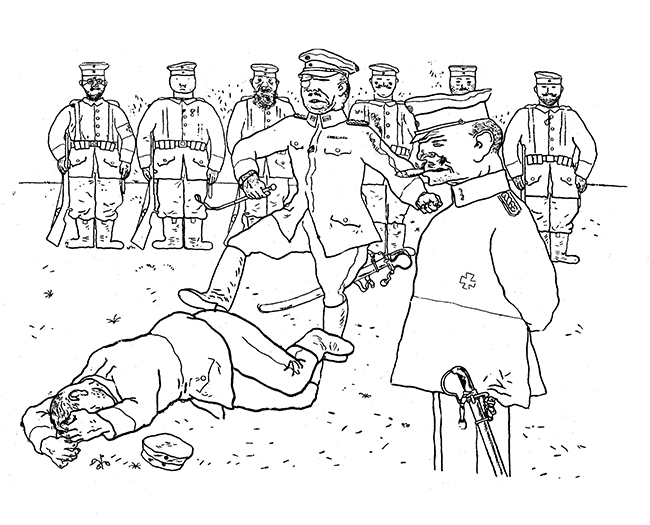
Our goal was to make a better demo. We discussed a lot of demo concepts and we decided to make one of them. We failed! Then we choose another alternative demo Project (which meant to be released at X 2006), we failed again. That wasn’t a good sign and all of us were disturbed about this. You can read more details on Snapshot’s note file. From 2007 to 2010 were the hardest times for Glance.

Jazzcat: Winning Breakpoint 2010 with Snapshot, now how did that feel?

Skate: Breakpoint is not a Commodore 64 only party like X but it is (was : ( ) the biggest scene only event. So, it was very important for us. We were even ready to release our demo out of any compos to get rid of the burden but while we had the chance, we wanted to win Breakpoint as a consolation prize of 5 years of work. I was the only member who couldn’t go to the BP 2010 so, I don’t know the feeling of being there when they announced the winner. I just jumped (almost hitting my head to the ceiling ;)) in front of BP-TV, that’s all.

Jazzcat: Snapshot, what did you feel you did well and what could have been improved?

Skate: I’m very comfortable with my parts except one. I wasn’t able to add the walking tiger to the water reflection part and it was really easy to add, I had many free cycles left. It would improve the effect quality a lot since walking tiger would reflect to the water as well. Hydrogen had drawn the animation, everything was going fine. But I decided to leave the group and for a while I didn’t do any improvement for my parts. When I returned on the keys, this part was already linked and there was no memory space left. Of course we could solve it if we didn’t have 100 other higher priority problems to solve…

My goal was to make some original, never seen before parts and I think I succeeded. Thanks to Norvax and Nightlord we already had some world records so my support was mainly the world firsts. I’ll keep trying to surprise the audience.


Once a scener, always a scener !

Commodore 64’de swap yapanların çoğu 80 sonları 90 başlarında yok oldu, 90ların sonlarına doğru da tamamen kaybolup gittiler sanıyorsanız bir daha düşünün. 2010 yılında hala snail mail swap yapanlar var çünkü!

Never let the scene die !


Jazzcat: You left the local group element and joined up with Plush. How did this happen? A dream comes true?

Skate: Well, story is a little bit different. First of all, all members of Glance are my very, truly close friends and we love each other. I know some of them for 12-13 years and we built a game company together (R.I.P ;)), we organised and still organising parties (7dx party series), we played games together, we visited other member’s weddings, child births etc. So, I wouldn’t leave Glance under normal circumstances. There is a proverb here “kol kirilir, yen icinde kalir” (don’t bother to translate it, it’s something like “keep it in the family” but a little bit deeper). So, I don’t want to share all the details. What I can tell you is problems started after BP 2009. We went there, couldn’t finish the demo in time and returned empty handed. After that, I tried to make some changes on the demo like changing the outdated IRQ loader but we couldn’t have an agreement.

One of my effects “infinite zoomer” was already beaten by HCL a year ago and I didn’t want to wait for other surprises. I had coded the water reflection effect two weeks after Living released in 2005. I just wanted to my codes to get on the surface in shorter than 4-5 years. That’s the main reason I left Glance. It doesn’t mean Glance will not release a demo in a short period. I just don’t want to risk it. None of us are that young anymore (even I was the youngest member of the team).

After sending my good bye mail to Glance, Hydrogen asked me not to make an official announcement of leaving Glance until the release of Snapshot. I updated my CSDB profile but didn’t say a word to global scene. Only it’s discussed on local Turkish forums.

It took another one year for me to gain my freedom. When I got my freedom, I contacted with two groups Chorus and Plush. Chorus told me they wanted to stay as a Hungarian team but Plush (with 16 German only members) accepted me as their first international member. I already knew Krill and Cosowi personally and I had contact with Dow Jones in the 90s. So, I didn’t feel as a complete stranger. They know how to welcome new members. Plush has very friendly members. It helped me with the adaptation period. In Plush’s mailing list, they decided to talk in English from now on just because of me. I’m really thankful for the sacrifices they’ve made for me.

You may think that Plush wasn’t that active lately, either. So, why did I choose them? First of all, I knew they were planning to be active again. We have talked on this subject with Krill at X and BP. Also, I was not trying to find the most active group and placed in their member list for nothing. Instead, I wanted to be a fresh blood, help them to accelerate, be a true member of the group. That’s what I’m trying to do now.

7D6 Demo Party 2006, İstanbul

“We never had an entrance fee. All 7DX Demo Parties are free. Strange isn’t it? How does this happen? First a few parties were easy. We had around 30-40 visitors. But now we have 160+ visitors which means we need some sponsors.”

Jazzcat: You have been one of the main organisers of the 7DX-events in Turkey. Can you tell us a bit about this party and what is involved?

Skate: 7DX Demo Party series started in 2002. Before that, all I remember was the Summer Assembly ’99 which held in Izmir (Thanks to Analog group). After Summer Assembly we haven’t seen any scene related activity. Hydrogen/Glance gave us the idea of making our own party for keeping the scene alive & together in Turkey. He also found the name 7D2 which was the hexadecimal equivalent of the year 2002. That’s why our party name is counting each year. Last year we made 7D9 (with 160+ visitors) and this year we’ll organise 7DA in December 2010 (exact date is not certain yet).

When we first started organizing 7DX parties, there was no Glance. We were all Bronx members. So, first 3 parties 7D2, 7D3 and 7D4 are known as Bronx parties. That’s changed after we left Bronx and built Glance. Core organiser team members are Hydrogen/Glance, Datura/Glance, Endo/Glance and myself (all ex-Bronx members). In time, Spritus/Resident, Bakkada/Demodojo, Beast/Crescent, Norvax/Glance and Compec Club (a Bogazici University Computer Engineering Club) joined the organisation team. This year Caisson/Ascraeus (my oldest friend remember?) will be in the organisation team as well. He was responsible for last year’s web site design and a lot of other visual works.

We never had an entrance fee. All 7DX Demo Parties are free. Strange isn’t it? How does this happen? First a few parties were easy. We had around 30-40 visitors. But now we have 160+ visitors which means we need some sponsors.

Our biggest sponsor is “S-Mart” company. Company owner M. Fatih Kilic is also a scener (Mfk/Bronx). They are the ones who are responsible of Pandora console, a possible scene platform. We have some other scener involved sponsors like ‘eksisozluksozluk.sourtimes.org’ which ran by Arteffect group (Ssg, Fatalica etc.). Also Beast/Crescent is our media sponsor as well as an organiser who runs darkhardware.com.

2009’s 7D9 party was held in Bogazici University – Istanbul/Turkey on the 19th and 20th of December.

We don’t have a huge scene (never had) like Germany, Holland, Sweden, Norway, Finland, Poland etc. Our scene is smaller and to be honest we are not effective enough in the global scene. If you love the scene, if you love your country, what would you do? We are organising 7DX Demo Parties as a step.

Are 7DX Demo Parties the only scene parties in Türkiye? Yes and no. Currently (and unfortunately) yes, but in 2006 and 2007, Nightshift parties are organised by Nightlord/Glance and Vigo/Bronx as a second friendly party in Turkey. But unfortunately Nightshift is discontinued. I still have some hope for new Nightshift parties. Any other Turkish parties are welcome too of course.

As final words about 7DX Demo Parties, for many years I thought organizing a demo party is the best way to improve Turkish scene. That’s right but we have all seen it’s not enough alone. We need more global successes like Snapshot. Hereby, I call all my Turkish scener friends to make a killer demo and kick some ass.

Edge of Disgrace By Booze Design. Released at X 2008

“I don’t agree with EoD being the major inspiration for us “to continue” with Snapshot. I know it’s written like that in the note file but personally I don’t completely agree with it. It’s not that I don’t appreciate the demo, I just don’t believe EoD was our main inspiration. If I need to pick a demo of Booze, Royal Arte has a bigger role for me.

Jazzcat: Edge of Disgrace seems to be a major inspiration for you to continue with Snapshot. What would you say to other people who seem to be intimidated by that demo?

Skate: Edge of Disgrace is an amazing demo and it’s one of the biggest milestones in C64 history. If you read the note file of Snapshot, you’re going to see a special section for Edge of Disgrace.

But personally EoD didn’t affect me that much about Snapshot. There are two reasons. First of all, I’ve finished (or started) most of my effects which are used in Snapshot long before EoD is released. Many transition parts are coded by Norvax, Endo etc. So, if we are talking about Snapshot, EoD affected me for beating one of my effects.

I think if EoD was never released, we might have weaker transition parts in Snapshot. EoD helped us to take a better care about the linking quality of the demo. But I don’t agree with EoD being the major inspiration for us “to continue” with Snapshot. I know it’s written like that in the note file but personally I don’t completely agree with it. It’s not that I don’t appreciate the demo, I just don’t believe EoD was our main inspiration. If I need to pick a demo of Booze, Royal Arte has a bigger role for me. Don’t forget that it’s just my opinion, I’m not talking for the other members of Glance.

For other groups/sceners who think EoD is a hard to beat demo, I’d say they’re damn right. But it should never stop them for trying. EoD is close to perfection, we all know that. But also it has weak points like using too much plasmas and zoomers. I’d go for alternative effect ideas (that’s what we did at Snapshot actually). That’s the only way you can make a demo as good as EoD. If you try to “improve” HCL’s effects (specially plasmas and zoomers), you don’t have much chance I believe. HCL is evil! As a coder, I don’t want to make comments for graphics and soundtrack. EoD is very strong because it combines high quality code, graphics and music. That’s the way rest of the scene should follow. And yes, that’s the hardest way.

Jazzcat: X2010 will possibly be an opportunity to compete against the likes of Crest, FairLight, Booze Design, Offence and many more. I guess that is a good goal but you might feel you don’t want to repeat what happened at Breakpoint 2009 again with not-quite-making-it?

Skate: I’ll be at X 2010 with a demo, ready to compete against those groups. I never underestimate anyone but of course when making a demo, my aim is taking the first place. But to be honest, I’d prefer to loose against a demo like “Meet Crest” instead of winning. After all, I’m a big Crest fan!

About being not able to finish a demo like what happened at BP 2009… This may repeat at some point but for X 2010, there is no doubt a demo which contains my effects will be in the compo. I don’t want to make more spoilers, I think this is clear enough.

A little demonstration of Skate’s Kinect4C64 project, 2011.

Jazzcat: Please feel free to send some greetings, special messages or words of wisdom out to the C64 world…

Skate: First, thank you for this opportunity. I want to send greetings in two categories. Scene related and non-scene related.

My scene related greetings go to:

– Digahole: You are the man who is responsible for all of this. Without you I could be a shoe salesman. Thank you for giving me a hobby + a profession.

– Hydrogen, Datura and Endo: You three walked the longest path with me in the scene. You have a special reserved part in my heart. Thank you for everything guys.

– Nightlord, Norvax: Maybe we had a shorter history together but working with you guys were amazing. I feel so lucky. I learned and still learning a lot from you.

– Turbo, Vigo: Most respected sceners in Turkey. You two should never stay away from the scene. As long as you are there, we know the scene continues.

– Spaztica: One of the oldest farts I know. Thanks for keeping the scene spirit and running tr-demo scene forum all these years.

– Caisson: You are the one who was there from the beginning. We shared a lot of things together. Thank you my friend.

– Arcane, Aegis, Hades, and Madhead: You are the other important names for me from the 90s.

– Spritus: As one of my best friends, I give you the “best scener of all times” award. Ok, that was a little exaggerated.
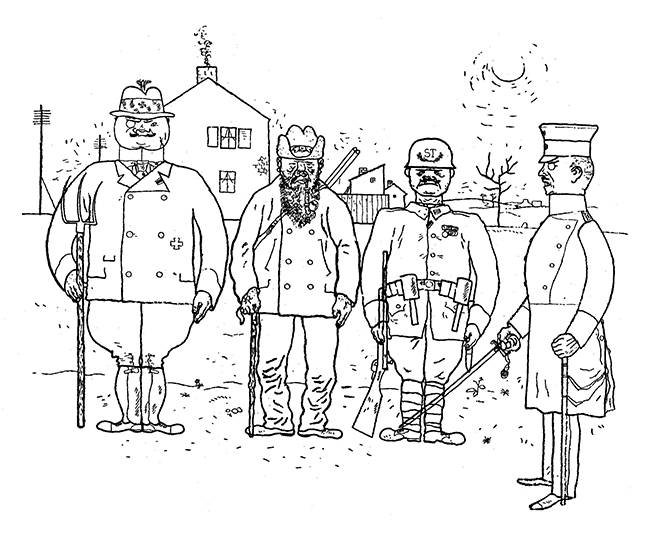
– Plush Team: Thank you guys for accepting me as your first foreign member. I’ll do my best to make extraordinary demo parts for you. I know you got bored from “normal”.

I salute all of my friends from the scene. I’m sorry I couldn’t write all of you one by one.

My non-scene related greetings go to:

My wife Ceyda, my son Kaan, my brother Umur and rest of my family. They supported me all these years for everything.

Jazzcat: Thanks for your time! One last question, will the scene ever die do you think?

Skate: Hehe, a funny question. I always believed that if the scene dies as we know it, some other “unknown” people will start making demos “somewhere else” (maybe calling demos “real-time calculated graphics” or using some other terminology). They will start sharing what they do with each other. In time they’ll want to meet with each other. They are going to organise meetings. When they got together, some of them will like each other and boozing will start. Also competitive souls will push them to make competitions. Result is the scene again just like we know it. Scene is a part of human evolution, you can’t get rid of it.

Jazzcat: See you at X2010 I hope – any last words?

Skate: Yes, I’ll be there and I’m very excited about it. I know it’s going to be huge!

Hereby I invite all sceners to 7DA Demo Party which will be held in Istanbul / Türkiye in December of 2010. It’s going to be the 9th 7DX Party. Don’t forget to follow 7dx-party.org. English site will be up in a few months.

That’s it I guess. Thank you for this nice interview with well prepared questions.

SKATE: X-Coretaks

> 7dx-party.org


SECRET LEVEL:


Ted Kaczynski: Yaralanacağı Yerden Vur

INTEL OUTSIDE !!

[Kaczynski’nin bu makalesi Green Anarchy dergisinin Bahar 2002 tarihli 8. sayısında yayınlanmıştır.] Özgür Hayat’ın 15 Eylül 2002 tarihli 10. sayısında yayımlanmıştır.

1.Bu Makalenin Amacı.

Bu makalenin amacı, insan çatışmasının çok basit bir ilkesine, tekno-endüstriyel sistemin düşmanlarının dikkate almaz göründükleri bir ilkeye dikkat çekmektir. Söz konusu ilke, herhangi bir çatışma biçiminde, eğer kazanmak istiyorsanız, düşmanınızın yaralanacağı yerine vurmanız gerektiğidir.

“Yaralanacağı yerden vurmak”tan bahsettiğimde illaki fiziksel darbelere ya da fiziksel şiddetin başka herhangi bir biçimine gönderme yapıyor olmadığımı açıklamak zorundayım. Örneğin sözlü tartışmada “yaralanacağı yerden vurmak”, iddialarınızı rakibinizin pozisyonunun en zayıf olduğu noktaya yöneltmeniz anlamına gelir. Başkanlık seçiminde, “yaralanacağı yerden vurmak”, seçimle ilgili hayati olayları barındıran durumları rakibinizden kazanmanız anlamına gelir. Ben yine de, bu tartışmayı yürütürken fiziksel çarpışmayla benzerlikler kuracağım, çünkü bu daha etkili ve açık bir yol.

Birisi size yumruk attığında, kendiniz onun yumruğuna vurarak savunamazsınız, çünkü onu bu yolla yaralayamazsınız. Kavgayı kazanmak için yaralanacağı yerden vurmanız gerekir. Bu da demektir ki, yumruğun ardına geçmeli ve o kişinin bedeninin duyarlı ve zayıf yerlerine vurmalısınız.

Bir kereste şirketine ait bir buldozerin evinizin yakınındaki ormanı yıktığını ve sizin de onu durdurmak istediğinizi farz edin. Toprağı yaran ve ağaçları alaşağı eden, o buldozerin kepçesidir ama kepçeye bir balyoz indirmek zaman kaybı olacaktır. Eğer balyozla kepçe üzerinde uzun ve zorlu bir çalışma yürütürseniz, ona kullanılmaz hale gelecek zararı vermeyi başarabilirsiniz (1). Fakat buldozerin geri kalanıyla kıyaslandığında, kepçe görece ucuz ve kolay yenilenebilirdir. Kepçe, yalnızca, buldozerin toprağa vurmak için kullandığı “yumruk”tur. Makineyi yenmek için “yumruğun” ardına geçmeniz ve buldozerin hayati parçalarına saldırmanız gerekir. Örneğin motor, radikallerin iyi bildiği araçlarla, az bir zaman ve çaba harcayarak tahrip edilebilir.

Bu noktada, kimseye bir buldozeri tahrip etmesini tavsiye etmediğimi vurgulamalıyım (kendi malı olmadığı sürece). Ya da bu makaledeki herhangi bir nokta, herhangi türden illegal bir faaliyeti tavsiye ediyor gibi de yorumlanmamalıdır. Ben bir mahkumum ve eğer illegal faaliyeti özendirecek olsaydım, bu makalenin hapishanenin dışına çıkmasına izin bile verilmezdi. Buldozer benzeşimini kullanıyorum, çünkü bu açık ve etkili; ve aynı zamanda radikaller tarafından takdir edilecektir.

2.Teknoloji Hedeftir.

‘Çağdaş tarihsel süreci belirleyen temel değişken(in) teknolojik gelişme tarafından sağlandı’ğı (Celso Furtado) genel olarak kabul edilir. Teknoloji, dünyanın mevcut durumundan – geri kalan her şeyden daha fazla – sorumludur ve dünyanın gelecekteki gelişimini kontrol edecektir. Bu yüzden ortadan kaldırmamız gereken “buldozer”, modern teknolojinin ta kendisidir.

Çoğu radikal bunun farkındadır ve bu nedenle görevin tekno-endüstriyel sistemin tümünü yok etmek olduğunu anlamaktadır. Ama malesef, sistemi yaralandığı yerden vurma gerekliliğine çok az dikkat edilmiştir.

McDonald’s ya da Sturbuck’s ı tarumar etmek anlamsızdır. McDonald’s ya da Sturbuck’s i iplediğim için söylemiyorum. Birisinin bunları dağıtıp dağıtmaması umurumda değil. Fakat bu, devrimci faaliyet değildir. Dünyadaki tüm fast-food zinciri yok edilse bile tekno-endüstriyel sistem sonuçta asgari düzeyde bir zarara uğrayacaktır, çünkü sistem, fast-food zinciri olmadan da rahatlıkla yaşamaya devam edebilir. McDonald’s ya da Sturbuck’s a saldırdığınızda, yaralanacağı yerden vuruyor olmuyorsunuz.

Bundan birkaç ay önce Danimarkalı genç bir adamdan mektup aldım. Genç adam tekno-endüstriyel sistemin yok edilmesi gerektiğine inanıyordu, çünkü – söylediği gibi – “Böyle devam edersek ne olacak?”. Bununla birlikte, göründüğü kadarıyla onun “devrimci” faaliyeti kürk çiftliklerine baskın yapmaktı. Bu faaliyet, tekno-endüstriyel sistemi zayıflatma aracı olarak, tamamen kullanışsızdır.

Hayvan özgürlükçüleri kürk endüstrisini tamamen yok etmekte başarılı olsalar bile, sisteme hiç zarar vermiş olmayacaklar çünkü sistem kürkler olmadan da mükemmel bir şekilde işleyebilir.

Vahşi hayvanları kafeslere tıkmanın dayanılmaz olduğuna ve bu uygulamaya son vermenin soylu bir amaç olduğuna katılıyorum. Fakat başka soylu amaçlar da vardır: trafik kazalarının önüne geçmek, evsizler için barınak sağlamak ya da yaşlıların yolda karşıdan karşıya geçmesini sağlamak gibi. Yine de yeterince aptal olmayan kimse bunu devrimci faaliyetle karıştırmaz ya da bunların sistemi zayıf düşürecek şeyler olduğunu sanmaz.

3.Kereste Endüstrisi İkincil Bir Sorundur.

Başka bir örneği ele alırsak, aklı başında olan kimse, gerçek vahşi hayat gibi bir şeyin tekno-endüstriyel sistem var olmaya devam ettiği sürece hayatta kalabileceğine inanmaz. Çoğu çevreci radikal, bunun sistemin çöküşü için neden ve umut olduğu konusunda hem fikir. Fakat pratikte, tüm yaptıkları kereste endüstrisine saldırmak. Kereste endüstrisine saldırmalarına kesinlikle hiçbir itirazım yok. Aslında bu, kalben yakın hissettiğim bir sorundur ve radikallerin kereste endüstrisine karşı kazandıkları başarılardan keyif alıyorum. Buna ek olarak, burada açıklama ihtiyacı hissettiğim nedenlerle, kereste endüstrisine karşı çıkmanın sistemi yıkma çabalarının bir öğesi olması gerektiğini düşünüyorum.

Fakat kereste endüstrisine saldırmak sisteme karşı çalışmak için kendi başına etkili bir yol değildir; hatta pek mümkün olmasa da, radikaller dünyanın her tarafındaki keresteciliği durdurmayı başarsalar dahi, bu, sistemi alaşağı etmeyecektir. Ve vahşi hayatı kalıcı bir şekilde kurtaramayacaktır. Politik iklim er ya da geç değişecek ve kerestecilik yeniden başlayacaktır. Kerestecilik dirilmese bile, vahşi hayatın yok edileceği ya da yok edilmese de uysallaştırılacağı ve evcilleştirileceği başka olaylar olacaktır. Madencilik ve maden araştırmaları, asit yağmuru, iklim değişiklikleri ve türlerin nesillerinin tükenişi vahşi hayatı tahrip ediyor; vahşi hayat – diğer şeylerin yanı sıra, hayvanların elektronik takibi, nehirlerin planlı üretilen balıklarla doldurulması ve genetik müdaheleye uğramış ağaçların dikilmesini kapsayan yollarla – yeniden yaratım, bilimsel çalışma ve kaynak yönetimi aracılığıyla uysallaştırılıyor ve evcilleştiriliyor.

Vahşi hayat yalnızca tekno-endüstriyel sistemin yok edilmesiyle kalıcı bir şekilde korulanabilir ve sistemi kereste endüstrisine saldırarak yok edemezsiniz. Sistem kereste endüstrisi ölse de kolaylıkla ayakta kalabilir, çünkü odun ürünleri sistem için faydalı olsa da, gerekirse başka malzemelerle değiştirilebilir.

Sonuç olarak, kereste endüstrisine saldırdığınızda sisteme yaralanacağı yerden vuruyor olmuyorsunuz. Kereste endüstrisi yalnızca, sistemin vahşi hayatı tahrip ettiği “yumruk”tur (ya da yumruklardan biridir) ve aynı yumruk yumruğa kavgada olduğu gibi, yumruğa vurarak kazanmazsınız. Yumruğun ardına geçmeli ve sistemin en duyarlı ve hayati organına vurmalısınız. Tabii, barışçıl protestolar gibi yasal araçlarla.

4.Sistemin Dayanıklı Olmasının Nedeni.

Tekno-endüstriyel sistem, sözde “demokratik” yapısı ve sonuçtaki esnekliğine bağlı olarak, olağanüstü derecede dayanıklıdır. Diktatoryal sistemler katı olmaya eğilimlidirler; sisteme isabetli bir şekilde zarar verecek onu zayıflatacak toplumsal gerilimler ve direniş inşa edilebilir ve bunlar devrime yol açabilir. Fakat “demokratik” sistemde, toplumsal gerilim ve direniş tehlikeli bir şekilde inşa edildiğinde, sistem bu gerilimleri güvenli bir seviyeye çekmek için yeterince esner ve yeterince uzlaşır.

1960’larda insanlar, daha çok büyük şehirlerimizin havasındaki görünür ve koklanabilir pislik kendilerini fiziksel olarak rahatsız etmeye başladığı için, çevre kirliliğinin ciddi bir sorun olduğunu fark ettiler. Çevre Koruma Ajansı’nın kurulmasına ve sorunun azaltılması için önlemler alınmasına yetecek kadar protesto baş gösterdi. Tabii ki, kirlilik sorunlarımızın çözülmekten çok çok uzak olduğunu hepimiz biliyoruz. Ancak halkın şikayetlerinin durulmasını ve sistem üstündeki baskının birkaç yıllığına azalmasını sağlayacak müdahaleler yapıldı.

Bu nedenle, sisteme saldırmak bir lastik parçasına vurmaya benziyor. Çekiçle bir darbe bir döküm demiri tuzla buz edilebilir çünkü döküm demir katı ve kırılgandır. Fakat lastik parçasını ona hiç zarar vermeden yumruklayabilirsiniz çünkü esnektir: Protestonun önünde size yol verir, protestonun gücünü ve önemini yitirmesine yetecek kadar… Sonra sistem geri seker.

Bu yüzden, sisteme yaralanacağı yerden vurmak için, sistemin geri tepmeyeceği, sonuna kadar savaşacağı konular seçmek zorundasınız. Çünkü ihtiyacınız olan, sistemle uzlaşmak değil, ölüm kalım mücadelesidir.

5.Sisteme Kendi Değerlerine Göre Saldırmak Yararsızdır.

Sisteme onun teknolojik-temelli değerlerine göre değil, sistemin değerleriyle uyuşmaz olan değerlere göre saldırmak kesinlikle esastır. Sisteme onun değerlerine göre saldırdığınız sürece, sistemi yaralanacağı yerden vurmuş olmazsınız, sistemin yol vererek ve geri teperek protestonun altını boşaltmasına izin vermiş olursunuz.

Örneğin, eğer kereste endüstrisine öncelikle ormanlara su kaynaklarını ve yeniden yaratım fırsatlarını korumak için gerek duyulduğu temelinde saldırırsanız, sistem kendi değerlerinden taviz vermeden protestonun içini boşaltmak için zemin sağlar: Su kaynakları ve yeniden yaratım sistemin değerleriyle tamamen uyumludur ve eğer sistem esnerse, su kaynakları ve yeniden yaratım adına keresteciliği kısıtlarsa, o halde yalnızca kendi değerler kodu için taktiksel olarak geri çekilmiş olur, yoksa stratejik bir bozguna uğramış olmaz.

Mağdurlaştırma konularını (ırkçılık, cinsiyetçilik, homofobi ya da yoksulluk gibi) öne sürerseniz, sistemin değerleriyle çatışıyor ve hatta sistemi esnemesi ve uzlaşması için bile zorluyor olmazsınız. Doğrudan sisteme yardım ediyor olursunuz. Sistemin en bilgeli destekleyicileri, ırkçılık, cinsiyetçilik, homofobi ve yoksulluğun sisteme zararlı olduğunun farkındadır ve bu nedenle sistemin kendisi mağdurlaştırmanın bu ve benzeri biçimleriyle savaşmaya uğraşır.

“Sweatshop”lar (2), düşük ücret ve berbat çalışma koşullarıyla bazı şirketlere kar getiriyor olabilir, ama sistemin bilge destekleyicileri işçilere daha uygun davranıldığında bir bütün olarak sistemin daha iyi işlediğini çok iyi biliyorlar. Sweatshop’ları konu edindiğinizde sistemi zayıflatmıyor, onu güçlendiriyorsunuz.

Çoğu radikal, ırkçılık, cinsiyetçilik ve sweatshop’lar gibi gereksiz konular üzerine odaklanmanın cazibesine kapılıyorlar, çünkü bu daha kolay. Sistemin taviz verebileceği ve Ralph Nader, Winona La Duke, işçi sendikaları ve diğer tüm pembe reformculardan destek görebilecekleri bir konu seçiyorlar. Belki sistem baskı altında biraz geri adım atacak, eylemciler çabalarının belli bazı sonuçlarını görecekler ve bir şeyler başardıkları gibi tatminkar bir illüzyon elde edecekler. Fakat gerçekte, tekno-endüstriyel sistemi yok etmek yolunda hiç ama hiçbir şey başarmış olmayacaklar.

Küreselleşme konusu teknoloji sorunuyla tamamen ilgisiz değildir. “Küreselleşme” adı verilen ekonomik ve politik tedbirler paketi, ekonomik büyümeyi ve sonuçta teknolojik ilerlemeyi teşvik ediyor. Yine de, küreselleşme önemi az olan bir konudur ve devrimciler için iyi seçilmiş bir hedef değildir. Sistem küreselleşme konusunda zarar görmeden zemin sağlayabilir. Küreselleşmeyi aslında sona erdirmeden, protestoların içini boşaltmak amacıyla küreselleşmenin olumsuz çevresel ve ekonomik sonuçlarını hafifletebilir. Hatta sıkıştığında, küreselleşmeye toptan son vermek için uğraşabilir bile. Büyüme ve ilerleme yine de sürecektir, sadece biraz daha düşük bir düzeyde. Ve küreselleşmeyle savaştığınızda sistemin asıl değerlerin saldırmış olmuyorsunuz. Küreselleşme karşıtlığı, işçiler için uygun ücretleri muhafaza etmek ve çevreyi korumaktan hareket ediyor ve bunların her ikisi de sistemin değerleriyle tam anlamıyla uyumludur. (Sistem, kendi çıkarı için, çevresel bozulmanın çok ileri gitmesine izin veremez.) sonuçta, küreselleşmeyle savaştığınızda sistemi gerçekten yaralandığı yerden vurmuş olmuyorsunuz. Çabalarınız bir reformu teşvik edebilir, fakat tekno-endüstriyel sistemin alaşağı edilmesi amacı için faydasızdır.

6.Radikaller Sisteme Kesin Sonuç Getiren Noktalardan Saldırmalıdır.

Tekno-endüstriyel sistemin imhası doğrultusunda etkili çalışmak için devrimciler, sisteme kendisinin zemin sağlamaktan çekineceği noktalarda saldırmalıdır. Sistemin hayati organlarına saldırmalılar. Tabii, “saldırı” sözcüğünü kullandığımda fiziksel saldırıya gönderme yapmıyorum, yalnızca yasal protesto ve direniş biçimlerinden söz ediyorum.

Sistemin hayati organlarına örnekler şunlardır:

A. Elektrik gücü endüstrisi. Sistem tamamen elektrik gücü şebekesine bağımlıdır.

B. İletişim endüstrisi. Telefon, radyo, televizyon, e-posta ve benzerleri aracılığıyla hızlı iletişim olmadan sistem hayatta kalamaz.

C. Bilgisayar endüstrisi. Hepimiz biliyoruz ki, bilgisayarlar olmadan sistem çabukça çöker.

D. Propaganda endüstrisi. Propaganda endüstrisi, eğlence endüstrisini, eğitim sistemini, gazeteciliği, reklamcılığı, halkla ilişkileri ve aşağı yukarı tüm politika ve akıl sağlığı endüstrisini kapsar. Sistem, insanlar yeterince yumuşak başlı ve uyumlu olmadıkları ve sistemin onlarda ihtiyaç duyduğu alışkanlıklara sahip olmadıkları sürece işleyemez. İnsanlara bu tür düşünme ve davranışları öğretmek propaganda endüstrisinin işlevidir.

E. Biyoteknoloji endüstrisi. Sistem (bildiği kadarıyla) ileri biyoteknolojiye henüz fiziksel olarak bağımlı değil. Bununla birlikte, kendisi için kritik bir öneme sahip olan Biyoteknoloji konusu üzerinden karşıtlığa yol vermeye katlanamaz. Bunu birazdan tartışacağım.

Tekrar: Sistemin bu hayati organlarına saldırdığınızda, bunlara sistemin değerlerine göre değil, sistemin değerleriyle uyuşmaz olan değerlere göre saldırmanız zorunludur. Örneğin, elektrik gücü endüstrisine çevreyi kirlettiğinden hareketle saldırırsanız, sistem elektrik üretmenin daha temiz yöntemlerini geliştirerek protestonun içini boşaltabilir.

Hatta daha da beteri, sistem tamamen rüzgar ve güneş enerjisine geçebilir. Bu durum çevresel tahribatı azaltmak için çok işe yarayabilir ama tekno-endüstriyel sisteme son vermez. Ya da sistemin esas değerleri için bir bozgunu temsil etmez. Sisteme karşı herhangi bir şey başarmak için, bir ilke olarak, elektriğe bağımlılığın insanları sisteme bağımlı kılması zemininde, elektrik gücü üretiminin tümüme saldırmalısınız. Bu, sistemin değerleriyle bağdaşmaz bir zemindir.

7.Biyoteknoloji Politik Saldırı İçin En İyi Hedef Olabilir.

Politik saldırı için bekli de en umut verici hedef Biyoteknoloji endüstrisidir. Her ne kadar devrimciler azınlıklar tarafından tatbik edilse de, genel nüfustan bir derecede destek, sempati ya da en azından rıza gelmesi yararlı olur. Bu tür bir destek ya da rıza kazanmak politik eylemin hedeflerinden biridir. Politik saldırınızı, örneğin, elektrik gücü endüstrisine yoğunlaştıracak olursanız, radikal bir azınlık dışındakilerden destek almak aşırı derecede zor olacaktır, çünkü çoğu insan yaşama tarzlarındaki değişikliklere direnir, özellikle de onları rahatsız eden değişikliklere. Bu nedenle, çok azı elektrik kullanımına son vermeyi isteyecektir.

Fakat insanlar henüz kendilerini ileri biyoteknolojiye elektriğe olduğu kadar bağımlı hissetmiyorlar. Biyoteknolojiyi yok etmek hayatlarını radikal bir şekilde değiştirmeyecek. Aksine, biyoteknolojinin süre giden gelişmesinin hayat tarzlarını dönüştüreceği ve uzun zamandır var olan insan değerlerini sileceği insanlara gösterebilir. Böylece radikaller, biyoteknolojiye meydan okurken, insanın değişime yönelik doğal direnişini kendi lehlerine seferber etmeyi başarabilirler.

Ve Biyoteknoloji sistemin kaybetmeyi göze alamayacağı bir konudur. Sistemin sonuna kadar savaşmak zorunda kalacağı bir konudur, ki ihtiyacımız da tam olarak bu. Fakat –bir kez daha yineleyecek olursam- biyoteknolojiye sistemin kendi değerlerine göre değil, sisteminkilerle bağdaşmaz olan değerlere göre saldırmak zorunludur. Örneğin biyoteknolojiye öncelikle onun çevreye zarar verebileceği veya genetik müdahaleye uğramış yiyeceklerin sağlığa zararlı olabileceği üzerinden saldırırsanız, sistem zemin sağlayarak veya uzlaşarak –örneğin, genetik araştırmalarda yüksek gözetim ve genetik müdahaleye uğramış mısırlarda özenli tahlil ve denetimi ortaya koyarak- saldırınızı hafifletecektir. İnsanların endişeleri böylece azalacak ve protesto sindirilecektir.

8.İlke Olarak Tüm Biyoteknolojiye Saldırılmalıdır.

Böylece, biyoteknolojinin şu yada bu olumsuz sonucunu protesto etmek yerine, (a) biyoteknolojinin canlıların tümüne hakaret olduğu; (b) sistemin eline çok fazla güç verdiği; (c) binlerce yıldır var olan temel insan değerlerini radikal bir şekilde dönüştüreceği; ve sistemin değerleriyle bağdaşmaz olan benzer gerekçeler dayanarak, ilke olarak modern biyoteknolojinin tümüne saldırmalısınız. Bu tür saldırıya karşılık, sistem karşılamak ve savaşmak zorunda kalacaktır. Aşırı düzeyde esneyerek saldırıyı hafifletmeye kalkışamaz, çünkü biyoteknoloji tüm teknolojik ilerleme girişimi için çok merkezidir ve sistem, esnediğinde taktiksel bir geri çekilme yapıyor olmayacak, değerler kodunda büyük bir stratejik bozguna uğruyor olacaktır. Sistemin bu değerleri yavaş yavaş yıpratılacak ve kapı, sistemin temellerini yaracak sonraki politik saldırılar için açılacaktır.

Doğru, ABD Temsilciler Meclisi yakın zamanda insan kopyalamanın yasaklanması yönünde oy kullandı ve en azından bazı kongre üyeleri bunun için doğru gerekçeler gösterdiler. Okuduğum gerekçeler dinsel terimlerle çerçevelenmişti, fakat söz konusu dinsel terimler hakkında ne düşünürseniz düşünün, bu gerekçeler teknolojik olarak kabul edilemez gerekçelerdi. Ve önemli olan da bu. Bu nedenle, kongre üyelerinin insan kopyalama üzerine yaptıkları oylama, sistem için hakiki bir bozgundur. Fakat bu, çok ama çok küçük bir bozgundu, çünkü yasaklanmanın kapsamı çok dar –biyoteknolojinin ufacık bir bölümü etkilendi- ve zaten yakın gelecekte insan kopyalama sistem için az bir pratik faydaya sahip olacak. Fakat Temsilciler Meclisi’nin hareketi, bunun sistemin zayıf bir noktası olduğunu ve biyoteknolojinin tümüne yönelik daha geniş bir saldırının sisteme ve onun değerlerin büyük bir zarar verebileceğini akla getiriyor.

9.Radikaller Biyoteknolojiye Henüz Etkili Bir Şekilde Saldıramıyor.

Bazı radikaller biyoteknolojiye politik veya fiziksel olarak saldırıyorlar, ama bildiğim kadarıyla biyoteknolojiye karşıtlıklarını sistemin kendi değerlerine göre açıklıyorlar. Yani temel şikayetleri, çevresel yıkım ve sağlığa zarar riskleri.

Ve biyoteknoloji endüstrisine yaralanacağı yerden vurmuyorlar. Yeniden fiziksel çarpışmayla benzerlik kurarsam, farz edin ki kendinizi dev bir ahtopota karşı savunmak zorundasınız. Ahtapotun dokunaçlarının ucuna vurarak etkili bir şekilde savaşamazsınız. Kafasına saldırmak zorundasınız. Faaliyetlerini okuduğum kadarıyla, biyoteknolojiye karşı çalışan radikaller hala ahtapotun dokunaçlarının ucuna vurmaktan daha fazla bir şey yapmıyorlar.

Sıradan çiftçileri genetik müdahaleye uğramış tohumları ekmemeleri konusunda ayrı ayrı ikna etmeye çalışıyorlar. Fakat Amerika’da binlerce çiftlik var, bu yüzden çiftçileri ayrı ayrı ikna etmek, genetik mühendisliğiyle savaşmak için aşırı derecede verimsiz bir yol. Biyoteknolojik işle uğraşan araştırmacı bilim adamlarını ya da Monsanto gibi şirketlerin yöneticilerini biyoteknoloji endüstrisini terk etmeleri konusunda ikna etmek çok daha etkili olacaktır. İyi araştırmacı bilim adamları özel yetenekleri ve kapsamlı eğitimleri olan insanlardır, bu nedenle yenilerini bulmak zor olur. Aynısı, şirketlerin yüksek yöneticileri için de geçerli. Bunların birkaçını biyoteknolojiden uzaklaşmaları yönünde ikna etmek, biyoteknolojiye, bin çiftçiyi genetik müdahaleye uğramış tohumları ekmemesi konusunda ikna etmekten çok daha fazla zarar verecektir.

10.Yaralanacağı Yerden Vur.

Sisteme politik saldırı için biyoteknolojinin en iyi konu olduğunu düşünmekte haklı olup olmadığım tartışmaya açıktır. Fakat bugün radikallerin, enerjilerinin çoğunu teknolojik sistemin ayakta kalmasıyla hemen hemen hiç ilgisi olmayan konulara harcadıkları tartışmasız. Hatta doğru konuyu işaret ettiklerinde bile, yaralanacağı yerden vurmuyorlar. Bu yüzden radikallerin küreselleşme üzerinde öfkeli tepinmeler yapmak için sonraki dünya ticaret zirvesine koşturmak yerine, üzerine düşünmek için zaman ayırmaları gereken şey, sisteme gerçekten yaralanacağı yerden nasıl vuracakları olmalıdır. Yasal yollarla tabi…

_____

(1) Vurguların tümü Kaczynski’ye aittir.
(2) Sweatshop: İşçilerin düşük ücret karşılığında, kötü koşullarda uzun mesaiyle çalıştığı iş yeri.

PDF: Green Anarchy #8


The TOUCH of BADkitO

The Devil in the Chair: PAKiTO BOLiNO

Il est temps de commencer à donner plus de place à la musicalité noise de Pakito Bolino, que la plupart d’entre nous connaissent pour ses peintures, dans les pages de notre magazine. Merci beaucoup à Pakito Bolino d’avoir partagé avec nous ce savoureux bruit âpre qu’il a interprété lors du vernissage de l’exposition Pol-Edouard à la Friche la Belle de Mai, Marseille.

Rituel pour invoquer les démons de la 5ème dimension

BoLİNOiZ !!

Méditation Cabal Profonde


Devil on da beat !!

It’s time to start to give more space to the noise musicianship of Pakito Bolino, whom most of us know for his paintings, in the pages of our magazine. Thank you so much to Pakito Bolino for sharing this tasty harsh noise with us that he performed at the opening of the Pol-Edouard exhibition at Friche la Belle de Mai, Marseille.

Pakito Bolino is a French artist, draftsman and publisher, born in 1964 in Nîmes. After studying at the School of Fine Arts in Angoulême, Pakito Bolino moved to Paris where he founded in 1993 the Le Dernier Cri editions in Ris-Orangis after having trained in the screen printing workshop. In 1995 the Éditions du Dernier Cri set up shop in Marseille, at the Friche la Belle de Mai. Pakito Bolino is the author of many works (graphics, sound, animations…) mainly published in Dernier Cri. He is also a musician, videographer and curator. To date, he has published more than 440 artist books, more than 200 posters, two magazines (Le Dernier Cri, Hôpital Brut), records and 5 animated films.


hopitalbrut
Kapreles, drawing for Hopital Brut 9

LES RELIGIONS SAUVAGES: Bonus, 2004

HOPITAL BRUT

ALERTE ROUGE / RED ALERT TODAY

FAIT A LA MAIN PAR LES ESCLAVES DU DERNIER CRI / HAND MANUFACTURED BY DERNIER CRI SLAVES

QUELQUES ANNÉES DE CRISES MYSTIQUES PLUS TARD / A FEW YEARS OF MYSTIKAL CRISIS LATER

MÉDIA PARIA-CULTURCIDE

L’HOPITAL BRUT VOMIT SON CORTÈGE DE CAS CLINIKES / HOSPITAL VOMIT FINALLY ITS CORTEGE OF CLINICAL CASE

LE MAL GAGNE! / EVIL GAINS !

PROPAGATION DU TRAIT SUTURE / VACUUM INNOVATION IS A LIE

L’ADULATION À LA NOUVEAUTÉ EST UN MENSONGE FIN DE SIÈCLE

HOPITAL BRUT N’OBTIENT QUE CE QU’IL CHIE / HOSPITAL BRUT OBTAINS ONLY WHAT HE SHITS

HOPITAL BRUT CROIT EN L’ACTION PURIFIGRAFIKE / HOSPITAL BRUT BELIEVE IN THE GRAFIK PURIFIACTION

HOPITAL BRUT ÉLIMINE LES TACHES D’AUTOCENSURE / HOPITAL BRUT ELIMINATES THE SPOTS FROM SELF-CENSORSHIP

TSUNAMI D’IMAGES DERNIER CRI ! HOPITAL BRUT N’A PAS A ETRE BEAU / HOSPITAL BRUT DOES NOT HAVE HAS TO BE NICE


VALIUM & BOLINO: “La Dimension du Mal” (1994)

Pakito Bolino

Deep Cabal Meditation


Ultime Fronti​è​re by Bolino & Valium, 1994

Ultime Fronti​è​re (1994)

Pol-Edouard (Detail)

Pol-Edouard (Detail)

C’est la guerre des amazones, désirent-elles vraiment tuer tous les hommes de ce monde ou juste leur faire peur ?

TRIPLE IMPAKT!
Pol-Edouard, Exposition d’estampes et d’originaux Sortie officielle du livre aux éditions du dernier cri

Pol-Edouard, né en 1984 à Paris, a suivi des études d’art et d’illustration. Le directeur de la section lui transmet sa passion pour la renaissance lors d’un voyage en Italie. Il prend des cours de modèle vivant qui vont l’influencer à placer le corps humain au centre de ses recherches. Interné en hôpital psychiatrique à plusieurs reprises, son état se stabilise en 2017. Depuis, il développe sa pratique à travers divers médiums comme la peinture, la sérigraphie, la gravure et l’édition de fanzines.

Il dessine des motos, des gros flingues et des meufs baraquées. S’inspirant du cinéma hollywoodien des années 80, il peint des scènes d’action. Il réintroduit dans ses illustrations les thèmes et les éclairages multicolores en référence à ses films cultes. Dans la lignée de l’art brut, son style trash interfère. C’est la guerre des amazones, désirent-elles vraiment tuer tous les hommes de ce monde ou juste leur faire peur ?

poledouard.free.fr

@pol_edouard


TRIPLE IMPAKT!

Fin septembre à la Friche de la Belle de Mai chez l’infatigable Pakito Bolino.

TRIPLE IMPAKT!
TRIPLE IMPAKT!
POL EDOUARD, LDC Edition 2023

Pakito Bolino, 1964 Nîmes doğumlu Fransız sanatçı, ressam ve yayıncı. Angoulême Güzel Sanatlar Fakültesinden mezun olduktan sonra serigrafi alanında kendini geliştirir ve 1993 yılında Paris’e taşınarak Ris-Orangis’te atölyesini ve kendi markası olan Le Dernier Cri’yi kurar. 1995 yılında ise Marsilya’da Friche la Belle de Mai‘de LDC için bir mağaza açar. Pakito Bolino, ağırlıklı olarak Dernier Cri’den yayımlanan birçok eserin (grafik, müzik, animasyon…) yaratıcısıdır. Aynı zamanda müzisyen, kameraman ve küratördür. Bugüne kadar 440’tan fazla sanatçı kitabı, 200’den fazla afiş, 2 adet antoloji (Le Dernier Cri, Hôpital Brut), bir çok plak ve 5 animasyon filmi yayınlamıştır.

LE DERNIER CRI, 41 Rue jobin, 13003 Marseille

www.lederniercri.org

GRAFIK PURIFIACTION SINCE 1993