Neo Rauch: Mechanic of Dreams

Artist at work

Neo Rauch, eserlerinde kendi kişisel tarihinin, endüstriyel yabancılaşmanın politikasıyla olan kesişme noktalarının derinlerine iner. Resimleri toplumsal gerçekçilik etkilerini yansıtır, her ne kadar kendini bir sürrealist olarak tanımlamasa da çalışmaları Rauch’un Sürrealist Giorgio de Chirico ve René Magritte’e çok şey borçlu olduğunu gösterir. Hochschule für Grafik und Buchkunst Leipzig’de okuyan Rauch, Almanya’da Leipzig yakınlarındaki Markkleeberg’de yaşıyor ve New Leipzig School’da öğretmenlik yapıyor. Sanatçı aynı zamanda Galerie EIGEN + ART Leipzig/ Berlin ve David Zwirner, New York tarafından temsil edilmektedir.

Bir sanat tarihçisi olan Charlotte Mullins, açıklamasında Rauch’un resimlerinin bir hikaye anlatacakmış izlenimi uyandırdığını fakat yakından incelendiğinde izleyiciye sadece bilmeceler sunduğunu ifade eder; mimari öğeler miyadını doldurmuş, geçmişteki üniformalı adamlar yüzyılları aşarak insanları sindirir, nedeni açık olmayan mücadeleler gelişir, tarzlar geçici heveslerle değişir.

Neo Rauch ‘Der Nachste Zug’ 2007

Resimlerinde stilizasyon, önermeler ve sonsuzluk dikkat çekicidir.

“Resmetme sürecini son derece doğal bir biçimde dünyayı tanıma yöntemi olarak görüyorum, neredeyse nefes almak kadar doğal. Görünürde neredeyse kasıtsız şekilde gelişiyor. Bu ağırlıklı olarak konsantre bir akış süreciyle sınırlı. Bilinçli olarak bu yaklaşımdaki masumiyeti baltalayabilecek katalitik etkiler üzerinde düşünüp taşınmaktan kaçınıyorum çünkü hatlarda örnek yoluyla belli bir dereceye kadar netlik göstermek istiyorum. Kendimi zaman nehrinde bir tür sığamsal bir filtre olarak görüyorum…”

Rauch, New Leipzig School’un bir parçası olarak görülmekte ve çalışmaları Komünizmin Toplumsal Gerçekçiliğine tabi bir tarzda nitelendirilmektedir. Özellikle Amerikalı eleştirmenler onun çağdaş tarzındaki Post Komünist Sürrealizmi görmeyi tercih etmektedirler. Fakat Rauch herkesten daha çok Doğu-­Batı ressamı olarak tanınmaktadır. Rauch, hem Varşova Anlaşması hem de Batı dünyasının modern mitlerini bir araya getirir. Figürleri Amerikan Çizgi Roman-estetiğini komünizmin Toplumsal Gerçekçiliği ile buluştuğu bir planda resmedilmiştir. Rauch, sanatsal yayın Texte zur Kunst’da yeni-Alman muhafazakarlığı akımına örnek gösterilmiştir.

Organizatörlerinden biri Roberta Smith (New York Times yazarı) “Soğuktan gelen ressam”la ilgili makalesiyle Rauch’un eserlerinin Amerika’da büyük coşkuyla karşılanmasını sağladı. 2007’de Rauch, New York’taki Metropolitan Müzesi’nin Modern Sanat kanadının ek katında sergisi için özel bir seri çalışma yapmıştır. Bu özel serginin adı “Para”. Rauch bunu Para’nın zihninde oluşturduğu çağrışımlardan aldığı keyifle açıklar ve “Para” çalışmalarında özel bir niyeti olmadığını ama herhangi birinde herhangi bir anlamı uyandırabileceklerini söyler.

“Metropolitan sergisi ile ilk anlaştığımızda müze atmosferi ile ilgili bir çalışma şekli düşündüm. Ama hemen farkettim ki stüdyomdaki “ Witches Circle’dan imgeler”le, tamamen tematik bir şekilde meydana çıkan şeylerden daha çok ilgileniyordum. Onları “imgeler” olarak adlandırmak karakterimi yansıtıyor – ilhamdan üstünler ve bilişsel kararlar harekete geçerken içsel imgelerin ortaya çıktığı anlardan fırlıyorlar. Bu şekilde keşfettiğim herşeyi kabul etmekten başka şansım yok.”
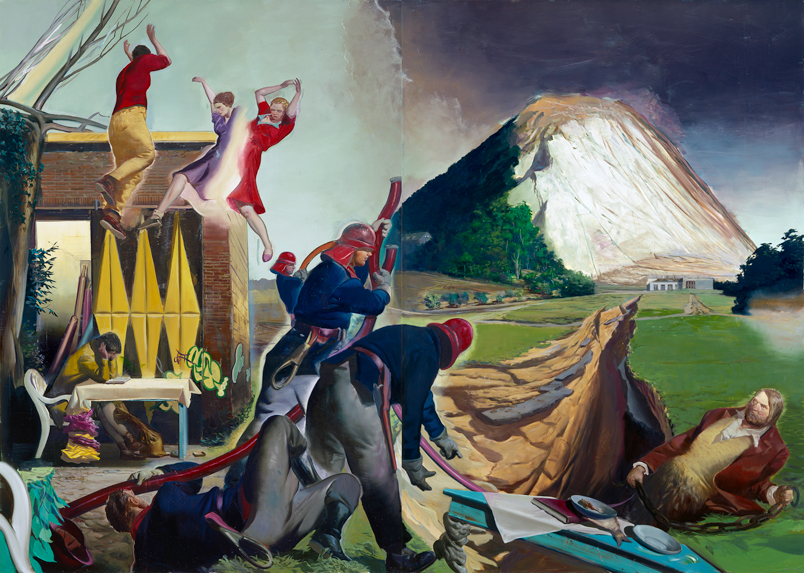
Neo Rauch ‘Die Fuge’ 2007

“Para” çalışmaları:

  • Jagdzimmer (Avı’nın odası), 2007
  • Vater (Baba), 2007
  • Die Fuge (Füg/Boşluk), 2007
  • Warten auf die Barbaren (Barbarları Beklerken), 2007
  • Para, 2007
  • Paranoia, 2007
  • Goldgrube (Altın Madeni), 2007
  • Vorort (Banliyö), 2007
  • Der nächste Zug (Sıradaki Hamle/Sıradaki Çizim), 2007
  • Die Flamme (Alev), 2007

“Para” için üretilen eserler üç öğeyle karakterize edilir; pre­komünist kentsel­düşüncelilik, komünist Toplumsal Gerçekçilik ve idealize edilmiş bir kırsal. Diğer yandan para­normal, para­doks ya da para­noya gibi kelimelerle bağlantılı çağrışımlar yapan bir örnek. Sistem bağlantısı içinde okunabilir, örneğin Paranoia gibi bir resim hermetik bir odada bilişsel teorileri yansıtabilir.

Rauch’un içinde doğduğu şehir Leipzig, Leipzig Ticaret Fuarı sayesinde tarihi bir ticaret şehri olarak bilinir. Die Wende’ye (Değişim) kadar varan popüler direnişin merkezi olan Leipzig gibi bir ticaret şehrinde kentsel­ düşüncelilik ayrıca kendini komünizm içinde ifade eder. Rauch, Doğu Almanya’da komünizm tarafından ezilmiş pre­komünist sivil toplum hayatının karakterleri ve imgelerini kullanır. İdeolojilerin bu yıkıcı güçleri belki de Rauch’un kendi eserlerini, yıkıldığı sanılan kentsel burjuvazi düşüncesinin şekillendirdiği haliyle kültürel görecelik hatrına güçlü cümlerlerle açıklamayı reddetme nedenidir.


Mechanic of Dreams

Interview by David Molesky, Juxtapoz mag. 2019

Neo Rauch ‘Der Brandmeister’ 2016

Neo Rauch was raised by his grandparents in Aschersleben after a train accident put an early end to the lives of his young parents, who at 19 and 21, were both still art students. Rauch would later attend his parents’ alma mater, Hochschule für Grafik und Buchkunst Leipzig (Leipzig Academy of Visual Arts), receiving an MFA and becoming a professor there from 2005–2009. Having remained in Leipzig his entire adult life, Rauch feels a deep connection to the intellectual and creative legacy of the region’s terroir. Since the early ’90s, Rauch has made a top floor studio space in an old cotton mill the epicenter of his creative activities, with his wife, casein painter Rosa Loy, working in another studio just across the hall.

Twenty-five years ago, Rauch had his first solo exhibition with Eigen+Art, which is still his principal gallery in Europe. At the turn of the millennium, he was picked up by New York gallerist David Zwirner, followed by a solo show at the Metropolitan Museum of Art in 2007. When Rauch turned 50 in 2018, he was given a retrospective exhibition, titled Dromos, that filled all four floors of the Museum de Fundatie in Zwolle, Netherlands. This past summer, Rauch and Loy designed the costume and set for the Bayreuth Festival’s production of Wagner’s Lohengrin, which will continue to be staged for the next three summer festivals. Reopening this April at The Drawing Center in Manhattan, an exhibition traveling from the Des Moines Art Center, will feature 170 drawings by Rauch on A4 standard paper.

Over the Holiday break, Rauch was able to squeeze in an interview with Juxtapoz as he prepares for a solo exhibition opening March 26, 2019 at David Zwirner’s new gallery space in Hong Kong. David Molesky fired off a set of questions hoping to gather insight into the mind and process of the most epic painter hailing from Eastern Germany. ––Juxtapoz 
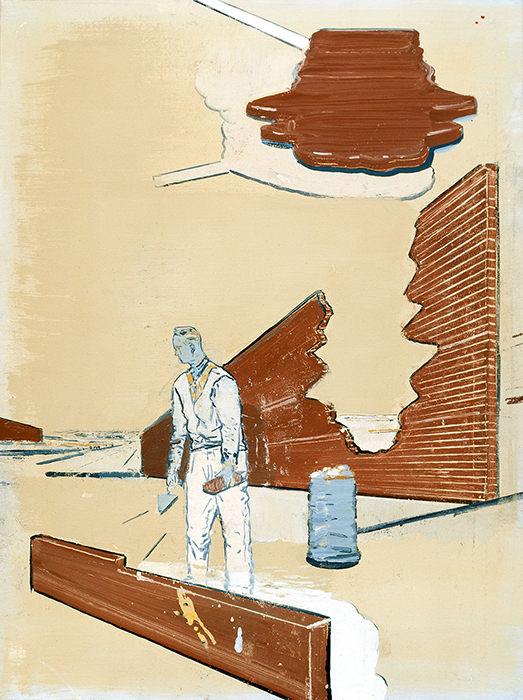
Neo Rauch ‘Die Mauer’ 1997

David Molesky: I felt so fortunate that I was able to see your exhibition, Dromos. Retrospectives are an unprecedented opportunity for an artist to reflect and to make comparisons between images. What was the takeaway realization upon seeing your work filling the Museum de Fundatie in Zwolle, Netherlands? 

Neo Rauch: It was like a family reunion, a great homecoming with touching moments of reuniting and recognition. A few of the pictures I had not seen for a long time, and all—really all, even the older ones, somehow aged well.

Also, the interlocking of images from two decades does not seem abrupt or inorganic at any point; on the contrary, everything harmonizes in the most excellent way without giving up tension.

It is inevitable that an artist who has worked prolifically for decades will find some repetition and certain aspects that are continuous. Despite a stated resistance to analyzing your pictures, are there any patterns in your narratives which you cannot avoid noticing?

Certainly, there are recurrent patterns. Above all, probably the fact that the interactions of my characters are caught in a state of limbo; that they never really connect or even maintain eye contact. Also, I avoid, with very few exceptions, the eye contact between figures and viewer. I always perceive such stagings as indecent.

In addition, there may be props, such as the burning backpack or cannons, which appear directly or in modified form again and again. Architectural elements, such as factory chimneys and church towers, are also found again and again over the decades, as well as clouds of smoke! No smoke without fire.

It’s exciting that you recently translated your theater-scaled paintings into the third-dimension of opera. How has the opportunity to design costume and sets for Lohengrin affected your approach to painting? And how sensational that this has sparked a collaborative process with your wife Rosa Loy! I love that you stated, “It was easier than driving in the car together.” Will you collaborate on future projects?

This is not yet foreseeable; the impressions left by the stage design are still too fresh to serve as a mold for pictures. They have to cure first. The effect of the light in the room has, in any case, addressed the painter directly, and it remains to be seen how and if this experience is reflected on the canvases.

Yes, working with Rosa is indeed a great pleasure. She is very nimble—in the head and with the eyes—and thus, fills a fatal gap that gapes on my part. For the time being, there are no stage projects on the horizon, with the exception of our further work on Bayreuth Lohengrin.
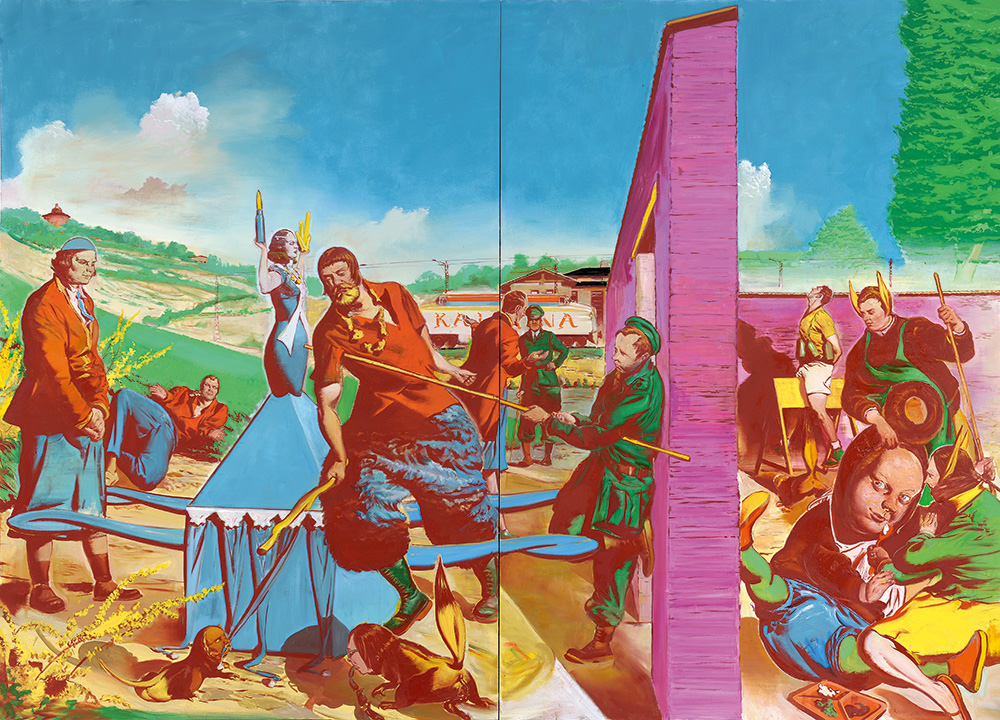
Neo Rauch ‘Die Kontrolle’ 2010


I am looking forward to seeing your exhibition Neo Rauch: Aus dem Boden/From the Floor when it comes to The Drawing Center in Manhattan. How do you use drawing in your practice? I would imagine drawings, which are not preliminary, could be used as exercises to help you feel out various sensibilities, like what you’ve called “the moment prior to excess.” Ms. Loy must be helpful navigating these regards. She is an exceptional painter in her own right, and I’ve heard the only person you allow into your creative process?

As part of my work, the drawing is considered a kind of by-catch; she gets into the net, yet the hunt was meant for larger prey. These are, at best, finger exercises, which I complete in a trance-like state, and which take place in the run-up to a canvas project. However, they do not prepare them directly, but only charge the space between me and the canvas atmospherically. Yes, Rosa is actually the only person whose advice and help I ask for when needed. One should be picky and careful in this regard.

You’ve described that your initial motivation in beginning a composition comes from dreams or hypnagogic visions that can sometimes be as vague as a concept or a phrase. What techniques or rituals do you engage in to encourage yourself to remain in these kinds of mindstates? 

I derive my pictures directly from dreams only in very rare cases. Rather, I try to simulate the mechanics of a dream event. That is, I go before the picture on the sloping path of free-flowing imagining. Gravity eventually brings things together, creating a common sound. The rational can assist at best. When she takes over the direction, propaganda or journalism arise.

I am very interested to know more about your view of universal processes and their relation to the collective unconscious. Could you direct me to concepts that might deepen my understanding of how paintings work to bring re-enchantment to the world? 

If one agrees that painting penetrates into spaces in which concepts become blurred and words lose their competence, then one accepts the management of undercurrents that unfold their own magnetism.

Julien Green, for example, described very clearly how the perception of a ray of light falling on an armchair became the starting point of an entire novel. The creative person differs from someone acting creatively, in that they become the medium through which something wants to speak to us.

As your work is celebrated more and more, society will inevitably want to find a message in your enigmatic paintings. What might you hope can be gleaned through your life project as a painter?

If it were possible to help a few people to suspect that under the concrete of reality a life pulsates, which forms branched mycelia and suddenly comes to the surface in the form of a work of art, then much would have been gained.

Art is unpredictable and eludes appropriation; it is a phenomenon that amazes us and should awaken a certain reverence for the possibilities of the creative. It is a gift and a miracle, and thus, the absolute opposite of what political commissars and ideologues want to make of it.

Having spent your entire life based in Leipzig, the largest city in the German state of Saxony, I am particularly intrigued by your sense of pride for this region and your engagement with its rich history of intellectual and artistic pursuits. In researching for this interview, I learned that the composer Wagner and the philosopher Nietzsche hail from Saxony. Through one of your interviews I also discovered Novalis, the great Romantic writer was also from Saxony. What common point of inspiration might foster like-minded creatives from this region?

It should by no means go unnoticed that Max Beckmann was born in Leipzig, and that J.S. Bach worked in the city as Thomaskantor (the music director of an internationally known boys’ choir founded in Leipzig). The cultural humus on which one could found their workshop here is so dense and nutrient-rich. The connecting element that led to this condensation may be atmospheric. Climatic conditions conducive to creative activity could also play a role. I just do not know. 
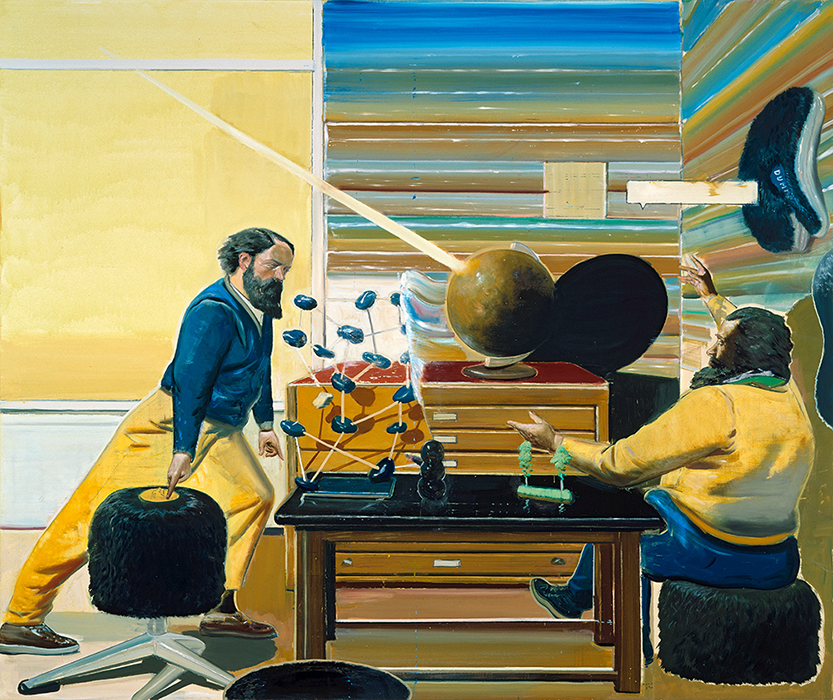
Neo Rauch ‘Schopfer’ 2002

You are known internationally for your work as an individual artist, as well as for your position as a leading member of the New Leipzig School of painting. Tell me a little about how this community has supported each other and grown together. Has your role as the leading figure in this art community helped nurture your own work and sense of purpose?

The “New Leipzig School” is a term that emerged independently and outside of our consciousness as painting contemporaries. This label was pinned to us and did not appeal or seem fitting to everyone. Basically, it referred to the fact that in Leipzig, painting was still taught on a high figurative level, even though most “experts” in the early ’90s thought to abolish the utilization of brushes after 40,000 years. Painting was considered obsolete by these cretins, and those who nevertheless turned to it could be sure of their contempt and ignorance. In this respect, these years were a healing retreat, in the course of which it came to a thinning of the people, as only the real painter could resist the temptation of electronic cabinets and those of conceptualist seminars.

In any case, working in this blind spot was beneficial to my work, although the feeling of being marginalized was already gnawing at my pride. My first big personal exhibition with Judy Lybke at the gallery Eigen+Art in 1993 was a commercial flop, although the pictures were great! Only that at the time, the only people who saw it that way were Rosa, Judy, and me.

What will you be showing for your upcoming exhibition at David Zwirner in Hong Kong? What new developments have you explored in this new body of work, and are there any aspects of this work that have come about in consideration of the location?

There will be eight large (nearly 10’ x 9’) and seven small “handbag-sized” pictures. Whatever is new to them, new to my standards, that is, will only come to me much later. I am still too entangled in the sometimes agonizing development of these canvases to be able to attest to them a peculiarity. Also, the location of the presentation did not play a major role, yet rather an underlying one.

Neo Rauch’s Aus dem Boden / From the Floor will be on view at The Drawing Center, NYC, from April 12—July 28, 2019. 

Resource: Juxtapoz magazine
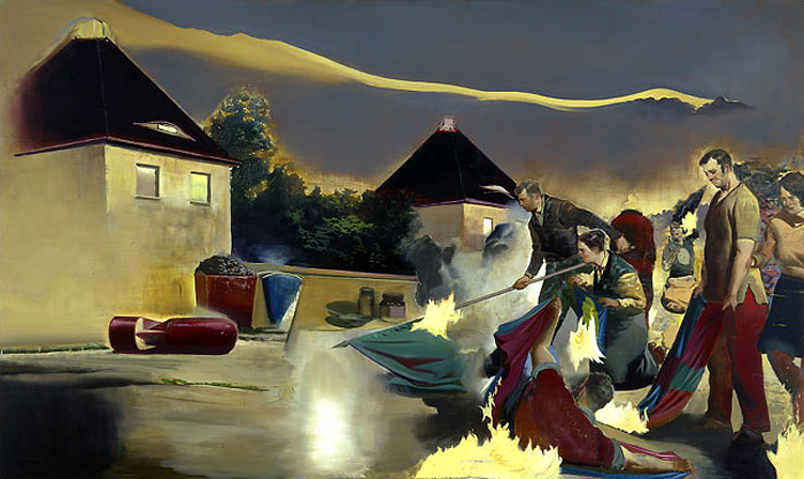

Neo Rauch ‘Vorort’ 2007

Neo Rauch (born 18 April 1960, in Leipzig, East Germany);  is a German artist whose paintings mine the intersection of his personal history with the politics of industrial alienation. His work reflects the influence of socialist realism, and owes a debt to Surrealists Giorgio de Chirico and René Magritte, although Rauch hesitates to align himself with surrealism. He studied at the Hochschule für Grafik und Buchkunst Leipzig, and he lives in Markkleeberg near Leipzig, Germany and works as the principal artist of the New Leipzig School. The artist is represented by Galerie EIGEN + ART Leipzig/Berlin and David Zwirner, New York.

Rauch’s paintings suggest a narrative intent but, as art historian Charlotte Mullins explains, closer scrutiny immediately presents the viewer with enigmas: “Architectural elements peter out; men in uniform from throughout history intimidate men and women from other centuries; great struggles occur but their reason is never apparent; styles change at a whim.”

In painting “Characteristic, suggestion and eternity” are important marks of quality.

I view the process of painting as an extraordinarily natural form of discovering the world, almost natural as breathing. Outwardly it is almost entirely without intention. It is predominantly limited to the process of a concentrated flow. I am deliberately neglecting to contemplate all of the catalytic influences that would have the power to undermine the innocence of this approach because I would like to express a degree of clarity in these lines by way of example. I view myself as a kind of peristaltic filtration system in the river of time …

Rauch is considered to be part of the New Leipzig School and his works are characterized by a style that depends on the Social Realism of communism. Especially American critics prefer to recognize in his contemporary style a post communist Surrealism. But more than anyone Rauch is recognized as an East-West painter. Rauch merges the modern myths of both the Warsaw Pact and the Western world. His figures are portrayed in a landscape in which an American Comic-Aestheticism meets the Social Realism of communism. In the art publication Texte zur Kunst (Texts about Art, number 55), he was defined as an example for a new German neo-conservatism.

In the US, Roberta Smith, art critic for the New York Times, called attention to Rauch’s work in 2002 with an article about the “painter who came in from the cold.” In 2007, Rauch painted a series of works especially for a solo exhibition in the mezzanine of the modern art wing at the Metropolitan Museum in New York City. This special exhibition was called “Para.” Rauch explains that he enjoys the associations the word “para” evokes in his own mind, and says that his works at “Para” have no particular intention, but that they could signify anything to anyone.

When I first agreed to do the Met exhibition, I thought about a way of working that would be about the nature of a museum. But straight away I realized that I was much more interested in those “visions from the Witches Circle” in my studio than I was in coming up with things in a purely thematic way. Calling them “visions” reflects my personality—they precede inspiration and spring from the moment when internal images appear at the prompting of intellectual decisions. I have no choice but to accept everything that I discover in this way.
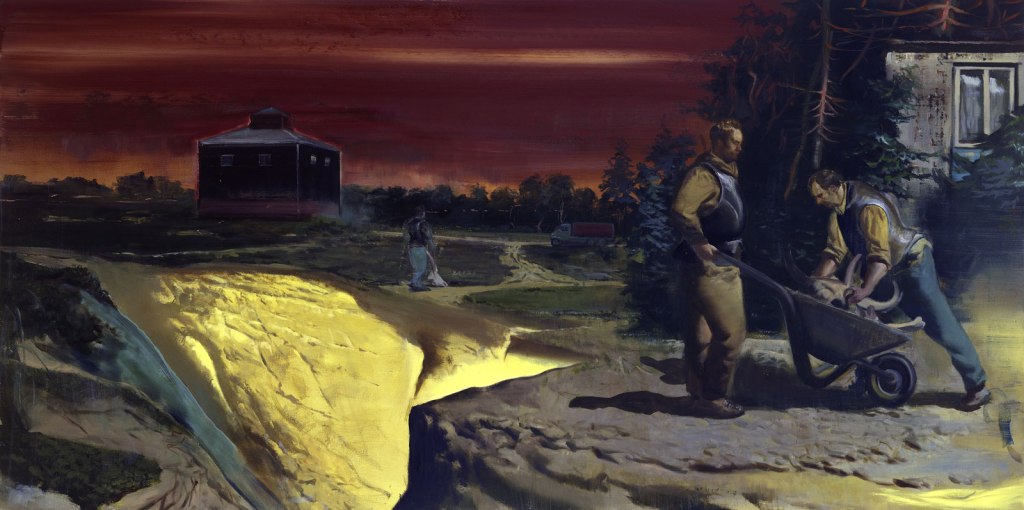
Neo Rauch ‘Gold Grube’ 2007

Works for “Para”:

  • Jagdzimmer (Hunter’s room), 2007
  • Vater (Father), 2007
  • Die Fuge (The Fugue/The Gap), 2007
  • Warten auf die Barbaren (Waiting for the Barbarians), 2007
  • Para, 2007
  • Paranoia, 2007
  • Goldgrube (Gold Mine), 2007
  • Vorort (Suburb), 2007
  • Der nächste Zug (The Next Move/The Next Draw), 2007
  • Die Flamme (The Flame), 2007

The works created for “Para” are characterized by three elements: a pre-communist civic-mindedness, communist Social Realism, and an idealized countryside. On the other hand, it’s a prefix which evokes associations like para-normalpara-dox or para-noia.
It may be read in a system connection, for example a picture like Paranoia reflects the cognitions theory in a hermetic room.

Leipzig, Rauch’s city of birth, is known historically as a city of trade through its association with the Leipzig Trade Fair. This civic-mindedness of a trader’s city also expressed itself under communism where Leipzig was the center of popular resistance that led to Die Wende. Rauch uses characters and images of life of pre-communist civil society that was oppressed by communism in the GDR. The oppression of communism and the total control of civic life under the rule of communist ideology is one of the elements of Rauch’s work. The destructive powers of ideologies is perhaps the reason why Rauch refuses to interpret his own work as a powerful statement in favor of a cultural relativism that characterized the civic bourgeois thought that was destroyed.

Resouce: wikipedia
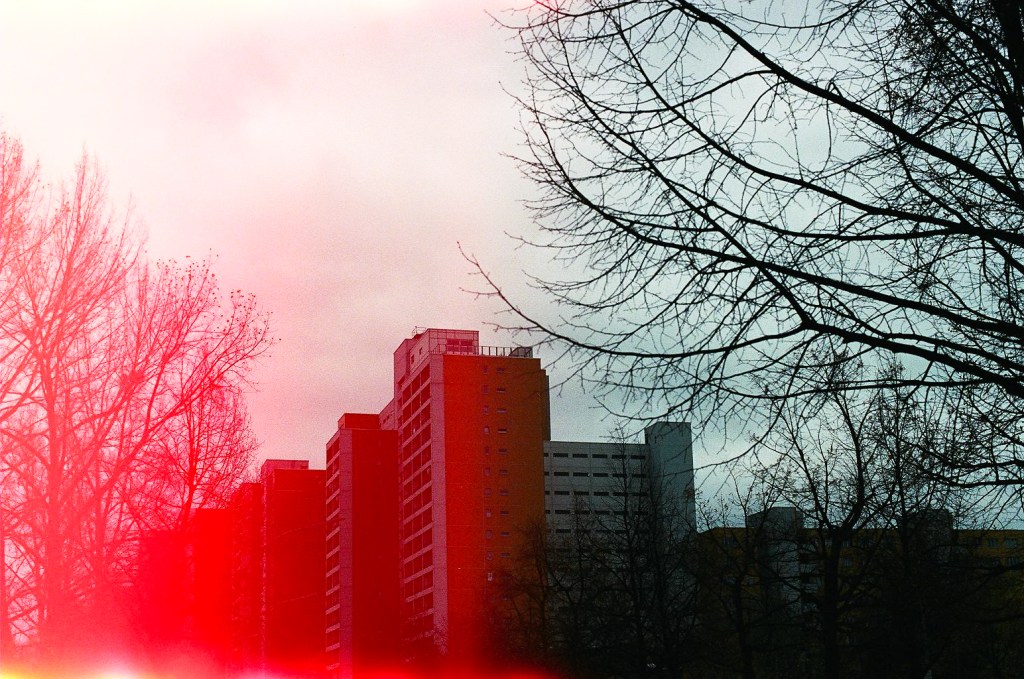

Özür Dilerim, Sanırım Ben Aradığınız Kişi Değilim

Murat Göç / Albemuth Özgür Basın, Ekim 2005

Fotoğraf : Anıl Eraslan ‘Errors’ Serisi, 2010

Usulca kapattı sanal sohbet hologramını ve bir süre holografik sohbet arkadaşlarının birer birer boşalttığı odanın gerçek nesnelerle dolu gerçek görüntüsüne alışmak için gözlerini kırpmadan bekledi. Yavaşça döndü oturduğu (ya da uzandığı mi demeli) koltukta ve neredeyse hiç hareket etmiyormuş gibi dingin bir şekilde kapıya doğru baktı. “Daha yavaş hareket etmeliyim” diye düşündü, “yoksa kalbim yerinden fırlayacak. Daha sakin olmalıyım, ve kalbim de deli gibi çarpmaktan vazgeçmeli. Kapı çalıyor. Ne yapacağım şimdi ben?”.

Kapının çalması, hele içinde insan bulunan bir evin kapısının çalması belki siz okura son derece doğal gelecektir, ancak bundan yıllarca önce, isadan sonra 2031. ve Büyük Yıkım’dan sonraki 27. yılda, yani henüz serpintinin insanları evlerine hapsettiği zamanlarda, bir evin kapısının çalması ancak dehşetengiz simülasyonlarda yer alabilecek derecede inanılmaz bir olaydı. O yıllarda herkes yalnız yaşar, yalnız yer, yalnız uyurdu. Hükümet insanların sebebi ne olursa olsun evden çıkışını yasaklamış, savaş sonrası radyasyonundan korunmak için panjurların kapatılmasını ve internet ağının sürekli açık tutulmasını emretmişti. Tüm ihtiyaçlar pnömatik sistemler sayesinde evlere gönderiliyor, karşılığı insanların internet ağı üzerinden yaptıkları işlerle kazandıkları kredilerden düşülüyordu. Tüm insani ilişkilere, yakınlarla iletişim, romantik akşam yemekleri, okul arkadaşları ile kaçamaklar ve sekse internet ağı ile bulabileceğiniz holografik simülasyonlar vasıtası ile ulaşılabiliyordu.

İşte o zamanlarda, Büyük Yıkım başladığında henüz anne babası ile yaşayan ve öldükleri günden bu yana henüz hiçbir gerçek insan görmemiş ve duymamış olan kahramanımız dehşet içinde kapıya bakıyordu. En ufak bir ses çıkarsa yada nefes alsa kapıdan bir el uzanıp onu kaçamadan yakalayacakmış gibi öylece hareketsiz kendini ölümcül korkunun insanı varlığından endişeye sokan ellerine bırakmıştı. Ne yapacağını yada yapabileceğini bilmiyordu, sadece belirli belirsiz sesin dinmesini ve kapıyı çalan her kim ya da her ne ise bir an önce vazgeçmesini diliyordu. Ama kapı tekdüze bir ısrarla çalmaya devam etti. Sonunda, içindeki insancıl tarafın yok oluşa götüren merakı hayvani tarafının hayatta kalma üzere kurulu endişe ve korkusunu yenmeyi başardı. Kalktı yerinden ve yıllarca kullanılmadığı için artık neredeyse duvara sabitlenen kapının kilidini zorlukla çevirdi. Kapıyı açarken çıldıracak gibiydi, bir taraftan hemen o anda yok olmak istiyor, diğer taraftan göreceği şeyin merakı ile içi içine sığmıyordu. Kapıyı açtı, geriye çekildi ve dezenfektan spreyin yarattığı dumanın dağılmasını bekledi biraz. Şimdi dumanların arasında 30lu yaşlarda bir adam duruyordu, üzerinde çok uzun süreden beri giyilmediği belli olan ve aslına bakarsanız biraz da komik duran bir takım elbise vardı. Adam da kendisi gibi garip bir şekilde gözlerini kırpıyor, sanki görünenin çok ötesindeki bir boşluğa amaçsızca bakıyordu. Belli ki yıllarca sadece hologram görmekten yorulan gözler şimdi kendilerini gerçek bir insanın görüntüsüne alıştırmaya çalışıyorlardı.

“Merhaba” dedi adam tutuk bir şekilde, “kaç gündür evlerin kapılarını çalıp durduğumu söylesem inanmazsın”. Hala inanamıyordu olanlara zaten, karşısında kendisi gibi konuşan, terleyen, heyecandan ve belki de korkudan titreyen birisi vardı. Hologram değil, yazılım değil, kurgu değil gerçek bir insan, ne söyleyeceği, ne düşüneceği, ne yapacağı daha önceden belli olmayan tekinsiz bir varlık.

“Muhtemelen benim gerçek olup olmadığımı merak ediyorsun” diye devam etti karşıdaki. “Haklısın da aslında. Bu öteki simülasyon yazılımlardan birisi ya da bir rüya olabilir. Gerçekten sorulması gereken soru şu an yazılımı kimin kullandığı veya kimin rüyasında olduğumuz belki de. Sence fark eder mi?” Yanıt alamayınca kendisi cevabını verdi. “Aslında benim için fark etmez de. Bunu bilemeyecek kadar çok uzakta kaldı gerçek”.

İçeriye gir demek istedi ama diyemedi. Diğeri de hiçbir hamle yapmıyordu aslında içeri girmek için. İkisi de bu kadar yıldan sonra canlı birisini görmenin şaşkınlığı ve ne yapacağını bilememezliğin verdiği donuklukla öylece duruyorlardı.

“Günlerden beri evimin dışındayım” diye ısrarla konuştu kapıdaki. “Bunun nasıl bir duygu olduğunu asla bilemezsin. Serpinti olduğunu ya da kaldığını hiç sanmıyorum. Eğer hükümetin her gün söylediği gibi olsaydı ne ben ne de yolda, orada burada gördüğüm hayvanlar canlı kalabilirdi. Beri yandan artık ben bir hükümetin varlığından bile şüphe ediyorum. Günlerden beri açık bir şekilde kanunları çiğniyorum, dışarıdayım, önüme gelenin kapısını çalıyorum ama hiç kimse gelip de bana müdahale etmedi. Belki de, olur ya, hükümet bile kendinin gereksizliğini anlamış ve her şeyi otomatik bir sisteme, kendi kendine işleyen bir yazılıma devretmiştir. Bu kadar yazılımı zaten olsa olsa başka bir yazılım bir arada tutabilir bana sorarsan”.

Öyle çok konuşuyordu ki adam artık rahatsız bile olmaya başladığını düşündü. Birden bu komik geldi çünkü uzun yıllardan sonra ilk defa gerçek bir insan görüyordu ve o anda bile sessizliği ve yalnızlığı özlediğini hissetti. Bu bir sohbet ya da toplantı simülasyonı olsa tüm katılımcıları yazılımın içerisinden seçebilir ve böylece bu sabah kapısına dayanan gevezeler gibi sürprizlere karşı hazırlıklı olurdun. “İnsanoğlu” diye düşündü kendi kendine ve son derece içinden, “ne kadar da rahatsız edici olabiliyor bazen. Belki de yazılım işi o kadar da kötü değil. Belki de gerçekten başkalarına ihtiyacımız yok varolmak için ve istediğin her şeyi tasarlayabildiğin ve istemediklerini sonsuza kadar unutabildiğin bir dünya ancak bu şekilde mümkün olabiliyor. Belki de karşımdakinin distopya dediği benim ütopyam.”

“Haydi ne duruyorsun” diye böldü düşüncelerini kapıdaki heyecanla. “Sen de gel dışarıya. Birlikte gezelim ve keşfedelim bu cesur yeni dünyayı. Kim bilir bizim gibi kimler var bu dünyada öylece birilerinin kapılarını çalmasını bekleyen. Biliyor musun neyi fark ettim. Dışarıdan bakınca yaşadığımız bu binalar morgda ölülerin yattığı çekmece yığınlarını andırıyor. Dışarıda bir yerde mutlaka öldü sanılıp da morga konan bir sürü insan var. Haydi gel ve bu dünyanın yeni Adem ve Havvaları olmamıza izin ver”.

Bir an durdu ve düşündü. Hakikaten de cazip olabilirdi dışarıda olma fikri. “Ama” diye düşündü yine. “Dışarıda keşfedecek ne var ki”. Evinde bir uydu seti, sürekli internet bağlantısı, istediği an tüm ihtiyaçlarını görebileceği bir simülasyon arşivi ve hiç uğraşmadan yiyeceğini, giysilerini ve hatta gazeteyi ayağına ge tiren bir havalandırma sistemi vardı. Dünyaya gitmesine ve onu yeniden keşfetmesine gerek yoktu çünkü dünya zaten oradaydı, tüm hayatını geçirdiği 20 metre karelik odasındaydı. Ve güvenliydi, kapıdakine morg çekmecesi kadar soğuk gelen ona ama rahmi kadar sıcak geliyordu. Başta hayvani endişelerine üstün gelen insani merak yerini hayvani güvenlik duygusuna bırakmıştı yine. “Hayatta kalmalıyım” dedi kendi kendine derinlerde bir yerden, “sadece evimde iken güvenliyim. Başkaları benim ölümüm olabilir ancak. Evim bana bunu sağlıyor. Sonsuza kadar mutlu ve güvende olabileceğim bir hayat.” Ve ilk kez, kapıyı açtığı ve davetsiz misafirini gördüğü ilk andan itibaren ilk kez ağzını açtı ve biraz da ürkekçe “Özür dilerim” dedi. “Sanırım ben aradığınız kişi değilim.”


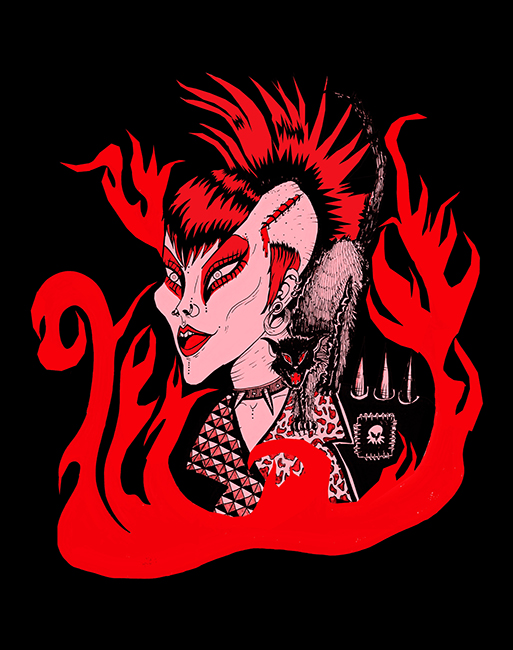
Kiremitleri Kıran Kız

Birce Seymen, kağıt üzerine mürekkep, bigisayar renklendirme, 2021

Bir Punk Rock şarkıcısı, müzisyen, aynı zamanda isyankar ruhlu bir sanatçı Birce; kendisine bizlerle paylaştığı çizimler için çok teşekkürler.

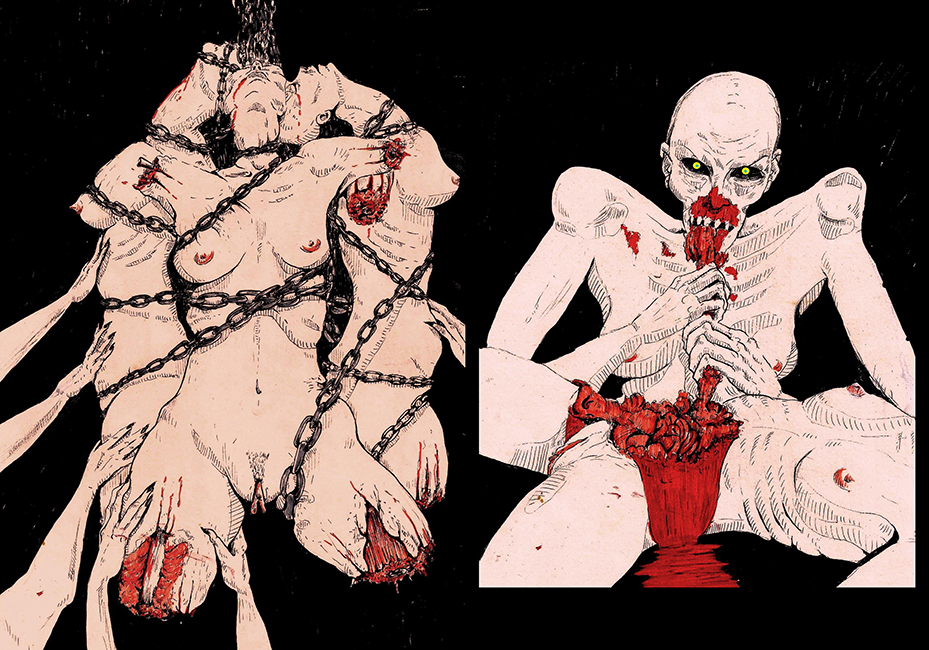
Birce Seymen, kağıt üzerine mürekkep, bilgisayar renklendirme, 2020

monxx art

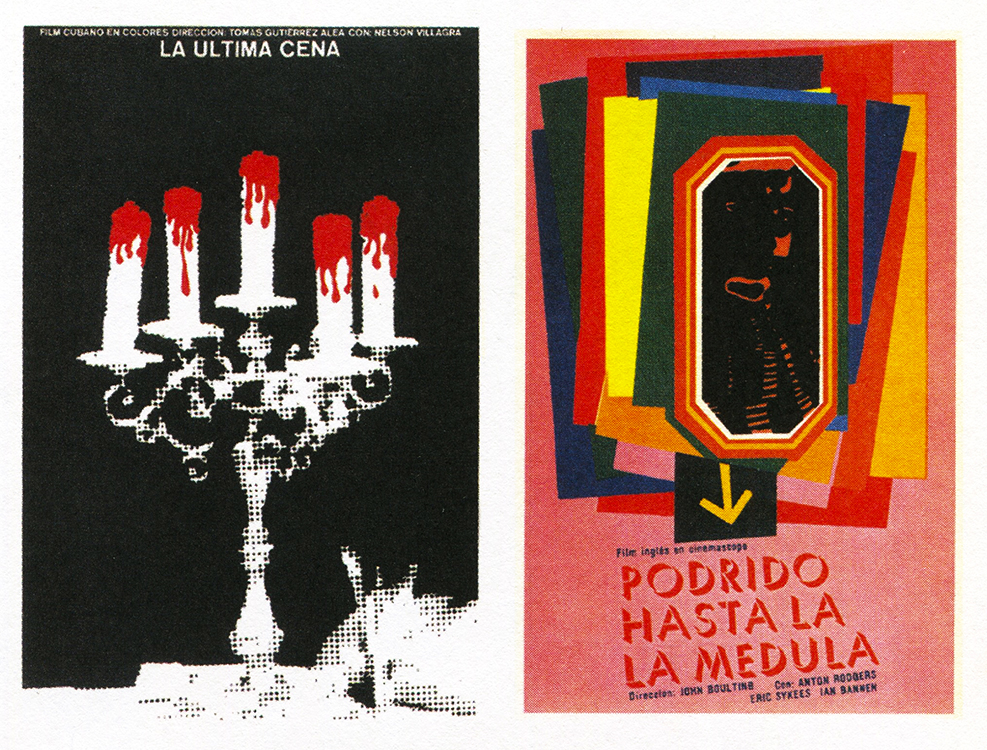
El Cartel De Cine Cubano

Eduardo Munoz Bachs ‘El escudo y la espada’, 1970

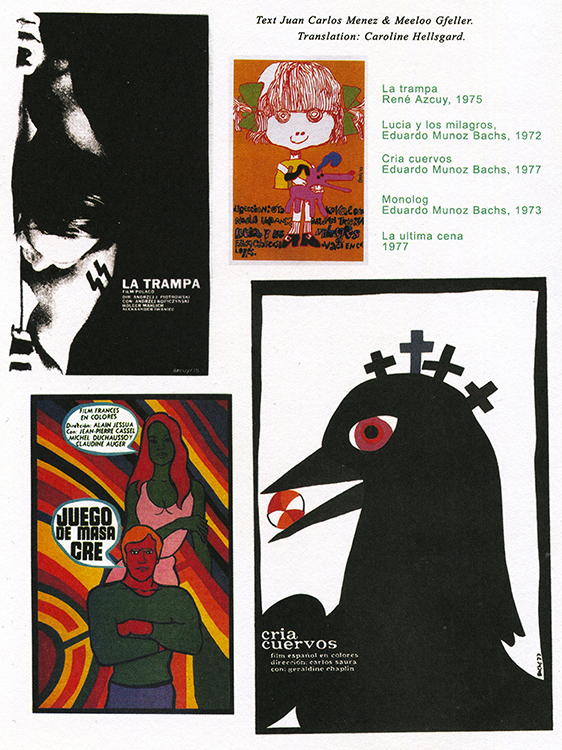
1959 yılında Küba devriminin ardından, bir sinema tutkunu olan Fidel Castro Sanat ve Sinema Endüstrisi için Küba Enstitüsü’nü (ICAIC) kurdu. Hollywood’dan gelen filmlere ambargo uygulanıyordu ve Küba doğal olarak daha sosyalist filmlere, bununla birlikte, mali sebeplerden ötürü de Japon film kültürüne meyletti. Akira Kurosawa Batıda henüz keşfedilmesinden çok önce Küba’da biliniyorduı. Ulusal film üretiminin teşviki artırmasıyla devrimci Küba sinemasında ihtiyaçlar da arttı; bir grup sanatçı ve grafik tasarımcısı, afiş sanatı için yeni bir görsel dil yaratmak amacıyla bir araya geldiler. Alfredo Rostgaard, Eduardo Munoz Bachs, Rafael Morante, Antonio Fernandez Reboiro, René Azcuy ve Antonio Perez gibi sanatçıların afişleri kısa sürede dikkatleri üzerine çekti ve yerli-yabancı kültür sanat etkinliklerinde sergilenmeye başladı.

ICAIC afişlerinin tamamı üretim maliyeti düşük olması sebebiyle Küba’da yaygın olan serigrafi tekniğiyle basılmıştır. ICAIC binlerce film afişinin yanı sıra politik afişler ve daha sanatsal işler de bastı. Bir ICAIC afişinin boyutu her zaman 76 x 61 cm’dir. Bu boyut hala korunmaktadır. Buna ek olarak afişler tamamen el yapımıdır ve üzerlerinde bilgisayar müdahalesi yoktur. Mürekkep yağ bazlıdır ve afişlerin sergilenmeden önce en az 24 saat boyunca kuruması gerekir.

ICAIC afişlerinin dünya çapında beğeni kazanması Küba’daki kültürel ortamın da canlanmasına sebep olur, afişler zamanla devrimci kültürün vazgeçilmez parçaları haline gelirler. Susan Sonntag 1970’lerde Küba afişlerinin kültürlerini ticaret olarak tanımlamayı reddeden bir toplum için -çelişkili bir şekilde- de olsa reklamını yaptığını not düşer. Pratik ihtiyaçlara karşılık vermiyor olmalarından dolayı bu afişler, zamanla sanat aşkıyla yapılmış birer sanat eserine dönüşürler.

El Cartel De Cine Cubano (source: mollusk mag. 01, 2005)

Eduardo Munoz Bachs : 1937 doğumlu Bachs, 1960 yılında ICAIC için ilk afişi olan Historias de la revolution‘u (Devrimin Tarihi, Tomas Goutierrez Alea) yapmadan evvel animasyon filmleriyle uğraşıyordu. Sonrasında Küba grafik tasarımı geleneksel yaklaşımlardan uzaklaştı ve zamanla kendi dilini oluşturmaya başladı. Bachs‘ın en sık kullandığı figürlerden biri Charlie Chaplin’di. Bunun sebebi ise Chaplin siluetinin evrenselliği ve grafik potansiyeliydi. Bachs, ölümünden hemen önce Chaplin’in Özgürlük Anıtı’na karşı verdiği mücadeleyi resmeden son afişini ise New York’taki Havana Film Festivali (2001) için hazırlamıştır.

Orijinal Metin: Juan Carlos Menez & Meeloo Gfeller, mollusk mag. #01

Türkçesi : Gökçe Mine Olgun

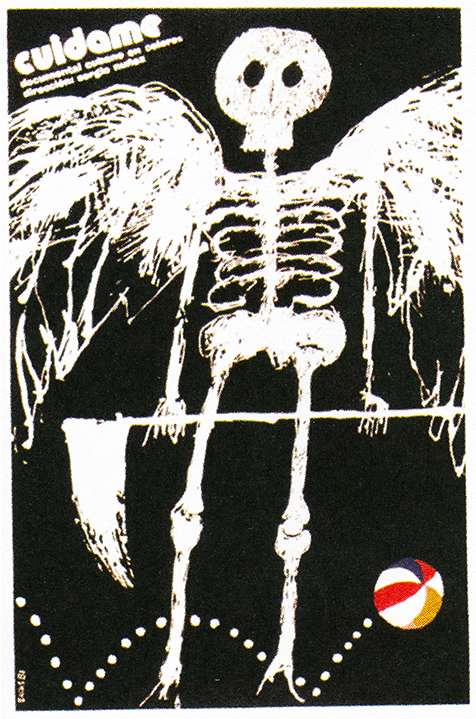
Eduardo Munoz Bachs “Cuidame” 1981

In 1959 after the Cuban social revolution, Fidel Castro, who was a film buff, created the ICAIC (Cuban Institute for Art and Movie Industry). The embargo sanctioned films coming from Hollywood, and Cuba naturally swayed towards more socialist films, but also, for financial reasons, towards Japanese film cul­ture. Akira Kurozawa was a name in Cuba long before the west discovered him. As the national film production boomed the pro­motion needs of the new revolutionary Cuban cinema increased. A group of artists and graphic designer was formed with the aim to create a new visual language for poster art. It didn’t take long before the posters by artists like Alfredo Rostgaard, Eduardo Munoz Bachs, Rafael Morante, Antonio Fernandez Reboiro, Rene’ Azcuy and Antonio Perez were highlighted and exhibited in national as well as international art events.

The posters by ICAIC were all printed in silkscreen – a popular technique in Cuba since it had low production cost and a unique experimental character. ICAIC printed thousands of film posters, but also political and more artistically oriented works. The size of an ICAIC poster always has been, and still is, 76 x 61 cm. Furthermore they are exclusively hand made without the invol­vement of computers. The ink is oil based and the posters need to dry at least 24 hours before being exhibited.
The worldwide recognition and the popularity of ICAIC posters transformed the cultural landscape in Cuba. It established the poster as a revolutionary cultural medium. Susan Sonntag (1970) writes that Cuban posters paradoxically promote culture in a society which refuses to define culture as merchandise. Since the posters lack practical needs, they become luxus objects, made simply for the love of art.

El Cartel De Cine Cubano (source: mollusk mag. 01, 2005)

Eduardu Munoz Bachs : Born in 1937, Bachs worked with animation-films before he made his first poster in 1960 for the ICAIC film, Historias de la revolution (History from the revolution by Tomas Goutierrez Alea). From then on Cuban graphic design moved away from traditional conven­tions and formed its on visual language Bachs often used the Charlie Chaplin image becau­se of the universality and graphic potential of Chaplin‘s silhouette. Right before his death, Bachs created his last poster for the Havana film festival in New York 2001, a Chaplin vs the statue of Liberty collage.

source : Juan Carlos Menez & Meeloo Gfeller

Mollusk mag. #01, 2005

The History of Zap Comix: Ron Turner

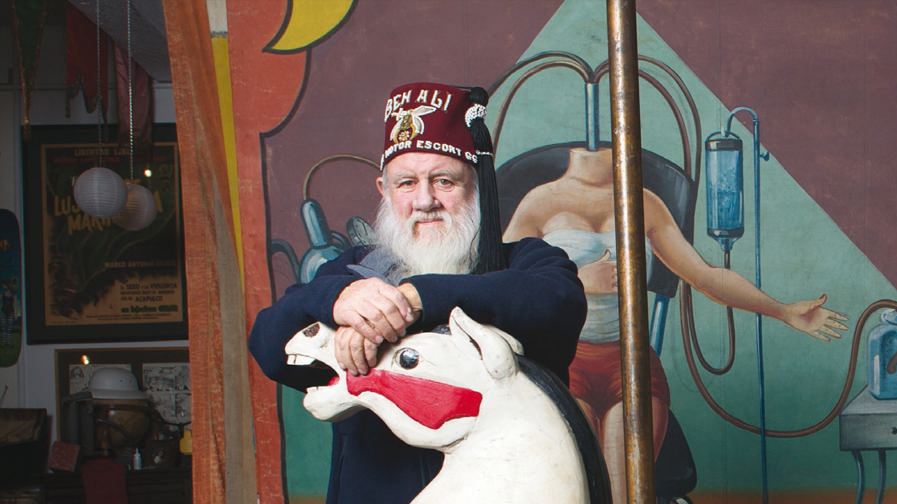
Ron Turner

zap_cover_smallLongtime publisher Ron Turner of Last Gasp lets the red wine spill and herds some very wild cats
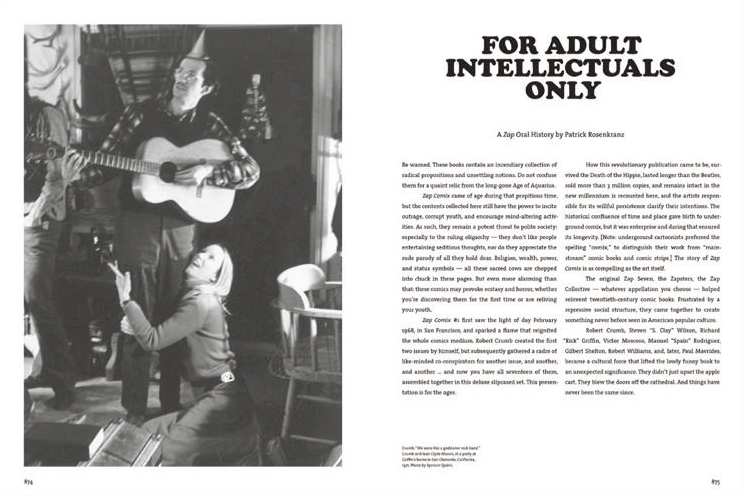
Interview by Eric Reynolds
Portrait by  Joe Brook

Juxtapoz magazine March 2015

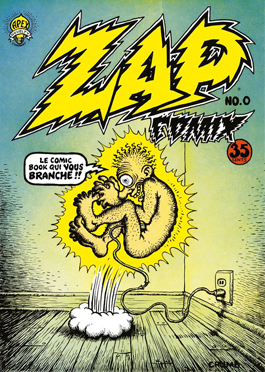
This winter saw the culmination of one of the great bodies of work of the past half-century: a deluxe, boxed-set collection from Fantagraphics Books of all seventeen issues of the legendary underground comic book series, Zap Comix, founded by Robert Crumb in 1968.

Zap Comix, which Crumb eventually expanded into an artist collective that included his peers Robert Williams, Gilbert Shelton, Victor Moscoso, Rick Griffin, Spain Rodriguez and Paul Mavrides, can legitimately claim a greater influence over the art form of comics than virtually any other, short of possibly MAD magazine. Though it has had a variety of publishers over the years, no one published the title for longer than San Francisco legend Ron Turner, whose Last Gasp Eco-Funnies remains a focal point for the underground comics movement, the San Francisco countercultural scene, and the West Coast lowbrow art movement, some 45 years after its founding.

Turner’s larger-than-life personality and Zelig-like relationship to his beloved hometown warrants a biography of its own. He can tell stories about people as diverse as Charles Manson, Norman Schwarzkopf, the Reverend Jim Jones and Lee Harvey Oswald. Many credit/blame him with a Bambino-like curse that has kept his city’s beloved Forty-Niners from winning a Super Bowl over the past two decades. But, on the occasion of The Complete Zap Comix, Fantagraphics Books Associate Publisher Eric Reynolds spoke to Turner specifically about his relationship with the influential comix anthology and his history of publishing underground comics.

Eric Reynolds: You were a graduate student at San Francisco State University when you founded Last Gasp Eco-Funnies in 1970. Can you tell us more about that period?

Ron Turner: I was studying allergies and emotions at Kaiser Hospital. I was finishing up my master’s degree in experimental psychology. The only problem was. we were in the midst of the longest student strike in U.S. history at SF State.

My roommate, Roger Alvarado, was head of the Third World Liberation Front, and every day we were out on the picket line being attacked by members of the police force on our little 19-acre campus. Roger looked a lot like Che. Myself and my then-girlfriend Fran Ryan were very political.

We were also involved in the first ecology center. To help fund it, I came up with an idea to make an underground comic with ecology themes and have them sell it to pay for the printing and artists. I strong-armed a bunch of dealers in Berkeley to loan the money for printing and royalties. It worked, and within three months we had a book, Slow Death Funnies #1. Crumb agreed to do what turned out to be a two pager. Also, I got Gilbert Shelton to do a page. I was, by that, time living in Berkeley and had all the Slow Death guys over. I learned to ban drinks in the room where the original artwork was. Some were careless (or jealous) of the others and would almost intentionally spill red wine on a page.

Juxtapoz Art & Culture Magazine - March 2015
Zap Comix covers by Robert Crumb & Robert Williams

How did you get connected with the comics community?

Don Donohue and noted beatnik poet Charles Plymel printed the first Zap. and then Crumb moved it to Print Mint, which was run by two couples. Bob and Peggy worked at the poster store on Haight, and Don and his wife, Alice, were at the frame shop on Telegraph in Berkeley.

We knew Bob and Peggy Rita (of the Print Mint, publisher of Zap #0 and #1) because of our common connection to the Farm Workers Union. Fran had headed up the lettuce boycott and worked as Cesar Chavez’s secretary. We were members of a group called the Committee of Returned Volunteers. You had to have spent at least two years in a volunteer capacity in a foreign country (Peace Corps, American Friends Service Committee, etc.) We became the translators of cultural imperialism to the anti-Vietnam War movement.

Juxtapoz Art & Culture Magazine - March 2015
Book excerpts from The Complete Zap Comix Courtesy of Fantagraphics

You must have been familiar with Zap by this point?

I first read Zap at a New Year’s party around the end of ’68. I was completely stoned and the comic brought back my childhood fascination with that art form. I reread it for hours. I discovered Gary Arlington was a source [for this underground material] and went to his store in the Mission. It was a place that never changed over 40 years—stacked to the ceiling with comic books and artwork, although in the early days, seven or eight people could move around in there. Gary seemed to be a “true believer,” although later he became more delusional and thought he was Christ on a mission. That didn’t stop us from becoming friends. In early ’70, when I was putting together Slow Death #1, I had paid Don Donahue (who printed the first Zap) and Arlington the princely sum of $25 each to put them on retainer. They liked the sound of that.

I first met Crumb at Gary Arlington’s store. I let Crumb know that my dad had given me a lot of 78 records and he was over in a flash to look through them. I think I just gave him the records. My dad had been a country and western disk jockey in Bakersfield back in the late ’50s and ’60s and was involved in that business till his death in the ’80s.

Soon thereafter. I got Crumb interviewed on KPFA, the Pacifica station in Berkeley. He drew a pic of himself by a radio mike, sweating so profusely that the liquid was up to his calves. I took him to lunch and all he wanted was a hamburger. He was already a superstar in the counterculture and I felt honored to be in his presence. I visited him up in Potter Valley with his first wife, Dana. She passed last year. Crumb would retire after dinner to a little shack and was drawing Eggs Ackly and the Vulture Demoness. I was blown away on how fast he could fill in the panels: he obviously had the script down in his head.

At what point did Last Gasp stop being a side project to fund the ecology center and/or other social movements, and become your primary vocation or passion?

The first Slow Death appeared in time for a dozen friends and myself to get to college campuses around the Bay Area and hawk them on the lawns during the first Earth Day in 1970. In order to get rid of the garage-busting amount of boxes containing 20,000 comix, I had to contemplate distribution. I had beaten the draft and was fervently anti-war, and felt that I had been given a two year pass to do something. I always wondered about the concept of distribution. It seemed so mysterious. Also. I had some drug dealers to repay.

I was moving in more comic book circles and my radical college friends were not embracing the kinds of comix I was beginning to leave on their kitchen tables. The ecology center would only take ten copies at a time and not call when they ran out. Comix were not what a lot of people at the time felt were a proper item in a bookstore.

Our Committee of Returned Volunteers was continuing to be involved in various social justice issues. Trina Robbins asked me to visit to see a comic she was putting together called It Ain’t Me, Babe. It was the same name as a woman’s radical newspaper published in Berkeley by a collective. Trina did a cartoon strip called Belinda Berkeley in that paper. Women’s liberation was big at the time. The comic seemed a natural. So I said yes and paid Trina for it. Our third publication was Skull Comics #2. Jaxon [a.k.a. the cartoonist Jack Jackson], who was a partner at Rip Off Press, brought it to me. It had a great Gilbert Shelton cover and fantastic horror stories. The horror genre always seemed to have enough social activism in the form of morality tales and the unmasking of human foibles to interest me, so I gladly said yes. I still don’t know why Rip Off didn’t publish it themselves.

Before the end of the year, we had Slow Death #2 ready to go. We did the first front-to-back, wrap-around cover. After the first printing, it needed color, and so the second was done, and 100 copies were done on silver paper. I signed and numbered them and gave most of them away to the various artists. The next year. I had paid back the “investors,” and then was asked to be in a partnership by one of the investers. This is when it became a vocation.

Juxtapoz Art & Culture Magazine - March 2015
Zap Comix covers, Courtesy of Fantagraphics

The first two issues of Zap were published by the Print Mint, and you came in soon thereafter, I believe. How did that come about?

By 1970, Zap #1-4 had been printed, and having found the xerox copies of Crumb’s first Zap, it was added as #0 to keep artistic continuity. Posters were the big art movement of the social order of the ’60s and ’70s. Comix hitchhiked with the posters to head shops. At one time, there were over 40,000 head shops nationwide. Comic stores began, and another source of sales opened up.

Somewhere around ’75, Crumb confided in me his unhappiness with Print Mint. He was complaining about them not paying him all he was owed. I offered to print up Zap #0 and #1. He took the first two issues of Zap away and I began publishing them. The Print Mint was having a hard time, perhaps it was a decline in the [rock] poster business, I don’t know. But I needed the comix, so I proposed that one of us pay the printer and one of us pay the artists. They agreed, but the deal fell apart and Zap became a Last Gasp title in full by ’76-’77. There was no bad blood [between Last Gasp and Print Mint], although I’m sure Print Mint wasn’t happy. I think the contract stipulated 12% of the retail price for royalty. When a new issue came out, the guys got all their money up front.

By 1980, there were over 30 national distributors. Head shops, comic shops and a few alternative book stores were buying comix. As I sold more and more copies of Zap, it was apparent that it had become the premiere [underground] comic book, with [Gilbert Shelton’s] Freak Bros, a close second. Had Zap come out regularly, I’m sure it would have been no time before an issue could have gone close to a million-copy release, but as Crumb once said, one of the differences between undergrounds and above-grounds was that undergrounds were never on a regular schedule.

How does it feel to see it collected now, after all of this time?

I’m glad the book got done. After publishing it for almost 40 years, it’s great to see it in such a lush, robust presentation. I just wish that Spain Rodriguez and Rick Griffin would have lived to see this fine compendium of their work. I am humbled to have had a small part in the Zap artists’ careers. These guys were and are amazing.

The Complete Zap Comix is now available through

fantagraphics.com & lastgasp.com

JUXTAPOZ.COM / ZAP – COMIX


Roland Topor

Topor_2
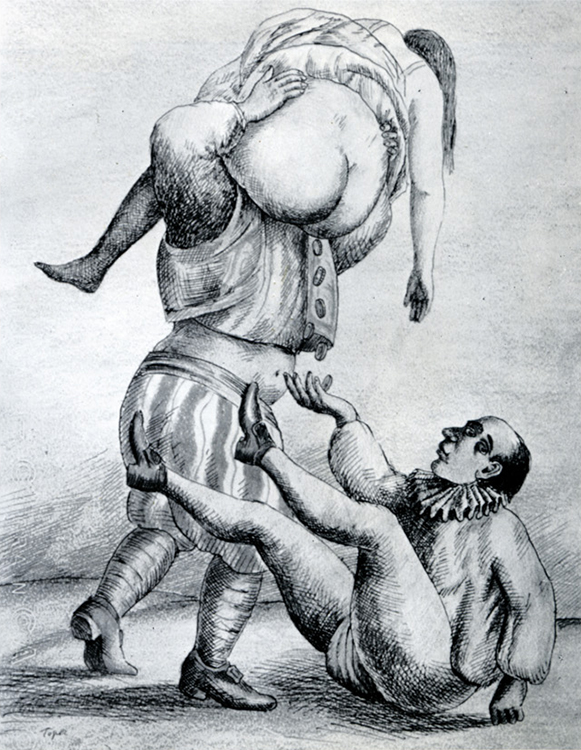
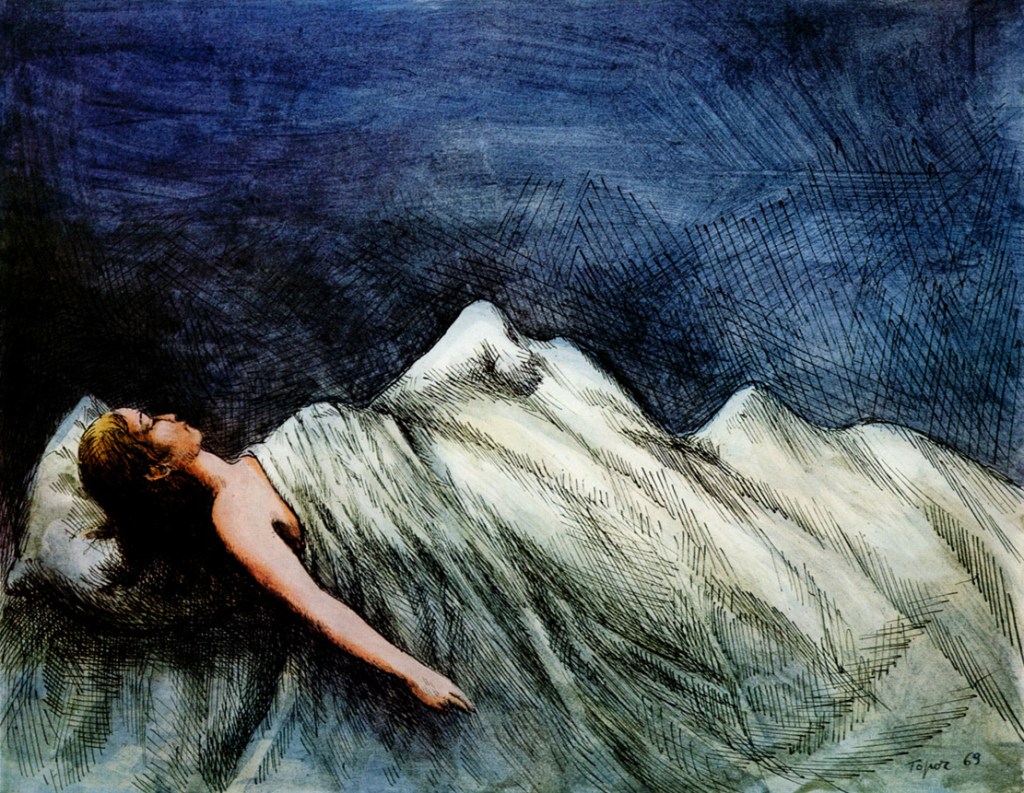
Uzanmak İçin Güzel Bir Yatak. Mürekkep ve pastel / A Fine Bed to Lie On, ink and crayon, 1974

Topor* ROLAND TOPOR, 1938 yılında Paris’te doğdu ve 1956-58 yılları arasında Paris’te sanat eğitimi aldı. Çizimleri ve animasyon filmleri ile uluslararası bir üne kavuştu. Kendisini GRAPHIS’in 133’üncü sayısında okurlarımızla buluşturduk veardından 151. sayıda yine kendisini konu alan ikinci bir makale yayınladık. Bu makalede gördüğünüz eserleri, Zürih’teki Diogenes yayınevi tarafından Tagträume (Gündüz Düşleri) adıyla hazırlanan ve Paris’teki Editions du Chêne tarafından Fransızca olarak da basılan bir kitaptan alınmıştır. Eserlerin Almanca ve Fransızca isimleri bu kitaplardan alınmıştır ve çevrilmiştir. Sanat eleştirmeni Manuel Gasser, bu metinde Topor’un eserlerindeki Polonya ruhunu tartışmaktadır. Editör’ün notu.

Roland Topor’un çizimlerinin Hieronymus Bosch’un canavarlarıyla en azından bir ortak noktası olduğunu söyleyebiliriz: İzleyici, çizimlerde bir anlam bulmaya çalışır, zaman zaman karşısındaki gizemin anahtarına erişmeye yaklaştığını hissebilir fakat son raddede tüm teorileri kaçınılmaz olarak yanlış çıkacaktır.

Kabustan bozma bu resimler, şüphesiz ki psikanalistler için define niteliğindedir. Fakat Freud’un Leonardo da Vinci üzerine yazdığı makalelerden de bildiğimiz üzere psikanaliz, her ne kadar sanatçının ruhsal durumuna dair birçok şey söyleyebilse de, sanatçının sanatına dair verimli bilgiler sunamaz. Biz de burada Topor’un insani vasıflarıyla değil, sanatçı Topor ile ilgileniyoruz.

Konuya dair yüzeysel bir bilgi birikimine sahip bir izleyici için dahi Topor’un Sürrealist geleneğe sonradan dahil olduğu aşikardır. Buna rağmen, kendisi hiçbir suretle bir taklitçi konumunda olmamıştır. Topor’un korku tasavvurları ile kıyaslandığında, erken sürrealistlerin ortaya koyduğu kasvetli mizah oldukça zararsız ve masum kalmaktadır.
Öte yandan sürrealizmin, ortaya çıkışından yarım yüzyıl sonra bile diri ve taze kalabilmiş acı tatlı bu meyvenin hala lezzetini bu denli koruyabilmesi, onu diğer tüm sanat ekollerinden farklı kılıyor.

Topor’un hiçbir zaman “sürrealizmi hayata döndüren kişi” mertebesine ulaşamadığı doğru olsa da, bu büyük ölçüde modern eleştirmenlerin eskize ve karikatüre yeteri kadar saygı duymamasından kaynaklanmaktadır. Fakat şunu da belirtmek gerek ki, Topor’u bir karikatürist olarak sınıflandırmak, Bruegel, Goya ya da Picasso’yu da bu sınıfa dahil etmek kadar doğru ve aynı zamanda yanlış olacaktır.


Topor_1
Picasso’nun Talihi. Mürekkep ve pastel / Picasso’s Fortune, Ink and crayon, 1972

– ENGLISH –

  • ROLAND TOPOR, born in Paris in 1938, studied art there in 1956-58 and has since made an international name with his drawings and ani­mated films. He was introduced to our readers in Graphis 133, a second article following in Graphis 151. The drawings reproduced here are taken from a new book published by Diogenes Zurich, under the title of Tagträume (Daydreams) and in French by Editions du Chêne, Paris. Our German and French titles are taken from these books, while the English versions are our own translations or adaptations. The art critic Manuel Gasser here speculates on the influence of Topor’s Polish parentage on his work. Editor

Roland Topor’s drawings have at least one thing in common with the monsters of Hieronymus Bosch: the viewer would like to find a meaning in them, and occa­sionally he may have the feeling of being near to the key to their mystery; but finally all his theories inevitably prove to be wrong.

These nightmares turned pictures are no doubt a treasure trove for the psycho­analyst. But we know since Freud’s essay on Leonardo da Vinci that the psychoanaly­tical approach, while it can tell us a great deal about the mental state of the artist, cannot furnish any useful information about his art. And we are not interested, here, in Topor the human being, but only in Topor the artist.

It is quite clear even to the superficial observer that Topor is a late comer in the Surrealist tradition. But while he is a late comer, he is not by any means an imitator. For compared to his visions of horror most of the sable humour produced by the early Surrealists really appears fairly innocuous.

On the other hand, the mere fact that Surrealism can bear such toothsome if bitter-flavoured fruit half a century after its first emergence proves it to be possessed of a vitality and durability hardly equalled by any other school of art.

It is true that Topor has not been hailed as yet as a reviver of Surrealism; but this is largely due to the low esteem in which drawing in general and the cartoon in particular is held by modern critics. To which we should perhaps add that to rank Topor among the cartoonists is just as right or wrong as to allocate Bruegel, Goya or Picasso to this category.

If we pass the drawing and painting Surrealists in review, we are bound to note that the differences between them are much more marked than the resemblances. This is in itself not surprising; for no other movement has ever allowed greater freedom and spontaneity of personal expression to its exponents. One of the essential ingredients of the human personality is the hereditary disposition, which is to a large extent determined by one’s antecedents. For instance, by a Gallic cast of mind in Marcel Duchamp, by a Catalan lineage in Miró and Dali and by the Germanic strain in Max Ernst.

It was while walking through the National Museum in Warsaw that I first realized just how strongly the Polish element can be sensed under the surface of the imaginary world of Roland Topor.

Easily the most impressive section of this museum collection is the wing with the altars and panels from the second half of the fifteenth century. These represent the ‘hard’ or ‘broken’ style which, in Poland as elsewhere, followed the ‘beautiful’ or ‘soft’ style of international Gothic.

I cannot recall ever having seen so many representations of cruelty in any other single place. On all sides wretches are being beheaded, broken on the wheel, hanged, drawn and quartered; naked bodies are being branded, flayed, hacked to pieces, eyes are being put out, breasts cut off, ears slit, men castrated and women raped. And all these horrors are presented with a cool objectivity, a realism which does not spare the observer even the slightest detail.

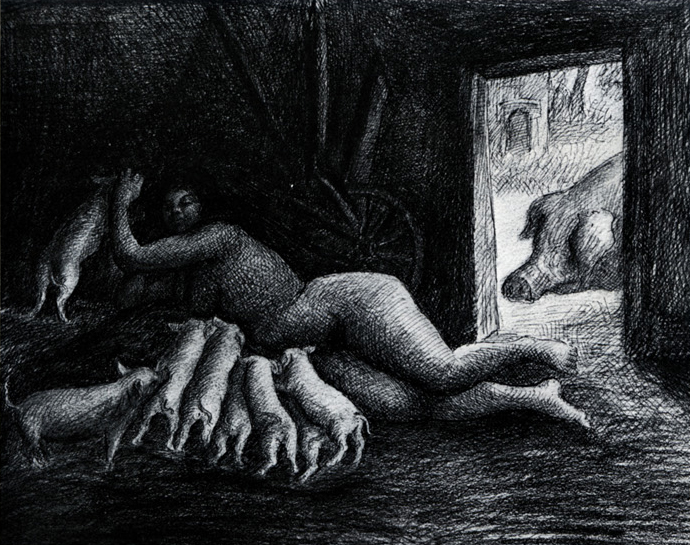
Roland Topor was born of Polish parents in Paris in 1938. I cannot say whether he has ever visited the chamber of horrors of the National Museum in Warsaw. But it seems to me that very cogent evidence can be put forward for the fact that he has the cruel and sinister imagination of those fifteenth-century Polish artists in his blood: Figure below of this article is a drawing entitled The Maternal Instinct which shows a naked woman lying in a pig-sty and suckling seven piglets, while she caresses an eighth with her hand.

Now there is an episode in the life of the Polish national saint, Stanislaus, which runs like this: during a war, the women of a Polish town had intercourse with strangers. King Boleslaus Smialy (the Bold) thereupon had the bastard babes born of this adultery suckled by bitches, while the whelps of the bitches were laid to the breasts of the faithless wives. This cruel punishment, against which the saint protested with great vehemence, is drastically portrayed on a wing of the Stanis­laus altar now kept in the castle of Pieskowa Skala.

Topor is hardly likely to be familiar with this retable, but the cor­respondence between his pig-suckling nude and the whelp-suckling adulteresses is to say the least striking.

*

Çizimler ve resimler üreten Sürrealistleri gözden geçirdiğimizde, aralarındaki benzerliklerden ziyade daha çok farklılıkların dikkat çektiğini belirtmek zorundayız. Bu durum hiç de şaşırtıcı değildir çünkü başka hiçbir akım, temsilcilerine bireysel ifade konusunda daha fazla özgürlük ve içtenlik imkanı sağlamamıştır. İnsan kişiliğininin en temel öğelerinden biri, soydan miras alınan tavır ve eğilimlerdir ve bu büyük oranda kişinin ataları tarafından belirlenir. Marcel Duchamp’ın Galyalı düşünce tarzı, Miró ve Dali’nin Katalan kökeni ve Max Ernst’in Germen arkaplanı buna birer örnektir.

Roland Topor’un hayal dünyasının derinliklerinde sezilebilen Polonya etkisinin ne kadar kuvvetli olduğunu ilk kez Varşova Ulusal Müzesi’i gezerken fark ettim.

Müzenin kolesiyonunun açık ara en etkileyici bölümü, 15. yüzyılın ikinci yarısından kalma sunakların ve duvar kaplamalarının bulunduğu bölümdü. Bu eserler, tıpkı diğer coğrafyalarda da olduğu gibi Polonya’da da uluslararası gotiğin ‘güzel’ ya da ‘yumuşak’ tarafını takip eden ‘sert’ ve ‘bozuk’ tarafını yansıtıyordu.

Daha önce zalimliğe dair bu kadar çok tasviri hiçbir yerde bir arada gördüğümü hatırlamıyorum. Dört bir yanda kellesi vurulmuş, işkence tekerleğine bağlanmış, asılmış, sürüklenmiş ve parçalanmış insanlar vardı. Çıplak bedenler kızgın demirlerle dağlanıyor, derileri yüzülüyor, parçalara ayrılıyor, gözleri oyuluyor, göğüsleri kesilip kulakları koparılıyor, erkekler hadım ediliyor ve kadınların ırzına geçiliyordu. Tüm bu dehşet soğukkanlı bir tarafsızlıkla, en ince detayları bile izleyiciden sakınmayan bir gerçekçilikle sunulmuştu.


Topor_10
Annelik İçgüdüsü, Dolma kalem ve pastel, 1973 / Maternal Instinct, Pen and crayon, 1973

Roland Topor 1938 yılında Polonyalı bir ailenin çocuğu olarak dünyaya geldi. Onun Varşova’daki bu müzeyi ziyaret edip etmediğine dair bir şey söyleyemeyeceğim. Fakat bana göre, 15. yüzyılda yaşamış bu Polonyalı sanatçıların zalim ve şeytani hayal gücünün, Topor’un kanında da mevcut olduğuna dair son derece ikna edici kanıtlar sunulabilir. ‘Annelik İçgüdüsü’ adlı çizimde bir domuz ahırında yatan bir kadının yedi domuz yavrusunu emzirdiği ve sekizinciyi de eliyle okşadığı görülebilir.

Polonyalı bir aziz olan Stanislaus’un hayatında şöyle bir olay var: Bir savaş zamanında, Polonya’daki bir kasabanın kadınları yabancılarla cinsel ilişkiye girer. Bunun üzerine kral Boleslaus Smialy (Gözüpek Boleslaus), bu ilişkilerden doğan piç çocukların köpekler tarafından emzirilmesini emreder. Kocalarına ihanet eden bu kadınlar da köpeklerin yavrularını emzirecektir. Aziz Stanislaus’un şiddetle karşı çıktığı bu zalim ceza, Pieskowa Skala kalesinde bulunan Stanislaus altarında apaçık tasvir edilmiştir.

Topor’un bu tasviri bildiğini söylemek pek mümkün olmasa da, onun domuz emziren nü çizimi ile köpek emziren sadakatsiz kadınlar arasındaki benzerlik, en hafif tabirle bile çarpıcıdır.


Topor 2
‘Bütünüyle Rüyada’ Dolma kalem ve renkli mürekkep, 1969 ‘In Full Dream’, Pen and coloured ink, 1969

It so happens that the name Topor shares its second syllable with both horror and stupor. It is not inconceivable that the name might one day come to designate a sensation in which horror and stupor are equally compounded. The reader of the future would then be able to look it up in his dictionary; Topor: a stupefying horror or horror-induced stupefaction, usually mitigated by laughter, so called from the name of the artist, Roland Topor, who first excelled in it. For the time being we can leave open the question of whether the mitigating laughter expresses more of human compassion or of diabolical glee.

Tesadüfe bakın ki Topor isminin ikinci hecesi, İngilizcede korku anlamına gelen ‘Horror’ ve sersemlik anlamı taşıyan ‘stupor’ kelimelerinin son hecesiyle aynıdır. Günün birinde Topor kelimesinin, korku ve sersemlik anlamlarını eşit derecede ifade eden bir kelimeye evrilebileceğini düşünmek çok da mantıksız değildir. Belki de gelecekte bir okur, sözlüğe baktığında şu tanımı görebilir: Topor: Genellikle bir kahkahayla yatıştırılan afallatıcı bir korku ya da korkuyla tetiklenmiş bir duyumsuzluk. Anlamını bu hissi en iyi ve mükemmel bir şekilde yaratabilen sanatçı Roland Topor’dan almıştır. Biz ise şimdilik bu yatıştırıcı kahkahanın, insanoğlunun merhametinin mi yoksa şeytani zevklerinin mi bir ifadesi olduğuna dair cevapsız bir soruyla karşı karşıyayız.

Orijinal Almanca metin: Manuel Gasser
İngilizce çeviriden Türkçeleştiren: Tunç Olcay


Topor (1)
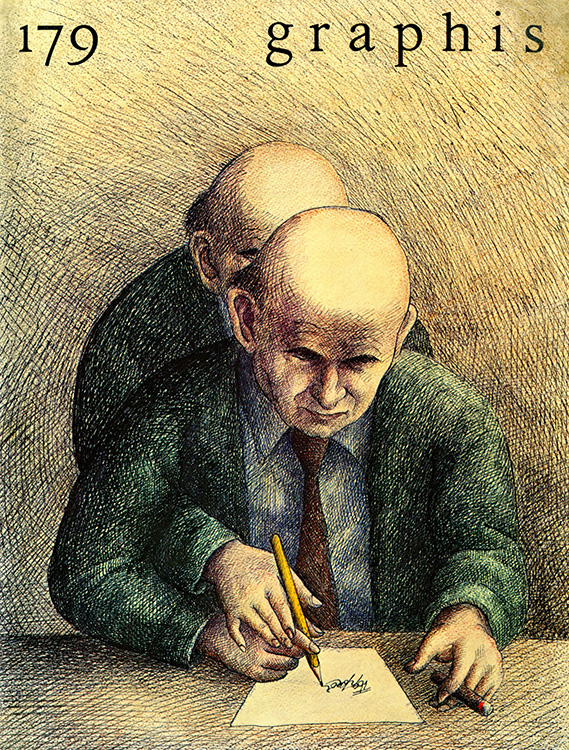
Roland.Topor-graphis.1975.vol.179

Zines Must Go On !

Nicolas Daniluk, 2016

Yayımladığımız fanzinlere aşağıdaki bağlantılardan erişebilirsiniz :

NP01 Müzik ve Özgür Müzik Üzerine Düşünceler / Şevket Akıncı

NP02 Ya Şimdi, Ya Asla / Miron Zownir

NP03 Bira Bardaktan Taşıyor, Bardaktan Taşıyor Bira / Altay Öktem

NP04 Yüzsüz Adam / Osman Çakmakçı

NP05 Sitüasyonist Manifestolar / Guy Debord

sevket_akinci
Şevket Akıncı, Kadıköy, İstanbul (2019)

Night Press, İstanbul menşeli bağımsız bir yayın organıdır.

Yeni Yıl DADA Eylemlerimiz tüm karanlığıyla devam edecektir…

Zines Must Go On !

The Poet of Radical Photography: Miron Zownir

berlin 2008
Miron Zownir, Berlin (2008)
01_miron zownir -photo - nico anfuso
photo: Nico Anfuso

‘Photographer, filmmaker, writer and club bouncer. Born in Karlsruhe he moved to Berlin in 1976, and left some years later for New York, Los Angeles and Pittsburgh. Radical Eye – The Photography of Miron Zownir was published in 1997 (Die Gestalten Verlag, Berlin) and contains some of the most disturbing images depicting human life ever seen. Furthermore, he is the author of crime novel Kein schlichter Ahgang and is currently writing a new novel. Parallel to writing and photography, he has been making several underground short films, like Skinhead lane which won several awards in 1993. Ten years later the documentary film Bruno S – Estrangement is death screened at the Berlinale. It deals with the life and tragic faith of old Werner Herzog actor Bruno S, which nowadays earns his living as a backyard musician in Berlin.’

In 70’s, most of the Turkish families moved to Kreuzberg as workers. In 80’s and 90’s, there were lot of attacks, clashes and deaths between Turkish and Germans based on racism. So, when you look all the way back, how do you remember this period? As an artist, how was the feeling, being a witness to all this tragic period?

Well, in the 70’s I was a draft evader, lived in Kreuzberg and worked as a temporary laborer doing many different underpaid jobs. During that period I had contact to many different foreign workers and I personally never had problems with any of them. Berlin at that time was politically pretty open minded and rather left wing. Open racism was rare and generally not tolerated by the majority of people living in Berlin. Of cause I can’t speak about latent racism which exists everywhere where different cultures mingle or clash especially among the underprivileged. But I must say even I who didn’t have any ethnical prejudice and was rather open minded, didn’t have any Turkish associates or friends at that time. Those Turkish immigrants I met didn’t speak much German and were not that open or interested in any contact beyond “Hello” and “Goodbye”. But there was no feeling of any hostility or animosity. It was just a feeling that there wasn’t much interest between Germans and Turks to mingle above the level of working or business relationships. I think it was the growing education, emancipation, political awareness and adjustment of a next Generation of young Turkish people that closed that gap especially in Kreuzberg. But again that is a rather new development of inter ethical understanding, a process that probably developed during the last ten years. The 80’s and 90’s were a rather confrontational time of open racism from both sides. Initially provoked by rightwing Nazi Idiots after the fall of the wall, many young Turks in the 90’s where violent and racist as well, as I encountered myself when I got attacked several times because I was German and had a shaved head. Frustration and hatred makes blind and there was enough of that but still it never blew up to a riot and the majority of Turks and Germans never felt hatred for each other. Let’s say at the most they felt uncomfortable with each other. Of cause my recollection is very subjective. I was never pro or against anyone out of principles or prejudice but after all those Turkish people were Underdogs and had a hell of a lot more reason to be angry than any stupid Nazi.

Let’s say in the 70’s relations were mostly indifferent, in the 80’s partially overheated and fanatic, in the 90’s more openly racial and violent and since the early new century much more relaxed, creative and sympathetic. But my recollection from the 70’s to now is interrupted by 15 years. From 1980 to 1995 I lived in the States. The most outrages crimes on Turkish people that I’m aware of were probably those killings by the NSU and the dubious disinformation tactics by the German authorities. And that arson attack on a Turkish Family in Solingen. But that didn’t happen in Berlin and I only red about it.

4.1.2
Miron Zownir, New York City (1983)

Have you ever interested in sub-cultural movement which Turkish youngs created in Kreuzberg? 

That was definitely the time I missed out. But one thing I remember. In the 70’s you didn’t see many Turkish kids playing football. That probably also started in the 80’s and definitely helped to integrate or at least to communicate with each other. Even now it is a common interest of German and Turkish workers. They finally found their common heroes. That doesn’t sound big but it is.

On a cultural level, yeah there were many initiatives among Turkish kids that probably started in the 80’s in Kreuzberg that aroused interest among culturally interested Germans. I think it was mostly Theater Groups that started a mutual cultural interaction.

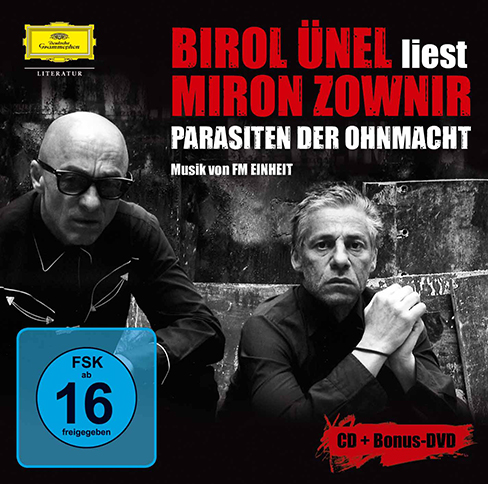
Cover_Parasiten_Hoerbuch small
‘Parasiten der Ohnmacht’ audio-cd

How did you meet with Birol Ünel?

I met with Birol about 6 years ago at a common friend’s home and worked with him on several projects. First we did an audio book called ‘Parasiten der Ohnmacht’. Birol was reading my short stories and FM Einheit (Ex –Einstürzende Neubauten) composed and perfomed the soundtrack. We did several reading tours of ‘Parasiten’ with and without FM Einheit. After that Birol Ünel played the lead in my last short film ‘Absturz’ and recently I casted him for my latest full feature film ‘Back to Nothing’, in which he plays a man obsessed with death. For me Birol is one of the greatest actors in Europe but he is very publicity shy and many people claim he is hard to deal with, which is a prejudice I can’t agree with. I’ve never found him difficult and everything we ever did was a great experience for both of us and everybody who was involved. He is very creative, has an incredible expressivity and gives always everything if he is convinced it is worthwhile his effort. As a matter of fact I just met him a couple of hours ago and he told me he is supposed to play Yılmaz Güney, a famous Turkish director, in the next Fatih Akın film. He also told me he would love to do a reading tour in Istanbul with ‘Parasiten der Ohnmacht’. But who should understand it, it was written in German?

What do you think about Fatih Akın? He’s not focusing on underground themed movies any more I think, right? 

Well I only know two films of him and of cause I like ‘Gegen die Wand’ the best. A movie for which Birol not only contributed his great acting skills but also a lot of ideas while developing the script. But you are probably right I don’t think Akın is focusing any more on the Underground since his budgets get bigger and bigger.

0026_Moskau_1995
Miron Zownir, Moscow (1995)

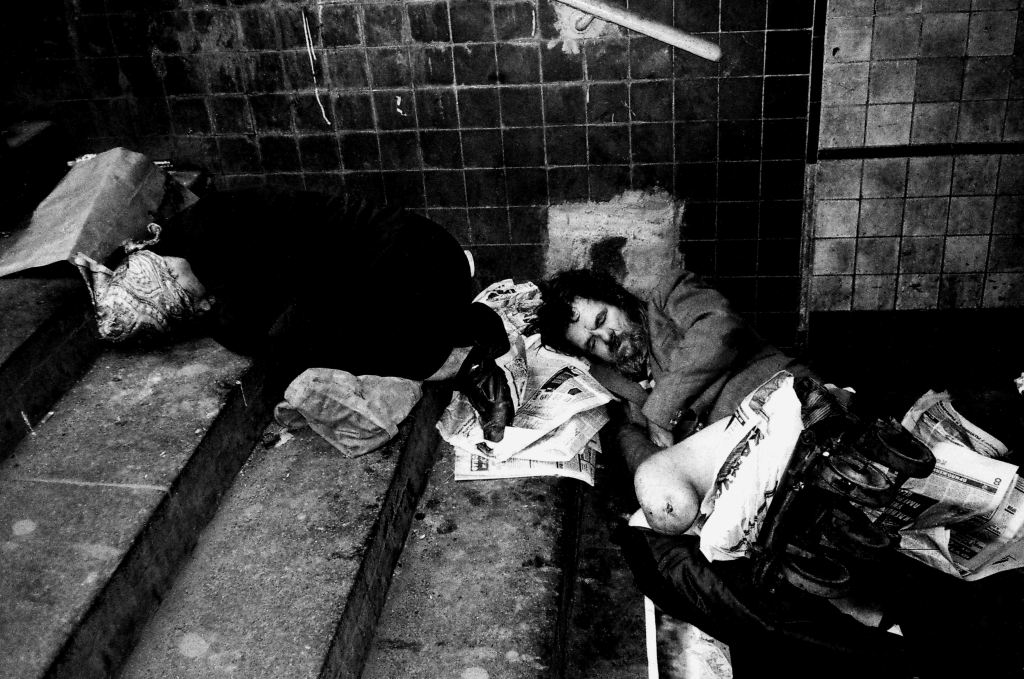
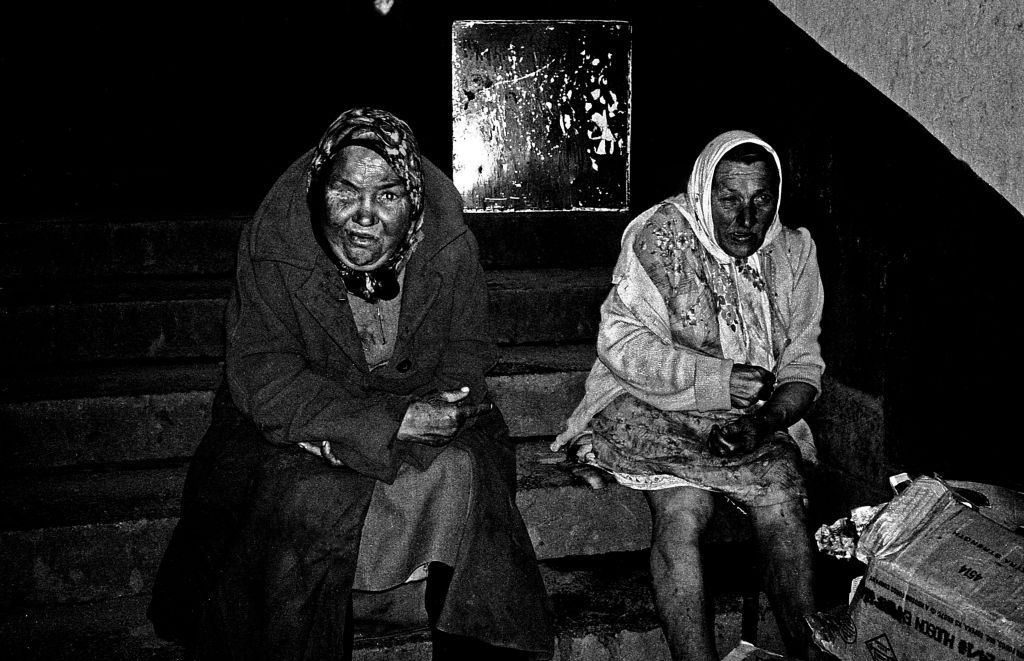
So much poverty, suffering, frustration, ignorance and violence that I changed my objective and started to document this dramatic change from Communism to aggressive Capitalism.

One of my old friends told me about Weegee. That he listened the police radio and went to the crime scene before the police and photographed the area. Why does a photographer has such a motivation?

I don’t know about Weegee’s motivation why he did what he did, but in my case my focus of photography was always on the outsiders, underdogs, outcasts, rebels or misfits. I very much focused on sex and violence from the beginning. But when I went to Moscow to document the nightlife scene I encountered so much poverty, suffering, frustration, ignorance and violence that I changed my objective and started to document this dramatic change from Communism to aggressive Capitalism. People where openly dying on the streets from hunger, thirst or diseases and nobody came to rescue them or offered them any kind of comfort. I couldn’t just close my eyes and ignore this unbelievable situation. So my motivation to photograph dead or dying people grew out of the horror of what I was facing, a modern day inferno of greed, ignorance, pain and death. Death is the beginning and the end, something everybody has already experienced and something everybody has to face again. The greatest mystery of all, even though it is so close and always present. But the way those miserable people died in Moscow in 1995 on the streets was so unnecessary and disgraceful.

moskova 1995
Miron Zownir, Moscow (1995)

We would also talk about the old war painter Otto Dix. The desire of being close to the death, facing with it and melting in it; have you ever felt similar desires? 

Otto Dix was a world war 1 veteran and pretty much traumatized by the senseless massacres he experienced. For him his paintings probably had an effect like therapy, it was his mental tool to release all those nightmares that tortured him during combat and afterwards when it was virtually over. Emotionally and psychologically he never really escaped from it. I don’t have those experiences of openly tolerated bloodshed. I grew up after the Second World War was over. No. I’m not traumatized by or attracted to death and not that horrified either when thinking of my own end. I don’t have to create a situation where I’m melting into it, I don’t need a fetish like Bella Lugosi who slept in his coffin and I don’t have a preference for dying lovers like Edgar Allan Poe. I’m not eager to kill anyone and I don’t want to die yet. I don’t like wars and I’m not hoping for the end of the world. But I’ve lost quite some family members and friends and there is hardly a film I shoot or a story I write that doesn’t climax or end in any kind of disaster. You could refer to that subject for ever. But there are other subjects too and if you don’t want to lose your mind you better relax once in a while and focus on something else.

You’ve worked so hard on figurative photography and stories, maybe through years. After all these experiences, what is your aspect on human; do you consider the human being as a special creation of the God?

No. I’m an atheist. And the worst thing about man is that he thinks he is a special creation of god. Better than other species. A meat-eater! Well I’m a meat-eater too but I shouldn’t be. The way the meat industry provides you with food is humiliating and criminal. But that’s only one aspect to your question. I’m not a misanthrope. I met all kinds of people. I can’t generalize in blind categories of good and bad. You can’t make a quick judgment about mankind because you read newspapers, watch TV or because of your personal experience with a few of them. I’m still open for any surprise whatever the outcome will be. If I’d known already everything in advance why would I bother to encounter new experience in my real life or art. But I’m certainly afraid that mankind uses its ability to create and destroy in a way that is increasingly dangerous for the balance of mankind and nature. For the good of a few and for the worse of all others.

Scandal author Miron Zownir interrupts stage show of Birol Uenel & FM Einheit (Dec.2011)

True art is always underground, uncomfortable, edgy, controversial or at least unique and never the result of the goodwill of the establishment.

How do you consider life and of course what do you think about death?

Actually I believe you’re only born once. Whatever’s left of you after death might be an invisible element of nature like a molecule or atom but not really enough to contain consciousness. But there are millions of speculations and some ridiculous isms forced upon it by religion over the last thousands of centuries. People still get persecuted, punished or killed for the wrong believes and answers.

What do you think about art in our century?

Let’s say we live in a century of entertainment, vicious advertisement, ruthless marketing and manipulated values. Art is more and more becoming a tool for the rich to play with. They collect, speculate, boast with it and create a market and an opinion about what is good or bad art. What’s supposed to sell and what’s not worthy of buying. Artist are more and more reduced to act as vassals of powerful gallery owners and willful monkeys for the media. True art is always Underground, uncomfortable, edgy, controversial or at least unique and never the result of the goodwill of the establishment.

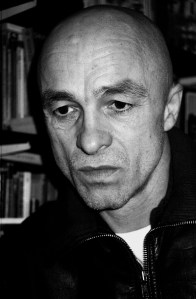
Miron Zownir


Letting out the id: Mark Beyer

raw vision
Mark Beyer

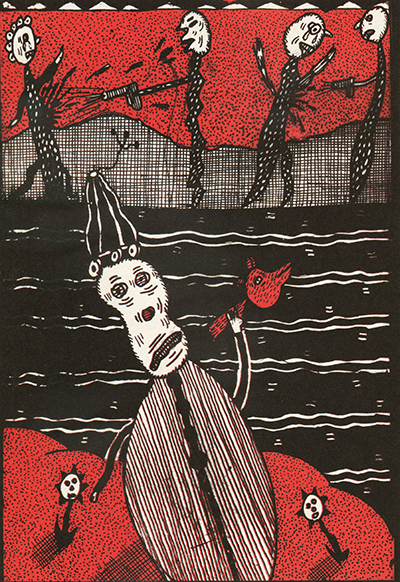
Biographical details about the reclusive artist and autodidact, Mark Beyer, are limited to a few lines of facts and dates. Looking online, nothing further is to be gleaned beyond that which is already published. Beyer does not have a personal website. It appears there is a single known photograph of him in the public domain. The only interview of any length appeared in issue two of Escape conducted by Paul Gravett in 1983, when Beyer was in London for the Graphic Rap exhibition at the ICA. For nigh on 30 years this remains the only commentary made by the artist about his work. Much to my surprise and pleasure, I have been in contact with Mark who has been most forthcoming in response to my numerous email questions as well as providing images from all periods of his creative life.

Although Beyer‘s reputation resides primarily within the comics genre, he has always painted, produced silkscreen prints and made soft dolls. His first exhibition, at the age of 27, was at Moravian College, Bethlehem, Pennsylvania, followed by a second two years later at the Greg Weaver Gallery, Allentown, Pennsylvania. Since then he has had a steady stream of exhibitions, but his impact on the art world has remained marginal. It would be true to describe his art as having cult status.

Mark Beyer (2) small.jpg
Mark Beyer

Born in Bethlehem, Pennsylvania, at the height of the baby-boom era, Beyer was an only child. At the time, his parents rented an apartment, but within a year the family moved to a house in nearby Allentown, a city 90 miles east of New York. Both of his parents were children of the Depression years. His father served in the American Air Force during World War II, then went on to own a small construction company. Beyer‘s relationship with his parents was difficult, particularly with his father. ‘He wanted a son who was an all-American kind of boy. A kid who enjoyed playing baseball and had an interest in eventually taking over the family business. I was just not that kind of person.’ As Beyer became older, their understanding and tolerance of each other deteriorated.

By the age of 13, the frustration that existed between father and son erupted into violence. ‘We would get into an argument and I would start throwing things around the house. One night when I was 15, I really went berserk and started smashing furniture and breaking everything in the house. My father called the police who came out and wanted to arrest me, but eventually they left.’ The consequence of this outburst resulted in Beyer being sent to a special school about 80 miles from Allentown.

The institution had the dual function of being a reform school and mental hospital, an environment where young criminal offenders and ‘juvenile delinquents’ would co-habit with others suffering from serious mental health problems. Punishment for any perceived failure to conform was dealt with by ECT (electroconvulsive therapy). ‘I knew a guy there who received shock treatment six times. I came very close to getting sent off to get shock treatment myself, but I always managed to avoid it.’ Beyer was introduced to a regime based on fear and repression, society’s most fundamental and primitive psychological strategy for controlling people, barring direct physical torture.

Finding himself in unstimulating surroundings, Beyer reverted to books as a way to occupy himself. ‘I would also draw little doodles in notebooks. It was mostly figurative work. Drawings of strange-looking people. I really didn’t think of what I was doing as art. It was just a way to kill time.’

mark beyer_small 01.jpg
Mark Beyer
  • Les Colmen: died in January 2013 and was a London-based sculptor, installation artist, cartoonist, collector and writer. He had published several humorous volumes of drawings and thoughts, including his most famous Meet the Art Students. Coleman was an enthusiastic collector of comic art and imagery and this article was his own concept and his last text before he died so unexpectedly.

Source: Raw Vision #78

For print works of artist:  lederniercri

Laurence Elliott

3.Machete Attack article lores
Newspaper cut-out

Acrylic & oil paintings & drawings in progress at the time, abstracted from portraiture.


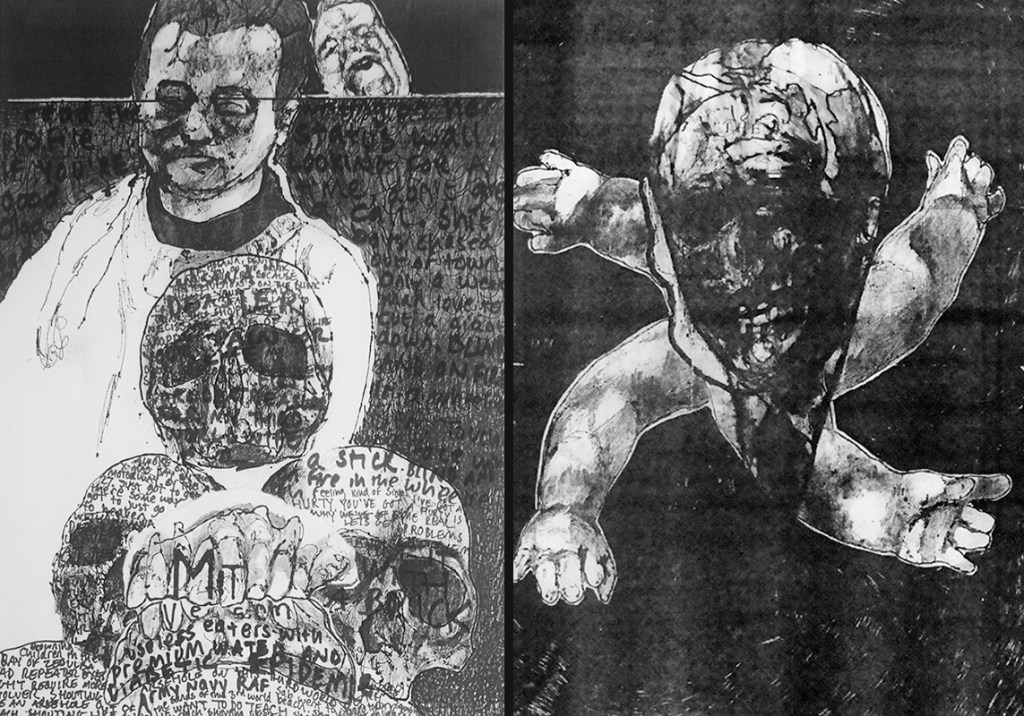
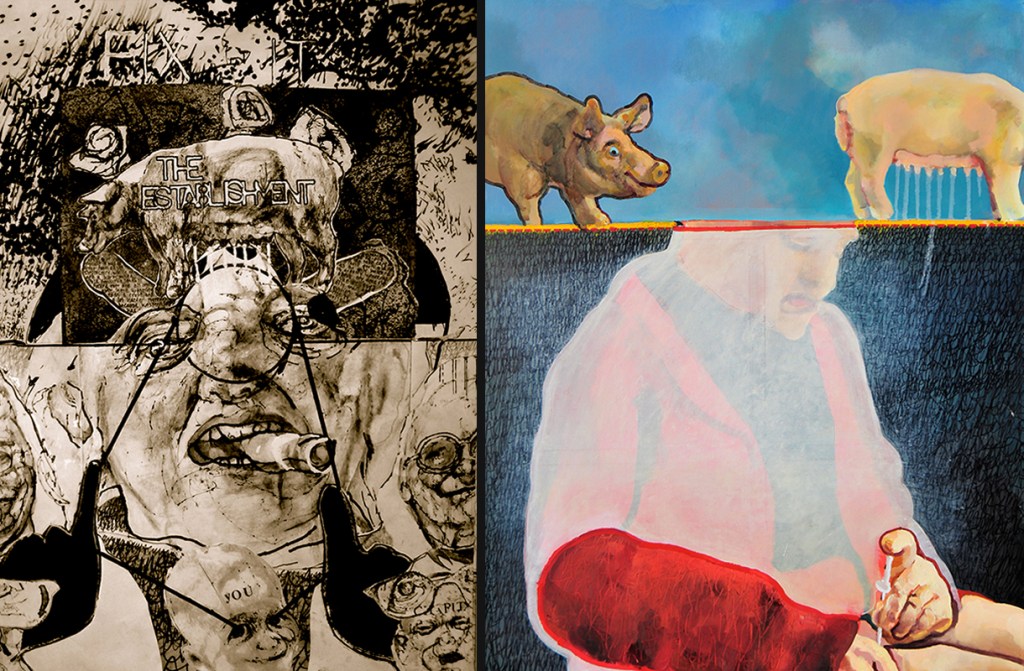
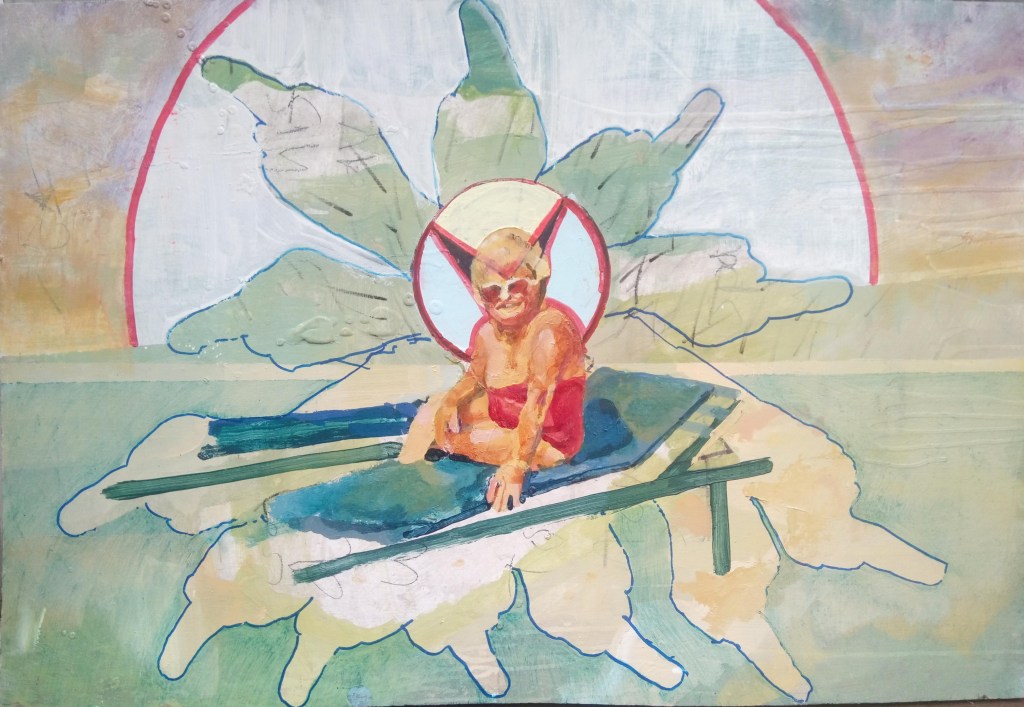
A certain accusatory drawing practice underpins work which goes from Painting, ‘compromised’ print-making (i.e stencilled), through to songs & books of drawings & rant (instruction manuals for exhibited work). I want my work to read as a big dirty cross referenced soup with source material plundered from everywhere. I’m interested in outsmarting & outdumbing complex issues with conventional portraiture elements. This is because as an attempted murder victim, I had to view 3 video id parades, nothing to do with how somebody carries themselves. It could’ve been anyone. In addition to this I make & keep new years resolutions in my work, so now all the clouds in my skies say stupid, all the land says lack on it. I graduated in 2003 from Glasgow School of Art, exhibited in Bloomberg New Contemporaries, Frieze Art Fair, Milton Keynes Gallery & the Berliner Kunstsalon amongst others.


Laurence Elliott 01
Laurence Elliot ‘Srebrenica lyrics’ Laurence Elliot ‘Parkinson Babyarms Swasika’

Çizim tekniğim pentürden, stencilvari baskılara, illüstrasyonlardan, sergilenmiş işlerin kullanım kılavuzlarına kadar değişik tarzları kapsıyor. İşlerimin ordan burdan talan edilip toplanmış her yere referanslar gönderen bir çorba olarak algılanmasını istiyorum. Karmaşık sorunlar karşısında basit görünen geleneksel portre tarzımla akıllıca cevaplar verme amacındayım. Bu da aslında cinayete kurban gitme teşebbüsüne üç kez maruz kalmış biri olarak insanların ne anlatmak istedikleriyle hiç bir alakası olmayan bir yığın şey görmemden kaynaklanmaktadır. Bunları yapanlar herhangi birileri olabilirdi. Ek olarak her yıl kendime verdiğim yeni yılda şunu yapacağım bunu yapacağım sözlerimi işlerime uygulamayı tercih ederim. İşte şimdi gökyüzündeki bütün bulutlar aptallığı gösterirken yerler de eksik olanları gösterir. 2003 yılında Glasgow Güzel Sanatlar Akademisi’nden mezun oldum. Bloomberg Yeni Çağdaş Eserler Sergisi, Frieze Sanat Fuarı, Milton Keynes Sanat Galerisi, Berlin Sanat Galerisi gibi yerlerde sergiler açtım.


Laurence Elliott 02
Laurence Elliott ‘Sir Jimmy establishment’s’  –  ‘Crossing the Brook’
Laurence Elliott
Laurence Elliott

laurenceelliott.co.uk