Christian Gfeller with his novel ‘Grauzone’ la Zone Grise (Bongoût) 2024
– Bourgeois de merde ! Vides de sens, vides de substance, résignés dans votre putain de médiocrité !
Henry savait être philosophe. Il attrapa le tube de Liqui Moly, en dégorgea deux noisettes de pâte sur un vieux chiffon qu’il étala et remit au petit Karl.
Henry
Les mains calleuses enduites de cambouis, les yeux gris clair brillaient de satisfaction. Henry s’essuya les paluches sur son froc, cracha au sol, le glaviot ricocha dans la poussière. Le carburateur de la Husqvarna CR250 tournait.
— Passes-moi la clé de onze, qu’il dit en direction du petit Karl.
Le gamin fouilla dans la caisse à outil, sortit la douze, la huit, la seize et enfin la onze. Le môme tendit la clé. Derrière la palissade de bois vermoulu passait un couple de trentenaire à vélos électriques, Henry les suivi du regard jusqu’à ce qu’ils disparaissent derrière la rangée de bouleaux.
— Bourgeois de merde ! Vides de sens, vides de substance, résignés dans votre putain de médiocrité !
Henry savait être philosophe. Il attrapa le tube de Liqui Moly, en dégorgea deux noisettes de pâte sur un vieux chiffon qu’il étala et remit au petit Karl. Le visage du gamin s’éclaira, il connaissait la procédure et se mit au boulot aussi sec. Henry se leva, fixa l’horizon, le ciel s’assombrissait. D’un geste de la main il arrangea une mèche de cheveux gras derrière son oreille, d’un coup de clé à molette décapsula la Berliner Pils tiède qu’il venait de sortir de sa poche arrière. Il faisait lourd en cette fin d’après-midi, lourd comme il peut le faire en été dans la plaine continentale de Prusse. Sur la petite radio portable le bulletin météo annonçait des orages avec vents violents, risque de grêle et d’inondations. Tandis que le speaker invitait les Berlinois à reste au sec, Henry descendit sa bière de trois grandes gorgées et refréna un relent d’écume de houblon. Le petit Karl briquait consciencieusement le réservoir orange de la moto-cross.
In Conversation with: Christian Gfeller and Bruce LaBruce. This interview is intended for adults only.
Christian Gfellerin a dangerous conversation with Canadian filmmaker Bruce LaBruce. They are speaking about LaBruce’s recent works and Death Book II.
John Sinclair “Der Pesthügel von Shanghai” 1983
Those who controlled these units had incredible power over those who had less, who in turn strove to please the powerful even at their own detriment, thus sustaining this pyramidal system of the power of a few…
A long time ago in a galaxy far, far away there lived a species of bipedal mammals, for the most part quite sad-looking specimens with a deficient and complex social system constructed around their apparently built-in bellicose and greedy characters. A tiny fraction of them controlled such a vast portion of food and resources that it forced a large portion of the remaining ones to suffer hunger, misery and often death. Of this tiny group, over half were obese and morbidly continuously craving for always more food. Many of them – although the real number is only subject to speculation – would sniff, inhale, inject, lick, swallow all kinds of more or less dangerous poisons in pursuit of minutes of pleasurable escape from their grim hopeless condition – or perhaps it was only out of boredom. But then again, a behaviour usually uncommon among intelligent animals was alarmingly wide-spread: a self-destructive drive that culminated in killing not only members of their own species, even blood relatives, but also themselves. Perhaps it was the result of their rigid and equally calamitous social organisations: one of its cornerstones was the system of exchange they had established, at first a trade of of physical objects, but then replaced by intangible units whose value was fixed by fantastical agreements, a giant calculus on which the well-being of the entire population depended. Those who controlled these units had incredible power over those who had less, who in turn strove to please the powerful even at their own detriment, thus sustaining this pyramidal system of the power of a few… All this while indefatigably all of them went about the business of destroying as much as they could of their surroundings: piercing holes in the skies, spoiling the waters, massacring the weaker species, ruining most green things which they depended on to breathe… fully conscious of the extent of the effects of their cataclysmic wreckage.
Well, I was telling this tale to my soulmate one day, lamenting the lunacy of mankind. Unfazed, she replied cooly: ” Yeah… anyway, one of these days a huge comet will hit Earth and then it’s all over, end of story.”
Good Lord, what clairvoyance! What a relief. Just the thought of it… I would just sit there peacefully, enjoying the spectacle. And then nothing… Since this would be the end of everything, I would not even miss anything after my death. No regrets.
Anyway. Welcome, sit down, relax and enjoy this first issue of L Y N X.
After strolling through the corridors of the Academy of Fine Arts in Liège during her training in monumental painting, followed by the study of Comics at St Luc in the same city, she left for Brussels to make new experiences. At that point she became active as an event planner in different locations, including the E2 Gallery “Le Sterput”. She became in charge of organizing various types of events, such as exhibitions, concerts, happenings, performances, editions, etc…
From this rich background built through involvement and connections, she aspired to get back to her first discipline, personal and current, the art of illustration. Anka also published a book of Darkam’s illustrations and recorded a very transgressive live performance held as part of the exhibition. Apart from this, we can’t help talking about the artist’s productions for many different collectives and publications such as ‘Gonzine’, ‘Alkom’x’, ‘EpOx et BoTOx éditions’. Also the latest works for the ‘Archives de la Zone Mondiale’ and a punk-rock photography classic ‘Dunkle Bitumen’ are some of Pauline Masha Constant’s remarkable works as a multidisiplinary artist.
We are back with another Bongoût classic, dear readers. This time Zezeah, one of our local Turkish talents, is on the cover with a grotesque drawing and we are really proud of this. As the fanzine cover suggests, the atmosphere is darkly otherworldly; with freehand drawings by Les Sœurs Siamoises and Joost Halbertsma‘s symbolic narrative accompanied by dense, detailed illustrations by Jurictus, Zezeah and Sam Rictus, and all this chaos is balanced by André Lemos’ structural graphic sense.
Joost Halbertsma x Zezeah, Bongoût n987 (Bongoût) 2024
André Lemos x Jurictus, Bongoût n987 (Bongoût) 2024
Sam Rictus x Les Sœurs Siamoises, Bongoût n987 (Bongoût) 2024
Bongoût n987 (Bongoût) 2024
We were surprised to see the studio, which usually produces works with a rock’n roll spirit, return with a fantastic, grotesque cast straight out of the darkness of Middle-earth. Beside this curatorially, it is a real masterpiece, and we hope you not to miss it.
Who is Ana Mendieta? brings the story of its eponymous central character into the public eye once again as a graphic novel detailing her career as an artist and her unsolved death.
John Reed/ therumpus.net
In 1951, Theodore Adorno asserted that “every work of art is an uncommitted crime.” The claim is powerful, not just in its insight, but in its exclusion of creative works made in the service of normative values. Propaganda, pop culture, are omitted by Adorno’s criteria.
2010’s Girls to the Front: The True Story of the Riot Grrrl Revolution, by Sara Marcus, set the tone for the 2011 documentary !Women Art Revolution (a film by Lynn Hershman) and MOMA’s 2011 rescreening of The Heretics (directed by Joan Braderman). The two films reassert the influence of women artists, ’60s forward, rekindling a revolution—not just feminism but a wholesale social insurgency—that is remembered in the haze of whitewash. Given our own era, heavily dominated by corporation and consumerism, the reminder is life itself: the revolution was going down, it was underway.
The difficulty: bringing radical thinking and radical works of art to the mainstream. Mainstream distribution—the arts are no exception—requires a product that’s market and advertising friendly. If a work of art eludes market value, longevity falls to the discretion of historians, academics, and popular opinion; Sotheby’s has no vested interest.
Anima, Silueta de Cohetes (Firework Piece) Movie • 1976
Caro Caron, Who Is Ana Mendieta? (Blindspot Graphics) 2011
Caro Caron’s drawings do not only illustrate Christine Redfern’s controversial story: they construct a real system of annotations which allow us to feel the indignation that the suspicious death of Ana Mendieta can arouse. The figures of women illuminate the main story and form like footnotes which enrich the text with sensations rather than references and manage to make us take this less and less obvious side step which reveals to what extent paternalism and ordinary sexism are scandalous. Caro Caron’s style creates an atmosphere of carnival nightmare that is ultimately much more adequate to reality than reality itself, filtered by an ideology that we are most often incapable of pinning down.
MSVU Art Gallery, 2012
XIA is a responsive system in which visitor’s presence triggers different emotional stages of a projected virtual character. In a darkened gallery space, on a luscious, luminous carnation ground, a velvety black charcoal bloom is both the setting and the trace of a captive’s struggle.
Body Tracks foregrounds the life and art of Ana Mendieta (1948-1985), whose career exemplifies feminist art practices of the 1970s and the backlash against that movement in the mid 1980s. Curator Christine Redfern shows that issues raised in the 1970s by artists like Mendieta continue to preoccupy contemporary artists. Included are a video, Anima (1976) by Ana Mendieta, an interactive video performance by Philomene Longpre,Xia (2011), and the original drawings from the graphic novel Who is Ano Mendieta? written by Christine Redfern and illustrated by Caro Caron.
Caro Caron ‘Who Is Ana Mendieta?’ 2011
In Who is Ana Mendieta?, the Feminist Press seeks popular opinion through the graphic novel. The newly released title launches a series, Blind Spot, that will invoke (in the words of the press release) “the spirit of revolutions past.” The cleverness of the vehicle is twofold: the use of broadly appealing comic and true crime elements; the direct appeal to a youthful audience seeking alternatives in the limited category of graphic books. Hill & Wang (Macmillan Publishing), with recent graphic biographies of Malcolm X, Trotsky, Ernesto “Che” Guevara, and “The Beats,” paves the way for radicalism in graphic non-fiction. The Blind Spot series, if Who is Ana Mendieta? is representative, brings dynamism and creative kicks to the graphic biography, which is all too often academic and artistically lackluster.
Mendieta, a New York feminist artist native to Cuba, is an obvious standard-bearer. Her prescient “earth-body” works—live sculpture, performance and documentation—feature her own body and the natural world. (New York University hosted an exhibition of Mendieta’s projects, “Where is Ana Mendieta?” in October of 2010.) Mendieta’s concerns and interests—alternative creative modes, the mysticism and magic of close-to-the-soil religions, the biological essence of life—are firmament to today’s arts world; a major retrospective of Mendieta’s 70 films is inevitable.
Mendieta’s ranging, decaying, breathing projects are counterpoint to the works of Carl Andre, with whom she shared a tempestuous six-year relationship. If Mendieta’s maximal projects didn’t quite have a market solution (what to sell?), Andre’s minimalism offered the perfect entrepreneurial explanation: less costs more. In 1985, the couple on the brink of divorce, Mendieta mysteriously fell from the window of Andre’s 34th-floor apartment. While Andre was acquitted of her murder in 1988, Mendieta’s controversial death crystallizes the political position of the Blind Spot series. The question, the history untold—whatever the answer—is where we begin.
Illustrated by Caro Caron, and scripted by Christine Redfern, Who is Ana Mendieta? resists passing judgment on Andre. Rather, the book looks at the death and scandal in the larger context of an art world and culture not nearly self-aware enough. The infuriating failings of the police are indicative of an establishment simultaneously self-righteous and inept. Mendieta, as an artist, had made her own body, prostrate, the subject of her documentary investigations—film and photograph. In a nauseating irony, the performance artist’s scene of death wasn’t photographed by the forensic team.
In this video CamiiW is talking about body artist Ana Mendieta.
Providing salient interview fragments and facts, Who is Ana Mendieta? is unhindered by a reductive “story.” Even Harvey Pekar, in his Hill & Wang graphic treatment of The Beats: a Graphic History, was force-fit into the narrative assumptions of the A&E biography: artist suffers, artist redeemed through recognition, artists suffers, etc. The model is in itself an arm of conservative propaganda: creativity is unhappiness, a sin that must be punished, or relieved through broad cultural acceptance; the artist must conform. The subtle insurgence of Who is Ana Mendieta?, and presumably the Blind Spot series, is the co-option of the pulp journal, which allows for a dissemination of information without a preordained moral.
In last year’s Graphic Woman, Hillary Chute explores 21st century autobiographical comics by women. Chute traces a weave of aesthetics and politics, which, with the dissolution of the American Comics Code in 2010, will only increase in the graphic category. With its considered construction and vivid reportage, Who is Ana Mendieta? heralds a better possible future, for the graphic book, for the arts, for the record of history, and for the revolution.
Her şey hep tekrar mı ediyor yoksa hiç geçmeyen tek bir anın içinde miyiz?
Sokak başında savaştan kaçmış bir aile dileniyor. Önlerinden soğuk yüzleriyle şık beyefendi ve hanımefendiler geçmekte. Arkada evler var, daha arkası karanlık ve tekinsiz. Az ötede duvar dibine yatmış bir köpek. Afişlerde yılışık suratıyla politikacılar, mükemmel arabalar, mükemmel memeler ve bacaklar. Kardeşliğe çağıran ve o kardeşlerin kimler olamayacağını sıkı sıkıya tembih eden hiç kesilmeyen şu vaaz. Ellerini ovuşturup bir yandan suratını buruşturan patron. Makinenin kopartıp attığı olmayan bir bacak, olmayan bir kulak, olmayan bir kadın, gırtlaklanmışın ağızından hiç çıkmayan ses… Her şey tıpkı bir Grosz resmi gibi. Ya da bir Grosz resmi bugün tıpkı her şey gibi.
Nil Göksel, 2019 // Big thanks to Andro Malis for the illustrations*
George Grosz ‘Addiction’ Drawing
George Grosz ‘Return to an Ordered State’ Drawing
George Grosz ‘F. Ebert, Moments of the Life of a Socialist’ Drawing
George Grosz ‘Those Who Continue Will be Shot’ Drawing
George Grosz ‘Let’s Go Pay the Righteous God’ Drawing
George Grosz ‘Fehrenbach, Very Christian Chancellor of the Reich’ Drawing
Grosz’un gözlerini alacağım. O gözlerle baktığı dünya nasılmış. Grosz’un gözlerini ve dünyanın o anki halini getirip bugün gördüğüm şeyin üstüne yerleştireceğim. Böylece çizgilerin titreştiği katman katman bir görüntü elde edeceğim. Bulanık bir görüntü. Bu toz duman çağına, bu karmaşaya başka nasıl bakılabilir? Anlama birbirine denkleşmeyen çizgiler boyunca gitmekle mümkün. Elbette Grosz’u, Grosz sanatını anlamak değil derdim. Bundan daha elzem şeyler var. Var mı?
Grosz’a soruyorum, var mı gerçekten anlamlı bir şeyler? Savaştan sonra hâlâ? “Hah işte, dada” diye cevabı yapıştırıyor dadacı Grosz. Develere yüklerini değil aslanlara anlamları neden sırtından attığını sor. Savaş ölüme, ölüm deliliğe yakın. Akıştaki olağanlığını kaybetmiş ve kültürün dehşet odağı haline getirilmiş ölüm savaşla kutsandığında bu sadece ölüp gitmek değil artık. Bir anlamla cepheye sürülmüş olmak, bir anlamdan ötürü öldürülmüş olmak ve aslında ne olup bittiğini hiç anlayamaz durumda olmak. İşte bu yüzden ölüm deliliğe yakın. Grosz’u askerlikten atmalarına neden olan belki bu türden bir delilikti. Sıkı bir delilik ile dada birbrine benzer ve şu özellikleri gösterir:
Dilsel dönüş
Felsefe tarihinde ortaya çıkan bu yaklaşım, aynı tarihlerde Dada olarak sanatta görünür. Ama Dada boğmak için sanatı dil okyanusuna sürükler. Gücü budur. Her şeyi tek başına dilbilgisi ayakta tutuyorsa her şey tam buradan yıkılmalıdır. Dada bu nedenle hazır malzeme olarak bisiklet tekerleri, askılar, gazeteler, fotoğraflar, pisuarlar değil dili kullanır. Dadacı yapıt dili yıkıma alan dilsel bir ifadedir. Nesneler dilsel göstergeleriyle çakışmazlar, başka adlar alır, başka bağlamlara, sentaksa konulurlar. Dilbilgisinin sökülmesiyle hazır düşünce ve kanılar tuzla buz edilir. Nesne, bağlamı ve dilsel göstergesi anlamın kurulabilmesi için izleyiciye iş yükler. Her izleyici bu işi başka başka yollardan yapacaktır. Dada şöyle der: Bir mektup bekleyip durmayın, Dada anlamı size postalamaz, onu bir zahmet sizin kurmanız gerekir.
Anlamların dağılışı
Dada dilbilgisine saldırır çünkü anlam oradan musallat olur. İnsan denilen şey olgular dünyasına anlamlar olmadan temas edemez ve o bir gezegen üstünde değil, ancak bir anlam dünyasının içinde var olabilir. Anlamlara zincirlidir: Belirli bir ahlâka, ekonomik ilişkilere, epistemeye, eyleme biçimlerine, hiyerarşiye, kutsallara, geçmişe, kimliklere, fikir örüntülerine.
Bir hayalkırıklığı olarak modernizm
Aklın zincirlerinden kurtulma çabasının doruk noktası modernizmdir. 20. yüzyıla kadar akıl dışının, deliliğin, bilmemenin yan ürünü olarak ortaya çıkan dogmatik otoritelerin beli kırılmıştır. Akıl her şeye yetendir artık. Böylece eski tanrısının, tanrılarının yerine geçer insan. Ancak tanrılık varoluşu biçer atar; kimi şeyi görünmez kimi şeyi düşman kimi şeyi kutsal kimi şeyi o kutsallar için kullanılacak basit araçlar haline getirir. Bu nedenle her zaman bir şiddet makamıdır. Birbiri ardına patlayan çatışmalar savaşlar, acımasız toplumsal koşullar, kültürel yapı, şiddet ve yıkımla insan tanrılığında kendi çirkin suratını görmüştür.
Otoritelerin yadsınması
Modernizmin yıkıcı yanıyla karşılaşınca insan bir yalan denizinde yüzdüğünü anlar. O çok parıltılı şeylere; ırk ulus din kimliklerinin yüceliğine, teknolojinin mutluluk getireceğine, sanatın kutsallığına, soyluluğuna ilişkin söylenen yalanlara artık bağlılığı kalmamıştır. Dada tüm bunlara hayır demektir.
Nihilizm
Dada nihilistir. Ama sadece belirli bir türde. Bunu Nietzsche ile anlamak yerinde olur. Nietzsche eleştirisinde modernizmin genetik kodlarını açığa çıkarır. Bu kodlar Sokrates ile birlikte yazılmaya başlanmıştır. Yüzyıllarca Batı düşüncesine egemen olmuş bu yapıya Nietzcshe Sokratik kültür der. İnsanı tek bir yanıyla, akıl yanıyla gören, ondaki her şeyi akıl ile terbiye etmeye, iyileştirmeye, dönüştürmeye, aklın himayesine sokmaya çalışan bir kültürdür bu. Yaşamdan kopmuş bu kültüre karşı nihilistten hayır diyen bir ses yükselir. Yeninin yaratılması için bir eşiktir bu yadsıma. Ne var ki o eşiği geçmek zordur. Hayır diyen varoluşu trajik biçimde kavrayabilen onun içinde ayakta durabilen, kendini ve değerlerini yeniden yaratabilen birine dönüşmelidir. Nietzsche iki tür nihilizm olduğunu söyler. Etkin nihilizm mevcut değerlerden kopuştur. Bir güç halidir ki bu hal kişiyi yeni bir dünya yaratmaya götürebilir. Daha iyi bir seçenek yoktur da. Çünkü bu yadsıma bu hiçlik halinde uzun süre kalmak mümkün olmaz, kimse bu kadar büyük ve yıkıcı gücü uzun süre kendisinde tutamaz. Eğer o güç yaratmak için kullanılamayacaksa dağılıp gider. O zaman nihilist soysuzlaşır, kitsch’leşir, yaşamayan ama toprağa karışıp bir türlü ortadan kalmayan çirkin bir cesede döner. Dada en fazla 10-12 yıl sürmüştür. Peki sonra ona ne olur? 50 sene sonrasında, 100 sene sonrasında?
George Grosz ‘Voice of People, Voice of God’ Drawing
George Grosz ‘Here There’s Smell of People!’ Drawing
George Grosz ‘Give to the Kaiser What is of the Kaiser’ Drawing
George Grosz ‘Vampires of humanity’ Drawing
George Grosz ‘The Appearance that Courts Should Have’ Drawing
George Grosz ‘Idyll of Postwar Period’ Drawing
George Grosz ‘Where Dividends are Initiated’ Drawing
George Grosz ‘And Where They End Up’ Drawing
George Grosz ‘The Nursing Home for the Workers’ Drawing
George Grosz ‘The Owners’ Drawing
George Grosz ‘For German Homeland and Morals’ Drawing
George Grosz ‘Gott Mit Uns’ Drawing
George Grosz ‘These People Could Work’ Drawing
George Grosz ‘German Discipline at the Front’ Drawing
George Grosz ‘The Gratitude of the Homeland’ Drawing
George Grosz ‘The Ruffians of Death’ Drawing
George Grosz ‘Recruitable’ Drawing
George Grosz ‘Behind the Front Line’ Drawing
George Grosz ‘The Young Revolution is Dead’ Drawing
George Grosz ‘Inimitable’ Drawing
George Grosz
George Grosz
Şimdi Grosz resimlerini, çizimlerini önüme koyacak, onların içinden bugüne bakarak şunu soracağım: Groszesk dünya ortadan kalktı mı? Dada’nın ardından nihilizm eşiğini geçtik, yeni bir dünya yaratabildik mi?
Aynı sahnede olamamak
Grosz mekânı bölünmüştür, en az iki parçaya. Bu bölünmeyi bir masa, pencere, sokak yapar bazen. Bazense basitçe bir çizgi çekilmiştir ya da nesnelerin ayrıklığı zaten kendiliğinden ortadadır. Arkada kızılca kıyamet koparken önde masa başında tıkınanları görürüz. Önde fahişelerle yapılan eğlenceler varken çizginin öte yanında işçiler umutsuz ve keyifsiz fabrikalara gidip gelirler. Kapitalistlerin para yığını üzerindeki hırslı sohbetini sokakta kederli yüzleriyle savaşın ve yoksulluğun yıktığı insanlar çevreler. Elindeki içki ile yarı çıplak kadın pencerede dururken sokakta bir ölü yatar. Herkes kendi sahnesinde kalır ve aynı sahnede olamayanlar birbirlerini göremez.
Grosz’un kübizmi kimi yerde ise görüntüyü paramparça eder. O zaman kırık camların üzerinde yürüyormuşuz gibi hissederiz. Neler olduğunu görebilmek bir yana dökülmüş saçılmışların, birbirine denkleşmeyen şeylerin, farklı zamanların farklı bakışların içinde bir yer bulup durabilmek olur mesele. Bu kübik etki nesneyi yakalamak için değildir. Kübizmdeki o Nietzschevari perspektivizm belli ki kaybolup gitmiştir. Nesne bulunamaz artık. Neye bakılacak? Anlamsız bir dünyaya. Hiçliğe. Her parçalanma bir ilişkiyi keser. Her bölünme gürültüyü çoğaltır.
Bugün önümüzdeki dünya tam da budur. Başka açılar sandığımız şeyler büyük yadsımalardır. Her şey o kadar büyük bir onaya bağlanır ki sonunda her şey birbirini yadsır. Büyük onay kavramlardan değillemenin çıkartılmış olmasıdır. Oysa her şey demeye gelen zorunlu olarak hiçbir şey demez. Anlam silinmiştir. Birbiriyle ilişkilenmeyen milyonlarca ayrı sahne. Bağlantı ya da karşılaşmalar olmadığında egemen imge/egemen söylem/egemen yalan kendisini sonsuzca tekrarlar. Konuşabilmenin, tartışabilmenin, eleştirinin olanağı ortadan kalkmıştır. Her sahne birbirinden kopuk olduğundan bir direniş bir dönüşüm bir yaratım gerçekleşmez. Bu postmodern zihin durumda başkasını anlamak hayal olur. Herkesin öteki olarak, bir farkla ortaya çıkıyor oluşu, herkesin kendini bir farkla başka şeylere kapatıyor oluşu birbirine değmeyen sonsuz bir sahneler yığını oluşturur. Yeni bir söz yok. Yeni bir şey yok. İşte bu edilgen nihilizm, işte bu dekadandır.
George Grosz
Makineler
Grosz bilir ki insan makineleri değil, makineler insanı yapar. İnsan bir robota dönüşmüştür; düşünmede, görmede, bilmede hatta aşkta, merhamette, hazlarda, tutkularda, inançlarda nasıl programlandıysa öyle işler. Robot köle demektir. Pis, tehlikeli ve aşağılık işler ona havale edilir. Makine-insan bu işleri yapar. Askerlerin kölesidir, savaşta ölüme yollanır. Politikacıların kölesidir sefilleştirici, hiçleştirici bir iktidarın meşruiyet zemini sağlar, bu iktidarı tahkim eder ve patronların kölesidir, maddi değeri ve kaynakları onların bahçesine sırtında başının üstünde taşır. Köleliğine rağmen şöyle söylerler ona: Her şey devlet, toplumsal kurumlar hatta sanat bile olağanüstü bir verimlilik içinde. Mayın tarlalarında, savaşlarda kopan bacaklar için protezlerimiz var. Öldürücü çalışma saatlerinden sonra Pazar günlerimiz var. Mutluluk hissinin taklit edilebileceği eğlencelerimiz var. Çocukları itaakâr kullar olarak yetiştirdiğimiz okullarımız, çalışmanın kutsallığını gözeten fabrikalarımız, iş yerlerimiz var. Yoksulluklara, kendini değerli görememeye, yıkıma, ölüme, acıya katlanabilmek için güzel dinimiz var.
Makine oluş ağır bir metafordur. Çünkü insanın doğası sanılır. Bizim çağımızda ise her şey zaten temsil olarak ortaya çıktığından metafor olanaksızdır. Biz köleliğimizle barışığız. Köleden başka bir şey olmadığımızdan eminiz. Metafor, ironi, mizah, hiciv gibi söyleme biçimleri; temaşa, usavurma, tefekkür gibi düşünme biçimleri bizim zamanımızda düzgün çalışmaz. Çünkü her şey bir gösteren olarak ortaya çıkar, hiçbir şeye işaret etmeyen boş bir gösteren. Dada çağında makine metaforu insanın suratına iyi bir tokat aşk edebilirken bizim için artık anlamsızdır. Makine-insan hatta birer sayborg olarak bizler oluş evreniyle temas edemediğimizden köleliğimizi kendimizden ayırt edemez onu düşünce nesnesi yapamayız. Bu yüzden sanki asıl köleler biz değilmişiz gibi makineler bizi köleleştirecek mi diye sorarız. Makineler bizi ele geçirecek mi? Makineler bizi işsiz mi bırakacak? Çağdaş insan kendi varoluşunu, içine tıkıldığı düzeni sorgulamak şöyle dursun onu düşünemez bile. Onun derdi elindeki tek şeyi kölelik mertebesini kaybetmemek, daha iyi bir köle olmaya çalışmaktır.
George Grosz ‘The return of Ludendorff’ Drawing
Dada yırtıcı bir aslandı. Oysa şimdi nihilizmin rezil tarafına düştük. Her şey Groszesk, dadadan bozma kiç.
Toplumun direkleri
Toplum kendini beslediğinden çok vampirlerini besler. Bu vampirler Grosz resimlerinde mutlaka görünürler: Politikacılar, din adamları, kapitalistler, askerler, iktidara çalışan gazeteciler… Beslenme düzenleri basit bir ilkeye dayanır: İnsan kendisini ancak korkusunda görür. Başka türlü var olmak henüz becerebildiği bir şey değildir. Her şey var olmak, varlığını sürdürmek isteyeceğine göre insan korkusuna bağlanacaktır. Öyleyse ona her zaman korkacağı şeyler icat et: Düşmanlar, şeytanlar… Onu tecrit, işsizlik, yoksunluk, yoksulluk, hastalık, ölüm ile tehdit et. Sürü böyle güdülür.
Biz bunlara şimdi bir de entelektüeli eklemeliyiz. Kendini evrensel akıl sanan belirli bir türden aklı safça aklın kendisi sanmıştır entelektüel. Aklın kalesinin artık düşmüş olmasından memnundur ama yine de orada burada akıl başını gösteriyor diye canı sıkılır. Eleştiri artık mümkün olmadığından sözcükleri karıp karıp tekrar dağıtır. Kavramların zemini kaymıştır, her şey bir biçimde meşru kılınabilir. Bu eğilimi çoğulculuktan çok tuhaf biçimde mevcut bir söylemin diktasına yarar. Kendi nesline gelmeden zaten düşünme alışkanlığı kaybolmuştur. Müthiş bir dilsel üslûpla konuşur yazar ama herkesin ancak becerebildiği kadar düşünmeyi becerir. Çünkü zihin işlerindeki tehlikeleri artık fark edemez. Fikirlerin önceki fikirlere ve yaşantılara bağlı olduğunu, titizlikle ve kuşkuyla yaklaşmak yerine bu kördüğümü dört başı mamur bir fikir sanmamak gerektiğini idrak edemez.
George Grosz ‘Spartacus in Court’ Drawing
George Grosz ‘Marburg’ Drawing
George Grosz ‘The Court of the Ruling Class’ Drawing
R A K K A
George Grosz ‘Killed While Trying to Escape’ Drawing
George Grosz ‘He Asked for Work’ Drawing
George Grosz ‘Peace on the inner front’ Drawing
George Grosz ‘Work and Not Despair’ Drawing
Fahişeler
Grosz kadınları, fahişeleri olmayan kadınlardır, kendileri olarak orada değillerdir. Erkeğin zamanın ağırlığını üstünden kaldırmak, kendinden kurtulabilmek, oyalanmak, savaş gürültülerini duymamak için kullanabileceği, cinsellikleriyle ya da evlilikle erkeği bir makineye çeviren kösnül nesnelerdir bunlar. Eğlence nesneleri.
Bu çağın insanı mutluluk sorusunu kendine asla sormaz. Bu soru onun kendi var oluşuna ilişkin başka soruları ortaya dökecektir çünkü. Her şeyden önce oluyor olması, kendi oluşuna bakabilmesi gerekir. Oysa o taş kesilmiştir. Nasıl mutlu olunur bilemediğine ve mutlu olamayacağına göre eğlenmelidir. Varlığını başka türlü yakalayamaz. Yalnızca oturup televizyon izlemek değil, onun yaptığı, yöneldiği hemen hemen her şey eğlenme arzusunun bir sonucudur: Hırsları, dedikoduları, hırsızlıkları, cinayetleri, çiftleşmeleri, tutkuları, kıskançlıkları, kariyer merakı, bilgi arşivciliği, yardımseverliği, uzmanlığı, üremesi, saldırıları, ibadetleri, meşguliyetleri… İnsan kendini kendinde değil korku ile eğlence arasındaki o korkunç salınımda kurar.
George Grosz ‘The Soldiers Go to the People’ Drawing
George Grosz ‘Post Mortem Unemployment Benefit’ Drawing
George Grosz ‘Reconstruction’ Drawing
George Grosz ‘For Patriotic Reasons’ Drawing
George Grosz ‘The Evening of the Holiday Day’ Drawing
George Grosz ‘Come to Me’ Drawing
George Grosz ‘Entrepreneurial Initiative’ Drawing
George Grosz ‘At Five in the Morning’ Drawing
George Grosz ‘Bavarian Penalty Cell’ Drawing
George Grosz ‘As the Masters So the Servants’ Drawings
George Grosz ‘Peace Assured’ Drawing
George Grosz ‘Swamp Flowers of Capitalism’ Drawing
George Grosz ‘the Pillars of Society’ Drawing
George Grosz ‘Perfect Democracy’ Drawing
George Grosz ‘German Philosophy in the World’ Drawing
George Grosz – Sonniges Land (Sunny Land – Sunlit Uplands), Germany, 1920
Hayvanlar
Grosz’un sokaklarında mutlaka köpekler olur. Bunun dışında Grosz resimlerinde bolca hayvanlaşmış insan ve sembol olarak ortaya çıkan hayvanlar görünür. Sokaktaki köpekler tasmalı süslü olduklarında aynı sahnede ve sınıfta olmayan insanlarının uçurumuna işaret ederler. Bu durumda köpek dilenciye, işçiye, savaşta yaralanmış askere bulunduğu sefil yeri, kendisine verilen değeri gösterir. Sahipsiz sokak köpekleri ise ıssız sokaklarda bir intihar, ölüm yıkım halinde ortaya çıkar. Kurbanın bir görünümüdürler, onun yerini işaretlerler böylelikle. Hayvanlaşmış insanlar para babalarının, politikacıların insanlıktan çıkıp nasıl korkunç bir yaratığa dönüşmüş oldukları gösterir. Anlarız ki Grosz’un resimlerinde neredeyse hiç insan yoktur, ya makineleşmiş köleler ya da kan emici canavarlardır hep gördüklerimiz. Bir iki sokak köpeği dışında neredeyse hiç canlı barındırmaz bu resimler. Temsiller, semboller olarak çıkan hayvanlar sadece retorik meselesidirler. Zaman zaman bir domuz kasabı belirir. Bu belirme Grosz için hemen görülmeyen, fark bile edilmeyen ama dünyanın en tepesinde mekanizmanın kilit taşını sanki ifşa eder. Dünya denilen tüm bu kanlı sahne bir domuz kasabının işgüzarlığıdır. Tam da bu nedenle her şey akıl almaz derecede saçmadır.
İnsan türü canlı mı? Çünkü ondan hiç ses gelmemektedir ve neredeyse hiç kıpırdamaz. Muhtemelen gözleri yoktur, bu yüzden bir yön duygusu geliştirebilmiş değildir. Ağacın kuruyuşunu duymaz, karıncanın yol alışını görmez. Zayıflığını güce taparak telafi eder. Hep bir şeyin uzantısı hep bir şeyin görüntüsü, hep bir şeyin temsilidir. İyi yurttaşın, belirli bir ahlâkın, dinin, milletin, falanca kimliğin bir örneği. Yaşamayan şeyler başka şeylerin nasıl farkında olacak? Adaleti, sükûneti, neşeyi, özgürlüğü nereden bilecek?
Dada yırtıcı bir aslandı. Oysa şimdi nihilizmin rezil tarafına düştük. Her şey Groszesk, dadadan bozma kiç.
George Grosz ‘What a Pity, Goodbye’ Drawing
*Illustrations are taken from book ‘Il volto della classe dirigente’ introduced by Giorgio Bocca, Published by Rizzoli, Milano, 1974
Arkadaşlar soruyor: “Dövüş Kulübü neden bu kadar özel senin nezdinde?” Kısaca, sıkmadan yanıtlayayım.
Bazı romanlar vardır, sadece biçim, kurgu gibi teknik nitelikleriyle değil, içerdikleriyle, sahip oldukları tinsel enerjiyle dönemin ruhunu yansıtırlar. Akıp giden hayat kapsamında, edebi vasıflarının tek başına belirleyici sayılamayacağı bir etki kapasitesine ulaşır, sıradan bir kurgu eser olmanın çok daha ötesine geçerler. Bir kuşağın, o kuşağa mensup bireylerin duygu ve düşüncelerine tercüman olur; onların dert edindiklerini, içlerinden geçirip bir türlü tam manasıyla ifade edemediklerini naklederler.
Yaratıcılarının onları kaleme alırken sahip olduğu motivasyonu, onlara yüklediği sembolik anlamları aşan nitelikler kazanarak kült statüsüne erişenler de çıkar aralarından. Bu romanlar zamanla edebiyat alanına içkin erdemlerini, psikolojik, sosyal, felsefi göstergelerle derinleştirir, disiplinlerarası/ötesi heterojen bir boyut kazanırlar. Okurlarıyla interaktif ilişkiler geliştirir; kolektif bilinçaltında bir roman olarak kategorize edilmekle kalmaz, bir yaşam kılavuzu olarak işlev görürler.
Chuck Palahniuk’un kaleme aldığı efsanevi “Dövüş Kulübü” de bu kapsamda değerlendirilmeyi hak eden, eşine az rastlanır romanlardan. Palahniuk, 20. yüzyılın son çeyreğinde kaleme aldığı “Dövüş Kulübü”yle, ütopyalardan mahrum bıraktırılmış, modern yaşam normlarına yönelik öfke biriktiren bir kuşağın başkaldırısına ses verdi. Kişisel planda sinizmi, saplantıları ve yüce amaçlardan yoksun oluşuyla öne çıkan bu kuşak, hayatın rutin akışına dair uyumsuzluğunu kendine has araçlarla inşa ettiği karanlık bir ironi üzerinden sergilemekteydi.
Yabancılaşmanın her alanda hüküm sürdüğü, “her koyunun kendi bacağından asıldığı” mottosunun genel geçer kural haline geldiği, yalnızlığın izolasyon boyutlarına ulaştığı bir tarihsel evrede soluk alıp veren her özne, aynen “Dövüş Kulübü”nün anti-kahramanları gibi, ancak içedönük patlamalarla, özyıkıma varan içsel hesaplaşmalarla hayatta olduğunun farkına varabilirdi. Dolayısıyla “Dövüş Kulübü”, küresel çapta hegemonyasını sürdüren modern endüstriyel uygarlık paradigmasına ayak uyduramayanların, kendi varlığını, var olduğunu doğrudan/dolayımsız biçimde hissetmek isteyenler nezdinde zenginleştirilmeye açık bir metin olarak kabul gördü.
Chuck Palahniuk vS Gökhan Gençay
Palahniuk, inanılmaz bir yaratıcılıkla ete kemiğe büründürdüğü dışlanmış, kıyıda kalmış karakterler ve onların derin bir umutsuzluktan güç alan eylemleri bağlamında günlük hayatın tartışılmaz kabul edilen normlarını otopsi masasına yatırmıştı. Kitle kültürü endüstrisinin pompaladığı tamamlanmışlık ve kusursuzluk temaları, değme felsefe kitaplarına taş çıkartırcasına sorgulanıyordu “Dövüş Kulübü”nde.
Düşünmesi bile rahatsızlık veren acı gerçekleri açık seçik dillendirmekten çekinmemesiyle nam salan Chuck Palahniuk, onların altında yatan kapsamlı sorunlara işaret ediyor, tüketim kültürünün dört bir yandan kuşattığı günümüz insanının kendi varlığını keşfe çıkmaya yeltendiğinde ne tür acılara göğüs germesi gerekeceğini, psikolojik açıdan yaşaması kuvvetle muhtemel savruluşları muazzam bir üslupla serimliyordu.
2000 SONRASI TÜRKİYE ÇAĞDAŞ SANATINDA POLİTİK OLMAYANIN POLİTİK OLANA DÖNÜŞÜMÜ
Barış Acar
Fantom’un politikaya dair söyleyecek bir şeyinin olması ve onun dinlenmesi, Arendt’in vurguladığı gibi, özgür ilişkilerden kurulmuş bir kamusal alanın varlığından suyunu alır. “Eşitler cemaati”nde Fantom bir özne kuvvetindedir. Esat Cavit Başak hakkında açılmış kamusal davalar olduğunu biliyorsak, bu da bize politika konusunda nerede olduğumuz hakkında fikir verir.
Herkesin politikaya dair söyleyecek sözünün olduğu bir ülke Türkiye. Rousseaucu düzlemden bakıldığında neredeyse toplumun kendi varlığı üzerine derin tefekkürlere daldığı, politik anlamda mükemmel bir sosyal yapı gibi görünebilir bu durum. Oysa ne yönetimsellik düzleminde ne de gündelik yaşantıda ulaştığımız neticenin bu olmadığını apaçık görebiliriz sanıyorum. Seçim öncesi bir sokak röportajında henüz reşit olmamış bir çocuk “Abi, bizim top oynamamız, yüzmeye gitmemiz, çocuk olarak bu tip şeylerle ilgileniyor olmamız lazım ama biz politika konuşuyoruz.” sözleriyle dile getiriyordu tepkisini. Her şeyin politik olduğunun gündelik bir realite olarak deklare edildiği bir düzlemde politikanın görünmez varlığı üzerine düşünerek başlayalım.
Politikanın Varlığı
Arendt, politikaya ilişkin bir tanımında insanın kendinde apolitik olduğunu söyler. Kişinin tekilliği içinde bulunabilecek bir şey değildir politika; ancak insanlar arasındaki ilişkilerde ortaya çıkar. “İnsani çoğulluk”a dair bir problemdir. Bu tanıma göre her şeyin politik olduğu yolundaki düşüncenin ilk etapta problemli olduğunu söyleyebiliriz. Kişinin bütün davranışını politik bir takım sayıntılara göre düzenleme isteği bizi [doğru yaşama dair önceden hazır olarak verilmiş] ahlâk yasalarıyla kuşatılmış bir nevi fundemantalist yaşam tarzına sürükleyecektir, ki bunun düşünülebilecek en yoğun baskı düzeni olduğunu söyleyebiliriz. Öte yandan, eğer ki politikayı dar anlamıyla yönetilenler ve yönetenler arasındaki ilişki olarak ele alırsak, onun yokluğu da “bizi tam olarak despotizme götürür.” Arendt’e göre, “politika maddi zorunluluklar ve fiziksel şiddetin son bulduğu yerde başlar.” Bu yüzden iki taraftan kuşatılmış zorlu bir denklem kurmayı gerektirir politik düşünce. Bu kuşatma elbette bir mekânda gerçekleşir. Antik Yunan’dan beri bilinen “polis” (kent-devleti) özgürlüğün ve politikanın kesişme alanını belirlemiştir. Bu kesişme bir kentin bir yurttaşı olma kipinde kendini gösterir. Bu yüzden politika öncelikle bir mekân problemidir; mekânda kimin nasıl yer tutacağı ve eyleyeceğini belirleme meselesidir. “Özgür ilişkilerden kurulu bir toplumsallık fikrinin yerleşmediği yerde kamusal mekân da oluşmaz”.“Özgürlük politikanın sonucu değil, başlangıç şartıdır.”
Politikanın varlık alanlarından birisi, yukarıda Arendt’in vurguladığı gibi, “özgürlük” ise bir diğeri “eşitlik”tir. Yasanın sınırı nereye koyduğu kadar kimin için koyduğu da politik mekânın tanımında yer almalıdır. Rousseaucu “toplum sözleşmesi” fikrini eleştirirken Althusser’in çıkış noktası burasıdır. Eşitler arasındaki ilişkiler şeklinde kurulmayan her toplumda, özgürlüğün temeli olacak konsensüsü sağlayan bir sözleşme aslında temel bir uyuşmazlığı, güçler arasındaki dengesizliği ve çatışmayı, örtbas etmek üzerine kurulmuştur. Althusser’e göre burada “uyuşmazlık” ilk olarak “…sözleşmenin iki tarafının kuramsal konumlarının aynı olmamasından ve Toplum Sözleşmesi’nin bir değişim sözleşmesi olmayıp, Sözleşme’nin ikinci Tarafının bir tüzük [anayasa] eylemi olmasından kaynaklanmakta”dır.1 Jacques Ranciere burada vücut bulan oyunu “sesin bedene mesafesi” olarak tanımlar. Yasayı koyan/ söyleyen ses ile yasaya boyun eğen/ onu onaylayan beden, adına özneleşme diyebileceğimiz bir oyun içinde karşı karşıya gelirler. Özgürlük ve eşitlik birer sözcük olarak değil, farklı güçlerin ilişkisi olarak karşımıza çıkar. Eşitlik, farklılıkların fark olarak bir aradalığının onaylanması üzerine kuruludur. Ranciere’e göre siyasetin bir arkhe’si (ilk ilkesi) bulunamaz, fakat onun bir görevi vardır: Uyuşmazlığın (farkı yaratan güçlerin) ortaya çıkarılması. Siyaset mekânı öyle düzenlemelidir ki özneler ve onların eylemleri görünür hale gelsin. Bu ise ancak eşitliğin varsayımsal öncül olarak kabul edilmesinden ve bunun sürekli olarak yinelenmesinden geçer.
2000 Sonrası Çağdaş Sanat
Avangard bir proje olarak yaşamın sanat haline getirilmesi fikri çağdaş sanatın devraldığı en önemli politik mirastır. Eylemleri, durumları ya da kavramları; kişinin özneleşme tarzlarının her birini sanat haline getiren çağdaş sanat devrimci politik bir eylemdir.
Nasıl ki her çağın kendi toplumsal/ politik düzenlenişleri varsa, her çağın sanatının kendi politika anlayışı olduğundan da söz edebiliriz sanıyorum. Belki devrim dönemleri gibi politik dönüşümlerin doruk noktasına ulaştığı dönemlerde sanat-politika ilişkisi korelatif anlamda daha sıcak bir renk verebilir ama neticede Rubens’in Medusa’sının da politik bir içerimi vardır. Phaidon’un Can Art Change the World? kitabının gösterdiğinin aksine sanat-politika ilişkisi sadece duvar resimlerinde ya da “yapıt” ile “halk”ın kesiştiği yerlerde gerçekleşmez. Yazımızın ilk bölümündeki tanımları yeniden gözden geçirecek olursak bu ilişkinin en az buralarda gerçekleşiyor olduğunu bile öne sürebiliriz. Çünkü sonuçlardır bunlar, başlangıçlar değil. Politika sonul içeriklerle değil, özneleşmeleri meydana getiren biçimlerle ilgilidir. Bu anlamda Jacques-Louis David’in Napolyon’undan ziyade Maleviç’in Siyah Kare’sinin devrimci bir politik müdahale olduğunu fark etmek gerekir. Çağdaş sanat adına 1960’lar Yeni Avangard’ının politikanın bu yüzünü en iyi anlayan sanatçılarla ve yapıtlarla dolu olduğunu söyleyebiliriz. Avangard bir proje olarak yaşamın sanat haline getirilmesi fikri çağdaş sanatın devraldığı en önemli politik mirastır. Eylemleri, durumları ya da kavramları; kişinin özneleşme tarzlarının her birini sanat haline getiren çağdaş sanat devrimci politik bir eylemdir. Ranciere’e dönerek “duyuluru yeniden paylaştırma” girişimi olarak adlandırabiliriz çağdaş sanatın varlık kipini.
Bir ütopya olarak avangard proje ölmemiştir; aksine onun çağdaş sanat içinde tam anlamıyla gerçekleştiğini öne sürebiliriz. Ne var ki kendi kavramını terk ederek gerçekleştirmiştir bunu. Çağdaş sanatçı dünyayı ötekine doğru sonsuzca açar. Bu noktada sorun ötekinin duyulurun yeniden paylaşımına hazır olup olmadığıdır. Olayın gerçekleştiği mekân duyulurun bu paylaşımı için yeterince hazırlanmış mıdır? Avangard artık bir ütopya değildir ve gerçekleşen bütün ütopyalar gibi ölümcül derecede sıkıcıdır. Bu sebeple 2000 sonrası çağdaş sanatını Geç-Avangard terimiyle ifade ediyorum. Artık herkes sanatçıdır, her edim sanattır –öyle görülebilir, ama sanat kendi devrimine geç kalmıştır ya da devrimi ona ulaşmayı beklemektedir.
Türkiye çağdaş sanat dünyasında, 1990’lardan başlayarak, bunun pek çok örneğini gösterebiliriz. Nüfus cüzdanının büyütülmüş bir kopyasına fotomontajla yapılan bir müdahale (Halil Altındere – Tabularla Dans) ya da sanatçının bir hip hop grubuyla birlikte hazırladığı, kentsel dönüşüme odaklanan bir video klip (Halil Altındere ve Tahribat-ı İsyan – Wonderland), Atatürk’ün Türban Şoray’la elele bir portresi (Memed Erdener – Extra-Mücadele işleri), İstanbul’da bir apartmanda mahalle sakinleriyle başlayan ve Almanya’ya uzanan bir komünal üretim projesi (Selda Asal – Apartman Projesi)… büyük politika sahnesinde, verili ideolojik kodları tekrar etmek yerine onların yaşamdaki karşılıklarını yapısöküme uğratan ve böylece başka bir politikanın mümkün olduğunu masaya getiren bir dolu iş sıralayabiliriz. Bütün bunlar ütopyanın nasıl vücuda geldiğinin ve aynı zamanda nerelerde tökezlediğinin dört başı mamur örnekleridir.
Esat Cavit Başak ‘Fantom Rules’ Serisi (2015)
Nova Kozmikova
Esat Cavit Başak’ın ya da mahlas ismiyle Nova Kozmikova’nın işlerine olduğu kadar işleyiş biçimine bakarak 2000 sonrası politik olmayanın politik olana dönüşümünü özetleyebiliriz sanıyorum. Başak, benim bildiğim kadarıyla, kendini hiçbir zaman bir sanatçı olarak tarif etmedi; etseydi de bunun bir önemi olmazdı, zira bu ünvanla yaşamadı. Endüstriyel tasarım okumuş biri olarak tekniğe meraklıydı. Onu cezbeden şeyin nesneler ve işlevleri arasındaki ilişki olduğunu söyleyebiliriz; nesnelerin yaşantılara dokunduğu yerlerde geçirdiği dönüşümler, bu dönüşümlerin dilde bulduğu karşılık ve bu ilişkinin yeniden dolaşıma sokulması.2
Başak, 1990’lı yıllarda, Türkiye’de yayımlanmış en dikkat çekici underground yayınlardan biri olan Mondo Trasho adlı fanzini yayımladı.3 Anaakım kültürel değerlerin erken bir ters yüz edilişi olarak düzensiz aralıklar yayımlanan Mondo Trasho, pop kültürün alttan bir okunuşu olarak değer kazandı. Başak’ın çalışmasının merkezini kolaj fikri oluşturduğu için fanzini seçmesi ve fanzinde kalması anlamlıdır. Üst üste gelişlerin, katmanlanmaların birikim olmadığı, kümelenmeler şeklinde birbirine eklemlenerek büyüdüğü ve her zaman yeniden kurulabileceği fikrini taşıyan kolaj, hakikatin biricikliği yerine politikanın oyununu koyar: Kartları her zaman yeniden dağıtabilirisiniz. Küçük yerleştirmeler, buluntu nesnelerle yapılmış çeşitli sanat yapıtları, Erdoğan’ın portresi ile petrolü birleştirerek yaptığı kolajı saymazsak çok fazla sergide yer almadı. Ancak ortaya çıkışından itibaren sosyal medya onun için mükemmel bir sanatsal oyun alanı niteliği oldu. Nova Kozmikova, Fantom başta olmak üzere çizgi roman karakterlerinden yepyeni kolajlar üreterek dolaşıma soktu. Pop sanatçıların miras bıraktığı alanı müze duvarlarından yeniden yaşamın sürdüğü yere (o yer telefon ya da bilgisayar ekranları da olsa) aktarırken felsefeyi, anti-felsefeyi, şiiri ve bunlardan yola çıkan kendi aforizmalarını gündelik yaşantıya bulaştırmayı denedi.
Fantom’un politikaya dair söyleyecek bir şeyinin olması ve onun dinlenmesi, Arendt’in vurguladığı gibi, özgür ilişkilerden kurulmuş bir kamusal alanın varlığından suyunu alır. “Eşitler cemaati”nde Fantom bir özne kuvvetindedir. Esat Cavit Başak hakkında açılmış kamusal davalar olduğunu biliyorsak, bu da bize politika konusunda nerede olduğumuz hakkında fikir verir.
Yazımızın başına dönecek olursak; her şey politik olduğunun dile getirildiği bir ortamda politikanın nereye saklanmış olduğu konusunda uyanık olmak gerekir. 2000 sonrası dünyada politik olmayan şeyler politikanın yeni nesneleri haline gelirken sanat hâlâ özneleşmeleri yeniden düzenleyecek güce sahiptir.4
Louis Althusser, a.g.e., s. 120. Burada sözleşmenin ilk tarafı tekil kişiler iken, ikinci tarafı olarak tanımlanan, “halkın egemenliği” tanımında olduğu gibi, kendisine “halk” adı verilmiş kurgusal bir tüzel topluluktur. Bu uyuşmazlığın kurgusu Ulrich Beck’in Siyasallığın İcadı’nda daha açık olarak şu şekilde vurgulanmıştır: “Siyaset bilimi, bilindiği gibi, siyaset kavramını üç yönde açımlayıp geliştirmiştir: İlkin, toplumun kendini örgütlemesi olarak siyasal kamunun kurumsal düzenini (Polity), ikinci olarak, toplumsal ilişkilerin biçimlendirilmesine yönelik siyasal programların içeriklerini (Policy), üçüncü olarak iktidardan pay almaya ve iktidar konumlanna yönelik siyasal tartışma/çatışma sürecini sorgular (Politics). Burada siyaset yapmaya ehil olarak görülen, birey değildir; siyaset biliminin sorgulaması örgütlü, korporatist, yani kollektif aktörlere dönüktür.” Ulrich Beck, Siyasallığın İcadı, (Çev.: Nihat Ülner), İstanbul: İletişim Yayınları, 2005, s. 159.
Nova Kozmikova’nın yapıtı Heidegger’ın Sanat Eserinin Kökeni’nden yola çıkarak nesnenin teknikle ve hakikatle ilişkisine uzanan politik bir uzamı değerlendirmek için biçilmiş kaftan olabilir. Bu fikri ileride gerçekleşebilecek bir proje olarak burada saklayalım.
Fanzinin Türkiye tarihi hakkında araştırma yapmak isteyenleri yönlendirebilecek iki kaynak olarak, Fanzineist Vienna’yı düzenleyen Deniz Beşer’i ve Löpçük webzine’i (www.lopcuk.org) yayınlayan Erman Akçay’ı gönül rahatlığıyla önerebilirim.
Burada sanat ve politika ilişkisi konusunda kendisine sıklıkla atıfta bulunulan Chantal Mouffe’un görüşlerinden tamamiyle farklı bir sanatsal güçten söz ettiğimizin altını çizmeliyiz. “Sanat pratikleri, duygusal tepkiler tetikleyen kaynaklar kullanarak insana duygulanımsal bir düzeyde ulaşmayı başarabildiği için yeni öznellik biçimlerinin inşasında temel bir role sahip.” (Mouffe, 2015: 116) “[Sanatçılar], yeni pratikler ve yeni öznelikler inşa ederek, mevcut güç konfigürasyonunun tahrip edilmesine yardımcı olabilirler.” (Mouffe, 2015: 124) Bu alıntılarda açıkça görülebileceği üzere Mouffe’un politika bağlamında sanata biçtiği rol basit bir araçsallığı temel aldığı için bizce ne kendi içinde ne de dışarıya doğru bir dönüştürme gücüne sahiptir. Bkz.: Chantal Mouffe, Dünyayı Politik Düşünmek – Agonistik Siyaset, (Çev.: Murat Bozluolcay), İletişim: İstanbul, 2015.
Esat C. Başak’ın 1992 yılında Kent FM’de Okan Bayülgen’in ‘Son Saatler’ programındaki röportajından..
In one of her definitions of politics, Arendt says that human beings are apolitical in themselves. Politics is not something that can be found in the singularity of the individual; it emerges only in the relations between people. It is a problem of “human plurality”. According to this definition, we can say that the idea that everything is political is problematic in the first place. The desire to regulate one’s whole behavior according to some political considerations would lead us to a kind of fundemantalist way of life, surrounded by moral laws [pre-given in advance about the right way to live], which would be the most intensely oppressive system imaginable. On the other hand, if we take politics narrowly as the relation between the governed and the governors, its absence “leads us precisely to despotism.” According to Arendt, “politics begins where material necessities and physical violence end.” Therefore, political thought requires a difficult equation surrounded from two sides. This encirclement, of course, takes place in a space. The “polis” (city-state), known since Ancient Greece, has defined the intersection of freedom and politics. This intersection manifests itself in the mode of being a citizen of a city. Therefore, politics is primarily a problem of space; it is a matter of determining who occupies space and how to act in it. “Where the idea of a sociality based on free relations is not established, there is no public space”. “Freedom is not the result of politics, but its initial condition.
MxNTxR & Rakun, 2023, Bostancı Underground
RAKUN x SOMON x CAPSO / Moda 2019 (Music by Deniz Erdem)
Suadiye, 2021
Suadiye 2022
Feride 2021
Erenköy 2021
Somon 2021
RAD DAR / Throw-up Graffiti / Kadıköy (Music by Deniz Erdem)
Rad Dar (2016)
A.İ.R. No:2 ‘Ütopya’ 2017
Rad Dar, Geiger, İskeletor, Ağaçkakan (2017) A.İ.R. Aksiyon sonrası
Suadiye 2021
Erenköy 2021
Yeldeğirmeni, Kadıköy, 2022
Yeldeğirmeni, Kadıköy, 2022
Yeldeğirmeni, Kadıköy, 2022
Rıhtım, 2023
Tekno-endüstriyel sistemin önümüze koyduklarını tarafsız, istenildiğinde sağlıklı biçimde kullanılabilecek araçlar olarak görmediğimiz ve burayı kimliğimizin asli parçası haline getirmediğimiz için Facebook’tan da özel bir beklentimiz yok.
Herkes “iyi yurttaşlık görevi” kabilinden kopyalayıp kopyalayıp sayfasında paylaşıyor ya, biz de geri kalmayalım bari:
Facebook burada paylaştığımız her şeyi istediği gibi kopyalayıp kullanabilir. Hatta ne kadar çok yerde kullanırsa o kadar memnun oluruz, malûm uyumsuzluğu duruş olarak benimseyen isyancıların sayısı ziyadesiyle az, dolayısıyla Facebook hazretleri sesimizi, sözümüzü, mesajımızı istediği yere taşıyarak bize yardımcı olabilir.
Sosyal medya ortamını bikinili, mayolu fotoğraflarımızı paylaşmak, sağa sola olta atmak için kullanmadığımızdan buraya eklediğimiz her fotoğrafı da istedikleri gibi tepe tepe kullanabilirler, hayırlı uğurlu olsun hepsine. Kontrol ve denetimin sistemin asli vazifesi olduğunun bilincindeyiz ve underground yayıncılık dışında saygı duyduğumuz bir mecra mevcut değil.
Sonuçta Facebook’u Facebook’luk yapıyor diye eleştirecek kadar naif veya salak da değiliz. Onlar kendi işini yapsın, biz de kendimizinkini.
Hem Facebook’a hem demokratik siber âlem yanılsamasına kapılmış “güzide yurttaşlara” selamlarımızı iletiyoruz. –G. Killa
Neon Nexus #02
‘Türkiye’nin ilk ve tek Cyberpunk dergisi’ ibaresiyle yayın hayatına atılan NEON NEXUS dergisi, geçtiğimiz aylarda çıkardıkları deneme sayısının ardından dopdolu bir ikinci sayıyla Ocak ayında kitapçılarda olacak.
Derginin yazar kadrosu bayağı geniş. Kapaktan kimlerin yer aldığını okuyabilirsiniz. Yeni sayının giriş öyküsü olan “Tik Tak!”ı bendenizin kaleme aldığını da belirtir, NEON NEXUS’a kayıtsız kalmamanızı hatırlatırım. William Gibson’a selam olsun! –Gökhan Gençay
Neon Nexus
Ve bir an geldi, şimdiki zaman onarılmaz bir şekilde ruhunu sakatladı. Daha sonra tüm hızımızla geleceği beklemeye başladık. Tahayyüllerimizde geleceği kurgularken, gerçek sıra dışı bir mekanizmaya bağlandı. Medeniyet onarılmaz bir şekilde uçurumun kenarına geldi, Artık geleceği bekleme sporuna katkı sağlamamız gerekti. Geleceğin karanlık sokaklarına ışık tutmak gerekti. Şimdi sizlerin ellerinde bir harita gibi duruyor.. Bir şişenin içine bırakılmış kehanet gibi. Hala aynı dilin konuşulduğunu umarak olasılıklar okyanusunda sallana sallana yol alıyor. Karanlık kurgular ile geleceğin gerçeğini değiştirmeyi umuyoruz. Felaket tebliğimizin esas sebebi budur. Cyberpunk türde ülkenin tek yayını olmamızı işte bu sebebe bağlıyoruz. Umudumuzu yitirdik. Bu sebeple kolları sıvadık. Bu yayın tüm zaman dilimlerinde “Yalnız Değilsin” yayınıdır. Keyifli okumalar dileriz. Gelecekte bol şanslar.
ICAF 2021 (Dave2000, Rafaël Houée, Zigendemonic & Daniel Cantrell)
Erman Akçay & Tunç ‘Turbo’ Dindaş, ICAF 2021
IST’74 Random Forest, 2022
Fanzinlerin Güncel Sanat İle İlişkisi
Fanzinlere Kuşbakışı
Şinasi Güneş,2008
Ticari ve profesyonel olmayan, düzensiz ve küçük miktarlarda çoğalan yayınlardır. Fanzinler, bazen elle hazırlanırken bazen de fotokopi yoluyla çoğaltılıp dağıtılan sınırsız bir ortamda üretilen anarşist bir yapıya sahip yayınlardır. Fanzinlerin birçoğunun üzerinde kimlik bilgileri yoktur. Çok sınırlı sayıda çoğaltılan bu yayınları bulmak kolay değildir. Fanzinler, özel ilgi alanları olan kişi ya da gruplar tarafından, yine bu kişi ve gruplar arasında fiziksel bağ kurmak amacıyla üretiliyor ve genellikle periyodik aralıklarla yayımlanmıyorlar. Fanzinler, alternatif kültür sanat mekanlarında, kitapçılarda, küçük dükkanlarda, kafelerde bulunabiliyor. Genelde kent kültürünün hakim olduğu yerlerde yayımlanıyor. Nitekim Anadolu’da kültür sanat komplekslerinin yoksunluğu ve buna paralel olarak sanatın dolaşımının olmaması fanzinlerin yeterince yayınlanmamasının başlıca sebebidir. Sanat fanzinleri ekseriyetle karikatür, posta sanatı , sokak sanatı, video sanatı gibi disiplinler ile kolaj, yapıştırma, elle çizim gibi tekniklerin kullanılması ile oluşur. Sanat fanzinleri, sisteme entegre olamayan ya da sistemin dışında kalan bireylerin oluşturduğu, popüler kültüre dayalı kurumsal ya da kurumsal olmayan ilişkilere alternatif başkaldırı nesneleridir.
Genç şairlerimizden Sühan Sürmeli
Şevket Akıncı, 2022
Jonah Freeman ve Justin Lowe, bu videoda küratörlüğünü Boo-Hooray’den Johan Kugelberg ile üstlendikleri ve ISTANBUL’74’ün sunduğu Rastlansal Orman: Bir Okuma Odası adlı sergiye ışık tutuyor.
IST’74’ün kurucusu, sinemacı Alphan Eşeli
Zines and Contemporary Art in Turkey
A Bird’s Eye View of Zines
Şinasi Güneş
Zines are non-commercial, non-professional, messy, and generally printed in small runs. Sometimes made by hand, sometimes reproduced by photocopy and distributed, they are publications that possess an anarchist structure, produced in an unrestricted environment. Many zines include no identifying information. Finding these publications is not easy since they are distributed in very restricted numbers. Zines are produced by individuals or groups with very particular interests with the intent of forming physical links between these individuals and groups and generally are not published on a regular schedule. Zines can be found in alternative culture and art spaces, bookstores, small shops, and cafes. In general, they are published in the arts-dominated districts of a city. As a matter of fact, the principal reason that zines are not published as much as they should be is the poverty of the artistic and cultural scene in Anatolia—and parallel to this, the lack of support for art. The majority of art zines are made up of cartoons, mail art, street art, and video art, using techniques like collage, cut and paste, and drawing. Art zines put together by individuals who are not integrated into the system or who remain outside the system are objects of rebellion and alternatives to institutional relationships and to the popular culture supported by institutions.
Marc Caro (Special Selections from Random Forest 2022)
Şenol Erdoğan ve Deniz Cansever’den imaj karşıtı bir queer şaheser
Zeynep Toker, yeni kitabı “Yeraltı Kütüphanesi” ile birlikte Koray Sarıdoğan’ı konuk ediyor.
Gizem Yılmaz ‘Kitty the Bitchy’, ve Kütük Fanzin (Random Forest 2022)
Special Selections from Random Forest 2022
Nick Zedd ‘The Underground Film Bulletin’ (Random Forest 2022)
AID Zine 2016
The Brief Turkish Experience
In 2002, an exhibition by Altay Öktem with the title Genel Kültürden Kenar Kültüre: 101 Fanzin (From General Culture to Fringe Culture: 101 Zines) opened in the Kargart arts center in Kadıköy in Istanbul. Many unknown zines were exhibited. This project was later brought out in book form by İthaki Press under the same title. After that, a “zine workshop” was put together by Eren Barış and Selda Tuncer in issue 5 of Siyahi (Negro), with the participation of zines with varying concepts and from various provinces. In 2005, a zine market was put together in Ankara. A similar project was realized in Izmir. Art zines were also displayed in this zine show. From October 7 to 18, 2006, I. Düş Günleri (Dream Days 1) were held in Izmir by the Hayalbaz Art Association. In addition to various exhibitions, performances, and workshops, there was a small zine show. Zines like Benzin (Gasoline), Düzensiz (Messy), Fanzin Fetus, 99KÇ, Albemuth, Tesmeralsekdiz, Psişik Kedi (Psychic Cat), and Çamur (Mud) were included in the zine event put together by Rafet Arslan.
Yeldeğirmeni, Kadıköy, 2022
Yeldeğirmeni, Kadıköy, 2022
Horasan Atölye Ziyareti 2021
Mustafa Hoca’dan inciler, 2019
Kadıköy, 2022
Şaşkın bakkal, 2022
Yeldeğirmeni, Kadıköy, 2022
Suadiye, 2021
Taksim 2014
Özge Ürer’den şehrin kötü çocuklarına
Suadiye, 2021
Dans l’atelier de sérigraphie Big Baboli tenu par Zezeah et son compagnon.
Reportage
Les artistes underground turcs ont Istanbul au ventre
par Marie Klock, envoyée spéciale à Istanbul publié le 23 avril 2023 / liberation
Face à une inflation galopante et un pouvoir répressif, nombre d’artistes ont préféré quitter la Turquie. Ceux qui restent ont vu leur situation encore aggravée par les séismes de début d’année, et fondent leurs derniers espoirs sur l’élection présidentielle du 14 mai.
Son crâne chauve happe à merveille la lumière du spot, sa voix théâtrale et puissante magnétise toute l’attention de la petite foule réunie à l’avant-dernier étage de l’immeuble Mısır, sis au centre d’Istanbul. Kübra porte un sobre tee-shirt rose, le même que quand on le rencontrait chez lui, plus tôt dans la journée. De la main droite, il brandit une sérigraphie, dans la gauche, il tient fermement une chaussure de sport. Son récitatif est savamment rythmé, ponctué de cris euphoriques quand une main se lève dans l’assemblée pour surenchérir. L’heureux acquéreur a droit à une ultime bourrasque vocale avant le «Satıyorum !» (adjugé !) qui clôt l’enchère, doublé d’un formidable coup de chaussure sur la table. Applaudissements. La vente est organisée par deux toutes jeunes structures stambouliotes, le collectif Siraen et le label XSM Recordings, en épilogue de plusieurs journées d’événements qui visent à récolter des fonds pour les victimes des tremblements de terre.
Nous sommes début mars, un mois tout juste après la série de séismes qui ont frappé le Sud-Ouest de la Turquie et la Syrie, causant plus de 50 000 morts et ravageant des villes entières – on parle de plus de 200 000 bâtiments à reconstruire rien qu’en Turquie –, pire catastrophe naturelle depuis un siècle dans un pays de la zone européenne. Le drame récent pèse lourd dans les esprits, d’autant qu’il survient dans un contexte d’inflation record – 84 % en un an – et de dépréciation galopante de la livre turque, qui a encore perdu 30 % de sa valeur en 2022. Ajoutez à cela les diverses restrictions qui jugulent graduellement toutes les libertés depuis le mouvement protestataire du parc Gezi, réprimé avec violence en 2013, complétez avec deux ans de Covid, et c’est à peine si vous oserez encore demander aux gens : comment ça va ?
Parmi le public des enchères, ce 15 mars, il y a notamment Zozo, DJ résidente et programmatrice du bar Tavern où mixent tous les jours des artistes invités. «Comment je me sens ? Pour être honnête : comme de la merde», confie-t-elle, la gueule de travers. Après le tremblement de terre, elle a cessé net d’organiser des événements musicaux, «par solidarité, pour participer au deuil». Elle venait alors tout juste de se remettre d’un sérieux burn-out ; depuis le début de la guerre en Ukraine, elle a vu déferler à Istanbul des artistes russes qui ont choisi de quitter leur pays.
Parmi eux, beaucoup de DJ qui la sollicitent pour venir mixer au bar. Elle se sent dépassée, ne peut pas accepter tout le monde mais doit bien répondre à tous les messages qu’on lui envoie, faire preuve de compréhension, dialoguer, accueillir la douleur… Elle ironise : «Je me sentais plus comme une psy dans un camp de réfugiés que comme une programmatrice musicale. Je n’ai pas été formée à ça.» Depuis son craquage en décembre, elle apprend à fixer certaines limites.
«Beaucoup d’artistes ont dû partir»
Depuis Paris, où elle a fui en 2007 après la prise de contrôle par des proches du pouvoir du journal qui l’employait, la dessinatrice Ramize Erer parle d’une «tristesse qui a couvert le pays». Elle a créé il y a douze ans un mensuel satirique entièrement réalisé par des femmes, Bayan Yanı, mais s’inquiète de ce que «beaucoup de dessinateurs et artistes ont dû partir pour des raisons politiques».
L’illustratrice Zezeah est, elle, toujours là. En 2011, cette trentenaire tatouée et son compagnon ont fondé l’atelier de sérigraphieBig Baboli et sont très investis dans la scène metal locale, qu’ils soutiennent en pratiquant des tarifs modiques pour les petits groupes qui leur commandent affiches ou flyers. Mais elle dit souffrir de l’«instabilité émotionnelle» du pays et de difficultés financières de plus en plus grandes qui «affectent sérieusement leur enthousiasme».
Elle constate avec lucidité : «On conjure le désespoir en créant encore et encore, mais le nombre de personnes qui consomment nos créations dans notre propre pays décroît sans arrêt. On a dû ouvrir une boutique en ligne Etsy pour vendre à l’étranger.»
Qui s’offre des sérigraphies quand le salaire minimum, bien que rehaussé à 8500 livres (environ 400 euros) en janvier, reste largement insuffisant pour se loger à Istanbul ? Derrière les quelques belles vitrines qu’offrent des événements médiatisés comme la Biennale d’art contemporain, les scènes musicales et artistiques dites underground tirent sérieusement la langue.
«Donner de l’espoir»
Quand on s’interroge sur les labels indépendants du coin auprès du disquaire Deform, il est un peu désolé – il y a bien tel petit label de K7 basé à Izmir, Vaykorus Tapes, tel autre, Tektosag, mais il a mis la clé sous la porte il y a deux ans… Deform est l’un des seuls magasins de disques indépendants à subsister côté européen, dans les abords ultra-touristiques de la rue Istiklal, chanceux de ne jamais avoir subi aucune augmentation de loyer en vingt ans grâce à une propriétaire bienveillante. Le truculent Kübra, qui habite un deux-pièces dans le quartier pas spécialement branché de Kurtuluş, énumère en comptant furieusement sur ses doigts : «Je vis ici depuis un an et j’ai vécu deux salves d’augmentation. A la base, je payais 3500 livres [170 euros] par mois. Puis c’est passé à 7000 [340 euros]. Maintenant, ils exigent 12000 [575 euros] – mais je m’y oppose !»
Comment s’en sortent ces artistes ? Beaucoup font le choix de partir, ceux qui restent cumulent souvent plusieurs petites sources de revenus, travaillent sans compter leurs heures et sont passés maîtres dans l’art du bricolage et de la jonglerie. Erman Akçay, tenancier d’un blog «qui ne [lui] rapportera jamais rien mais aspire à donner de l’espoir» sur l’underground d’ici et d’ailleurs, s’en sort en vivant toujours chez ses parents – ce brillant dessinateur nous montre une impressionnante série de fœtus malformés, sous le regard désolé de sa maman qui apporte le thé, mais c’est par diverses missions de graphisme qu’il gagne à peu près sa vie.
La chaussure avec laquelle le commissaire-priseur improvisé tapait sur la table a été offerte par Nike à une artiste dans le cadre d’un événement sponsorisé, l’artiste a donné sa paire de chaussures au collectif Siraen, Siraen a pu la revendre, en même temps que les œuvres. Bout de ficelle après bout de ficelle, la série d’événements a permis de récolter 56000 livres, soit près de 2700 euros reversés à trois associations. ♦
Kadıköy 2021
Varteres Durise – Absence (Live)
Engin Saatçılar & Serdar Asker (Radical Noise), ICAF 2021
Suadiye 2021
Suadiye 2021
Ünlü grafitti sanatçısı Turbo’nun bu bölümde konuğu Sulukuleli Tahribad-ı İsyan grubu oldu.
Feneryolu, 2022
Erenköy 2021
Erenköy 2021
Suadiye, 2023
The Little Match Girl – Kibritçi Kız (2004)
Kop-Art (Cop Art or Break Behind)
Began its print life in October 2006 as photocopies by Gamze Fidan, Cansu Aybar, and Zeynep Turuthan. Comes out irregularly. A “street couture” zine that has adopted collage as its mode of expression. A zine platform that brings independent visions to its audience with street art, critical media readings, alternative culture products, and surprise guests/topics.
Cyberpunk 1980’lerin başında edebiyat, müzik, sinema, çizgi roman ve bilgisayar oyunlarında kendini göstermiş bilimkurgu sanatının bir alt türüdür. Gerek edebi çalışmaları gerekse de kuramvari yazılarıyla akımın önde gelen figürlerinden olan Bruce Sterling cyberpunk’ı bilimkurgunun sokağa inmiş hali olarak özetlemiştir.
Cyberpunk ile bilimkurgu yaşama döndüyse, peki öncesinde neredeydi?
Bilimkurgu, post-apokaliptik senaryolarda yıkım sonrası hayatta kalma uğraşında, 1977’de Star Wars filmi ile yine alevlenen uzay operalarında, hard science fiction olarak adlandırılan türün ağır bilimsel detaylarında kaybolmuştu.
Katı mühendis bilimselliği, uzak gezegen ve geleceklerde süren maceralar ve kıyamet sonrası temaları 1970’lerin sonlarına geldiklerinde genç bilimkurgu fanlarını artık kesmiyordu. Tekrar eden, kalıplaşmış temalardan sıkılmışlardı, iş başa düşüyordu. Onlar Nazım’ın o güzel şiirinde dediği gibi “şarkı dinlemek değil şarkı söylemek istiyor”lardı. Ard arda fanzinler çıkardılar, kendileri gibi düşünenlerle bilimkurgu grupları kurdular, dağınıkta olsa örgütlendiler.
Bu gençler punk, post-punk, new wave ve endüstriyel müzik dinleyen sahnelerden geliyorlardı ve punk’ın “kendin yap/D.I.Y” etiği ile büyümüş çocuklardı. Hâkim söyleme karşı manifestosal bir karşı çıkış geliştirdilerse de belli yazınsal ve düşünsel kökler ile bağlar kurdular. Geniş bir esin sahaları oldu: J.G. Ballard, William S. Burroughs, Timothy Leary, Yargıç Dred’in yaratıcısı John Wagner, bilgisayar korsanları, pop sanat, sibernetik üzerine çalışmış bilim adamları, Jean Baudrillard…
Onlar televizyonun, radyonun, atom bombasının değil; kişisel bilgisayarların ve bilgisayar oyunlarının içine büyümüş bir kuşaktılar. Cyberpunk’ın en önemli yazarı William Gibson“sokak, nesneler için kendi kullanım alanlarını bulur” demişti. Cyberpunk’lar da yüksek teknoloji ve kaotik kent hayatının iç içe geçtiği Vancouver, Seattle, Tokyo gibi kentlerde ard arda pörtlediler.
Terim ilk yazar Bruce Bethke’nin öyküsünde geçti ve bilimkurgu editörü Gardner Dozois tarafından yaygınlaştırıldı. Akımın en önemli manifestosu sayılan William Gibson’un romanı Neuromancer 1984 yılında yayınlandı, artık mevzu totaliter devler ve atomize olmuş birey değildi; kurallar yeniden yazılıyordu. Yeni Romantikler genelde synthesizer kullanımını merkeze alan ve entelektüel kökler arayan bir çeşit punk sonrası müzik ve moda oluşumuydu. Duran Duran, Simple Minds ve Eurythmics bu kuşağın önde gelen müzisyenleri olmuşlardı. Punk sonrası glam rock androjen görünümüne ve romantizm akımına bağlanıyorlardı. Öncülleri olarak yıldız adam David Bowie vardı.
Neuromancer ile gelişkin teknoloji, çürümüş kent, yapay zeka, küresel mafya hakimiyeti, varoluşçuları anımsatan melankolik karakterler, insan ve makine arasında geçişkenlikler, dev şirketlerin av sahasında yedek parçaya dönen insan gibi türün abc’si olacak temalar bu romanda belirginleşiyordu. Sinema alanında işaret fişeği iki yıl önce Ridley Scott’ın Blade Runner filmiyle yakılmıştı. Film Amerikalı usta bilimurgu yazarı Philip K. Dick‘Androidler Elektrikli Koyun Düşler mi?’ romanından biraz serbestçe uyarlanmıştı.
P.K. Dick; başta Ubik, Karanlığı Taramak, Çığırından Çıkan Zaman gibi yapıtlarıyla öncül cyberpunk imgeler yaratmış olsa bile 1974 yılında geçirdiği mistik deneyim sonucu teolojiye yönelmesiyle genç bilimkurgu kitlesine biraz yabancılaşmıştı. Ama film genç cyberpunk kuşağının hayalindeki dünyanın ilk görsel tezahürü şeklindeydi. Epik görselliği, yüksek kalite sanat yönetimi ve Vangelis’in başarılı film müziğiyle unutulmazlar arasına giriyordu. İnsandan daha insan ve insanın insanlığını sorgulatan replicant’lar cyberpunk kuşağının ufkunu genişletti.
P. K. Dick bilimkurgudaki geleneksel eğilimlere baş kaldıran “new wave/yeni dalga” bilimkurgu ekolünün önde gelen Amerikan yazarlarındandı. Fakat new wave İngiliz icadıydı, New Worlds adlı bilimkurgu dergisinin etrafında toplanmış yazarlar tarafından yaratılmıştı. Derginin editörü Moorcock 1963’te şöyle yazmıştı: “Birçok bilim kurguda eksik olan şeylere hızlıca bir göz atalım. Kısaca bunlar genel olarak özlediğim niteliklerden bazıları- tutku, incelik, ironi, özgün karakterizasyon, özgünlük ve iyi bir üslup, insani olaylara katılım duygusu, renk, yoğunluk, derinlik ve genel olarak yazarın gerçek duygusu” demişti. Bilimkurguya hâkim olan teknoloji fetişizmi ve uzak gezegenlerde maceralar arayan kurgulara karşıydı. Moorcock yanında Brian Aldiss, J.G. Ballard ve Amerikalı yazar Thomas Disch’i almıştı. Deneysel ve avangard metinlere öncelik veriliyordu ve 60’lar özgür ortamı, Vietnam Savaşı, uyuşturucular, teknolojinin evlere inmesi, cinsellik öne çıkan konular arasındaydı. Aldiss bilimkurguya rock’n roll ritmini kazandırmaktan bahsediyordu; bu ton 70’lerde punk’a evrilecekti.
Cyberpunk’lar için en büyüleyici ve ilham kaynağı yazar J.G. Ballard idi. Gibson onun gibi tek cümle yazmak için günlerce uğraştığından bahseder. Sterling ise aramızda kim daha Ballardvari diye yarışıyorduk diye bu esinlenmenin altını çizer. Ballard bir düşünür, bir sanatçı ve şairdi. Bilimkurgu ile sürrealizm arasındaki özgün sentezinden içuzay, şimdiki gelecek gibi kavramlar türetmişti. Üslupçu bir yazardı ve özellikle kısa hikayeleri olağanüstüydü. Ballard’ın önce fasiküller olarak sunulup, 1970 ‘de kitaplaşan Vahşet Sergisi kitabı punk’ların aradığı sihirli şok imgesini vaat ediyordu.
Ballard yanında cyberpunk kuşağını etkisi altına alan diğer bir İngiliz yazar ise John Brunner’dı. İlk başlarda uzay operası olarak başlayan kariyeri 1968 yılında bambaşka bir yöne evrildi. William S. Burroughs’un cut-up kolaj tekniği, Dos Passos etkisinde deneysel yazım tekniklerini deneyerek kendine has bir tarz yarattı. Stand on Zanzibar, The Jadded Orbit, Koyunlar Hep Yukarı Bakar bu dönemin eserleriydi. Yazarın 1975 tarihli romanı Şok Dalgası Süvarisi ise cyberpunk’ların büyük ilham kaynaklarından biri oldu. Bu romanda kullandığı worm/solucan terimi bilgisayar literatürüne girdi ve ayrıca hacker’ları ilk tasvir edenlerdi.
Yeni Dalga bilimkurgu Amerika da özellikle Harlan Ellison’un editörlüğü yaptığı Dangerous Visions (1967) antolojisi ile fark yaratmıştı. Bu antolojideki otuz üç öykü, Ursula K. Le Guin’den Philip K. Dick’e dönemin bir çeşit ruhu özetleniyordu. Le Guin ilerleyen yıllarda bu antolojinin kıyameti kader gibi gören, karamsar ruh halini eleştirecekti. Antolojide Amerikalı yazarların içinde bir de J.G. Ballard öyküsü bulunuyordu.
Yeni Dalga, savaş sonrası kuşağın umutlarını, çekincelerini, korkularını ve umutları somutlaştırıyordu. Fakat 70’lere geldiğinde zaman değişmişti; kimse babası gibi giyinmek istemiyor, onun dinlediği müziklerden uzak duruyordu. 70’ler ekonomik kriz, 68 yenilgisi, Vietnam savaşının son bulması, kompüterlerin hayata girme sürecinin başlangıcı, yeniden körüklenen soğuk savaş atmosferiyle ilerliyordu. Döneme damgasını vuran nihilizmdi. Fakat bu sefer gençler varoluşçular gibi acı çekmek, eğlenmek istiyorlardı. Hatta isyanı bir eğlenceye dönüştürmek. Bu noktada punk hareketi sitüasyonist devrimcilerin bazı tavırlarını ödünç aldı.
Sex Pistols’un Tanrı Kraliçeyi Korusun çığlığı yeni bir dönemin başlangıcına işaret ediyordu. Ve peşi sıra kalabalık kentlerin varoşlarından cyberpunk’lar gelecekti.
DO NOT GET HOPELESS BECAUSE THAT’S A SIGN YOU GOT BITTEN AND INFECTION IS SPREADING.
TREAT YOUR BITE WITH KINDNESS, HOPE, BEAUTY AND LOVE
THEY ARE LIFELESS BECAUSE THEY HAVE LOST LIFE WITHIN.
DO NOT LET THEM TURN YOU INTO ONE OF THEM. TREAT YOUR BITE WITH INTEGRITY, VISION AND LOVE.
NO MATTER WHAT YOU DO, DO NOT ROT WITHIN.
YOU CAN INSPIRE A ZOMBIE WITH YOUR LIGHT AND BRING THEM BACK TO LIFE. EVERY STEP YOU TAKE HAS AN EFFECT.
AND DON’T FORGET TO TREAT OTHERS INFECTIONS WITH KINDNESS.
byLumineh
2023, İstanbul
Kentsel Dönüşüme Karşı,
Ruhsal Dönüşüm İçin Çağrı!
Rafet Arslan2008
“Kritik bir anda, herkesin dilindeki bir sokak şarkısının biçimlendirdiği bir hayat nasıl bir şey olurdu dersiniz?”
Son yıllarda şehrin horlanmış, kaderine terk edilmiş mahallerinde tuhaf bir şeyler oluyor. Dönüşüm gibi muhalif dilde önemli yer tutmuş bir terim üzerinden resmi otoriteler ve çok-uluslu kapital planlar yapıyor. Tarlabaşı, Sulukule, Balat… Öncelikle, bu mahallerin ne olduğuna kısa bir bakış atalım.
Bu bölgeler; yersiz yurtsuz kökenden beslenen Çingene topluluklarının, Anadolu’dan gelmiş burslu öğrencilerin, muhafazakar toplumsal cinsiyet kod sistemlerinin sapkın ilan ettiklerinin, hayat kadınlarının, çalgıcıların, artık toplayıcıların, hurdacıların, junky’lerin, akademik ya da entel olmayan sistem karşıtlarının, kendini izole etmiş psikotiklerin, gayrı meşrunun ve her türden mülksüzün zorunlu açık mahalle modelleri geliştirdikleri yerleşim alanlarıdır.
Sistem, bu bölgelerin kentsel kibarlaştırılmasını ve ardından soylulaştırılmasını gündeme getirmiştir. Böylece eskimiş, gözden düşmüş bu mahallerin toplumsal bilinçdışında birikmiş enerjileri yok edilecek, sistem dışı gayri meşru oligark trafiğine bağlanacak, kolluk güçlerinin geçmişte tam gözetleme, denetim ve sindirmeyi başaramadığı bu bölgeleri işgal etmesi ve otoritesini mutlaklığını kutsaması sağlanacak, mülksüzlerden boşaltılmış-temizlenmiş-kibarlaştırılmış mahallerin arsaları üzerinden kapitalin üretim-tüketim-yeniden üretim döngüsü hakim kılınacaktır. Kent merkezindeki kara delikler olarak bu alanlar, finans-kapitalin ışıltılı gösterisine dahil edilecek; sistemin doymaz bilmez vampir iştahı kendi hakimiyetinin dışında tek bir var oluş alanı kalmayana dek; kara delikleri yemeye devam edecektir.
Mülksüzler ise, kendi halince bir hayat sürdükleri mutlu olmasalar bile kendilerini huzurlu hissettikleri, bu bildik coğrafyalardan kent dış sınırına doğru sürüleceklerdir. Sistemin yerlerinden edilecek mülksüzleri itaate zorlamak için uzattığı bir parmak bal ise Toki modelinde cisimleşmiş toplu konut alanlarıdır. Yüzyıl başı Amerikan işçi sınıfına düzenlenmiş apartman dizgelerinden ve Le Corbusier’in Birlikçi Kent modelinin yozlaştırılmış ve bir çeşit kara mizaha çevrilmiş planlamalarından yola çıkmış toplu konut anlayışı; insanlara sadece geceyi kendi hücresinde geçirecekleri, toplu hapishane hayatı sunar.
Bu insanları birleştirmeye değil; kitleleştiremeye yönelik bir hamledir. Sonucu özgür bireylerin yan yana gelip toplumsallaşacağı bir kollektivite değil; robotlaştırılmış bir sürünün yalnızlık sürecidir.
DDR -Tanklar ve Yığınlar
Kentin dışında öbeklendirilen toplu konutlar aynı zamanda kenti gündelik yaşamdan ırak eden gettolardır. Bütünsel kent algısının kırılması izole bireyselleşme-yalnızlaşma sürecini arttırır. Gettosuna sıkışan bireyin psiko-patolojisinde bütünsel kente karşı travmatik bir korku oluşur. Kafka fragmanları gibi kent imgesi git gide büyürken, izole birey kendini küçük ve dışında hisseder; bir bakıma ötekileştirilir. Bu da ayrılığın, ayrılmışlığın gücünü arttırırken, Birlikçi ideali dışlar.
Denetimin zayıf olduğu mahallesinden koparılıp, etrafı otoyollar ve hiper marketlerin jungle’ı ile çevrili adalarına hapsedilen mülksüzlere sistem iki yeni hayat seçeneği sunar:
Yoksulluğun doğal dayanışmasından, cemaatsel ilişkilerden soyutlanmış kişinin; sistemin tam denetiminde ve vahşi kapitalizmin bencillik kültürüyle uyumlu, normal bir yurttaşlar haline gelmeleri hedeflenir. Yani kişilerin yaşamı, yaşam alanı modeline uygun olarak rasyonelleştirilir. Kapital kentinin kurallarına uymayanlara yaşam şansı tanınmaz. Artık, yerleştirildiği toplu konutlarda kola kutuları toplayamayacak, serserilik yapamayacak ya da parasız kalınca (ki genelde öyledir) deftere borç yazacak bir Rıza amca olmayacaktır. Hiper marketlerde borçlanmanın tek yolu kredi kartına sahip olmaktır. Kapıcı parası, apartman gideri gibi tanımadığı kavramlarla tanışacak; çocuğunu okula göndermemenin bir suç olacağı gerçeği ile yüzleşecektir. Sürekli sıkıştıran hayat şartları artık sürekli bir iş arayışına yöneltecektir. Sistem bio-politik araçlarla mülksüzlerin bedenlerini de tahakküm altına alacaktır. Mesai saatlerinin robotluğuna teslim rasyonel ve steril mezarlık hayatı, sistemin mülksüzlere sunduğu ütopya; işte budur.
Sistemin sunduğu diğer seçenek ise, dayatılan bu mezarlık disiplinini reddetmek ve kentin büyük suç pazarına eklemlenmektir. Bu yolun son uğrağı da sitemin diğer bir toplu yaşam seçeneği cezaevleri olacaktır. Sistem dışı özgürleşme pratiklerine soyunamayan izole mülksüz bireyleri bekleyen her seçenek; büyük kapatılmalara açılacaktır.
21. yüzyılın başında dünyanın tüm metropollerinde devreye sokulan bu soylulaştırma planına karşı çıkmanın yolu; kuşkusuz alternatif şehircilik modelleri önermekle başlayacaktır. 19. yüz yıl başlarında Charles Fourier’in ilk temellerini attığı, Letteristlerin ve Situasyonistlerin geliştirdiği Birlikçi Kent hedefinin en önemli öznesi, birlikçi bir mimaridir. Yaşam alanlarının kişilerin eğilimlerini, arzularını, düşlerini araştırmak için yola çıkmalarına yardımcı olabilmesi, iş ve eğlence arasında gerekli uyumun sağlanması, tutkuların özgürleşmesine ve iyiye doğru dengelenmesine yardımcı olması, ‘kendini bilen’ bu bireysel bilinçlerden kolektif yaratı ve şenliklerle taçlandırılacak bir toplumsallaşmaya ebe olması beklenir.
Birlikçi Kente giden ışıltılı yolun ilk basamağı, tek tek kişilerin özgürlüğe adım atacakları bir ruhsal dönüşü gerçekleştirmeleridir. Sistemin yapay ihtiyaçlar, sahte arzular yaratarak oluşturduğu sanal hayatlara karşı çıkmanın yolu, bireysel düşü kolektifleştirerek ruhsal dönüşümleri ayaklandırmaktır. Ruhsal dönüşüm ise, toplumsal dönüşümün anahtarlarını kuzey yıldızı gibi göz bebeklerinde barındırır.
On the Passage of a few People through a Rather Brief Moment in Time: The Situationist International 1956-1972
Birlikçi Kent idealinin gerçeklemesi sadece kurumsal çalışmalar ile değil, pratik hayatın içinde olacaktır. Bunun için soylulaştırılan bölgelerde de, getto toplu konut alanları içinde de yapılacak kuşkusuz çok şey var.
Sistemin; sahiplerinin elinden alıp kibarlaştırılmış mahallerde tam da hakim olduğunu düşündüğü anda, mahrem ve steril duvarları sokağın sanatçıları için baştan çıkarıcı tuvaller olacaklardır. Işıltılı yeni kitsch mimari, boya darbeleri ile kirletilecek; sivil itaatsizlik refleksini ortaya koyacaktır.
Kent genelinde kolektif eyleme geçen düş, geçici ve kalıcı özgür bölgeler yaratılacaktır. Gösterinin işleyişi saptırılacak, var olan dünyanın dibine açılacak fare delikleri ile yeni bir dünyanın nüveleri şimdi ve burada oluşturulacaktır. Erekte olmuş şiir kitaplıklardan fırlayacak ve sokakları işgal edecektir. Oyun; şu anki sahibi çocuklardan tüm yaşları ve yaşamı kapsayacak şekilde insan hayatına egemen kılınacaktır. W. Benjamin’in deyişi ile ‘kritik bir anda, herkesin dilindeki bir sokak şarkısının biçimlendirdiği bir hayat nasıl bir şey olurdu dersiniz?’
Özgür düşünceyi ketleyen ahlaki yargı sistemlerini geçersizleştirmek, tüketim köleliğine karşı takas pazarları kurmak, sokakları festival alanlarına çevirmek, otoritenin gücünü ironinin kuvveti ile zayıflatmak, sanat ile hayat arasındaki köprüleri dinamitlemek…
Böylece, özgürleşen arzu ile kenti ilk defa gerçekten keşfetmiş olacağız; fethedeceğimiz günün hayallerini büyütmek için!
Smash Racism ! A Riots Comix
Asena Hayal anlatıyor: Gece hayatı, kulüp kültürü, müzik dinleme eylemi ve koleksiyonerlik.
Bostancı Lunapark
Call For a Spiritual Transmutation,
Against Urban Transformation!
Rafet Arslan 2008
“How would be a life that was carved out of a song seng by everybody on the streets, at a critical moment?”
For the last decade something weird has been occuring in the humiliated, forsaken districts of the city. Legal authoroties and multinational capital has plans out of such a term as transformation which has a significant place in a contrary language. First we should tell more about these distincts, namely Tarlabaşı, Sulukule, Balat…
These distincts are places which have been fed by deterritorialized lineage like gypsies, youngsters from eastern Anatolia who came with scholarships, ones so called perverts by conservative social sexual codes (transvestites, gays, lesbians, etc.), prostitutes from both sexes, music players, waste pickers, junkmen, junkies, non-academic, non-entellectual system opposers, where they grow their own models of habitats.
System has brought in urbanization and then aristocratization of these distincts. Therefore, the energy accumulated within social unconscious of these wrecked, discredited distincts would be cleared off, would be bounded to illegitimate traffic of oligarch out of the system, hence the occupancy and absolute authority of police force that could not penetrate into those districts to watch, control and intimidate in the past could be provided. Only then it would be possible to make production-consumption-reproduction cycle of capital dominant over these areas that will have been urbanized and cleaned out of the disposessed. Those regions, those black holes of the city will be involved in the sparkling show of finance-capital, the apetite of system that is never satisfied will go on to eat everything including black holes until no area will be left for existance of any other life form out of its dominance.
The dispossessed will be driven off to outer borders of the city from the places they felt relatively safe and familiar even if not really happy. The only benefit the system offers to these people in return for evacuation of their places are the apartment houses in forms of Toki model. This perspective of cooperative housing derived from apartment series designed for American worker class and inspired by Coopreative City model of Le Corbusier was embodied in such degenerate plans that turned into a kind of sick humour. What is offered by that is a collective prison life in which everybody can pass the night within his own cell. This is a movement to mass people, not to collect them together. And the result will not be a collectivity where free individuals come together and socialize, for it is a process of isolation of a gang that is to be robotized.
Rakun 2022, istanbul
Those apartments grouped out of the city borders are also ghettos whose daily lives are aparted from city. Such a break in total urban conceptualization helps the isolation process of abandoned individual. Then a travmatic fear develops in psycho-pathology of the individual who feels stucked in his ghetto against totality of the city. Just like in the fragments of Kafka, isolated individual feels himself small and excluded while the image of the city increasingly expand. In other terms, he is alienated which enhances the influence of isolation and externalize the Collective ideal.
System offers the disposessed who banished from his weakly controlled distinct and confined into these islands surrounded by autobans and hypermarkets.
The aim is transformation of ones who have been separated from a natural cooperation arised from poverty and all of those collective relationships into normalized people that compete with the culture of the very self dictated by cruel capitalism and under complete control of the system. Any one who does not obey the rules of the city of capital are not let to live. He won’t be able to collect empty cans, walk around adrift, or when he runs out of money (that is the case almost everytime) he won’t be able to find an uncle who has this grocery to be taken haphazardly. The only way of paying later is having a credit card in hypermarkets. He will find out new terms like doorkeper’s remuneration and contribution to building’s expenditures, he will face the fact that it is a crime not to send his child to school anymore. This life will impose him to find a continuous job. The system will dominate the body of the dispsessed by the help of its bio-politic tools. He will soon give up to robot work of the very fixed working hours. A rational and quite sterile cemetery life, this is the utopia system promises for disposessed people.
The other option system offers is to refuse this cemetery discipline imposed and joining into great crime market of the city. But this way will probably end in jail which is another collective life form generated by the system. In short, any option in front of the disposessed who has no way of embarking any praxis of liberation outside of the system, will end up with Great Confinements.
2022, İstanbul
In the beginning of 21st century, the way of opposing this urbanization plan which has been operated in all of the metropolises of the world, will certainly start by offering alternative city plannings. The most significant subject of a Unionist City plan developed by Letterists and Situationists on the basis of Charles Fouriers principals that emerged in the beginning of 19th century was a unionist architecture indeed.
Living spaces that make it possible for people to search their tendencies, desires and dreams, a harmony between work and joy, liberation of passions in order to go towards equilibrium and serving for good was expected, hence the ‘consciouss individuals’ would be able to give birth to a socialization adorned by collective creations and celebrations.
The first step of this way to Unionist City is the emergence of a spiritual transformation each individual will experience to take his freedom over. The way of refusing the virtual lives that system generates by creating artificial needs and imitated desires is inciting a collectivity of individual dreams and arouse the spiritual transformations. This spiritual transformation is what holds the key of a social transform.
Die in Vain ‘Desperate To Piss’ 2022
Emergence of Unionist City is part of practical life rather than theoretical studies. Therefore, there are so much to do in both urbanized regions as well as areas of ghetto apartments. At the very moment when the system has already managed to take those civilized districts over and dominate, the refined and confident walls of saved regions will be nothing but tempting canvas to street artists. The new sparkling architecture of kitch will be spoiled by civil disobedience reflexes.
When dream is in charge all over the city, there will be temporary or permanent free regions. The parody will be distracted, cores of a new world will be created in the rat holes, now and here. Erected poem will get out of libraries and invade the streets. Game will master all people’s lives at any ages, not only children who are the natural owners. Just as W. Benjamin put it; “How would be a life that was carved out of a song seng by everybody on the streets, at a critical moment?”
Invalidating the moral judgements that prevent free thought, setting barter markets against consumption bondage, turning the streets into places of festivals, defeating the power of the authority by the power of irony, dynamiting the bridges between art and life itself…
Then we will have discovered the city for the first time indeed by the help of nothing but liberated desire; just for growing the dream of our invasion.
Berk Karadaş (1989-2023)
Yakın zamanda kaybettiğimiz ‘Maestro’nun anısına.
Kadıköy
Şaşkınbakkal 2023
Bostancı Kasaplar Çarşısı Graff. Zone 2023
Bostancı Kasaplar Çarşısı Graff. Zone 2023
Bostancı Kasaplar Çarşısı Graff. Zone 2023
Özgür aka. Alper Aga’nın hikayesi, 2023
Bostancı Kasaplar Çarşısı Graff. Zone 2023
Bostancı Kasaplar Çarşısı Graff. Zone 2023
Downtown Bostancı 2023
Downtown Bostancı 2023
Suspect – Küreselleşme Dehşeti
Rakunart !!
Erenköy Underground Graff. Zone
Erenköy Underground’a giriş
Erenköy Underground Graff. Zone
Erenköy Underground Graff. Zone 2022
KAN BEBEK !!
Karaköy Underground
Rinx Club Sunar: Kaosun diyarına hoşgeldiniz!
Feneryolu Underground Graff. Zone
Feneryolu Underground Graff. Zone
Feneryolu Underground Graff. Zone 2022
Feneryolu Underground Graff. Zone 2022
Feneryolu Underground Graff. Zone 2022
Feneryolu Underground Graff. Zone 2022
Feneryolu Underground Graff. Zone 2022
Feneryolu Underground Graff. Zone 2022
Feneryolu Underground Graff. Zone 2022
Feneryolu Underground Graff. Zone 2022
Feneryolu Underground Graff. Zone 2022
Feneryolu Underground Graff. Zone 2022
Feneryolu Underground Graff. Zone 2022
Feneryolu Underground Graff. Zone 2022
Feneryolu Underground Graff. Zone 2022
Feneryolu Underground Graff. Zone 2022
Ulu Önder Gazi Mustafa Kemal Atatürk
Beşiktaş Skate Cru., 2022
Haossaa – Ranbo 123 @ Peyote IstanbulMarmaray Güvenlik
Karşı kalem Gökhan Gençay, her zamanki saha çalışmalarında
Gökhan Gençay
‘Benim Kanım’
“Benim Kanım”, 2021 yazının sonunda okurlarla buluştu. Anaakım yayınevleriyle biçim ve sunum hususunda anlaşamadığımız için bir çeşit yeraltı yayını gibi basıldı, kulaktan kulağa duyuruldu, sıfır tanıtımla sınırlı sayıda kitapçıya ulaştı. Aşağılık kompleksinden kıvranan muktedirler bilinçli olarak görmezden gelse de şu veya bu şekilde muhataplarının bir kısmına ulaştı. Punklardan, gençler ve genç kalabilenlerden, skateboarderlardan, her çeşit uyumsuzdan aldığım göz yaşartan dönüşler, mailler de bunun göstergesi oldu.
“Benim Kanım” sadece öykülerden ibaret değildi, underground illüstratörler hiçbir telif talep etmeden destek olarak kitapta çizimlerini paylaştı. Velhasıl, benim kanıma Erman’ın, Cleon’un, Pakito’nun, Nicolas’ın, Fredox’un ve Jeremy’nin kanları da dahil oldu. Akacak kan damarda durmadı ve biz de akıtmaktan zerre çekinmedik. “Benim Kanım” böyle karşınıza geldi.
Aradan geçen süre boyunca kâh Kadıköy sokaklarında stencil olarak belirdi, kâh kitapçıların vitrinlerinde yerini aldı, kâh dünya seyahatine çıktı, Barcelona’yı, Berlin’i, Endonezya’yı, New York’u, Prag’ı dolaştı.
Son olarak da, aşağıda da gördüğünüz üzere, kitabı ithaf ettiğim üstadım Chuck Palahniuk’un kütüphanesinde yerini aldı. “Benim Kanım”ın Portland’a, Chuck’ın eline geçene kadarki macerasını, okurlarının gönderdiği fotoğrafların bir bölümüyle kısaca paylaşayım bu vesileyle.
Destek veren, sahiplenen herkes sağolsun, varolsun. “Benim Kanım”ı beğenenlere artık “Melek Yüz”ün sırasının geldiğini de duyurmuş olayım.
Bir çift dünyayı ürkütür, soyutlamanın çifti. Devletlerin ve orduların, şirketlerin ve toplumların kaderleri buna bağlıdır. Birbirleriyle çekişen bütün smıflar, yönetseler yahut yönetilseler de, buna saygı gösterirler hatta korkarlar. Bizimkisi yeniye -parmaklarıyla X yaparken- gözü kapalı atlayan bir dünya. [001]
Bütün sınıflar kaderlerinin halen bağlı olduğu, dünyanın bu amansız soyutlamasından korkarlar. Sadece hacker sınıfı hariç bütün sınıflar. Bizler soyutlamanın hackerlarıyız. Yeni kavramlar, yeni algılar, yeni duyular ve hacklenmiş ham bilgi meydana getiririz. Hangi kodu hacklersek hackleyelim, programlama dili, şiir dili, matematik ya da müzik, eğriler veya renkler olsun, bizler yenidünyaların soyutlayıcılarıyız. Kendimizi araştırmacı, yazar, sanatçı, biyolog, kimyager, müzisyen, filozof ya da programcı olarak tanıtsak dahi, bütün bu öznelliklerin her biri yavaş yavaş oluşan ve aslında kendisinin farkında olan bir sınıfın parçasıdır. [002]
Ve tam olarak kim olduğumuzu bilmiyoruz. Bu kitabı; köklerimizin, amaçlarımızın ve ilgi alanlarımızın manifestosu yapma arayışı bundandır. Bir hacker manifestosu: sadece hackerın doğası gereği onu diğerlerinden farklılaştıran bir manifesto değil, zamanla kendisinden bile farklılaştıran bir manifestodur. Hacklemek farklı olmaktır. Bir hacker manifestosu betimlemenin kabul etmediği bir şeyi betimleme iddiasında bulunamaz. [003]
Hackerlar dünyaya yeni şeylerin gelmesine imkân yaratırlar. Her zaman büyük şeyler ve hatta iyi şeyler bile değil ama yeni şeyler. Sanat, bilim, felsefe ve kültür gibi bilginin toplanabileceği, çıkarılabileceği ve dünya için yeni imkânların yaratılabileceği, bilginin her türlü üretiminde hackerlar eskiden yeniyi çıkartırlar. Bu yenidünyaları yaratırken, onlara hükmetmiyoruz. Yarattıklarımız, bizim tek başımıza ortaya çıkardığımız, dünyaları yaratan araçları tekelinde bulunduran başkalarına ve onların çıkarlarına, devletlere ve şirketlere ipoteklidir. Ürettiğimize sahip değiliz-o bize sahip. [004]
Hackerlar bilgilerini ve kıvrak zekâlarını ve nüktedanlıklarını kendi özerkliklerini devam ettirmek için kullanırlar. Bazıları parayı alır ve kaçarlar.(Şerefimizle yaşamalıyız.) Bazıları şereflerini tehlikeye atmaktan korkarlar.(Yapabileceğimiz en iyi şekilde yaşarız.) Bu yollardan birini seçenlerimiz sıklıkla diğerini seçenlerimize içerlerler. Bazısı sahip olamadığı refaha içerler, bazısı da dilediği gibi hack eylemi yapabilme özgürlüğüne sahip olamamaya içerler. Hacker sınıfının tehlikeleri atlatmasını sağlayan, bir sınıf olarak çıkarlarımızın daha soyut bir ifadesi olması ve bu çıkarların diğerleriyle dünyada nasıl buluştuğudur. [005]
Hackerlar birleştirici değillerdir. Çoğu zaman tekilliğimize dalmaya istekli değilizdir. Kolektif hack olarak adlandırılan eylem, aslında zorlayıcı bir birlik olmamakla birlikte, farklılıkların aynı hizaya getirilmesine dayanarak bir sınıfın çıkarlarını gözetir. Hackerler bir sınıftır ama soyut bir sınıftır. Soyutlamalar yapan bir sınıf ve soyut bir sınıf. Hackerları bir sınıf olarak soyutlaştırmak aslında öncelikle sınıf kavramını soyutlaştırmak demektir. Hacker sınıfının sloganı, birleşmiş dünyanın işçilerinin değil, çözülmüş bir dünyanın çalışmalarınındır. [006]
Her yerde soyutlama hüküm sürer ve bir somutluk kazanmıştır. Her yerde soyutlamaların düz çizgileri ve kusursuz eğrileri meseleleri karışık ama etkili vektörler olarak düzenler. Ama eğitimin soyutlamayla ne üretilebileceğini öğrettiği yerde, soyutlamaların kendilerinin nasıl üretildikleri bilgisi hacker sınıfı için daha faydalıdır. Deleuze: “Soyutlamalar hiçbir şey açıklamazlar, onların kendilerinin açıklanmaları gerekir.” [007]
Soyutlama ortaya çıkarılabilir ya da üretilebilir, maddi ya da manevi olabilir ancak soyutlama her hack eyleminin ürettiği ve tasdiklediği bir şeydir. Soyutlamak bir düzlem yaratmaktır, aksi takdirde farklı ve ilişkisiz meseleler olası ilişkiler getirebilir. Soyutlamak doğanın gerçekliğini ifade etmek, onun olanaklarının örneklerini göstermek, sonsuz ilişkisellikten bir ilişki çıkarmak ve çeşitli şekillerde göstermektir. [008]
Tarih soyutlanmanın üretimidir ve üretimin soyutlanmasıdır. Hayatın bir çağdan diğerine değişiklik göstermesinin sebebi zorunluluktan özgürlük elde etme işleminin yeni soyutlama şekillerine göre uygulanmasıdır. Tarih birbiri ardına gelen hacklerle, gerçek kılınmış sanaldır. Tarih, hacklendiği sürece doğanın birikerek artan niteliksel farklılaşmasıdır. [009]
Doğanın soyutlamasının akabinde onun üretkenliği ve hayati ihtiyaçların üzerine artı değerin üretimi gelir. Tekrar tekrar ihtiyaçtan daha ileri soyutlamalar, ileri üretkenlik, üreterek -en azından potansiyel olarak-ihtiyaç üzerinden büyüyen bu artı değer, büyüyen bir hack kapasitesi getirir. Ama hacklemenin doğası, artı değerin üretimi bizi rahat bırakmaz. Tekrar ve tekrar, azami ihtiyaçlar üzerindeki artı değeri kontrol eden bir yöneten sınıfı ortaya çıkar ve gözden kaçan ihtiyaç araçlarını üreten bu insanlara yeni ihtiyaçlar getirirler. [010]
Bizim zamanımızı farklı kılan, uzun zaman hayal edilmiş, zorunluluktan uzak bir dünyanın olabilirlilik ufkundaki görüntüsüdür. Soyutlamanın üretimi, hacklemeyi seri bir halden modası geçmiş bir hale çeviren ve sınıf çıkarlarını gerileten, bir kere ve hepimiz için, zincirleri kırabileceği bir eşiğe ulaştı. Debord: “Dünya zaten, yaşaması için halen bir bilince sahip olduğu zamanın hayaline sahiptir.” [011]
Keşif ihtiyaçların anasıdır. Bütün devletler servetlerinin ve güçlerinin üretimi için soyutlamaya bağımlıyken, bu devletlerdeki yönetici sınıfların yeni şekillerdeki soyutlama üretimini hoş karşılamazlar. Yönetici sınıf daima hackerı kendi yaratımının kontrolünden mahrum bırakarak, yenilikleri kontrol etmenin ve onu kendi çıkarlarına çevirmenin bir yolunu arar ve böylece dünyayı tamamen reddederek kendi gelişimini idare eder. [012]
Yeni soyutlamalar toplumdan hack eylemiyle ayrılan kimseler tarafından gerçekleştirilirler. Eskisinden yenidünyalar hackleyen biz diğerleri, sadece uzak yabancılar değil, aynı zamanda mevcut sınıflardan da ayrı olanlarız. Bir grup olarak ya da programcı, sanatçı, yazar, bilim adamı, müzisyen olarak kendine özgü varoluşumuzu tanımlarken, nadiren bu kendimizi gösterme yollarını bir sınıf deneyiminin katıksız parçaları olarak görüyoruz. İnekler ve ucubeler başkaları tarafından dışlanarak negatif bir hale gelirler. Beraber bir sınıf oluşturuyoruz, öyle ki kendisini varoluşun içine yontan ve bunu kendisi için yapan bir sınıf. [013]
Gerçek, soyut aracılığıyla tanımlanır, üretilir ve açığa çıkarılır. Gerçek, maddedeki gizil potansiyel değildir, potansiyelin potansiyelidir. Hacklemek soyutu üretmek ya da bilgiye uygulamak ve böylelikle yenidünyaların olanaklarının, zorunlulukların ötesinde ifade edilmesidir. [014]
Bütün soyutlamalar, doğanın soyutlamalarıdır. Soyutlamalar maddi dünyanın potansiyelini açığa çıkarır. Soyutlama maddesel dünyanın en tuhaf özelliğine, bilgiye güvenir. Bilgi belirli bir maddesel formda bağımsızca varolabilir ancak maddesel form olmaksızın varolamaz. Hack doğanın maddesel özelliklerine dayanır ve gene belirli maddesel bir formun bağımsız birşeyini keşfeder. İşte, maddesel ve maddesel olmayan. Maddenin maddesel olmayan gerçekliğini ve onun bilgisinin özelliklerini açığa çıkarır. [015]
Soyutlanma her zaman doğanın bir soyutlanmasıdır, doğanın çiftini yaratan bir süreç, ikinci bir doğa, ortak hayatın kendi ürünleri arasında ikamet ettiği ve doğal olmak için ürettiği çevreyi almaya geldiği, insan var oluşunun bir alanı. [016]
Toprak doğadan bir kaynak çıkarmadır, mülkiyet şeklinde soyut kılınan doğanın üretken potansiyelinin bir yönü. Sermaye topraktan bir kaynak çıkarmadır, mülkiyet şeklinde soyut kılınan toprağın üretken potansiyelinin bir yönü. Bilgi zaten topraktan kaynak çıkarmış olan sermayeden bir kaynak çıkarmadır. Bu çiftin çiftidir. Soyutlamanın üretimi sermayenin ötesindedir ancak her ikisi de kendi ayrı varoluşlarını mülkiyet şeklinde üretirler. [017]
Toprağın üretken bir kaynak olarak gelişimi, sermaye şeklindeki kendi soyutlanması için tarihsel ilerlemeler yarattığı gibi, sermayenin gelişimi de bilginin entelektüel mülkiyet formunda daha soyutlanması için, tarihsel ilerlemeler sağlar. Geleneksel toplumlarda, toprak, para ve bilgi, göreneksel ya da kalıtımsal bağlarla belli sosyal ve bölgesel güçlere bağlıydılar. Soyutlanmanm eski feodal enkazı hacklemesi, özel mülkiyete evrensel bir hak şeklindeki mülkiyetin daha soyut bir formuna dayanan bu kaynakların liberalleştirilmesiyle olur. Bu evrensel soyut form önce toprağı, sonra sermayeyi ve şimdi de bilgiyi kapsar. [018]
Mülkiyetin soyutlanması üretken kaynaklan serbest bıraktığında, aynı zamanda bir sınıf bölünmesi yaratır. Özel mülkiyet toprağı sahiplenen pastoral bir sınıf ve bundan mahrum bırakılan bir çiftçi sınıfı meydana getirir. Özel mülkiyetin soyutlanması, insanları topraktaki geleneksel ve komünal haklarından mahrum bırakarak, çalışan sınıf olma yolunda yoksun bırakılmış bir sınıf yaratır. Bu çalışan sınıf, imalatın maddesel araçlarını ellerinde bulunduran yükselen sınıf sahipleri yani kapitalist sınıf için çalışmaya koyulurlar. Bu çalışan sınıf ciddi anlamda sınıf kuralını yıkma söyleminde bulunan ilk sınıftır. Ancak bu tarihi görev, mülkiyet şekli soyutlamanın kendi içindeki üretken enerjilerde gizli olan sınıfsızlığın gerçekliğini açığa çıkaracak derecede soyut olamadığı için başarısız olur. [019]
Yeni soyutlamaları her zaman hack yaratır. Hacker sınıfının ortaya çıkmasıyla, yeni soyutlamaların üretilme oranı ivme kazanır. Entelektüel mülkiyetin, mülkiyetin bir şekli olarak tanınması-kendisi bir soyutlama, yasal bir hacktir- bir entelektüel mülkiyet yaratıcıları sınıfı yaratır. Ama bu sınıf halen çıkarları geri plana atılmış diğer sınıfın yararına çalışır. Özel mülkiyetin bilgiye yayılması, hacker sınıfını mülkiyetin bir şekli olan soyutlamada kendi yeniliklerini kendisi üretebilen bir sınıf yapar. Çiftçiler ve çalışanların aksine, hackerlar henüz mülkiyet haklarından tamamen mahrum bırakılmamışlardır, ama yine de kapasitelerini üretim araçlarına sahip olan bir sınıfı -vektörel bir sınıfı, çağımızın ortaya çıkan yönetici sınıfı- soyutlamak için kullanmalıdırlar. [020]
Vektörel sınıf hackerları entelektüel mülkiyetlerinden mahrum bırakmak için şiddetli bir mücadele verir. Patentler ve telif hakları yaratıcılarının değil, bu soyutlamalarının değerlerini paraya çeviren vektörel sınıfının ellerine verir. Vektörel sınıf soyutlamayı tekeline almak için çabalar. Vektörel sınıf için “politika entelektüel mülkiyet üzerindeki iletişim, kontrol ve komuta gibi askeri strateji araçlarının mutlak kontrolüdür.” Hackerlar kendilerini hem bireysel olarak hem de sınıf olarak mahrum bırakılmış bulurlar. [021]
Vektörel sınıf entelektüel mülkiyetin değerini paraya çeviren araçlar üzerindeki tekelini sağlamlaştırdıkça, hackerlar daha çok karşılarına çıkarlar ve sınıf düşmanı olurlar. Hackerlar vektörelistlerin, hackerların ortak olarak üretecekleri bilgiyi kendilerinin sahiplenerek erişim için fahiş fiyatlar istemelerine karşı mücadele etmeye başlarlar. Hackerlar soyutlamanın metalaştırıldığı ve vektörel sınıfın özel mülkiyeti haline getirildiği çeşitli şekillerin karşısına çıkarlar. Hackerlar en iyi ifadeyle, kendi sınıf çıkarlarını soyutlamanın serbest üretimine dayandıran ve bu tarz bir mülkiyetin belirli engellerinden değil de mülkiyetin kendisini soyutlaştıran bir sınıf olma mücadelesiyle biline gelir. [022]
Kıtlık mitinden bu yana gelen üretken ve yaratıcı kaynaklan liberalleştirmek için, hackerların çalışanlar ve çiftçilerle-dünyanın bütün üreticileriyle-bir araya gelmesi gereken zaman gelmiştir. Dünyayı metalaşmış sömürü yoluyla kendi yıkımından kurtaracak, işbirliğinin yeni şekillerinin yaratılmasının zamanı gelmiştir. Çağımızın en büyük hack eylemleri belki de ortak özgür ifadelerin örgütlenme şekillerini ters yüz edebilir ve böylece insanların yönetici sınıfa hizmet etmesindense soyutlama insanlara hizmet eder. [023]
Capital Is Dead | McKenzie Wark in conversation with Verso Books
“First of all, I’m both excited and horrified by the war that’s going on now. Almost every night I hear the sounds of air raids and explosions from Russian missiles being shot down on my city. It’s awful. Last year, not far from my city, on the outskirts of Kiev, there were military operations, explosions were heard day and night, and the whole city was covered in smoke. A couple of tens of kilometers from my city was the city of Irpen, completely bombed and destroyed by Russian soldiers. Today I woke up again from the air raid alarms… This nightmare continues, it is impossible for the inhabitants of Europe to understand and imagine…”
ANDRII STRAKHOV (b. 1973) is a Ukrainian artist who mostly works through the medium of collage. After a childhood spent in the Urals, at the age of 13 he moved to Boyarka, near Kiiv, where he still lives, just in time to be affected by the Chernobyl nuclear disaster. He has since been involved in music and in the Ukrainian underground culture.
Resources: Claudio Parentela, IYE Zine & The Philosophical Research Society
Can you describe your path to becoming an artist? When did you actually enter it?
I created my first visual works in 1989. They are made with the “application” technique (I don’t really like the word “Collage”, this word is too often used by artists). It was the time of the Soviet Union. I created figurative images full of black humor and mockery of Soviet ideology and way of life, using Soviet newspapers and magazines. A frequent element of the image were cuts from the headlines of newspaper articles. These names gave the picture a touch of absurdity and profanation of human ideals and optimism. From a series of paintings, I made art notebooks and then replicated them on a copier in the form of a zine. At the same time, I bought a portrait of the General Secretary of the Communist Party of the USSR Gorbachev and painted him, presenting him as a transvestite. For this portrait I could be arrested, it was a dangerous occupation and the police came to me – someone reported me. I didn’t feel like an artist, just doing what gave me pleasure and enjoyment. In general, my creative position has always been and will be antisocial.
Andrii Strakhov ‘Snow fairy tale “Pumps’ zine (1994)
Andrii Strakhov ‘Snow fairy tale “Pumps’ zine (1994)
Andrii Strakhov ‘Snow fairy tale “Pumps’ zine (1994)
Andrii Strakhov ‘Snow fairy tale “Pumps’ zine (1994)
Andrii Strakhov ‘Snow fairy tale “Pumps’ zine (1994)
Andrii Strakhov ‘Snow fairy tale “Pumps’ zine (1994)
Andrii Strakhov ‘Snow fairy tale “Pumps’ zine (1994)
Andrii Strakhov ‘Snow fairy tale “Pumps’ zine (1994)
Andrii Strakhov ‘Snow fairy tale “Pumps’ zine (1994)
Andrii Strakhov ‘Snow fairy tale “Pumps’ zine (1994)
Andrii Strakhov ‘Snow fairy tale “Pumps’ zine (1994)
Andrii Strakhov ‘Snow fairy tale “Pumps’ zine (1994)
Andrii Strakhov ‘Snow fairy tale “Pumps’ zine (1994)
Andrii Strakhov ‘Snow fairy tale “Pumps’ zine (1994)
Andrii Strakhov
Describe your ideals and how they manifest in your work.
For several years I have been developing my own mythology and demonology. I create thematic series of works dedicated to a single bestiary. These can be images of forest spirits, imaginary creatures, monsters. Everything that is alien to nature and human civilization. At the same time, I am making works dedicated to monstrous robot-human hybrids, giving these images the signs and characteristics of a catastrophic and impossible existence. Motives of decay, trauma, isolation often manifest themselves unconsciously in various art forms. I use old original medical photo archives, 19th century astronomical atlases or mid 20th century matte journals as material for these works.
Andrii Strakhov
I like working with old paper or fabrics. From fabrics, I create works in a style close to folk art with decorative elements. For them I use Ukrainian scarves and suit fabrics, as well as oriental shrouds. In my work there is a remarkable connection with European literary sources and mythological cultural heritage. I want to tell a story using visual methods and techniques and immerse the viewer in a fantasy world.
Andrii Strakhov ‘Textile, Collage’ 2015
Andrii Strakhov ‘Textile, Collage’ 2015
Andrii Strakhov ‘Stavok Press’ 2015
Is music part of your studio time? What are you listening to?
Music is part of my life. I graduated from a music school in the piano class and then continued my education at the Kiev Conservatory in the classical guitar class. Now I am a member of the collective “Svitlana Nianio Band”. In the process of creating visual works, I often listen to music. It can be classicism, baroque, revival or modern neo-folk, dark ambient, noise, drone. I like composers Scarlatti, Lully, Frescobaldi, the modern ones are: Cukor Bila Smert, Olexahdr Yurchenko, Death in June, Lustmord, Blood Axis, Les Joyaux De La Princesse, Current 93, Nurse With Wound, my literary activity is indirectly connected with music.
Stavok Press
Andrii Strakhov with his friends
Andrii Strakhov, 2018
Andrii Strakhov and the friends
Andrii Strakhov and the friends
Lovecraft
I wrote a novel about the musical subcultures of Kyiv in the late 80s and early 90s of the 20th century. This and other books and zines, I publish them in my independent publishing house “Stavok Press”. A group of like-minded people and our club hold regular literary readings which take place in a neo-pagan forest temple. Our training is called “Pamoroka”. At these events, we only read our literary texts.
Andrii Strakhov, 2016
Influences?
It seems to me that I have not been subjected to direct stylistic influences. I like these artists: Lawrence Stephen Lowry; Gustav Adolfo Mossa; Edward Burne Jones; Frank Bernard Dixie; Theodore Severin Kittelsen; Alfred Kubin; Touko Valio Laaksonen. The writers who influenced me the most were:Ernst Theodor Wilhelm Hoffmann, Gabrielle Wittkop (Ménardeau), Robert Walser, Gustav Meyrink, Arthur Machen, Isidore Ducasse. Mircea Eliade.
Graces, 2023
An online event celebrating the solo exhibition ‘Graces’ with Ukrainian artist ANDRII STRAKHOV, gallerist Giovanni Giusti of GalleryX Dublin, PRS Executive Director Dennis Bartok, and translator Olena Zots
“I created the Graces series between 2021 and 2022. It was made in a few days before the Russian full-scale invasion of Ukraine. The last works in the series contain features of disturbance and are filled with melancholy.
The Graces series is part of an archive of my works which was sent, after the beginning of the war, to Ireland to GalleryX and saved by Giovanni Giusti. The series “Graces” is an expression of my ideas associated with the horror of modern life and with the embodiment of mystical aspirations. I tried to transform my nightmares and dreams into weird images touched with visual poetics and sympathy for the grotesque. In this way, the image of the Greek Chimera is close to me. It was not aware of its own ugliness and suffered from the general hatred of others. For me, the image of the Chimera is not just a monstrous creature, but a living, gentle and wonderful being that has no place in this cruel reality.”
Andrii Strakhov, 2022
Describe your process for creating a new job.
The impetus to create new work can be a small sliver or fragment of an image. From this fragment, I gradually form a new image and build a texture. I give the image depth and detail, I create the effect of superimposing different spaces and times, making it voluminous. “I give the image the genre characteristics” as my friend put it well.
What advice do you have for artists who want to showcase their work?
I can advise artists to be very demanding of themselves, be honest with themselves and express what they want. But also following a momentary impulse, inspiration. It is necessary to destroy in oneself all social norms and principles that live in the mind of every person, to make a strategy out of them. In this practice, you get a new experience. The artist himself can create an artistic space where he announces it. The artist needs to get rid of his internal censorship. It may not be easy.
GalleryX
GalleryX is a new gallery in Dublin, Ireland specialising in figurative and surrealist art. Their focus is on the fantastical, the sensual and the macabre; on alternative desire and tormented bodies; on the bizarrely beautiful, the unsettling and the grotesque. Our intent is to facilitate, curate and showcase new alternative work from emerging Irish and international artists and to host visiting artists from the global community.
First of all, I’m both excited and horrified by the war that’s going on now. Almost every night I hear the sounds of air raids and explosions from Russian missiles being shot down on my city. It’s awful. Last year, not far from my city, on the outskirts of Kiev, there were military operations, explosions were heard day and night, and the whole city was covered in smoke. A couple of tens of kilometers from my city was the city of Irpen, completely bombed and destroyed by Russian soldiers. Today I woke up again from the air raid alarms… This nightmare continues, it is impossible for the inhabitants of Europe to understand and imagine…
What do you love most about the place where you live?
Where I live, I like my house and garden. I like walking the streets, looking at the old wooden houses built at the end of the 19th century. I feel good in the forest, where there are no people.
The best way to spend a day off?
For me, every day is a day off; it’s good to get together with friends and have a good glass of alcohol for a pleasant conversation.
Andrii Strakhov as Zeta Reticulan
Upcoming exhibitions/projects?
I don’t know my plans for the next exhibitions and exhibition projects yet. But the artistic process is ongoing. I am very grateful to my Irish friends and curators, from “Gallery X”, who have helped me maintain my art archive out of Ukraine. I am also grateful to the Philosophical Research Society of Los Angeles for organizing my solo exhibition.
Original Italian article by Claudio Parentela at iyezine
Gürültü ve Duman, 50’li yılların başında ortaya çıkan, dönemin estetik algısını merkeze almadan kendi estetiğini oluşturarak alevini, yangınının gürültüsünü ve bu sürecin gökyüzüne yayılan dumanını ele alan bir müzik programı. Özgür caz, özgür doğaçlama ve yeni müziği analitik, tarihsel ve toplumsal bakışla ele alıyor ve özellikle bootleg kayıtlarına veriyor.
Her Salı gecesi 23:00’da
Şevket Akıncı, Can Tutuğ ve Volkan Terzioğlu‘nun sunumuyla
1977 İstanbul doğumlu perküsyoncu Özün Usta, tek başına ve yakın dostlarıyla müzik yapmaktadır. Yurtiçinde ve dışında birçok albüm kaydetmiş, çeşitli müzik gruplarının prodüktörlüğünü yapmış olan sanatçı aynı zamanda festivaller düzenlemiştir.
Özün is an active musician, plays various instruments, alone or with fellow musicians. He gave many concerts in and out of Turkey, recorded several albums, produced bands and festivals. Özün is also a long time hemp lover and supporter. When he first hit the drums and cymbals with a hemp stick and heard the sound, he decided to work with hemp on musical instruments.
Mutumut: Özün Usta e Berke Can Özcan Live at Frasca Gressani – Tarcento 10-9-2015
I due musicisti turchi Özün Usta e Berke Can Özcan suonano insieme da diverso tempo (Özün Usta era contrabbassista dei Konstrukt, mentre Berke Can Özcan è l’attuale batterista della band); al Giardino Commestibile suoneranno due set incentrati su batteria e percussioni: il primo come duo, mentre nel secondo il pubblico è invitato ad unirsi ai due musicisti danzando, battendo le mani o suonando altre percussioni. Özün Usta e Berke Can Özcan sono ancora tra i pochi batteristi ad usare pelli naturali, tradizionalmente usate in Turchia, come quelle di capra e vitello.
Crippa Almqvist is Swedish artist who lives and works in Berlin since he moved in 1996, he says he is an ‘The Incredible Strange Creature Who Stopped Living And Became Mixed-Up…with weird comix.” and not unfair either; he is one of the most interesting profiles in europian modern comix movement with his splatter lines, laconic humor, collabrations with different artists, old school punk attitude and Garfield abstractions. Also he is an important part of the Berlin based underground comics festival Bilderberg Konferenz, a DIY comic feast that makes many talented artists have found their way to an international audience.
And now is the time to talk and get to know this festival’s creator artist Crippa Almqvist and let’s see what he will tell us!
A Garfield Rip-Off by Crippa (2023)
“And nowadays I fast get bored of having to write and post the same ol’ shit again and again all over the place on social media. It feels like I’m trying to shovel my own shit into people’s throats ’til they f**kin’ choke. It’s veeery annoying.”
Hello Crippa, we have been following your drawings and comics for a long time. For readers who don’t know you, would you like to tell a little about yourself?
I was born on the 6/7-67 in a small town called Finspång, just outside of Norrköping in Sweden, by two Finnish parents. There I lived my first 2 years before moving to Västerås. It was in Västerås I lived my important part in life called childhood and teenage ..and it was also there I discovered comix and punkrawk. In January 1996 i moved to Berlin, Germoney, where I’ve been living for over 27 years. I was a Finnish citizen until 1989, when I changed it into getting a Swedish citizenship. This just to get rid off having to do the mandatory Finnish army service. ‘Cuz there I would’ve been forced to cut my then very long hair to become really short. (Hmm, is this enough of “telling a little about myself?”)
When have you been started to interested in art? What drew you to this underground comics adventure?
I became interested in so called “comic art” at the early age of 4-5 years in 1971-72. It was then I discovered kids’ comic books like Pellefant, Bamse and Peo, which I loved even though I couldn’t read. Then after I learnt how to read, I moved on to classic Franco-Belgian comics such as the Smurfs, Spirou, Asterix, Lucky Luke, Gaston and of course Hergé’s Tintin. But my absolute fave was the great Swedish adventure comic “Felix” by Jan Lööf. And it still is, actually. Well, at least one of them. Felix is known as the Swedish Tintin, but has a more typical 1970s radical left wing political view that nearly all Swedish childrens culture had around that time. Especially most stuff made for kids on TV. Jan Lööf was also part of the great classic Swedish TV-series called “Tårtan” (=The Cake), plus he made an amazing stop-motion series called “Skrot-Nisse” (=Scrap metal-Nisse). But I wouldn’t say that “Felix” was an underground comic, even if Jan Lööf probably was quite inspired by some American underground comic artists, I guess. Felix is more an all-age adventure comic, just like Tintin, but drawn in a black and white really cool and somewhat naive style. It was first in 1979 that I discovered real underground comix. And like most other people it was by seeing iconic comic drawings such as “Keep on truckin’ “ by Robert Crumb.
Crippa Almqvist x Zeke Clough collabration drawing
“Cuz I know that when I see other people just using social media to always sell something, it then has a pretty negative effect on myself. That I then chose not really to follow and read what they post up.”
Was it punk rock scene or comics that drew you to the underground publishing? What types of fanzines have you published so far apart from comics?
Well, I started to draw comix before I even knew what punk was. As an 11 year young kid I dreamt of creating my own Tintin/Felix- character who would experience weird adventures full of thieves and monsters that then would be released in album format by Carlsen Comics. It never happened. In 1979 Semic started an amateur comic book called “Svenska Serier”, to which I was about to send in my comics. And even if I knew about Swedish comic zines after reading some issues of Thud! (now called Bild & Bubbla), I still never actually thought about doing my own comic zines.
Crippa’s cover version of a page that Jan Lööf made for his comic book “Felix och Varulven” (=Felix and the Werewolf). Crippa made this cover version as a homage to Jan Lööf for the absolute first Bilderberg publication in 2015.
Modernes PoP nummer 1 (1981)
Crippa Almqvist, Krister Dahlberg and Conny Kronholm from the punkband called “Syrebrist” 1982
It was more after I got into punk in 1981, and having bought my first ever punk zine called “Modernes PoP” (from my hometown Västerås), that I came up with the idea of making my own punk zine called “Muzik Zwett”. I made an interview with a punk band called Slobobans Undergång after they had played a gig in Bryggis 1982. I also made a letter interview with another punk band from Gothenburg called Sötlimpa, and of course an interview with my own band called Syrebrist. (I was singing and played a 2-stringed bass, while Krister Dahlberg played drums and Conny Kronholm was on guitar and vocals. We all then were 14-15 years young kiddie punx.) When it got time to print the zine, I noticed it wasn’t gonna be as easy as I thought. I had hoped that I could sneak into the schools photocopy room, and there use their copy machine for free. That didn’t work out. Around this time there wasn’t as many copy shops as there is now, and the only place I found with a Xerox was way too expensive for my poor economy. So I ended up doing just one lousy copy of the zine for myself. Sadly this only copy got thrown away by my dad, and is now long gone forever. The zines I’ve made afterwards has all been comic zines. Some I’ve done alone, and others has been made together with the people I’ve drawn the comix with. For example “Dollmatrix Rrrrawk” I released together with Zeke Clough and Marc van Elburg. And “Skinny Mummy” was released with Zven Balslev in 2 different versions.
Swedish Punk Compilation Tape dated in 1985 which Crippa Almqvist was playing tambourine and singing in the background with Panikbazill band at the songs 3, 4, 5 and 6 on the first side, side A..
A page taken from Cripps’s comic called “xXx-Files – You Can Do What You Want” (2016)
Bilderberg zine (2022)
“The whole process of doing a zine from drawing the comix to doing the actual layout, photocopying, folding and stapling is pretty fun. It’s more the actual part of selling and getting rid of those finished zines that is a pain in the ass. It then feels like I must turn myself and the zine into becoming some kind of marketable product.”
And nowadays I fast get bored of having to write and post the same ol’ shit again and again all over the place on social media. It feels like I’m trying to shovel my own shit into people’s throats ’til they f**kin’ choke. It’s veeery annoying. ‘Cuz I know that when I see other people just using social media to always sell something, it then has a pretty negative effect on myself. That I then chose not really to follow and read what they post up. Well, I know I could also trade my zines with other people and get their zines. I have also done that. And yeah, of course there’s many great zines being made, but let’s be honest here. There’s exist plenty of shitty zines. Really boring ones that is a sad excuse for cutting down trees in the rain forest just to produce shitty zines out of. And trust me, my flat is full of them. I absolutely prefer to send in contributions to different anthologies, and let those people take care of this boring part of selling them.
‘CRIPES! #2’. A 54-page zine (2022)
One of the panels Crippa made to “Skinny Mummy”. A comic that was drawn in collaboration with Zven Balslev in two different versions.
I’m pretty content nowadays being a part of Bilderberg, where I just can draw my comix ..help a bit with the layout ..and then having all those zines to be given away for free to all people attending our Konferenz. Easy peasy. Btw, the last years topic for our Bilderberg publication was actually “Underground comix/DIY punk/Zine culture”, so finally I’ve now been part of releasing a punk zine as well. And it was fun to do, and it also became a really good zine. It seems like many others also liked it very much, so I now might continue to do a spin-off to our Bilderberg publication. Well, of course we will continue to do the annual zine/book for the actual festival. Our annual publication which always will investigate different genres of comics. We already been having topics such as Garfield, Chick-tracts, cross-gender Tintin(a), autobiographical Tijuana Bibles etc. But hopefully we now will continue to do a punk zine with 1 or 2 issues per year. Zines with a good mix of underground comix and art ..and interviews, articles and record reviews etc. We still haven’t decide a name for it yet, but maybe it’ll be ..uh!, “Bilderburger”, or something.
Some exquisite corpses by Crippa AlmqvistColorful collaborations together with Daniele Murtas and Wolfie Wolf and my 11 year old Crippa AlmqvistColorful collaborations together with Daniele Murtas, Wolfie Wolf and my 11 year old Crippa Almqvist
Do you have an academic education or are you a self-taught artist?
Naah, I have absolutely no education at all. Autodidact. I started to draw in a very early age, and then just continued to draw in my own quite stiff style. Well, I sometimes did try to copy other comics when I was young. It was humor comics like Knasen/Beetle Bailey by Mort Walker, and Don Martin in Svenska MAD. Yeah, you know ..stuff like that.
Crippa x With Karla Paloma no.2 (2019)
I had the chance to get to know you with those symmetrical portrait drawings you produced with different artists, I love the flutter on these faces. Did you produce these for a specific project or were they purely arbitrary?
Well, I don’t know exactly which of all the exquisite corpses & -faces you now mean, but I guess it might be those that was included inside our Bilderberg adaption of “HansWursts Hochzeit” by Goethe. If so, then they were all drawn together with my fellow BK conspirators Al, Daniele, Mat, Fufu and Karla for that portrait gallery which you found in the middle of the story. Goethe wrote a list of nearly 200 wedding guests with funny names, so there was many portraits that had to be done under that summer. All these portraits should be drawn as homage to Basil Wolverton and his spaghetti and meatballs school of cartooning. I thought if some of those portraits would be drawn as exquisite corpses ..that it then would produce some really funny grotesque looking faces. And yeah, it sure did.
Then, when I started to browse through your comics, I realized that you had been dealing with these jobs for a long time. Would you describe yourself as an illustrator or a comic book artist?
Dunno. Probably as a cartoonist when I draw comix, and maybe illustrator when I just draw stuff. But I think I’ve actually never called myself an illustrator. Sounds pretty ..uhhm, “pretentious” to me. Same goes for the word artist. You know, like:
-“Hellö, I’m Crippa. And I am an aaawrtist!” Naaah, I just draw silly comix, so that makes me a cartoonist, I guess. But hmm, mostly I just say that I draw comix.
Two pages taken from the Bilderberg DIY Punk Underground Comix Zine in 2022. Left: Mat Pogo / Right: Crippa Almqvist & Wolfie Wolf
A page from Crippa’s Autobiographical Tijuana Bible called “Love Sucks …but Loves Suck”, which he did for the Bilderberg publication in 2021
How do you publish your works? Were there any magazines you drew regularly? Or are you more active in independent publishing and fanzine world?
I selfpublish my own comix under my own label called “DeepPressInk”. These zines has all been photocopied, since I have a genuine love for such cheap and great looking punk aesthetic. Otherwise most of my newer comix has been published by Bilderberg in different printing techniques. Everything from Xerox and laser print to risography and offset. I also have contributed with comix, drawings and collages to the great Dutch successful megazine called “Kutlul”, which is edited by fellow Bilderburger Dirk Verschure and Joost Halbertsmaa. I’ve never drawn regularly for any magazine, and I think I never will. This since I presume no-one will ever ask me for doing so. And I’m still happy doing independent D.I.Y. publishing in the fanzine world.
Bilderberg Konferenz 8 Poster (2022)
I want to talk a little bit about Bilderberg Konferenz. How long have you been organizing this Berlin-based comics festival?
Me and Oska Wald already started to talk loosely about doing our own festival in 2010, but never really came to it. Then in the springtime of 2015 we both felt that we had enough of all the existing comic festivals in Berlin. We thought they were just getting more and more lame. It felt like they tried so hard to be taken seriously, and were more directed to commercial graphic novels, than they really cared about the Berlin underground comix scene. Me and Oska had just been to the Millionaire’s Club in Leipzig, and thought that such cool underground zine festival was exactly what Berlin was missing. A festival that would show people how much both underground comix and punkrawk has in common with D.I.Y. attitude. Berlin also has a very much alive and thriving punkrock scene, and we both personally know many people playing in bands here. Especially Oska, since he himself plays in both Chuckamuck and Die Verlierer. And of course we also know most of the other underground comix artists living here in Berlin. So we asked them one by one if they wanted to join, and soon we were a loose group of over 10 people. Our first festival was on the 23rd of September in 2015. It turned out great, and we all had a real cool time, so we decided that this we had to continue doing. And that’s how it started.
EGG MAN on top of the World !! (2022) Bilderberg Konferenz
“…it’s exactly this somewhat anarchist approach with a slight chaotic feel to it, which also is what makes that certain charm of the whole Bilderberg Konferenz.”
You mentioned that you work as a group of near 20 people as Bilderberg-Konferenz, would you like to talk about how you act as a team and the division of labor?
Well, we’re a loose group of around 15-20 people, with no leader. Everyone has as much to say and decide what we will do in a most democratic way. The inner crew members who mostly attend our meetings are the following:
Me, Oska Wald, Al Burian, Hannes Niepold, Andrzej Wroblewski, Fufu Frauenwahl, Dirk Verschure, Caro Wedekind, Daniele Murtas, Shou, Harald Kuhn, Vinz Zurwesten, Tinet Elmgren, Mariana Acebal Rodriguez, Cristina Vivez Brozgol, Ernesto Lucas HO, Romig Le Ourle, Ricaletto, Charlie Ramsbrock and Christian Zomber.
Then we also have a couple of outer crew members who never attend our meetings. This since they have no time for it, or they don’t even live here in Berlin. There’s been some people coming and going as well. Being a loose group with no leader can sometimes lead to unnecessary misunderstandings. Still we’ve managed to now do 8 festivals, with as many publications. That’s 8 festivals with even more great concerts. On our meetings we try hard to become a more functional team that divides the things between us. It’s not that easy, since we all get older, and some also have other real jobs and families to support. Still I think we’re just getting better organized for each year that goes. I presume it’s exactly this somewhat anarchist approach with a slight chaotic feel to it, which also is what makes that certain charm of the whole Bilderberg Konferenz. Please also remember that when I now talk about Bilderberg, that I’m then just speaking for myself, and not for the entire group. ‘Cuz we sure are a group of very many different individuals.
Bilderberg Konferenz group photo in 2018
Johnny and the Rotten (2022) Bilderberg Konferenz
What kind of difficulties do you encounter when organizing a festival without sponsors?
I wouldn’t say that there’s any more difficulties as if we actually would have sponsors. Well, maybe with sponsors we then wouldn’t have to pay for the beer and drinks out of our own pockets. I mean, we probably could ask some local brewery to sponsor us with free beer, but that would then just mean having their shitty logo plastered all over. Maybe even having their logo printed in our publication. And how very un-R’n’R would that be on a scale from 1 to 10? I’d say 11. We’re quite OK with paying everything from our own pockets, just so we don’t have to see any such stupid logos in our publication or elsewhere. And as long as we get enough money from the Zwangsspende and selling beer to cover all the costs for rent, PA, paying the bands a little money and for the printing of the book/zine and hopefully also having spare money over for next years festival ..yeah, that’s good enough for us. We all do this for the fun of it, and not for earning money. We just want to create a fun festival for everyone with rawkin’ bands, and release a great zine/book that goes with it. This also to show others that it actually is possible to create an uncommercial event, if you just find a bunch of like-minded weirdos who all are willing to work for free.
A Garfield detournement by Crippa
Do you have any advice for young people who want to organize similar events?
Just do it. Find enough friendly weirdos with a similar interest, and then just do it. You don’t have much to lose really, and absolutely more to win. ‘Cuz it actually isn’t thaaaaat difficult to start an underground comix festival, if you just set your mind to it. Of course it’s good if you find a place with cheap rent to have it. And maybe knowing people who play in bands. A comic festival is mostly fun, but can become a bit boring after some hours if there’s nothing more for people to see there than just comix. Like having great bands playing. Or people doing amazing live animations. Or people doing some kind of vaudeville circus show. Or showing animated short films. The more fun different weird stuff going on ..the better.
How many times has the Bilderberg Konferenz been held so far?
As I already mentioned before, then our first Konferenz was on the 23rd of September in 2015, and we’ve done an annual festival ever since. This year will be our 9th festival. So yeah, next year in 2024 we will actually have our ..ta-daa!, 10th anniversary. Yay! ..time to celebrate!
Poster: Bilderberg Konferenz 6 (2020)
Crippa Almqvist
“We want every underground comic artist all around the World to become a part of our Bilderberg Konferenz.”
We know that there are many different comic book festivals organized throughout Europe, as Bilderberg Conference, are there any points that you think make your festival special in Germany and continental Europe?
Well, I don’t wanna come off as a used car salesman here by saying that our festival is sooo veeery special. I just honestly think it rawks. Yeah, much more compared to the others here in Berlin. This due to that we not just have tables full of great comic books and -zines, posters, t-shirts etc, but also a lineup of really great rawkin’ bands playing. And often having Shou doing her amazing live animation, and also Ernesto entertaining us all with his unique and most wonderful personality. Hopefully our festival shows people how much underground comix and good ol’ punkrawk has to do with the genuine D.I.Y. culture. This by seeing how things actually can be done just for the love of doing cool stuff for yourself and others, more than doing it for a profit. I think we share a similar D.I.Y attitude as other underground comic/print festivals such as Crack in Rome, Gutter Fest in Barcelona or F**k Off Angoloueme in France etc.
Is there an opportunity to participate from abroad, or are only local artists included?
We’re absolutely open for having other underground comic artists from all around the world to participate in our festival. Except that we can’t pay for the travel or hotel rooms for them to come and stay here. But there always will be free tables for people to come and sell their own zines, books and stuff. No charge, ‘cept that it would be nice if they would give a free copy of their comic book/zine to our comic collector Andrzej, which then would end up as a contribution to our Bilderberg archive in the back room.
Is there any fixed date for the next festival?
Yes, this year, like always, it’ll be on the same weekend as the Berlin Marathon, which will occur on Saturday and Sunday the 24th/25th of September 2023.
Thank you very much for informing us about this interesting festival, which is not mentioned much on the internet in terms of preserving its authenticity.
Well, we like to keep a somewhat low profile on social media, since this is part of our secret Bilderberg image. There is some of us who have a genuine disgust for social media. Well, you still can find us on FB. There’s also a blogspot, but I guess there’s no one who’s updating it. We had an Instagram account, but closed it since a very stupid and most unnecessary incident happened some years ago.
Is there a political side to dealing with printed media and fanzines in this age where digitalization, internet and social media surround us and push the limits in a totalitarian way? If there is, what is it, can we learn? I don’t think you chose the name Bilderberg Konferenz just for a joke.
Well, we didn’t chosed the name Bilderberg Konferenz just as an unfunny joke. The German word “Bilderberg” also means a “mountain of pictures” in English, which fits perfect. Plus most of us Bilderberg’ers do have a somewhat radical anarchist/autonom point of view, as opposed to that other Bilderberg Group. So yeah, if now that evil capitalist elites can have their own boring Conference with God knows what evil, corrupt plans they talk about there ..well, then also we can have our most elitist underground comix Konferenz to reach World Domination. The word “elitist” is tongue in cheek. Or ..is it? I forgot. Maybe it isn’t. Hmm, but are we not actually the very elit of the Berlin comic scene? ..no?
Q: Are we not men?
A: No, we are D-evolution.
We want every underground comic artist all around the World to become a part of our Bilderberg Konferenz.
Collabration drawing by Crippa Almqvist & Fufu Frauenwahl
“…we’re probably already doomed.”
I think and feel that we live in a century where value judgments are overturned in many respects, including in the field of culture and art, and societies are drugged.
-You mean that Television is the drug of a nation? ..like the revolution will not be televised? Or that Big Brother ain’t watching you mate. It’s you .. you’re watching him. Or do you mean that information wants to be free? Internet maybe started as some kind of real revolution there in the 90s, but the leeches in power very soon took care of that. Nowadays it’s more used to stupify people, and keep ’em busy with their egos.
I am trying to draw attention in my own publications and in the events I organize to the fact that a bondage has emerged especially with the digitalization that has developed since the 2000s. Even though you live in a relatively rich and democratic country like Germany, don’t you think something’s wrong?
Well, I will now just speak for myself, and not for all the others in Bilderberg.:
Yes, I am pretty sure that there’s something seriously wrong with the state of the World, and how it has been ruled these last couple of thousand years. I sometimes would even go so far to say that we’re probably already doomed. There was a time when I was afraid of the coming apocalypse. Not anymore. I’d say that the human race has sadly now become sooo very stupid that we actually deserve whatever apocalypse that is approaching us. We humans do all know better deep inside ourselves, and this since a very long time, but still we’re chosing to continue rape and kill our Planet. To really save the Earth would mean that we ALL have to start living in a complete new way from how we are used to. I think most people like to say that they are willing to do so, but when it comes to a real change of lifestyle they never will. Most humans has now sadly become so very used to their comfortable modern lazy lifestyle. A lifestyle of having Deliveroo to deliver their food; or taking an electro-scooter for buying a packet of cigarettes just around the corner etc. I should stop here before I come off as a negative ol’ geezer who has lost every bit of hope that the human race ever will wise up.
Chuckamuck ‘Men kiosken runt om hörnet där jag bor’ 2021
Crippa Almqvist (A photo taken just after they closed the Bilderberg Konferenz in 2016, and was all just about to go home.)
“Cuz most young people of today seem to be very self-absorbed having extreme ego problems. They just care more about what other people think of them and how they look, than they ever will care about the environment.”
If we consider that Germany where in the past serious radical left organizations sproud such as R.A.F., S.P.K. can we talk about a real counter-culture for Berlin (today) has a strong political ground like in the 60s and 70s?
Well, we can talk about it if you want, yes. Except that I was born and raised in Sweden, and not in West Germoney. But I sure grew up knowing the existence of R.A.F. in Sweden as well. One of their so called commandos took hostages in the West German embassy in Stockholm 1975. And then later another commando planned to kidnap the swedish foreign minister Anna Greta Leijon, in exchange for some R.A.F. members to be released in 1977. When I was a young naive teenager I kind of had strong sympathies for R.A.F., and also for Brigada Rosso, I.R.A. etc. ..but I can’t say I still have. I think Ulrike Meinhof had some very intelligent things to say, but can’t say the same about Andreas Baader. It seems like he more wanted to be some kind of terrorist rockstar. I presume he just wanted to get laid by as many radical left-wing hippie chicks as possible. Well, nothing wrong with that maybe.
Crippa Almqvist “Kein Mampf!” 2013
When it comes to if it exists a counter-culture with a strong political ground right now here in Berlin, then I think I am not the right person to ask. I do know that there is many young people who support Fridays For Future, Extinction Rebels and die Letzte Generation. In a way it makes me happy to see that there IS young people who DO care about the climate crisis, and who actually do wanna save our Planet. But I can’t really see their point of throwing instant mashed potatoes on artworks inside Museums to make people more aware of the seriousness of the climate change. I think the majority of that grey mass of people they want to reach with their actions ..mostly is people who follow shitty media such as Bild, RTL2, Berliner Zeitung, PRO 7 and their way on how to spread news. Meaning that the grey majority will think that die Letzte Generation just do imbecile and very annoying actions, instead of raising more concern about the climate change. And when I sometimes on a Friday evening go with the U-bahn, and there must hear what young people around me say, and see how they behave ..well, then I lose all my hope for the young generation pretty quick. ‘Cuz most young people of today seem to be very self-absorbed having extreme ego problems. They just care more about what other people think of them and how they look, than they ever will care about the environment. But maybe all young generations before has always been this very shallow? Naaah, I don’t think so. Never this amount of shallowness.
A message from Crippa
“Make comix NOT conflicts.”
What can be done to create a serious alternative to the current techno-industrial system, what would you recommend, beyond creating its own economy by making all this sub-culture and punk-rock adventure into a show?
I’m not really sure if I understand your question here, but I guess I’d say that more people should actually start to think even more about their own attitude to what they consume. I know many friends telling me that they’re sick’n’tired of consumerism, and the way how capitalism produce crap products that just rapes and kills our Planet. Still I sometimes see exactly the same people themselves buy completely unnecessary shit. Everything from new entertainment products, to cheap souvenirs as presents when they are tourists. But hmm well, to each their own, I guess. I don’t wanna come off as someone telling other people how to live their lives. This I did enough when I was young and thought I knew everything. But at least people could think a bit more about not consuming too much crap they don’t really need, or not even having the money for. “People buy things they don’t need for money they don’t have to impress people they don’t like”.
Crippa Almqvist
Well, just one last thing for people to think about: Maybe that all the money people actually would save from not buying unnecessary crap products, they instead could use to try making some of their dreams come true. Maybe buying a li’l cottage in the woods, and there live together with a bunch of friends and a couple of cute cats? Or perhaps releasing a nicely printed big fat book with all the best comics that they have drawn? Hmm, this maybe even I should do? F**k yeah. R’n’R.
As Bilderberg Konferenz, is there any Utopia you want to share with us, people?
Uff!, that sure is a question which I probably could continue to ramble on for hours and hours. But I better not. I just would like to say this: Make comix NOT conflicts.
DoN Toraneko ‘Mad Foxes Video Club’
Thank you very much Crippa for the interview, I tried to ask and learn as much as I could as Löpçük Fanzine, Thank you on behalf of all readers for informing us from such living city in Europe like Berlin, from the depths of the underground. If you have anything to add, please do.
Hmm. Buy my comi..more spaghetti. And don’t forget to eat your vegetables. Cheers.
“This moment is ours and we encourage you to see it with our eyes as well.”
Nackt Kollektiv made up of artists and activists who want to speak the truth of their minds and bodies through art.
They want to speak out art. They are at war with patriarchy and capitalism. They rehabilitate the ugly, the fat, the witches and revolutionaries to fight against what is forced upon them, to break the invisible chains of their oppressors with the nakedness of the truth.
Cristina (ViVi Black), Mariana Rodriguez Acebal & Jördis Hirsch in screen-printing studio in STATTLAB, 2022
They are Cristina (ViVi Black) from Barcelona, who is currently also studying art therapy, Mariana Rodriguez Acebal, an illustrator and comic book designer, and Jördis Hirsch, a screen printer and freelance artist at STATTLAB on Drontheimer Straße in the Soldiner Kiez.
Since Jördis and Mariana knew each other from a stay in Paris and Cristina and Mariana were friends, things soon came full circle: In 2021 they came to found the collective together -with about ten other participating artists- and are dedicated to authenticity, truth and the unembellished, which is related to being a woman; they encounter each other in a strictly authentic manner, towards themselves and together. And they support each other by planning the exhibitions together and also balancing each other out in their contributions, which can be very important when several projects need to be kept going at the same time.
Exhibit Poster R114
“Doesn’t matter from which scene you come, this need of competition and rivalry exists and it can create a very toxic behavior towards someone. We have enough repression by being a woman in this society, so let’s support each other’s success and create a beautiful net that goes on the way to overthrow the patriarchy.”
VIVIBLACK
Cristina is an illustrator and graphic designer from Barcelona based in Berlin. She finished her graphic design studies in 2016 and then moved to Berlin. Her work would be defined as feminist, surrealistic and figurative art.
A short interview with ViVi ‘Cristina’ Black, one of the founders of Nackt Kollektiv
In her artworks, she wants to grasp different types of bodies, such a woman’s body, trans, queer or intersexual bodies in various techniques, materials and coatings that represent the beauty of those bodies, and she convey the feelings and sensations that someone can feel in the course of one’s life, especially when you are an immigrant and woman. Her artworks and projects, such as feminist fanzines, illustrations and designs, seek to combine what we feel about stereotypes of the “non-standard bodies”, through paintings, texts and drawings that usually have a dual meaning and express harshness as well as beauty.
‘Androgynous Celtic Roots’ by ViVi Black dedicated to real warriors, our mothers.
A short interview with Jördis Hirsch, one of the founders of Nackt Kollektiv. Berlin 2022
Jördis Hirsch
Jördis Hirsch works as a freelance artist with a focus on screen printing in Berlin. After studying graphic design and illustration in Marburg and Paris, she has been leading workshops, exhibitions and art projects in the artist collective STATTLAB e.V. since 2015. She has received several grants for artist residency programmes in France, Italy, Tanzania and Mexico. As poster art, her interventions conquer public space.
She specialises in the graphic depiction of people and animals in an urban context. Subtle humour and socially critical commentary are set in the context of gender-specific role models and hierarchical structures. She works mostly analogue, using sustainable materials from her immediate environment that she incorporates into the printing process.
Jördis Hirsch, silk screen series
Geboren in den letzten Zügen der DDR hat Jördis ihre Kindheit im Berlin der Wendejahre verbracht. Alles schien möglich, alles war im Umbruch, alles sah neu aus, war es aber nicht. Berlin ist Jördis trotzdem treu geblieben, nach einem Kunststudium dass sie erst in den goldenen Westen und später nach Paris verschlug, kehrte sie aus Liebe zu der großen hässlichen Stadt zurück und baute hier gemeinsam mit einer Gruppe unerschrockener Idealisten ein Künstlerkollektiv auf. Druckend, zeichnend und singend bahnt sie sich seitdem ihren Weg. mit offenen Augen und der Sehnsucht im Herzen, die die Überwindung einer Grenze hinterließ.
Ihre Werke sind gekennzeichnet durch einen expressiven Ausdruck und einen kompromisslosen Strich, sie sucht darin zu fassen was uns Menschen alle miteinander verbindet. Eine wichtige Rolle spielt der Humor als Ausdruck von Lebensfreude und Furchtlosigkeit vor dem Schicksal. Im spielerischen Zugang erkennt man den Ernst der Lage. Ihre Motive, in denen tierisches häufig nur allzumenschlich, menschliches dafür umso animalischer wirkt, sind Zeichen des Aufbegehrens. Das spiegelt sich auch in Jördis Technik wieder, in der sie bewusst Elemente der Monotypie der repeptitiven Technik des Siebdrucks entgegen setzt.
A declaration of war Against this capitalist system which exploits us, Kills us, Destroy us, Oppresses us, And assassinates us.
KARPETT – Wood Cut, 2020
My art is a riposte.
I create for the women, For the faggs, For the dykes, For the trans, For the poors, For the stoners, For the unloved, For the forgotten, For the foreigners, For the refugees, and all those left behind. I create to give them a weapon, I create to teach them how to fight, I create to give them the right to exist, I create to make them believe in themselves I create to show them that they have value I create to give them back their dignity, I create to encourage them to never stop fighting, without making any concession. I create to give them hope, I create to show them that a brighter future is possible.
Mural art by KARPETT / Nackt-Kollektiv, Werkhalle Wiesenburg 2022, Berlin
Anka & Darkam at Sterput for the Darkam exhibition, 2018
ANKA
After strolling through the corridors of the Academy of Fine Arts in Liège during her training in monumental painting, followed by the study of Comics at St Luc in the same city, she left for Brussels to make new experiences. At that point she became active as an event planner in different locations, including the E2 Gallery “Le Sterput”. She became in charge of organizing various types of events, such as exhibitions, concerts, happenings, performances, editions, etc… From this rich background built through involvement and connections, she aspired to get back to her first discipline, personal and current, the art of illustration.
Anka Drawings at Berlin at Disconnect store exhibition 2020Anka Drawings 2021-2022
“I mostly focus on portrait drawing because I like capturing people’s emotions and transmitting it through my own vision, whether it might be a harder view, something more dynamic or supernatural. My drawings are the sharing of my own sensistivty, an inner emotional response to a subject or a person.”
Anka Drawings 2021-2022
Anka with her self-published E² labeled Darkam’s book
Anka also published a book of Darkam’s illustrations and recorded a very transgressive live performance held as part of the exhibition.
Apart from this, we can’t help talking about the artist’s productions for many different collectives and publications such as ‘Gonzine’, ‘Alkom’x’, ‘EpOx et BoTOx éditions’. Also the latest works for the ‘Archives de la Zone Mondiale’ and a punk-rock photozine ‘Dunkle Bitumen’are some of the artist’s remarkable works.
Mariana Rodríguez is a Berlin-based comic artist, she is best known for her symbolic, free style illustrations highly inspired by feminism. Her techniques are normally screen printing, simple drawings or watercolors. Also, she’s a member of the Berliner underground comic group “Bilderberg Konferenz”.
Mariana Rodríguez Acebal
Mariana Rodríguez Acebal ‘The Níght Citizens’
The line of the illustrations are filled with cynical humor, and the concepts touch absurdity in order to reflect the irony of reality.
Teresa is a content writer from Spain, always passionate about old cameras and analog photography. After graduating as a psychologist she moved to France where she further developed her interest in analog photography amidst a stimulating artistic environment. Teresa often shoots on 35mm film but she also experiments with medium formats and instant film cameras. She captures meditative moments, portraits of friends, apprehending the uniqueness of people, places and situations seen through the eyes of a curious observer.
Michaela is a travelling fine-art photographer with a current residency in Berlin. She has always been fascinated by the capability of a photograph to capture a moment that’s gone forever. For her, photography has a bigger meaning.
With every photo she takes, she feels the responsibility of creating something powerful, something that could eventually become a visual heritage of world cultures and urban subcultures. In her artwork, she likes to express raw emotions, often something strange yet beautiful.
MichaelaPetranova, 2020
She plays with light and bold colours, and in most cases, her photographs have a dramatic, cinematic feel to them. Whether they are ordinary people or remarkably talented artists, she finds all her subjects, in one way or another, very inspiring, beautiful, and absolutely crucial to her artwork.
Rebbeca Sauve is an artist and tattooer currently based in Berlin. Inspired by political atrocities, dystopian societies, horror movies, all things dark, and a deep love for punk.
Criminal Flowers, illustration, ink on paper, 2021
Criminal Flowers, ink on paper tattoo art, 2021
Mallie Hellström
A Northerner Storm
Mallie Hellström
Mallie Hellström is a contemporary analog collagist and interdisciplinary artist works in her own studio based in Berlin, Lichtenberg. Mallie is a young artist, but it is possible to come across an intense experience in her art already. She is synthesizing the modernist collage tradition with the surrealist attitude, bringing it to the present day and creating miracles.
She also curates regularly group-exhibitions and art-events such as Karnival Of Arts – that is a three days art-event since 2020 (with focus for flinta artists since 2022), and in solidarity from this year with artistic and cultural associations with social interests.
She has been interested in colors since her early ages, has improved herself by making detailed drawings and posters over time. In the paintings which she creates by releasing the subconscious with surrealist automatic technique, a decorative intensity, a textural elegance, interesting symbols and expressions waiting to be revealed are hidden.
Mallie Hellström, ‘Untitled’ Mixed media collage, 2022
A short presentation from Mallie Hellström, one of the participating artists of Nackt Kollektiv
These are not enough for Hellström, with the collage technique she has developed, the artist begins to create touching and critical scenes over time.
Her work honors the Dada aesthetic in the 21st century. Mallie takes the viewer on a tour through many layers of thought and history in her compositions created with the traditional method, these visual poems can also be read as serious paintings that examine many concepts.
Mallie Hellström ‘Höhenangst’ Mixed media collage, 2023
She also takes active part in many art collectives and open to receive requests for exhibitions as well collaborations under her instagram @artbyhellstrm or by email artbyhellstrm @ gmail.com
Mallie Hellström, ‘Soul Tank’ Mixed media collage on paper (made out of a older abstract painting of the artist) 19,5 x 14,0 cm, 2016-2023
Maria Mö ‘Mask relief’ exhibited at Werkhalle Wiesenburg, 2022, Berlin
Katya Yakihama’s artworks at Nacktkollektiv exhibition, 2023
Katya Yakimakha
KATYA YAKIMAHA
Katya Yakimaha, has been drawing since 2015 and loves to draw posters of festivals and art for merch, she is very active in the punk-scene in St. Petersburg and also does great tattoos.
Tattoo sketchbook by Katya Yakimaha, one of the participating artists of Nackt Kollektiv. Berlin 2023
Katya Yakimakha
Kristina Zero
Chaos in Order
KRISTINA ZERO
Kristina is an illustrator and tattooer from Greece based in Berlin.
Kristina Zero
Naava Kelo
“How do we live in this fast-paced modern society in a spiral of endless consumption, increasing right-wing politics, patriarchy and inequality?”
Naava Kelo
Naava Kelo is a photographer who thrives from the nature, but got caught in the beat of the city. When observing the life and rhythm of the developing Metropol, Naava reflects questions through the lens; How do we live in this fast-paced modern society in a spiral of endless consumption, increasing right-wing politics, patriarchy and inequality?
She combines urban scenery and elements of nature with mixed technics of analog and digital photography.
IINA, Japan, 2023
IINA
Finland based photographer and illustrator lives in Berlin.
Anarkopunk, tattoo artist/ illustrator and anarchist movie maker from Brasil based in Mexico. Part of the projects Anarco Filmes, Tormenta flegra Konspiracio -nes Nomadas- Distro y editorial, and another initiatives on punk/ anarchism.
Picture taken in Georgia of a survivor lady by ViVi Black
LONG LIFE TO OUR LADIES!
We vindicate the figure of the LADY as a perpetuator of the D.I.Y, as a survivor of a rotten system that belittled, mistreated and silenced them. Their experience and knowledge will always be an inspiration.
Their resistance is what defines them.
Let’s vindicate the figure of the LADY!
Jördis Hirsch, Cristina (Vivi Black) and Mariana Rodriguez Acebal in STATTLAB
Liberation and freedom for a life in Diversity and with creativity.
The striking red stamp-like logo Cristina made is a striking emblem. It is a circle filled with symbols of the vulva and phallus in order – as Jördis Hirsch describes it – to politically emphasize the desired and desired togetherness.
The women of the Nacktkollektiv appreciate it very much to be connected with artists also internationally, because the many feminist perspectives that are thereby brought to women’s concerns expand the insights and insights into what women today want to fight for: Liberation and freedom to live in diversity and with creativity. An insight into the work of the women artists is provided by an extensive illustrated portfolio. It is Mariana who promotes the networking of the interested international women artists and also prints their works or strengthens their acquaintances from other contexts.
(Based on the article written by Renate Straetling for the Weiser magazine.)
NK Group picture – Werkhalle Wiensenburg
KARPETT adds finally
“We are a ‘Women Collective’. If so far most of our members are cis women, I would say that we are a “FLINTA” collective, we are open to women and queers, gender non conforming or trans people and we want to create a safe space for them to create.”

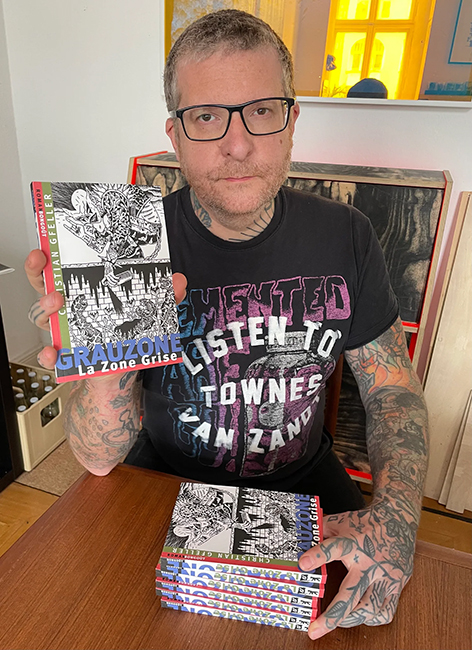


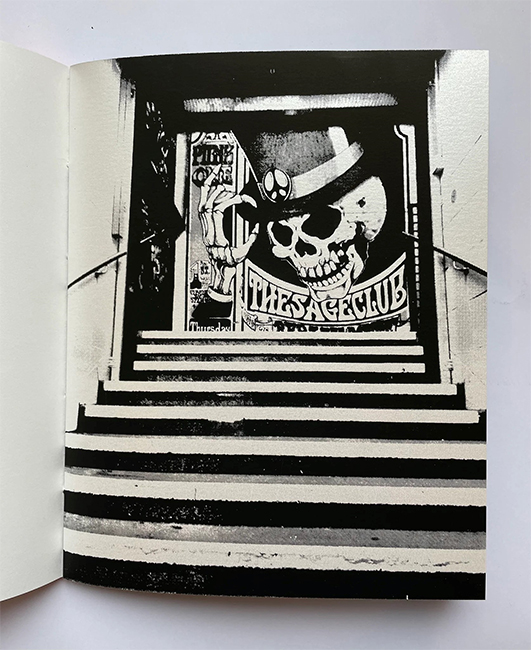


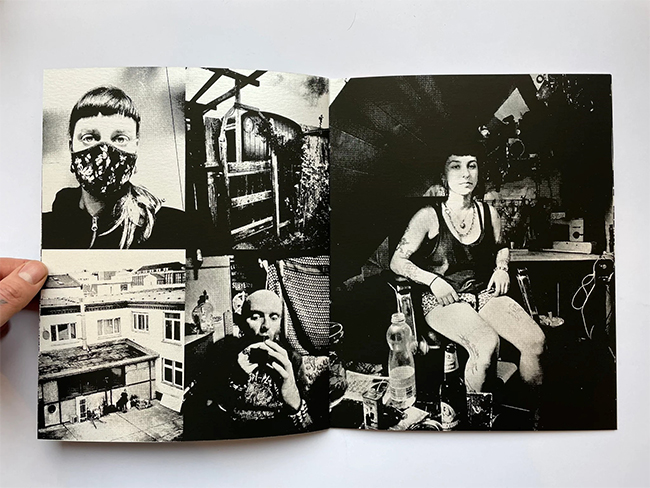
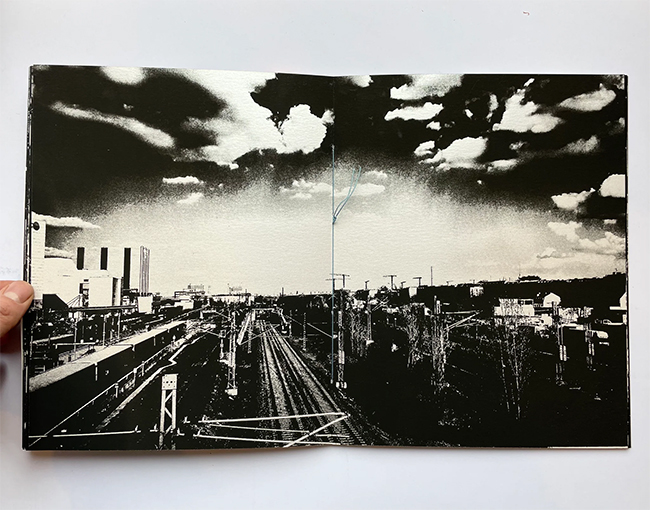
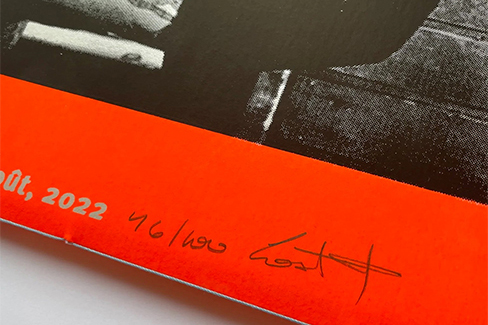


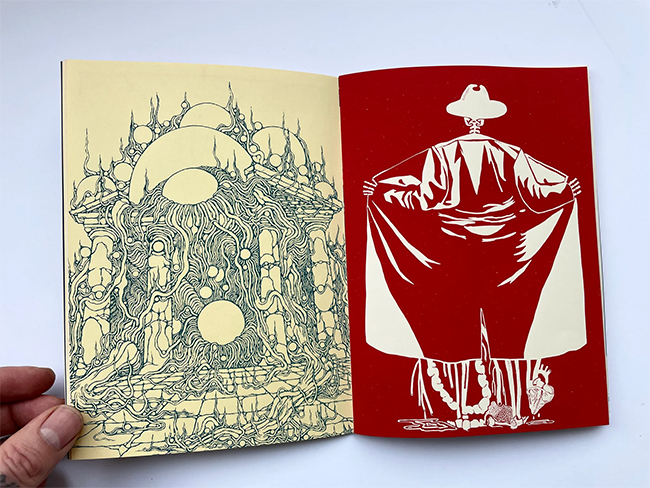


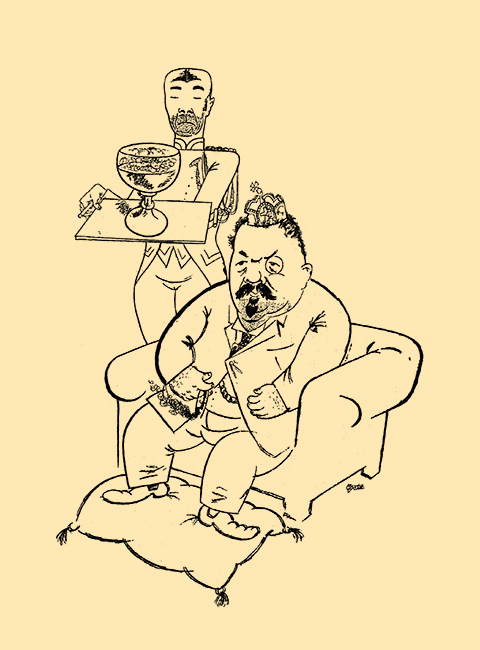

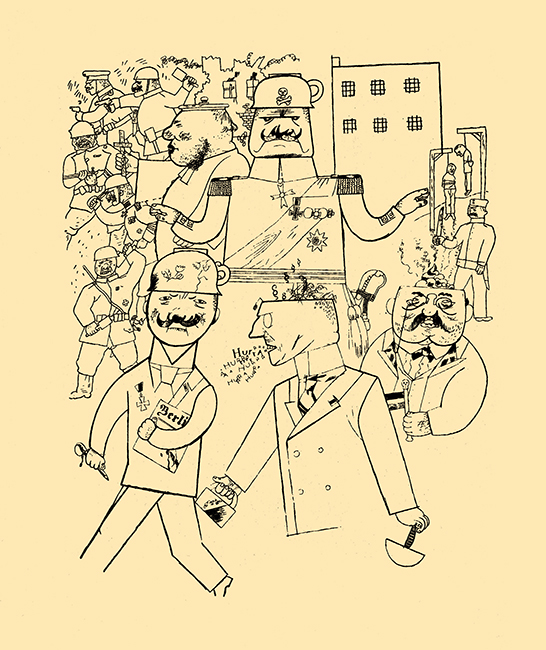


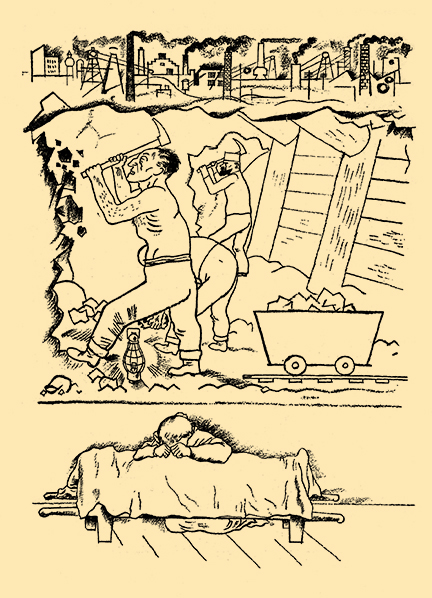
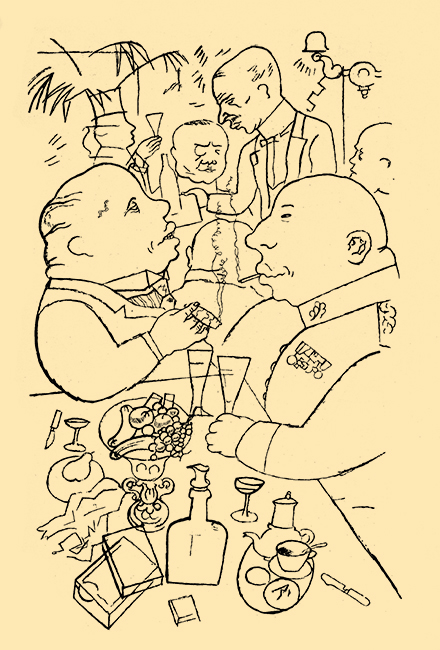
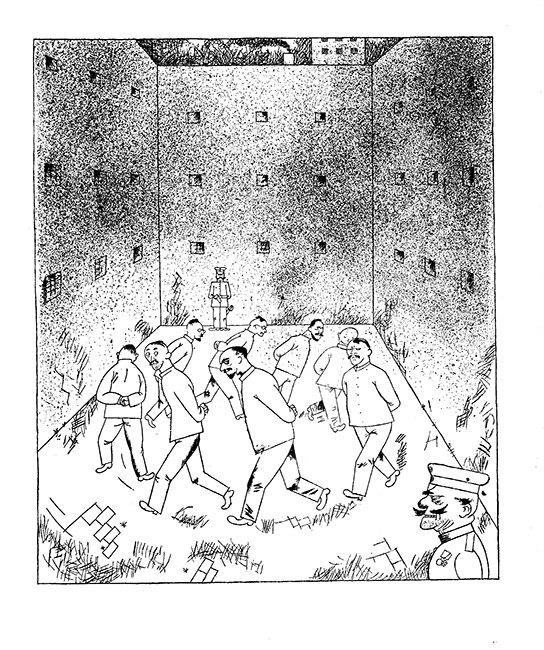


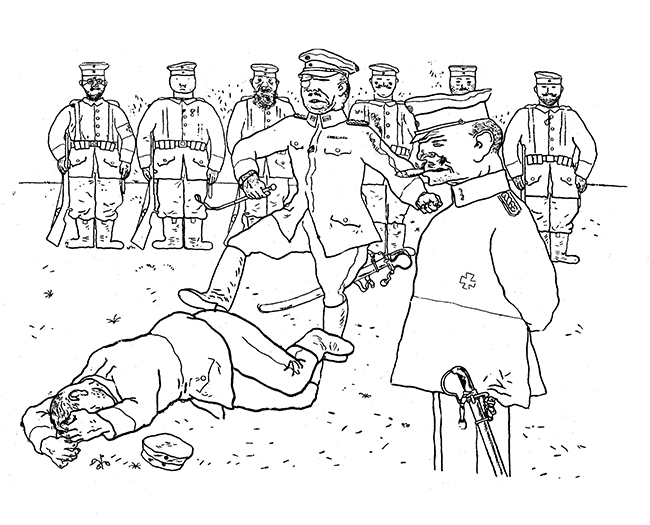
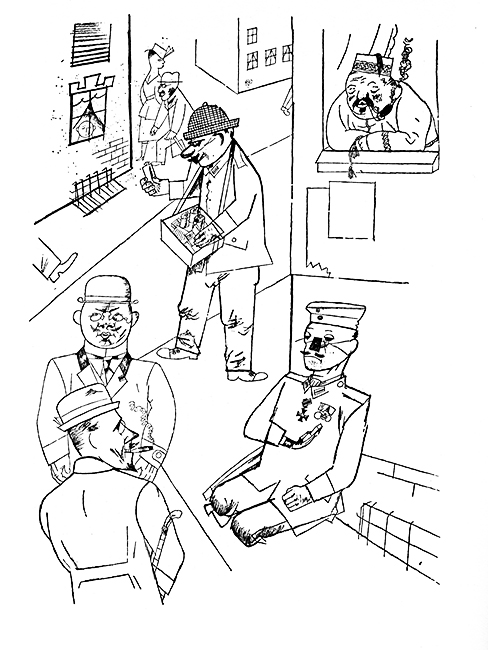


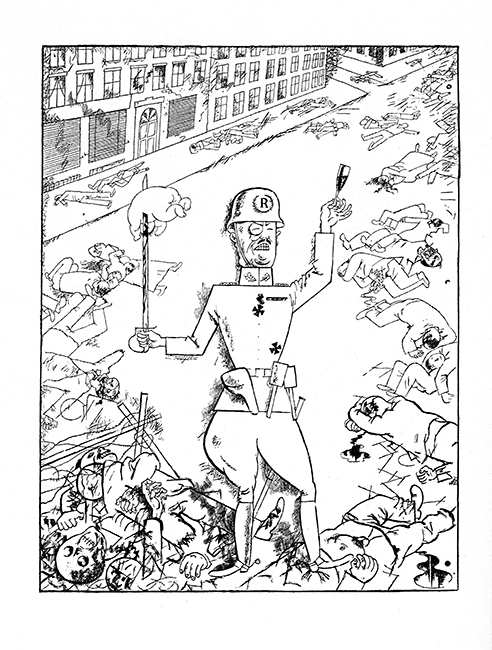
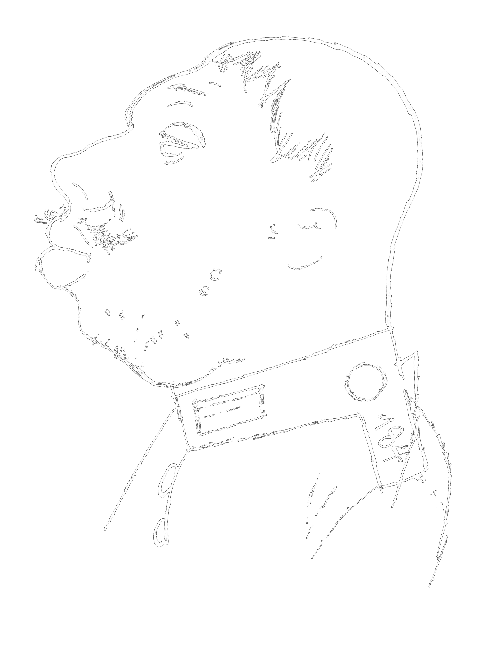

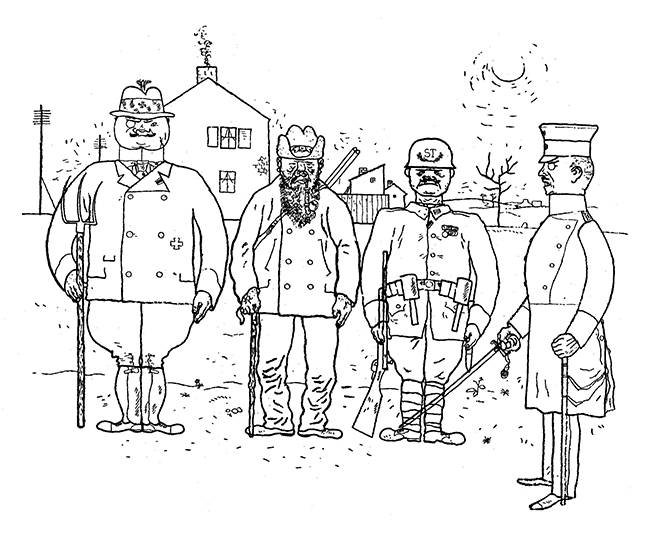

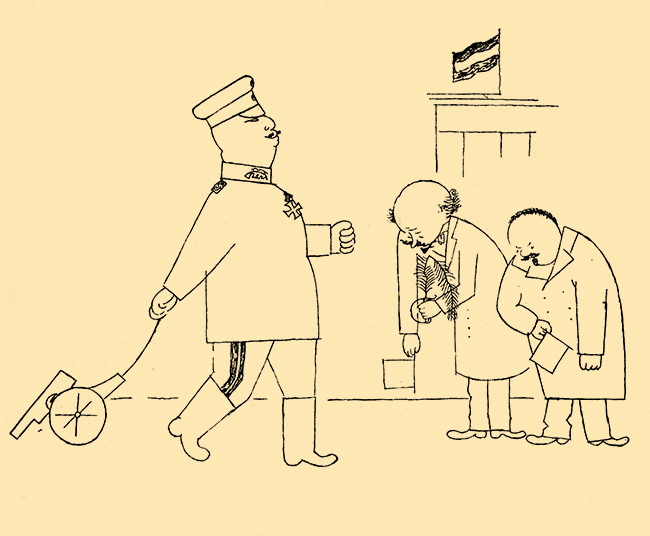
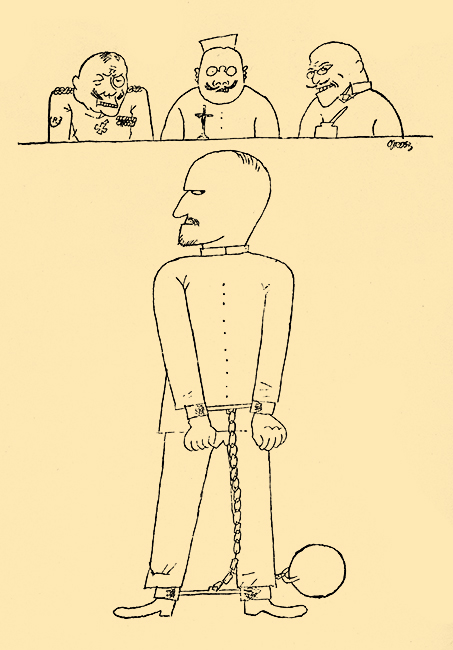

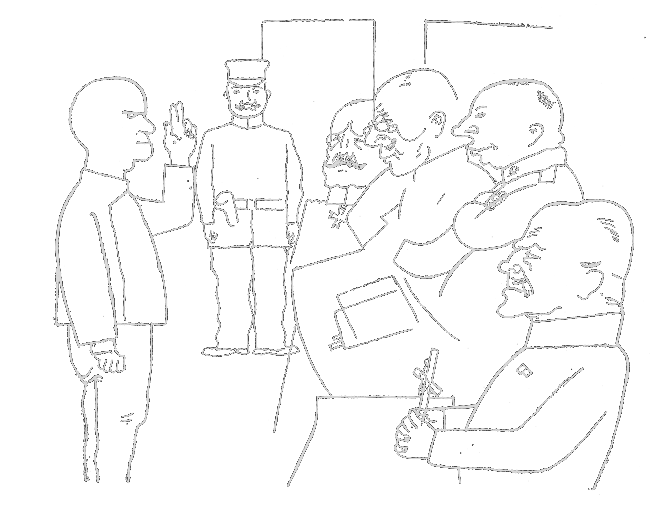


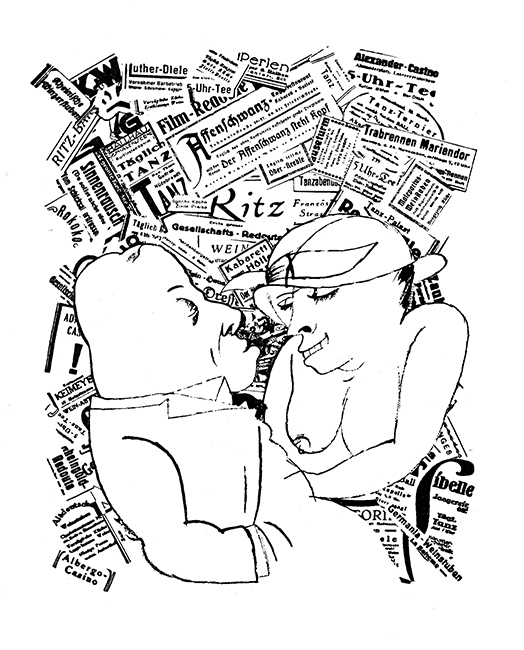

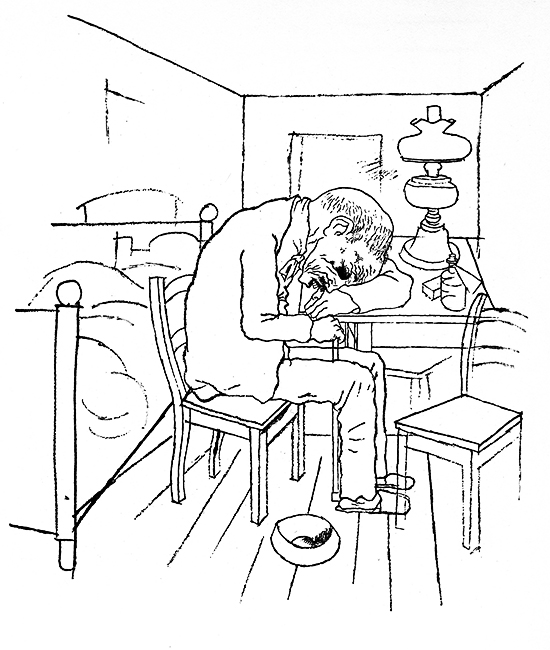


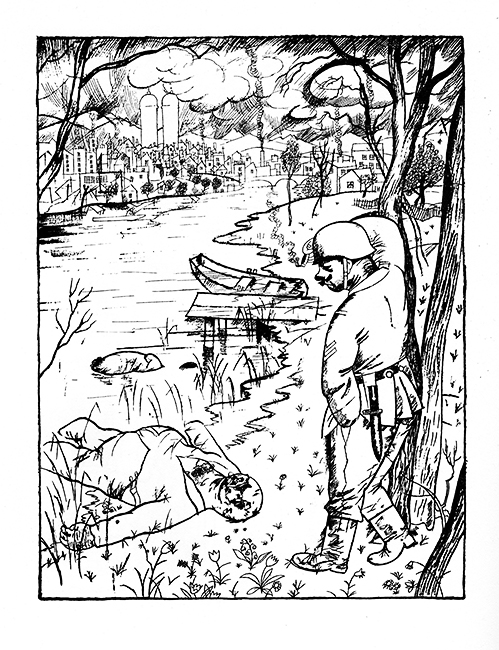
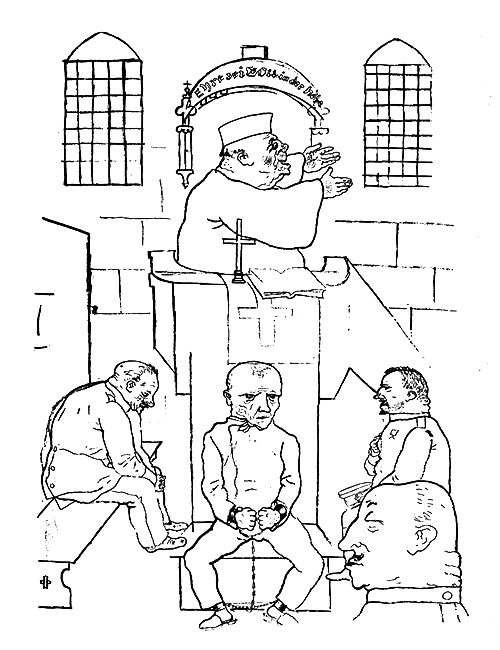
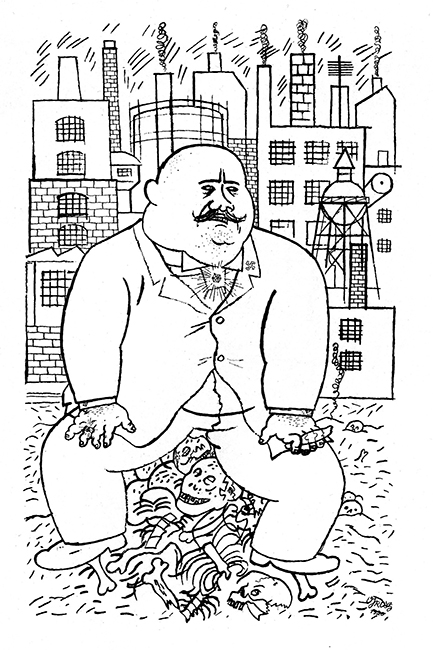


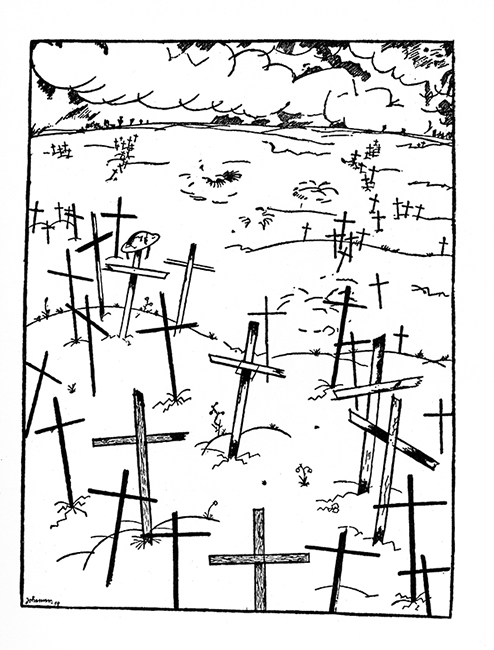


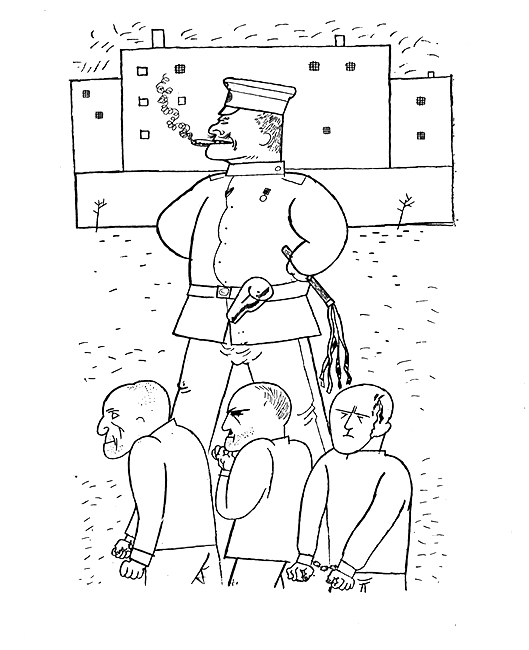




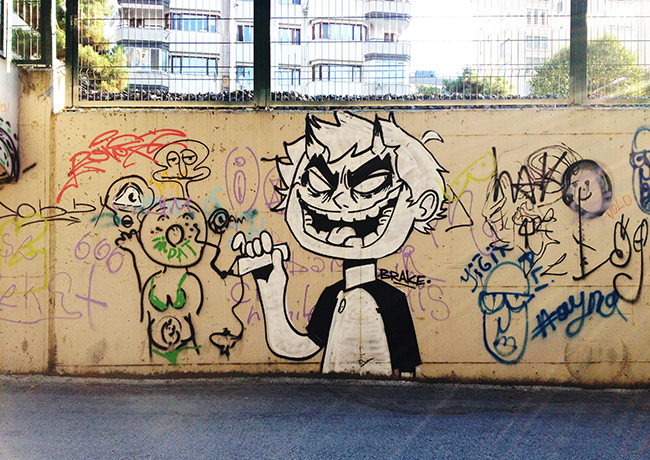


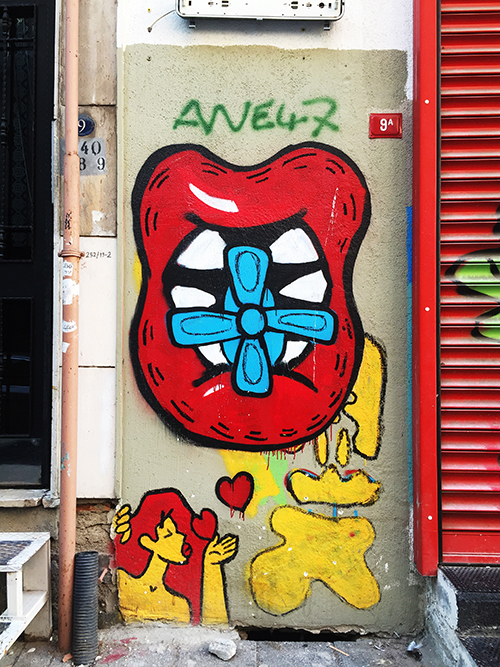
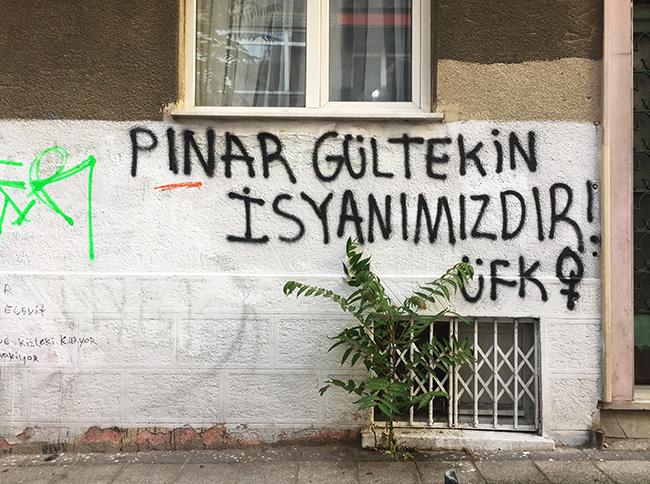
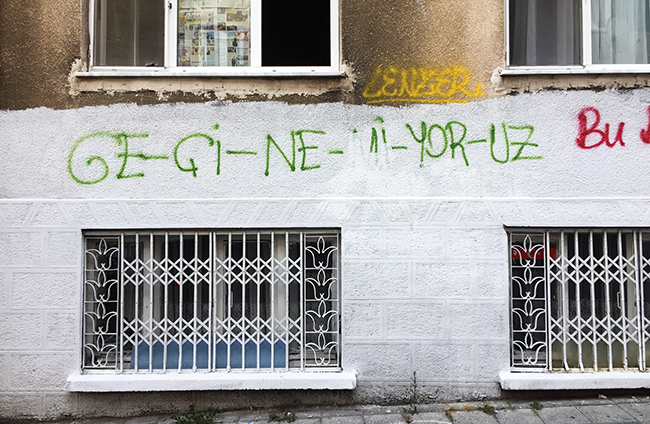


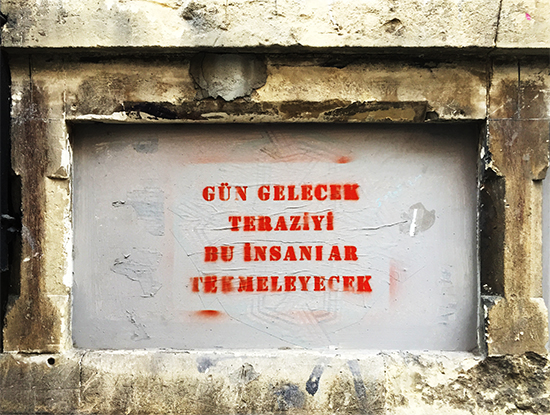

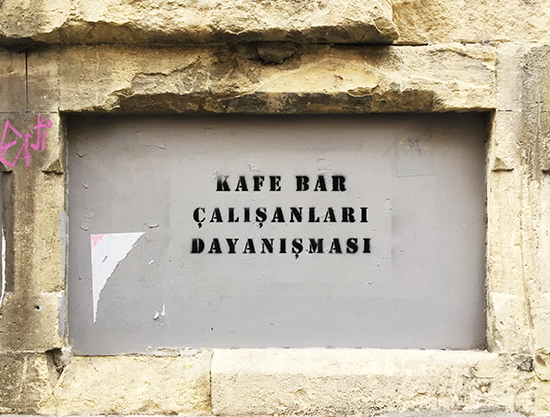


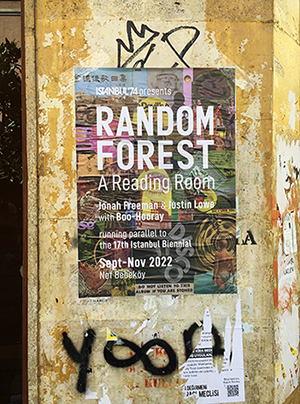
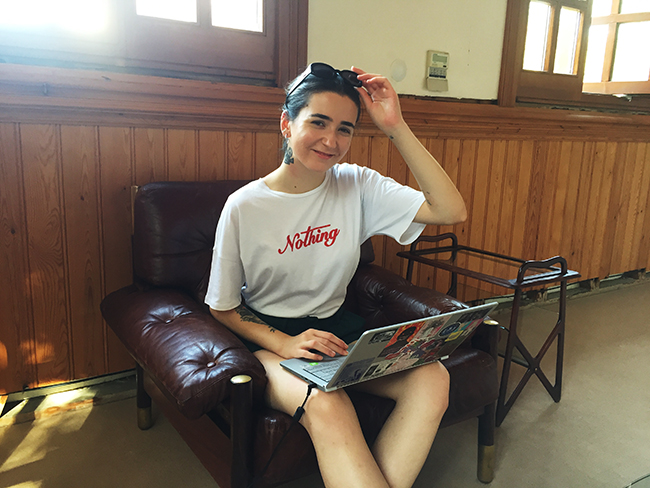


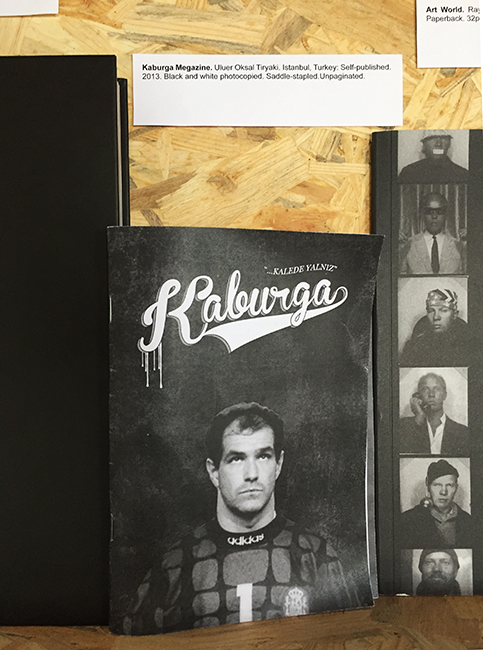


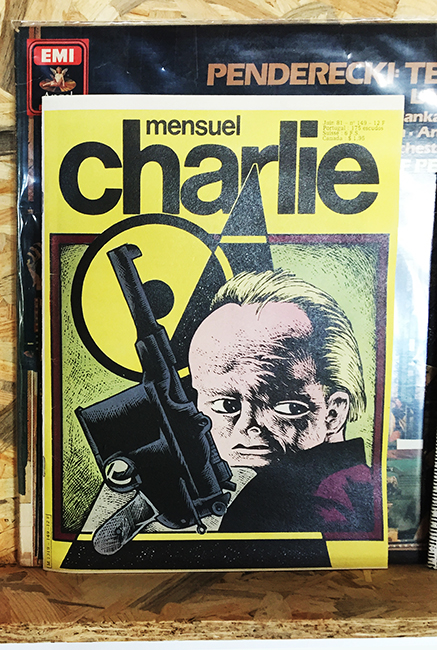


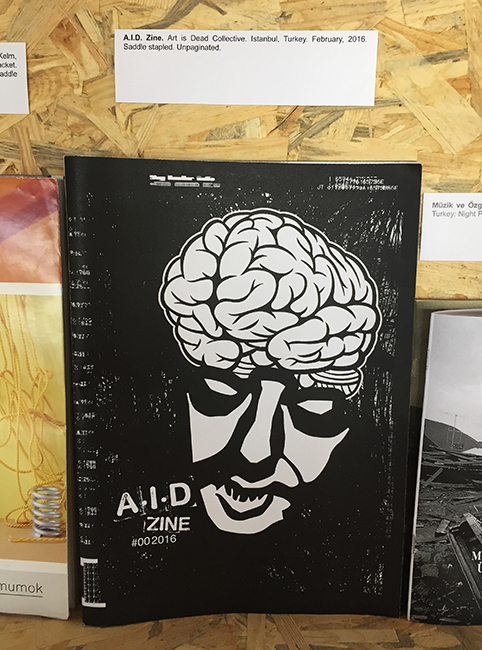

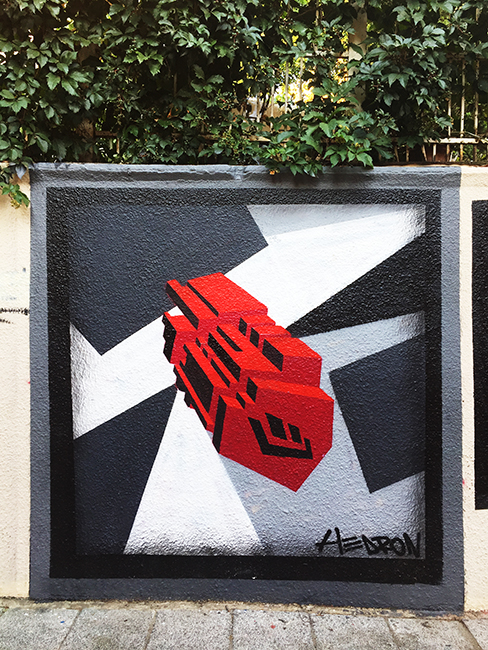


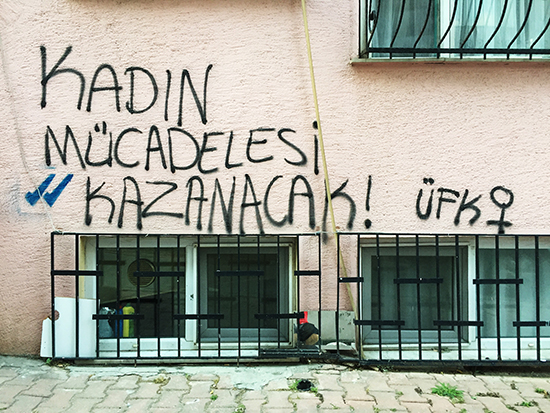



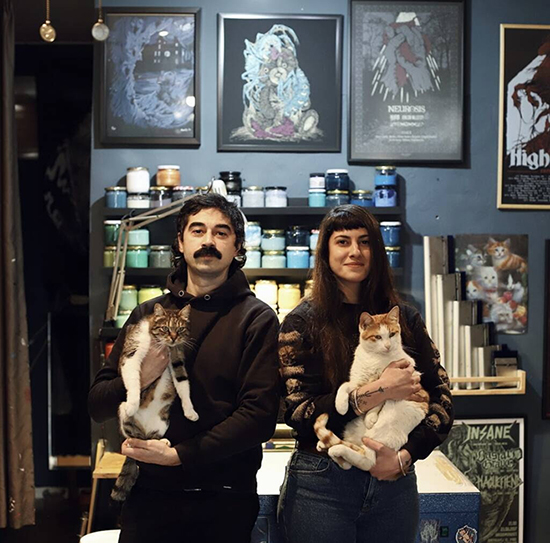

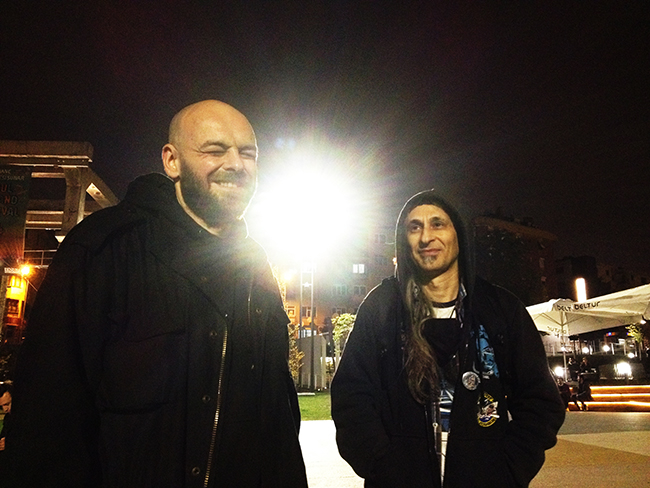



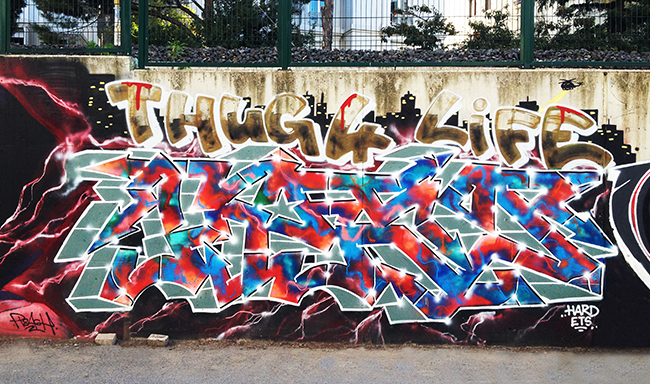


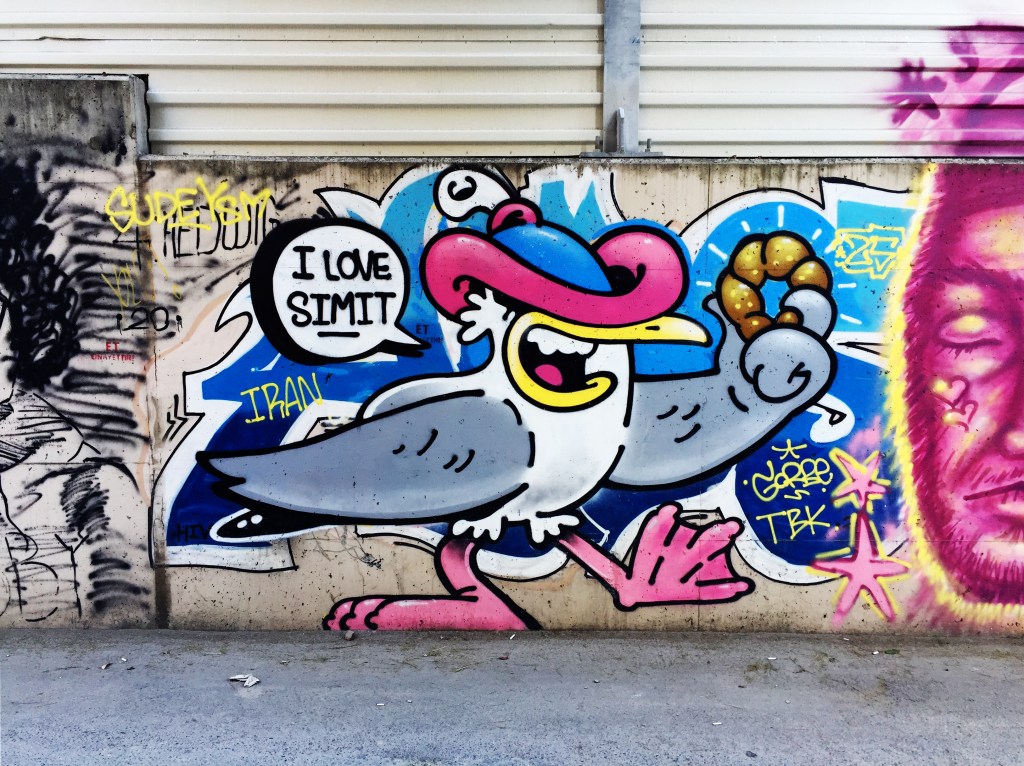




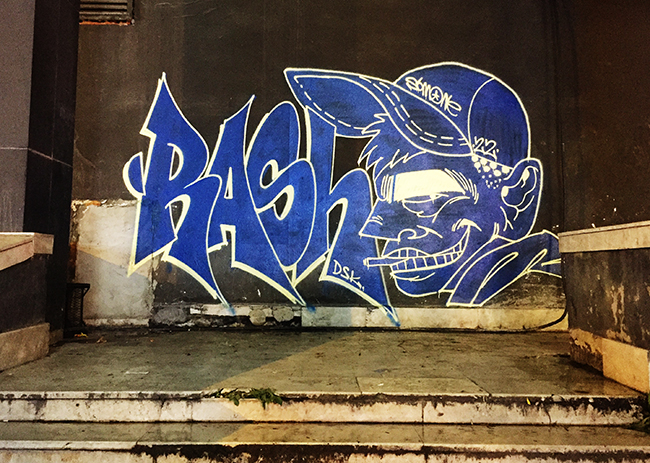


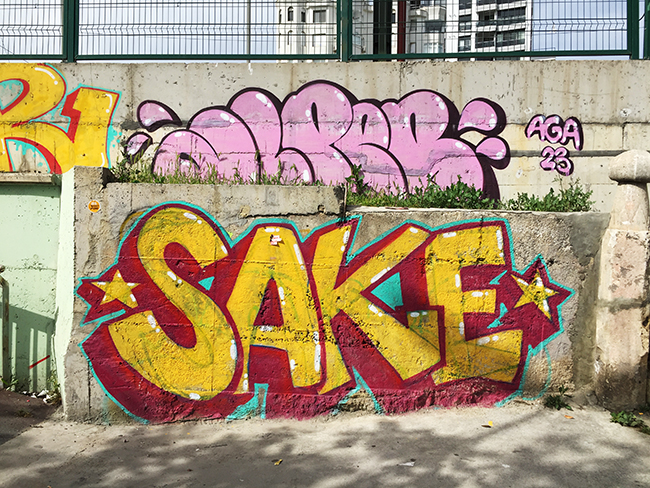
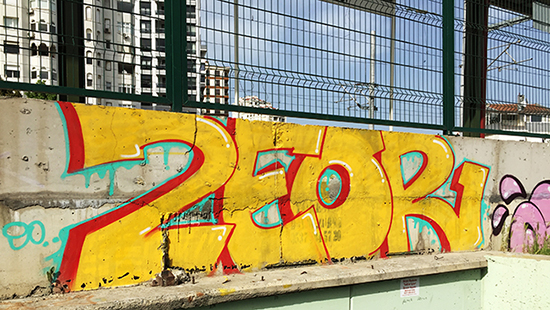


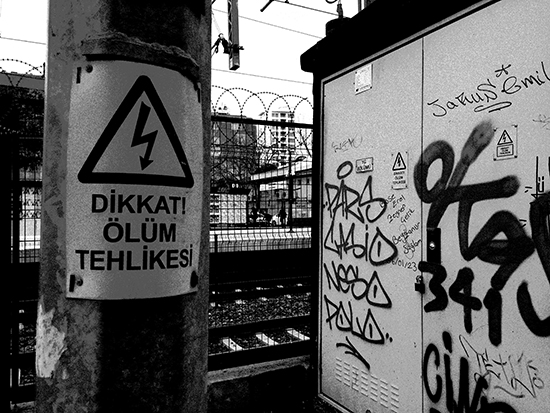
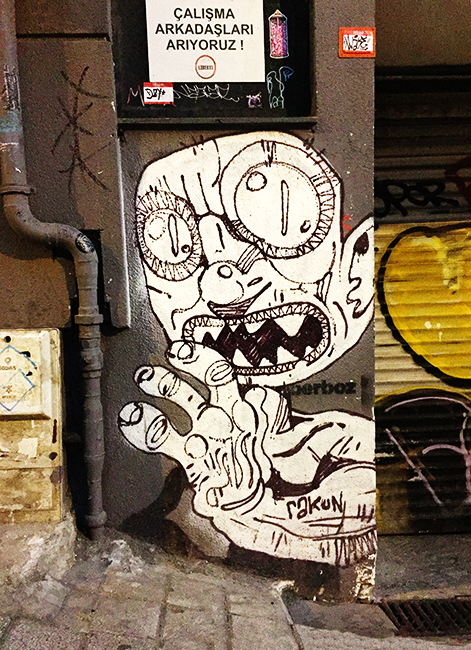


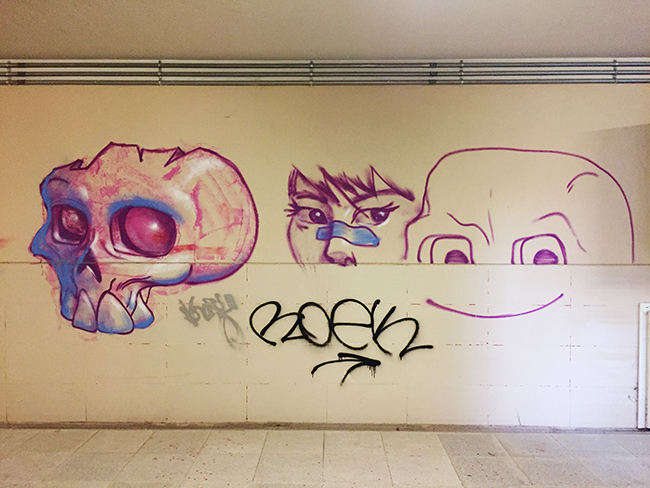


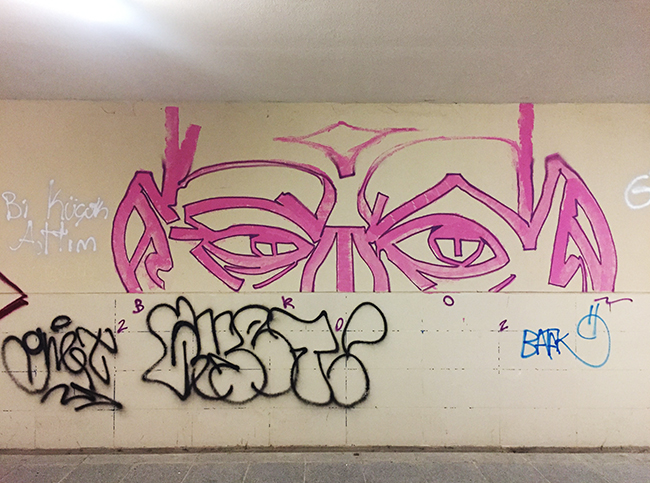

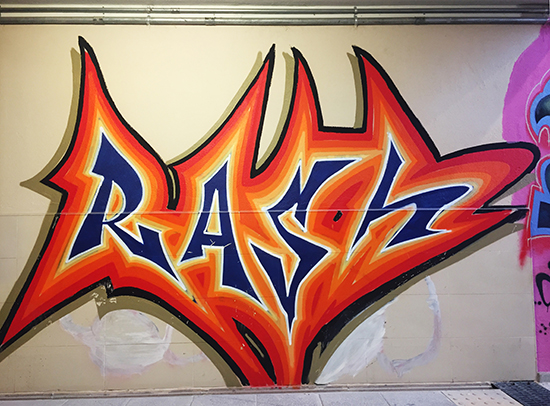
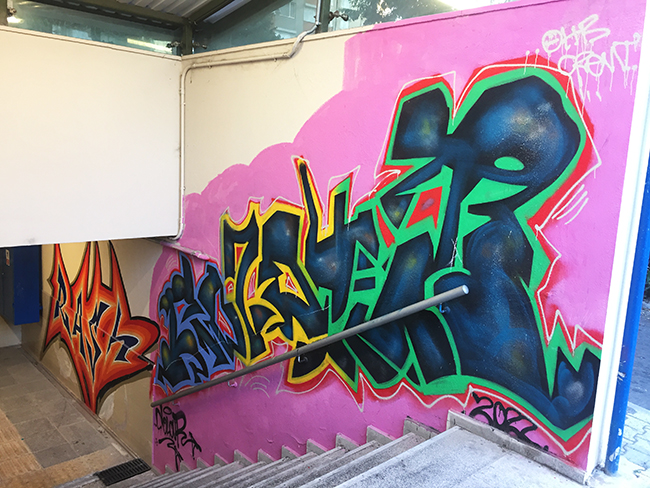


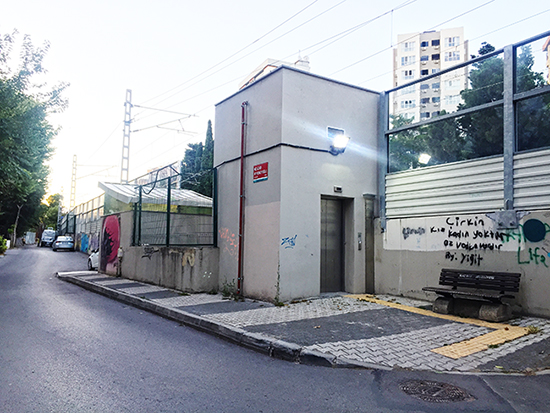


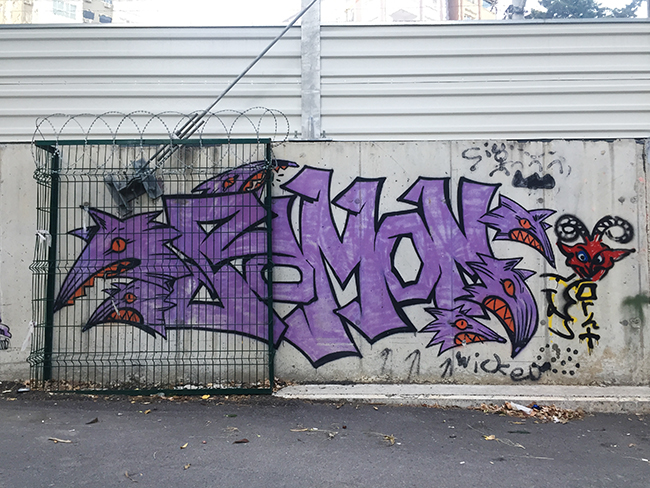


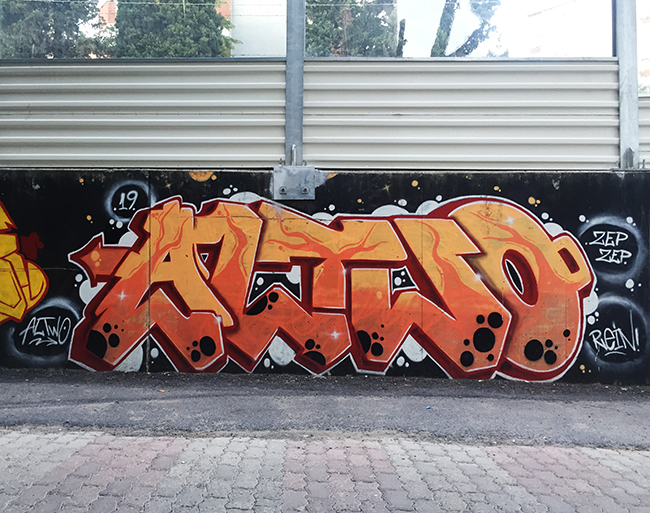

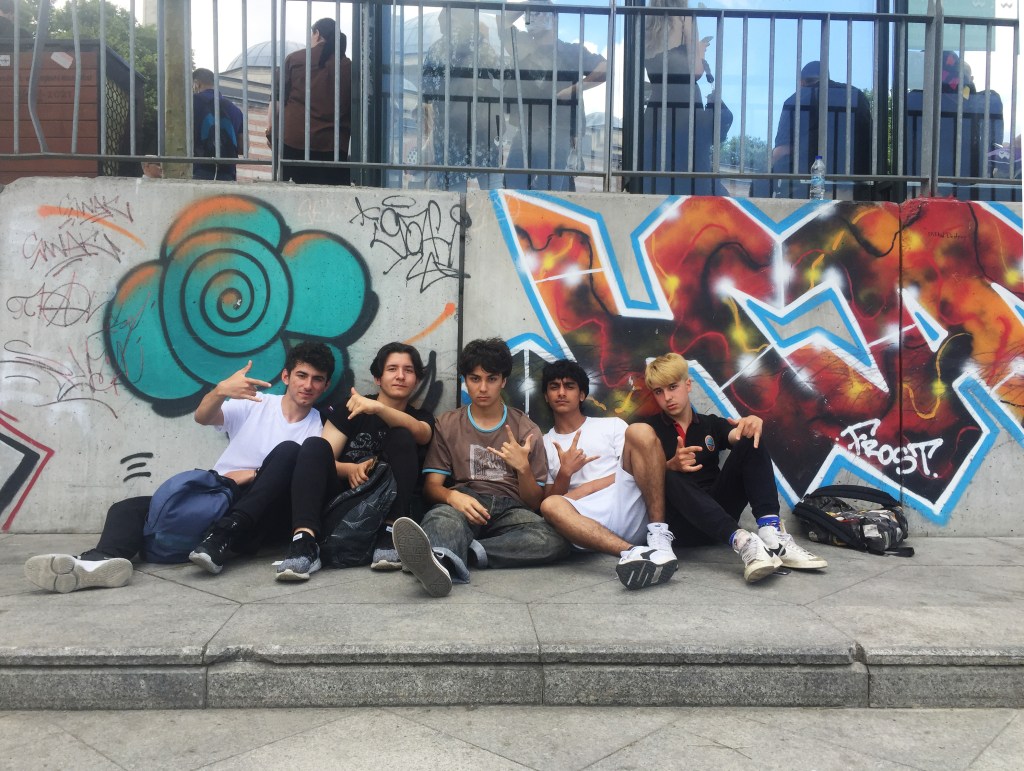

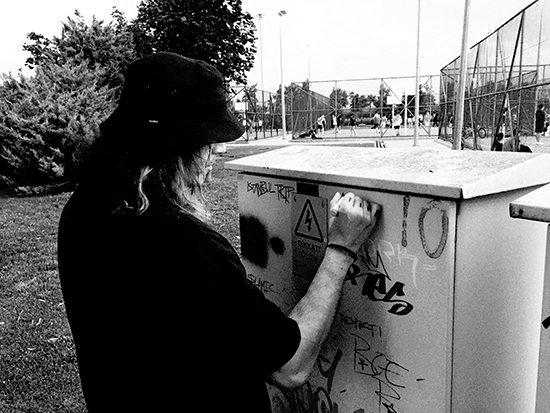
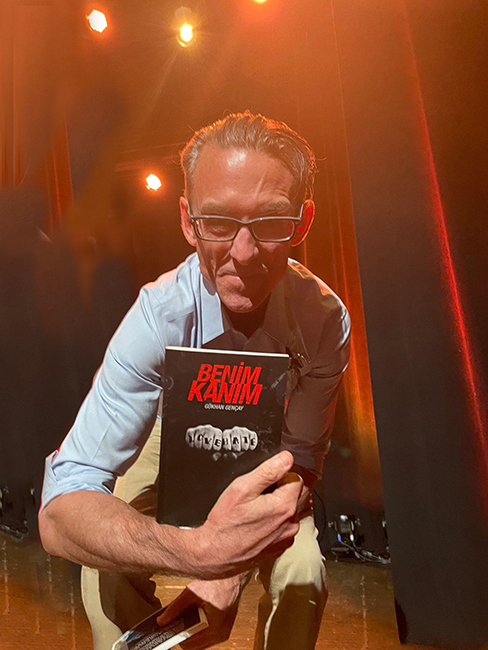

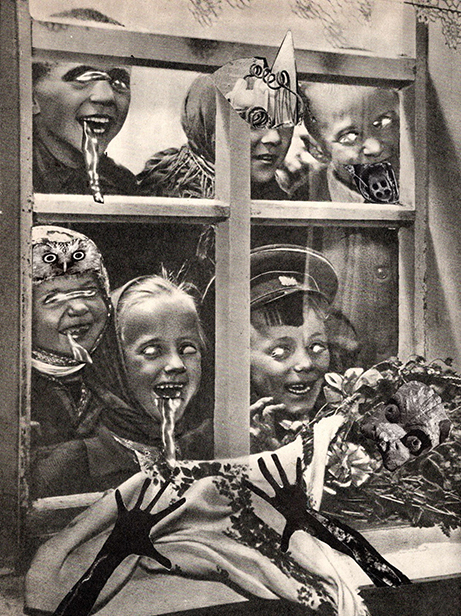


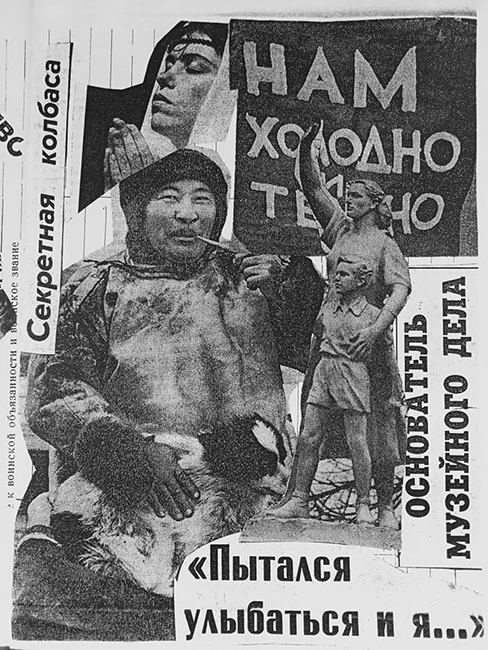
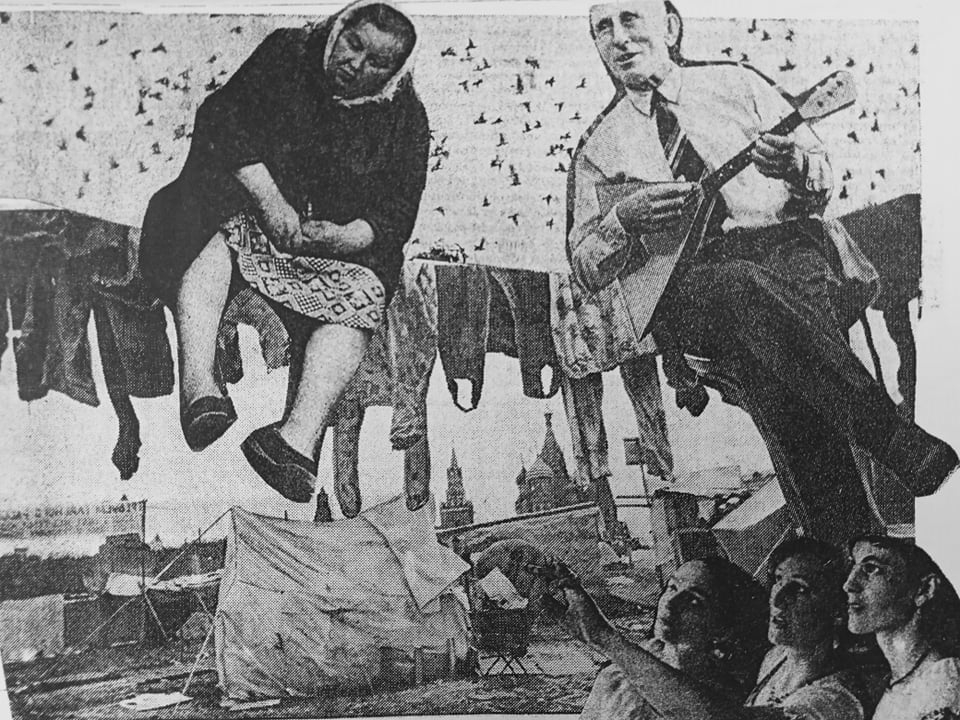
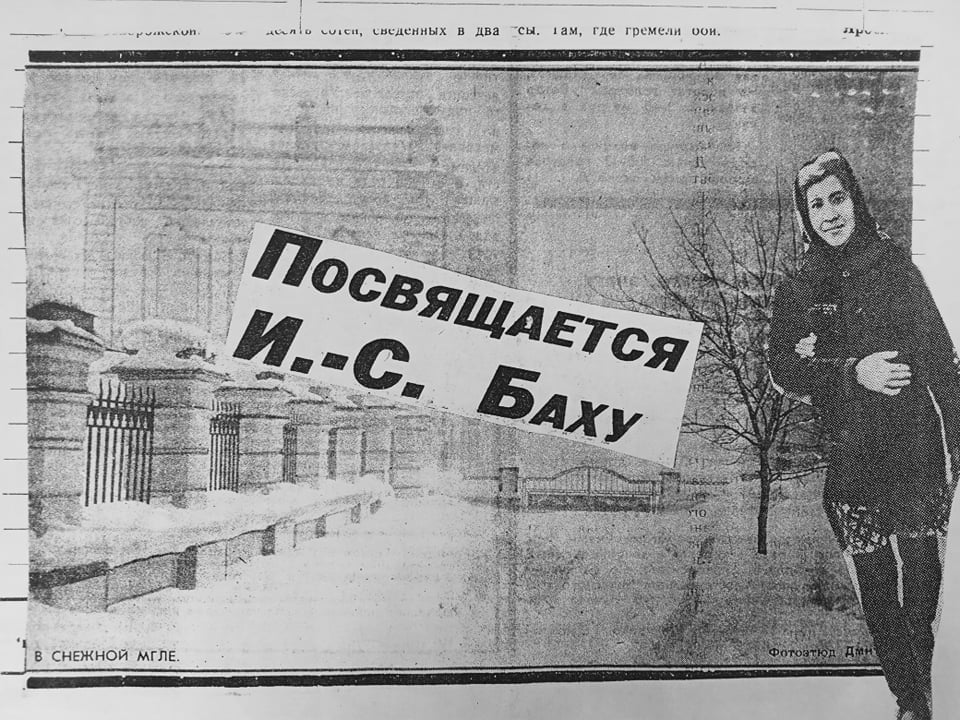
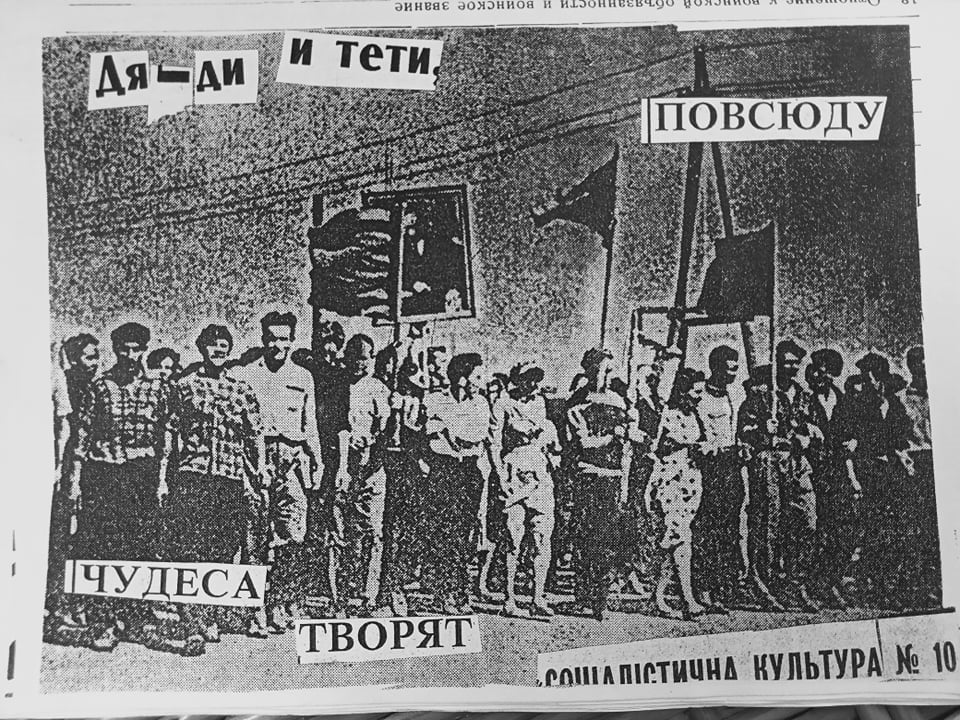


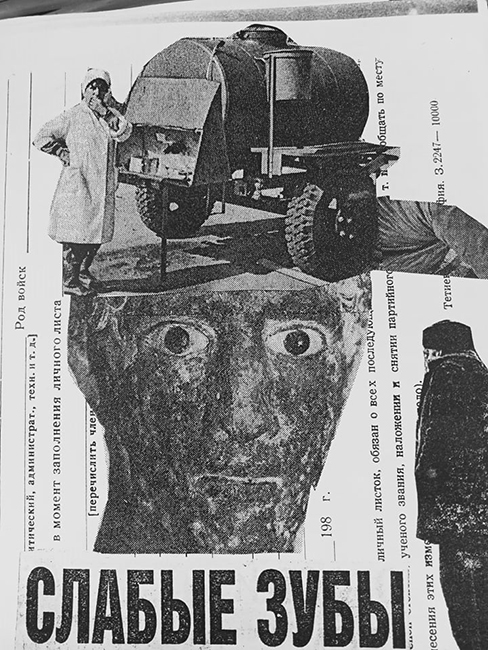
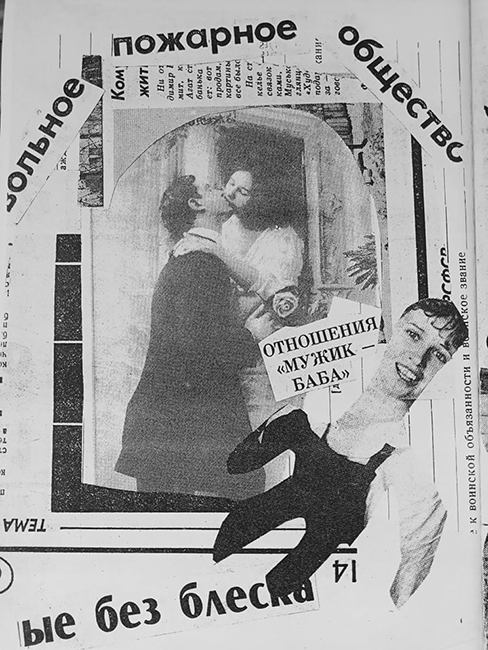


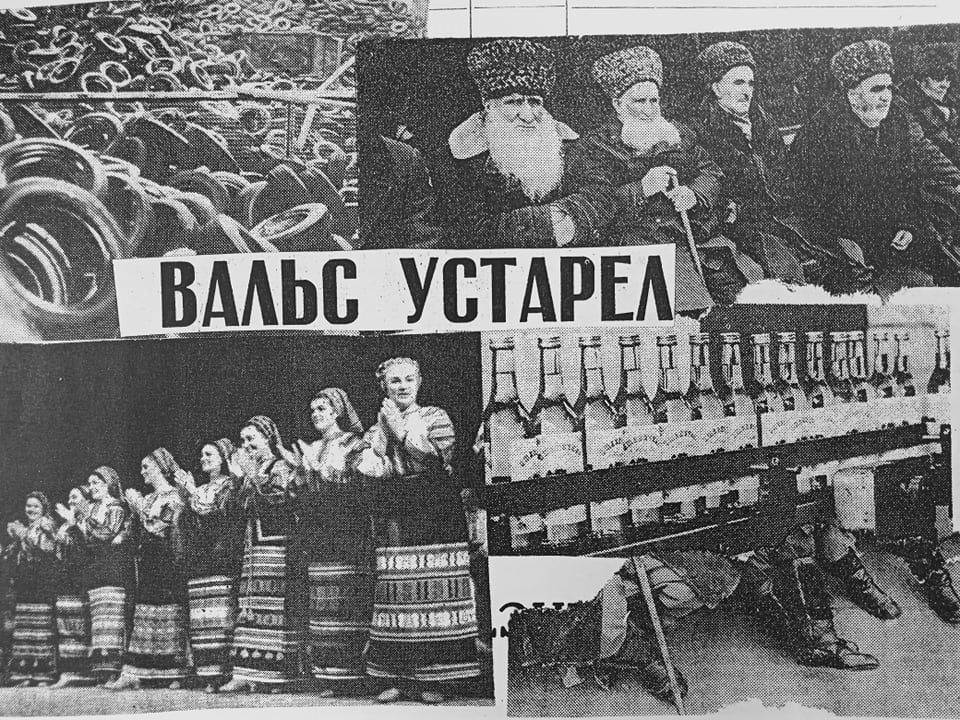


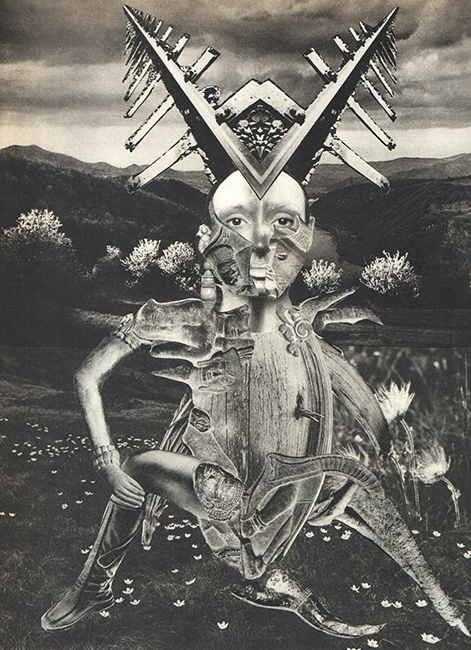
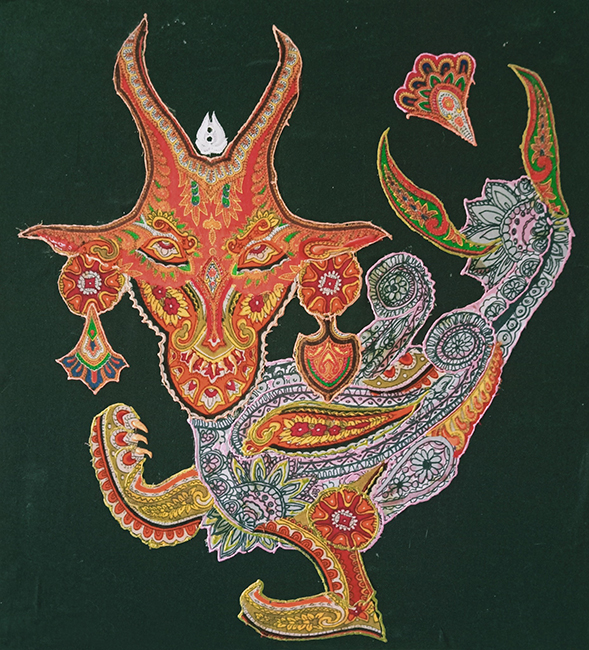
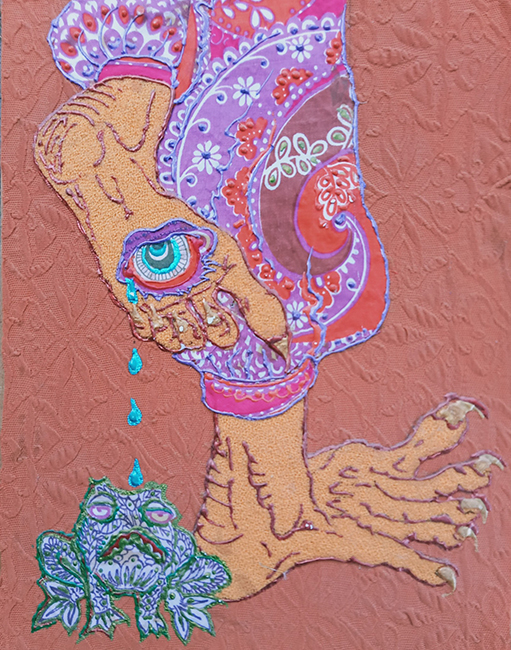


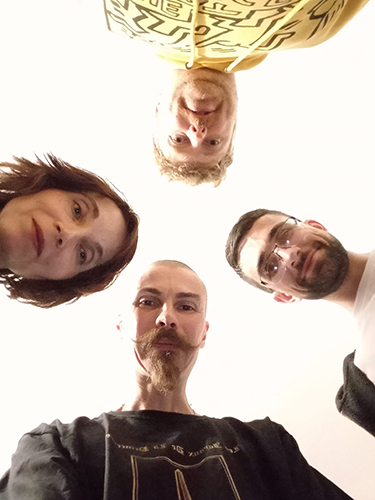
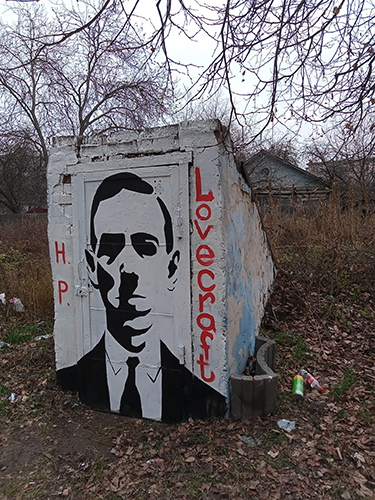


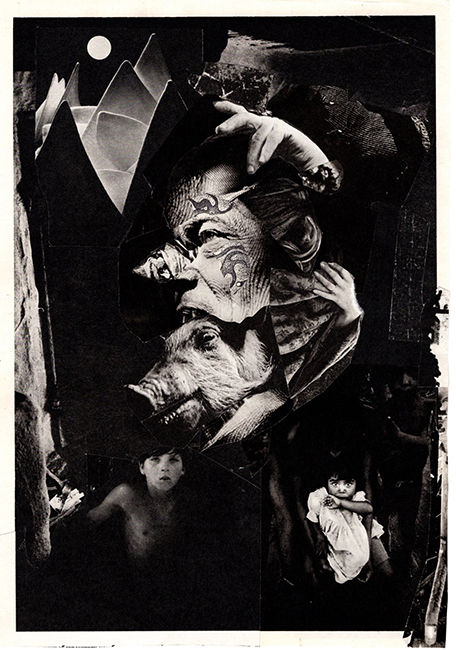











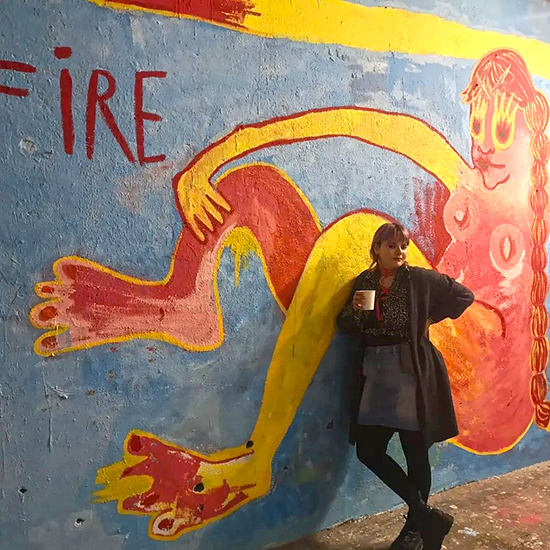

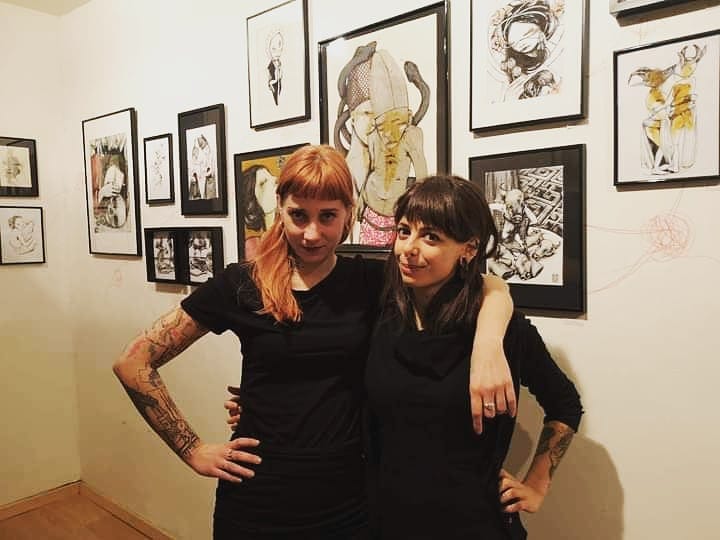
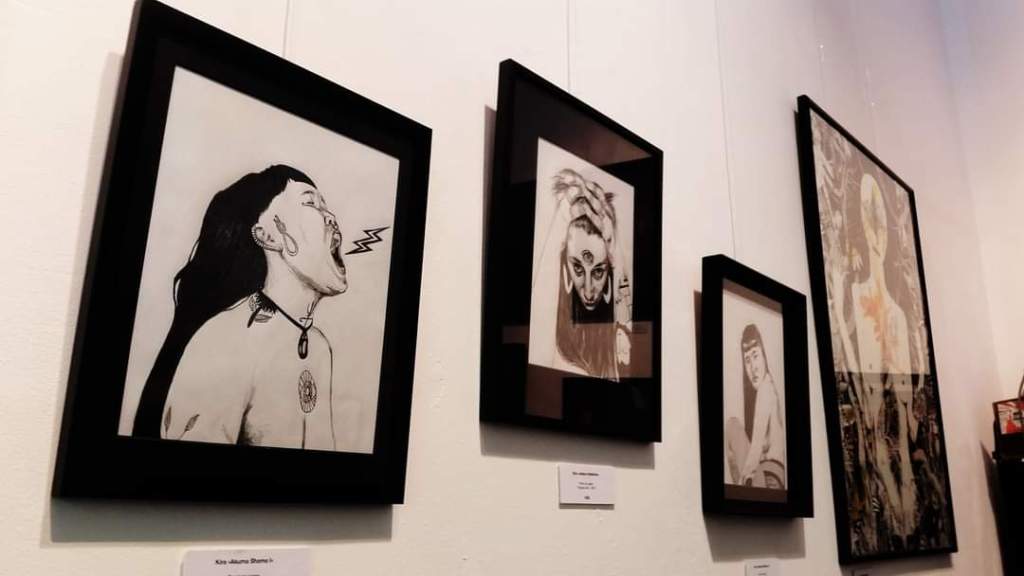


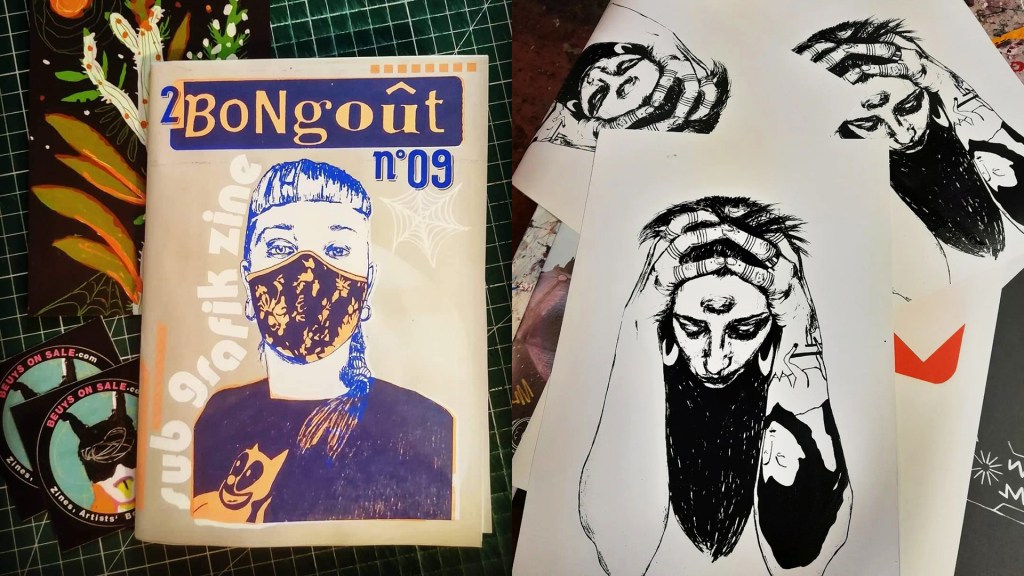
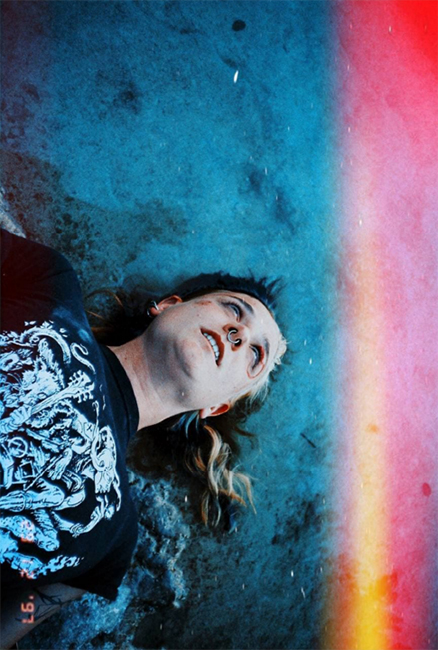
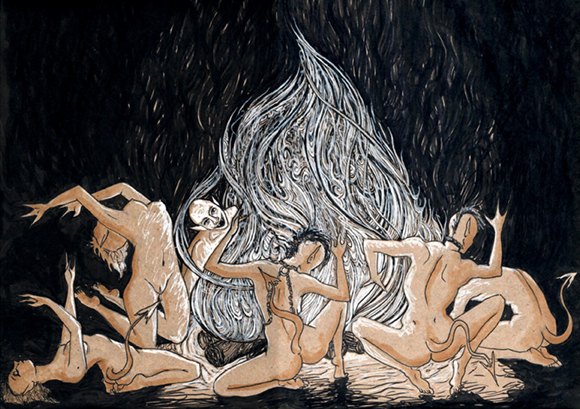



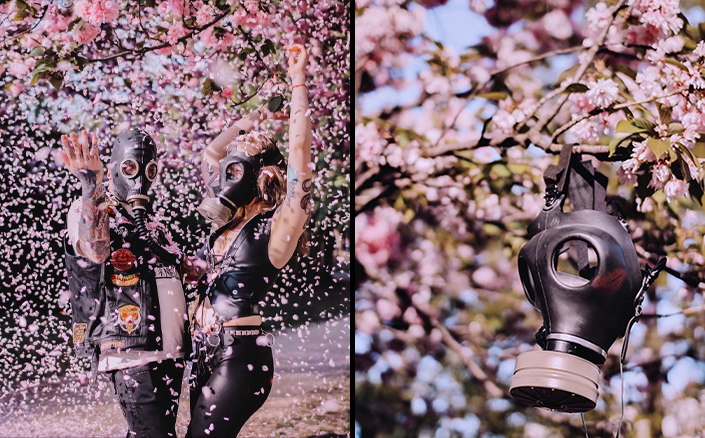
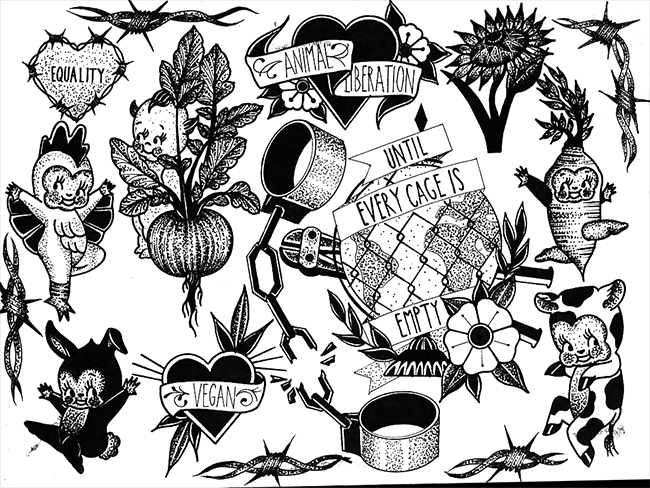

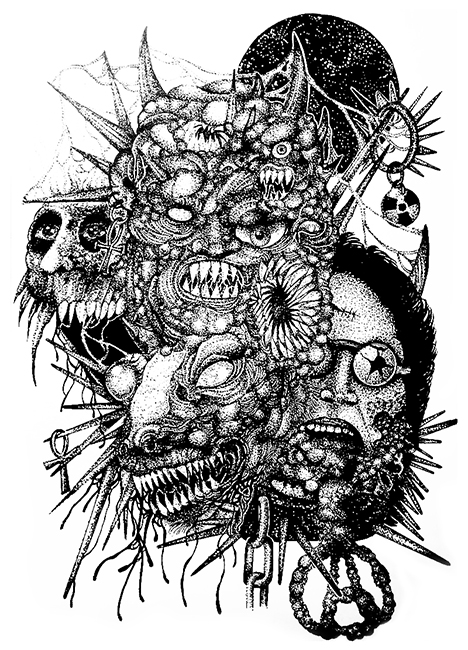
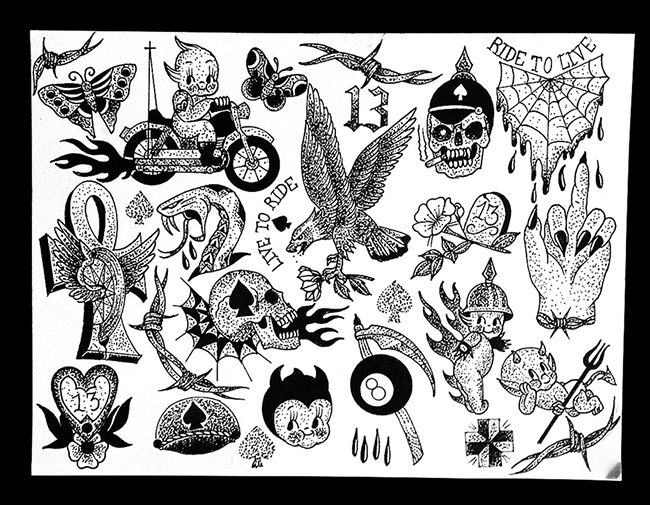

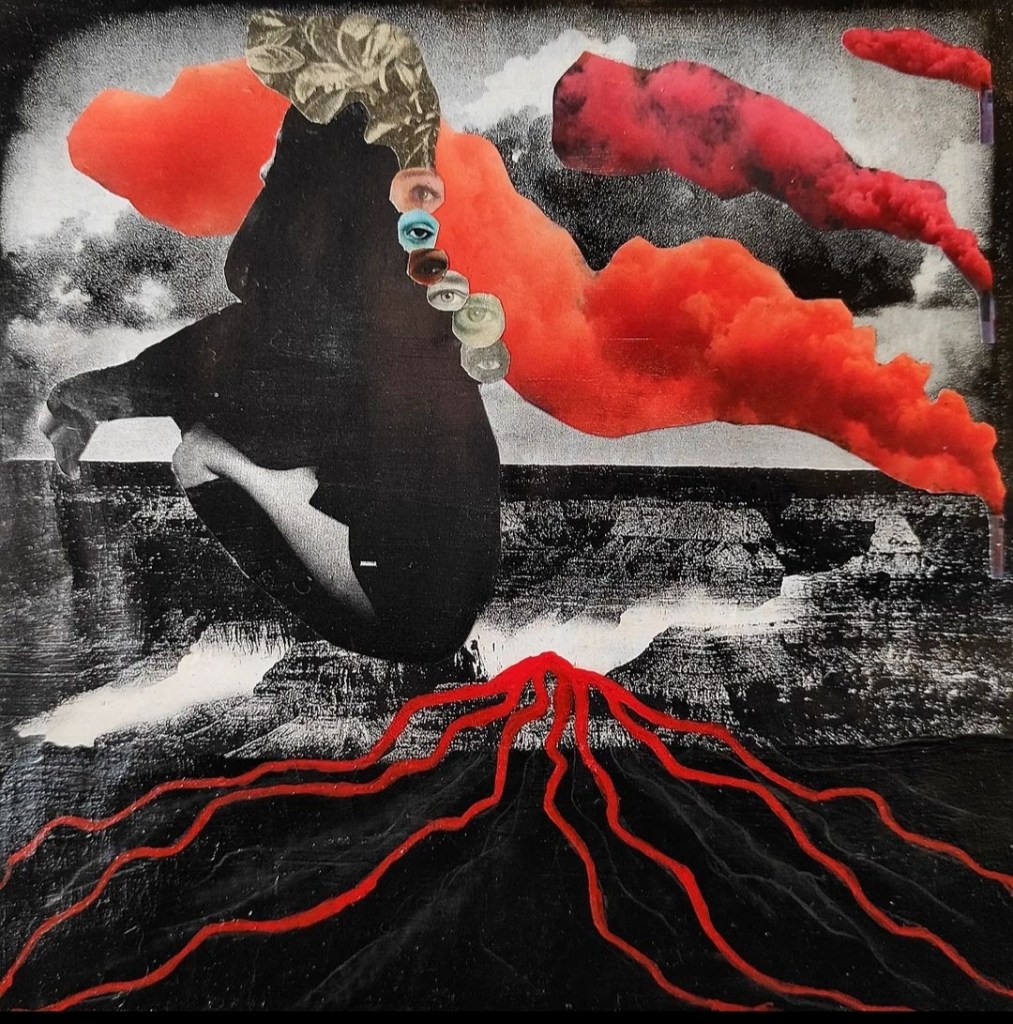


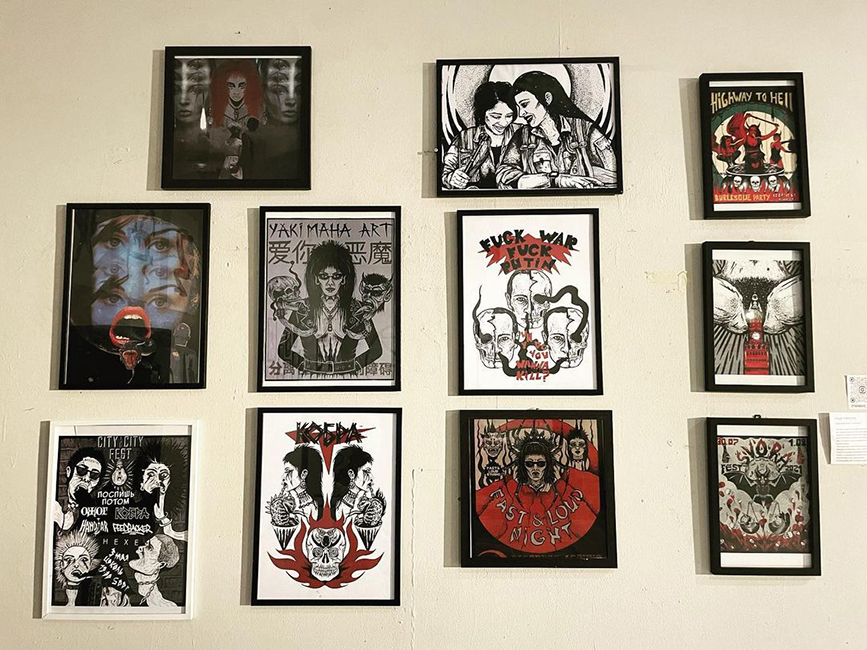


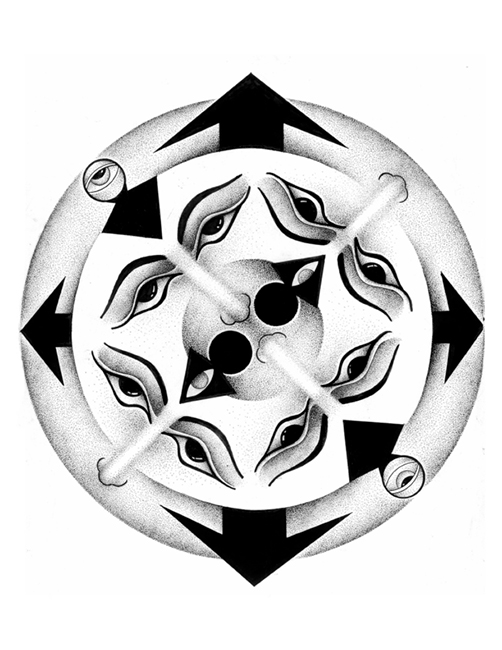
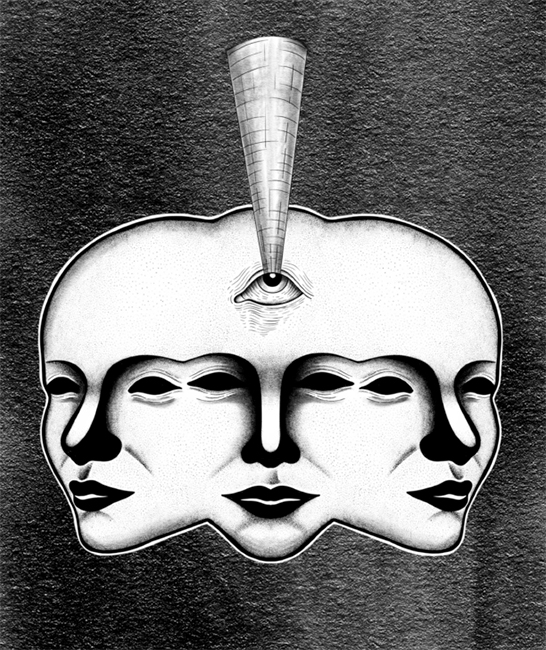

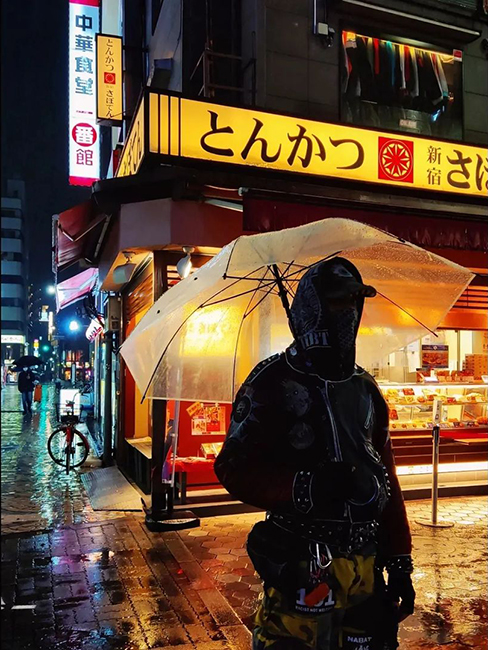


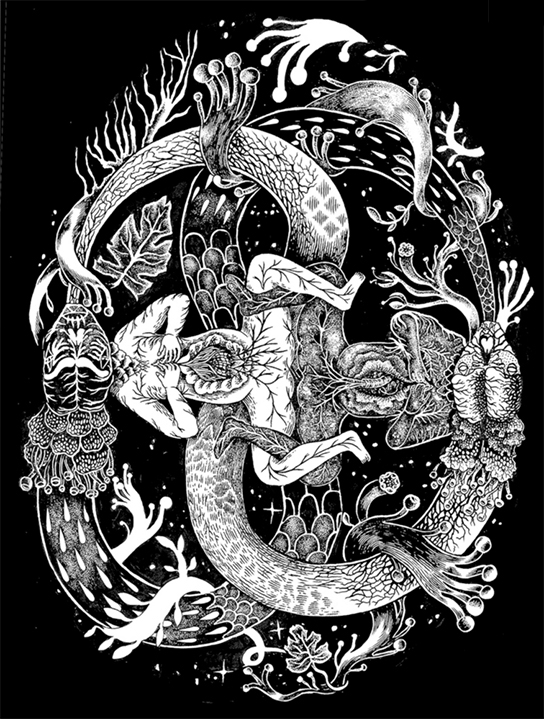
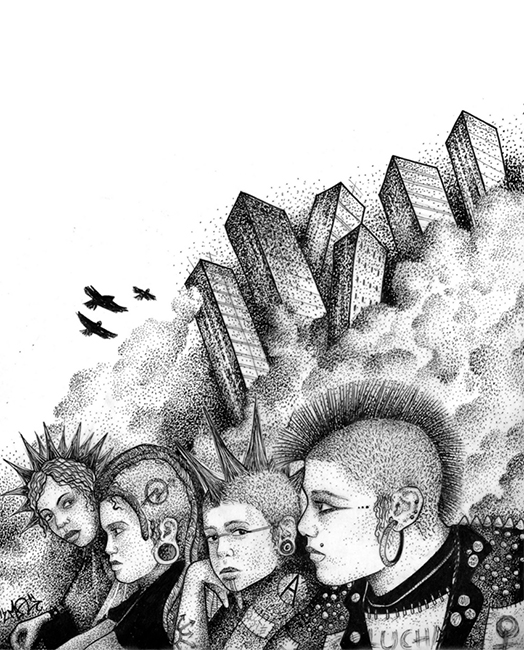
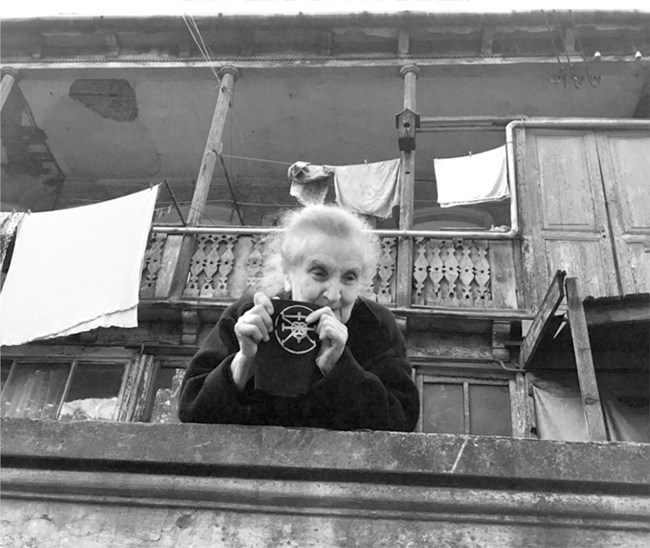


 LÖPÇÜK