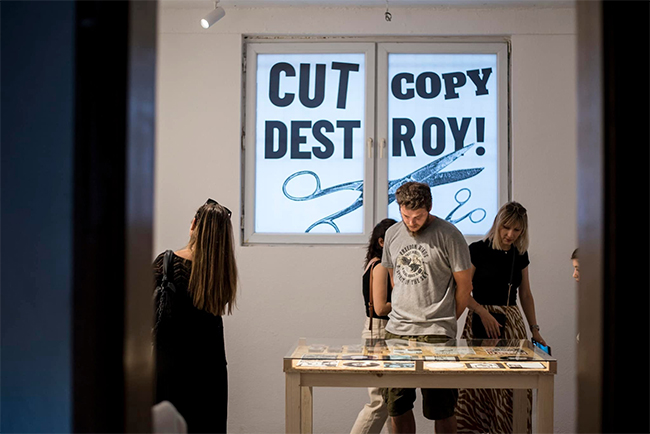
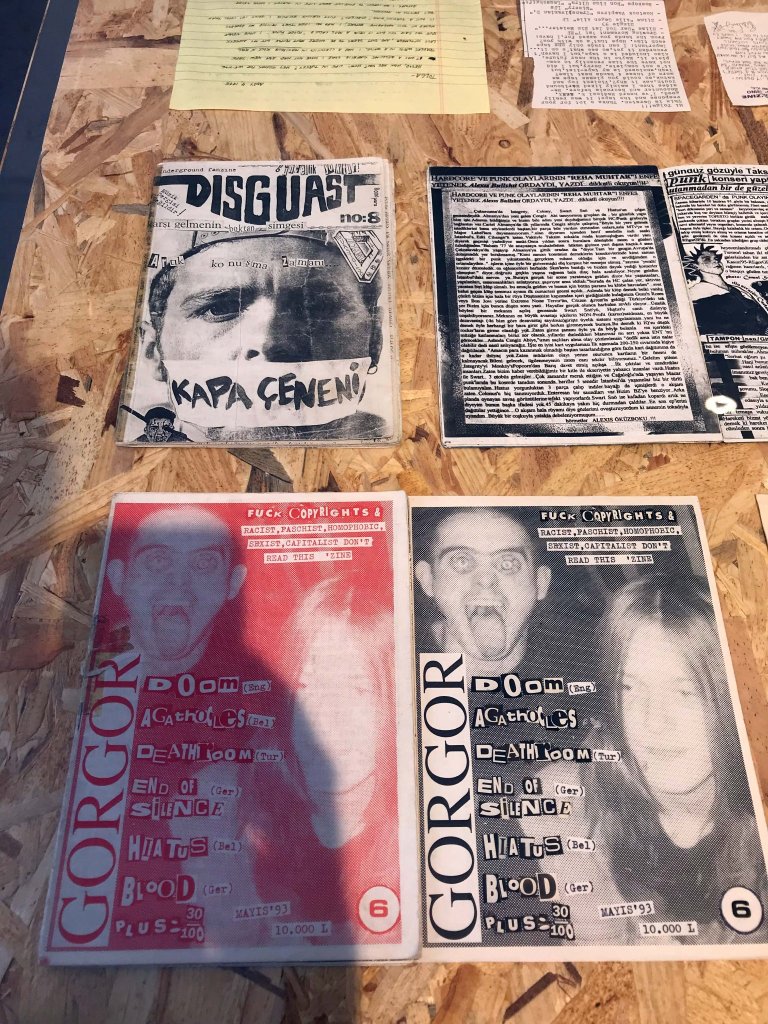
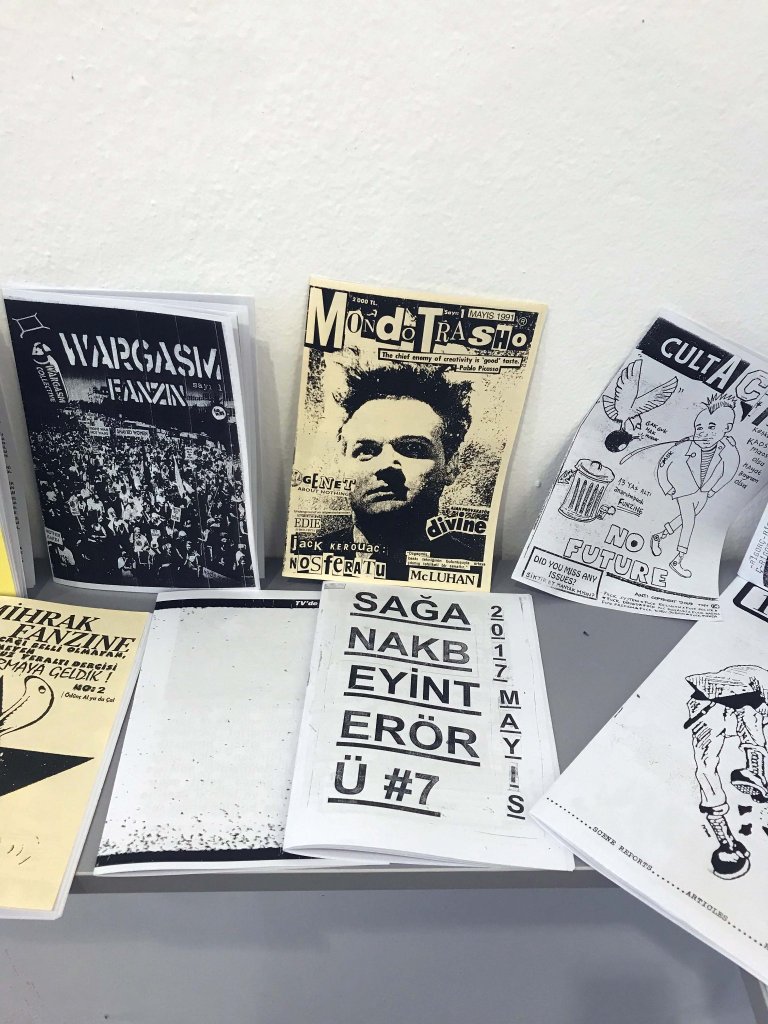
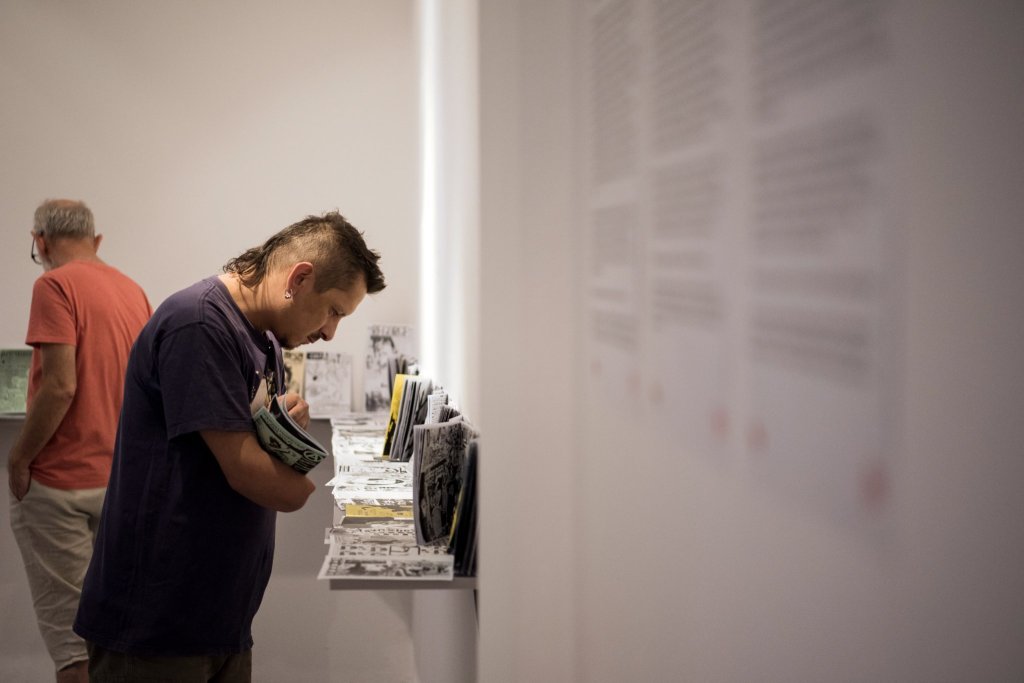
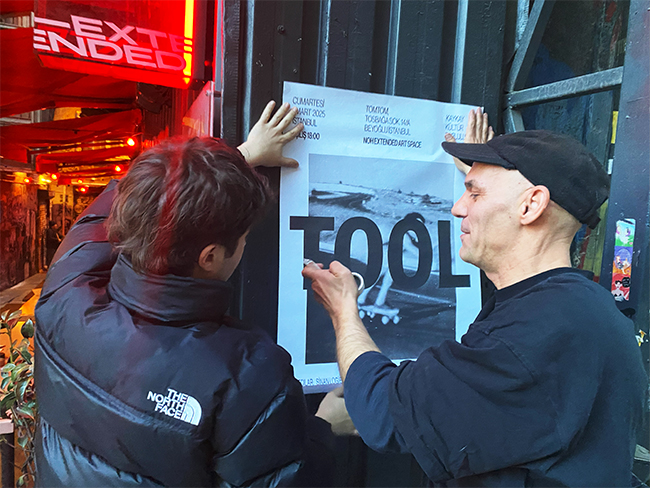
Kültür Bakanı Hajrulla Çeku, dün gece Tolga Güldalli’nin küratörlüğünü yaptığı Pykë-Pressje’nin Yerin Dibi sergisinin açılışına katıldı. Seksenlerin sonundan 2000’lerin ortalarına kadar üretilmiş yüzün üzerinde fanzin ve posterin yer aldığı sergi, Türkiye’nin yakın tarihine punk altkültürü perspektifinden bakıyor. Bu benzersiz yeraltı fanzinleri koleksiyonu, yalnızca kendi kendini örgütleyen D.I.Y. (Kendin yap) kültürünün yerel stratejileri hakkında bir fikir vermekle kalmıyor, aynı zamanda punk altkültürüne özgü stil ve politika karışımına yeni bir bakış açısı da kazandırıyor. İnternet-öncesi uluslararası punk altkültür ağı hakkında ipuçları veren sergi, aynı zamanda punk kültürünün kapitalist meta üretimine karşı küresel çapta dolaşıma soktuğu araç ve mekanizmaları da sergilemiştir.
Sergiyle birlikte Türkiye’den 19 hardcore punk grubunun yer aldığı bir derleme albüm de piyasaya sürüldü. Kaset olarak yayınlanan albüm, Güldalli tarafından derlendi. Pykë-Presje, esas olarak yayıncılık alanında çalışan bir kolektiftir. Odak noktaları, halk hareketlerinin, cinsiyet özgürleşmesinin ve sınıf bilincinin yerel tarihlerini vurgulayan belgeler ve arşivlerdir. Aynı zamanda yeraltı yayınları ve samizdatlar konusunda farkındalık da yaratmaya çalışan Pykë-Presje, bu sergi ile birlikte basılı, sesli veya video formatlarında bu tür prodüksiyonlara adanmış bir kütüphaneyi de başlatıyor. (Temmuz 2022, Kosova Kültür, Gençlik ve Spor Bakanlığı)
Kranch Magma Konseri – 1998 Mart 26
Tolga Güldallı, Türkiye’de punk ve underground tarihinin en önde gelen isimlerinden biri. Geçmişte Crunch ve Haossa gruplarında çalan Güldallı, An Interrupted History of Punk and Underground Resources in Turkey 1978-1999 kitabının yazarlarından (Sezgin Boynik ile birlikte, BAS, İstanbul, 2007) ve aynı zamanda Punk Travma: Collective Memory of Punk in Turkey web sitesini yönetiyor.
Yerin Dibindeki Kaset
“Yerin Dibi!” Sergisi / Prizren 2022
Ministri i Kulturës, Hajrulla Çeku mbrëmë mori pjesë në hapjen e ekspozitës Yerin Dibi nga Pykë-Presje, kuruar nga Tolga Güldallı.
Me një përzgjedhje të mbi njëqind zineve dhe posterave të prodhuar nga fundi i viteve të 80-ta deri në mesin e viteve 2000, ekspozita shpalos një pamje të historisë së vonë të Turqisë nga këndvështrimi i subkulturës punk. Ky koleksion i veçantë i zineve underground pasqyron jo vetëm strategjitë lokale të vet-organizimit të punk-ut dhe kulturës por gjithashtu përzierjen e çuditshme të stilit dhe politikës, specifike për kulturën punk.
Krahas ekspozitës po ashtu u lansua një album përmbledhës me 19 grupe hardcore punk nga Turqia. I publikuar si kasetë, albumi është përpiluar nga Güldalli.
PykëPresje është një kolektiv i cili punon kryesisht në publikime. Fokusi i tyre është në dokumente dhe arkiva, duke theksuar historitë vendase të lëvizjeve të njerëzve, të emancipimit gjinor dhe vetëdijësimit klasor. (Kosovë Ministria e Kulturës, Rinisë dhe Sportit)
“Yerin Dibi!” Sergisi / Prizren 2022
Türkiye’de Fanzin Kültürü / Tolga Güldallı & Deniz Beşer / İstanbul Comics & Art Festival 2021
Tolga Güldallı is one of the foremost figures on punk and underground history in Turkey. He played in bands such as Crunch and Haossa, co-authored An Interrupted History of Punk and Underground Resources in Turkey 1978-1999 (with Sezgin Boynik, BAS, Istanbul, 2007), and is running the website Punk Travma: Collective Memory of Punk in Turkey: punktravma.com
“Yerin Dibi!” Sergisi / Prizren 2022
Haossaa, Soft Gates, Hayvansaray konserinden beş şarkı.
“Yerin Dibi!” Sergisi / Prizren 2022
“Yerin Dibi!” Sergisi / Prizren 2022
“Yerin Dibi!” Sergisi / Prizren 2022
“Yerin Dibi!” Sergisi / Prizren 2022
“Yerin Dibi!” Sergisi / Prizren 2022
“Yerin Dibi!” Sergisi / Prizren 2022
“Yerin Dibi!” Sergisi / Prizren 2022
Die in Vain @ the Place // Tbilisi 04.10.2024
“Yerin Dibi!” Sergisi / Prizren 2022
“Yerin Dibi!” Sergisi / Prizren 2022
“Yerin Dibi!” Sergisi / Prizren 2022
Compiled in 1993, re-released in 1997“Yerin Dibi!” Sergisi / Prizren 2022
Sevdasız Hayat Ölümdür !!
“Yerin Dibi!” Sergisi / Prizren 2022
Me këtë ngjarje, Pykë-Presje shpreson ta rrisë ndërgjegjësimin për koleksionimin e botimeve underground dhe samizdateve dhe me këtë ekspozitë po inicon një bibliotekë kushtuar këtyre formave të prodhimeve, qoftë në formate të shtypura, audio apo video.
Me një përzgjedhje të mbi njëqind zineve dhe posterave të prodhuar nga fundi i viteve të 80a deri në mesin e viteve 2000, ekspozita shpalos një pamje të historisë së vonë të Turqisë nga këndvështrimi i subkulturës punk. Ky koleksion i veçantë i zineve underground do të pasqyrojë jo vetëm strategjitë lokale të vet-organizimit të punk-ut dhe kulturës D.I.Y por gjithashtu do ta reflektojë përzierjen e çuditshme të stilit dhe politikës, specifike për kulturën punk. Paralelisht, ekspozita do të shpalosë të dhëna për rrjetin ndërkombëtar të subkulturës punk përpara kohës së internetit, duke treguar mjetet dhe mekanizmat që mundësuan qarkullimin e kulturës punk globalisht, në kundërshtim me kapitalizmin e mallrave.
Krahas hapjes së ekspozitës, poashtu po e lansojmë një album përmbledhës me 19 grupe hardcore punk nga Turqia, prej viteve 1993 deri në 2021. I publikuar si kasetë, albumi është përpiluar nga Güldallı, dhe do të mund ta bleni gjatë hapjes.
Tolga Güldallı është ndër njohësit më të njohur të historisë punk dhe underground në Turqi. Ai ka luajtuar në bendet si Crunch dhe Haossa, ka qenë bashkë-autor i An Interrupted History of Punk and Underground Resources in Turkey 1978-1999 (me Sezgin Boynik, BAS, Stamboll, 2007) dhe drejton faqen e internetit Punk Travma: Collective Memory of Punk in Turkey.
Me këtë ngjarje, Pykë-Presje shpreson ta rrisë ndërgjegjësimin për koleksionimin e botimeve underground dhe samizdateve dhe me këtë ekspozitë po inicon një bibliotekë kushtuar këtyre formave të prodhimeve, qoftë në formate të shtypura, audio apo video.
Tolga Güldallı at “Yerin Dibi!” Sergisi / Prizren 2022
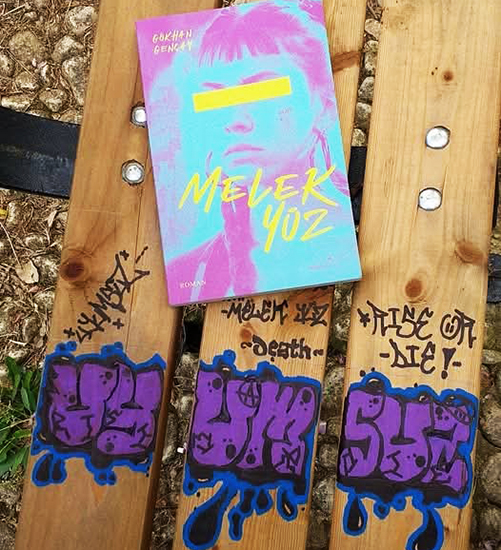
Bu dünyada yaşayıp da sınıf çatışmalarını, aile travmalarını, sistemin gençleri nasıl boğduğunu görmemek için kör olmak gerekiyor. Ben yalnızca gözlerimi açtım ve gördüklerimi yazdım.
Gökhan Gençay, yeni romanı Melek Yüz’le ilgili ilk olarak Löpçük webzine’e konuştu. Onunla gerçekleştirdiğimiz söyleşiyi sıcağı sıcağına sizinle paylaşıyoruz.
Melek Yüz oldukça sarsıcı, sert ve içten bir metin. Bu romanı yazma fikri nasıl doğdu? Yazım sürecinde seni en çok zorlayan neydi?
Gökhan Gençay: Açıkça söylemek gerekirse, her şey bir “hayır”la başladı. Türkiye’deki alışıldık roman kalıplarına, edebiyat denildiğinde anlaşılan her şeye “hayır” diyerek ortaya çıktı Melek Yüz. Belagatı, laf kalabalığını, hikâyenin akışından kopuk duygusal sayıklamaları arka arkaya sıralamayı iyi yazarlık sananlara, bu tür kitapları yayınlayarak böylesi romanları “has edebiyat” sanan okurlar yetiştiren ne şiş yansın, ne kebap yayıncılık anlayışına başkaldırının ürünüdür Melek Yüz.
Birilerinin “bu dille, üslupla yazılan, bu karakterleri içeren roman bu topraklarda olmaz,” tavrına karşı mücadele verdim, inat ettim. Yazım süreci boyunca da direndim; yumuşatmaya, törpülemeye yanaşmadım. Çünkü Elif’in hikâyesi, aynen anlatıldığı gibi yaşanıyor bizim zihnimizde. Ben de o sesi hak ettiği biçimde açığa çıkarmaya uğraştım. Yani empati kurmak veya açıklamak değil, öncelikle dürüstlük gerekiyordu.
Bu roman özelinde seni etkileyen edebi ya da kültürel kaynaklar nelerdi?
Gökhan Gençay:Benim Kanım’dan bildiğiniz üzere, ben transgresif minimal edebiyat janrını benimsiyorum. Chuck Palahniuk’un grotesk rahatsız ediciliği, Bret Easton Ellis’in hissizlikle yüklü keskin anlatımı, Amy Hempel’ın bilinçli sadeliği… Onlar yazarken arkamdan fısıldayan hayaletlerdi. Ama beni en az onlar kadar, Kadıköy sokaklarındaki geceler, skatepark’ta konuşulanlar, kavgalar, yaşadığımız varoluşsal çelişkiler de etkiledi. Melek Yüz, kültürel açıdan sadece edebiyattan değil, hardcore punk’tan, hatta duvardaki grafitilerden bile beslendi, diyebilirim.
Melek Yüz okurlarıyla…
Şunu gönül rahatlığıyla ifade edebilirim ki, Melek Yüz, dil, üslup, içerik ve stil olarak anaakım edebiyat kulvarında okuduğunuz hiçbir şeye benzemiyor, siz de göreceksiniz.
Elif/Annabel Lee karakteri ne kadar kurmaca, ne kadar kişisel deneyimlerden veya gözlemlerinden ortaya çıktı?
Gökhan Gençay: Anna veya Elif tek bir kişi değil aslında, birçok kişinin birleşimi. Benim gözlemlerim, arkadaşlarımın yaşadıkları, anlatılan hikâyeler ve evet, biraz da benim başımdan geçenler ve kendi iç sesim. Kitaptaki karakterlerin hepsi de öyle.
Peki, Melek Yüz’de ne var, diye soracak olursanız, kısaca şöyle yanıt vereyim size: Melek Yüz’de var olma bunalımı ve öfke var, sıkışmışlık hissi ve depresyon var, özgürlük arayışı var, eylem ve anarşi var, dövüş sanatları var. Kaykaycılar ve punklar, anarşistler ve boksörler, kekolar ve züppeler var. Gençliğin kutsal yıkıcı enerjisi üzerinden bütün bu aktörleri içeren bir hikâye var. Ve tabii ki Kadıköy sokakları var.
En önemlisi de, hiçbiri işkembeden sallanmıyor, otobiyografik pek çok öğe mevcut. Kurgudan çok daha gerçek okuyacaklarınız ve yaşanmışlıklara kıyasla eksiği var, fazlası yok. Kısacası anlatılan benim hikâyem, senin hikâyen, onun hikâyesi, bizim hikâyemiz! Şunu gönül rahatlığıyla ifade edebilirim ki, Melek Yüz, dil, üslup, içerik ve stil olarak anaakım edebiyat kulvarında okuduğunuz hiçbir şeye benzemiyor, siz de göreceksiniz.
Karakterin kendi adını bırakıp “Annabel Lee”yi seçmesi… Bu kimlik devrimini nasıl yorumlarsın?
Gökhan Gençay: Bu, bir genç kızın kimliğinden sıyrılıp kendi kendinin varisi olma iradesi. Annabel Lee, Elif’in Poe’ya yönelttiği bir çığlık. Aileden, devletten alınan isimlerle değil kendi adıyla yeniden doğma arzusu.
Show Me The Body – Stomach Ft. High Vis
Romanın dili doğrudan, zaman zaman sert ve yer yer mizahi. Bu anlatım dilini özellikle mi seçtin
Gökhan Gençay: Başka türlüsü sahte ve samimiyetsiz olurdu. Günümüz edebiyatında her şeyi sterilize etmeye çalışıyorlar ve bu benim hem yazar hem de okur olarak hiç hoşuma gitmiyor. Gerçekler steril değil, küfür, karmaşa, çatışmalar da gerçeğe içkin. Dürüst bir anlatım için o dili benimsemem kaçınılmazdı.
Elif’in iç sesi çok güçlü. Bu sesi oluştururken hangi tekniklerden faydalandın?
Gökhan Gençay: Teknik mi? İç sesin tekniği “tekniksizlik”tir bence. Şaka bir tarafa, aslolan kitaptaki bütün karakterlerin kendi gerçekliklerini, kendi üsluplarıyla dillendirmesidir. Yazarın görevi de buna yoğunlaşmaktır zaten, diğer türlü roman değil deneme yazmak daha doğru olur. Dolayısıyla Elif’in iç sesi, herhangi bir süzgeçten geçmedi. Kendi kendine konuşuyormuş gibi değil, kendi kendine bağırıyormuş gibi satırlara yansısın istedim. Başarabildiysem ne mutlu!
Roman gençlik, sınıf farklılıkları, aile yapısı ve yalnızlık üzerine güçlü bir eleştiri barındırıyor. Bu konuları ele alırken neyi hedefledin?
Gökhan Gençay: Aslında oturup somut hedefler belirlemedim. Bu dünyada yaşayıp da sınıf çatışmalarını, aile travmalarını, sistemin gençleri nasıl boğduğunu görmemek için kör olmak gerekiyor. Ben yalnızca gözlerimi açtım ve gördüklerimi yazdım.
Gökhan Gençay, İstanbul 2025
Valla bu yönetmenlerin hepsini severim ve keşke imkân olsa da Melek Yüz onların eline ulaşsa, beyazperdeye onların perspektifiyle taşınsa. İlla bir seçim yapmam gerekirse, kültürel açıdan anlattıklarıma yakınlık duyacağını düşündüğüm için Fatih Akın’ı tercih ederdim; tabii şimdiki küresel yıldız yönetmen kimliğiyle değil eski sokak tarzıyla hikâyeyi ele almasını isterim.
Günümüz gençliğini bu kadar yakından gözlemlemeyi nasıl başardın?
Gökhan Gençay: Gördüm, dinledim, analiz ettim. Yargılamadım. Skatepark’larda, forumlarda, fanzinlerde, sokaklarda gençlerle yan yanayım zaten. Bir cümleyle tanımlamam gerekirse, onlara bir ses verdim.
Romanın birçok yerinde hardcore punk altkültürüne referanslar var. Bu bağ kurgu mu, kişisel mi?
Gökhan Gençay: Altkültürler benim için bir direnme biçimi. Minor Threat, Turnstile, Show Me The Body… Bu gruplar da romandaki karakterler kadar gerçek. Bazen kafamızın içinde dönen şarkılar bizden daha çok şey anlatır. Okuyanlar görecek, Melek Yüz, punk ritminde akan bir roman zaten. Müzik, başkarakterin de iç haritasıydı.
Elif’in hikâyesi bir noktada açık kalıyor. Bu karakterle işin bitti mi?
Gökhan Gençay: Elif’in hikâyesi hiçbir zaman bitmez. Çünkü o bir sembol. Belki ileride farklı karakterlerle aynı evrende geçen yeni hikâyeler anlatırım. Ama şu an onun biraz yalnız kalması gerek.
Sen aynı zamanda çeşitli gazete ve internet sitelerinde kültür sanat editörlüğüyle sinema yazarlığı da yaptın. Melek Yüz’ün sinematografik bir anlatımı var. Peki, romanın filme çekilse hangi yönetmenin yönetmesini isterdin; David Fincher, Darren Aronofsky, Fatih Akın?
Gökhan Gençay: Valla bu yönetmenlerin hepsini severim ve keşke imkân olsa da Melek Yüz onların eline ulaşsa, beyazperdeye onların perspektifiyle taşınsa. İlla bir seçim yapmam gerekirse, kültürel açıdan anlattıklarıma yakınlık duyacağını düşündüğüm için Fatih Akın’ı tercih ederdim; tabii şimdiki küresel yıldız yönetmen kimliğiyle değil eski sokak tarzıyla hikâyeyi ele almasını isterim.
For many bands out there, the urge to play fast and intense music is the sole driving force behind playing grindcore, which is totally understandable. In our case, though, I could say personal struggle against the system was pretty much the main motivation to play politically and socially aware music in the first place;
SAKATAT is a three-piece raw as fuck old school grindcore band from Ankara/ İstanbul, Türkiye in 2005. Their influences include early NAPALM DEATH, S.O.B., EXCRUCIATING TERROR, WARSORE, AGATHOCLES, ROT, ASSÜCK and many more early/pre grindcore bands from the previous century. So far, they’ve recorded seven split 7″s, toured hard and played some of the sickest festivals all over Europe. Their debut-album was released in Summer 2012. After a long summer tour and a few gigs in autumn/winter, the band split-up at the end of 2012.
“Bir Devrin Sonu” is our very first album which is also our final. We recorded it around early 2012 in winter solitude at our friends’ studio in Ankara and the record came out on single-sided 12” and CD just in time for our European tour last summer. Although it consists of eight songs we tried to make it somehow “flow” rather than sound like separate songs put in a row, if you know what I mean. Despite very minor details, I would say the album represents how we ever wanted to sound like, intense, fierce and in your face that is. So, we are more than glad to see a lot of people are also digging it.
I don’t remember if we’d ever called it a ‘full-lenght’ or if it was what people assumed when we announced the ‘album’ but obviously it is rather silly to call a 8:08 minute release a full-lenght. We consider it our album regardless of its lenght, though. An obscure grindcore record isn’t supposed to be a ‘finished product’, therefore can’t be classified using the mainstream terms that are appropriate for pop music releases sold at chain-stores and malls. We could have easily added bunch of filler tracks as well as an intro and outro but that would only ruin it.
It is obvious that we barely handled our instruments when we first started. However, ever since we had this three-piece line-up, we aimed for the tightest and the most aggressive we could possibly get. Also, it is safe to say that our approach to grindcore has changed throughout years since we kind of figured out that it was possible not to lose focus on song-writing (whatever that means) and still pull off catchy tunes even with more emphasis on speed.
SAKATAT Live At OEF 2012
It is funny that our decision to call the album “Bir Devrin Sonu” coincided with us deciding to break up once the album is released and the tour is over.
The title refers to the fact that there is no way back from the point we, as the whole society are all in now. All the riots in human history is about reclaiming however, considering how we’re now in hand’s of the system, it is too late to bother reclaiming anything, whether it be human rights, access to resources that provide basic human needs like water, food etc… you name it. The human race’s immunity fed the system to own the future of all mankind.
It is funny that our decision to call the album “Bir Devrin Sonu” coincided with us deciding to break up once the album is released and the tour is over.
I am pretty sure that for many bands out there, the urge to play fast and intense music is the sole driving force behind playing grindcore, which is totally understandable. In our case, though, I could say personal struggle against the system was pretty much the main motivation to play politically and socially aware music in the first place; which is obvious if you consider we were quite a sloppy band with longer lyrics on our first couple of records. However, as we evolved in years, the need or urge to play furious music has become half of the motivation as well even though personal struggle and hatred was still there. After all, most of our songs have been written after being pissed off at political or social events that have happened at the time.
Artwork by Mert Aydın
“Screams of a cat suffering in the middle of a crushed nuclear power plant”
As I said earlier, the message had quite an important place when we started the band. Later in last few years though, the feeling has also gained an importance. I guess that is why we ended up having shorter lyrics and tighter songs
I think the first record that has motivated me to actually do vocals was NAPALM DEATH’s “From Enslavement To Obliteration”. The slow opening track that makes you wanna tear your clothes off and the next one where the tempo suddenly speeds up and makes you wanna eat those pieces of cloth… that is the feeling we’ve always aimed for. So, I guess that is what I have in mind when screaming, to add kind of a post-apocalyptic insanity feel to it, that is.
A couple of nuclear plants are being built in Turkey as we speak, who knows, maybe we won’t really need to struggle at all so as to sound like that soon? In fact, considering how nothing works properly here, you guys better start building shelters before the first plant crushes.
What’s your opinion about bands who have no, or partly, no lyrics? For you, as a singer, what is the most important: The meaning of the texts that should express something strong, or the feelings that have to come out (Even if there’s nothing meaningful to say)?
This is a topic that I’d given a lot of thought in last few years and I think sometimes it does make sense not to have any lyrics. At least, it is a lot more sincere than writing down all those supposedly political lyrics but not meaning any of them, know what I mean? I have met many bands on tours that you’d assume were politically-aware and all that looking at their lyrics, but turned out to be just your average consumerists. So, the bottom line is, it is better not to fake it than actually pretend to have something to say but don’t believe in or practice what you say.
In our case, as I said earlier, the message had quite an important place when we started the band. Later in last few years though, the feeling has also gained an importance. I guess that is why we ended up having shorter lyrics and tighter songs? The life-style differences among three of us has set a bar regarding how far we can go with the lyrics, too.
Archagathus / Sakatat “Slaughter-Extinction / Ucuz Can Pazarı” 2008 Split
I might be wrong, but I have the picture of SAKATAT as a band that tours a lot, playing many gigs here, and there, and also there.
How many gigs are you able to play monthly? Which were the nicest towns/ countries to play in? What’s the hard side of organizing gigs in various countries? Aren’t there problems with your jobs, and how are you able not to loose too much money (Because you play grindcore, which might be less “glamorous” than metal sometimes…)
I would say we toured as extensively as we could. 5 tours in abroad in 4 years is not bad, I guess, although still wasn’t enough for me, personally.
We started the band as a duo in 2005 but it wasn’t until 2007 or 2008 that we had a three-piece line-up that allowed us to play live. Since then, we toured about a month in abroad and played one or two gigs in Türkiye every year. We were all students within 2006 and 2012 which left us a couple of months every year to do whatever we wanted, which was to record new 7”s and go on tours.
It is safe to say every town/venue we played had a unique feel to them, so I am glad we played every single one of them. So, I guess, as cheesy as it may sound the best town to play is the one we haven’t play before?
Our first tours were all financial suicides but a lot of fun nonetheless. We learned fast though, so our last couple of tours kind of financed themselves which is quite a rare case for totally DIY bands like us. Especially if you have to buy expensive flight tickets to have an access to mainland Europe and buy visas to enter pretty much any Western country.
How is the situation for rehearsal places in Türkiye? Should you be very careful not to awake the suspicions of authorities with your “revolutionary” and “rebellious” sounds, or is this only about not bothering the neighbors with too much noise?
Haven’t ever heard of a band that had a problem rehearsing or even playing in public since not a single band here is rebellious enough to make anyone care. It is mostly the activist folk musicians or bands that are in trouble with the authorities in Türkiye.
You used to run a paper fanzine called IMPACT DRILL and released 3 issues on recycled-skin-paper (AhAh). Can you tell us more, so that the readers can gather some infos about it? Do you wish you had more free time to try and release more issues, or you became too tired with it and preferred to move to something else?
Well, I did run a ‘zine called Impact Drill but I am pretty sure you are mistaking it with another local metal ‘zine called Sonic Splendour put out by my comrade which was the one with recycled-paper. Impact Drill was your typical paper-zine focusing on international death metal and grind scene. I managed to put out three issue of which last one came out around summer 2007. I did actually put together another issue around 2011 however I totally lost the motivation and never printed it even though it was pretty much ready to go to the print. I guess I figured it wasn’t worth all the trouble after all. Back when I was in high-school or working full-time, putting out a ‘zine and doing the distro were all I could do with limited free time in hand but lately throwing parties and touring seemed a lot more fun.
I have a lot of respect for people who still make fanzines, whether it be on paper or online, and distributing obscure underground records and I do hope to start a new ‘zine as soon as I have the motivation.
You also used to run a small label assorted with a distro… Now I wonder if this is really over, because you released a grindcore and grindnoise compilation entitled “LOFI OR DIE” not so long ago… In 2012 this distro/ label might consists in selling recordings (Mostly your band’s music?) during gigs?
It was a lot of fun to run a distro til early 2000’s in Turkey but as soon as local folks stopped paying attention, it became pointless. I still enjoy putting out compilations though; with all the great new bands, it is hard not to do anyway! “Lo-fi or Die” was my attempt to pay tribute to 90’s-style compilation tapes with rehearsal recordings that helped me discover the underground grindcore scene back in the day like “Grind The Faces Of Rock Stars” and others. I will keep gathering new bands for more editions and in fact, the 2nd edition should be out soon featuring bands like ALCHEMY OF SICKNESS, CAMPHORA MONOBROMATA, FRUSTRAZIONE, MINDFUCK, PARALYZED SOCIETY, SKRUTA and more.
SAKATAT Live in Paris, France
S H R E D D I N G GRIND P O W E R
You’re a big fan of grindcore, on the “core” side of things, it’s not a surprise. So I’d like to have your feelings and opinion about the current health of the metal scene, and especially the genres that take quite some importance in today’s deep underground: Old school/ retro death metal, ultra brutal death and affiliates, 80’s heavy metal, thrash/ speed metal… It seems the 80’s are back for quite a lot of peoples, or at least it’s in the way…
Yeah, apparently human beings’ music preferences have a certain cycle which gets back to the starting point in every 20 years or so. From what I see, brutal death metal trend is already over and old school death metal is on the rise more or less since that book came out; 80’s classic heavy/thrash metal also seem to be doing fine and grindcore scene is growing rapidly as well.
People seem to need at least one badass new band to come out of blue and slap them in the face so as to get exited again. I guess it was REPUGNANT who did that for death metal and probably INSECT WARFARE for grindcore.
I personally pay little to no attention to how much a new band is being appreciated though, since you don’t need bigger labels’ expertise to figure out if a certain band is badass or not and whoever does that is gonna miss a good deal of great bands that are out there and kicking ass.
In your humble grinding opinion, what could please fans of old school Death metal and brutal death in your music? What could you tell them to try and convince their hears to remain opened once you pushed the “play button”?
Grindcore, or at least the type of it that we look up to, appeal to a very small audience worldwide, so I kinda doubt that any death metal-only fan would appreciate our stuff more than any WARSORE 7”. That is why true grindcore scene will always remain small. On the other hand, you have other grindcore bands that lean towards more death metal direction, both style and image-wise, like NAPALM DEATH, ROTTEN SOUND etc… that can appeal to a lot more people, including the death metal fans. Not that there is anything wrong with that though.
Modrá Vopice Club
What were your favorite albums and demos for 2012? Which bands kicked you or impressed you the most on album, or during live conditions?
Oh, this will take a bit long, haha! 2012 has been a long year with so many great new records and shitload of vinyl re-presses. In fact, it felt so long that I don’t even remember what I’d been listening to in the first half of the year! So, despite the risk of failing to remember many rad releases, here is the list of some of the records I have been enjoying last four months of the year:
AMPUTEE 7″, VIOLENT RESTITUTION “s/t” 12″, ENGULFED MCD (local obscure death metal trio in the vein of INCANTATION), GELO/BAKA YORO Split LP, DEPHOSPHORUS LP, COLUMN OF HEAVEN LP, ARCHAGATHUS/CAMPHORA MONOBROMATA Split 7″, CELLGRAFT 7″, MINDFUCK/CONTROLLED EXISTENCE Split Tape, BESTHOVEN/GO FILTH GO Split 7″ (It is really amazing how this one-man ANTI-CIMEX army can still pull off good records after all these years! “The Shadow Of Fear” is already a classic in my book and Greece’s GO FILTH GO is a good match indeed!) and BLACK TEMPLE BELOW “s/t” CDR (Nasty sludge/doom! Think ABRUPTUM meets ELECTRIC WIZARD!) had quite many spins here lately.
Notable re-issues, collections etc… are FEAR OF GOD “s/t” 7″ (Picture vinyl with great packing!) and WARSORE “Violent Swing” D-CD (I didn’t even know about those two 7″s!). Stuff that obviously rule though I haven’t got yet include SIXBREWBANTHA LP, THE KILL CD (waiting for the vinyl version on To Live A Lie) and IL MALE LP. Still haven’t really listened to the PROPAGANDHI, either.
Some of the live highlights are ENGULFED (Istanbul), LAHAR (Brutal Assault Fest), SHAPES OF DESPAIR (Brutal Assault Fest), AGATHOCLES (Berlin), TOOLS OF THE TRADE (Praha), HUMAN ERROR (Budapest), THE AFTERNOON GENTLEMEN (Play Fast or Don’t Fest) and TONER LOW (Play Fast or Don’t Fest).
Also, I should state that there is a huge pile of grindcore records and tapes sitting here that I haven’t had the time to check out yet, so there might as well be some note-worthy stuff among them; and needless to say, I didn’t include many punkrock and radio-friendly stuff since it probably wouldn’t matter to anyone reading your webzine.
Tell us about the future projects of SAKATAT, what the listeners could expect in the future, and feel free to conclude with what you wish. Grinding greetings.
First off, thanks for the interview, G.! I have been a fan of Nihilistic Holocaust ever since it was on paper, it is truly great to be featured!
The tape version of our album should be out soon in addition to a 4-way split tape with live recordings from our last gig in Praha. Moreover, we will probably be re-pressing the vinyl version of the album since the first press seems to be almost gone. Last but not least, we will be playing our final gig before we split up in Istanbul on January 27th with AGATHOCLES, REPULSIONE and xKATExMOSHx. This is also our attempt to start an annual DIY grindcore meeting/fest in Türkiye. So, as of January 28th, we will be nothing but history.
“Kimisi için kolay olabilir fakat duygusal dünyası biraz daha farklı olanlar için insan olmak kolay değil. Benim için en büyük dert insan olmak ve insanlarla olmak.”
Kaan Akay, uzun yıllardır İstanbul müzik sahnesinin devamlı üreten dişlilerinden biri. Kendisi için çeşitli mecralarda “drum&bass misyoneri” tanımına rastlayabileceğiniz Akay; Golem mahlasıyla çaldığı setleri, aralıksız devam eden radyo programları ve farklı janrlardan birçok müzisyen ve grupla yollarının kesiştiği davulculuk serüveniyle çok yönlü bir müzik insanı. Kariyerinin ilk solo albümünü 2022’de yayımlamış olması, oldukça şaşırtıcı elbette.
–Cem Kayıran / 2022 / Bant mag.
Günün büyük kısmının geçtiği Zihni Müzik deposunda Kaan Akay ile buluştuk ve Human Scum ismiyle yayımladığı ilk uzunçaları Deceitful’a çıkan yolları, müzikle kurduğu derin bağları ve yalnız başına üretme pratiklerini konuştuk.
Kaan’ı takip edenlerdenseniz, Human Scum ismi kulağa yabancı gelmeyecektir. Ambient kayıtlara odaklandığı ve beş sene önce yayın hayatı sona eren haftalık radyo programı da aynı ismi taşıyor. Hayatın; boşanma, Avustralya’dan geri dönüş, işsizlik gibi konu başlıklarıyla kendini sıkıştırdığı bir zamanda başlayan programı; “Human Scum geri dönecek ama benim solo projem olarak” mesajıyla sonlandırdığını hatırlatıyor Kaan. “Beş sene sonra bunu gerçekleştirdim” diyor Deceitful için de.
Tıpkı radyo programı gibi, albüm de bir başka ilişki sonunu takip eden sancılı sürecin bir çıktısı. Ama solo albüm yapma isteği çok daha gerilere uzanıyor tabii. Sözü ona bırakayım:
“Hayatım boyunca sürekli ertelediğim bir şeydi. Ya çok çalıştım ya başka projeler hep bana yetti ya radyo programı ve DJlikle orayı besledim ama hep iteledim ve öteledim. Bu sefer ‘Müzik yapmam lazım yeter, bana iyi gelecek, yaralarımı saracak’ dedim. Öyle başladı biraz. Solo albüm yapmak fikri aklımda hep dönüyordu ama böyle lank diye bir şey olunca hayatımda, çok doğru bir zaman diye düşündüm.”
Deceitful’da yer alan altı şarkı, başlangıç ve varış notalarının bulanıklaştığı işitsel ve duygusal patikaları kat ediyor. Albümün dinlenebildiği yegâne mecra olan Bandcamp bile etiketlemeye dayatıyor; illa etiketlenecekse ambient, drone gibi türler ile Kaan Akay dünyasında büyük yer kaplayan drum&bass, breakbeat ya da black metal gibi referansları karıştırıp bir kelime icat etmek gerek. Dokuların, bozulmuş seslerin ve ayrıksı fikirlerin bir aradalığında saklı albümün çekim gücü.
Hepsi son dönem ürünü, kendi tabiriyle yaşadığı çöküşü ve takip eden süreci anlatmak için yazılmış şarkılar. Delirmemek için yaptığını söylüyor ve “İşe yaradı da” diyor ama bunu müzik yaptım iyileştim gibi bir romantiklikle bağdaştırmıyor.
“Geçiyor mu hissettiğimiz şeyler? Zamanla geçiyor gibi oluyor ama hep bir yara daha ekleniyor üstüne. Her şey zamanla daha iyi oluyor mu, çok da emin değilim. Yaptım, iyi geldi bana. Tamamen geçti mi? Zannetmiyorum. Kimisi için kolay olabilir fakat duygusal dünyası biraz daha farklı olanlar için insan olmak kolay değil. Benim için en büyük dert insan olmak ve insanlarla olmak. Human Scum; ben de bir Human Scum’ım. Bunu bir şekilde müziğe ya da başka bir şeye dönüştürebiliyor muyum? Tamam o zaman. Birçoğumuz için müzik bir hobi değil; bir var olma sebebi. Eğlence de değil ama yaparken eğleniyoruz. Ben bu albümü düşünürken gülümsüyorum; yaparken ağlıyordum.”
Kaan Akay ‘Human Scum’ 2022
Zifiri bir karanlığa batırıp yoğurduğu puslu havanın üst frekanslarını tiz ve ritmik melodik bir oyuna dönüştürüyor.
Albümü dinlerken de sohbet edip ardındakileri öğrenirken de albümü kendi için yaptığından en ufak bir şüphem yoktu; nitekim kendisi de bunu doğruladı. “Şunlar da dinlesin, bir şeyler hissetsin” gibi bir kaygı taşımadan, kendi duygularını dinleyerek aldığı kararların şekillendirdiği bir akış dinliyoruz Deceitful’da. Kir-pas, müziğinin olmazsa olmazları ama yalnızca burada kalmıyor; her parçada başka bir duvarı kırmayı ve ters köşelere dokunmayı alışkanlık ediyor. “compulsive liars” iyi bir örnek. Zifiri bir karanlığa batırıp yoğurduğu puslu havanın üst frekanslarını tiz ve ritmik melodik bir oyuna dönüştürüyor.
compulsive liars · human scum deceitful ℗ human scum
“Benim yaptığım ve yapacağım işlerde teknik olarak yanlışlar var ve hep olacak.”
Şarkı yazım sürecini içgüdüsel sıfatıyla tanımlamakta. Zihnini en çok kurcalayan konu olan insanlık hâllerini, elektronik kompozisyonlara taşıyabilmeyi mümkün kılan bir yaklaşım kesinlikle bu. Günümüz elektronik müziğindeki “kusursuzluğu” asla aramıyor, bilinçli olarak yola tümsekler koyuyor. Peki kararları kendi alsa da bu süreçte yaptıklarını duyacak, yorumlayacak bir kulak daha ihtiyacı olup olmadığını sorduğumda da çok net bir yanıtla karşılaştım.
“Olmadı. Bazen istemeden etkilenebiliyorsun insanların söylediği şeylerden. Çok da güvendiğim, gönderebileceğim insanlar vardı. Denedim de, bir şarkı yolladım mesela. Olaya çok teknik yaklaşacaklarını biliyordum. ‘Baslar neden mono değil?’ dedi mesela. Bu bir dans müziği değil, bir doku olarak kullanılıyor baslar diye kendimi açıklarken buldum. Yapmayayım dedim ben de. Benim yaptığım ve yapacağım işlerde teknik olarak yanlışlar var ve hep olacak.”
Extreme Parking / Live at Kargart / ÆVOM Portal 3 (2017)
Kaan’ı uzun zamandır tanıyan, müzik zevkini aşağı yukarı bilen biri olarak; bu “ilk albüm”ün sürprizli ama bir yandan da tanıdık olduğu kanaatindeyim. Proudpilot’ta ya da Ağaçkakan’da davul çalan Kaan’ı da duyabiliyor, bir yandan da açıp drum&bass setlerini dinleme arzusu uyandırıyor olması itibarıyla tanıdık. “Bir kere drum&bass var, albümde de kopamadım, kopamıyorum. Bir şekilde oralara da selam vermem gerekiyor.” diyor mesela. Prodüksiyona video oyunlarından, filmlerden sample’lar da sızmış tabii. Bu anlamda Deceitful için Kaan Akay hakkında birçok şeyin karışımı demek doğru olacaktır.
Saf bir ambient albümü değil; olmasını da istememiş zaten. Bir sis bulutunun üstünü örttüğü, belirsizliğin sabit olduğu bir ses işçiliği icra ediyor. 10 dakikalık açılış şarkısı “suddenly gone”, devamında neler yaşanacağının bir fragmanı gibi. Albümün en uzun şarkısı, “Bunu en başa koyayım, dinleyecek insan zaten bu parçada elenecek ya da kalacak” diye düşünmüş; her şey lak diye ortaya çıksın istemiş. Albümün yaratım sürecinde sonik haritası ve üslubunun da kendiliğinden geliştiğini anlatıyor:
“Müzik, ona ne kadar vakit harcarsan sana o kadar geri dönüyor. Çok net bir ilişki. Herhangi bir insanla yaşadığım bir ilişkiye benzemiyor. Veriyorsun ve alıyorsun, aşırı net. Bundan 10 sene önce başlamış olsaydım, böyle bir şey olmayacaktı. Bunları yaşamamıştım, böyle bir hissiyatım yoktu, kafam çok değişti. Muhtemelen daha ritmik ya da drum&bass-vari bir şeyler yapmaya çalışacaktım. Böyle bir şey olmayacağı kesinlikle ortada.”
Bugüne dek müziğin üretim kısmını kolektif olarak deneyimlediği için, bunca yıllık yaşanmışlıkla bir ilk albüm yazmak ve kaydetmek yeni heyecanları da beraberinde getirmiş. Bir parçayı nasıl devam ettireceğine dair düşüncelerle uykusunun kaçtığını, tavana bakarak parçayı zihninde döndürdüğünü anlatırken “İşim gücüm olmasa, sadece müzik yapan biri olsam fıttırırım. Onu anladım.” diyor. Bir şarkı ne zaman tamamlanır, daha ne kadar uğraşmalı gibi soruları da kendisine çok sorduğu bir dönem olmuş. Nihayetinde o an hissettiklerini muhafaza edecek şekilde, çok aşırı düşünme seanslarına dalmadan tamamlamış albümü.
Kaan Akay, kendisini “çok fazla şeye takılan, tepkili biri” olarak kodluyor. Dolayısıyla her zaman söyleyecek bir şeyleri olacak. Sinirlendiği ve üzüldüğü şeyleri yansıtan albümündeki şarkı isimleri bile sitemkâr. Bunun söyleyemediği ya da konuşamadığı bazı şeylerin dışavurumu olduğunu düşünmekte. Hatta ilerideki işlerinde de benzer bir yaklaşımı olacağından emin. Müzik yapmayı sakinleşmek ve dert ettiği şeyleri başka türlü açıklamaya çalışmak için bir pratik olarak görüyor. Ama şarkı ismi belirlemek hakkında yaşadığı ikilemler de olmuş elbette:
“Yeni şarkılarıma falan koyduğum isimlere de bakıyorum; üzüldüğüm ya da kızdığım şeyler çoğunlukla. Bunlar da çok eğlenceli şeyler olmuyor tabii. dinleyicinin de kafasına şarkı ismiyle tık diye bir şey atıyorsun. Tehlikeli bir şey aslında. Kimisi senin verdiğin isimden çok farklı bir şey hissedebilir. O da bir handikap. Neticede bu benim albümüm, ben bunları hissediyorum, yapacak bir şey yok.”
Proudpilot ‘O.B.D.” 2012
“Biraz karanlık tabii. Tercihim hafif fütüristik bir oyun olması olabilir. Bilim kurgu hayatımda çok fazla var. Dinlediğim müzikte de izlediğim şeylerde de oynadığım oyunlarda da var. Pis bir şey olması gerekiyor.”
Oyun müziklerinin ve genel anlamıyla video oyunlarının Human Scum albümünde büyük bir ilham kaynağı olduğu ortada. Kaan kendini bu kültüre adamış bir gamer aynı zamanda. Hâliyle “Deceitful’un nasıl bir oyuna eşlik etmesini dilerdin?” diye sormam gerekiyor. Gülerek yanıtlıyor.
“Biraz karanlık tabii. Tercihim hafif fütüristik bir oyun olması olabilir. Bilim kurgu hayatımda çok fazla var. Dinlediğim müzikte de izlediğim şeylerde de oynadığım oyunlarda da var. Pis bir şey olması gerekiyor.”
Kapanışı güzel bir haberle yapalım: İlk solo albümün çıkması yıllar sürmüş olsa da takip edecek Human Scum kayıtları için uzun uzun beklemeyeceğiz. Hatta mayıs ayında Özge Ürer’in “Kartallar” şarkısına yaptığı bir remiks buralarda olacak. Arada sürpriz bir albüm bile olabilir. Peki Deceitful sahneye taşınacak mı? Nasıl taşınacak? Ne zaman taşınacak? Bunlar da şimdilik yanıtını bekleyen sorular. Hem biz hem Kaan Akay için. / Röportaj: Bant mag.
İlk albümü Yankı’yı 2022’de bağımsız olarak yayınlayan Melis Yelman, Bu işin sonu delilik, Nergis, Harbin anlamı yok gibi dans-pop ve melankolinin sınırlarında gezinen şarkıların yanı sıra Sezen Aksu’ya ait hit parça “Kibir”e getirdiği yeni yorumla da çok sevildi.
Yaratıcı sözleriyle, imgelerle örülü şarkı metinleriyle ve mitolojik ögelerle bezeli eserleriyle farkını ortaya koyan sanatçı, Canozan, Ufuk Kevser, Cone & Cones, TERSKELEPÇE, Nurettin Çolak, YGA, Orçun Ayata gibi sanatçı ve prodüktörlerle ortak işlerde yer aldı. Yeni EP’sinden çıkan ve 2000’ler ruhunu yansıtan “Harbin Anlamı Yok” şarkısı ise büyük ilgi topladı.
Live at BLIND 2025
Yelman Style !!
İki yıldır müzikal yolculuğunu takip ettiğim bir isim Melis Yelman… Elektronik altyapılarla Türkçe şarkıları başarıyla buluşturuyor, üstüne şarkı yazarlığı yönünü de geliştiriyor. Söylemiş olayım; Melis Yelman hem sesi hem duruşuyla gümbür gümbür geliyor…
Tolga Akyıldız
Üniversitede okuduğu yıllardan beri çoksesli müziğe ilgi duyan, korolarda yer alıp yurtdışı festivallerde deneyim kazanan, sonrasında bir dönem caz vokal üzerine çalışıp kendini geliştiren genç bir sanatçı Melis Yelman. Hem sesi hem duruşuyla ‘Gümbür gümbür geliyorum’ diyen şarkıcının radarıma girme nedenleri şöyle: Öncelikle dans/elektronik altyapılarla Türkçe sözlü şarkı yazarlığı becerisini tertemiz bir paydada buluşturuyor. Ayrıca iddialı bir şarkıcı olma hedefiyle yetinmeyip, genç yaşta söz yazarlığı yönünü geliştirmeyi hedefleyip bunu yavaş yavaş başarıyor.
İki yıllık yolculuğunu adım adım takip ettiğim Melis Yelman’ın bu yıl nisanda yayımladığı ‘Kibir’i tanışma niyetiyle dinlemenizi öneririm. Parçanın orijinali Hande Yener’in büyük bir hit’i (Yanmam Lazım) biliyorsunuz. Dinleyin ve Yener versiyonuyla kıyaslayarak Yelman’ın müziğe yaklaşımını, sound’unu anlayın önce…
Melis Yelman ‘Nergis’ 2022
Akabinde geçen günlerde yayımlanan ‘Nergis’e odaklanın. Bu şarkı ilk albümün haberci teklisi. Görsel konsepti yaratan Burçin Kaygısız ve düzenlemenin altındaki imza Görkem Arslan’la güzel bir ekip işi olmuş. Fikri altyapısı ve samimiyetiyle gönüllere taht kurmuş, bağımsız yapım şirketi Bir Baba Indie (BBI Music) yolunu bulmuş, güzel bir yere gidiyor Melis Yelman’la… / Hürriyet 2021
Selin Baycan x Melis Yelman, Blind Session
Melis Yelman ‘Semazen’ Live at Blind, Istanbul 2025
Melis Yelman -Live at Blind- İstanbul 2025
Melis Yelman, yeni şarkısı Şahmeran ile dinleyicileri Kız Kulesi’nin efsanesinden ilham alarak tasarlanmış etkileyici bir hikâyenin içine çekiyor. Şahmeran, tutkunun ve aşkın yıkıcı gücünü, sade ama çarpıcı bir düzenlemeyle ele alıyor. Nahif isyanı ve derin duygusallığıyla dikkat çeken bu şarkı, zengin gitar melodileri ve uçuşan vokalleriyle eski yaraları tazeliyor.
Melis Yelman; Canozan, Ufuk Kevser, Cone & Cones ve TERSKELEPÇE gibi isimlerle gerçekleştirdiği iş birlikleriyle adından söz ettirirken, şarkı sözlerinde imgeler ve mitolojik unsurlar kullanarak dinleyicilerini hikâyelerle buluşturuyor. Geçtiğimiz Ekim ayında yeni EP’sinden ilk teklisini yayınlayan Melis Yelman, kendine özgü tarzını derinleştirmeye devam ediyor. / efsanetan.com
Günlerin hep aynı geçiyor, dedi kızım. Durdum, durdum ve uzunca bir süre konuşamadım. Galiba haklısın kızım, dedim. O kapıdan çıkıp giderken onu izledim. Başaramadım. O da mı sıkılmıştı bu rutinden? Her gün aynı kitapları, aynı raflara koymaktan insan sıkılır mıydı? Kafka’nın kanon olması, onun da mı canını sıkmıştı? Sıkılmıştı besbelli.
Yeni gelen kitapları yerlerine yerleştirip, stoklarını girdim. Ama aklımda halen o sözler vardı. Ağlamamak için direndim. Ama yenik düştüm. Birkaç müşteri girdi. Onlarda pes peşe terk ettiler dükkânı. Ağlayan birini görmek uğursuzluk getirmezdi oysa. Getirse getirse hüzün getirirdi.
Hakan Kaya’dan
Şimdi aynalara bakmaya korkar oldum. İhtiyarlamıştım. Kadın beni yatağına almak bile istemiyordu. Kendimden tiksindiğim zamanlar olmuştu yaşam boyunca. Bu farklıydı. Farklı. Artık kitap okumuyorum. Tüm ömür bir kitapçı duvarları arasında geçerken, insan en sevdiği şeyden korkar olurmuş. Kendi suretinden korkan, ondan doğan birinden nefret edebilir miydi? Gölge gölgeye benzerse, gölge rengini kaybedebilir miydi? Kaybeden gölge, bir silüet mi olurdu, Yoksa sadece bir renk mi? Bilmiyorum.
Sabah dükkânın kepenklerini açtım. İçeriden bir ışık hüzmesi geliyordu. İçeri girdim. Işığın geldiği yeri bulduğumda, bir mektupla karşılaştım. Titrek eller ile mektubu açıp baktım. Kızımın el yazısıydı.
Topyekün bir kafa genç yaratıcı kimlik Hakan Kaya konuğumuzdu…
Sürekli aynı rutin absürt bir duruma dönüştü baba. Ben bu rutine sıkışmayacağım. Kafka’nın Kanon olmasını kaldıramıyorum. Belki dünyanın başka bir yerinde Kafka hala kafkadır. Öyleyse onu bulmam gerek. Elveda.
Sonunda bu da olmuştu. Mektubu masaya bıraktım. Kafka bunu da yapmıştı. Dolabı açtım. Anımsadım, ağlamaya başladım. Bunu aldığım günü düşündüm. Kim korkar ki bir kitapçının silahından? Tüfeği aldığım gibi koşmaya başladım. Yolum uzun, amacım kesindi.
Kafkayı vurmak amacıyla Prag’a kadar koşmayı ümit ettim. Birinin onu uyarması gerekiyordu çünkü.
Kimi zaman nefretle, kimi zaman da motivasyon yanılsamasıyla…
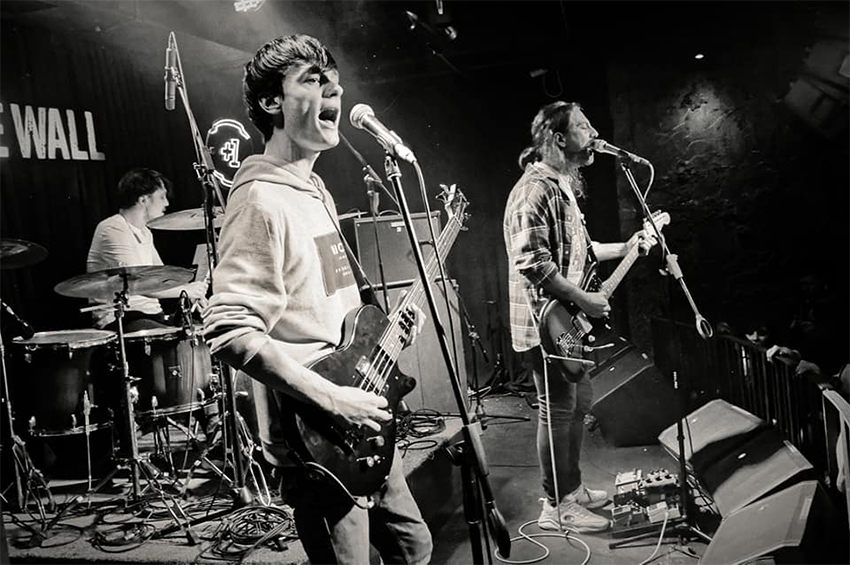
Mordi’nin hikâyesi, ortaokul yıllarında Deniz Demirbaş ve Emre Durgun’un okuldan stüdyoya kaçma rutinleriyle başladı ve bu erken dönem birliktelik, ilerleyen yıllarda Yasin Taş’ın da katılımıyla nihai formuna kavuştu. Post punk, grunge ve noise rock ekseninde gezinen, radyo dostu akılda kalıcı melodileri, adeta bu yaklaşıma karşı çıkarcasına mekanik ve gürültülü paternlerle sunmayı tercih eden Mordi, dinleyicisini zihin kurcalayan ama yoğun hissettiren bir işitsel yolculuğa davet ediyor. Üçlünün müziğine, toplumsal ve bireysel defoların oluşturduğu açık yaraları pis ellerle kurcalayan şarkı sözleri eşlik ediyor. Kimi zaman nefretle, kimi zaman da motivasyon yanılsamasıyla güdümlenen bu parçalar, grubun sahneye taşıdığı yüksek enerjili ve kan-ter içinde kalan performanslarının da temelini oluşturuyor.
Mordi ‘Utanıyorum’ 2024
At times driven by hatred, at other times by the illusion of motivation…
Mordi’s story began in the middle school years with Deniz Demirbaş and Emre Durgun’s routines of escaping from school to the studio, and this early collaboration took its final form with the participation of Yasin Taş in the following years. Travelling on the axis of post punk, grunge and noise rock, Mordi prefers to present radio-friendly catchy melodies with mechanical and noisy patterns, as if in opposition to this approach, and invites the listener to a mind-bending but intense aural journey. The trio’s music is accompanied by lyrics that poke open wounds caused by social and individual defects with dirty hands. At times driven by hatred, at other times by the illusion of motivation, these tracks form the basis of the band’s high-energy and blood-sweat-soaked performances on stage.
Şubat 2022, the Wall konserinden / Foto: Mehmet Taylaner
Mordi ‘Sar Başa’ Ben Hak Ettim
Şubat 2022, the Wall konserinden / Foto: Mehmet Taylaner
“Müzik, rakınrıolun bir selebriti şovu olduğu anlık bir olay değil artık…”
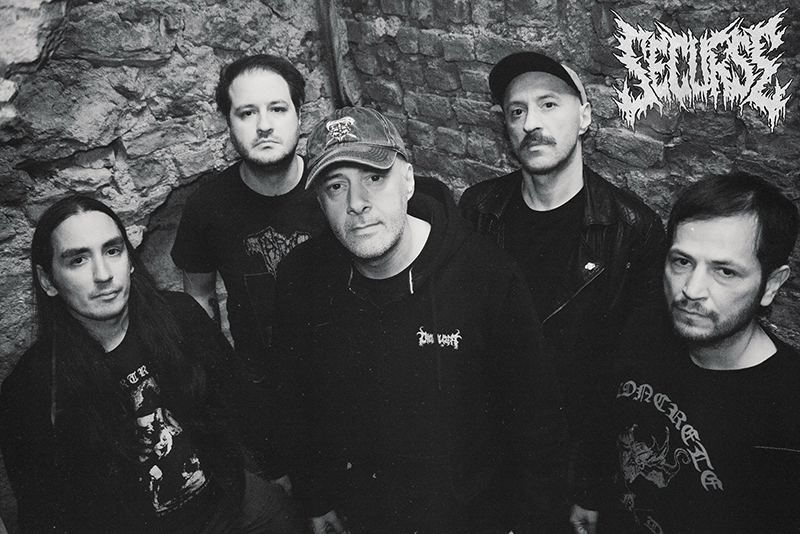
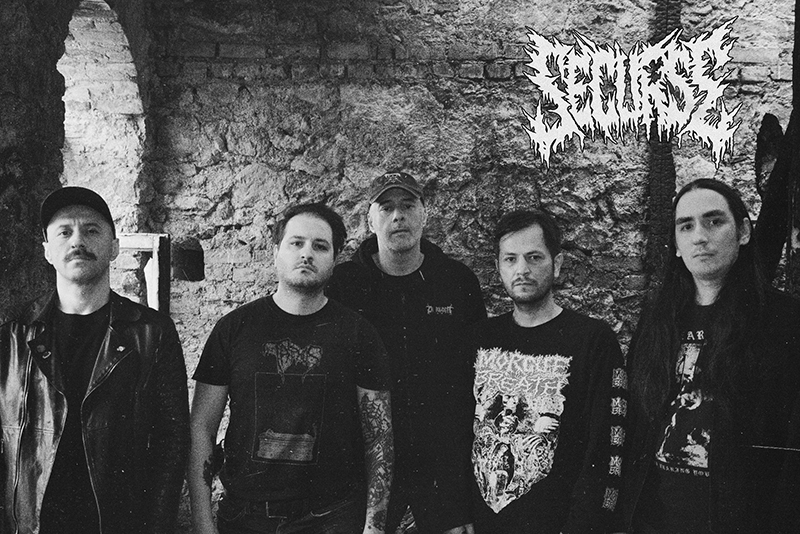
Hardcore punk all-staremektarlarımızın 2021 yılında bir araya gelmesiyle İstanbul’da kurulan SECURSE, şu anki kadrosuyla davulda Ali Can Şalt, gitarda Onur İlhan, bass gitarda Sinan Ermiş, ikinci gitarda Canberk Behramoğlu ve vokalde Kerem Onan’dan oluşuyor.
Kerem Abi, merhaba. Öncelikle söyleşi için çok teşekkürler. Her ne kadar mütevazi kişiliğinle tanınıyor olsan da lisede hazırladığım meşhur grindcore fanzini Shotgun Suicide’dan yıllar sonra yeni bir fanzinde, seninle yeniden buluşmak benim için anlamlı.
Merhaba gözüm, yıllar sonra yeniden fancin röportajlarına cevap veren tarafa dönmek de benim için çok anlamlı. Sağol röportaj için.
Radical Noise’den ayrılmanla birlikte Securse isimli yeni bir projeyle müzik hayatına tam gaz devam ediyorsun. Grubun nasıl şekillendiğinden bahsetmek ister misin, yoksa dinleyiciler zaten, yeteri kadar biliyor mudur?
Açıkçası benim Securse’e katılmam biraz tesadüfle oldu. Grup aslında Poster-İti’nde beraber bir kimya yakalayan Ali Can ile Onur’un çaldıkça daha da uç müziklere doğru koşan besteleri ile şekillenmişti bile. Bundan iki yıl kadar önce bir gün Onur ile aynı binada çalıştığımızı tesadüfen fark edip öğle yemeklerine çıkmaya başladık ve kaydı bana dinletti. Ali Can Standback ve Tozlu Kaset’den; Onur da Sakatat kayıtlarından beri tüm projelerini takip ettiğim bir gitaristti. Öldü İnsanlık’taki neocrust rifini duyunca gruba ne yapıp edip girmeyi aklıma sokmuştum zaten. Biz gaza gelip şarkıların vokalli halini hazırlarken aramıza çok sevdiğim Lecture ve Lifelock’da çalmış elemanlar olan Can ve Sinan katıldı. Sonrası “665”!
SECURSE ‘FIRTINA’ 665
“Geçmişi önüne kızak yaparsan yol alırsın, sırtına yük yaparsan olduğun yerde kalırsın.”
Yerli hardcore/ punk ve metal sahnemizin, teknik-ses stüdyo imkanları eskiye nazaran çok daha gelişmiş olsa da içerik ve duygu açısından zayıfladığını dile getiren bir kesim var. Bu durumu nasıl değerlendirirsin?
Bence Türkiye’de bu türün olgunlaştığı kıvamını bulduğu nesil 00’ler nesli. Ben o nesli dinlemeye başlayınca dergi yazarlığım boyunca kendime bir ilke edindim, çalınan müzikte ruh gördüğümde onu tanıtacaktım, fanzin ruhuyla dergicilik yapacaktım. Bu yüzden Self Torture’dan Standback’e, Noisy Sins Of the Insect’den Sakatat’a kadar, Hellsodomy’den Diabolizer’a Thrashfire’a kadar ben seksen doksanların tayfasının aşıldığını düşünüyorum açıkçası. Sağlıklı olan da bu zaten. Geçmişi önüne kızak yaparsan yol alırsın, sırtına yük yaparsan olduğun yerde kalırsın. Geçmiş bu yüzden önemli, gelecek de aynı şekilde. Geçmişine çok sağlam sahip çıkarak hayvan gibi müzik icra eden gruplarımızı da unutmayalım Carnophage, Suicide, Metalium, Haossaa ve daha niceleri gibi. İçinden geleni yapana eski yeni yok.
Dediğim gibi ben Chopstick Suicide’ın; Sakatat’ın; Self Torture’un sahnesini 90’lardaki hiç bir gruba benzetemem, hepsi özgündü. Şu an Jornada Del Muerto’nun sahne duruşu da tamamen kendilerine özgü; Second’ın teatral ortamı da apayrı bir hava taşıyor; Emaskülatör bir çok tabuyu sahnede yerle bir edebiliyor. Bana kalırsa homojen bir scene falan yok artık, üreten ve paylaşan insanlar var, misal Tolga Özbey, Rashit ile sınırlamadı kendini ve çok güzel bir solo albüm çıkarttı bu yıl; bence nesli yaşı fark etmeksizin işleyen demir ışıldıyor.
Bir çok yetenekli genç olsa da gerçek anlamda devrimci bir tavır takınan çok az insana rastlıyoruz, bu değer kaybını yaratan faktörler sence nedir?
Aydınlanma’nın dalgalarının coğrafyamıza çarpmaya başladığı 1836’dan beri, muhalefet kültürüne düzenli olarak darbeler ve standartlaşmış “özel kanunlar” ile saldıran bir iktidar kültünde yaşadı bu insanlar. Kurtuluş Savaşı’na kadar Anadolu’nun son tasviri hep “içinde yaşlıların ve bebelerini emziren annelerin yaşadığı terk edilmiş köyler”dir yabancıların günlüklerinde. İnsanlar Padişah savaşlarından CIA darbelerine kadar durmadan kılıçtan geçirildiler, işkence gördüler ya da zorla askere alındılar. Bu zamanla öğrenilmiş bir davranış olarak nesilden nesile aktarılıyor. Askere gitmeden önce her erkek babasından bunu duyar; “Her lafa atlama, cevap verme, öne çıkma”. Bu aslında hayatın her alanına şırıngalanan bir faşist söylemdir. Komünizm gerekirse devletin getirir. Sen karışma evladım…. Tam olarak bu yüzden. Çünkü artık bu kafanın tersine evrimleşerek bir devrimciye “vay gerizekalı” diye baktığı bir döneme girdik. Neo feodal kapitalizmin bize hediyesi. Enayi olmayın. Göt altına gitmeyin (aynen bu cümleyi kullanırlar açık açık). Susun. Ortamlarda susmuyormuş gibi yapın.
SECURSE – LIVE at KARGA – ISTANBUL, 25
“DIY’ın ayrıksı bir küçük ortam olarak kalmaktansa kolektif bilince önem veren ve aynı anda bireyi dışlamayan bir seçenek olarak insan toplumunun genelinin hayatına girmesi gerekiyor.”
D.I.Y.’dan gelen otantik tavrın, bilişim çağının veri hızına yenik düşmesi, anlam yitimi ve zamanla iktidarsız bir düşleme dönüşmesi vb. olumsuzlamalara ne dersin?
Otantik olarak nitelediğin her şey aslında kelimenin geçmişe yaptığı atıf ile bittiğini kabul ettiğimiz bir dönemi işaret ediyor. Dolayısıyla DIY’ın nasıl evrildiğine, hayata nasıl devam ettiğine bakmak lazım. O dönemin tadı, dokusu bambaşkaydı ama önümüzde açılacak olan çağ bambaşka, DIY’ın ayrıksı bir küçük ortam olarak kalmaktansa kolektif bilince önem veren ve aynı anda bireyi dışlamayan bir seçenek olarak insan toplumunun genelinin hayatına girmesi gerekiyor. Senin fanzininde farklı sanat disiplinlerine yer vermen de bu yüzden aslında, fikri yaymak lazım ve artık eski araçlar geçerli değilse yenisini dönüştürmek lazım.
SECURSE ‘665’
“Müzik, iletişimin ilk biçimidir, halkın sesidir, konuşmanın evrimidir. Herkes yapabilir ve yapmalıdır.”
Ben mesela işi gücü olan bir beyaz yakalıyım. Bana kimseden miras kalmadı, hızlı zengin olmanın bir yolunu aramadım, hayatım boyunca emeğimi satıp çalıştım. Grup elemanlarının hepsi böyle. Biz sesimizi “ay biz çalışıyoruz bordromuz var o yüzden pank yapamayız” diye kısıtlasaydık, bu şarkılar çıkmayacaktı. Müzik, rakınrıolun bir selebriti şovu olduğu anlık bir olay değil artık sadece, o ayrı bir tiyatro, güzel olduğu yerler de var ama müzik artık altı yaşında bir çocuğun Chambers sololarını davulda çalarak youtube’a koyduğu bir aşamaya geldi, bunu gözden kaçırmamak lazım. Müzik, iletişimin ilk biçimidir, halkın sesidir, konuşmanın evrimidir. Herkes yapabilir ve yapmalıdır. Sadece kendisini rockstar zannedenler ya da onlara özenen pozcular müziği kısıtlar. Bunu özel bir tipe atfedenler olayı tamamen yanlış anlamıştır zira o zaman bütün kökeni Robert Johnson gibi tam da Fransız Devrimi’nin tanımladığı baldırı çıplak vatandaştan gelen bir müziği dinliyor olmazlardı. DIY o yüzden genişlemenin yollarını bulmalıydı ve buldu. Bugün dünya DIY fanzin ve dergilerinde yazan, DIY gruplarda müzik icra eden insanların mesleklerine bakın; dumur olursunuz. Artık toplumun her yerindeyiz.
SECURSE ‘TRAITOR’ 665
“…kendimi asla nostaljiye ve geçmiş özlemine gömmüyorum ama geçmişi geleceğe doğru aktarmak için alternatif fikirler yaratmaya çalışıyorum.”
Bizim jenerasyon sizleri örnek aldı ve iyi-kötü birşeyler becerebildik, şu anki gençler kimleri örnek almalı?
Gençler yaşlıları, yaşlılar da gençleri örnek almalı. İkisinin de birbirine verecek o kadar çok şeyi var ki. Zamana bağımlı hayatlarımız tıpkı zaman gibi lineer de değil aslında. Döngüyü çözdüğümüzde çözüm önümüzde belirecek.
İnsanlar artık sosyal medya fenomenlerine, influencer’lara, sınıf-bilinci bile olmayan rapçilere özeniyorlar.
Özensinler bence, beşbin yıl önce -hatta hala- katillere kahraman diye tapıyorlar; canlı kanlı bir insanın tanrı olduğuna inanıyorlardı. Bu evrim; iğrenç bir aşama ama zorunlu. Bir katilin hayranı olmaktansa gerçek yüzünü daha kolay görebilecekleri bir influencer’dan etkilensinler, kendi karşı kültürlerini yaratmaları için malzeme olur. Yeni Lydia Lunch’lar Andy Warhol’lar Basquiat’lar belki de bu kültüre tepkisini özgün bir şekilde göstermeyi keşfeden gençlerden çıkacak ve yeşerecek.
Cover artwork by Gürkan Özer / SECURSE ‘TRAITOR’ 665 (Detay)
“…’eski Türkiye, İstanbul’ gibi kavramlara hiç inanmadım. Bence eski Türkiye de bunun aynısıydı. Tüm tarikat şeyhlerine ilk Çankaya yemeğini Özal verdi. Türkiye’deki herkesi zorunlu darbe sentezi bir neo feodal muhafazakarlığa, dolaylı şeriata yönlendiren faili meçhuller ve kimlik sorunu bu yıllarda başladı.
Kaç yaşındasın bilmiyorum ama benden büyük olduğuna eminim, ve merak ediyorum, kendi gençliğine özlem duyuyor musun?
Çok açık konuşayım, ben safi kolektife inanan bir enayiydim gençken. Hem bireyi hem de kolektifi nasıl damıtmam gerektiğini ancak çözdüm. Hayatın gerçekten ne olduğunu anlayalı daha üç dört sene oldu açıkçası. Bu yüzden artık kendimi asla nostaljiye ve geçmiş özlemine gömmüyorum ama geçmişi geleceğe doğru aktarmak için alternatif fikirler yaratmaya çalışıyorum.
Scene anlamında ben hala kolektifi -de- hayatımda tutuyorum ve özellikle hala müzik yaparken her şey eskisi gibi benim için. Dolayısıyla, yeni iletişim biçimlerine çok kolay uyum sağlayamıyorum ama izleyip öğreniyorum. Geçmişimden kalan şeyleri bugünüme oturtmaya çalışıyorum. Çalıştığım iş yerindeki emekçi arkadaşlarımla gurur duyuyorum. Paslanmaz Kalem ile Electric Magazine’den beri yirminci yılımıza koşuyoruz, her biriyle ayrı ayrı gurur duyuyorum. Securse’deki grup arkadaşlarımın inandıkları müziğe olan aşklarıyla ve arkadaşlıklarıyla gurur duyuyorum. Özlemi idareli kullanmak lazım. Geçmişi çok özleyince insan ilerleyemiyor.
Bunun dışında açıkçası, “eski Türkiye, İstanbul” gibi kavramlara hiç inanmadım. Bence eski Türkiye ‘de bunun aynısıydı. Tüm tarikat şeyhlerine ilk Çankaya yemeğini Özal verdi. Türkiye’deki herkesi zorunlu darbe sentezi bir neo feodal muhafazakarlığa, dolaylı şeriata yönlendiren faili meçhuller ve kimlik sorunu bu yıllarda başladı. Bu günleri o günler kurdu. Özlemiyorum. İnanmıyorum.
“…dil belirtecinden önce, müzikal altyapıda hem yerel hem de küresel olandan özgün bir sentez yaratıyor musun ona bakarım.”
Türkçe rap hakkında bir şeyler söylemek ister misin? Kayra ve Sorgu ile bir şarkı yaptınız. Sevdiğin, dinlediğin başka rapçiler var mı?
“Kesirli Nesir” Da Poet’in başarılı altyapısıyla çok özel bir tribute şarkısıydı, bu tür işlere devam edeceğim yakında başlayacak bir proje ile. Kalıp olarak “Türkçe rap” için çok bir lafım yok, ben müziği dile göre ayırmaya amatör bir müzikofil olarak karşıyım ama rap söz konusu olunca bu artık kendini kabullendirmiş bir gerçek. Yine de ben şahsen dil belirtecinden önce, müzikal altyapıda hem yerel hem de küresel olandan özgün bir sentez yaratıyor musun ona bakarım. Dil de çok önemli ama ikincil bir şarttır ayrı. Ama başka bir kültürü para kaygısıyla kendi diline uyarlayan hırsızı ayrıksamamızı engeller onu ilk sıraya almak. Ezhel’in ilk şartı doğru olarak sağlayan bu anlamda çok değerli şarkıları var yer yer her albümünde mesela, çok denenmemiş sentezler denedi bilmiyorum kaç kişi farkında buralarda. Kök olarak Ceza ve Fuat’ı çok seviyorum… 90 BPM tayfasının tamamının hastasıyım, Da Poet’in yeraltı prodüksiyonlarını da üflemeli kullandığı pop yorumlarını da çok seviyorum. Farazi ve Kayra’yı hem beraber hem de solo olarak seviyorum. Sorgu’nun flowlarını, hece sekmelerini de çok orjinal bulmuşumdur her zaman. Kamufle ve Aga B’yi de çok seviyorum bir de eklemem lazım. İlk nesilden Rapor 2, DJ Mahmut, Karakan, Cartel ve Cribb199’ın albümlerini çok severim. Daha takip ettiğim isimler var ama bu isimlerden şarkılar teybe daha çok giriyor diyelim.
Cover artwork by Gürkan Özer / SECURSE ‘TRAITOR’ 665 (Detay)
“Jung’un dediği gibi içindeki karanlıkla herkes tanışmalı ve onunla barışmalı. Bunu nasıl bir üst kimlikte yaptığımızın hiç önemi yok. Önemli olan kim olduğunu bilen ve bunu ifade edebilen insanların sağlıklı bir şekilde evrene açılabileceği fikri.”
Bugün için kimlere Popçu dersin, yoksa biz de mi Popçuyuz artık!?
Aslında “pop” kelimesi “kolay ulaşılabilirlik” barındıran bir itham. Fast Food gibi, peçete gibi. Şimdi bu yaşımda pop müzik denilen türü düşünüyorum Duran Duran’dan Phil Collins’e; CC Catch’den Blondie’ye bir sürü karakterli müzisyen gözümün önüne geliyor. Demek ki her şeyde bir ikilik var. Belki de bişeyci olmak değil de onu nasıl paylaşacağımızı, sanatın insanlara aktarılırken metalaşıp geçirdiği dönüşümü sorgulamak gerekiyor gibi. Bu anlamda sanat tüketimi cep telefonlarında bireyselleştikçe de evet bir yerden sonra hepimizi içine alan garip bir süpermarkete dönüşüyor olay. Hepimiz popçuyuz tespitine güzel bi kolaj poster yakışırdı bak, Pentagram’ın konser albümünde yaptığı ironi harikaydı bu konuda zamanında.
“see what you’re made of”
Bugün için insan bedeni neredeyse, dünya sağlık örgütü, bilişim hizmetleri sunan devasa sosyal medya şirketleri ve sibernetik (neuro-link teknolojileri) tarafından esir alınmış durumda. Neo-Liberal, modern üretim-tüketim ilişkilerinin hüküm sürdüğü böylesi bir atmosferdeekstremiteyi ve transgresif tavrı bir sanatçı olarak nasıl değerlendirirsin?
Kişisel olarak maskülenitenin tarihte pek faydasının olduğunu sanmıyorum. Benim gözlemim bu. Fakat neo liberal dönemin kimlik dayatmalarının da tıpkı maskülenitenin bir dayatma olduğu dönemdeki feodal kafa ile aynı şekilde çalıştığını düşünüyorum. Neoliberal kapitalistler, toplumun ilerleyişini kendi sularına doğru yönlendirmeye ama ona bunun karşılığında daha fazla hak değil, ekranda mayışma özgürlüğü vermeyi hedefliyorlar ve bunu tek seçenek ilan ediyorlar. İktisadi modelin, üstyapısal kimliği belirlediği çağın dolduğunun, sınıflı toplumların bir sona yaklaştığının işareti bu. AI gibi evrim halkalarını da kendilerine göre şekillendirerek bu tutumlarını devam ettirecek ve yıkılacaklar. Yıkılmayabilirler de bu da bir ihtimal, tarihin süzgecinden geçeceğinin farkında ve manüple etmeyi bilen, öğrenebilen bir sınıflı sistem kapitalizm. Daha önce insanlık böyle bir aşama hiç yaşamadı.
Ya hep derler ya “see what you’re made of” diye filmlerde, çok basit bir gerçekliğe dayanıyor bu, hayattan kaçamazsın çünkü kendinden kaçamazsın. Dünyanın girdiği bu darboğazdan bambaşka bir evrene açılacağını düşünüyorum insan aklının. Özellikle cinsiyet ve sınıf sorunlarını çözebilirse insanlık, bu üstyapısal söylem savaşlarının bir geçerliliği de kalmayacak. Jung’un dediği gibi içindeki karanlıkla herkes tanışmalı ve onunla barışmalı. Bunu nasıl bir üst kimlikte yaptığımızın hiç önemi yok. Önemli olan kim olduğunu bilen ve bunu ifade edebilen insanların sağlıklı bir şekilde evrene açılabileceği fikri. Tersi türün sonu olur ve zaten tersi olursa da, sonu olmalıdır. Evrenin tohumlarının virüsten farkı olmayan türler gezegenlere yayılsın diye atıldığını zannetmiyorum.
SECURSE ‘ARTIK YETER’ 665
Bizim “Artık Yeter”de de dediğimiz gibi; “sistematik oligarşi, açlıkta taşikardi.” Değiştirmemiz gereken bir toplumsal gidişat var iken oturmuş birbirimizle kapışıyoruz. Bunu istiyorlar zaten.
Posta yoluyla birbirine kaset, fanzin gönderen avangard’ı yaşamış azınlıktan biri olarak bu durum karşısında ne söylemek istersin?
Ben bugünkü halimize bakınca, geçmişte çok değerli sandığımız bazı insanların aslında neyi neden yaptığını anlıyor ve biraz hayat kırıklığına uğruyorum çıkışta açıkçası. Yukarıda da konuştuğumuz gibi “ne olduğunu görmek”ten kaçtıkça, dışarısının makyajına kapılıyorsa insanlar zaten bir süre sonra kafa olarak da aramızda olmuyorlar. Olsun biz Kadıköy sahilde elimizde kasetler kapaklar fanzinler otururken bize enayi gözüyle bakanlar olurdu, gülüp geçerdik. Hala öyle yapıyoruz galiba. Hala bir sürü DIY grupla yazışıyoruz, alış veriş yapıyoruz, fanzin okuyor demo takip ediyoruz. Yöntemler farklı sadece.
Medeniyeti, kayıp vermeden ilerleyemeyen (verdiği kayıp ölçüsünde ilerleyen) bir canavar olarak düşünürsek, bugün için insanlık ne çeşit bir kayıp içinde?
İnsanlık en başta, küreye yayılırken yirmiye yakın insansı türü de yok ederek kendi içine azınlık olarak katan ve bu sebepten dolayı evrimsel doğal seçilimdeki iyi alternatiflerin pek çoğunu daha evriminin başında yarım milyon diğer canlı türüyle beraber yok etmiş vahşi bir tür. Zekası bu kadar diğerlerine göre yüksek ama bu kadar da fazla linçe yatkın, tarihi sıçrama alanlarının çoğu savaş dönemlerine denk gelen başka bir tür daha biz henüz gözlemlemedik. Ve dikkat edersen hala bilim kurgu sanatında bizden daha gelişmiş sivilizasyonları bile kendi doğamızdaki diğer canlıları “upgrade” ederek hayal ediyoruz. Bu da henüz yolun çok daha başında olduğumuzu gösteriyor (Star Trek, Ursula Le Guin, Ian Banks, Philip Dick gibi bu sınırı aşmış gösteri ve sanatçıları da yok saymıyorum tabii ki). Kayıp çok ama yol daha uzun. Eğer doğru alternatiflere yönelirsek. Yönelmezsek Fermi Paradoksu’ndaki bir sonraki silinip gitmiş deney olma ihtimalimiz yüksek.
SECURSE 665 !!
“…denizlerin altında savaştan kaçarken diğer ülkelerin sahil güvenlikleri tarafından yok edilen milyonlarca göçmen çocuğa adanmış ‘Artık Yeter’; ve Gazze savaşını aslında diğer iç savaşlara da gönderme yaparak eleştiren ‘Öldü İnsanlık’ gibi güncel politik şarkılar da var.”
İstersen yeniden SECURSE’e dönelim: 1 Mayıs’ta bizleri bekleyen bir ep. üzerinde çalıştığınızdan bahsettin, kaç parçalık bir ep.olacak bu, youtube’ da dinlediğimiz parçalardan hangileri var, bizleri biraz bilgilendirirsen seviniriz.
EP’miz “665” 1 Mayıs’ta dediğin gibi tüm online platformlarda yayınlandı. Toplamda içinde 6 parça yer alan bir ep bu. Aslında elimizdeki iki üç yıllık bir kayıt, üstüne vokaller ve bestelere tüm grup oturduğunda yapılan düzenlemeler eklendi. Can ile Onur ikinci gitarları yazdılar, Burial Invocation’dan Cihan sağolsun Traitor’a harika bir solo ile katkıda bulundu; Kapak konsepti Bestial Strike ep’sinin kapağını yapan Çağrı Özer tarafından çizildi ve kapak düzenlemesini Ali Can yaptı. EP’den üç şarkıyı zaten daha önce yayınlamıştık, Traitor, Artık Yeter ve Fırtına. Söylem olarak çekiç etkisi yaratmayı planlayan, türümüzün gittiği yolun karanlığını göstermeye çalışan nihil bir söyleme sahip lirikler üzerine kurgulanmış şarkılar içerse de genel anlamda (mesela Everyone Will Die ve Traitor) aynı zamanda denizlerin altında savaştan kaçarken diğer ülkelerin sahil güvenlikleri tarafından yok edilen milyonlarca göçmen çocuğa adanmış Artık Yeter; ve Gazze savaşını aslında diğer iç savaşlara da gönderme yaparak eleştiren Öldü İnsanlık gibi güncel politik şarkılar da var. Kendi adıma söyleyeyim Make A Wish ve Eskisi Gibi ep’sinden sonra hayatımda üçüncü defa içinde olduğum bir projenin şarkılarını sanki başka bir grupmuş gibi zevk alarak dinleyebiliyorum. Ekibin çoktan çalışmalarına başladığımız albümde neler yapabileceğini düşündükçe heyecanlanıyorum açıkçası.
Özellikle Spotify ve benzeri müzik platformları sayesinde müzik dinleme alışkanlıklarımızın değiştiği, çeşitlendiği bir dönemdeyiz…
Yine burada insan hayatındaki pek çok şeyde olduğu gibi ikili bir durum var. Bir yandan Spotify’ın sahibi çıkıp “her ay bişi yayınlamazsanız bak kimse dinlemez haa” gibi laflar ediyor, müziğe onun gelişimine resmen tecavüz eden bir söylemle insanları süpermarketteki diğer paketli ürünler gibi son kullanma tarihiyle tehdit ediyor; diğer yandan sosyal medya artık bir müzikofil için dünyada arasanız bulamayacağınız kadar özgün ve iyi müzikleri keşfedebileceğiniz dev bir okyanus. Bu da bir mücadele. Bakalım nasıl ilerleyecek göreceğiz.
Ali Can Şalt, SECURSE ‘Traitor’ [Drum Cam]
“Şarkı söylemek herkesindir, sesinizi çıkartın. Ayrıcalıklı bir avuç zanaatkarın sanatçı pozu yaptığı ortamlara alternatif daha güzel dünyalar kurmak elimizde.”
Radical Noise ile ilgili bir şeyler söylemek ister misin? Yeni vokalist Can Pehlivanlı’nın söyleme şeklinin seninkine çok benzettim. Bu sanırım bilinçli, müzik grubu ve dinleyici arasındaki duygusal bağı kaybetmemek için profesyonelce alınmış bir tavır, yanılıyor muyum?
Neo Noise’da Kısa film fikrini ve davullarda Doğan’ın performansını çok başarılı buldum. Fakat Can ile vokallerimizin birbirine benzediğini düşünmüyorum. Birinci dönem gerçek metalcore ile büyümüş her hartkorcunun ses tonunda benim çok sevdiğim bir kırçıllık zaten hep vardır ama tarzlarımız çok farklı. Bu konuda hep aynı dört grubu örnek veririm, uzaktan bakana ilk nesil metalcore gruplarının solistleri “aynı” duyulur ama Earth Crisis, Snapcase, Strife ve Integrity’i (metalcore’un big four’u olur) ardı ardına dinlediğinizde her grubun vokalistinin karakteristik bir şekilde diğerlerinden farklı olduğunu görürsünüz. Hardcore kökenli gruplarda bu kafa hoşuma gidiyor. Kayıtlarda da konserlerde de gruptan üç kişinin bir anda farklı tonlarda seslerle yaratığa bağlayarak vokallere dalması çok gaz, bu türde en sevdiğim şeylerden biri bu. Dikkatli dinleyiciler SECURSE’de de dm etkili brutal, scream vokaller ile benim crust kökenli hardcore vokalimi beraber kullandığımızı fark edeceklerdir.
SECURSE için önümüzdeki süreçte bizleri neler bekliyor, konserlere devam etmeyi düşünüyor musunuz?
EP’nin fiziki baskısı için uğraşacağız elimizdeki alternatiflere bakarak ve kafamıza uyan konserlere çıkıp virüsü yaymaya devam edeceğiz fırsat buldukça. Ukrayna savaşından sonra Türkiye’de çok yoğun bir konser pazarı ve trafiği oluştu. Bu çokluğun içindeki iyi seçeneklere dahil olup kürenin diğer yerlerini de ihmal etmeden sahnemizi paylaşacağız. Diğer yandan sonraki kayıtlar için şarkılara başladık bile. Mayıs ayındaki ilk konserimizde hiç yayınlanmamış “Kabuk” isimli şarkıyı da sahnede çalacağız. Grubun gideceği yönü yavaştan belli eden güzel bir şarkı.
Söyleşi için tekrardan çok teşekkürler Kerem, seni duymak, dinlemek ve okumak her zaman keyifli; son olarak kendi adına veya SECURSE için eklemek istediğin birşeyler varsa lütfen!
Ben teşekkür ederim dostum, başta da dediğim gibi röportajı veren tarafa geçmek iyi geldi. Securse’ün faaliyetlerini için bizi takip edin. Şarkı söylemek herkesindir, sesinizi çıkartın. Ayrıcalıklı bir avuç zanaatkarın sanatçı pozu yaptığı ortamlara alternatif daha güzel dünyalar kurmak elimizde.
Anaflaktik şok diyorsun ya, o zaman mermer duvarların buzu yoruluyor – içine yüzlerce arı kaçmış bir makinenin önündesin: Tüm doktorlar yapış yapış ve koşarken yüzüne bir kuş çarpıyor gezegenin DNA’sını düşüne düşüne uçmayı öğrenen bir orospu duvara asılı çerçeveleri düzeltiyor, tozunu alıyor genlerin Konuşmaya çalıştıkça sesini ısıran bir anlam kozasına girdin Yapış yapış! Süratli arabanın ön camına çarpıp yapışan çapkın ve erekte düzlem. Soruyorsun: Ne zaman iyileşir aklımdaki köpek ne zaman kurur nem, ne zaman özgürlüğüne kavuşur ve silah bırakır erdemli sitem. İşte, bitti ağzında biriktirip yutmadığın ilaçlar Bir iş bulman lazım: Teknokrat zeminde havai ve cılk yaralarla, cüzamlı birine takım elbise giydirmen, timsahı timsahla öpmen lazım Senin önce bir iş bulman lazım: Para kazanman, parayı sikmen, parayla din, şöhret, memleket, aile, mühim bir devlet satın alman lazım Titriyorsun, üşüyorsun, yanıyorsun, buna anaflaktik şok diyorsun ya, Kliniğin koridorlarında, acil servis ünitelerinde tek sedye kalmadı Tüm serumları beyaz şarap sanıp içti ölümcül hastalar Onların gözlerine bak, dudaklarına dokun, ellerini tut Onlar da insandı Onlar da ümit etmeyi sağlıklı salaklık sanırlardı Onlar da düzüşürken korunur ve takımlarının şampiyon olacağı günü beklerlerdi sadece, borsada kâğıtları, ihalelerde teklifleri, kooperatiflerde ödemeleri yoktu mutfağa mahkum annelerin, eşlerin ankastre cesetleri hoştu Televizyondaki ana haberleri izler; tecavüzleri, başbakanları, soygunları, başbakanları, yolsuzlukları, başbakanları, cinayetleri, başbakanları, yoksulluğu-açlığı, başbakanları, nükleer tesisleri, başbakanları seyrederlerdi Onlar buna müreffeh anal seksin sisteme izdüşümü derlerdi Oysa biberondaki ılık süte sperm karıştırıp çocuğunu doyuran baba kadar transparan ve efektiftiler Barkodu alınmış bok çuvallarını istifleyip hafıza tekellerinde dine bağlı özerkliklerini ilan ettiler Senin önce bir iş bulman lazım: Musluk tamiri için samuray, kaliteli suikastlar için zincirli çingene, adamı tam amının ortasından vurmak için, formatlanmış subay ve kıymaya karışmış ordu, kıymaya karışmış cemaat, kıyılmış kuşak olman lazım. Senin önce bir iş ve tam ortasından kırık organ bulman lazım! Sonrası: Çılgınlık sınırında soğuk aralık, biriktirdiğin haydutlar, kriminoloji, numaralardan müteşekkil bir alfabeyle yeni lisan öğrenme hevesi büyük ödüle doğru sakatlanma, pat pat patlayan bir tabancanın made in bilmemne dalaveresi, kim vurmuş, yumuşak bir elementi kolayca kesen bakışların ekrana yansıyan karizması kimse görmemiş, şahit yazıldığın leziz çocukların uyuşturucu tarafları, jüri kararını açıkladığında sen uzaklarda olacaksın – bagajda bozuk tavşanlar sihirbazın bozduğu tavşanlar, şapkaların bozduğu tavşanlar bagajın, yolculukların, katliamların bozduğu tavşanlar – tavşan kaç Vizyonu-keyfi yerinde bir suç aletinde, küvette boğulmuş sevgilinde, temennide, tesellide, temsilde ve teslimiyette huzursuz / kuduz bir günışığı gibi dişleri geçmişken şizofrenin senin etli bilincine Alerji tanısı koyacaklar durup durup çığlık atmana, ses vermene Anaflaktik şok diyorsun ya, söz diziminin hakikatle tepkimesine Bunu yalnızca Dadaistler ve Punklar anlayacak, Anarşistler zaten hep bizim cephede Varsın kayışla bağlasınlar şimdi seni yatağa, binlerce iğne yapsınlar Senin önce bir iş bulman lazım! Senin önce bir iş bulman lazım!
Yoksa tüm kanını boşaltıp devasa bir lazımlığa okunup üflenmiş gül suyu, teşekküllü zemzem dolduracaklar yerine!
Cerahat 40K is a commercial project funded by powerful figures behind dark curtains. Everything they produce is entirely profit-driven and lacks sincerity.
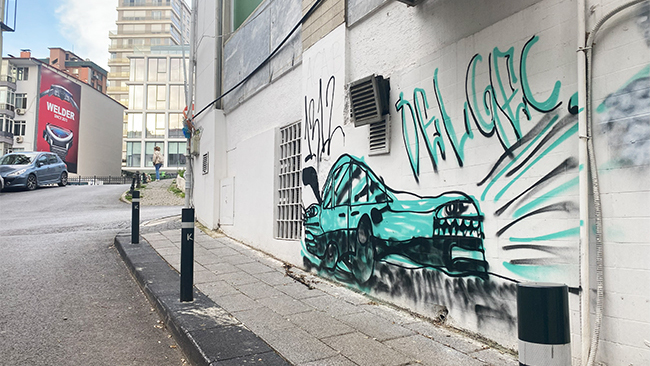
Delgeç, 2025 İstanbul
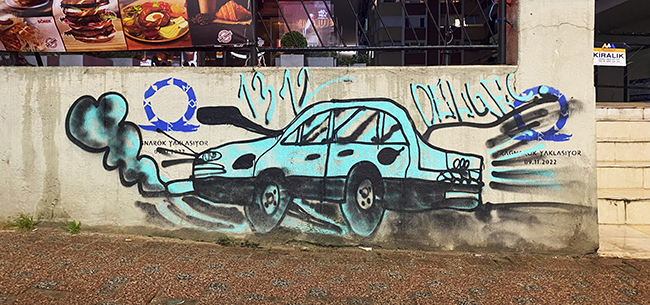
Delgeç, 2025 İstanbul
Delgeç, 2025 İstanbul
Delgeç, 2025 İstanbul
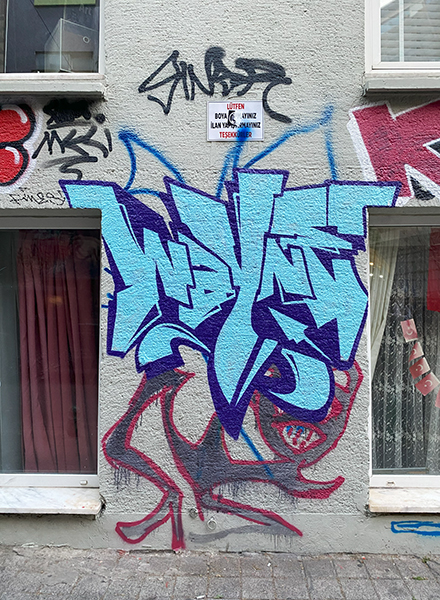
Wayne, 2025
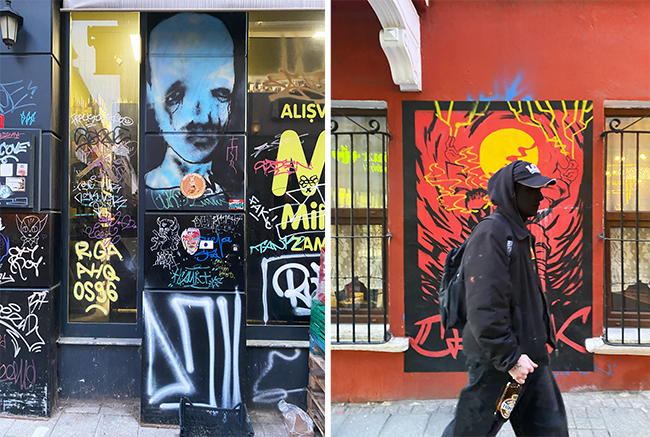
Kadıköy 2025
Human Scum ‘Suddenly Gone’ 2022
Kaan Akay’s Human Scum project began in the year 2014 as a weekly radio show that focused on ambient and drone music and that continued for three years. In 2022, he returned with his debut album “Deceitful” as a solo music project. The artist, who also played the drums for various projects and bands, has also been making Drum & Bass shows for various radio channels since 2003 under the alias Golem.
“Böylece bilim, insan soyunun gerçek refahına ya da diğer tüm standartlara aldırmadan, yalnızca bilim insanlarının ve araştırma için fon sağlayan devlet görevlilerinin ve şirket yetkililerininpsikolojik ihtiyaçlarına hizmet ederek körü körüne ilerliyor.“
Ted Kaczynski
Bilim İnsanlarını Motive Eden Güdüler
Bilim ve teknoloji, ikame etkinliklerin en önemli örneklerini oluşturur. Bazı bilim insanları açıkça absürd bir kavram olan “merak” ile motive olduklarını iddia ederler. Çoğu bilim insanı, herhangi bir normal meraka konu olamayacak, son derece uzmanlık isteyen sorunlar üzerinde çalışır. Örneğin, bir astronom, bir matematikçi ya da bir böcekbilimci, İzopropil trimetil metanın kimyasal özelliklerini merak eder mi? Tabii ki hayır. Böyle bir konuyu ancak bir kimyager merak eder, onun bunu merak etmesinin tek nedeniyse kimyanın onun ikame etkinliği olmasıdır. Kimyager yeni bir böcek türünün uygun sınıflandırılmasını merak eder mi? Hayır. Bu sorun yalnızca bir böcekbilimciyi ilgilendirir, o da bununla yalnızca, böcekbilim kendi ikame etkinliği olduğundan ilgilenir. Eğer kimyager ve böcekbilimci fiziksel ihtiyaçlarını karşılamak için ciddi çabalar göstermek zorunda kalsaydı ve eğer bu çaba onların yeteneklerini ilginç ancak bilimsel olmayan bir şekilde kullanmalarına izin verseydi, o zaman, onlar izopropil trimetil metanı ve böceklerin sınıflandırılmasını umursamayacaklardı. Yüksek lisans eğitimindeki fon yetersizliğinin bir kimyageri sigorta komisyoncusu olmaya zorladığını varsayalım. Bu durumda o, sigorta konularıyla çok ilgili olacak, ancak izopropil trimetil metanla ilgilenmeyecekti. Bilim insanlarının işlerine harcadıkları zaman ve çabanın yalnızca merakı gidermek için harcanıyor olması hiçbir koşulda normal değil. Bilim insanlarını motive eden güdüler için “merak” açıklaması hiç tutmuyor.
“İnsanlığa faydalı olma” açıklaması da diğerinden daha iyi iş görmez. Bazı bilimsel çalışmaların, insanlığın refahı ile makul hiçbir ilişkisi yoktur. Örneğin, arkeoloji veya karşılaştırmalı dilbilim çalışmalarının çoğu böyledir. Bilimin diğer bazı alanları ise açıkça tehlikeli imkanlar sunar. Yine de, bu alanlardaki bilim insanları da, aşıyı bulan veya hava kirliliğini araştıranlar kadar hırslıdır. Nükleer enerji santralleri yapmaya açıkça duygusal olarak bağlanan Dr. Edward Teller’ ın durumunu düşünün. Bu bağ, insanlığa faydalı olma isteğinden mi kaynaklanıyor? Eğer öyleyse, Dr. Teller neden diğer “insancıl” konularda da bu kadar duyarlı olmadı? Eğer insancıl biri idiyse, neden hidrojen bombasının yapılmasına yardım etti? Diğer pek çok bilimsel ilerlemede olduğu gibi nükleer enerji santrallerinin de insanlığın gerçekten yararına olup olmadığı tartışmaya açıktır. Ucuz elektrik, radyoaktif atık yığınlarından ve kaza riskinden daha mı önemli? Dr. Teller, sorunun yalnızca bir yanını gördü. Onun nükleer güçle olan bağı açıkça “insanlığa hizmet” isteğinden değil, ancak ortaya koyduğu çalışmadan ve onun kullanıma sunulduğunu görmekten edindiği kişisel tatminden kaynaklanıyordu.
Aynı şey, bilim insanlarının geneli için de geçerlidir. Bazı istisnaların mümkün olmasıyla birlikte genel olarak, motive edici güdüleri ne merak ne de insanlığa hizmettir; güç sürecinden geçmeye olan ihtiyaçlarıdır: Amaç sahibi olma (çözülecek bir bilimsel problem), çaba (araştırma) ve amaca ulaşma (problemin çözülmesi) . Bilim, ikame bir etkinliktir, çünkü bilim insanları temelde çalışmaktan edindikleri tatmin için çalışırlar.
Elbette bu kadar basit değil. Birçok bilim insanı için diğer gerekçelerin de rolü vardır. Para ve statü gibi. Bazı bilim insanları, doymak bilmez bir statü güdüsüne sahip türden kişiler olabilirler (79. paragrafa bakınız), ve bu da, çalışmaları için motivasyonun önemli bir bölümünü oluşturur. Hiç kuşkusuz, bilim insanlarının çoğunluğu, genel nüfusun çoğunluğu gibi reklam ve pazarlamacılık tekniklerine karşı az ya da çok duyarlıdır; mal ve hizmetlere olan arzularını gidermek için de paraya ihtiyaç duyar. Yani, bilim bütünüyle bir ikame etkinlik değildir. Ama büyük oranda ikame bir etkinliktir.
Ayrıca bilim ve teknoloji güçlü bir kitle hareketi oluşturur ve pek çok bilim insanı, güç ihtiyaçlarını bu kitle hareketiyle özdeşleşerek giderir (83. paragrafa bakınız).
Böylece bilim, insan soyunun gerçek refahına ya da diğer tüm standartlara aldırmadan, yalnızca bilim insanlarının ve araştırma için fon sağlayan devlet görevlilerinin ve şirket yetkililerinin psikolojik ihtiyaçlarına hizmet ederek körü körüne ilerliyor.
Gamze Koba aka Chumba Wumba
Bolo Bolo ‘İstanbul’ t-shirtleri 500 TL + kargo olarak satışta.
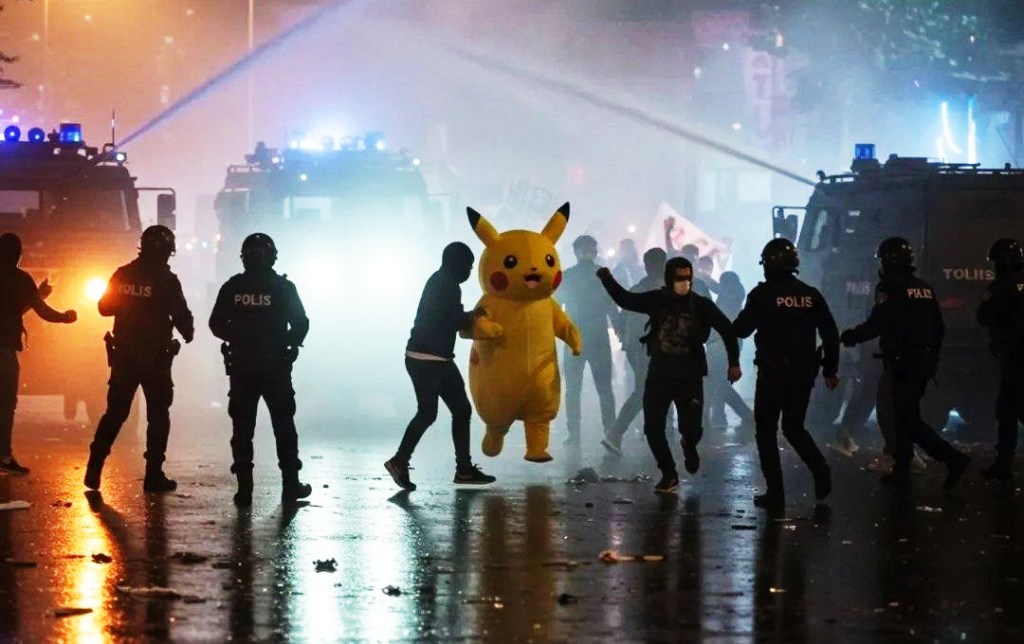
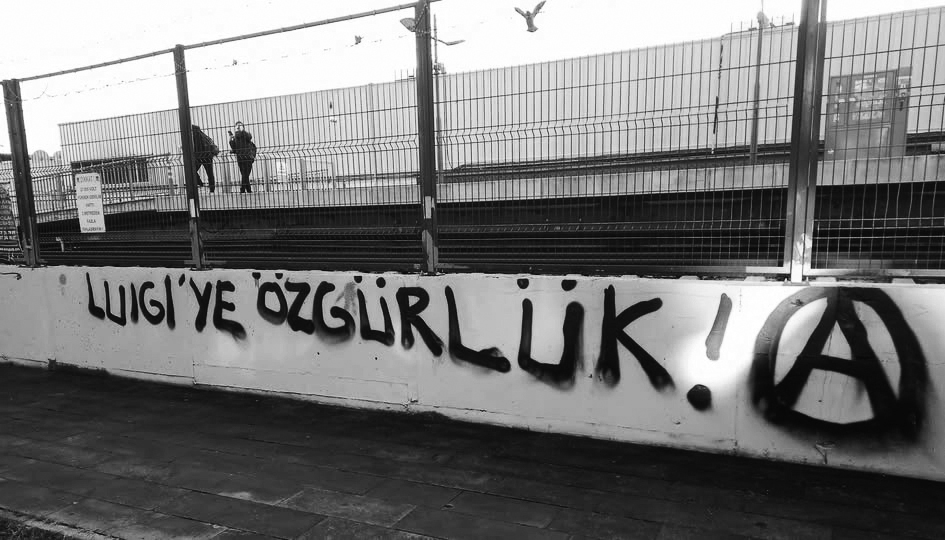
Onun için Luigi’nin eylemi hepsini korkutuyor. Velhasıl, mesele tek bir CEO’nun suikaste uğraması değil, yükselen yeni bir başkaldırı zihniyetinin açıkça görülür olması ve toplum nezdinde yayılması.
–Gökhan Gençay
A.K.A. KILLA G.
Luigi Mangione, bir militan değildir. Nitekim ilgi alanlarından çoğu ılımlı olarak tanımlanabilecek konseptlere sahiptir. Şintoizme de, bebek fillere de, popçu Charli XCX’e de (hatta yakalandığında onu kelepçeleyip emniyet binasına götüren polislere arabada Charli XCX’i çalıp çalamayacaklarını bile sormuş) aynı oranda ilgi gösteren, ABD’nin ayrıcalıklı orta-üst sınıfına mensup bir gençtir.
Politik açıdan da kafası ziyadesiyle karışıktır. Unabomber’ın manifestosunu da hayranlıkla okumuştur, X platformunda “Fight Club”a atıfta bulunan mesajlar da kaleme almıştır, Alt-Right’ın sahiplendiği birtakım isimlerin konuşmalarını da övmüştür. Joe Rogan’ı beğendiğini bile açıkça belirtmekten çekinmemiştir.
Lakin, işte bu çocuk, içinde yaşadığımız dünyada sürüp giden adaletsizlere, acılara tepkisiz kalmamış, kapıldığı büyük öfkenin hangi hedefe yönelmesi gerektiğini belirlemiş ve kimseye sırtını yaslamadan, herhangi bir politik veya lojistik destek almadan kendi başına eyleme geçmiştir.
Küresel egemenleri ürküten de tastamam budur. Onlar dünyanın kendi belirledikleri kutuplaşmalar ekseninde bölündüğüne, herkesin bu bölünmede kendince yer tuttuğuna inanmak istiyorlar. Çünkü işlerine gelen, yönetebilecekleri krizlere neden olanlar onlar! Muktedirler Demokratlar ve Cumhuriyetçiler ya da AKP’liler ve CHP’liler üzerinden saflaşma yaşansın istiyorlar. Fakat, artık bunların çok dışında bir kutuplaşma yeryüzünde hâkim: Sistemi destekleyenler ve sistem karşıtları! İşte Luigi bu saflaşmanın aktif bir öznesi olarak sisteme karşı eyleme geçti.
Onun için Luigi’nin eylemi hepsini korkutuyor. Velhasıl, mesele tek bir CEO’nun suikaste uğraması değil, yükselen yeni bir başkaldırı zihniyetinin açıkça görülür olması ve toplum nezdinde yayılması. Asıl bu gerçekten korkuyorlar. İşte bu nedenle bugün ABD’de yediden yetmişe, binlerce insan Luigi’ye sempati duyuyor, onun fotoğraflarının basıldığı tişörtlerle sokakta dolaşıyor, savunma avukatına para yardımı yapmak için sıraya giriyor.
Evet, zamanın ruhu artık yeni bir isyan dalgasının yükselişini işaret ediyor ve bu alıştığınız türde siyaseten sınırları çizilmiş, bilindik kodlarla okunabilecek bir eğilim değil ve tam da bu yüzden egemenler için çok ama çok tehlikeli!
“Eğer hiçbir şiddet eyleminde bulunmasaydık ve bu yazılarımızı bir yayıncıya teslim etmiş olsaydık, büyük olasılıkla kabul edilmeyecekti. Kabul edilip yayımlansa bile, büyük olasılıkla pek çok okurun ilgisini çekmeyi başaramazdı; zira okurlar, ciddi bir makale okumaktansa medyanın yayınladığı eğlence programlarını izlemeyi tercih ederlerdi.”
Özgürlüğün Doğası
Endüstriyel-teknolojik toplumun, bireyin özgürlük alanını sürekli daraltmaksızın reforme edilemeyeceğini kanıtlamak durumundayız. Ancak, “özgürlük” pek çok şekilde anlaşılabileceği için, önce ne tür bir özgürlükten bahsettiğimizi açıklığa kavuşturmalıyız.
“Özgürlük”ten şunu kastediyoruz: Güç sürecini, ikame etkinliklerin yapay hedefleriyle değil, gerçek amaçlarla ve hiç kimsenin, özellikle de hiçbir büyük kuruluşun müdahalesi, manipülasyon veya denetimi olmadan yaşayabilme fırsatı. Özgürlük, kişinin yiyecek, giyecek, barınak ve çevresinden gelebilecek her türlü tehlikeye karşı savunma gibi hayati meseleleri -bir birey ya da küçük bir grubun üyesi olarak- kendi kontrolü altında tutmasıdır. Özgürlük, güç sahibi olmak demektir; diğer insanları kontrol etmeye değil, ancak kendi yaşamının koşullarını kontrol etmeye yarayan güç. Birileri -özellikle de büyük bir kuruluş- kişinin üzerinde bir güce sahipse, bu güç ne kadar iyi niyetli, hoşgörülü ve müsamahakar olursa olsun kişi özgür değildir. Özgürlüğü, sırf hareket serbestisiyle karıştırmamak önemlidir (72. paragrafa bakınız).
Anayasa tarafından garanti altına alınan bazı haklarımız olduğu için özgür bir toplumda yaşadığımız söyleniyor. Ancak, bu haklar göründükleri kadar önemli değildir. Bir toplumda var olan kişisel özgürlüğün derecesi, o toplumdaki kanunlar veya yönetim biçiminden çok, toplumun ekonomik ve teknolojik yapısına bağlıdır. New England’daki Kızılderililerin çoğu monarşiyle yönetiliyordu ve İtalyan Rönesansı sırasındaki şehirlerin çoğu da diktatörlerin kontrolü altındaydı. Ancak, bu toplumların tarihini okurken insan, onlarda bizim toplumumuzdakinden daha fazla kişisel özgürlüğe izin verildiği izlenimi ediniyor. Bu, kısmen yöneticinin iradesini dayatacak etkin mekanizmaların yokluğundan kaynaklanıyor: Modern, iyi örgütlenmiş polis güçleri, hızlı, uzun mesafeli iletişimleri, denetleme kameraları, sıradan vatandaşların yaşamları hakkında oluşturulmuş dosyalar yoktu. Bu nedenle de, kontrolden kaçmak görece daha kolaydı.
Anayasal haklarımıza gelince, örneğin, basın özgürlüğünü düşünün. Elbette bu hakkı sert bir şekilde eleştirmek istemiyoruz; bu özgürlük, politik gücün bir yerde toplanmasını sınırlamak ve politik gücü olanları, yanlışlarını halka teşhir etme yoluyla yola getirmek için önemli bir araç. Ancak basın özgürlüğü, sıradan vatandaşın bir birey olarak çok az işine yarar. Medya, çoğunlukla sistemle bütünleşmiş büyük kuruluşların kontrolündedir. Birazcık parası olan herkes bir şey bastırabilir ya da bunu internet veya başka bir kanal üzerinden yayabilir, ama onun söyledikleri medyanın muazzam miktardaki materyalinin arasında kaybolacak, bu nedenle de hiçbir pratik etkisi olmayacaktır. Bu yüzden toplumda kelimelerle bir etki yaratmak, çoğu birey veya küçük grup için olanaksızdır. Örneğin bizi (FC) ele alın. Eğer hiçbir şiddet eyleminde bulunmasaydık ve bu yazılarımızı bir yayıncıya teslim etmiş olsaydık, büyük olasılıkla kabul edilmeyecekti. Kabul edilse ve yayınlansa dahi, büyük olasılıkla pek çok okurun dikkatini çekmeyecekti, çünkü medyanın yayınladığı eğlence programlarını seyretmek, ciddi bir makale okumaktan daha eğlencelidir. Bu yazılar çok sayıda okur bulsaydı bile, bu okurların çoğu okuduklarını hemen unutacaktı, çünkü akılları medyanın onları maruz bıraktığı bir yığın materyalle doldurulmuş olacaktı. Mesajımızı, topluma kalıcı bir etki bırakabilme şansıyla sunabilmek için insanları öldürmek zorunda kaldık.
Anayasal haklar bir dereceye kadar yararlı olsa da, burjuva özgürlük anlayışı olarak adlandırılabilecek şeyi garantilemekten daha fazlasına hizmet etmez. Burjuva anlayışına göre, “özgür” bir insan, toplumsal bir mekanizmanın önemli bir parçasıdır ve yalnızca öngörülmüş ve sınırlanmış bir dizi özgürlüğe sahiptir; bu özgürlükler bireyin ihtiyaçlarından çok toplumsal mekanizmanın ihtiyaçlarına hizmet etmek üzere tasarlanmıştır. Bu yüzden, burjuvazinin tanımladığı “özgür” insan ekonomik özgürlüğe sahiptir, çünkü bu, büyüme ve ilerlemeyi teşvik eder; basın özgürlüğüne sahiptir, çünkü toplumsal eleştiri, politik liderlerin yanlış davranışlarını engeller; adil yargılanma hakkına sahiptir, çünkü güçlülerin kaprislerine bağlı mahkumiyetler sistem açısından kötü olur. Bu açıkça Siman Bolivar’ın tavrıydı. Ona göre insanlar, özgürlüğü yalnızca ilerlemeyi (burjuvanın düşündüğü ilerlemeyi) destekleyecek şekilde kullandıkları sürece hak ederdi. Diğer burjuva düşünürler de, özgürlüğü benzer bir açıdan, yalnızca kolektif sonuçlara varmak için bir araç olarak gördüler. Chester C. Tan, “20. Yüzyılda Çin Politik Düşüncesi” adlı kitabının 202. sayfasında Komüntang lideri Hu Han-min’in felsefesini şöyle açıklıyor: “Bir bireye haklar verilir, çünkü o, bir toplumun üyesidir ve topluluk yaşamı böyle haklar gerektirir. Hu, topluluk derken tüm bir ulusun oluşturduğu toplumu kastediyordu.” Sayfa 259′ da da Tan, Çin’ deki sosyalist devlet partisi lideri Çang Çun-maii’ye, nam-ı diğer Karsum Çang’a göre, özgürlüğün devletin ve bir bütün olarak halkın çıkarına kullanılması gerektiğini ifade eder. Ancak birilerinin öngördüğü şekilde kullanılabilecekse, bu ne biçim özgürlüktür? FC’nin özgürlük anlayışı Bolivar, Hu, Çang ve diğer burjuva teorisyenlerininkiyle aynı değildir. Bu tür teorisyenlerin sorunu, gelişmeyi ve toplumsal teorilerin uygulanmasını kendi ikame etkinlikleri haline getirmiş olmalarıdır. Sonuç olarak bu teoriler, dayatıldıkları toplumda yaşayan talihsiz insanların ihtiyaçlarına hizmet etmekten çok, teorisyenlerin ihtiyaçlarına hizmet etmek üzere tasarlanmıştır.
Bu bölümle ilgili değinilecek bir nokta daha kaldı: Bir insan sırf yeterince özgür olduğunu söylüyor diye, onun yeterince özgür olduğu sanılmamalı. Özgürlük kısmen insanların farkında olmadığı psikolojik kontrollerle sınırlanır; üstelik insanların özgürlükten ne anladıklarını oluşturan düşünceler, kişilerin kendi ihtiyaçlarından çok, toplumsal kurallar tarafından yönlendirilir. Örneğin, aşırı toplumsallaşmış türden birçok solcu, büyük olasılıkla kendileri de dahil çoğu insanın fazla değil az toplumsallaşmış olduğunu söyleyecektir; buna rağmen, aşırı toplumsallaşmış solcu, bu ileri düzeydeki toplumsallaşması yüzünden ağır bir psikolojik bedel öder.
‘All Eyes on Me’ Kadıköy Street Walk w/ Delgeç
Duvar, herkesin bildiği gibi yazıya bi davetti: kentlerde graffitisiz bir ek duvar bulunmaz. Sanki yüzeyin kendisi bir yazma enerjisi taşıyor gibidir, sanki yüzeyin kendisi yazıyordur yazıyı ve bu yazı bana bakar: üzerine yazılmamış bir duvar kadar gözetleme meraklısı başka bir şey yoktur, çünkü başka bir şeyin böyle büyük bir güçle izlenmesi, okunması olanaksızdır.
Gizemli sözler son bulmuştur, dilbilgisindeki etken ve edilgen ayrımı yıkılmıştır: tanrıyı gördüğüm göz, onun beni gördüğü gözle aynı gözdür (Angelus Silesis). Duvara yazan hiç kimsedir ve bu yazılanları herkes okur. Bu nedenle duvar, simgesel olarak, modern yazının yerleştiği uzamdır.–Roland Barthes
“Yaptıklarını artistlik mi sanıyorsun!? İnan bana sen kendini kandırıyorsun!“
Atölyede CİNS – Mine Sanat Galerisi, 2022
Elinden çıkan işlerde ve katıldığı sergilerde ‘cins’ mahlasını kullanan sanatçı, estetik zevkini lise yıllarında başladığı grafiti ve sokak sanatına borçlu olduğunu dile getiriyor. Almış olduğu grafik tasarım ve sonrasında görsel iletişim tasarımı lisansüstü eğitimiyle beraber sanatı bugünkü şeklini almıştır. Çalışmalarında çizgi film karakterlerinden grafitiye; pop-sanat’tan sürrealist düşleme uzanan geniş bir kültürel yelpazeden beslenen sanatçı, organik formlara ve grafik anlatıma dayalı soyutlamalar ve hikayelerle geliştirdiği dili, şehrin sokakları başta olmak üzere bir çok farklı medium ve teknikle buluşturmayı başarmıştır. instagram.com > cins3000
From cartoon characters to graffiti in his works; The artist, who is fed by a wide cultural spectrum ranging from pop-art to surrealist fantasies, has succeeded in bringing this language, which he developed with abstractions and stories based on organic forms and graphic expression, to many different mediums and techniques, including city streets. Born in 1984 in Ankara, Cins lives and works in Istanbul. The artist, who uses the nickname ‘cins’ in his works and in the exhibitions he attends, owes his aesthetic structure to his high school years, graffiti and street art tradition. With the graphic design and visual communication design postgraduate education he received, his art took its current form
Zen-G’nin seslendirdiği ‘’GRAFİTİ’’ şarkısı…
2006 Nightshift
Kalamış Skate Park’tan iki sıradışı güzellik, 2025
Ezgi İrem Happy with her Grafzine book, what about you?
GRAFZiNe iS Not A CRiME !!
‘Graphzine Graphzone’, punk’ın ardından ortaya çıkan ve hem çizgi romanlara hem de sözde çağdaş kurumsal sanata alternatif olan graphzine’lere adanmış ilk derinlemesine çalışmadır. Grafzin dünyası bağımsız çizgi roman yayıncılığına yakın görünse de, radikal bir şekilde çıtayı yükseltiyor: grafzin sanatçıları, iyi birer D.I.Y. ustası olarak sınırlı sayıda baskı yapmayı tercih ediyor, farklı baskı süreçlerini deniyor ve kendilerini geleneksel anlatının kısıtlamalarından kurtarıyorlar. Onları birleştiren şey ise hiç kuşkusuz (en gelenekselinden en şaşırtıcı ve şok edici olanına kadar) imgelere duydukları saplantı ve genellikle bir ağ (network) içinde yürüttükleri zanaattır. Yazar, bu üretimin tarihini izlemek ve kavramsal meselelerini kavramak için, grafzinin çokbiçimli doğasına yanıt veren koral bir yaklaşımla, büyük ölçüde bu sanat insanlarının sözlerine dayanıyor. Öncülerden başlayarak (Bazooka ve Elles Sont De Sortie), X.-G. Néret, 1980’lerden itibaren kurumların dışında gelişecek olan bu fenomeni ayrıntılı olarak inceliyor. Görüntü ve metnin muğlak birleşimi yoluyla çizgi romanın anlatı geleneklerini kıran yeni bir alan açılıyordu. Yazar, yeraltında da olsa önemli bir kaynak olan Teruhiko Yumura tarafından icat edilen Japon grafik sanatı akımı heta-uma da dahil olmak üzere grafzinin çeşitli etkilerini ve biçimlerini analiz ederek bu pratiğin özünü ortaya çıkarıyor. Grafzin, bir yaşam sanatı, tekilliklerin ifadesini destekleyen değerlerin tersine çevrilmesini ima eden yaratıcı bir gücün olumlanması; içerikte olduğu kadar deneysel biçimde de kendini gösteren, sanatçıların kendilerine uyguladıkları sansürden başka hiçbir sansüre tabi olmayan bir özgürlük – bazıları için kendilerini sindirilmiş ya da kınanmış görme riski altında. Bazen silahsızlandırıcı bir ‘doyumsuz masumiyetle’, normalleştirici otoritelerin reddettiği alanları, özellikle de cinsellik ve ölümle ilgili olanları keşfediyorlar. X.-G. Néret de onları Dada, Lettrizm ve Sitüasyonizm’in ardından gelen, ‘yirminci yüzyılın gizli tarihini’ genişletmeye ve yenilemeye yardımcı olan güçlü bir grafik avangard olarak görüyor.
İstanbul’dan sokak manzaları, graffiti, bombing’ler, tag’ler ve street art örnekleri.
Street walk w( Delgeç, Kadıköy – Moda
Radical Noise 2024
Üstadlar makamından Volkan Şengül
Tarihin Bazı İlkeleri
Tarihin iki bileşenden oluşan bir toplam olduğunu düşünün: Sezilebilir bir yolda ilerlemeyen, önceden sezilemeyen olaylardan oluşan düzensiz bir bileşen; ve uzun vadeli bir tarihsel eğilimden oluşan düzenli bir bileşen. Biz burada uzun vadeli eğilimlerle ilgileneceğiz.
Birinci İlke: Eğer uzun vadeli bir tarihsel eğilimde küçük bir değişiklik yapılırsa, o değişikliğin etkisi neredeyse her zaman geçici olacaktır. Eğilim, kendi orijinal durumuna dönecektir. (Örneğin, bir toplumdaki politik yolsuzluklardan arınmak için tasarlanan bir reform hareketi genelde kısa vadelidir; er geç reformcular rahatlar ve yolsuzluk yine topluma sızar. Söz konusu toplumdaki yolsuzluklar genelde sabit kalır veya toplumun evrilişine bağlı olarak ağır ağır değişir. Normalde, politik bir arınma ancak yaygın toplumsal değişimlere eşlik ettiğinde kalıcı olacaktır; toplumda küçük bir değişim yeterli olmayacaktır. ) Eğer, uzun vadeli bir tarihsel eğilimde küçük bir değişiklik kalıcı gibi görünüyorsa, bunun nedeni değişikliğin, eğilimin zaten hareket ettiği yönde etki etmesidir, yani eğilim değişmemiş yalnızca bir adım ileri itilmiştir.
İlk ilke neredeyse aynı şeyin farklı kelimelerle tekrarlanışıydı. Eğer bir eğilim küçük değişikliklere uyup istikrarlı olmasaydı, belirli bir yön izlemek yerine rasgele bir yönde ilerlerdi; yani, uzun vadeli bir eğilim bile olmazdı.
İkinci İlke: Eğer uzun vadeli bir tarihsel eğilimi kalıcı şekilde değiştirebilecek denli kapsamlı bir değişiklik yapılırsa, bu, toplumu bir bütün olarak değiştirecektir. Başka bir deyişle, bir toplum tüm parçaların birbiriyle bağlantılı olduğu bir sistemdir ve bunun hiçbir önemli parçasını diğer parçalarını da değiştirmeden değiştiremezsiniz.
Üçüncü İlke: Uzun vadeli bir tarihsel eğilimi kalıcı şekilde değiştirebilecek yeterlilikte bir değişiklik yapılırsa, bunun, toplum açısından bir bütün olarak ileride getireceği sonuçlar önceden bilinemez. (Birçok başka toplum da aynı değişiklikten geçmediği ve aynı sonuçları yaşamadığı sürece; eğer böyle bir şey yaşanmışsa, kişi, aynı değişiklikten geçen diğer bir toplumun da benzer sonuçlara varabilme olasılığının bulunduğunu, ampirik bir temele dayanarak öngörebilir.)
Dördüncü İlke: Yeni bir toplum kağıt üstünde tasarlanamaz. Yani, gelecekteki bir toplumu önceden planlayıp, o toplumun tasarladığınız gibi işlemesini bekleyemezsiniz.
Üçüncü ve dördüncü ilkeler insan toplumlarının karmaşıklığından kaynaklanır. İnsan davranışındaki bir değişiklik toplumun ekonomisini ve fiziksel çevresini etkiler; ekonomi çevreyi etkiler veya bunun tersi olur, ekonomi ve çevredeki değişiklikler de insan davranışını karmaşık ve tahmin edilemez biçimlerde etkiler vb. Etki-tepki ağı açıklanmak ve anlaşılmak için fazla karmaşıktır.
Beşinci İlke: İnsanlar, toplumlarının biçimini bilinçli ve akılcı olarak seçmezler. Toplumlar, akılcı insan kontrolü altında olmayan toplumsal evrim süreçleri yoluyla gelişir.
Beşinci ilke, diğer dördünün bir sonucudur.
Tasvir edecek olursak, birinci ilkeye göre, genel anlamda bir toplumsal reform girişimi ya toplumun zaten geliştiği yolda etki eder -bu durumda, her halükarda olacak bir değişikliği hızlandırmakla kalır; ya da yalnızca geçici bir etki gösterir -bu durumda da toplum kısa sürede eski haline döner. Toplumun herhangi bir önemli niteliğinin gelişiminde kalıcı bir değişim gerçekleştirmek için reform yetersizdir, devrim gereklidir. (Bir devrim için ille de silahlı bir başkaldırı veya bir hükumetin alaşağı edilmesi gerekmez.) İkinci ilkeye göre, bir devrim asla toplumun yalnızca bir yönünü değiştirmez, bütün bir toplumu değiştirir; üçüncü ilkeye göre de, devrimcilerin asla beklemediği veya istemediği değişiklikler ortaya çıkar. Dördüncü ilkeye göreyse, devrimciler veya ütopyacılar yeni bir toplum biçimi oluştururlarsa, bu asla planlanan şekilde işlemez.
Amerikan Devrimi buna aykırı bir örnek oluşturmaz. Amerikan “Devrim”i, bizim anladığımız anlamda bir devrim değildi, ancak oldukça uzun erimli politik reformların izlediği bir bağımsızlık savaşıydı. Amerika’nın kurucuları, Amerikan toplumunun gelişim yönünü değiştirmedi, zaten böyle bir niyetleri de yoktu. Onlar Amerikan toplumunu yalnızca, gelişimini geciktiren İngiliz yönetiminden kurtardı. Onların politik reformu hiçbir temel eğilimi değiştirmedi, yalnızca Amerikan politik kültürünü, doğal gelişim yönünde ileri doğru itti. Amerikan toplumunun da bir dalı olduğu İngiliz toplumu, uzun süredir temsili demokrasi yolunda ilerliyordu. Bağımsızlık Savaşı’ndan önce de Amerikalılar, koloni meclislerinde önemli bir düzeyde temsili demokrasi uyguluyorlardı. Anayasa tarafından oluşturulan politik sistem, İngiliz sistemi ve koloni meclislerine dayanıyordu. Büyük değişikliklerle tabii. Kurucuların çok önemli bir adım attığı şüphe götürmez. Ancak bu, İngilizce konuşanların zaten gittiği yolda atılmış bir adımdı. Bunun kanıtı da şu ki, İngiltere ve halkını çoğunlukla İngiliz kökenlilerin oluşturduğu kolonileri, özellikle ABD’ ninkine benzeyen temsili demokrasi sistemine ulaştı. Eğer Kurucular cesaretlerini kaybedip Bağımsızlık Bildirgesi’ni imzalamayı reddetselerdi, bugünkü yaşam tarzımız çok da farklı olmayacaktı. Belki İngiltere ile daha sıkı bağlarımız olacaktı ve belki de bir kongre ve başkan yerine bir parlamento ve başbakanımız olacaktı. Çok büyük bir fark değil bu. Bu nedenle, Amerikan Devrimi, sıraladığımız ilkelere aykırı bir örnek değil, aksine iyi bir örnek oluşturuyor.
Yine de, bu ilkeleri uygularken kişi sağduyusunu kullanmalı. Bu ilkeler, yoruma açık, kesin olmayan bir dille anlatılmıştır ve bunların istisnaları da bulunabilir. Bu yüzden, bu ilkeleri ihlal edilemez yasalar olarak değil, toplumun geleceğine dair safça düşüncelere karşı kısmi bir panzehir sağlayabilecek temel kurallar ya da düşünme rehberleri olarak sunuyoruz. İlkeler sürekli olarak akılda tutulmalı ve kişi, her ne zaman bunlarla çatışan bir sonuca varırsa, düşüncesini tekrar gözden geçirmeli ve ancak iyi, sağlam gerekçeleri olduğunda vardığı sonucu elinde tutmalıdır.
Big Deal with B.B.
N E O P H Y T E
Burak Bayülgen
He is no longer a child nor is he a neophyte. From boon insensibleness, extracts The Omniscience – Baiame’s son Daramulun once he knew as Bimban – the pearly white molar tooth which’s blood shall not be spit or He revives the infant with many scalds deficiant, then what has been ingulfed and rousingly disgorged better be immolated to his foregone childhood.
Yukarıda anlatılan ilkeler, endüstriyel sistemi, özgürlük alanımızı sürekli daraltmasını engelleyecek biçimde reforme etmenin ne kadar umutsuzca zor olduğunu göstermeye yeter. En azından Sanayi Devrimi’nden beri, teknolojinin, bireysel özgürlük ve yerel özerklik pahasına gittikçe güçlenme yolunda bir eğilimi vardır. Bu nedenle, özgürlüğü teknolojiden korumak üzere tasarlanan her hangi bir değişiklik, toplumumuzun gelişimindeki ana eğilime aykırı olurdu. Sonuç olarak, böyle bir değişiklik ya geçici olurdu -ve kısa zamanda tarihin akışı içinde silinirdi; ya da kalıcı olmaya yetecek denli büyük olursa, tüm toplumumuzun doğasını değiştirirdi. Birinci ve ikinci ilkelerden bu çıkıyor. Dahası, toplum önceden tahmin edilemeyecek şekilde değişeceğinden (üçüncü ilke) büyük bir risk olacaktı. Özgürlük lehine kalıcı farklar oluşturacak kadar büyük değişikliklere girişilemezdi, çünkü kısa bir zamanda bunların sistemi çökerteceği anlaşılırdı. Bu yüzden, reform yolundaki bir girişim etkili olamayacak kadar çekingen olurdu. Kalıcı bir fark yaratabilecek değişikliklere girişilseydi bile, yıkıcı etkileri su yüzüne çıktığında, bu değişikliklerden cayılacaktı. Bu yüzden özgürlük lehine kalıcı değişiklikler, ancak tüm sistemde köklü, tehlikeli ve sonucu öngörülemez bir değişikliğe hazırlıklı kişiler tarafından -başka bir deyişle, reformcular değil, devrimciler tarafından yapılabilecektir.
Teknolojinin varsayılan yararlarını feda etmeden özgürlüğü kurtarma derdinde olan insanlar, özgürlükle teknolojiyi uzlaştıracak yeni bir toplum türü için safça planlar önereceklerdir. Bu tür önerilerde bulunan insanların, bu yeni tür toplumun nasıl kurulacağına dair pratik hiçbir öneri ortaya atmadıkları gerçeği bir yana, dördüncü ilkeden de anlaşılacağı gibi, bu yeni toplum kurulabilseydi bile ya çökerdi, ya da beklenenden çok farklı sonuçlar doğururdu.
Yani, en genel anlamda bile, toplumu, modern teknolojiyle özgürlüğü bağdaştıracak bir biçimde değiştirecek bir yolun bulunması olanaksız görünüyor. Önümüzdeki birkaç bölümde özgürlükle teknolojik ilerlemenin uzlaşmaz olduğu sonucuna varmamızın nedenlerini daha ayrıntılı olarak açıklayacağız.
Yazılamaya komünistlik yapıp, yazılamayı kapatmadan müdahele etmek sokak etiğine uygundur elbette; gelgelelim herkez, her defasında gibi herkesi de çağrıştıran bir sözcük bozumu, elbette eleştirmene de katkıda bulunup onu eğitmek elzemdir
duchamp ile magritte gibi kavramsalcı sürrealist olur
görülen rüya değil
kurulan düş
kurulan empati değil
duyulan sempati ile hem kontrollü hem de doğal
ölümün sonucu doğa-tanrıyı emzirmektir
ölüm ve aşka
acımıyorum
acıyıp kurulan dostluk düşü men eder
duygusal takıntısı olmayıp tekrar eden karamsar düşünceler
beni meşin yuvarlağa çekemiyor
bir sevgili yeterince acı çektin artık çekmene gerek yok demişti
nesneleri doğal çevrelerinden ayırıp
bağlamlar arası bir jump-cut yaparsan patlıyor hepsi
gür canlı renklerle
vereceksin kendini alkole
—öyle olmaz kağan
—size sadece keskin zekanın deliliğe sürtünmesi diyorum
kimse ya da herkes
kimse merkez değil
herkez merkez
‘Herkes Merkez’ İstanbul, 2025
Şevket Kaan Şimşekalp: Şair, çevirmen, liberter. Dört şiir ve 10 çeviri kitabı var. Özellikle savaş sonrası Amerikan şiiri ve Anadolu yeraltı arkeolojisinde menzili vardır.