Bonjour, Depuis environ trois ans, avec l’ami Janko et un groupe d’invités, nous avons réalisé un grand livre de bande dessinée et dessins paréidoliques intitulé « Voyage en Grande Paréidolie ». Nous vous invitons ici à participer à sa coédition.
MONTPELLIER, JANVIER 2021
LA PARÉIDOLIE
Paréido-quoi ?! La pareidolie, c’est reconnaître dans des motifs abstraits des formes figuratives, telles que des visages, des têtes, des corps animaux et humains. L’exemple le plus connu, c’est le fait de voir des figures dans les nuages.
TECHNIQUE
Pour ce livre, nous sommes parti d’une idée / technique de Mattt, qui consiste à tamponner des planches d’empreintes de papiers froissés humectés d’encre. Certaines de ces planches d’empreintes, points de départ pour la rêverie et l’inspiration, seront inclues au livre.
Ces tampons se prêtant merveilleusement à y déceler des images organiques, on a ensuite révélé ces figures en traçant contours et détails autour de ces traces d’encre, complétant ainsi le dessin initié par l’empreinte. Ensuite, nous avons de préférence présenté ces dessins dans la forme bande dessinée, en les entourant de phylactères, en les mettant en cases, ou en suites…
Voyage en Grande Paréidolie
DESSINS COLLECTIFS
Nous avons réalisé des planches avec Janko, le plus souvent à deux, plus nombreux, ou même parfois en solo. En cela, nous continuons notre démarche de Comix Band qui consiste à dessiner à plusieurs sur les mêmes feuilles, comme on fait de la musique en groupe sur les mêmes morceaux ! Nous avons dessiné en tablées à l’atelier En Traits Libres à Montpellier, sur les mêmes planches, et nous avons aussi invité des dessinateurs d’ailleurs à nous envoyer leurs variations à partir des mêmes séries d’empreintes. Ces planches ont pu librement prendre la forme de bandes dessinées ou de dessins, avec ou sans textes… Les formes communes des empreintes de papiers froissés encrés donnent à l’ensemble sa cohérence graphique.
ARTISTES PARTICIPANTS (NON EXHAUSTIF)
Attic Ted, Marthes Bathori, Nils Bertho, Georges Boulard, Pablo Boulinguez, Maxime Borowski, Louis Cadias, Sénile Céline, Alice el Rakun, El Rotringo, Audrey Faury, Freaky, Nico Fremz, Gui Mia, Jo 99, Julien Gardon, Janko, Julie Graf, Laure, Lilas Mala, Lilie Kitsch, Zad Kokar, Mattt Konture, Jaky La Brune, Sylvain Le Chanteur, Vincent Lefèbvre, Luca, Jude Mas, Manoï, Benjamin Montio, Gérard Nicollet, Fanny Nie, Delphine Phan, Angélique Raymond, David Vincent Richard, Thomas Romarin, El Rotringo, Nadine Simon, Qu_uH, Vanessa, Sandra Verine, Gilles Vigne, Jacques Velay…
Voyage en Grande Paréidolie
COÉDITION, CODIFFUSION
Dans la pratique du dessin collectif, ce projet fait suite à notre première expérience d’édition avec le livre ManGeA Table, recueil de bandes dessinées en bande. Nous l’avions tout simplement auto-édité à deux avec Éric Arnaud / Rico comme un de nos fanzines, sous le nom La Table Editions. Cela nous a permis finalement d’éviter des démarches de demandes de subventions, de crowdfunding, de dépôt légal. Par contre le choix de ne pas faire appel à un diffuseur / distributeur avait limité la distribution et la vente du ManGea Table.
Pour ce nouveau livre à plusieurs, nous espérons vivement arriver à réaliser ce à quoi on avait renoncé pour le ManGeA Table : une coédition. C’est en voyant comment les disques alternatifs sont coédités par plusieurs labels que nous est venue l’idée de procéder de la même façon pour éditer un livre.
CONSTRUCTION DU LIVRE
Après quelques années sur ce projet, et de multiples sessions de codessinage, nous avons récolté beaucoup de matière. Cela représente environ 400 dessins en noir et blanc. Certains d’entre eux seront présentés en pleine page, d’autres en moitié ou en quart de page. Pour organiser le tout, nous le présentons sous la forme d’un recueil de comix. Nous prévoyons un livre d’environ 200-250 pages. Le format, entre A4 et A3, ainsi que le nombre de tirages, restent à préciser.
Voyage en Grande Paréidolie
PARTICIPER À LÀ COÉDITION
Nous vous proposons plusieurs moyens de participer à notre coédition :
⦁ soit en tant que coéditeurs par votre participation financière aux frais d’impression et fabrication du livre vous donnant un nombre d’exemplaires correspondant à votre investissement, et bien sûr, l’inscription de votre logo d’éditeur en couverture avec les autres comme pour les disques a colabels. ⦁ soit en tant que libraires, ou vendeurs ou troqueurs, aux meilleures conditions que nous préciserons et officialiserons ensemble. ⦁ d’autres formes de participation peuvent être envisagées, en en discutant avec vous.
A ce jour, nous avons réalisé la première version d’une partie de la maquette du livre ; nous aurons bientôt une idée précise du nombre de pages, et nous pourrons décider ensemble de l’édition et de la diffusion de ce livre.
Donc, nous vous proposons ici de participer à cette expérience de coédition pour ce livre Voyage en Grande Paréidolie. Pour cela, nous joignons à ce courrier un choix représentatif de nos pages, en espérant que cela vous donne l’envie de faire partie de notre groupe de coéditeurs-codiffuseurs pour ce livre unique en son genre et précurseur d’une alternative éditoriale nouvelle pour la bande dessinée!
Animation paréidolique par Mattt Konture et Janko pour le film Mondo DC
CONTACT Mattt : matttkonture@gmail.com
Amicales salutations, Mattt Konture et l’équipe du Paréidolie Comix
“Je trouve bien sûr qu’on vit une époque violente et que la plupart des gens ont peu de moyens d’y répondre, c’est-à-dire qu’il est possible d’y répondre en la retournant contre soi-même ou contre d’autres, desquels ne vient justement forcément pas cette violence.“
LUNA BERETTA L’interview
18 OCTOBRE 2018 / Litzic webzine
Litzic : Quel est ton premier souvenir de lecture ?
LUNA BERETTA : Je me rappelle vaguement du livre d’école de ma grande soeur pour apprendre à lire, avec les illustrations d’une fille qui devait prendre le bus et la légende en-dessous. Très inintéressant !
L : Quel est ton premier “choc” littéraire ? Qu’a-t-il déclenché chez toi ?
LUNA BERETTA : Quand j’étais petite, on lisait des histoires d’Allan Poe à voix haute avec une copine et on flippait carrément. J’avais plein de Chair de poule (passer de Poe à RL Stine, c’est pas du tout élégant, je sais…), je pense que c’était très mauvais mais j’adorais ça tout autant que ça me terrorisait. J’avais même fait exprès d’oublier l’un d’entre eux à l’autre bout de la France sous le lit d’amis de mes grands-parents pour ne plus jamais en entendre parler – ce qui avait en fait échoué, puisqu’on me l’a ramené, et on m’a même offert la couverture des années plus tard pour mon anniversaire. Bref, je baignais plutôt là-dedans, mais je ne sais pas si on peut parler de « choc ». En revanche, j’avais choppé La philosophie dans le boudoir dans la chambre de ma mère, et pour le coup, ça m’avait bien remuée !
Violences / Dans la bouche d’une fille ‘Vendetta’ 2019
“Je crois qu’un livre peut changer notre manière de ressentir, d’appréhender la réalité, la décrypter pour la rendre plus accessible, compréhensible, voire supportable.“
L : Penses-tu qu’un livre puisse changer notre vie ?
LUNA BERETTA : Oui. D’une part, je passe le plus clair de mon temps à lire ; si je ne lisais pas, j’aurais une vie très différente. Des bouquins m’ont toujours accompagnée, sont indissociables de ce que j’ai vécu. D’autre part, au-delà de l’activité de lire, – et je crois que ta question va plus dans ce sens –, plusieurs livres m’ont soutenue, revitalisée, bouleversée et fait varier mon rapport au réel, et à l’écriture. Je crois qu’un livre peut changer notre manière de ressentir, d’appréhender la réalité, la décrypter pour la rendre plus accessible, compréhensible, voire supportable. Aussi, en tant qu’écrivaine, certains livres m’interrogent et ont pu modifier la forme de mon écriture.
L : Quel est ton auteur préféré ?
LUNA BERETTA : Impossible de donner un unique nom… J’aime beaucoup d’auteur.e.s et chacun.e pas forcément pour les mêmes raisons. Ça dépend aussi des périodes ; je me suis tapée la totalité de Romain Gary quand j’étais ado et j’en garde un souvenir très fort et attendri (au point de faire des rêves érotiques avec lui), pourtant je ne l’ai pas relu depuis des années. Nietzche, Camus pareil, je ne les ai pas lus depuis un sacré bout de temps. Il y a des auteurs plus « dispachés » dans le temps, Selby par exemple, qui m’a vraiment marquée et que je continue à lire et découvrir, Easton Ellis aussi. Cioran. Beckett, aussi, a été un gros choc, toujours actuel. Il y a aussi les découvertes d’ado, comme Despentes et Houellebecq, très importantes. Et des plus tardives, Goodis par exemple, pas tellement moins fortes. Il y a aussi Simenon que je n’avais jamais lu jusqu’à récemment et en fait c’est énorme, ce qu’il arrive à faire avec aussi peu de choses. (Enfin pas les Maigret, ça je n’ai jamais lu) Et puis il y a des auteur.e.s qui te remettent des sacrés coups de fouet, comme Dustan et Bukowski, à garder toujours auprès de soi.
L : Quel est ton livre préféré ?
LUNA BERETTA : Pareil, impossible de te répondre de manière courte ! Un bouquin comme Salopes, de Dennis Cooper m’a retournée : niveau formel, c’est génial et hyper ingénieux. Ce serait bien long de faire une liste prétendue exhaustive. Il y a des bouquins « classiques » que tu gardes tout le temps dans un coin de ta tête, la lecture de Crime et châtiment a été une expérience incroyable ! Pareil pour Le rouge et le noir. (Bon je sais, c’est pas très original) Il y a ceux que tu n’oublies pas parce que la lecture a été très puissante, notamment King Kong Théorie de Despentes, Les racines du mal de Dantec, 2666 de Bolaño. Pour parler de choses moins connues, il s’est passé des choses importantes en lisant des bouquins comme La place du mort de Christophe Siébert, ou Lumpen de David Coulon, les deux m’ont entre-autres vachement motivée à me remettre à écrire.
De livres récents que j’ai lus cette année, j’ai énormément aimé Marylin Année zéro de Véronique Bergen, Le syndrome du varan de Justine Niogret, et la nouvelle de Raphaël Eymery Mary Geli. Ah, il y aurait tant à dire !
L : Quel auteur n’aimes tu pas et pourquoi ?
LUNA BERETTA : La réponse me vient bien moins spontanément… ! Je lis rarement des livres qui ne me plaisent vraiment pas. Même si j’en lis plein qui ne sont pas très fameux, que j’oublie en fait assez rapidement (depuis un an, je note tous les titres que je lis pour me les rappeler), ils ne me mettent pas hors de moi. Il y a tout un pan de la littérature actuelle qui ne m’intéresse pas, les romans que je dirais de bonne humeur, bonne composition et humaniste niais, qui ne correspondent ni à ce que j’attends de la littérature, ni à ma vision de la vie, ces espèces de pseudo trucs bien pensant gnangnan. C’est agaçant qu’il y en ait tant, surtout quand je vois tout ce qui se fait de formidable et qui est peu lu. Si, récemment j’ai essayé de lire Djian parce que plein de gens l’aiment ou le critiquent mais je n’en avais jamais lu aucun. Ainsi, je n’ai pas été très loin dans Zone érogène, qui m’est tombé des mains, non sans m’avoir passablement énervée, côté imitation grotesque de Bukowski hyper pompeux qui m’a bien fait grogner.
L : Le livre dont tu attendais beaucoup et qui t’a déçu ?
LUNA BERETTA : Bonne question… Il me semble que je n’ai pas cette approche. Je suis souvent déçue car des tas de quatrième de couverture me font rêver et finalement, le contenu n’est pas à la hauteur, mais je ne peux pas dire que j’attends « beaucoup » de tel ou tel livre. Un bouquin comme Lilith d’Alina Reyes, qui a tout pour me plaire dans les premières pages et traite de beaucoup de mes thèmes de prédilection, s’avère finalement très chiant. C’est dommage mais d’un autre côté, ça veut dire qu’il reste à écrire plein de choses meilleures.
Illustration d’Audrey Faury pour GoreZine #1
“Les thèmes que j’aborde dans mes textes sont parmi ceux que je trouve problématiques : le rapport à l’autre, au corps, à la domination, à la mort. Comment peut-on répondre à ces injonctions, à l’intériorisation qu’on a fait des normes avec lesquelles on se sent en désaccord ou décalage, auxquelles on est soumis ?“
L : Pourquoi le gore et la violence font-ils tant partie de ton univers ? Y trouves-tu un écho à notre monde actuel ?
LUNA BERETTA : J’y trouve un écho à notre monde actuel, oui, évidemment. De mon côté, je fais beaucoup de rêves gores, ai des pensées assez violentes, pas mal de crises d’angoisse, mais je m’en sors plutôt bien, je pense être assez équilibrée en définitive. C’est marrant, toutes les personnes que je connais qui écrivent des choses très violentes sont d’une gentillesse et d’un bon-sens incroyables. Je trouve bien sûr qu’on vit une époque violente et que la plupart des gens ont peu de moyens d’y répondre, c’est-à-dire qu’il est possible d’y répondre en la retournant contre soi-même ou contre d’autres, desquels ne vient justement forcément pas cette violence.
One Minute Movie by Luna Beretta
Les thèmes que j’aborde dans mes textes sont parmi ceux que je trouve problématiques : le rapport à l’autre, au corps, à la domination, à la mort. Comment peut-on répondre à ces injonctions, à l’intériorisation qu’on a fait des normes avec lesquelles on se sent en désaccord ou décalage, auxquelles on est soumis ? Comment se dégage-t-on d’une domination ? Comment peut-on répondre aux déterminismes – sociaux, genrés, naturels ? La violence est d’une part un des aboutissements logiques d’un individu, une manière de répondre et d’exister. D’autre part, elle est un point de départ dans bon nombre de situations. J’écris beaucoup sur le fait d’être une femme, et la violence est omniprésence ; je ne fais que parler de ce qui m’entoure. La violence est fascinante mais en parler est loin d’être malsain, bien au contraire.
Beaucoup de mes textes sont violents sans être gores, mais c’est pareil, le gore est une conséquence possible, logique. Par ailleurs, ce genre a une puissance cathartique et est juste en ce qu’il dit une vérité de la réalité et a une grande puissance de signification.
L : Un film culte ?
LUNA BERETTA : Il y a eu des films électrochocs, je me souviens la première fois que j’ai vuTueurs nés, j’étais complètement surexcitée ! Tu le finis et tu n’as qu’une envie : le revoir en boucle. Ça m’a fait ça aussi avec Twin Peaks, et j’aime énormément le reste de Lynch. J’aime aussi Cronenberg, tous les thèmes qu’il aborde et son esthétique, même s’il y a plusieurs de ses films que je trouve pas forcément réussis. Mais quand tu as réalisé Chromosome 3, tu as le luxe de pouvoir faire des choses moins bonnes. C’est encore une question pas facile, il y a beaucoup de films géniaux.
“D’une part, le rôle d’un zine comme Violences est de former un objet à part entière qui veut défendre une certaine littérature et diffuser certain.e.s auteur.e.s choisi.e.s. Mais le fanzine, c’est aussi une forme intermédiaire pour que les textes vivent rapidement, circulent, même à petite échelle.“
L : Tu publies beaucoup, t’impliques dans beaucoup de projets, notamment via des fanzines. Penses-tu que la littérature puisse s’y développer hors des sentiers traditionnels de l’édition, qu’il s’agisse d’auto-édition ou de partage libre via les réseau sociaux ?
LUNA BERETTA : Oui, la littérature se développe hors des sentiers traditionnels. J’édite actuellement deux fanzines : Violences qui paraît à peu-près tous les trois mois (sept numéros sont parus) et GoreZine (coédité avec Christophe Siébert), dont le numéro 2 paraîtra en décembre. J’ai lancé Violences parce que je voulais rassembler des personnes dont l’écriture m’importait et faire un objet cohérent mais composite, à mon idée. Il y a une sorte de noyau dur Violences, puisque des auteur.e.s et illustrateur.rice.s – Mathias Richard, Henri Clerc, Astrid Toulon, Christophe Siébert, François Fournet, Audrey Faury, Wood, Sébastien Gayraud… –, se retrouvent dans quasi tous les numéros, et c’est parti de là, je suis entourée de gens talentueux qui ne sont pas assez lus ! Alors c’est sûr que ce n’est pas Violences qui va les faire accéder aux feux suprêmes de la célébrité mais des personnes les découvrent et c’est toujours ça. C’est tellement simple de faire un fanzine, on ne va pas se priver. Évidemment, ce serait mieux que toutes ces personnes soient lues/vues par plus de personnes. Mais ça marche. Il y a plein de revues très belles et pertinentes, par exemple Banzaï, Le Bateau, LA VEILLE…, dont je suis vraiment ravie d’en faire partie, je découvre plein d’artistes. Et inversement, j’ai des retours aussi sur mes textes de personnes qui m’ont lue dans ces revues.
D’une part, le rôle d’un zine comme Violences est de former un objet à part entière qui veut défendre une certaine littérature et diffuser certain.e.s auteur.e.s choisi.e.s. Mais le fanzine, c’est aussi une forme intermédiaire pour que les textes vivent rapidement, circulent, même à petite échelle. Ça coûte pas cher à faire, ça se vend pas cher non plus. (Et là, c’est complètement différent de certaines autres revues) C’est le cas par exemple de la première version de Bazoocam, on a mixé le texte avec un autre recueil traitant de la porn-addiction parce qu’on faisait une lecture commune, c’était une manière de laisser une trace en attendant que chacun des livres sorte ailleurs de manière autonome. Pareil pour le zine qu’on a sorti avec le collectif Dans la bouche d’une fille, qui regroupe une partie des fragments qui ont été écrits, en attendant de finaliser le livre. C’est aussi parce que je fais pas mal de lectures et que mes fanzines se vendent essentiellement à ce moment-là, que j’ai sorti mon recueil de nouvelles, mais cet objet est j’espère temporaire, et sortira peut-être un jour sous une forme de bouquin.
L : As-tu déjà eu des refus de publications ? Si oui veux-tu nous en dire les raisons ?
LUNA BERETTA : Oui, ça m’est déjà arrivée en revue. En ce qui concerne les raisons, ce n’est pas tellement à moi qu’il faut demander, certaines revues ont accepté une nouvelle qu’une autre avait refusée et on ne connaît pas forcément les raisons. Comme je n’ai pas toujours très confiance en moi, ça a été parfois difficile mais je pense que c’est bien de s’en prendre, utile pour se détacher. Inversement, je déteste envoyer les mails de refus concernant ce que je n’ai pas pris dans Violences.
Luna Beretta : Extraits de la perf à HumainTropHumain (Montpellier) le 8 mars 2018
L : Tes projets ?
LUNA BERETTA : Un mois d’octobre bien chargé ! Je finalise le dernier numéro de Violences (le 8), qui sortira le 26 octobre à l’occasion du 4ème salon des Voix Mortes à Clermont-Ferrand que je coorganise, qui met en avant la littérature et les éditions indépendantes et on a fait pour cette édition une programmation particulièrement dense et riche !
On fera en même temps la promo de Dimension Violences, une anthologie du fanzine que j’ai codirigée avec Artikel Unbekannt, parue en septembre aux éditions Rivière Blanche.
Par ailleurs, on finalise aussi avec Astrid Toulon le montage du bouquin collectif Dans la bouche d’une fille, qui va se mettre en quête d’une maison d’édition. On va lancer le numéro de 2 de GoreZine avec Siébert le mois prochain. J’aimerais terminer mon roman avant fin 2018. Faire plus de musique et de photo. J’ai un clip sur le feu. Et d‘autres idées de fanzines. Y a de quoi faire.
Sokakta boyamak, bu dev şehrin içinde bana bir yerim olduğunu fark ettirdi. Her şeyden bağımsız, sadece benim olan, kendimi istediğim gibi ifade edebileceğim bir yer. Zamanla insanları, bakışlarını daha az önemser oldum ve gittikçe özgürleştim.
Jira merhaba, seni tanımayan okuyucular için kendinden bahsetmek ister misin? Ne zamandır sanatla uğraşıyorsun, şu ana kadar ne tip işler yaptın?
JİRA: Merhabalar ben Jira, aklım yettiğinden beri kendimi yetiştiriyorum. Öğrenmeye, anlamaya, öğrendiklerimi paylaşmaya çalışıyorum genel olarak. Dillerle uzun zamandır alakalıyım, okulunu bitirmeme çok az kaldı. Herkes gibi çocukluğumdan beri resim yapıyorum yada ellerimle bir şeyler üretiyorum. Sanat olarak nitelendirilebilir mi hiç düşünmedim. Ürettiğim şeyler bana ait olan bir dünyanın içinde var olan şeyler gibi geliyor. Bazen sokağa çıkıyor bazen odasına kapanıyor bu dünya.
Birkaç senedir yılbaşlarında kartpostal yapıyorum, kendim için gelenekselleştirmeye çalıştığım bir şey oldu, annemin biriktirmesi hoşuma gidiyor. Onun dışında sticker‘lar bastırıyorum yolum Copy Center’a düşünce. Galiba insanların karşılaşabileceği işlerimin büyük kısmı sokakta. Ama çoğu insanın haberdar olmadığı benim de hala keşfetmeye devam ettiğim kağıtlar, kumaşlar oyuncuklar ve çeşitli eşyalarla ürettiğim başka odacıklar da var.
Pandemide handpoke dövme yapmayı öğrendim. İnsan derisi üstüne boyamak garip hissettirdi açıkçası, kanatabilmek, derinin içine bir şey yerleştirmek. Kendi topuğuma dövme yaparken, iğneyi her saplayışımda bir spell okumaya odaklandım ve bittiğinde böylesi daha iyi hissettirdi. O zamandan beri ‘dilekli’ yapıyorum. En yakın arkadaşıma kötü rüyalardan koruması niyetiyle bir göz yapmıştım mesela.
JiRA ‘Sad Yeehaw’ İstanbul
Seni daha çok sokaklara işlediğin sade ve renkli figürlerle tanıyoruz, ne zamandır grafitiyle uğraşıyorsun, senin için sokakta olmanın anlamı nedir?
Üç yıl önce spreyle tanışmıştım, o zamandan beri zaman zaman kızlar yapıyorum bazen de süslü Jira yazıyorum.
Grafitiyle tanışmam Paris’te geçirdiğim kısa sürede yaşandı, duvarlara bu gözle bakmayı orada öğrendim. Sonra İstanbul’a döndüğümde tekrar büyük şehirde yaşamak, üst üste hayatlar ve kalabalık sokaklar beni kötü hissettirdi. Yolda yürürken dikkatimi dağıtmak için duvarlara bakmaya başladım, çoğu writer‘la bu dönemde işlerini incelerken tanışmıştım.
O zamanlarRakun’un grotesk adamları çok dikkatimi çekiyordu ki kendisiyle tanıştık. O zamandan beri ondan çok şey öğreniyorum, boyalarını ve fikirlerini her zaman benimle paylaşır, ona buradan kalpler. Bir çok şey öğrendiğim başka arkadaşların da oldu, bazıları grafitiyi bırakmamı bile söylediler.
JiRA, Grafiti – İstanbul
JiRA: Train Bombing
JiRA: Train Bombing
GESk, RUKUS & JiRA
JiRA’dan mesaj: ‘Keep Going!’
“Kullandığımız/ maruz kaldığımız dilin algımız üzerindeki etkisini yok sayamayız, o yüzden grafitiye erkek uğraşı derken herkesten bir kez daha düşünmesini rica ederim.”
Sokakta boyamak, bu dev şehrin içinde bana bir yerim olduğunu fark ettirdi. Her şeyden bağımsız, sadece benim olan, kendimi istediğim gibi ifade edebileceğim bir yer. Zamanla insanları ve bakışlarını daha az önemser oldum ve gittikçe özgürleştim.
Ne tip insanlar asabını bozuyor?
Kaba saba insanlar keyfimi kaçırıyor. Sokakta insanlar oldukça kaba ama ben kibar kalmaya çalışıyorum.
Daha çok erkek uğraşısı olarak bildiğimiz grafitiye kadınların ilgisini nasıl değerlendirirsin?
Erkek uğraşısı olarak bakılması, öyle nitelendirilmesi ve bunun genel olarak kabul görmesi durumu pek hoşuma gitmiyor. Bunu bize söyleyen/ söyleten yine eril dilin kendisiymiş gibi geliyor. Kullandığımız/ maruz kaldığımız dilin algımız üzerindeki etkisini yok sayamayız, o yüzden grafitiye erkek uğraşı derken herkesten bir kez daha düşünmesini rica ederim.
İlk boyamaya başladığımdan beri takip ettiğim Lady K. hem kendi duruşu hem de graffiti stili olarak baya ilgimi çekiyor. Paris’te Kadına Şiddet Protestoları‘nda aktivistlerle ortak yaptıkları çalışmalar ona olan saygımı daha da arttırdı. Sassy’nin stilini de kendime yakın buluyorum. Son zamanlarda keşfettiğim Lauren Ys, Caratoes ve Hera’nın murallarını de inceliyorum.
Türkiye’de aktif boyayanlardan İstanbul’da Oslove Rhea, İzmir’de Riot Girl Attack beni oldukça heyecanlandırıyorlar. Özellikle Riot Girl Attack sadece kadınlardan oluşması bakımından Türkiye’de bana kalırsa parmakla gösterilecek bir grup.
JiRA’dan çatık kaşlı bir figür
Jira’yla birlikte İstanbul’da yeni kadın grafiticiler görecek miyiz, Jira’nın feminist devrimci bir yönü olduğunu düşünüyor musun?
O yönlerimle henüz tanışmadım sanırım, ben daha çok kadın graffiti sanatçısı kategorisinde anılmanın şaşkınlığını yaşıyorum. Ben kadınJira’dan bağımsız, sadece Jira olduğum için anılayım isterim. Bu sıfat beraberinde bir sürü başka düşünce baloncuğu getiriyor, ben o baloncuklarla ilişkilendirilmek istemiyorum. Bununla birlikte kadın grafiticiler eminim görürüz hep birlikte, böylece kadınlığın altının çizilmesine gerek kalmaz.
Bunlar haricinde son zamanlarda sokakta çok sık gördüğümüz6284ile alakalı işler kesinlikle görünürlüğü ve farkındalığı arttırdı. Emeği geçen herkesin ellerine, kalbine sağlık. Uygun projelerde kadın dayanışmasının sokaktaki yansıması içinde yer almak, destek vermek her zaman çok isterim.
Jira ‘Phantasy’ fanzinJira ‘Awareness’ fanzin
Geçtiğimiz aylarda Whydah Gally ‘37,5’ karma sergisinde yer aldın, sergiye ve yayımladığınız fanzinlere ilişkin bir şeyler söylemek ister misin?
Sergiyi düzenleyen, içinde yer alan sanatçıların bazıları sokaktan arkadaşımdı, diğerleriyle tanışmış olduk, süreç olarak başından sonuna orada olmak bana çok şey kattı. Uzun zamandır görmediğim arkadaşlarımı görmek bu pandemi sürecinde ilaç gibi geldi. Evde oturup küçük çemberimizle sağlıklı kalıyoruz ama insanın sosyal bir canlı olduğunu düşünürsek çoğumuzun kendini çeşitli şekillerde gerçekleştirebilmesi için başkasına ihtiyacı var. Yani kısacası sergiler uzak kaldığım taraflarımı hatırlattı, tekrar dengelendim, bir ay kocaman bir yıl gibi dolu geçti. Sergiler başka yerlerde başka şekillerde devam eder mi bilmiyorum ama hepimizin elinde fanzinler kalmış oldu bu zamanlardan.
Fanzin yapmak fikri bir zarfın içinde uzun zamandır aklımdaydı, bu kadar arkadaşımla ve büyük writer’larla birlikte böyle bir süreç için çalışırken zarf kendiliğinden açıldı. Serginin bir parçası olarak doğmuş olsa da bizim,Oslo, Max ve benim için üzerine düşünüp oynayabileceğimiz özgür bir alan açılmış oldu.
İlk fanzinin fikri çıktıktan sonra planının oluşması, işlerin toplanıp düzenlenmesi ve baskının alınması tam 5 gün içinde olmuştu. İkincisi için de durum çok farklı değildi, istenen/ toplanan iş sayısı daha fazla olduğu için işlerin karıştığı noktalar da oldu. Tüm bu aceleden çıkıp ne yaptık diye baktığımızda elimizdeki kitapçık önemli bir arşiv olmuş oldu.
İlk iki sayıda sergiye dahil olan, olmayan sokaktan insanlardan işler toplayıp, bazı kelimelerle birlikte yerleştirdik. Kelime seçkisi için kaynak olarak Psikoloji Terimleri Sözlüğü‘nü kullanmıştık. Sadece tanımlanmış olan kelimeler ve çizimlerin yan yana durmalarından dolayı birbiriyle bağlantılı olması ve aynı zamanda aralarında bu yerleştirme dışında hiçbir bağın olmaması, bu aradaki gıcık boşluk beni çok heyecanlandırıyor açıkçası.
Fanzinin ismine henüz karar vermemiş olsak da, graffiti fanzini kimliğinde bir sonraki sayıda mercek altına alacağımız kelimelerin temasını “Lubunca Sözlük” olarak belirledik. Sokakta doğmuş bir dil olarak, sürekli akan/ değişen yapısıyla birçoğumuzun öğreneceği şeyler olduğuna eminim.
Önceden tanımlanmış kelimeleri kullanmak yerine bu defa dili günlük hayatında kullanan, yeniden tanımlayabilecek LGBTİQA+cemiyetinden arkadaşlarımızla oluşturacağımız mini bir arşiv hayal ediyoruz. Sadece kelime olarak kısıtlamadan kültürü gözlemleyebileceğimiz anlardan; sahnelerden, yürüyüşlerden, fotoğraflar, yazılar, her türlü paylaşıma kalbimden açık bir davet şimdiden yapmış olayım. Sevgilerle.
Catfight is a dope all female graffiti magazine based out of The Netherlands. All of their issues are available in downloadable PDF form, so check it out :
“Zaman zaman mağlup olsam bile etime, İnsan olmak dokunuyor haysiyetime.“
–Sabahattin Ali
2006 yılının Ağustos ayında İskoçya’nın Edinburg şehri Royal Scottish Academy Building’de Ron Mueck’un “Sensation” isimli etkileyici bir heykel sergisini gezme fırsatım olmuş idi. Ben ve sergiyi gezen insanların bu sergi karşısında elektriklenme nedenlerini üzerinde oldukça kafa yormuştum. Bu nedenlere geçmeden önce önce Ron Mueck ve yaptıkları hakkında bilgi vermek gerekiyor.
Şinasi Güneş, 2008
Ron Mueck 1958’de Avustralya’nın Melbourne şehrinde doğdu. Halen Londra’da yaşıyor ve hiperrealist bir heykeltraş olarak tanınıyor. Mueck çocukluğunda oyuncak ve kukla yapımcısı olan babasından oldukça etkilenmiştir. Sanat okuluna girmek için elemeleri kaybedince vitrin dekaratörü olarak çalışmıştır. 80’li yılların ortalarında Londra’ya yerleşmeden evvel Amerika’da yaşarken, çocuk televizyon programlarında kuklalar yapmış ve Muppet Show’da hünerlerini sergilemiştir. Londra’ya yerleştikten sonra “Dream Child” (1985) ve “ Labrynth” (1986) filmlerinde realistik modeller oluşturmuş ve filmin özel efektlerini asiste etmiştir.Bu çalışmaları onun sanatsal yaşamını oldukça etkilemiştir.
Ron Mueck ‘Dead Dad’ 1997
detail : Ron Mueck ‘Dead Dad’ 1997
1990 yılında ise kendi atölyesini kurarak çeşitli modeller yapmaya başlamıştır. Kendi kurduğu atölyede gerçekçi modeller yapmaya başladıktan sonra, sanat dünyasına 1996 da bir rastlantı ile girmiştir. İlk kez Portekiz-İngiliz asıllı ressam Paulo Rego’nun isteği üzerine ona bir Pinokyo figürü yapmış ve bu işi Londra’daki Hayward galerisinde “Spellbound” sergisinde Paulo Rego’nun resimleri ile birlikte sergilemiştir. Paulo Rego, Ron Mueck’i Charles Saatchi ile tanıştırmış ardından bu yapıt Charles Saatchi’nin ilgisini çekmiş ve o günden itibaren Mueck’un eserlerini toplamaya başlamıştır. Saatchi, Mueck’i 1997 de Royal Akademi’deki “Sensation” sergisine davet etmiştir. Mueck bu sergide “Ölü Baba” adlı işini sergilemiştir “Ölü Baba” Mueck’in babasının 2/3 boyutunda bir heykeli idi. Mueck, bu heykel ile uluslararası ortamda tanınmaya başlamıştır. Aynı heykel daha sonra “Genç Britanyalı Sanatçılar” içeriğiyle Charles Saatchi koleksiyonuna eklenmiştir. Bu heykeli Mueck hafızasından yapmıştı, figür tamamı ile çıplaktı ve ayrıca bu iş için kendi saçlarını kullanmıştı. Bu sergi daha sonra Berlin ve Brooklyn’e gitmiştir
Ron Mueck ‘Dead Dad’ 1997
Ron Mueck ‘Dead Dad’ 1997
Ron Mueck ‘Ghost’ 1998
1998’de yaptığı “Hayalet” heykeli 8 fit yüksekliğinde bir kız çocuğu idi ve onun genişletilmiş boyutu, üzgün hali ergenlik aksiyetesini yansıtmaktaydı.
Ron Mueck ‘Mother and Child’
Ron Mueck 2,5 metre boyutundaki “Hamile Kadın” heykelini Londra’da National Galeri’deki kalışlı programda yapmıştır. “Anne ve Çocuk” heykeli göbek kordonu ile annesine bağlı ve annesinin karnına tırmanmakta olan yeni doğmuş bir bebekten oluşmaktadır.
Ron Mueck ‘Autoportrait’
Uyuyan kendi portresi de ilginç çalışmalarından birisidir. Onun daha önce Londra Milenyum Kubbe’de sergilenen 4,5 m’lik “Erkek Çocuk” heykeli, 2001 yılında Venedik Bienali’nde de sergilenmiş ve New York Artforum dergisine kapak olmuştur. Berlin tıp tarihi müzesinde sergilenen ”Çarşaflı Adam”, adlı çalışmada heykelin yanındaki duvarda Nazi tıp deneyleri kurbanlarının isimleri yazıyordu. “Büyük adam” heykelinde ise köşede duran bir figür umutsuzluk halini yansıtıyordu. “Vahşi Adam‘ 2005 heykeli de son dönmede üretilmiş ilgi çekici heykellerindendir.
Ron Mueck, çektiği foroğraflardan ve gördüğü imajlardan etkilenerek çalışmalarını oluşturuyordu. Mueck’in heykelleri samimi bir şekilde vücut detaylarını sergilemekteydi. İlk çalışmalarında kendi bacağındaki kılları kullanmış ancak bir süre sonra benek benek göründüğünü fark ederek bu uygulamaya son vermiştir.
Mueck’in insan simulasyonları kusursuz bir gerçekliğe sahiptir. Gerçeğe en yakın malzeme olarak fiberglas ve resin kullanmaktadır. Arkadaşlarını ve akrabalarını konu almaktadır, fakat konu olarak seçtiği bu insanlardan kalıp almamaktır. Mueck, kilden heykeli yapmadan önce küçük seri maketler ve büyük çizimler hazırlamakta ve sonuca fiberglas ve resin ile ulaşmaktadır. Mueck, heykellerinin boyutlarını bozup biçimsiz postürler oluşturarak konu ettiği kişilerin ruhsal auralarını yansıtmaktadır.
Ron Mueck ‘Boy’
Ron Mueck’in heykellerinde maddenin yapısına bire bir uygunluktaki detaylar, gerçeklik duygusunu yansıtırken; ölçek değişiklikleri ise izleyicide yanılsama duygusunun oluşmasını sağlıyor. Birey her an aynı büyüklükte görmeye alıştığı bir varlığı yine aynı gerçeklik duygusu ile devasal bir şekilde gördüğünde dehşetengiz bir irkilme duygusu içinde kalıyor. Ayrıca heykellerin mekanla ilişkisi ile oluşan psikoloji, izleyicide içsel bir rahatsızlığı daha da arttırıyor.
Ron Mueck irritan bir şekilde yaşlılık, doğum, hamilelik ve ölüm gibi konulardan heykellerini oluşturuyor. Ron Mueck’un heykellerinde varlık sancısını sağaltmaya yönelik bir bakış açısı hakim. Beden ile var olan ve yok olan bir gerçeklik. Bu beden üzerine okumalar tutsaklığı açığa çıkarıyor. İzleyici üzerinde oluşan bu çöküntünün kaynağı, bu bedenlerin ölüm psikolojisini yansıttığıdır. İnsanın ölüm duygusu yüzünden şimdiki zamanı kabullenememesinin yarattığı etkilerdir bunlar.
Ron Mueck başlangıç ve sonu yansıtan heykelleri ile geleceğe dair ön görülerde bulunur. Ölüm, yaşama dair tüm anlamları götürür. Nitekim, insanın gerçeklik duygusunun sarsılmasına yol açar. Bu heykellere bakan izleyici heykellerin gerçek olmadığını fark edince şok yaşar. Heykellerdeki korku ve endişenin kaynağı gerçek ile gerçek olmayana yönelik olan yanılsamadır. İşte bu durum izleyiciyi etkilerken irkilten sıkıntının kaynağıdır.
Ron Mueck ‘Two Women’ 2006
Belki de Ron Mueck’in heykellerinde ölüm duygusunun bu derece yansıtılması, ölüm duygusunun sindirilebilmesi ve yaşamın pozitif olarak algılanmasının bir yoludur. İnsan ölüm duygusunun üzerine giderek üzerindeki yükü hafifletmekte, atmaktadır. Özgürlük ölümün ele geçirilmesinden geçmektedir.
C. M. Kosemen is an artist and researcher born in Ankara, Turkey. He studied at Cornell University, Istanbul’s Sabancı University, and holds a Masters’ degree from London’s Goldsmiths College.
Kosemen’s areas of interest include surreal art, Mediterranean history, palaeontology, evolution, zoology and visual culture.
Kosemen’s art has been displayed in exhibits in Italy, Vienna, Istanbul, Ankara and London. His exhibits with Empire Project include his solo show, “Unutterable Expressions,” in 2014, the Bashibazouk group exhibit in 2013, the Contemporary Istanbul Fairs in 2012, 2013 and 2014. His other solo shows include “City of Love, City of Death,” at the Siyah Beyaz Arts Gallery in Ankara, 2015.
As a researcher, Kosemen is the author of books on various subjects. His book credits include Osman Hasan and the Tombstone Photographs of the Dönmes, from Libra Books of Istanbul, and All Yesterdays: Unique and Speculative Views of Dinosaurs and Other Prehistoric Animals, and the Cryptozoologion, the Biology, Evolution and Mythology of Hidden Animals from Irregular Books of London
Kosemen was also an editor with Benetton Magazine’s Colors magazine and worked in various advertising agencies.
Kosemen ‘Paper Bimble A’ acrylic on paper
“Man has gone out to explore other worlds and other civilizations without having explored his own labyrinth of dark passages and secret chambers, and without finding what lies behind doorways that he himself has sealed.” -Stanisław Lem, Solaris
Kosemen ‘Hatm Diplocaulus’ A & B, acrylic on paperKosemen ‘Black Hole Head’, ‘Diplocaulus Australis’ acrylic on paper
The Art of C. M. Kosemen
I believe that one can relate to humanity’s most common emotions by applying the right “combination code” of anatomical details and archetypical figures. We respond instinctively to raw images of limbs, faces, eyes, teeth, sexual organs, and the body parts of animals are instinctively recognizable thanks to our evolutionary heritage. Like the keys on a piano, each feature triggers a specific feeling, reflex or memory in the human psyche. The juxtaposition of such forms thus leads the viewer through a kaleidoscope of emotional responses, a journey into his or her subconscious. I believe this is one of the most primal aspects of all art. From the cave drawings of Lascaux onwards, people have used such symbolic forms to face their own, personal and collective “demons.”
My artwork focuses on such “demons” one encounters in life. With my series of simplistic, grotesque paintings, I aim to invoke the archetypical feelings of love, fear, regret, curiosity and lust that are shared by all people of all cultures. My personal adventures and secrets are all in here, and I’m certain that they will relate to your memories as well.
Barbarları Beklerken Edebiyat Fanzini (Sanat Kolektifi) üzerine Dolunay Aker ile söyleşi
Aykut Akgül
Öncelikle merhaba Dolunay. Ben senin adını ilk duyduğumda 2016 Altın Defne Genç Şiir Ödülü’nü almıştın. Seninle her ne kadar çok eskilere dayanan bir tanışıklığımız olmasa da, kısa zamanda birbirini tamamlayan fikirlerle birlikte, heyecanla karışık, çarçabuk kaynaşan bir dostluğumuz oldu. Bundan hiç rahatsız olmadım ve bunu niye belirtiyorum çünkü hız bende şüphe demektir, hem sanatsal, hem insan ilişkileri açısından, hızın işe yaradığı hiçbir branş bana samimi gelmemiştir. Birçok sebebi olmasına rağmen kapitalist düzenden içten içe olan rahatsızlığımda aslında bu yüzden. Hız, kimin işine yarıyorsa, o kişi işini sevmeyi bırakmıştır bana göre. Aslında çemberi daha da fazla aşmadan soruma geçsem iyi olacak. Daha öncelerden ismine aşina olmama rağmen ben seni Barbarları Beklerken ile tanıdım ve takip etmeye başladım. Her sayıyla daha çok kendine gelen, yükselen bir oluşum oldu Barbarları Beklerken. Öyle ki artık benimde dahil olduğum kolektif bir vücuda dönüştü. Merak ettiğim şu: Seni Barbarları Beklerken’e iten neydi, niye böyle bir oluşum olsun istedin, nasılsa herkes çeşit çeşit oluşumlar kurup, şiirler, öyküler vs yazmıyor muydu? Barbarları Beklerken’in çıkışı dönemiyle ne kadar alakalı sence, Barbarlara ihtiyaç var mıydı gerçekten?
Evet yazıyordu fakat bir kenetlenme eksikliği vardı. Yan yana görünenler aslında kendi konfor alanını oluşturmaya çalışıyordu. Barbarları Beklerken ansızın bir refleks olarak ortaya çıkmadı. Her adımı, içerik ve yaklaşımları, sanatsal ve politik müdahaleleri hep bir meseleden doğarak kendisini büyütmeye çalıştı. Bunu ne kadar başardı bilemem. Ama zaten bir başarı hedefiyle ortaya çıkmadı. Kazmak ve dikkati farklı bir noktaya çekmek derdindeydik. Hâlâ da öyleyiz. Barbarları Beklerken minimal bir oluşum. Çokluğu sevmeyen bir oluşum. Çok olmak, çok görünmek sadece geçici içerikler yaratıyor, düşünce değil. Düşüncenin, sanatsal bir pratiğin yükümlülükleri var. Dünya kapitalist bir çarkın içinde kirleniyor. Sınıfsal çatışmalar şiddetleniyor. Saflar belirginleşiyor. Beklerken ne yapabiliriz sorusu her zaman gündemimizde oldu. Sanırım Barbarları Beklerken bu sesi yükselmek istiyor. Adı Kavafis’ten alt söylemiEzra Pound’tan. İnsanlar Barbarları Beklerken’de bir sıcaklık gördüler. Ateşin hızla yanıp sönmesini değil ateşe verilen bir ifadeyi gördüler. Bu bizi daha çok iş yapmaya yöneltiyor. Seninle bu ateşin ivme kazanacağını düşündüğümüz için bir araya geldik. Başka arkadaşlar da yavaş yavaş bizimle yol almaya başlıyor. Şimdi derdimiz kağıdın dışına çıkmak. Bu yüzden Barbarları Beklerken sanat kolektifine dönüştüğünü ilan etti. Buradan da tekrar duyurmuş olalım. “Ateşi çalmak” isteyenleri bekliyoruz.
Sorunun diğer kısmına gelecek olursak Türkiye’de dergi sayısının çokluğu o dergilerin bir mücadele alanı olduğu anlamına gelmiyor. Bir vitrin var ve birçok edebiyatçı orada kendisini satma derdinde. Biz vitrini bir gösteri alanına dönüştürmekten çok orada insanların ifadelerini özgürleştirmeyi amaçladık. İlk sayıdan itibaren her dergide görünen isimleri almamaya çalıştık. Metni bizim poetik çizgimizi karşılıyorsa ve metin gerçekten içinde kendi yazarını da aşan bir güce sahipse fanzinin sayfalarında yer alabildi. Dergiye gelen eserlerle birlikte biz metnine güvendiğimiz, okuru olduğumuz hatta daha önce hiç konuşmadığımız insanlardan metinler istedik. Bu bizim estetik taleplerimizin göstergesidir. Sırf dolsun diye kimseden eser istemedik. Sevmediğimiz metni yayınlamadık. Sırf baskı sayısı mükemmel kurnazlığını yapmamak için her sayıyı sınırlı tuttuk. Güzel yorumlar aldık. Dolaşım ağını yeterli seviyede kullanmamamıza rağmen okurlar küçük yaktığımız ateşlerin ışığını gördü. Bu bize yetiyor. Şimdi ışık nerelere ulaşacak ona bakacağız.
Erkut Tokman ‘Biz Sokakta Mıyız?’ müdahale, Eylül 2020, Kadıköy İstanbul
Barbarları Beklerken ile bir şeyler değişti mi, değişiyor mu, değişecek mi?
Değişim mikro bir yol çiziyor şimdilik. Ama bu bütünsel bir çabaya dönmeyeceği anlamına gelmiyor. Küçük öbekler halinde insanlar bir şeyleri değiştirme derdine düşüyor. Bence bu kıymetli. O küçük öbekler yeni okuma sahaları yaratıyor. O okumanın, o pratiğin içinden geliyoruz. Ben kendi öznelliğimde yazdığım şiiri ve poetikayı değiştirme hamleleri yapıyorum. Demek ki bir değişim başlamış ve bizi de çoktan etkilemiş.
Şairlerin geçinilmesi zor insanlar olduklarını düşünüyorum. Geçmişte bir çok hareketin içinde bulunduğum için az çok genelleme yapacak kadar şair tanıdığımı da düşünüyor ve sana Barbarları Beklerken ekibinin ilk kurulduğu andan bu yana çektiği zorlukları, kayıpları ve başarılarını sorsam neler söylersin? Barbarları Beklerken’i bir arada tutmanın bir sırrı var mı yoksa onlar zaten bir aradaydı da sen birbiriyle mi tanıştırdın?
Barbarları Beklerken ilk toparlanma süreceni yaşadıktan sonra kendisine sorduğu sorularla ilerledi. Biz kimiz ve kimlerle olmak, birlikte üretmek, paylaşmak, büyümek istiyoruz. Bu kalanları ve gidenleri belirledi haliyle. Bize dışarıdan katkı sağlayan çok insan var. Ekipte değiller fakat fanzini sıcak bulduklarını düşünüyorum. Yoksa neden yazsınlar ki? İlk andan itibaren seçen bir yayın olduk. Düşünce, estetik, eleştiri; bu üç faktörün görgüsüyle bütünsel bir yayını sürdürüyoruz. Toplamacı mantığı sevmiyor, en azami seviyede de olsa fanzinde metni yayınlanan yazarların bu üç faktöre yakınlığını önemsiyoruz. Bizi bu aura bir arada tutuyor. Bizden uzaklaşanları da bu dinamizm uzaklaştırıyor. Onları birer kayıp değil sürece emek veren insanlar olarak görüyoruz. Tabi ki herkesten aynı performans beklenemez.
Barbarları Beklerken ekip olarak hiç denenmemiş projeler peşinde ve bu projelerle birlikte bir sürü insanı da peşinden sürüklüyor, bu dikkat çekme çabası mıdır? Öyleyse bile neden dikkat çekmek istiyor? Örneğin; “Biz Sokakta Mıyız?” projesi zannedildiğinden daha büyük bir kitleye ulaştı ve bu bağlamda projenin amacına ulaştığını düşünüyor musun?
Dikkat çekme çabası değil. Daha öncede belirttiğim gibi biz bir düşünce doğrultusunda hareket ediyoruz. Bu düşünce edebiyatta kanıksanmış şeyleri denemek istiyor. Daha önce denenmiş olanı yenileyip, özgün frekanslarla yeniden sunmak istiyor. Hiç denenmemiş olanın sınırında tecrübe kazanmak istiyor. “Biz Sokakta Mıyız?” projesini sorman güzel oldu. Çünkü bu proje sadece yazarları ilgilendiren bir şey değildi. Ortaya atılan çıplak bir soruydu. İstanbul, İzmir, Antakya eksenli faaliyet yürüten bir ekibin sokağa dair eleştirel yaklaşımını, sokak hakkında konuşurken o kadar da rahat olmamamız gerektiğini ironik ve eleştirel bir şekilde ifade etti. Sahi sokakta mıyız? Ben daha çok barda bira içip “aydın” rolünü oynadığımızı düşünüyorum. Sokakla alakası olmayan insanların sokak satmasına karşı bir tepkiydi “Biz Sokakta Mıyız?”
Yeni projeler var mı?
Elbette var. Önce kendimizi sonra bize bakanları şaşırtacağız.
Anladığım kadarıyla Barbarları Beklerken elbette şiirden ibaret değil, ama şiire bir zaafı olduğu da aşikar, peki neden şiir? Yani aslında şiir değil sorum, Barbarları Beklerken’in şiiri neleri karşılıyor, karşılamalı sence?
Şiir diğer türlere göre konfor alanını daha fazla rahatsız ediyor. Bunun şairlerle alakası yok. Edebiyat ortamına bakarsak dünyanın en konformist, en kaprisli insanlarını görürsünüz. Bu insani ilişkilerle de böyledir. Giydirilmiş imaj ve imge yığını şiirin önüne geçmiş artık; söz söyleyen şiir değil, şiir dışında aklınıza gelebilecek her şeydir. Ancak takip ettiğim bu unsurların dışında oluşumlar yok mu tabi ki var. Natama, Kaygusuz, Başka Dünyalar, Sürem Şiir Dergisi, Açık Şiir, Lümpen, Neden Şiir… Bulmak isteyene çok huzursuzluk var.
Barbarları Beklerken’in uluslararası anlamda benimsediği, kendine yakın hissettiği, takip ettiği başka oluşumlar var mı?
Farklı ülkelerdeki Sürrealist grupları takip ediyoruz. Hindistan’da Açlık Kuşağı şairi Malay Roychoudhary hâlâ yaşıyor ve bizim için doyumsuz bir ilham kaynağı. Burada olduğu gibi dünyada da vasat iş üretenler oluyor. Ama yeni hayaletlerin dolaşmadığını kim söyleyebilir ki?
Barbarları Beklerken kendine rakip bir oluşum, başka kolektif bir yoğunluk ister mi?
Rakip değil dayanışma ister.
Barbarları Beklerken’i hemen hemen var olmaya çalıştığı her alan, her hareketini göz önünde bulundurarak bizim için eleştirir misin?
Tekil kazanımlar var. Kolektif avangard bir huzursuzluğu daha yakalayamadık. Dikkat edersen Sürrealistler, Sitüasyonistler bu konuda daha disipline daha örgütlü hareket ediyorlardı. Bence eksik olan bu. İşler biraz sıkıya alınmalı.
Barbarlar’ın Garip akımı ve 2000’li yılların şiir oluşumlarına, deneylerine ve tepkilerine karşı bakış açısı nedir?
2000’ler bence çok fazla şey getirdi şiire. Yoğun bir dinamizm, yoğun ve kanonik olmayan fakat kısa bir sürede İkinci Yeni’yi bile sollayan bir kanonlaşma. Şiirin muhafazakar algılarına indirilen sert bir darbe. Etliye sütlüye karışmayanların ister istemez üzerine söz söylemek zorunda kaldığı bir kuşak. Barbarları Beklerken hepsinin okuruydu. Öyle de olmaya devam ediyor.
Garip şiiri popüler anlar yaşasa da doğru bir değerlendirmeye çok az tutuldu. Erhan Altan’ın Ölçü Kaçarken’ine bakılmalı. Orada neden ölçünün kaçtığı ve hangi ölçülerde kaçması gerektiği anlatılıyor. Değişim ölçüsüz olmaz. Yoksa savrulur gider.
Toparlarsak geniş bir külliyatın içinde eleştirdiğimiz noktalar olsa da kazanımları alıyoruz biz. Donuk, sadece kendine bakan bir şiirin dışında güçlü bir şiir yazılabileceğini gösteren bu huzursuz geleneğe çok şey borçluyuz.
Son olarak söz Barbarları Beklerken’de, takipçilerine ve dahil olmak isteyenlere söylemek istediklerin nelerdir?
Beklerken yalnız olmak istemiyoruz. Kesinlikle Godot’yu beklemiyoruz.
Dolunay Aker tarafından yayına hazırlanan “DADA PROVOKASYON” kitabı
Purquoi est-iel si difficile d’aborder la question du porno ? Tant de personnes concernées qu’il paraît absurde de taire ce sujet. Pourtant, beaucoup d’autres problématiques dans le registre des luttes sociales semblent plus faciles à aborder, à clamer, voire à dénoncer. Mais le porno fait rougir, il met mal à l’aise. Pourquoi cette gêne ? Viendrait-elle du simple fait qu’on culpabilise de prendre du plaisir ? Souvent seule, parfois à plusieurs, en contemplant ces images qui nous font frétiller comme peu d’autres le peuvent. D me paraît juste, alors, d’associer le porno à cette prise de plaisir en solitaire (ou accompagné.e).
Dessin : Nils Bertho
La Masturbation
Masturbation évidente et revendiquée chez les hommes cis-genres. plus taboue voire complètement tue pour tou.x les autres.
Masturbation pour le plaisir, mais plaisir honteux.
Une question est alors centrale : comment est-il encore possible de pouvoir prendre du plaisir en se masturbant sur du contenu qui ne représente en rien qui nous sommes, ni même ce que nous véhiculons dans nos sphères publiques ? Et donc, d’une certaine manière, notre plaisir est-il encore abordable ?
Je repense à toutes les fois où, avant de connaître l’existence des pornos alternatifs, féministes et bienveillants, à l’âge où le porno se vêt du rôle de guide sexuel, j’ai été déçue, seule devant mon écran, à choisir des vidéos peu glorieuses par dépit. A tous ces visionnages qui ne m’ont pas ouverte sur le champ des possibles, qui ne m’ont pas montré des modèles de sexualités variés, d’orientations diverses auxquelles j’aurais pu m’identifier mais qui au contraire, de par leur monotonie et leurs stigmates, ont tenté de me formater aux pratiques consensuelles d’une culture hétéro-patriarcale blanche comme neige.
Par ailleurs, il est un phénomène de production d’images diminuant toujours plus la frontière entre érotisme et pornographie. Une projection/captation photographique de vulve ou de pénis n’est souvent plus pornographique, à la limite de l’érotisme, aux grands bienfaits de l’émancipation des corps et des représentations et expressions de genre, bien entendu.
Dafno Distraite ‘Dans ta gueule zine’ (2020)
Alors nous cherchons d’autres moyens, puisque la sexualisation des corps a aussi pris d’assaut toute notre culture de l’image. On tombe dans le trash, l’hyper violent, cette culture du viol perpétuelle qui fait en sorte que nos yeux y soient habitués et en redemandent toujours plus, errant d’images en images, de scènes en scènes d’une rudesse comparable à un Salô ou les 120 journées de Sodome sauce 2020 pour combler cette avarice de douceur et de romantisme.
Est-ce alors ça, une pornographie alternative ? La conséquence de tout ce ramassis de hardcore qui nous fait saigner la cornée rien que d’y penser ? Son enjeu principal serait-il de recouvrer une douceur initiale et redécouvrir les plaisirs d’un coït sans violence ? Ou est-ce justement de ramener de la réalité à ce que l’on a toujours considéré comme de la fiction pour se déculpabiliser, par exemple, d’un fantasme du viol couvé par cette culture ultra violente, mais d’une manière déjouée et peut-être plus subtile ?
En intégrant de l’art à la pornographie, nous entrons dans ce type de contenus que l’on devrait appeler post-pont, et c’est peut-être ainsi que ce texte aurait dû commencer, mais c’est là où nous en arrivons après ces cheminements de pensées balbutiants. Le post-porn, c’est très certainement Annie Sprinkle qui nous l’introduit en 1990 avec ses performances The public cervix announcment qui avaient pour but de « démystifier le corps féminin » et d’amorcer une scission entre sphère publique et sphère privée des sexualités, en invitant le public à venir ausculter l’intérieur du vagin de l’artiste à l’aide d’un spéculum (événement avec lesquels Rachele Borghi nous introduit son éminent article « Post-porn » en accès libre à la fin de ce fanzine, que je vous invite chaleureusement à dévorer).
Le post-porn nous permet de nous réapproprier nos corps et nos images, afin de transformer nos sexualités en des actions non plus privées mais publiques et politiques et d’en parler librement, sans tabou, sans honte ni gêne et surtout avec beaucoup de paillettes et d’amour.
Pour une pornographie émancipée, qui nous veut du bien et nous fait du bien !
Dans ta gueule est une publication collaborative rassemblant divers formes de participations autour des thème liés aux violences intégrées, organisant des évènements visant à créer du lien social .
Christian “Meeloo” Gfeller while showing the Truth of Life
“Being independent and able to decide to do whatever project we feel like is a crucial freedom. I guess it’s the most important for us. We would not want to be artists forced to produce for one or several gallerists in order to feed the market. We’ve seen that happen to people and it’s pretty sad. Our freedom is in our flexibility.”
Du langage.
La faculté du langage est la capacité de créer à l’infini des phrases et des pensées à partir d´un petit nombre d’éléments. Plus globalement, le langage est un système de communication.
Le langage, chez Gfeller+Hellsgård, a pour base sémantique le procédé d’impression sérigraphie. Ce médium que le duo s´applique à repenser, se construit et déconstruit au gré des expérimentations. Sa syntaxe se transforme lentement, elle se ramifie et se complexifie en intégrant des signes issue d´autres idiomes tels que la peinture, en toute évidence, mais aussi la reliure, le bricolage ou la poésie. Comme tout langage, il est fondamentalement arbitraire et pour survivre se doit de dépasser ses propres frontières.
Le cryptolecte graphique et plastique que pratiquent Gfeller+Hellsgård plante ses racines dans un environnement trans-national et à forte densité urbaine, Berlin en l’occurrence. C’est une langue vivante, contemporaine, qui se nourrit de minimalisme, d’abstractionisme et de culture underground.
Christian Gfeller talks about Re:Surgo! to Artzines video channel (antoine lefebvre editions) 2017
On Language.
The language faculty is the ability to create to the infinite, phrases and thoughts from of a small number of elements. More generally, the language is a communication system.
Gfeller+Hellsgård’s language founds it’s semantic basis in the silkscreen printing process. The duo commits to rethink, deconstruct and reconstruct the medium through experimentations. Its syntax is slowly changing, it branches out and becomes more complex by incorporating other languages such as painting, obviously, but also binding, DIY or poetry. Like any language, it is inherently arbitrary and to survive must go beyond its own borders. This graphic and plastic cryptolect that practices Gfeller+Hellsgård plants it’s roots in a trans-national environment of highly urban density, Berlin in this case. It is a contemporary living language, that feeds on minimalism, abstractionism and underground culture.
Another Language from Contemporary Art
to Underground Comics:
Re:Surgo!
Christian “Meeloo” Gfeller and Anna Hellsgård work as an artist duo under the Bongoût name to make prints, artist books and illustrations, often in collaboration with other notable artists. To date there are over 110 artist books printed in silkscreen under the name Bongoût. Bongoût is based in Berlin, Germany. Their artists books are in numerous prestigious museums and collections; after 17 years,Gfeller & Hellsgård closed the Bongoût chapter in 2012. And the publishing part of Bongoût was renamed Re:Surgo!, while the distribution Beuys On Sale.
Band Posters by Re:surgo!
All of the selected work above is by Re:Surgo! which is Bongoût’s creative twin. It comprises the graphic design studio and the silkscreen atelier in which Anna Hellsgård & Christian Gfeller are creating artist books, prints and design works.
Did anyone have an impact on you and your career choice?
Christian: When I was a teenager, I had an art teacher, Isabelle, who was Antoine Bernhart’s girlfriend. She showed me a lot of artists silkscreen books and punk graphic zines. I instantly knew “this is what I want to do !”.
Anna:In terms of creativity, we try to keep our influences as open as possible. From contemporary art to underground comics, experimental films or outsider art. In the field of graphic design, we especially like Polish and Cuban posters from the 70’s – graphic designers such as like Roman Cieslewicz, Henryk Tomaszewski…
Christian: We also really like the young contemporary art scene, artists like Thomas Zipp, Sterling Ruby, Dan Colen, Urs Fisher, Andreas Hofer or Christopher Wool, to name but a few.
Did you have a specific goal to achieve in your career? Have you achieved it yet?
Being independent and able to decide to do whatever project we feel like is a crucial freedom. I guess it’s the most important for us. We would not want to be artists forced to produce for one or several gallerists in order to feed the market. We’ve seen that happen to people and it’s pretty sad. Our freedom is in our flexibility.
Band Posters by Re:surgo!
“We start off from a graphic thinking, and push the figurative elements to the edge of abstraction.”
Can you take us through the evolution of your work and style.
Christian: I started pretty punk. My first silkscreen atelier was in a huge alternative warehouse project that was hosting rehearsal spaces, recording studios and event spaces. I was publishing silkscreen hand-printed artist books in a very DIY matter. Some of my friends started a small garage punk & noise label, so I would design and print the record covers. Meanwhile we organised concerts, exhibitions, raves and parties. I was in charge of doing the design and print to advertise the events. When I met Anna in 2001, we started collaborating and eventually our work became more structured and sharp.
What is it about the process of screen print that you love? Tell us how you developed this love.
Christian: Well, each project has a different concept and we like to set up different rules. For some of the books we recycled film that was destined for the bin. We draw directly on the film with gouache or spray paint, use tape or stamps or whatever we can think of. I have even used some of my hair and glued it onto the film. For some colour layers, we partially remove the emulsion from the previous print with the high pressure water cleaner and then use it as the base for the next print.
Anna: For the improvised books, we print on leftover printed offset paper we collected at an offset print shop. Making these books is very physical work, and often we are in a trance-like creative state. We do use computers though. For example, we wouldn’t do any colour selection by hand if we could obtain the same result with a computer. We are not interested in crafty, laborious challenges for their own sake, but for some works it is crucial to do the colour separation by hand. Sharpie marks and X-acto knife traces are not simulated however, they are always real traces. Computers wouldn’t be able to render that hand-drawn feeling — they are just another tool. I believe you shouldn’t let the tool direct and dictate the process and results of your works. It is also very important for us to combine different media: hand-drawn fonts, photocopied drawings, patterns, stamps, etc.
Tell us about your workspace. Are you clean and tidy or do you like a creative mess?
It’s a tidy mess. Growing older we need a more ordered and a clean space to be creative, but it is still a working space.
Is this your first studio / shop space? How have you developed the area you work in?
The first Bongoût studio was in a warehouse in Kehl (Germany), across the Rhine. I was living in Strasbourg-France back then. On the other side of the border. When I met Anna we re-located in Bordeaux for a year and a half. We quickly moved to Berlin. In Berlin we’ve had three different locations, and we’ve been in the space on Torstrasse since early 2008.
Given, 72 pages silkscreen book, 93 colours, 40 x 30 cm
How would you describe your style?
It’s not easy for us to describe, but I would we start off from a graphic thinking, and push the figurative elements to the edge of abstraction.
Have you done much collaborative work with other artists? Tell us about this process.
We have very often worked with other artists – in fact, collaborations are an essential part of our practice and inspiration. Each project defines a new set of rules and in general we have a very good chemistry with our project partners. It’s comparable to making music with different people. It creates a good balance and challenges between our different projects.
Given, 72 pages silkscreen book, 93 colours, 40 x 30 cm
What are you working on at the moment?
Christian: We just finished Given, a massive collective silkscreen book. It’s 30 x 40 cm, 72 pages, and comes in a cardboard box. We asked 35 artists (Seripop, Tara Mc Pherson, Pakito Bolino, Gregory Jacobsen, Manuel Ocampo….) to submit images and we printed the whole project this summer. We used 93 screens. Beside this, we just released 3 little silkscreen books (Helge Reumann, Leto & Franziska Schaum), are currently working on two big offset monographs: a painting book by ATAK and a photo book with Natacha Merritt.
Anna: And we just started a 7″ series in collaboration with Le Petit Mignon/Staalplaat (Berlin-based record shop and noise label). It will be a series of 7″ vinyls for which we do the artwork. For the first record, by Norwegian band MoHa!, we did a 12 -page silkscreen experimental booklet that comes with the record. We are now working on the second one, a 7″ compilation of 41 bands, with each song being 15 seconds at most. We are excited to continue working on that series!
Screen printing is having a massive resurgence since the 60’s, where do you see screen print in the next three years?
In the past five years there has been a huge resurgence of interest in hand-made things: things that cannot be duplicated or digitalised. When I started in 1995, you could really count on one hand the number of people doing hand-printed silkscreen books, especially in Europe. In the US there where just a few artist following the 60’s psychedelic rock poster path. Nowadays, I can’t even follow who is doing what. But in time, only the ones that are persevering and doing good work will stick around.
Rencontres de l’illustration : une interview de très Bongoût
A l’occasion de l’exposition “Bongoût / Re:Surgo!” et des Rencontres de l’illustration, nous avons rencontré Christian Gfeller et Anna Hellsgård, éditeurs de Bongoût (1995-2011) et Re:Surgo! (2011-…). « Bongoût / Re:Surgo! – De Strasbourg à Berlin, une histoire de l’underground graphique » marque l’entrée des archives éditoriales de fanzines et livres d’artistes édités entre 1995 et 2015 par Bongoût puis Re:Surgo!, dans la collection permanente du Centre de l’illustration de la médiathèque André Malraux de Strasbourg.
Gfeller & Hellsgård ‘Bongoût 667’ fold out poster zine (2020)
Re:Surgo! Strikes Back with a ‘Bongoût’ than Ever
Erman Akçay, İstanbul
Legendary print artists Re:Surgo! started to print some old style Bongoût grafzines again as we miss, if you want to join the adventure, you would get in contact with them via email: christian@resurgo-berlin.com. First experiment ‘Bongoût 667‘ is featuring Guillaume Moinet, Jana Barthel, Mathieu Desjardins, Arnaud Loumeau, Rob Barber, FTZ, Franziska Schaum, Raimon Keimig, Pete Corrie, Benedikt Rugar & Miroslav Weissmüller and it tastes Bongoût than ever !
Berlin-based duo Bongoût talks about applying their unique approach to screen printing to everything from wallpaper to album covers.
Latest graphic productions by Re:Surgo!
When new issues are on the way, don’t forget to visit Re:Surgo! web store for ‘Beuys on Sale’ collection also for possible screen-printed artist books, riso & graph’zines, gigposters and prints,
“It wouldn’t take a bit of a jerk to realize that there are no large publishing projects in Bolivia that can allow authors to live off their publications, this speaking on the literary theme, imagine what is the situation in the graphic narrative realm”
Engraver, cartoonist and illustrator Marco Toxico, born in the city of La Paz (Bolivia) in the early 1980s, studied graphic design and attended to the art department at the Universidad Mayor de San Andres. Feeling totally alien to the paradigms of Fine Arts, Marco frees himself from the weight in 2005. Together with Rafaela Rada, he begins to publish ‘Trazo Toxico’ and gets involved in different editorial projects, as well as developing illustration works and posters for different events around the world. Marco Toxico is convinced of the power of independent publishing. In areas with a low reading culture and almost no institutional support, self-production is the option to develop. Marco has affirmed, in different interviews, the need for a self-editing circuit is fundamental: it not only guarantees control of the material by the artist, but also creative freedom and distribution and an effective education process through printed material. “It wouldn’t take a bit of a jerk to realize that there are no large publishing projects in Bolivia that can allow authors to live off their publications, this speaking on the literary theme, imagine what is the situation in the graphic narrative realm” he declared for “The Duty” (May, 2017)
Marco Tóxico, poster series (2018)
Ilustrador Marco “Tóxico” Guzaman
Marco Tóxico
Contact for posters, stickers, t-shirts and fanzines
Marco Tóxico, Ilustración para la ultima Fierro, 2017
When we come to the psychedelic approach in Marco‘s work, many visual and historical references are significant. Marco Toxico‘s work is characterized by the presence of anthropomorphic figures that inhabit areas only accessible through either in a dream experience or an altered mind state. The cartoonists of the legendary American ‘Raw’ magazine or Roland Topor‘s irresistible visual allegories are close to the artist’s approach, as well as the infinite publication of superhero comics, TV cartoons and the off-set palettes of the legendary Novaro / Epucol magazines that educated all the kids of central and south America from the 60s through the 80s. Marco Toxico‘s work has been exhibited in Argentina, Brazil, Bolivia, Colombia, USA, France, Hong Kong, Iran, Mexico, among other countries. His work as editor and author has also participated in numerous festivals both in Latin America and in Europe. Through editions La Natita has published ‘Esteril’ (anthology) 2014, ‘Cobarde’, 2015, ‘Fragil’, 2016, and ‘Traidor’, (anthology), 2017.
How do you evaluate current comics culture as an oldschool artist?
Things are not looking good from where I stand. Obviously, I realize it’s mainly a generation gap thing. My formative years as a comic book fan were the 70’s – early 80’s so that style wil always be nearest to my heart. I also read a lot of 60’s Marvel reprints as well as reprints of the old EC Horror stuff at that time.There are a few decent comics around these days but as far as the overall quality, I don’t think it can compare to that great old stuff.
Are there any comic series you follow?
I don’t follow any monthly comics regularly but there are a few things that I buy sporadically whenever I happen to see them. The Walking Dead is the best thing I’ve read in recent years. Unfortunately, it seems the publishing schedule is fairly unstable so I just get the collections as they come out. Richard Sala’s Evil Eye is a favorite as well. And I like to follow the work of a few favorite artists such as Mike Mignola, Jaime Hernandez and Steve Rude.
I presume that horror comics have a special place for you?
Yeah, I was raised on superhero comics and I love all the old Marvel stuff but these days superhero comics don’t do much for me. I really can’t get enough of the old Horror stuff though. I have a pretty large collection of EC Comics and other pre-code Horror comics as well as a lot of the 70’s black and white magazines (Eerie Publications, Skywald, Warren) from which I draw immeasurable inspiration.
Tony Ferro ‘Splattertown’ 2014
What would you like to say about todays horror culture?
There will always be a lot of old-school Horror freaks out there to keep the flame burning but I’m not really too fond of a lot of the stuff I see. There seems to be a bit too much focus on crappy horror junk like Freddy and Jason and all the serial killer worship that gets mixed up in the horror scene. I’m much more fond of the creepy atmosphere of early horror and the cheesy, over-the-top 50’s-60’s stuff than the grim, reality-based stuff that’s been going on since the 70’s.
Is there any publication continuing the Eerie spirit over there?
Nothing that I’m aware of unfortunately. Like I said earlier, there are some good Horror comics being produced but I haven’t seen anything that really captures the spirit of that great old stuff.
What did you lately seen or what should you recommend us?
If you’re asking about new Horror movies, I really dug Land of the Dead. It didn’t really live up to my expectations but to be fair, my expectations were unreasonably high. As far as non-Horror movies go, Batman Begins and Revenge of the Sith were both excellent.
What do you think about current Asian horror cinema?
I’ve been a fan of Japanese and Chinese cinema for many years so I always keep an eye on the movies coming from that part of the world. There have definitely been a lot of great Horror movies coming from them recently. I think the Horror Movie business in the US had gotten pretty stagnant at the time, focusing on boring slasher movies and the Asian movies gave people a different kind of Horror that they hadn’t seen before. Unfortunately, Hollywood has a habit of trying to suck every ounce of money they can out of a popular concept and proceeded to rape the genre until it’s now on the verge of becoming just as boring and cliched as the stuff that preceded it. I have faith in the Asian filmmakers to keep coming up with fresh ideas for us to enjoy and I have equal faith in Hollywood to continue to give us watered down Hollywood-ized versions of them.
Hi Enzo, can you tell us a little bit about yourself?
Hello. I go by the name Enzo Garza, I create and destroy many things in life. Right now, I’m working on a handful of projects that will manifest in 2016. My main bag is monsters, ghouls and trouble etcetera.
How long have you been active in the comic strips area?
I’ve been working on and off for years now, with only a handful of works currently out there.
What kind of works have you pursued until now?
Honestly, anything I can dig.
You mostly seem to produce independent diy books. Can you tell us about your Sensation BOOM and Mik-Viktor characters?
I love the independent and DIY comics and get a real kick out of seeing people produce them.
As for Sensation BOOM, it’s a mini comic I started in 2010 when I ushered at a local movie theatre. I would always carry scratch paper and sketch. Then one day I folded a paper in half and created a 2 page mini comic called Sensation BOOM. The main idea being on page 1 a monster or ghoul would show up only to be blown apart by Sensation BOOM on page 2. It all carried on and I ended up producing 10 issues of a four page mini comic. 2016 will see Sensation BOOM return with a run of larger mini comics and will flesh out more about the main character. One thing I really like about him is he’s just this homeless drifter with the ability to explode and regenerate. He’s got a short temper and dresses in found clothing. The whole monster and creature brawling is just a small part of it.
Enzo Garza ‘Mik-Viktor’ character illustration (2015)
Mik-Viktor, a warrior leech from the earth’s core, came to be after my wanting to join in Simone Angelini’s Intergalactic Tournament of MAZZATE* (a comic book fight club). Mazzate being a place were creators come together to have their characters fight each other to the death via animation. It was a blast to design such a horrid creature like Mik-Viktor and all the more rewarding seeing the entire fight unfold.”
Are the comic strips of Mik-Viktor going to be published or is it only a character design?
Mik-Viktor is definitely a comic I want to now make, he’s a mean motherfucker and I dig him greatly. I’ll have a Mik-Viktor comic out in early 2016.
As foreign readers, we got to know American comic strips as super heroes except for some examples like CREEPY and EERIE. However, in time, an alternative scene which includes illustrators like Robert Crumb and the visibility of underground comics surfaced. Can you tell us briefly about American underground comic strips?
My introduction to comics outside of Marvel and DC came at an early age from my father’s copies of Creepy and Eerie magazine. I loved all the chaos and horror within the pages and those covers were incredible. Richard Corben was definitely a favorite of mine. Most of my copies had water damage due to my father’s comics being in a flood. Beyond the water damage I would also find these pages all penned up by his ex-wife. Something my father would later tell me was because she didn’t like comics and thought they were stupid. It wasn’t until later in life I discovered the works of Robert Crumb and those in the pages of Zap Comix. I had never seen such freedom, lust, rage, fear and doubt portrayed in such a way. Add to that the copious amounts of sex and perversion, it was all so incredible to behold.
Your favourite artists or favourite comic books?
Right now I’m really enjoying the works of Matthew Allison (Cankor), Ofloda Monstro, Benjamin Marra (Terror Assaulter: O.M.W.O.T.), Pedro Mancini (Alien Triste), Jason (You Can’t Get There From Here), Chuck Forsman (Revenger), Simone Angelini (Anubi), Alexis Ziritt (Space Riders) and Michel Fiffe (Copra) to name a very few.
On what year did you get involved in this movement?
I suppose my beginnings in the movement occurred the moment I created my own comics and photocopied them for distribution. Honestly, I don’t feel I’m bringing anything to the table right now. At least enough to commentate on the medium as a whole. We’ll see how it all goes once I actually put something of worth out there.
I guess you’re into horror and monster movies. I was very surprised when I read and found out that Godzilla which we know from Japanese cinema was actually inspired by a much older American movie “Phantom from 10.000 Leagues”. What do you think? Which one is more successful in monster movies?
Godzilla’s an old friend of the family, I’d say no one really stands a chance against the real King of the Monsters.
Can you tell us your favourite movies in the genre of B-movies and horror movies?
Growing up I have such fond memories of Horror movies and the B-movie as a whole. VHS was big during my youth and I spent lots of time growing my collection. Much in thanks to the ability to record the movies we would rent from our local video store. I’ll always have a special place in my heart for the original Texas Chainsaw Massacre, Evil Dead, Night of the Living Dead (1990), Re-Animator and Child’s Play. I have an early memory as a child being terribly scared of Pet Cemetery.
Enzo Garza,’Sensation Boom’ skecth (2015)
What are you working on now. Are there any books you’re planning to publish in the near future?
I’m currently working on Sensation BOOM with plans to release the first issue in early 2016. As for the near future, that belongs to Mik-Viktor and a comic I’m very pleased with called Kelp. I’m very anxious for that one, it’s certainly something I’ve poured my self into and can’t wait to share with everyone.
Merhaba Enzo, bizlere biraz kendinden bahseder misin?
Merhaba. İsmimle başlamak gerekirse, ben Enzo Garza, hayatta birçok şeyi yıkar ve yaratırım. Şu anda 2016’da ortaya çıkacak bazı projeler üzerinde çalışıyorum. Dosyamda her zaman canavarlar, hortlaklar ve belalı şeyler bulunur.
Ne zamandan beri çizgi roman dünyasındasın, bugüne kadar ne tip çalışmalar yaptın?
Şu sıralar elimin altında olan bir avuç iş üzerinde yıllardır uğraşmaktayım ve dürüstçe söyleyebilirim ki sevdiğim, ilgimi çeken ne varsa yaptım.
Sanırım daha çok bağımsız kitaplar yayımlıyorsun, bizlere biraz Sensation BOOM ve Mik-Viktor karakterlerinden bahseder misin?
Bağımsız ve kendin yap (Do it yourself) formatındaki çizgi romanlara bayılıyorum ve insanların ürettikleri bu işleri görmekten gerçekten zevk alıyorum.
Sensation BOOM’a gelince, 2010 yılında yerel bir sinema salonunda yer göstericiyken başladığım kısa bir çizgi roman. Ben her zaman yanımda karalayabileceğim ve çizim yapabileceğim malzemeler taşırım. Derken bir gün, kağıdın tekini katlayıp adı Sensation BOOM olan iki sayfalık bir kısa çizgi roman yarattım. Ana fikir, birinci sayfadaki canavar ya da yaratığın ikinci sayfadaki Sensation BOOM tarafından yerle bir edilmesi. Tüm bunları bu şekilde süren, on nüshadan oluşan dört sayfalık kısa çizgi romanlar olarak tamamladım. 2016’da Sensation Boom genişletilerek ve ana karakter hakkında ayrıntıları da içerecek şekilde yeniden geri dönecek. Ana karakter hakkında gerçekten sevdiğim şeylerden biri, o yersiz yurtsuz bir serseri ve patlayıp yeniden oluşabilme yeteneğine sahip. Asabi biri ve ne bulursa onu giyiyor. Tüm canavar ve yaratıklarla olan kavgası ise bu durumun sadece ufak bir parçası.
Mik-Viktor, magma tabakasından gelen savaşçı bir sülük, tanınması MAZZATE* Simone Angelini’nin Galaksiler Arası Turnuva’sına (bir çizgi roman dövüş kulübü) katılmak istememden sonra gelişti. Mazzate, yaratıcıların karakterlerini animasyon yoluyla ölümüne dövüştürmek için biraraya geldikleri bir yer. Mik-Viktor gibi feci bir yaratık tasarımı ortalığı kasıp kavurdu ve tüm dövüş boyunca artan bir şekilde ortaya çıkarak kendini gösterdi.
Mik-Viktor’un hikayeleri yayınlanacak mı yoksa sadece bir karakter tasarımı mı?
Mik-Victor kesinlikle şu an yapmak istediğim bir çizgi roman, o aşağılık bir puşt ve onu fazlasıyla geliştirmek istiyorum. Ve sanırım 2016’nın başlarında bir Mik-Viktor çizgi romanı çıkartacağım.
Enzo Garza ‘Mik-Viktor’ character illustrations (2015)
Yabancı okurlar olarak Amerikan çizgiromanlarını CREEPY, EERIE (Süper Korku) gibi örneklerin dışında hep süper kahramanlarla birlikte tanıdık, fakat zamanla Robert Crumb gibi çizerlerin de olduğu alternatif bir sahnenin, yeraltı çizgiromanlarının varlığı su üstüne çıktı. Bizleri biraz Amerikan yeraltı çizgiromanlarından bahsedebilir misin?
Marvel ve DC dışındaki çizgi romanlara başlamam erken yaşta babamın Creppy ve Eerie dergileriyle gerçekleşti. Sayfalardaki kaos ve korkuya bayılırdım ayrıca kapakları inanılmazdı. Richard Corben kesinlikle favorimdir. Elimdeki birçok kopya babamın çizgi romanlarını sel bastığı için hasarlı. Hasarın haricinde bulabildiğim sayfalar da babamın eski eşi tarafından karalanmış durumda. Bunu yapmasının nedeni, sonraları babamın bana anlattığına göre eski eşinin çizgi romanlardan hoşlanmadığı ve aptalca bulduğu içinmiş. Robert Crumb’ın işlerini Zap Comix’te keşfetmemle birlikte, daha önce hiç karşılaşmadığım bir özgürlük dürtüsü, şehvet, korku, şüphe ve öfkenin tasvirleriyle karşılaştım. Tabii ki buna bolca sapkınlık ve seks de eklenmeli, tüm bunları gözlemlemek inanılmazdı.
Favori çizerler veya sevdiğin dergiler?
Bu aralar işlerinden keyif aldığım Matthew Allison (Cankor), Ofloda Monstro, Benjamin Marra (Terror Assaulter: O.M.W.O.T.), Pedro Mancini (Alien Triste), Jason (You Can’t Get There From Here), Chuck Forsman (Revenger), Simone Angelini (Anubi), Alexis Ziritt (Space Riders) ve Michel Fiffe (Copra) gibi bir kaç isim var.
Sen harekete kaç yılında katıldın, şu anki bağımsız çizgi romancılığı nasıl değerlendiriyorsun?
Sanırım kendi çizgi romanlarımı yarattığım ve onları fotokopiyle çoğaltarak dağıttığımda bu harekete girişim gerçekleşmiş oldu. Dürüstçe diyebilirim ki ortaya çok da birşeyler koyabildiğimi hissetmiyorum şu an. En azından yorum yapabilmek için genel beğeniyi yakalayan ortalama bir şeyler gerek. Ben değeceğini düşündüğüm birşeyleri ortaya koydum ve bundan sonra nasıl gidecek göreceğiz.
Godzilla’nın, Amerikan yapımı daha eski bir film olan “Phantom from 10.000 Leagues”den esinlenerek çekildiğini okuduğumda şaşırmıştım. Sen ne düşünüyorsun; Canavar filmlerinde hangi taraf daha başarılı?
Godzilla ailenin en eski dostudur ve ona, Canavarların Kralına karşı kimsenin şansı olmadığını söyleyebilirim.
B-Movie veya korku filmlerini sever misin?
İlk gençliğimde düşkünü olduğum korku filmleri ve B-movie‘lere dair bir kaç anım var. VHS benim gençliğimde gerçekten yaygındı ve zamanımın çoğunu bunların koleksiyonuna harcadım. Yerel video dükkanları sayesinde kiraladığımız filmleri kayıt edebilme durumu vardı. Gönlümde özel yeri her zaman olacak olanlar “Original Texas Chainsaw Massacre”, “Evil Dead”, “Night of the Living Dead” (1990’daki yeniden uyarlaması), “Re-Animator” ve “Child’s Play”’dir. Erken çocukluk anılarımda müthiş korktuğum film ise “Pet Cemetery”.
Şu an üzerinde çalıştığın bir şeyler var mı, yakın zamanda yayınlamayı düşündüğün bir şeyler?
2016’nın başlarında ilk sayısını yayımlamayı planladığım Sensation BOOM üzerinde çalışıyorum. Sonrasında Mik-Viktor ve “Kelp” ismini verdiğim yeni bir çizgi romana geçeceğim. Bunları ortaya çıkarmak için can atıyorum, kesinlikle içimi dökeceğim bir şey bu ve bunu herkesle paylaşmak için sabırsızlanıyorum.
I’ve been making art since 2007 but in 2013 a friend of mine published this independent comic called Pure İnsanity that I and a few other artist contributed too, that was the first publication that showed my work although I guess I’m still relatively new still.
You produce bizarre animations, too and the amateur spirit surrounding your works has rapidly started to gain a powerful style recently. Considering the works you’ve created this far, where within your field of art do you position yourself?
I guess I’d be more of a animator who does art on the side. I personally would not have thought my drawings would get as big as they did, you see originally animation was and still is something that I wanted to do for a living. I had a fascination with cartoons ever since I was little but it was animated films from Bill Plympton, Bruce Bickford and Ralph Bakshi and many other animators that made me realize the great things that animation can do and it really motivated me to make the crazy cartoons I’ve done.
Robert David Elwood ‘Untitled’ drawing (2016)
You enjoy pushing the limits of sarcasm, irony and absurdity to create bizarre worlds; considering the comics market, isn’t the obscenity of the works you create risky in terms of bringing the works to a more professional level?
No, I don’t believe so, I think as art goes it’s just a series of lines on paper, if you are not physically harming anyone, offended people can either learn to laugh at them selves, or continue to complain, and that’s fine. I don’t wish to take anything away from the artist who wishes to draw the clean family friendly cartoons.
What’s going on in the world of American Underground Comics recently; can you inform us a little bit ? What about the artists you follow the most as well as your favorites ? Taking into account also the developments in Europe, which echol do you find your style closer to?
I think that would be a better question for a current person who makes underground comix, from what I’ve seen it boils down to selling yourself and getting your art out there by going to conventions and networking. My favorite artists, where do I start, I really like the early 70’s Zap artist like R. Crumb, S. Clay Wilson, and Spain Rodriguez, and Rory Hayes. outside that there is Mike Diana, Johnny Ryan (who’s art I guess I find my work closer to) and Manga artist from Japan like Junji Ito, Suehiro Maruo, and Hideshi Hino.
“Acid Shark” by Acid Shark (music video) sfw version
Robert David Elwood ‘Untitled’ drawing (2016)
How do you like music ? What do you enjoy listening to?
I listen to mostly Sludge Metal, Black Metal, Death Metal, Grindcore, and Hardcore Punk.
What do you think about GG Allin? He’s one of the craziest guys ever taking place in the rock’n’roll stage that recorded great albums in the 80s but then (I though) flipped because of all the drugs he used. What do you think makes GG so legendary?
I’m a fan, you know I think what made GG Allin legendary was not so much his music but his life style, when we see the crazy things he did on stage I think there is a primal part of us that want’s to do the same, but wouldn’t out of fear of going to prison.
How do you like Antiseen?
There great, they got some awesome songs, and the played with GG Allin which must have been crazy!
Are there any projects you’re working on right now? Like a book you’re planning to publish or something for the S&T Studios that will take place in the future?
I’m trying to finish another cartoon, a little book featuring my art would be ideal in the future, although I don’t have any plans for that now.
Dont forget to visit S&T Studiosfor recent news !!
Robert David Elwood ‘Untitled’ drawing (2016)
Robert David Elwood
Ocak 2016
Robert, Minneapolis’den genç bir çizer, aynı zamanda bir çizgi filmci. Ona, yaptığı tuhaf işler hakkında bazı sorular sorduk.
Robert merhaba, ne zamandan beri çizgi roman dünyasındasın?
2007’den beri sanatla uğraşıyorum. 2013 yılında birkaç farklı sanatçıyla birlikte bağımsız bir çizgiroman dergisi olan “Pure Insanity” için birşeyler çizdim; böylece çalışmalarımı yayınlama şansını yakaladım. Sanatımı sergilediğim ilk yayın bu oldu, bunun dışında yeni olduğumu söyleyebilirim..
Aynı zamanda çizgi filmler de üretiyorsun ve çalışmalarındaki amatör ruh, son zamanlarda gittikçe güçlü bir stil kazanmaya başladı.
Sanırım, ben bir sanatçıdan daha çok animatörüm. Çizimlerimin bu düzeyde ilgi göreceğini hiç düşünmemiştim açıkçası. Hayatımı animasyonla kazanmak istiyordum ve halen de bunda kararlıyım. Çocukluğumdan beri çizgi filmler beni büyülemiştir, aynı zamanda Bill Plympton, Bruce Bickford, Ralph Bakshi ve daha pek çok animatörün filmleri beni çizgi filmlerin muhteşem şeyler yapabileceğine ikna etti ve ben de çılgın animasyonlar yapma motivasyonu uyandırdı.
Hassas bir çizgiyle sarkazm, ironi ve absürdlüğü son raddesine kadar ileri götürerek tuhaf dünyalar kuruyorsun. Çizgiroman piyasasını göz önüne alırsak yaptığın işin müstehcenliğinin riskli olduğunu düşünüyor musun?
Açıkçası pek böyle düşünmüyorum. Yaptıklarımız sadece sayfanın üzerindeki çizimlerden ibaret ve fiziksel olarak kimseye zarar vermiyorsanız rahatsız olan insanlar, ya kendilerine gülmeyi öğrenecekler ya da şikayet etmeye devam edecekler ki bu benim için sorun değil. İyi aile çizgi filmleri yapmak isteyenler istediğini yapabilirler.
Amerikan Yeraltı Çizgiroman dünyasında son zamanlarda neler oluyor, bizleri biraz bilgilendirebilir misin?
Sanırım bu yeraltı çizgiromancıları için daha uygun bir soru olurdu. Kaldı ki, gördüğüm kadarıyla olay tamamen işini ortaya koyup kendini pazarlamaktan ve toplantılara katılıp bağlantılar kurmaktan geçiyor. En sevdiğim sanatçılar, nereden başlasam, 70’lerin Zap Comix sanatçılarını gerçekten severim : R. Crumb, S. Clay Wilson, Spain Rodriguez ve Rory Hayes gibi, bunlara Mike Diana ve sanatını kendime yakın bulduğum Johnny Ryan‘ı ve Japon manga sanatçıları Junji Ito, Suehiro Mauro ve Hideshi Hino da ekleyebilirim.
Müzikle aran nasıl? Neler dinlersin?
Çoğunlukla sludge metal, black metal, grindcore ve hardcore punk dinliyorum.
GG Allin hakkında ne düşünüyorsun, GG’yi bu derece efsane kılan sence nedir?
Hayranı olduğumu biliyorsun. Bence onu efsane yapan müziğinden çok yaşam tarzıydı ve sahnede yaptığı manyak şeyleri gördüğümüzde, ilkel bir yanımız bunlara eşlik etmek istiyor ama kodesi boylama korkusuyla maalesef çekiniyoruz.
Antiseen’i nasıl buluyorsun?
Harika! Muhteşem şarkıları var ve GG Allin ile çaldılar ki bu gerçekten çılgınca!
Şu an üzerinde çalıştığın bir proje var mı?
Şu an üzerinde çalıştığım bir çizgi filmim var; bunun dışında yakın gelecekte işlerimi bir araya getiren ufak bir kitap da hiç fena olmaz.

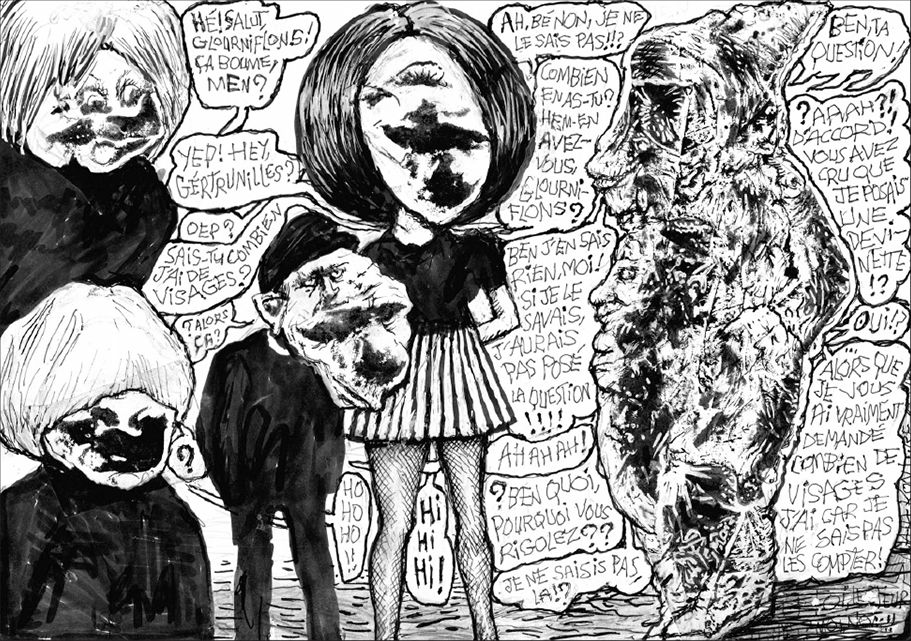

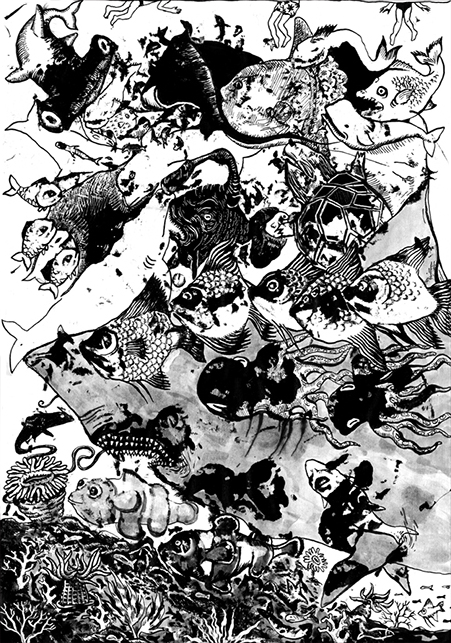
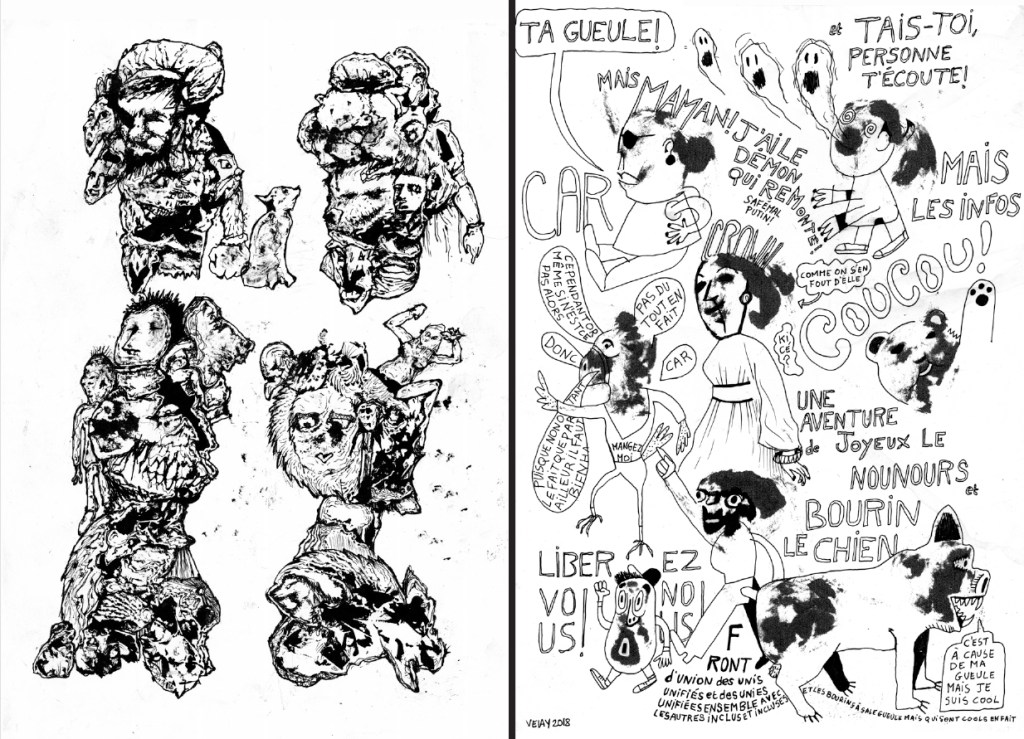

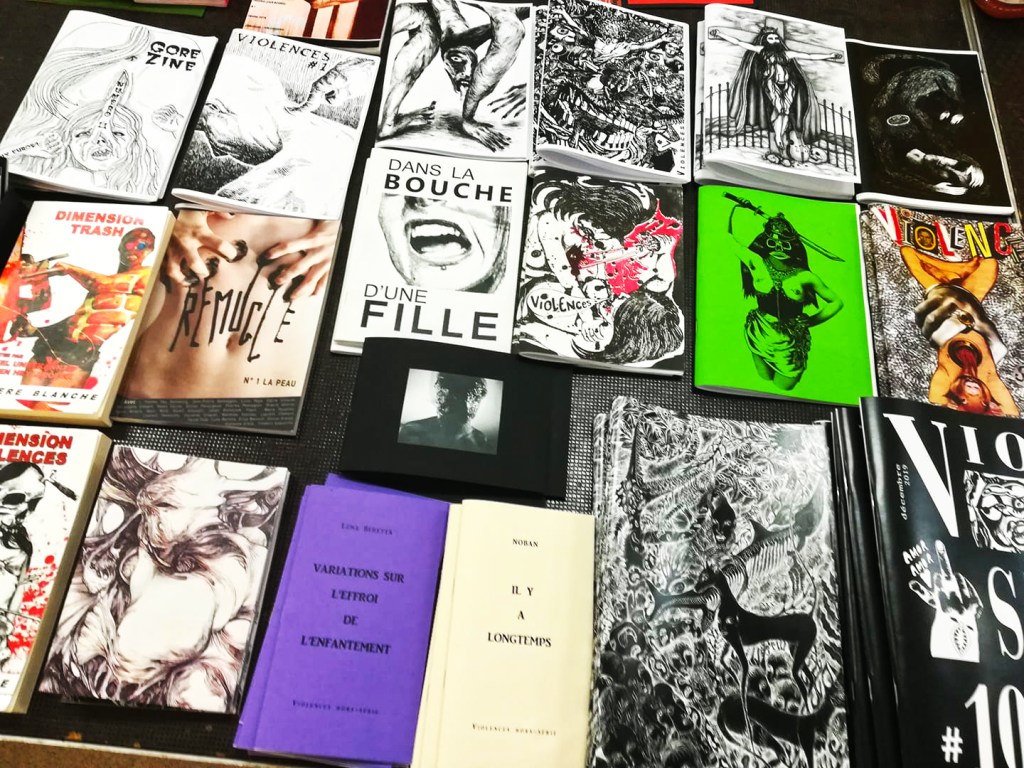

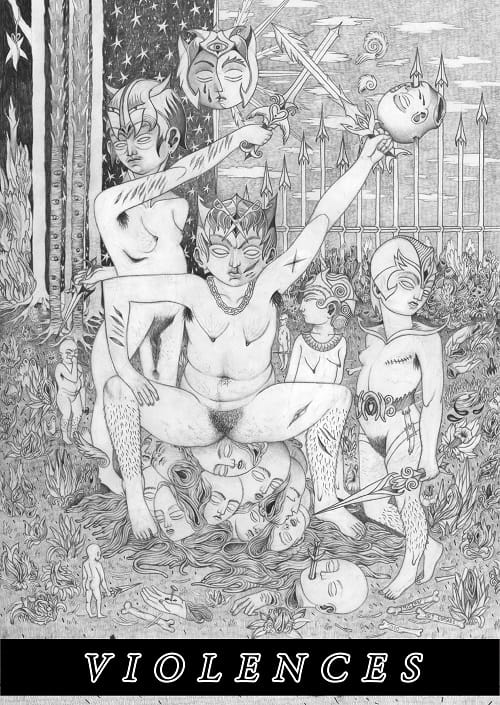

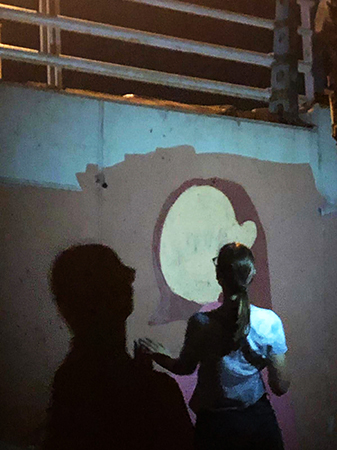


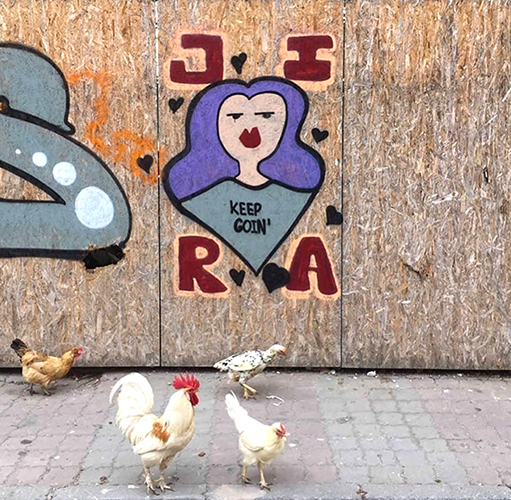

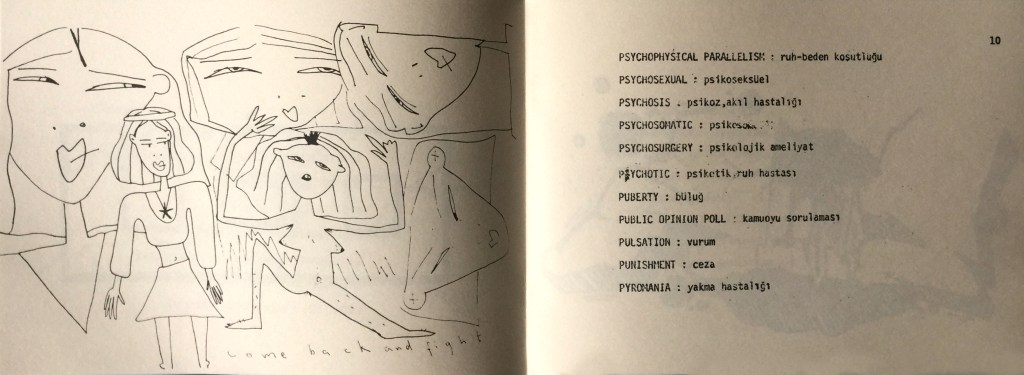


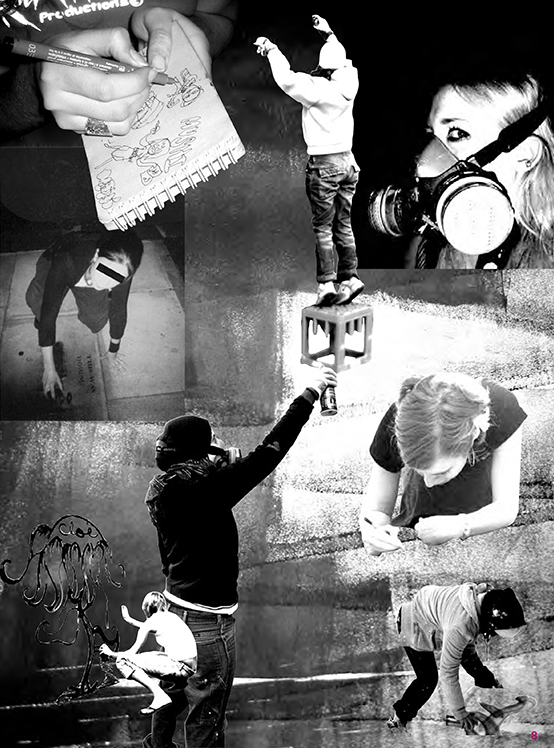
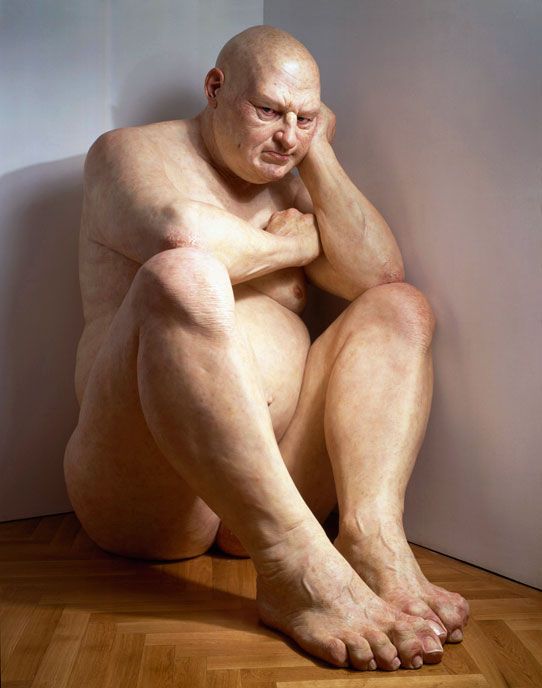
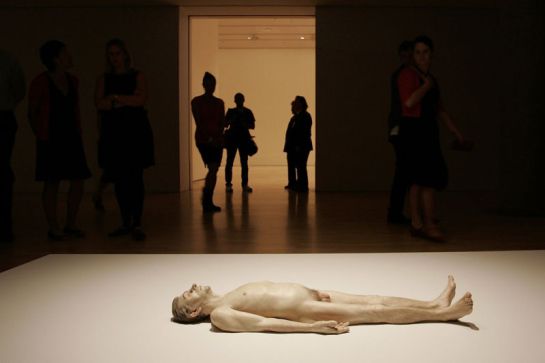
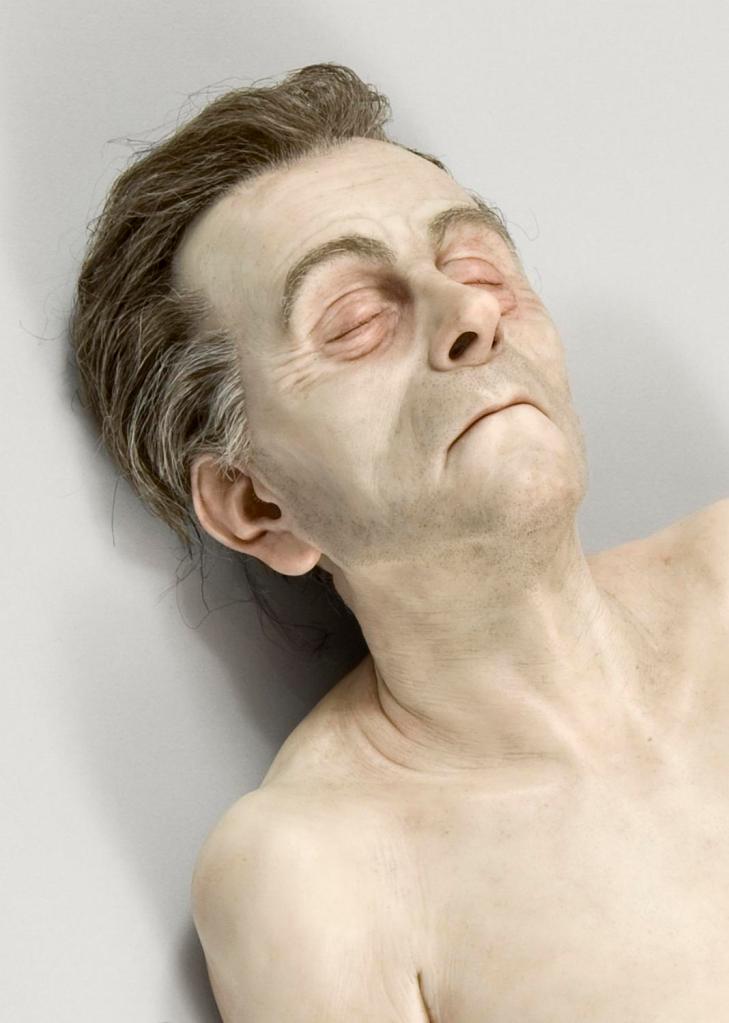
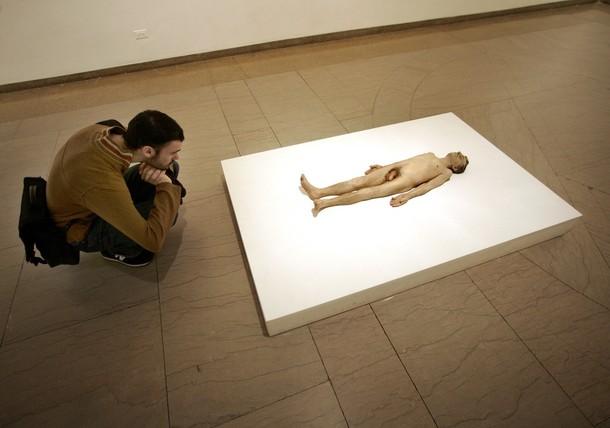
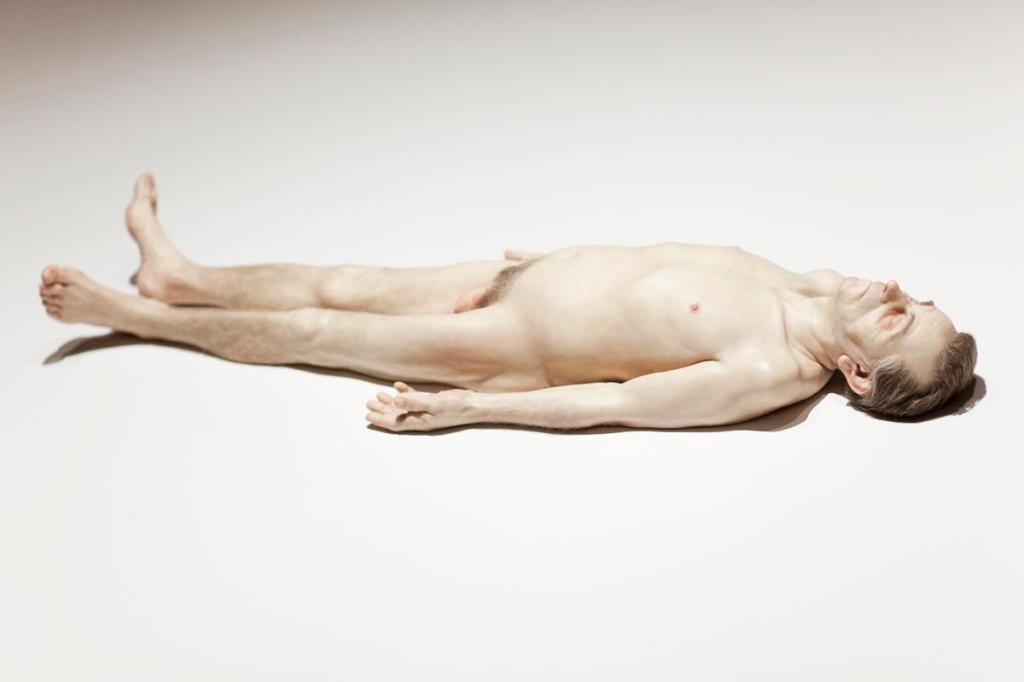
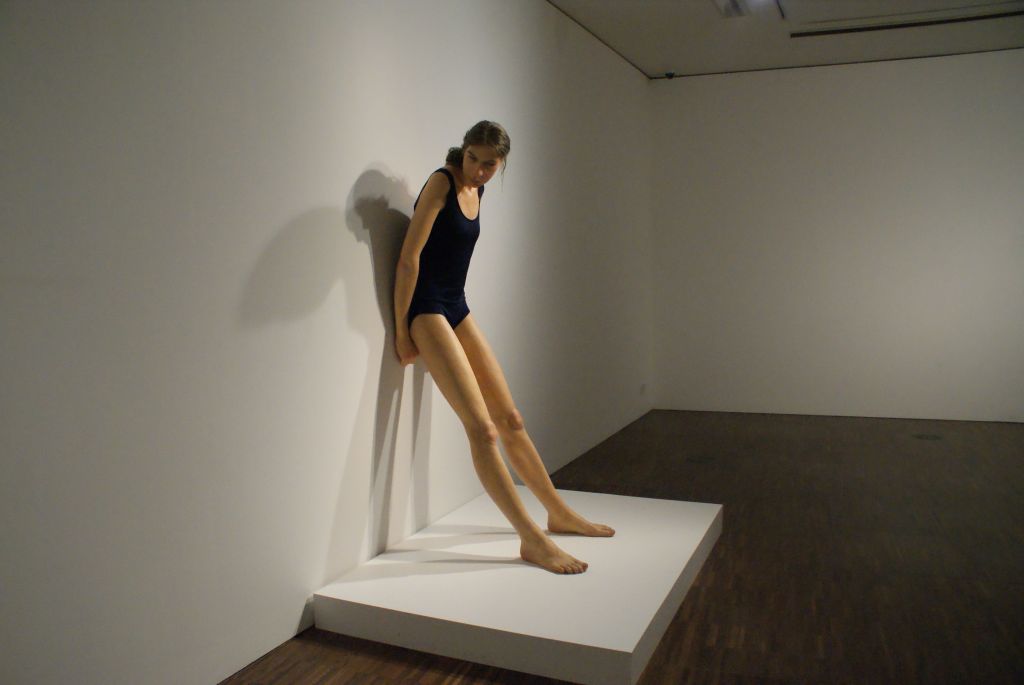
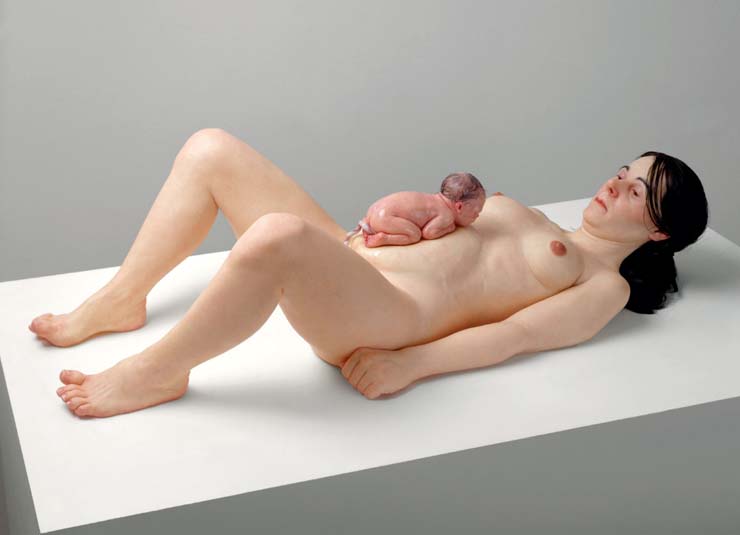
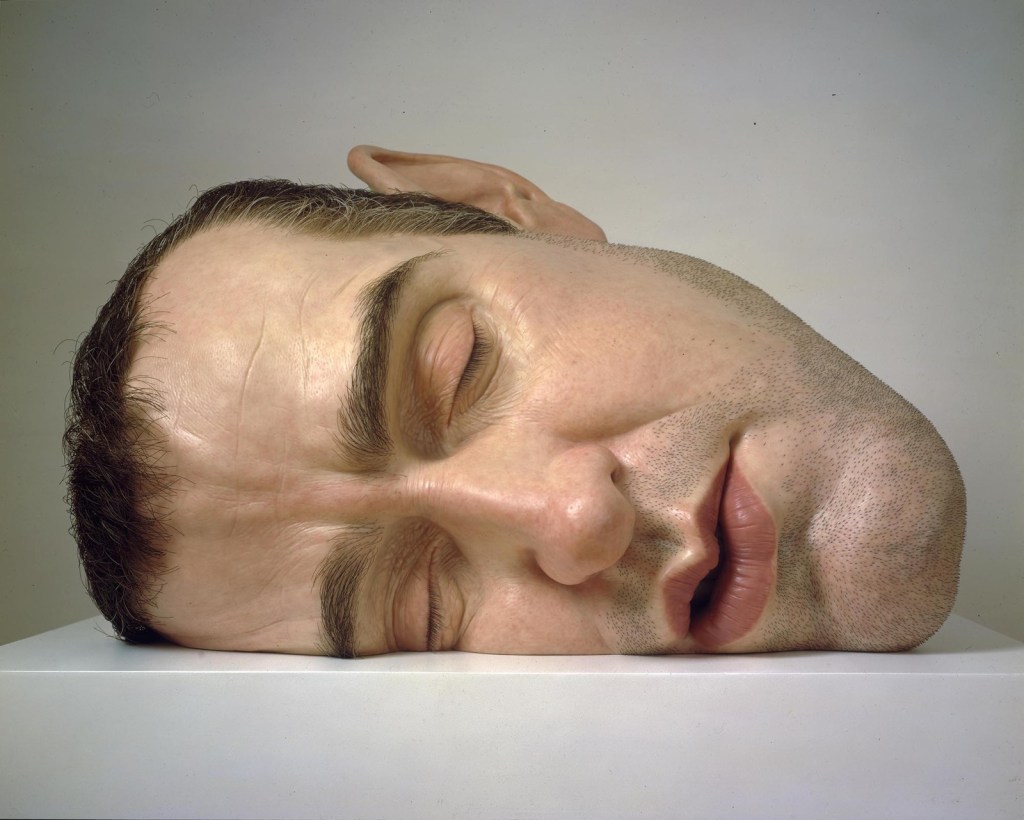
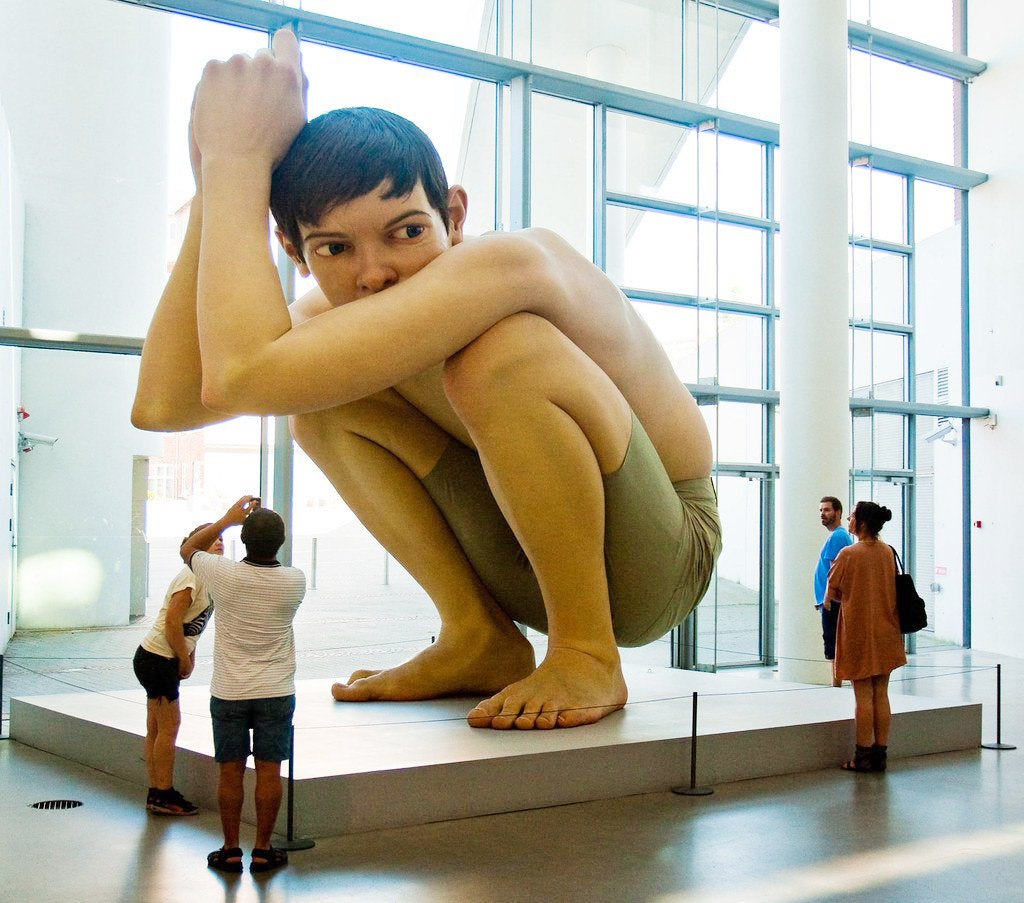
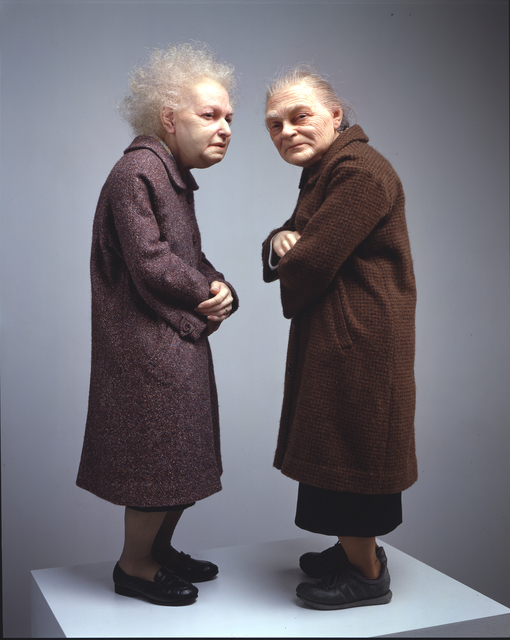
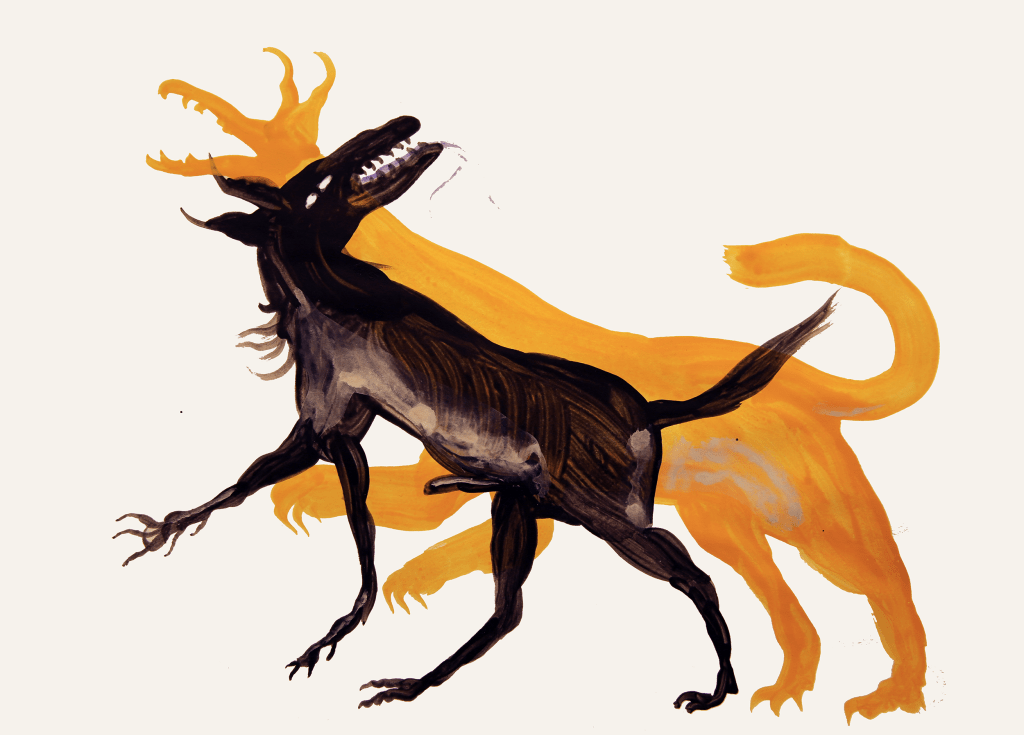
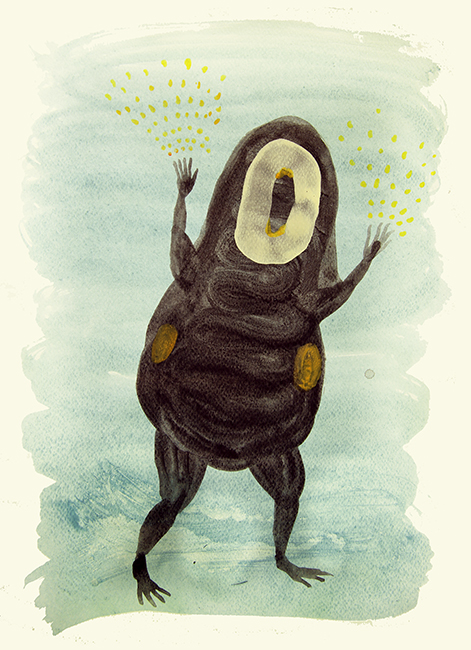
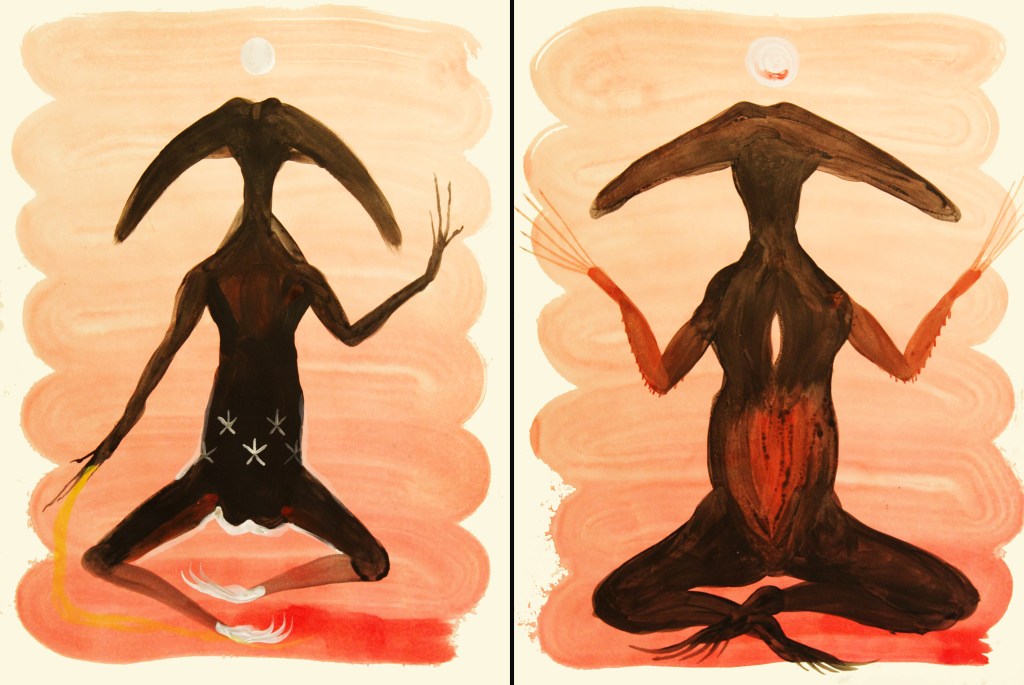
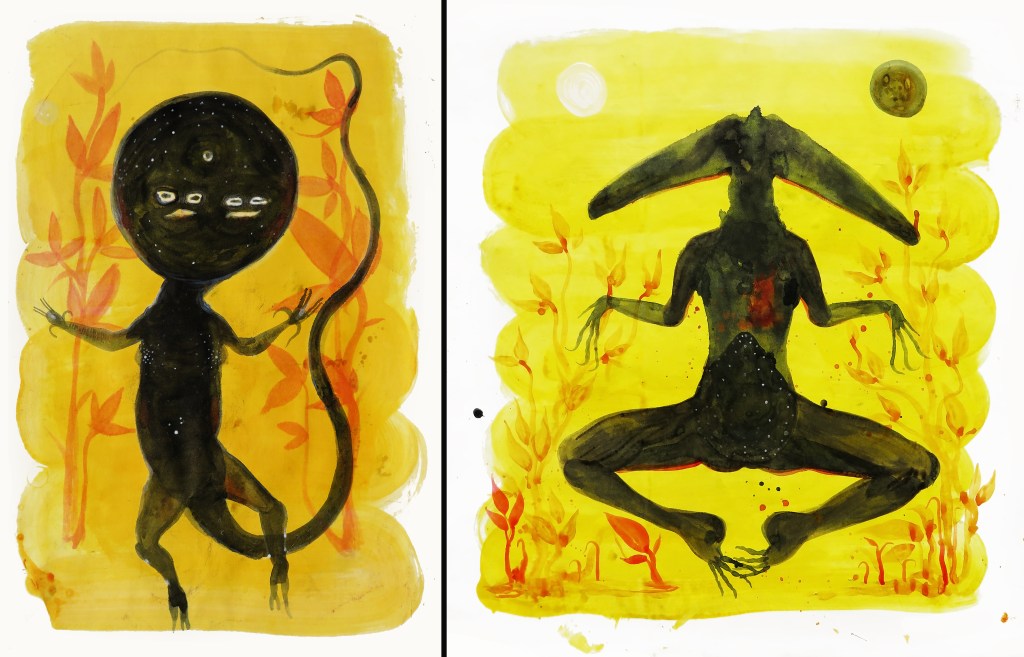
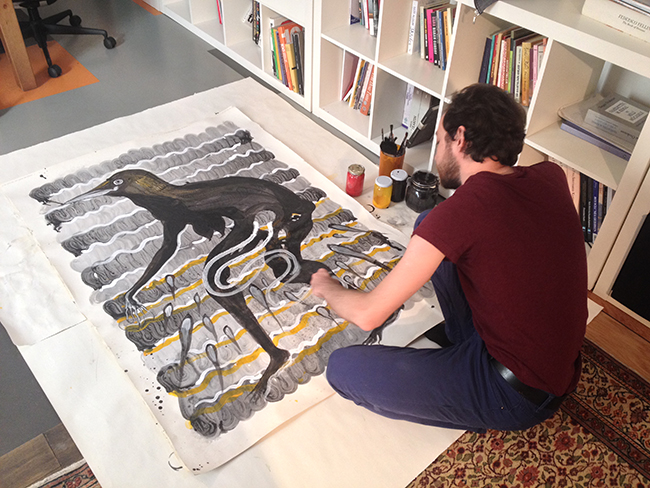


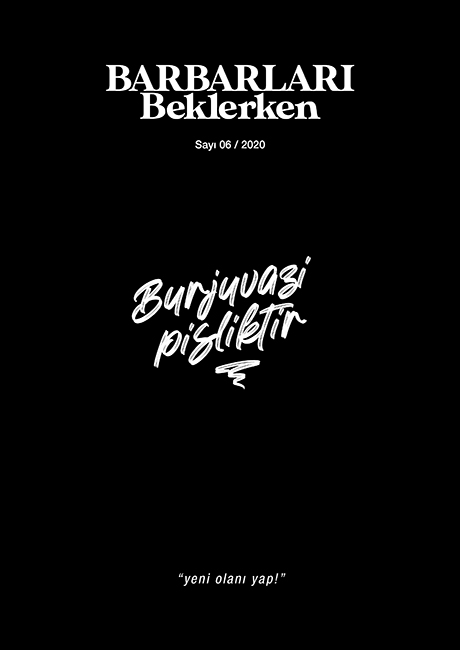

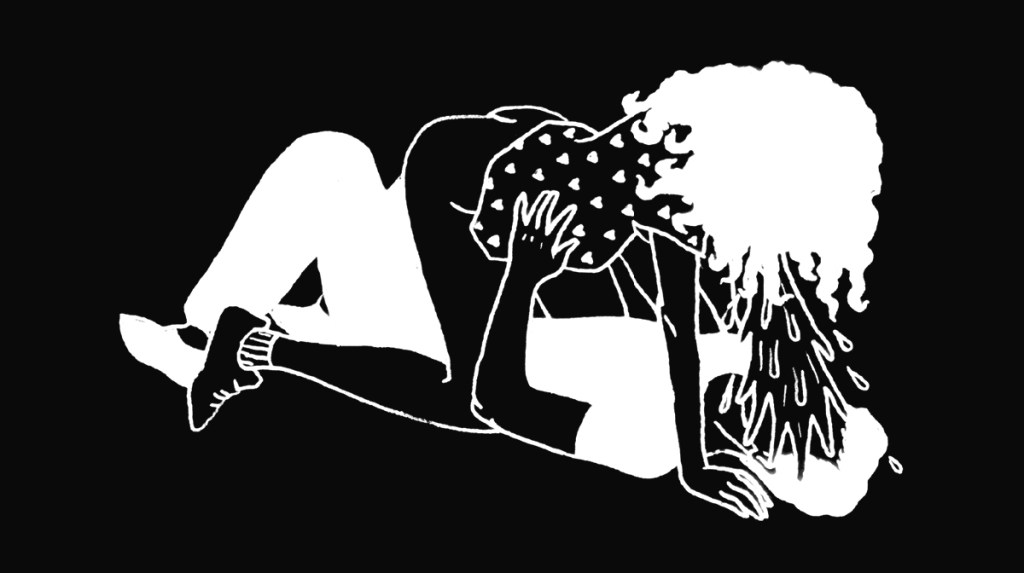
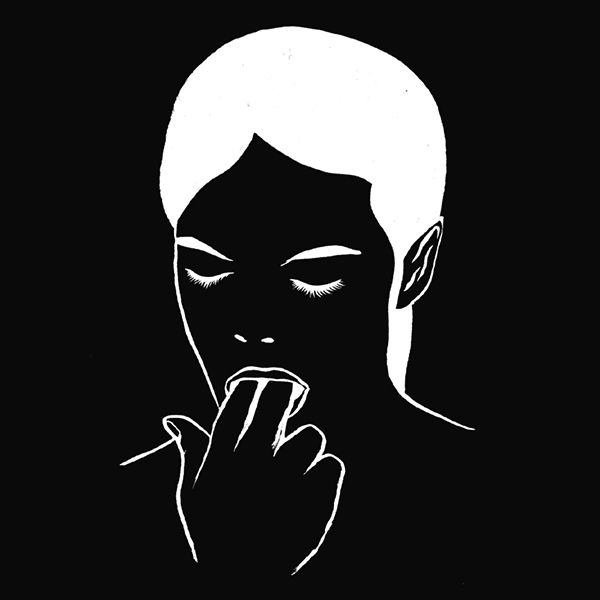

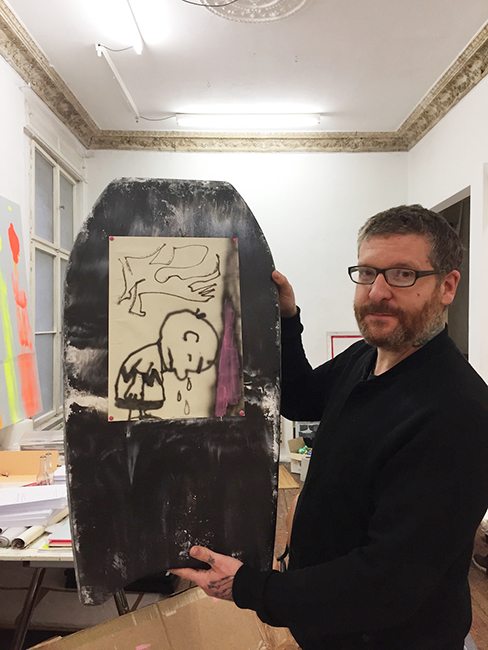
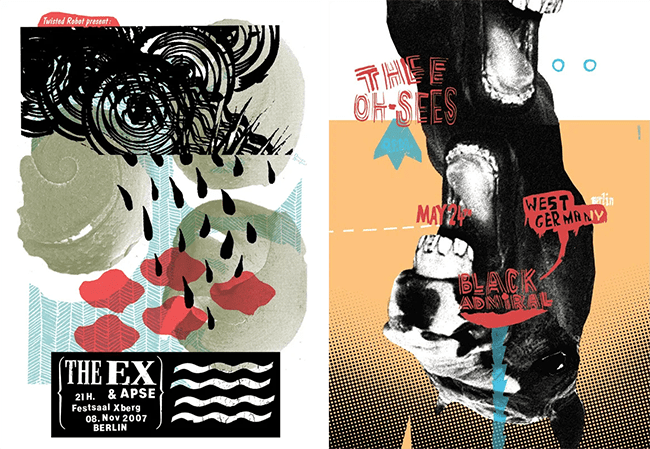

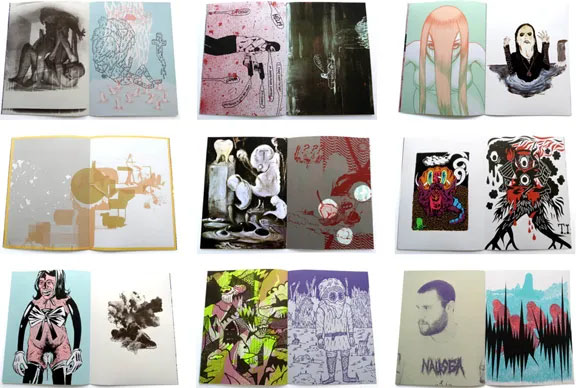
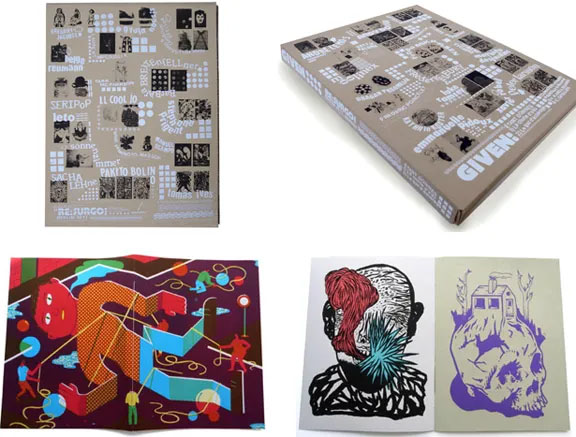
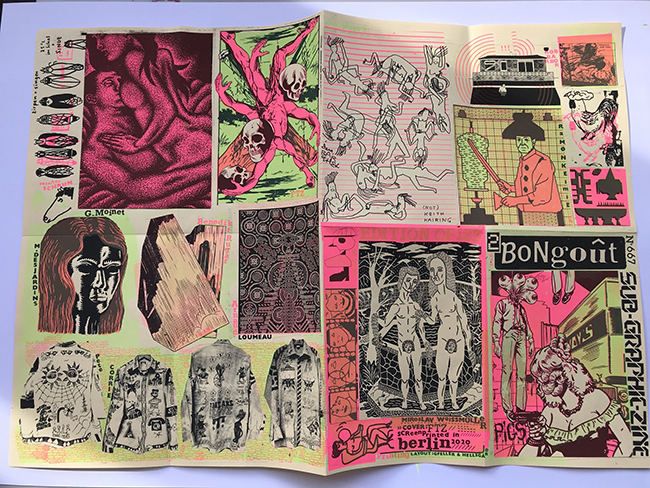

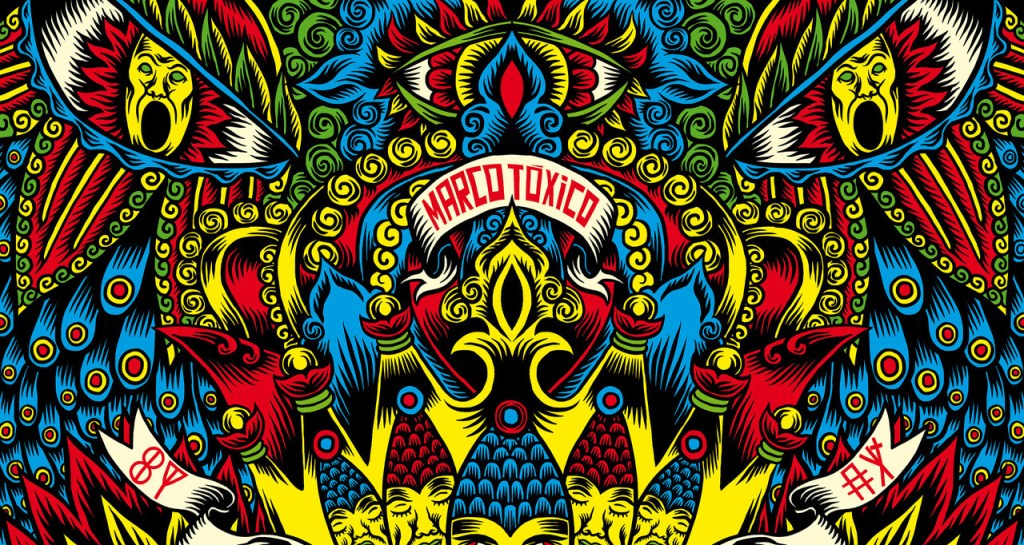
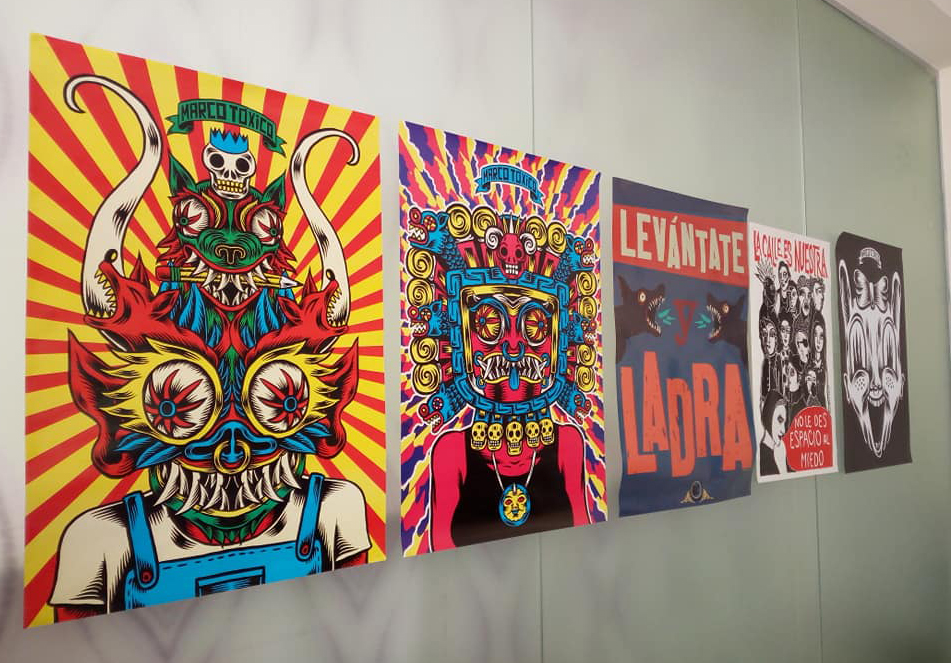
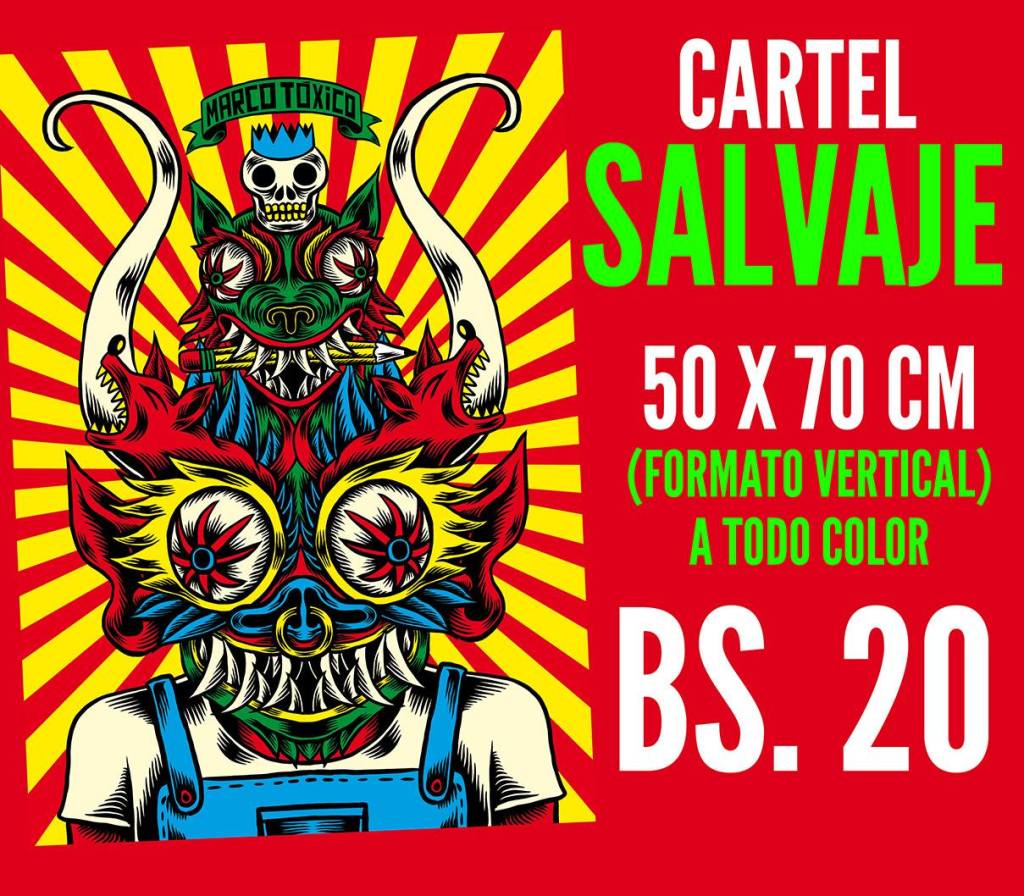
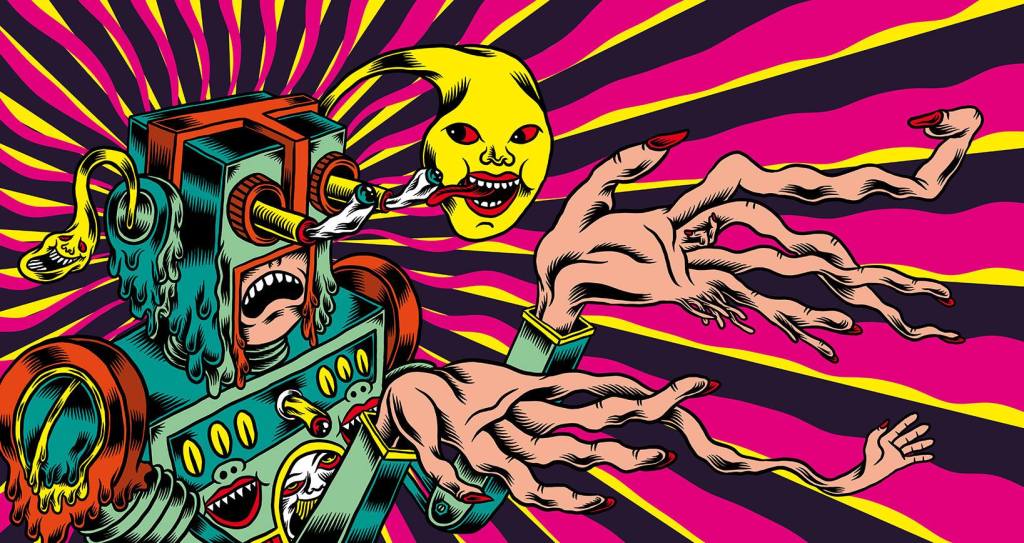


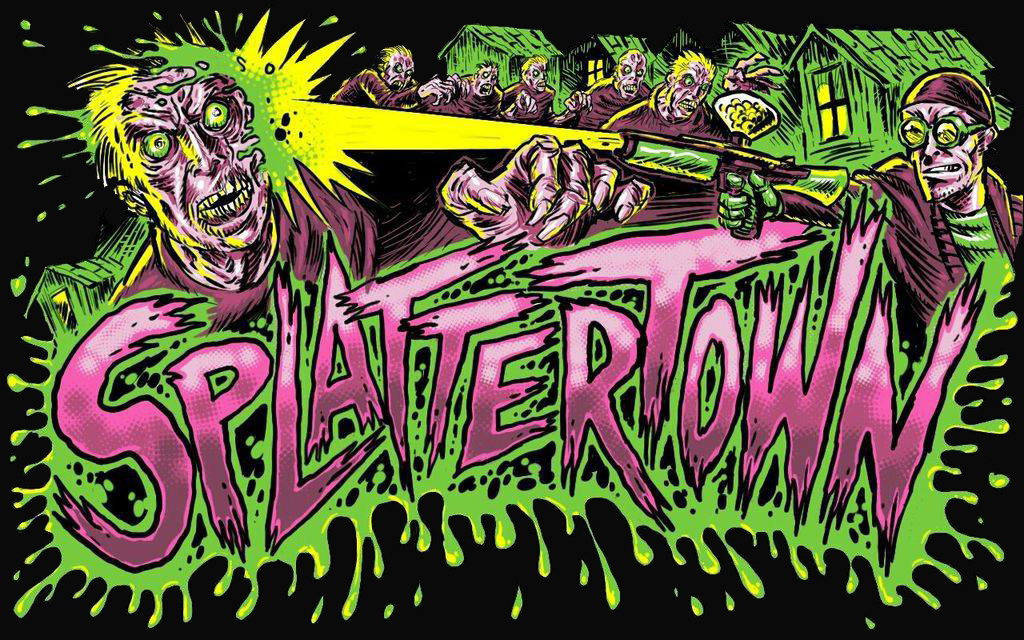

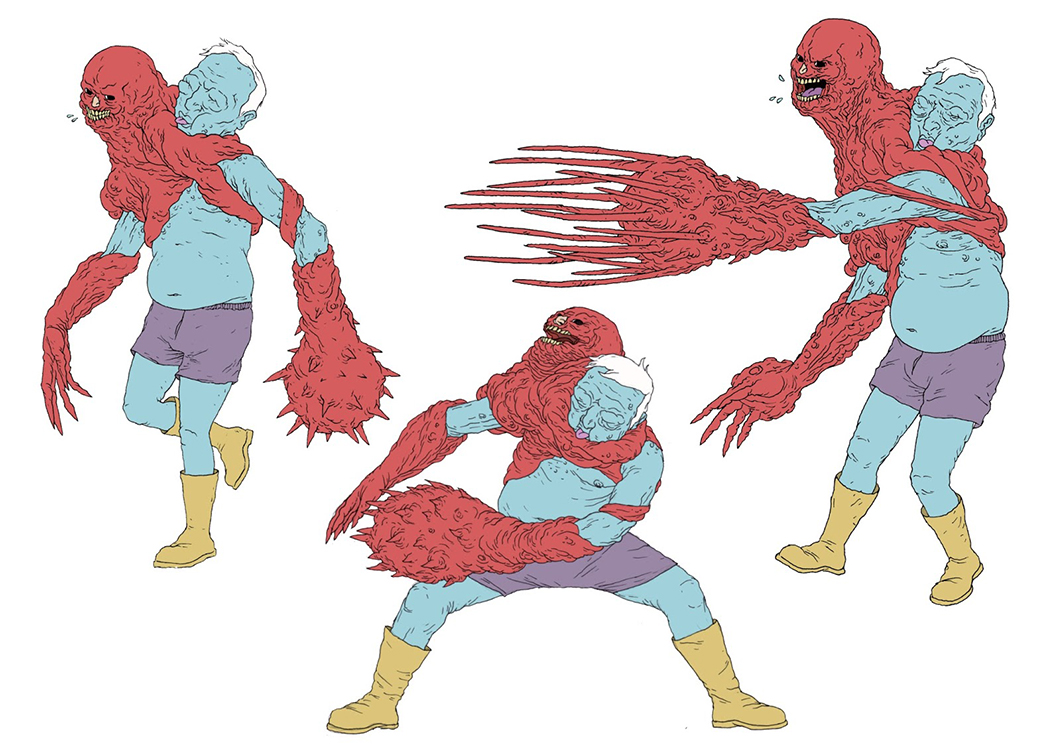

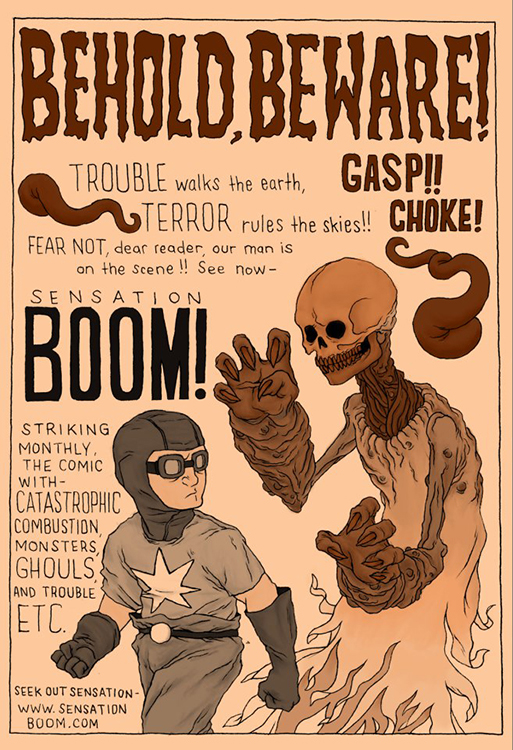

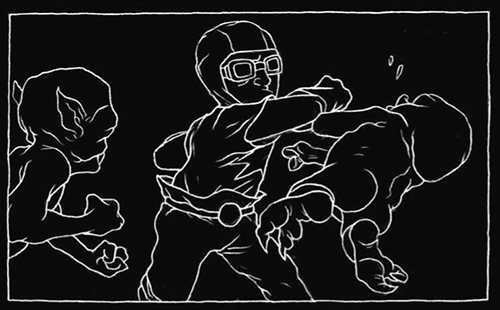
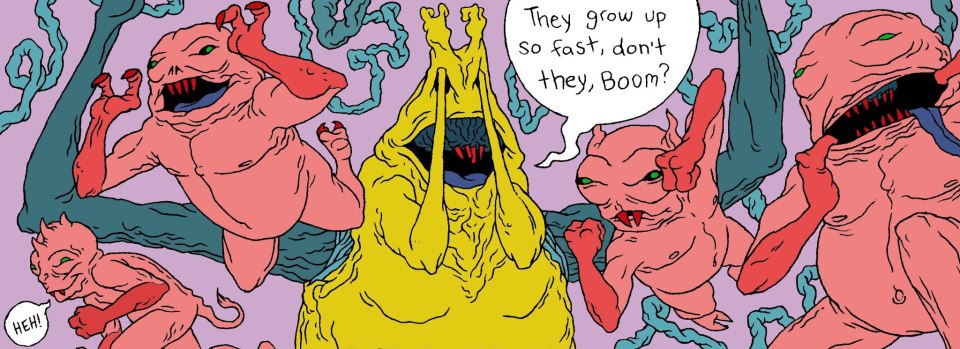


 LÖPÇÜK