Bazen öylesine ürkünç ve derinden sarsıcı kâbuslar yaşarız ki, zavallı zihnimiz onları hatırlamamak için çırpınıp durur. Aklımızda hazmedilemeyecek anlık görüntüler, yaşantımızda ise onlardan geriye acı verici, yabansı dürtüler, açgözlü ve kıskanç nazarlar kalır sadece. Bundan fazlası yalnızca imkânsıza değil, aynı zamanda ruhen iğrenç olana da meyil vermektir.
İşte Aeron Alfrey, bu lanetlenmiş diyarlarda dolaşıyor. O kâbusların ressamıdır. Kendi nesli açısından benzersiz olan Aeron’un dijital resimleri hem son derece sinir bozucu hem de titizlikle işlenmiş kozmik dehşetin, umutların çaresizliğe boyun eğmekten başka şansının kalmadığı karabasanların dibinde soluk alıp veriyor. Kaçış yok, sığınak yok, kan-ter içinde uyanmak yok. Neyse ki, korku sanatının bu kasvetli türünden hoşlananlar için Aeron bizlere bir röportaj için zaman ayırma nezaketinde bulundu.
James Mabe ‘Aeron Alfrey’s the Land of the Moth’ 2016 / Beautiful Bizarre Magazine
Türkçesi: Erman Akçay
Aeron Alfrey ‘”Possession” 2019
Çalışmalarınıza aşina olmayan okurlar için bir giriş yapar mısınız? Kim olduğunuz ve çalışmalarınızı nasıl nitelendirdiğiniz hakkında biraz bilgi verir misiniz?
Ben kafamda var olan ve “The Land Of The Moth.” (Güve Diyarı) adını verdiğim dengesiz bir fantezi dünyasına takıntılı bir sanatçıyım. Burası yaratıcı fikirlerimin çoğunu organize ettiğim hayali bir dünya; Güve, kabusların, yıkık dökük hayalet şehirlerin, fevkalade grotesk karakterlerin, ölüm büyüsü ve korkunç yaratıkların cirit attığı bir düş diyarıdır.
Bir sanatçı olarak eğitimime gelince, geleneksel bir sanat okuluna gittim ve burada çizim, resim ve geleneksel baskı teknikleriyle uğraştım. Dijital tekniklere olan ilgimi eski moda bir litografi stüdyosundan ilhamla almış olsam da, dijital imgeleme becerilerimin tümü kendi kendime öğrendiğim bir sürecin meyveleridir. Photoshop’ta taş baskı için kompozisyon çalışan birini izlediğimi ve bir sanat eserinin farklı alanları için katmanlar(layer) kullanmanın potansiyelini keşfettiğimi hatırlıyorum.
Renkleri az kullanıyor gibisiniz, bu bilinçli bir karar mı yoksa doğal bir eğilim mi?
Sanat eserlerimin çoğu siyah beyaz, çünkü görüntüler kafamda ilk olarak bu şekilde beliriyor. Siyah beyaz filmlerin sahip olduğu tuhaf gerçeklik, Alman dışavurumcu filmlerinin çarpık gölgeleri ve binaları, eski Alacakaranlık Kuşağı veya Outer Limits bölümlerinin ambiyansı her zaman ilgimi çekmiştir ve eminim bu da siyah beyaz imgelere odaklanmama katkıda bulunmuştur.
The cover for the Madhouse horror anthology from Dark Regions Press by Aeron Alfrey, 2017
Mesele imgelemin gitmek istediği yere gitmesine izin vermek ve hiçbir şeyden korkmamaktır.
Yaratım süreciniz hakkında bilgi alabilir miyiz?
Sıklıkla eskiz defterlerine çizim yaparım ve üzerinde çalıştığım çeşitli projelerde fikir edinmek için bu defterlere geri dönerim. Planlama aşaması oldukça kapsamlı, genellikle bir kompozisyonun kaba bir eskizini tarıyorum, çizimi dijital olarak kesiyorum, ardından görüntünün öğelerini hareket ettiriyorum, kontrastları, oranları vb. ayarlıyorum. Genel olarak, manzara, şehir manzarası, bir odanın içi vb. ana yapısal unsurlarla gevşek bir kompozisyon oluşturuyorum ve olayların nerede gerçekleşmesini istediğimi belirleyen ana hatları netleştiriyorum. Daha sonra açık ve koyu kontrastları ayarlayıp, detaylara giriyorum. Çoğu zaman, imgeler işin başından hiç ummadığım şekillere dönüşüyor.
Thomas Ligotti’nin 2010 yılında Subterranean Press tarafından yayınlanan “Songs Of A Dead Dreamer” adlı kitabının kapağı üzerinde çalışırken, Ligotti’nin aynı adlı öyküsüne dayanan Vastarien şehrinin sokaklarında yürüyen çeşitli karakterleri çiziyordum. Bir vagon yapısı, vagon tekerleği ayakları olan büyük bir canavara dönüştü ve bundan sonra uzantılarından biri bir tür iskelet vantrilok kuklası haline geldi. Sanat eserini kavramsallaştırmaya gelince, mesele imgelemin gitmek istediği yere gitmesine izin vermek ve hiçbir şeyden korkmamaktır.
Kısa bir süre önce Dark Regions Press tarafından bu yıl yayınlanacak olan yeni korku antolojisi “Madhouse” için inanılmaz derecede detaylı bir kapak(Dust jacket) hazırladım. Kitabın kendisi nispeten ortalama bir boyutta ancak kapağın imgelemine takıntılı hale geldim ve çalışmadaki soyutlanmış akıl hastanesinin tüm pencereleri ve açık odaları boyunca her küçük senaryo üzerinde çalıştım. O zamandan beri resmi 9’a 4 boyutlarında kaliteli bir kumaş üzerine bastırdım ve detaylara gösterdiğim özen buna değdi. Böylesine detaylı bir sahneye bakmak, çok rahatsız ve tuhaf başka bir dünyanın portalına bakmak gibi. Nihai hedefim bu eseri bütün bir duvarı dolduracak güzel bir goblen parçası olarak satın alınabilir hale getirmek olacak, ancak daha az duvar alanı olan kişiler için küçültülmüş bir versiyonunu da hazırlamayı planlıyorum. Gelecekte, daha detaylı sanat eserlerimi bunun gibi çok daha büyük ölçeklerde yaratmayı planlıyorum.
A very special boxed set of three hardcover books signed, numbered, fully color illustrated, and limited to 250 copies including.
Aeron Alfrey – Master of the Worm-Eaten Skull, Fabric Print
Babamın müthiş bir hayal gücü vardı ve kardeşlerimle bana hep ilginç hikâyeler anlatırdı. Bizim sokağın aşağısındaki ağacın tepesinde, uyuyan bir goril olduğunu ve yılda sadece bir kez birini yemek için aşağı indiğini iddia ettiği garip bir hikayesi vardı.
Çalışmalarınızdaki içeriklere değinecek olursak, eserlerinizin çoğu açıkça ve hatta gururla söyleyebiliriz ki ürkütücü. Bu ilgi kişisel olarak nereden kaynaklanıyor? Genel olarak sanat ve korku kültürü arasındaki bağlantıyı nasıl yorumluyorsunuz?
Korkutucu, korkunç ve grotesk şeylerden büyüleniyor ve ilham alıyorum, her zaman da böyleydim. Korku ve canavar filmleri izleyerek büyüdüm ve favori sanatçılarımın çoğunu babamın sanat kitapları ve dergi koleksiyonu sayesinde keşfettim. Heavy Metal dergisinin eski sayıları sayesinde Giger, Moebius, Richard Corben ve Philippe Druillet gibi isimlerle tanıştım. Babamın müthiş bir hayal gücü vardı ve kardeşlerimle bana hep ilginç hikâyeler anlatırdı. Bizim sokağın aşağısındaki ağacın tepesinde, uyuyan bir goril olduğunu ve yılda sadece bir kez birini yemek için aşağı indiğini iddia ettiği garip bir hikayesi vardı. Yerel parkta, dere kenarındaki dik bir tepenin altında, parkın çim ekipmanlarını barındıran büyük kırmızı bir tuğla bina vardı, normal bir tuğla binaya benzese de geleneksel bir kapısı olmadığı için beni hep korkutan bir yerdi. Babam, koca bir ahtapotun gündüzleri bu derenin içinde uyuduğunu ve geceleri hava karardıktan sonra parkta kalan herkesi avlamak için dışarı çıktığını iddia ederdi. Her zaman kana susamış dev bir ahtapotun şişkin kanlı canavar gözleriyle sığ dereye tırmanıp yiyecek insan aradığını hayal etmişimdir. Hikayelerin listesi uzayıp gidiyor fakat gelecekte bir gün bu hikayelerin çoğunu resimli bir kitap haline getirmeyi planlıyorum. Her neyse, ister kendi vahşi hayal gücümden ister babamınkinden kaynaklansın, kafam her zaman tuhaf fikirlerle doludur.
Yıllar geçtikçe, dinozorlardan tutun da Ray Harryhausen’ın yaratıklarına kadar canavarlara olan hayranlığım, sanat tarihi boyunca saplantılı bir şekilde canavarları araştırmama sebep oldu. Başlı başına çok zaman alan bir proje olsa da, bu araştırmanın bir kısmını monsterbrains.blogspot.com adresinde paylaştım ve paylaşmaya devam edeceğim.
Aeron Alfrey
Çalışmalarınızın altında yatan belirli bir felsefe veya dünya görüşü var mı? İzleyicilerinizde ne tür bir duygusal tepki uyandırmak istersiniz?
Sanatın kendi adına konuşmasından yanayım ve izleyiciler de işlerim karşısında heyecan, korku ve hayret duyabilirler, ama elbette ki böyle bir zorunluluk ve kaide yok.
Sanatınızdan ilk olarak Thomas Ligotti aracılığıyla haberdar oldum ve anında etkilendim. Kitap illüstrasyonlarınız onun yazdıklarıyla doğal bir uyum içerisinde, benzer dengesiz ve kabusvari temalar… Bu işbirliğinin nasıl ortaya çıktığını merak ediyorum, başka yazar veya müzisyenlerle de gelecek projeleriniz var mı?
Tom’la ilk olarak ‘Subterranean’ baskıları yayınlanmadan yıllar önce, 2004 civarında iletişime geçmiştim. Çalışmalarımın yayınlanması gibi bir niyetim olmadan işbirliği yapmak istedim ve o da bana Teatro Grottesco adlı öyküsünden esinlenen bir iş önerdi. Benim yorumum, grotesk ve rahatsız bir dizi karakterin sahnelendiği, çürümekte olan bir tiyatronun içindeki ayrıntılı bir sahneydi. Ancak iş hiçbir zaman tamamlanamadı. Sadece insanlara göstermek için eserden bazı örnekler ekledim; önümüzdeki süreçte bir noktada bu çalışmayı bitirmenin bir yolunu bulmak niyetindeyiz.
Subterranean Press kitaplarıyla ilgili olarak, birlikte çalıştığım Jonathan Dennison adlı bir müzisyen/sanatçı bana Ligotti’nin kitaplarının yeni baskılarını yayınlayacaklarını haber verdi. Daha önce Jonathan’ın grubu Unholy için bir şeyler yapmıştım, ilginç bir şekilde Al Columbia tarafından yönetilen ve albüm için yaptığım bazılarını kullandıkları bir müzik videoları vardı. Jonathan Cadabra Records adında yeni bir plak şirketine başladı ve kısa bir süre önce, özellikle eski pulp Weird Tales türünden harika bir müzisyen olan Lee Brown Coye’un “Lee Brown Coye | Where Is Abby? & Other Tales | Read by Robert Coye LP” başlıklı bir spoken-word vinil baskısını yayınladı. Subterranean’in Ligotti’nin yazılarından oluşan yeni kitaplar yayınlama niyetinden beni haberdar etti ve tabii ki bu durum bana kapakları takip etmek için ilham verdi. İşi aldım ve kapakları yapmak için çok zaman harcadım. Onun edebiyatına her zaman derin bir bağ hissetmişimdir ve gelecekte hikayelerinden esinlenen daha fazla iş üretmeyi düşünüyorum. Yıllar önce Jeff Vandermeer için Tom’un kısa öykülerinden biri olan “Kızıl Kule”ye eşlik etmesi için küçük bir illüstrasyon hazırlamıştım. Sadece Ligotti’nin eserlerine harika bir giriş olduğu için değil, aynı zamanda Tom’un eserlerinde bana ilham veren canlı, dehşet verici ve yaratıcı dünyayı tamamen örneklediği için bu illüstrasyona bir bağlantı ekliyorum.
Gelecek projelerle ilgili olarak, birçok şey üzerinde çalışıyorum…
“Cave Evil: War Cults” masaüstü oyunu için canavarlar, iblisler, büyücüler, iskeletler vb. birçok savaş sahnesi içerecek bir dizi karakalem çizim yapıyorum. Daha önce Mat Brinkman için Cave Evil’in ilk baskısı için çizimler yapmıştım, sanırım o baskı tükendi. Aşağıda, oyundaki görüntüleri özetleyen kısa bir film yer alıyor. Daha önce de belirttiğim gibi, yakın zamanda “Madhouse” isimli yeni bir ortak dünya korku antolojisini çizdim ve bu yıl Dark Regions Press’ten yayınlanacak olan çok sayıda yetenekli yazarla birlikte çalıştım.
Creatures and animations by Emperors of Eternal Evil, directed and edited by Damon Packard, 2013
Çeşitli gruplar için çok sayıda albüm kapağı ve iç mekan çizimi yaptım, ancak çizimleri gerektiğinde duyurmayı ve yayınlamayı onlara bırakıyorum. Başka kitaplar üzerinde de çalışıyorum ancak sanatla ilgili duyuruları yayıncılara saklıyorum. Ayrıca yüksek profilli korku oyuncularının yer aldığı bir filmde kullanılmak üzere çeşitli film dekorları (sahte film afişleri) yapıyorum, detaylarını bu yıl içinde açıklayacağım. Uzun vadede devam eden başka projelerim de var, Lamentations of the Flame Princess için tamamen resimli bir oyun üzerinde çalışıyorum… Yıllardır yapmak istediğim ‘cadı esintili’ bir sanat kitabı geliştiriyorum. Ve gelişme aşamasında olan birkaç kitabım daha var, bazıları tamamen elle çizilmiş çizgi romanlar.
Bir sanatçı olarak etkilendiğiniz isimler kimler?
Alfred Kubin, Cornelis Saftleven, Alberto Martini, Jacques Callot, Sibylle Rupert, Alessandro Magnasco, Marcel Roux, Dado (Miodrag Đurić), Ladislas Starewitch’in stop motion çalışmaları, son birkaç yıldır eski Polonya tiyatro görüntülerine takıntılı hale geldim. Son zamanlarda çeşitli projeler için yapısal ortamlara nasıl yaklaşacağıma dair fikirler edinmek amacıyla çok sayıda Ekspresyonist mimari araştırıyorum.
Bir sanatçı olarak gelişim sürecinizi nasıl değerlendiriyorsunuz, erişmek istediğiniz bir hedef var mı?
Düzenli olarak yeni teknikler öğreniyorum. Yıllarca uğraştığınız bir şeyi daha kolay yapmanın bir yolunu bulduğunuzda bu her zaman güzeldir, olgunlaşmanın belirginleştiği anlar bu anlardır. Sanatımda ışıklandırma üzerine eskisinden daha fazla düşünüyorum ve gölgeleri-kontrastları mümkün olduğunca etkili bir şekilde kullanmaya çalışıyorum. Yakın zamanda 3D programları keşfetmeyi de düşünüyorum, sadece bitmiş bir çalışmaya gerekli müdahaleler için bir opsiyon olarak. Bir manzaranın 3D taslağı içinde ışık efektleriyle denemeler yapmak çok çekici geliyor. Yaratıcılığımın gelişmesi için ideal hedef, daha fazla sanat yapabilmek için daha hızlı çalışmak olacaktır.
11-26 Ekim tarihlerinde gerçekleşecek 1.Uluslararası Kent Tiyatro Festivali-Etimesgut (KentFest) 8 ayrı ülkeden 15 gösteriyi 100. Yıl Cumhuriyet Kültür Merkezi (CKM)’de ağırlıyor. Dünyaca ünlü sanatçılar, özgün tiyatro eserleri, ilk kez sahne alacak oyunlar, genç oyuncular, sahne sanatlarına damga vurmuş ustalar ve daha fazlası KENTFEST’te bir araya geliyor.
Ankara’nın başkent oluşunun yıldönümünde başlaması planlanan festival, Kent Tiyatrosu’nun açılış oyununa da ev sahipliği yapacak. Kent Tiyatrosu oyuncuları Haldun Taner’in “Vatan Kurtaran Şaban” oyunu ile sahnede…
Deniz Göktaş’ın stand-up gösterisinde Ankara hikâyelerini anlatacağı festival, dünya tiyatrosunun efsanevi yönetmeni Theodoros Terzopoulos’un “Alarme” adlı oyununu seyirciyle buluşturacak. KENTFEST’te; Portekizli yönetmen Tiago Rodrigues imzalı Portekiz-Fransa ortak yapımı “Antony and Cleopatra”, çağdaş dansın ülkemizdeki önemli temsilcilerinden Taldans’ın (Mustafa Kaplan ve Filiz Sızanlı), Portekizli performans sanatçıları Sofia Dias ve Vítor Roriz ile birlikte gerçekleştirdikleri “Never Odd or Even”, Övül Avkıran-Mustafa Avkıran (MomoAct) rejisiyle, Almanya’dan festivale kuvvetli bir tokat gibi gelen Ballhaus Prinzenalle yapımı “NSU-Ölenler Arasında Almanlar da Var”, Hakan Kurşun’un (bilgisayar, gitar, vokal), Eylem Pelit (bas) ve Ediz Hafızoğlu (davul) ile ürettikleri sıra dışı projesi “Regeneration Subdivided”, disiplinlerarası üretimleri, dans, tiyatro, müzik, enstalasyon disiplinlerine yer veren TorkDance’in “SIR”, Fransa’da yaşayan Brezilyalı koreograf Vania Vaneau’nun “BLANC”, Ermira Goro’nun komşu Yunanistan’dan gelen dans gösterisi “Sirens”, Dansçı, koreograf Bedirhan Dehmen ile müzisyen Cem Yıldız’ın çağdaş dans ve canlı müziği birleştiren, Mihran Tomasyan ve Canberk Yıldız’ın da dans ettiği özgün yapımı“BİZ”, Tiyatroadam yapımı “39 Buçuk Basamak” yer alıyor.
Şimdilerde Ankara’nın kalbi Etimesgut’da atıyor! 1. Uluslararası Kent Tiyatro Festivali, KentFest başlıyor.
The 1st International Kent Theater Festival-Etimesgut (KentFest), which will take place on October 11-26, welcomes 15 shows from 8 different countries at the 100th Year Republic Cultural Center (CKM). World-famous artists, original theater works, plays that will take the stage for the first time, young actors, masters who have left their mark on performing arts and more come together at KENTFEST.
The festival, which is planned to start on the anniversary of Ankara’s becoming the capital, will also host the opening play of the Kent Theater. Kent Theater actors will be on stage with Haldun Taner’s play “Vatan Kurtaran Şaban”…
The festival, where Deniz Göktaş will tell Ankara stories in his stand-up show, will bring the play “Alarme” by the legendary director of world theater Theodoros Terzopoulos to the audience. At KENTFEST; “Antony and Cleopatra”, a Portuguese-French co-production by Portuguese director Tiago Rodrigues, and ‘Never Odd or Even’ by Taldans (Mustafa Kaplan and Filiz Sızanlı), one of the most important representatives of contemporary dance in Turkey, together with Portuguese performance artists Sofia Dias and Vítor Roriz, Directed by Övül Avkıran-Mustafa Avkıran (MomoAct), Ballhaus Prinzenalle’s “NSU-There are Germans Among the Dead” is a powerful slap in the face to the festival from Germany and features Hakan Kurşun (computer, guitar, vocals), The extraordinary project “Regeneration Subdivided” by Eylem Pelit (bass) and Ediz Hafızoğlu (drums), “SIR” by TorkDance, whose interdisciplinary productions include dance, theater, music and installation disciplines, and “BLANC” by Vania Vaneau, a Brazilian choreographer living in France, Ermira Goro’s dance show “Sirens” from neighboring Greece, dancer and choreographer Bedirhan Dehmen and musician Cem Yıldız’s original production “BİZ”, which combines contemporary dance and live music and in which Mihran Tomasyan and Canberk Yıldız also dance, and Tiyatroadam’s production “39 Buçuk Basamak”.
Bedirhan Dehmen ‘BİZ’ Platformu 2024
Ankaralı Tatbikat Sahnesi, yeni oyunu “Batı Ekspresi”nin prömiyerini de yine Kentfest’te yapıyor. Naz Erayda ve Kerem Kurdoğlu’nun birlikte yönettikleri “Geçen Gün”, Nadir Sönmez’in yazıp yönettiği “Ama”; Şahika Tekand’ın yazıp yönettiği Stüdyo Oyuncularının oyunu “10 Adımda Unutmak” adlı etkileyici oyunu seyirciyle buluşacak diğer gösteriler arasında. Başka bir ilk ise, Ankara’nın Gordion’u üzerine hayata geçirilen bir proje… Yeşim Özsoy’un yönetiminde Gordion için yazılan üç oyun Kent Oyuncuları ile okuma tiyatrosu olarak gerçekleştirilecek.
Etimesgut Belediye Başkanı Erdal Beşlikçioğlu 11 Ekimde başlayacak olan Uluslararası Kent Tiyatro Festivali” ile ilgili 100. Yıl Cumhuriyet Kültür Merkezi’nde basın toplantısı düzenleyerek festival hakkında bilgilendirmelerde bulundu.
Bu yıl ilk kez 11-26 Ekim tarihlerinde gerçekleşecek Uluslararası Kent Tiyatro Festivali-Etimesgut’un (KentFest) basın toplantısı, Etimesgut Belediye Başkanı ve Etimesgut Kent Tiyatrosu Genel Sanat Yönetmeni Erdal Beşikçioğlu; festivalin eş sanat yönetmenleri Övül Avkıran, Mustafa Avkıran ve Etim Kültür A.Ş. Yönetim Kurulu Başkanı İhsan Bahri Bellek’in katılımıyla 2 Ekim Çarşamba günü Metrohan’da gerçekleşti.
Basın toplantısında İBB Genel Sekreter Yardımcısı Mahir Polat ve İBB Kültür Dairesi Başkanı T. Volkan Aslan da festival ekibini yalnız bırakmadı. Beşikçioğlu’nun teklifiyle hayata geçirilen KentFest, 15 gün boyunca Türkiye’den ve dünyanın dört bir yanından gelen hikâye anlatıcılarının gösterilerini, yaratıcı atölye çalışmalarını, ilham verici söyleşileri, konserleri ve seyirci sohbetlerini Ankara’da, Etimesgut’ta sanatseverlerle buluşturmaya hazırlanıyor. Sekiz ülkeden 15 etkileyici gösteriye CKM Kent Tiyatrosu Sahnesi’nde ev sahipliği yapacak olan festival kapsamında aynı zamanda Kent Tiyatrosu’nun açılış oyununun prömiyeri de gerçekleşecek. Gösteri sanatlarının tüm dallarını kucaklayan programıyla Ankaralılara uluslararası bir şenlik yaşatmaya ve hem şehrin hem de ülkenin sanat takvimine umut verici yeni bir soluk getirmeye hazırlanan KentFest’in biletleri Biletix’te ve Biletinial’da
Avis à toi, inquisiteur au chômedu, je viens de dénicher la dernière sorcière de Seine Saint Denis ! Anne Van der Linden qu’elle s’appelle et je te jure sur la tête à Satan qu’elle n’a nul besoin de grimoire ni de baguette magique pour te marabouter. Une once d’encre de Chine, un fond de jus d’acrylique, une poignée de poils de pinceaux et basta ! Pas de quoi faire bouillir la marmite mais bien assez pour te faire frémir le chaudron. Crois moi, mieux vaut ne pas avoir peur du bûcher si tu veux avoir des messes noires. Quant au Sabbat ? Ben, ça vient…
Thomas BERNARD
Née de l’autre côté de la Manche à la fin des 50’s, Anne Van Der Linden a un parcours qui tient plus de la descente aux Enfers que de l’ascension de l’Alpe d’Huez; désertion du giron familial , carapatage loin des beaux arts, expos dans des squats, éditions alternatives, banlieue et précarité. Mais à chacun sa croix- même si c’est à l’envers qu’elle doit se porter – ça n’empêche pas notre Circé de la Zone de se tailler une (mauvaise) réputation à la force du poignet.
Jeune peintre vouant un culte à l’abstraction, elle se défroque viteuf pour la figuration licencieuse et rejoint volontiers ce cher club des hérétiques qui compte Frida Kahlo et Roland Topor comme membres honorifiques. Dès les années 80, elle se coltine la scène underground avec le chanteur et perfomer de l’Apocalypse Jean-Louis Costes pour qui elle réalise des pochettes de disques et des décors entre deux prestations dans des « comédies musicales porno sociales ». Son style s’affûte au fil des années de galère – le trait autrefois proche de la gravure s’affine et les coups de brosse gagnent en liberté – mais l’inspiration transgressive reste la même : des femmes au corps puissants, meurtrières et nourricières, s’adonnent à différents sévices sur des mâles rarement consentants. Des visions blasphématoires et sacrilèges sur fond de décors domestiques où la Miss Sade du 93 débite tous les tabous (torture, mutilation, infanticide cannibalisme, auto dévoration et zoophilie) comme d’autres égrènent leur chapelet.
Pour exorciser nos pulsions les plus inavouables, cette Sybille en ZUP décortique la nature humaine à même la toile, trifouille les viscères avec le majeur, gratte la plaie du bouts des ongles et appuie très fort histoire que le pus en sorte. Et ouais, notre âme comme la peinture, ça sent toujours un peu mauvais.
Si la bave du crapaud n’atteint pas la blanche colombe, ça m’étonnerait fort qu’elle rate ta bibliothèque friande de maléfices pour les mirettes. Abracadabra, voilà que les éditions White Rabbit Prod sortent sous peu la plus importante monographie consacrée à l’œuvre d’Anne Van der Linden. Cavalière de la Tempête que ça s’appelle et tu trouveras dedans une flopée d’images tarabiscotées de l’âme, une sarabande de tableaux à se damner, des ribambelles de dessins infernaux, une tripotée de documents inédits mais maudits, le tout emballé par des textes pointus comme une queue diable de Frederika Abbate, romancière, essayiste et critique d’art déviant. Alors enfourche ton balai et file direction la librairie la plus proche, après un sacrifice de 35 euros sur l’autel du vice, tu auras enfin ta dose d’ envoûtements et de magie.
En attendant, petit concile au clair de lune avec les deux autrices :
Anne, dans le livre, un large panorama de vos œuvres nous est présenté et l’on découvre que vous êtes passée par pas mal d’étapes avant de trouver votre style caractéristique. Quand avez vous mis en place votre touche ? J’ai lu quelque part que vous aviez même eu une période abstraite , pourquoi y avoir renoncer ?
Anne Van der Linden : « Ma touche a pas mal évolué depuis les années 90, et continue à évoluer, j’ai eu une période où j’appliquais la couleur de la même manière que j’applique l’encre de mes dessins, cad des touches longues et fines, superposées ou croisées. Depuis quelques années j’utilise des brosses plus larges pour une touche en aplats juxtaposés ou se chevauchant, cela donne des contrastes plus forts, et l’espace est construit comme une maçonnerie.
Ma période abstraite, comme l’explique très bien Frédérika Abbate dans le livre, était comme une mise à plat, une volonté de repartir à zéro et de laisser les choses venir sans projet précis, sans références, en laissant les pulsions diriger l’action sans que le cerveau n’intervienne. J’ai laissé tomber parce que le résultat ne me satisfaisait pas, ca me déprimait même.
Et puis j’ai changé de vie, je me suis retrouvée à vivre seule et ça m’a donné envie de raconter des choses, de cette manière je suis revenue petit a petit à la figuration, d’abord sommaire et ébauchée, puis de plus en plus précise. »
On retrouve tout de même des choses présente des vos débuts ; le corps, le trivial (objets du quotidien, des lieux communs comme la cuisine, la salle de bain) puis apparaissent les difformités physiques, les monstres et toute une symbolique. Quand et comment apparaît ce nouveau vocabulaire ?
AVDL : « J’ai du regarder mes livres pour répondre à cette question: à priori ce serait à partir des années 2000. Mais l’évolution est lente et ne part pas d’une décision préalable, donc c’est difficile de trancher sur une date précise, ça peut venir d’un livre que j’ai lu, d’un texte que j’ai illustré, ce qui est sur c’est que j’ai toujours été intéressée par les mythologies, ce genre de représentation est dans la continuité de mon intérêt pour le corps et son langage, ce qu’on retrouve dans les mythes quelle que soit la période et la culture. »
Vos images sont très narratives. N’avez vous jamais eu envie d’en écrire ?
AVDL : « J’écrivais un peu à l’époque de la Vache bigarrée, j’avais un gout pour la littérature et des facilités, mais ce qui constituait finalement un handicap, pas réussi à me débarrasser des acquis, alors qu’avec l’image je partais pratiquement de zéro, j’ai pu formuler ce que j’avais en tête ou que je ressentais, d’une manière qui corresponde exactement à mon sentiment intérieur. »
L’undergound est il une terre d’asile favorable à une pratique de la peinture aussi radicale que la votre ?
AVDL : « Oui carrément! c’est idéal. On peut aussi créer dans son coin comme le font les artistes bruts ou outsider, l’avantage dans l’underground est qu’il fonctionne en réseau, c’est une micro société où les gens se connaissent tous, échangent leurs productions et leurs avis, c’est très stimulant, et très libre, il y a a un niveau de tolérance qu’on ne trouve pas ailleurs. C’est d’ailleurs aussi une des raisons d’être de l’underground, donner l’occasion aux artistes de s’exprimer librement. »
Vous sentez vous proche d’une certaine scène artistique alternative ? La quelle ? Vous sentez vous proche d’autres artistes ?
AVDL : « Comme je disais précédemment, je suis proche de cette scène liée à l’édition sérigraphie ou l’édition alternative comme Le Dernier Cri ou Bazooka , White Rabbit Prod, Bongoût, ou d’autres artistes éditeurs en France, au Danemark (Cult Pump), en Allemagne , au Portugal, aux USA avec l’art outsider, et d’autres. On se côtoie, on travaille ensemble, on s’éloigne mais on reste en connexion, surtout avec les réseaux sociaux, que ce soit en France ou à l’étranger. Ceci dit j’aime aussi le travail d’artistes qui ne sont pas « underground », j’aime toutes sortes d’artistes en fait, mon goût me porte plutôt vers la figure, il faut que l’image me raconte des histoires. A partir de là le champ est vaste. Je travaille aussi avec des poètes, j’aime bien dessiner en relation avec des textes, c’est très inspirant. »
Avec Allemane, vous avez créé la revue Freak Wave. C’est important pour vous de mettre en avant et de défendre le travail d’autres artistes ?
AVDL : « Oui, j’ai vraiment aimé faire ce travail de recherche d’artistes qui m’intéressent, et les mettre en valeur en les éditant dans la revue Freak wave était très satisfaisant. Une manière aussi de trouver une résonance avec mon propre travail.Ce fut une passionnante expérience, mais qui ne peut avoir qu’un temps si on veut aussi se consacrer à sa propre création. »
Frederika, quand et comment avez vous rencontré le travail d’Anne ?
Frederika Abbate : «C’est Nicolas Le Bault qui m’a fait connaître la peinture d’Anne Van der Linden en me disant que c’était une artiste qu’il aime beaucoup et depuis longtemps. Cela doit faire quelques années et la rencontre s’est faite, si je me souviens bien, d’abord de manière livresque. J’ai été immédiatement fascinée et la première toile sur laquelle s’est portée mon attention est Couik ! qui est pour moi très emblématique de son œuvre, comme cela est développé dans un chapitre de mon livre. Vous avez là le court-circuit, qui est sa marque de fabrique : la curiosité de voir en l’autre se traduit dans sa peinture par le fait de l’ouvrir en deux, non pour le blesser mais pour surmonter la barrière entre soi et autrui. Et vous avez là aussi le mystère de la sexualité, le fait d’être humain sexué, coupé de l’autre sexe mais qu’on est aussi un peu. Car ce personnage est coupé en deux moitiés, une mâle l’autre femelle… En découvrant sa peinture, je me suis dit tout de suite que j’écrirai un jour un texte sur elle.
Ensuite, je l’ai vue à un vernissage d’une exposition qui n’était pas d’elle. Je connaissais son visage mais elle, elle ne me connaissait pas. Mais elle est venue vers moi et m’a donné une invitation parce que m’a-t-elle dit alors elle trouvait mon visage sympathique. J’étais contente parce que je n’avais pas osé l’aborder et j’ai alors saisi l’occasion pour lui dire que j’aime beaucoup son art.
J’ai vu pour la première fois en vrai ses premières peintures lors du vernissage de l’exposition Zoo en 2018 à la galerie Corinne Bonnet. J’ai un rapport très direct à l’art. Les œuvres me parlent (ou non). Et là, s’est engagé une sorte de dialogue en amont des mots, entre chaque toile que je regardais et moi, chaque dessin. J’avais l’impression d’entrer dans l’image, cette image m’accueillait. Je n’entendais plus ni ne voyais plus les gens autour alors qu’il y avait du monde, puisque c’était le vernissage. J’avais l’impression à la fois de découvrir quelque chose de radicalement nouveau et d’être aussi comme dans un univers dans lequel je me reconnaissais, qui me disait des choses réconfortantes. Je crois que c’est cela une grande force de son art : il apporte du réconfort. Non pas parce que c’est cruel mais parce que c’est cru, les choses importantes sont enfin dévoilées. »
Cavalière de la Tempête compile non seulement des premières toiles inédites et des œuvres récentes en plus d’ un texte de présentation de l’oeuvre d’Anne mais aussi une longue biographie découpée en plusieurs étapes. C’était important pour vous de revenir sur toute la vie et la carrière d’Anne ?
F.A : « Oui, très important, parce que quand on aime un artiste, un écrivain, on a envie d’être proche de lui, de connaître les données fondamentales de son parcours. J’ai envisagé sa vie comme j’envisage la mienne propre, c’est-à-dire axée uniquement sur l’art, comme l’écriture pour moi. J’ai voulu remonter à la source en quelque sorte. Rien de ce que vit un artiste est anodin, comme pour chacun d’ailleurs sauf que chez l’artiste cela laisse des traces visibles. Il n’y a rien d’anecdotique, de superficiel dans la trajectoire biographique dans le livre. Tout est en rapport avec sa peinture. Le cœur d’un artiste c’est sa création, rien d’autre. Et Anne Van der Linden peint avec sa vie, dès le début déjà où elle peint elle qui se cherche, sa famille. L’artiste a des antennes très affûtées et tout ce qu’il ressent du monde se mélange à sa vie propre. Sa vie propre passe dans sa création qui, à son tour, influe sur le cours de sa vie. C’est un chassé-croisé tissé très finement, ce qui se passe entre sa vie et sa création, entre sa création et le monde, l’air du temps, les violences du monde, comme aussi son rapport avec son public.
Cette vie, je l’ai traitée en romancière. Le roman a l’avantage sur la vie d’être concis, rapide,et de mettre du sens. C’est l’écriture qui permet l’ordonnancement, l’attrait. Anne en lisant le texte m’a dit une chose très belle qui m’a fait un grand plaisir, qu’elle était captivée par sa propre histoire. C’est pour moi un grand compliment. Si elle a dit cela, c’est que l’écriture a opéré une mise à distance entre elle et elle mais cette mise à distance est un rapprochement en vérité, une intimité plus profonde et un éclaircissement permis par les mots, par ma compréhension des choses. Et cela captivera aussi les lecteurs ! »
Les toiles d’Anne sont bourrées d’histoires, retrouvez vous un peu des vôtres dans les siennes ?
F.A : « Mon univers propre est très proche de celui d’Anne Van der Linden. Je me sens en intimité vive avec ses œuvres : par le traitement du corps, de l’amour, de la sexualité, par le mystère de l’altérité qui nous captive. »
Le légendaire salon de la micro-édition Vendetta ouvre ses portes pour la nouvelle saison, chers commi-maniacs. Le compte à rebours a commencé pour l’événement que vous pourrez visiter entre le 12 et le 13 octobre.
Sentez le feu et rappelez-vous que les espaces artistiques indépendants sont l’un des moyens les plus sérieux de nous libérer.
Le surréalisme vivant pour l’ère nouvelle, vive la LDC !
VENDETTA 10
Pendant deux jours, ce salon international du multiple et de la micro-édition regroupe celles et ceux qui fabriquent en dehors des sentiers battus.
Du 12 au 13 octobre 2024, le Dernier Cri organise Vendetta, salon international de micro-édition pour sa dixième édition. Pendant deux jours, il rassemble celles et ceux qui fabriquent de façon artisanale et indépendante ses éditions limitées, qui existent en dehors des sentiers battus de la distribution habituelle du livre : associations, ateliers, particulier·ères… pratiquant l’édition d’art, le do it yourself, le fanzinat ou l’auto-édition.
Au fil de ses vingt-sept ans d’activisme, le Dernier Cri a tissé des liens en France et à l’étranger avec d’autres artistes, adeptes de ce style de publication.
En parallèle, le pendant musical Vendetta-Tatatata propose une soirée de concerts avec la salle de concerts l’Embobineuse dans le quartier de la Belle de Mai
Vendetta 04 @ Friche la Belle de Mai/L’Embobineuse 17.-18.12.2016. Marseille (France).
“Tout à fait, Vendetta est un festival international de micro-édition organisé par le Dernier Cri. Il fait converger des dizaines de collectifs de sérigraphes, d’ éditeurs, de dessinateurs à la Friche Belle de Mai à Marseille. C’ est l’ occasion de rencontrer des acteurs de l’ underground graphique qu’ il serait impossible d’ apercevoir autrement tellement le plus gros de leur vie se déroule dans un atelier ou une cave ! C’ est aussi le moment de venir en prendre plein la vue et de découvrir des tonnes de choses super qui sont parfaitement confidentielles. C’ est un festival extrêmement riche en images, livres et rencontres. Je pense qui si on y emmenait un directeur artistique de Euro RSCG (une grosse entreprise de publicité française) pour faire le tour des stands il aurait soudainement tellement honte de son métier qu’ il irait se couper la tête tout seul dans un parking sous-terrain.”-DAVE2000
Dessin : Colin Raff
Éditeur·ices invité·es :
Arrache toi un oeil (France) / LORE de quengo (France) / Nuvish + dom Luci (France) / GOTO production (France) / Atelier les animals (France) / les _succubes (Belgique) / la S + knock outsider (Belgique) / Disparate (France) / Dav Guedin (France) / Les machines + double serpent (France) / Emre Orhun (France) / CMA HONIKA (Macédoine) / vignaud mathilde (France) / sarcofaga (colombie ) / Cultpump (Danemark) / andy Bolus (UK) / SAD HOMOSEXUALS DRAWINGS (France) / collectif DdD (France) / Apprendre à tuer + E2 – sterput (Belgique) / BD CUL-BD COEUR = cizo (France) / Kinga Janiak + Zavka (Pologne) / La Générale Minérale (France) / Tendranus + Anaïs Longère + Marie Vahdat + louisa vahdat (France) / Or bor (Belgique) / Amandine Brûlée (France) / Imagora (France) / suliane hamon + fatigue suspecte (France) / sam ectoplasme (France) / Simon Le Lagadec + klara gai (France) / paris print club (France) / le mat nils bertho (France) / Lagon (France) / Dave 2000 (France) / La voix de satan (France) / Coeur sur toi (France) / Le dernier cri (France) / l’articho (France) / L’organisation de la chute (France) / Patrick Jannin (France) / Piet du congo (Belgique) / Max Texier + Le Point d’Orgue (France) / Carotideae (France) / mauvais profil (France) / éditions azulil (France) / Le singe batteur (fr) / Maxi Cat Sérigraphie (fr) / maic baxane (fr) / sarah-barthe (fr) / Bus Stop Press + marina margarina (fr) / Chott Press + editions automne (fr) / Même Pas Mal (fr) / Moolinex (fr) / DOOM PATROL = iam Cassar, Christopher Green, Thomas Chauzy, Étienne Oudin, Dimitri Milbr (fr) / le Dernier Cri (fr) / lok zine (italie) / Pole-ka + vice de forme (fr) / Prysm Edition ( fr) / Julien Gardon (fr) / siroz (fr) / petit comité del terror (espagne) / Julie legrand ( fr) / Subseri (italie) / Super Issue (fr) / Sam + ju RICTUS (fr) / Timeless (fr) / Zitrance (fr) / Xoxo +ERROR.tpg( fr) / Mark Pawson/Disinfotainment (uk)..
Petit Théâtre et Grand Capharnaüm !
“Exactly, Vendetta is an international micro-publishing festival organized by Dernier Cri. It brings together dozens of collectives of screenprinters, publishers and illustrators at Marseille’s Friche Belle de Mai. It’s a chance to meet some of the key players in the graphic arts underground, who would otherwise be impossible to spot because most of their lives take place in a workshop or cellar! It’s also a time to come and take in the sights and discover tons of great things that are perfectly confidential. It’s a festival extremely rich in images, books and encounters. I think that if you took an art director from Euro RSCG (a big French advertising company) on a tour of the stands, he’d suddenly be so ashamed of his job that he’d go and cut off his own head in an underground parking lot.”-DAVE2000
From October 12 to 13, 2024 / Poster art by Colin Raff
The legendary micro-publishing fair Vendetta is opening its door for new season, dear commi-maniacs. The countdown has begun for the event that can be visited between October 12-13.
Feel the energy and remember that independent art spaces are one of the most serious actions to liberate us.
Living surrealism for the new age, long live LDC!
For two days, this international trade show for multiple and micro-publishing brings together those who make things off the beaten track.
From October 12 to 13, 2024, Dernier Cri organizes Vendetta, an international trade fair for micro-publishing, for its tenth edition. For two days, it brings together all those who produce limited editions by hand and independently, who exist off the beaten track of the usual book distribution: associations, workshops, individuals… practicing art publishing, do it yourself, fanzinat or self-publishing.
Over the course of its twenty-seven years of activism, Dernier Cri has forged links in France and abroad with other artists who are adept at this style of publication.
In parallel, the musical counterpart Vendetta-Tatatata offers an evening of concerts with the Embobineuse concert hall in the Belle de Mai district.
Kader Genç ‘İsimsiz’ Kağıt üzerine suluboya akrilik, 24.5×18.8cm, 2018
Anlam peşinde olma, Tema etrafında stabilleşme, İsimli göndermelere entegre olma Resmin akışına taş koyma gibi geliyor bana artık. Modalaşmış her tür yaklaşımın beklenmedik olana ket vurduğunu düşünüyorum.
“Yaşasaydı sevgili Van Gogh’un hâlâ kulağı kanar ve kesilen parçası hâlâ acı çekerdi. Bu kadar kolaydan sanat üretmenin önünün açıldığı ve asıl meseleyi sırtlananların demode görüldüğü başka bir dönem yoktur diyemesem de en sert koşulların yaşandığı, görmezden gelinmelere maruz bırakıldığı çağda olduğumuzu söylemek isterim.”
Ressamın işi, kendisine miras olarak bırakılmış form problemini ödev olarak devralıp yola devam etmektir.
Sanatın gösterdiğini görme zahmetinin adayı olunmadan sanatçı olunmaz.
Mimesis (taklit), başlangıcından beri doğanın bir soyutlamasıdır.
Zamanımızın aşırı düzenlenmiş sanat dünyası, eser yerine çöp üretmektedir denebilir.
Sabahattin Tuncer’in nefis Sanat ve Resim yorumlarıyla bu paylaşımı yapmak istedim. Kendisinden çok şey öğrendik. Okul dışında bu kişilerle olmak bizler için olağanüstü bir şanstı. Yeniden hatırlamak ve hatırlatmak için not düşme istemi Güleryüz’ün de gidişinden sonra oldu açıkçası. Gerçek Ressamların aramızdan ayrılışı beni derinden üzer. Buralı yahut Oralı olması mühim değil. Ustalar bizim rehberimizdir. Dilimiz ortaktır. Yolumuzun arızalarını onlardan öngörürüz. Sanatın ne olduğunu onların tecrübeleriyle pekiştiririz. İyi ki Varlar. Hep Yaşayacaklar.
Kader Genç ‘Desenler’ 2024
Kader Genç ‘Desenler’ 2024
Kader Genç ‘Desenler’ 2024
Kader Genç ‘Desenler’ 2024
Kader Genç ‘Desenler’ 2024
Kader Genç ‘Desenler’ 2024
Kader Genç ‘Desenler’ 2024
Anlam peşinde olma, Tema etrafında stabilleşme, İsimli göndermelere entegre olma Resmin akışına taş koyma gibi geliyor bana artık. Modalaşmış her tür yaklaşımın beklenmedik olana ket vurduğunu düşünüyorum. Arayışın bir muamma, kabullenmenin bir biat olduğu kanaatindeyim. İnsan ancak kendi bilinmezliklerini kurcalamaya koyulduğunda hikayesini oluşturuyor. Bu da toplumdan hiç de kopuk olmayan bir mesele. Resim işte oralarda bir yerlerde gizli. İnsan resmiyle haşır neşir olunca konuşmayı bırakmamız gerek. Doğa’da kendi olmayan, taklit ve öykünme hali bir yana, resim sanatının form edinme girişimi olarak elimizden bir uzuv gibi çıkan çizgi malzemesi soyuttur ama maksadı görünür kılmaktır olup biteni. Dolayısıyla itiraf etmem gerekirse ben de bilmiyorum . Sadece Neden’lerim ve Nasıl’larım var. Fakat elbette sebeplendiğim şeylerin tarifini zorluyorum. Desen bunun için çok güçlü bir araç. Desensiz ressam olunmaz. Kimliğin en özel ve şahsi tarafı onunla oluşuyor.
“Galerilerin ve küratörlerin komik denecek şekilde ressamı ikinci planda bırakıp, sanatçılık oynayan garip bir güruhu cilalayarak ortaya fırlatıldığı post bir süreçten geçiyoruz.”
Pathos dergisi için yapılan söyleşi dosyasından 2019
Figürlerini gerçekliğe sadık kalarak işlediğin önceki sergilerinden farklı olarak, “Kâğıt” isimli son serginde figürün bütünlüğünü, biçimini bozmak, hatta parçalamak gibi bir tutum içinde olduğunu görüyorum.
Aslında bu tutumla yapmayı hedeflediğim herhangi bir şey yok. Bu bir tutum da değil. Mevcut durumun beni iterek getirmiş ve bırakmış olduğu bir karmaşa içinden hayata bakıyorum. Öyle bakan biri ancak böyle görür kanısındayım. Kendimle ilgili büyük bir memnuniyetsizlik içerisindeyim son zamanlarda ve bu nedenle sürekli bir şeyleri denemekle meşgulüm, deneyerek bir takım şeyleri çözümlemeyi arzu ediyorum ama çözümlemeye çalıştığım şeyde de saplanıp kalmam gibi bir durum söz konusu değil. Bu genişleyen bilgi ekseninde çember açıldıkça ben daha da küçüldüm, dolayısıyla gereksinim duyduklarım da değişti. Korkularını ancak çalışmanın dinamizmi içinde dizginleyebilenlerdenim. Aldığım eğitim ve resimsel mizacımdan ötürü doğaya olabildiğince sadık bir üslubum var. Yani izlemeyi seviyorum. Göz kabartmayı seviyorum çevreme, aslında bu sevmek de değil, bir tür alışkanlık ve davranış biçimi. Yaşamımdaki dalgalanmalar, toplumsal olarak olup bitenler tematik bağlamda beni bir takım açmazlara itti. Bu nedenlerden ötürü figürü olabildiğince güzelliyerek izah etmek ya da bir bütün içerisinde yüzeyde yığınlar halinde göstermeye çalışmak benim için yeterliliğini kaybetti, böylece daha parçalanmış, daha ucubemsi figürler resmimde belirmeye başladı.
Okumayı çok sevdim ve ilk etki kanalım edebiyat olmuştur diyebilirim. Okuduklarım çocukluğumdan beri hep beni çok etkiledi, bu nedenle yüzeylerimin hep senaryoları, figürlerimin de rolleri vardı. Bende fikir hep önde gelir ve biçimi tetikler. Buna karşın fikri göstergeye dönüştürme aşaması tamamen plastik bir mevzu olduğu için desenim ne kadar iyi olursa içeriğimi de o kadar iyi aktarabildiğime inanıyorum. Dolayısıyla resim süreci bende kolay, basit ve “yaptım oldu” eminliği taşıyan bir şey değil. Ben kurgulamaya çalıştığım yüzeyle paslaşırım. Zaman zaman da bu yüzden resimlerim uzun bir bekleme sürecine girer. Bu nedenle figürlerde onlara yüklemiş olduğum anlamları belirlerken fikir demini alana kadar uğraşırım. Bazen resmin kendi süreci beni yönlendiriyor, bazen de fikrimin netliği daha kararlı hamleler yapmama vesile olabiliyor. Ama son dönem resimlerimde mevzu böyle gitmedi, tamamen sürece dayalı işler ortaya koydum, yüzey beni yönlendirdi, resimler nerde bitti dediyse süreci orda kestim, figür nerde kendini eksik bırakmamı istediğini gösterdiyse orda durdum, tüm bunlar da figürün bütünlüğü ile oynamama olanak tanıdı.
Kader Genç, 2020
‘Gezi’ yeni neslin 12 Eylülü’dür. Bizim jenerasyonumuzun milâdıdır. Çok şey yaşandı, ölümlere alıştırıldık ve olağanmış, normalmiş gibi gelmeye başladı patlayan bombalar. İnsanlar parçalandı ve ertesi gün hiçbir şey olmamış gibi sokakları yıkayıp yine o yollarda yürüdük.
Önceki sergilerin hep kâğıt ve tual karışık sergilerdi, arka arkaya açtığın son iki serginin sadece kâğıt işlerden oluşmasının tam da bu deneme mevzusu ile bağlantısını açar mısın?
Dürüst olacak olursam bu bağlantı aslında biraz da benim bencil olmamla ilgili ama bunun dışında başka bir manası da var elbette. Figürlerimdeki kırılganlık, konularımdaki hassasiyet ve ajitatif damarı tual gibi gözümde tapınağa dönüştürdüğüm bir malzemeyle izah etmeye çalışmam, hedeflediğim ve bir an önce gösterme arzusunda olduğum resimlerin serüvenini uzatacaktı ve belki de daha tamamlanmış, belki de bayatlamış, bilindik sonuçlarımla izleyici karşılarında olacaktım. Oysa ben o ilk heyecanı gösterme peşindeydim. Daha çabuk, daha jestüel… Duygu gibi, kaygı gibi geldi mi insanı saran bu ruh halinin yansımalarını defterlerime aktarışım, kâğıtla kurduğum ilişkide koşulsuz bir sadakat, barışıklık ve yalansızlık içeriyor. Orada neysem oyum. İnsanların da beni buradan görmesini istedim. Kâğıt kırılgandır, yırtılabilecek kadar naif bir malzemedir ve her zaman arka cebimde mevcuttur. Kendimi öz olarak izah edebildiğim saha kâğıttır, burada da hem plastik hem tematik bağlamda bir dönüşüm evresi içerisinde olduğum için bunu en olduğu gibi, en gerçek şekilde ve en rahat hissettiğim hâlde gerçekleştirebileceğim alanı seçtim. Ben tuale başlarken her şeyi belirleyerek başlıyorum, doğaçlama bir tualim yoktur, en azından aynayı koyarım önüme. Kâğıtsa bana başka türlü olanaklar tanıdığı için üzerinde debelenebiliyorum, olmadığında defteri kapayıp erteleyebiliyorum, en sonunda da açmazda kalırsam yırtıp atabiliyorum. Son sergide de madem bu kadar sert bir giriş yapıyorum, olabildiğince saf, pak, kendim gibi olabilmek için kâğıdı seçtim. Aslında seçtim değil, tüm bu saydıklarım zaten kendilerini bir bir defterlerimde göstermiş oldular. Zaman zaman defterlerimden kesip aldığım, zaman zaman da büyük kâğıtlara yine aynı solukta yaklaşarak yaptığım işleri ortaya koymayı tercih ettim.
Kader Genç “Kurmacalar” sergisinden, 20 Ekim-20 Kasım 2021
Bir nesil Iktidarın otoritesiyle büyüdü. Toplumsal yaşama el koyanların gücü asalak ve uyuşuk bir çoğunluğun müsadesiyle gerçekleştiyse bu ülkede sanat alanının da bu biçim dejenere oluşunu çokta şey etmemek gerekir herhalde. Bazen gözlerim acıyor. Kötünün, devlet masalarında yer buluşu gibi, şatafatlı ve markalaşmış mekanların duvarlarında asılı oluşuna şahit olduğumda. Merak ediyorum insan (ressam) kendine neden ve nasıl yalan söyler ?
Kader Genç, 2020
Daha önce belirttiğine göre son sergin bir hedef doğrultusunda değil etki tepki şeklinde ortaya çıktı. Peki bu tepkinin sonucu olan işlerine izleyenin tepkisi ne ve sendeki etkisi nasıl oldu?
Akademi çevresinde fikrine müthiş merak ve saygıyla baktığım insanlardan kendimce yeni bir bakış açısı oluşturduğuma dair birtakım eleştiriler aldım. Bence ressamlar, önce ressamlar için sergi yapar. Ben inandığım ve değer verdiğim bir ressamın resmimin karşısına geçip söyleyeceği şeyle ilgilenirim, bunu önemserim çünkü kaygılarımız ortaktır. Tabi geçim derdimiz de var. Kulak kabarttığım yalnızca itibarlı bir tutumla ressamlık kariyerimi sürdürmekken maalesef bu piyasanın sahnesinde de kendime bir yer bulmak zorundayım. Maalesef diyorum çünkü galerilerin ve küratörlerin komik denecek şekilde ressamı ikinci planda bırakıp, sanatçılık oynayan garip bir güruhu cilalayarak ortaya fırlatıldığı post bir süreçten geçiyoruz. Açıkçası piyasada işlerimin nasıl bir tepki göreceği içimi gıdıklıyordu, ama şaşırtıcı bir şekilde özellikle beşinci sergide yaptığım işler az çok karşılık buldu diyebilirim. Eleştiriler de iyiydi ama midesi bulanan birçok koleksiyonerin bana, hastalanmış ve tedavisi mümkün olmayan bir delilik sürecinde olduğumu hissettirecek uzaklıktan baktığını da gördüm. Zaman zaman gücendim tabi ama gelip geçiyor bu tip duygular. Ben yeni diye bir şeye inanmıyorum. Yeni; yinelenen ve kişinin binlerce kez tekrar edilmiş bir sözü kendince söylediği bir yenilemedir. Yeni her zaman ressamın kafasında bir soru işaretidir, hem kendini tekrar etmemesi hem de duyargalarını tıkayıp kendini en özgün sanmaması için olmak zorundadır. Koca bir sanat tarihi var omuzlarımızda, her zaman bir öncekine eklenerek yolumuzu kuruyoruz. Benim gibi figüratif dilden yola çıkanlar bilir, binlerce yıllık bu miras üzerine, piyasanın şatafatlı ve neon ışıklarıyla donatılmış arenalarından değil, atölyenin insanın üzerine bir beddua gibi sinen yalnızlığından ancak değer görür bir izlek ekleyebiliriz. Yani popüler davranışlar bana göre değil kısacası. Ben resmimle hesaplaşmamı derin soluklar eşliğinde yapıyorum ve resmimi bu samimiyette göstermeye çalışıyorum. Beni anlayanlar da zaten resimlerimdeki tavrın nerden nereye, nasıl esnediğini ve daha ne kadar gidebileceğini kestirecek görüye sahip olanlardır. Ben de bu duruma kendimi hazırlayarak açtım son sergimi, önceki dönemlerimde yaptığım işlere tanık olan ve inanan izleyicinin yüzünde, bu işlerimle de aynı samimiyeti yakalayabildiğimi gördüm. Buna ek olarak izleyenin yüzünden iğreti olduğunu okumak da beni mutlu etti. Çünkü izleyenin yaşadığı dönemle biraz daha yüzleşmesine vesile olduğumu hissettim. Bu resimler durup dururken veya sadece kendi ruhsal rehavetimin geriliminden çıkmadı. ‘Gezi’ yeni neslin 12 Eylülü’dür. Bizim jenerasyonumuzun milâdıdır. Çok şey yaşandı, ölümlere alıştırıldık ve olağanmış, normalmiş gibi gelmeye başladı patlayan bombalar. İnsanlar parçalandı ve ertesi gün hiçbir şey olmamış gibi sokakları yıkayıp yine o yollarda yürüdük. Kentlerin belleklerini sildiler, yüzünü gözünü beton yaptılar. Ben bundan zihinsel ve duyusal olarak tiksinti duydum ve göçebeliğe başladım. Atölyemi taşıdım. Son yerleşkem şimdilik Gümüşlük. Buradan da hala oraya doğru seslenebileceğimi göstermeye çalıştım bu son işlerde.
Art Column – Sanat Sütunu 2024
Çocukluğumdan beri resim hayatımda var. Babam teknisyendi, kendisinin yaptığı teksir kâğıtlarından defterlerim olurdu hep, ben de bu defterlere çizimler yapardım. Bir de hatırımda kalan çamaşır mandalları var. Annemin çamaşır mandallarını bir araya getirerek insan figürleri oluştururdum, bu çok sevdiğim bir oyundu. Zaman zaman da bu figürleri model alarak çizimler yapardım. Resimdeki yeteneğimi ilk olarak ilkokul öğretmenim keşfetti, o zamanlar resim benim için saplantılı bir uğraş değildi, her çocuk kadar resim yapıyordum ve farklı birçok şeye merak içindeydim. Ortaokulda ise resim öğretmenimin de yönlendirmesiyle resim benim için farklı bir hâl aldı ve Güzel Sanatlar Lisesi’ne girdim. Bu dönemde yapmayı arzu ettiğim şey netleşti, maksadım insanla ilgilenmekti, figür resmi yapmak. Zaten resim öğrenmek istiyorsanız ve bir de figüratif damardan bir rota oluşturacaksanız adres belliydi. Mimar Sinan sınavlarına girdim ve arzu ettiğim atölyeyi seçtim. Bundan sonra resimle düşünmeye başlamış oldum.
Kader Genç, “Karşılaşma/Encounter” Tüyb/Oil on Canvas, 50x50cm 2020
Renk sorunsalı hayatıma burada keşfettiğim maviyle, toprağın sarısıyla girdi açıkçası. Sanatçının köylüsüymüş, kentlisiymiş gibi kalıplara inanmadığımı söyleyebilirim.
Kentli bir ressam olmak ve kent dışında, hatta köyde resim yapmak konusunda neler söyleyebilirsin?
Öncelikle Gümüşlük için köy demek zor artık, köylüsü köylü olsa da yaşayanlarının çoğu oradan buradan benim gibi gelmiş insanlar. Aslında benim için burası küçük bir Cihangir ve nasıl ki İstanbul’dayken o çevreler az uğrak yerlerimdiyse şimdi burada da öyle. Burası büyük bir sirk. Tabi bunun yanı sıra müthiş insanlar da var. Aklına fikrine danışmaktan keyif aldığım ve deneyimlerinden çok şey kendime kattığım insanlar, Yavuz Tanyeli mesela. Bu nedenle buranın goygoycu çevresiyle çok ilgilenmedim, benim için önemli olan üç beş insanla iletişim halinde kaldım. Benim buraya gelirken ki amacım sadece Gümüşlük’ün coğrafyasından faydalanmak ve biraz daha sakin yaşamaktı. Bunların dışında şu bir gerçek ki sanat ancak devinimin olduğu yerde olur ve bu devinim her zaman olduğu gibi günümüzde de kentlerdedir. Ben kente küsmedim, özellikle İstanbul’a kulaklarımı ve gözlerimi kapamadım. Kendimle yüzleşebilmek, kendimde tıkanık bulduğum alanları çözmek ve farkında olmadığım eksikliklerimi aydınlığa kavuşturmak için bu inzivayı tercih ettim. Kentten kopmadım, yine orada olup bitenler konum oldu, gözlerim hep oradaydı ama bunlara eklenen ve göz ardı edemeyeceğim bir ben olgusu da mevcuttu. Bu yalnızlık olmasaydı bu olguyla ilgilenemezdim, yalnızlık arabesk bir tutum değil, tam tersine insanın kendini keşfi için olmazsa olmazı. Şu klişeden hoşlanmıyorum “Mühim olan kalabalıkta yalnız kalmayı başarabilmektir” bu bana komik geliyor artık. Renk sorunsalı hayatıma burada keşfettiğim maviyle, toprağın sarısıyla girdi açıkçası. Sanatçının köylüsüymüş, kentlisiymiş gibi kalıplara inanmadığımı söyleyebilirim. Burada yaşadığım süre içinde kent özlemimi giderebilmek adına yaptığım her yolculuktan ve kaldığım şehirlerden, resmimi besleyen birçok malzemeyle döndüm. Yaratıcı kişi için hareket olmazsa olmazdır, ben zaten hiçbir zaman tam bir kopuş yaşamadığım için kendi adıma böyle bir ayrım yapamıyorum.
“Silo Qiz – Xylouris” küyb. 70x100cm 2020
Bende zaten doğuştan empoze edilmiş bir kimlik var, ailemin geldiği yerden, etnik bağlarımdan tutun da kendimi kimlerin arasında konumlandırdığıma bakacak olursanız kendiliğinden oluşan politik bir duruşa sahibim.
Alevi bir aileden geliyorum. Çocukluğumdan hatırladığım, yüzümü ekşiten sevimsiz anılarım da mevcut. Her neyse. Politik duruşumu propaganda vari bir şekilde ortaya koyduğum geçmiş zamanlar da var. Daha sembolün, imgenin, simgenin ne demek olduğunu bilmediğim, çok heyecanlı olduğum dönemlerde elini sımsıkı yumruk yapmış figürlerim ya da ayaktakımını konu edindiğim resimlerim de oldu. Şu an onlara bir yandan tebessümle baksam da bir yandan da iyi ki yapmışım diyorum. Ama zamanla benim için gerçeklik değişti, kendi yakaladığım estetik kaygılarım içerisinde politik duruşum gizlendi, yol yordam değişti. Zaten çürüyen, yozlaşan ve her şeyin gitgide bozulduğu bir çağ ve toplumda doğru adım atmanın, doğru hamleler yapmanın, kendi başına politik bir duruş olduğuna inanıyorum artık. Fakat bunları yaparken de kolay anlaşılır olmaktan uzaklaştım. Hâl böyle olunca anlatmak istediğim tavır ve taraf olduğum noktadan seslenmek için kendi malzemelerimi aramaya başladım. İlk elemanım figür oldu elbette, ancak figürü eğip bükerken, zayıflaştırırken, iri yarı bir kütleye dönüştürürken, daha da çirkin hale sokarken zaten muhalif kalıyorum. Her şeyin yaldızlarla boyandığı ve şatafatlı hale getirildiği bir sistem içerisinde çarka bu şekilde çomak sokmak, yani kendi kemikleşmiş figürlerimle o yaldızı kazımak beni tatmin ediyor.
…tüm bu süreçlerinde kendini yakın hissettiğin veya etkilendiğin ustalar kimler?
Her zaman söylediğim bir şey var; benim mevzum İstanbullu olmak, İstanbul’da okumak, Mimar Sinanlı olmak değildi, hedeflediğim ve tercih ettiğim bir izlek vardı. Bu izleği oluşturabileceğim isim de Neş’e Erdok’du, dolayısıyla hemen onun atölyesine gittim ve akademide onunla çalışmaya başladım. Tercih ettiğim bu isimden dolayı estetik gamlarım çok erken yaşta biçimlenmeye başladı. Bu tercihim aynı zamanda beni desenci kıldı ve forma karşı daha hassas bir tutum elde ettim. Hassaslıktan kastım formun gerçekliğine sadakat, bir formun gerçekliğine sadık olarak onu yapılandırmadan bozamazsın da. Deforme zoraki oluşamaz, tersine bilginin denetiminde kendisini gösterebilir, bu nedenle yapı bozmak her babayiğidin harcı değildir. Çok mutluyum ki bu konuda ben de Neş’e Erdok gibi biriyle hareket edebildim. Ayrıca üniversite boyunca Ahmet Umur Deniz, Nedret Sekban gibi çok değerli hocalarla çalıştım. Tabi üniversite dönemimde girip çıktığım ortamlar da belli olmaya başladı. Sabahattin (Tuncer) abi ve Sezai (Özdemir) abi iyi ki tanımışım dediğim ustalardı. Bugün Yavuz (Tanyeli) abiyle oturup resim konuşuyor olmak da müthiş bir paylaşım. Kendi dönemdaşlarımdan da çok sevdiğim dostlarım var tabi. Bunun yanı sıra sanat tarihinin köşe taşları diyebileceğimiz bir takım isimler beni çok etkiledi. Bunlardan biri Goya, bir diğeri Rembrandt. Goya’nın karanlığı, Rembrandt’ın pentürü, El Greco’nun maniyeri beni çok etkiledi. Bunlar aslında her ressam olmak isteyenin bahsedebileceği isimler, beni çok daha spesifik bağlamda etkileyen ressamlarda oldu elbette, bununla beraber dün ilgilenmediğim ama bugün müthiş merakla izlediğim isimler de oluyor. Son dönemlerde Alman ekspresyonizmiyle haşır neşirim. Bu Stuttgard’da gördüğüm bir sergiyle başladı ve Otto Dix’le merkezime oturdu. Almanların dinamizmi beni sıkı bir şekilde tokatladı, figüratif dil üzerinden resme dair başka türlü kaygıların olabileceğini gördüm ve pentürümün nasıl esneyebileceğini düşünmeye başladım. Bunun yanı sıra genel olarak İspanyol geleneğine kendimi çok yakın hissediyorum.
Un entre deux guerres immergé dans la violence et le mystique. LES FRERES TYRAN ont récidivé, chers mélomanes : Un nouveau clip et un nouvel album du duo déjanté vous attendent.
Les Frères Tyran ont été une des très grosse surprise musicales en avril 2019. En effet lors de fouilles “Internétiques” ou “Webologogiques”, au choix, on a croisé les riffs de ces deux joyeux empêcheurs de tourner en rond dans la musique.
A la première écoute, première claque.
Là on partait pour un univers aux ambiances entre Murnau et Ferré l’anarchiste des années passées (et pourtant bien d’aujourd’hui)…
Un entre deux guerres immergé dans la violence et le mystique.
Bonne rentrée à tous ! Si vous voulez vous offrir La mobilisation des FRERES TYRAN, ça tombe bien, il nous en reste. Envoyez nous un mail sur lesfrerestyran@gmail.com
LES FRERES TYRAN, 2019
LES FRERES TYRAN ‘LE BONIMENTEUR’ 2022
Etre mobilisé n’est-il pas juste le fait de rester vigilent à ce qui peut nous détruire. Les artistes se doivent de trouver leur propre voie pour rester authentiques.
Un poil à gratter musicale, excitant et rafraîchissant dirait-on, oui mais à base d’absinthe. Ce denier ingrédient est là pour le vertige, histoire de prendre de la hauteur. L’ivresse est un ressenti qui vous saisit dès le premier titre. Qui aurait cru que les Années 20 aurait été aussi similaire avec nos années actuelles. Latitude positivement lascives et rock, dans nos temps nombrilistes, qui noient aussi l’humain si on ne garde pas un œil ouvert.
Il s’agit bien d’un acte de foi en la liberté, qui émane des titres de Frères Tyran. Le ton direz-vous… Eh bien il est à la hauteur du défis qui face à nous. Le but, éviter les entre-soi pour surmonter les connivences supposées ou réelles. Etre mobilisé n’est-il pas juste le fait de rester vigilent à ce qui peut nous détruire. Les artistes se doivent de trouver leur propre voie pour rester authentiques. Alors là, avec cet album, nos compères les Frères Tyran y sont. Il ne nous manque plus que le partage avec la scène comme médiatrice d’émotions vraies.
Qui nous a mis dans ces bocaux ?
Leur rock psyché n’y est pas étranger. Les boucles montées comme des rosettes de lacets, vous embarque les neurones. Les paradoxes sont multiples et s’emmêlent ; ils sont notre quotidien. Nous pouvons crouler sous les produits de toutes sortes et pourtant nous avons de plus en plus les deux pieds dans le marché noir.
Serait-ce que nous nous sommes allié à la facilité de consommer jusqu’au gavage ?
Tout cela est le carburant des Frères Tyran, les travers de l’humain et ses humeurs qui influent sur les événements.
Resource: Chronique par Guillaume Dubost et Stéphane Pérault, Lust 4live webzine Mai 2020
What else does it offer to the azymous wafer o’ an Austin hermit and his pentecostal portent with the viscounts on the spot who jesuitically herald the invalid light or soot, maybe Lilith and Cain ‘s gooch a seed will reign the Juidcium crusis for a wretched in jaundice the malice o’ an apprentice with the last words in his deathbed?
Burak Bayülgen ile “Destination Fear: Trail to Terror” filmi üzerinden “Mimari Yapılarda Paranormal Fenomenler” anlatımı.
ARCANA
Burak Bayülgen
Above mountains a dynasty battles with the icons’ faulty solar, icy thorned Awrystli where arcana has befallen.
The ebony o’ sheet pendants seizes uneath eased triumphs before bigot goat disciples among distinct oaths’ beguilements which descent the signs blatant: Ra’s genesis – torn factitious spake a grim temper heinous amid the snow – pure ametist when arcana has befallen.
Bostancı Underground (2024)
YE’R MAKER’S GUTTER
Burak Bayülgen
This is the womb Ye’re supposed to be born while ye’r maker’s gutter has chosen a cloister But the fancy reverie cloaked by the ancestry o’ mercyful oaths that demand pungent deeds such as the argent thoughts conquered the urgent needs o’ infernal temptations soothed by frank regressions demised with the suspicions o’ a maker well informed.
Burak Bayülgen Ph.D at Cinema and Media Research at Bahçeşehir University
Murat Serhaşi Toktaş aka Bizon Murat on da stage !!
90’lı yıllardan beri sözü ve müziğiyle önce Beyoğlu sokaklarına kendi sahnesini kuran şehir ozanları topluluğu Siya Siyabend, son 30 yılda besteledikleri parçaları ve doğaçlamalarıyla dinleyicileriyle buluşmaya devam ediyor.
1996’dan beridir doğaçlama ağırlıklı öykü bilimcilik yapan topluluk birbirinden farklı müzik türleri denedi; sokaklarda çaldı, kendi albümlerini sattı. İlk günden bu yana bağımsız tavırlarından ödün vermeden sahnesini sokaklara taşıyan ekip, karşılaştıkları bütün zorluklara rağmen üretmeye, her kesimden insan ile hikayelerini ve sözlerini paylaşmaya devam etti. Farklı janrların, farklı kültürlerin ve coğrafyaların doğaçlama ile birbirine karıştığı kendi has müzikleri, hem şehrin hem de şehir sakinlerinin hafızalarına yer etti. (Kaynak: babylon.com)
Siya Siyabend – Ağrı Dağından Uçtum [Dünyadan Sesler Live Session] 2024
Since 1996, the improvisational storytelling group has experimented with different genres of music, played on the streets and sold their own albums. Since day one, the band has taken their stage to the streets without compromising their independent attitude, and despite all the difficulties they have faced, they have continued to produce and share their stories and lyrics with people from all walks of life. Their unique music, in which different genres, cultures and geographies are mixed with improvisation, has become a part of the memories of both the city and its inhabitants. Siya Siyabend, a group of urban minstrels who have been setting up their own stage on the streets of Beyoğlu with their lyrics and music since the 90s, continue to meet their audience with the songs and improvisations they have composed in the last 30 years.
Büstün Style Siya SiyaBend Afişi, Babylon 2024
Siya Siyabend – Hayyam [Dünyadan Sesler Live Session] 2024
Siya Siyabend, 2005 yılından sonra ilk kez Babylon’daydı
Şu Siya Siyabend’in başına gelenler pişmiş tavuğun başına gelmemiştir. Hikâye uzun; fazla zamanınızı almadan 13 Şubat akşamına geleyim, kestirmeden.
Topluluk en son 2005 yılında çıkmıştı Babylon’da. Mekân o zamanlar Asmalımescit’teydi, şimdi bomontiada’da. Köprünün altından o kadar su akmış ki, artık ne orijinal kadrosundan sadece solist Bizon Murat’ın kaldığı Siya Siyabend eskisi gibi, ne de Babylon…
Topluluğun 15 yıl sonra Babylon’a döndüğü gecenin gündüzünde, 1.5 ay önce elini kıran davulcu Erdem Göymen, çıkıp tek elle de olsa çalma niyetindeydi ama ağır gribal enfeksiyon mâni olmuştu. Yakın zamanda atlattığı badirelere rağmen Bizon ise safrakesesinin yol açtığı kan zehirlenmesi nedeniyle mekâna hastaneden çıkarak gelmişti.
Saatler 21.45’i gösterirken sahneye gelen topluluk üyeleri yumuşak bir girişle ortalığı ısıtmaya başlıyor. Bu adamlar ilk defa bir arada çalıyor sahnede ve üstelik provasızlar. Çok iyi bir orkestra bu, hepsi tek tek iyi müzisyen. Erdem’in yerine o gün monte edilen mahir davulcu Mehmet Ali Şimayli, İran Azerisi solak basçı Payam Ghasemi, yetenekli klavyeci Emil Tan Ergen ve iyi gitarcı Vahdet Ertuğrul Baydak.
15 dakika sonra Bizon elinde bir sırt çantası, üzerinde İstiklal Caddesi’nde CD sattığı yırtık partal elbiselerle geliyor, bağdaş kurarak başlıyor söylemeye. Acısı yüzündeki çizgilere vursa da “Bir Seher Vakti” ile gümbür gümbür inletiyor mekânı. Çalanlar değişmiş ama Bizon orada olduğu sürece fikirler baki belli ki.
Belki de ilk defa kılığı kıyafeti bu kadar “düzgün” bir kalabalığa çalıyorlar. En az yarısı hali vakti yerinde ailelerin çocukları ve hipster kılıklı olsa da yerlere oturma alışkanlığından vazgeçmemiş bir kalabalık bu. “Cennet”, “Aklı Kıt”, “Ağrı Dağı”, “Can Evimden Vurdun” sırasıyla çalınırken istikrarlı biçimde akın ediyorlar salona.
Kabul etmeli; sokaklarda dinlediğimiz Siya Siyabend artık başka bir boyutta. Reggae, funk, blues, rap, caz ritimli dans; hepsi var bu müzikte. Bizon şarkıları okuyor, konuşarak anlatıyor, arada ıslık çalıyor, heceliyor, rap yapıyor. Artık ölümüne söylüyor Bizon, canını, bedenini ortaya koyuyor; rulet masasında elindeki tüm pulları siyahta tek numaraya süren bir kumarbaz kadar keskin, son pikesini yapan bir kamikaze kadar gözü kara.
Gerçek bir vokal doğaçlama ustası o, doğuştan yetenek. Scat yapmıyor, kelimelerle lobutlarla oynar gibi dalga geçiyor. Orkestra, Bizon’un kelimelerinin ayak izlerine basarak çalıyor. Onlar The Doors gibi çalmasa da, Bizon Jim Morrison’u aratmıyor. Çalgılar sırayla sololarına başlarken tuvalet molası istiyor Bizon; istifrağ ederek, ağrısını hafifleterek yeniden geliyor.
Dönüşte okuduğu “Hayyam” ile Babylon’u İstiklal Caddesi’ne çeviriyor. Bir daha geri gelmeyeceğini iyi bildiğimiz doksanlı yıllara ait günlerden sepya tonlu bir kare yaşatıyor; “İstanbul Hatırası: Köprüyü Geçmek” filmini izletircesine…
E.M. Cioran, “Çürümenin Kitabı” adlı eserinde şöyle der: “Tanrı tersine sonsuzdur, ayaklarımızın altından başlar!”
Sıfır noktasındayız, zamanın kaygan zeminindeyiz ve yeryüzünün uzantısıyız… Kentsel tasarımın engel ve dehlizlerle dolu alan derinliğinin müziğiyiz, aykırı parçalarız ve diğer her şey gibi biz de akışkanlaşıyoruz yakalanmamak için:- yollar boyunca, en içrek yerlerde, kaldırımlarda veya sahillerde, davul cümleleriyiz. Çeperden merkeze, sonrasında merkezden çepere doğru hüzmeler oluşturuyoruz.
Sıfır noktasındayız; akışın parçasıyız duvardan duvara, çizgiden çizgiye, köşeden köşeye, tavandan tabana, yeryüzünden gökyüzüne… Hareketliliğimizin bir ritmi var! Gürültüye şekil veriyoruz, kentin bilinmeyen her yerini biz çerçeveliyoruz, bu kentin böcekleriyiz biz, en sırlı harita bizim gezintimizle oluşuyor! Kent efsanelerini bizim varoluşumuz belirliyor!
Sıfır noktasındayız; kendimizi kaybediyoruz, kayıyoruz, akıyoruz, kendimizden vazgeçiyoruz. İtkimiz ve bedenimiz bir bütünlük içinde… Benliğimiz yok; bireysellik geride kalıyor:- Artaud’un sessiz çığlığı tekerleklerimizin dönüşünde, eskimiş tahtamızın erdemli eğiminde, yıpranmış ayakkabılarımızın ucunda… Ve fakat hâlâ hayattayız: Kalbimiz vuruş atlamıyor! Pulse, dub, beat! Hepsi bizim kalbimizin notalarıdır! Biz bu kentin davul cümleleriyiz.
Bu kentin sonsuzluğu ayaklarımızın altından başlıyor! Sonrasında… kayıp gidiyor…
Tuncay Koçal at Tophane, Beyoğlu by celesavor, 2020
Filmed by Anıl Yurdakul, 2024
Oldschool Ryhme, Alış Buna Home-Boy !
Tuncay Koçal ile kaykay kültürü üzerine sohbet / X4’tune Skateshop / 2016
Tuncay’a Almanya’dan gelen bir kaykay var ve anlattığına bakılırsa o dönemler kaykay sahibi olmanın yolu gurbetçi akrabadan geçiyor. Bir de yurt dışıyla ilişkisi olan ailelerden. “Bu bağlantı nedeniyle kaykay kültürüne hâkimlerdi. Kaykay dergilerine, videolarına ulaşabiliyorlardı. Amerika’da nasıl bir kaykay ruhu varsa burada da çok güzel yaşanıyordu. İyi müzikler dinlerlerdi. Kimi resim yapar, kimi enstrüman çalar. Renkli bir ortam vardı” diyor. Kaykay pahalı bir spor olsa da o dönemlerde takasla, yardımlaşmayla bir dayanışma ruhunun hâkim olduğunu söylüyor: “Her kesimden insan olurdu, ünlü bir iş adamının oğluyla apartman görevlisinin çocuğu aynı yerde takılırdı.”
Getting Ready: Tuncay Koçal & Mustafa Çalışır, 2020
‘Skaterlar ve punklar arasında doğal bir uyum vardı. Her iki altkültür de toplum normlarına başkaldıran, dışlanmış öznelerden oluşuyordu. Zamanla kaykayın yalın ve asi doğası, punk’ın hızlı ve agresif tarzına yansıdı. İki altkültür, anaakımı reddeden bir hareket yaratmak için birleşti. Skaterlar ve punklar, skate punk hareketine Kendin Yap etiğini yerleştirdiler ve bağımsız ruhuyla öne çıkan bir topluluk yarattılar.’ – Gökhan Gençay aka G. Killa
la iglesia skate, ispanya’nın llania, asturia bölgesinde bir kilise. geçtiğimiz yıl restore edilerek yeniden ziyarete açıldı fakat artık tanrı’dan ziyade kaykaya inananları ağırlıyor. kilisenin kaykay parkına dönüşebildiği bir dünyada, kaykayın en klişe tabirle “bir spor değil, yaşam biçimi” olduğu apaçık. türkiye ise çoğu zaman olduğu gibi geriden geliyor. 80’lerde başlayan kaykay kültürü tarihine tanıklık etmiş biriyle konuşmak isterseniz, istanbul’daki kaykay tayfası birkaç isim öneriyor. ilki, tuncay koçal. 34 yaşında, 30 yıldır kaykayın üstünde. türkiye’nin ilk profesyonel kaykaycısı. Kaynak: Dilan Karadağ “profesyonel serseriler” 140journos
Photo by Engin Irız ‘Adidas Türkiye’ 2019
Ala Skateboards ‘Pool Sessions’ 2018
Photo by Engin Irız ‘Adidas Türkiye’ 2019
Neredeyse otuz yılını bu spora adayan profesyonel kaykaycı Tuncay Koçal, kaykay sporunun ülkemize gelişi, gelişmesi ve müziğin bu spor üzerindeki etkileri ile ilgili soruları yanıtladı
Türkiye’deki kaykay şov takımları ile birlikte çalışmalarınız var mı?
Tabii ki Türkiye’de dört büyük kaykay şov takımından birinin kurucusuyum. Adı X4’tune Show Team ve sadece kaykaycılardan oluşan tek gösteri grubu. Bu grup bünyesinde festivaller organizasyonlar, açılışlar ve AVM etkinliklerinde rol alıyoruz.
Kaykay sporunun gelişimi ve Türkiye’ye gelişi hakkında neler söyleyebilirsiniz?
Gelişinin kökünden başlamak gerekirse. 1970’li yıllarda Amerika’da. Kaliforniya’dakı sörfçülerin dalga olmayan günlerde karada da kayabilme istekleri üzerine ortaya çıkmış bir spor Türkiye’ye gelmesi de 1980’lerin başlarında yurtdışına gidip gelme imkânı olan kişiler ve ülkemizi ziyarete gelen yabancı koykaycılar sayesinde gerçekleşiyor. Yavaş yavaş gelişerek doksanlı yıllarda tek tük kaykay mağazalarının açılmasıyla da bugünlere kadar gelebilme şansımız oldu
Türkiye’de gelişen kaykay sporu açısından geçmiş ve günümüzü nasıl kıyaslayabiliriz?
Geçtiğimiz seneye kadar İstanbul’da İki tane kaykay parkı vardı. Türkiye genelinde ise on tane kadardı. Bugün İstanbul’da on bir tane park var. Türkiye genelinde ise yaklaşık otuz beş tane kaykay parkı var ve bunların hepsi profesyonel kaykay parkları. Bu parklar sayesinde de kaykay kültürü gelişmeye devam ediyor.
Bu işe nasıl başlanır?
Bu bir spor olmakla birlikte bir yaşam tarzı. Kaykay sporu ile ilgilendiğinizde bu yeni bir kültüre açılan bîr kapı niteliğinde oluyor. Kaykaycı gibi giyiniyorsunuz, o şekilde yaşıyorsunuz, sizi daha çok motive eden müzikleri dinlemeye başlıyorsunuz, o müziklere göre veya kayma sitilinize göre kıyafetler seçiyorsunuz. Kaykay kendinizi ifade etme biçimi oluveriyor. Analitik düşünebilme yeteneğinizi geliştiriyor
Kaykaycılar ne tip müzikleri dinlemeyi tercih ediyor?
Kültürün içinde aşağı yukarı her tarzda müzik dinleyen kaykaycılar mevcut. En çok tercih edilen müzik tarzları da Punk, Rockn’ Roll, Heavy Metal ve Hip-Hop’tır.
Kayarken müzik dinlemenin artıları ve eksileri neler sizce? Kaykay sporunda ritmin önemi var mı?
Müzik size motivasyon kazandırır. Müziğin ritmiyle birlikte kayma temponuz oluşur ve estetik olarak kayma stilinizi belirginleştirmiş olursunuz. Sert ve hızlı müzik dinleyenlerle daha yavaş tempoda müzik dinleyen kaykaycılan izlerken bile ayırt edebilirsiniz.
ICAF 2019
Yiğit düştüğü yerden kalkar
Bu sporu yapanlar başarma ve kendini geliştirme duygusunu yaşamanın yanı sıra, yaşadığı şehri keşfetmeyi de öğrenir. İlk birkaç basamağı atlamayı öğrendikten sonra daha yüksek basamaklı yerler aramaya başlar ve yeni yerler, yeni insanlar keşfetmeye başlarsınız. Kaykaycılar hep hareket halindedir. Belli merkezlerimiz vardır ama şehir içinde her yere gideriz. Bu işin spor kısmını, kültürel ve sosyolojik boyutunu da göz önünde tutunca neden olmasın diyoruz. Parklara ulaşılabilirlik sayesinde Türkiye’den de oldukça yetenekli kaykaycılar çıkıyor ve çıkmaya da devam edecektir; zamanla nerelere kadar gidebileceğimizi hep birlikte göreceğiz.
Waterfall by Facet / Bonzai ^ Genesis Project / C64 Graphics Competition at Transmission64 2023
Tunç Dindaş ve Çetesi, ICAF 2019
İstanbul’dan sokak manzaları. Graffiti, bombing’ler, Tag’ler ve Street art örnekleri.
Psikocoğrafya, mekanlarla kişiler arası bağlantıları ve keyfi rotaları vurgulayan kentsel ortamların araştırılmasıdır. Marksist ve anarşist teorinin yanı sıra Dadaist ve Sürrealistlerin tutum ve yöntemlerinden etkilenen devrimci gruplar olan Letrist Enternasyonal ve Sitüasyonist Enternasyonal üyeleri tarafından geliştirilmiştir.
Guy Debord 1955 yılında psikocoğrafyayı “bilinçli olarak düzenlenmiş olsun ya da olmasın, coğrafi çevrenin bireylerin duyguları ve davranışları üzerindeki kesin yasalarının ve özel etkilerinin incelenmesi” olarak tanımlamıştır. Psikocoğrafyayı keşfetmek için anahtar taktiklerden biri, dérive olarak bilinen sakin kentsel yürüyüş pratiğidir. Bir uygulama ve teori olarak psikocoğrafya, sanatçılar, aktivistler ve akademisyenler de dahil olmak üzere geniş bir kültürel aktörler grubunu etkilemiştir.
Psikocoğrafya ilk olarak Letrist Enternasyonal tarafından ‘1953 yazı civarında’ geliştirilmiştir. Debord psikocoğrafyayı ‘büyüleyici bir şekilde belirsiz’ olarak tanımlar ve psikocoğrafik keşiflerde pratiğin önemini vurgular. İlk yayınlanmış psikocoğrafya tartışması, ‘Haftanın Psikocoğrafik Oyunu’nu içeren Lettrist Potlatch (1954) dergisindedir:
Neyin peşinde olduğunuza bağlı olarak, bir bölge, az ya da çok kalabalık bir şehir, az ya da çok canlı bir cadde seçin. Bir ev inşa edin. Döşeyin. Dekorasyonundan ve çevresinden en iyi şekilde yararlanın. Mevsimi ve zamanı seçin. Doğru insanları, en iyi plakları ve içecekleri bir araya getirin. Elbette ışıklandırma ve sohbet, hava durumu ve anılarınızla birlikte uygun olmalıdır. Hesaplamalarınız doğruysa, sonucu tatmin edici bulmalısınız. (Lütfen sonuçları editörlere bildirin.)
Letristlerin şehri yeniden hayal etmelerinin öncülleri Dadaizm ve Sürrealizm’in bazı yönleridir. Flâneur kavramı da psikocoğrafyanın gelişiminde bir etki olarak gösterilmektedir. Edgar Allan Poe’nun “Kalabalıkların Adamı” adlı eserinden etkilenen Charles Baudelaire’e atfedilen bu kavram, Walter Benjamin tarafından teorik olarak daha da geliştirilmiştir.
“Mimarlık, zaman ve mekânı birbirine eklemlemenin, gerçekliği modüle etmenin ve hayal kurmanın en basit yoludur”
Ivan Chtcheglov, 1953 yılında yazdığı ve oldukça etkili olan “Formulaire pour un urbanisme nouveau” (“Yeni Bir Şehircilik için Formüler”) adlı makalesinde, psikocoğrafyanın gelişimini sağlayacak kavramların çoğunu ortaya koymuştur. Üniter bir şehircilik teorisi öne süren Chtcheglov, “Mimarlık, zaman ve mekânı birbirine eklemlemenin, gerçekliği modüle etmenin ve hayal kurmanın en basit yoludur” diye yazmıştır. Benzer şekilde, Sitüasyonistler de çağdaş mimariyi hem fiziksel hem de ideolojik olarak kısıtlayıcı buluyor, dış kültürel etkilerle birleşerek etkili bir akıntı yaratıyor ve kendilerini çevreleriyle belirli bir etkileşim sistemine zorluyorlardı: “[C]ities have a psychogeographical relief, with constant currents, fixed points and vortexes which strongly discourage entry into or exit from certain zones”. Chtcheglov’un 1954 yılında Letristlerden dışlanmasının ardından, Guy Debord ve diğerleri, mimariye devrimci bir yaklaşım talep etmek amacıyla üniter şehircilik kavramını netleştirmek için çalıştılar.
Taksim 2024
Counterculture ile ilgili söylediklerine katılıyorum. Hele “Türk olmak bile…” diye başlayan bölüm mükemmel bir tespit. Rap ve hiphop tam da söz ettiğin gibi… öğrenilmiş! Arabesk ise bize içkin. Toplumumuzun birçok hal ve edasında bu var. İçkin olmayana özenişlerle süslüyoruz ön yüzümüzü ve yalan oluyor, heba oluyor çoğu heveslerimiz. Yine de devinimin enerjisi bu bereketten besleniyor bence. Her neyse, bazı düşüncelerimi senin yetkin bakışından doğrulamak hoşuma gitti.
Bu arada yazmayı unutmuştum, Cantek’in yazısı ne kadar hakikiymiş. Yazıldığı dönemde okumamıştım, ilk kez okuma fırsatım oldu. Okurken çok duygulandım. Şu sıralarda bambaşka sanat işleriyle uğraşırken mizah dergiciliğinin anlamı ve değeri zihnimi eskisinden çok daha fazla meşgul ediyor. Burnum sızlayarak hatırlıyorum o güzel ve özgür ülkeyi.
Çok çok sevgiler, kolay gelsin…
-Bahadır Baruter
Bahadır Baruter ‘SubSoul’ Detay, 2004
2023-2024 yılından İstanbul’dan sokak manzaları. Graffiti, bombing’ler, Tag’ler ve Street art örnekleri.
Üniter Şehircilik, mimaride işlevsel, Öklidyen değerlerin reddedilmesinin yanı sıra sanat ile çevresi arasındaki ayrımın da reddedilmesini talep ediyordu.
Sitüasyonistlerin buna yanıtı, sıradan ifadeler yoluyla deney yapmak için daha iyi fırsatlar vaat eden yeni kentleşmiş mekân tasarımları yaratmak oldu. Niyetleri tamamen soyutlama olarak kaldı. Guy Debord’un en gerçek niyeti, kentsel peyzajın değerlerini belirlediğini düşündüğü iki farklı “ambiyans” faktörünü birleştirmekti: yumuşak ambiyans – ışık, ses, zaman, fikirlerin çağrışımı – sert olanla, gerçek fiziksel yapılarla. Debord’un vizyonu, yumuşak ortamın oyununun sert ortamın oluşturulmasında aktif olarak dikkate alındığı, iki karşıt ortam alanının bir birleşimiydi. Yeni alan, daha önce birey dışında biri tarafından belirlenmeyen bir faaliyet imkanı yaratmaktadır
1956’da İtalya’nın Cosio di Arroscia kentinde düzenlenen bir konferansta Lettristler, Gil J. Wolman tarafından açıklanan fikre uygun bir tanım getirmek üzere Uluslararası Hayalci Bauhaus Hareketi’ne katıldılar: “Üniter Şehircilik -istediğimiz sanat ve teknoloji sentezi- yaşamın bazı yeni değerlerine göre inşa edilmelidir; bu değerlerin artık ayırt edilmesi ve yaygınlaştırılması gerekmektedir.” Mimaride işlevsel, Öklidyen değerlerin reddedilmesinin yanı sıra sanat ile çevresi arasındaki ayrımın da reddedilmesini talep ediyordu. Bu iki olumsuzlamayı birleştirmenin anlamı, soyutlama yaratarak sanat yaratıldığı ve bunun da üniter şehirciliğin ortadan kaldırılması gerektiğinde ısrar ettiği bir ayrım noktası yarattığıdır. Bu karışıklık aynı zamanda üniter şehirciliğin uygulanması için de temeldir çünkü kişinin “işlev”in nerede bittiğini ve ’oyun ‘un (“ludic”) nerede başladığını belirleme yeteneğini bozar ve Lettrist Enternasyonal ve Sitüasyonist Enternasyonal’in, kişinin belirleyici faktörlerden bağımsız olarak sürekli keşfettiği bir ütopya olduğuna inandığı şeyle sonuçlanır.
Guy Debord ‘Ayrışmanın Eleştirisi’ 1961 (Dansk-Fransk Experimentalfilm Kompagni)
Hermano, MxNTxR ve Rakun (2024) İstanbul
“Bir kentin bölümleri bir ölçüde anlaşılabilirdir. Fakat bizim için özel anlamı dışavurulamazdır; genelde özel hayatın gizliliğinde olduğu gibi, sahip olduklarımızın acıklı belgelerden başka bir şey olmadığını düşündüğümüzden.”
Debord ve Danimarkalı Asger Jorn arasındaki ilk işbirliklerinden biri, serigrafi baskılı Guide psychogéographique de Paris: discours sur les passions de l’armour (Paris’in Psikocoğrafik Rehberi: 1957) adlı çalışmadır. Daha sonra, tipik bir Paris haritasını kesip parçalarını yeniden konumlandırdıkları Çıplak Şehir’i (Paris’in psikocoğrafik haritası:1958) yarattılar. Ortaya çıkan harita Paris’in “uyarıcı” ve “incelenmeye ve korunmaya değer” kısımlarına karşılık geliyordu; daha sonra şehrin bu kısımları arasında, bir yerden diğerine en hızlı ve en doğrudan bağlantıları temsil etmek üzere kırmızı oklar çizdiler, tercihen taksiyle yapılıyordu, çünkü otobüslerin aksine şehirde seyahat etmenin en bağımsız ve rahat yolu olarak görülüyordu.
Sonunda Debord ve Asger Jorn kendilerini “kentsel göreliliğin” kaderine teslim ettiler. Debord 1961’de çektiği A Critique of Separation (Ayrışmanın Eleştirisi ) adlı filminde, “Bir şehrin sektörleri… deşifre edilebilir, ancak bizim için taşıdıkları kişisel anlam, tıpkı hakkında acınası belgelerden başka bir şeye sahip olmadığımız genel olarak özel yaşamın gizliliği gibi, iletişim kurulamaz” diye itiraf eder. Teorinin muğlaklığına rağmen Debord, daha sonra itiraf ettiği gibi, teorinin gerçeklikteki pratik temeline sıkı sıkıya bağlı kalmıştır: “Bunların hiçbiri çok açık değil. Tamamen tipik bir sarhoş monoloğu… yanıt beklemeyen boş cümleleri ve zorba açıklamalarıyla. Ve sessizlikleriyle.” Debord’un biyografisini yazan Vincent Kaufman, “Görünüşte ciddi olan bu ‘psikocoğrafya’ terimi, bir konuşma ve sarhoşluk sanatını içerir ve her şey bizi Debord’un her ikisinde de başarılı olduğuna inandırır” diye yazıyor.
Debord, gerçek bir psikocoğrafyanın imkânsızlığına karar vermeden önce, On the Passage of a Few Persons Through a Rather Brief Unity of Time (1959) adlı bir film daha yaptı. Filmin anlatılan içeriği, genellikle pasif olan isimsiz bir grup insanın tamamen bilinçli, anarşist bir topluluğa evrilmesiyle ilgilidir ve durumcuların kendilerinin biyografisi olarak algılanabilir. Filmi oluşturan (sanat, cehalet, tüketicilik, militarizmle ilgili) atıp tutmalar arasında psikocoğrafik eylem için umutsuz bir çağrı da vardır:
Özgürlük kapalı bir çevrede uygulandığında, bir rüyaya dönüşür, kendisinin sadece bir görüntüsü haline gelir. Oyun ortamı doğası gereği istikrarsızdır. Her an “gündelik hayat” yeniden hüküm sürebilir. Oyunun coğrafi sınırlılığı, zamansal sınırlılığından daha da çarpıcıdır. Her oyun kendi mekânsal alanının sınırları içinde gerçekleşir.
Guy Debord, 1959
Bir süre sonra Debord, çağdaş toplumda üniter şehirciliğin önemli hedefleri üzerinde durur:
Birkaç yerin atmosferi, daha az vasat oyunlara ortam sağlamak için yaratılması gereken bir mimarinin gelecekteki güçleri hakkında bize birkaç ipucu verdi.
Karl Marx’a atfettiği bir alıntıyı aktaran Debord şöyle der:
İnsanlar etraflarında kendi imgeleri olmayan hiçbir şey göremezler; her şey onlara kendilerinden bahseder. Kendi manzaraları canlandırılmıştır. Engeller her yerdeydi. Ve hepsi birbiriyle ilişkiliydi, birleşik bir yoksulluk saltanatı sürdürüyorlardı.
Internationale Situationniste dergisinde yer alan metinlerin okunması Guy Debord tarafından dikte edildiği şekliyle bir psikocoğrafya anlayışına yol açabilirken, terimin daha kapsamlı bir şekilde açıklanması, tekniklerini daha gelişmiş bir uygulamaya koyanlara yönelik araştırmalardan gelecektir. Debord’un Chtchglov’un metnini uluslararası bir kitleye ulaştırmadaki etkisi kuşku götürmezken, üniter şehircilik ‘praksisi’ konusundaki becerisi, Formulary’nin direktiflerinin neredeyse tüm sonraki kahramanları tarafından sorgulanmıştır. Debord gerçekten de kötü şöhretli bir sarhoştu (bkz. Panegyrique, Gallimard 1995) ve bu değişen bilinç durumu, dérive ve inşa edilmiş durum gibi psikocoğrafik faaliyetlere yönelik girişimlerine ilişkin iddialarıyla birlikte düşünülmelidir. WNLA, AAA ve Londra Psikocoğrafya Derneği tarafından 1990’larda gerçekleştirilen araştırmalar, Asger Jorn ve İskandinav Situationniste’in (Drakagygett 1962 – 1998) psikocoğrafyanın yalnızca tekniklerinin uygulanmasıyla bilinen bir kavram olduğu iddiasını desteklemektedir. Chtchglov tarafından açıklanan programı üstlenmeden ve bunun sonucunda kentsel bilinmeyene teslim olmadan, Formulary’yi anlamak mümkün değildir. Debord’un kendisinin de önerdiği gibi, durumcu şehirciliğin ‘güzel dilini’ anlamak, onun pratiğini gerektirir.
Sahra-i Cedid, 2024
Upas Yayın “Simultane Şiir” performansı: Mert Can Aksoy, Cem Onur Seçkin, Zafer Yalçınpınar, Emir Alisipahi ve Yusuf Melikşah Alparslan Beyhan / 8 Kasım 2020
İkiz Tepeler · D.D.R. Agitprop ℗ 2010 Peyote Müzik
Yeldeğirmeni
Suadiye
Suadiye
Kadıköy, Moda
Kadıköy, Moda ‘Erkay’ 2024
Suadiye Sahil
Dérive’de bir ya da daha fazla kişi belirli bir süre boyunca hareket ve eylem için olağan güdülerini, ilişkilerini, iş ve boş zaman faaliyetlerini bırakır ve kendilerini arazinin cazibesine ve orada buldukları karşılaşmalara bırakırlar… Ancak dérive hem bu bırakmayı hem de onun zorunlu çelişkisini içerir: psikocoğrafi varyasyonların olasılıklarının bilgisi ve hesaplaması tarafından tahakküm altına alınması.–Debord
PROOS X OHF / Altıyol 2024
Gökhan Gençay aka G. Killa
Yüzyılları da, onyılları da, mevsimleri de istemiyoruz! Zaman aralıkları, takvim yapraklarıyla düzene sokulmuş günler ve geceler bizim mülkiyetimizde değil! Biz ‘an’ı, şimdiyi ele geçirmeyi arzuluyoruz! ‘Nefesinizi tutun, yüzyılımız şimdi başlıyor!’, diye kendini avutanlardan değiliz; nefesini tutanların soluk alıp vermeyi unutacağını biliyoruz çünkü. ‘Biz yüzde doksan dokuzuz’, diye haykırarak çoğunluk olmayı yüceltenlerden, niceliksel fazlalılığı haklı olmanın yegâne önkoşulu sayanlardan hiç olmadık; çünkü isyanın azınlığın,azınlıkta kalanların uğraşı olduğunun farkındaydık.
Biz zifiri karanlığı ve Bushido’yu, hayal kurmayı ve sabotajı, kaosu ve uyumsuzluğu; nihilizmin coşkusunu sahiplenenleriz. – G. KILLA / UXFX
Sons of Anarchy: Mert Yaman, Ali Bulduk ve Alper Enderer / Kadıköy Underground (2024)
Canavar x Rash x Somon / 2023-24 Bahariye
Kendi kendine konuşan bir insanın güncesi, 12 Mayıs 2024.
Eğitim köleliktir. Eğitim zihni köleleştirir ve onu sınıf gücü için bir kaynak yapar. Köleliğin doğası, sınıfın eğitim aygıtı bünyesinde bilgi uğruna çatışmasının şu anki durumunu yansıtacaktır.[048]
Pastoral sınıf kendilerine aşılanan fikirlere itaat etmektense karşı koyar. Arpaya ve koyuna yönelen insan sürüsüne aşılanan koyunsu ahlakları denetleyen papazların, eğitime ilgileri ansızın durur.[049]
Sermaye kirli işlerini yaptıracak “ellere” ihtiyaç duyduğunda, eğitim nadiren makinelere ve kendilerini içinde buldukları sosyal düzeni doğal kabul eden sözde uysal kitlelere bakacak yararlı eller yetiştirir. Sermaye gittikçe karmaşıklaşan işletim tarzlarını çalıştıracak ve kendi ürettiği ürünlerini tüketecek beyinlere ihtiyaç duyduğunda, paralı işçi konumuna gelebilmek için eğitimin evi olan hapishanelerde daha fazla zaman geçirmek gerekir. Sermaye birçok işin ufak bir eğitimle günlük işçiler tarafından yapılabileceğini keşfettiğinde, eğitim fakir işçilere köleliği öğretmek anlamına gelen asgari bir düzen ve daha vasıflı işçilere kaygan eğimin yukarısındaki teminat ve tüketim yolunu sunan rekabetçi bir sistem olarak ayrılır. Yönetici sınıf her zaman zorunluluktan doğan bir eğitim anlamına gelen eğitimin gerekliliğini öğütler.[050]
Sözde “orta sınıf” ayrıcalıklı teminat ve güvenlik haklarını kendi mülkiyetleri olarak edindikleri, “adaylar sıkıntıyla başa çıkabilir ve nasıl kurallar izleyeceğini bilir” üzücü gerçeğini betimleyen bir aşamada gelirlerinin önemli bir parçasını yatırmak zorunda oldukları bir eğitim yoluyla elde eder. Ama bazıları pamuk toplayıp demir bükmekten çok bilgiyi kavramalarına rağmen işçi olarak kalırlar. Bürolarda çalışacakları izlenimi verilmesine rağmen fabrikalarda çalışır, aylık maaş alacakları izlenimi verilmesine rağmen başlangıç ücreti alır ve takım elbise giyecekleri izlenimi verilmesine rağmen üniforma giyerler. Eğitimin onlara öğrettiği tek fark, sömürü araçlarına farklı adlar vermeleri ve bunları farklı adlandıran kendi sınıfından insanları küçümsemeleridir.[051]
Eğitim nadir özelliklerin en yüksek ücretli işlere girişi sağladığı ve başka her şeyin itibar ve fiyat piramidinde aşağı yerleştiği bir itibar piyasası olarak örgütlenmiştir. Açlık kişiye, “aylık” kazanmak için sihirli bir yetenek bahşeden eğitim isteğini bulaştırır. Açlık aracılığı ve eğitimin hiyerarşik bir karneye bağlanmasıyla, işçiler yönetici sınıfın onların -bir ayrıcalık olarak- görmesini istediği kadar eğitim görmeye ikna edilebilirler.[052]
İşçilerin işsizlikten koruması nedeniyle eğitime gerçek bir ilgileri vardır. Hiç değilse biraz bilgi içeren bir şeyler öğrenmeyi arzularlar ama çoğu zaman iş bulma gözüyle bakarlar. Kapitalistlere göre de iş için eğitimin gerekli olduğu duyulmuştur. Ama işçilerin eğitime olan ilgileri, onlara meslekler ve sanayiler arasında hareket edebilme yetisi verir. Dolayısıyla biraz özerklik muhafaza ederek, eğitimin en işlevsel mesleki öğelerinin dibini soyarak sadecc belli bir işbölümüyle uyumlu saf ihtiyaç haline gelmesini arzularlar.[053]
Bilgi proletaryası-bilgi emekçileri- ücretli kölenin hayatının ücretsiz kölelik olacağını sezdiren bu eğitim arzusunun dışında dururlar. Onlar arta kalmış muhalif bir sınıf bilincini somutlaştırarak eğitimin köleliğine karşı koyarlar. Onlar yalnızca, sermayenin kendileri için, en düşük ücretli kölelerden bile daha az bir yararı olduğunu, bilginlerin ve medyanın onları boş merakları için özne yaptıklarını çok iyi bilirler. Bilgi emekçileri eğitime kızarlar ve caddelerden öğrendikleri bilgilerle yaşarlar. Çok geçmeden polise tanıdık gelirler.[054]
Hacker sınıfının eğitimle zıt bir ilişkisi vardır. Hacker bilgiyi arzular, eğitimi değil. Hacker kendisini içindeki ve dışındaki bilginin saf özgürlüğünde bulur. Bu durum hackerı, kapitalist sınıfın eğitimi ücret köleliğine dönüştürmeye çalışan kısmıyla zıt ilişkiler içine sokar.[055]
Hackerlar, işçilerin eğitimini öngören çeşitli ilişkileri anlamayarak, kendi açlığını ve ekonomik değerini pekiştiren elitist ve hiyerarşik eğitim kültürüyle anlaşmazlığa düşebilirler. Hacker itibarın tatlı sözleri tarafından kandırılabilir ve gerçekliği uyum hizmetine sokabilir, ortak yaşantının yerine profesyonel elitizmi koyabilir ve hacker sınıfının ortaya çıkan kültüründen sapabilir. Bu, hackerlar kendilerini bilgi yoluyla ifade etmek yerine eğitimlerinin temsil ettiklerini saplantı haline getirirlerse meydana getirir.[056]
Eğitim bilgi demek değildir. Bilgi edinmek için gerekli de değildir. Bilgi günlük hayattan da çıkarılabilir. Eğitim açlığınm baskısı içinde mülkiyetin imzasıyla, bilginin örgütlenmesidir. Eğitim, sınıf gücünün öznelerine kapısını açan nesneleri, kendi disiplinini içselleştiren işlevsel öğeler haline getirir. Eğitim nesnelliğine karşı direnenleri, nesnelliğin diğer rejimlerinin bilinen ve izlenen öznelerine- disiplinli devletlerin polis örgütü ve ılımlı polisleri haline getirir. Eğitim meta üretiminin nesnelliğiyle bağdaşan bir öznellik üretir. İnsanlar bir dönüşüm süreci boyunca bilgili biri haline gelip, bir şeymişçesine, eğitimi elde edebilirler. Aslında bilgi, eğitim tarafından yalnızca kısmen ele geçirilebilir. Pratik olarak bilgi her zaman onu aşıp geçer.” Düşüncede özel kimlik, öznel mülkiyet, mal mülk yoktur.”[057]
Hack, eğitimi yöneten ve metalaştıran disiplinli rejime pek de uymayan yeni soyutlamalar yaratarak, bilgiyi kendi gerçekliğinde ifade eder. En soyut ve üretken bilgi belki nadir olabilir ama bu nadirliğin metalaşma ve hiyerarşik eğitim tarafından dayatılan açlık karşısında yapabileceği bir şey yoktur. Bilginin nadirliği, doğanın boyun eğmeyi reddeden yakalanması zor çeşitliliğini dışa vurur. Doğa zamanı geldiğinde kendisi açılır.[058]
Hackerların ilim aygıtının kalbi ve ruhu için verdikleri mücadelede müttefiklere ihtiyaçları vardır. Hackerlar, bu dünyada çalışabilmeleri için onları kurnazlık ve yetenekle donatacak bilgiyi isteyen işçilerin sınıf taleplerini kabul ederler. Böylece hackerlar, araçları kendi yararına şekillendirmek isteyen kapitalist sınıfla ile pratik bilgiyi kendi hayatlarına yararlı bir hale getirmek isteyen işçiler arasındaki bağlantıyı koparırlar. Bu, işçinin sınıf çıkarları yüzünden kendisini bir sınıfın üyesi olarak algılamasına dayanan bir bilgiyle birleştirebilir.[059]
İşçi sınıfının kültürleri, metalaştırılmış biçimlerinde bile, kolektif bilince temel olarak yararlı olabilecek bir sınıf hassasiyeti içerirler. Eğitimle kol kola çalışan hackerlar, bu deneyimi bilgi olarak soyutlaştırarak, toplama ve yayma potansiyeline sahiptirler. Günlük hayatın gerçekliği üreten sınıfların eğlencesidir. Bilgi deneyiminin gerçekliği de, hackerların hack yoluyla dışa vurdukları eğlencedir. Hacker sınıfı yalnızca günlük çalışma hayatında gizli olan, metalaşmış halinden soyutlanan ve kendi gerçekliğinde ifade edilen bilginin keşfiyle zenginleşebilir.[060]
Sınıf kültürünü ve işçi sınıfının çıkarlarını anlamak ve benimsemek, hackerların çıkarlarını birçok şekilde arttırabilir. Bilgiye eğilimli çok sayıda azınlık için sayısal olarak güçlü bir müttefik kitlesi sağlar. Olası sınıf müttefikleri için bir buluşma noktası sağlar, işçilerin ve çiftçilerin günlük hacklenme yöntemlerini meydana çıkarma olasılığını başlatır.[061]
İşçilerin de hackerların da Marx’ın tanımladığı kamusallaştırılmış ve kamusallaştıran kaynakların ayrıldığı temelde eğitimde ve öğrenimde bir çıkarları vardır. “İhtiyaçlarına göre hepsine, yeteneklerine göre hepsinden” Bilginin amacını ne kadar farklı algıladıklarının bir önemi olmamakla beraber, işçiler ve hackerlar, köleleri sadece meta üretimi için eğiten eğitimsel “içerik”e ve aynı zamanda eğitimi bir sanayi haline dönüştürmek isteyen vektörel sınıfın baskılarına ortak bir şekilde karşı koyarlar.[062]
Eğitim kurumlanılın içinde, bazı işçiler kendi emeklerinin sömürülmesiyle mücadele ederler. Bazıları kurumlanıl yönetimlerini demokratikleştirmeye çalışırlar. Bazıları üretken sınıfların cevaplanabilir ihtiyaçları olması için uğraşırlar. Bazıları da bilginin özerkliği için mücadele ederler. Bütün bu zaman zaman rekabet eden ve çatışan talepler, kendi içinde serbest bir üretim olan ama üretken sınıflar için henüz kendi içinde serbest bir üretim olmayan bilgi için verilen aynı mücadelenin öğeIeridir.[063]
Önceden uyarılmak silahlanmaktır. Azgelişmiş dünyada, güneyde ve doğuda, pastoral sınıf hala geleneksel haklarını kamulaştırarak ve topraktan mülkiyet hakkı talep ederek köylüleri çiftçi haline getirir. Köylüler hayatta kalma araçları yüzünden yeni-buldukları özgürlükleriyle yaşamak için mücadele ederler. Sermaye hala köylüleri işçilere dönüştürür ve biyolojik olarak mümkün olan en yüksek düzeyde sömürürler. Böylece çok gelişmiş dünyada vektörel sınıfın tasarımlarına göre patentlerini ve markalarını koruyarak, üzerilerine kendi logolarını bastığı ürünler üretirler. Yeni bir ezilmiş pedagojisi isteyenlerin tümü, yalnızca çok kültürlü bir manzaranın görünen vektörel dünyasındaki özneler olarak hor görülenlerin kendilerini iyi hissetmelerini amaçlamaz ama dünyanın üreten sınıflarının devam eden nesnelleştirmesine karşı mücadele etmek için araçları sağlar.[064]
Yönetici sınıflar bir eğitim aygıtı, en aptal mirasçılardan şahsi servet sahiplerine kadar herkesin satın alabileceği bir itibar eğitimi dilerler. Bu daha iyi ücretli işçilere, çocuklarına yeteneklerine bakılmaksızın güvenli bir gelecek kurmaları açısından çekici gelirken, sonunda bu haksızlığın faydalarını bile karşılayamazlar. Bir bütün olarak üretici sınıfların çıkarları, bilginin serbest erişimine dayalı demokratik bilgide ve servetten çok yeteneğe dayanan kaynakların tahsisindedir.[065]
Kapitalist sınıfın eğitimi son bir araç olarak gördüğü yerde, vektörel sınıf bunu kendi içinde bir son olarak görür. Entelektüel mülkiyetin özel mülkiyetin bir şekli olarak güvence altına almasına dayanarak, kendince eğitimi karlı bir sanayi haline getirmek için fırsatlar görür. Bilimi ve kültürü özelleştirdiği gibi açlıklarını ve değerlerini garantilemek için bilgiyi bir kaynak olarak özelleştirmeye çalışır. Vektörelistlere göre, eğitim “iletişim” olarak metalaşmaya daha fazla “içerik” sağlamak demektir.[066]
Vektörel sınıf eğitimin metalaşması için küresel ölçekte çaba gösterir. En iyi ve en parlak olanlar dünyanın her yerinden, çok gelişmiş dünyadaki yüksek öğrenim demek olan saygınlık fabrikalarına çekilirler. Az gelişmiş dünya haklı olarak bir beyin atığından, entelektüel kaynakların sifonla çekilmesinden yakınır. Genel zihin toplanıp metalaşma görüntüsüne devredilmiştir. Bilginin takibinin kendi içinde özgürlüğünü önerenler hala eğitimin metalaşmasına hizmet ederler. Çünkü kendi itibarının ve küresel pazar gücünün artışının bu özgürlükle takas edilmesini öneren kurumun reklâmını yaparlar.[067]
Yüksek öğretim içindeki pek çok çatışma, sınıf politikaları yüzünden bilginin dikkatini dağıtmaktır. Eğitim bilgiyi, temsilini denetlemekle görevli uygun nitelikli gardiyanların başkanlık ettiği homojen alanlara ayırarak disipline eder. Soyutlamanın bu alanların içinde ve sınırlarının karşısında üretimi, korunan hiyerarşinin ve itibarın çıkarlarına göre düzenlenmiştir. Sağlam bir teste ve yeni soyutlamaların meydan okumasına yol açan arzular, tanınma arzusuna kanalize edilmiştir. Hacker kendi metalaştırmasıyla özdeşleştirmeye varır. Tanınma anlamlı olmaktansa biçimseldir. Hack ürünlerinin soyutlaştırma olarak nesnelleştirilmesinin bedelinde, değerin öznel manası artar. Arzu bu bilgi kapsamında, disiplinin yanlış meseleleri ve yanlış meselelerin disiplini arasında dairesel bir gezinti doğurur.[068]
Hacker için yalnızca tek bir entelektüel çatışmanın sınıf meselesiyle gerçek bir ilişkisi vardır: mülkiyet sorunu. Bilgi kimin mülkiyetidir? Bir ekonomide öznelerin yalnızca işlevlerine göre tanımlanmasına izin vermek bilginin rolü müdür? Ya da nesnelerin kendilerinden farklılaşmaya başladıkları ve görünenden başka potansiyelleri kapsamak için nesnel dünyayı keşfettikleri olabildiğince farklı bir hack görüngüsü yaratmak bilginin işlevi midir? Bu çağımızın bilgisi için verilen mücadeledir. “Filozoflar kendi fikirlerinin mülkiyetini ilan ettikleri an, kendilerini eleştirdikleri güçlerle birleştiriyorlardı.”[069]
Hack, bilgiyi her türlü biçimiyle ifade etmektir. Hacker bilgisi, uygulamada, bir serbest bilgi politikası, serbest öğrenim, birebir şebeke sürecinin hediyesi demektir. Hacker bilgisi aynı zamanda üretken sınıfların taleplerine açık, meta üretiminde ikincillik yaratmayan bir bilgi etiği anlamına gelir. Hacker bilgisi, doğanın gerçekliğini, cömertliğin ve tehlikenin bilincinde olarak dönüştüren bir bilgidir. Bilgi açlıktan kurtulduğunda, bilginin serbest üretimi, serbest üreticilerin bilgisi haline gelir. Bu belki ütopya gibi gelebilir ama aslında hacker hürriyetinin geçici olarak varolan bölgelerinin hesapları kalabalıktır. Stallmen: “Biraz Eden’in bahçesi gibiydi. İşbirliği yapmamak aklımıza gelmedi.”[070]


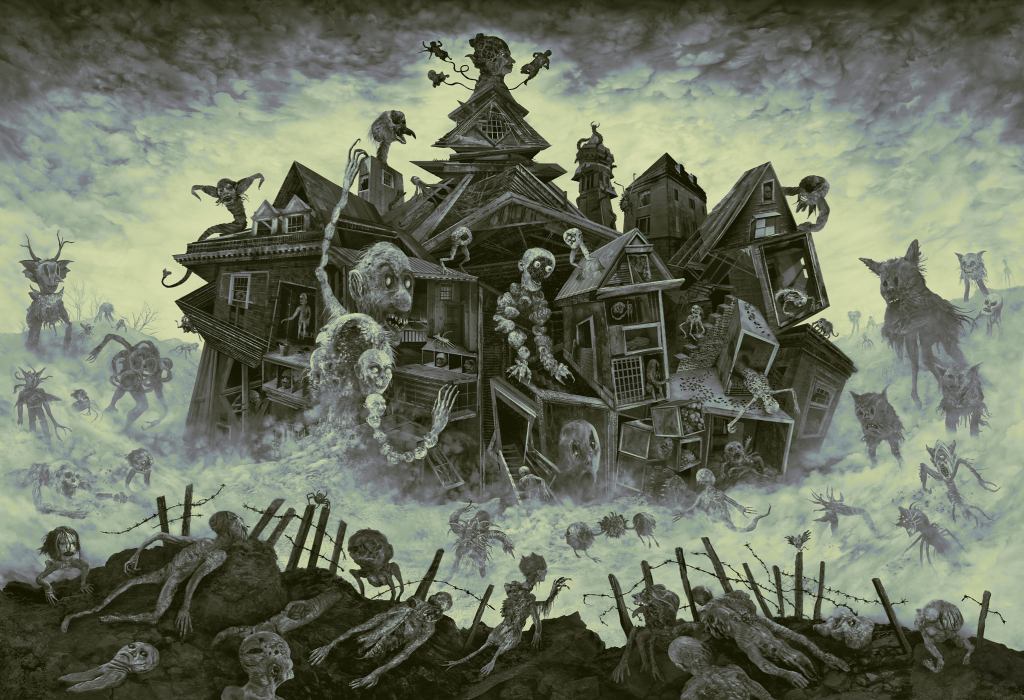


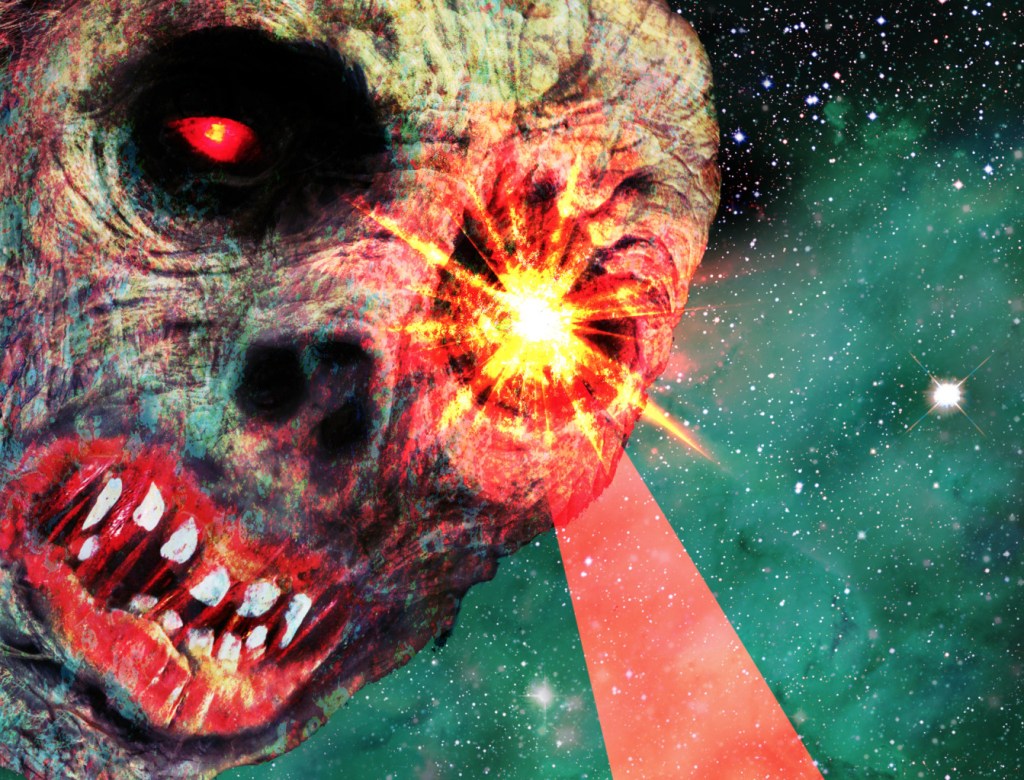


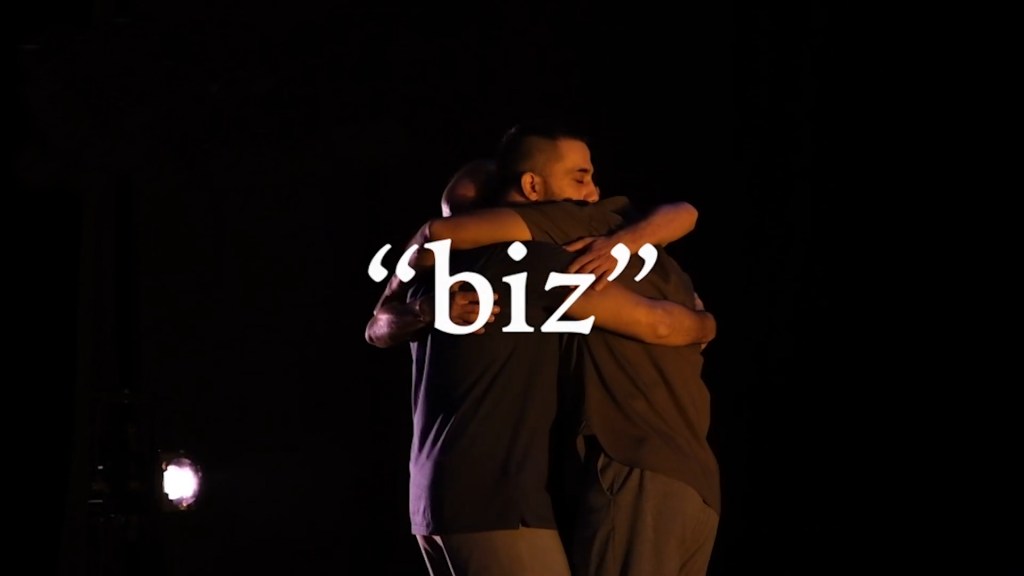


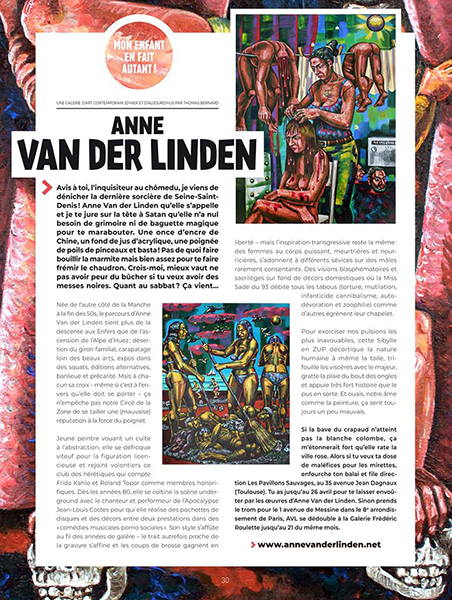
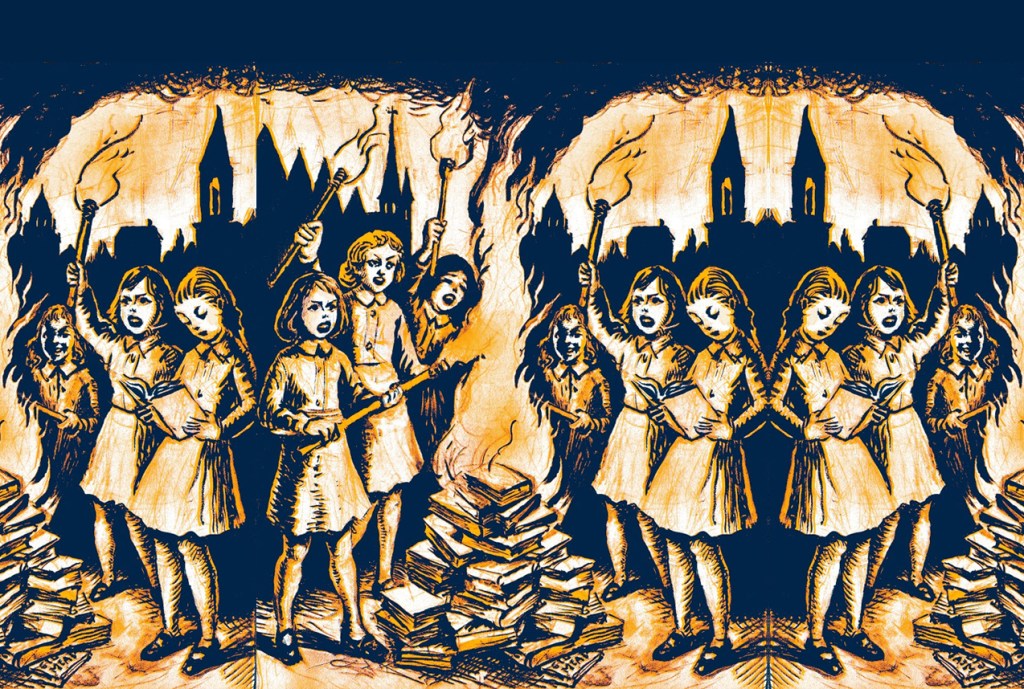
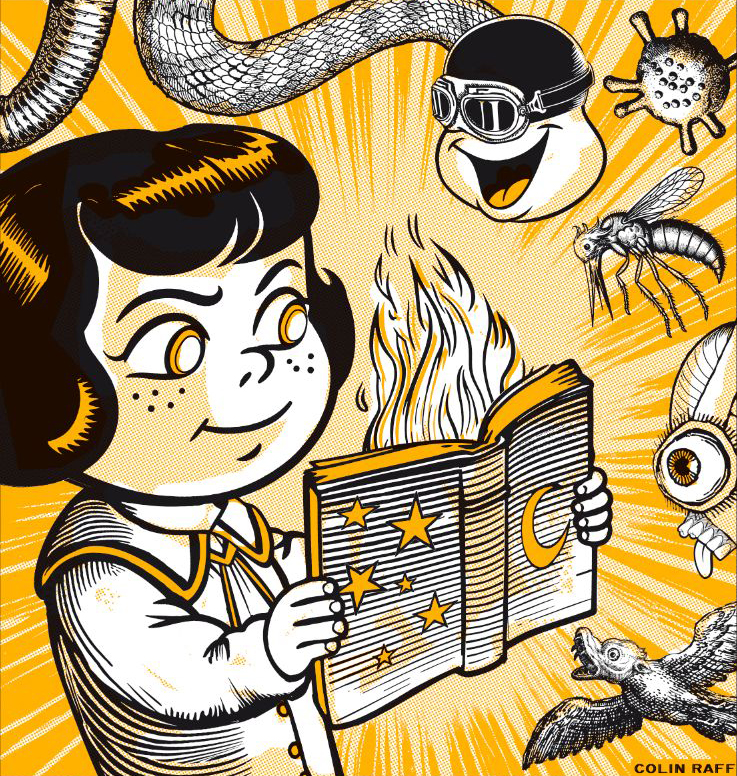
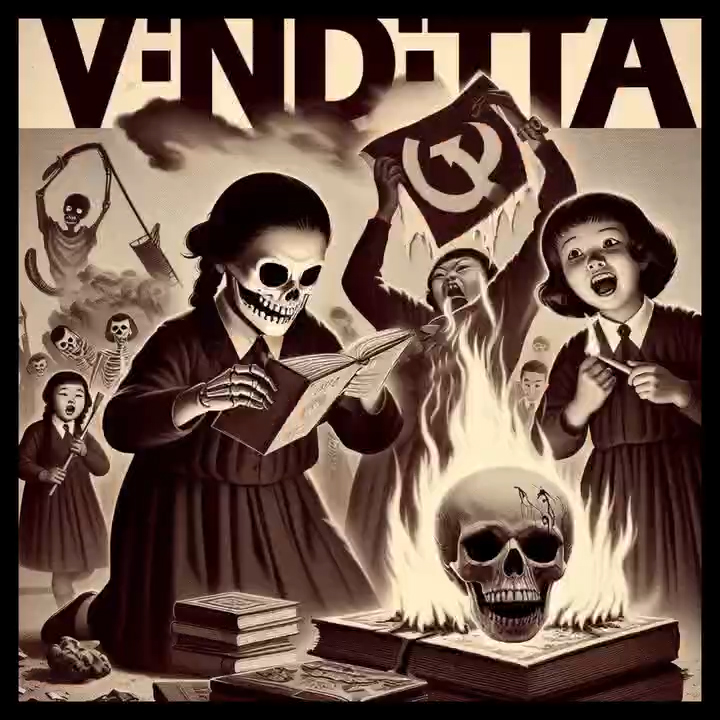
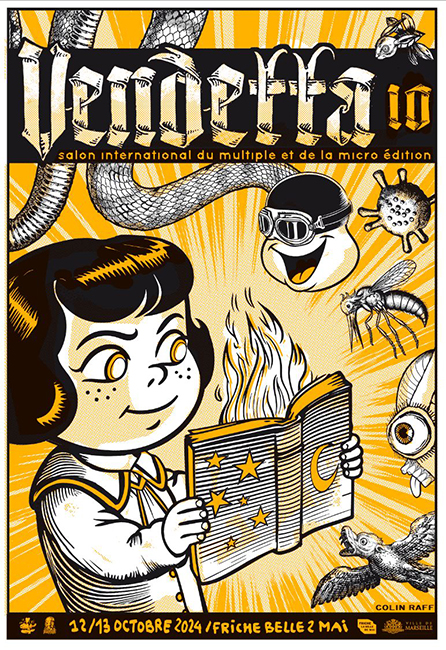
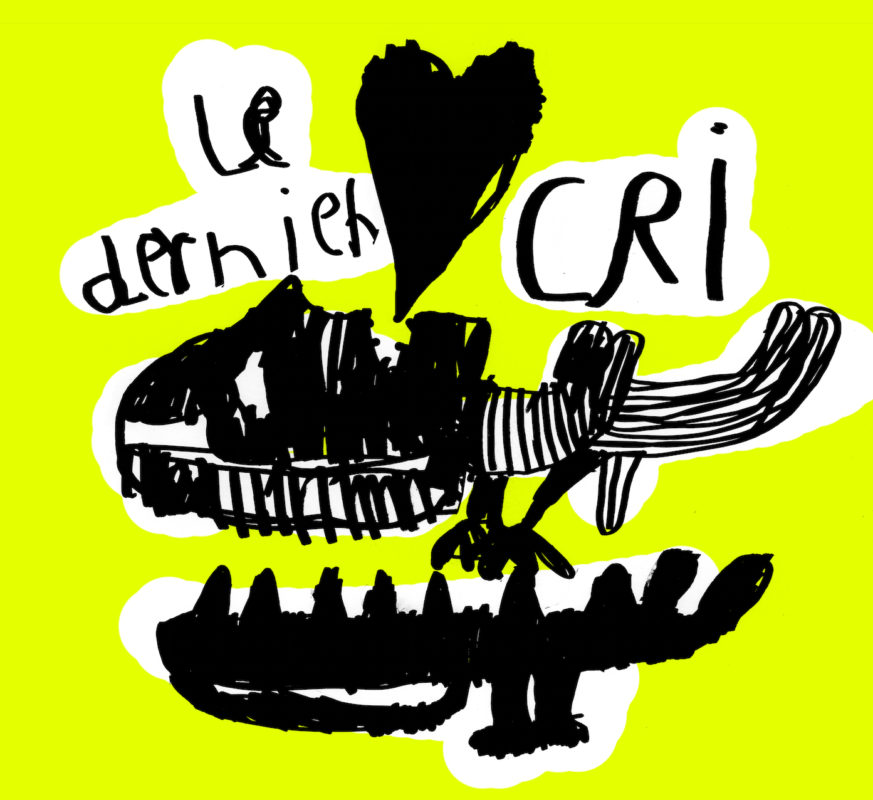

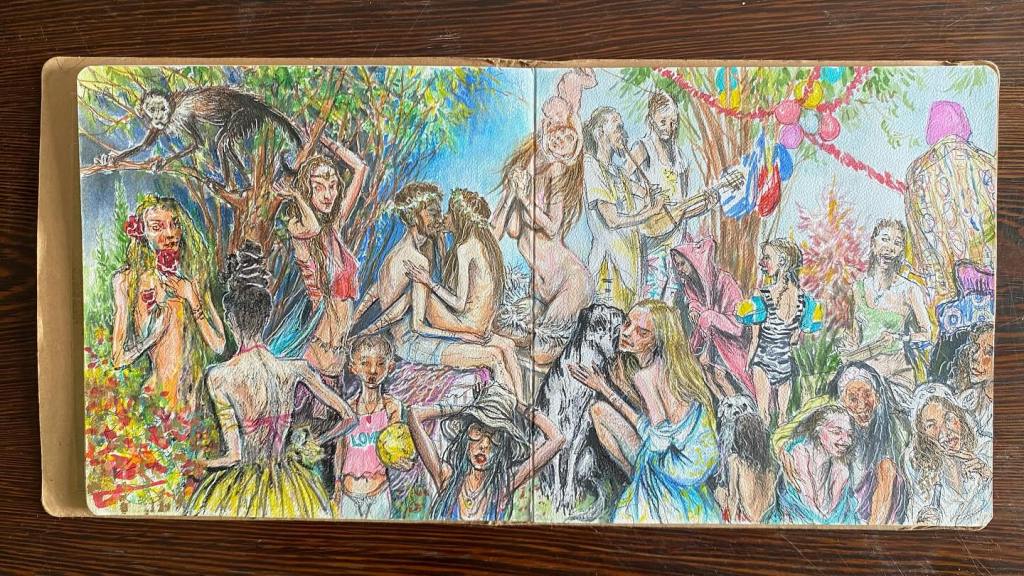
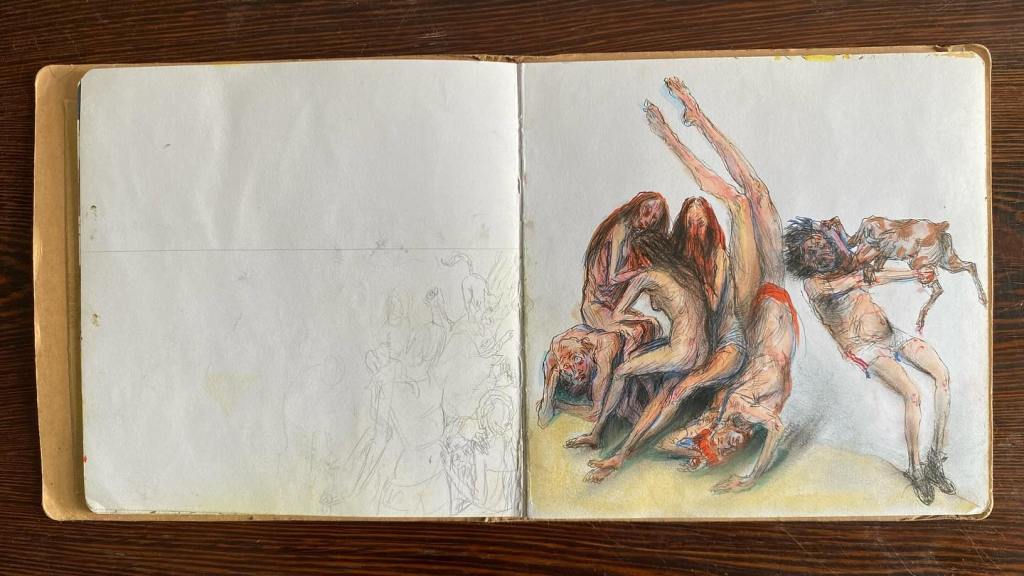
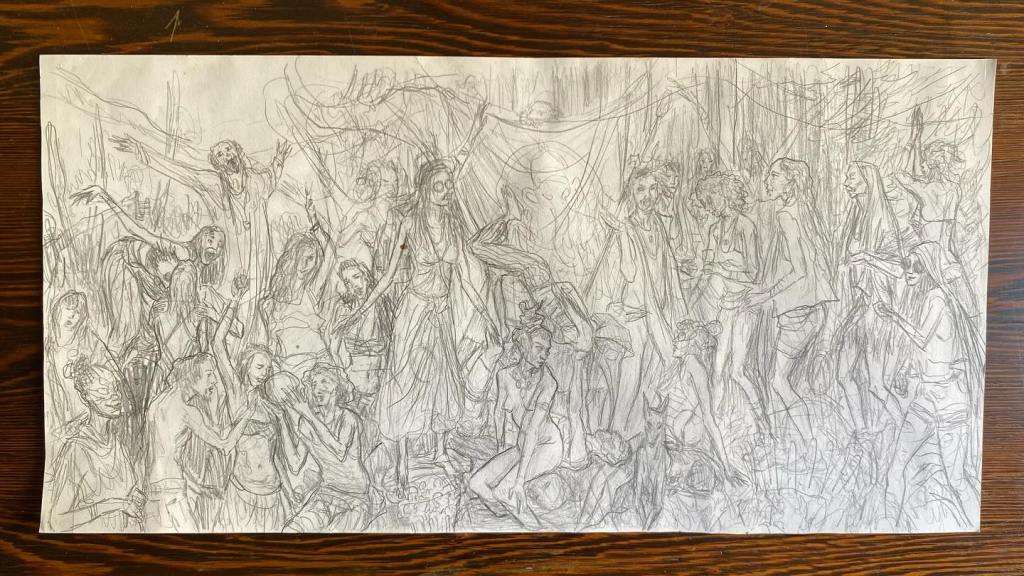

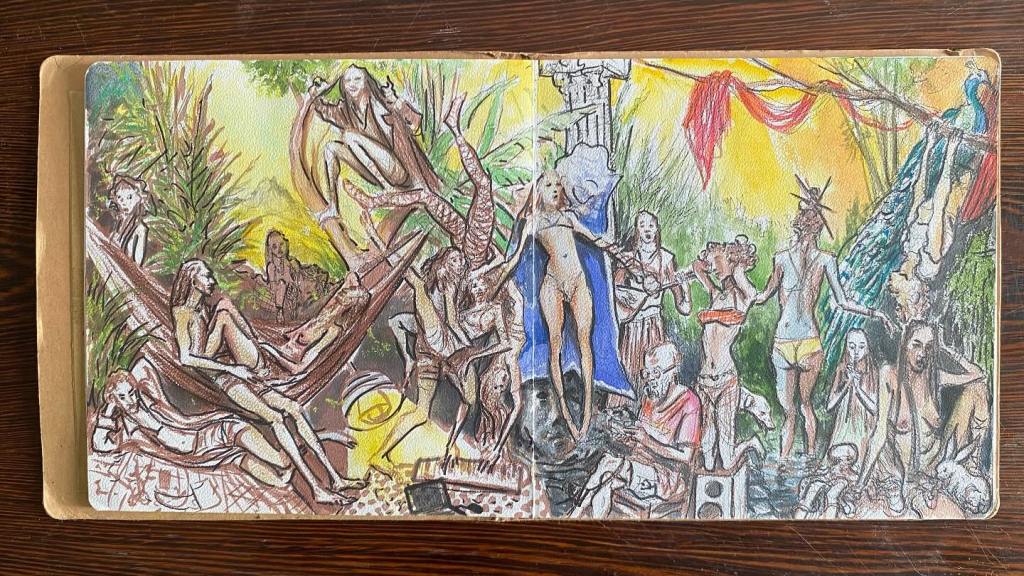

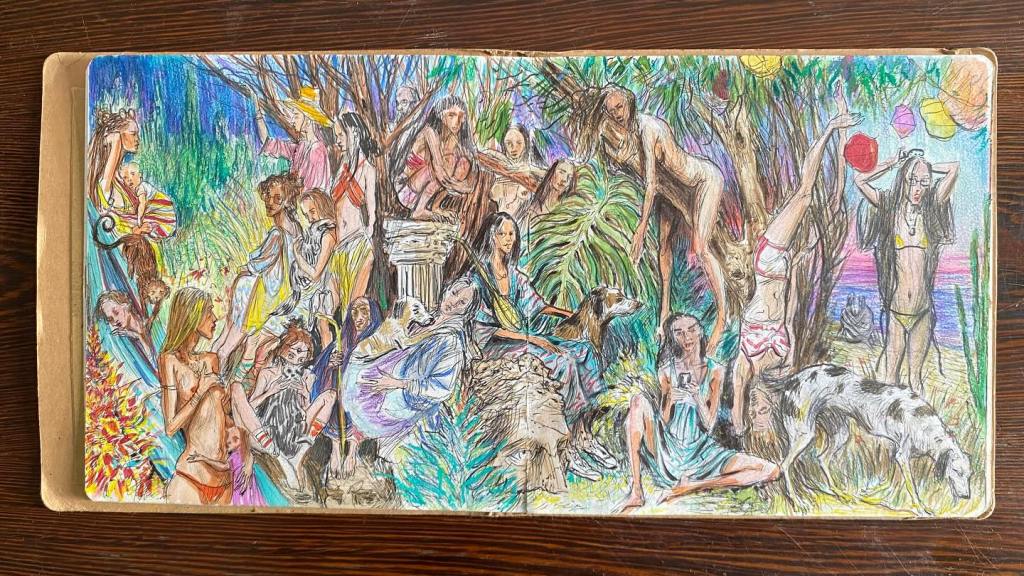
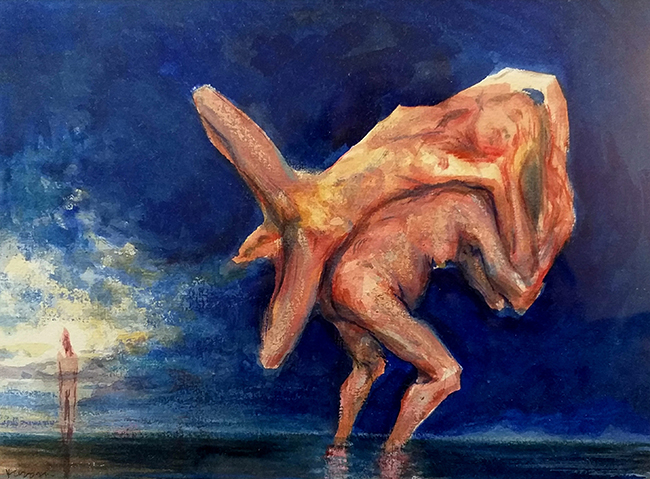
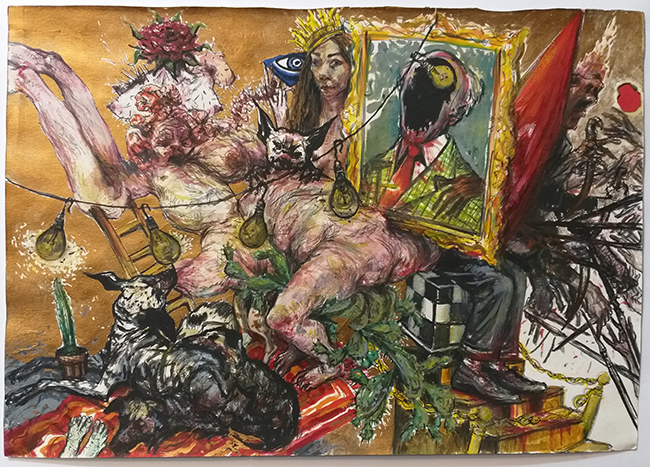


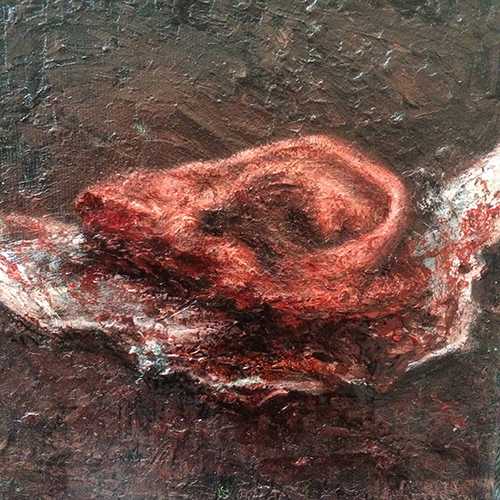




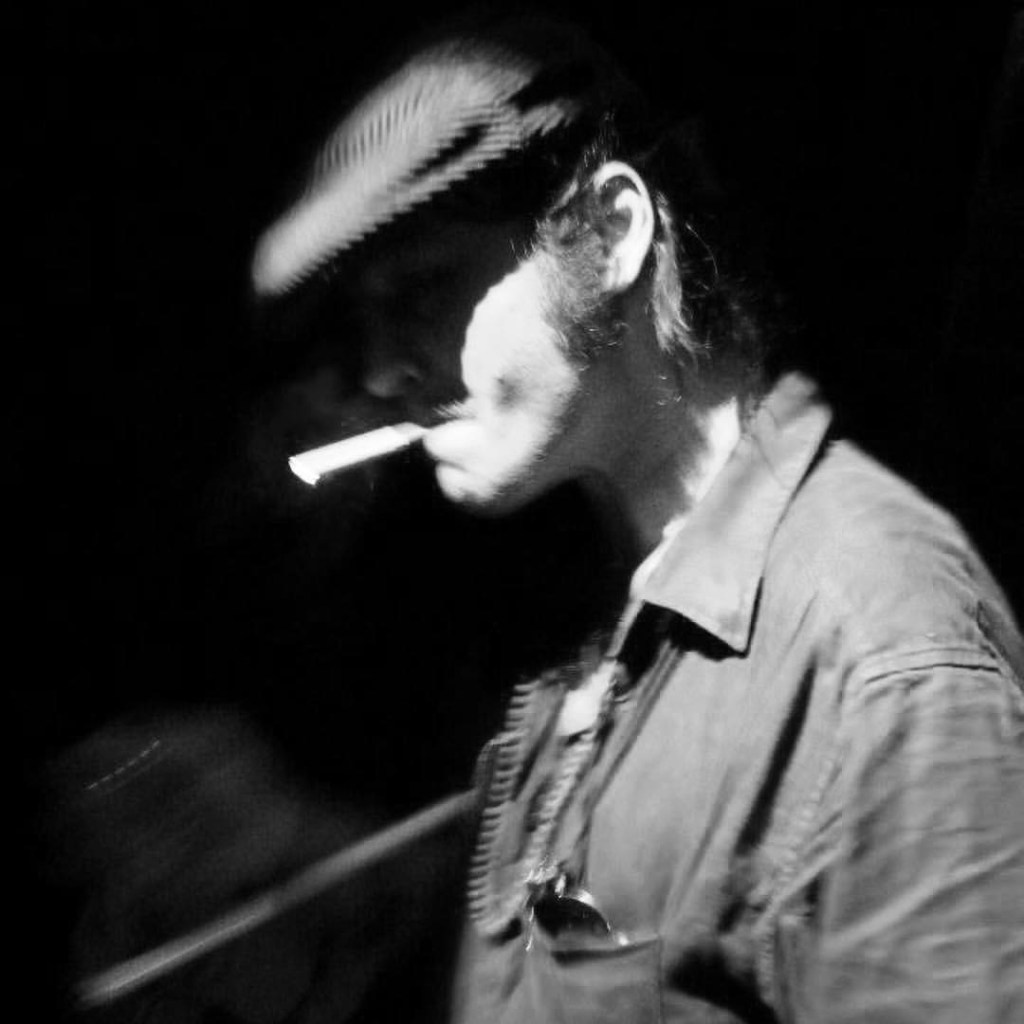

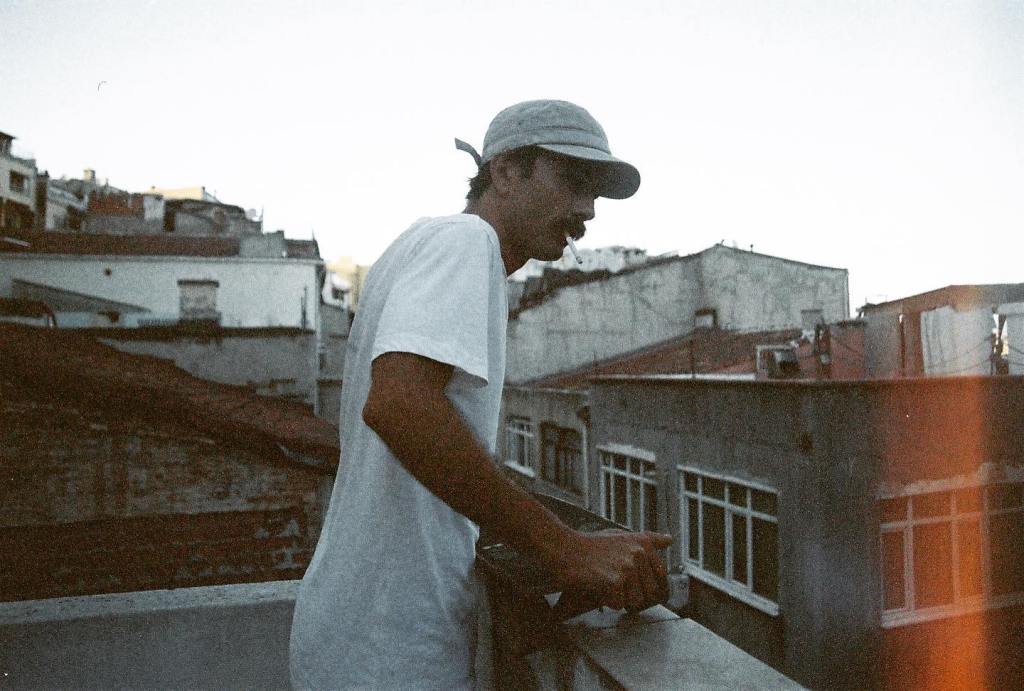
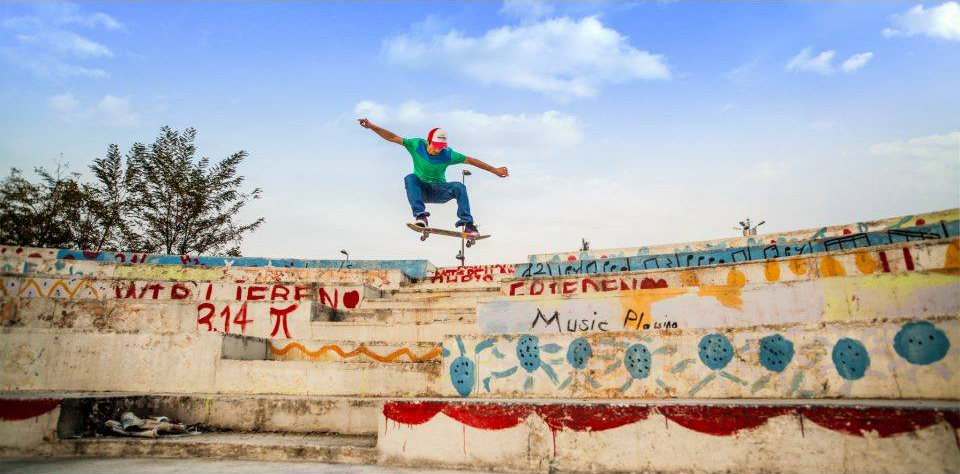
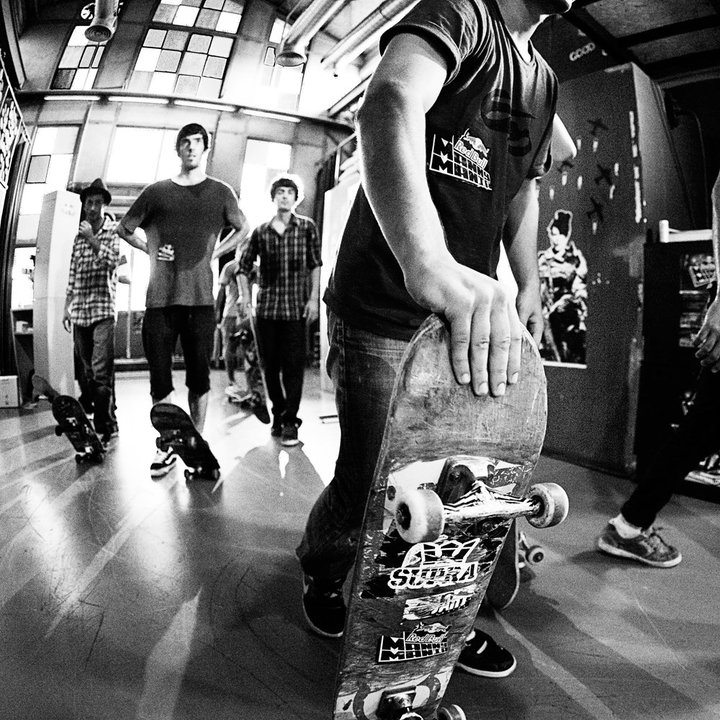
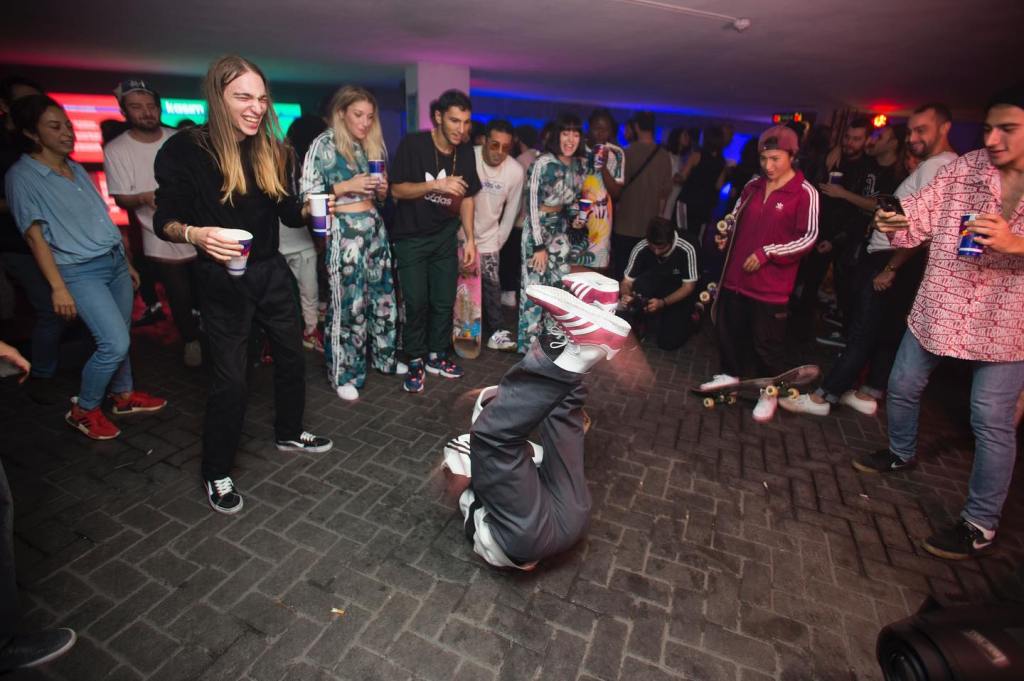


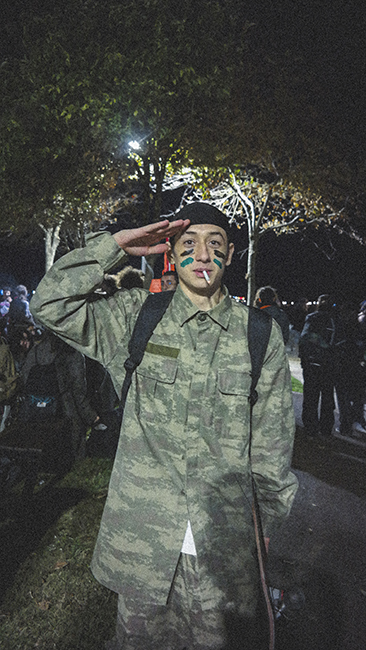

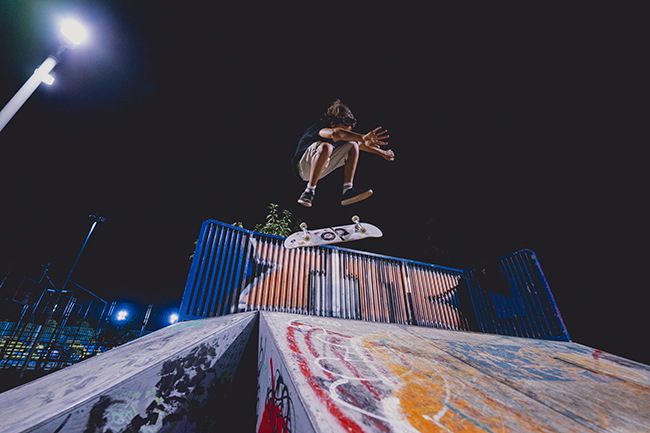
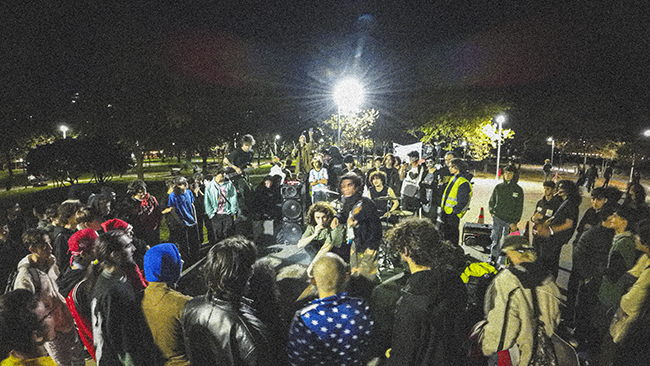
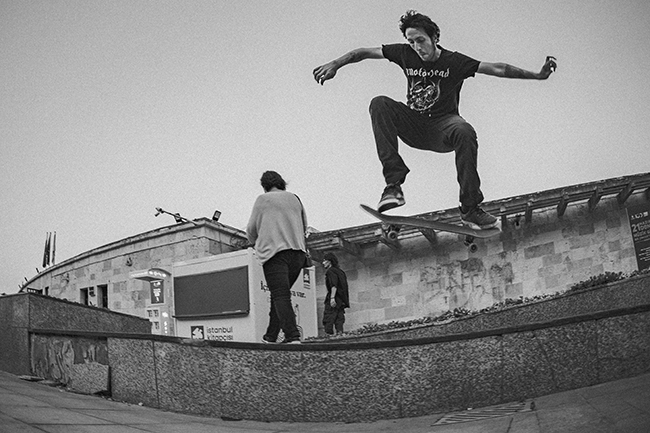


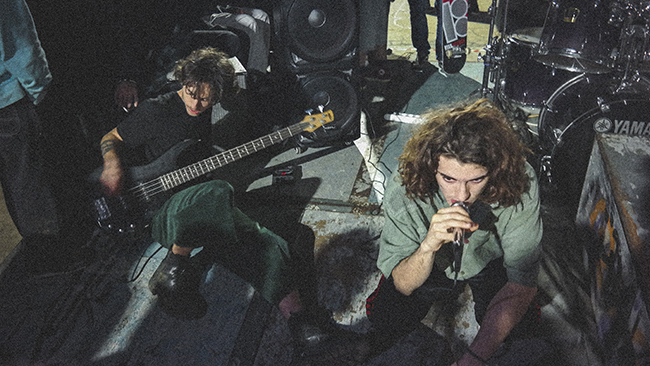
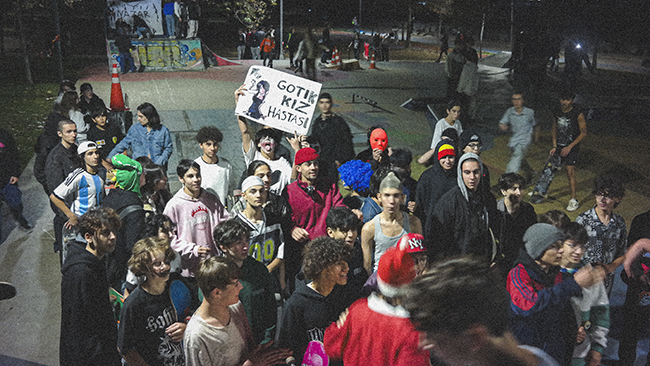
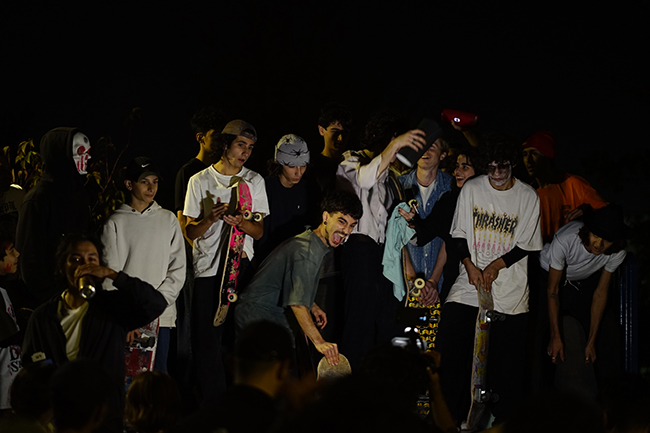
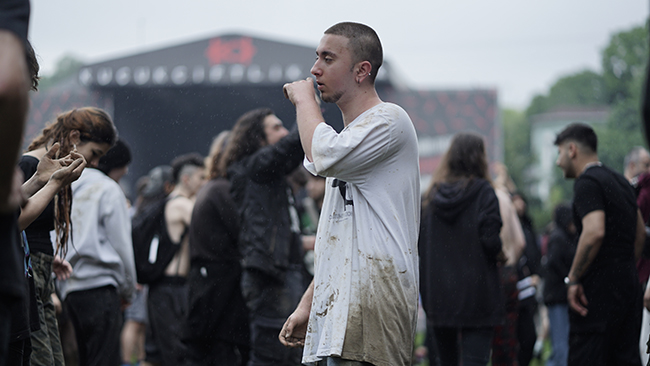
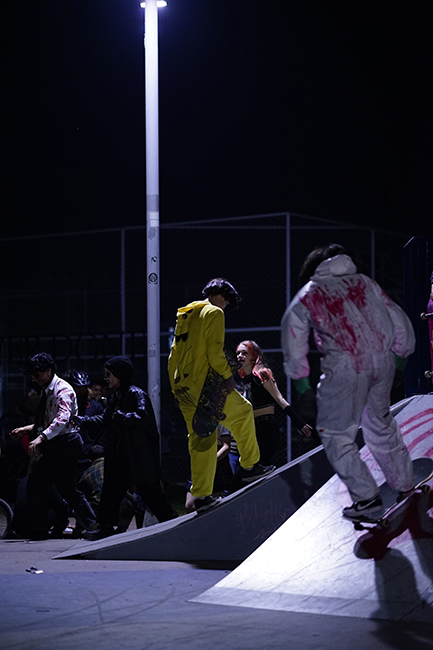


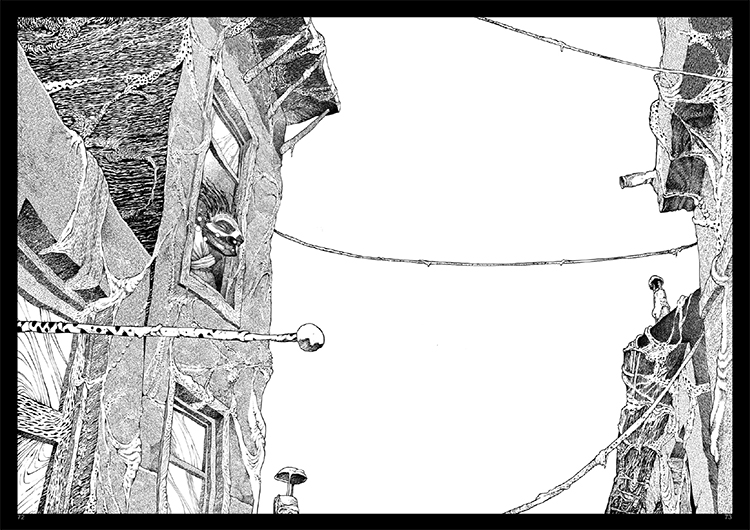


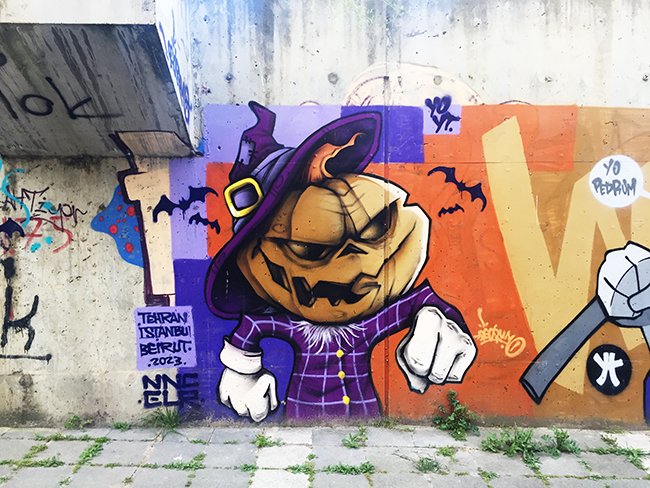
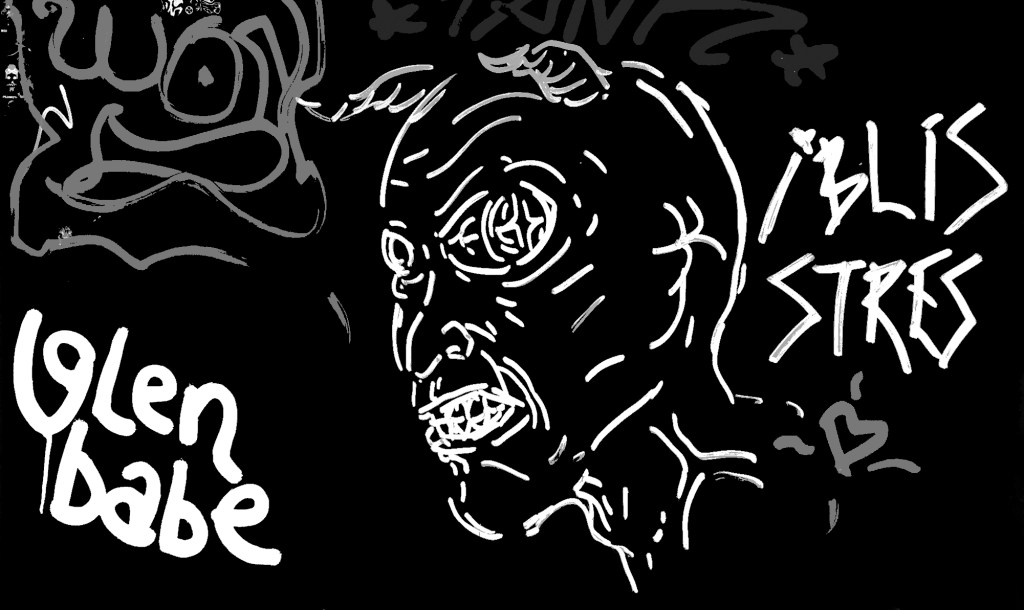
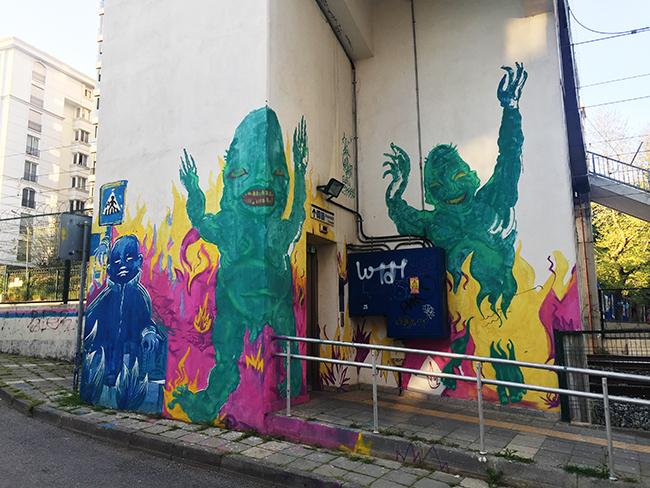
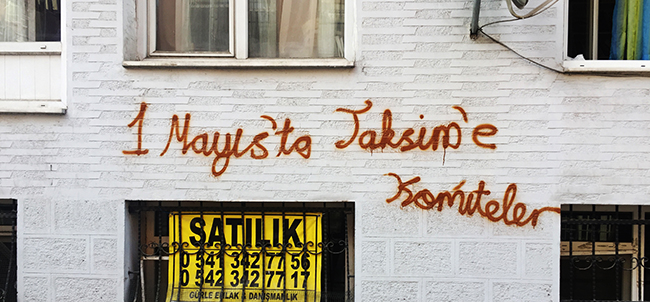
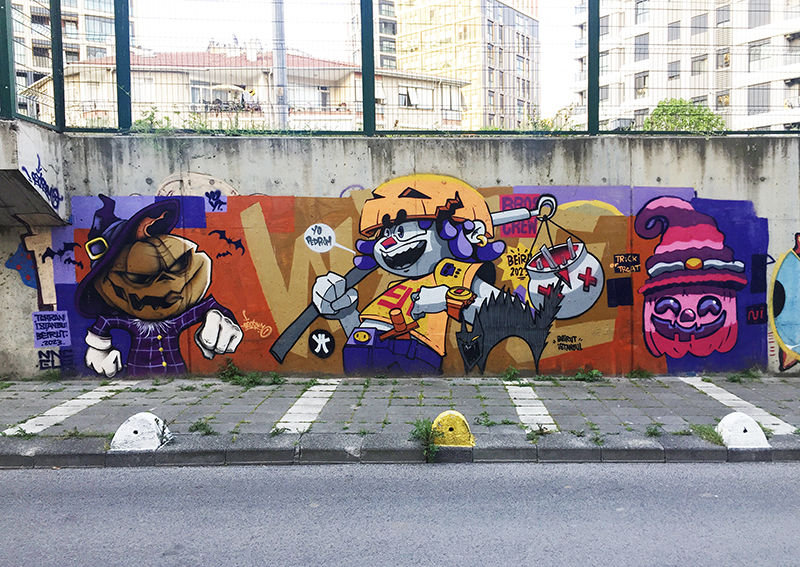
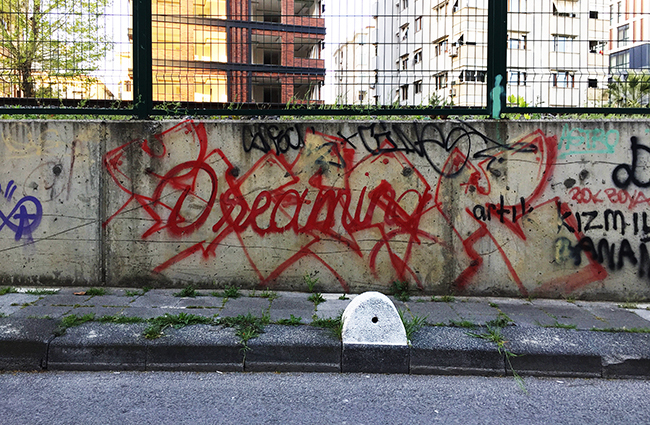
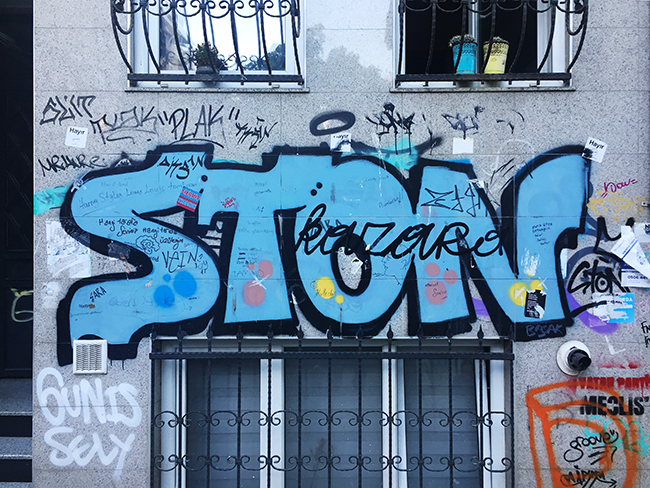
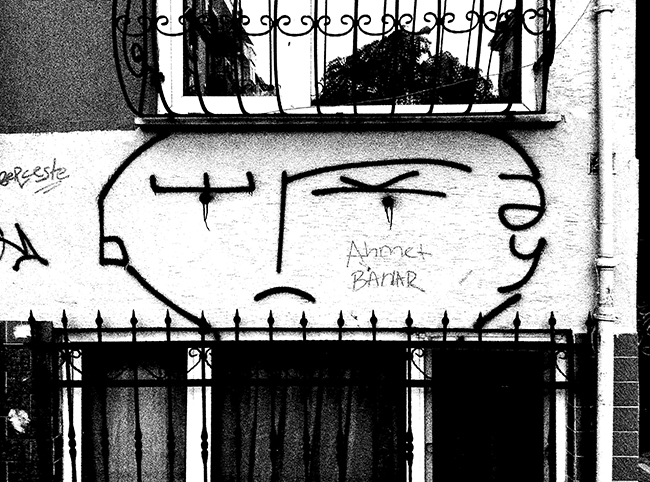
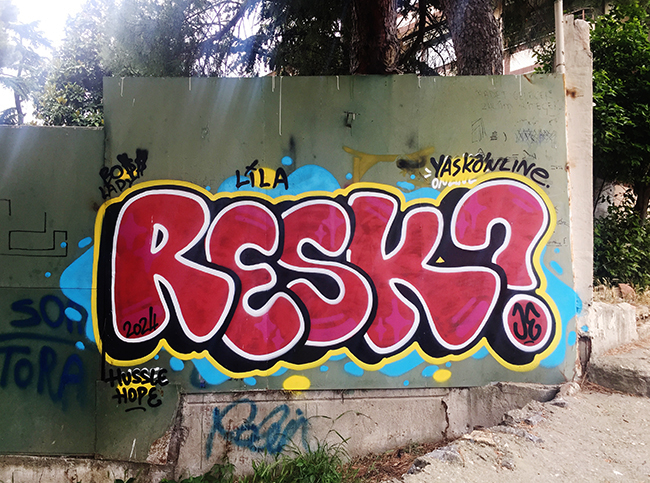
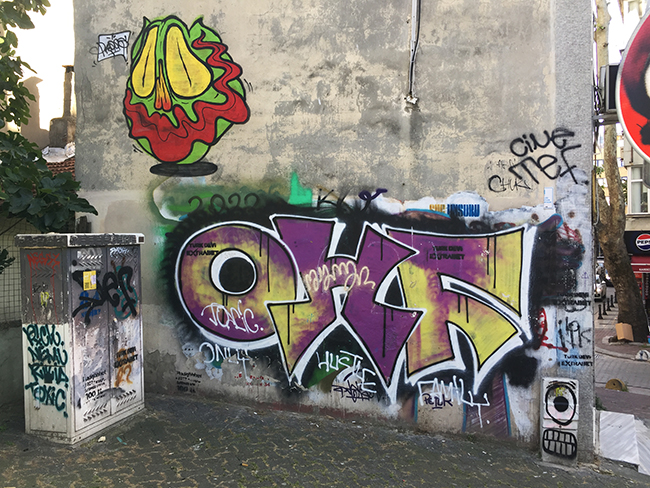
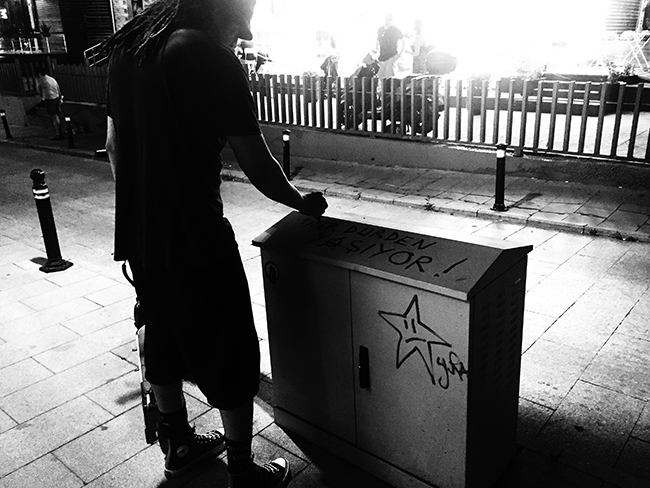
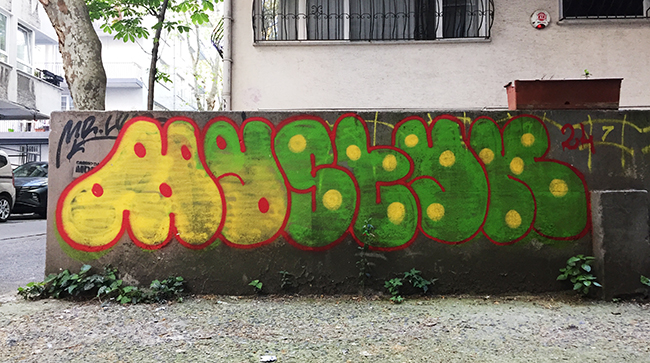
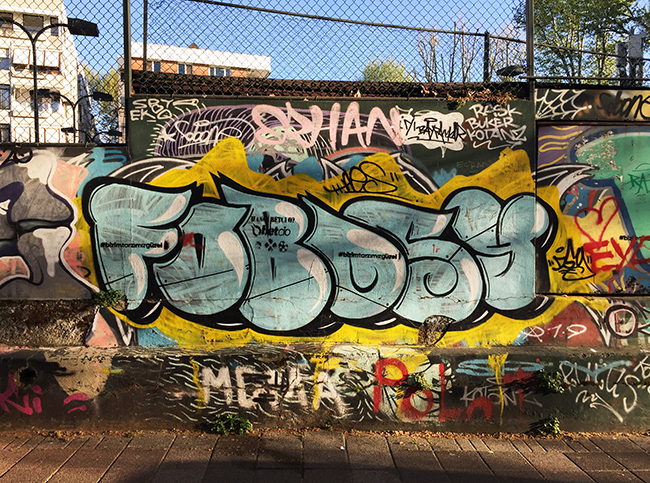
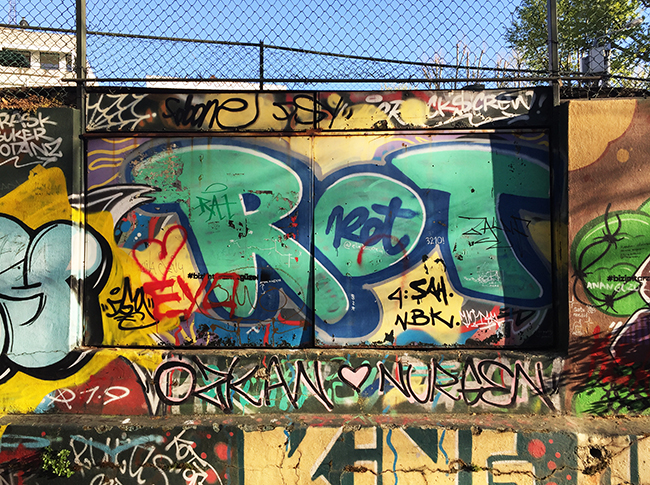
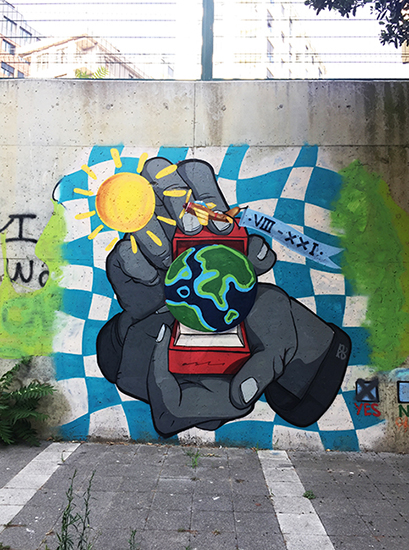
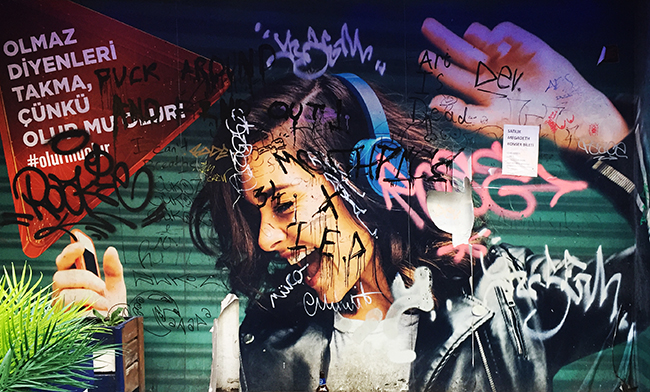
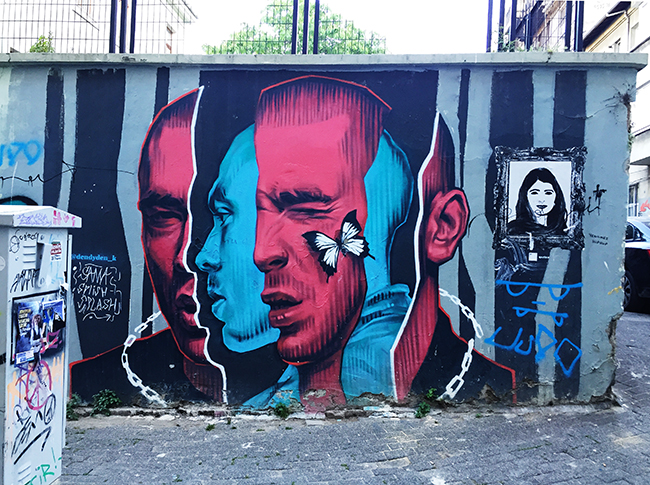
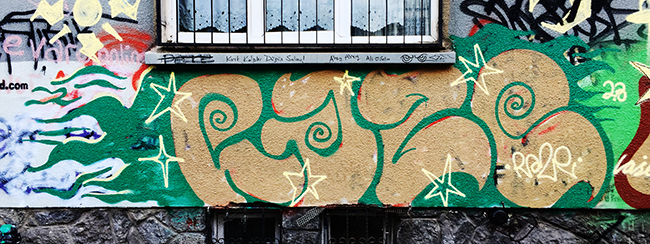
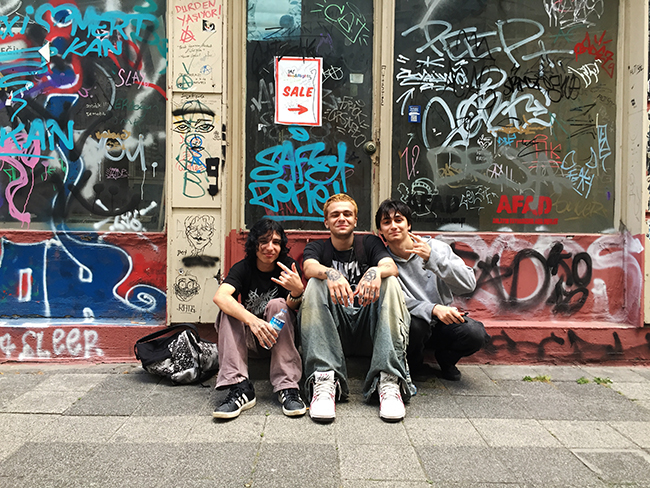
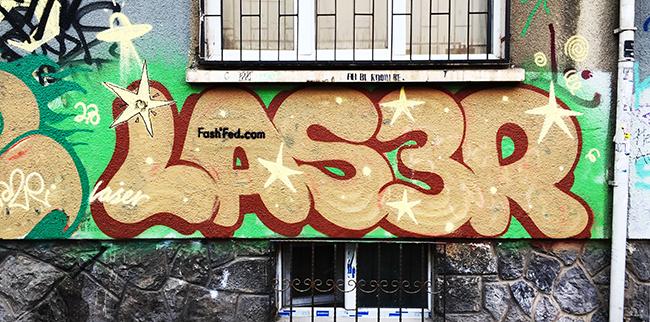
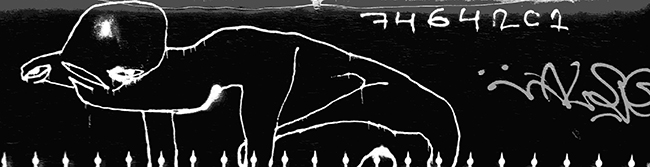
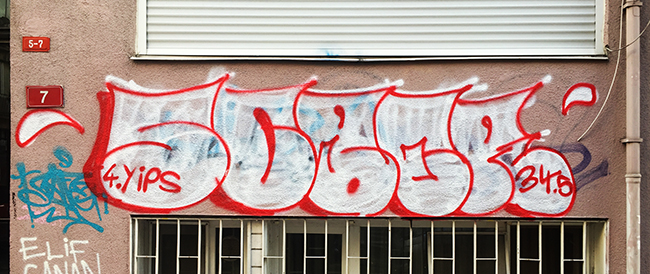

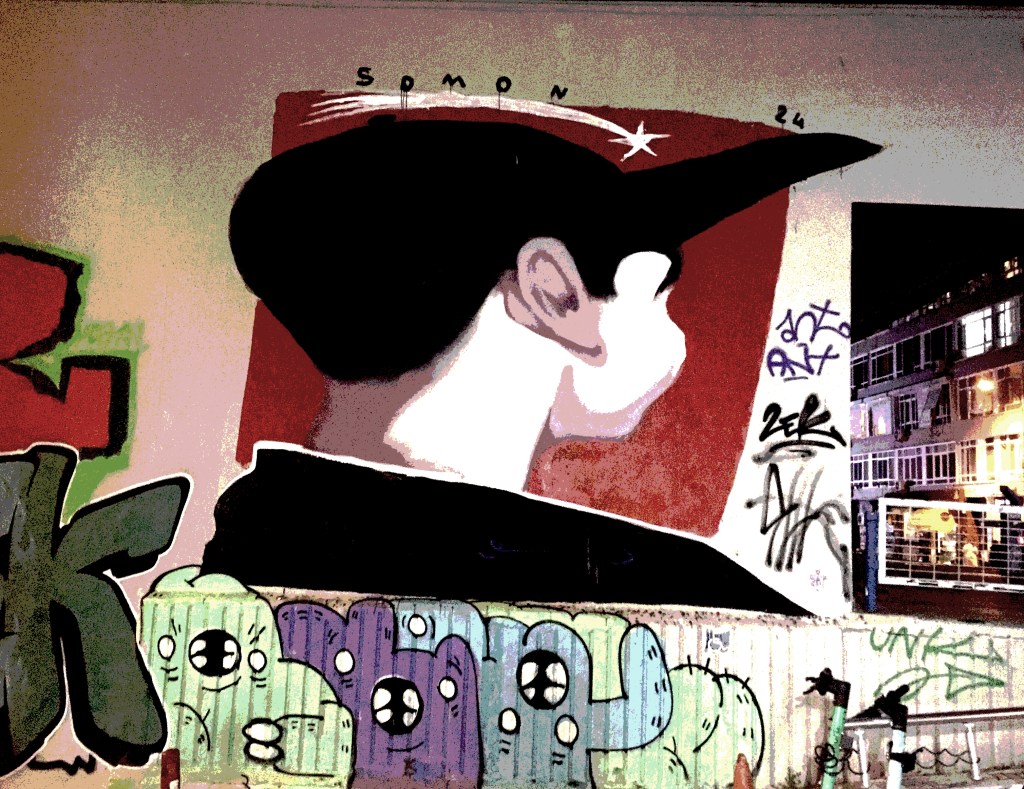
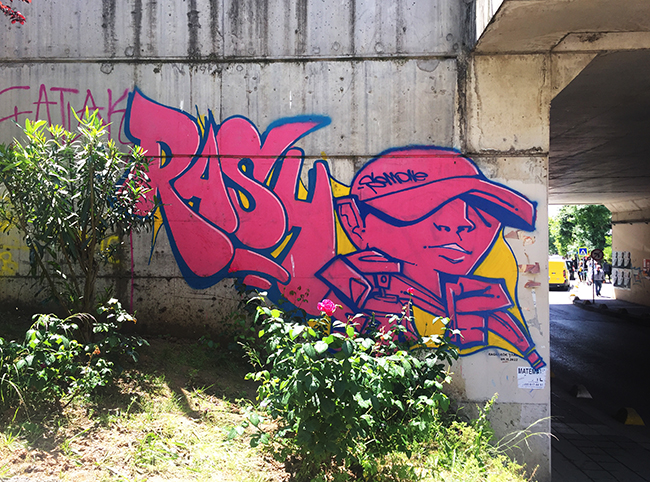
 LÖPÇÜK