Robert David Elwood’s Not Family Friendly CartoOns

RDE (19)
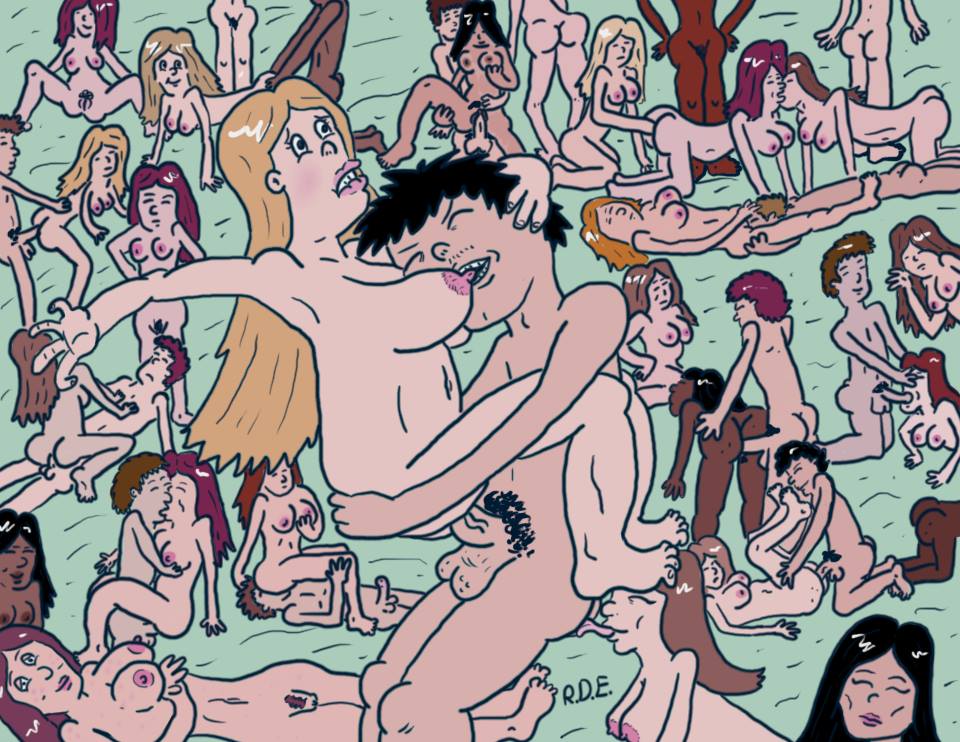
Robert David Elwood ‘Untitled’ drawing (2016)

“I think as art goes it’s just a series of lines on paper, if you are not physically harming anyone, offended people can either learn to laugh at them selves, or continue to complain, and that’s fine. I don’t wish to take anything away from the artist who wishes to draw the clean family friendly cartoons.” –R.D.E

Drawing the Grindcore

Robert David Elwood

January 2016

How long have you been in the world of comics?

I’ve been making art since 2007 but in 2013 a friend of mine published this independent comic called Pure İnsanity that I and a few other artist contributed too, that was the first publication that showed my work although I guess I’m still relatively new still.

You produce bizarre animations, too and the amateur spirit surrounding your works has rapidly started to gain a powerful style recently. Considering the works you’ve created this far, where within your field of art do you position yourself?

I guess I’d be more of a animator who does art on the side. I personally would not have thought my drawings would get as big as they did, you see originally animation was and still is something that I wanted to do for a living. I had a fascination with cartoons ever since I was little but it was animated films from Bill Plympton, Bruce Bickford and Ralph Bakshi and many other animators that made me realize the great things that animation can do and it really motivated me to make the crazy cartoons I’ve done.

You enjoy pushing the limits of sarcasm, irony and absurdity to create bizarre worlds; considering the comics market, isn’t the obscenity of the works you create risky in terms of bringing the works to a more professional level?

No, I don’t believe so, I think as art goes it’s just a series of lines on paper, if you are not physically harming anyone, offended people can either learn to laugh at them selves, or continue to complain, and that’s fine. I don’t wish to take anything away from the artist who wishes to draw the clean family friendly cartoons.

What’s going on in the world of American Underground Comics recently; can you inform us a little bit? What about the artists you follow the most as well as your favorites? Taking into account also the developments in Europe, which echol do you find your style closer to?

I think that would be a better question for a current person who makes underground comix, from what I’ve seen it boils down to selling yourself and getting your art out there by going to conventions and networking. My favorite artists, where do I start, I really like the early 70’s Zap artist like R. Crumb, S. Clay Wilson, and Spain Rodriguez, and Rory Hayes. outside that there is Mike Diana, Johnny Ryan (who’s art I guess I find my work closer to) and Manga artist from Japan like Junji Ito, Suehiro Maruo, and Hideshi Hino.

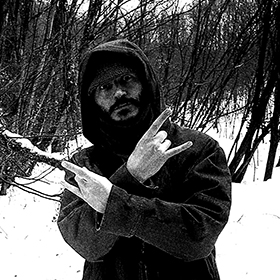
“Acid Shark” by Acid Shark (music video) sfw version

RDE (6)
Robert David Elwood ‘Untitled’ drawing (2016)

How do you like music ? What do you enjoy listening to?

I listen to mostly Sludge Metal, Black Metal, Death Metal, Grindcore, and Hardcore Punk.

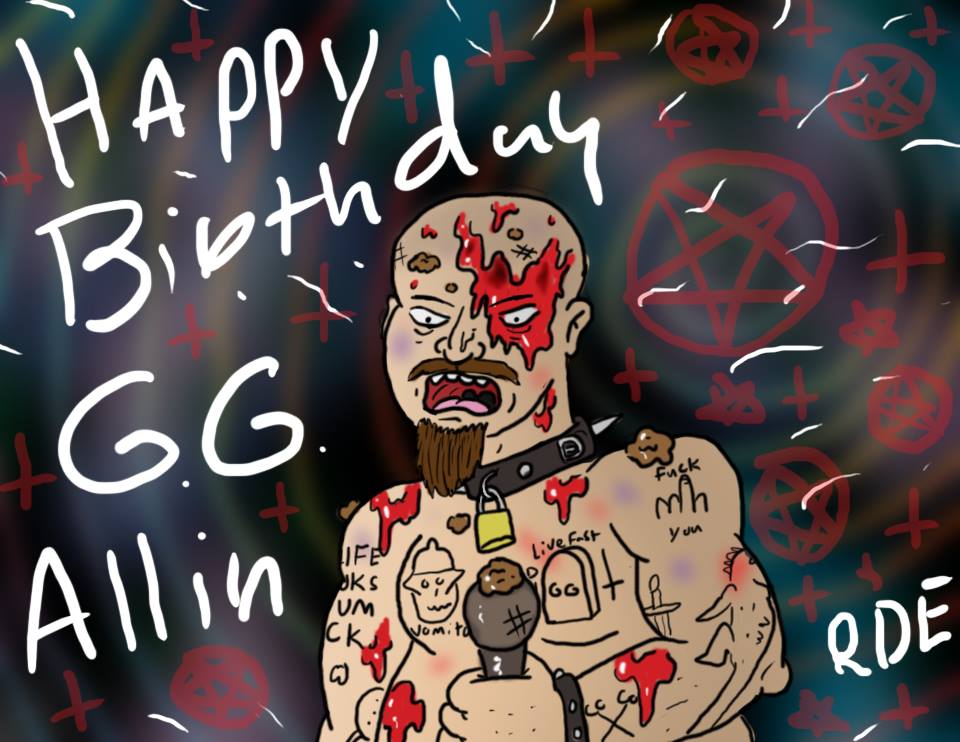
What do you think about GG Allin? He’s one of the craziest guys ever taking place in the rock’n’roll stage that recorded great albums in the 80s but then (I though) flipped because of all the drugs he used. What do you think makes GG so legendary?

I’m a fan, you know I think what made GG Allin legendary was not so much his music but his life style, when we see the crazy things he did on stage I think there is a primal part of us that want’s to do the same, but wouldn’t out of fear of going to prison.

How do you like Antiseen?

There great, they got some awesome songs, and the played with GG Allin which must have been crazy!

Are there any projects you’re working on right now? Like a book you’re planning to publish or something for the S&T Studios that will take place in the future?

I’m trying to finish another cartoon, a little book featuring my art would be ideal in the future, although I don’t have any plans for that now.

Dont forget to visit S&T Studios for latest updates!!

RDE (7)
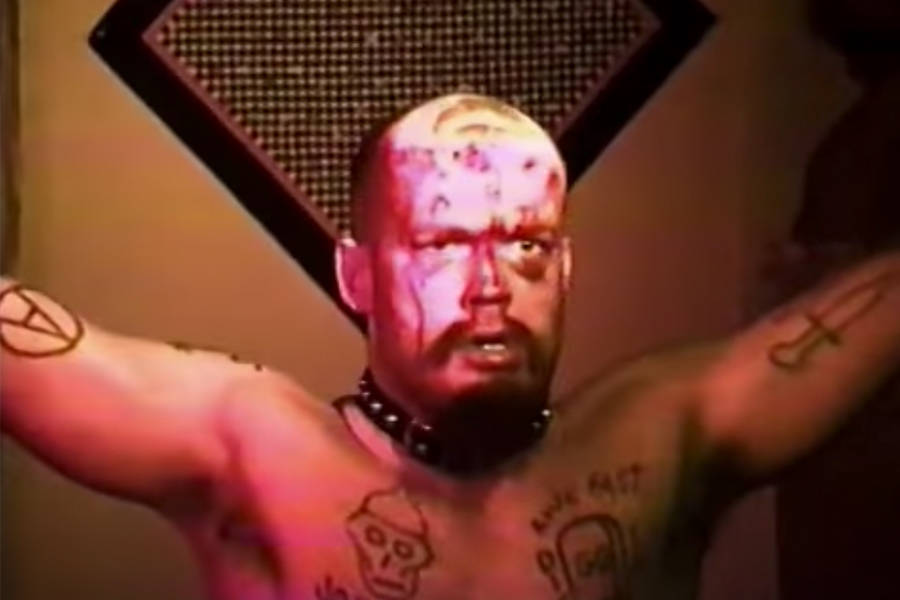
Robert David Elwood ‘GG.Allin’ drawing (2016)

Robert David Elwood

Ocak 2016

Robert, Minneapolis’den genç bir çizer, aynı zamanda bir çizgi filmci. Ona, yaptığı tuhaf işler hakkında bazı sorular sorduk.

Robert merhaba, ne zamandan beri çizgi roman dünyasındasın?

2007’den beri sanatla uğraşıyorum. 2013 yılında birkaç farklı sanatçıyla birlikte bağımsız bir çizgiroman dergisi olan “Pure Insanity” için birşeyler çizdim; böylece çalışmalarımı yayınlama şansını yakaladım. Sanatımı sergilediğim ilk yayın bu oldu, bunun dışında yeni olduğumu söyleyebilirim..

Aynı zamanda çizgi filmler de üretiyorsun ve çalışmalarındaki amatör ruh, son zamanlarda gittikçe güçlü bir stil kazanmaya başladı.

Sanırım, ben bir sanatçıdan daha çok animatörüm. Çizimlerimin bu düzeyde ilgi göreceğini hiç düşünmemiştim açıkçası. Hayatımı animasyonla kazanmak istiyordum ve halen de bunda kararlıyım. Çocukluğumdan beri çizgi filmler beni büyülemiştir, aynı zamanda Bill Plympton, Bruce Bickford, Ralph Bakshi ve daha pek çok animatörün filmleri beni çizgi filmlerin muhteşem şeyler yapabileceğine ikna etti ve ben de çılgın animasyonlar yapma motivasyonu uyandırdı.

Hassas bir çizgiyle sarkazm, ironi ve absürdlüğü son raddesine kadar ileri götürerek tuhaf dünyalar kuruyorsun. Çizgiroman piyasasını göz önüne alırsak yaptığın işin müstehcenliğinin riskli olduğunu düşünüyor musun?

Açıkçası pek böyle düşünmüyorum. Yaptıklarımız sadece sayfanın üzerindeki çizimlerden ibaret ve fiziksel olarak kimseye zarar vermiyorsanız rahatsız olan insanlar, ya kendilerine gülmeyi öğrenecekler ya da şikayet etmeye devam edecekler ki bu benim için sorun değil. İyi aile çizgi filmleri yapmak isteyenler istediğini yapabilirler.

Amerikan Yeraltı Çizgiroman dünyasında son zamanlarda neler oluyor, bizleri biraz bilgilendirebilir misin?

Sanırım bu yeraltı çizgiromancıları için daha uygun bir soru olurdu. Kaldı ki, gördüğüm kadarıyla olay tamamen işini ortaya koyup kendini pazarlamaktan ve toplantılara katılıp bağlantılar kurmaktan geçiyor. En sevdiğim sanatçılar, nereden başlasam, 70’lerin Zap Comix sanatçılarını gerçekten severim : R. Crumb,S. Clay Wilson, Spain Rodriguez ve Rory Hayes gibi, bunlara Mike Diana ve sanatını kendime yakın bulduğum Johnny Ryan’ı ve Japon manga sanatçıları Junji Ito, Suehiro Mauro ve Hideshi Hino da ekleyebilirim.

Müzikle aran nasıl? Neler dinlersin?

Çoğunlukla sludge metal, black metal, grindcore ve hardcore punk dinliyorum.

GG Allin hakkında ne düşünüyorsun, GG’yi bu derece efsane kılan sence nedir?

Hayranı olduğumu biliyorsun. Bence onu efsane yapan müziğinden çok yaşam tarzıydı ve sahnede yaptığı manyak şeyleri gördüğümüzde, ilkel bir yanımız bunlara eşlik etmek istiyor ama kodesi boylama korkusuyla maalesef çekiniyoruz. 

Antiseen’i nasıl buluyorsun?

Harika! Muhteşem şarkıları var ve GG Allin ile çaldılar ki bu gerçekten çılgınca!

Şu an üzerinde çalıştığın bir proje var mı?

Şu an üzerinde çalıştığım bir çizgi filmim var; bunun dışında yakın gelecekte işlerimi bir araya getiren ufak bir kitap da hiç fena olmaz.
S&T Studios » Robert David Elwood


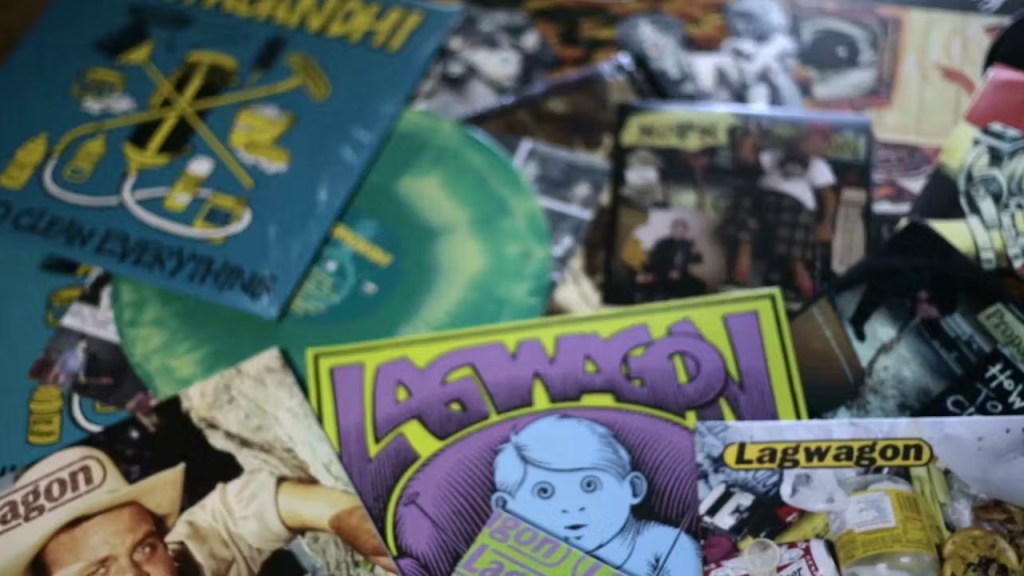
25 Years Of Punk Ethics: A Fat Wreck Punk-U-Mentary (2016)

A Fat Wreck

The Fat Wreck Chords Story

Fat Wreck Chords… The influential music label proud to say they’ve spent the past 25 years “raining punk rock.” A Fat Wreck tells the story of founders Fat Mike (of the legendary punk band NOFX) and his ex-wife Erin Kelly-Burkett, spanning the birth, growth, struggles, and survival of the Fat Wreck Chords label. Half inspirational story of chosen family and community, half debauchery and occasionally involuntary drug use…A Fat Wreck blazes exciting nerd ground in the cinematic genre of puppet-driven punk rock music documen- tary filmmaking. If you only see one film featuring a dominatrix spanking a puppet in your lifetime… Make it A Fat Wreck!


A Fat Wreck: The Punk-u-Mentary [Open-Ended] Films 

25 Years Of Punk Ethics, Chosen Family, And Surviving The Music Business

Film Review: A Fat Wreck – The Punk-u-Mentary

newnoisemagazine.com

Fat Wreck Chords knows punk rock. After helping Brett Gurewitz at Epitaph Records for a week, label owner “Fat” Mike Burkett borrowed $20K from his Dad in 1990. Inspired by the seeming ease of the process, he began Fat to become a leader in the punk scene’s second wave, and continues invigorating each ongoing era. It’s not easy to run a record label, especially as the industry landscape has morphed in the past 15 years. With the accessibility of great tunes flooding the internet, the public sees music as commodity rather than creativity. So effectively, there isn’t a giant pile of gold when bands sign to Fat, but that doesn’t stop punk officials (badge and card-carrying) from crying heresy or sell-out when they join the label. The Fat crew seems undeterred and just don’t give a shit about naysayers, though. As you watch A Fat Wreck, it is clear that the label exists as a clubhouse of friends and family creating music out of passion.

The style of this documentary makes that crystal clear. Charting the history of core bands around since its inception, the doc is rich with segue elements. As you’re learning about a trajectory album-by-album timeline, signature tracks snap in for each, wrapping up in an 8-bit Nintendo animation of each band. Adding to the visuals, Jennie Cotterill of Bad Cop / Bad Cop created foam puppets for the label heroes. These characters act out scenes not caught on tape as dubbed over audio narrates. It’s like watching Sesame Street, if Sesame Street included a bit more partying and sunken eyelids.

With drug use and heavy drinking as par for many bands, you wonder how the label manages to function. Mike signs most bands, records with them, and parties with them. The day-to-day operations become clear with a peak into their San Francisco office—It’s Erin Burkett making sure that all of the details fall into place. Mike’s figurehead image as a narcotic-cornucopia eschews him from these responsibilities, and this gets him in trouble with fellow labels. Mike Park of Asian Man Records and Fat Mike both speak out about their roles and responsibilities as creators and curators.

Park says it’s irresponsible to promote heavy substance use, rather that there should focus on intelligence in punk rock. Fat Mike simply retorts that Park is crazy for believing in Noah’s Ark. This segment is followed by a story of Sam King from Get Dead dosing Fat Mike’s drink. A misplaced hallucinogenic animation sequence follows. It’s a funny visual, but seems clunky with the flow of the film narrative. This type of pacing is the hindrance of the doc as a whole. Music and imagery are edited together with quick, rough transitions—like an early draft for a music video. All of the ideas splatter into one another like a loose mood board. I suppose this fits the rhythm of the music, but visually it’s a bit too up and down.

Learning band history from a reliable source (not Wikipedia … El Hefé did NOT go to Berklee School of Music) is the most gratifying. As producer and sound engineer Ryan Greene talks about the recording process, his sporadic tricks for creating a sound are revealed. He is the master of the “Fat Sound” we’ve all admired for decades. These insider notes are like the percentages and facts that baseball fans crave. If you’re passionate about punk, this documentary fills in your scorecard. Odd tales of how to make it on the label are here, and we see Fat Mike pee from a rooftop. What else could you ask for from a documentary covering Fat Wreck Chords?

This feature length documentary film follows the early history of Fat Wreck Chords, from its founding by Fat Mike and his then wife Erin Burkett, through its cultural zenith in the late 1990’s.

afatwreck.com

Don’t forget the visit, buy or rent the movie !!


Bir Gece Ansızın: Extreme Parking

Anıl Savaş Kılıç & Kaan ‘Golem’ Akay (2003-04)

Dergiler ve magazinler de okurların şeklini aldı, gittikçe daha yüzeysel ve ortamcı oldular ya da olmak zorunda kaldılar -ayakta kalmak için-. Kendilerinin bile sevmediği ya da dalga geçtiği, inanmadığı kişilerin haberlerini yapmak zorunda kalıyor çoğu, çünkü bunlar merak ediliyor ve insanlar bunlar hakkında yazılar, linkler görmek istiyor. Kaan Akay

Golem sahne adıyla tanıdğımız Kaan Akay Dj’liğe 1997 yılında başlıyor. Bir çok festival ve mekanda beraber çaldığı Dj’ler arasında Dj Suv, Grooverider, Adam F, Goldie, Photek, Total Science, Klute, Dillinja, Paradox gibi isimler var. Yurtdışında ise Bristol ve Londra gibi şehirlerde çalmışlığı var. Prodüktörlük yakasında da Flatliners, Psycho Mantis, Extreme Parking mahlasları altında başka müzisyenlerle de işbirlikleri yaptı. Zeleia ile beraber kaydettikleri ambient türündeki albümü de bu birlikteliklere eklenebilir. Uzun zamandan beri davul çalan Kaan’ın yer aldığı gruplar arasında Proudpilot, Altgeçit, Rashit, Tatufly, Funeral Pyre of Mankind bulunuyor.

Ümit Üret 2018 / AID Zine #7

Golem: Sadece bazı şeyleri fazla ciddiye alıyorum ve kendimce ne yazık ki istemeden aşırı romantize ettiğim durum ve konular olabiliyor, müzik de bunlardan biri hatta en önemlisi. Çünkü benim için bir hobi olmanın çok ötesinde ve neyse ki benim gibi olan başka insanlar da var etrafımda, dolayısıyla onlar bu sivri dili ya da sert çıkışlarımı neden yaptığımı görüp anlayabiliyorlar sanırım. Ülkemizde de dünyanın bir çok yerinde olduğu gibi yine her şey bağlantılara ve tanıdıklara bağlı, onlarla aranı iyi tuttuğun sürece onlar da seni pohpohluyor genelde, böyle karşılıklı bir körler ve sağırlar birbirini ağırlar durumu mevcut yani. Alan da memnun satan da memnun, dolayısıyla azıcık bile bu düzenin karşısında olup ortalıkta olup sevilen birileri hakkında negatif bir yorum yaparsan ya “hater” olarak anılıyorsun ya da “kıskanıyor kesin” damgası geliyor, biraz komik ve acı ama böyle ne yazık ki.

Ortada ne söylenirse buna inanan ya da zaten bir sürü şeyi sindirmeden tüketen bir topluluk var, dolayısıyla dergiler ve magazinler de okuyucuların şeklini aldı, gittikçe daha yüzeysel ve ortamcı oldular ya da olmak zorunda kaldılar ayakta kalmak için. Kendilerinin bile sevmediği ya da dalga geçtiği, inanmadığı kişilerin haberlerini yapmak zorunda kalıyorlar; çünkü bunlar merak ediliyor ve insanlar bunlar hakkında yazılar, linkler görmek istiyor. O zaman okunur oluyorsun ve devam edebiliyor yoluna herkes bir şekilde. Ya da bana öyle geliyor, bilemedim.


GOLEM ROCKS !!

The Future is Now > Golem Radio Shows


Kaç yıldır radyo programcılığı yapıyorsun? Dinamo.fm ve standard.fm’den sonra şimdi sub.fm’e geçtin. Bu keskin geçişin altında ne yatıyor? Bir de günümüzde fm bandı harici internet radyolarının çok da eskisi gücünün olmadığını savunanlar var, bu konudaki fikrini de merak ediyorum. Türkiye’deki dinleyici ile diğer ülke dinleyicileri arasında bir fark olduğunu düşünüyor musun?

Bu sene Kasım ayının ortaları gibi radyoculukta tam 15 yıl dolmuş olacak. Aslında çok da keskin bir geçiş olmadı belki de, sadece senelerdir devam ettirdiğim bu “öğreten adam” rolünden çok sıkıldım ve gördüm ki zaten kimsenin de pek bir şeyler öğrenmeye ya da keşfetmeye pek de niyeti yok. Sonuçta türk bir Dj’sin ve tabii ki adam gidip rinse fm setlerini ve oradakileri tercih ediyor. Kool bir şey değil çünkü. Türk dinleyicisi ile yabancı dinleyiciler arasında da tabii ki ufak tefek farklar var, onlar biraz daha az kompleksli ve ego problemleri de biz Türklere göre daha az gibi. Seninle iletişime daha rahat geçip bir şeyleri beğeniyorsa bunu dile getirmekten çekinmiyorlar. Burada ise mesela benim programımı 5 sene boyunca sürekli takip edip bunu 5 sene sonra bana dile getirip bana söyleyen insanlar olabiliyor. Ya da genel olarak sessizce dinleyip hiçbir şey söylememeyi tercih ediyorlar. İnternet radyolarının eskisi kadar güçlü olmadığı konusuna da kesinlikle katılıyorum, çünkü gittikçe değişiyor müzik dinleme şekilleri ve insanlar yeni müzik dinlemektense bildikleri şeyleri dinleyerek eğlenmeyi tercih ediyorlar.

Eskimeyen müzik yani klasikleşen ile yeni çıkan müzikler konusunda ne söylemek istersin. İyi de bir dinleyici olduğun için -merakın bir yana- işin gereği de yeni müzikleri takip ediyorsundur ister istemez, bu konudaki fikirlerini merak ediyorum. Yeni müzik türleri gelecek mi ve eskilerinden ne kadar farklı olacak? Ya da teknolojini gelişimiyle müzik performansı mı önem kazanacak? Ya da dinleyicinin pozisyonunda bir değişim mi olur? Ya da başka bir şeyler mi…

Yeni müzik ya da müzikler diyelim, hala beni en çok heyecanlandıran şeylerden biri. Dolayısıyla hayatımın nerdeyse büyük bir bölümünü yeni şeyler arayıp araştırarak geçirdiğimi söyleyebilirim. Eski klasikleşen şeylerin dışında bir de şöyle bir durum olduğunu düşünüyorum, genelde herkes kendi gençliğinde ne dinlediyse onun en iyi olduğunu düşünüyor; bunu anlayabiliyorum çünkü bir yandan çok duygusal bir durum bu. Zaten yeni açılan bir beyin ve kulaklar ilk defa duyduğu şeylerle çok daha farklı bir iletişim ve bağ kuruyor. Bu yüzden herkesin kendine has klasikleri oluyor, bütün dünya tarafından kabul edilen klasik şeyler dışında. Yeni müzikler elbette gelecektir diye umuyorum. Ve hatta umarım insanlar tekrar ve sadece, o sırada başka hiçbir şeyle ilgilenmeden müzik dinlemenin ne kadar güzel ve özel bir şey olduğunu hatırlayıp yeniden keşfederler.


Extreme Parking ‘Snow’ 2016

Kaan Akay ve Anıl Savaş Kılıç’lı Extreme Parking’in eski kayıtları “S/T” albümünde toplandı

Özellikle uzun yılladır “Golem” ismiyle drum & bass türünde DJ setler ve radyo programları yapan Kaan Akay’ın, Anıl Savaş Kılıç ile birlikte 2003 – 2006 yılları arasında kaydettikleri parçalar, M4NM etiketiyle karşımızda.

2003-2006 yılları arasında Taşoda’da Kaan Akay ve Anıl Savaç Kılıç’ın kaydettiği lo-fi, deneysel ve noise türündeki kayıtlar, uzun bir zamandan sonra nihayet gün yüzüne çıktı. Extreme Parking ismiyle karşımızda olan ikili S/T albümlerinde tam altı kayıt paylaştı. M4NM etiketiyle yayınlanan ve Bandcamp üzerinden ücretsiz bir şekilde dinlenebilen albümü, aşağıdaki bağlantıdan dinleyebilirsiniz. // Kaynak: Bant mag.


Kaan ‘Golem’ Akay & Anıl Savaş Kılıç (2003-04)

EXTREME PARKING > ÆVOM Portal 3 Live

Deneysellik son zamanlarda çok satmaya başladı ve aslında belki yine hoyratça kullanılıyor. Son zamanlarda biraz çizgi dışına çıktığına inanılan, az biraz bi gürültülü gelen ya da her şeyin kolayca nitelemesi olduğunu görüyorum. Sence bir tür olarak değil ama özellikle de üretim sürecinde ya da müzikal fikirlerin oluşumu ve gelişiminde deneysellik gibi bir şeyden bahsedebilir miyiz?

Deneysel müzik konusu biraz sıkıntılı bir hal almaya başladı, en azından bana öyle geliyor; bahsettiğin şekilde üretim aşamasında oluşan deneysellik tabii ki de harika bir şey ama çok garip ve tuhaf şeylere bile “abi ama bu deneysel müzik” diyebiliyorsun ve işin içinden çıkıyorsun o şekilde mesela. Kimse bir şey diyemezmiş gibi bir durum oluşuyor bir anda, biraz saçmalamanın entellektüel olma şekli gibi bir şeye dönüşme tehlikesi var sanki.


Extreme Parking ‘Wherever U Go’ 2016

EXTREME PARKING XTRM PRKNG X16

Peki müzik birleştirir mi? Sosyo-kültürel bir statü belirtisi olabilir mi müzik dinlemek ya da dinlediğimiz şeylerin niteliği?

Müzik birleştirir ama bir yandan da insanları ayırabiliyor da bence. Neye iyi ve kaliteli müzik dendiği ya da denebileceği ise zaten başka bir tartışma konusu aslında. Kim nasıl karar veriyor buna mesela? Çoğunluk dinliyor ve seviyorsa biz de buna güvenip kanmalı mıyız? Eğer çoğunluğun sevdiği bir şeye dandik dersek “kool olmak için popüler müzik bokluyor” damgası yer miyiz? Tabii ki yeriz ve yiyoruz da afiyetle bazen.


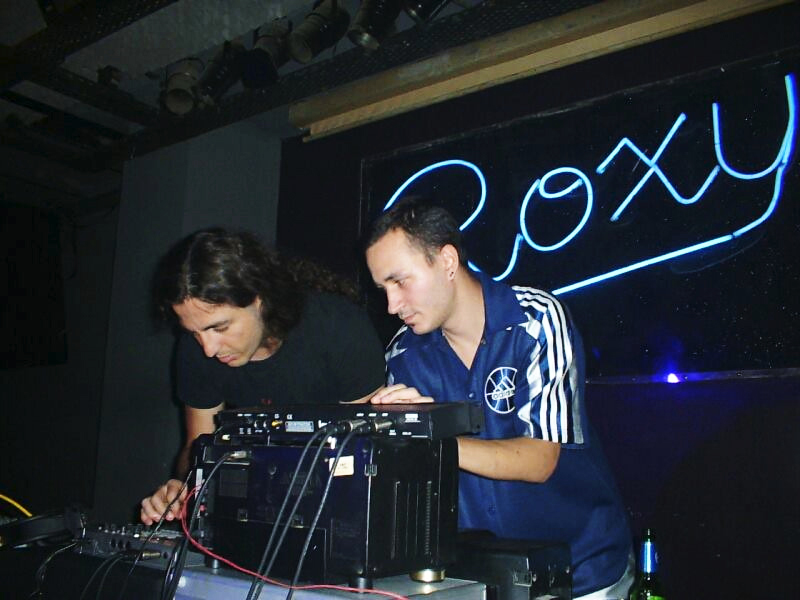
Anıl Savaş Kılıç & Kaan ‘Golem’ Akay at Roxy (2003-04)

“İyi bir şeyler yapmak için sadece laptop kullanmanın yeterli olmadığı o garip ama bir yandan da hoş zamanları özlediğim oluyor.”

Yani artık herkes her şeye ulaşabiliyor ve kaliteli müzik dinleyebiliyor mu? Sanki üretim arttıkça “kaliteli” olana ulaşabilmek güçleşti.

Üretim ve djlik mevzuları da oldukça ilginç noktalara gitti. Mesela eskiden sadece plak almaya devam eden insanlar dj olarak kalabiliyordu. Eğer senin için önemliyse bu iş ona para harcıyordun mesela. Elbette bu beraberinde şu soruyu da getirmiyor değildi “o zaman sadece zenginler mi dj olmalı?” Aynı şey müzik yapmak, prodüksiyon konusunda da böyleydi. İyi bir şeyler yapmak için sadece laptop kullanmanın yeterli olmadığı o garip ama bir yandan da hoş zamanları özlediğim oluyor. Neden hoş diyorum çünkü tüm bu zorluklar bir yandan da kendi kendine bir eleme oluşturuyordu, cidden sadece eğlenmek ya da takılmak isteyen insanlar bir noktada pes edip vaz geçebiliyordu. Dolayısıyla da orada da şu an olduğu kadar çöp müzik ya da dandik djler olmayabiliyordu. // Kaynak: AID Zine #07

Kaan ‘Golem’ Akay

KAAN AKAY X HUMAN SCUM


The Body Image of GG Allin As a Non-Discoursive Object of The Eye

GG Allin in one of his controversial performances.

“I hate you motherfuckers”

Introduction

This essay will focus on an American Punk that both enlighted the spirit of rebellion which anarchy would take place in but also brought up a huge cinism: GG Allin who manifested himself as a part of an “image” throughout his body and the “hate” he possessed. GG Allin in The USA was a popular phenomenon with a non-discoursive punk attitute which included speeches of both self-awareness that turned into a cinism and self-reputation by using his own bodily rejections such as urine and feces. “I hate you motherfuckers” began to officialize his state of self-manipulation and he became one -or maybe the first- of the most hated artists of all time. It’s been officially heard from his own speech that the day he met rock’n’roll was a salvation which prevented him from becoming a serial killer. It is no coincidence that he received fan letters from the infamous serial killers whose positions within societies were highly related to the industrialization and idolization of the “other” as the modern day anti-heroes. GG Allin borrowed the same cultural influence by sloganising “legalize murder”. Still a hate against the members of a society would never prepare an enough space for a legitimate homicide in any sense GG Allin believed in. Was it a flashpoint when he started to reflect the anger to himself and the hate to his body?

GG Allin concerts were full of “artistically” self-mutilation that both affected himself and the audience. The throwing of his own feces to the face of an audience simply resulted with a lawsuit which has been lowered as killing rock’n’roll if he ever was sentenced. He simply declared that all his actions were licit as long as he really believed in that. Thus, his lowering continued as avoiding an artist to be put in a political context since “socio” was eliminated by self-oriented, lucid behaviours. That’s why GG Allin should be evaluated as a “body image” through the visual methodology of Panofsky which consists of pre-iconography, iconography and iconology. This method will contextualise the Punk attitutes which turned into a body image rather than a political discoursive commune.

Dr. Burak Bayülgen

GG Allin & the Holy Men ‘You Give Love A Bad Name’ LP cover

WHEN JUNKIES LEGALIZE MURDER

Pre-Iconography

Hated: GG Allin and The Murder Junkies (Todd Phillips, 1993) presented GG Allin from the public eye rather than judging his actions. The film stripped GG Allin from the comments which metaphorically covered up his body. Almost the whole film presents GG Allin in performance, naked and uncovered from the accusers. Phillips depanded on fans, long time drinking buddies and audience. The film saved GG Allin’s phenomena for the pre-iconography as if no over-voice has been dubbed onto his career. This leads the way from an undubbed representment to a critically approached “body image” in which GG Allin shall be deduced. This is an approach to see GG Allin through a reasonable eye, yet this structure makes his actions apparent to lead the way to iconology. Phillips’ film focused on representations of his artistic reality while avoiding the apprehensions of his hate against everything that were reflected and cinically submerged. The reflection of GG Allin as a non-discoursive artist will stick to Phillips’ film but the first part of this reading necessitates avoiding an over-voice.

Phillips structured his film from “what he did in front of people” rather than “how he is accepted”. As pre-iconography, GG Allin was nothing more than he artistically thought. Since GG Allin behaved in the name of rock’n’roll, he became a cornerstone that rather changed himself instead of his time and space. He did not offer a salvation but his short life submitted a kind-of-joy for the eyes of his fans, apoliticized from all the rules and regulations.

The Final Years Of GG Allin

“hate”, “fuck”, “scum”, “die”, “myself”, “ass”, “cock”, “suck”, “shit”

Iconography

“He kept threatening to kill himself, yet he poured every ounce of himself into living his life to the fullest and doing it his way. He was committed to his art. Over the course of his life, he made numerous recordings, overcoming lack of money, lack of consistent collaborators, lack of anything even close to record label support. He recorded output ranges from catchy as hell songs like “I Wanna Fuck Myself” to sinister dirges like “Snakeman’s Dance.” He was unrepentant about everything he did. He was on a mission. And it ended too soon”. (Johnson, Richard, 2015: 5)

According to some of his fans, GG Allin was totally an idol that was on a mission. Nevertheless, even Phillips’ film does not determine the motivation of a fanhood and agglomerate a GG Allin fan with a punk music fan. That’s why the iconography should focus on how GG Allin treated himself and his body in terms of “hate”, “rock’n’roll” and “mission”.

The most significant part of iconography is the assumption of a discourse as an out-of-discourse. In other words, how did GG Allin extinguish the signs of a discourse into none? It requires 2 steps in which his lyrical themes are included.

The first step is to look at his body as an “image” which has been seen through the eyes of fans. He’s been treated as a fictious character who could be adapted into anything that is “other” than a leading artist. The anthology called Blood For You managed to do that:

“It’s not meant to aggrandize the man of apologize for the shit he did in his life. It’s designed to put this character that had no place in the real world into worlds where he makes sense, and maybe to make sence out of who he was”. (2015: 5)

The Second Step is to attribute a fantasy that refers to any other arts. The image is so loaded with fantasy that his licit attitutes make sense as if they were fictious. GG Allin’s image is not only the rejection of urine and feces but a rejection and apoliticization of real-time/space. GG Allin’s image becomes fictious if the punk attitute has been drawn out of a political context which brings out toleration and endurance of his stage acts.

Iconography’s schematics lead their ways to look at GG Allin in terms of visual methodologies such as artist-artwork-audience relationship in which the audience take part in both iconography and iconology. As Greenberg stated for Pollock paintings, the kitsch was where there was no other explanation beyond the viewing or every viewers would feel the same. Out of his performative characteristics, GG Allin’s visual body was kitsch that could not complete itself to a camp behaviour. He broke his teeth with the microphone, hurt and cut himself with razors, injected microphones and bananas to his anus. He intended to rape his female audiences. He shit and smeared. All these actions were beyond an explanation and were self-mutilations of a body image that was viewed but not interpreted as if reading a newspaper by hearingly repeating the slangs “who cares?” or “suck it then”.

Iconography is also related with the context of his music. Since most of his recordings were poorly produced in audio quality, he performed music from punk to spoken word, from rock’n’roll to country. He gave stand-up shows and most of them resulted with brutality. He stood as if he convinced to say something to his audience, but he only burned newspapers which he read and attacked his female audience which resulted with being attacked by her boyfriend. The repetition of words “hate”, “fuck”, “scum”, “die”, “myself”, “ass”, “cock”, “suck”, “shit” in almost all of his songs still make no sense out of slang, self-mutilation and cinism. These songs refer to end his own self rather than ending a society or a commune. Whenever he had a message to convey, it consisted the words “fuck it, suck my cock, die” as a formulation. His disbelief in any authorities applied every outlaw casts to himself and only left a few of them to the audience. His defense against “killing rock’n’roll” prevented him from flapping and as much as he flapped, rock’n’roll survived beyond authorities.

“GG Allin is like a cartoon character – a horrible, obscene cartoon character with a rich history of fucked up behaviour and a messiah complex, not to mention all the cum, shit, self abuse and abuse of others. He’s got an army of obsessive fans that is balanced out by those who hate and deride him”. (2015: 4)

Iconology

Iconology strips GG Allin from the time/space of a fantasy in which the toleration of a devoted fan took place both artistically and visually. To give him an extra-diagetic life brought him an utopian safety to ensure his extreme actions. That was the moment when punk attitutes made sense in GG Allin’s context. His lyrics made sense unless they were not applied to a fantasy. Then, he became a flashpoint of where and when everything had possibilities like “legalizing murder”. His fans stated that GG was their God, yet, it was still the fantasy which was applied to their self, rather than a consciously focus on politics. Hated did a great work which apoliticized GG Allin from his fans’ discourse. The film did not bring out a determinist basis for becoming a fan who wanted to be apoliticised from the discourses they have been embarked. That was how the audience perceived GG Allin as if as much as they see GG Allin and apoliticize them from a discourse, they see themselves away from the politics of the environment that sorround them and dominantly embarked on them by governments, states and nations.

“As GG Allin stated in the mass media’s populer phenomenia on serial killers, he is a cartoon character to whom mass audiences follow, like and enjoy. He preached violence, but was almost always polite and respectful offstage. In some interviews he was soft spoken and thoughtful, while in others he was clearly putting on a show. He happily invited as many punches as he threw”. (2015: 4)


Hated: GG Allin and The Murder Junkies (1993) documentary

Conclusion

This essay has evaluated GG Allin as a non-discoursive artist despite his actions meant much for his fans. In order to determine a “non-discoursive” statement, GG Allin has been taken as a “body image” that required perspectives of pre-iconograpy, iconography and iconology. Pre-iconography followed Hated: GG Allin and The Murder Junkies’ structure to present him as the object of an eye without an over-voice. Iconography part took his actions and his lyrical themes to a level of fantasy which staged him to a fantastical view rather than politically acquired. The artist-artwork-audience framework has been given in terms of artist-message-receiver but the body image of GG Allin has only been what it was seen without an interpretation. Finally, iconology stripped GG Allin from all the real time/space to create him in a world of cartoon in which the toleration for his actions took place.

RESOURCES:

  • Bal, Mieke (1996) “Reading Art?” In Generations and Geographies in the Visual Arts: Feminist Readings, G. Pollock (ed). London: Routledge, pp. 29-52.
  • Barthes, Roland (1977) “The Rhetoric of the Image.” in Image-Music-Text, S. Heath (trans.) Glasgow: William and Collins and Sons, pp. 32-51.
  • Blood For You; A Literary Tribute to GG Allin (2015) Ed. Johnson, MP, Sam Richard, Weirdpunk Books.
  • Foucault, Michel (1978) “The Incitement to Discourse.” In The History of Sexuailty, Vol. 1. New York: Pantheon Books, pp. 17-35.
  • Rose, Gillian (2001) “Discourse Analysis I-II.” In Visual Methodologies. London: Sage, pp. 135-186.