

It is a revolution that comes silently, exists with noise; and continues in us even after it’s silenced…
Gülşah Erol
Music is an endeavour to make people’s inner world known to the outside world. But there is some music that not only tells, but also questions the boundaries, breaks the rules and goes through emotions. Free jazz is such music. It is not an opposition to the order, but a desire to explore beyond it.
Free jazz is a journey started in the late 1950s by musicians who could not fit into the moulds of traditional jazz structures, and began to ask ‘what else could it be?’. Names such as Ornette Coleman, Albert Ayler, Cecil Taylor and John Coltrane took jazz beyond mathematical mastery and turned it into a spiritual, philosophical and existential tool.
‘Free’ means free… But free from what?
Free jazz can be free from melody, harmony, rhythmic patterns and sometimes even tonality. But this is not randomness; it is a conscious form of creation that bears the responsibility of freedom. In this music, every note is both the blessing and the price of freedom. The musician is not just a composer; he is the creator of a moment. He has to find the sound that is there at that moment, that belongs there.
In this sense, free jazz intersects with a question of classical philosophy: ‘If man is free, according to what does he live?’
Answer: According to the inner voice. Just as free jazz is shaped according to the inner impulse, not the score.
We often don’t know what we feel, what we believe. Free jazz does not suppress this chaos; it brings it to the surface.
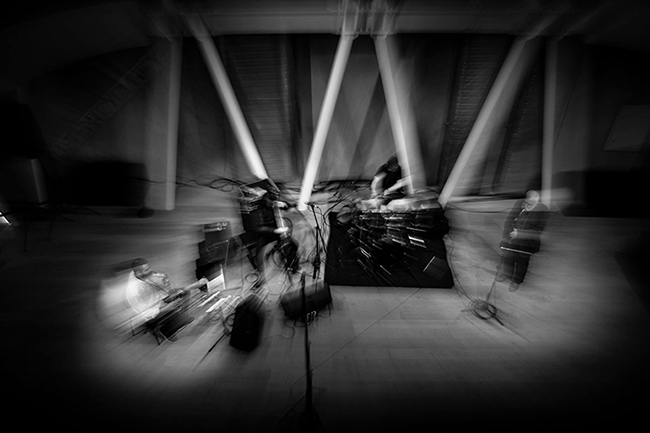
> ABSTRA featuring Andreas Kaling
Chaos or Meaning?
The first feeling when listening to free jazz is often chaos. Maybe a saxophone is screaming madly, the piano is pounding the floor, the drums have deviated from the usual rhythms. But a careful ear realises that this is not a scream, but an introspective conversation.
The seemingly chaotic structure actually reflects the mental disorganisation of modern man. We often don’t know what we feel, what we believe. Free jazz does not suppress this chaos; it brings it to the surface. That’s why it is sometimes frightening, sometimes embracing.
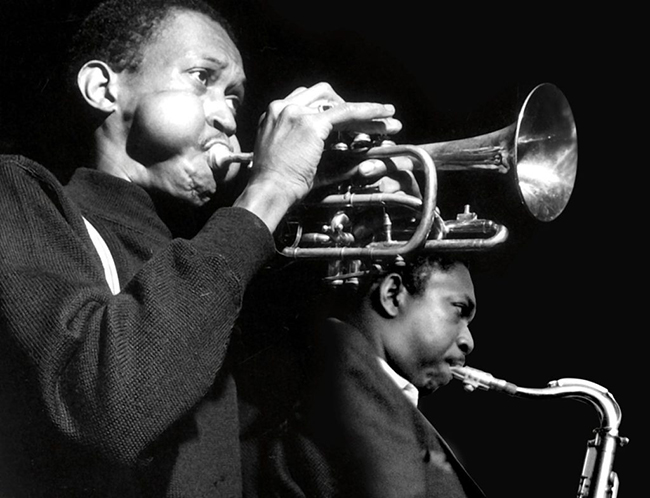
‘Dance of the Soul’
In a free jazz solo, the musician actually opens himself. Each sound can be a memory; a rebellion, a prayer, a longing… Technical proficiency is of course important in this music, but the sincerity of the emotion is much more decisive.
This is why John Coltrane’s ‘Ascension’ is listened to not as an album but as a prayer. Ayler’s tenor saxophone is not just a breath, but a call. All this shows that:
Free jazz is the dance of the soul; it does not perform for anyone, it turns towards itself.
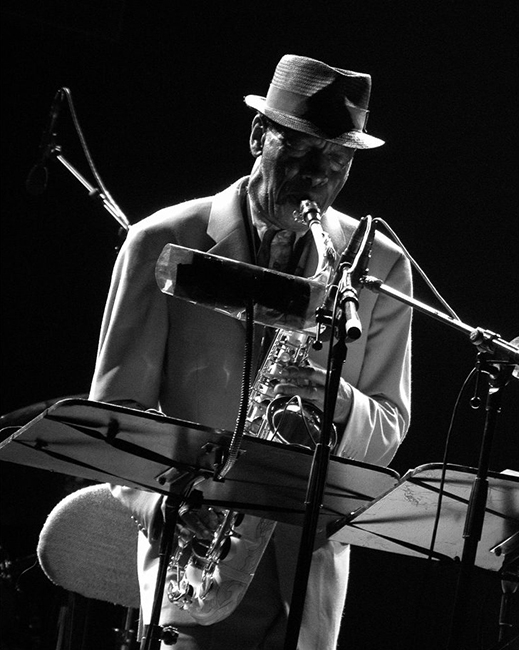
Maybe that’s why getting to know free jazz is like getting to know ourselves. Facing chaos, tolerating uncertainty, and believing that there – in the depth of the moment – a sound, a person, an emotion can be truly free…
A Music That Questions, Not Teaches
Free jazz does not try to teach the audience anything. It asks:
‘What is rhythm for you?’
‘Is melody really a rule or a habit?’
‘Can you listen to music according to what you feel, not what you hear?’
Therefore, free jazz does not want a passive listener. It also forces the listener to be liberated. It vibrates it, makes it restless, maybe makes it cry, but then creates a brand new sensation from it; after all, it is not a genre of music, but a philosophy.
Not to deny the order, but to seek beyond it…
Not to memorise the voice, but to give birth to it now…
Not to reject the rule, but to recognise the rules of the soul.
Maybe that’s why getting to know free jazz is like getting to know ourselves. Facing chaos, tolerating uncertainty, and believing that there – in the depth of the moment – a sound, a person, an emotion can be truly free…
And that’s when music no longer only touches our ears, but our hearts, minds and beings.
And because free jazz is not just a genre, but a search for truth, everyone who comes into contact with it is transformed. The listener, the player, the critic…
That music tells us:
“Even when everything is in its place, it can be incomplete. But what is scattered is complete if it is sincere.”
That’s why free jazz is not just music, it is an inner reckoning. It is not to deviate from harmony, but to leave all memorisation to find true harmony. Just like the human soul… Sometimes soft, sometimes hard… Sometimes silent, sometimes shouting…
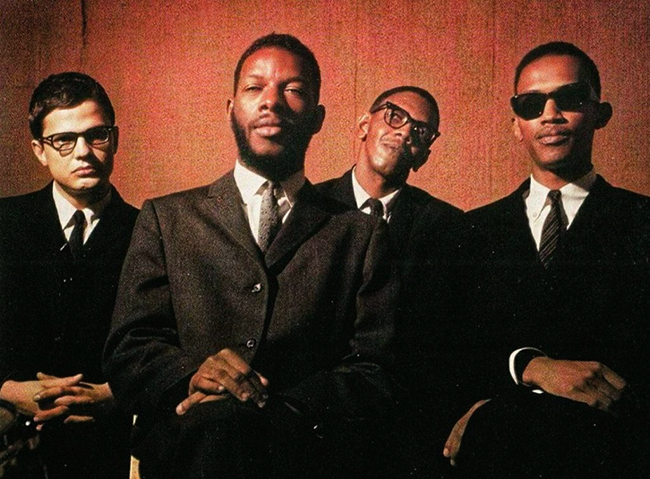

Listening to free jazz today is not just a music session; it means challenging yourself, breaking your habits, bringing your emotions to the surface.
Every musician rebuilds their own identity in free jazz. Because there is no fake in this music. The nakedness of the emotion is more important than the truth of the note. And it cannot lie; therefore it is not a truth that everyone can carry. It requires not only to hear, but to dare to hear.
It can be the sound of rebellion, of peace, of disappointment. And all at the same time… Because free jazz is layered like life. There is neither only hope nor darkness in it. But there is an insight that carries both: Life is chaotic, and it is a virtue to dance with this chaos.
Listening to free jazz today is not just a music session; it means challenging yourself, breaking your habits, bringing your emotions to the surface.
It takes you out of your comfort zone.
It makes you say, ‘What now?’ And sometimes nothing can happen – that’s where it all starts. Because sometimes a single note replaces all your silences. And the freedom of that note breaks the chains inside you too.
That’s why free jazz is not music. It’s a revolution. It comes quietly. Existing with noise. And it continues inside us even after it’s silenced…
Gülşah Erol works actively as a composer/performer in different styles of various genres. She is one of the most known Turkish Improvisation musicians.
bandcamp > gülşah erol

Resource: Free Jazz: Kaosun İçindeki Hakikat
Gülşah Erol’un Jazz müzik üzerine kaleme aldığı ilginç makaleler için:
> darkbluenotes.com
Okumadan gelmeyin !!
 LÖPÇÜK